Style
Oriental
Every piece in this style, across all of our collections. Narrow them down by size and price.
- Under 6 x 9
- Runners
- 6 x 9
- 8 x 10
- 9 x 12
- 10 x 14
- 12 x 15
- Over 12 x 15
Origin ▼
Style ▼
Material ▼
Width
Length
To connect with a specialist, click here
Stories from the Oriental Archive
Essays, artist dialogues, and provenance notes drawn from Rug & Kilim’s editorial desk.
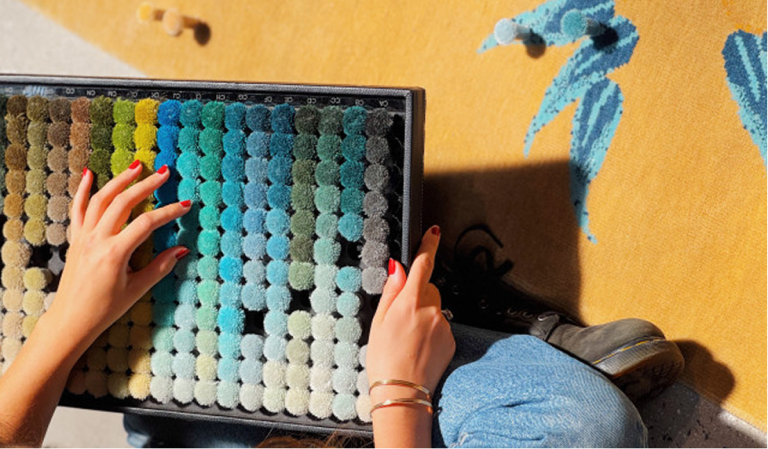
Inside the Colorist’s Mind: Commissioning a Rug to a Palette
There is a figure in the making of a great custom rug whom the finished object never names and the client rarely meets, and yet whose judgment determines whether the whole enterprise sings or falls flat. Not the designer who draws the pattern. Not the weaver who ties the knots. The colorist: the eye that decides, among a near-infinite field of possibility, exactly which blues, which greens, which single warm note of coral will live together in a room for the next fifty years. If the pattern is the core of a rug, color is its music, and the colorist is the composer. Most people have never considered that such a person exists. The ones who have commissioned a rug properly never forget them.
Read the Feature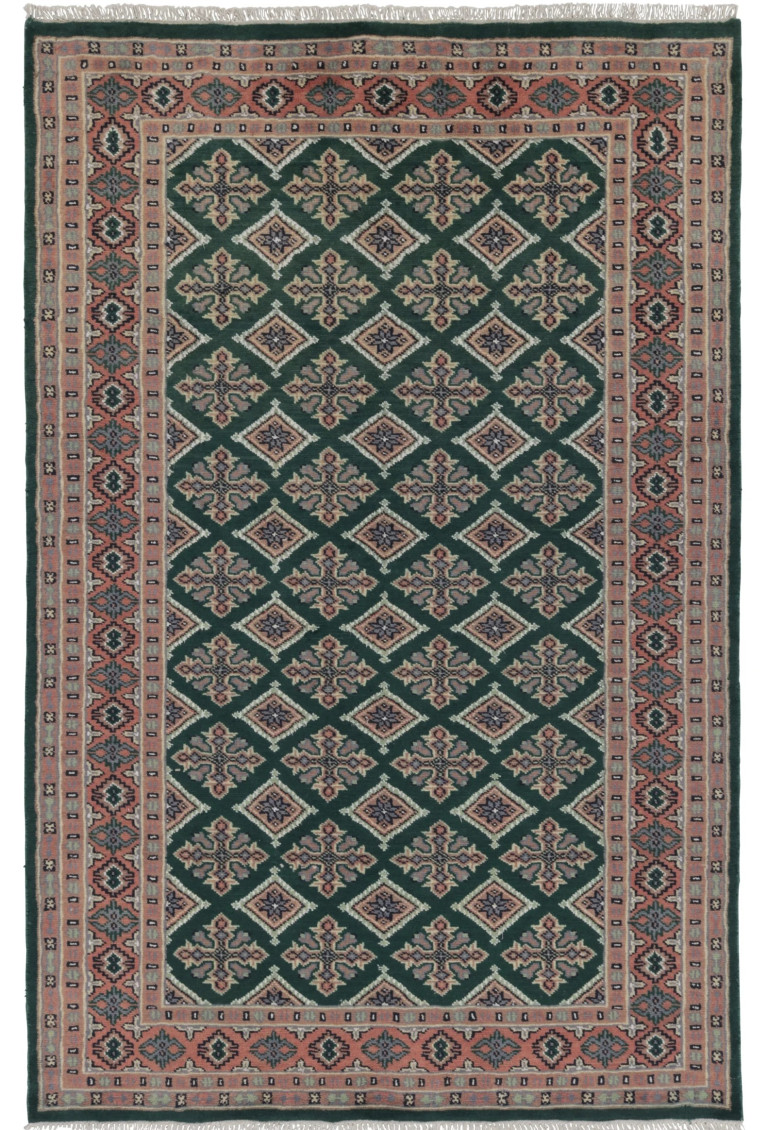
Bokhara Rugs: Traditional Weaving and Global Influence
Among the most recognizable and influential traditions in the history of oriental carpets, Bokhara rugs represent a remarkable fusion of tribal heritage, geometric precision, and centuries-old weaving expertise. Known worldwide for their iconic repeating motifs, deep colors, and refined craftsmanship, Bokhara rugs have become enduring symbols of Central Asian textile artistry. Although the name “Bokhara” is commonly associated with the historic city of Bukhara in present-day Uzbekistan, many rugs classified as Bokhara originate from Turkmen weaving communities across regions including Turkmenistan, Afghanistan, and surrounding areas. The name reflects the historical trade routes through which these carpets traveled and became known internationally.
Read the Feature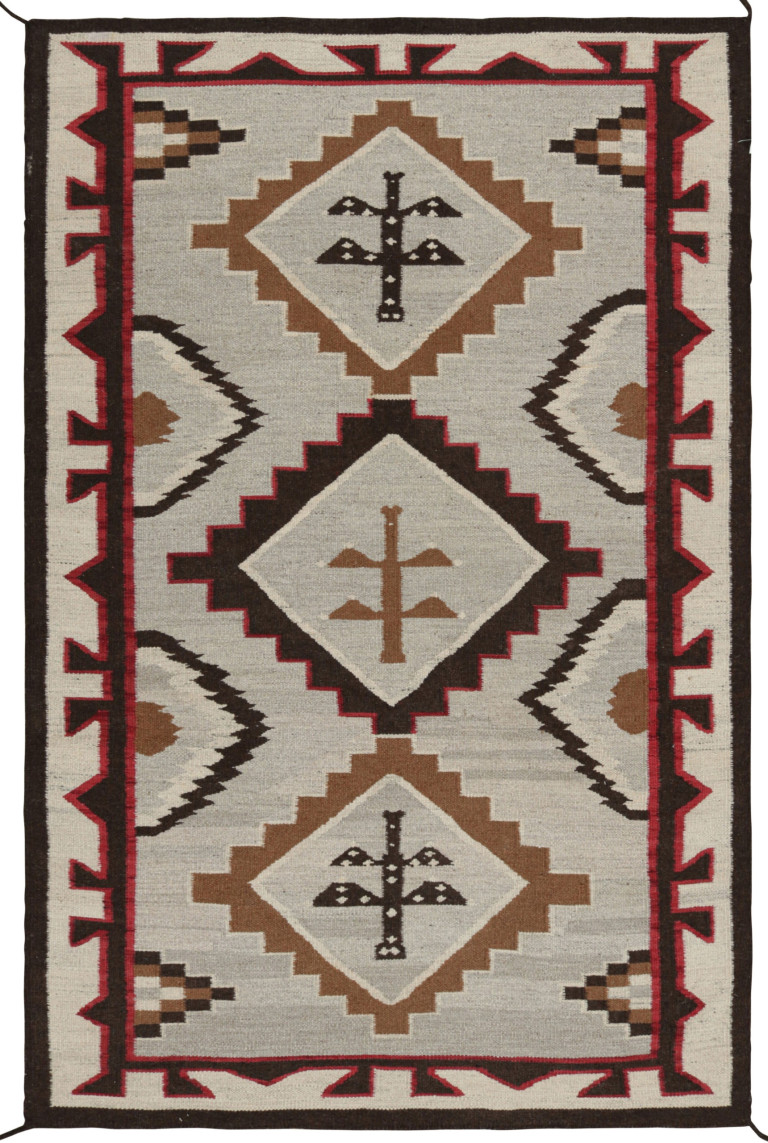
Navajo Rugs: History, Art, Design & the Legacy of Diné Weaving
Navajo rugs occupy a singular position within the history of American textile art. Woven by Diné artists across the American Southwest, these textiles represent far more than a regional decorative tradition. They embody generations of knowledge surrounding sheep, wool, spinning, natural materials, color, geometry, landscape, community, and cultural continuity. From nineteenth-century blankets to the celebrated regional rugs of the early twentieth century—and from Two Grey Hills and Ganado to sophisticated contemporary works—Navajo weaving has continually demonstrated the ability of textile art to function simultaneously as cultural expression, design, craftsmanship, and fine art.
Read the Feature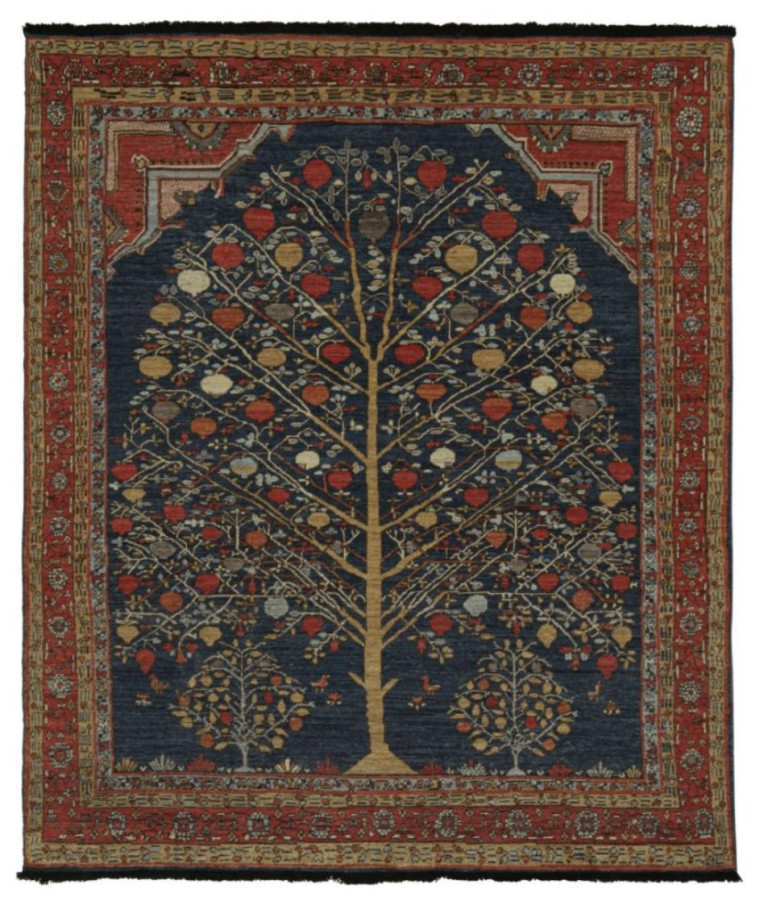
A Guide to “Tree of Life” in Oriental and Persian Rugs
The Tree of Life motif in Oriental carpets stands as one of humanity's most eloquent expressions of the sacred. These masterworks, emerging from the sophisticated weaving traditions of Persia and the East, tell stories that resonate as powerfully today as they did when they first graced the floors of royal courts and sacred spaces. Within their intricate designs lies a universal narrative—one that transcends cultural boundaries and speaks to our shared human experience. The Tree of Life motif emerges from humanity's earliest spiritual consciousness. In Persian weaving traditions, particularly those of the great weaving centers of Tabriz and Isfahan, this cosmic tree – or "درخت زندگی" (Derakht-e Zendegi) – stands as a bridge between earthly existence and divine realms. The earliest extant examples of Tree of Life carpets date to the Safavid period (1501-1736), though the motif's use in Persian art extends far deeper into antiquity.
Read the Feature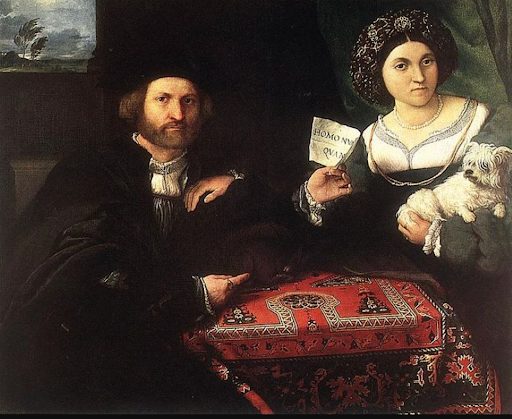
Oushak Rugs – An Oriental Guide to History, Styles and Significance
Originating from western Turkey, the elegance of Oushak rugs traces back to the 15th century Ottoman Empire. These antique masterpieces, first hand-knotted in the city of Usak, were crafted with high-end, lustrous wool in subtle, glowing hues. The hallmark of Oushak rugs lies in their expansive floral designs that radiate from the center, a distinct departure from the intricate florals and geometric shapes of Persian counterparts. The allure of Oushak rugs transcended the Ottoman borders during the Renaissance, captivating European connoisseurs who admired their serene beauty. This surge in demand led to expanded production, ensuring that these exquisite Oushak carpets adorned the finest European country homes and palaces. Notably, their understated colors and harmonious patterns make them a favorite among contemporary designers, evoking a sense of tranquility and timeless sophistication.
Read the Feature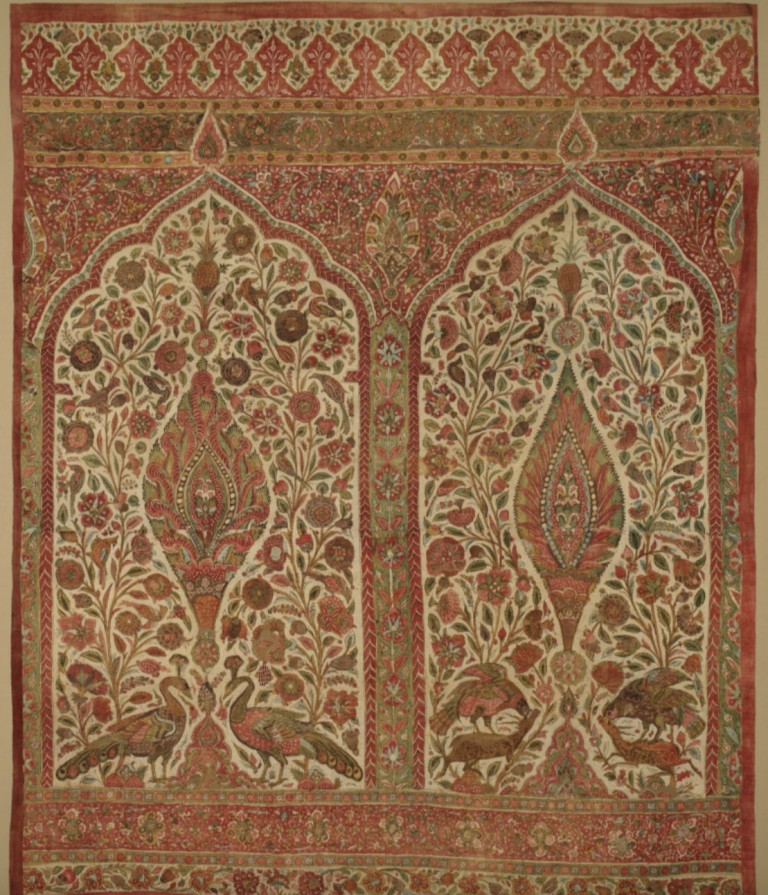
A Guide to Oriental Antique Mughal Rugs: History and Significance of Court Carpets
Antique rugs and tapestries’ allure remains strong irrespective of the year or decade, especially among connoisseurs and antique art collectors who are willing to pay exorbitant amounts for exceptional Oriental rugs. Such auctions highlight the enduring appeal and value placed on rare and exquisite Oriental carpets in the collector's market. One such section of prized Oriental possessions are Mughal textiles. Carpets and canopies held special significance among nomadic groups like the Mongols and Turks of Central Asia, serving as portable courtly spaces. The Mughals, who had Mongol and Turkic roots, continued this tradition in India, using carpets and canopies to denote royal presence. Even after settling in permanent stone structures, the Mughals retained the use of special carpets to mark the window (known as jharokha in Persian) where the emperor could be seen and approached by the public below. This practice was adopted by other regional rulers across India to locate members of the royal household.
Read the Feature