
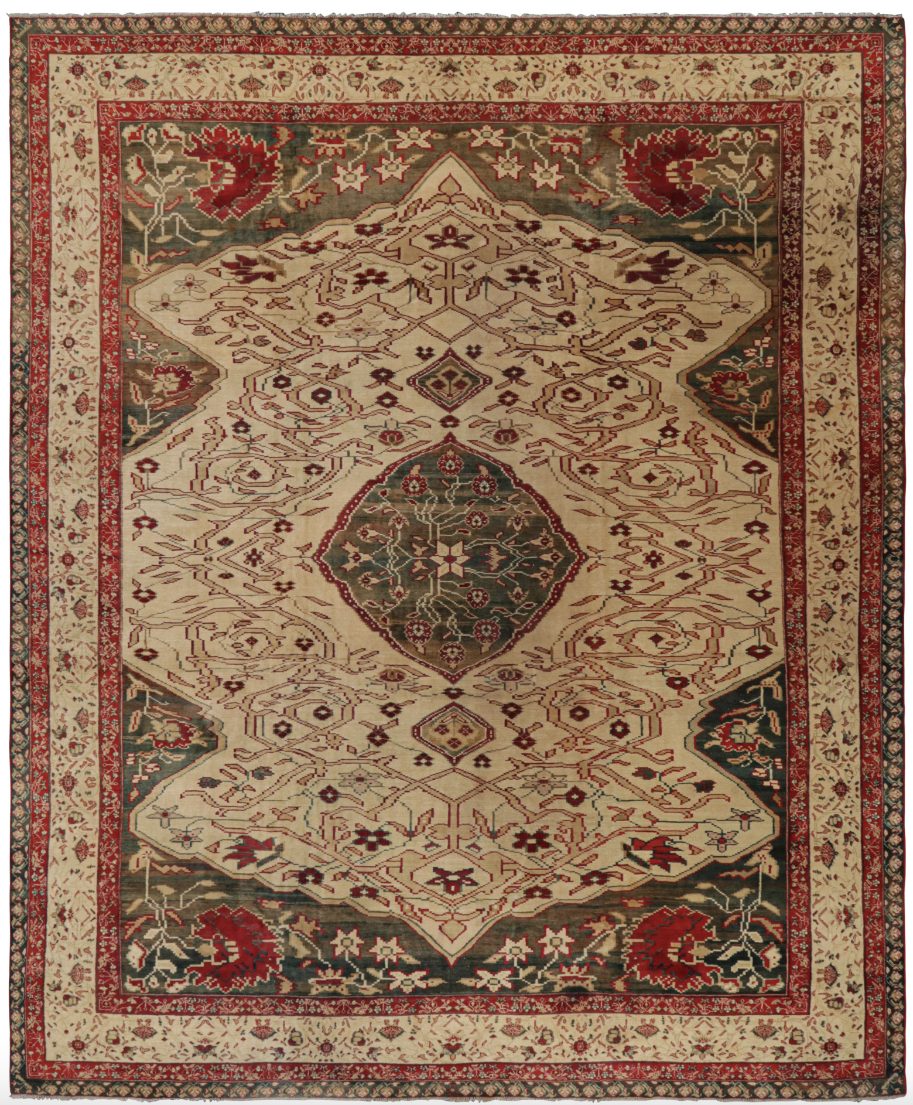
The Antique Carpet Weaving Traditions of Indian Jails
May 30, 2024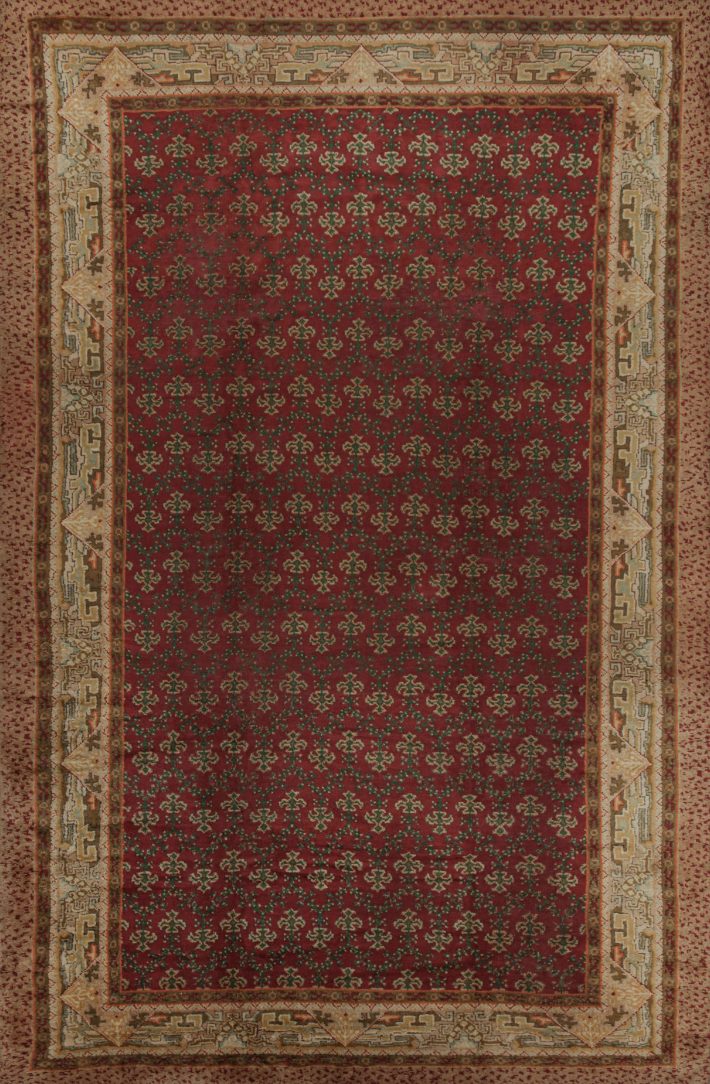
Thomas Witty and the Growth of European Axminster Carpets
June 5, 2024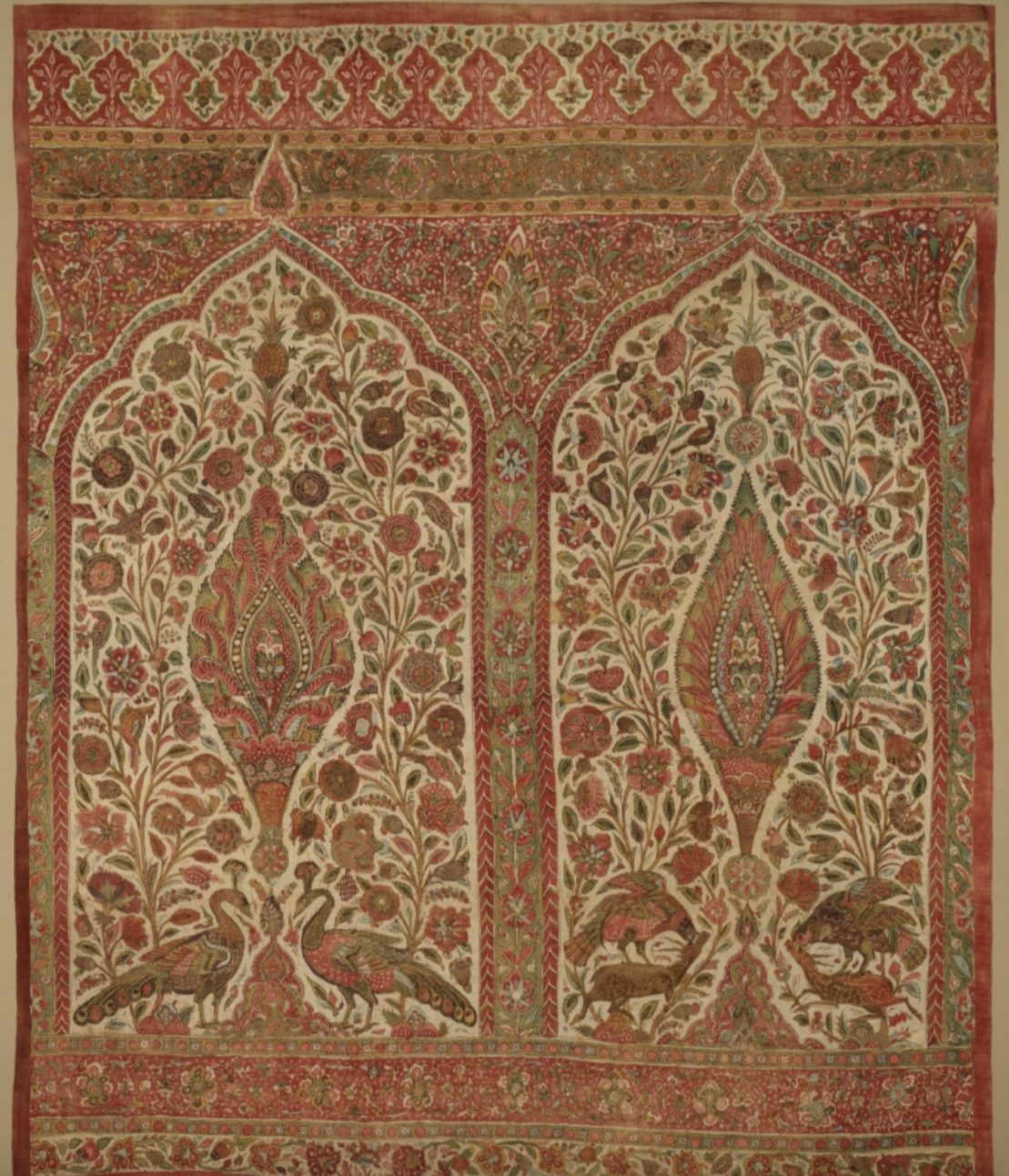
Antique rugs and tapestries’ allure remains strong irrespective of the year or decade, especially among connoisseurs and antique art collectors who are willing to pay exorbitant amounts for exceptional Oriental rugs. Such auctions highlight the enduring appeal and value placed on rare and exquisite Oriental carpets in the collector’s market. One such section of prized Oriental possessions are Mughal textiles. Carpets and canopies held special significance among nomadic groups like the Mongols and Turks of Central Asia, serving as portable courtly spaces. The Mughals, who had Mongol and Turkic roots, continued this tradition in India, using carpets and canopies to denote royal presence. Even after settling in permanent stone structures, the Mughals retained the use of special carpets to mark the window (known as jharokha in Persian) where the emperor could be seen and approached by the public below. This practice was adopted by other regional rulers across India to locate members of the royal household.
Mughal carpets were not intended for walking on; instead, they functioned more like furniture, serving as seats of honor within the royal court.
This practice highlighted the symbolic and functional importance of carpets in Mughal court culture, where they played a dual role as both decorative elements and practical seating arrangements for dignitaries and important guests.
Design Influences from Safavid Persian Carpets
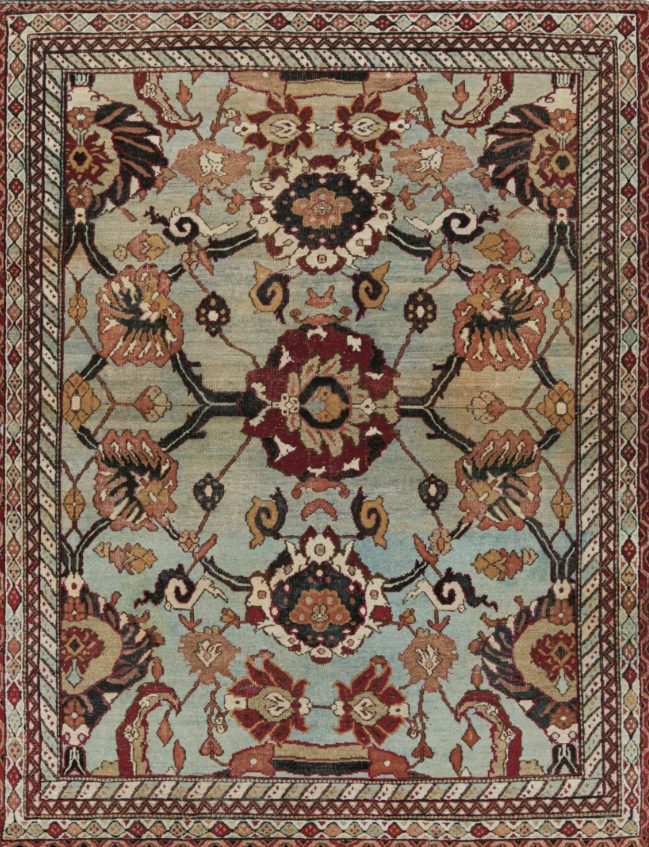
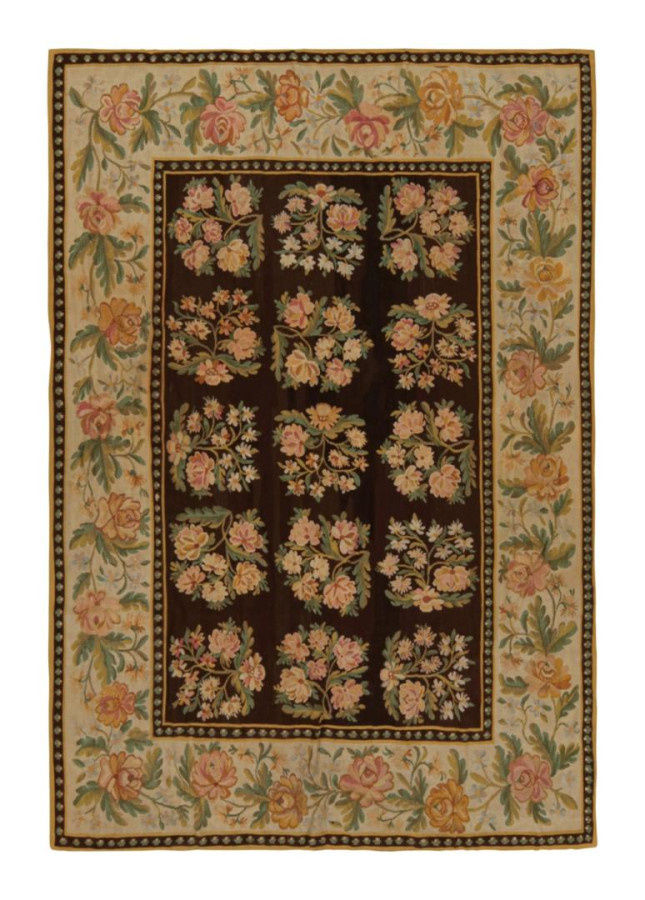
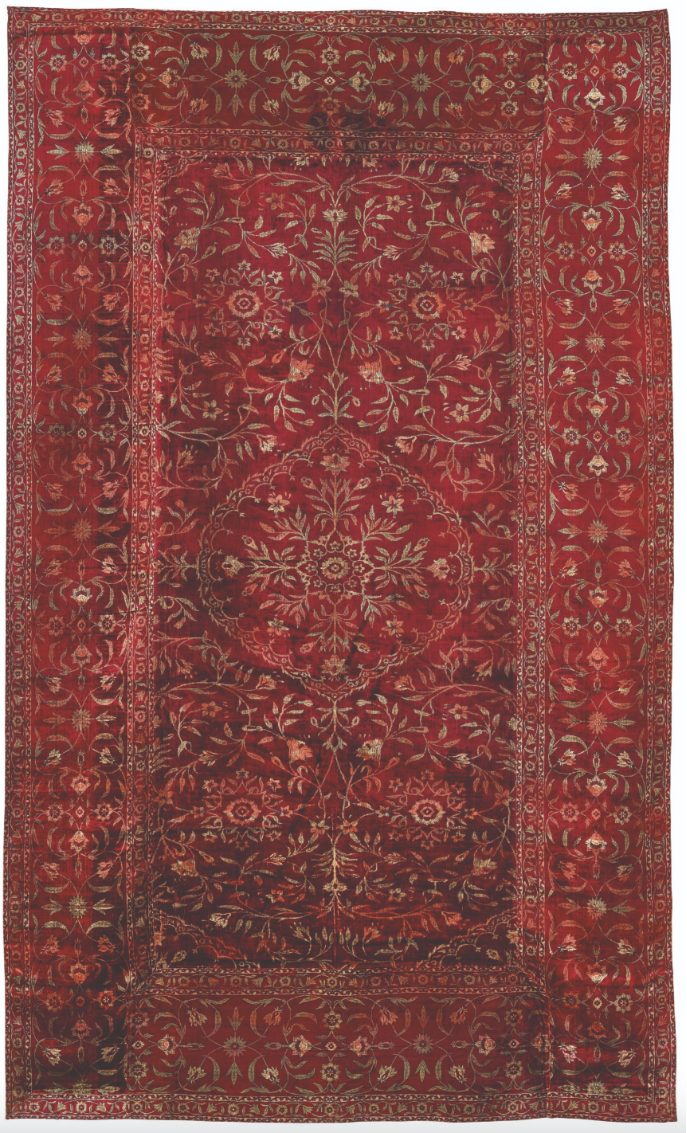
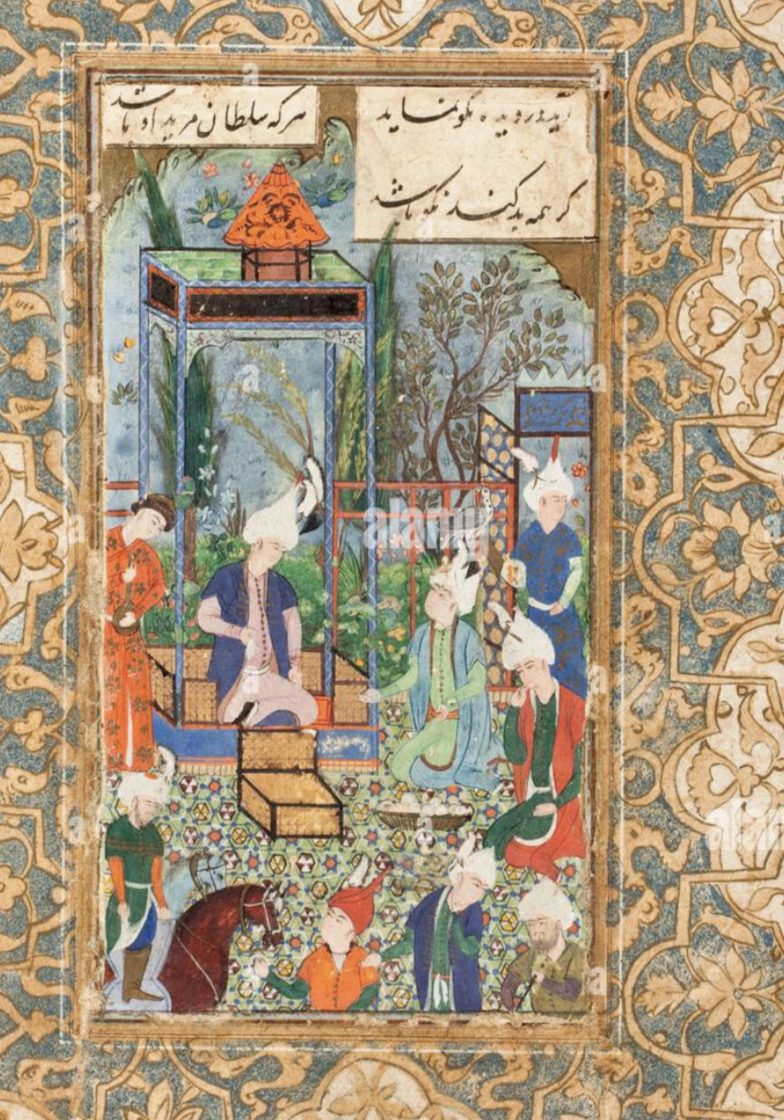
Mughal carpets, crafted from silk or pashmina (fine wool from Himalayan goats), intricately weave floral patterns that evoke the opulence of a paradise garden. Many of these patterns find their origins in paintings and manuscript illuminations, showcasing a seamless integration of art forms within the Mughal court of India. Painters collaborated closely with carpet weavers and textile artists, using dyed yarns akin to how painters employed pigments. The distinctive swirling floral vines and central lobed medallion motifs reflect a continued admiration for Persian design aesthetics. Post-1620s, Mughal artists in India began producing carpets and textiles adorned with individual flowering plants set against a plain background, showcasing a shift in artistic expression. Both Persian and Mughal floral motifs continue to exert influence on international textile designs, showcasing the enduring legacy of these rich cultural traditions in the art of carpet weaving.
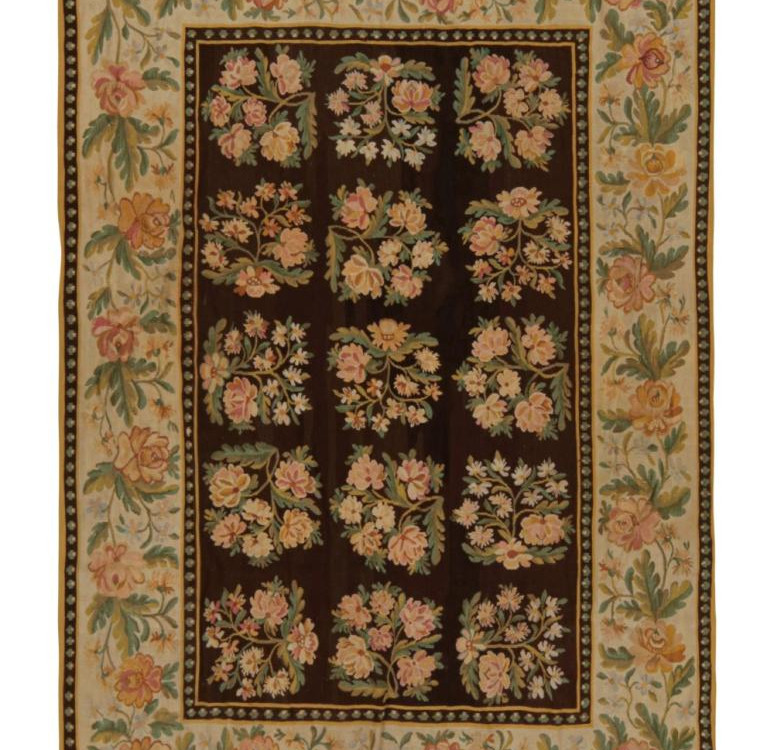
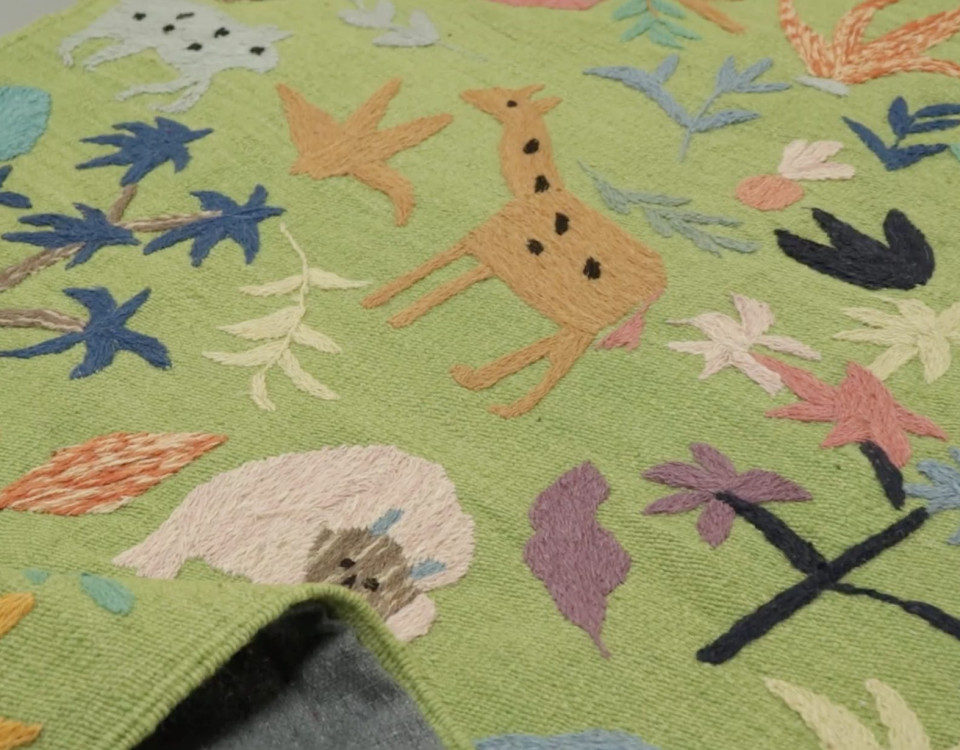
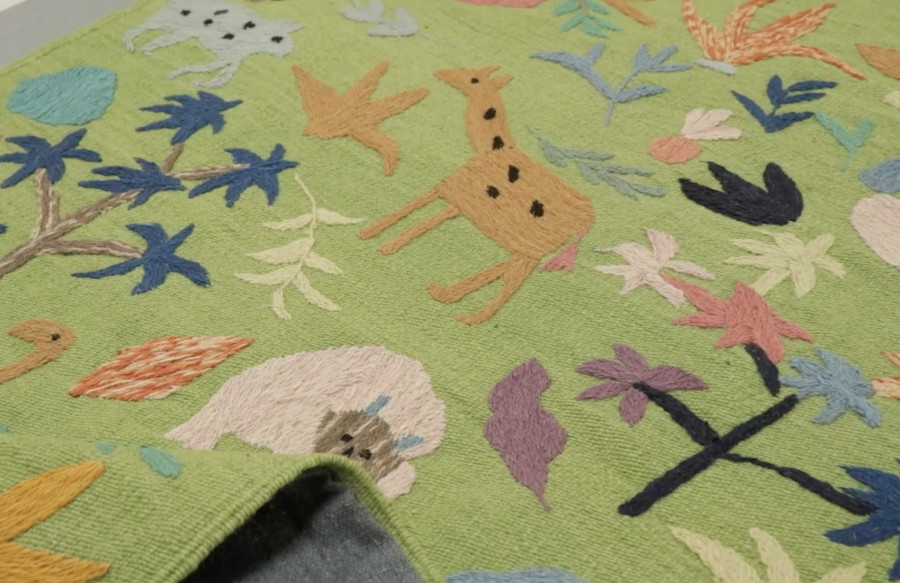
Mughal carpets are renowned for their incorporation of realistic and stylized animals, both familiar and exotic. While living beings are typically depicted in a stylized two-dimensional form, floral patterns, arabesques, and vine-filled Millefleur designs dominate Mughal carpet motifs. Cypress trees, tall flowering plants, and continuous floral sprays emanating from central vases are recurring themes in symmetric and asymmetric Mughal rugs.
A distinctive hallmark of Mughal carpet design is the use of secondary guard bands that separate the border from the central carpet field, a feature adopted by other carpet-weaving regions.
Mughals’ reverence for the natural world, symbolized by lush plants and the mythical garden of paradise, is evident in their carpet patterns and daily life.
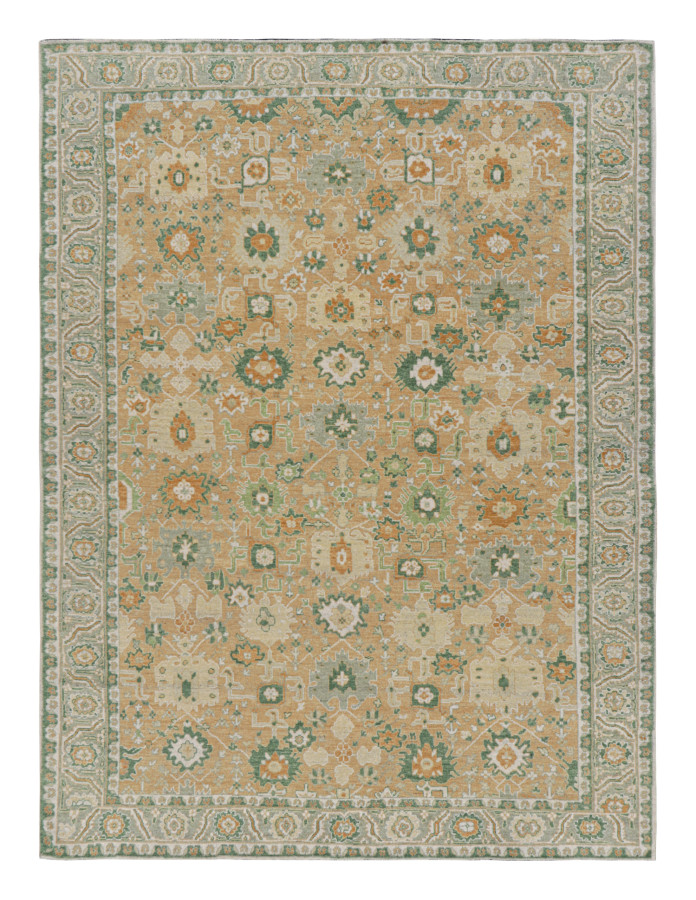
Among these carpets, the Indo-Isfahan types shared design elements with contemporary Safavid Persian rugs, reflecting a common repertoire of later Islamic artistic styles. However, carpets produced in Agra or the Deccan region displayed a distinctively Indian aesthetic. These carpets featured highly naturalistic and tropical plants and flowers, along with a vibrant palette of deep reds, greens, and yellows. Antique Mughal carpets, considered court art, exude a regal and palatial aura evoking an era of luxury and imperial grandeur.
Mughal Emperors’ role in Carpet Weaving Traditions
Emperor Shah Jahan, renowned for building the Taj Mahal, played a pivotal role in establishing the Mughal carpet weaving tradition. Lahore served as the dynasty’s first carpet-producing center. Here, the distinctive Indo-Isfahan rugs emerged, borrowing motifs from Safavid designs but presenting them uniquely Mughal. Mughal prayer rugs, adorned with novel botanical motifs flourishing under stately mihrabs, showcase this distinctive style. Similarly, Mughal hunting rugs depict dynamic scenes with ferocious animals, horsemen, and native Indian beasts, capturing the vibrant and savage essence of the natural world.
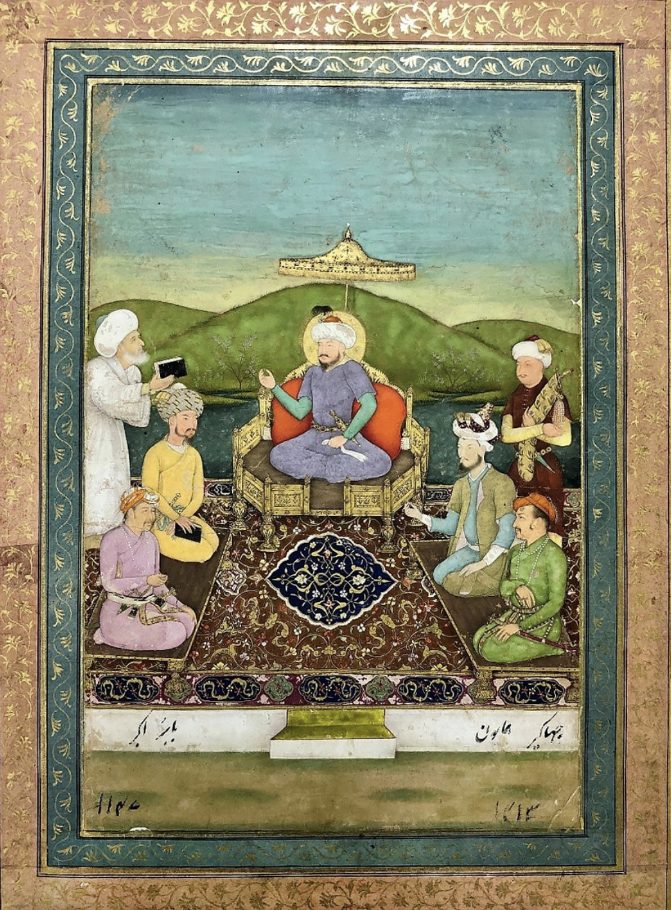
Under Mughal rule, Indian carpet weavers blended Persian Islamic and Chinese designs with uniquely Indian elements, creating a distinct style that thrived for over 300 years.
The patronage of wealthy Mughal emperors fueled artistic endeavors, including carpet and tapestry production, alongside grand architectural projects like the Taj Mahal and expansive gardens featuring reflecting pools and imposing structures. Mughal carpets, akin to classic tapestries from medieval Europe and Italy, often feature common motifs like Millefleur designs and prayer rugs, highlighting a convergence of artistic styles across cultures.
The influence of Mughal patterns extends beyond India, shaping carpet and textile designs in both eastern and western regions. Today, the tradition of Mughal rugs remains synonymous with wealth, luxury, and exceptional quality, reflecting a legacy of artistic excellence and cultural exchange.