
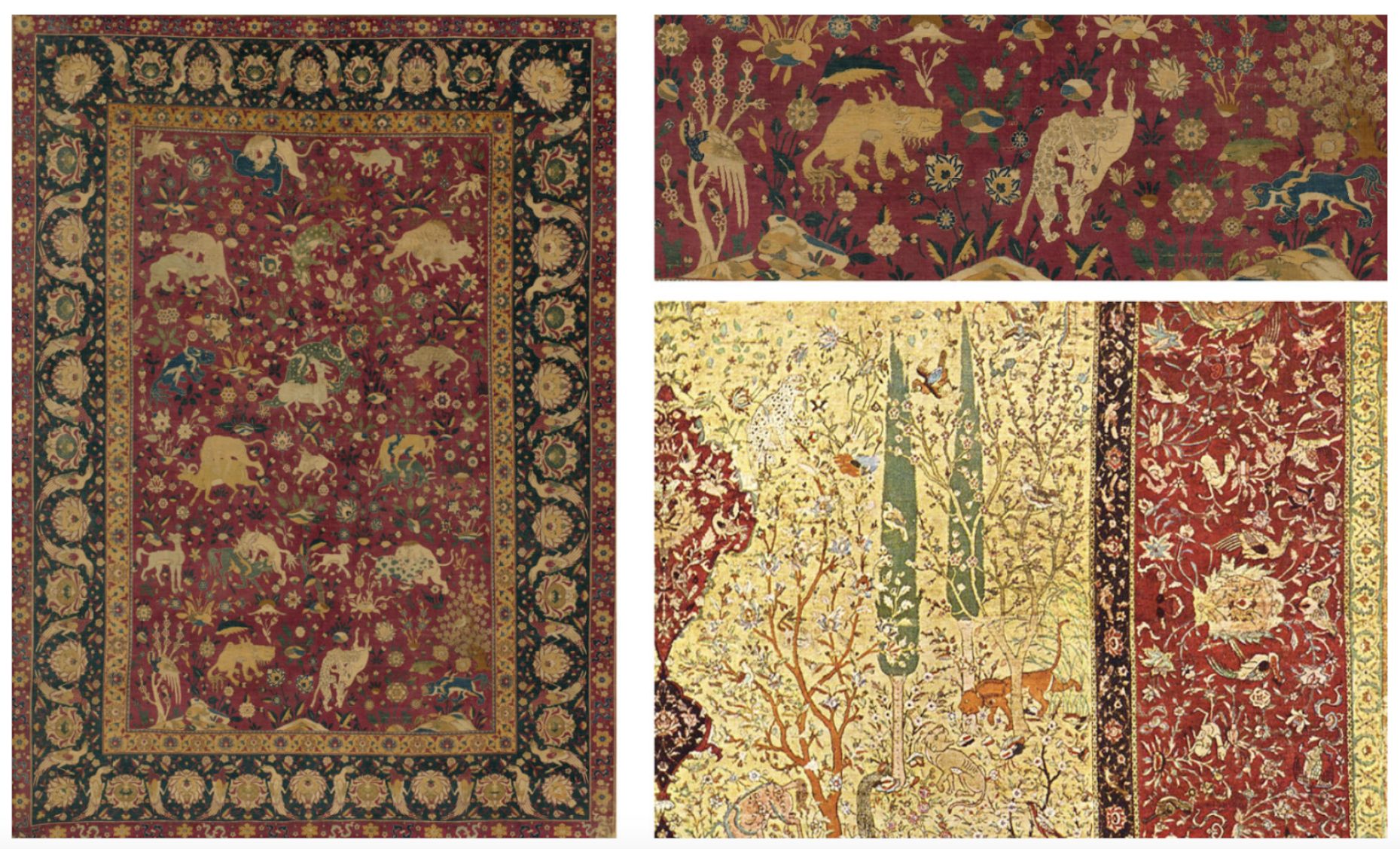
History and Significance of Safavid Court Weaving and their Persian Antique Rugs
May 30, 2024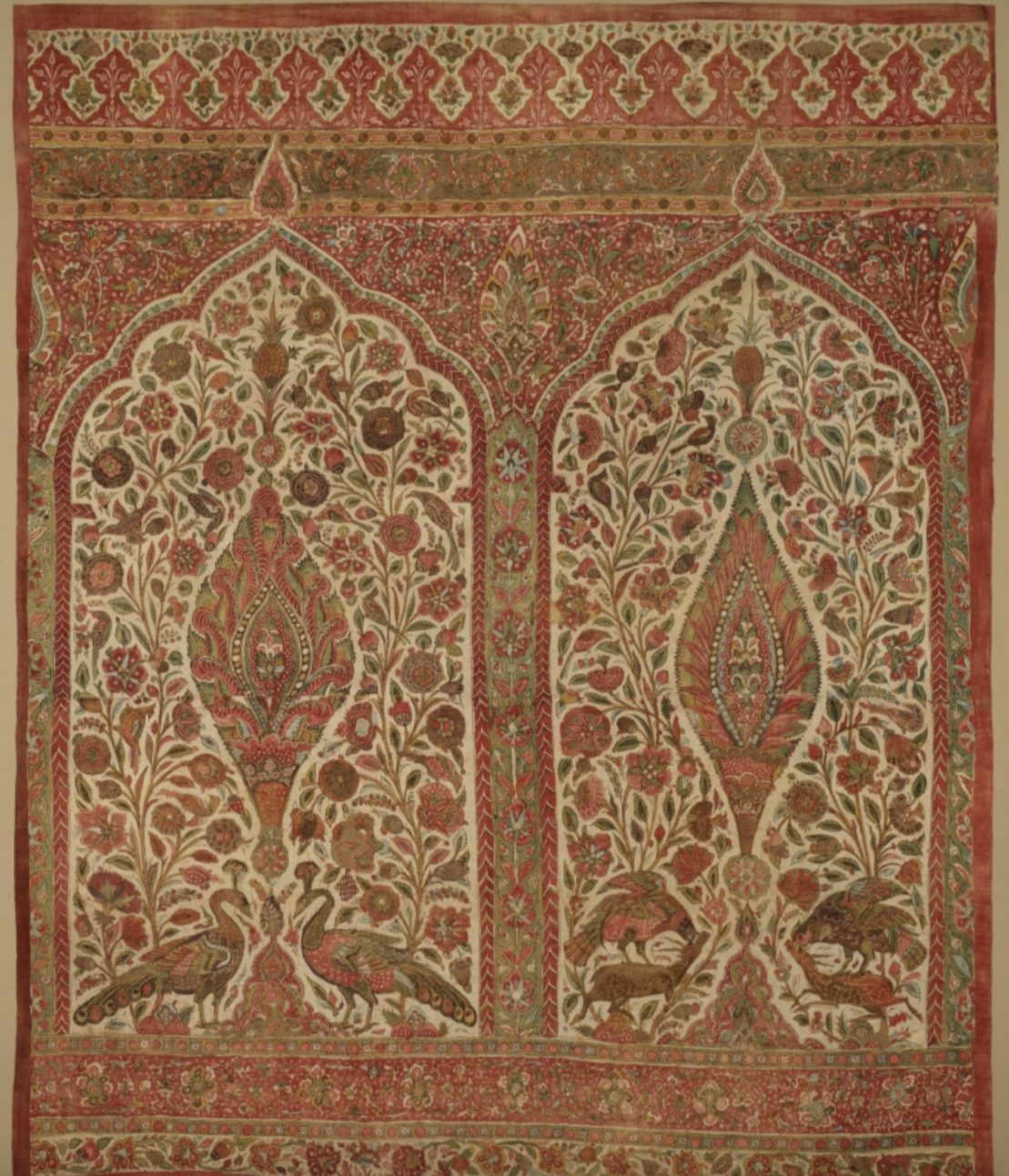
A Guide to Oriental Antique Mughal Rugs: History and Significance of Court Carpets
May 30, 2024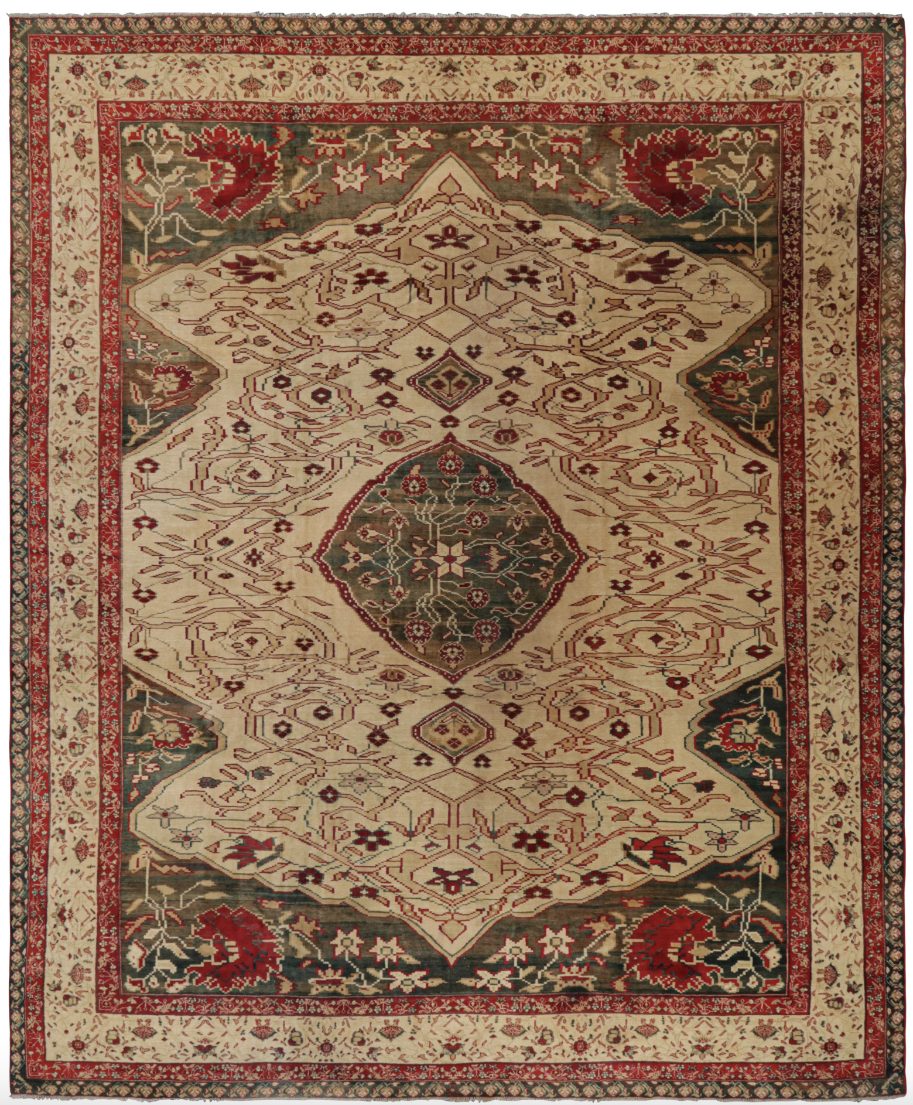
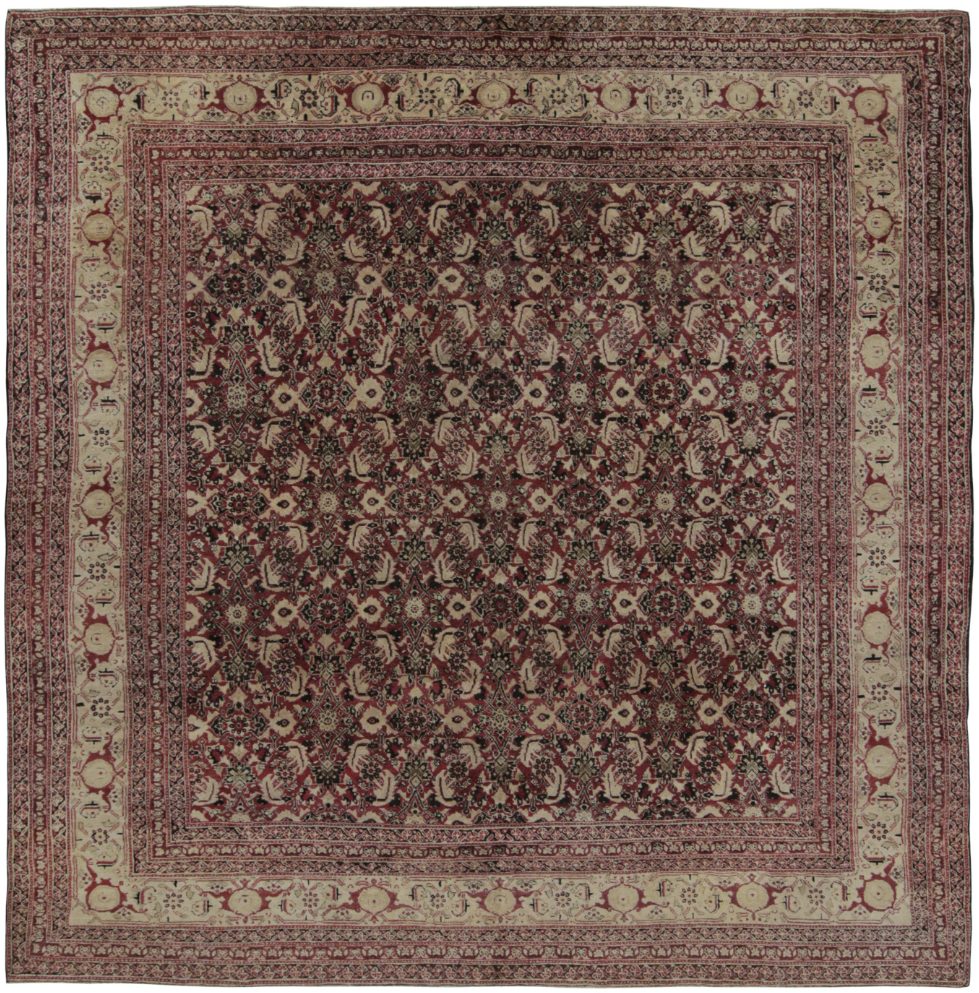
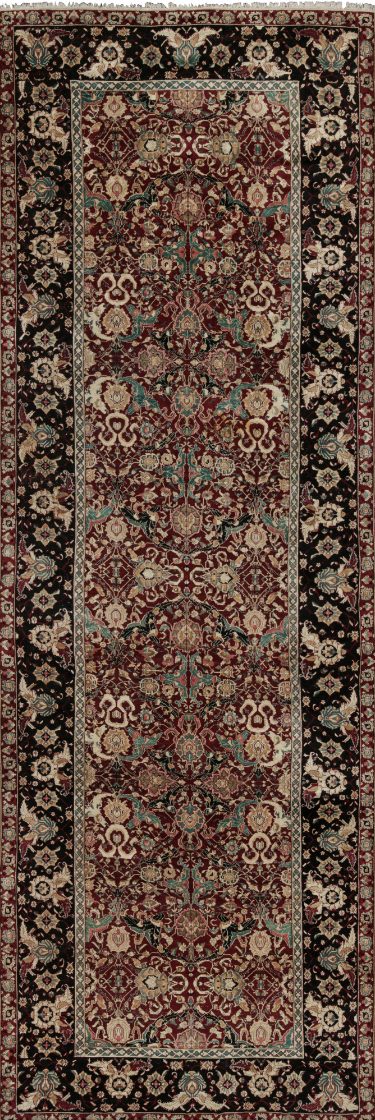
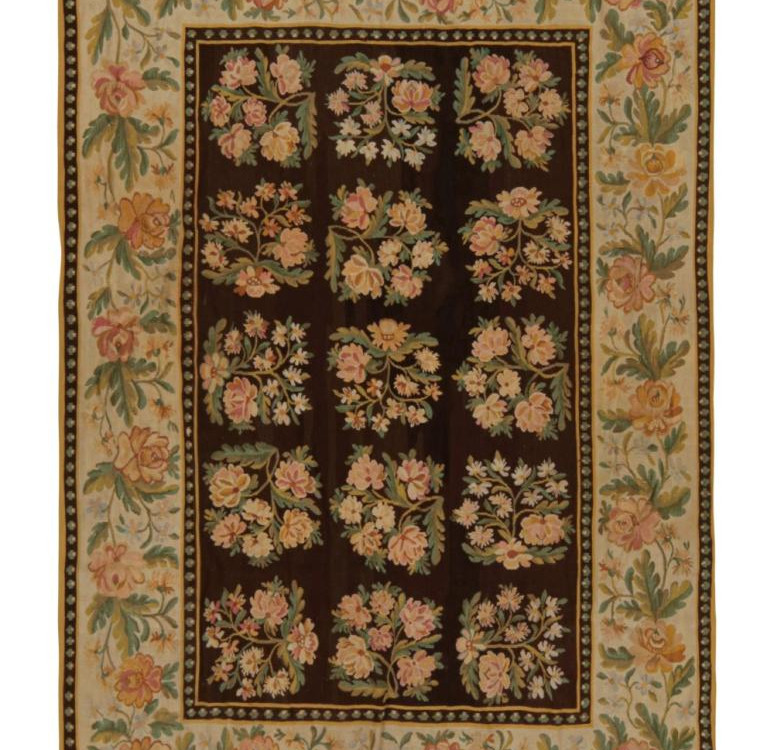
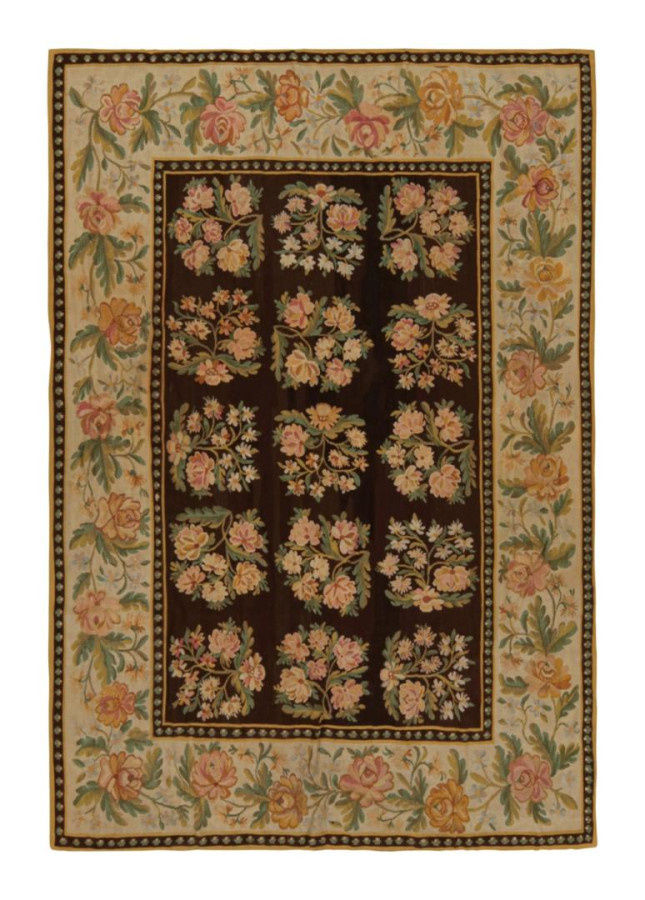
Carpet weaving in India traces back to the 15th century, gaining prominence under the patronage of Mughal emperors. Akbar’s ateliers in Lahore and Agra, overseen by Persian master craftsmen, were renowned for their designs inspired by nature, featuring intricate renderings of flowers and animals. However, production declined in the 18th century. A revival occurred in the late 19th century, with carpets replicating original Mughal designs. These carpets were woven by prison laborers in centers like Agra and Amritsar, earning them the moniker “jail carpets”. This revival not only preserved the rich artistic heritage but also contributed to the continuation of traditional carpet weaving techniques in India.
Indian Fashion Designer Sandeep Khosla has been collecting carpets for years and counts jail carpets among his personal favorites. He appreciates their beauty, rarity, and character, particularly admiring the floral designs. Khosla and his partner Abu Jani have drawn inspiration from these carpets for specific couture fashion collections.
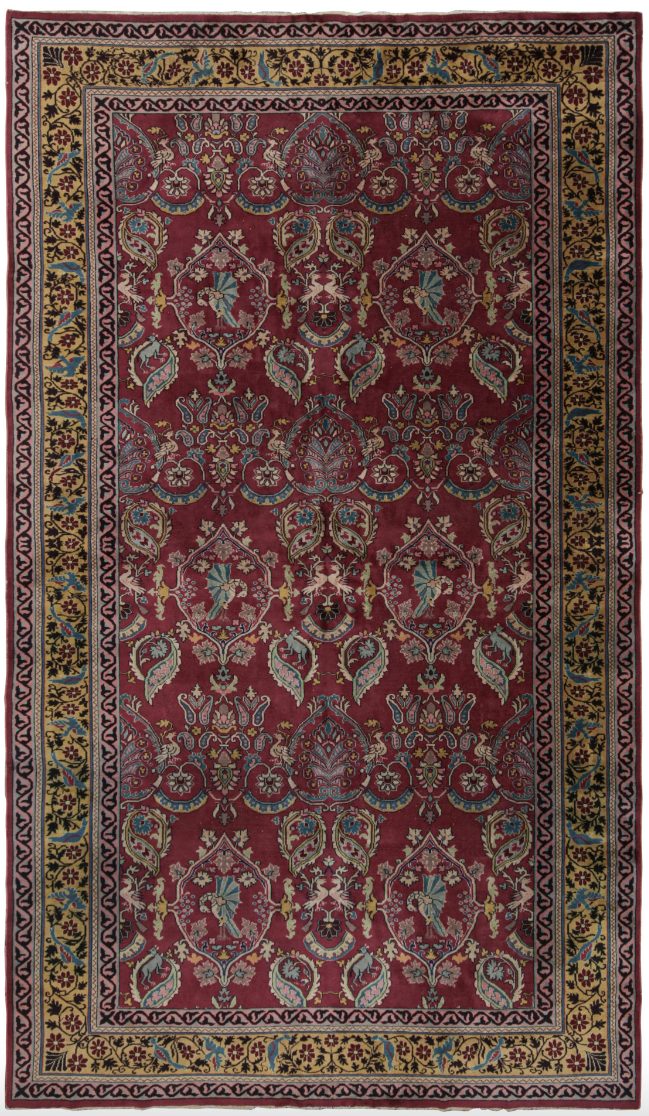
The designs for carpets in Indian jails were initially sourced from Maharaja Sawai Ram Singh’s royal collection and later imitated from Persian and Turkish carpet designs. These carpets were woven outdoors in open courtyards using handlooms, with some prisons, like Bikaner Central Prison, employing metal looms as large as 90 feet. The training process for a prisoner in carpet weaving varied from over six months to about two years. Initially, the craftsperson would start with creating simple stripes, then progress to making a chessboard pattern, and eventually learn to create complex patterns. For an eight-hour workday on a simple dhurrie, a craftsperson would be paid a labor fee of four annas.
These old and rare carpets were commissioned as singular works of art by wealthy and royal patrons. They were crafted using the finest silk and pashmina wool, reflecting the high taste and stature of both patrons and craftsmen who dedicated months or even years to creating a single piece. King Akbar, despite being illiterate himself, was a great propagator of arts and culture, leading to a flourishing of the arts during his reign in India. He also initiated reforms in the jail system due to disturbances, bringing some of the finest carpet weavers from renowned Persian workshops between the 1520s and 1530s to teach the art of carpet weaving to prisoners. The carpets produced in jails used the finest wool, velvets, silks, and occasionally ‘Pashmina’ (Cashmere), known for its luxurious quality in weaving shawls. Natural dyes extracted from plants, rocks, minerals, and insects were employed for coloring.
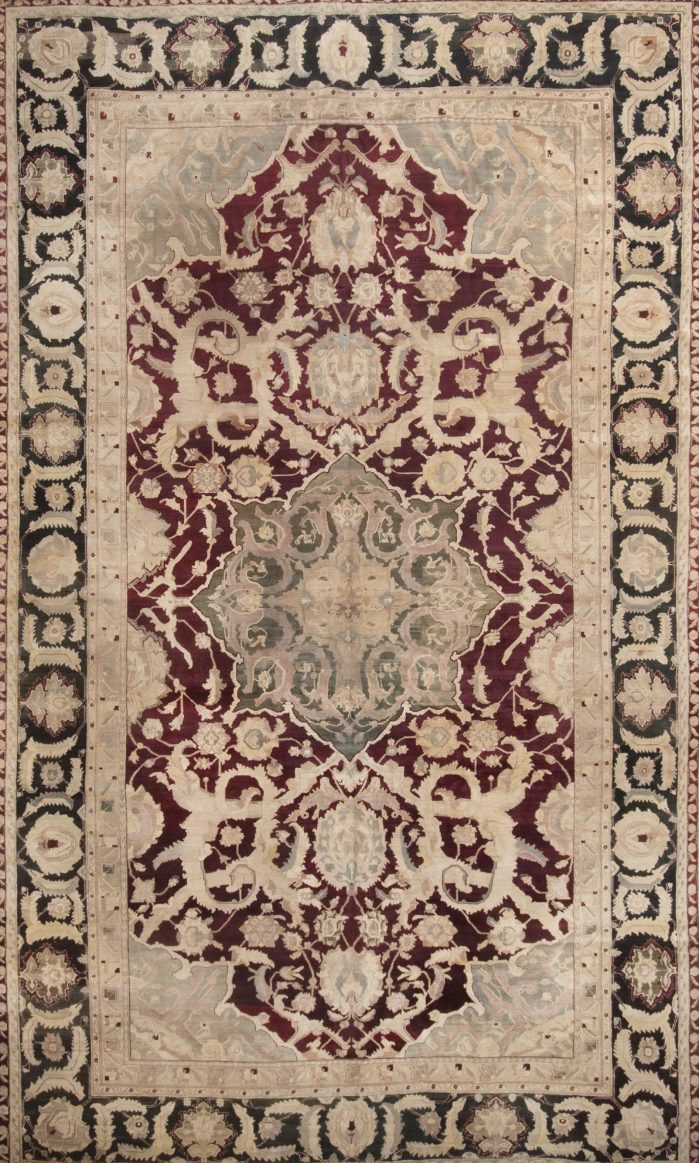
The British adopted the practice of carpet weaving in jails and began to import these carpets, using them to decorate palaces, guest houses, hotels, government offices, and bungalows. The 1851 London Great Exhibition showcased carpets from India, sparking curiosity among European importers. Subsequently, the Delhi Exhibition of 1902 dedicated a special section to jail carpets, and Yerwada Central Prison in Pune was honored with a silver medal for its cotton dhurries. The exposure from these exhibitions increased the demand for prison carpets, especially because they were more affordable compared to carpets from Persia (now Iran) and Turkey.
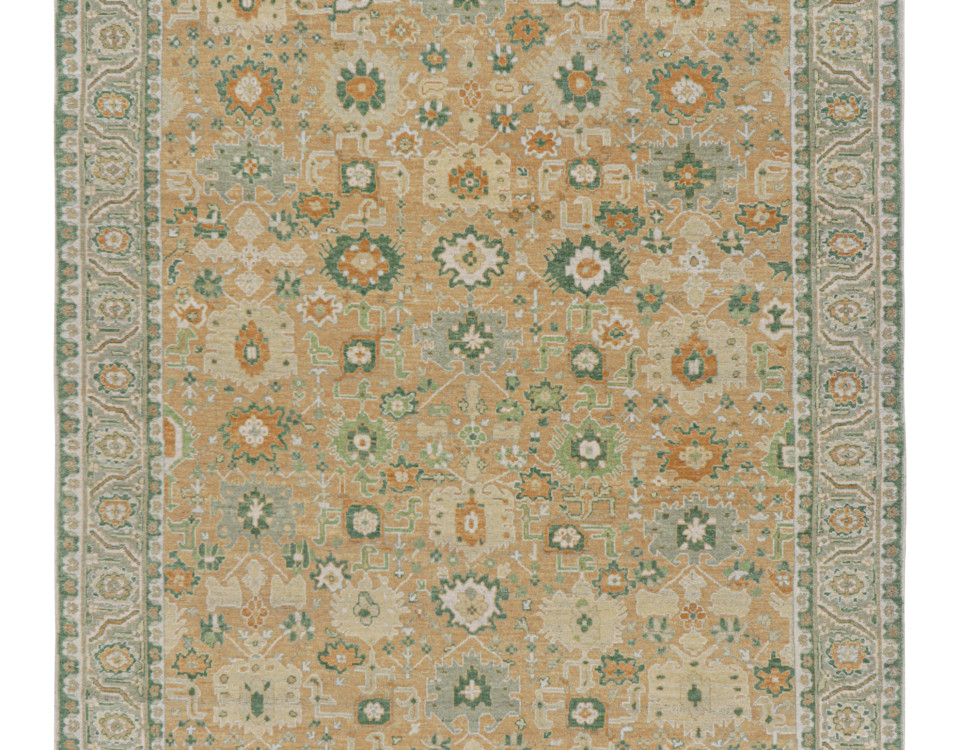
The designs of these carpets were unique, diverging from traditional Persian, Turkish, and Central Asian patterns, often showcasing original Indian motifs predating the Mughal era. Notable jails known for carpet weaving included Agra Jail, Lahore Jail, Amritsar Jail, Jaipur Jail, Gwalior Jail, and Bikaner Jail. The jail carpet weaving industry persisted even after India gained independence from British rule. As per the 1961 census report, Jaipur Central Jail had thirty-five prisoners engaged in carpet making. Similarly, Yerwada prison in Pune continued weaving dhurries using cotton and synthetic yarn until the late 1900s.