Style
Photography
Every piece in this style, across all of our collections. Narrow them down by size and price.
- Under 6 x 9
- Runners
- 6 x 9
- 8 x 10
- 9 x 12
- 10 x 14
- 12 x 15
- Over 12 x 15
Origin ▼
Style ▼
Material ▼
Width
Length
To connect with a specialist, click here
Stories from the Photography Archive
Essays, artist dialogues, and provenance notes drawn from Rug & Kilim’s editorial desk.
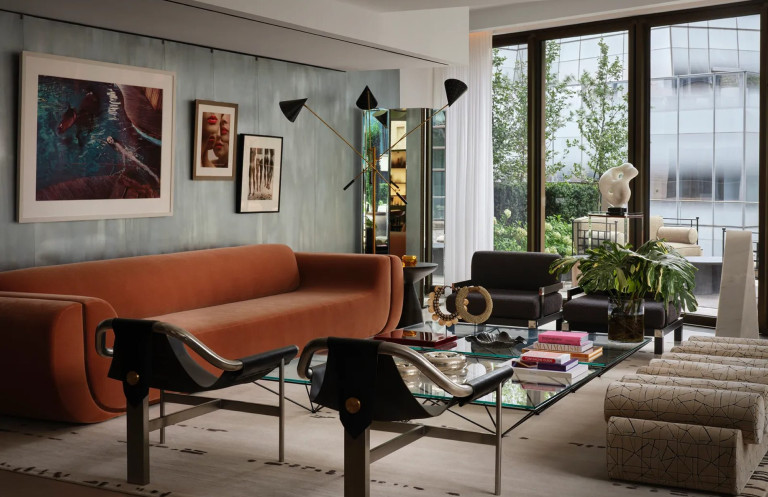
How The Objects Around Us Define Us: An Interior As A Self-Portrait
We like to believe we choose our possessions. It is nearer the truth to say that, over time, they choose us back, that the objects we live among slowly become a portrait of who we are, drawn in a language more honest than any we would use to describe ourselves. Show a designer or a collector a person's rooms, and I will tell you what they value, what they have learned, and what they intend to leave behind. The interior is autobiography, whether we mean it to be or not. This is an old idea, and a serious one. The philosophers of every age have understood that we are shaped by what surrounds us, that character is formed not only by what we think and do but by what we choose to keep near. William Morris gave the conviction its most famous form: have nothing in your houses that you do not know to be useful, or believe to be beautiful. It was not decorating advice. It was a moral proposition, that the objects we live with either elevate us or diminish us, and that we are responsible for the company we keep among things as surely as among people.
Read the Feature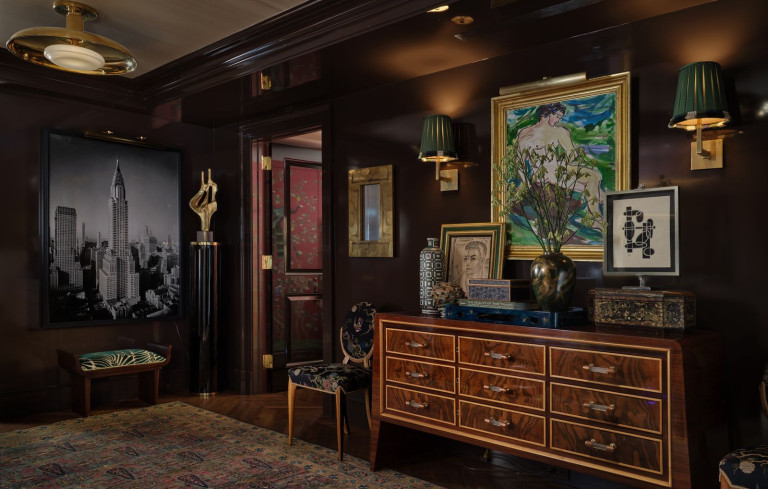
Palatial Rugs as Centerpieces in Salons, Galleries & Embassy Homes
Erik Gensler, designer and owner of EZG Design x Rug & Kilim. Photography by Trevor Tondro. Rug & Kilim's Oversized Antiques >> Palatial rugs as oversized Persian and Mughal rugs, spanning over 1000 square feet of sumptuous weave, are not just luxurious floor coverings—they are monumental declarations of culture, history, and architectural harmony. Once the reserve of emperors and emissaries, these “woven canvases” continue to lend a rarefied gravitas to salons, galleries, and diplomatic residences, transforming rooms into living museums. From the vast gilded salons of Versailles to the marbled halls of Gulf palaces and European embassies, oversized luxury rugs serve as both aesthetic and diplomatic foundations—silent narrators of cultural legacy, sovereign artistry, and refined prestige. Today, designers and collectors are reawakening to their splendor, navigating how to balance opulence with restraint in modern, gallery-like spaces.
Read the Feature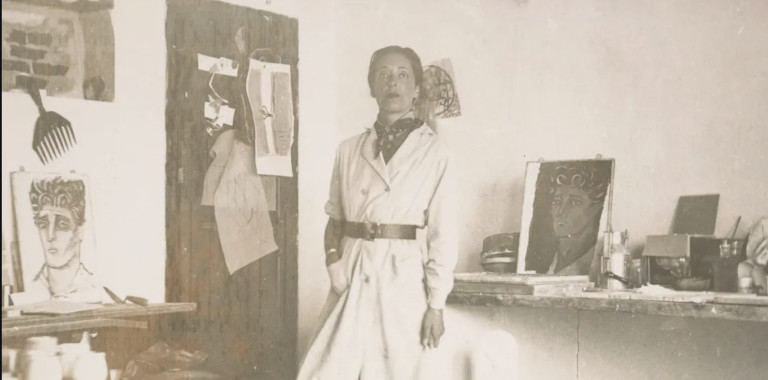
The Extraordinary Design Legacy of Eyre de Lanux: Art Deco to Modernist Furniture
To create is to breathe life into hidden dreams and forgotten spaces. As collectors and curators who have spent decades immersed in the world of fine rugs and textiles, We've encountered many overlooked talents whose brilliance deserves resurrection from the shadows of art history. Perhaps none is more deserving of this reverence than Eyre de Lanux, the American-born designer whose multidisciplinary genius spanned furniture, interiors, rugs, and literary contributions during the vibrant artistic explosion of interwar Paris. Elizabeth Eyre de Lanux, who would come to be known professionally as simply "Eyre de Lanux," emerged as a multidisciplinary creative force during the vibrant artistic revolution of interwar Paris.
Read the Feature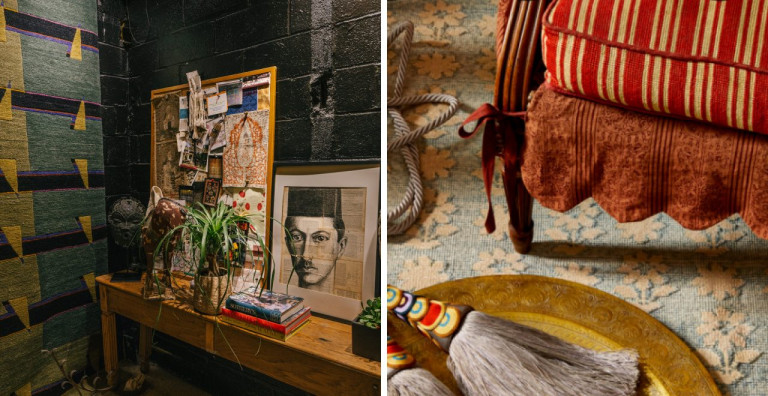
Rug & Kilim’s Block Print Collection: A 17th Century Tradition Reimagined
As seen in Veranda Magazine, September/October 2024. Reprinted with permission of Hearst Magazine Media, Inc. Photography by Xavier Béjot. Reprinted with permission of Hearst Magazine Media, Inc. “Superstars of the Silk Road” As seen in Veranda Magazine, September/October 2024. Reprinted with permission of Hearst Magazine Media, Inc. Photography by Becky Luigart-Stayner (@sunnyhousestudio). Produced by Sara Clark (@saraellisclark). Reprinted with permission of Hearst Magazine Media, Inc. In the history of textile design, few techniques can boast the rich heritage and enduring appeal of block printing. This ancient craft, which has graced fabrics for millennia, is experiencing a renaissance in the realm of luxury floor coverings. At the forefront of this revival is our latest collection, which marries time-honored traditions with contemporary flair, echoing the timeless elegance as that of Hermès scarves and the bold geometrics of Yves Saint Laurent's Mondrian dress.
Read the Feature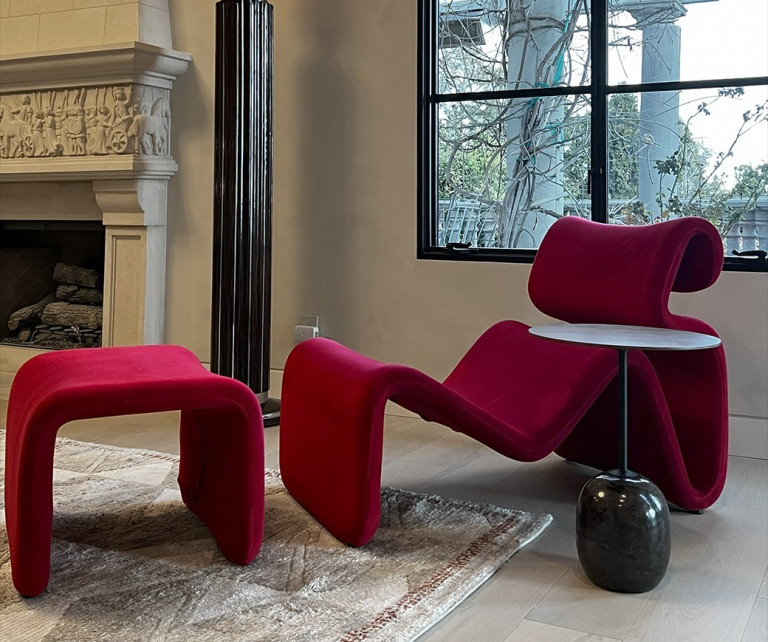
The Evolution of Swedish Modernist Design through Exhibitions
The history of modern Scandinavian design suggests common characteristics - a focus on humanism, tradition, moderation, meticulous craftsmanship, humility, tranquility, and purposefulness - that resonate across the design traditions of these nations. Rug & Kilim's Scandinavian Collection >> From 1930 to 1950, Sweden experienced the highest growth rate in the world, a period that coincided with the golden age of Swedish functionalism. This movement closely intertwined with the emergence of modern architecture and interior design in early twentieth-century Sweden. The country grappled with issues of overcrowding in the nineteenth and early twentieth centuries, leading to a shift towards simplification, natural materials and functionalization as a solution, thereby giving way to Scandinavian minimalism.
Read the Feature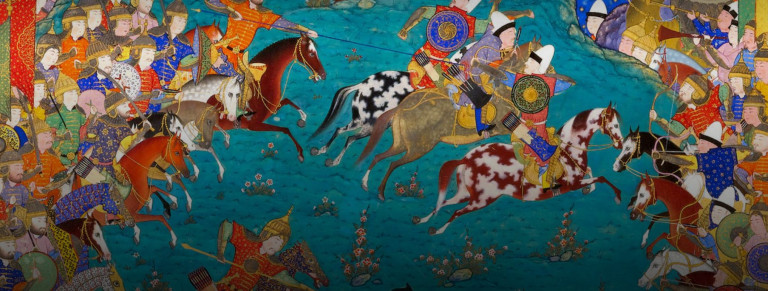
A Guide to Sanguszko Safavid Carpets: Oldest Surviving Carpets from Kerman, Iran
Victoria and Albert Museum's Epic Iran exhibition offers a comprehensive exploration of 5,000 years of Iranian art, design, and culture, showcasing over 300 objects from ancient, Islamic, and contemporary Iran. Despite being the cradle of one of history’s great civilizations, Iran's monumental artistic achievements often remain unfamiliar to many. This exhibition delved into Iran's rich cultural legacy and its evolution into the 21st century, from the advent of writing, marking the start of recorded history in Iran, through the 1979 Revolution and beyond. The exhibit featured an array of works, including sculpture, ceramics, and carpets, as well as textiles, photography, and film. These pieces highlighted Iran's vibrant historical culture, architectural splendors, and myth, poetry, and tradition that have been central to Iranian identity for millennia.
Read the Feature