
Elisabeth De Saedeleer and the Feminine Soul of Art Deco Weaving
June 20, 2025
The Persian Afshar Rug as Art, Tribal Artifact, and Archive
June 25, 2025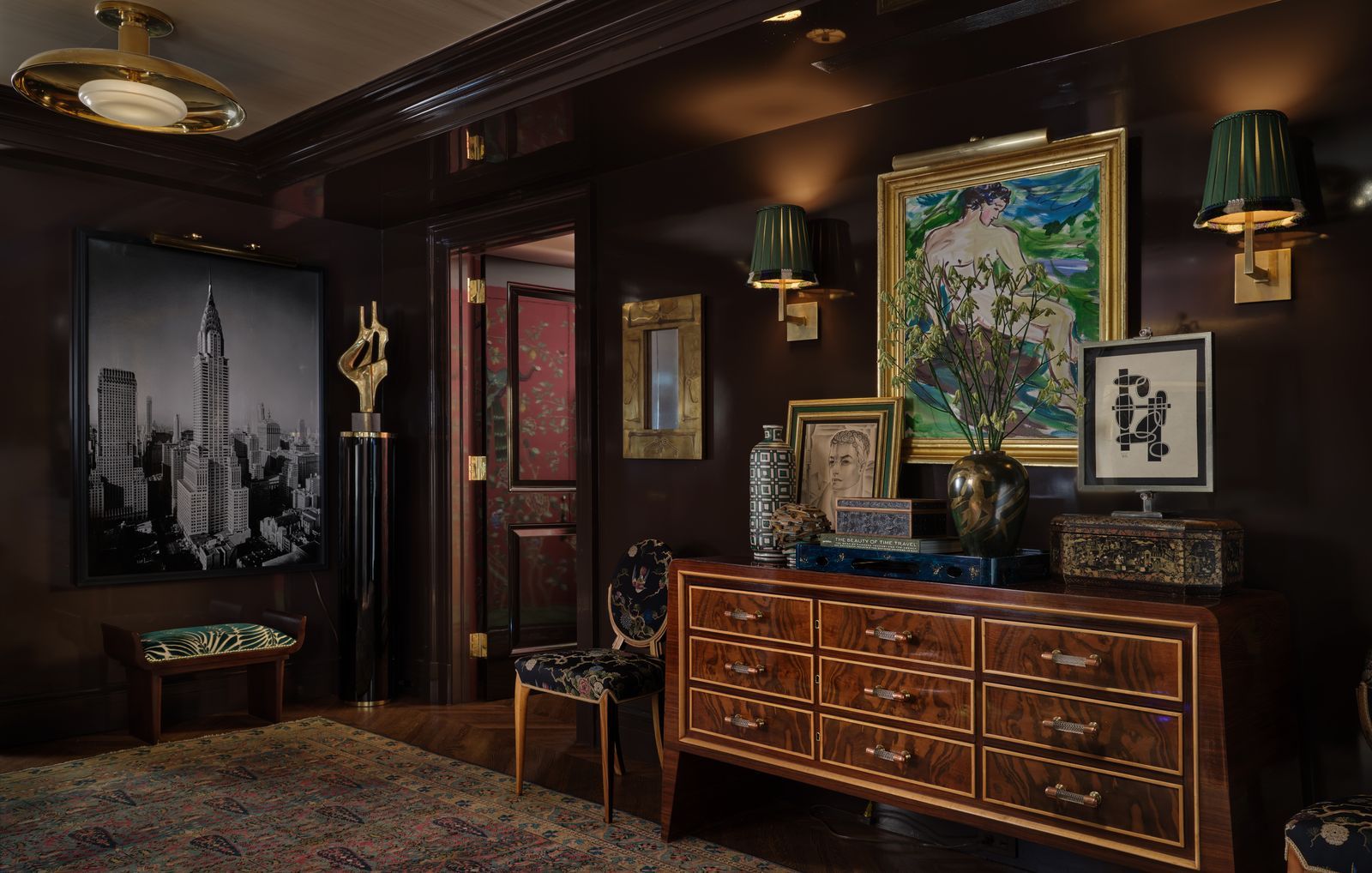
Erik Gensler, designer and owner of EZG Design x Rug & Kilim. Photography by Trevor Tondro. Rug & Kilim’s Oversized Antiques >>
Palatial rugs as oversized Persian and Mughal rugs, spanning over 1000 square feet of sumptuous weave, are not just luxurious floor coverings—they are monumental declarations of culture, history, and architectural harmony. Once the reserve of emperors and emissaries, these “woven canvases” continue to lend a rarefied gravitas to salons, galleries, and diplomatic residences, transforming rooms into living museums.
From the vast gilded salons of Versailles to the marbled halls of Gulf palaces and European embassies, oversized luxury rugs serve as both aesthetic and diplomatic foundations—silent narrators of cultural legacy, sovereign artistry, and refined prestige. Today, designers and collectors are reawakening to their splendor, navigating how to balance opulence with restraint in modern, gallery-like spaces.
The Cultural Monument Underfoot
Large-scale rugs—particularly those originating from the looms of Persia, Mughal India, and Ottoman Turkey—were historically tools of soft power. Woven with silk, gold thread, and vegetal dyes, each motif embedded in their knots carried meaning. Medallions symbolized cosmic order; florals evoked paradise; geometric repetitions offered visual rhythm across architectural expanses.
In diplomatic circles, these textiles played a ceremonial role. A 19th-century Persian carpet in the French Embassy in Tehran, for instance, was more than décor—it was a gesture of cultural fluency and respect. Similarly, Mughal carpets adorned the Red Fort’s Diwan-i-Khas not simply for comfort but as woven assertions of sovereignty and spiritual geometry.
Today, palatial rugs in embassy interiors continue this lineage. Whether beneath the velvet armchairs of a Viennese diplomatic residence or stretching beneath modernist sculptures in a Scandinavian gallery, they root contemporary spaces in centuries-old dialogue.
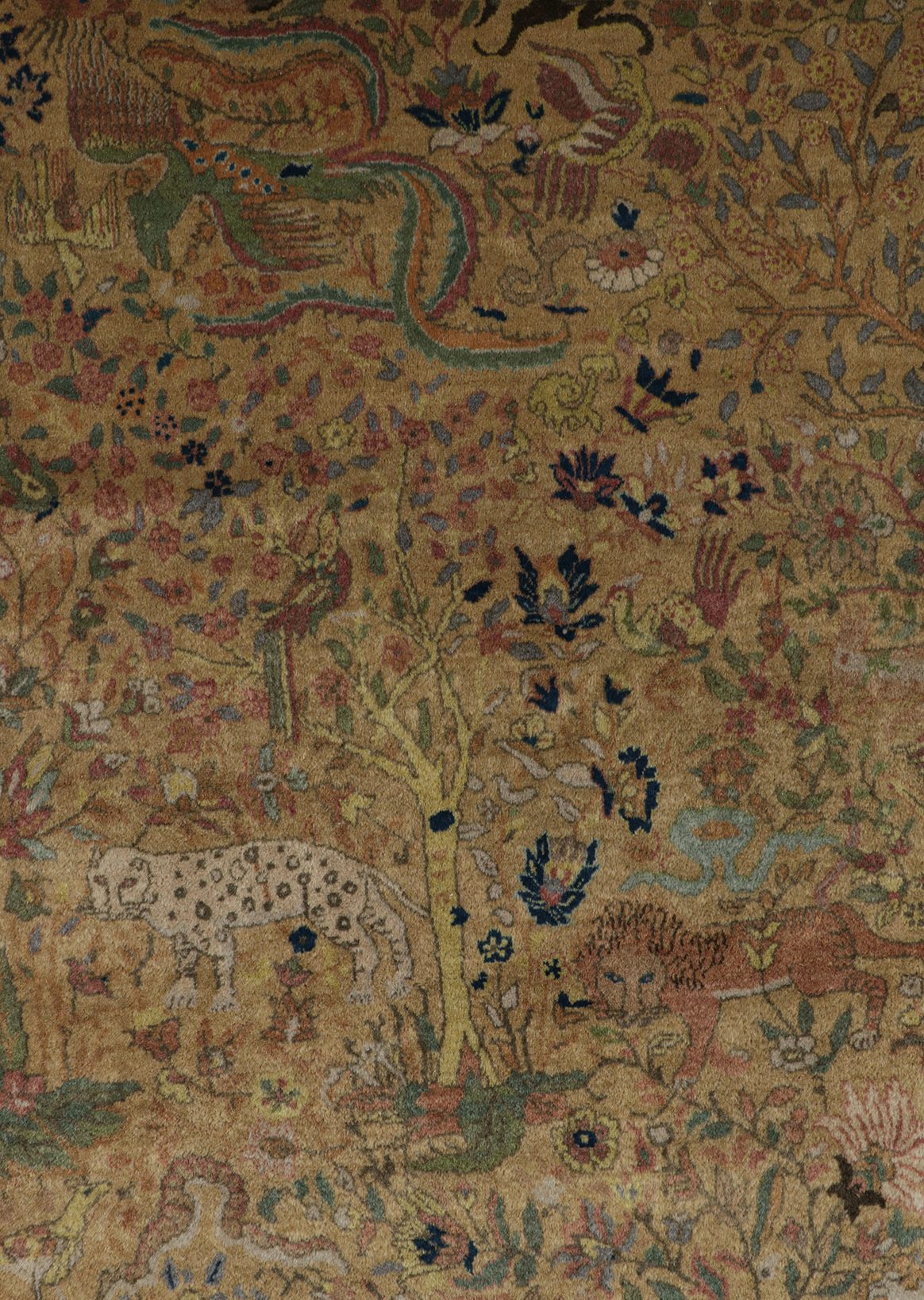
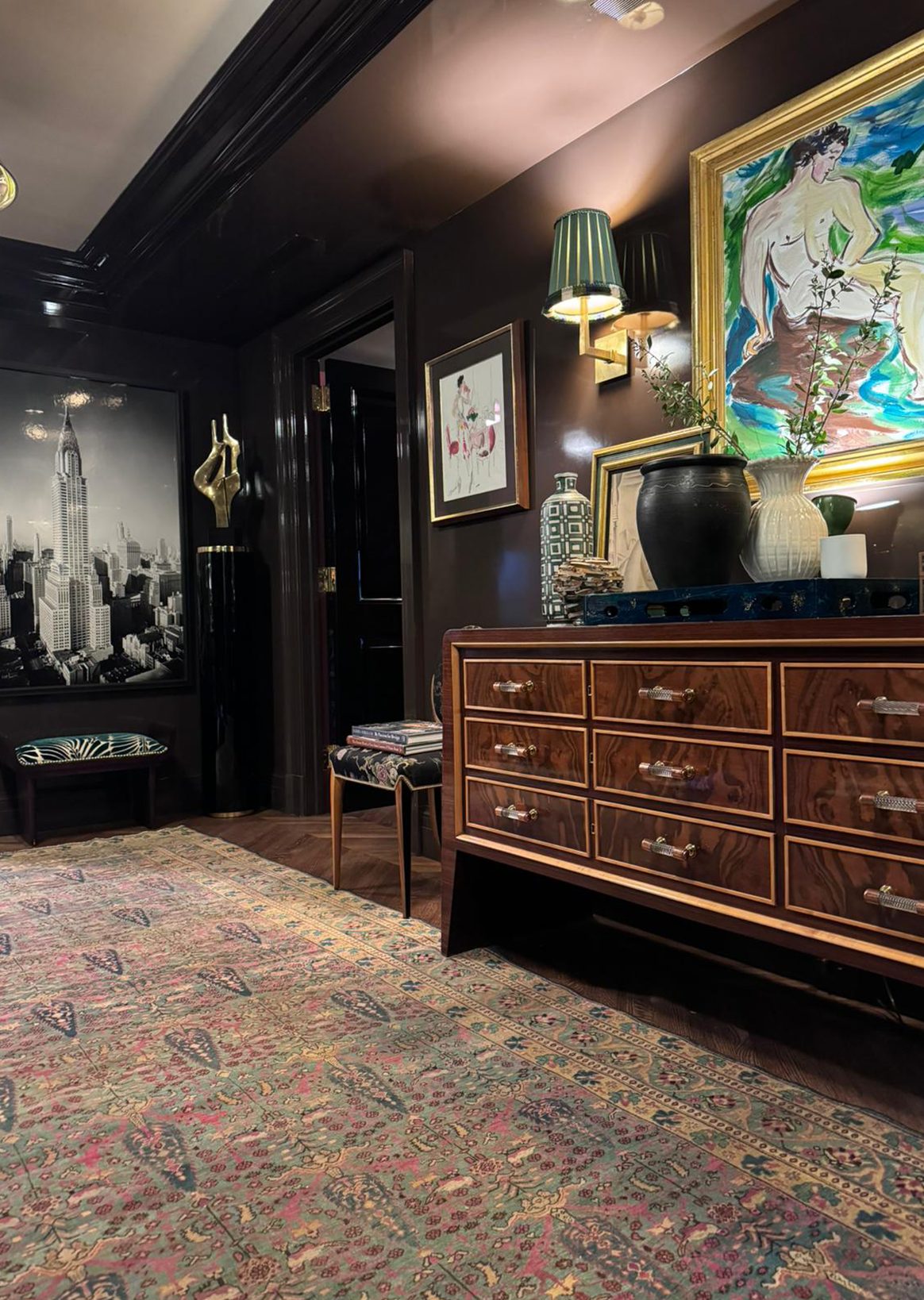
EZG Interiors x Rug & Kilim
Grandeur in Gilded Frames
The opulence of 18th-century French salons redefined the use of rugs as theatrical stagecraft. Versailles, with its elaborate Savonnerie carpets commissioned by Louis XIV, showcased how the floor could be a second ceiling—a reflection of divine order and artistic hierarchy. These were not just rugs; they were woven propaganda, celebrating French imperial power. In the Gilded Age, American titans imported similar grandeur. The salons of Fifth Avenue—many inspired by Versailles—featured oversized luxury rugs that sprawled beneath chandeliers and oil portraits. These rugs, often imported from Persia or India, became the foundation of layered storytelling: wealth, taste, global aspiration.
Today, in grand salons reimagined with restraint—think gallery-white walls and minimalist furniture—such palace rugs interior styling continues to evolve. A Mughal pashmina weave might lie beneath a floating staircase, while a 17th-century Isfahan silk rug anchors a modernist salon—creating a sublime tension between heritage and high design.
From Gulf Palaces to Global Embassies: Diplomatic Decorum on Display
In Gulf monarchies, where cultural preservation meets architectural futurism, palatial rugs play a defining role in interiors. The Royal Court of Oman’s vast prayer halls, the gilded reception rooms of Riyadh, and the ceremonial majlis of Abu Dhabi all feature oversized Persian rugs as emblems of regional pride and Islamic artistry.
These rugs aren’t just ornamental—they are a code of conduct. Their colors match the ceremonial purpose; their layout defines spatial choreography. For instance, in the Emir’s palace in Doha, the central medallion of a 2000-square-foot Qom silk rug isn’t centered arbitrarily—it aligns with the majlis’ protocol seating, creating a subtle symmetry that mirrors hierarchy.
Embassies often adopt a similar language. In Washington D.C., the Indian Embassy features an antique Mughal rug from Agra in its central hall—a nod to both national identity and timeless diplomacy. In the British Embassy in Rome, a vast Axminster wool rug subtly echoes the union of state and culture.
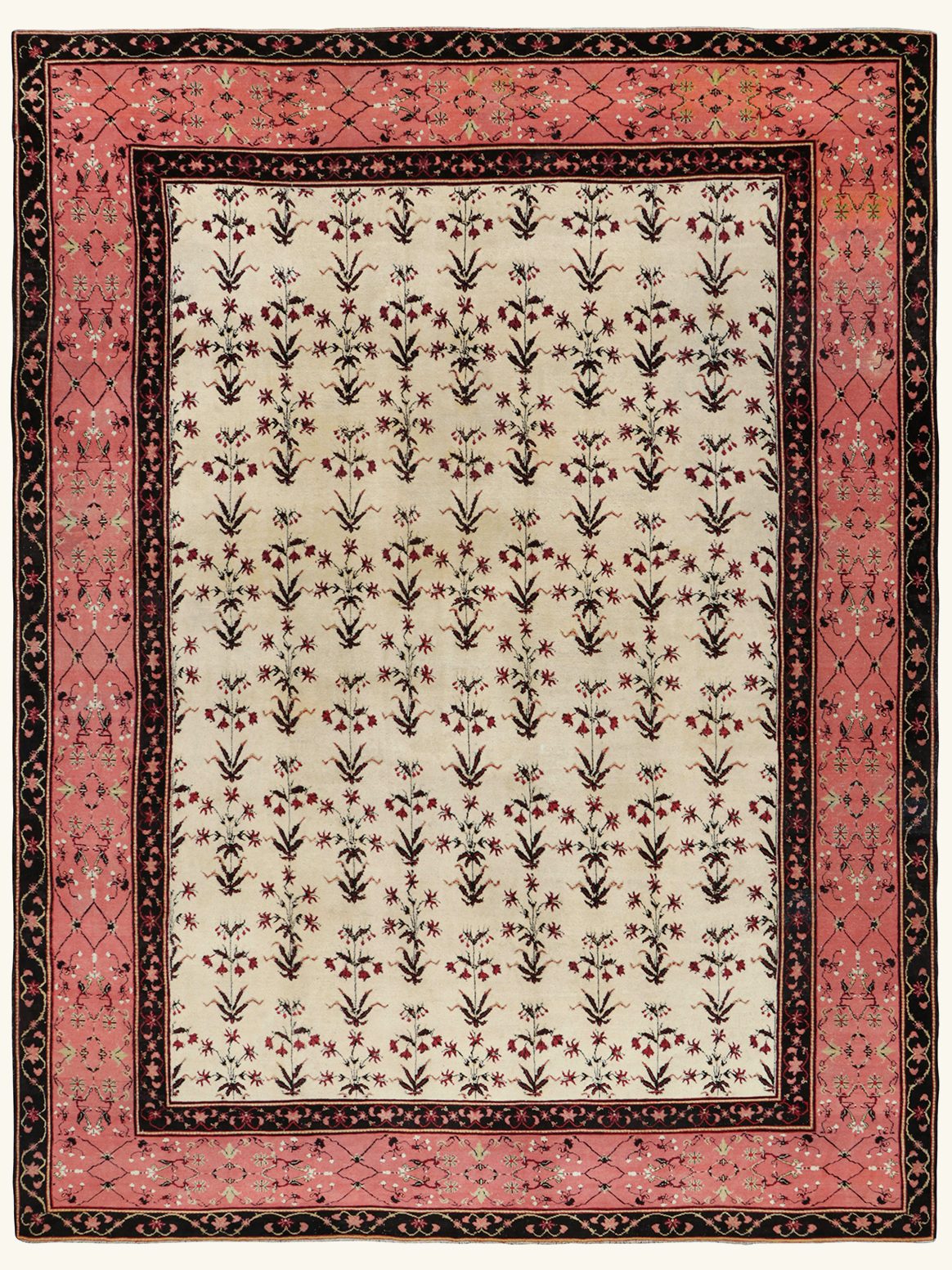
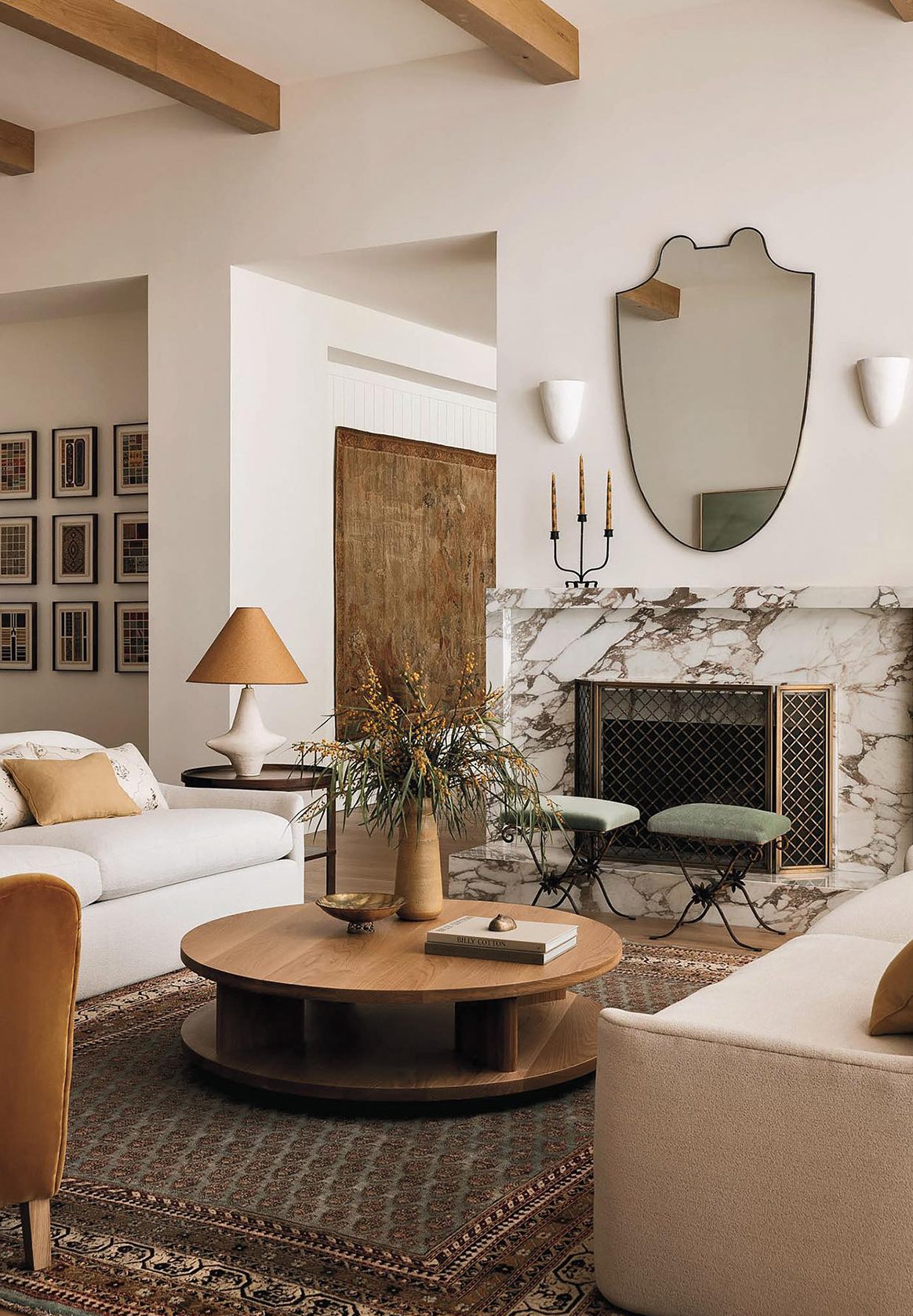
Meghan Eisenberg (@meghan.eisenberg) coveted an antique Indian Amritsar rug from Rug & Kilim’s collection to serve as the foundation for the heart of the home.
Feature by Milieu Magazine. View more >>
Modern Styling
While palatial rugs evoke grandeur, they must be styled with precision to avoid aesthetic overload. The secret lies in contrast and restraint. Here are styling tips for rooms with 1000+ sqft of rug coverage:
Let the rug be the artwork: In gallery-like spaces, treat oversized rugs as the focal point. Keep walls and furniture subdued—think monochrome tones, modular seating, and minimalist lighting.
Frame, don’t crowd: Use rugs to define zones within large open rooms. A 1200-square-foot Persian rug can delineate a conversation cluster, a reading nook, or a reception corner without needing walls.
Layer with intention: If layering smaller rugs over palace-grade pieces, contrast textures—say, a modern silk runner atop an antique woolen base. This interplay modernizes the traditional.
Anchor with light: Use overhead lighting—spotlights or chandeliers—to draw focus to the central motifs of the rug. This technique is widely used in embassy galleries to highlight weaving details.
Echo motifs subtly: Reflect rug patterns through other elements—perhaps an embroidered velvet throw, a wall-hung tapestry, or carved motifs in furniture legs. Avoid direct repetition; suggest, don’t mirror.
Preservation and Placement: Practical Considerations
Positioning an oversized rug isn’t just an aesthetic decision—it’s structural. Rugs over 1000 square feet weigh hundreds of kilograms and often require architectural reinforcements. Floor leveling, rug pads for airflow, and humidity control are crucial to prevent curling, mildew, or warping.
Additionally, consider visitor footfall. In gallery or embassy settings, certain areas may need protective overlays or restricted access to maintain textile integrity. Some institutions use walkways of glass or acrylic over historic rugs—a modern solution that protects without concealing.
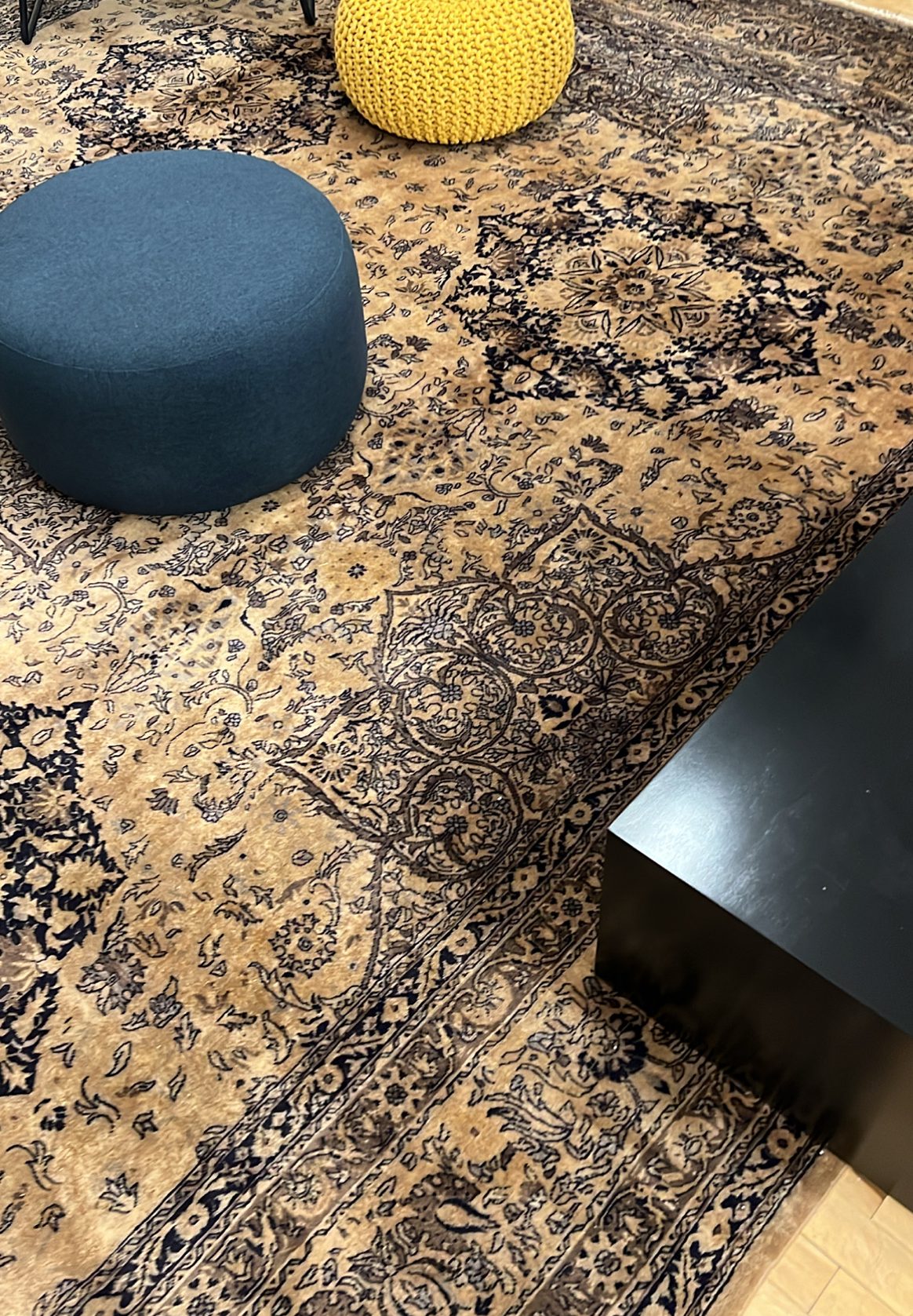
Rug & Kilim’s Antique rug at Climate Change Museum
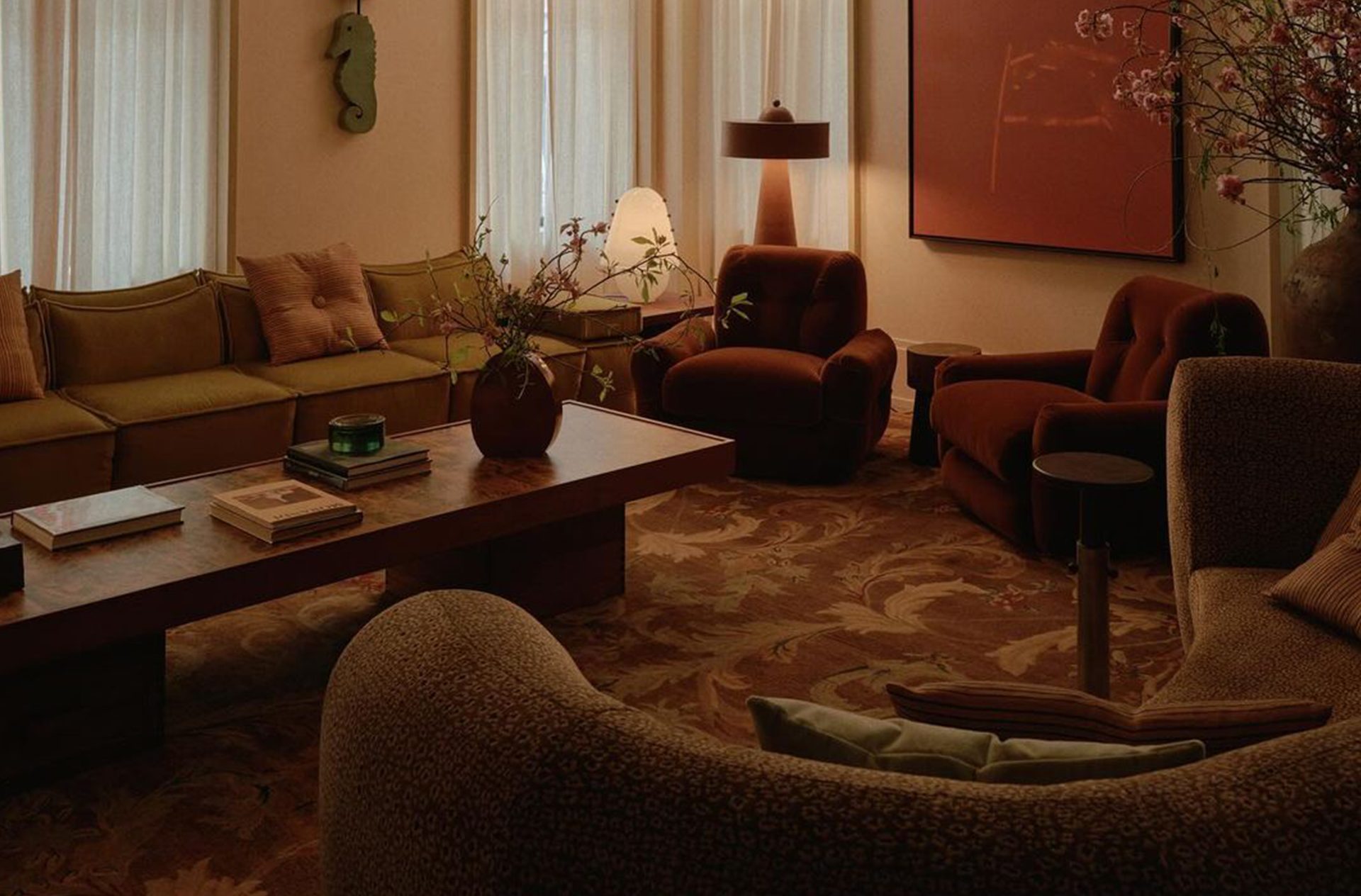
Quarters x Rug & Kilim
Weaving Legacy into the Present
More than mere decoration, palatial rugs offer a convergence of past and present—of empires and embassies, salons and sanctuaries. Their oversized scale does not merely fill a room; it shapes it, grounding contemporary spaces in legacies that stretch across looms, lineages, and landscapes.
With an increasing focus on clean lines and decluttered aesthetics, these woven giants remind us that beauty need not be minimal to be meaningful. Rather, it can be maximal—when curated with care, intention, and cultural sensitivity.
~~~