

The Benefits of Rug Scotchgarding and Professional Rug Care
August 9, 2024
A Guide to Horse Pictorials in Persian and Caucasian Rugs
August 20, 2024The history of modern Scandinavian design suggests common characteristics - a focus on humanism, tradition, moderation, meticulous craftsmanship, humility, tranquility, and purposefulness - that resonate across the design traditions of these nations.
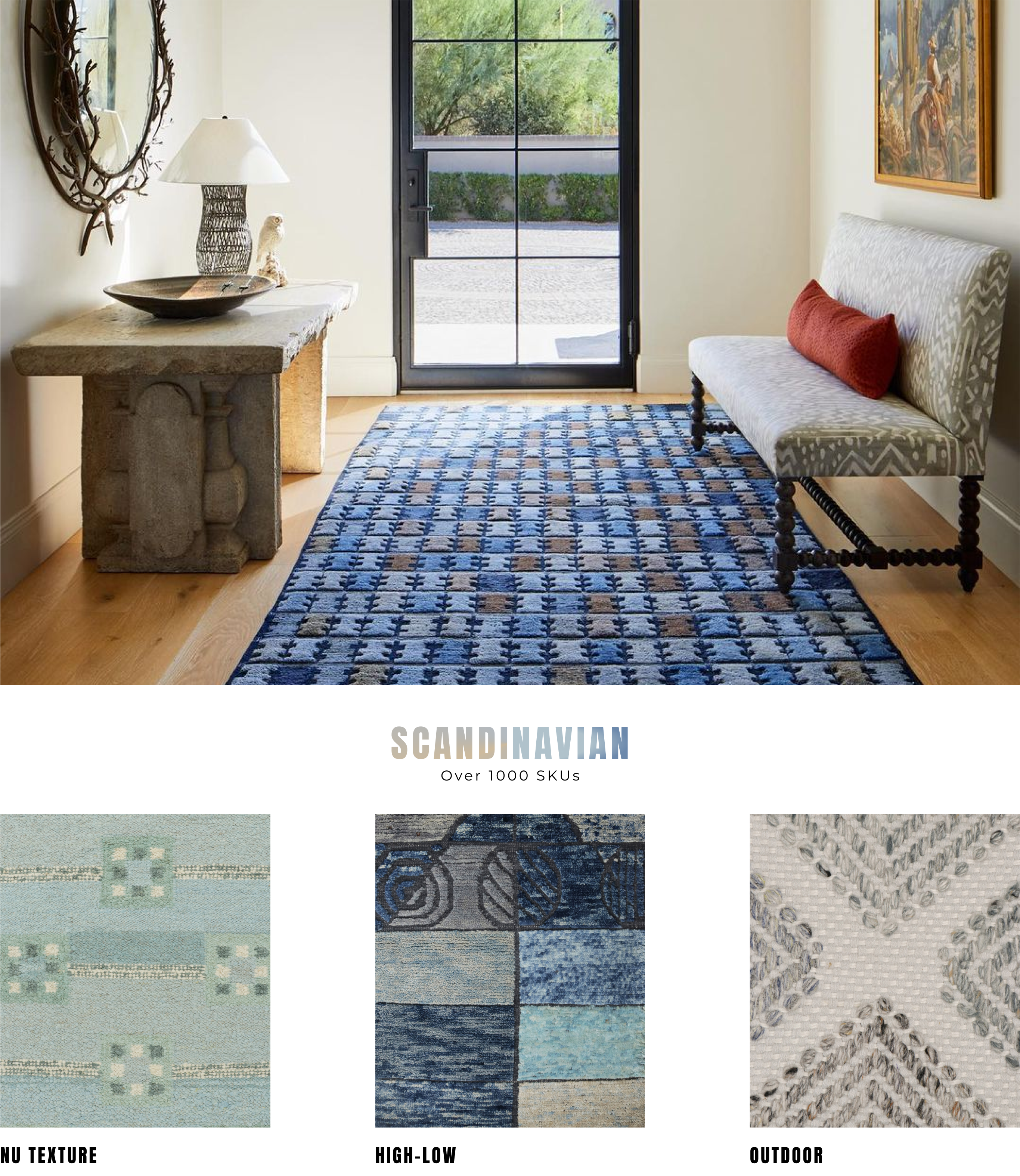
From 1930 to 1950, Sweden experienced the highest growth rate in the world, a period that coincided with the golden age of Swedish functionalism. This movement closely intertwined with the emergence of modern architecture and interior design in early twentieth-century Sweden. The country grappled with issues of overcrowding in the nineteenth and early twentieth centuries, leading to a shift towards simplification, natural materials and functionalization as a solution, thereby giving way to Scandinavian minimalism.
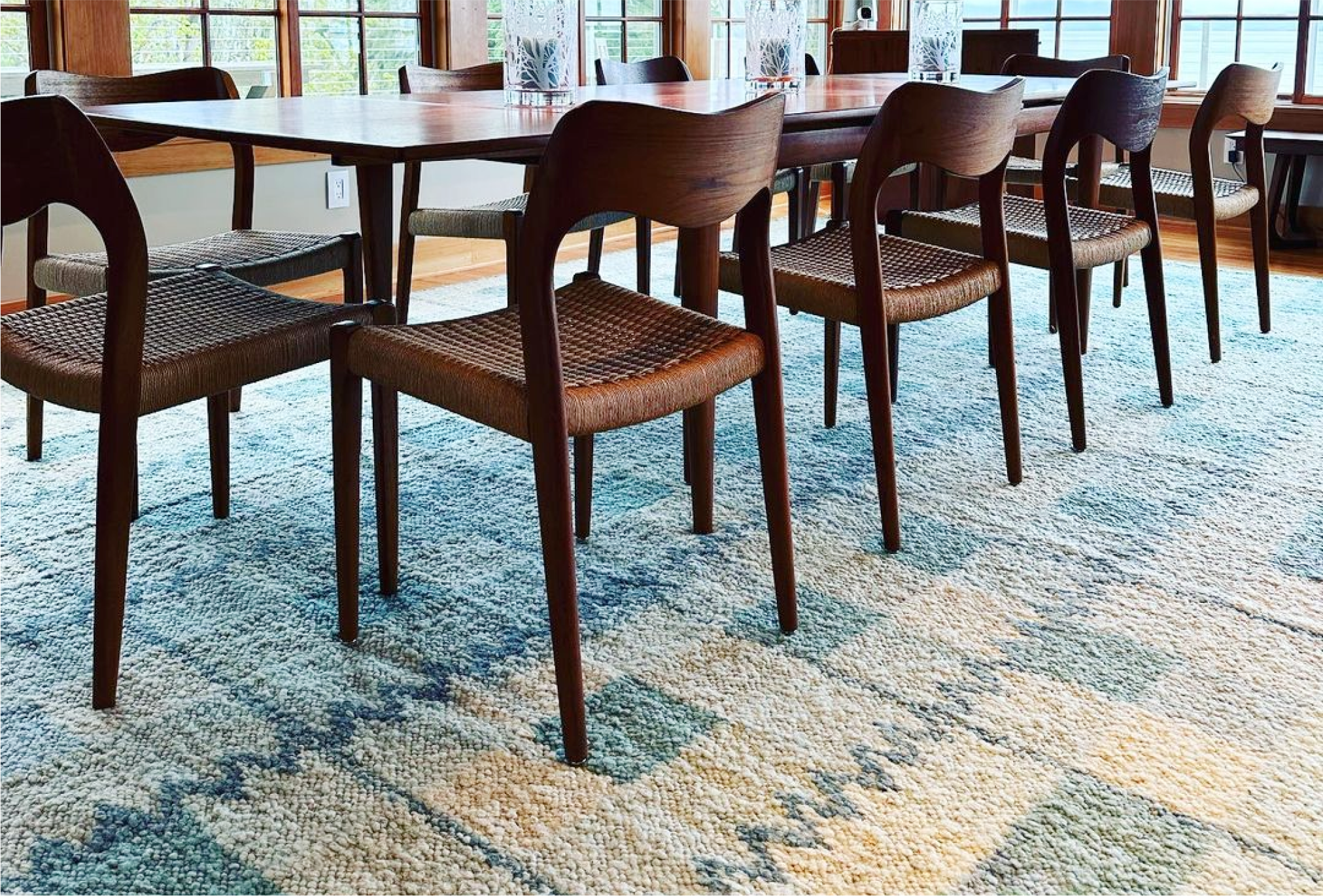
The 1930 Stockholm Exhibition played a pivotal role in popularizing the modernist architectural movement, which was relatively lesser known at the time. It showcased a vision of a new society and a different kind of Sweden. Over four million people experienced the principles of modernity through unique homes, impressive apartments, modern furniture design, and innovative low-income housing solutions.
Architecture was wielded as a political instrument to demonstrate to the public that a fresh, modern art approach was necessary to address the nordic countries’ overcrowding challenges. Moreover, it represented a deliberate effort to promote a socially democratic and politically aware new aesthetic, with the ultimate goal of enhancing the quality of everyday life for people across all social classes in Sweden.
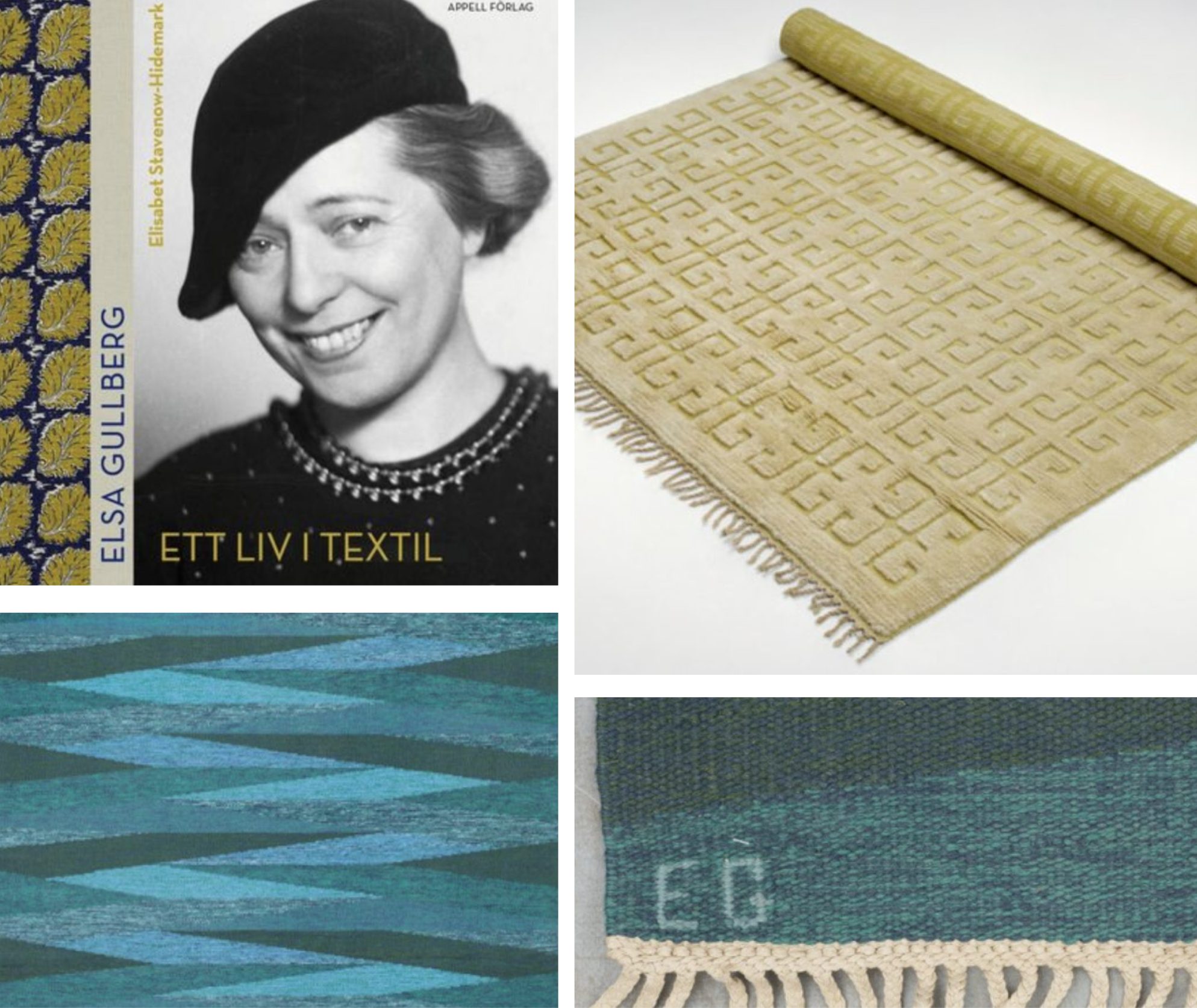
Elsa Gullberg and Swedish Design Innovations through ‘Textilier’ Read our blog here >>
Elsa Gullberg, a pioneer in textile design, designed the far-end wall of the Textile building in the exhibition, as the showcase for her own company, “Textilier”. At the heart of Gullberg’s display was the striking gobelin tapestry, “Black Diana” (Svarta Diana), based on a painting by artist Nils Dardel and intricately woven by the Gullberg atelier.
Each country in Scandinavia played a pivotal role in shaping a museum of art tradition, addressing the challenges of the contemporary world in its own distinctive way. While all countries acknowledged the significance of social equality, industrialization, and urbanization in modern life, their impact on the arts and crafts varied, leading to unique design traditions in each nation. By the mid-twentieth century, these danish designs collectively became recognized as a distinct style.
Among the European countries, Denmark, Sweden, and Finland were particularly successful in infusing a modern aesthetic into their traditional craft industries. These countries, with relatively small, fairly homogenous populations and abundant natural resources, fostered strong craft traditions.
In response to the breakdown of the craft guild system in the mid-nineteenth century, they established various institutions to safeguard their craft production from the influx of subpar foreign mass-produced goods. For example, the Svenska Slöjdföreningen (Swedish Society of Craft and Industrial Design) was founded in 1845 with the aim of promoting high standards in Swedish craft production.
Modernism, emerging at the close of the 19th century, marked a significant departure from the preceding dominance of Realism in the art world. Realism, rooted in the advent of photography, sought to create work that closely mimicked reality, making it a relatively conservative movement. Art produced within this framework aimed for accuracy and truthfulness.
Modernism, on the other hand, represented a departure from this strict adherence to realism, giving rise to a plethora of cultural and aesthetic movements. In the wake of 1880, William Morris and the Arts and Crafts Movement, influenced by the social theories of John Ruskin, voiced their discontent with the machine-made designs of the Industrial Revolution.
They criticized the uniform and mundane products associated with machinery and championed the revival of traditional methods of production, particularly in the textile arts. They celebrated nature in art, emphasizing human creativity and a dedication to authentic materials like natural wood, heavily influenced by the ideals of Romanticism and folk traditions across various crafts.
Art Nouveau, also known as “Jugendstil,” emerged as the first widely embraced art movement of the 20th century. Conceived as a “new style for a new century,” the movement placed a strong emphasis on decorative and applied arts. It represented a deliberate departure from the established art and design institutions of the time.
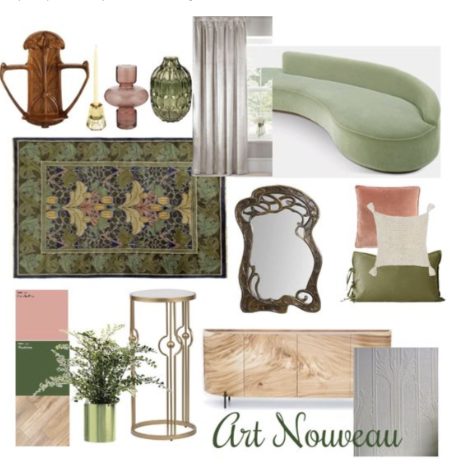
Notably, the Art Nouveau movement represented a new sense of cohesion across various visual arts disciplines, encompassing architecture, decorative arts, and graphics. However, it was primarily associated with craft production and limited to relatively expensive, exclusive objects. Before 1900, Scandinavian countries drew heavily on their respective national folklore for decorative inspiration, particularly in Norway, where Viking-revival imagery gained significant popularity.
The global recognition of the Nordic arts and crafts movement came with the exhibition of many such works at the 1897 Stockholm Exhibition of Arts and Industries, followed by the 1900 Exposition Universelle in Paris.
The emergence of a coherent direction in Swedish design was articulated by Gregor Paulsson in 1919 in his influential book, “Vackrare Vardagsvara” (More Beautiful Things for Everyday Use). As the director of the Swedish Design Council from 1920 to 1923, he emphasized the importance of making aesthetically high-quality, non-elitist objects more widely accessible.
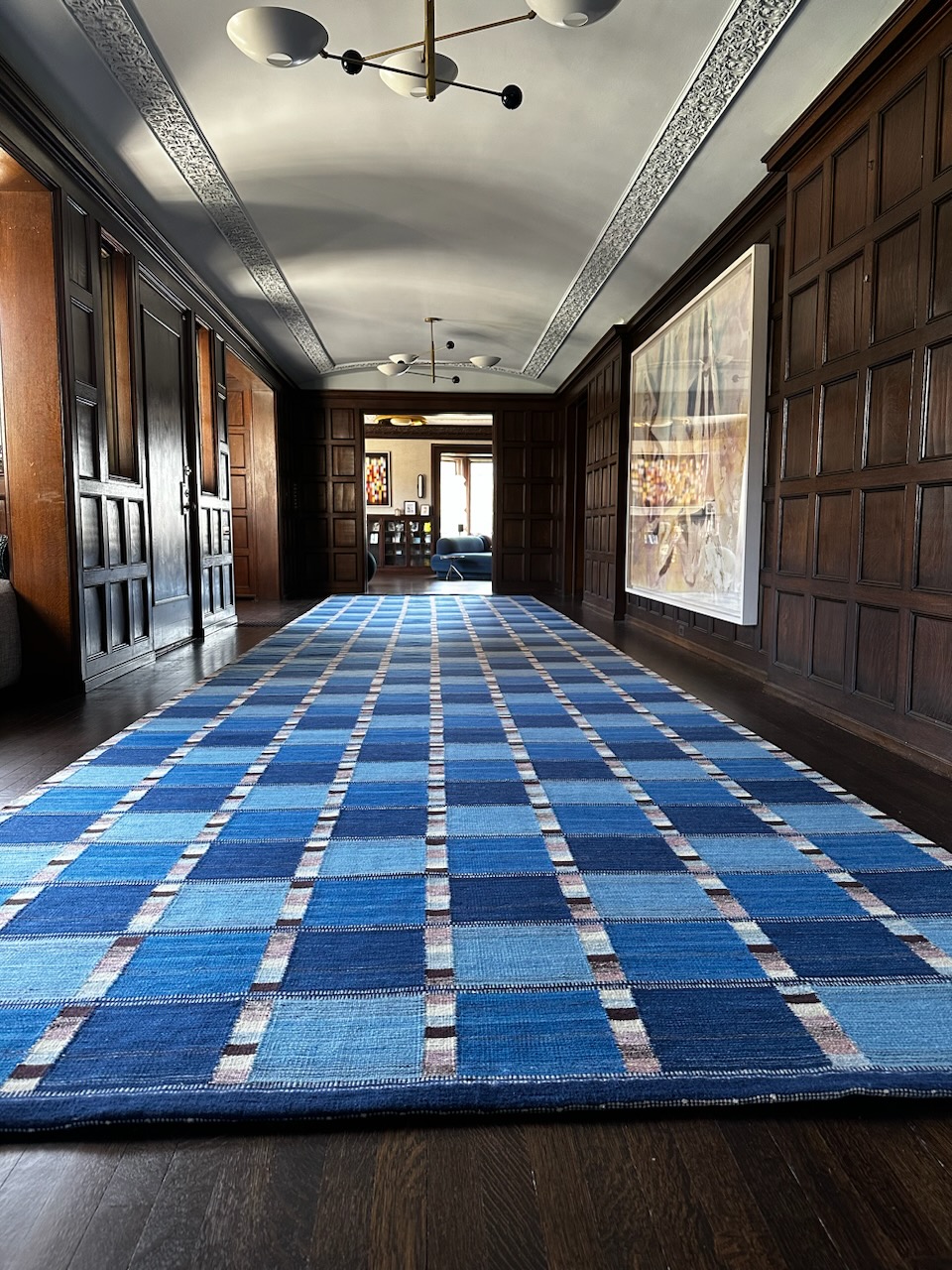
The term “Swedish Modern,” with the subtitle “A Movement Towards Sanity in Design,” was coined at the 1939 Fair to describe Sweden’s interior display. It became a catch-all term for all Scandinavian furniture that collectively characterized the Swedish interior style. This style had already been showcased at the Chicago World’s Fair in 1933 and at the Paris modernist exhibition of 1937, with its roots tracing back to the early years of the century.
Märta Måås-Fjetterström’s “Bruna Heden” Rollaken flatweave designed in 1939 contemporary of the Swedish Modern Design introduced at the 1939 Fair.
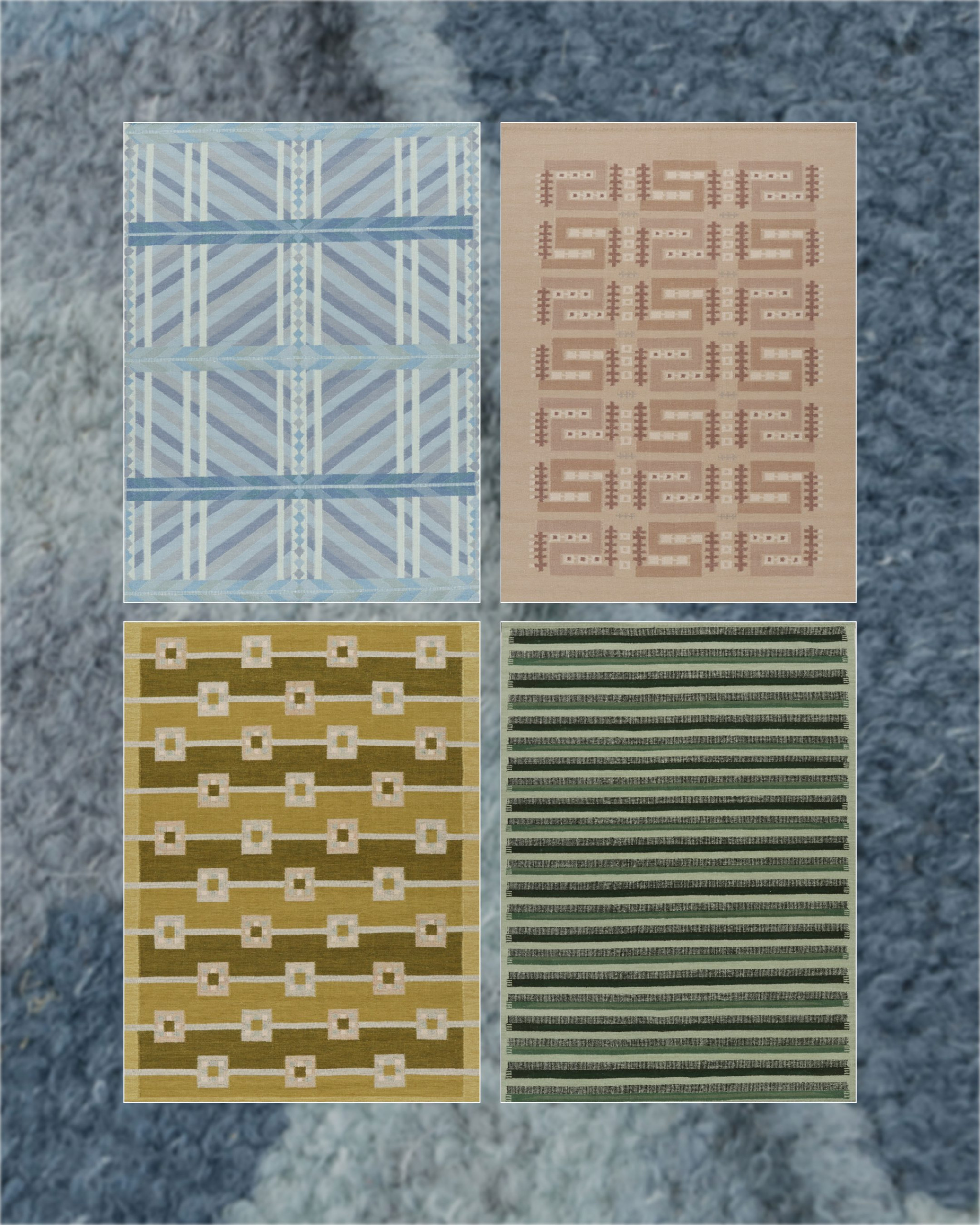
Rug & Kilim’s Scandinavian Custom Rug “Marta Stripe” Design in Gold
In Denmark, the Skønvirke magazine made its debut in 1914. Its content drew inspiration from traditional Danish handicrafts and the ideals of national Romanticism, while also incorporating international influences in its decorative elements. The term “Skønvirke” became synonymous with Art Nouveau and Jugendstil in Denmark.
The delicate, nature-inspired forms, characterized by graceful clean lines and subtle colors, harmonized seamlessly with the Scandinavian aesthetic. The term “Scandinavian design” finds its origins in a design exhibition that toured the United States and Canada under that name from 1954 to 1957. Focused on promoting the “Scandinavian way of living,” it showcased a wide array of works by Nordic and finnish designers like Arne Jacobsen, solidifying the meaning of the term that endures to this day: designs characterized by their beauty, simplicity, and cleanliness, drawing inspiration from nature and the northern climate. These designs are intended to be accessible and available to all, with a strong emphasis on creating an enjoyable domestic environment.
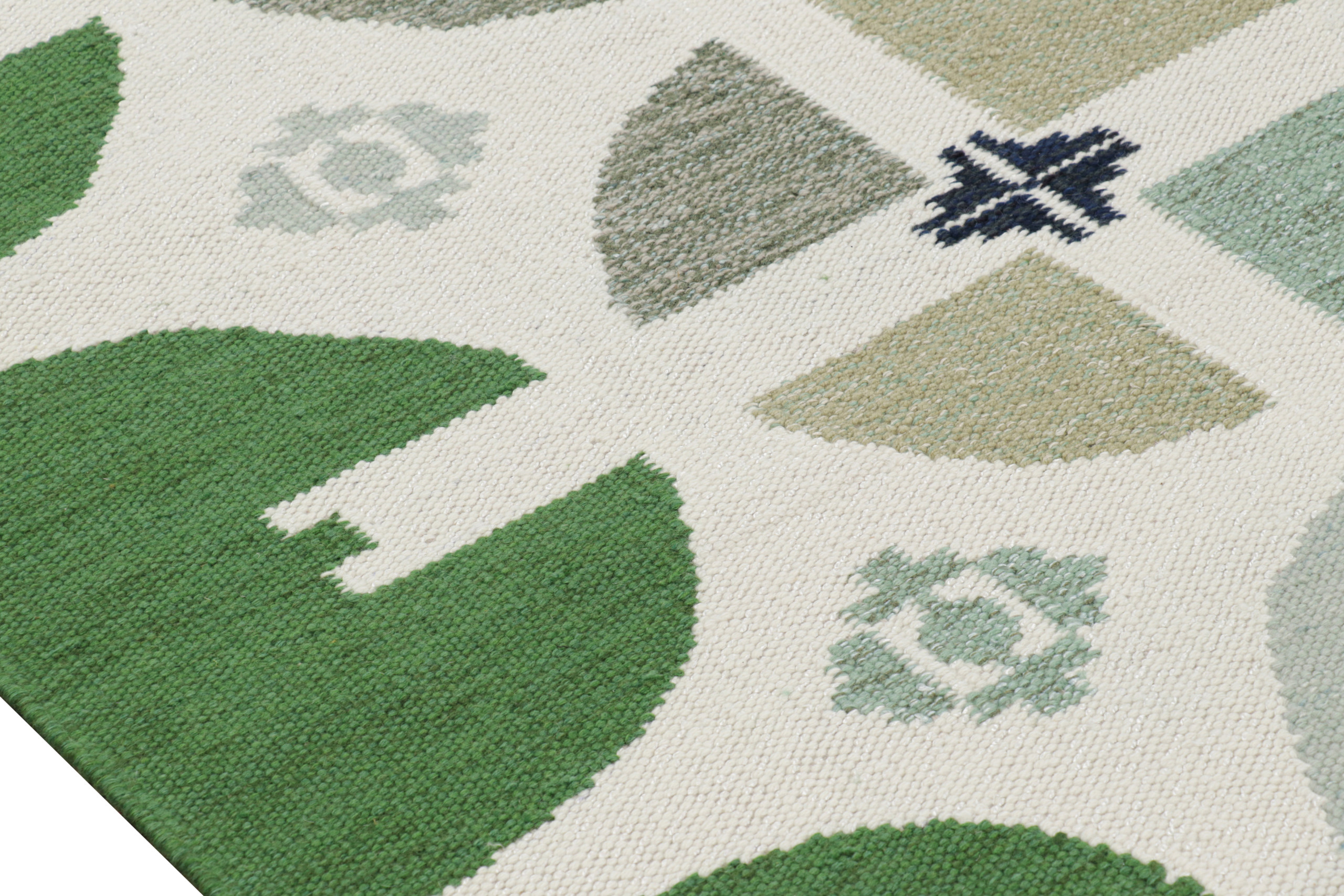
Exhibitions of this nature played a significant role in popularizing Scandinavian design and influencing the evolution of modernism in both North America and Europe. This nordic design aesthetic had been developing over several decades, influenced by art and design trends in Europe. It amalgamated the emerging styles of the turn of the century with the clean, minimalist forms that followed, as well as existing design traditions in Scandinavia.