
The Evolution of Floral Motifs in Antique Rugs and Kilims: Mapping the Pomegranate, Tulip, and Carnation
September 3, 2026
On the Changing Nature of Money, and a Quiet Shift in How the World’s Great Collections Are Built
September 9, 2026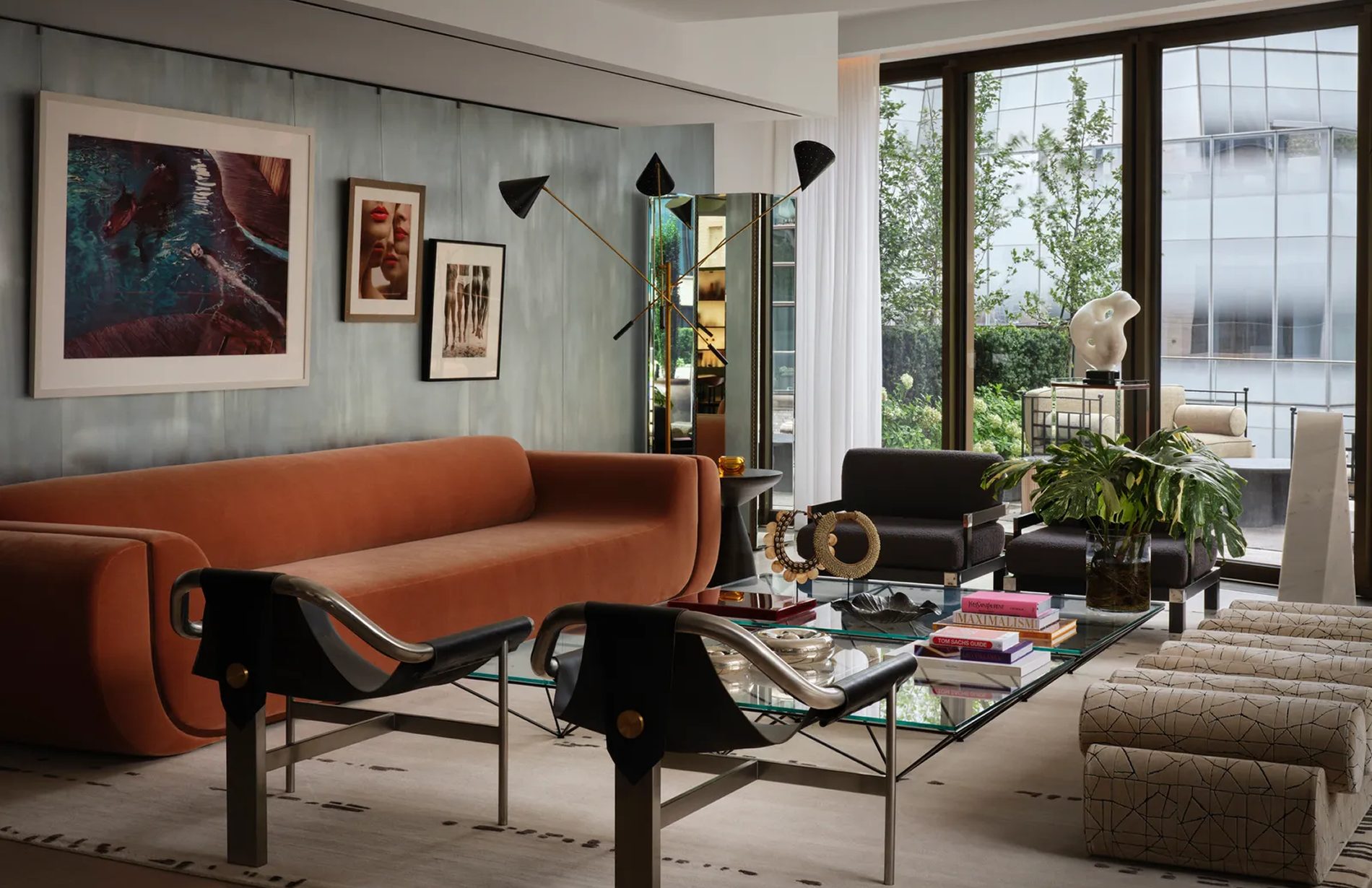
We like to believe we choose our possessions. It is nearer the truth to say that, over time, they choose us back, that the objects we live among slowly become a portrait of who we are, drawn in a language more honest than any we would use to describe ourselves. Show a designer or a collector a person’s rooms, and I will tell you what they value, what they have learned, and what they intend to leave behind.
The interior is autobiography, whether we mean it to be or not.
This is an old idea, and a serious one. The philosophers of every age have understood that we are shaped by what surrounds us, that character is formed not only by what we think and do but by what we choose to keep near. William Morris gave the conviction its most famous form: have nothing in your houses that you do not know to be useful, or believe to be beautiful. It was not decorating advice. It was a moral proposition, that the objects we live with either elevate us or diminish us, and that we are responsible for the company we keep among things as surely as among people.
A room is not a neutral container for a life. It is an active participant in it, quietly instructing us, day after day, in what we have decided is worth our attention. Live among the disposable, and something in the spirit grows disposable too. Live among objects made with intention, permanence, and care, and one is reminded, constantly and without a word, of what those qualities feel like and why they matter.
The rug occupies a singular place in this. It is the one object in a room we touch most intimately and notice least consciously, underfoot at every hour, felt before it is seen, the ground on which the whole of domestic life is conducted. The Japanese writer Jun’ichirō Tanizaki, in his luminous essay In Praise of Shadows, understood that the deepest beauty in a home is rarely the beauty that announces itself; it is the quality that reveals itself slowly, in shadow and texture and the patina of use, to those who live with it long enough to see. The rug is beauty of exactly this order. It does not shout its quality. It seeps into the daily experience of a room until the room would feel wrong without it. It is, of all the things we own, perhaps the most defining precisely because it is the least insistent, the quiet foundation that every other object in the room is arranged upon and answers to.
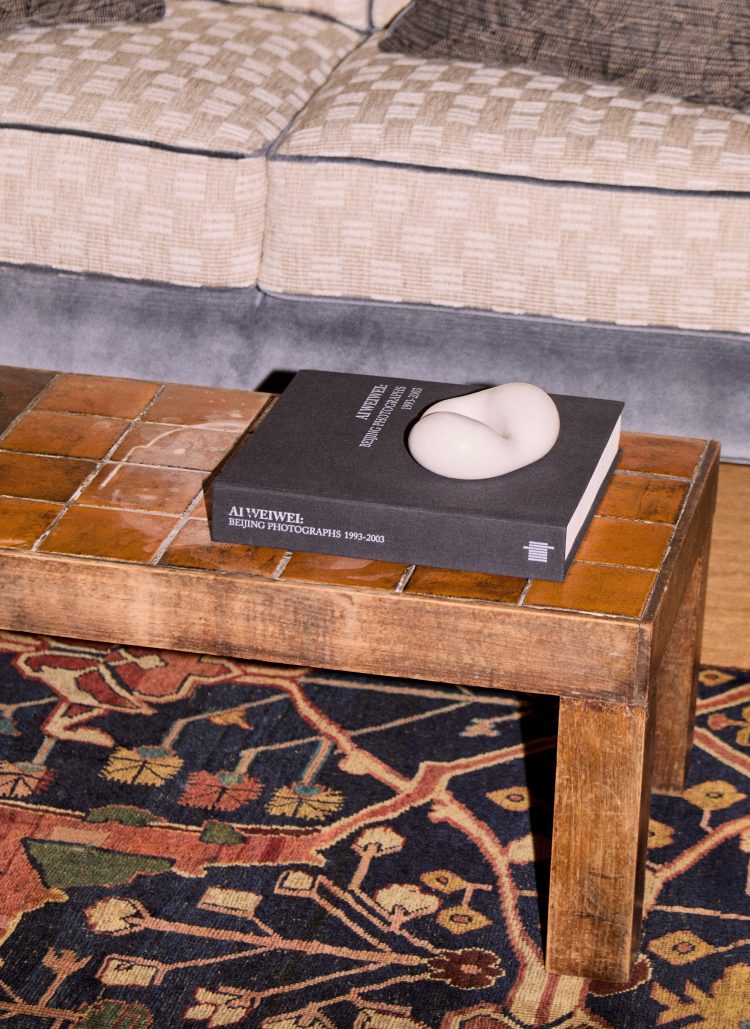
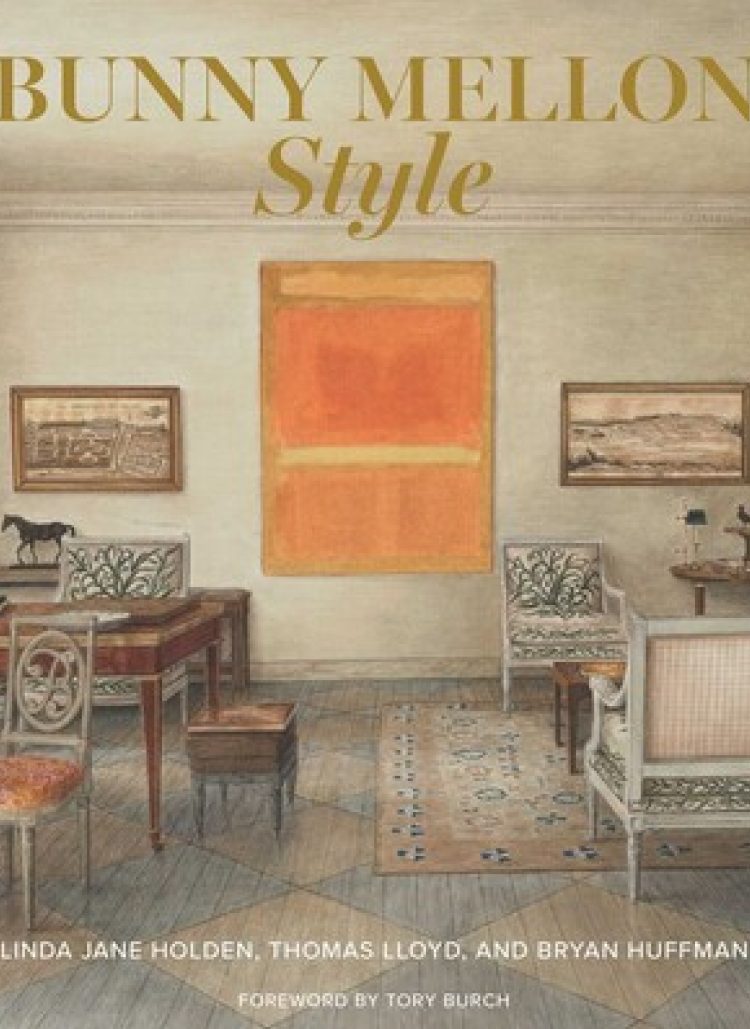
Bunny Mellon Style -By Linda Jane Holden, Thomas Lloyd and Bryan Huffman
And here is what such an object says about the person who chose it. It says that they understood the difference between decoration and substance. It says they were willing to wait for the right thing rather than settle for the available one, a form of patience the design world increasingly lacks and the finest collectors never do. It says they valued the made over the manufactured, the enduring over the fashionable, the object with a history over the object with only a price.
These are not small things to say about a person. They are, in fact, most of what one would want said. The great interiors confirm it: the rooms of Bunny Mellon, of Yves Saint Laurent and Pierre Bergé at the Rue de Babylone, of the collectors whose homes appear in the pages that define the discipline, none of them assembled by people who merely liked what they saw, all of them composed by people who knew, precisely, what they were looking at and why it deserved a place in their lives.
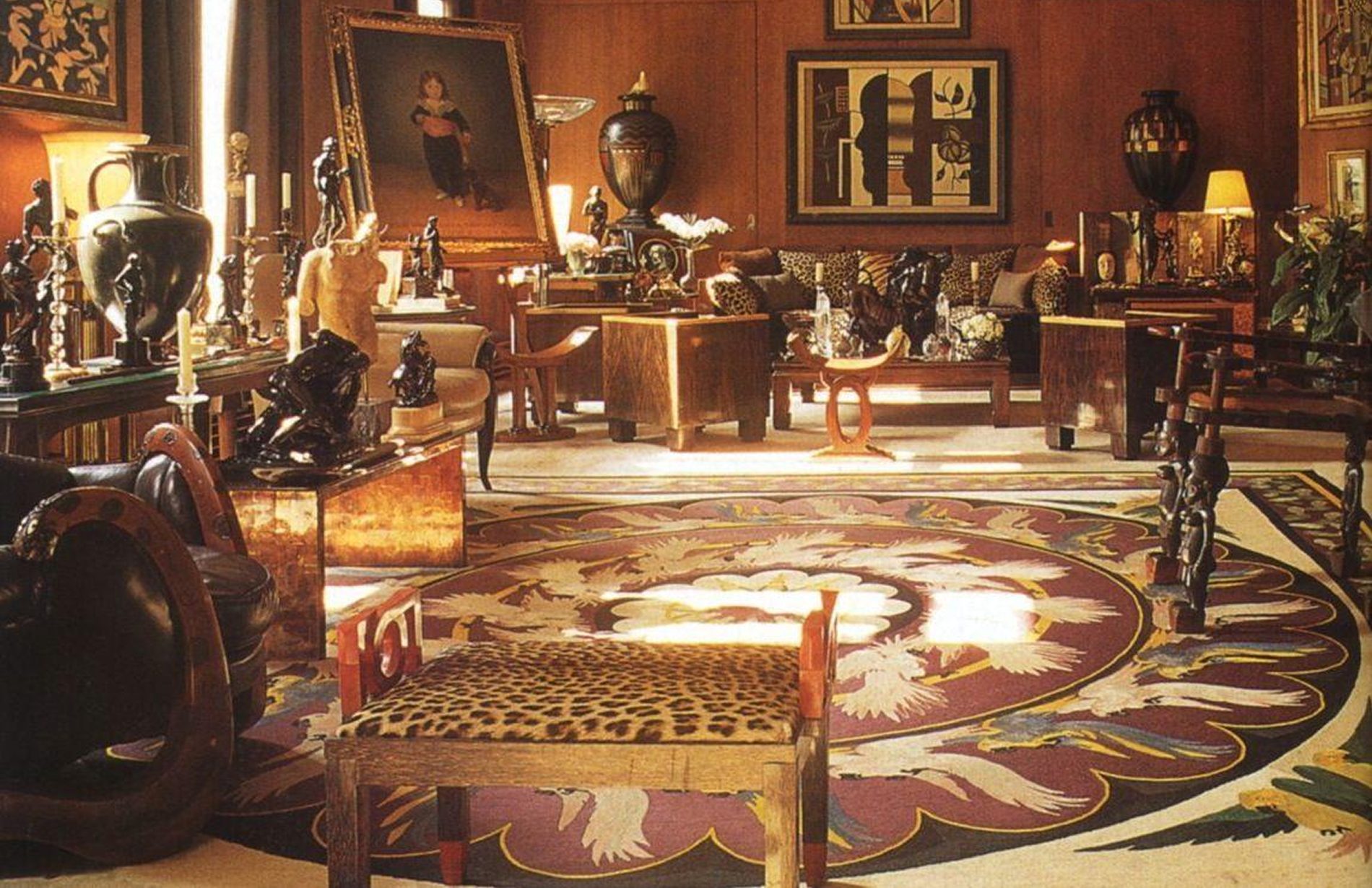
There is a reason the finest interiors of every era feel as though they could belong to no one else. It is because the people who made them chose with conviction, assembled around themselves a company of objects that reflected a genuine and particular eye. Such rooms are not decorated; they are composed, the way a life is composed, out of a thousand small acts of discernment. Vervoordt calls the result atmosphere, and insists it cannot be bought ready-made, only cultivated over time. Saint Laurent called his apartment a self-portrait. Both were describing the same truth: that a room, done properly, becomes indistinguishable from the person who made it.
And at the center of the finest of these rooms, holding the whole together, there is almost always a rug that was chosen the way everything else was chosen, with care, with knowledge, and with the understanding that we become, in the end, the company we keep. To choose well is to define oneself well. It is the whole reason this house exists: not to sell objects, but to help discerning people surround themselves with the ones worth becoming.