
How The Objects Around Us Define Us: An Interior As A Self-Portrait
September 6, 2026
The New Luxury Is Something You Can Feel: Texture in the Modern High-End Interior
September 11, 2026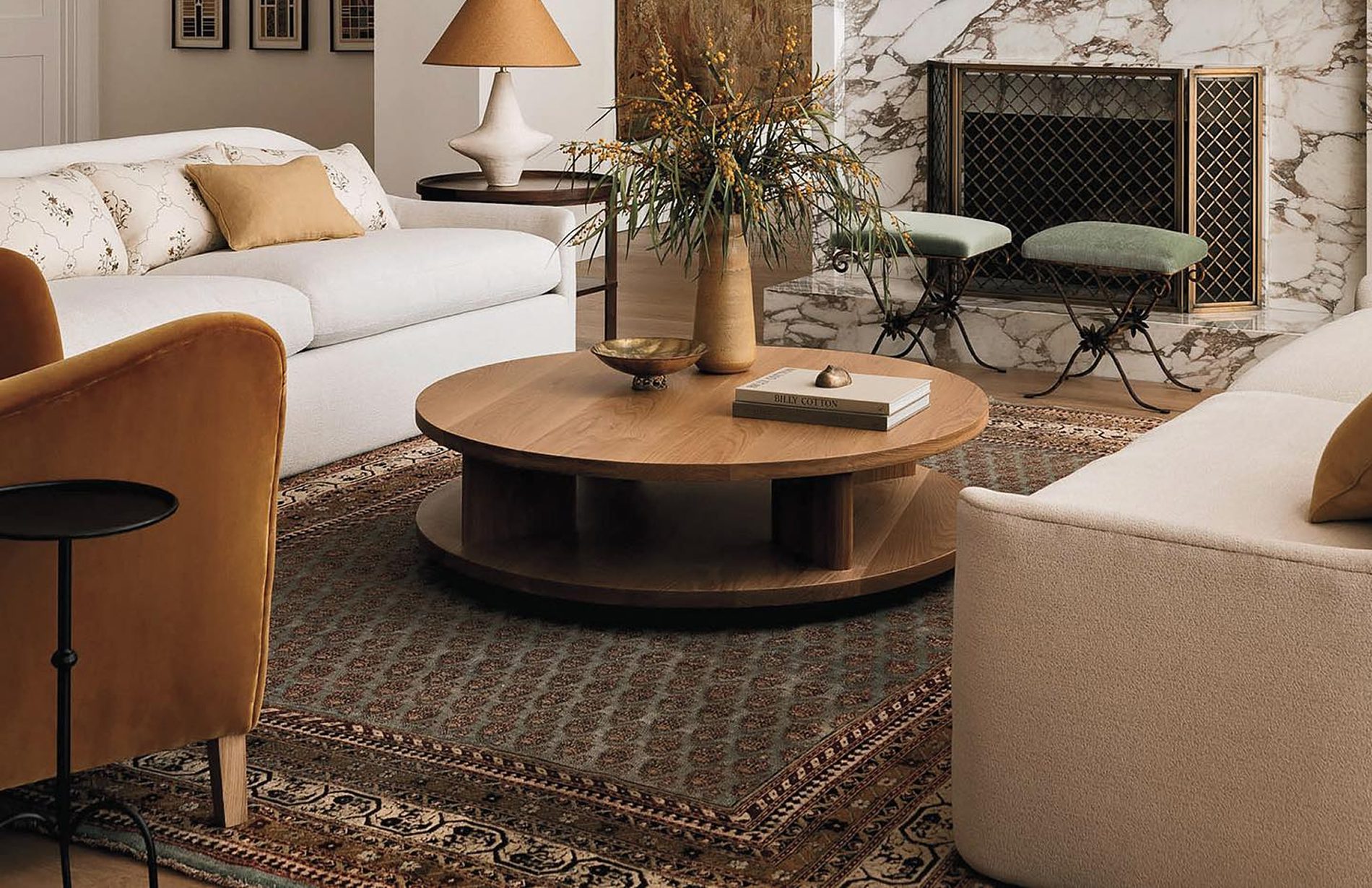
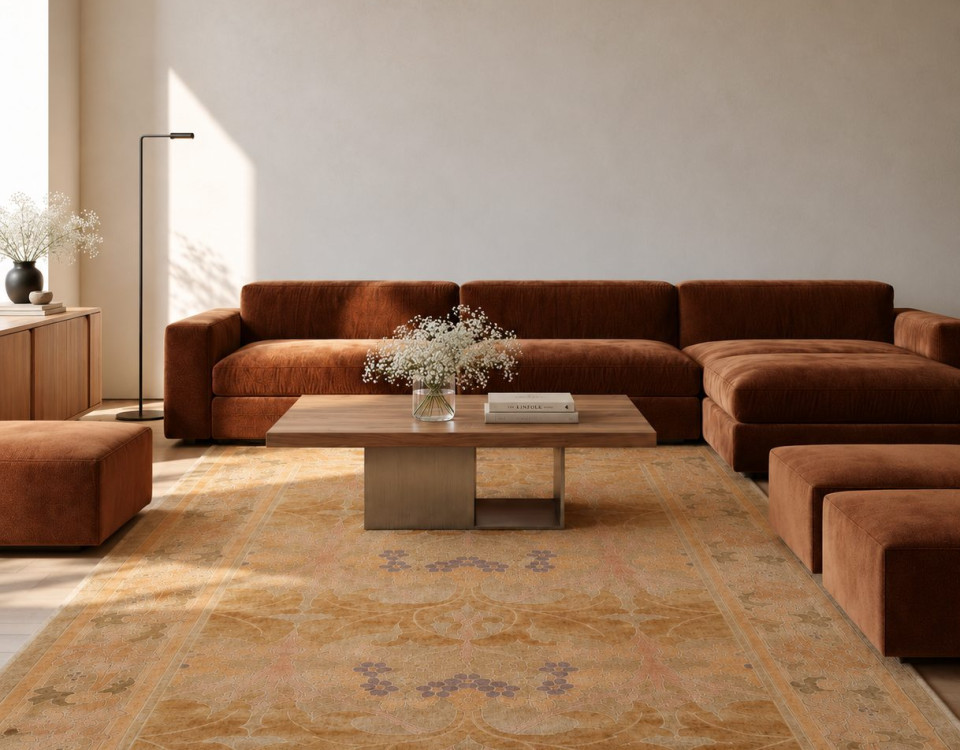
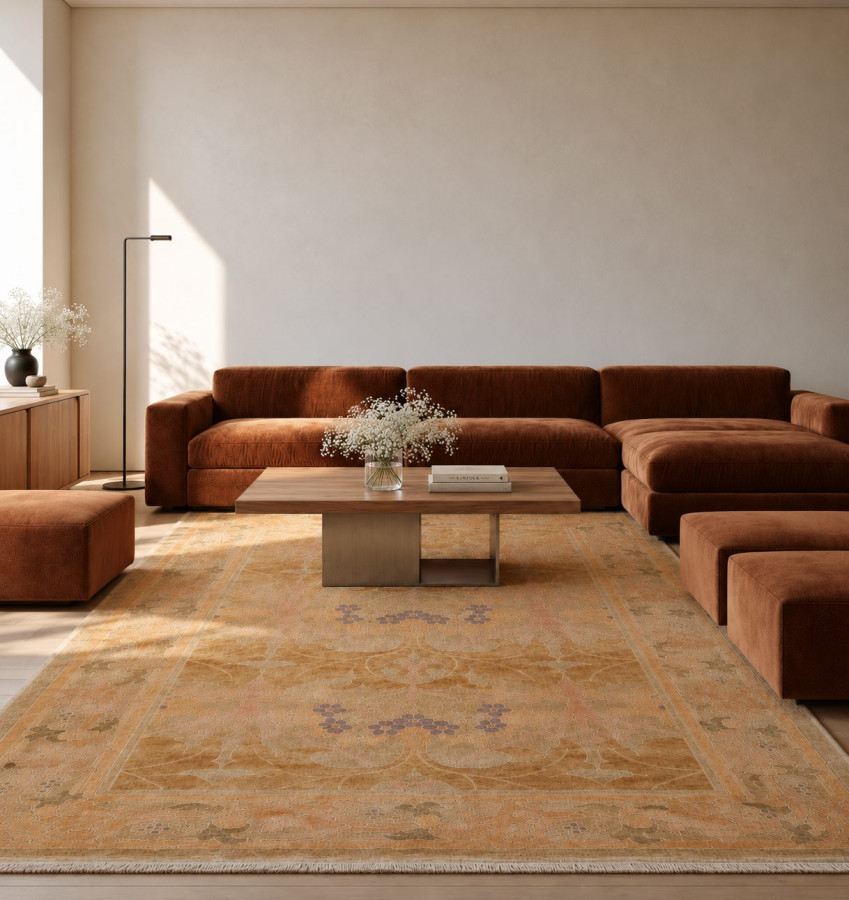
As seen in Milieu Magazine’s Summer 2025 Issue, designed by Studio Meghan Eisenbergh, features an antique Amritsar rug from Rug & Kilim’s collection.
View More >>
Something has changed in the psychology of collecting, and it has changed quietly.
For most of the modern era, the serious collector acquired for love, for scholarship, for the pleasure of living with beautiful things, and the question of value, while never absent, sat politely in the background. That arrangement has quietly inverted. Across the last two years, industry surveys have recorded a striking figure: the share of high-net-worth collectors intending to sell from their holdings has fallen from more than half to roughly a quarter. The collector of this moment is not looking to liquidate. They are looking to hold. And they are increasingly treating the objects they acquire not as expenditures but as architecture, as a considered, diversified structure of wealth that also happens to be beautiful.
The most sophisticated voices in the market have a name for what is happening. They speak of the collapse of the old boundaries between fine art and luxury objects, between the canvas and the collectible, between what one hangs and what one holds. A Basquiat, a rare timepiece, a museum-grade carpet: to the collector of today, these are no longer separate categories. They are a single asset class, unified by a common logic, that certain objects preserve wealth across generations while simultaneously carrying culture, meaning, and the irreplaceable pleasure of ownership.
This is not a new idea. It is, in fact, the oldest idea in the decorative arts, returned to us in contemporary fashion.
The Quiet Revolution in What We Mean by Money
We are living through the most significant change in the nature of currency in a generation, and most of the design world has not yet looked up from its work to notice.
In July of 2025, the United States passed its first comprehensive federal law governing digital currency legislation that, for the first time, gave regulatory legitimacy to the dollar-backed digital instruments known as stablecoins. The scale of what it formalized is difficult to overstate. In 2024 alone, stablecoins moved more than twenty-seven trillion dollars in transaction volume, a figure greater than Visa and Mastercard combined. What was, a few years ago, the speculative edge of finance has become part of its foundation. The dollar itself is going digital, moving across borders and around the clock, in a form that settles in seconds rather than days.
This is emphatically not a story about the volatility that once defined the subject. It is a story about infrastructure, about the rails on which value now travels. When the largest airline in the world begins accepting digital currency for a plane ticket, as Emirates did this summer; when the great auction houses, Christie’s, Sotheby’s, Phillips, settle eight-figure sales in it; when entire cities set formal targets to render the overwhelming majority of their transactions digital, as Dubai has, the conclusion is no longer avoidable. The manner in which the world holds and moves value is being rebuilt, and it is being rebuilt quickly.
For those who deal in objects of lasting worth, this matters enormously, because a change in the nature of money has always, throughout history, produced a change in what people do with it.
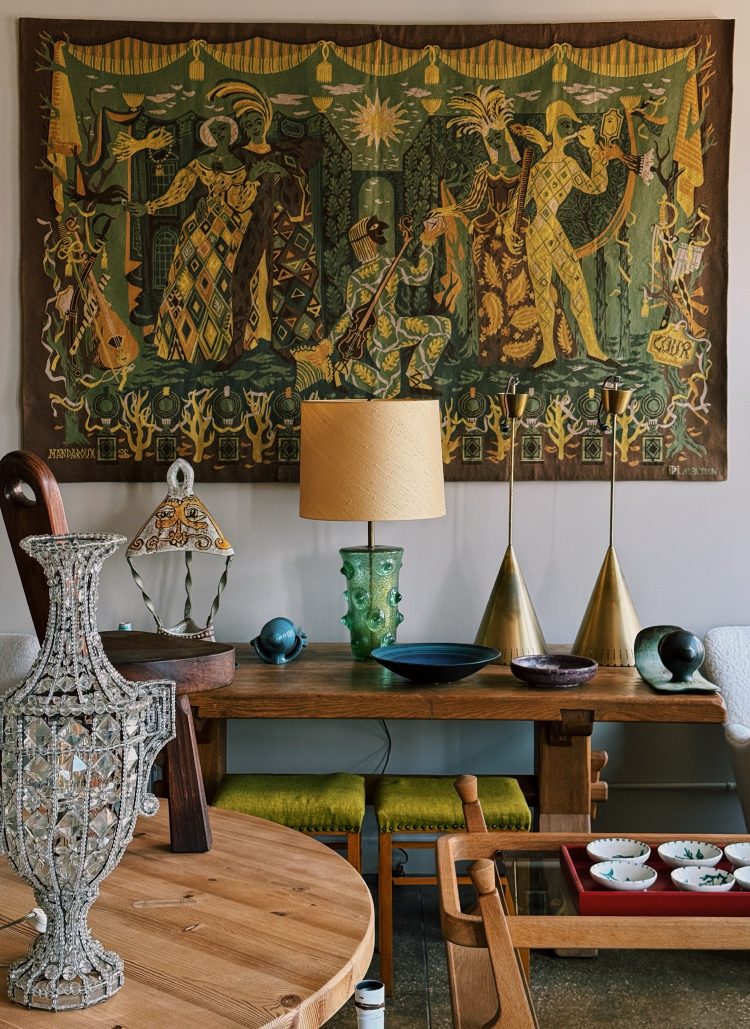
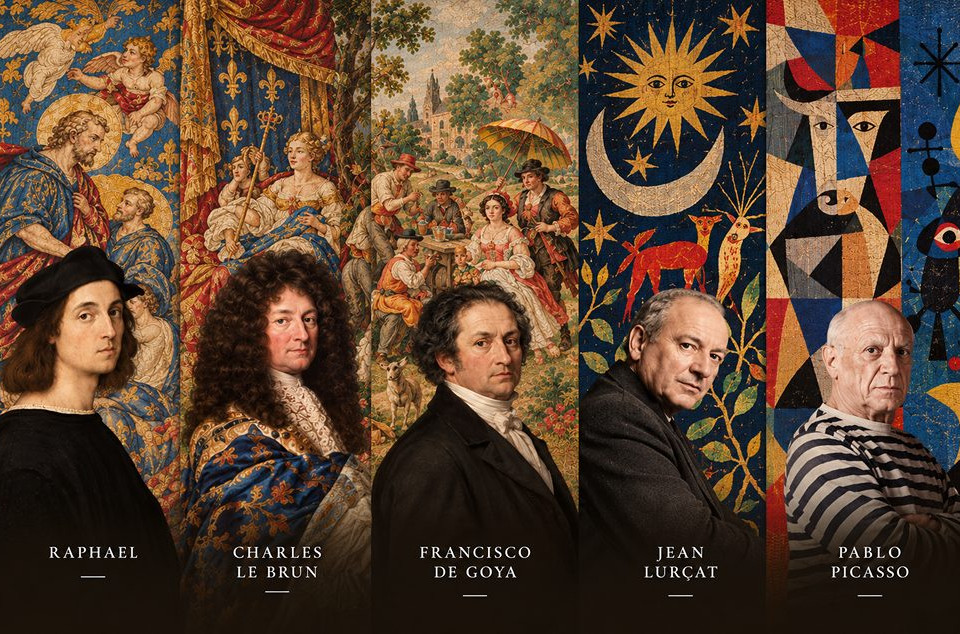
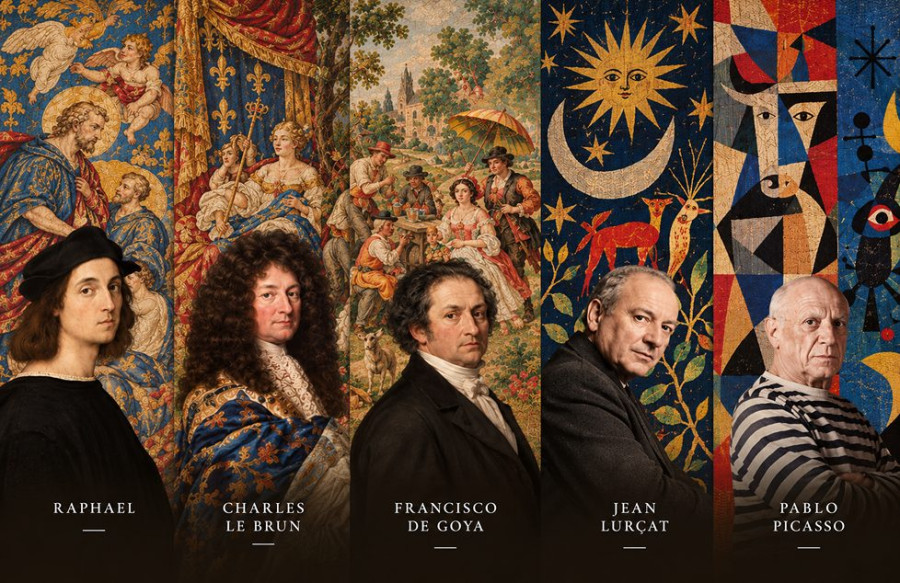
As seen in AD, Designed by Conor Burke (Gallery Folly), Photographed by Daniel Seung Lee, featuring Rug & Kilim’s tapestry
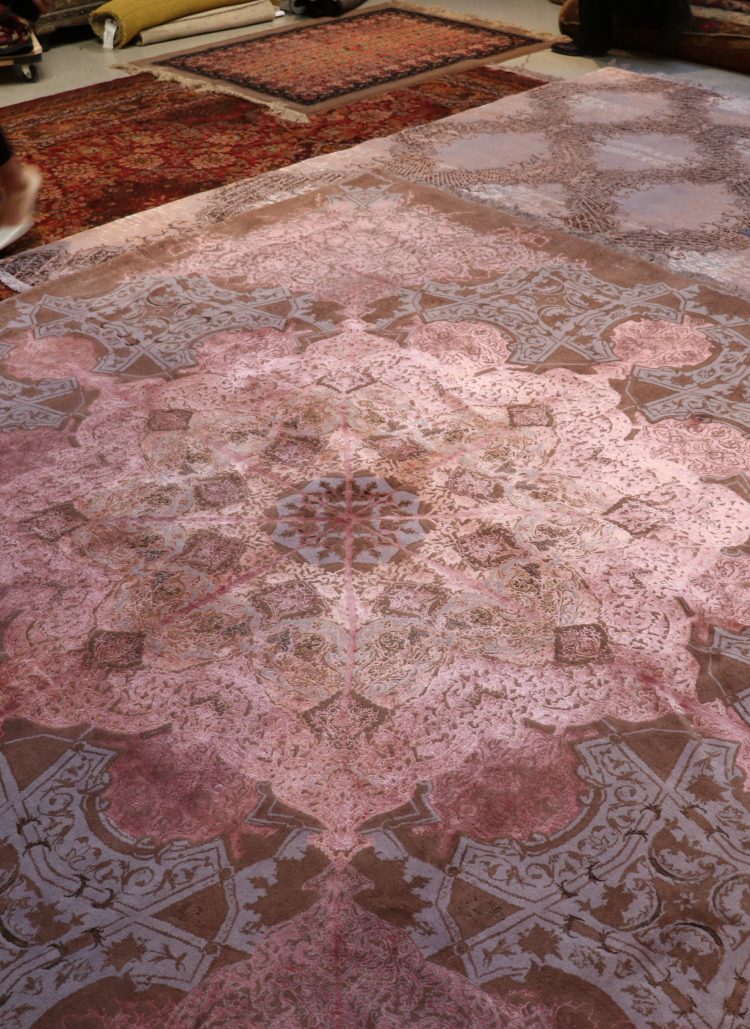
What the Carpet Always Knew
The hand-knotted carpet has been a store of value for as long as there have been markets to store it in. Long before there were banks in any modern sense, the finest weavings functioned as portable, durable, universally legible wealth, rolled and carried across borders when nothing else could be, passed between generations as both inheritance and asset. A Safavid court weaver did not require a theory of alternative investment. He understood, with complete clarity, that the object leaving his loom would hold its worth long after the coins of his era had been melted down and forgotten.
He was right. The great carpets of the sixteenth and seventeenth centuries now reside in the Metropolitan, the Louvre, the Museum of Islamic Art in Doha, and the finest of those that remain in private hands change hands, when they do at all, at figures that place them squarely among the most serious holdings a collector can own. The carpet has outlasted the empires that produced it, the currencies that first priced it, and the political systems that rose and fell around it. It absorbed every disruption without surrendering its essence. That is precisely what a store of value is meant to do.
The market’s rediscovery of this principle, its renewed appetite for the tangible, the enduring, the object with impeccable provenance and staying power is not a trend we observe from the outside. It is the ground this house has stood on for more than forty years.
The New Wealth, and the Old Objects
There is, at this particular moment, a great deal of new wealth in the world that has been structurally difficult to bring into the room where great objects change hands.
A generation of collectors has built significant holdings in digital assets, sophisticated, globally mobile, and drawn, as serious people always have been, to things that last. Yet the path from that wealth to a tangible work of art has carried a peculiar friction: to acquire the object, one first had to dismantle the holding, converting digital currency to cash and triggering the consequences that attend a sale. A great deal of capital has, for this reason alone, remained quietly separated from a great many objects it would otherwise have found.
It is in recognition of this, and in keeping with a principle far older than any currency, that Rug & Kilim now accepts cryptocurrency directly at checkout, in four forms, most notably Bitcoin. We are, to our knowledge, among the pioneers to do so. The collector may now exchange one durable asset for another, without first unmaking the wealth they have built.
The technology is new. The instinct beneath it is not. It is the same instinct that moved a merchant prince to convert coins into carpet five centuries ago: the understanding that value is most secure when it is held in objects that outlast the terms in which they were bought.
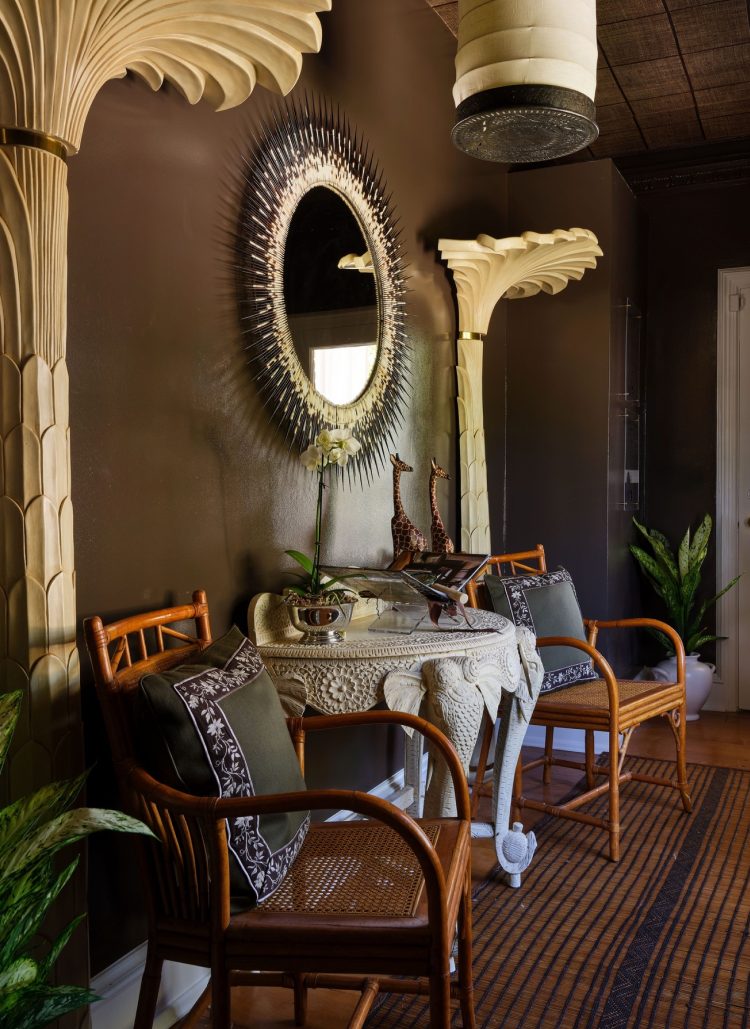
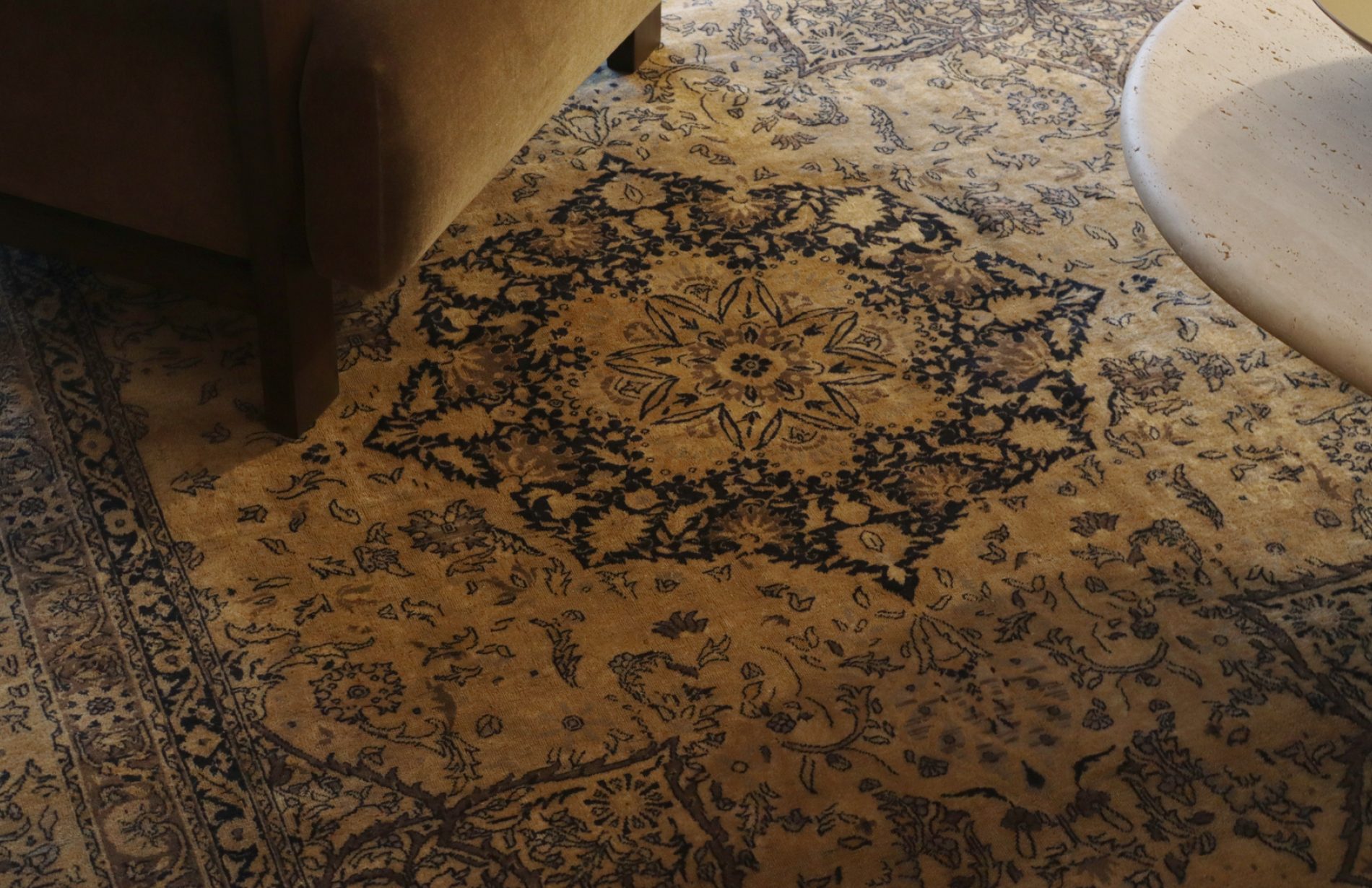
Rug&Kilim x Lawson Fenning Showroom
For the Designer, and the Collections They Build
For the designers, professions and architects who form the heart of this house, the meaning is refreshingly practical. The circle of clients who can acquire from us with ease has widened, including precisely the kind of collector whose wealth has, until now, sat just outside the frame. One more point of friction, quietly removed, between a serious client and the object that belongs in their room.
But the larger point is the one worth keeping. The interiors that endure, the ones photographed decades on and admired still, have always been built on objects chosen for permanence rather than season. That principle has not changed. What has changed is that the world’s understanding of value is catching up to what this house, and the weavers who came before it, understood all along.
The great carpet was always more than a floor. It was a holding, a document, an inheritance in waiting. It still is. We are simply making it easier, in the currency of the present, to acquire the objects that will prove the point again in a hundred years.