Style
Pictorial
Every piece in this style, across all of our collections. Narrow them down by size and price.
- Under 6 x 9
- Runners
- 6 x 9
- 8 x 10
- 9 x 12
- 10 x 14
- 12 x 15
- Over 12 x 15
Origin ▼
Style ▼
Material ▼
Width
Length
To connect with a specialist, click here
Stories from the Pictorial Archive
Essays, artist dialogues, and provenance notes drawn from Rug & Kilim’s editorial desk.
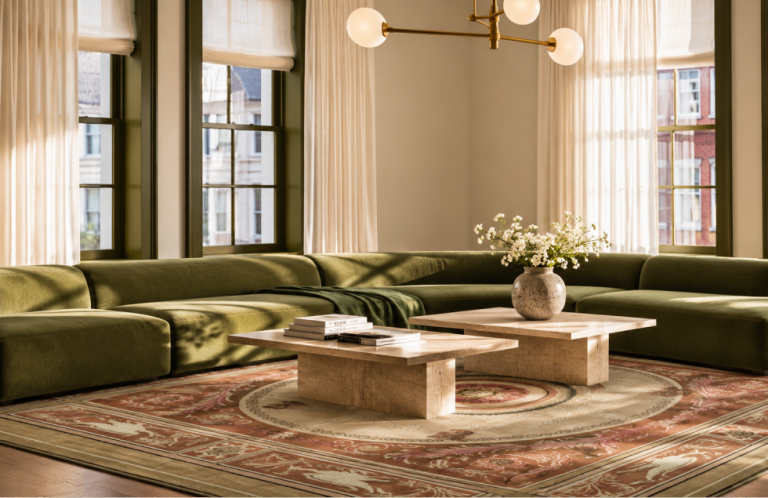
Rug of the Week: The Neoclassical 19th Century Oversized Savonnerie as a French Masterpiece
Every civilization that has reached a certain confidence has wanted to put its worldview on the floor. The Persians wove paradise gardens; the Chinese, the cosmos in miniature. France, under the Sun King, wove order itself. The Savonnerie, the royal carpet manufactory brought to its height under Louis XIV, the symmetry of the formal garden, the architecture of Versailles, the neoclassical grammar of acanthus and rosette and laurel that announced a culture certain of its own supremacy. A Savonnerie is a political philosophy you can stand on. All of which makes the four small creatures hidden in this particular example so delightfully subversive.
Read the Feature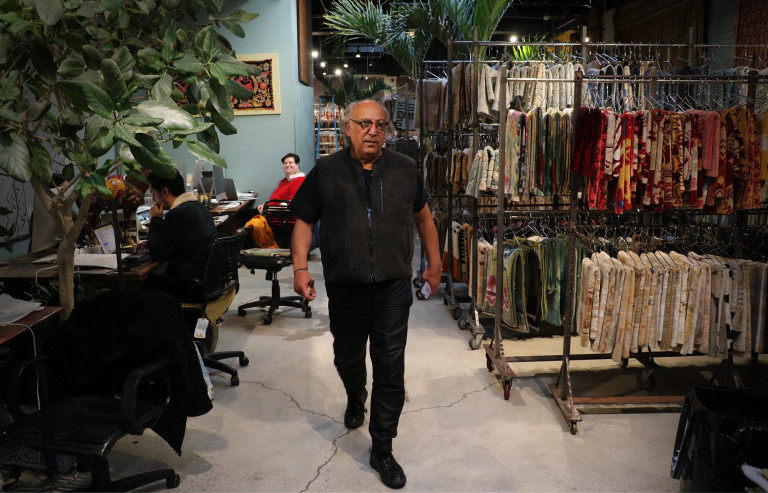
Designing Across Eras: Persian, Art Deco & Scandinavian Influences for the Modern Interior
There is a quiet misconception in contemporary interiors: that rugs belong to style categories, that they serve periods, that they follow trends. At Rug & Kilim, we see something different. We see a continuum — a lineage that begins in imperial courts, evolves through European ateliers, collides with modernism, and extends into the custom future of today’s architectural spaces. Textiles have never merely decorated history. They have shaped it. What follows is not a chronology of rugs. It is a narrative of power, authorship, reform, and reinvention — and why designing across eras, rather than within them, is the most intelligent way forward.
Read the Feature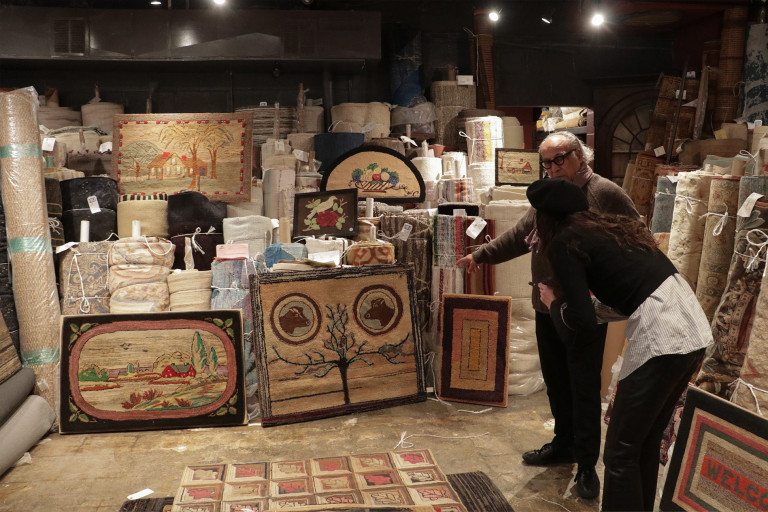
The Art of Appraisal: Inside Rug & Kilim’s Culture of Connoisseurship
Rug & Kilim Showroom — a house of woven gems, collected with intention. There is a difference between owning a rug and stewarding one. At Rug & Kilim, appraisal exists at the intersection of scholarship, diplomacy, and design history. To evaluate a textile at the highest level is to understand not only fiber and knot count but courts and ateliers, fashion houses and museums, auction rostrums and private salons. Because in truth, the greatest rugs and tapestries have always belonged to the same cultural tier as painting and architecture. A carpet signed by Jules Leleu does not simply carry a market price; it carries the intellectual weight of Paris between the wars. A tapestry attributed to Jean Lurcat is not merely woven wool; it is postwar Europe reasserting itself through myth and modernism. To appraise such works requires fluency not only in textile technique, but in art history, fashion, architecture, diplomacy—and the subtle codes of elite taste.
Read the Feature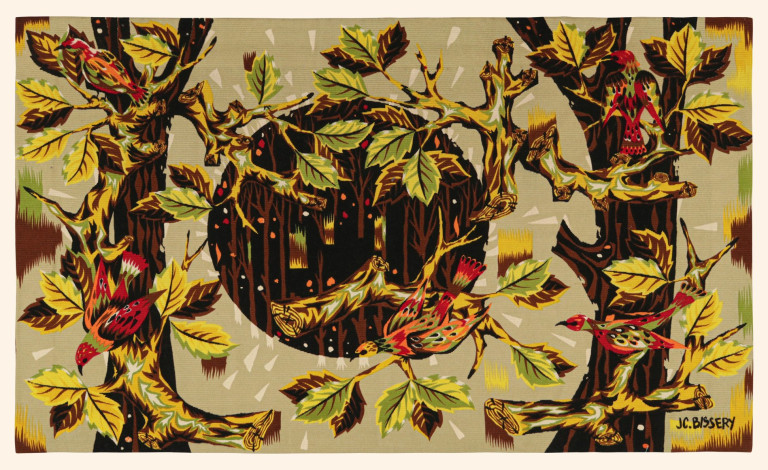
Autumn 2025: Rug & Kilim’s Five Picks for the Season of Warmth and Reverie
1. Jean-Claude Bissery’s “Forestière” Tapestry SKU 32380 The autumn of 2025 marks a decisive return to warmth. Across ateliers and showrooms, designers are rethinking comfort through the lens of material honesty and emotional color. Pale greys are receding; in their place rise umber, ochre, sienna, and burnished red—the shades of firelight and falling leaves. At Rug & Kilim, this shift feels almost cyclical. The atelier’s fall picks reveal how color, texture, and craft become instruments of atmosphere—how rugs, once seen as grounding elements, now lead the dialogue of a room. Here, we present five standout pieces from Rug & Kilim’s collection that encapsulate the soul of the season: tactile, painterly, and timelessly refined.
Read the Feature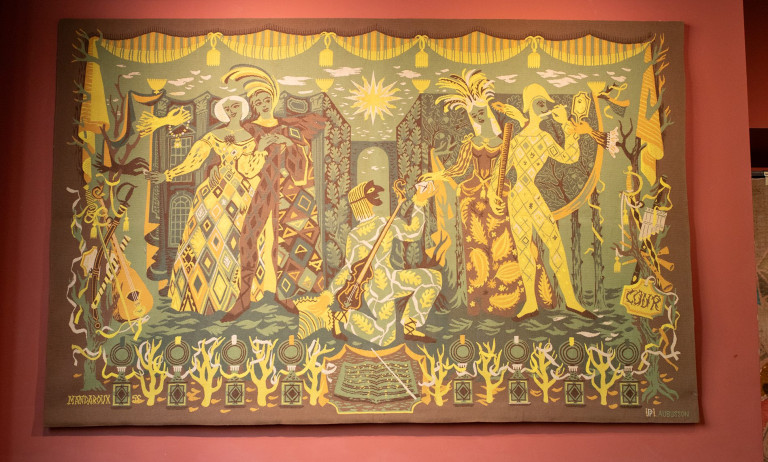
Rug of the Week IV: Mandaroux’s Le Carnaval — A Mid-Century Aubusson Tapestry in the Age of Postwar Reinvention
NO. 33873 Vintage French Aubusson Mandaroux Tapestry in Green with Pictorial | Rug & Kilim >> When the name Aubusson appears in a conversation among connoisseurs, it evokes an institution: five centuries of tapestry production that has furnished the courts of France, the grand hôtels particuliers of Paris, and the most ambitious interiors of Europe. Yet, the 20th century forced Aubusson into an existential shift. With the Second World War leaving both industry and identity fractured, the ateliers of central France were compelled to modernize. Painters, architects, and designers were invited to collaborate, transforming tapestry from historicist ornament into a modern art form.
Read the Feature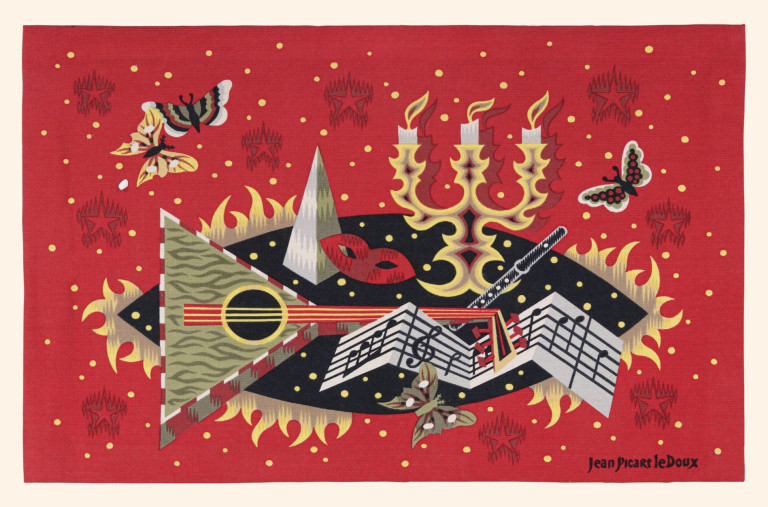
Signatures and the Art of Attribution in Luxury Rugs: Collecting with Provenance and Prestige
A Picasso or a Lalique needs no introduction — the signature itself becomes shorthand for genius, provenance, and prestige. In the world of collectible textiles, authorship is often elusive. Unlike paintings or sculpture, where an artist’s hand is documented and celebrated, rugs were historically anonymous — woven for use, dowry, or devotion, rather than individual fame. Yet over centuries, a quiet tradition of “signatures in thread” has emerged: marks, cartouches, inscriptions, or motifs that elevate a rug from being a functional textile to an authored artwork. These signatures, whether literal or symbolic, have become the connoisseur’s key to provenance, prestige, and value.
Read the Feature