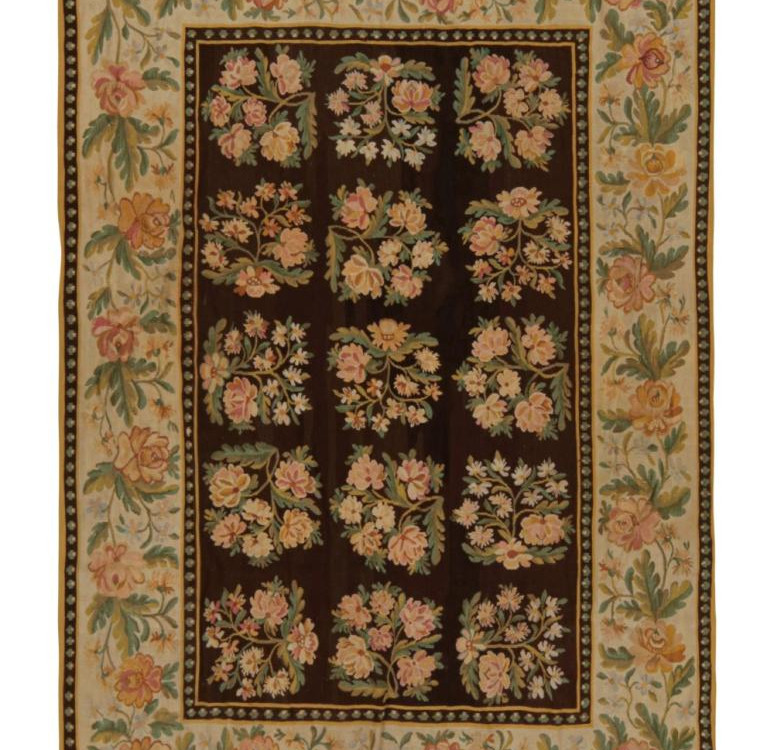

Rug of the Week Series III: Power, Pattern, and Politics in French Needlepoints of the Second Empire
August 29, 2025
The Art, Politics, and Design of Peking Rugs: From Qing Palaces to Contemporary Interiors
August 29, 2025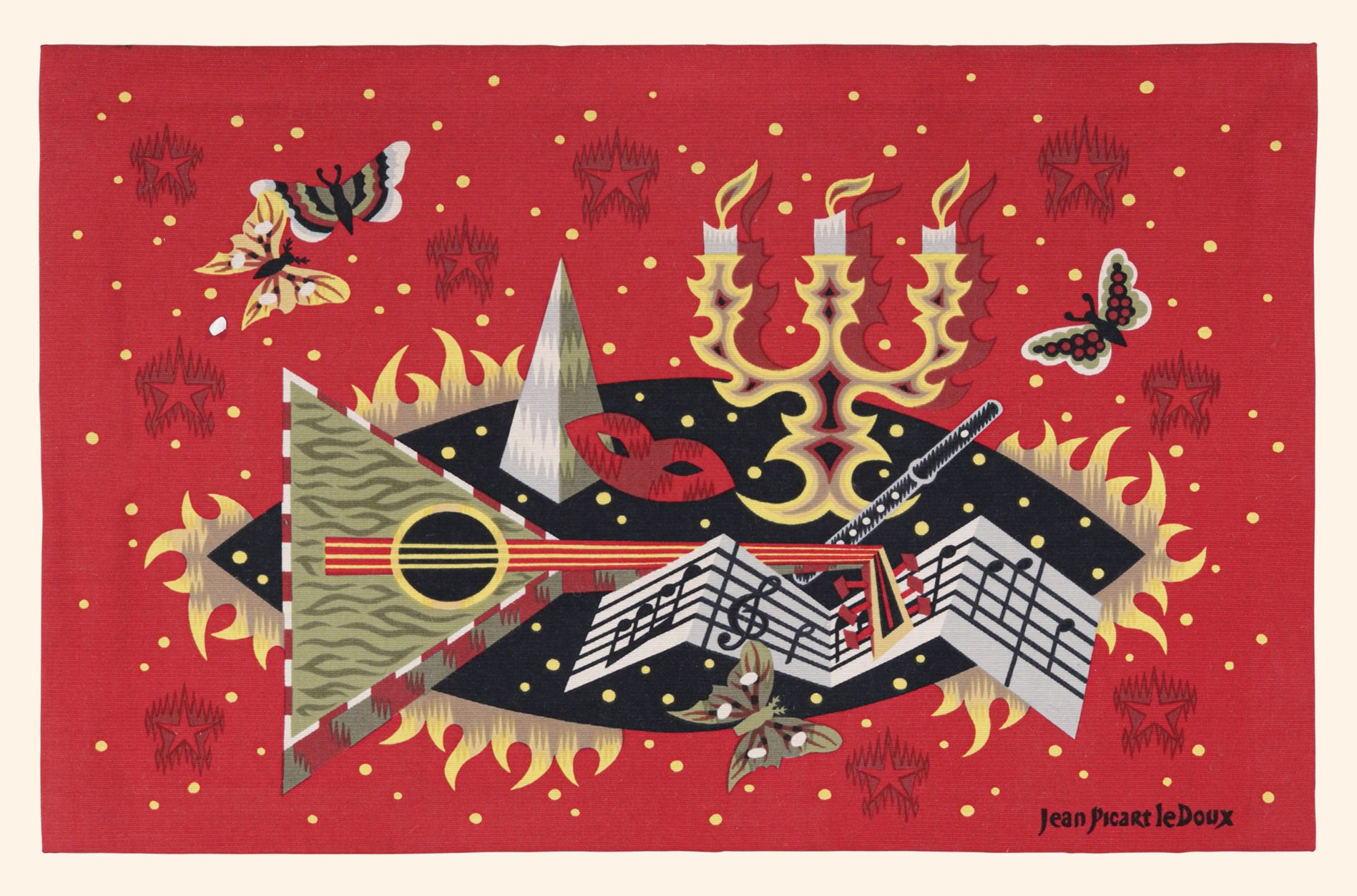
A Picasso or a Lalique needs no introduction — the signature itself becomes shorthand for genius, provenance, and prestige.
In the world of collectible textiles, authorship is often elusive. Unlike paintings or sculpture, where an artist’s hand is documented and celebrated, rugs were historically anonymous — woven for use, dowry, or devotion, rather than individual fame. Yet over centuries, a quiet tradition of “signatures in thread” has emerged: marks, cartouches, inscriptions, or motifs that elevate a rug from being a functional textile to an authored artwork. These signatures, whether literal or symbolic, have become the connoisseur’s key to provenance, prestige, and value.
For the discerning eye of today’s collector or interior architect, these signatures in thread are as significant as hallmarks on silver or signatures on an oil painting.
The Concept of Authorship in Textiles
The question of authorship in rugs is complex. In tribal contexts — such as Qashqai, Anatolian, or Turkmen groups — identity was embedded through motifs rather than names. A single medallion, border arrangement, or color choice could function as a signature of a family, clan, or region. By contrast, in urban or court workshops of Persia, Turkey, and later Europe, rugs were designed under the supervision of known masters. Here, signatures took on a different role: they signified branding, quality assurance, and attribution in the same way a cabinetmaker’s stamp might on a piece of 18th-century furniture.
This duality — anonymous collective versus individual authorship — defines the history of signatures in rugs.
Makers’ Marks in European Traditions
European weaving traditions provide some of the clearest cases of signed rugs.
Aubusson and Savonnerie: In 17th and 18th-century France, carpets woven for the court often bore royal cyphers, initials, or coats of arms, effectively functioning as woven signatures of patronage. These marks linked the carpet not to the anonymous weaver, but to the monarch who commissioned it.
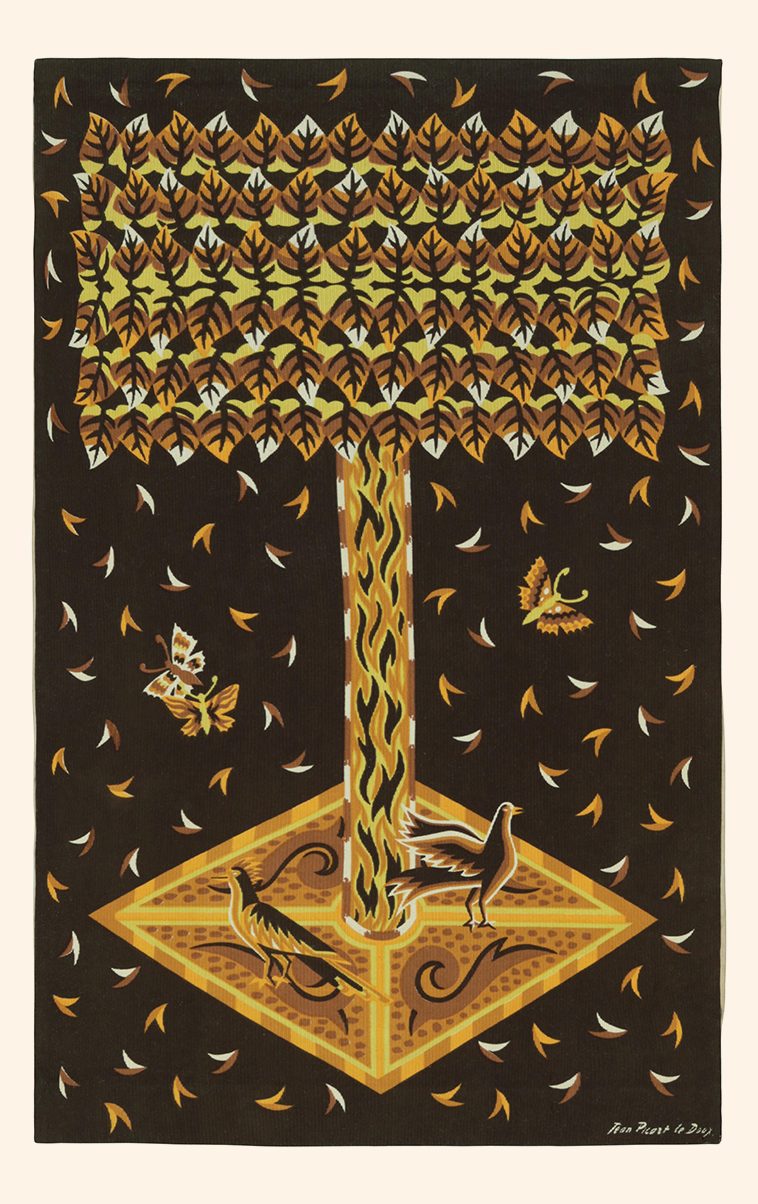
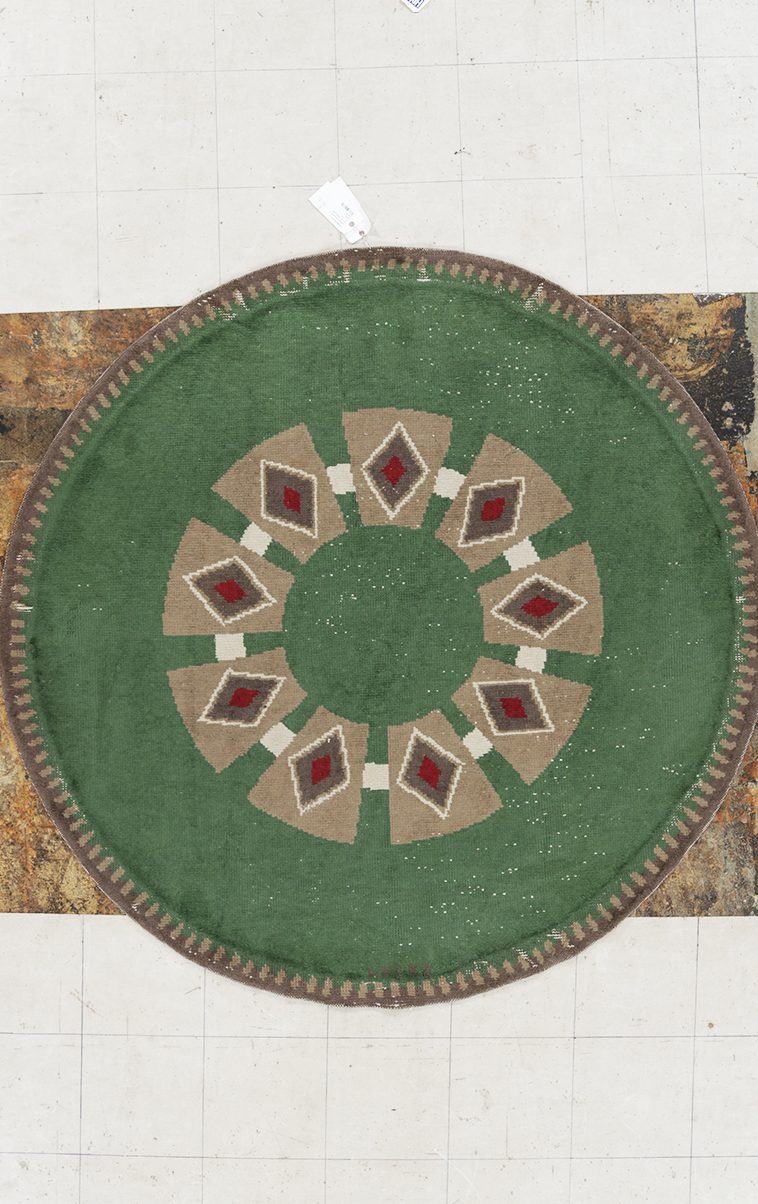
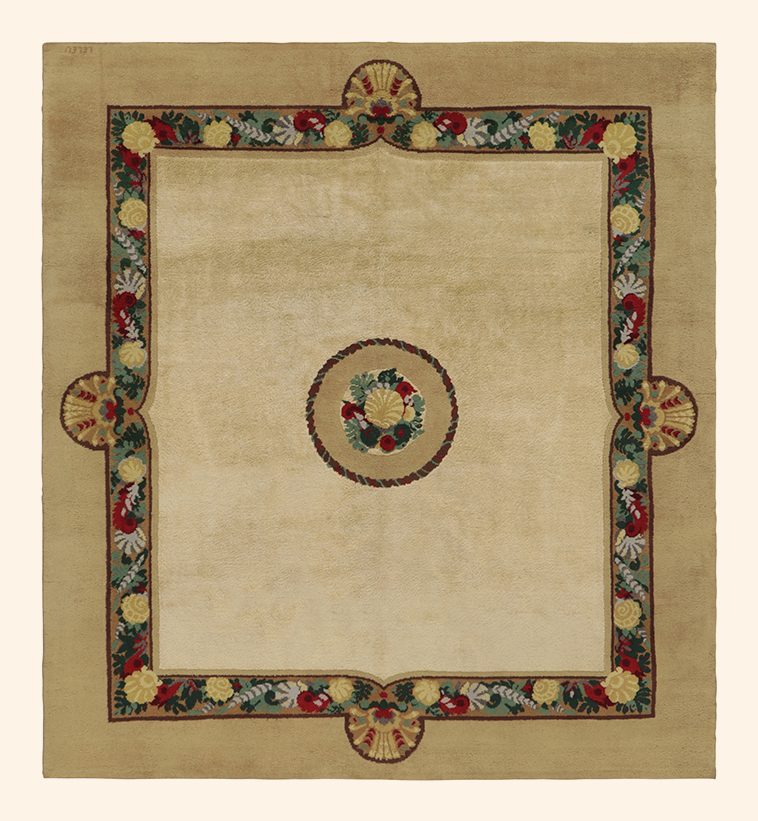
Art Deco masters: By the 20th century, signatures shifted toward designers themselves. Figures such as Jules Leleu and Armand-Albert Rateau produced carpets that were explicitly signed, aligning them with collectible furniture, lighting, and objets d’art. Their rugs were exhibited at the 1925 Paris Exposition Internationale des Arts Décoratifs and cemented as objects of modern luxury.
In these contexts, a rug became not just a floor covering but a collectible authored design, part of the broader canon of decorative arts.
Oriental Rugs and Attribution Practices
In the East, signatures carried layered meanings.
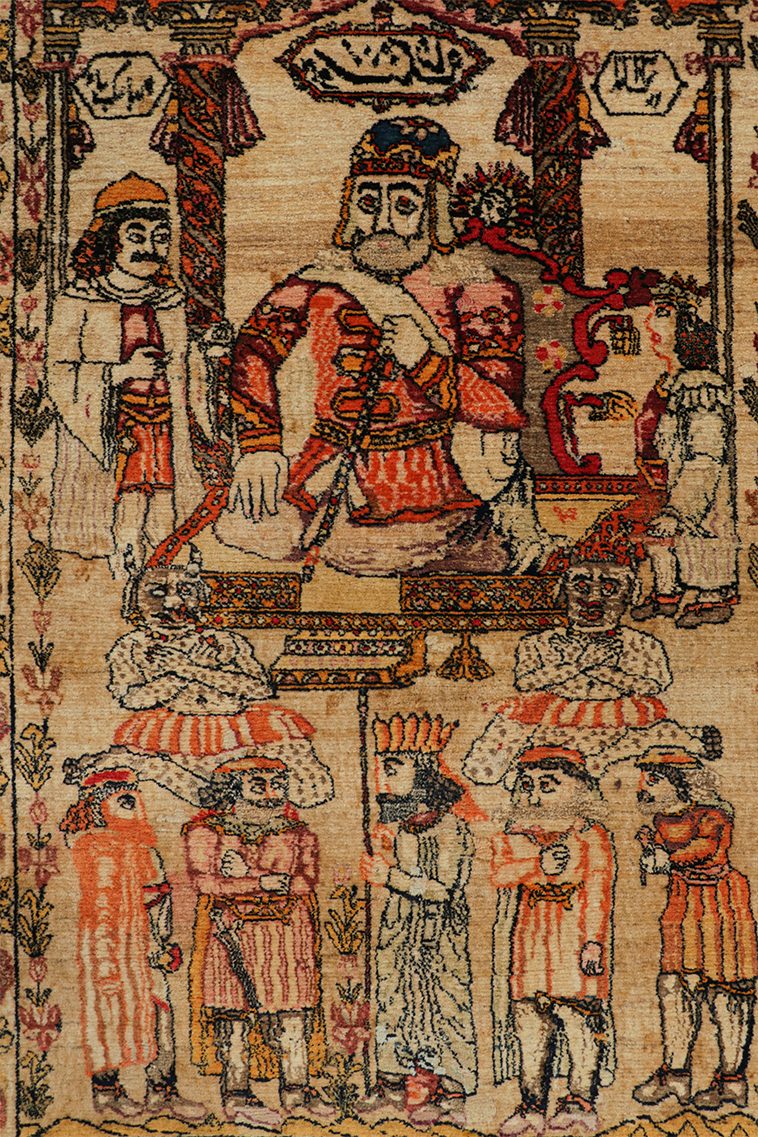
Persian court carpets: Safavid and later Qajar examples often include woven inscriptions in cartouches, sometimes citing the patron, workshop, or even poetic verses. These were both marks of authorship and declarations of cultural prestige.
Prayer rugs: Inscribed with Qur’anic verses or dedications, these blurred the line between devotional text and authorial mark.
Tribal attributions: In Anatolia and the Caucasus, signatures were rarely literal but often encoded in recurring motifs. A specific medallion or border could signify a village or family line — a woven signature known only to insiders.
This symbolic system resonates strongly with connoisseurs, who decode these marks as one might read a painter’s brushstroke.
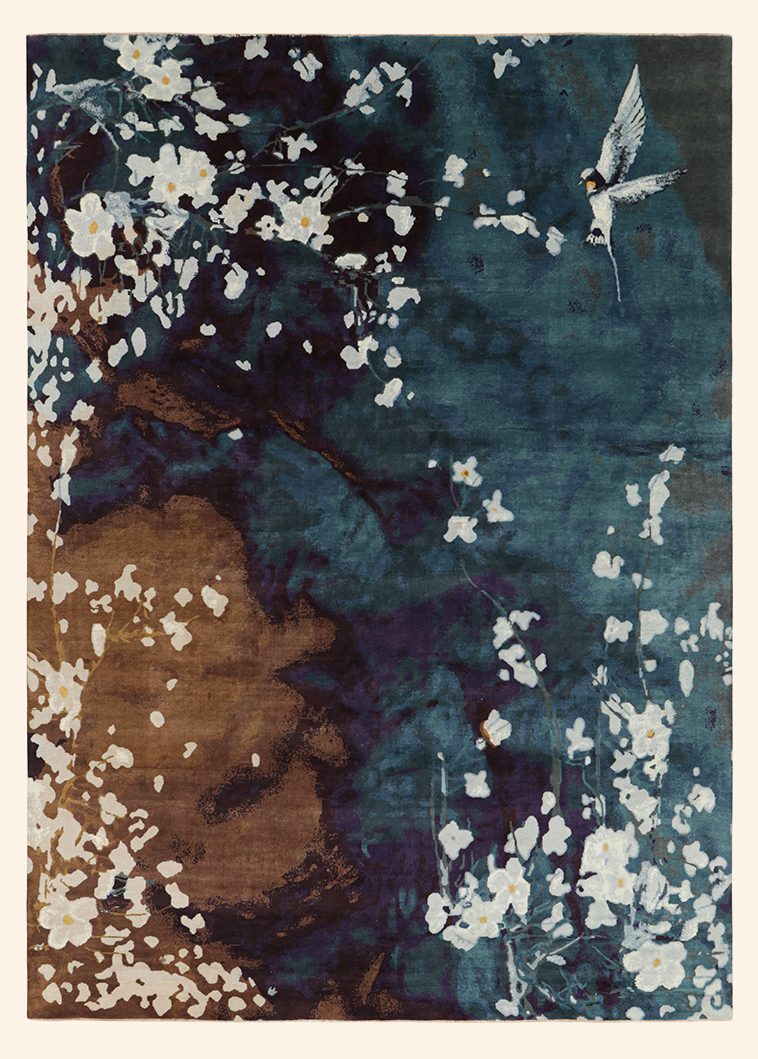
Hand-knotted in wool, this 10×14 Chinese art deco rug features a design similar to a vivid watercolor or expressionist painting inspired by the Nichols and Fette period pieces. Details >>
The Modernist & Deco Era Signatures
The early 20th century saw a flourishing of signed rugs as part of the Art Deco movement.
Walter Nichols: In Peking and Shanghai, Nichols became synonymous with luxury carpets for Western expatriates and Chinese elites. His rugs often incorporated a distinct palette (rich blues, vibrant pinks, soft ivories) and sometimes bore subtle identifiers of his workshop. Today, Nichols rugs are prized not only for their aesthetics but for the clarity of authorship.
Zeki Müren: The Turkish singer and cultural icon brought his star power into rug design. His signed kilims of the mid-20th century bridged pop culture and traditional craft, creating some of the first celebrity-authored carpets.
European Art Deco: Alongside Leleu and Rateau, designers such as Jacques-Émile Ruhlmann and Jean-Michel Frank treated rugs as integral parts of their interiors, often explicitly signed or documented, making attribution central to their value.
In this era, rugs became collectible as design statements in their own right, not just complements to furniture.
Makers’ Marks in the Global Market
Today, signatures are a decisive factor in valuation and provenance. Auction houses such as Christie’s, Sotheby’s, and Bonhams emphasize signatures in cataloguing, often using them as a key selling point. A signed Nichols rug, for example, commands significantly higher premiums than unsigned Peking examples. Similarly, signed French Deco carpets by Leleu or Rateau are treated as design masterpieces, with hammer prices reflecting their authorship as much as their condition.
For collectors, a signature transforms a rug into an authored object — one with a direct lineage, a traceable hand, and an undeniable aura of prestige.
Symbolic Signatures vs. Literal Signatures
Not all signatures are written in text. In fact, the majority of rug “signatures” are symbolic.
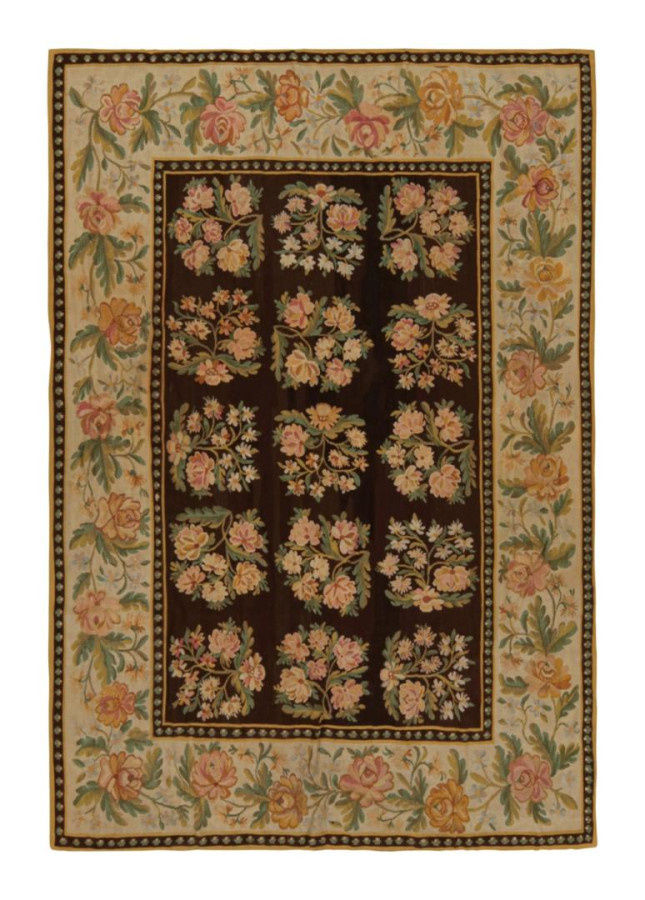
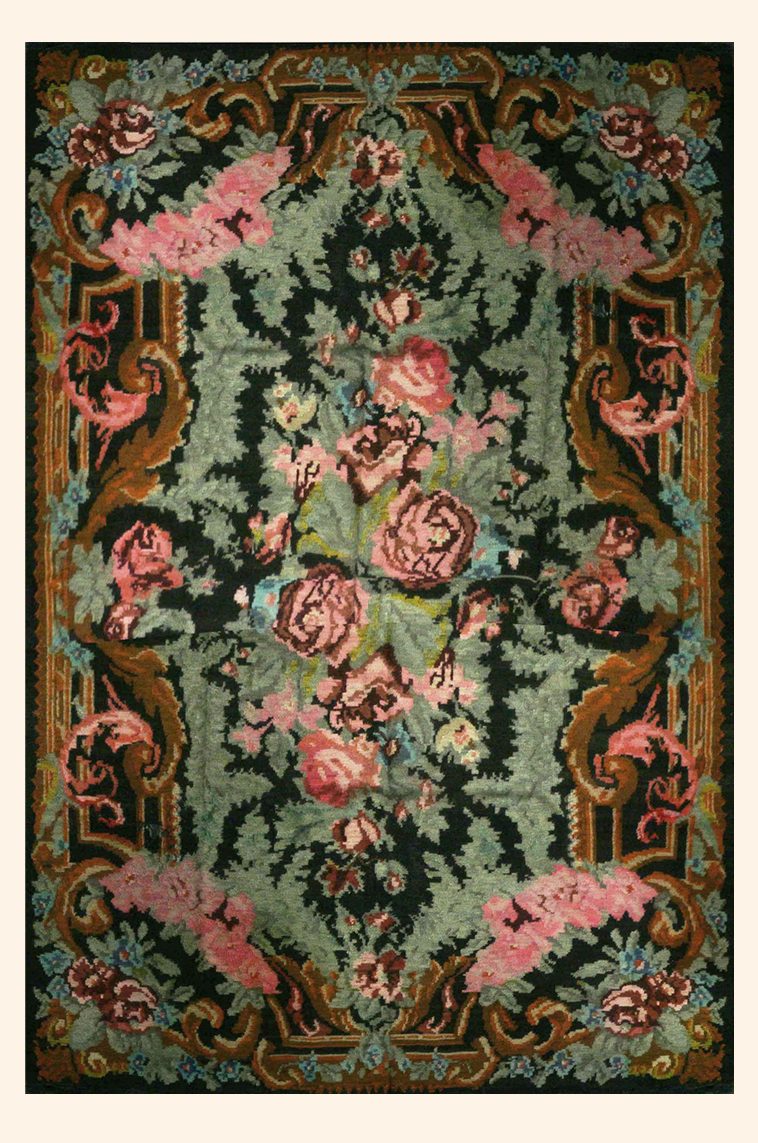
Bessarabian floral motifs: Regional signatures through recurring bouquets and dark grounds.
Qashqai medallions: The “chahar mohreh” diamond lozenges functioning as clan identifiers.
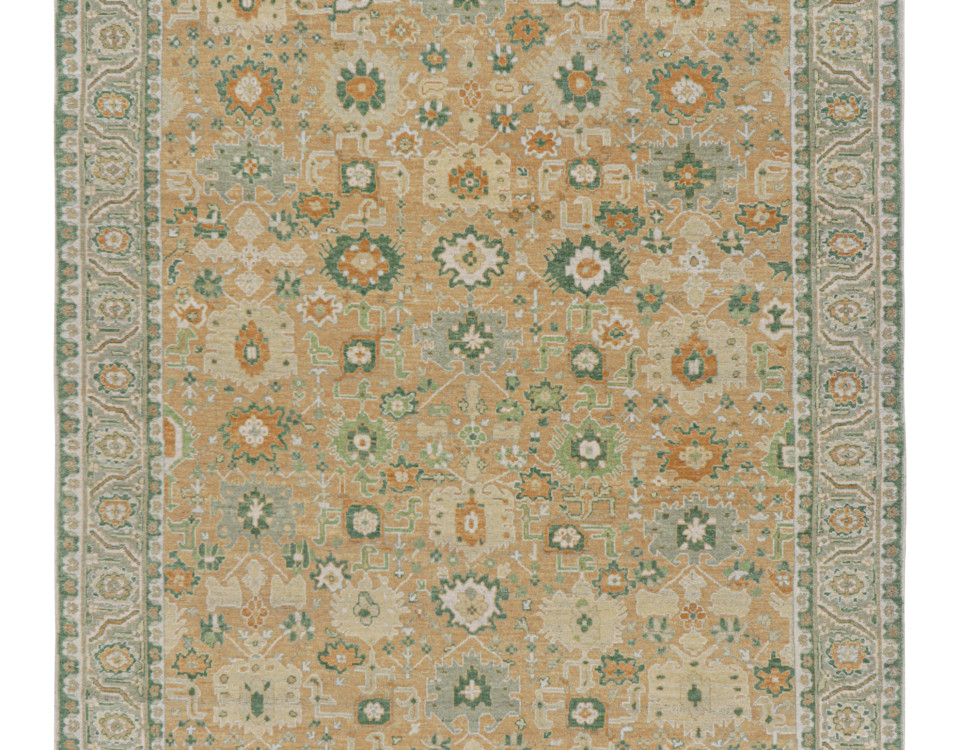
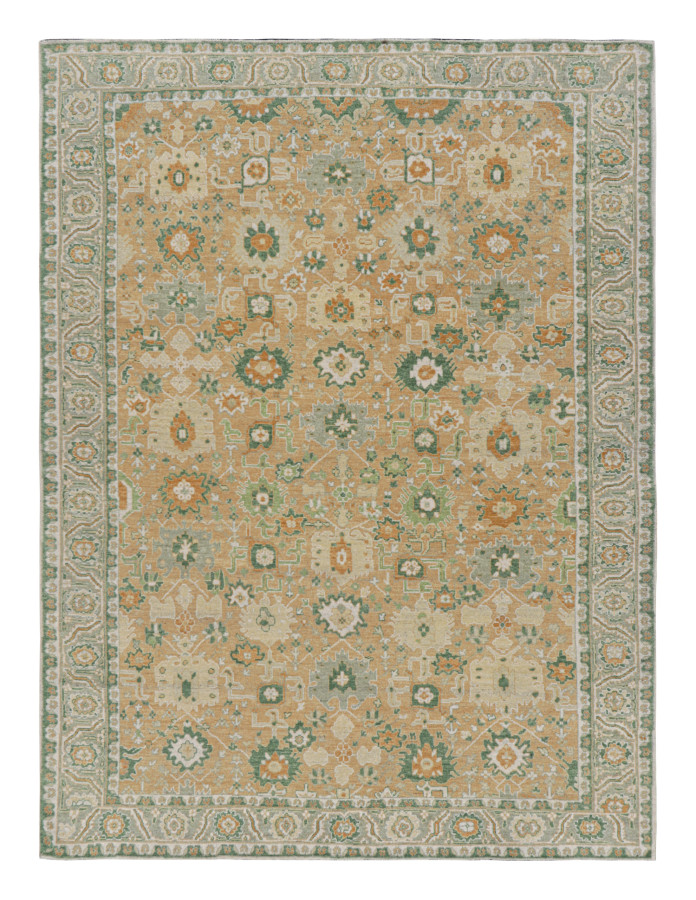
Needlepoint and Oushaks: Color palettes and border structures acting as invisible hallmarks of their origins.
These motifs are signatures as much as any written name, though deciphering them requires connoisseurship.
Contemporary Continuities
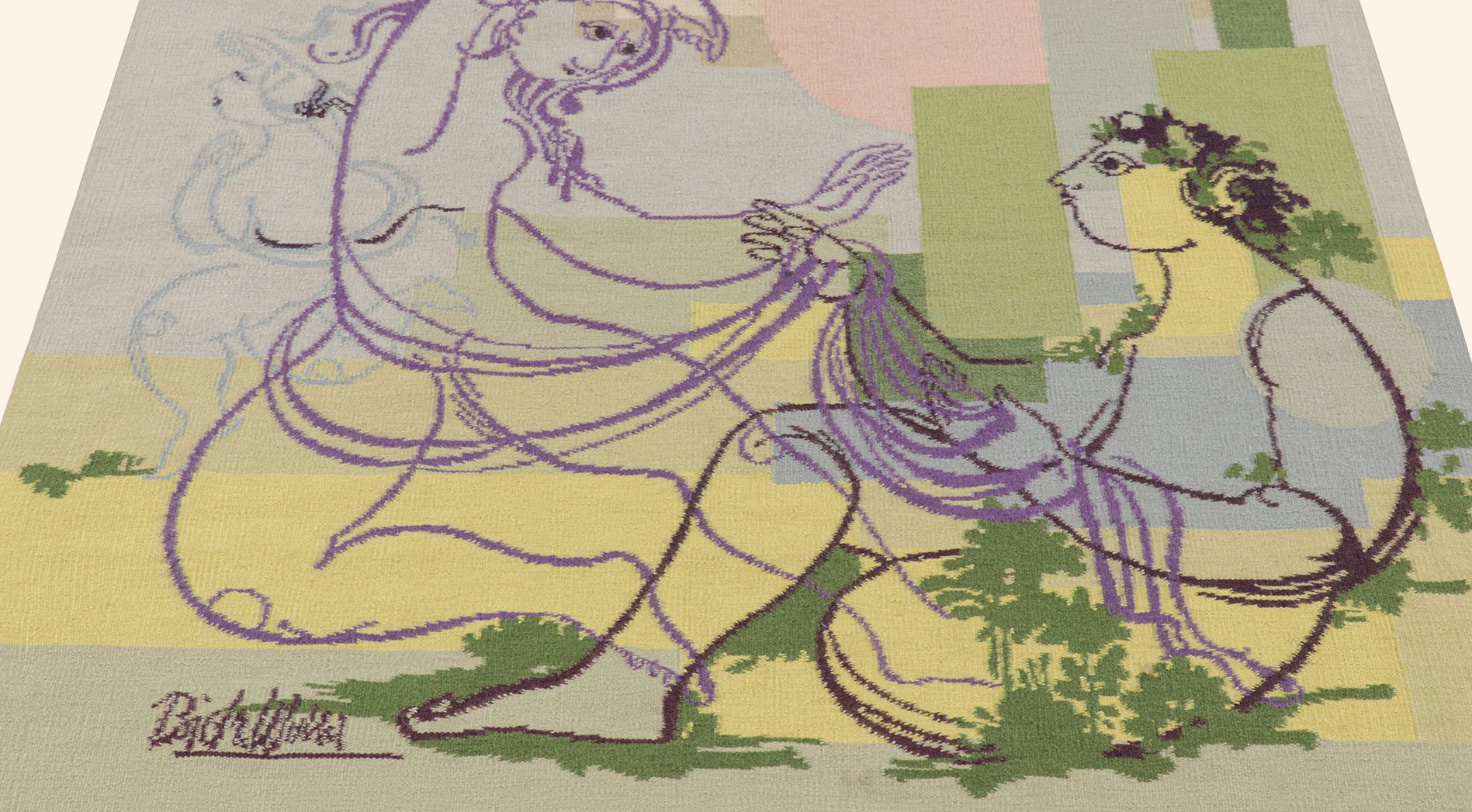
The tradition of signing rugs has not disappeared. Designers such as Jan Kath, Christopher Farr, and Fort Street Studio produce contemporary rugs as collectible artworks, often signed, numbered, or editioned like fine art prints. Galleries present them not as floor coverings but as wall-hung pieces, often accompanied by certificates of authenticity.
Meanwhile, contemporary artists such as Grayson Perry and Ai Weiwei have also incorporated textiles into their practice, further blurring the boundary between rug as design and rug as authored art.
The Luxury of Authorship
Signatures in rugs are far more than decorative additions. They are statements of identity, authorship, and prestige. From Safavid court inscriptions to Leleu’s Art Deco masterpieces, from Nichols’ Shanghai ateliers to the symbolic codes of the Qashqai, these marks connect us to the hands — and minds — behind the textile.
For the collector, a signature is both a guarantee of provenance and a window into history. For the designer, it transforms a rug into a piece of authored luxury.
And for the scholar, it is the thread that ties rugs to broader conversations in art, politics, and culture.
In a world where anonymity was once the norm, the woven signature elevates a rug from object to authored artifact — a silent autograph in wool and silk, still speaking across centuries.
~~~