Style
Tabriz
Every piece in this style, across all of our collections. Narrow them down by size and price.
- Under 6 x 9
- Runners
- 6 x 9
- 8 x 10
- 9 x 12
- 10 x 14
- 12 x 15
- Over 12 x 15
Origin ▼
Style ▼
Material ▼
Width
Length
To connect with a specialist, click here
Stories from the Tabriz Archive
Essays, artist dialogues, and provenance notes drawn from Rug & Kilim’s editorial desk.
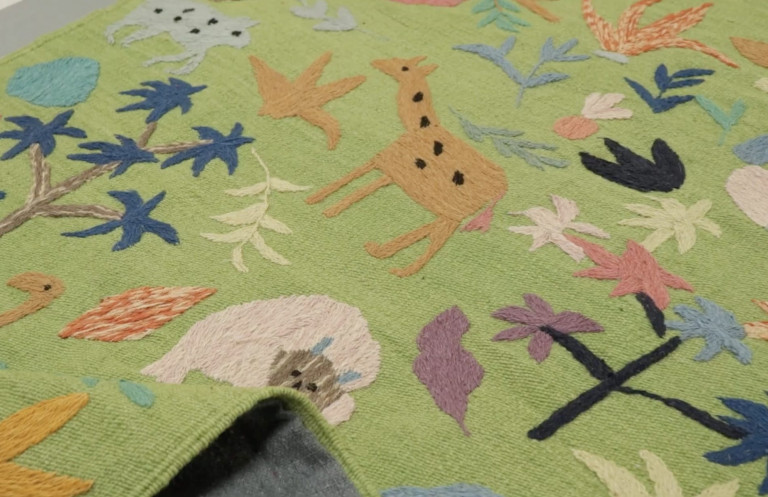
The Long Life of a Green: On Celery, Color of the Year, and the Four Centuries of Weaving That Anticipated It
Every year, the color world makes its pronouncement, and every year the design world turns to see what it has been given. For 2027, Sherwin-Williams has named Celery; a light, airy, herbal green with a yellow undertone, chosen, in the company's words, for a moment that prizes wellness, balance, and connection. It is a soft color with a quiet glow and a faint edge; it pairs, its makers note, with white for something breezy, with cranberry red for something playful, with brown for something elevated. It is, by any measure, a beautiful and intelligent choice. It is also a color the great weavers of the world have understood for four hundred years.
Read the Feature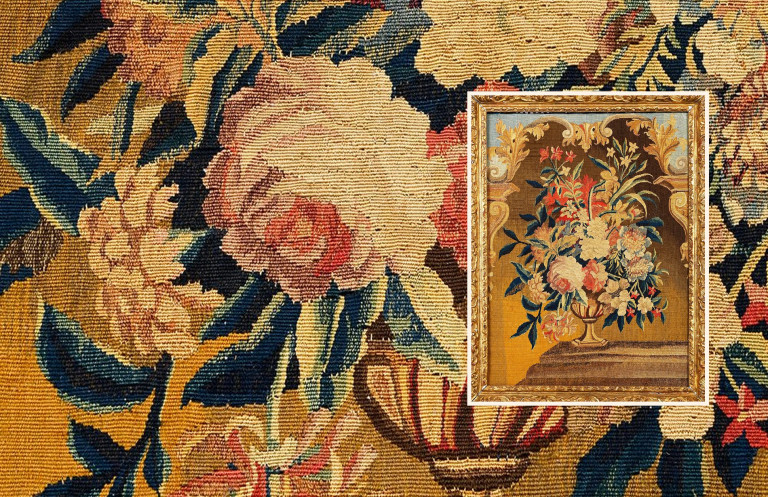
The Evolution of Floral Motifs in Antique Rugs and Kilims: Mapping the Pomegranate, Tulip, and Carnation
Antique 17th Century French Beauvais Tapestry with Floral Vase - Rug & Kilim, NO. 36829 We had a tapestry acquisition unfolding itself in the studio a while ago. Josh and the team just stood there, silently admiring the way the light caught the threads. This was the Antique French Beauvais Tapestry (SKU 36829). It was handwoven in wool, with natural silk accents, circa 1700. When you look at something like that, you do not just see fabric. What you see is the garden of wool and dreams. The precise interlacing of the wefts gives a picture of a gigantic floral vase placed atop an architectural entablature. The botanical imagery is absolutely mesmerizing. There is so much wealth and mystery to it all.
Read the Feature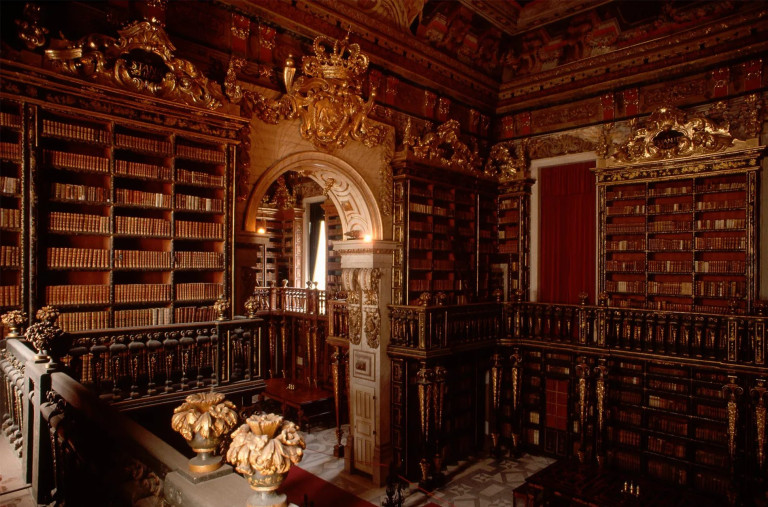
Deventer, KVT and the Dutch Carpet: The Workshop that Wove for Royalty
The Dutch did not look abroad for the floors of their palaces. This is a small fact with large implications. When the courts of Europe sent to Aubusson and Savonnerie for their carpets, when the very word Smyrna on a label conferred the authority of the East, the House of Orange laid beneath its ceremonial rooms a carpet woven in a river town in the eastern Netherlands, at a factory that had, with a confidence bordering on provocation, named its own street after Smyrna itself. Smyrnastraat, in Deventer. The address of the Koninklijke Vereenigde Tapijtfabrieken, and a declaration of standing made in cobblestone.
Read the Feature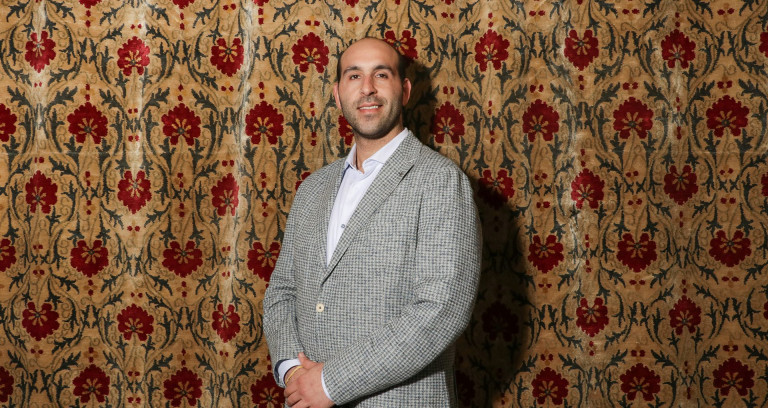
Collectible Persian Rugs with Modern Soul: Tabriz and the Rise of Art Deco Design
Long before the streamlined geometry of the Art Deco movement captured the world’s imagination in the 1920s, a quieter revolution had already unfurled on the looms of 19th-century Tabriz. In the urban heart of northwest Persia, the city’s master weavers—working under Qajar court patronage and propelled by a revivalist ambition—crafted rugs that presaged the ornamental modernism of the Deco era. These antique Tabriz rugs, often prized for their structural clarity and aesthetic restraint, offer an extraordinary glimpse into a proto-modern design vocabulary that feels startlingly contemporary.
Read the Feature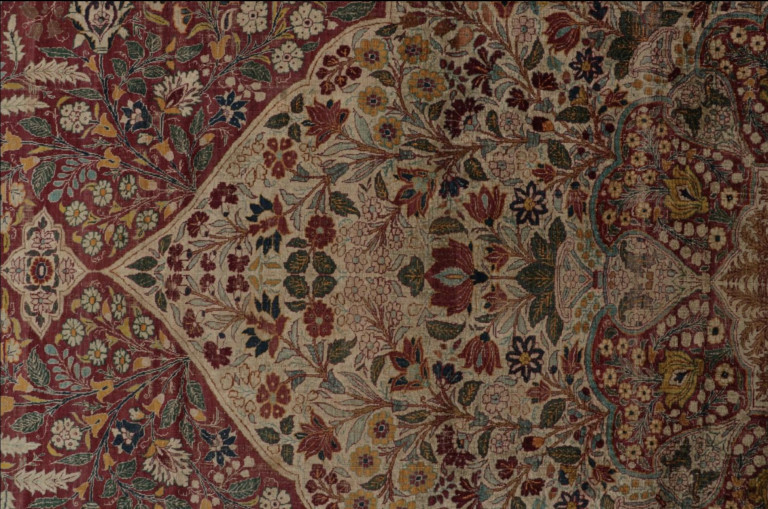
A Guide to 19th Century Antique Hadji Jalili Persian Rugs
In Persian carpet weaving, one name commanded universal respect: Hadji Jalili. Operating from Tabriz, a historically significant city—long celebrated as Persia's gateway to European commerce—Jalili transformed the art of carpet weaving into an expression of refinement and philosophical depth. Among the grand masters of Persian carpet weaving, his workshop stood apart, creating works of such sublime refinement that they would forever alter classical Persian design. To understand Jalili's genius, one must first journey back to the splendors of the Safavid era, when Tabriz emerged as the epicenter of Persian carpet artistry. Here, where the legendary Ardebil Carpet was born - that masterpiece now enshrined in London's Victoria & Albert Museum - Jalili would later inherit and transform a weaving tradition stretching back centuries.
Read the Feature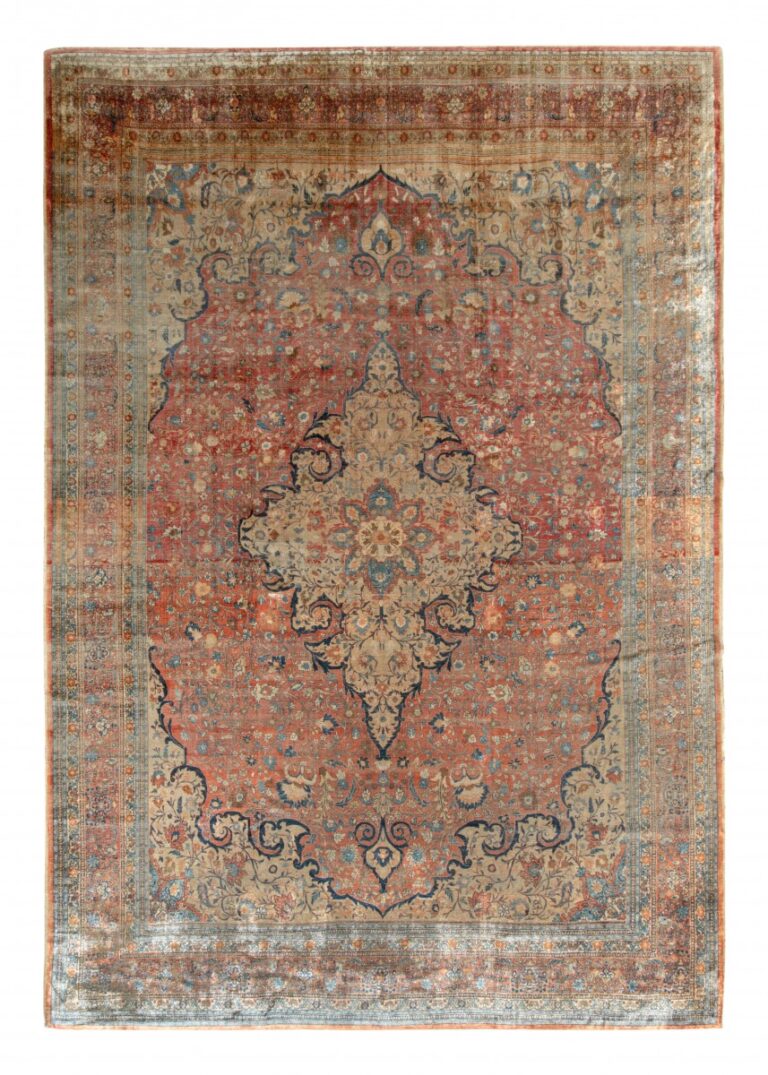
A Brief Guide to Tabriz Rugs
Tabriz rugs are some of the most sought-after pieces in Persian rug-making. Hand-knotted in the city of Tabriz, Iran, these rugs are renowned for their beautiful designs and exquisite craftsmanship. Since the 16th century, the city of Tabriz has been an epicenter of the Persian rug industry. Today, its works remain some of the most coveted in all handmade rug provenances. One of many elements that set Tabriz rugs apart from other Persian carpets is the variety of designs and motifs used. From geometric patterns to florals and paisleys, Tabriz rugs typically feature a wide range of intricate patterns, creating a beautiful tapestry of color and texture. Additionally, Tabriz rugs are typically made with high-quality wool, which gives many a soft and luxurious texture. They are, however, one of the select Persian rug provenances with silk rugs in their ancestry.
Read the Feature