
A Guide to “Tree of Life” in Oriental and Persian Rugs
December 27, 2024
Rug & Kilim’s Featured Projects of 2024
January 15, 2025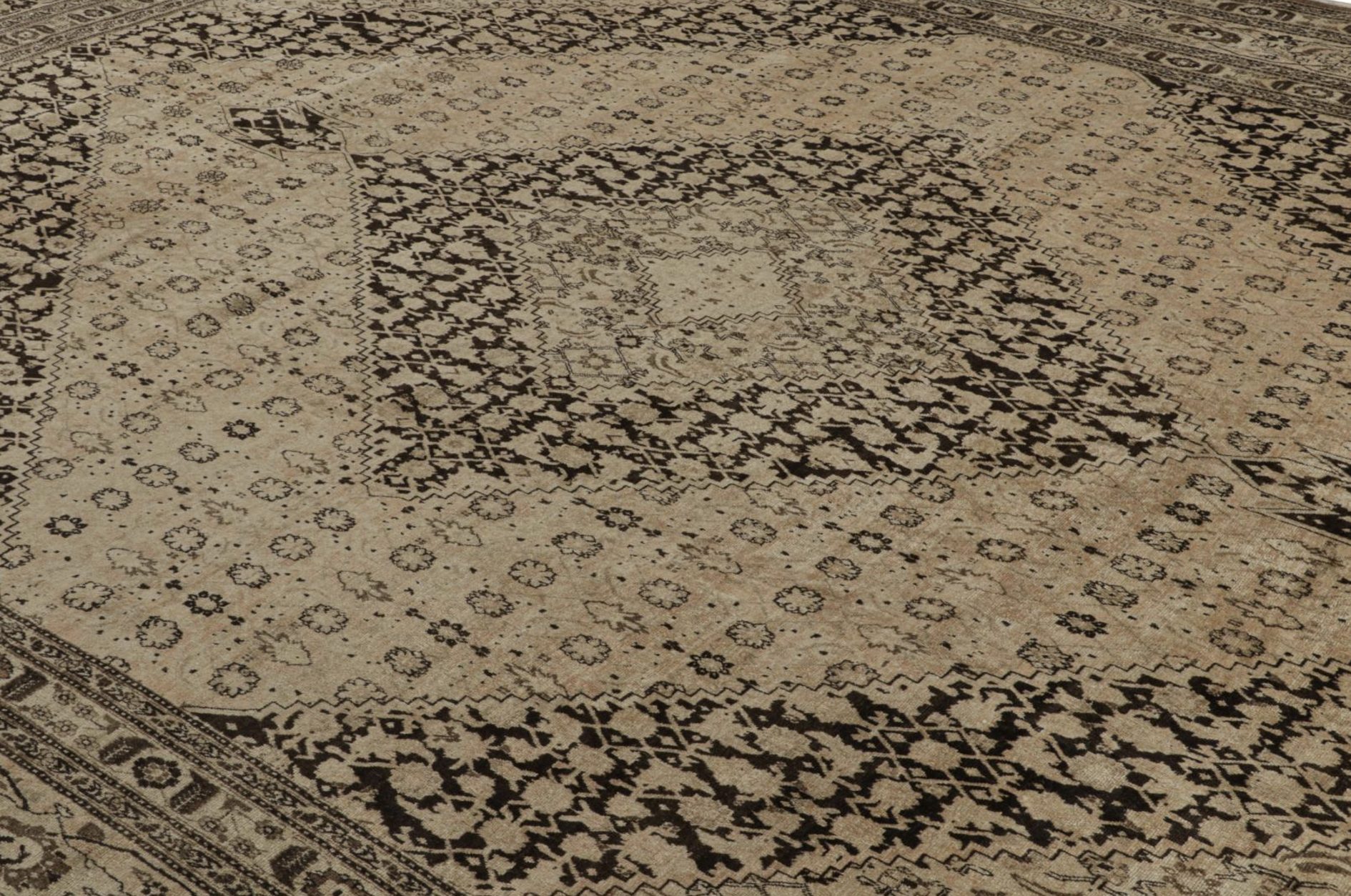
In Persian carpet weaving, one name commanded universal respect: Hadji Jalili.
Operating from Tabriz, a historically significant city—long celebrated as Persia’s gateway to European commerce—Jalili transformed the art of carpet weaving into an expression of refinement and philosophical depth. Among the grand masters of Persian carpet weaving, his workshop stood apart, creating works of such sublime refinement that they would forever alter classical Persian design.
About Hadji Jalili
To understand Jalili’s genius, one must first journey back to the splendors of the Safavid era, when Tabriz emerged as the epicenter of Persian carpet artistry. Here, where the legendary Ardebil Carpet was born – that masterpiece now enshrined in London’s Victoria & Albert Museum – Jalili would later inherit and transform a weaving tradition stretching back centuries.
Jalili’s singular genius lay in his remarkable synthesis of influences. A scholar versed in both European Romantic art and Sufi philosophy, he brought an intellectual sophistication to carpet design that transcended mere decorative artistry.
His workshop, among Tabriz’s most prestigious, produced masterworks that continue to command attention in the world’s finest collections.
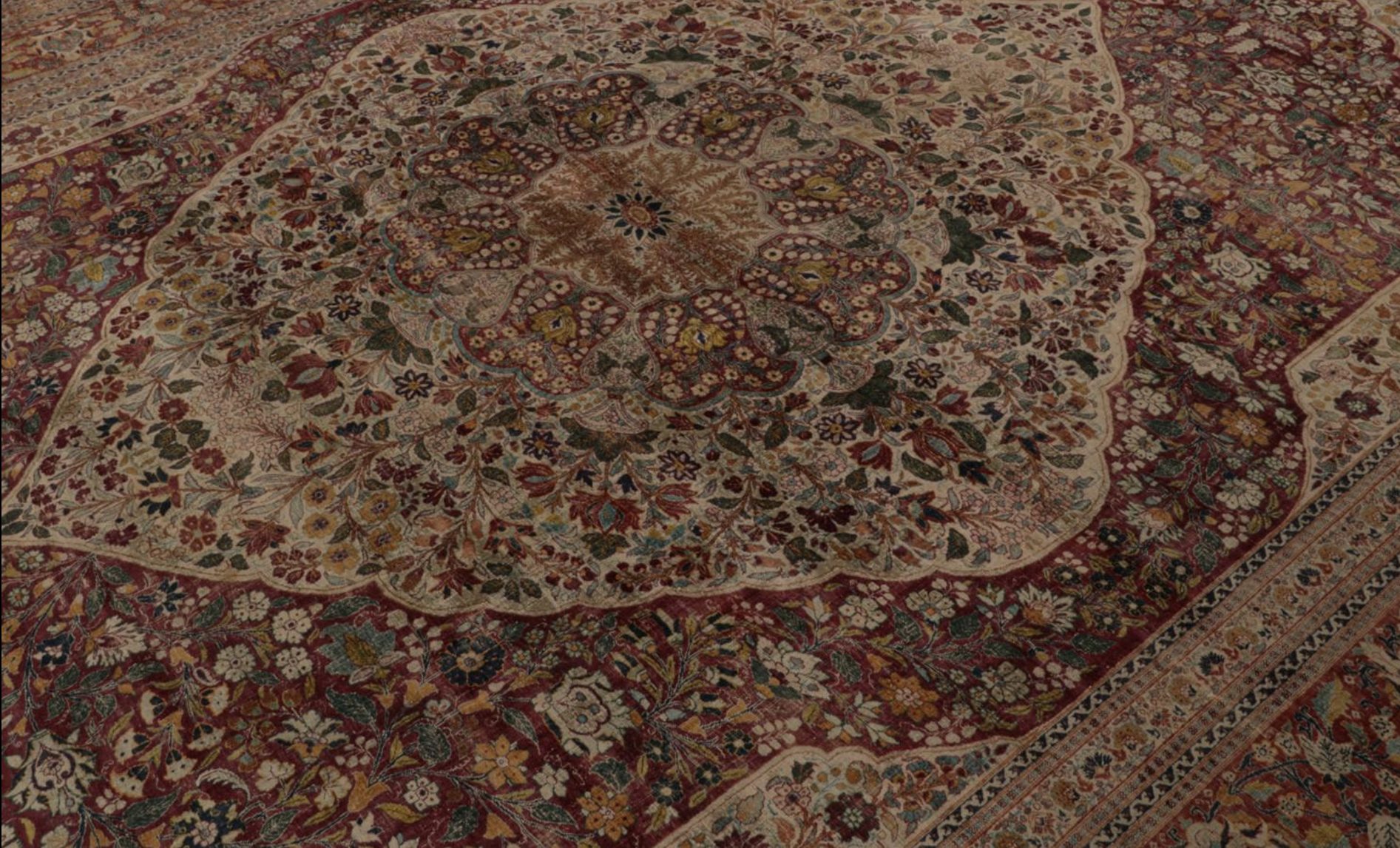
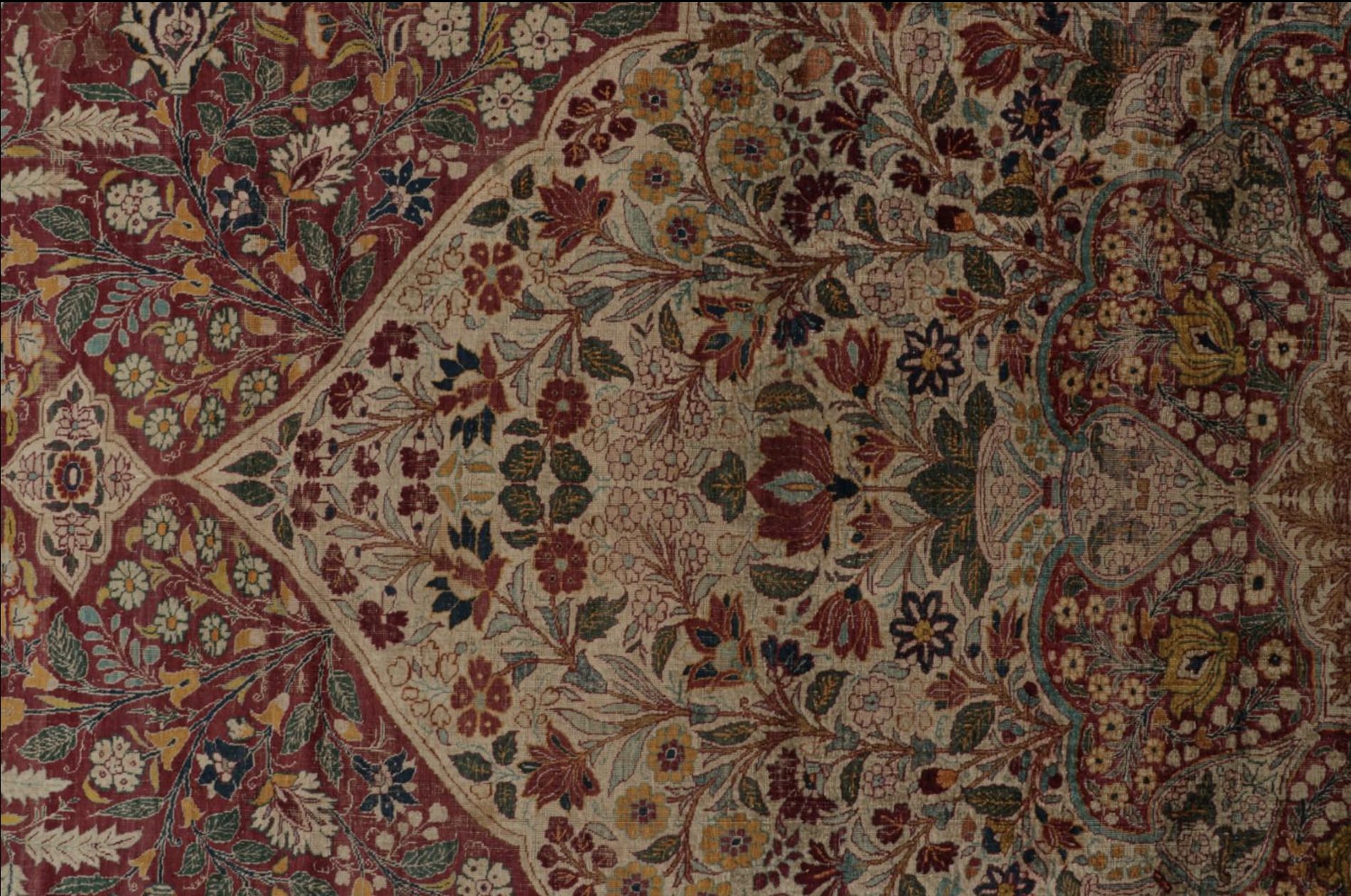
Significance of Jalili’s Persian Carpets
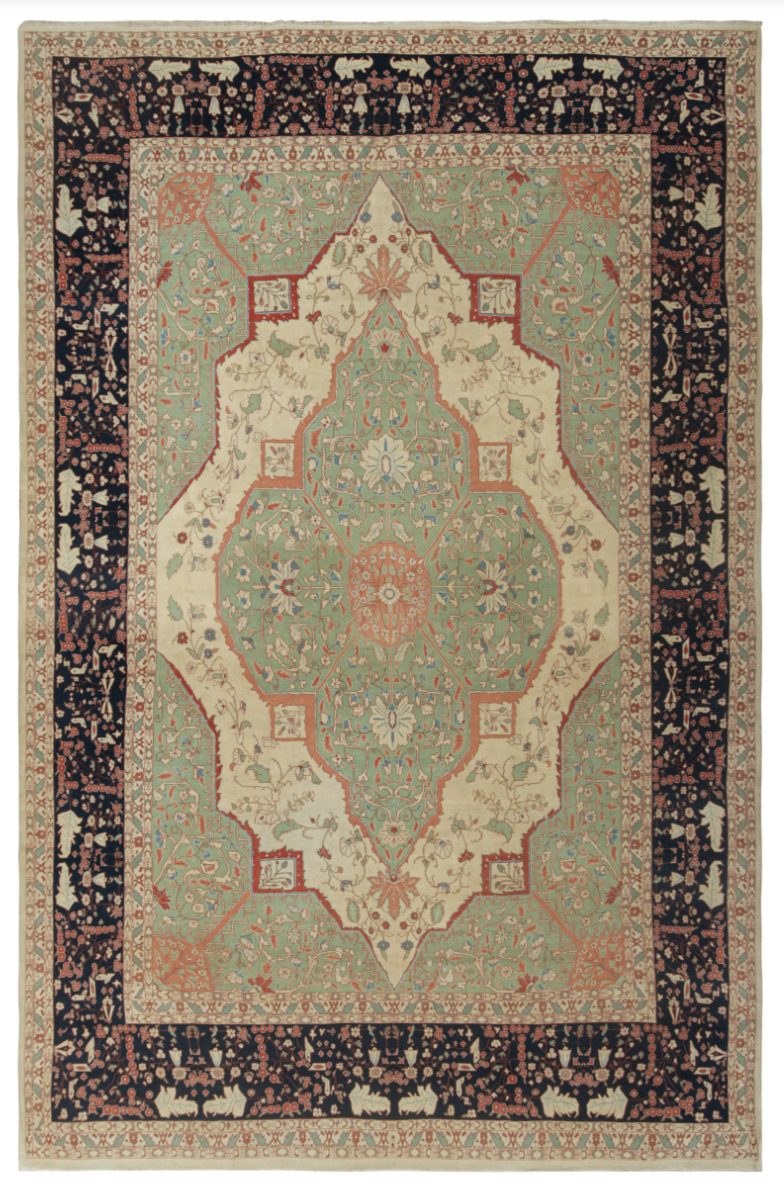
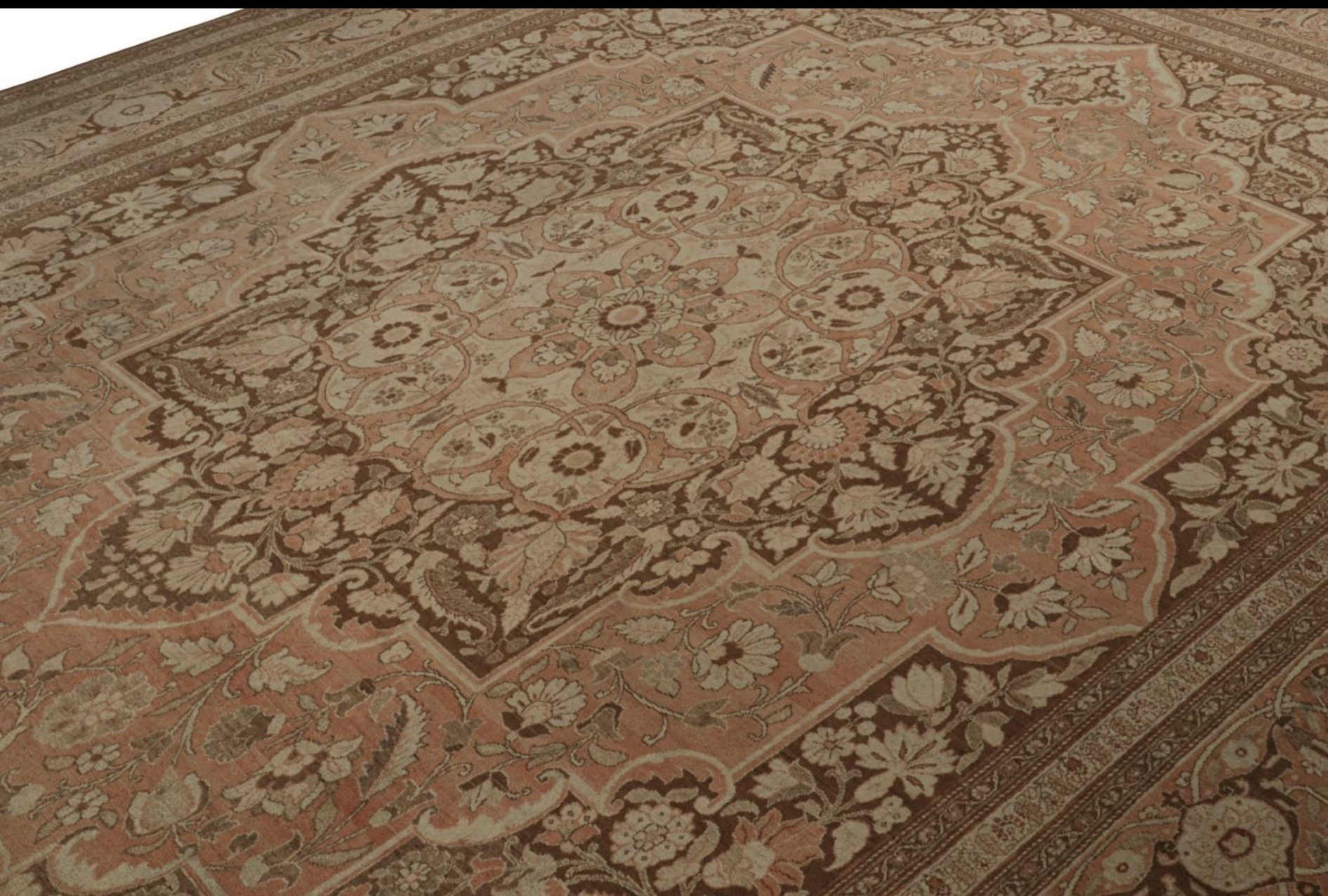
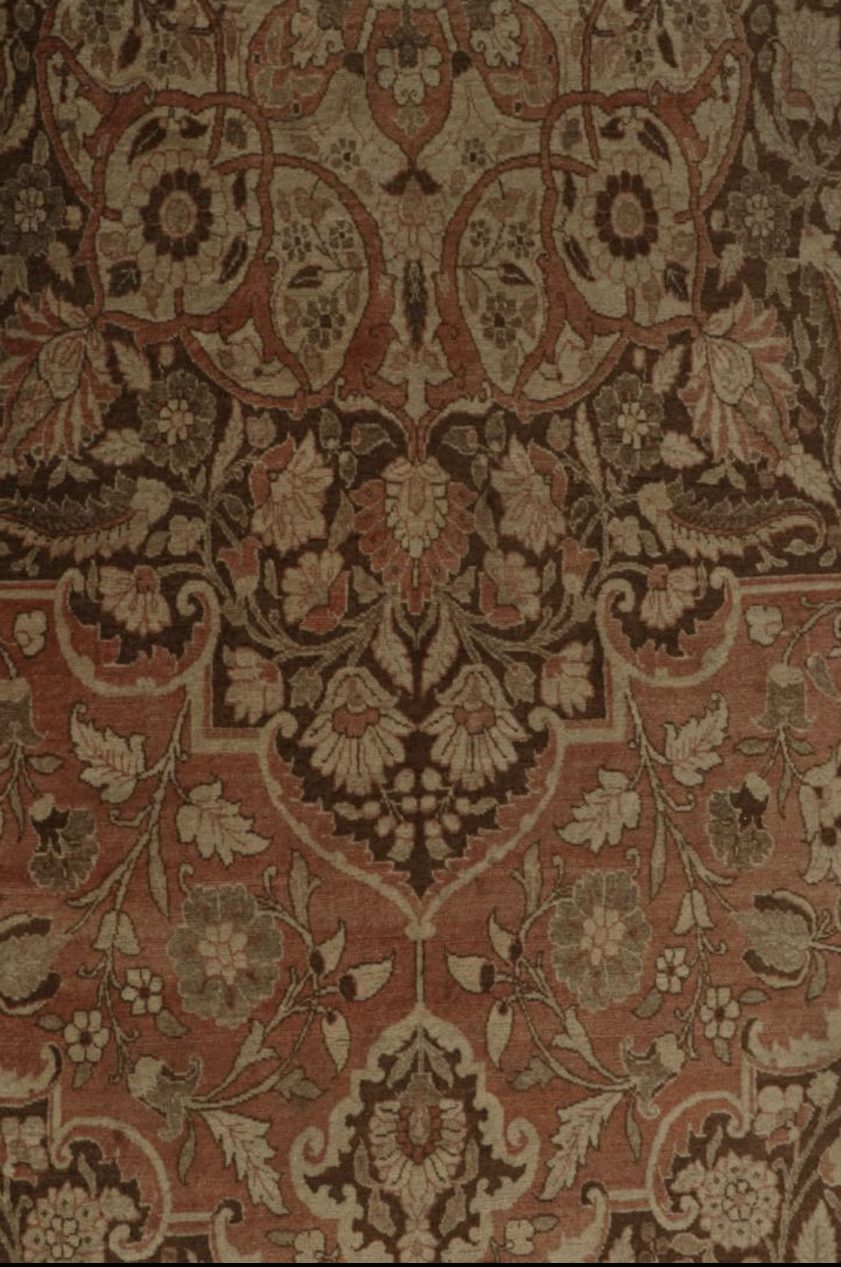
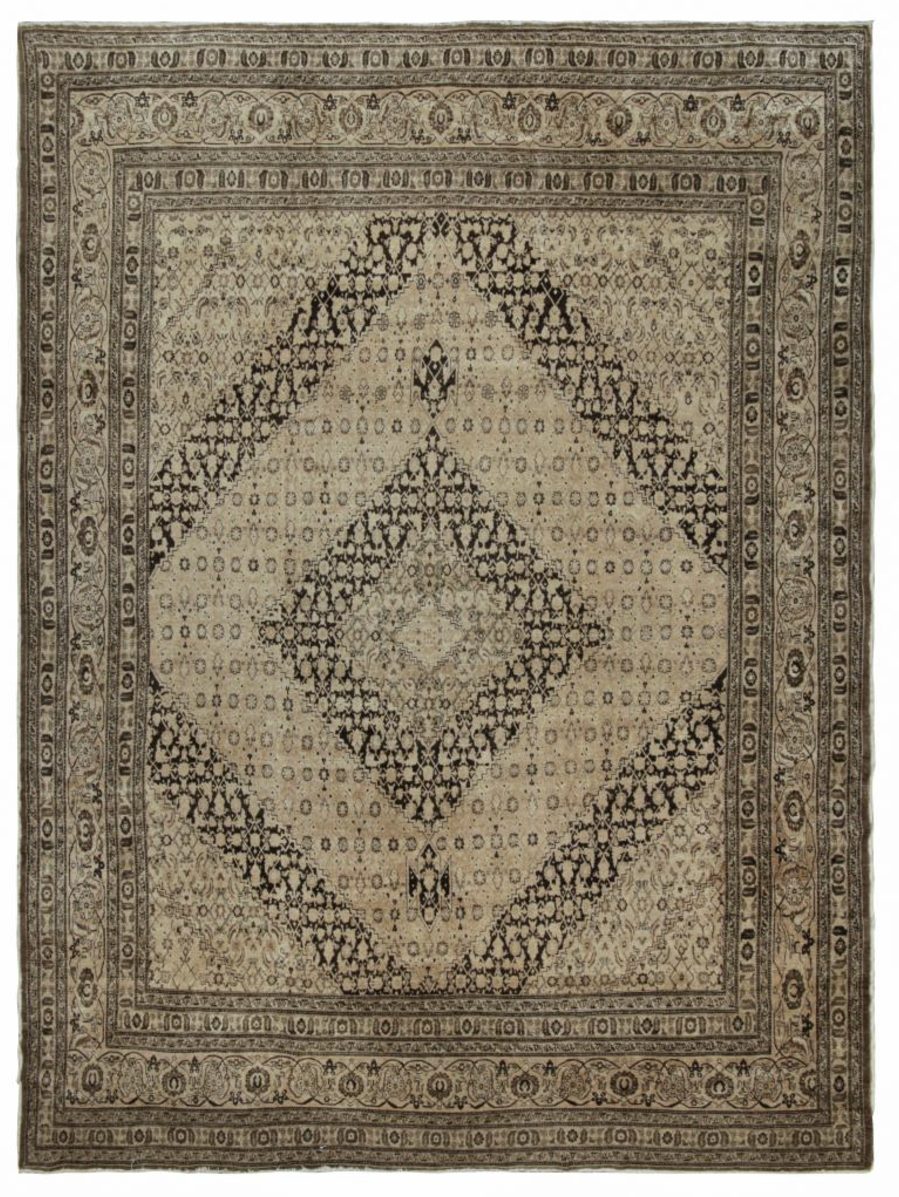
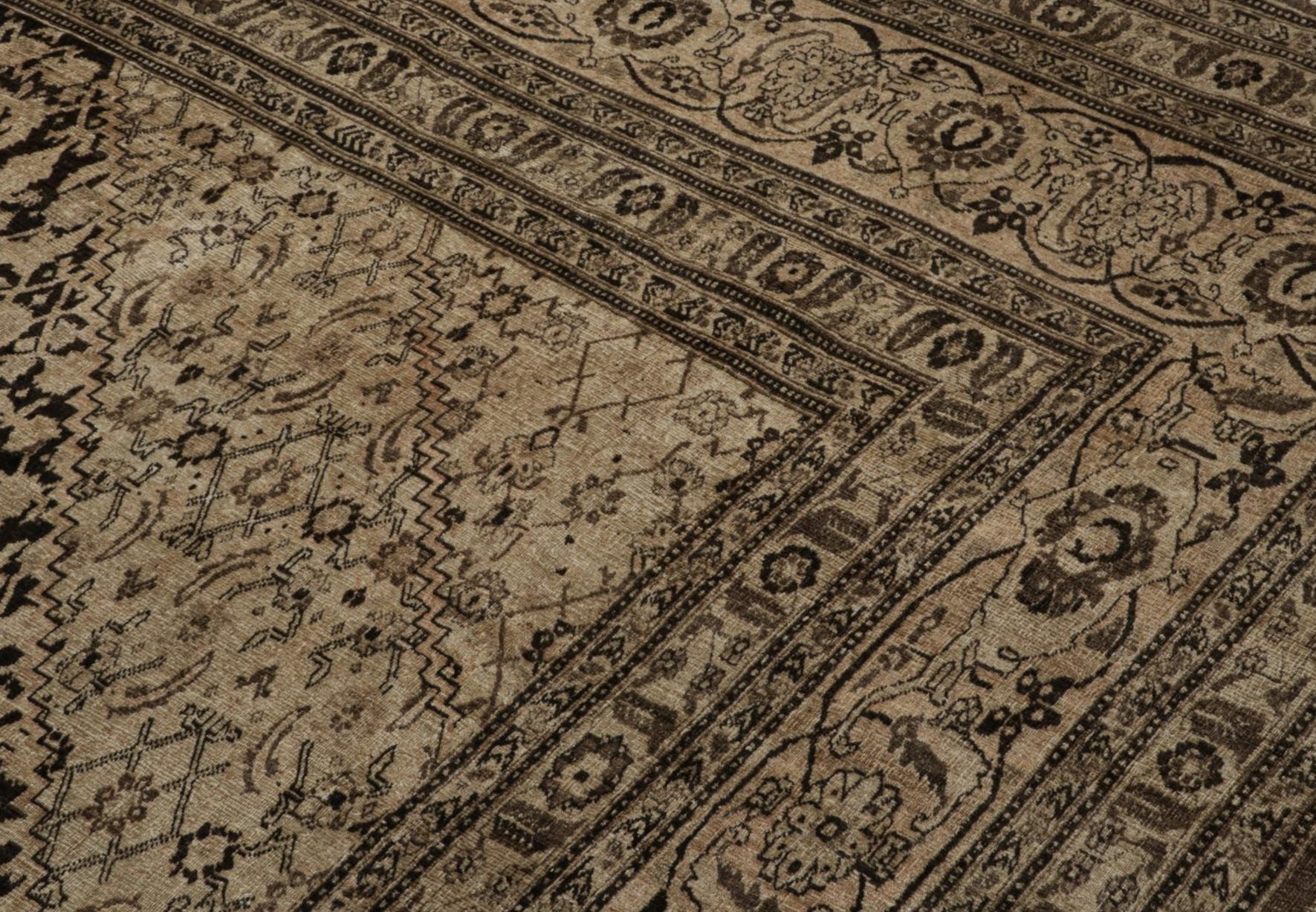
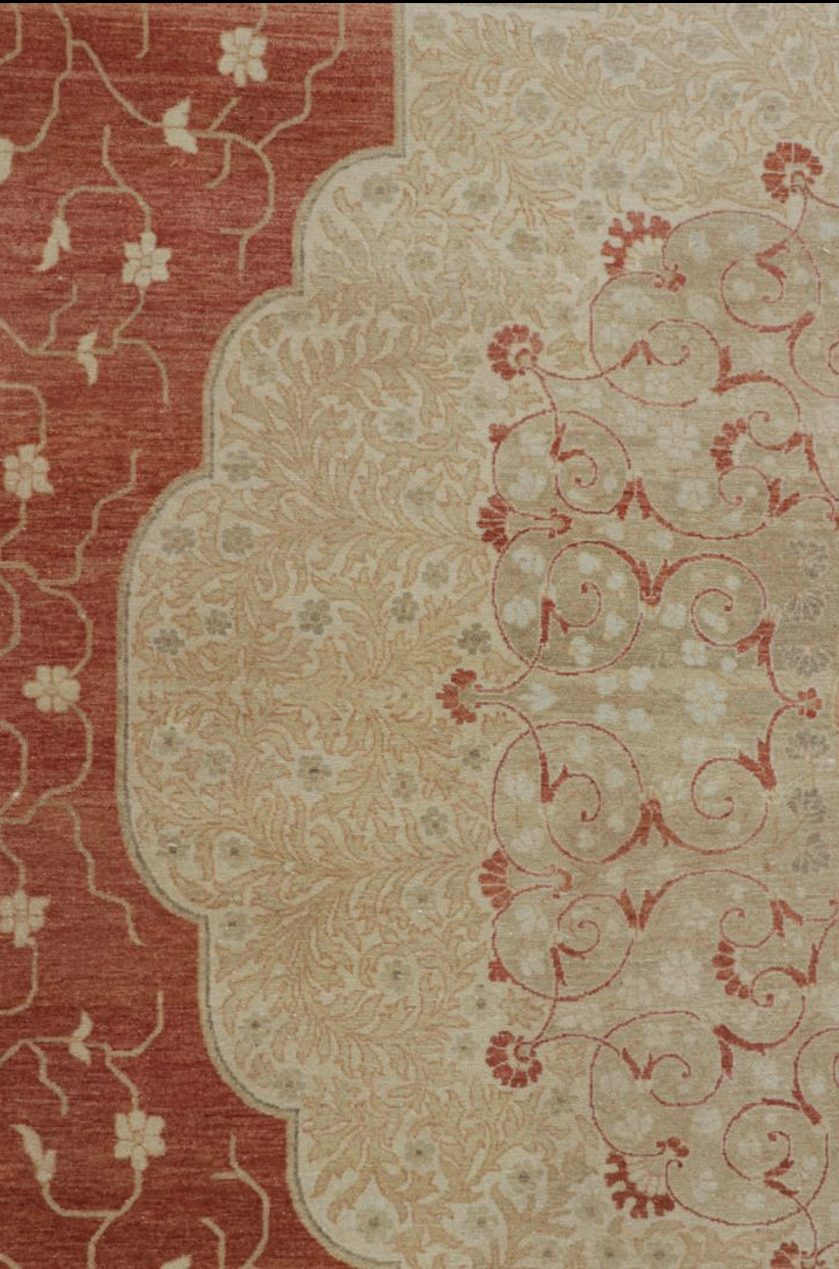
While his contemporaries remained anchored in the rich chromatic heritage of Persian weaving – those deep lapis lazuli blues and pomegranate reds that had long defined the art form – Jalili transformed his choices and the design aesthetic of Persian weaving. His palette featured Isfahan rose gardens: ivories, beiges, and the most delicate pinks. These nuanced backgrounds serve as canvases for exquisitely rendered medallions and arabesques, executed in gentle roses and coffee tones. When drama was required, Jalili would introduce midnight indigo, creating passages of breathtaking contrast.
The sophistication of a Jalili carpet reveals itself gradually, like a Persian poem that yields new meanings with each reading.
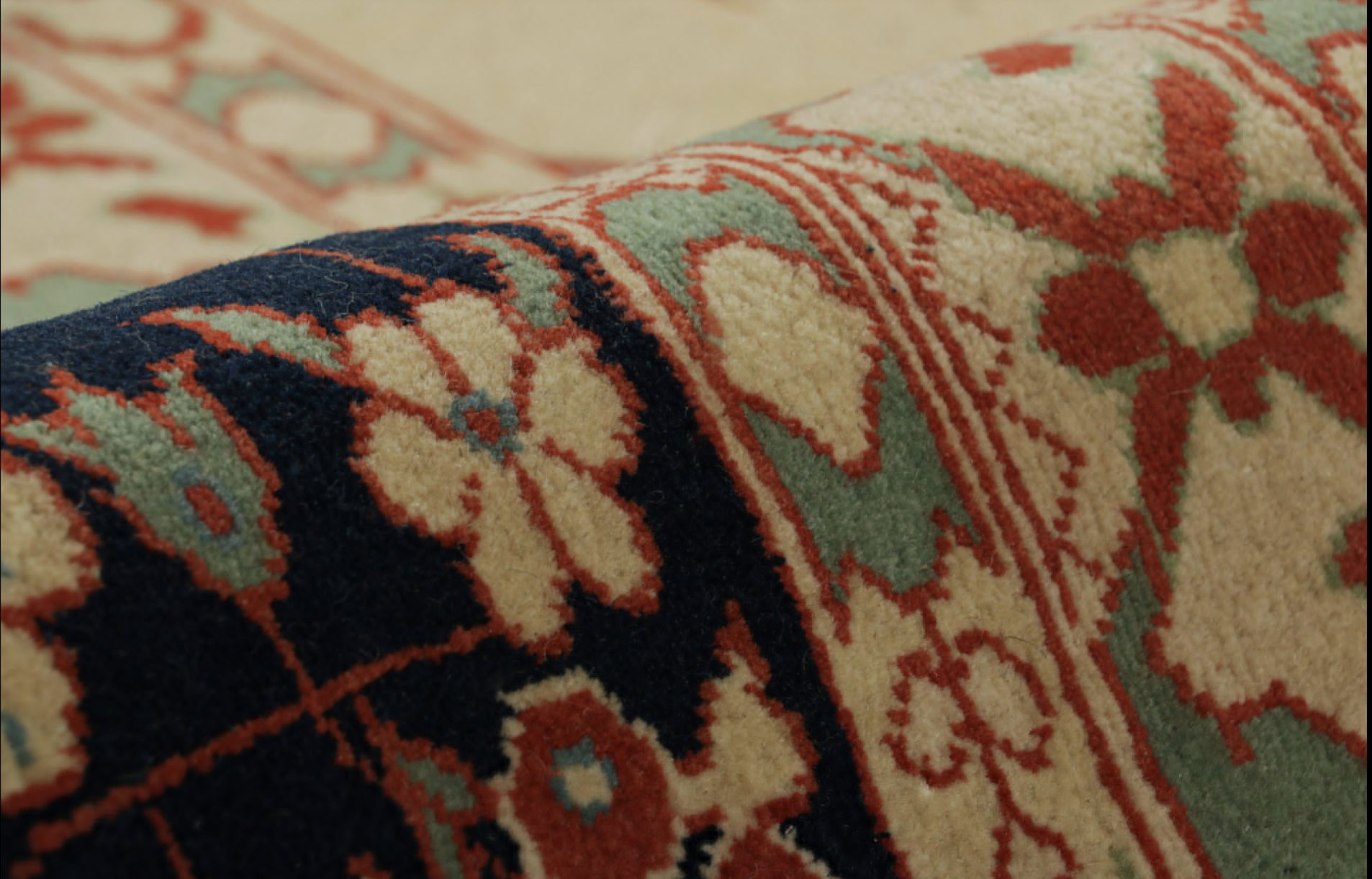
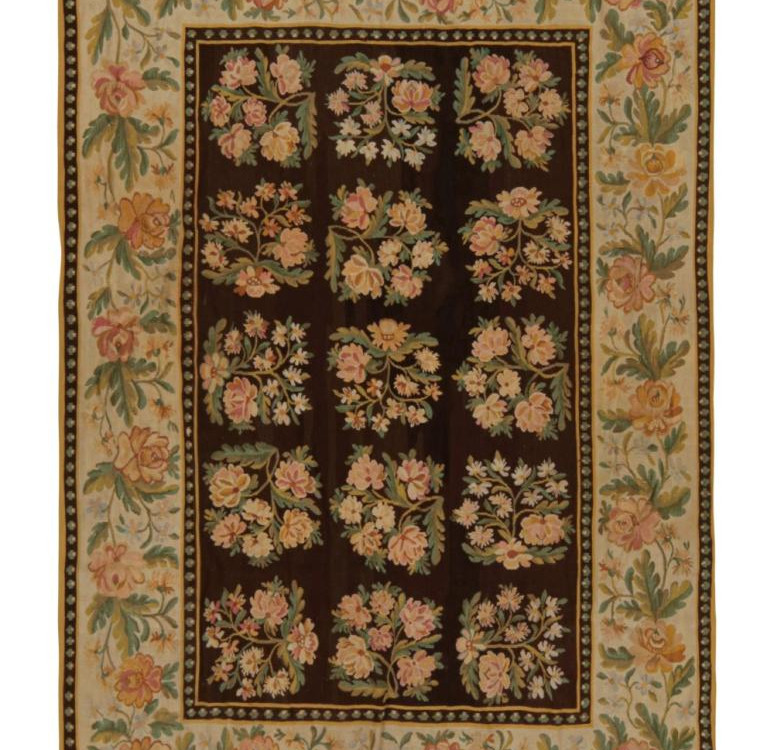
His masterful use of abrash – that subtle shifting of color tones that brings carpets to life – was executed with unprecedented restraint. This density allowed for an almost porcelain-like quality in the rendering of designs, particularly evident in his celebrated “Tree of Life” and “Garden of Paradise” compositions, where cypress trees, willows, and fauna emerge with crystalline clarity.
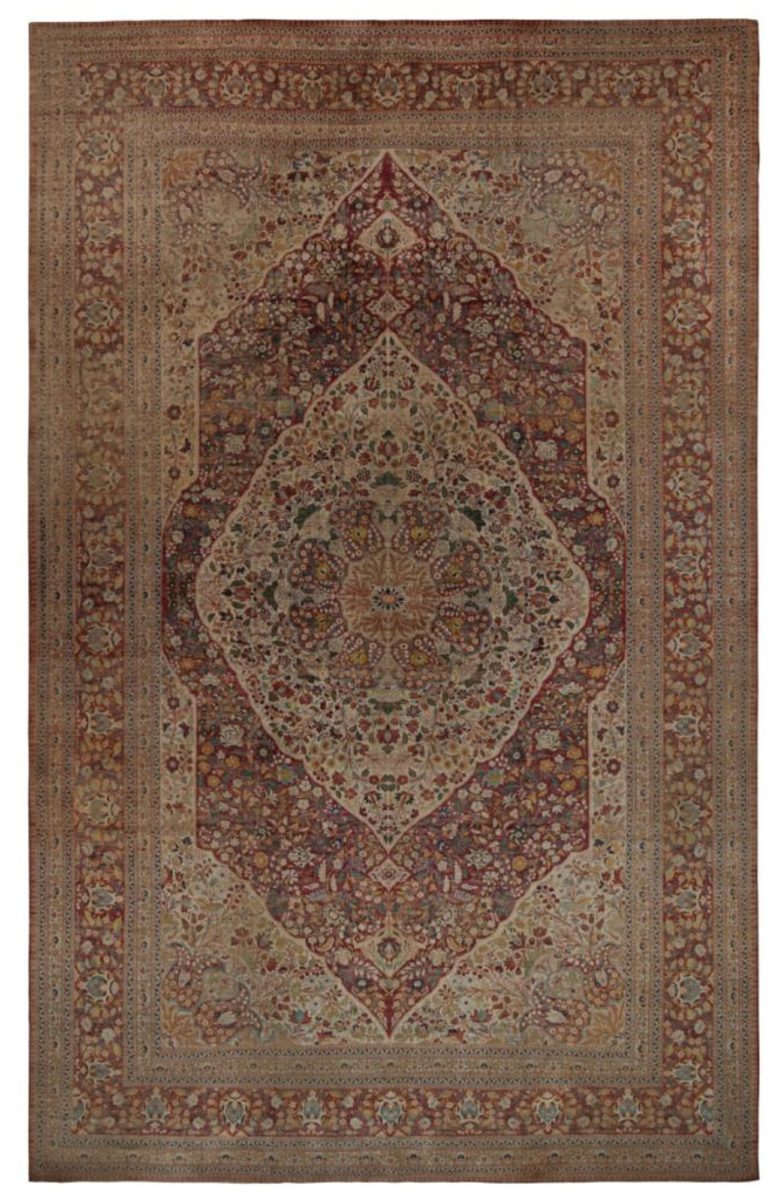
What elevates Jalili’s work beyond mere technical excellence is his understanding of traditional Persian design principles married to an almost prophetic grasp of emerging global aesthetics.
While other workshops in Kashan and Kerman maintained their commitment to bold patterns and saturated hues, Jalili’s atelier was creating carpets that would feel equally at home in a Qajar palace or a Parisian salon.
In these pieces, we witness not just the work of a master weaver, but of an artist who understood that true innovation in Persian arts never requires abandoning tradition – rather, it demands reinterpreting that tradition through new eyes while maintaining its essential soul.
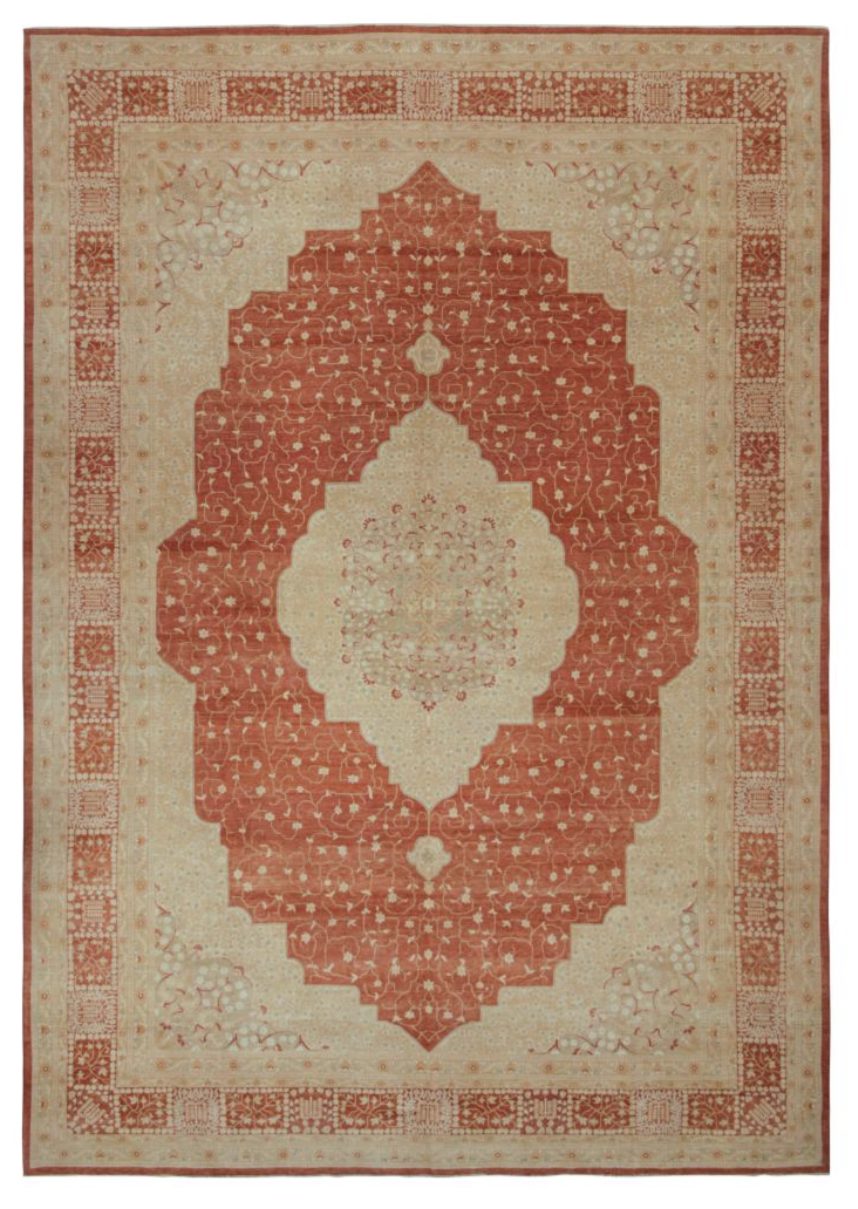
Investment Value of Jalili’s Persian Designs
What truly distinguished Jalili’s work was his ability to achieve what collectors refer to as “unity through complexity.”
In his finest pieces, thousands of individual knots, each dyed and placed with exacting care, coalesce into compositions of remarkable cohesion. The effect is almost musical – like a symphony where every note, though distinct, contributes to a greater harmonic whole.
Particularly noteworthy are his works from 1850-1875, considered the apex of his artistic achievement. These pieces, increasingly rare in today’s market, represent the perfect confluence of material excellence, design sophistication, and artistic vision. Their patina, developed over more than a century, adds another layer of subtle beauty to these already extraordinary works. While the workshop’s later production, extending into the early 20th century, may show more conventional design choices, the technical excellence remained uncompromised until the First World War. However, it is the 19th-century pieces that continue to captivate collectors and connoisseurs, commanding pride of place in prestigious collections and sophisticated interiors worldwide.
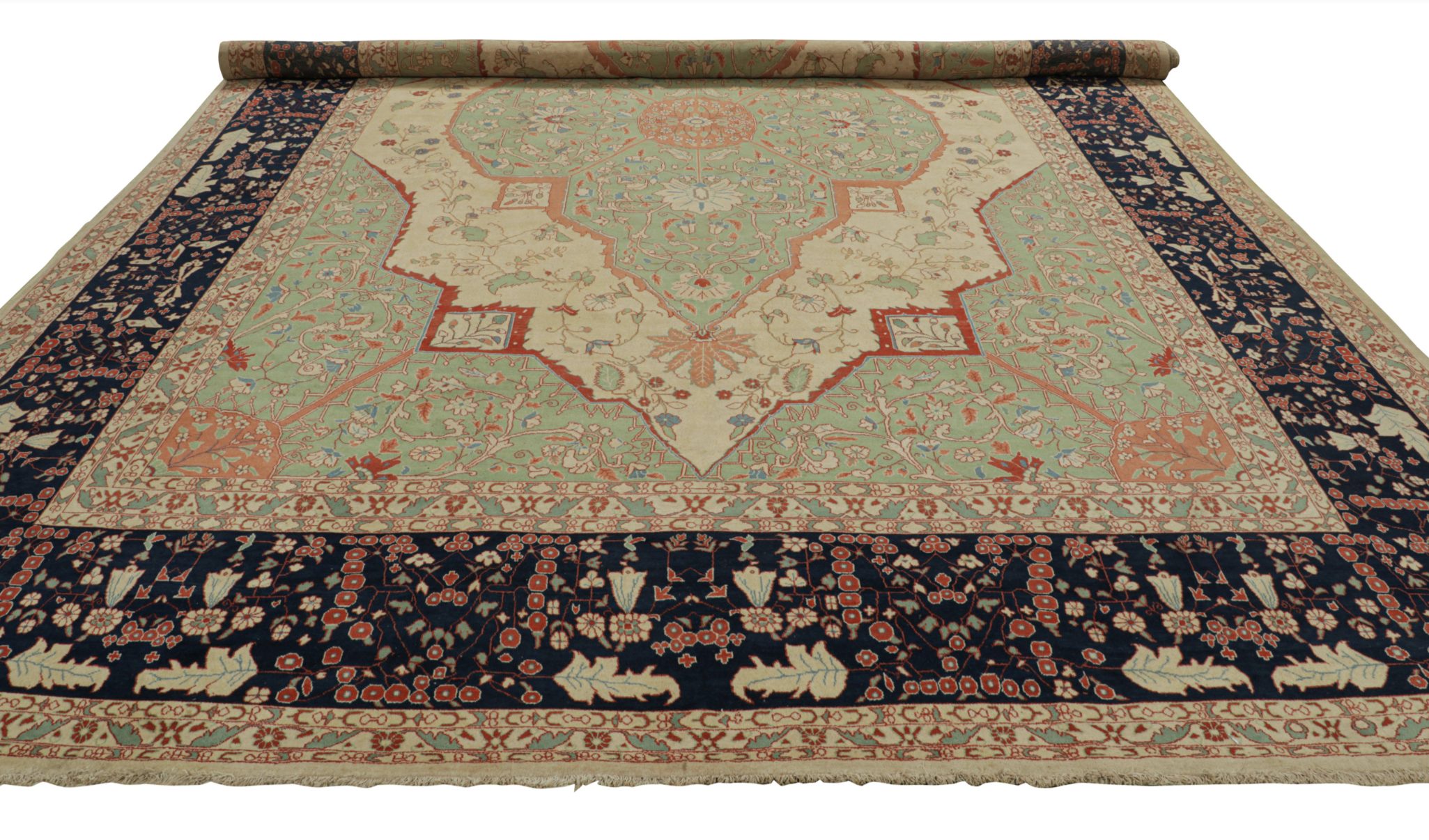
Today, Hadji Jalili’s carpets stand as more than mere decorative objects.
They represent a high-water mark in the history of Persian weaving.
In today’s market, authentic Hadji Jalili carpets command extraordinary attention from connoisseurs and collectors alike. Their appeal transcends mere historical significance; these are works that speak to contemporary sensibilities through their subtle sophistication and masterful restraint. Whether gracing a minimalist penthouse or a traditional manor, a Jalili carpet serves as both a focal point and a unifying element, its refined palette and precise geometries creating dialogue with furnishings across stylistic boundaries.