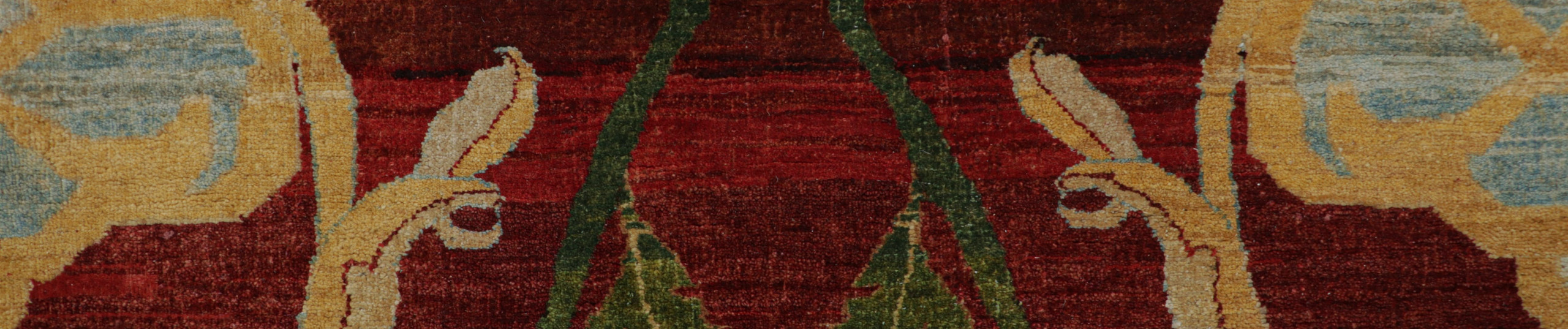
We see custom design as a dialogue between tradition and innovation—an opportunity to create something truly personal. Learn more about our custom process.
To connect with a specialist, click here
Stories from the Moroccan Archive
Essays, artist dialogues, and provenance notes drawn from Rug & Kilim’s editorial desk.
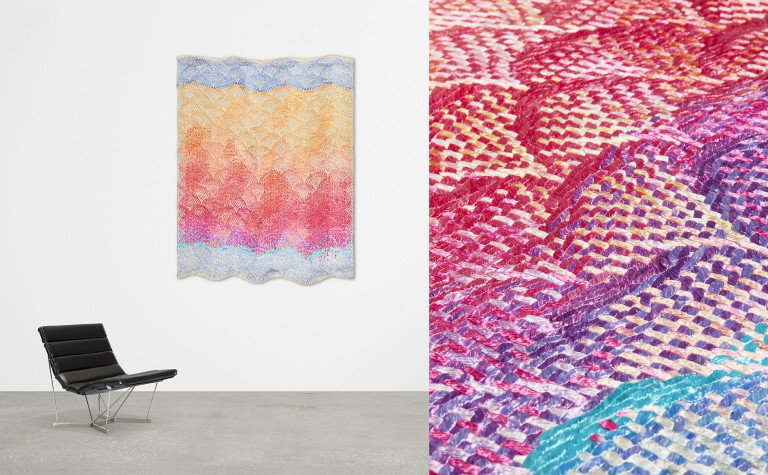
The Layered Home: 5 Ways to Rethink Floor Rugs and Wall Tapestries
The real spatial dimension does not get painted, it gets woven. Begin with hanging a piece such as Signed Vintage Lia Cook Tapestry slightly off-center on one of your main walls. Its intricate Jacquard weave and the friction created between its rayon and linen fibers will require a lot of breathing room, immediately establishing a gravitational pull of the whole room. But to balance this vertical tension, the ground beneath your feet needs to become much more rigorous. With the use of a rigorously beaten warp-faced plane such as cotton Indian Dhurrie or Antique Swedish Röllakan's interlocking tapestry weave, you create a flat but structurally resistant base. A ground made from a rigidly woven material needs to be challenged. The last textural transition will come from placing a Vintage Frazada Kilim with heavy weft interlace across your warp-faced plane. The act of overlapping your heavy weft on a rigorously
Read the Feature
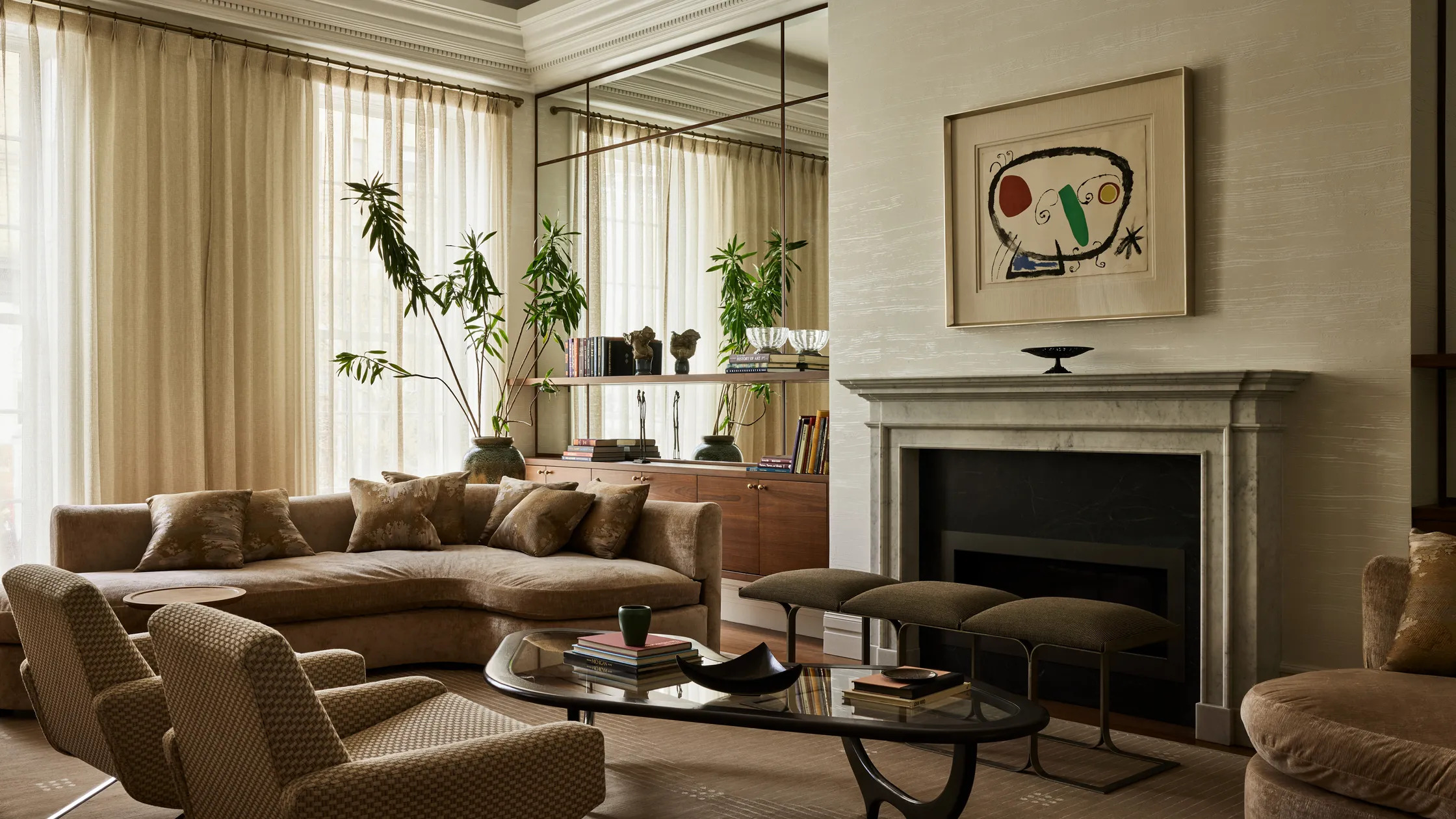
The Rug That Made the Room: Ten Interiors Where the Carpet Was the Only Decision That Mattered
Every serious designer knows the moment. You walk into a room that is not yet finished; the furniture placed but provisional, the walls painted but unconvinced, the light doing its best with what it has been given and something stops you. Not the chandelier. Not the art. The floor. A carpet lies there with the particular authority of an object that has already decided what the room is going to be, and is waiting, with complete patience, for everything else to catch up. The furniture will be chosen in response to it. The color of the walls will be negotiated against it. The art will be hung at a height that the carpet's scale has already determined. The room, in the most literal sense, begins underfoot.
Read the Feature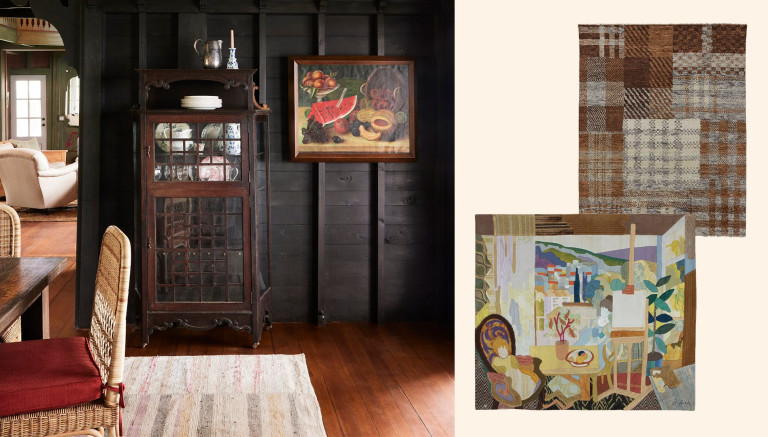
How the World’s Most Serious Art Spaces Are Rewriting the Rules of the Floor and the Contemporary Home
There is a room at Hauser & Wirth Somerset; the gallery that occupies a converted farmhouse in the English countryside, where Pipilotti Rist installations have shared walls with Phyllida Barlow sculptures and where the building itself feels like an argument against the idea that serious art requires a white cube to be taken seriously, where a single large antique textile lies on the stone floor beneath work of radical contemporary ambition. It does not announce itself. It simply holds the room together with the authority of an object that has been doing exactly this, in exactly this way, for several centuries longer than the art above it has existed. The artists whose work hangs on those walls have spent their careers thinking about surface, material, and the relationship between an object and the space it occupies. The carpet understood all of this before any of them picked up a brush.
Read the Feature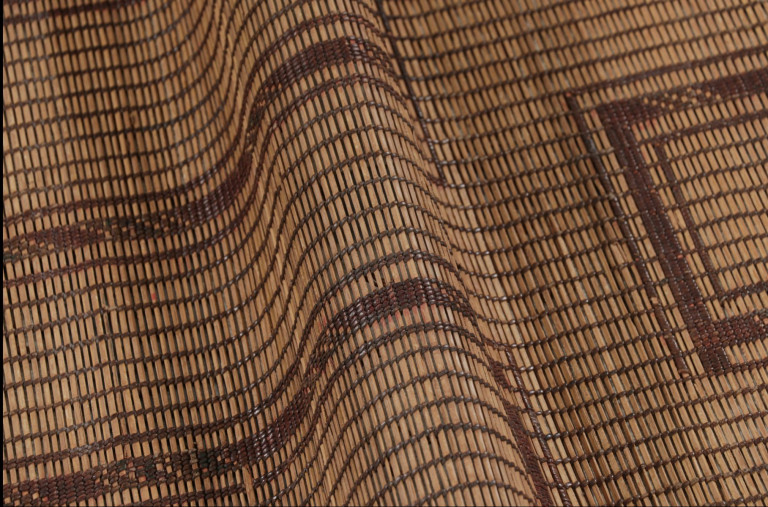
A Guide to Antique and Vintage Moroccan Tuareg Mats
Moroccan Tuareg mats serve as poignant symbols of a fading era, crafted during the early 20th century amidst the nomadic caravans in North Africa. Made from palm and reeds and adorned with camel or goat leather designs, these mats were integral to the nomadic lifestyle, serving as homes that could be rolled up and transported as families moved to new locations. Moroccan art extends beyond carpets to encompass rich mediums of pottery, wood carvings, leatherwork, jewelry, and more. Musée Berbère in Marrakech houses one of North Africa's most compelling collections of Berber artifacts. These diverse mediums showcase intricate designs that serve not only as visual delights but also as protective talismans against negative energies.
Read the Feature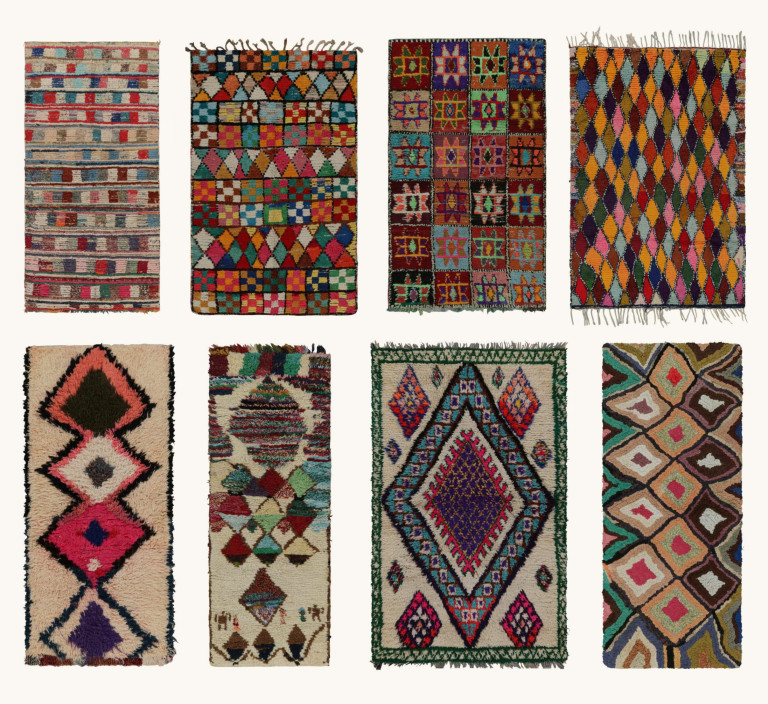
A Guide to History and Significance of Moroccan Berber Azilal Rugs
Moroccan rugs, particularly those from the Azilal region, represent a pinnacle of textile craftsmanship. These woven masterpieces encapsulate centuries of Berber tradition, serving not merely as floor coverings but as tangible embodiments of cultural narrative. Rug & Kilim's dedication to the Azilal tradition extends beyond mere curation. We actively engage in the ongoing dialogue between historical craft and contemporary design, positioning these rugs as bridges between past and present. The genesis of Azilal rugs can be traced to the 16th century in Morocco's Middle Atlas Mountains. The Azilal small town province, characterized by its rugged terrain and isolated communities, fostered a distinct rug-making tradition that remained largely unknown to the outside world until the late 20th century. This isolation preserved the authenticity and unique characteristics of Azilal rugs, distinguishing them from other Moroccan textile traditions such as the more widely recognized Beni Ourain rugs.
Read the Feature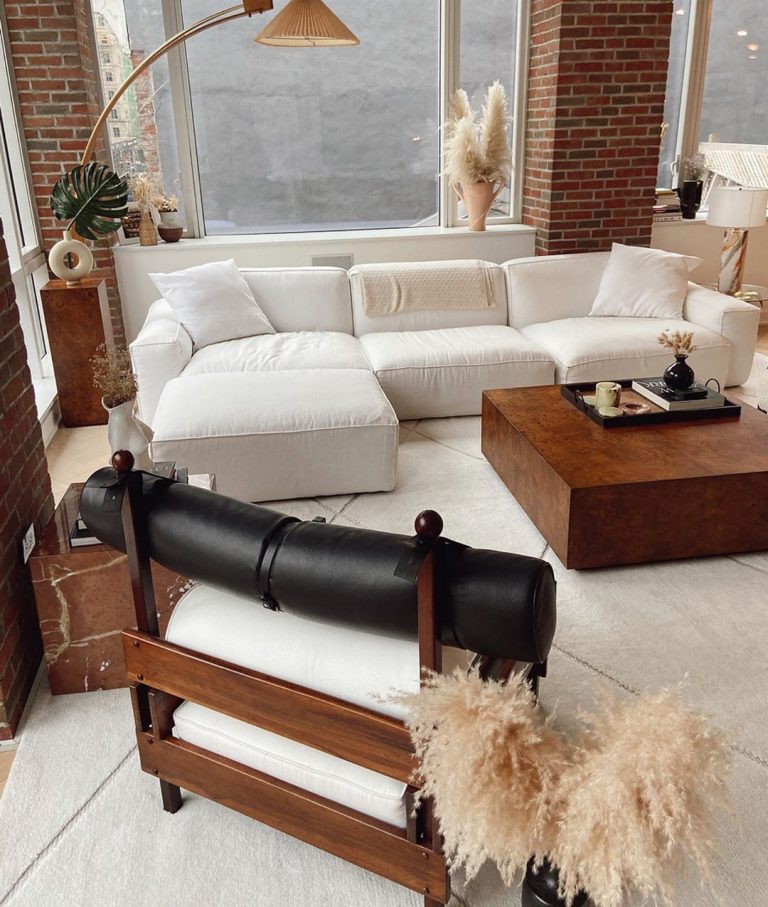
An Understanding of Moroccan Rugs and Kilims
From the antique and vintage riches of the Berber weavers to the wider capabilities of newer loom productions, our Moroccan rug and flat weave collection enjoys a diversity of wool and fabric pieces equal to our variations of colors and pile heights—both in classic tribal pieces capturing the foundations of the style and the contemporary adaptations of Moroccan sensibility in more spacious sizes. In a long career with ample time to experience the versatility of Moroccan style, it’s been rewarding to see that the vibrant, ever-distinguished and intricate colorway options of the classic tribal pieces remain popular and well-received among a variety of projects and spaces. Though the misconception remains that the original Moroccan rug and flat weave style is relegated to a niche in home design due to their size and colorway preferences, more often we’ve seen the range of our collection lending the most surprising complement to our colleagues; from chic, near-minimalist stripe and open-field designs to the more eclectic, culturally fascinating options with rich symbolism and history.
Read the Feature