
How U.S.–Iran Tensions Are Reshaping the World of Fine Rugs: From Safavid Courts to Sanction Regimes
April 28, 2026
From the Rothschild Collection: On Provenance, Collecting, and the Rugs That Outlast Everything
May 4, 2026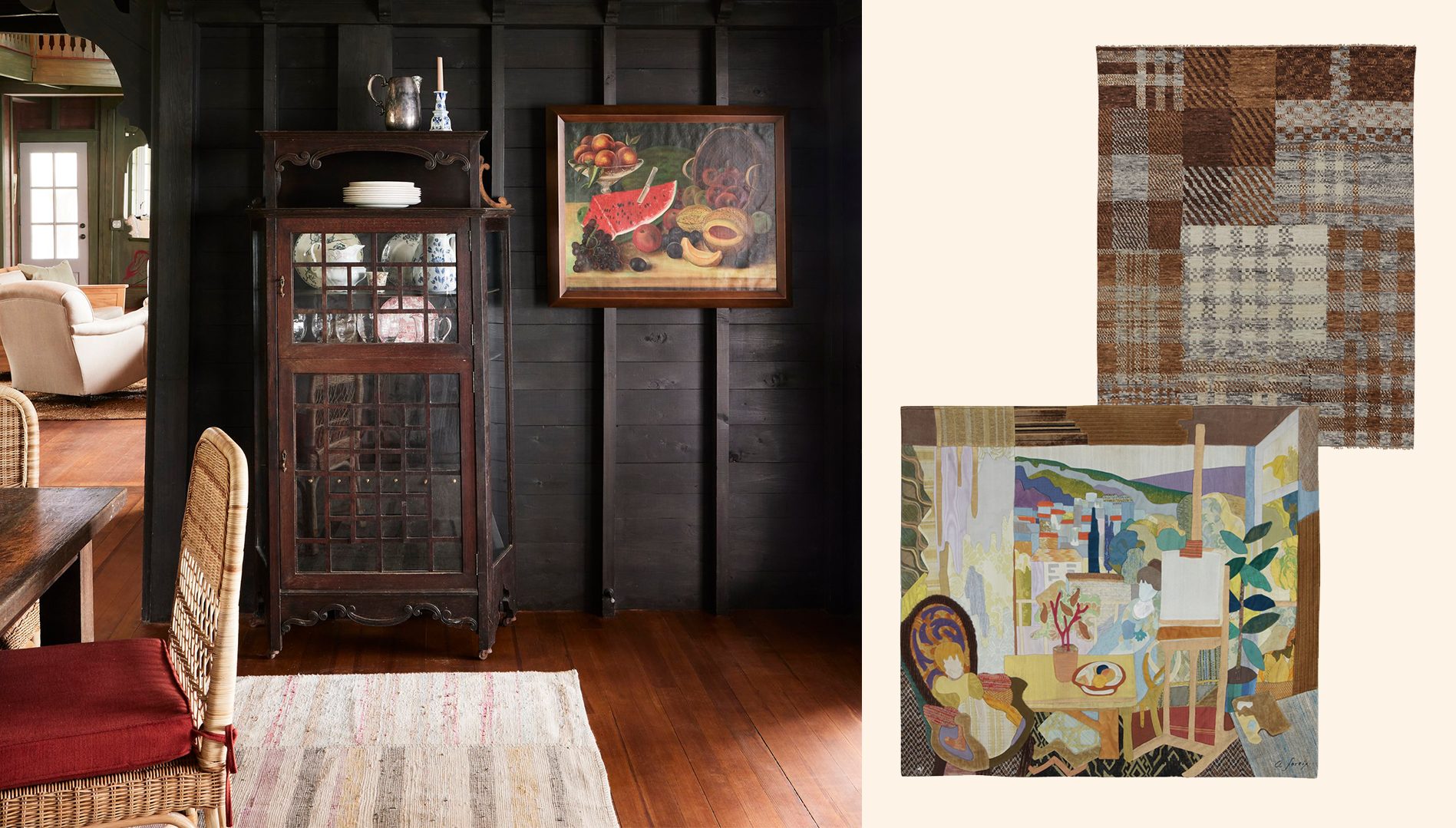
Rug & Kilim
There is a room at Hauser & Wirth Somerset; the gallery that occupies a converted farmhouse in the English countryside, where Pipilotti Rist installations have shared walls with Phyllida Barlow sculptures and where the building itself feels like an argument against the idea that serious art requires a white cube to be taken seriously, where a single large antique textile lies on the stone floor beneath work of radical contemporary ambition. It does not announce itself. It simply holds the room together with the authority of an object that has been doing exactly this, in exactly this way, for several centuries longer than the art above it has existed. The artists whose work hangs on those walls have spent their careers thinking about surface, material, and the relationship between an object and the space it occupies. The carpet understood all of this before any of them picked up a brush.
This is the moment the art world is finally having about the floor. It has taken longer than it should have.
What the Gallery Knows
Gagosian understood it first, or at least said so most loudly. The galleries that Richard Gagosian has assembled across New York, London, Paris, Hong Kong, and Geneva; spaces designed by the most serious architects of the past three decades, from Richard Gluckman to Caruso St John have increasingly used antique and vintage textiles not as concessions to warmth but as curatorial instruments. A rug placed beneath a Richard Serra drawing or a Cy Twombly canvas is making a claim about scale, about surface, about the relationship between the handmade and the monumental that the white wall alone cannot make. It is saying that this room is not a warehouse for objects. It is a considered environment, assembled with the same intentionality that the objects within it demand.
David Zwirner’s West 19th Street space in New York has demonstrated a similar intelligence, particularly in its presentation of more intimate works, where an antique Oushak or a faded Sultanabad beneath a group of small canvases makes the gallery feel like a room, which is an entirely different thing, and precisely what the most interesting gallery presentations of the past decade have been reaching for.
Hauser & Wirth has taken this furthest. Their spaces in Somerset, Los Angeles, Menorca, and Zurich consistently deploy textiles, antique, vintage, and contemporary as spatial instruments, understanding that a gallery is not a neutral container but an active participant in the meaning of the work it holds. When Hauser & Wirth Somerset placed a large-format carpet in its farmhouse rooms alongside work by Louise Bourgeois, they were not decorating. They were curating the floor with the same seriousness they bring to the wall acknowledging that the ground on which a viewer stands shapes the quality of attention they bring to everything above it.
Rug & Kilim x Bespoke Only
Five Ways the Gallery Is Rewriting the Rules — and How to Translate Them at Home
What the most serious gallery spaces have discovered about rugs, the most forward-thinking homes are now absorbing. The translation is not direct — a private room is not a public gallery, and the scale and logic of each differ in ways that matter but the principles are precise and entirely applicable.
Rug & Kilim x Perry Sayles
The first is the principle of the single dominant textile.
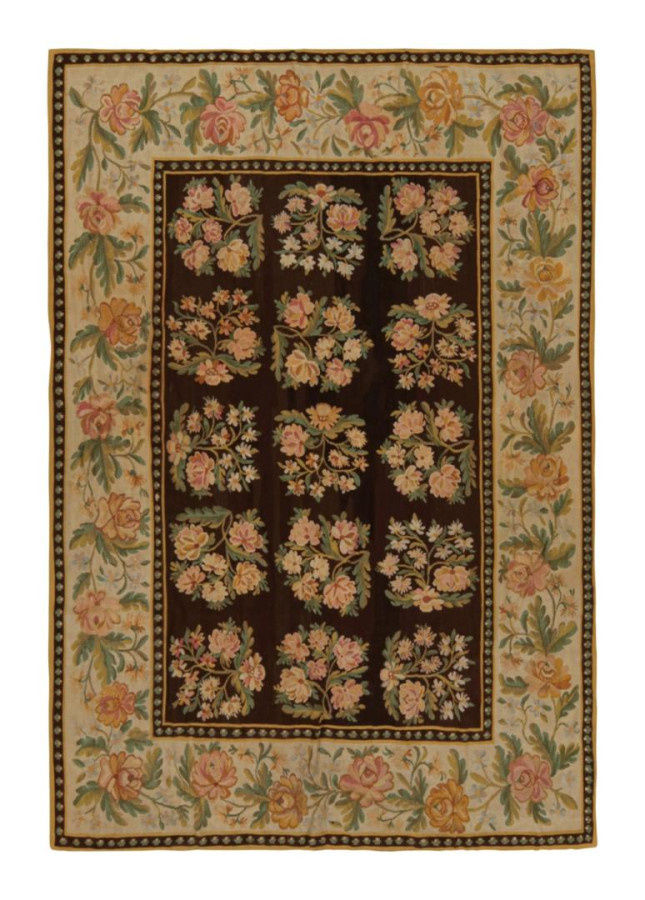
Where conventional interior wisdom has long favored rugs that disappear; neutral grounds that support rather than assert, gallery practice has moved decisively toward the single object of genuine distinction that organizes everything around it. An antique Kashan medallion carpet, a rare Safavid fragment mounted on linen, a large-format Anatolian kilim of real visual authority: these are not background objects. They are the room’s primary statement, chosen before the furniture, before the color, before any other decision has been made. The room is built in response to them. This is how Hadley worked. It is how the best gallery curators work. It is how the most interesting contemporary homes are being assembled right now.
The second is the wall.
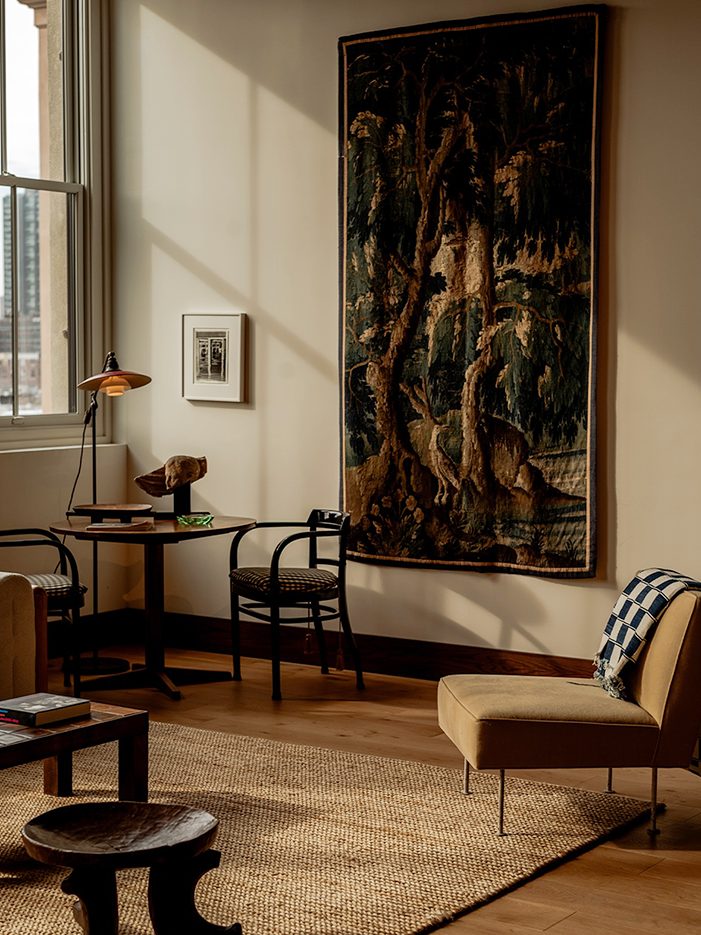
The gallery world’s most radical contribution to the conversation about rugs is also its simplest: the understanding that a textile of genuine distinction does not have to lie on the floor. Antique kilims, rare flatweaves, exceptional Caucasian weavings, and significant tapestry fragments are being hung — on picture rails, on linen mounts, on the wall with the same care given to a canvas in gallery spaces from Pace in New York to Sprüth Magers in Berlin. In the private home, this represents one of the most transformative and underused possibilities available to any designer: a room in which the most powerful textile is also the most visible one, hung at eye level where its color, pattern, and structure can be read with the full attention they deserve. An antique Shahsavan flatweave hung above a fireplace. A rare Tibetan tiger rug mounted on linen above a bed. A fragment of a seventeenth-century Polonaise carpet in a gilded frame above a console. These are not eccentric choices. They are the most serious ones available.
Rug & Kilim x Gallery Folly
Rug & Kilim
The third is layering
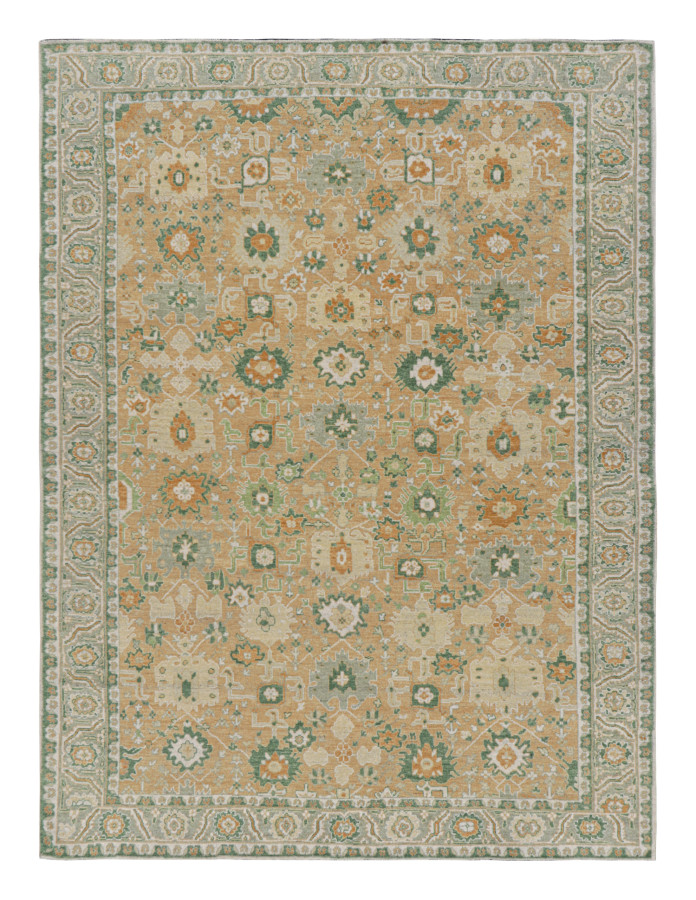
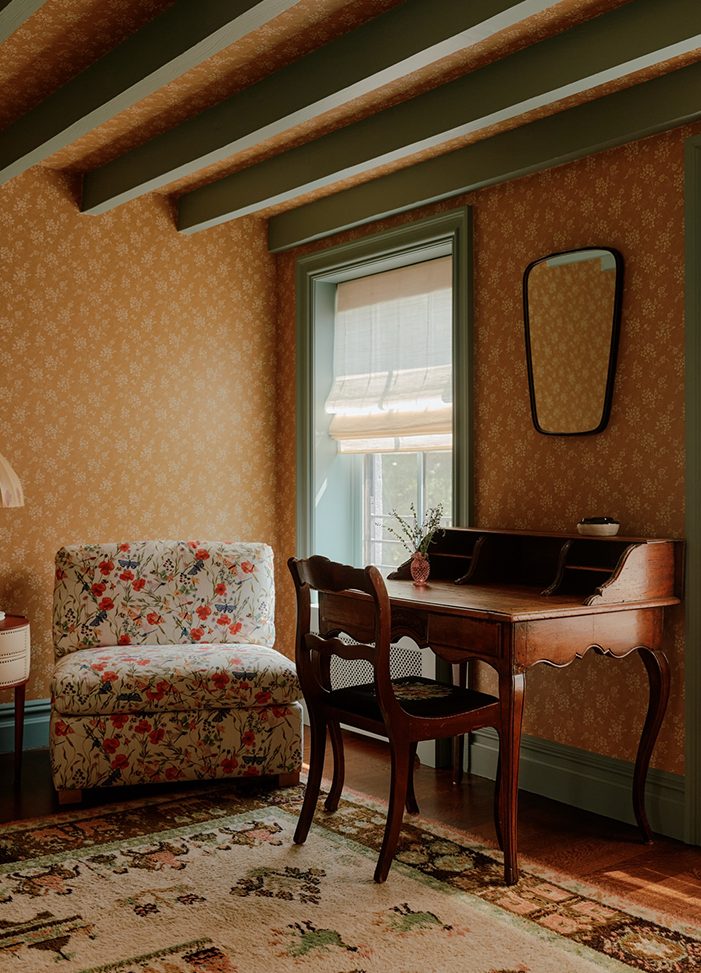
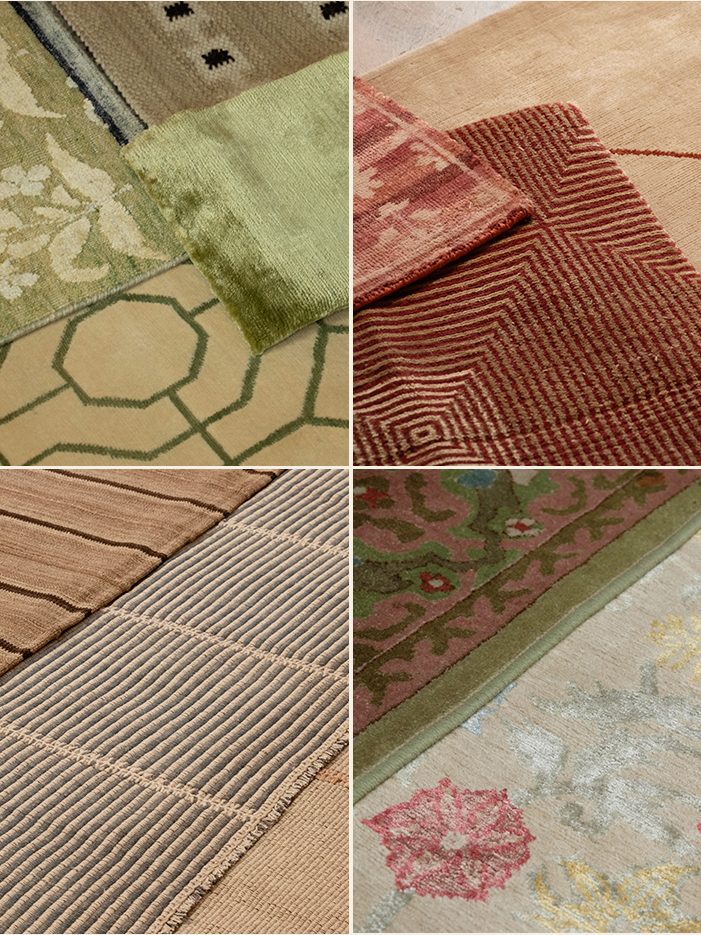
The practice, now thoroughly established in the most considered contemporary interiors, of placing one rug upon another with deliberate intention. A large neutral ground, a faded Sultanabad, a pale Oushak, a washed Moroccan flatweave beneath a smaller object of greater visual intensity: a tribal Kurdish rug, a Caucasian prayer rug, a geometric Anatolian kilim whose color and pattern snap into focus against the quieter field beneath it. Gallery spaces have used this logic for years, layering materials across floors to create zones of attention within a single room. In the private interior, layering rugs produces the same effect: a room that reads as assembled rather than decorated, accumulated rather than purchased, lived in by someone who knows the difference between a collection and a set.
The fourth is scale
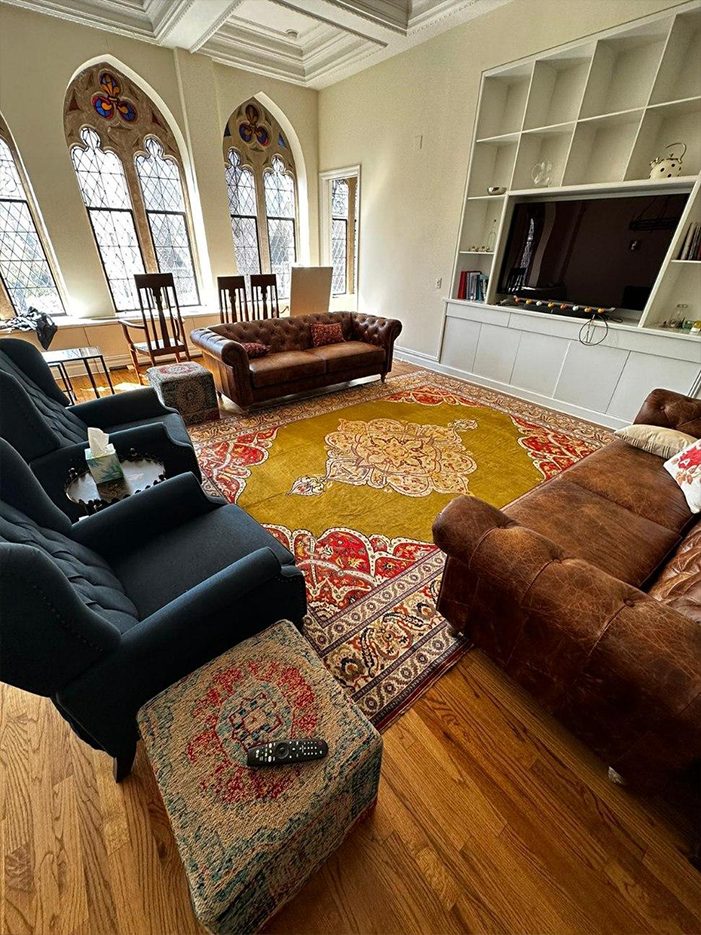
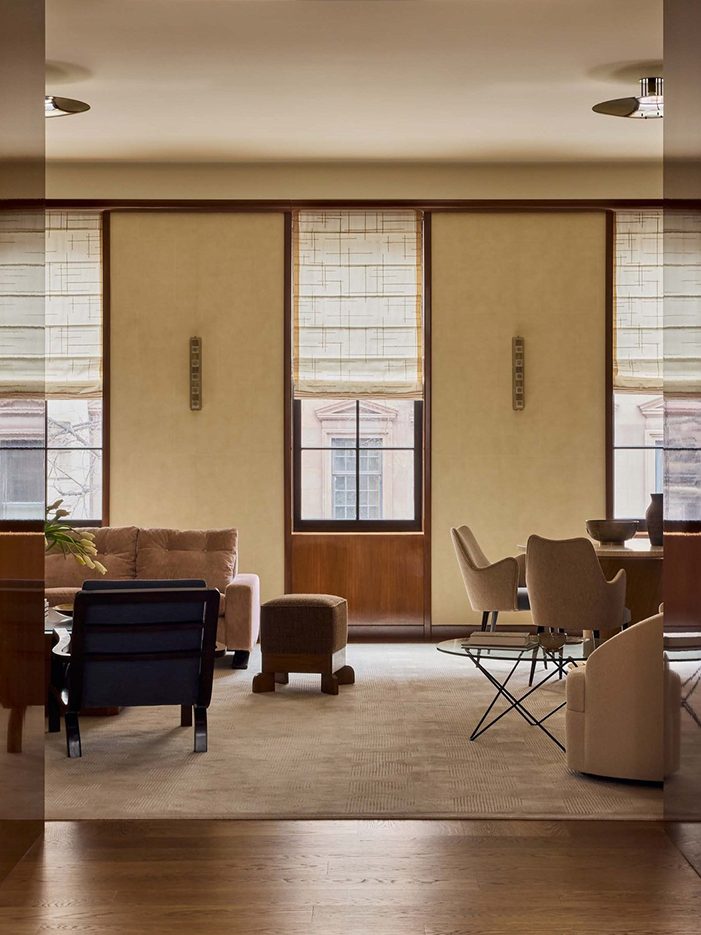
Specifically, the gallery’s insistence on going larger than comfort suggests. The most common mistake in the private interior is the rug that is too small: an object that floats in the center of a room without anchoring anything, touching nothing, organizing no relationship between the furniture around it. Gallery practice, which must contend with much larger spaces than most private rooms, has normalized the oversized textile; the rug that runs to the edge of the furniture, that fills the floor plane completely, that makes the room feel contained rather than scattered. In the private home, this means going one size larger than instinct suggests. Always. The room will thank you before the week is out.
Rug & Kilim x Husband Wife
Rug & Kilim x A1000xBetter
The fifth is placement without convention
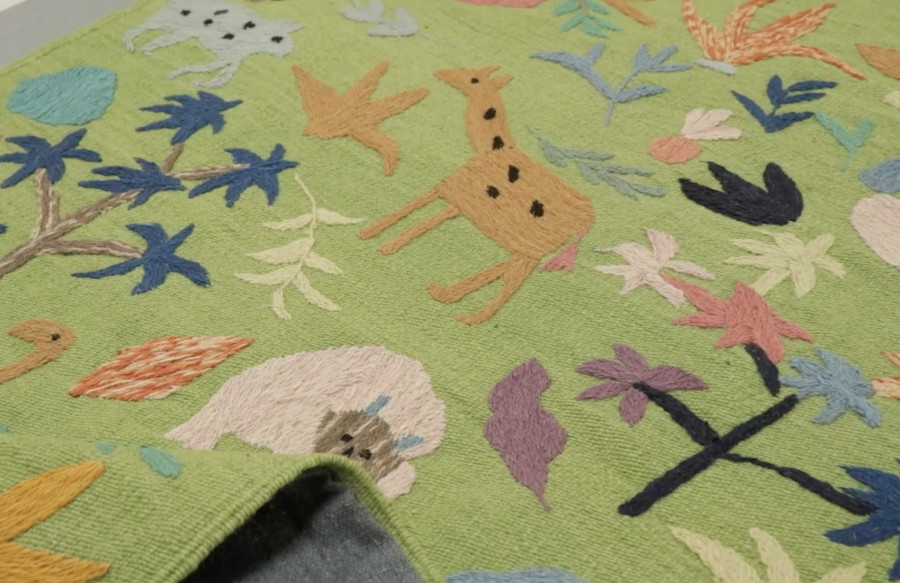
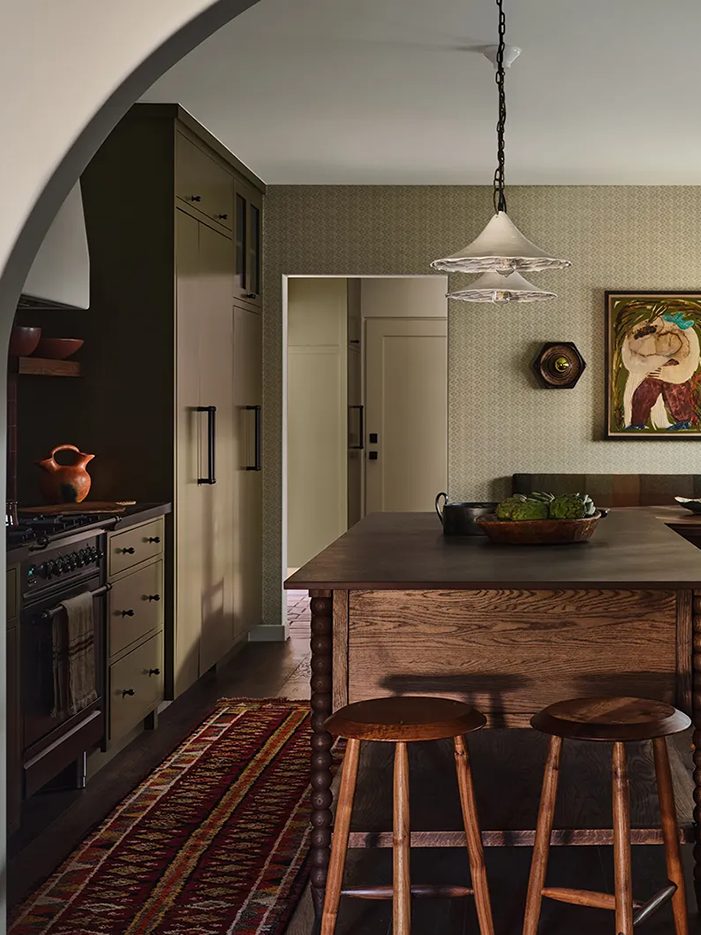
The willingness to put a rug where a rug has not been before. The kitchen, where a rare flatweave runner beside a professional range announces that this is a room taken as seriously as any other in the house. The bathroom, where a small antique textile on a heated floor beneath a freestanding tub produces an effect of almost unreasonable luxury. The stairwell, where a runner of genuine distinction; a nineteenth-century Sultanabad, a long Caucasian gallery carpet transforms a purely functional space into one of the most considered in the house. The garden room, where an outdoor-appropriate vintage flatweave extends the interior’s intelligence into the threshold between inside and out. Gallery spaces have always understood that the most interesting decisions are made in the spaces convention ignores. The private interior is only now catching up.
What Rug & Kilim Makes Possible
The gallery’s discovery of the floor is not, in truth, a discovery at all. It is a return to the understanding that every serious civilization has held, from the Safavid court to the French royal manufactory, from the Tibetan monastery to the Manhattan salon: that the floor is the room’s primary argument, and that the object chosen to make that argument carries the full weight of the room’s intelligence on its back.
At Rug & Kilim, this understanding has governed every acquisition Jahanshah Nazmiyal has made since founding the house in New York in 1980. The archive, one of the largest in the United States, spanning antique Persian and Safavid carpets, Anatolian and Caucasian kilims, French Art Deco pieces, Tibetan tiger rugs, Scandinavian flatweaves, and custom commissions of the highest order is assembled with precisely the curatorial intention that Gagosian and Hauser & Wirth have brought to their gallery floors.
The difference is that at Rug & Kilim, these objects are available. They can be acquired, placed, lived with, and passed on. They can hang on your wall or lie on your floor. They can anchor a single room or define an entire house. They can be the first decision; the one from which everything else follows or the last one, the piece that finally makes a room that has been almost right become completely right.
The gallery laid a carpet and called it a curatorial act. At Rug & Kilim, we have been curating floors for forty-five years. We simply called it what it always was: the most important decision in the room.
~~~