
Make an Offer
- Under 6 x 9
- Runners
- 6 x 9
- 8 x 10
- 9 x 12
- 10 x 14
- 12 x 15
- Over 12 x 15
Origin ▼
Style ▼
Material ▼
Width
Length
To connect with a specialist, click here
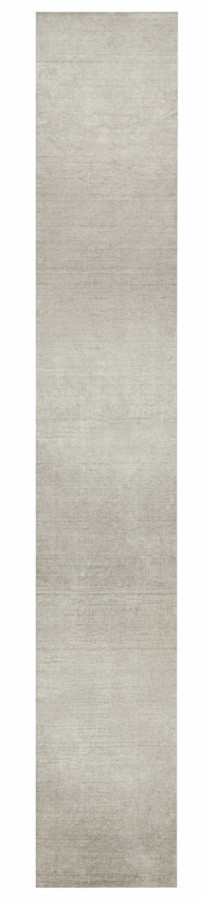
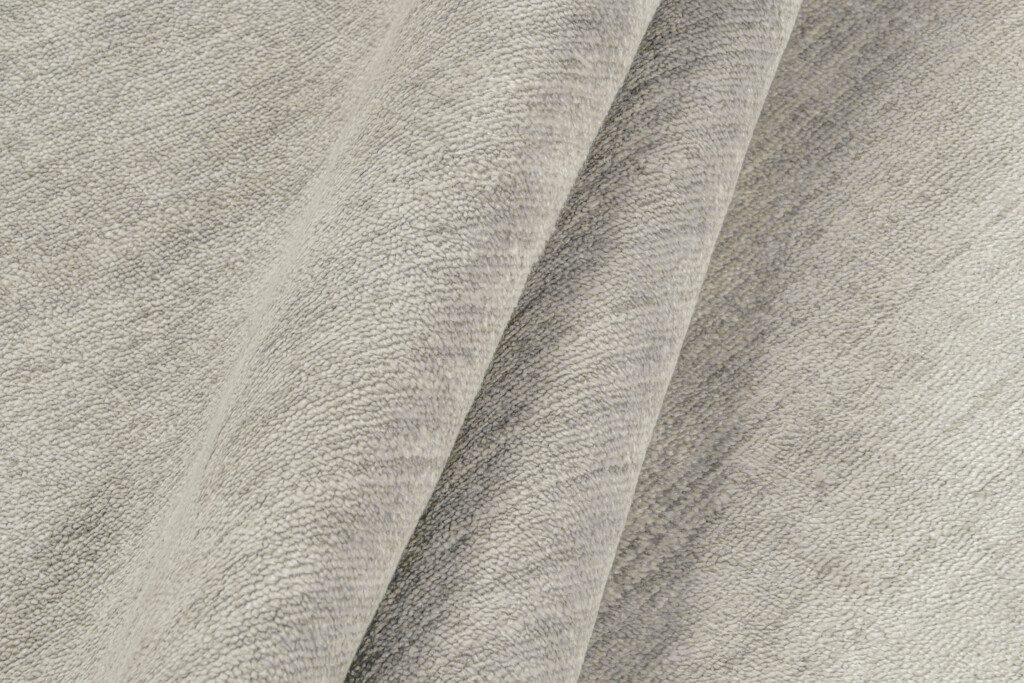 36241Rug & Kilim’s Plain Contemporary Rug in Solid Silver and Off-White Tone-on-Tone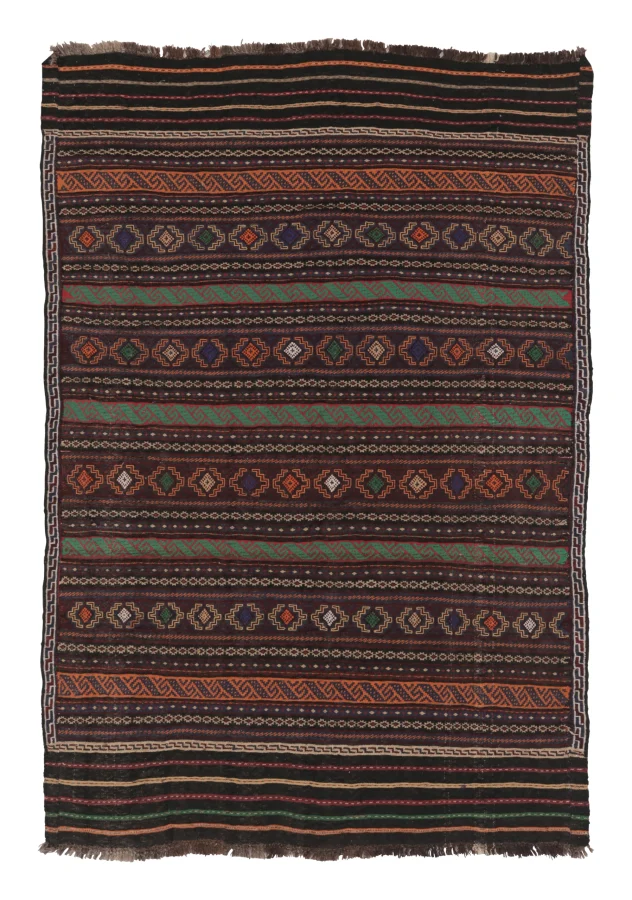
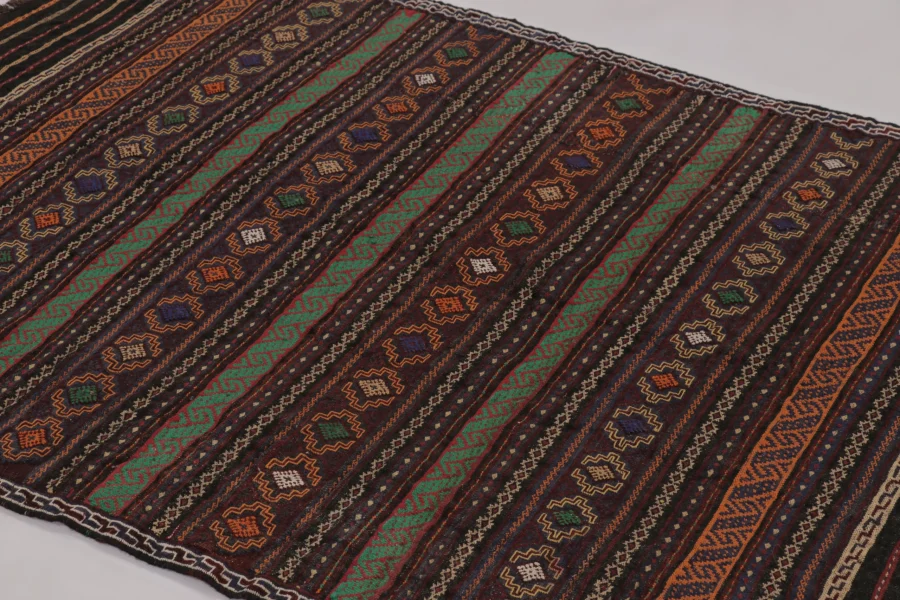 35018Vintage Persian Soumak Kilim, Brown with Polychromatic Geometric Bands - Rug & Kilim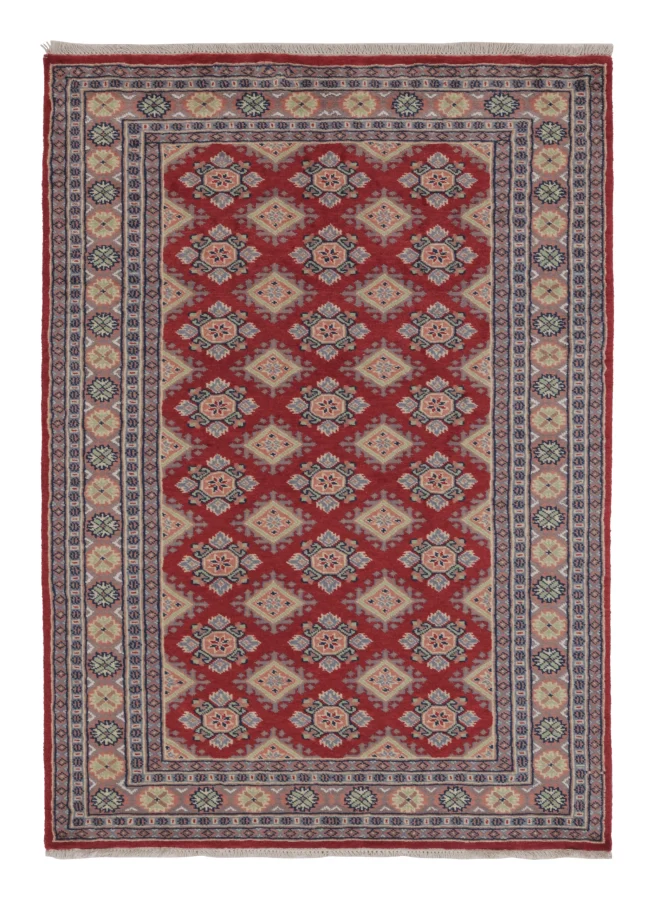
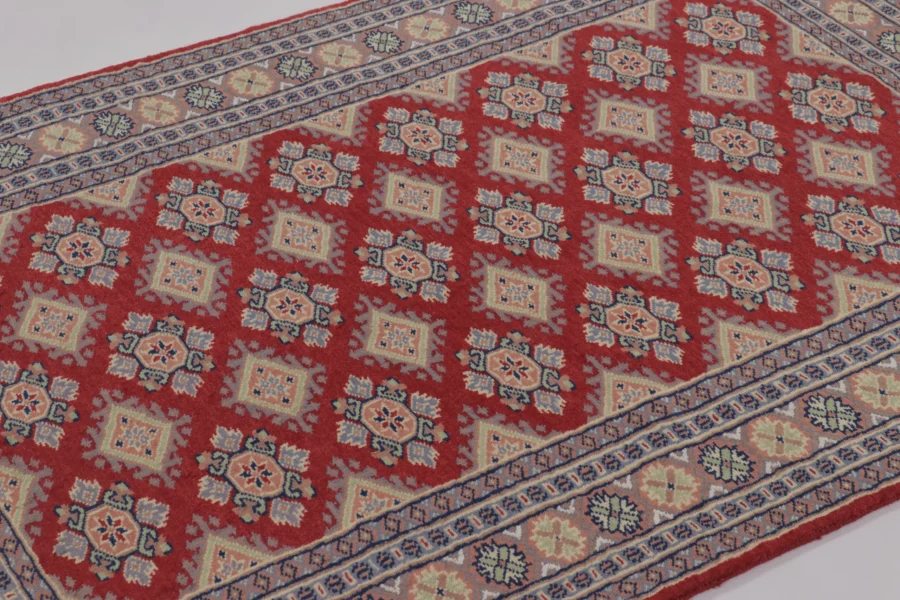 35010Vintage Bokhara Rug in Saturated Red with Geometric Patterns - Rug & Kilim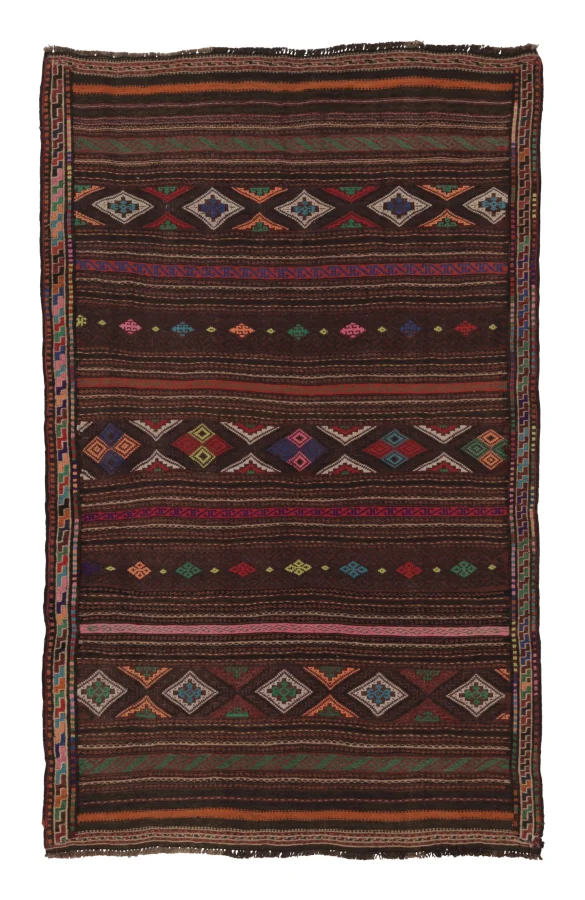
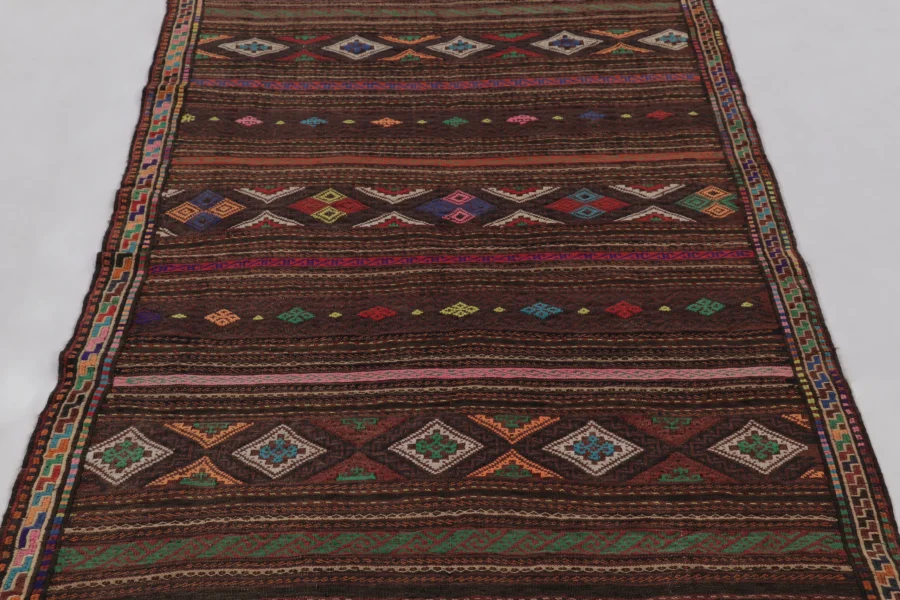 35022Vintage Persian Soumak Kilim with Vibrant Jewel Tone Tribal Design - Rug & Kilim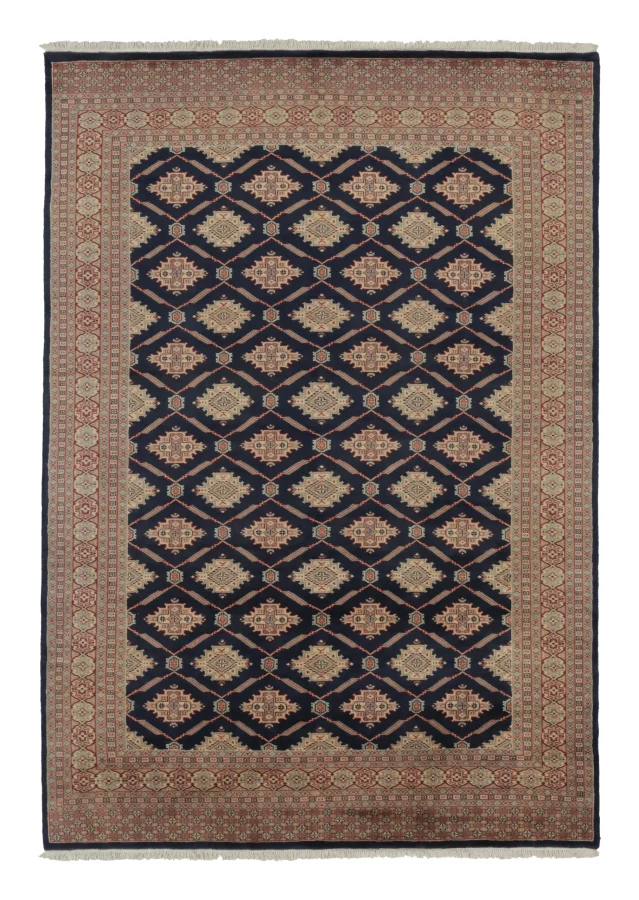
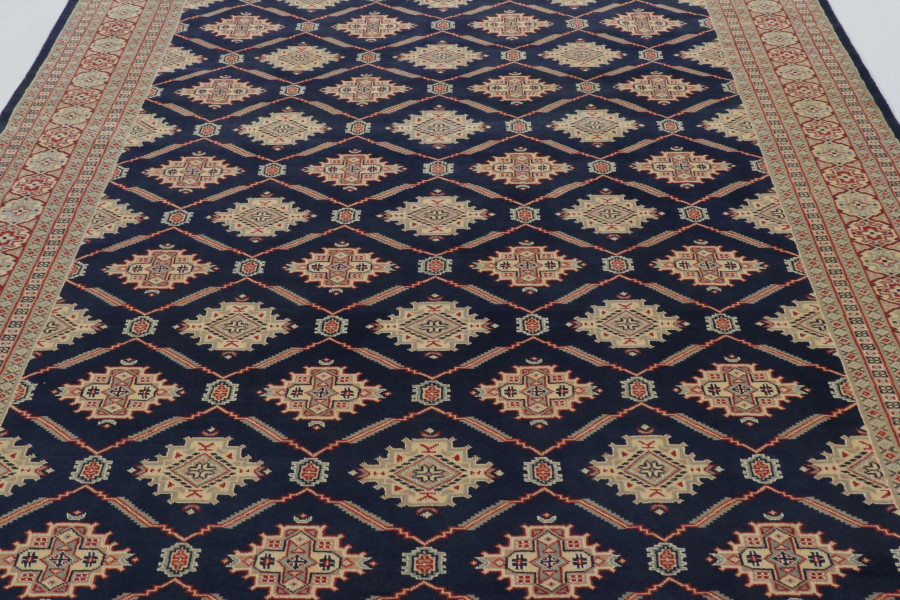 35000Vintage Bokhara Rug in Navy Blue with Beige Geometric Patterns - Rug & Kilim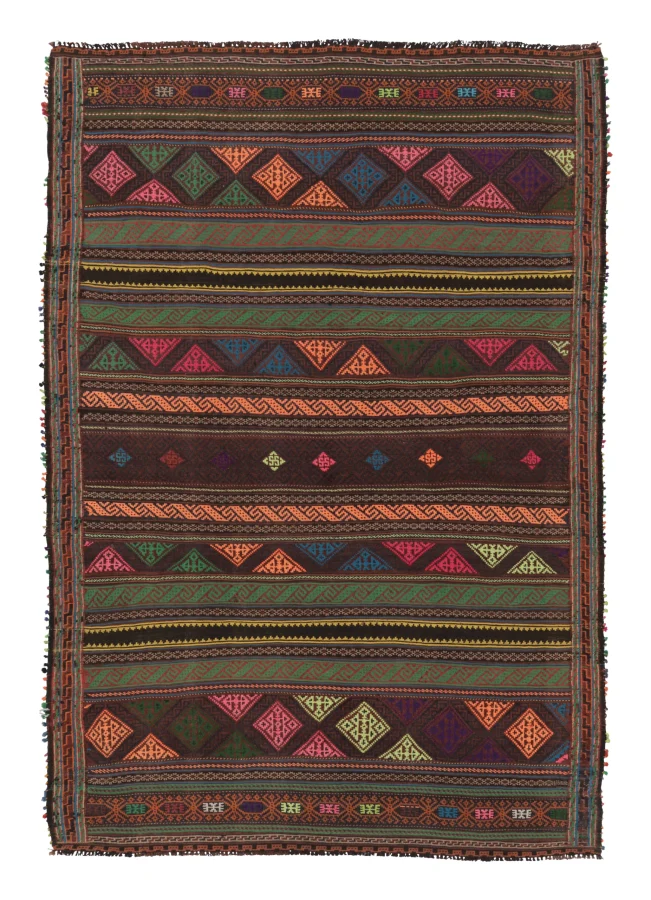
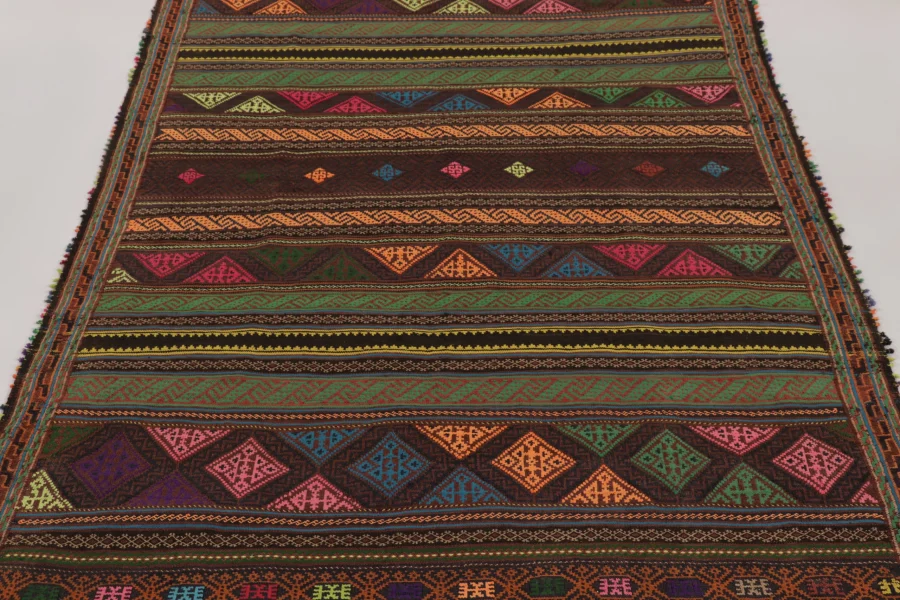 35019Vintage Persian Soumak Kilim, Vibrant Tribal Geometric Patterns - Rug & Kilim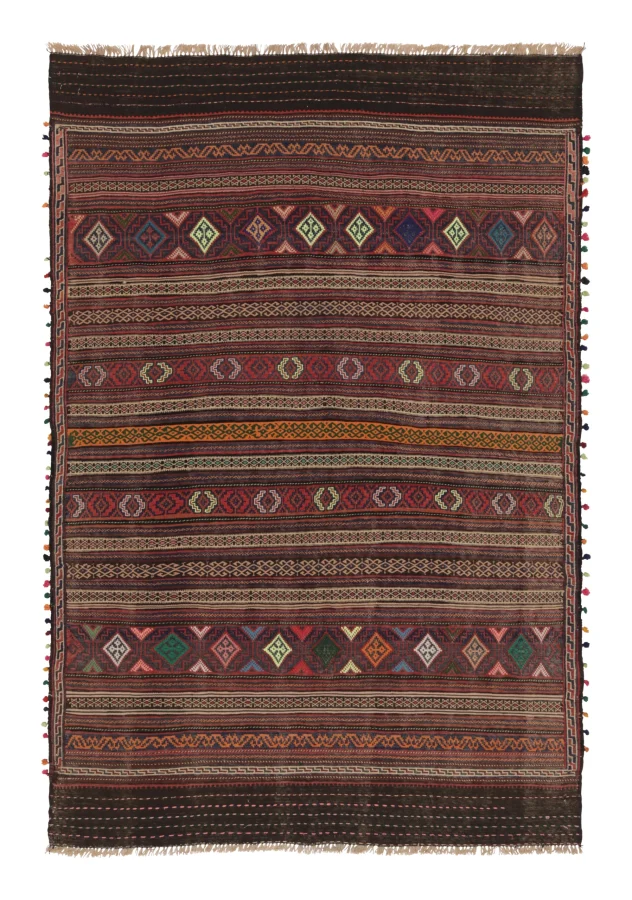
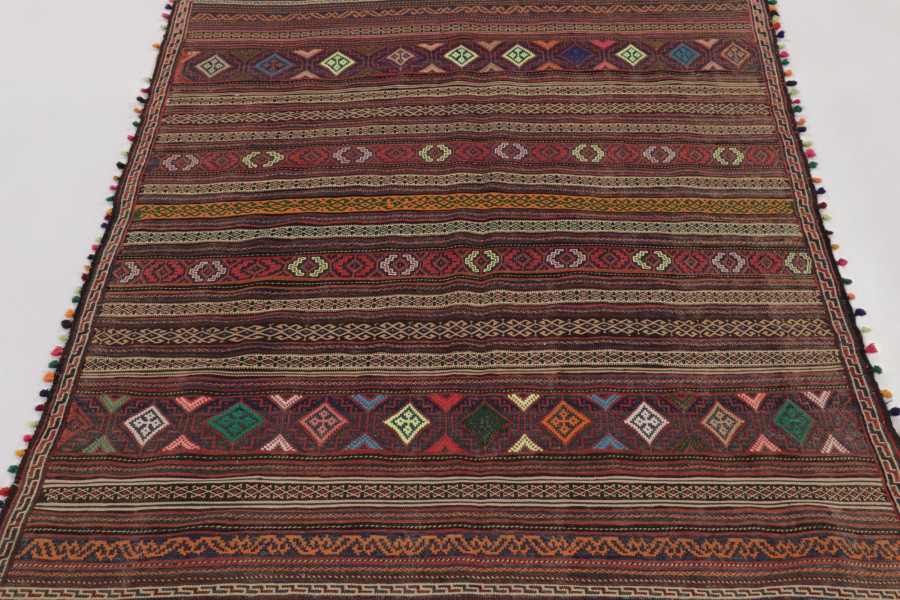 35021Vintage Persian Soumak Kilim in Deep Earth Hues with Diamond Bands - Rug & Kilim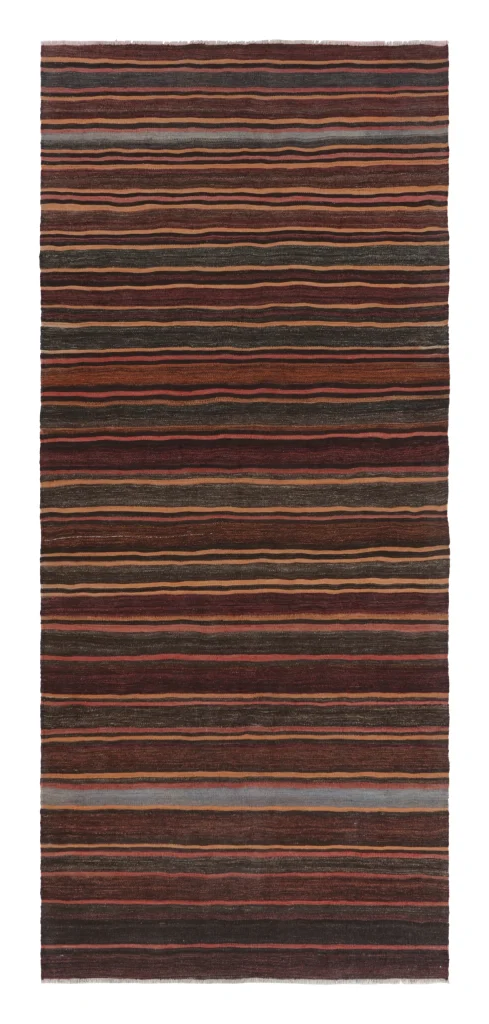
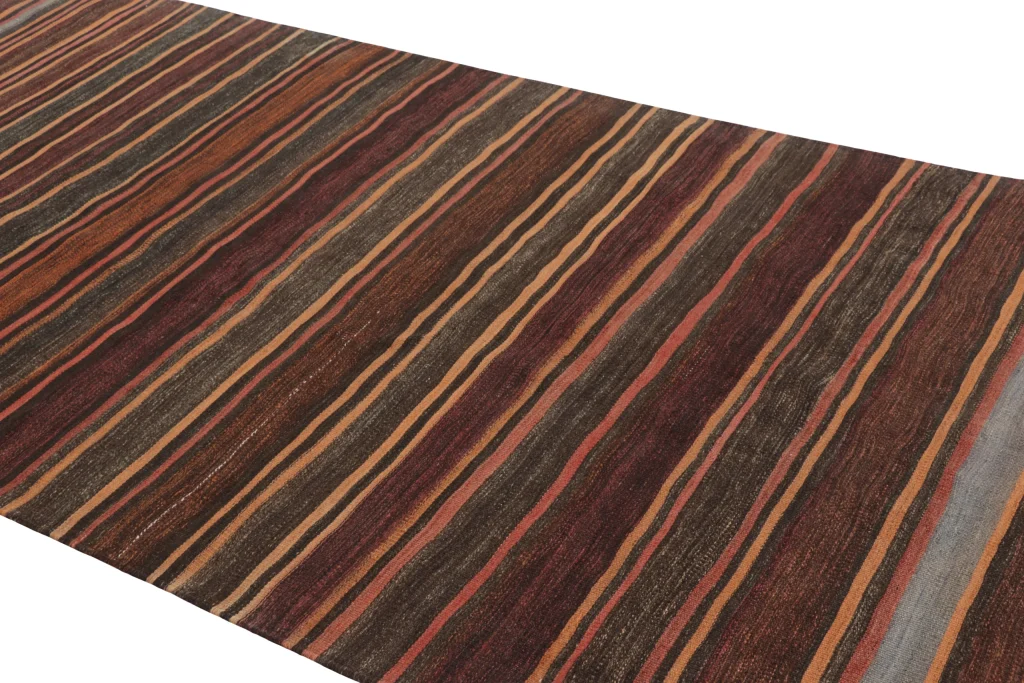 33386Vintage Shahsavan Persian Kilim Runner Rug, Red and Brown Stripes - Rug & Kilim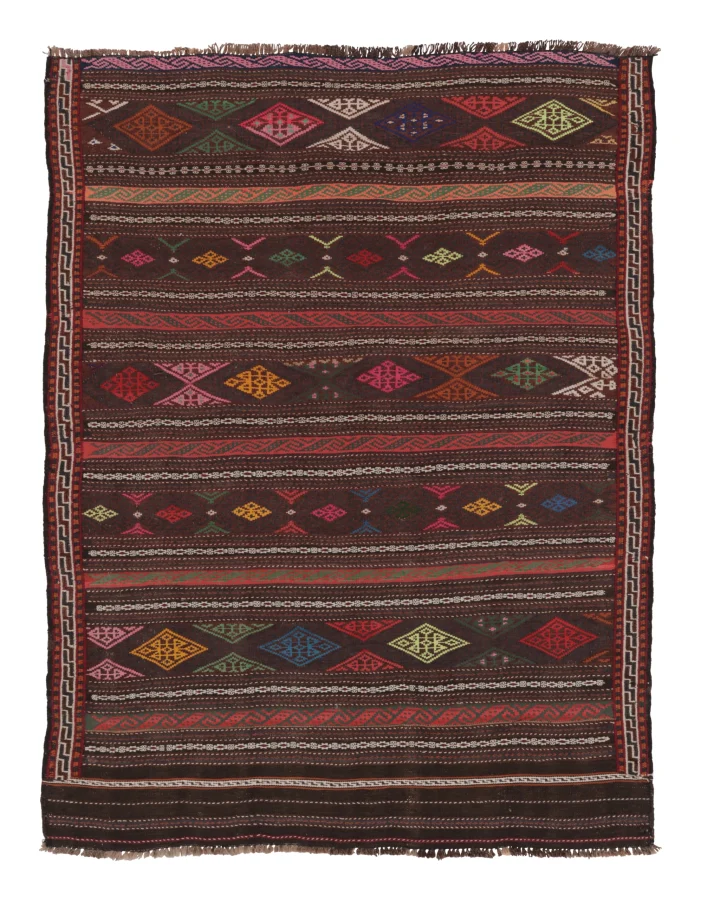
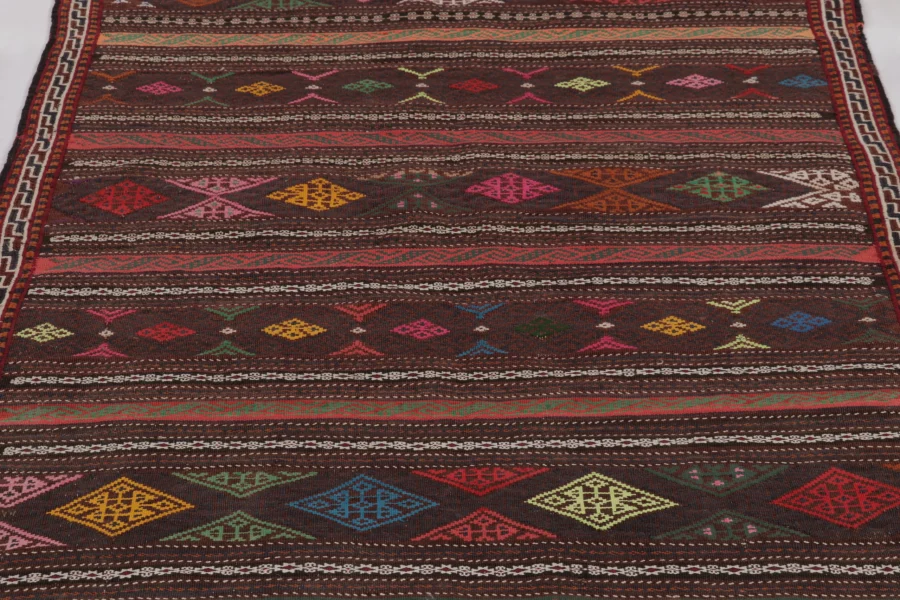 35013Vintage Persian Soumak Kilim, Deep Brown with Jewel Tone Diamonds - Rug & Kilim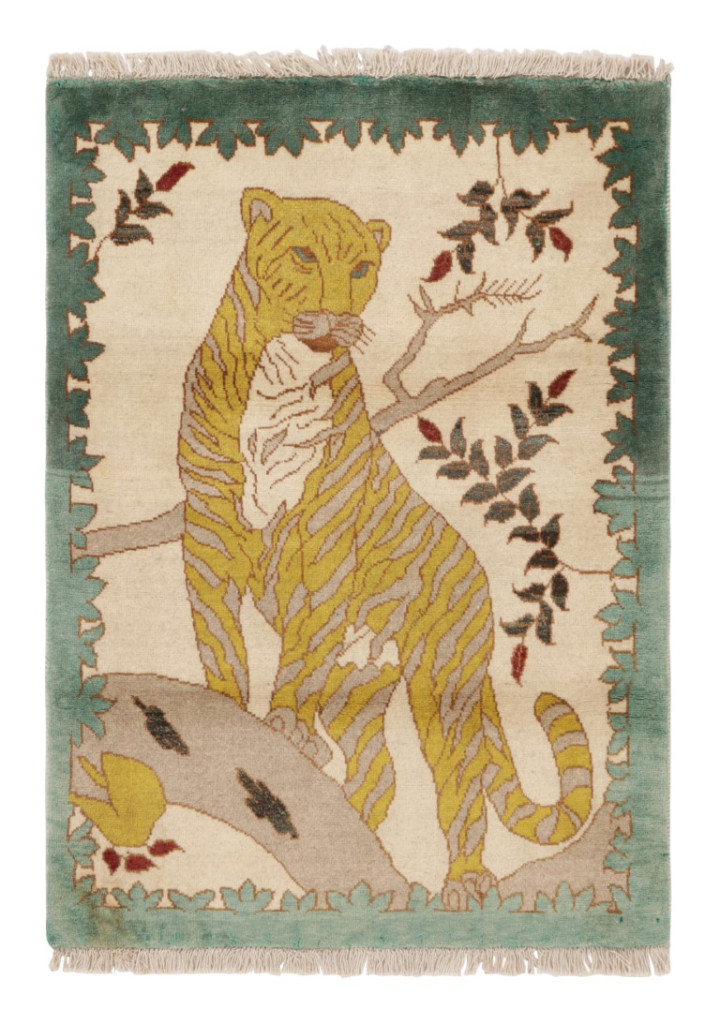
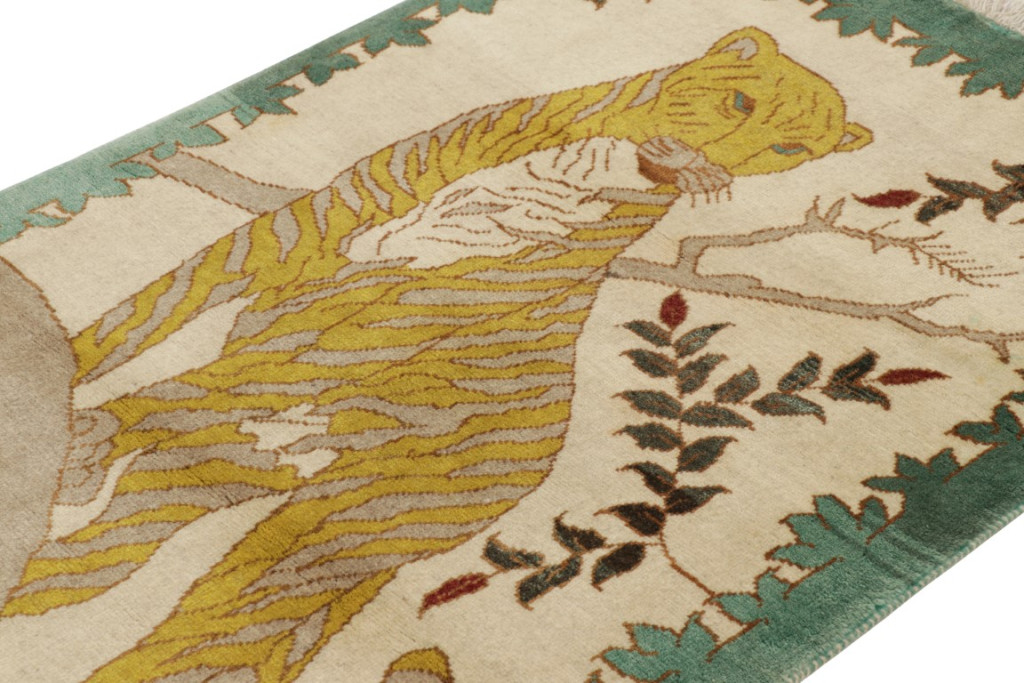 33599Vintage Gabbeh Persian Rug, Cream with Gold Lion Pictorial - Rug & Kilim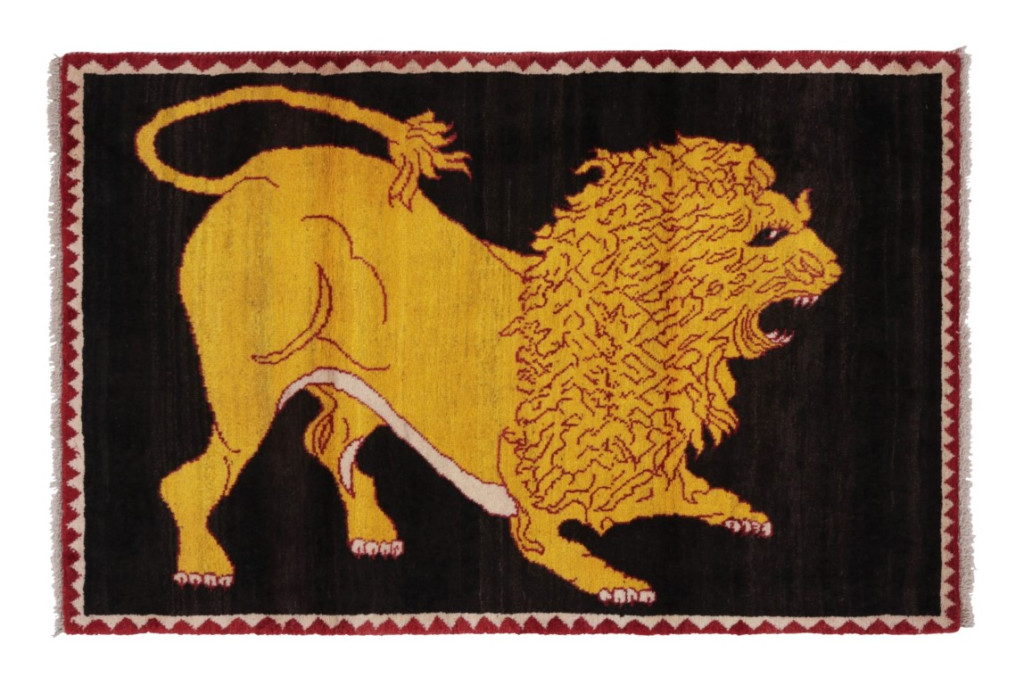
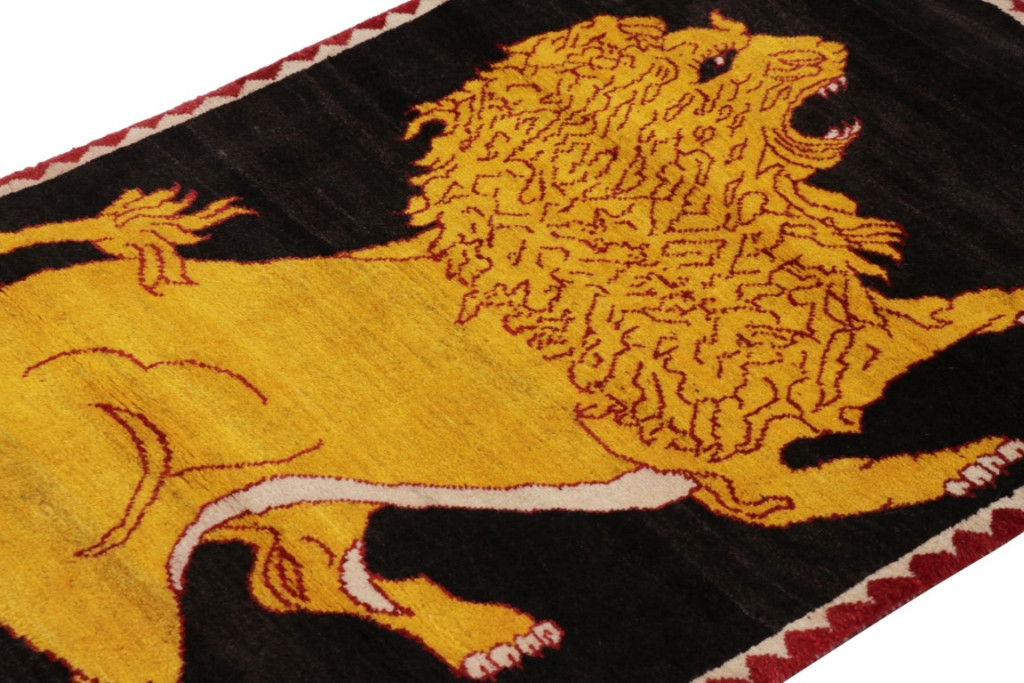 33584Vintage Gabbeh Persian Rug, Gold and Black with Lion Pictorial - Rug & Kilim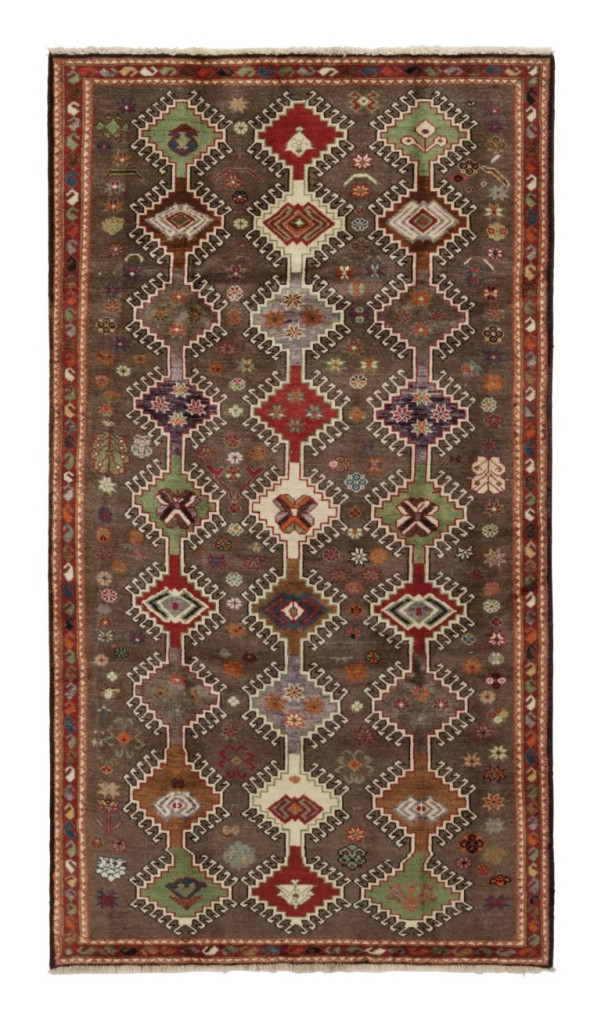
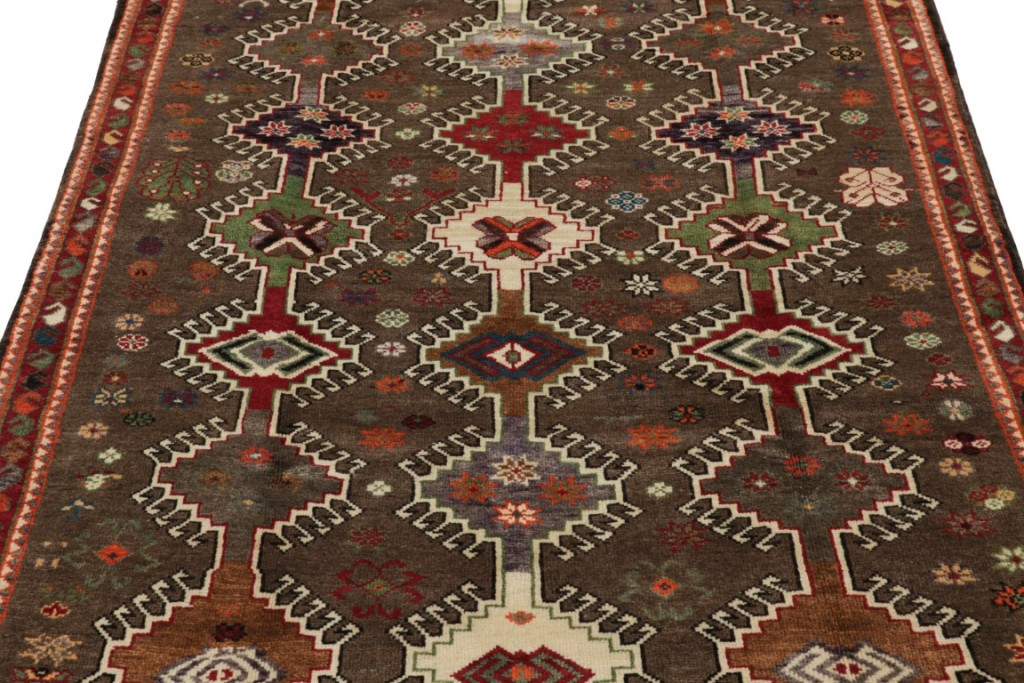 33594Vintage Persian Gabbeh Runner Rug with Colorful Geometric Patterns - Rug & Kilim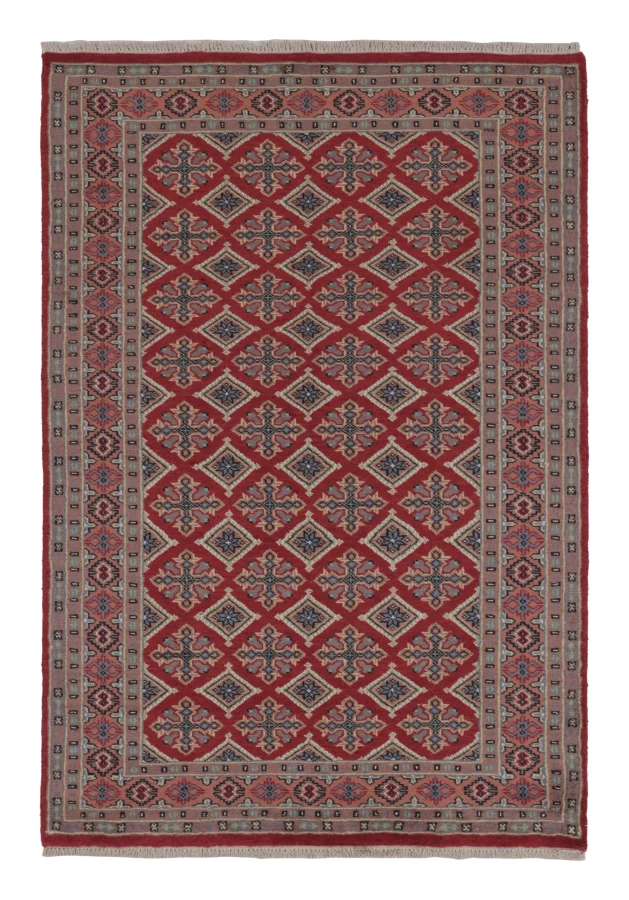
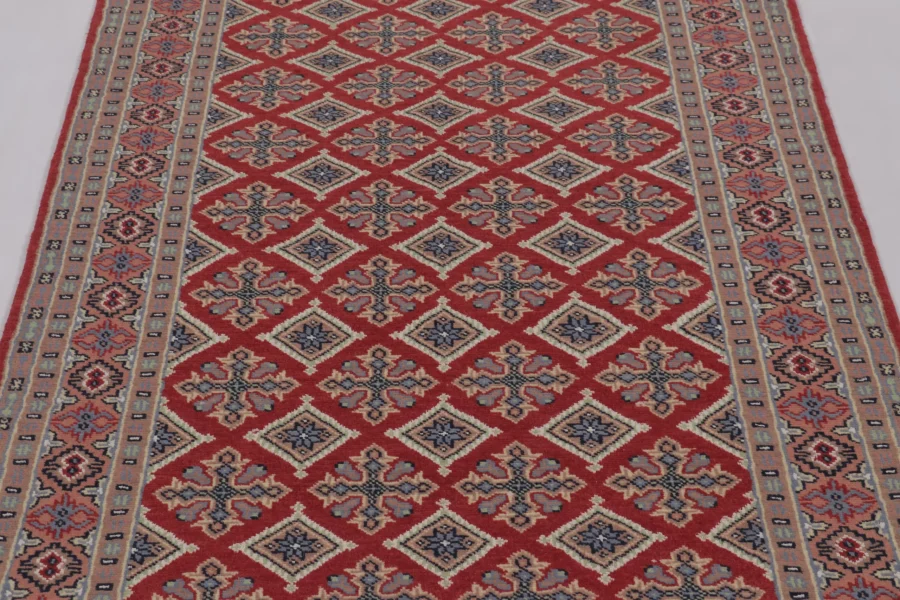 35002Vintage Bokhara Rug, RIch Red with Pink Geometric Patterns - Rug & Kilim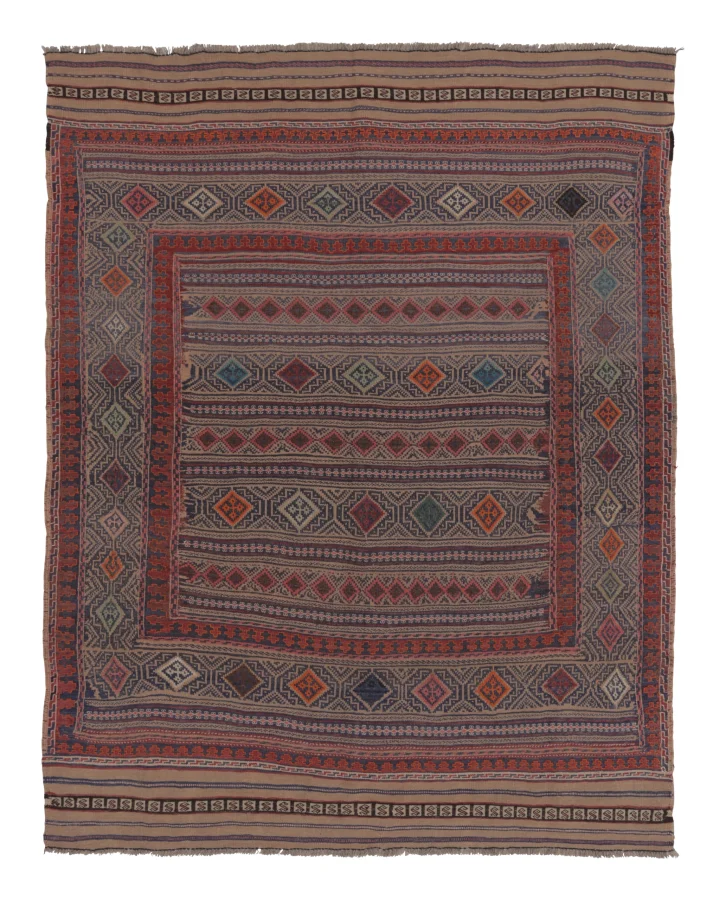
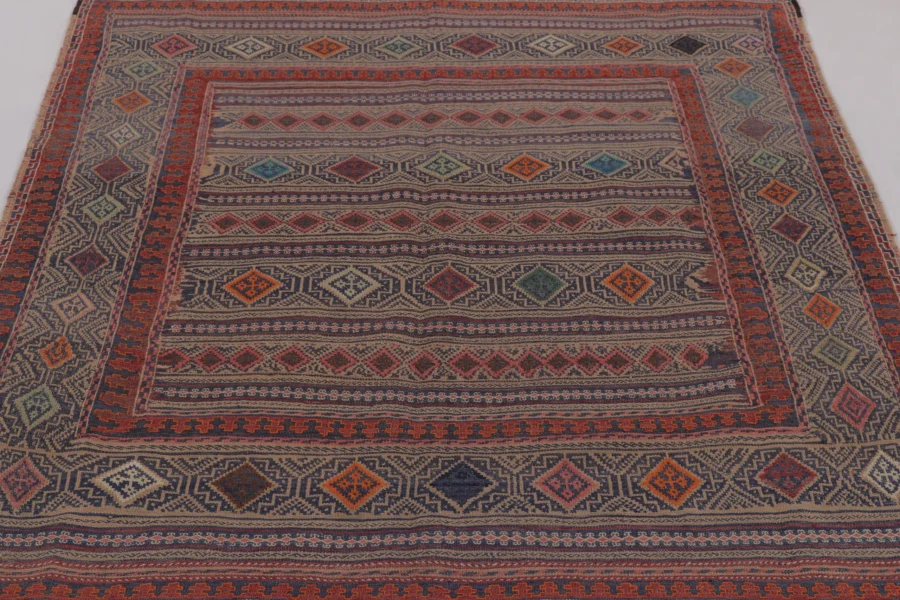 35014Vintage Persian Soumak Kilim, Tribal Diamonds in Light Jewel Tones - Rug & Kilim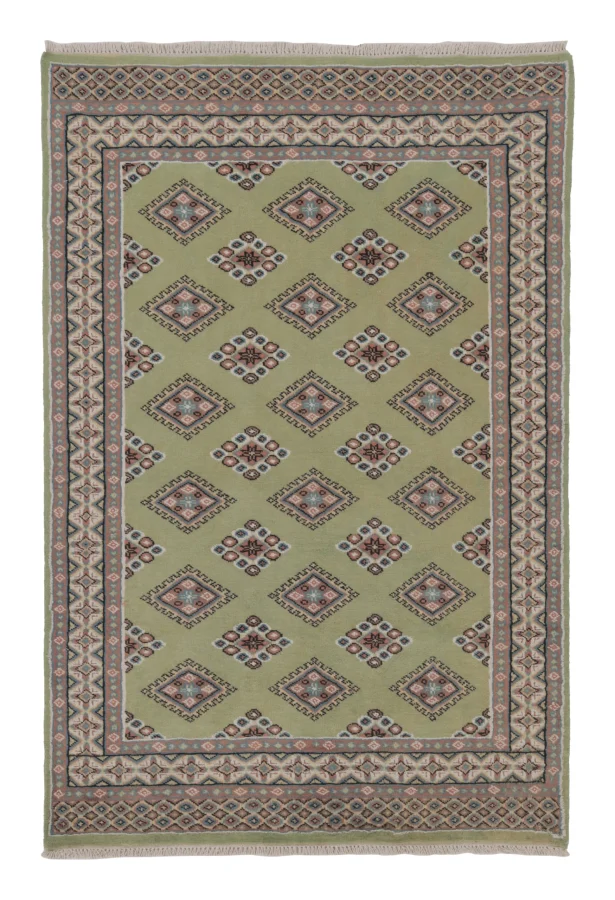
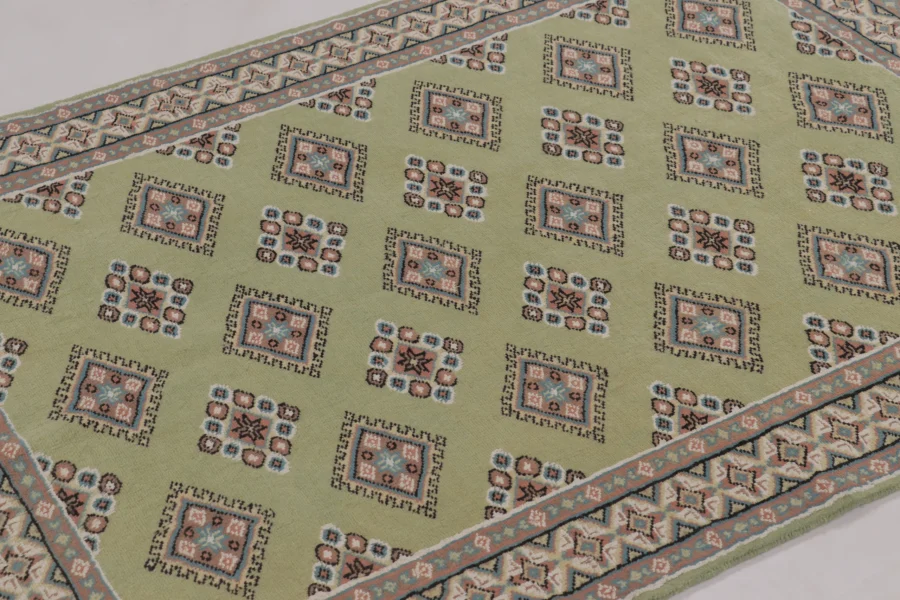 35007Vintage Bokhara Rug in Soft Sage Green with Geometric Patterns - Rug & Kilim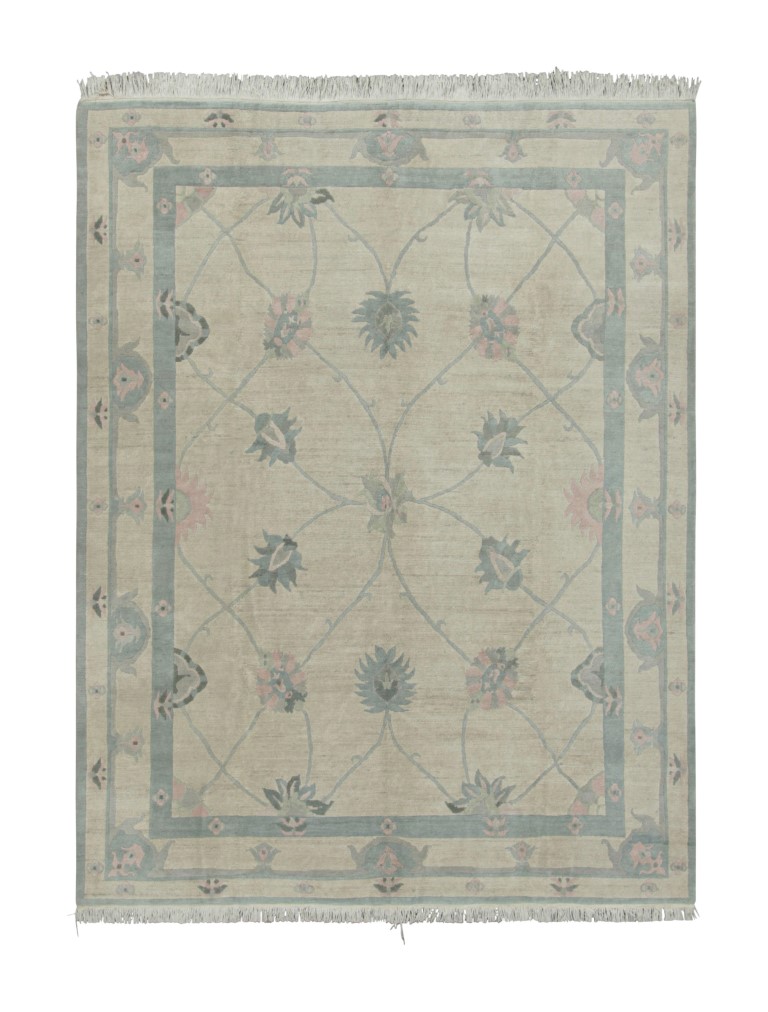
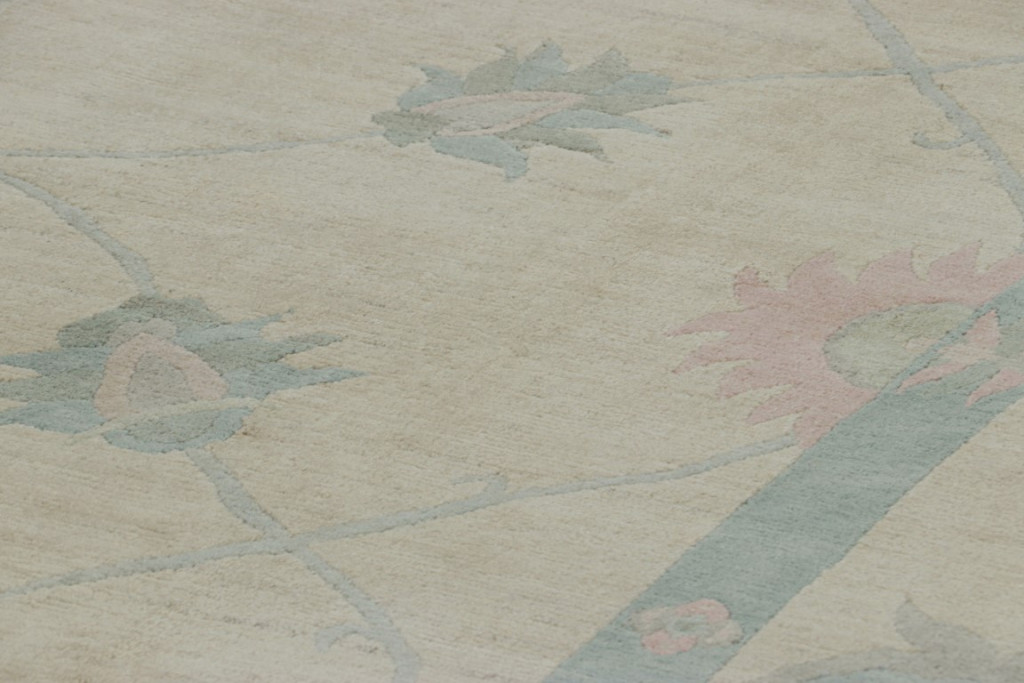 10800Rug & Kilim’s Oushak Rug in Cream with Slate Blue Floral Patterns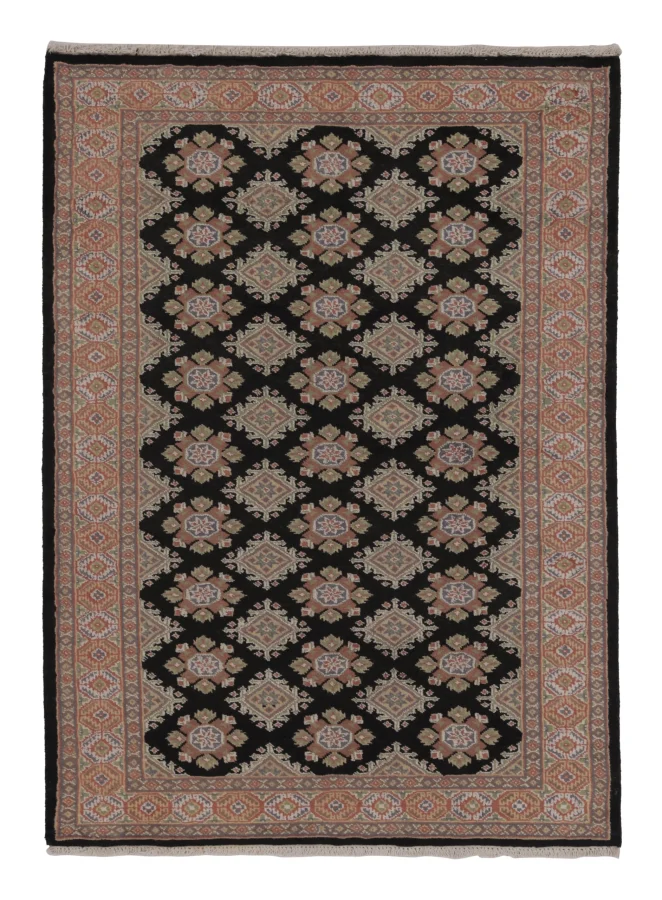
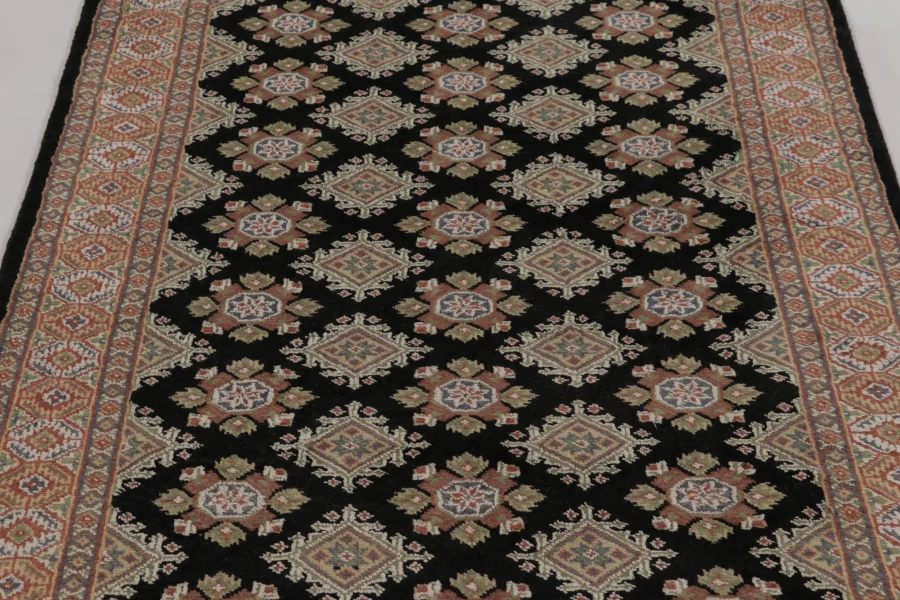 35009Vintage Bokhara Rug in Black with Geometric Patterns - Rug & Kilim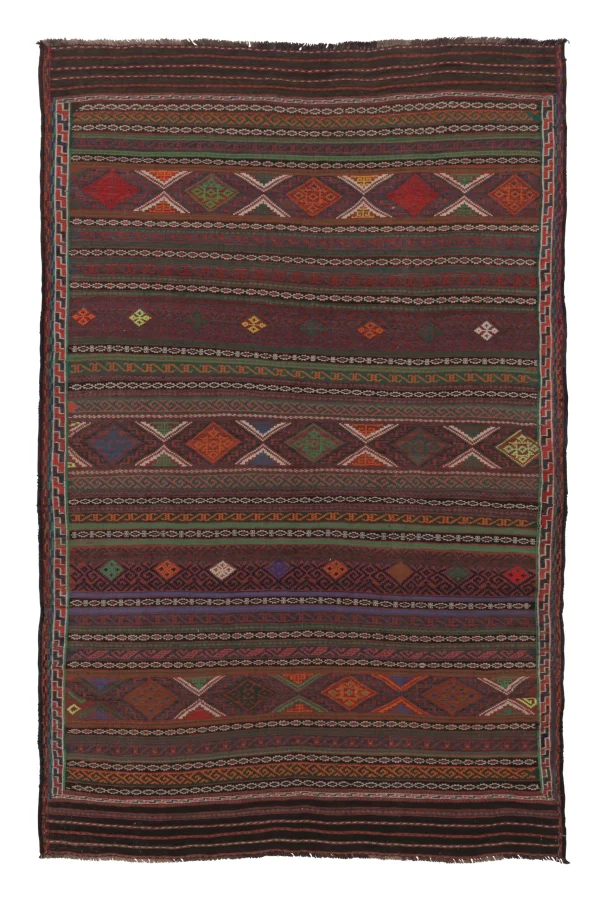
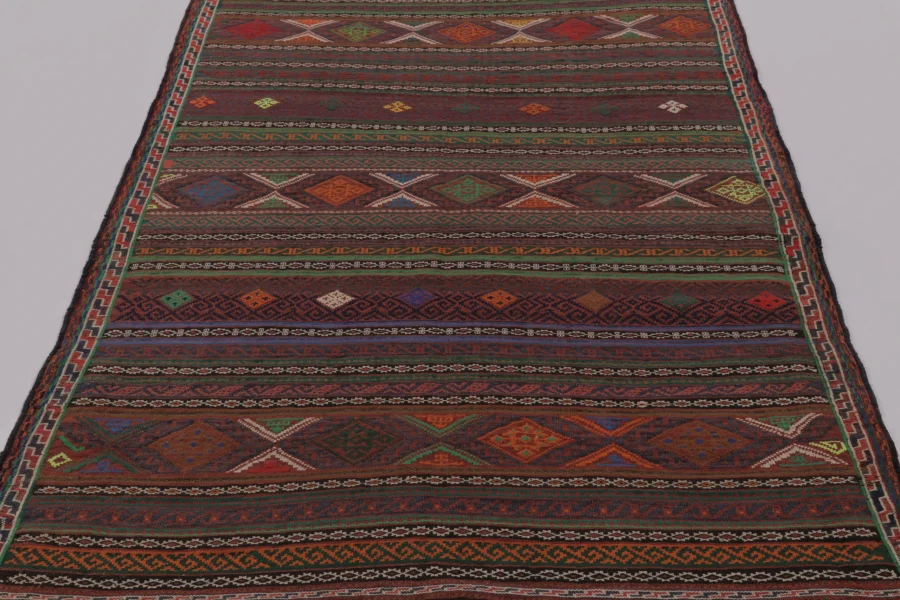 35016Vintage Persian Soumak Kilim, Burgundy with Vibrant Tribal Motifs - Rug & Kilim
- Out of Stock
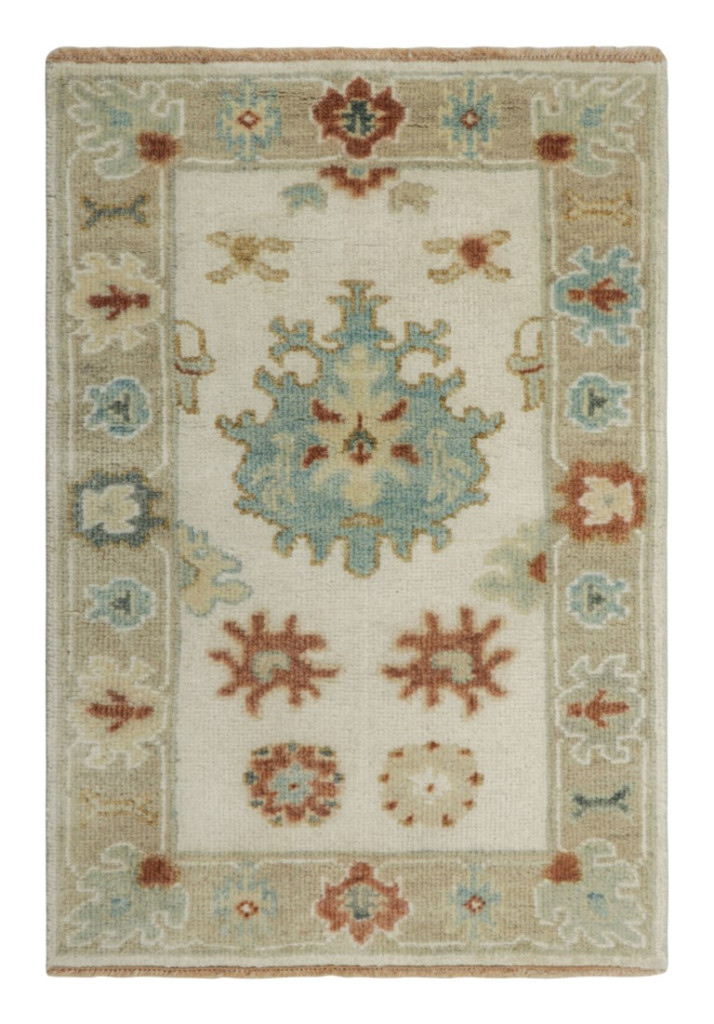
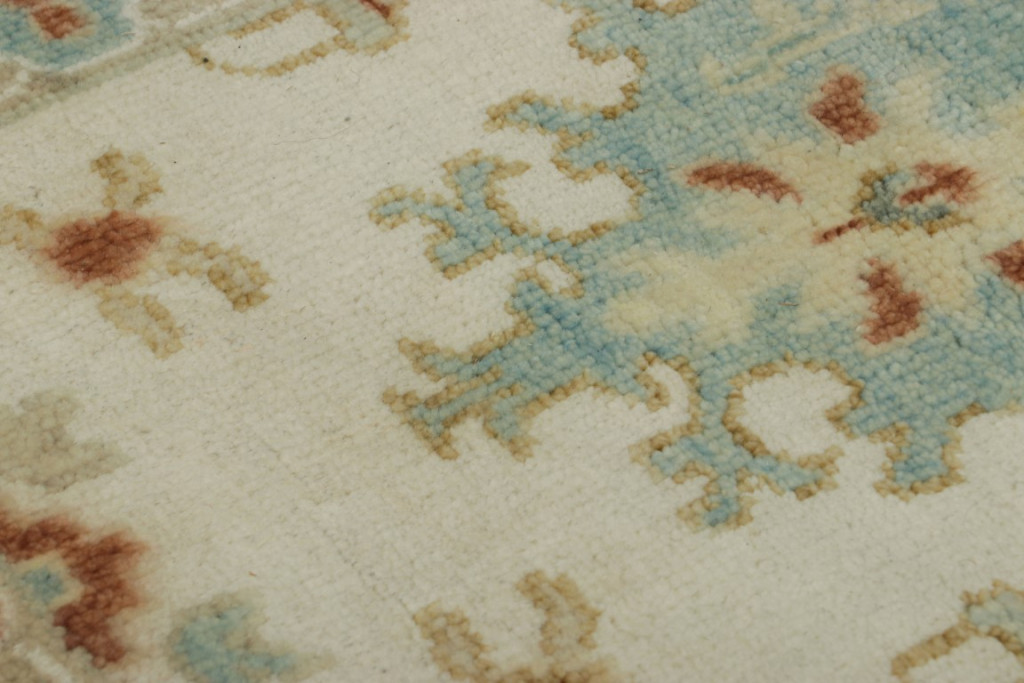 34049Rug & Kilim’s Oushak Rug in Beige-Cream with Medallion and Florals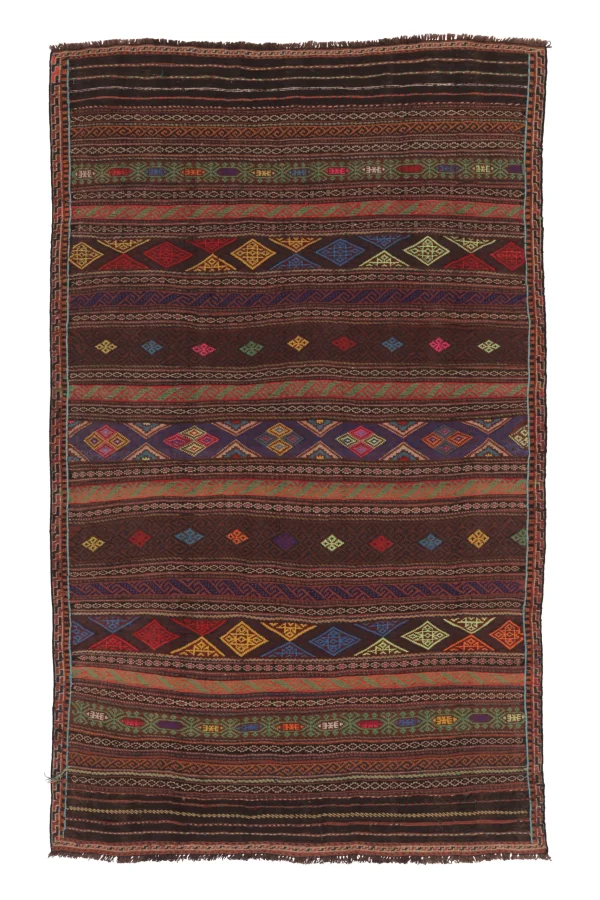
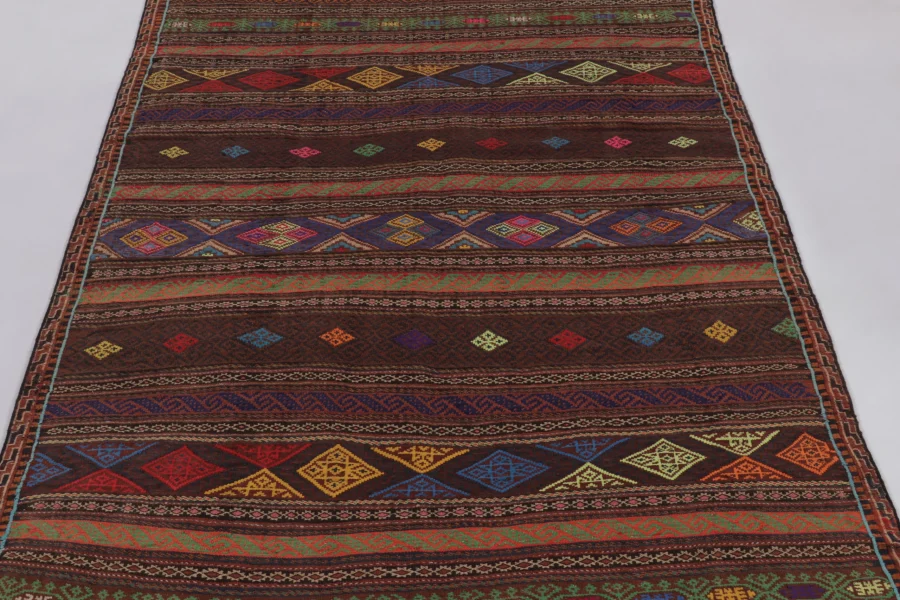 35017Vintage Persian Soumak Kilim with Vibrant Diamonds in Brown Tones - Rug & Kilim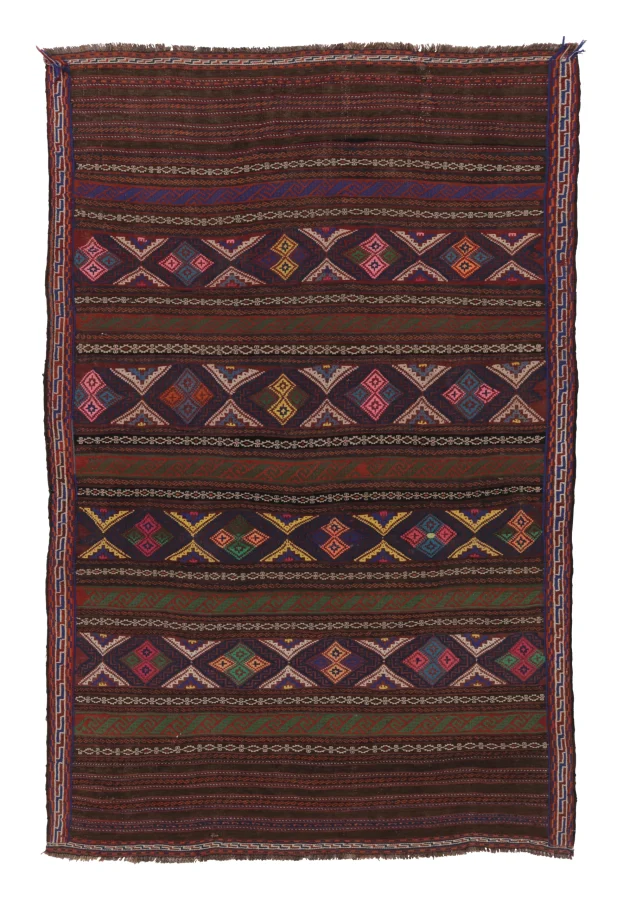
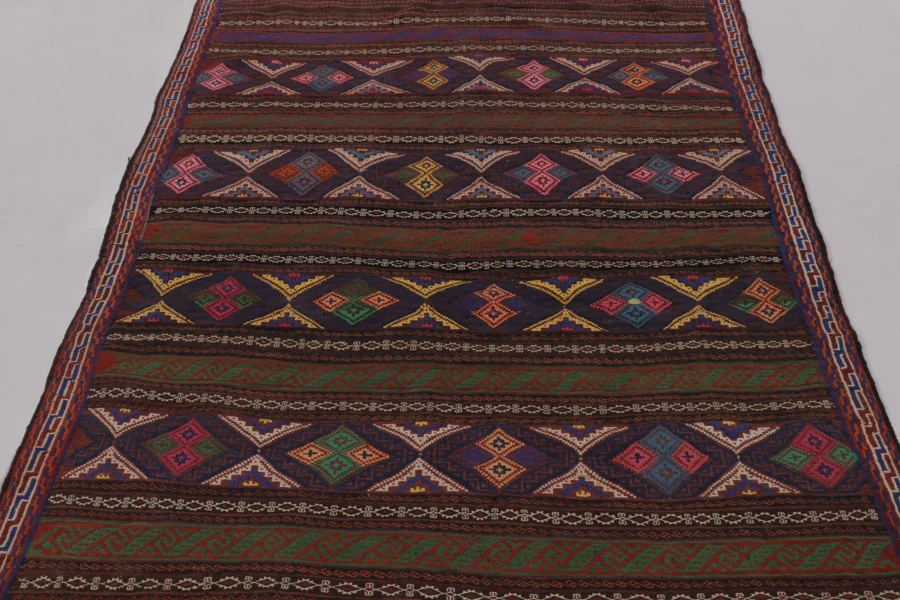 35020Vintage Persian Soumak Kilim, Rich Ground with Jewel Tone Motifs - Rug & Kilim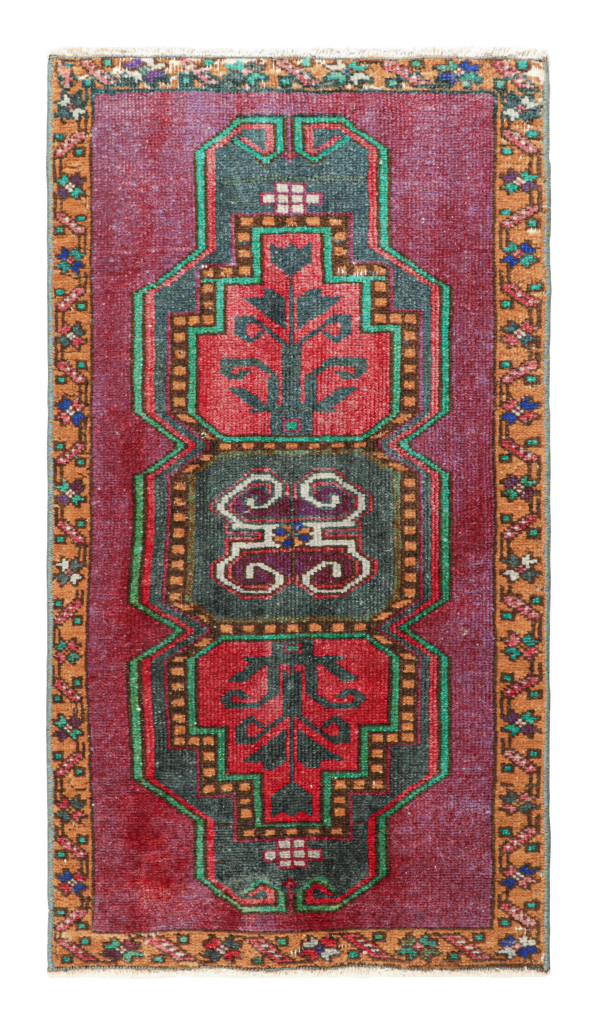
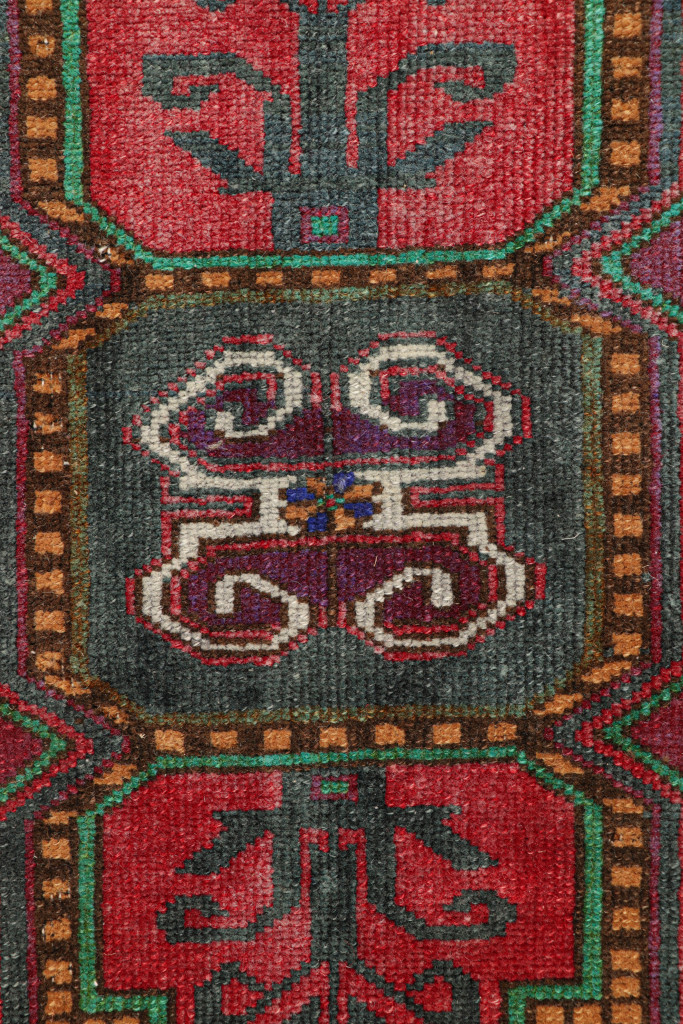 29327Vintage Oushak Rug with Polychromatic Geometric Medallions, from Rug & Kilim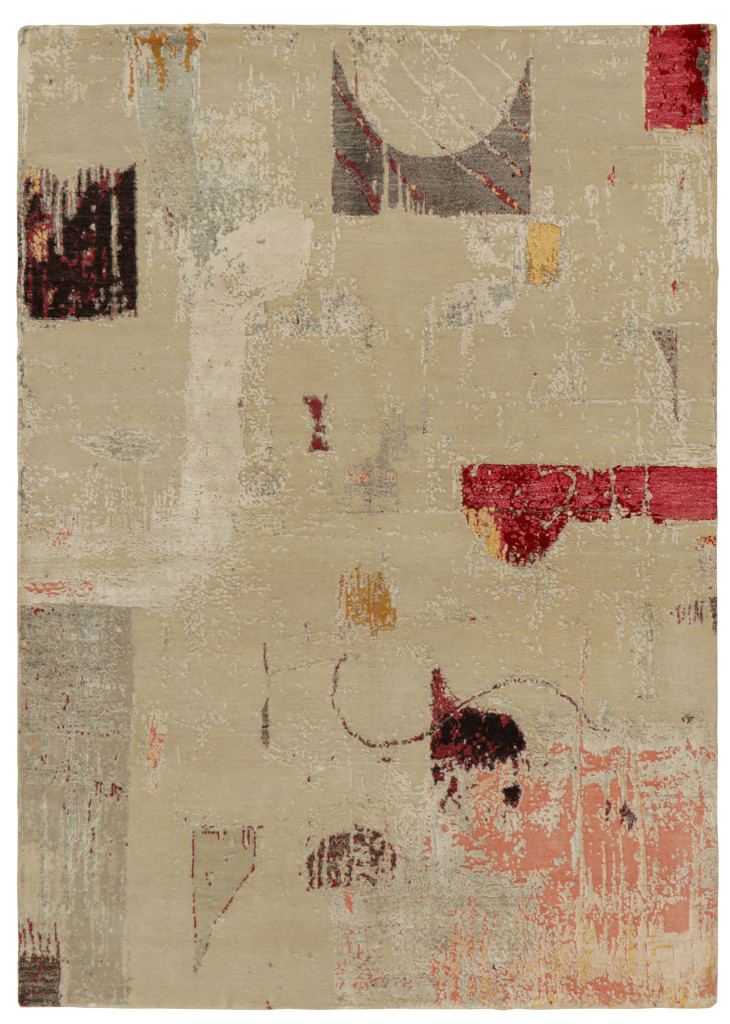
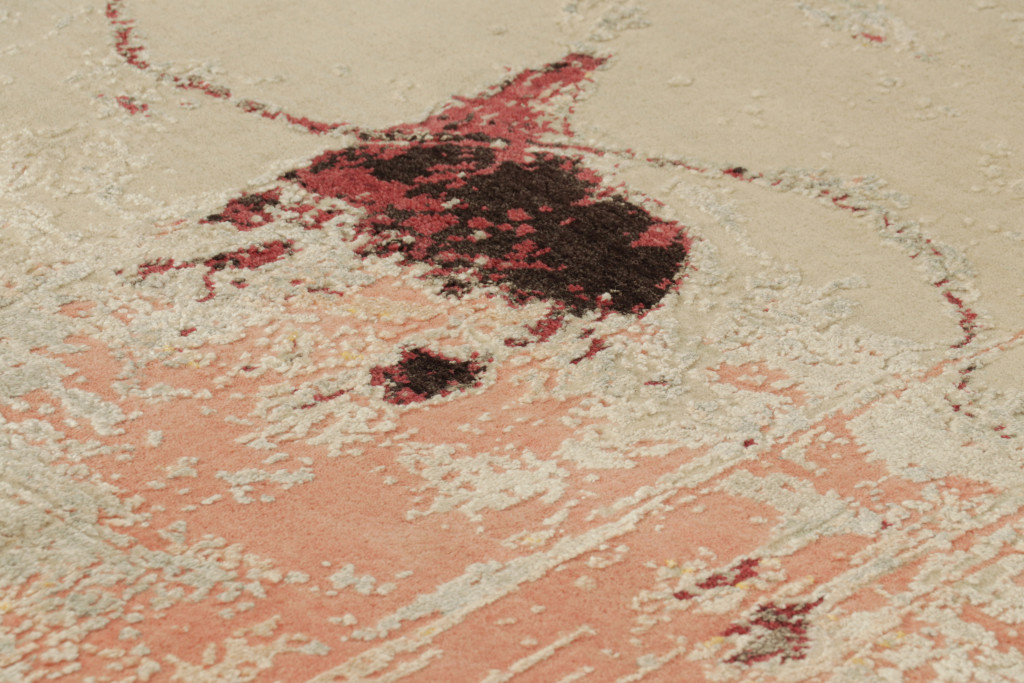 31370Rug & Kilim’s Abstract Rug in Off-White with Colorful Geometric Patterns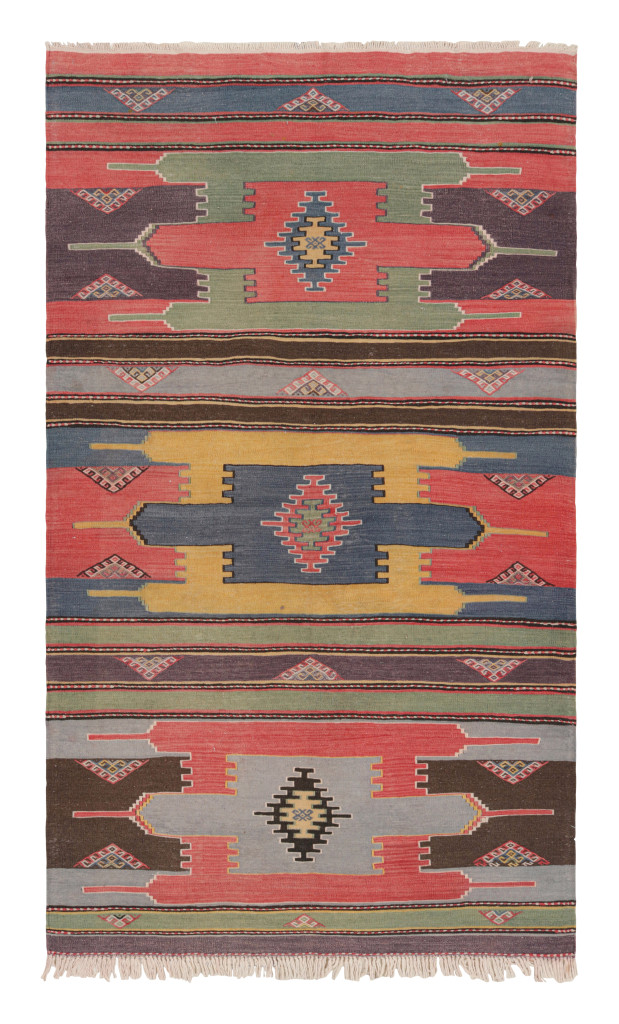
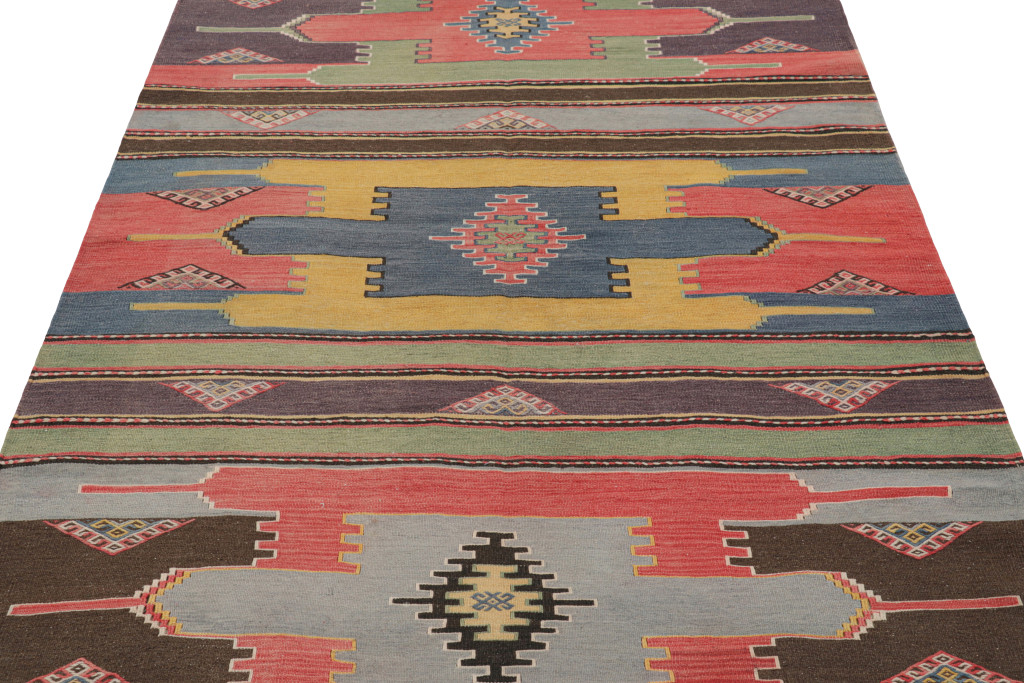 32367Vintage Sivas Kilim with Polychromatic Geometric Patterns - Rug & Kilim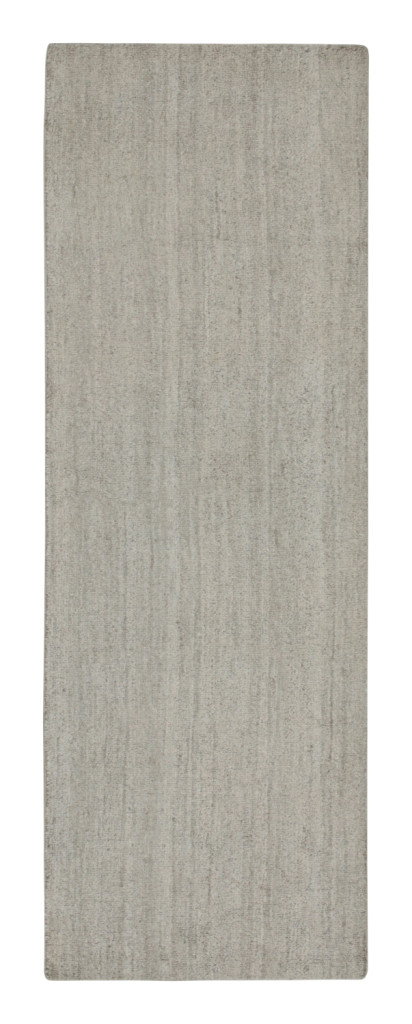
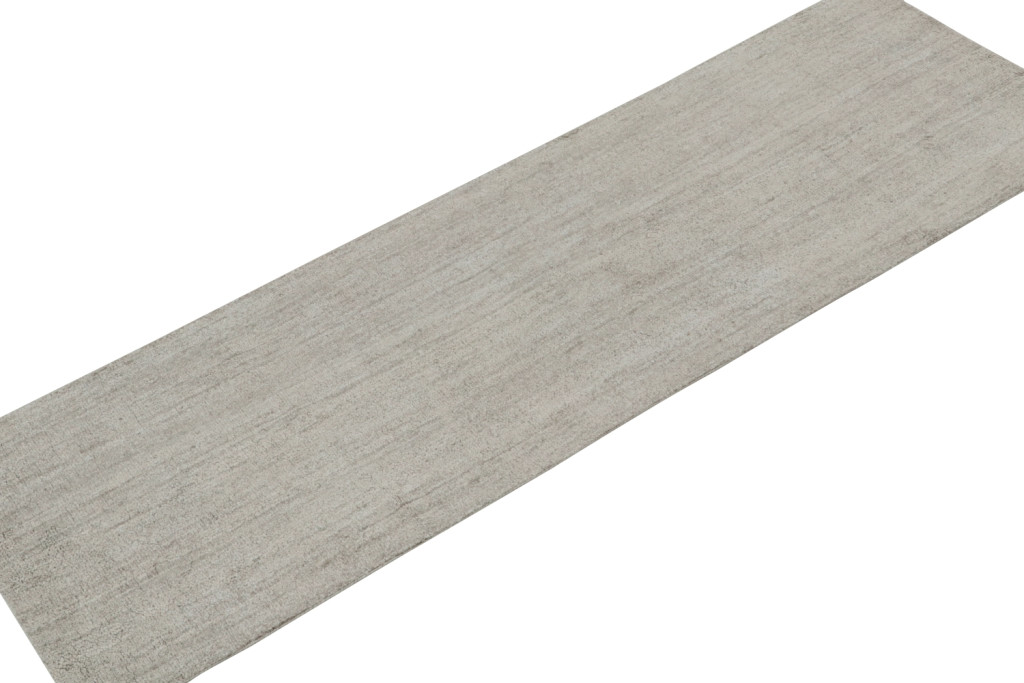 27747Rug & Kilim’s Contemporary Runner and Textural Rug in Solid Gray Striae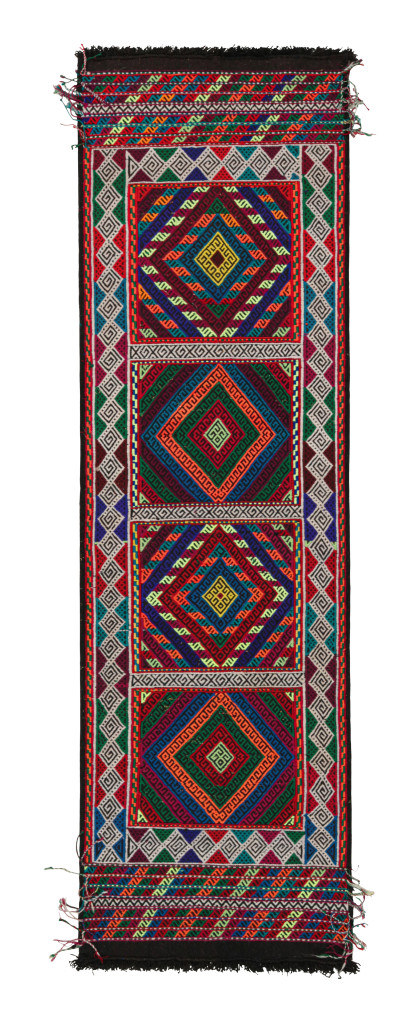
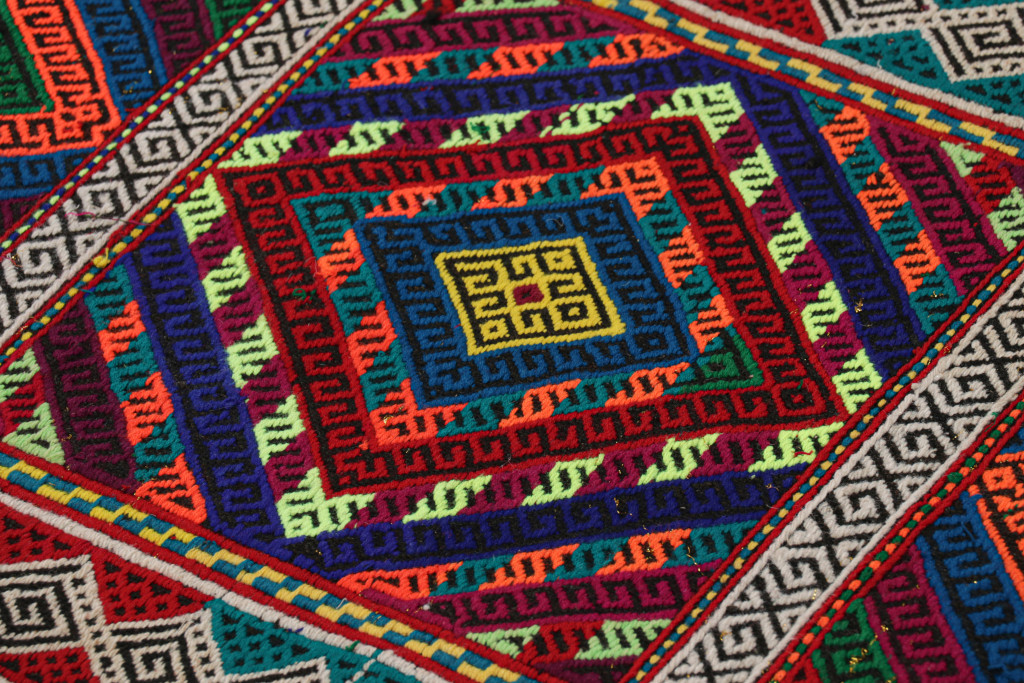 31162Rug & Kilim’s Contemporary Kilim Runner with Polychromatic Geometric Medallions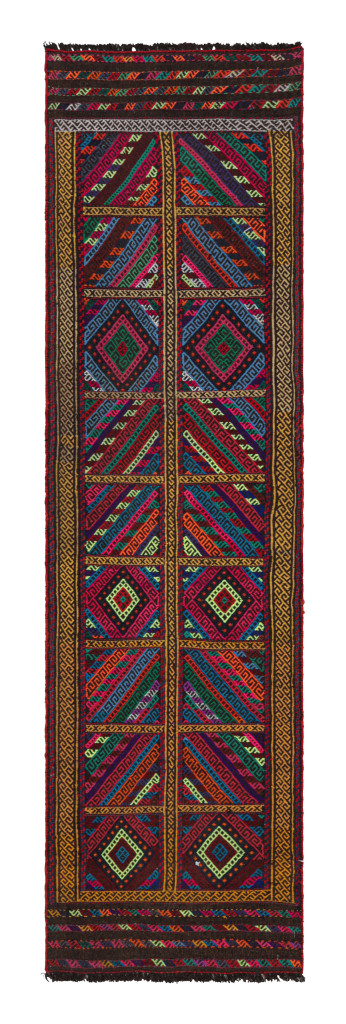
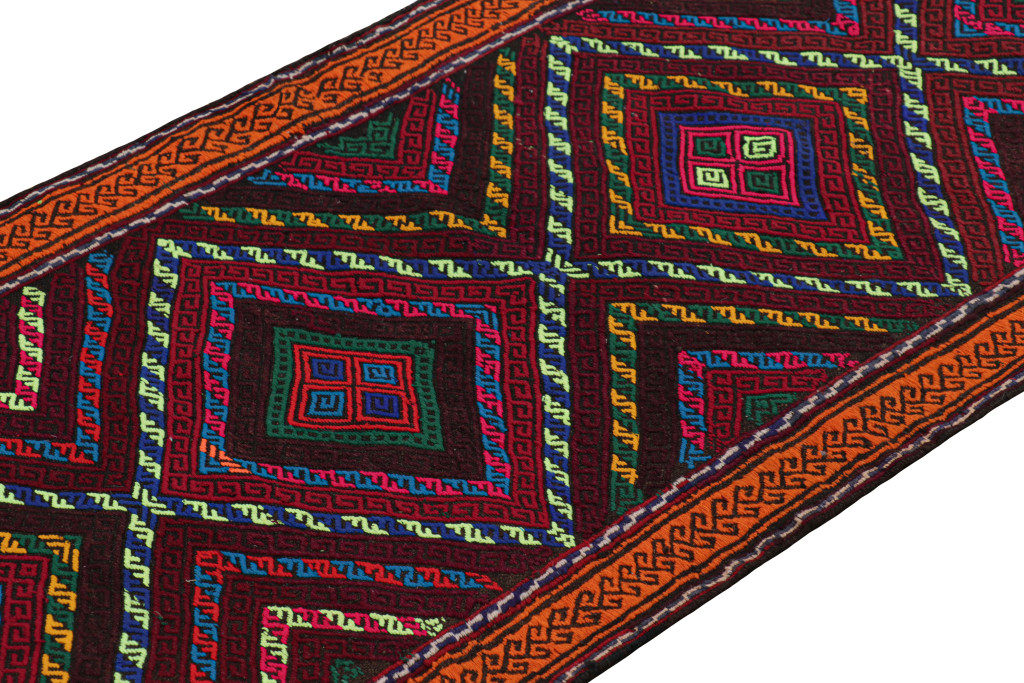
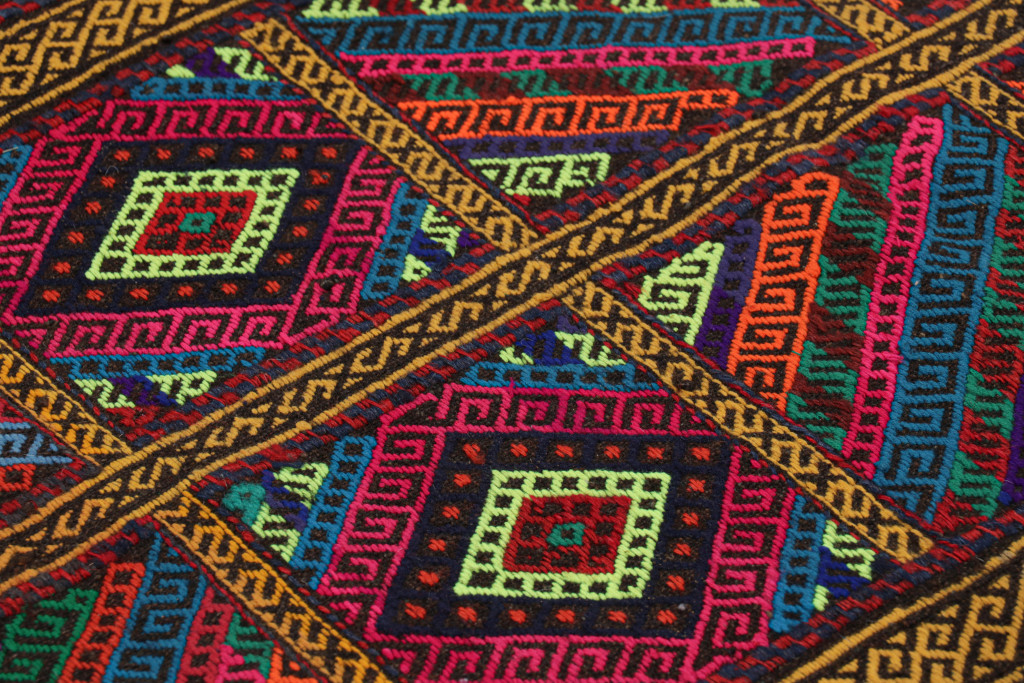 31157Rug & Kilim’s Contemporary Kilim Runner Rug with Polychromatic Geometric Pattern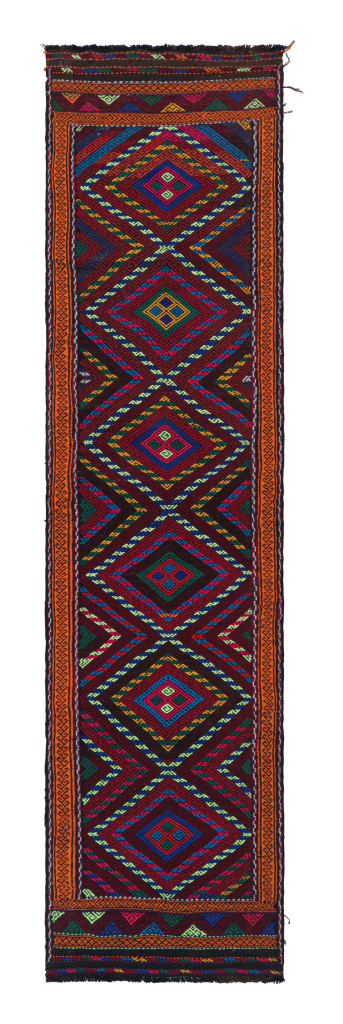
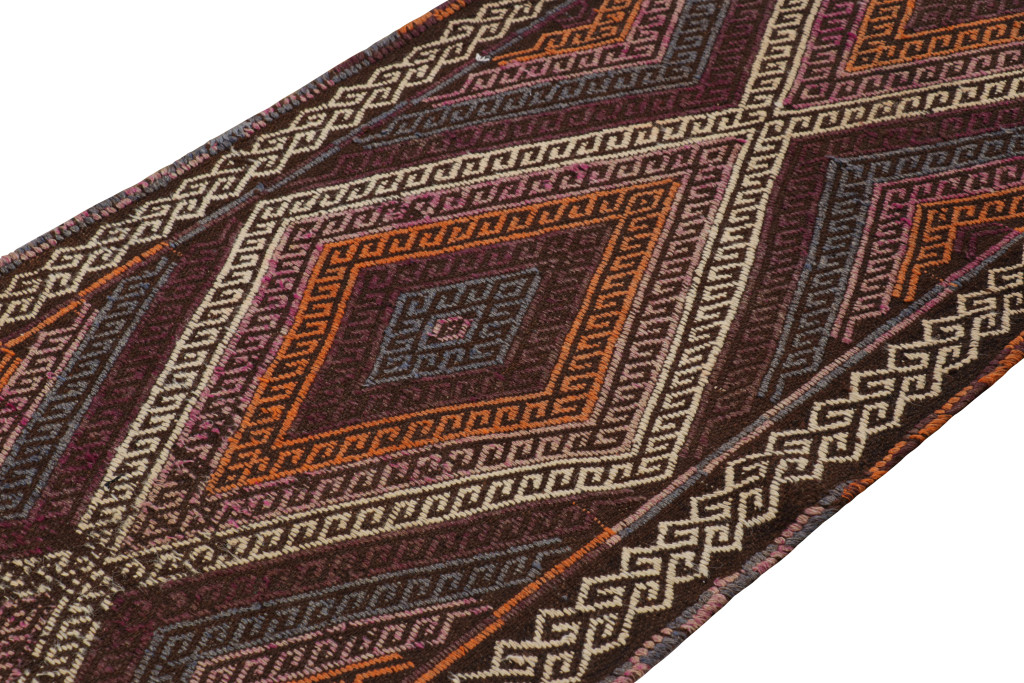
 31151Rug & Kilim’s Contemporary Kilim Runner with Polychromatic Geometric Medallions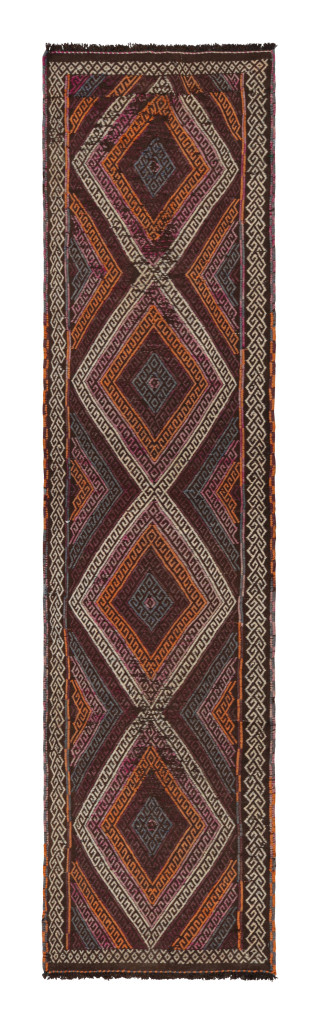
 31150Rug & Kilim’s Contemporary Kilim Runner with Polychromatic Geometric Medallions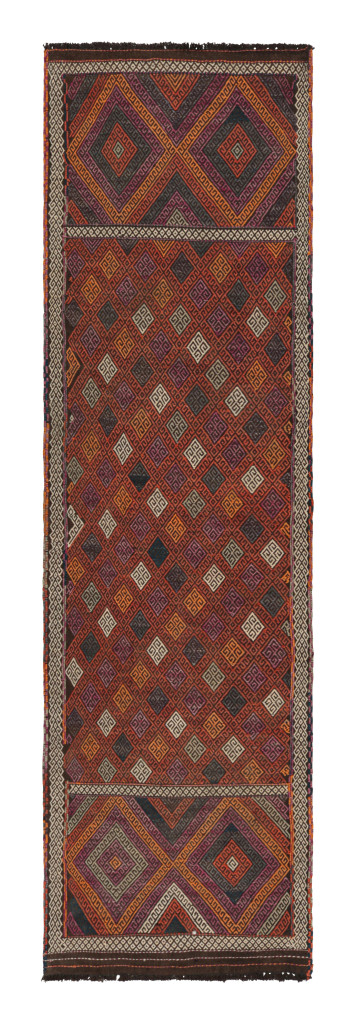
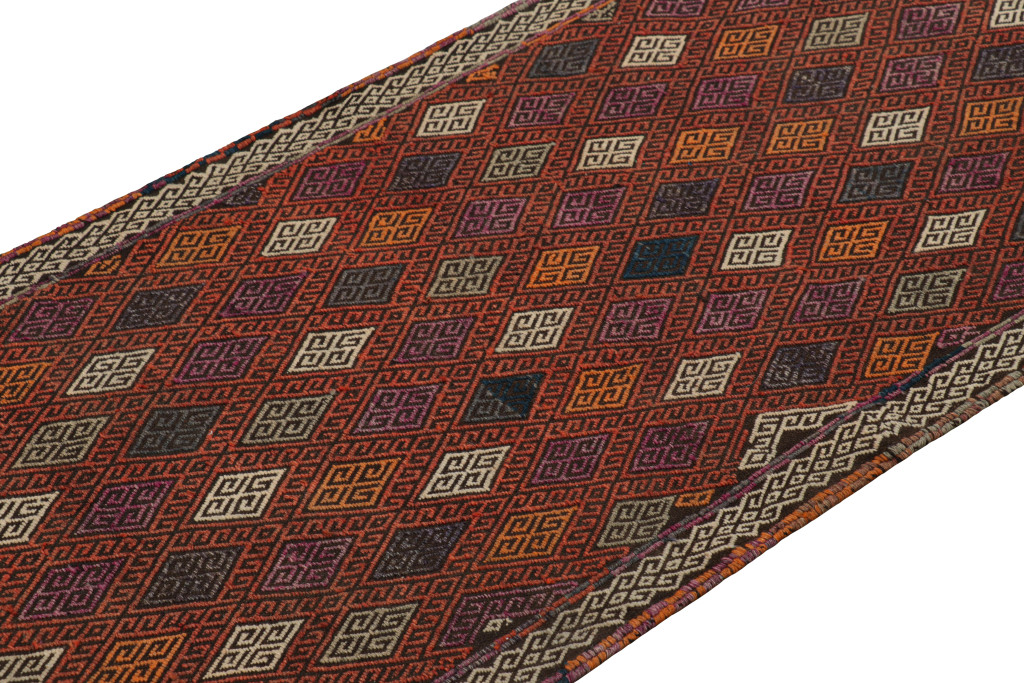 31148Rug & Kilim’s Contemporary Kilim Runner Rug with Polychromatic Geometric Pattern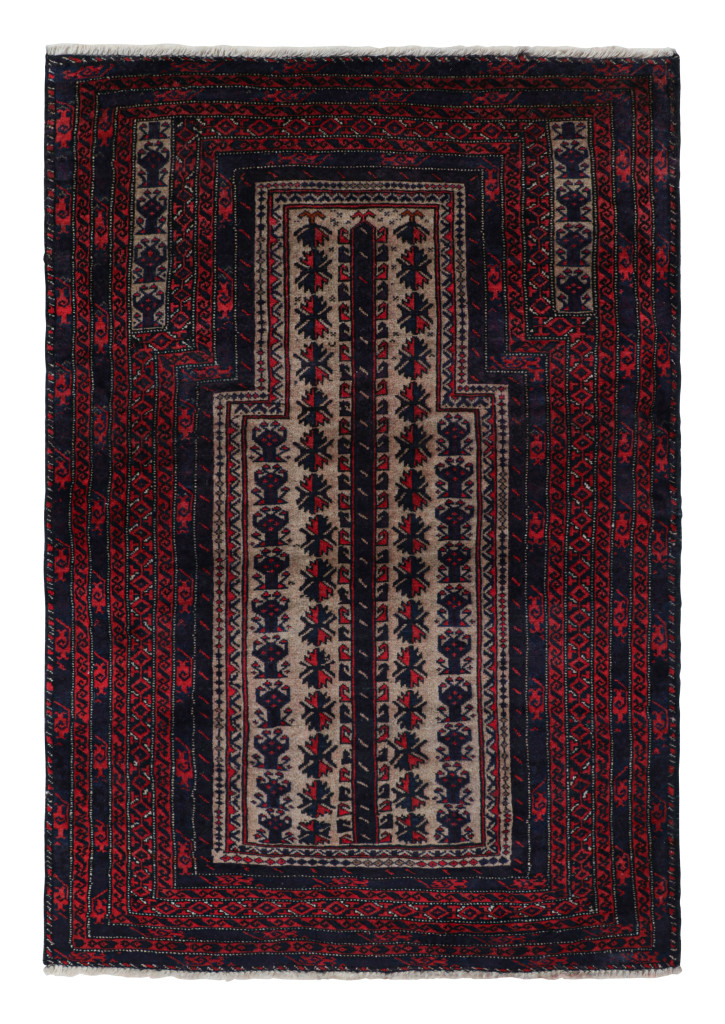
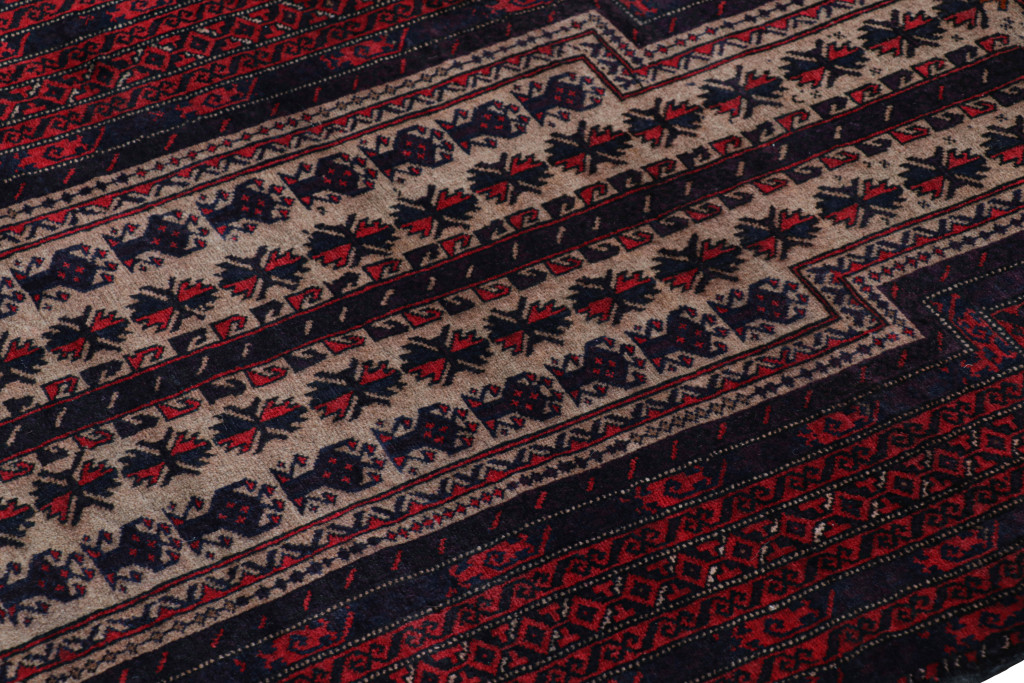 31144Rug & Kilim’s Persian Baluch Tribal Rug in Burgundy with Geometric Patterns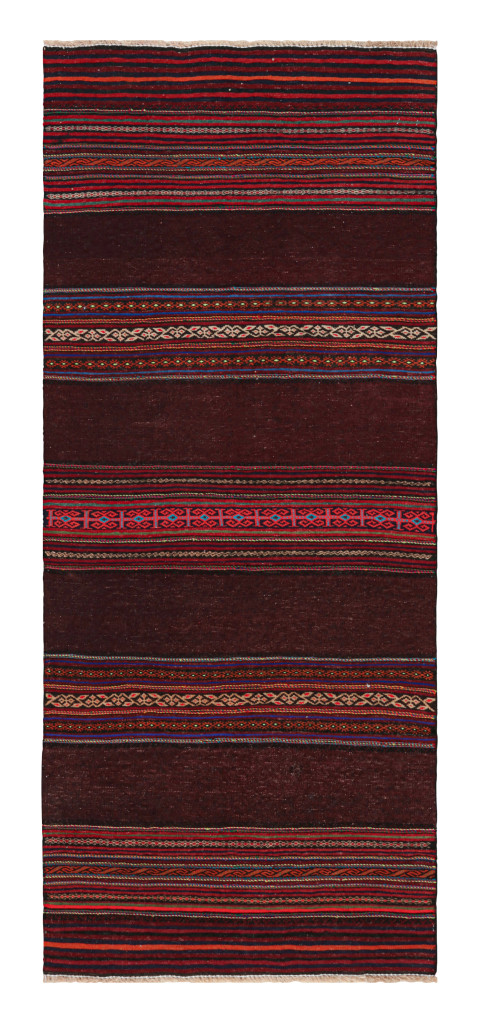
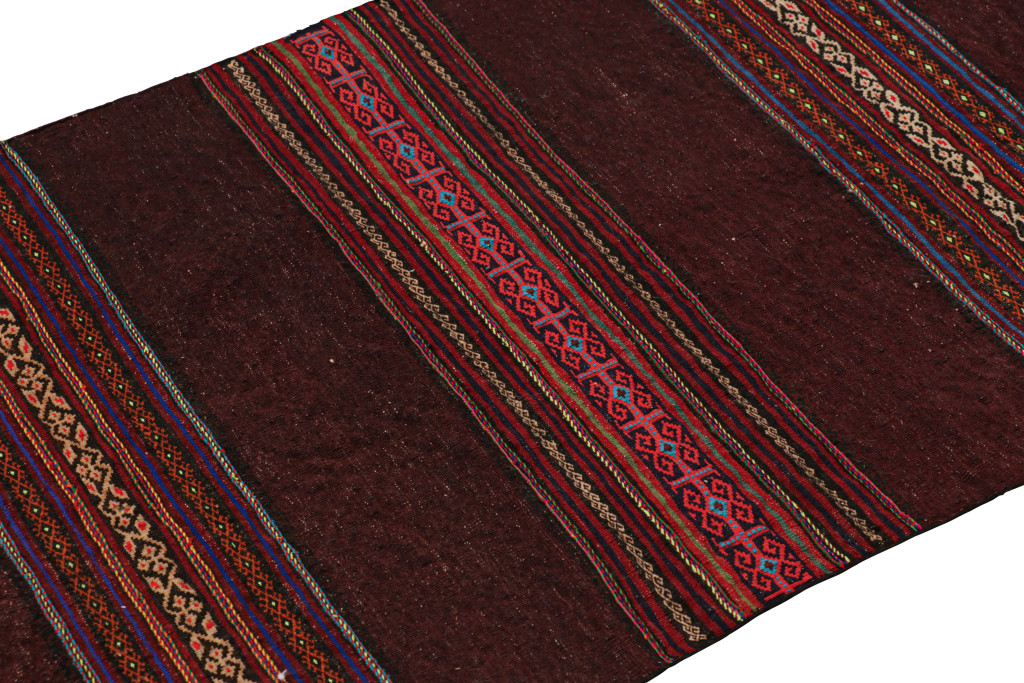 31168Rug & Kilim’s Contemporary Kilim Runner Rug in Burgundy with Geometric Stripes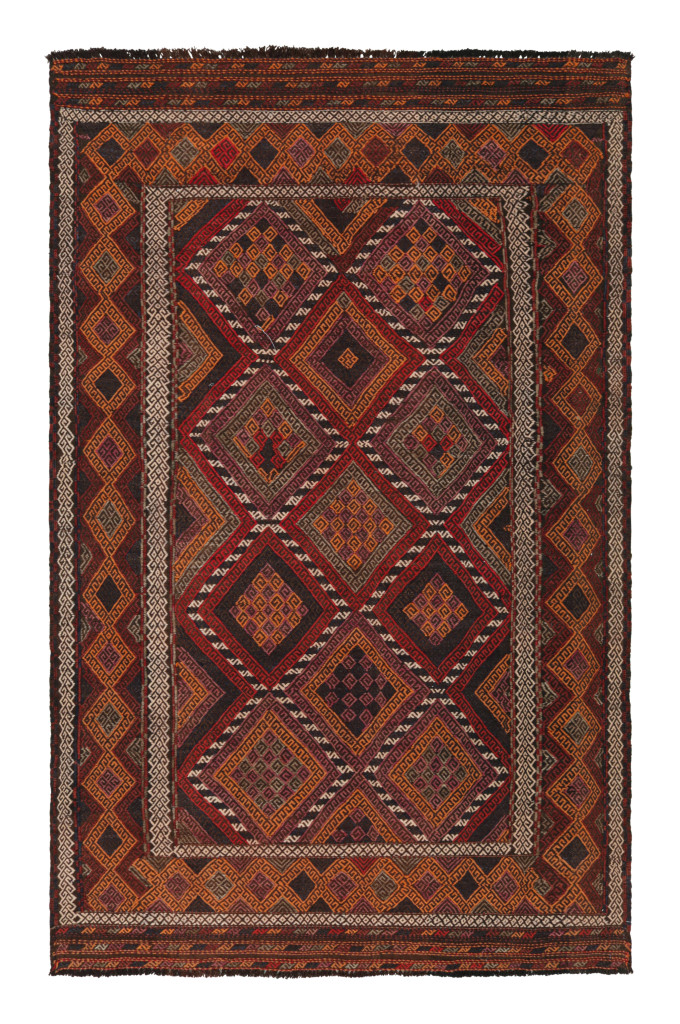
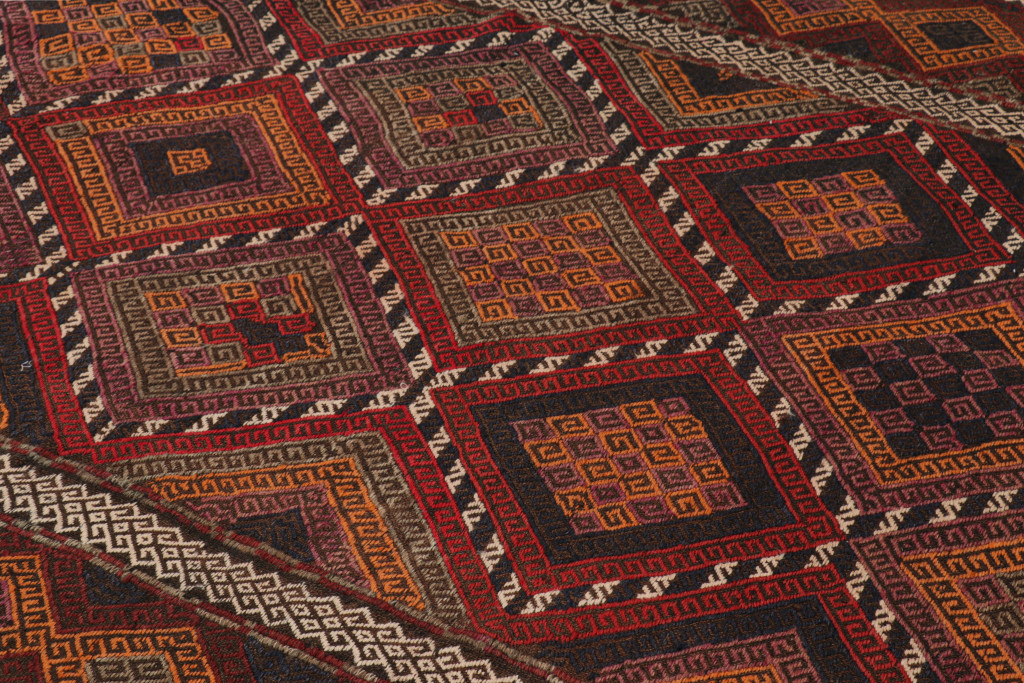 31161Rug & Kilim’s Contemporary Kilim Rug with Polychromatic Geometric Pattern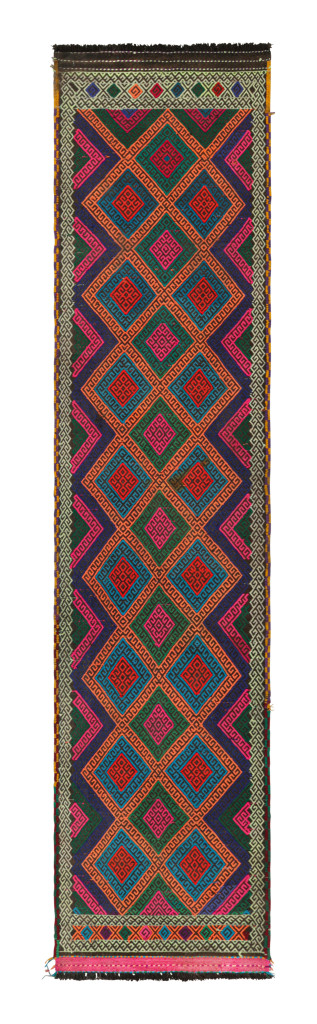
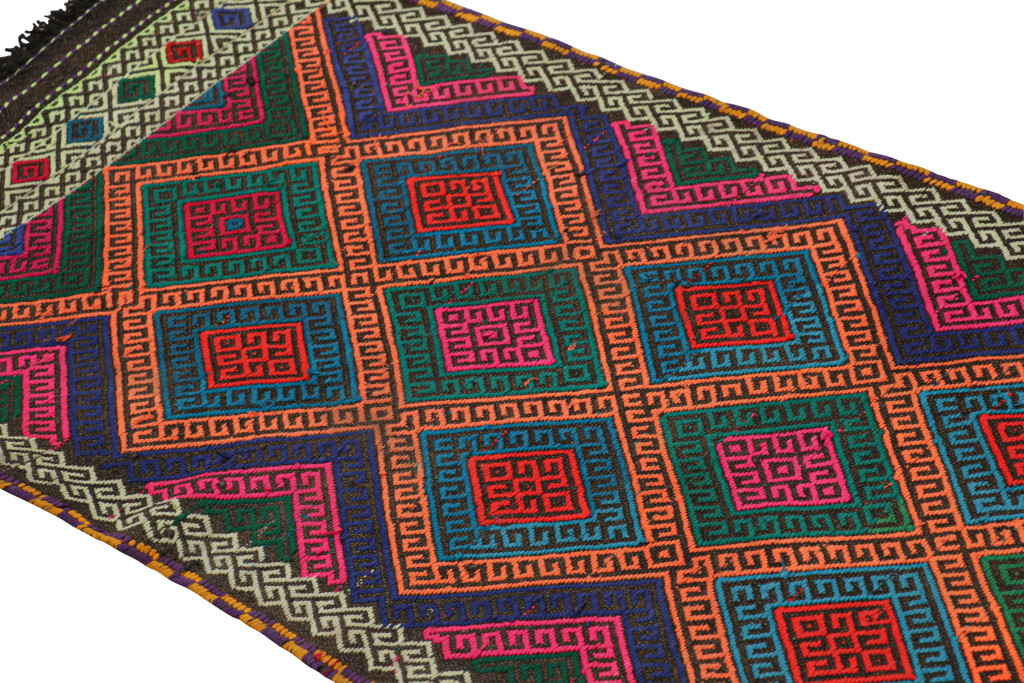 31155Rug & Kilim’s Contemporary Kilim Runner with Polychromatic Geometric Medallions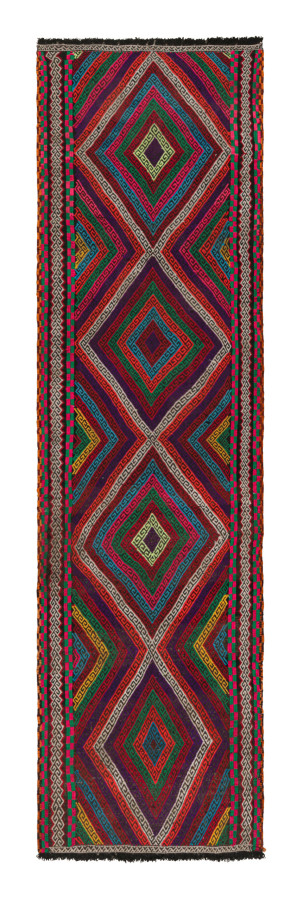
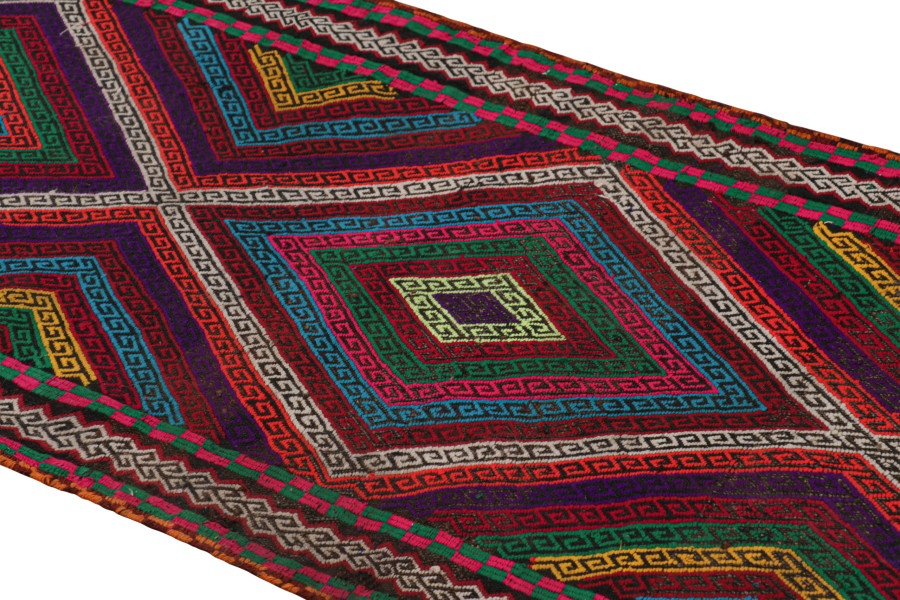 31153Rug & Kilim’s Contemporary Kilim Runner with Polychromatic Geometric Medallions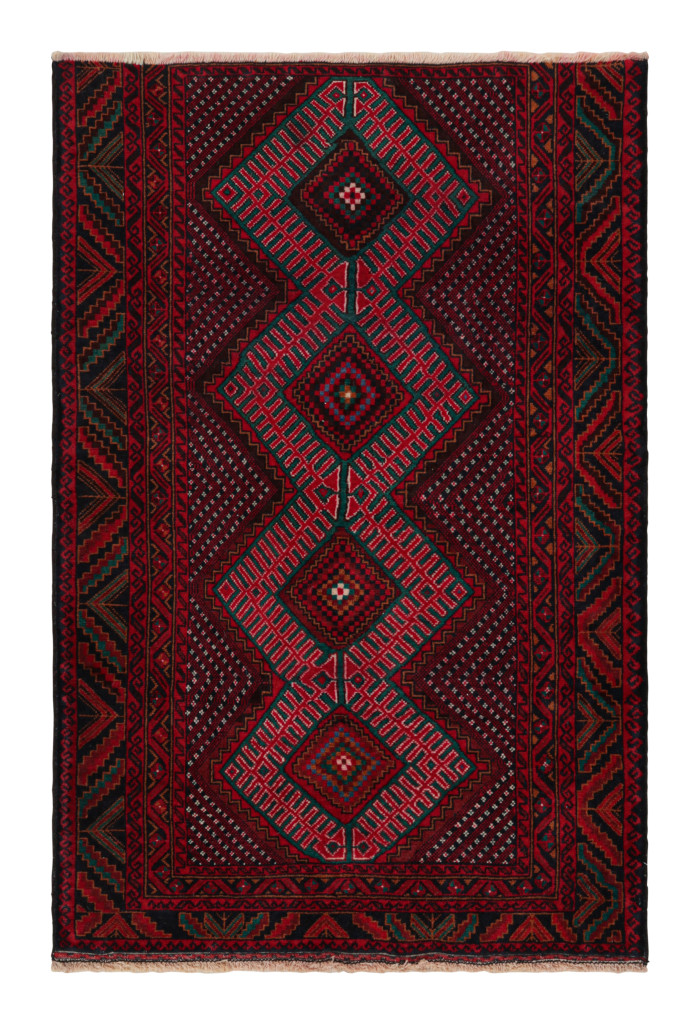
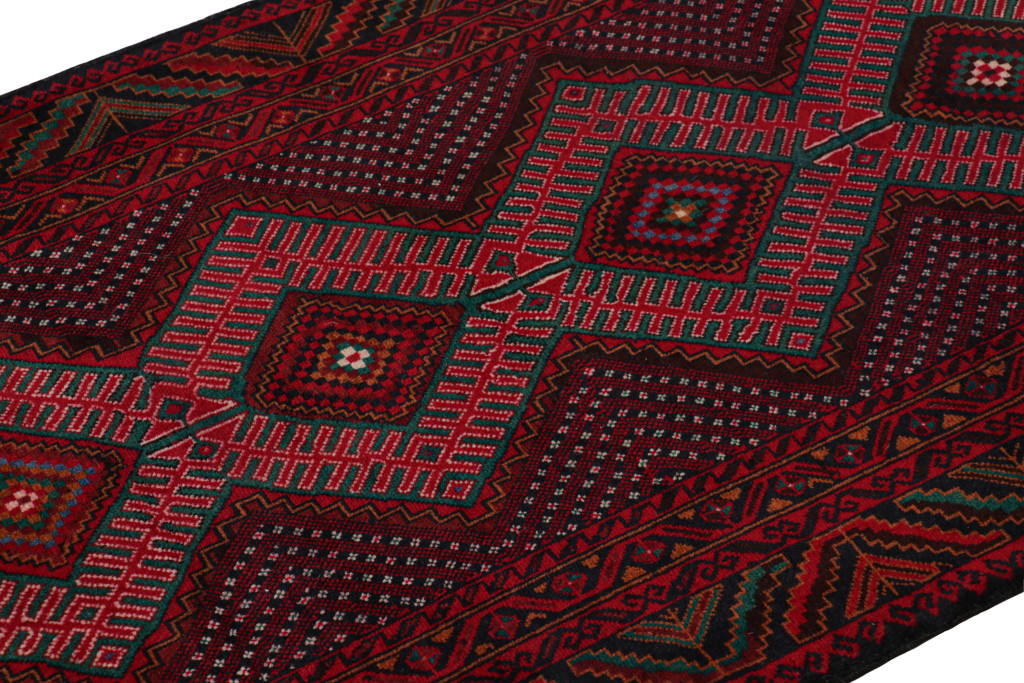 31143Rug & Kilim’s Modern Classics Tribal Rug in Red with Geometric Medallions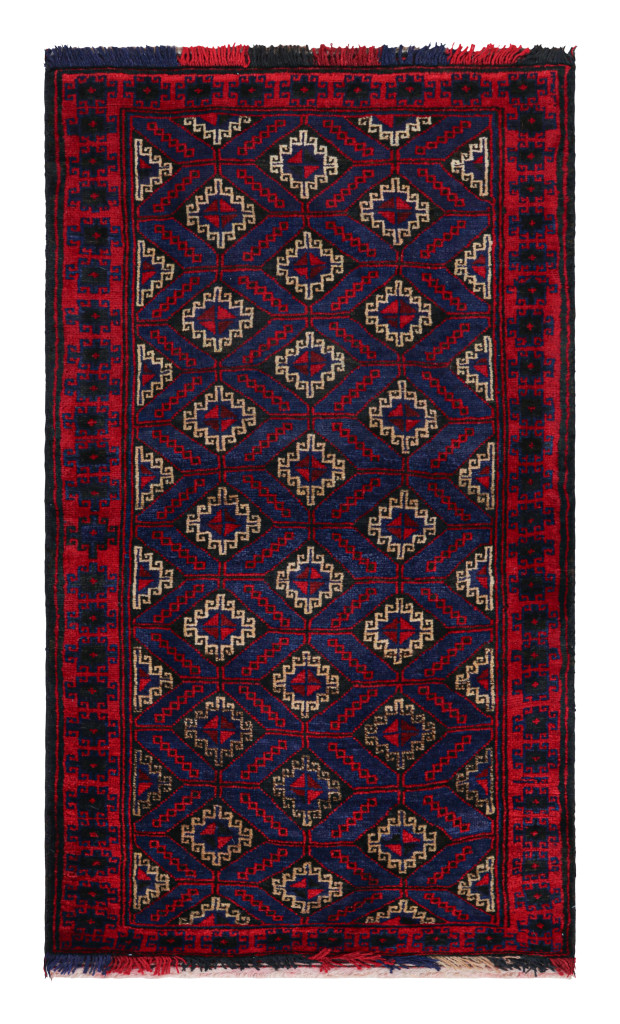
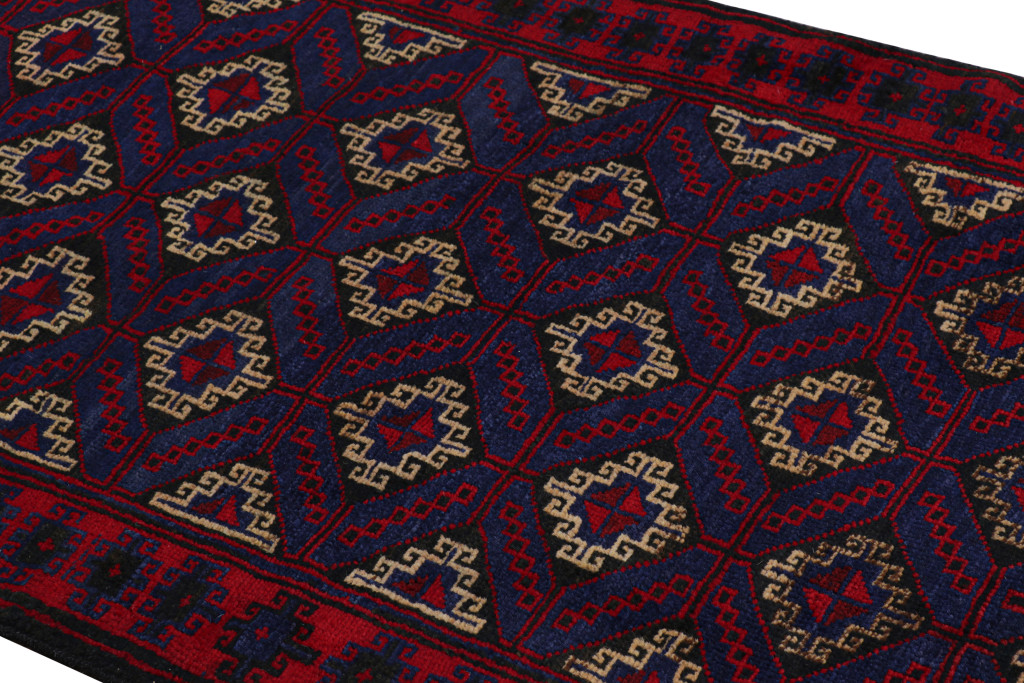 31142Rug & Kilim’s Modern Classics Tribal Rug in Indigo with Geometric Medallions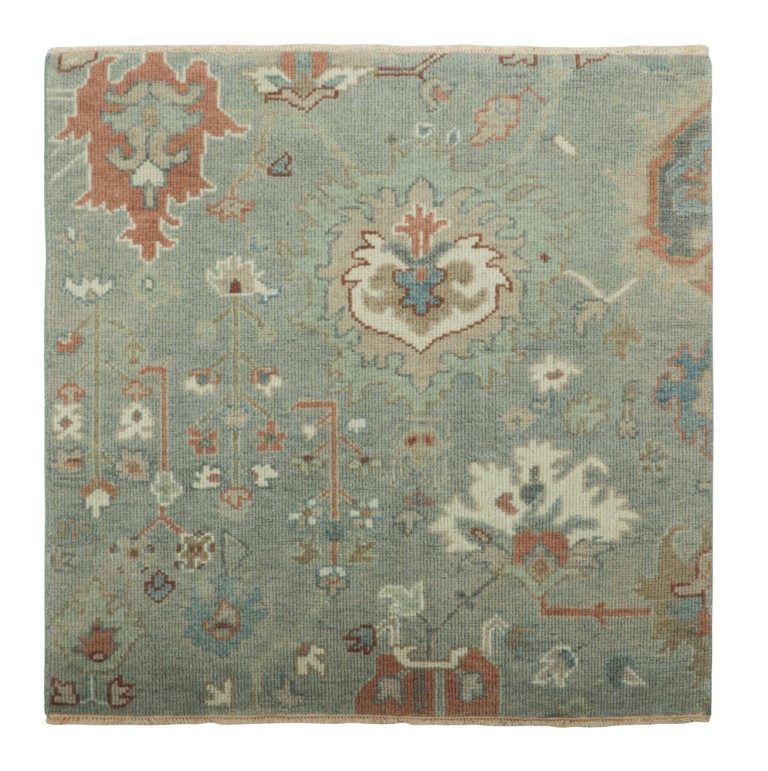
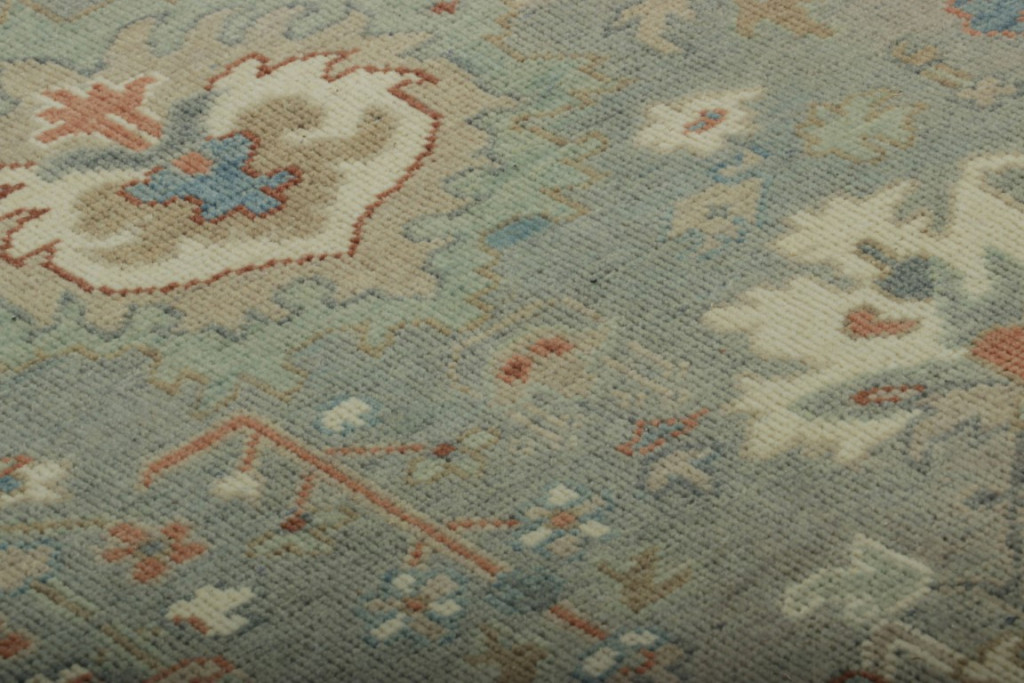 34048Rug & Kilim’s Oushak Square Rug in Blue with Floral Patterns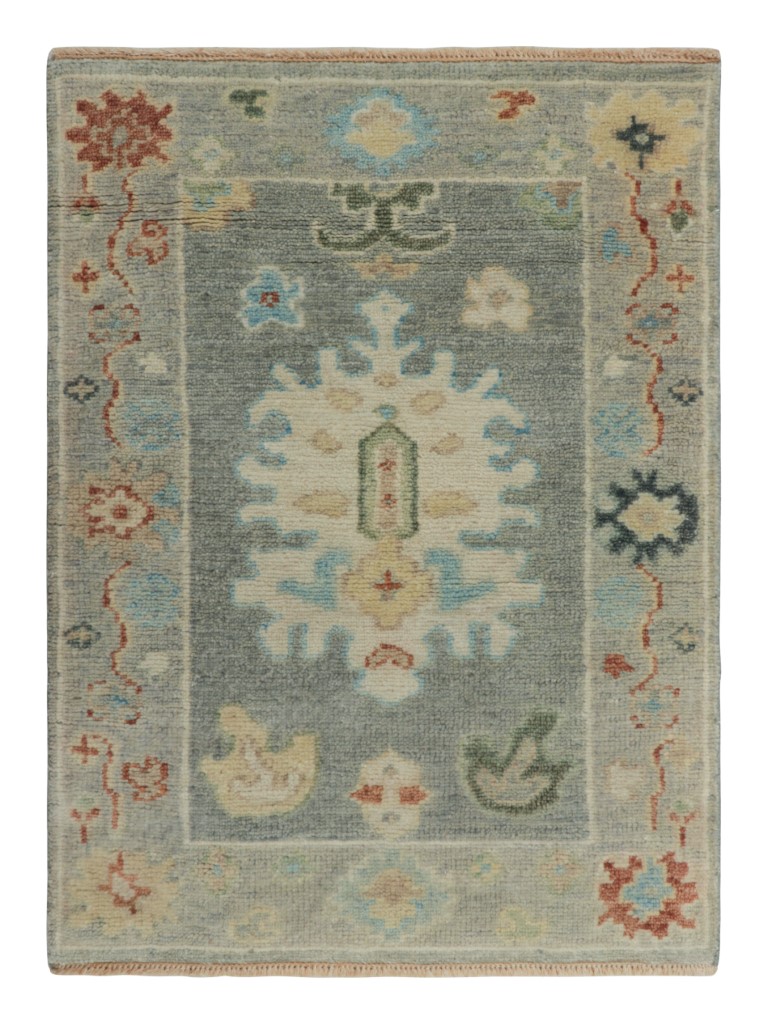
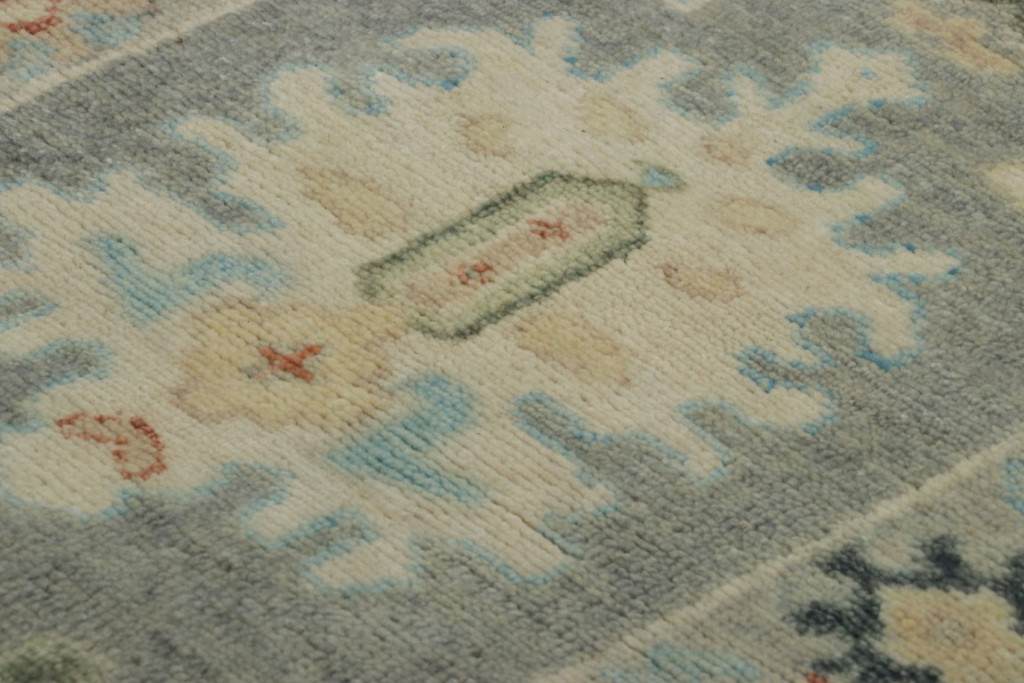 34045Rug & Kilim's Oushak Rug in Blue-Gray with Medallion and Floral Patterns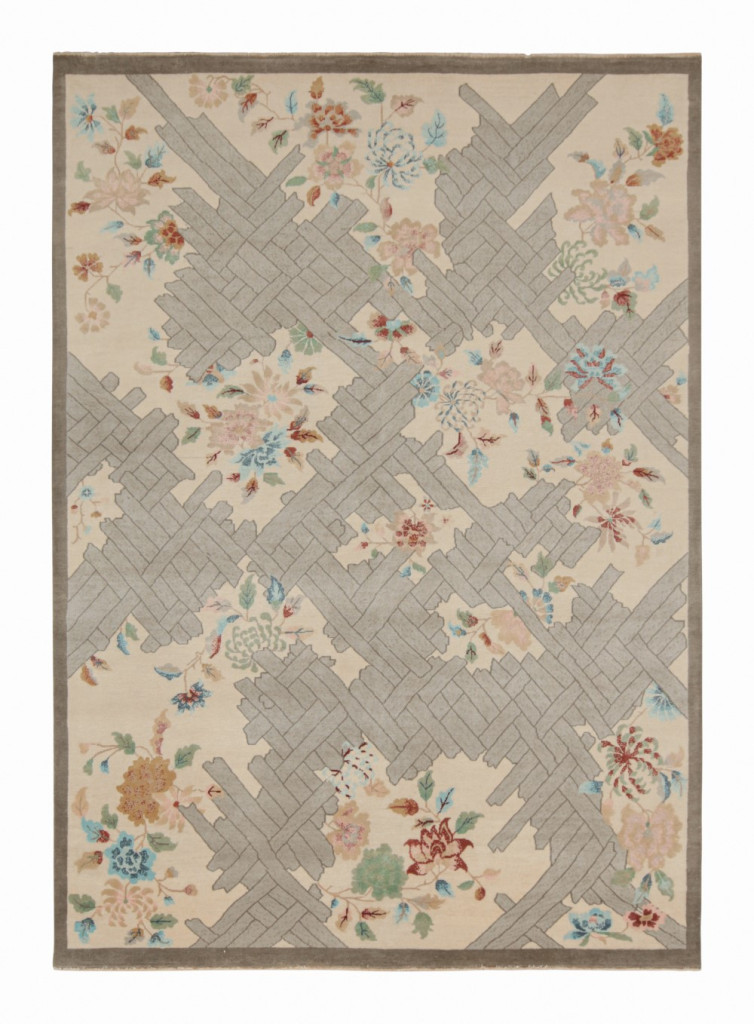
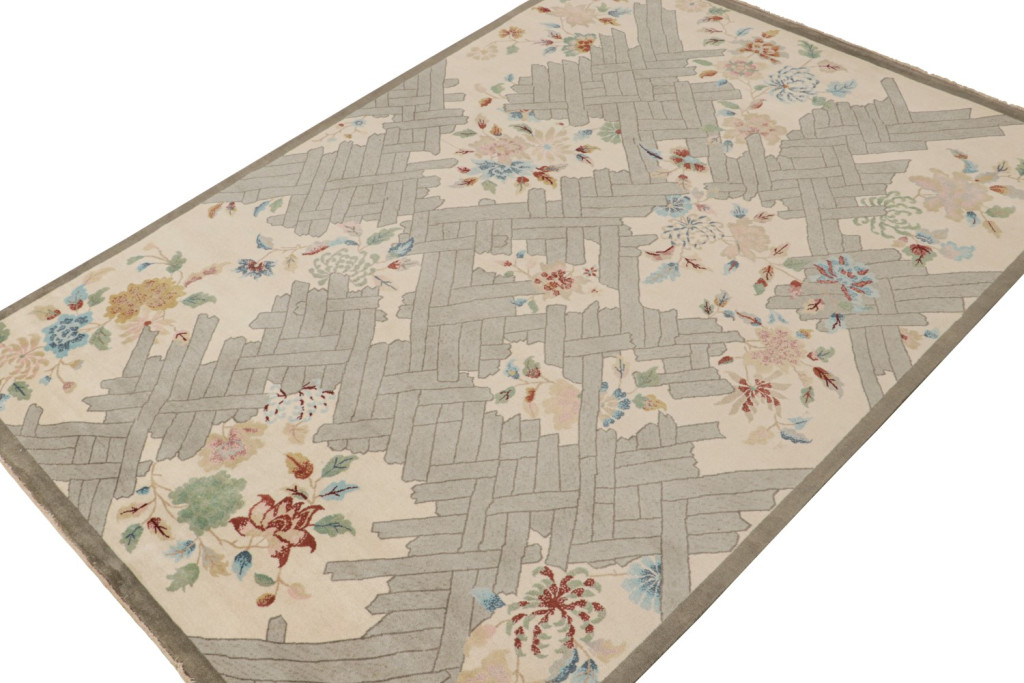 27896Rug & Kilim’s Chinese Art Deco rug in Beige with Colorful Florals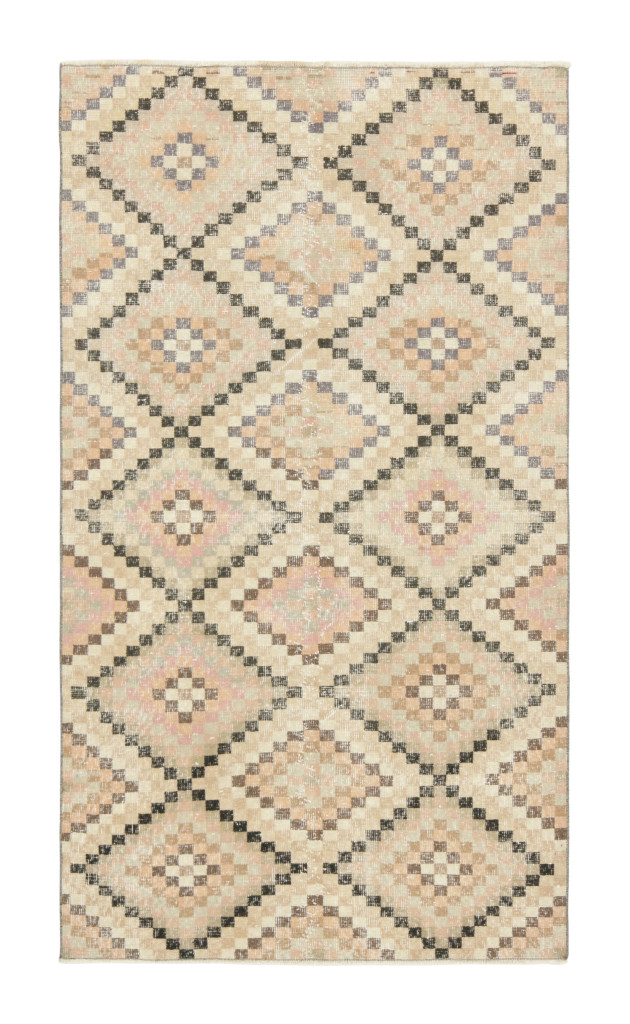
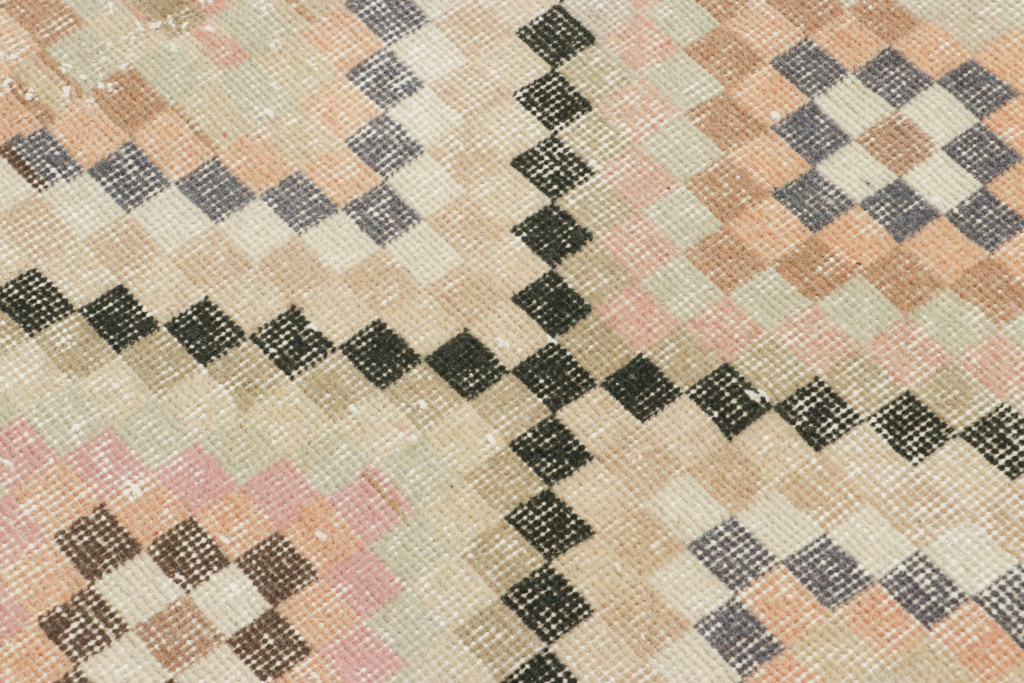 31699Vintage Turkish Rug in Cream with All-Over Diamond Medallions - Rug & Kilim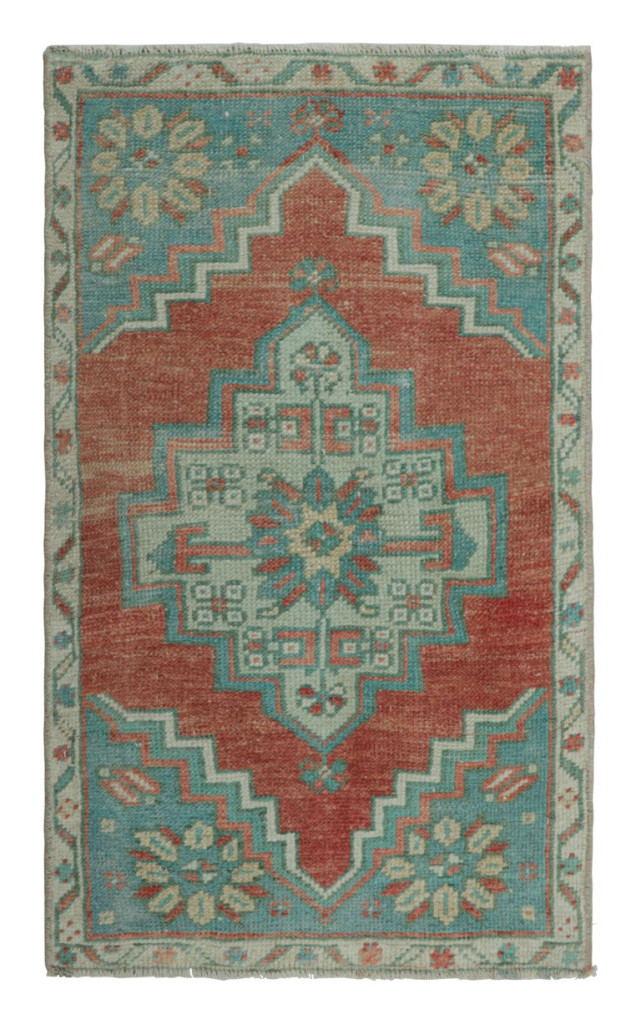
 31830Vintage Turkish Rug in Red with Blue and White Floral Medallion | Rug & Kilim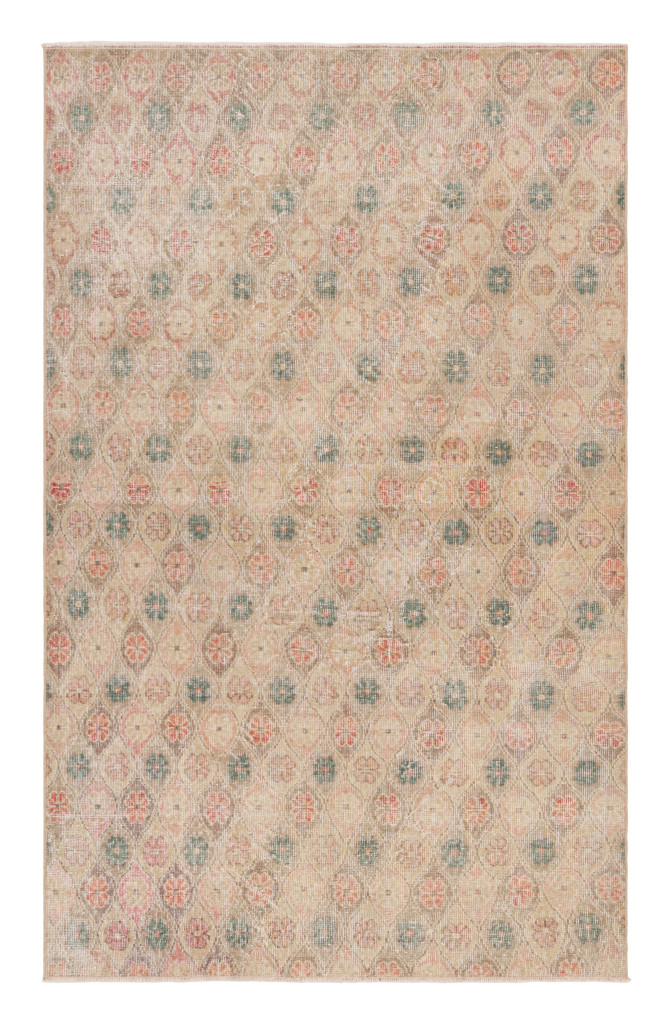
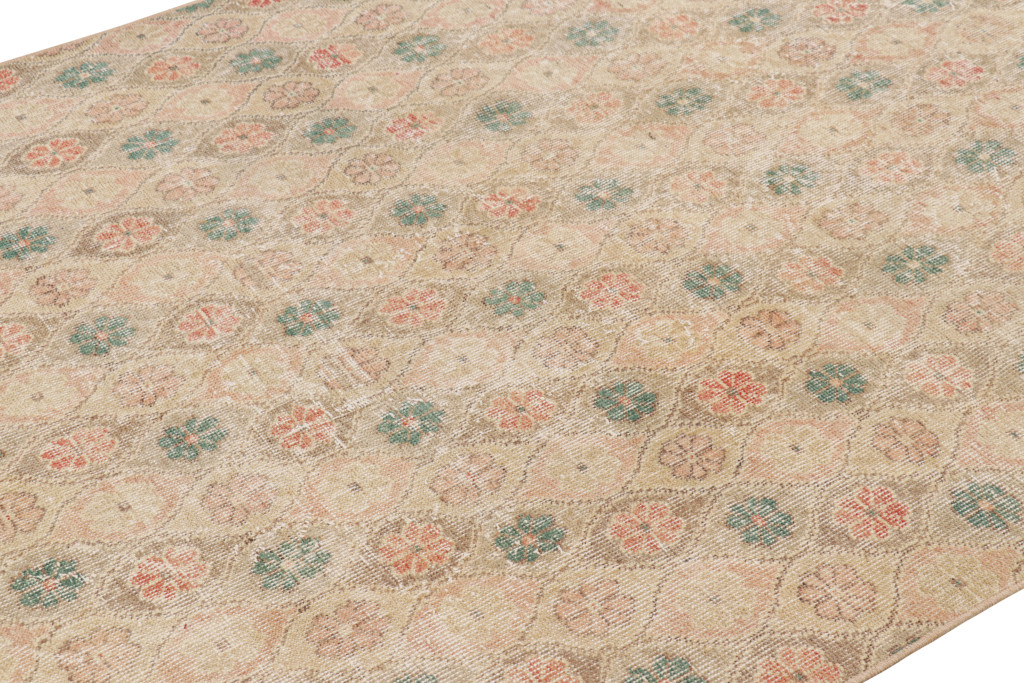 31456Vintage Zeki Müren Rug in Beige, with Colorful Floral Patterns from Rug & Kilim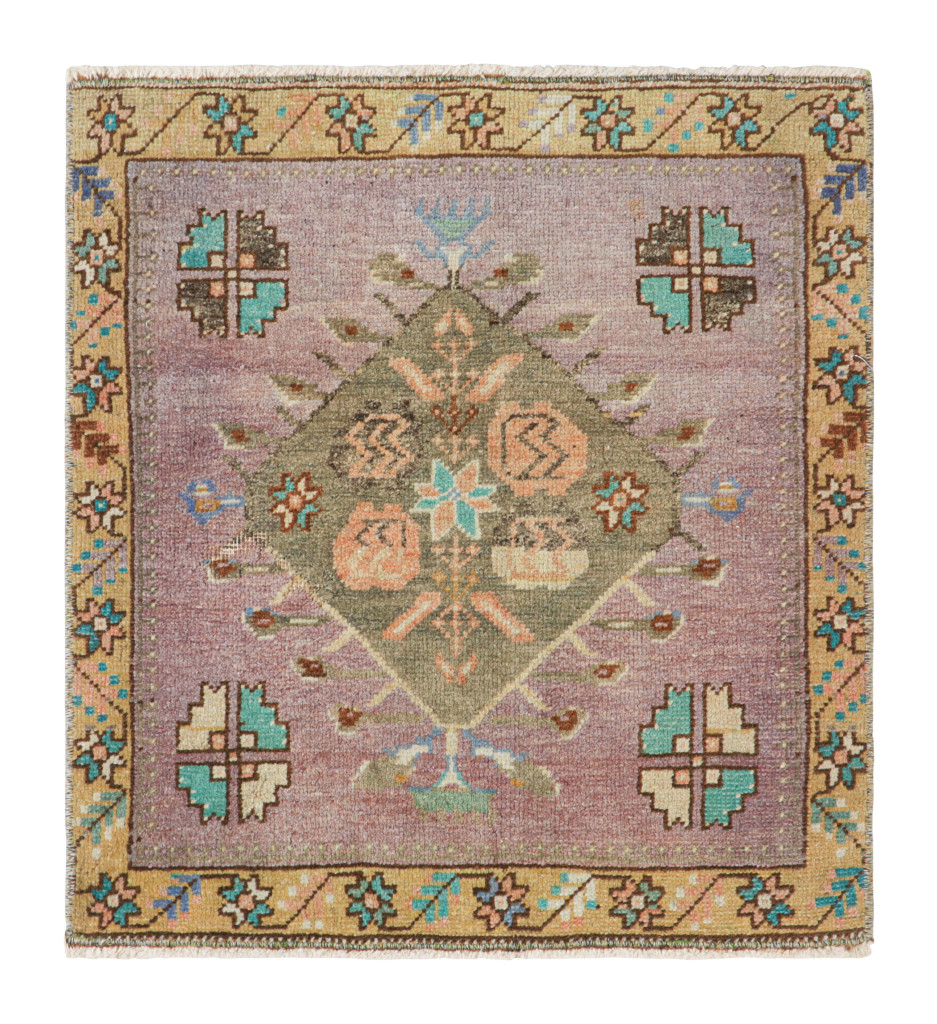
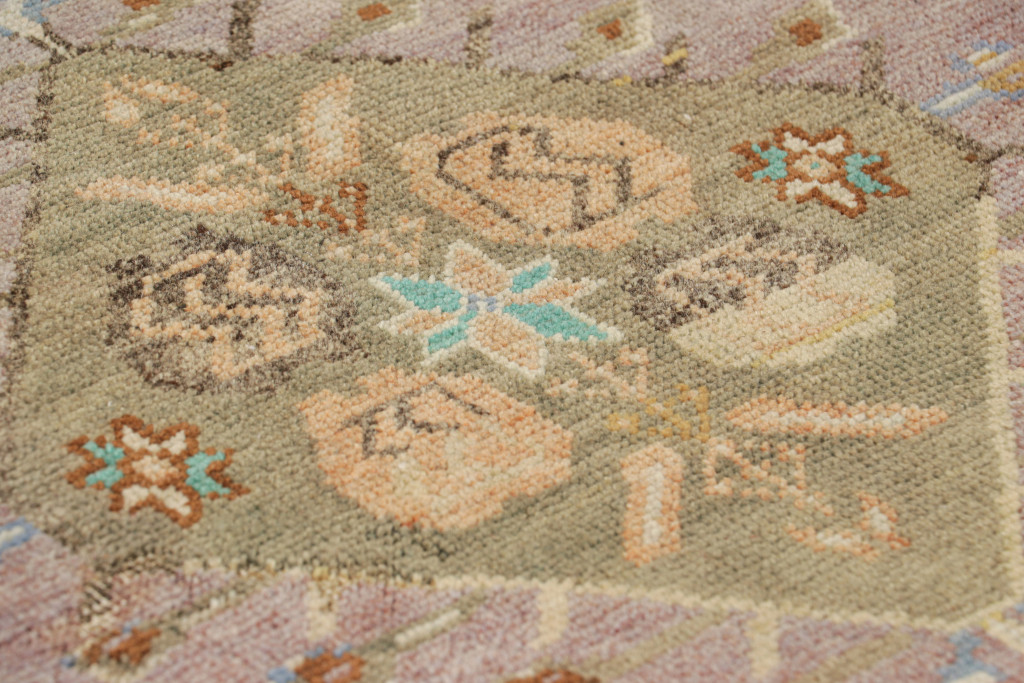 29316Vintage Oushak Square Rug with Geometric Floral Medallion, from Rug & Kilim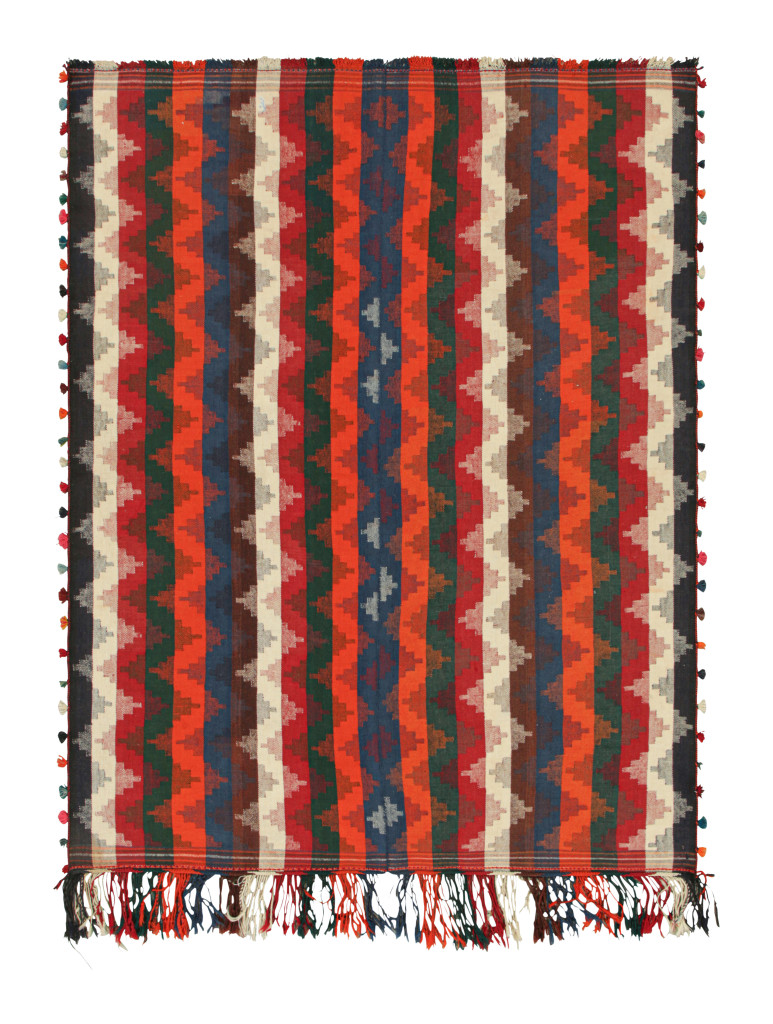
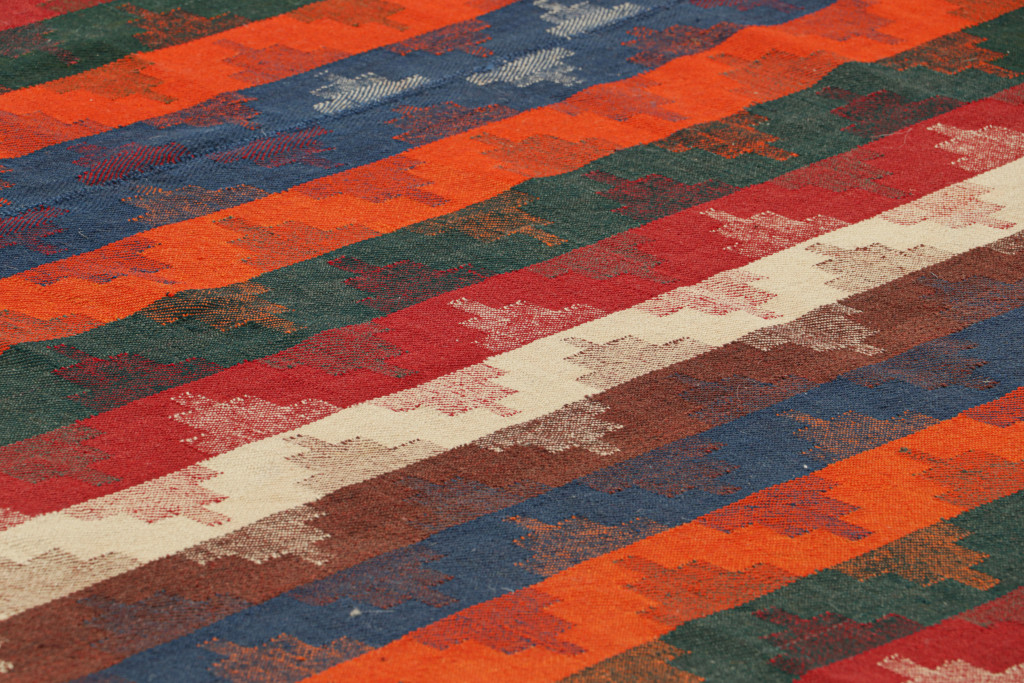 30176Vintage Turkish Kilim with Polychromatic Chevrons & Stripes, from Rug & Kilim
Stories from the Make an Offer Archive
Essays, artist dialogues, and provenance notes drawn from Rug & Kilim’s editorial desk.
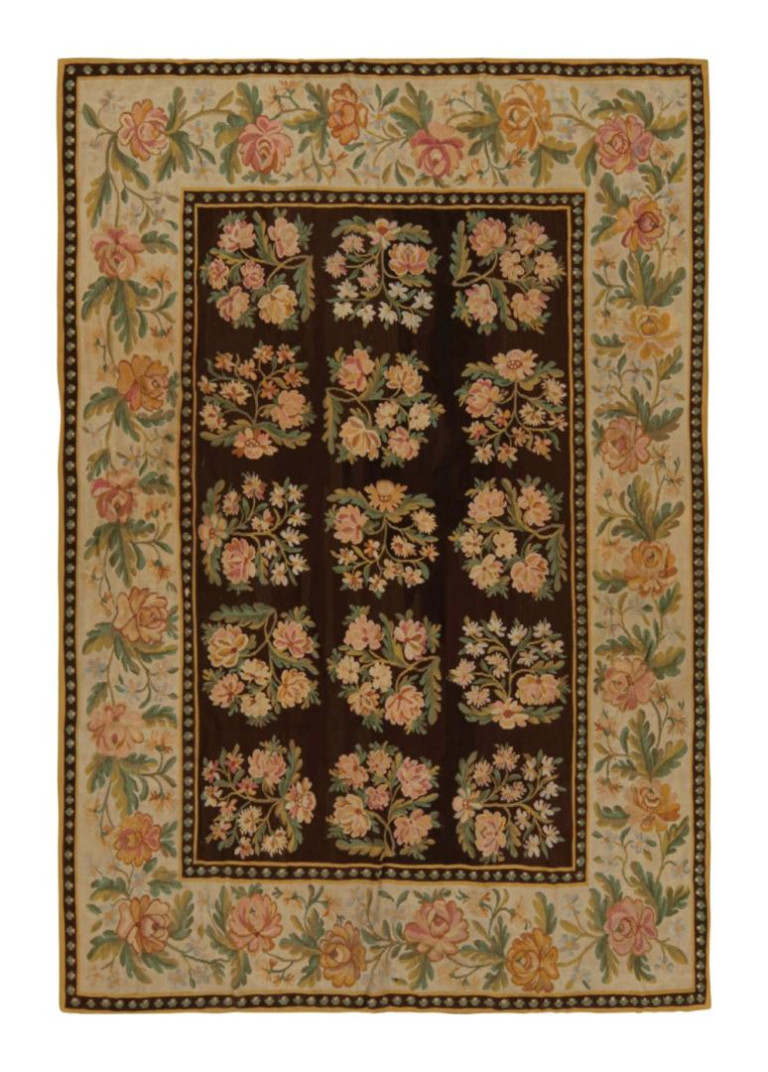
A Guide to Bessarabian Rugs: History, Design, and Modern Luxury
Within the world of collectible textiles and luxury interiors, few rug traditions possess the quiet sophistication and painterly elegance of Bessarabian rugs. Emerging from the historic region of Bessarabia—an area historically situated between present-day Moldova, Romania, and Ukraine—these rugs occupy a unique position at the crossroads of Eastern European folk tradition, Ottoman influence, Russian imperial culture, and French decorative aesthetics. Unlike the geometric tribal weavings commonly associated with Central Asia or the medallion-driven structures of Persian carpets, Bessarabian rugs developed a distinctly atmospheric and ornamental visual language. Their floral compositions, subdued tonal harmonies, and expansive decorative fields positioned them closer to European decorative arts than purely utilitarian floor coverings.
Read the Feature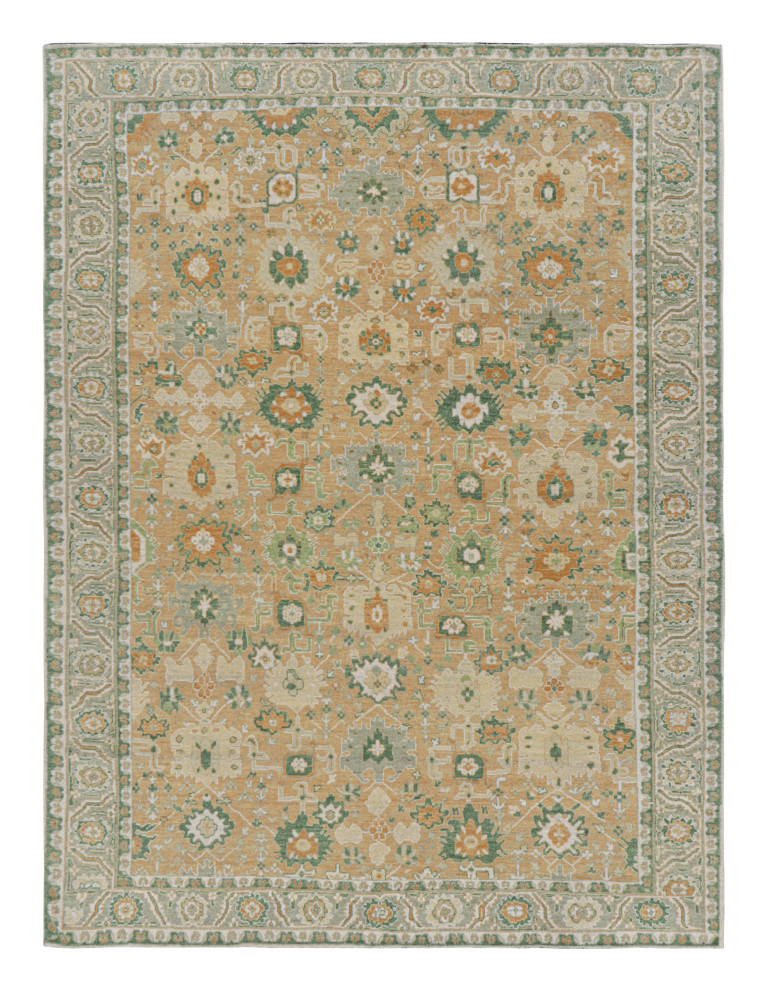
The Complete Guide to Oushak Rugs: History, Aesthetic Language, and Contemporary Design Use
Oushak rugs, also spelled Uşak or Ushak, stand among the most influential textile traditions in the history of interior design. Originating in western Anatolia, in the historic weaving town of Uşak in present-day Turkey, these carpets are not merely decorative artifacts; they are architectural design elements, cultural documents, and artistic statements that have shaped interior aesthetics across centuries. From Ottoman imperial courts to Renaissance European palaces and today’s luxury residential, hospitality, and gallery spaces, Oushak rugs continue to define a visual language of soft geometry, spacious design, muted tonal harmony, and painterly abstraction. Their enduring relevance places them at the intersection of art history, textile heritage, and contemporary interior design innovation.
Read the Feature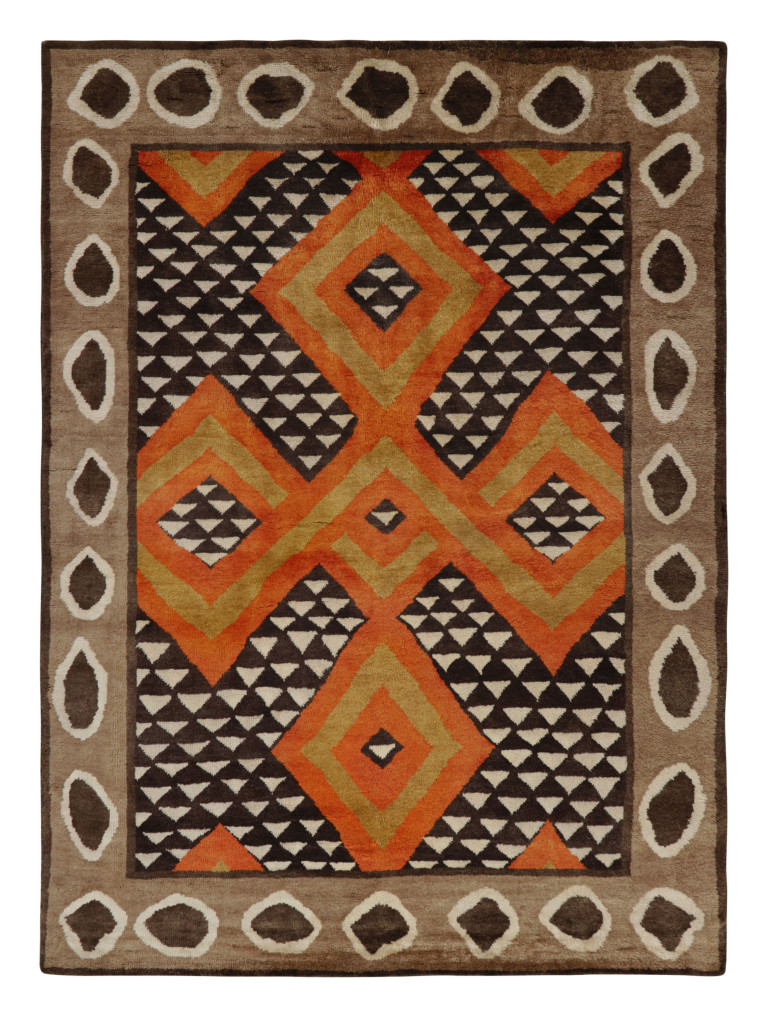
Navajo Rugs: History, Art, Design & the Legacy of Diné Weaving
Navajo rugs occupy a singular position within the history of American textile art. Woven by decorative tradition. They embody generations of knowledge surrounding sheep, wool, spinning, natural materials, color, geometry, landscape, community, and cultural continuity. simultaneously as cultural expression, design, craftsmanship, and fine art. the familiar geometric vocabulary. It means understanding the history of Diné weaving, the beyond their decorative presence. Our interest lies in the relationship between weaving tradition, material quality, design intelligence, cultural history and architectural application.
Read the Feature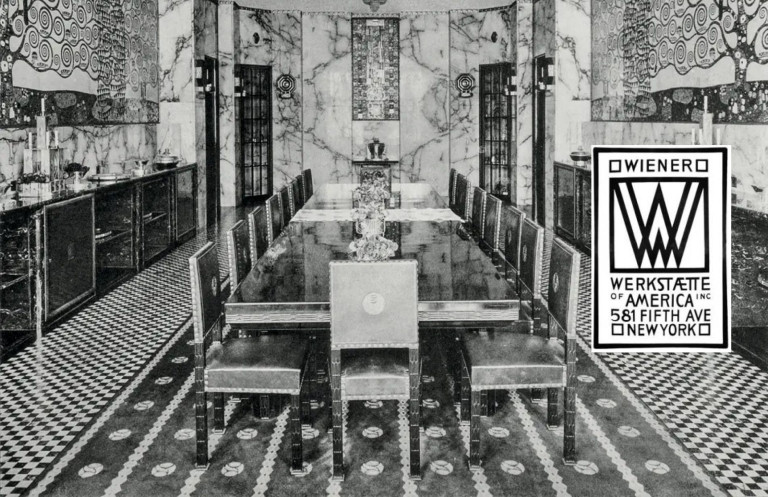
Leo and Greti Wollner and the Vienna Carpet Inheritance
There is a particular authority that attaches to an object when one can trace its maker's hand, teacher by teacher, back to a single revolutionary moment, and in the case of Leo and Gretl Wollner, that moment is the Wiener Werkstätte. To own a Wollner carpet is to hold the last living end of a thread that runs directly to Josef Hoffmann, to Koloman Moser, to the Vienna of 1903 that resolved, against the whole weight of European convention, that there should be no hierarchy dividing the fine arts from the applied ones. A painting and a carpet were to be judged by the same measure. A century later, the Wollners are among the very last to have been taught that creed by the people who founded it.
Read the Feature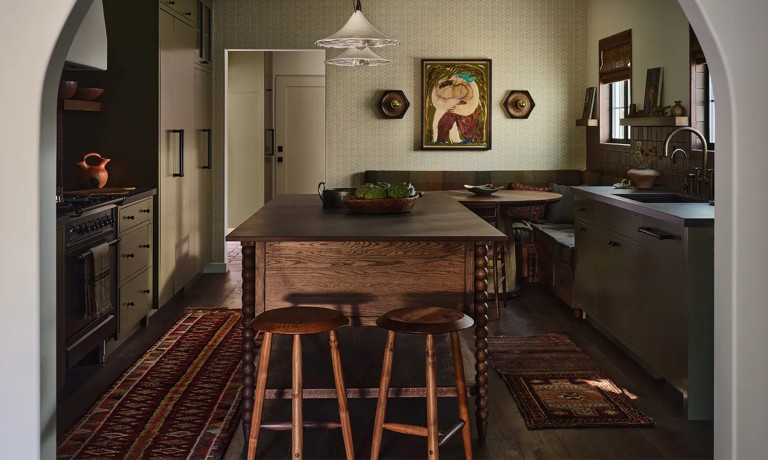
What Makes Qashqai Kilims Unique? Inside the World of Persian Tribal Rugs and Flatweaves
As seen in Domino Magazine, featuring our Kilim rug, designed by Los Angeles design firm A1000XBetter, founded by Kirsten Blazek. Over the last four decades of collecting, studying, and preserving Kilims and Flatweaves, we have come to understand them not simply as tribal textiles, especially Qashqai kilims, which are documents authored by women whose names we will never know, yet whose design decisions resonate across centuries. Every kilim in a collection is a fragment of a larger ethnographic narrative of movement, negotiation, and encoded survival. What begins as a study in tribal design inevitably becomes a reflection on how memory operates in material form. As collectors and custodians, we have come to understand these pieces less as possessions and more as conversations—between past and present, utility and abstraction, territory and transcendence. They speak to the same values that define the most forward-thinking design philosophies: sustainability, material honesty, visual intelligence, and narrative depth.
Read the Feature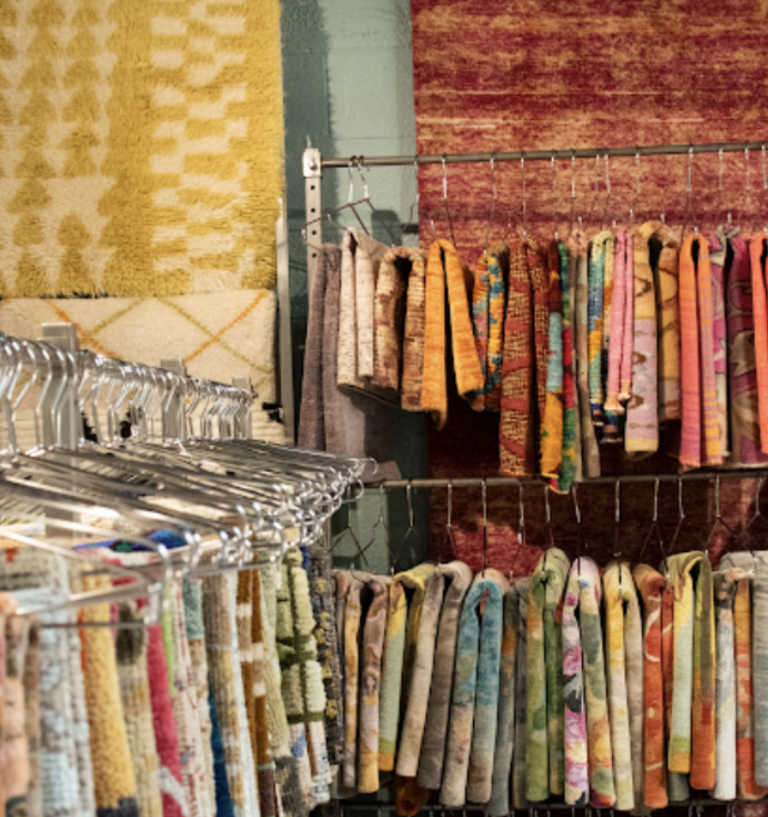
Rug & Kilim Consultation Services to Help you Make the Best Decisions
Rugs epitomize a harmonious blend of tradition and innovation, embodying the seamless union of age-old manufacturing techniques and contemporary creativity. Each rug is a testament to the artistry and skill that transcends generations. The outcome of this fusion is a distinctive artwork renowned for its exceptional quality, meticulous craftsmanship, enduring durability, and inherent value. What sets these handmade rugs apart is their status as individual works of art, with no two rugs being identical even if the design shares similarities. By choosing a custom handmade rug, you are not merely acquiring a home décor item; you are welcoming an unparalleled art piece into your living space – an exquisite creation that not only enhances the aesthetic appeal of your home but also invites you to tread upon a unique masterpiece woven with tradition and contemporary ingenuity.
Read the Feature