
Scandinavian Rugs
The Scandinavian Collection represents more than an iconic style, but a contribution to that style to revive and celebrate its founders. Our technique in handweaving Scandinavian rugs and Kilims deliberately and thoughtfully honors its founders — namely the women weavers, artisans, and pioneers of the movement — both in preserving the soul of this style and innovating it for the high-end designer rug market today.
Josh Nazmiyal and his Design team have spent years studying, reinterpreting and even refining the weaving process to best represent this style in a more accessible modern way. Our take on Scandinavian rugs includes adapting their geometric patterns to large sizes, new textures, a wider range of colors, and a more refined, yet comfortable fashion that still speaks to their intentions. Our Scandinavian flat weave rugs in particular have a thicker, weighty, and durable body that sits comfortably in any space, regardless of foot traffic and heavy furniture.
- Under 6 x 9
- Runners
- 6 x 9
- 8 x 10
- 9 x 12
- 10 x 14
- 12 x 15
- Over 12 x 15
- New & Contemporary
- Vintage
Origin ▼
Style ▼
Material ▼
Width
Length
To connect with a specialist, click here
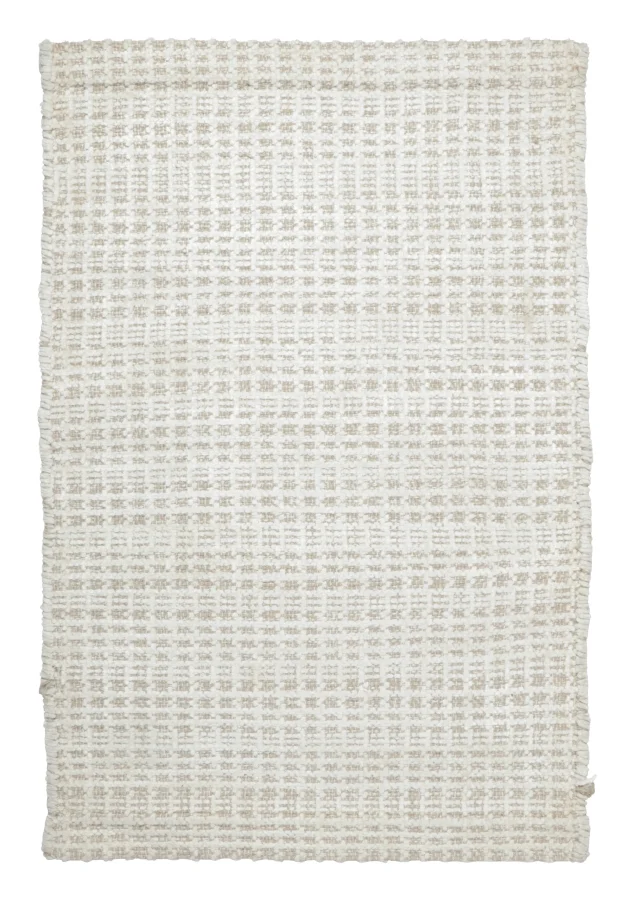
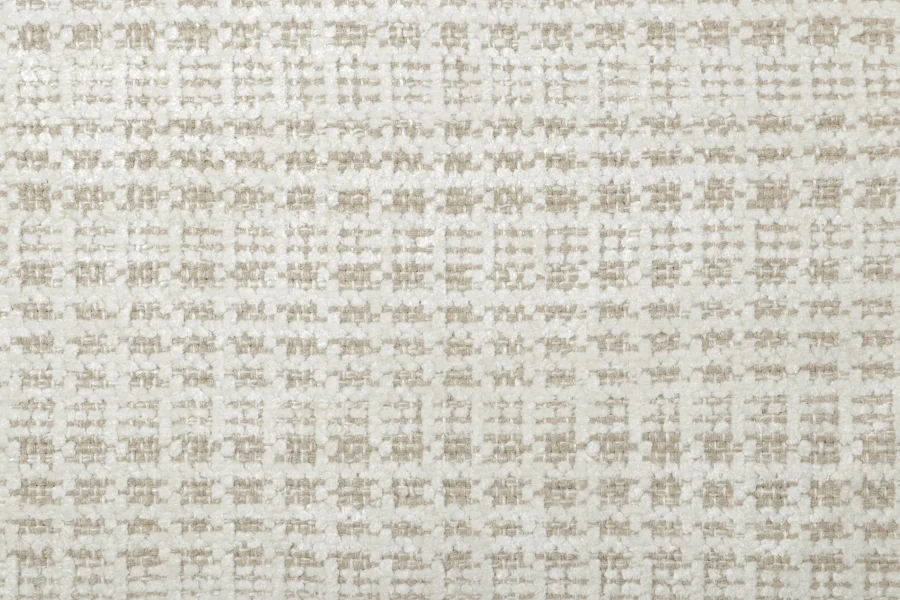 18047Rug & Kilim’s Contemporary Scandinavian Chenille Linen Gift-Sized Rug in Cream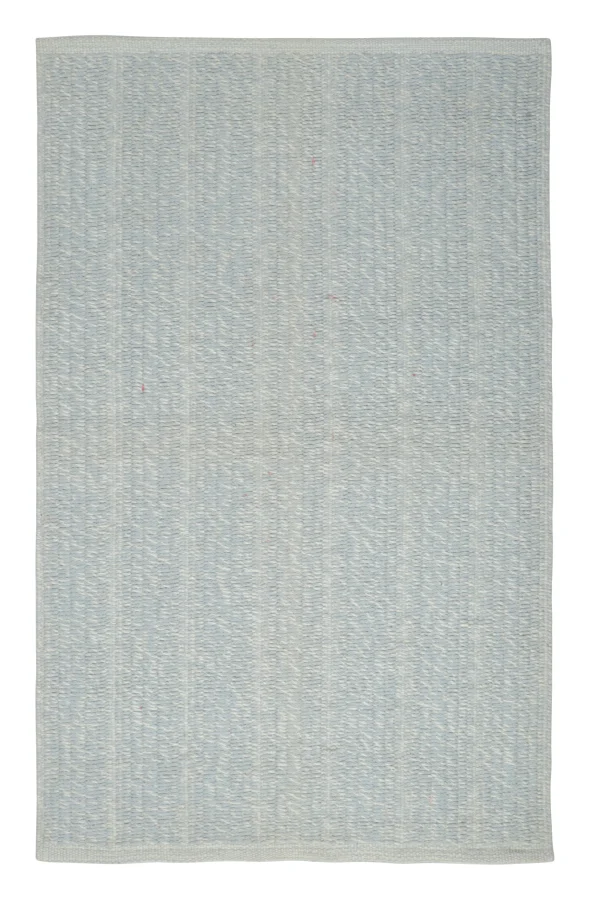
 16234Rug & Kilim’s Contemporary Scandinavian Gift-Sized Flatweave in Ice Blue Hues
- Out of Stock
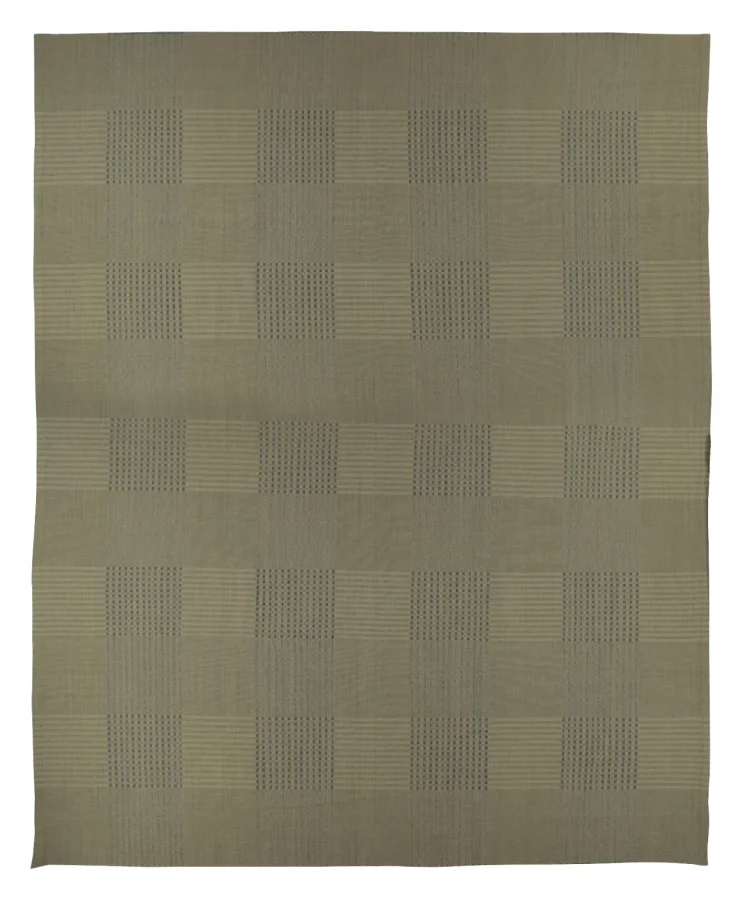
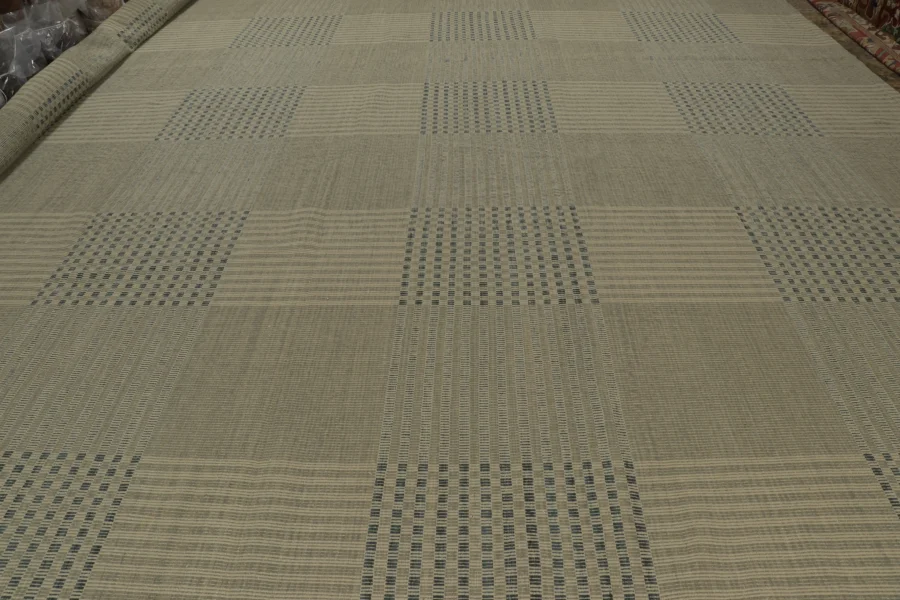 36462Rug & Kilim’s Contemporary Oversized Scandinavian Custom Flatweave in Sage Green
 - Out of Stock
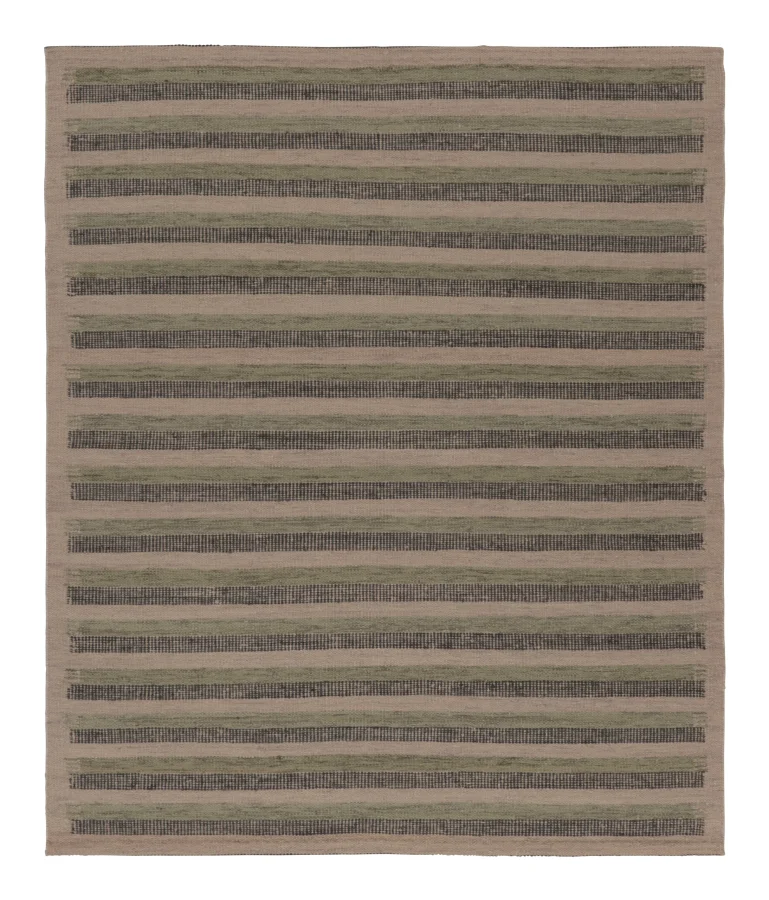
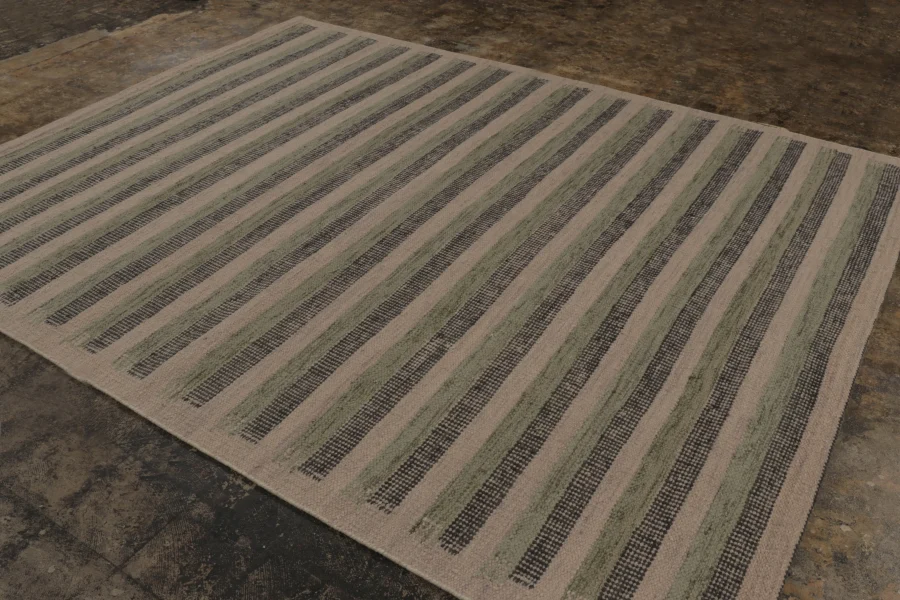 36396Rug & Kilim’s Contemporary Scandinavian Custom Flatweave with Muted Stripes
 - Out of Stock
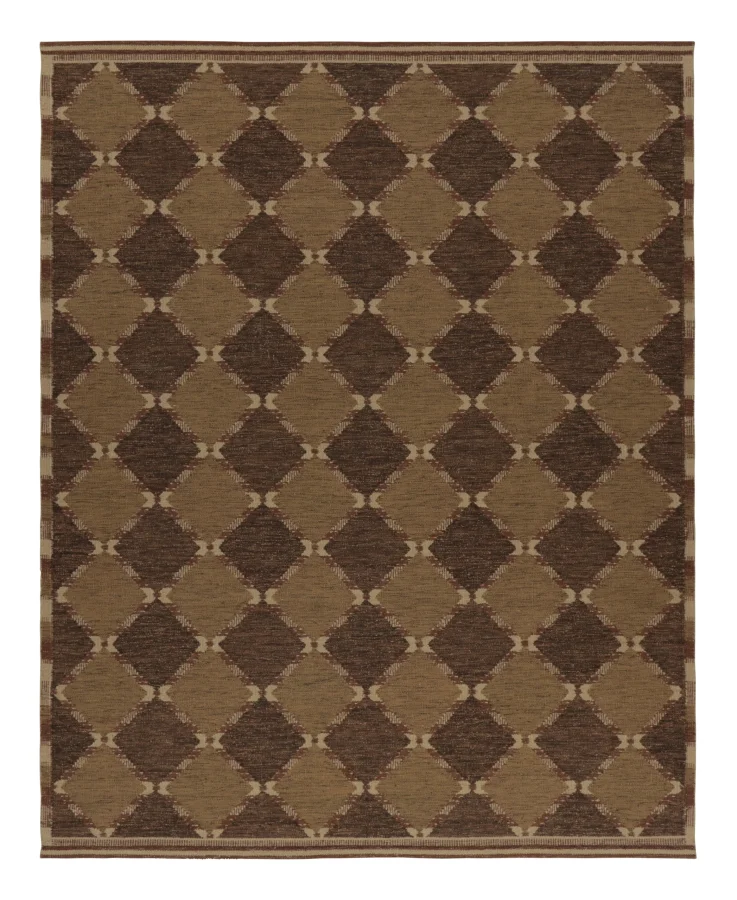
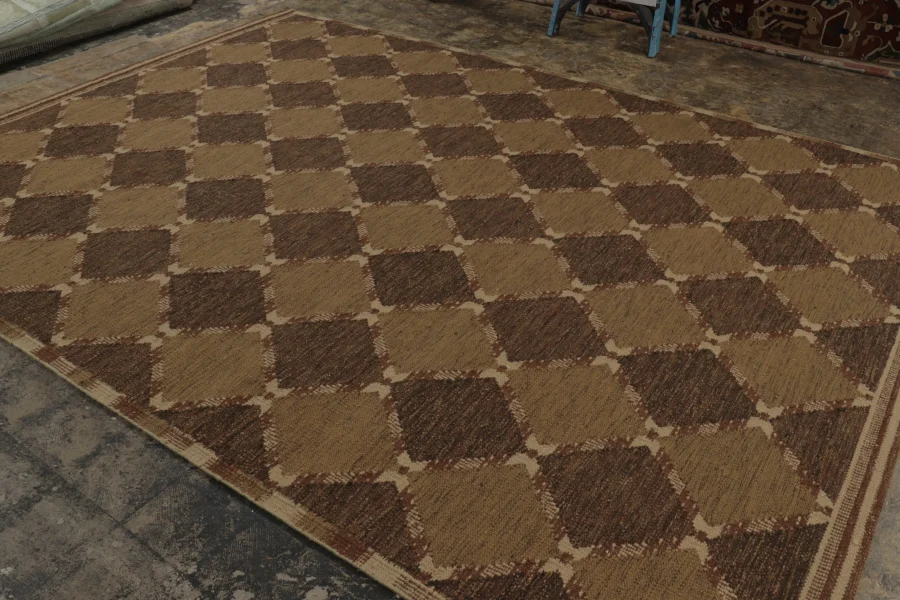 36403Rug & Kilim’s Contemporary Scandinavian Custom Flatweave with Brown Diamond Grid
 - Out of Stock
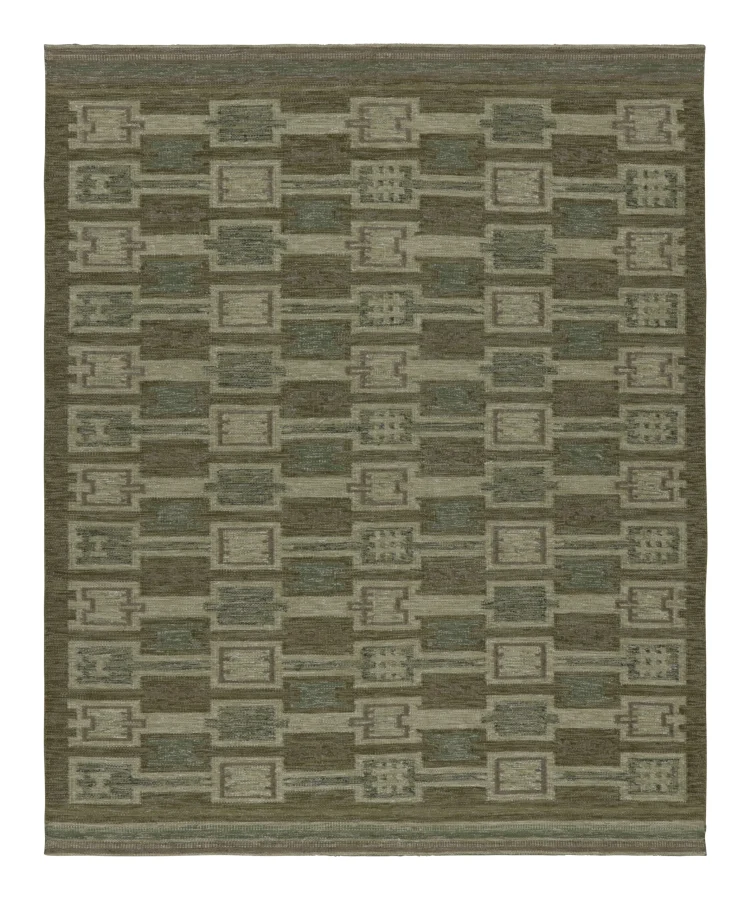
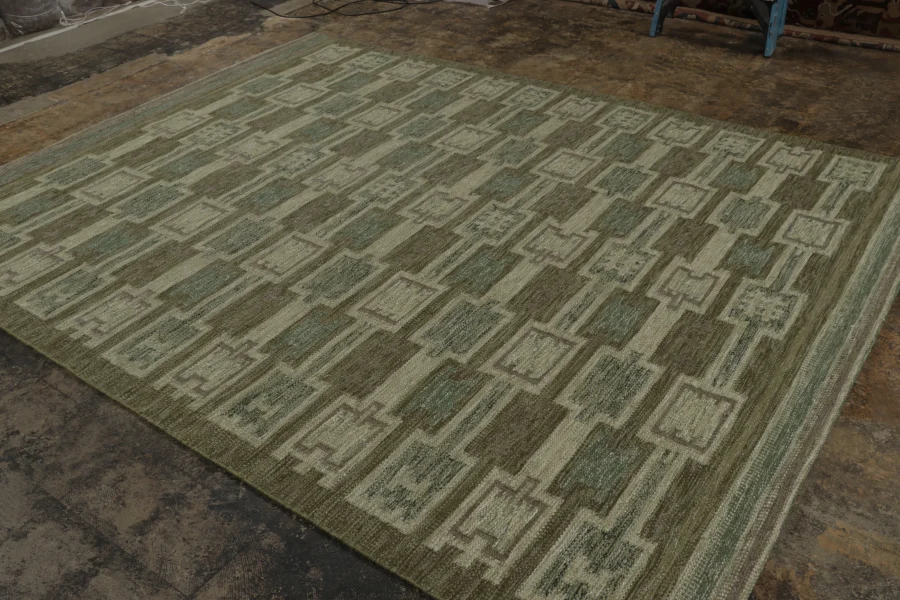 36426Rug & Kilim’s Contemporary Scandinavian Custom Flatweave with Green Nordic Design
 - Out of Stock
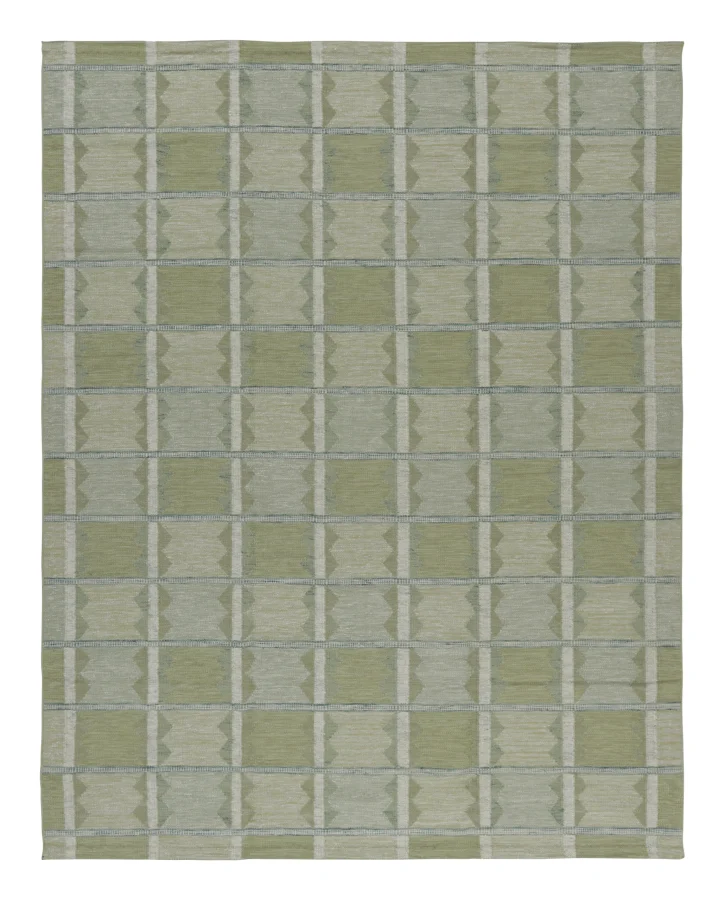
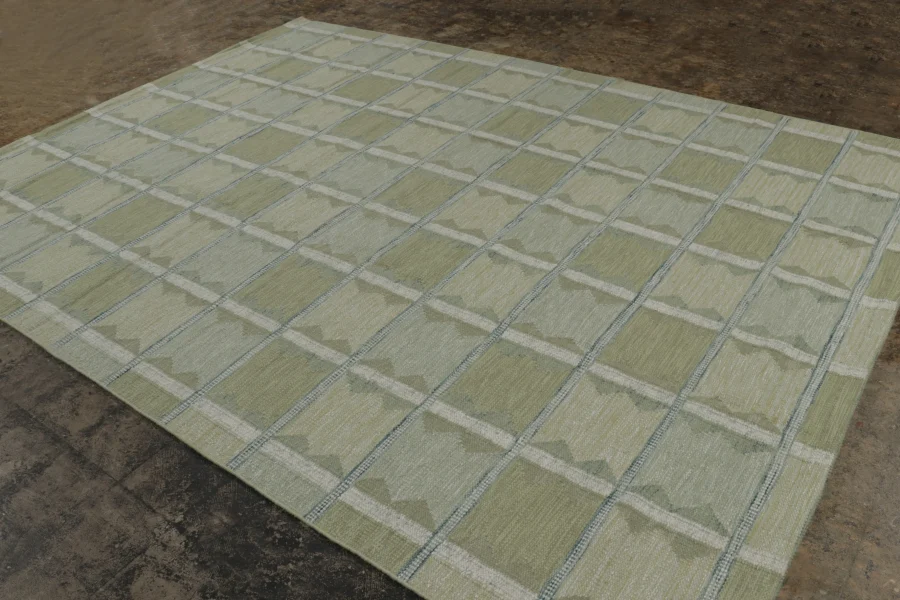 36431Rug & Kilim’s Contemporary Scandinavian Custom Flatweave with Green Nordic Grid
 - Out of Stock
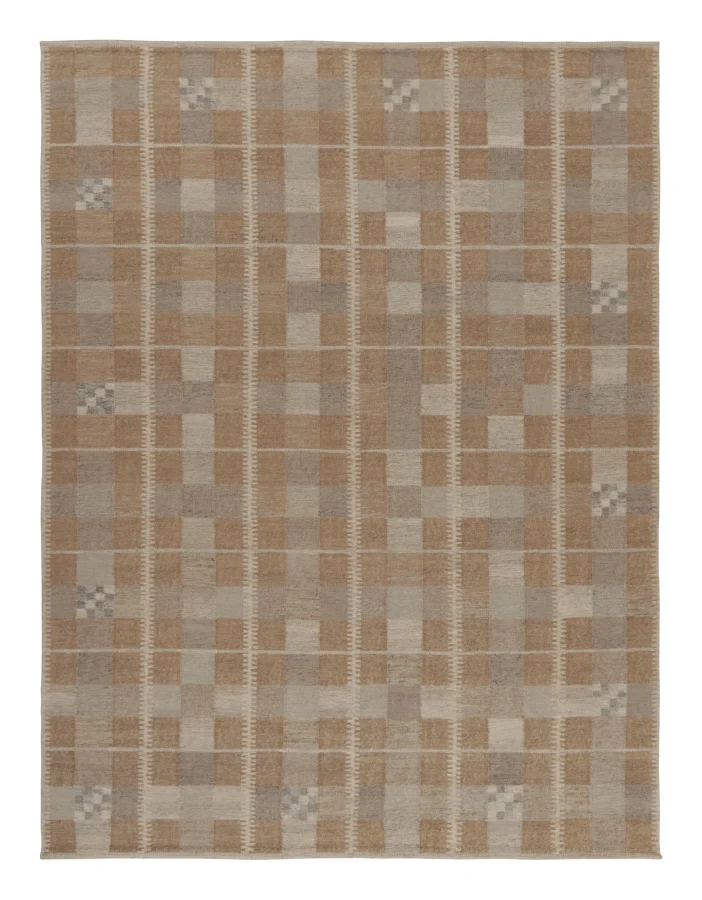
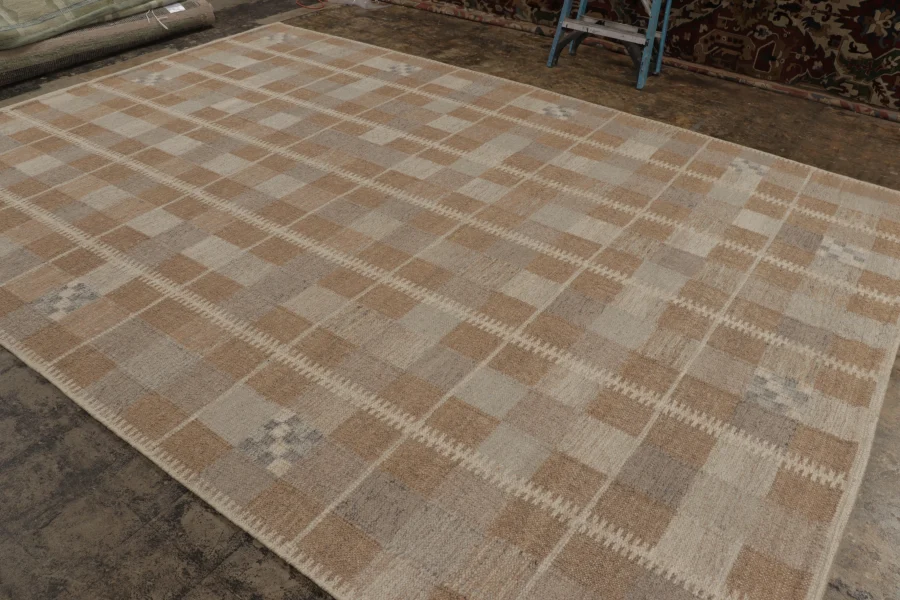 36447Rug & Kilim’s Oversized Contemporary Scandinavian Custom Flatweave in Brown
 - Out of Stock
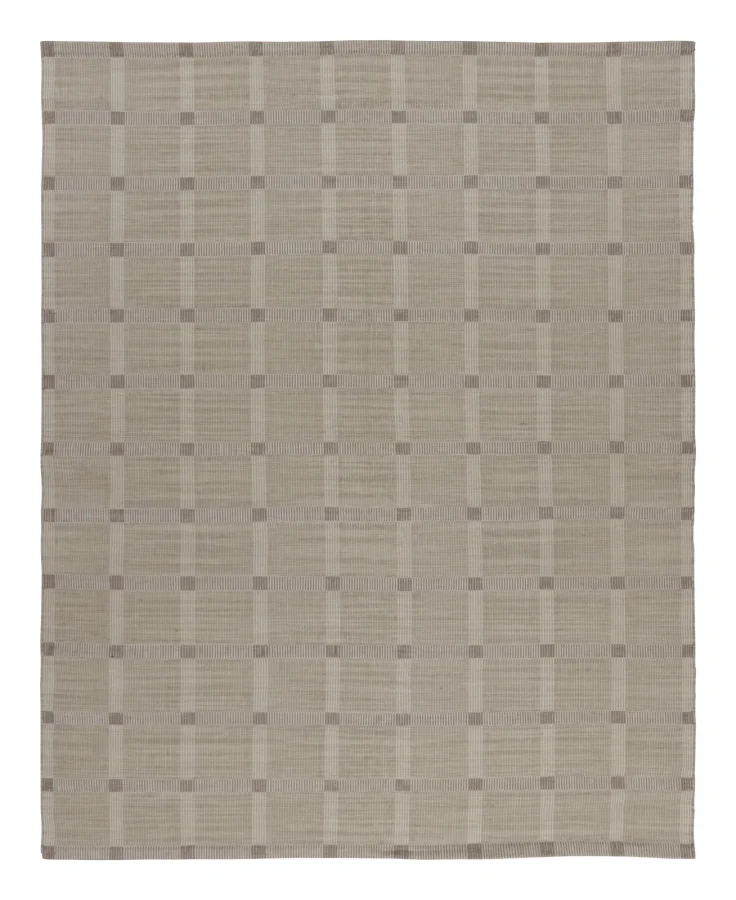
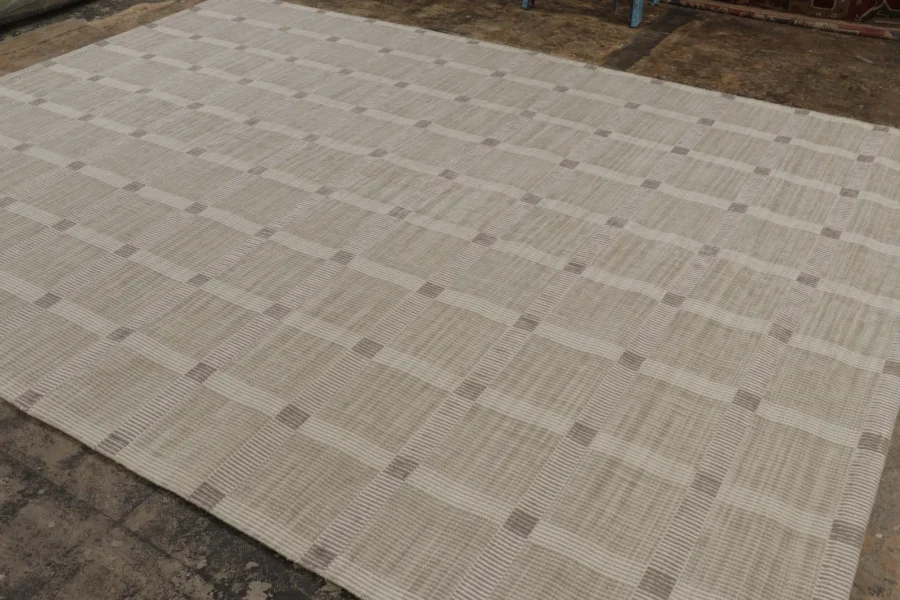 36461Rug & Kilim’s Contemporary Scandinavian Custom Rug with Beige & Gray Checks Grid
 - Out of Stock
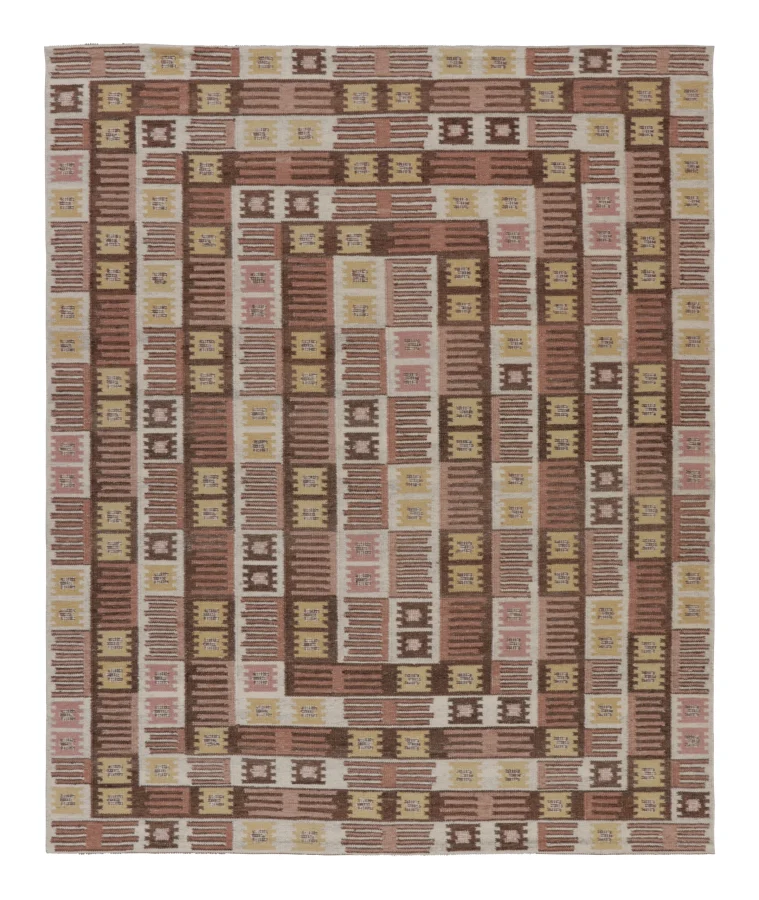
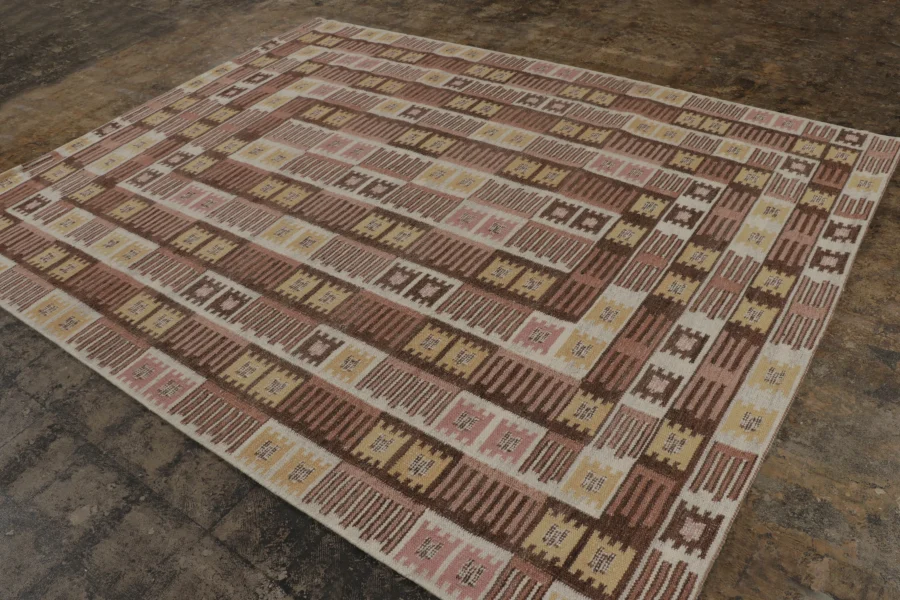 36465Rug & Kilim’s Contemporary Scandinavian Custom Flatweave with Nordic Grid in Brown
 - Out of Stock
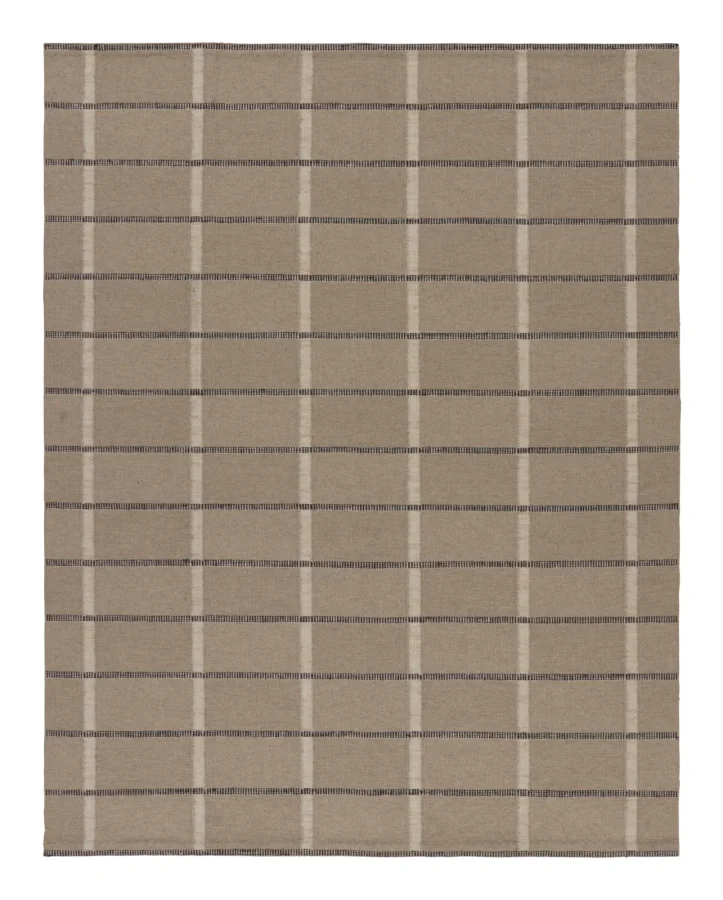
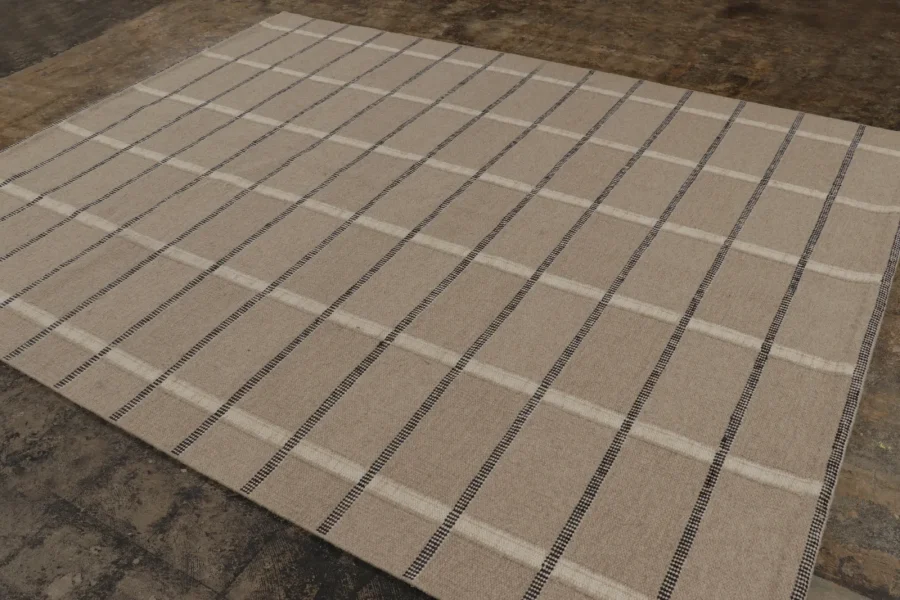 37570Rug & Kilim’s Contemporary Scandinavian Flatweave with Striped Grid in Brown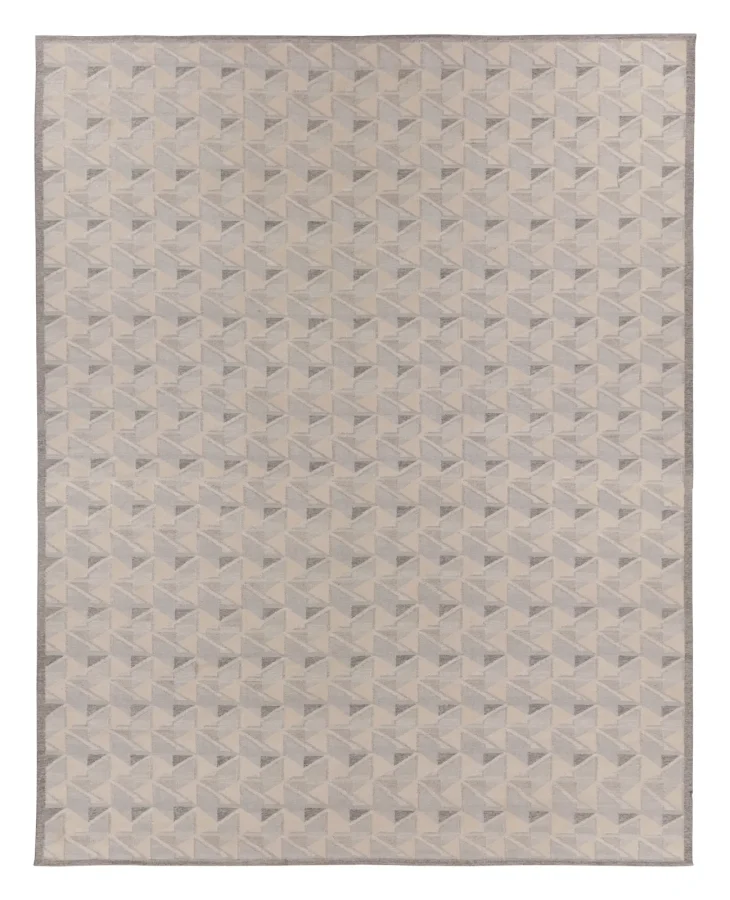
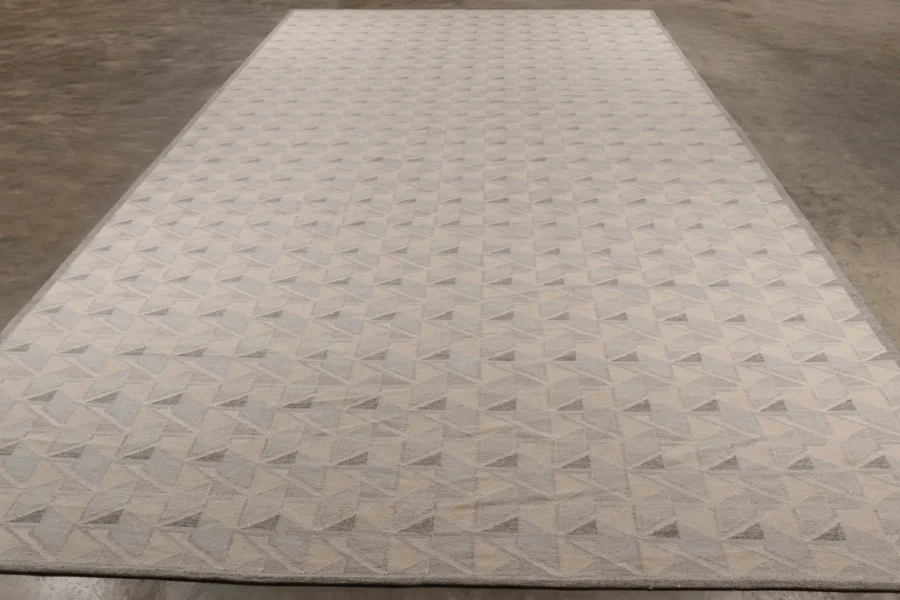 36410Rug & Kilim’s Oversized Contemporary Scandinavian Mohair Rug with Cubist Lattice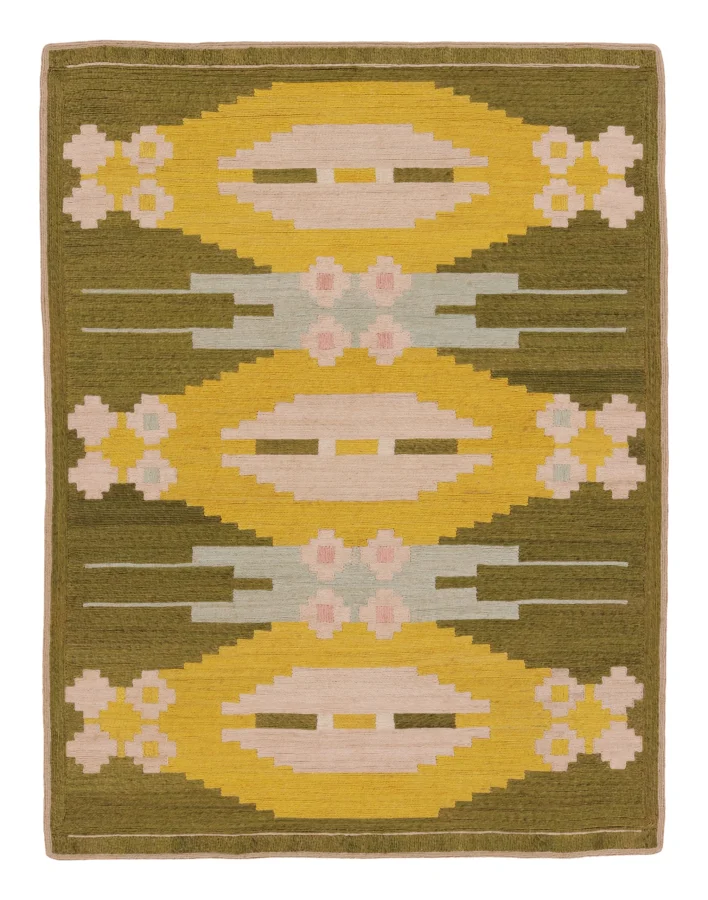
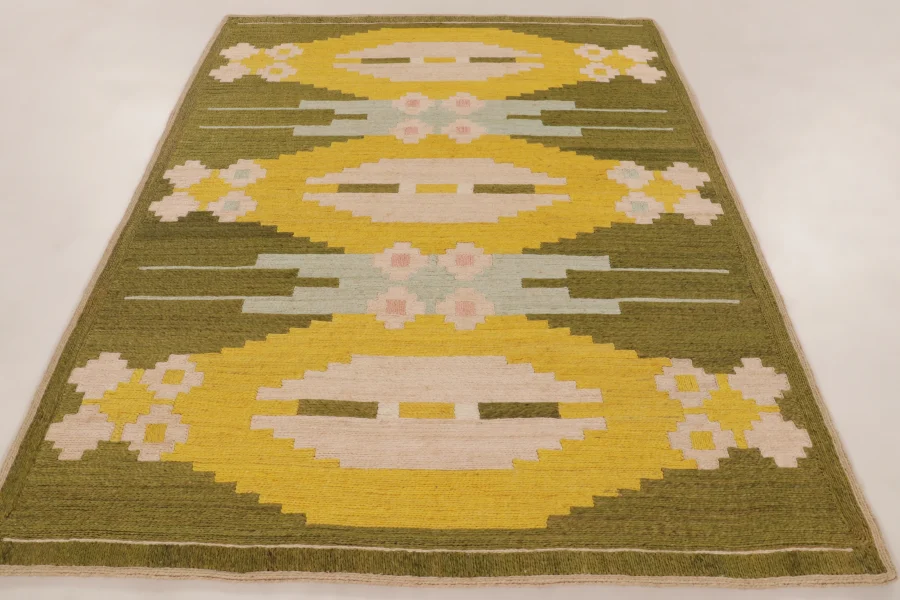 36530Rug & Kilim’s Scandinavian Geometric Abaca Rug with Diamond Lozenge Motifs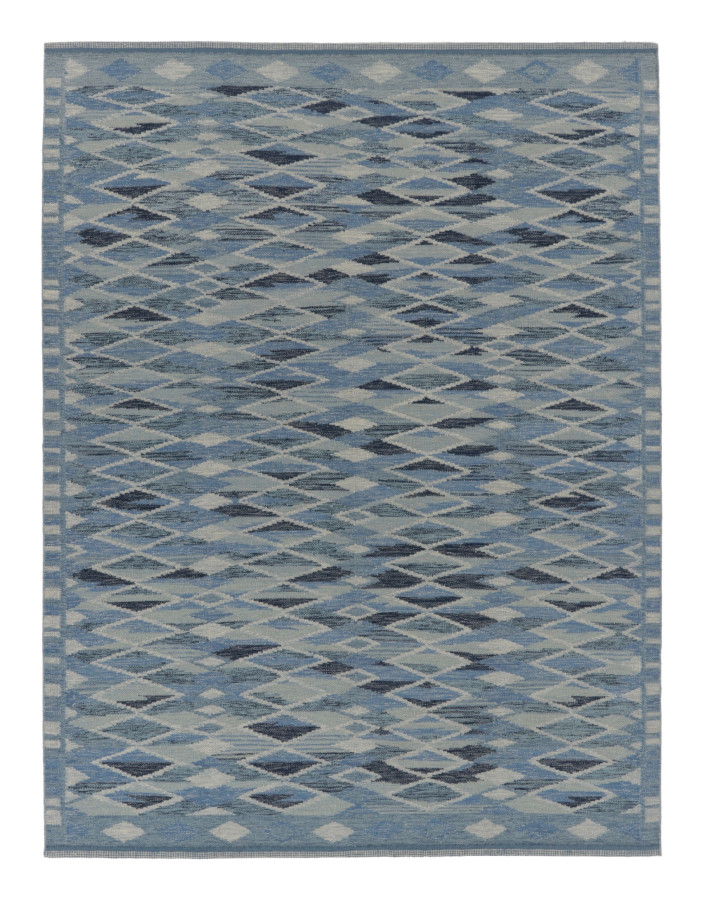
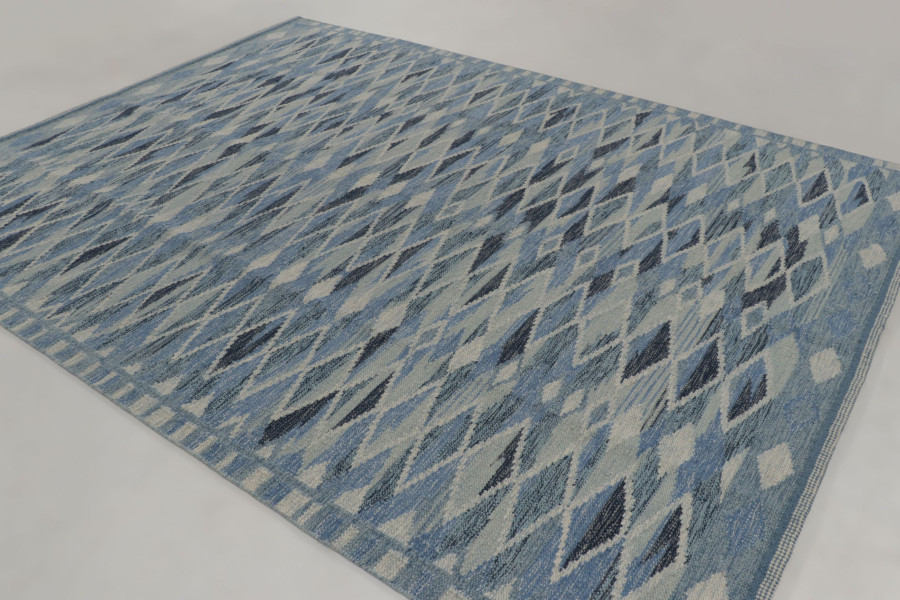 36432Rug & Kilim's Contemporary Scandinavian Rug in Blue & Ivory with Diamond Motifs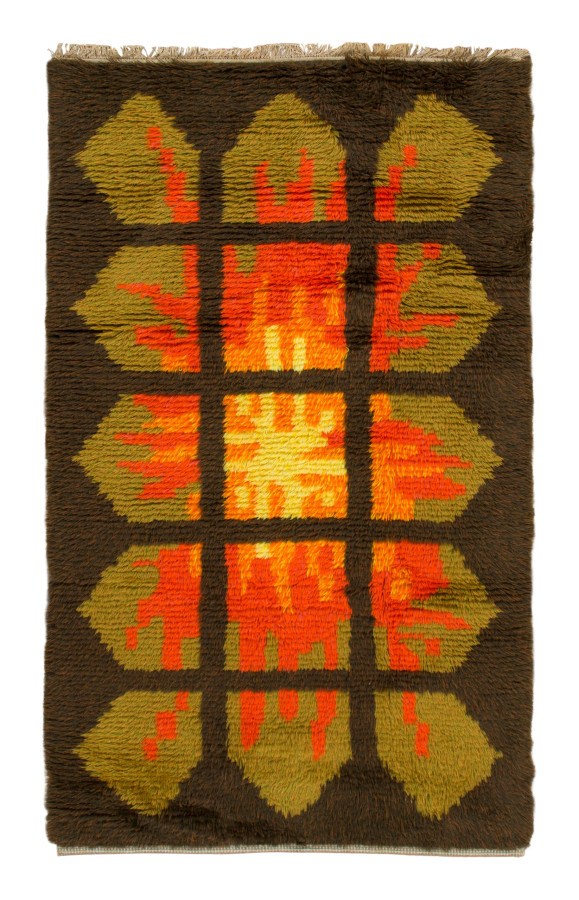
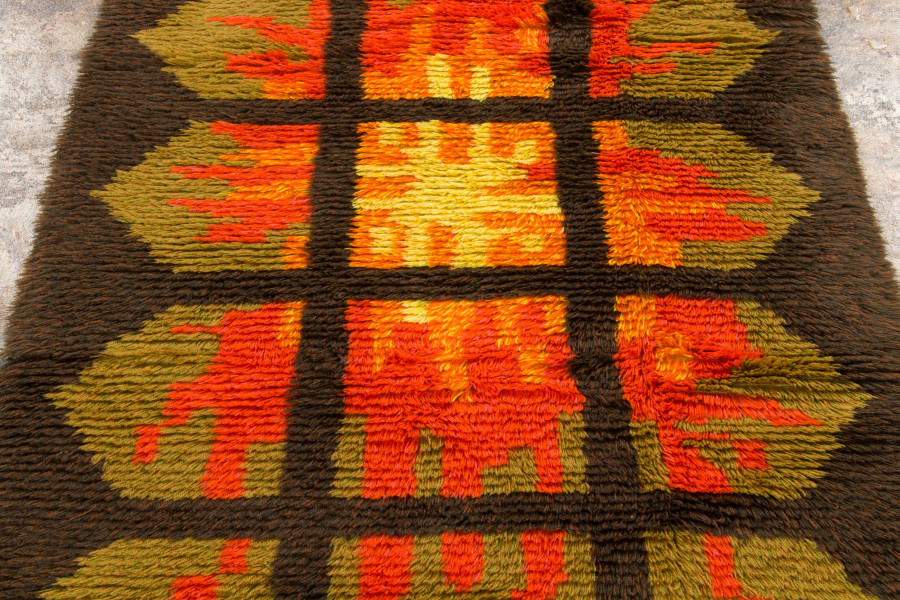 38101AVintage Swedish Rya Rug with Orange & Green Grid Pattern - Rug & Kilim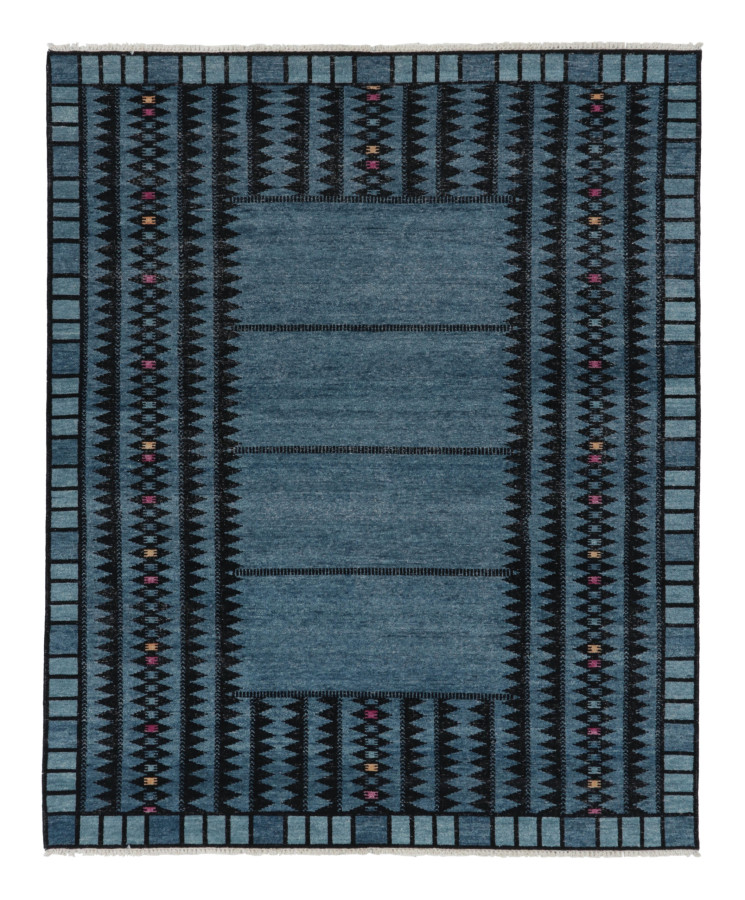
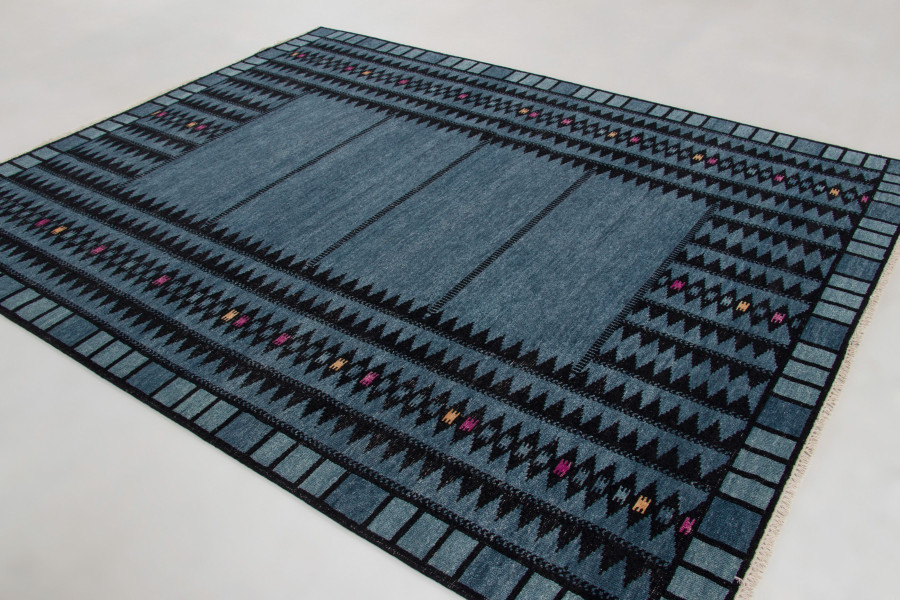 36679Rug & Kilim's Contemporary Scandinavian Distressed Rug in Blue Geometric Design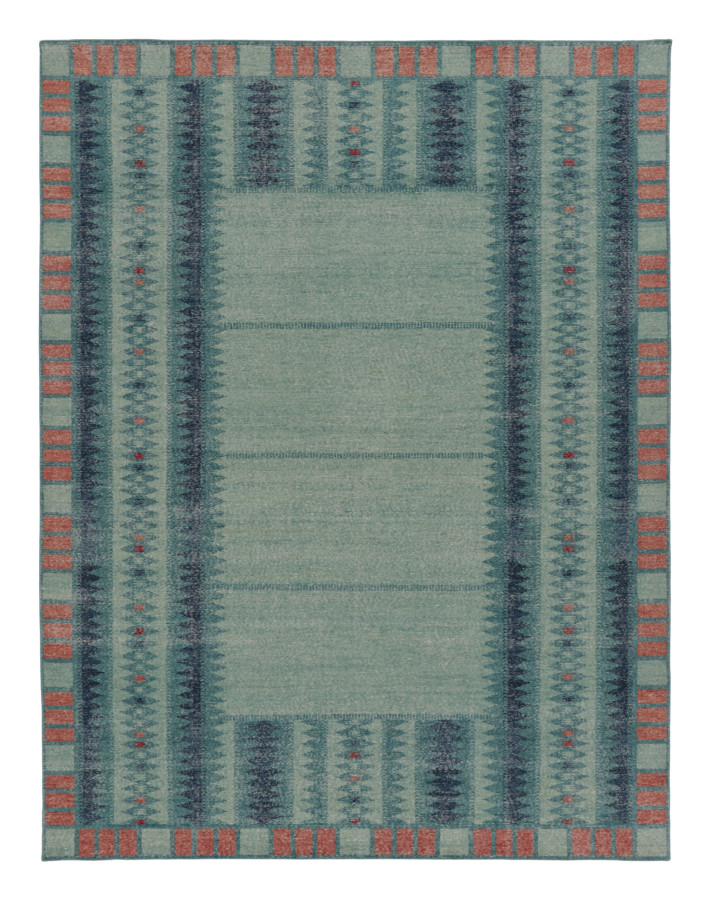
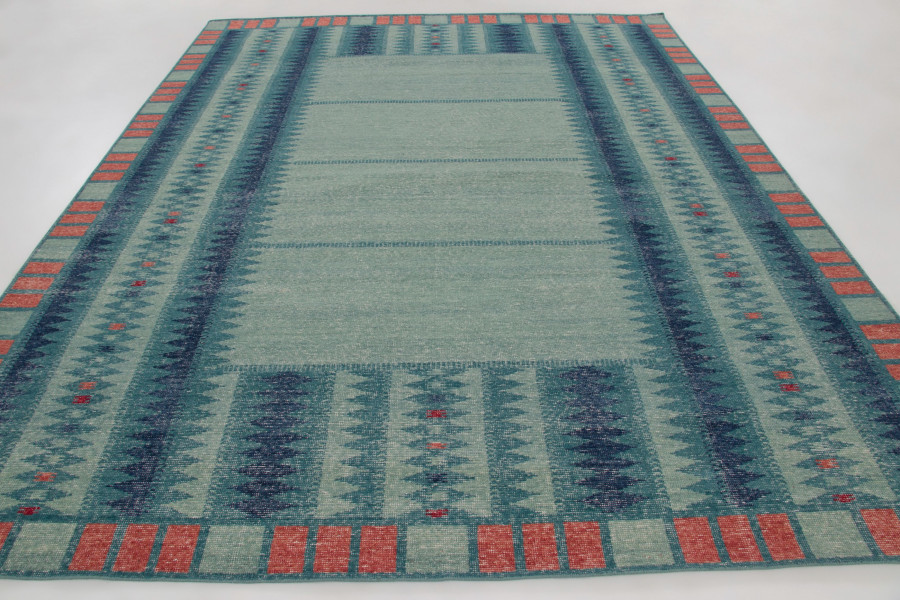 36680Rug & Kilim's Scandinavian Distressed Rug in Teal & Rust Geometric Design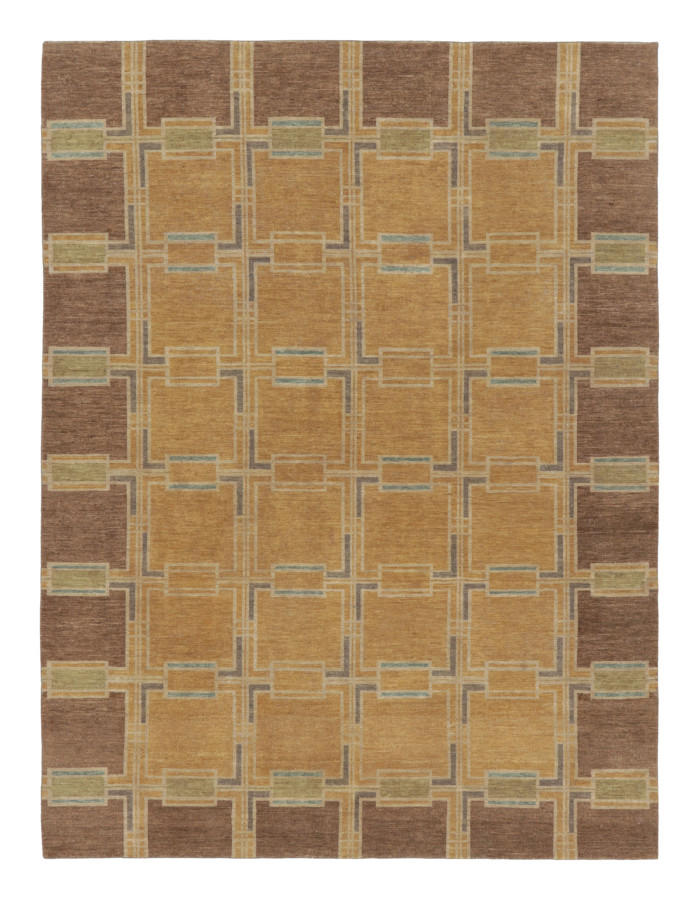
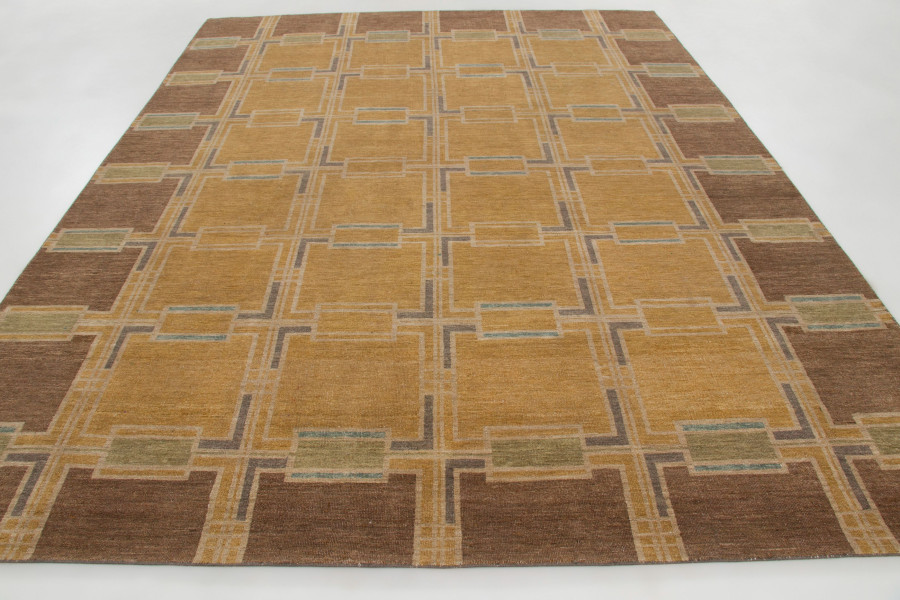 36332Rug & Kilim's Scandinavian Rug in Gold & Brown with Geometric Grid Design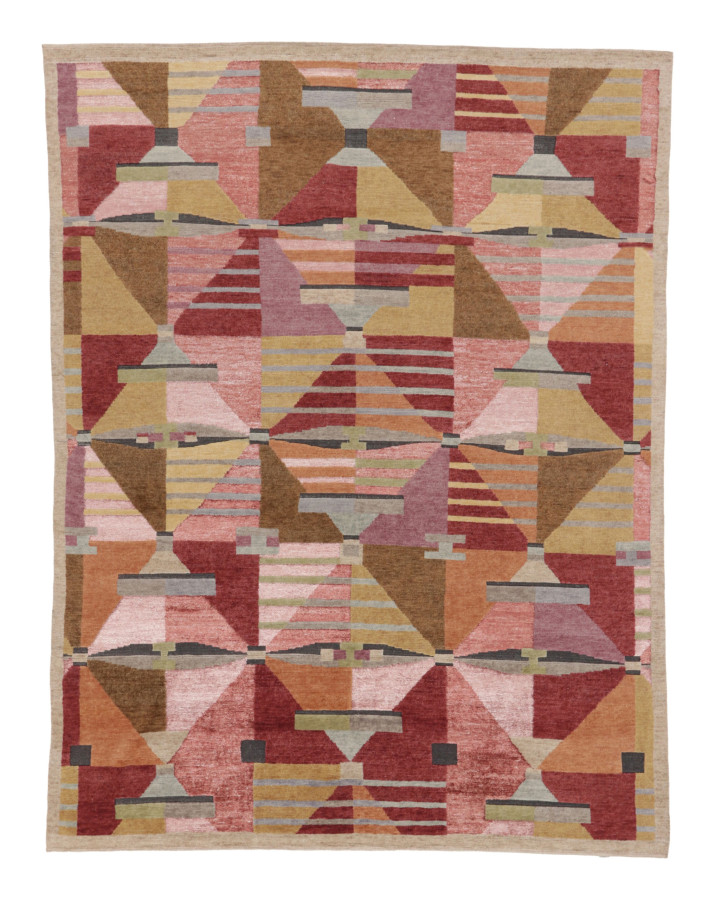
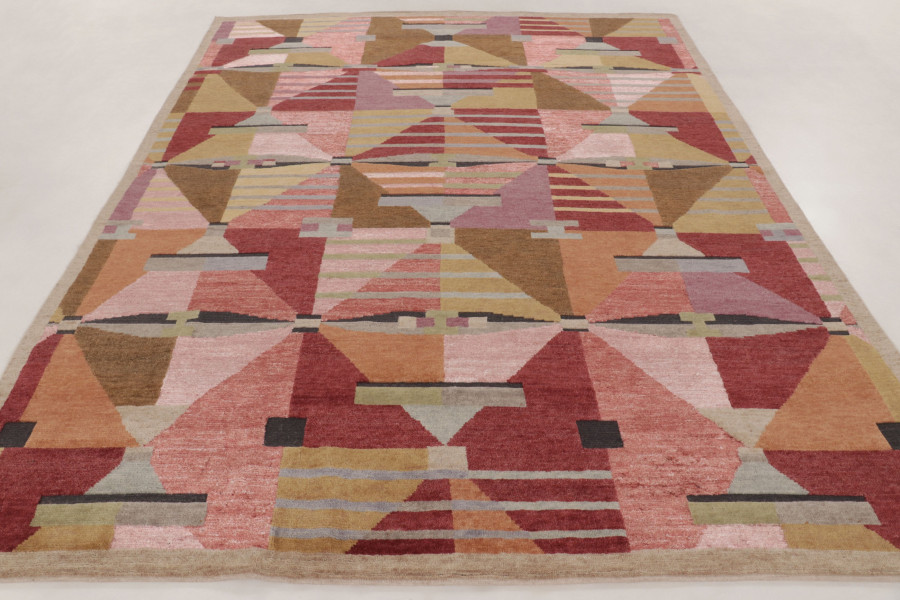 36255Rug & Kilim's Contemporary Scandinavian Rug in Gold & Brown with Geometric Design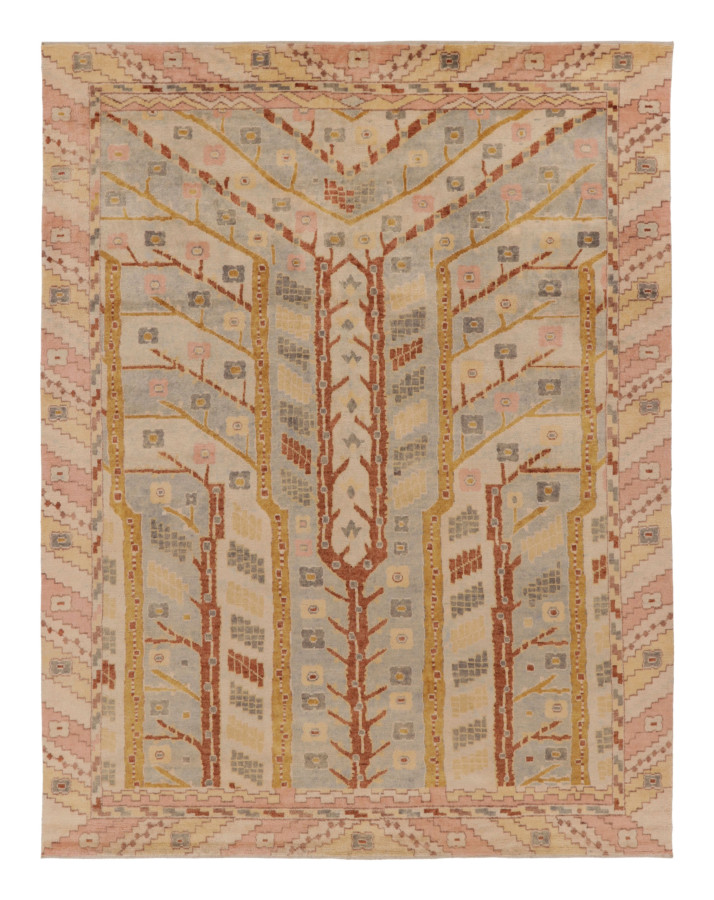
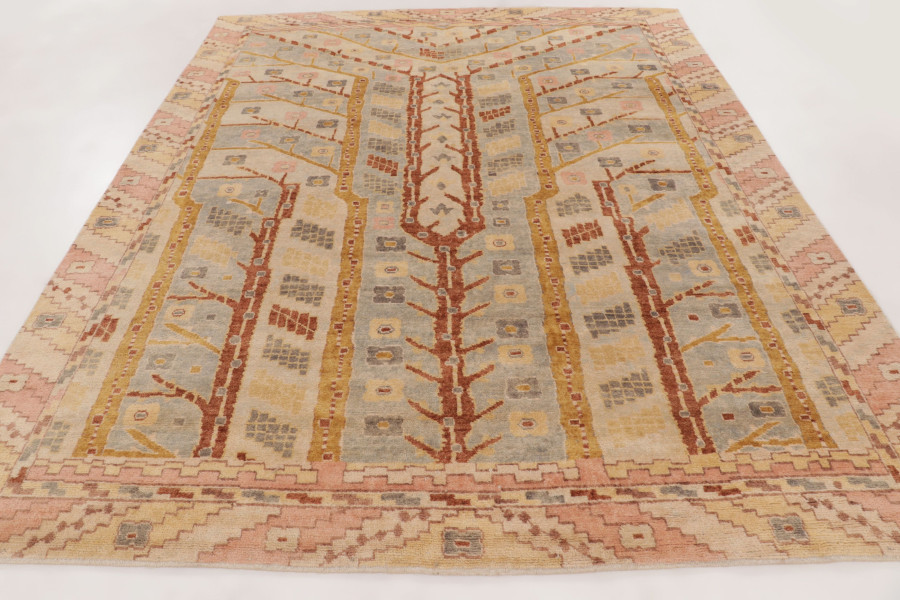 36271Rug & Kilim's Contemporary Scandinavian Rug with Beige & Brown Geometric Design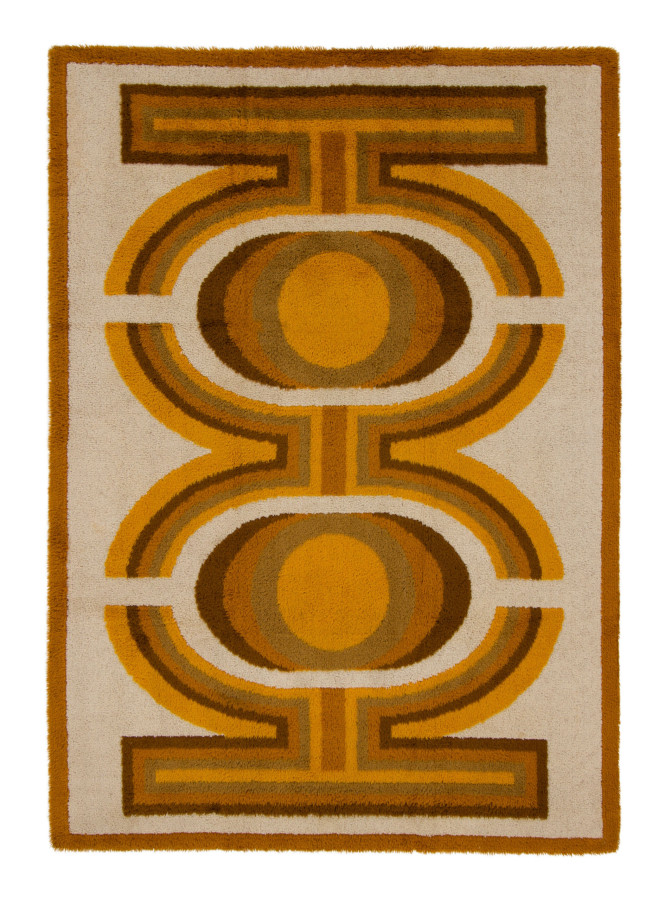
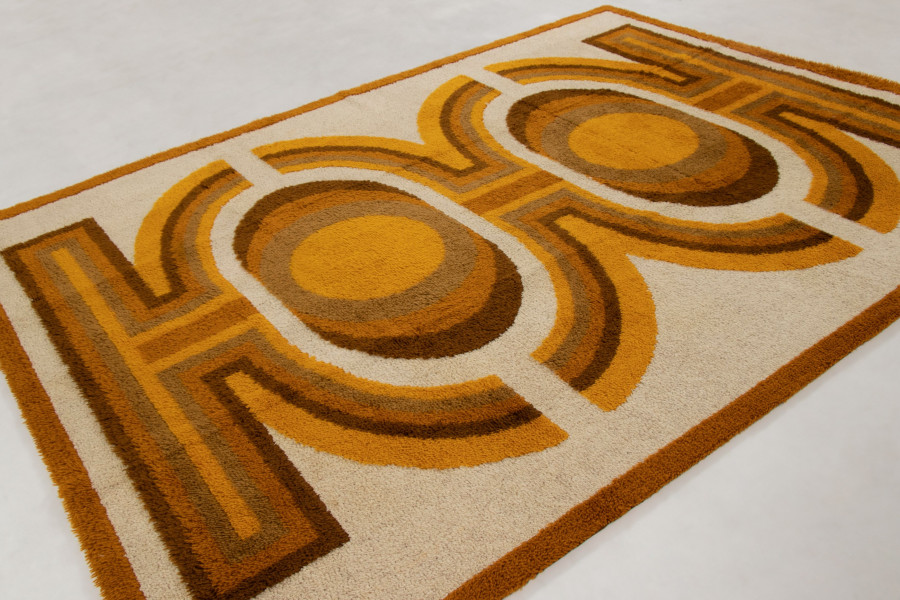 38020Vintage Swedish Rug with Twin Medallions in Brown and Gold - Rug & Kilim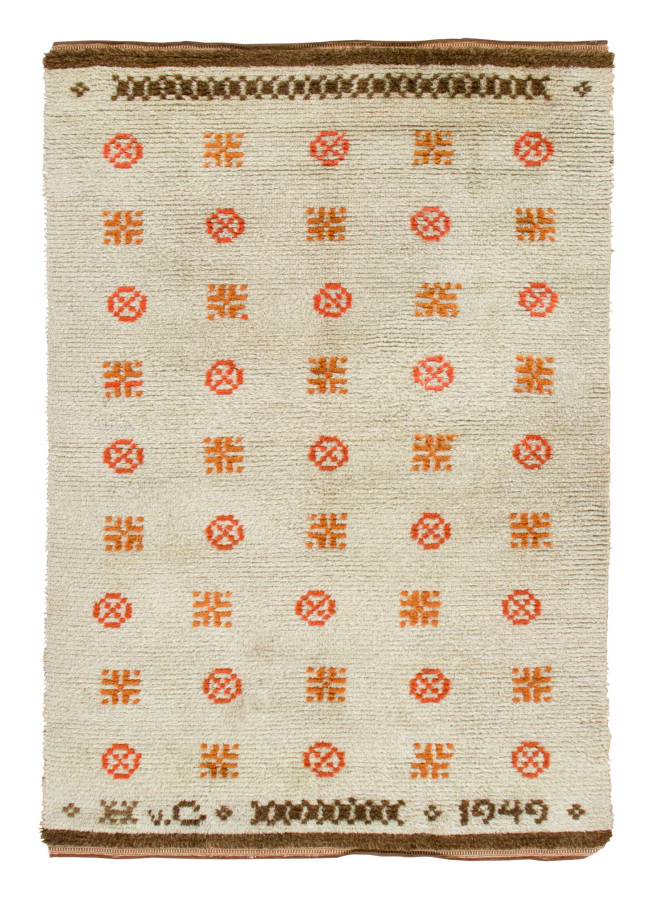
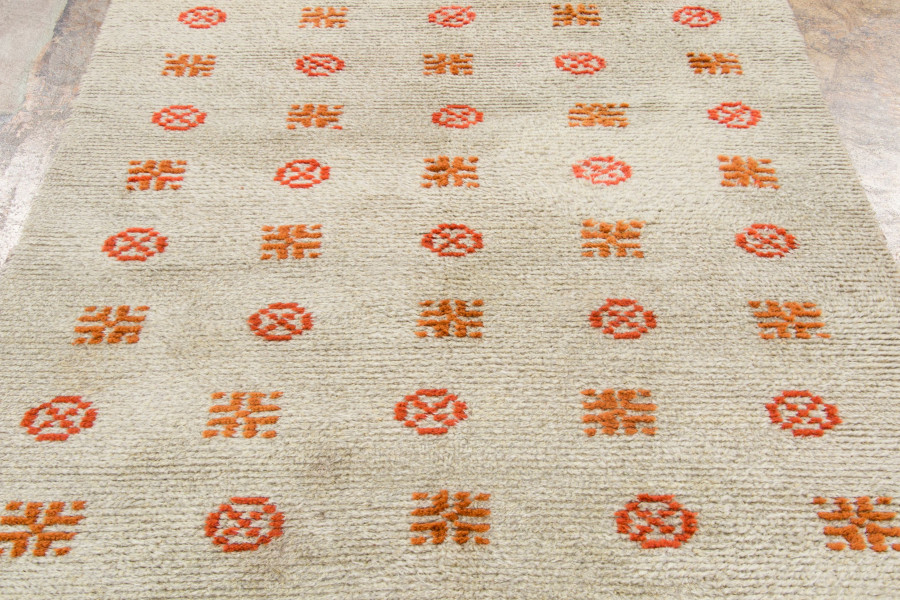 38029Vintage Swedish Rya Dated Rug with Geometric Motifs in Beige & Rust - Rug & Kilim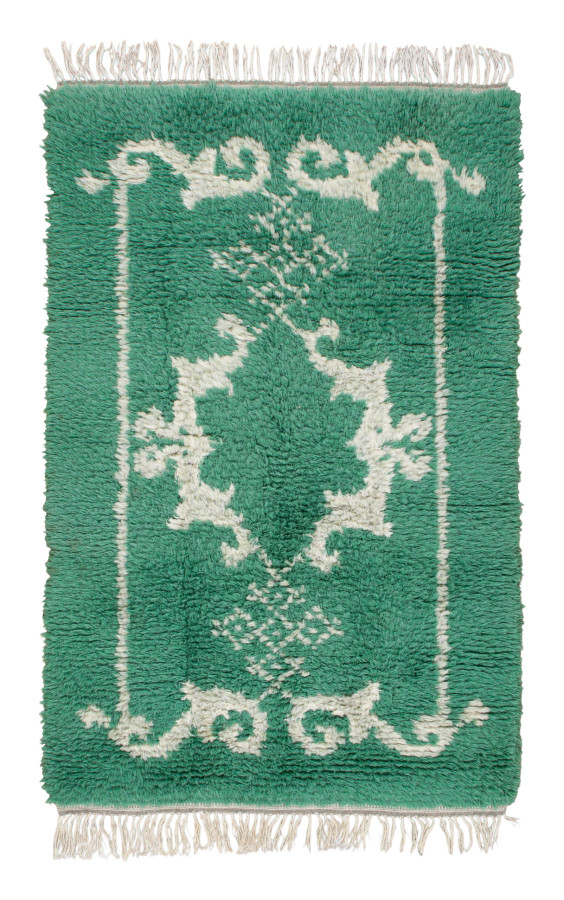
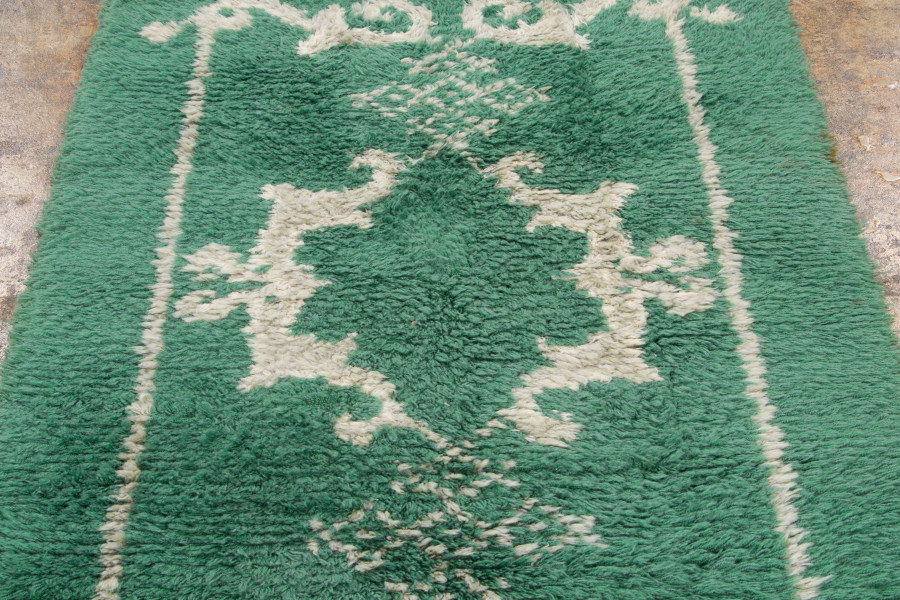 38038Vintage Swedish Rya Rug with Cartouche Designs in Green - Rug & Kilim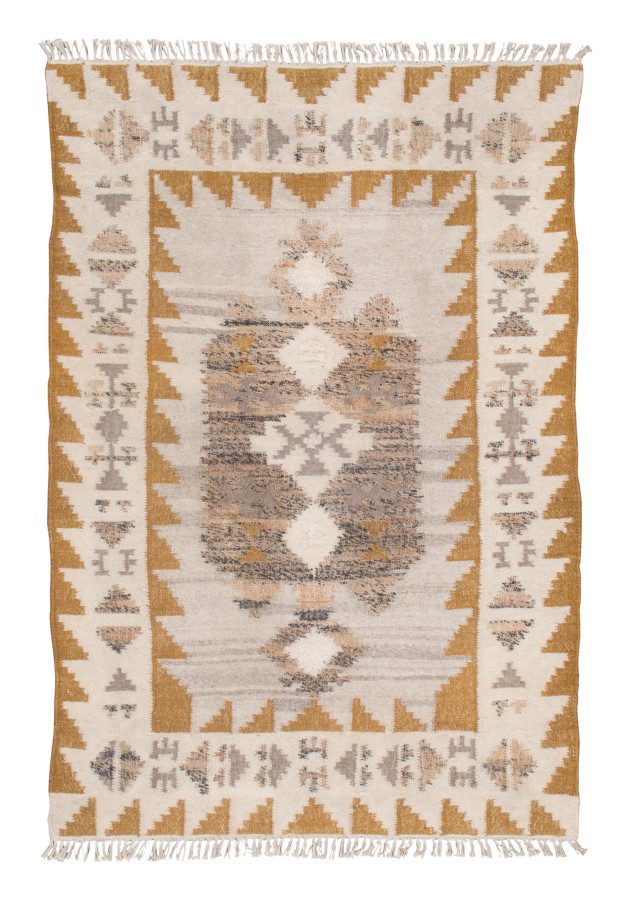
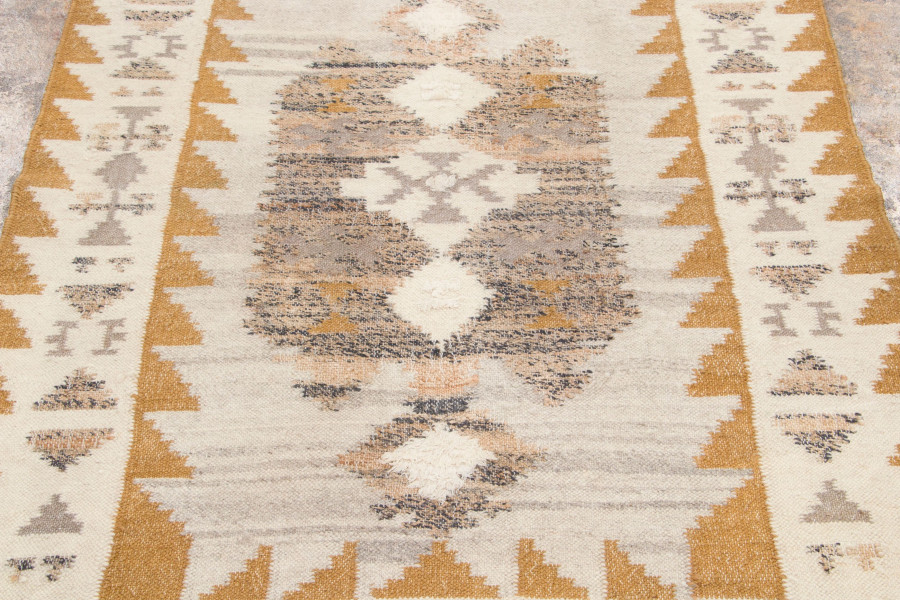 38014Vintage Scandinavian Kilim with Geometric Medallion & Design - Rug & Kilim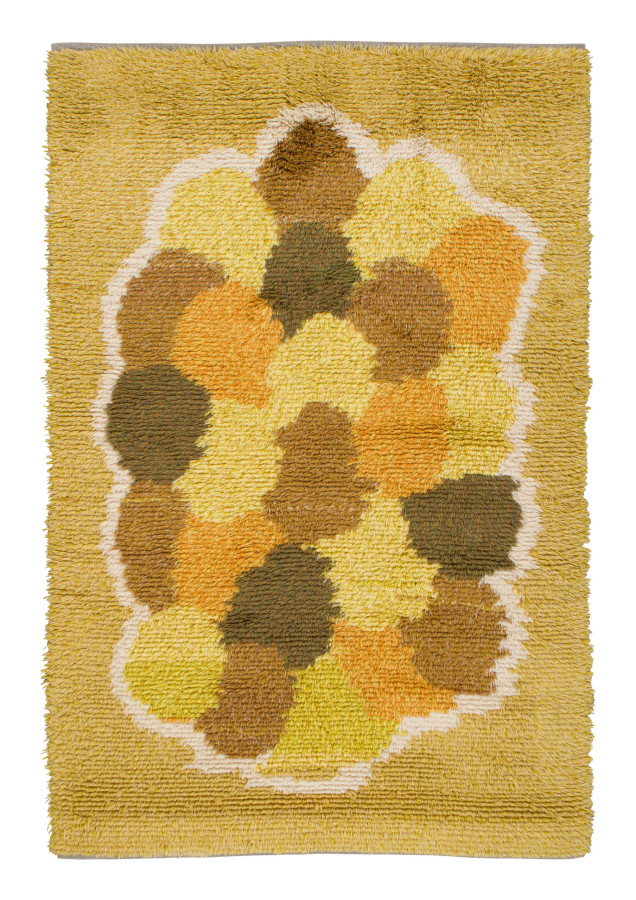
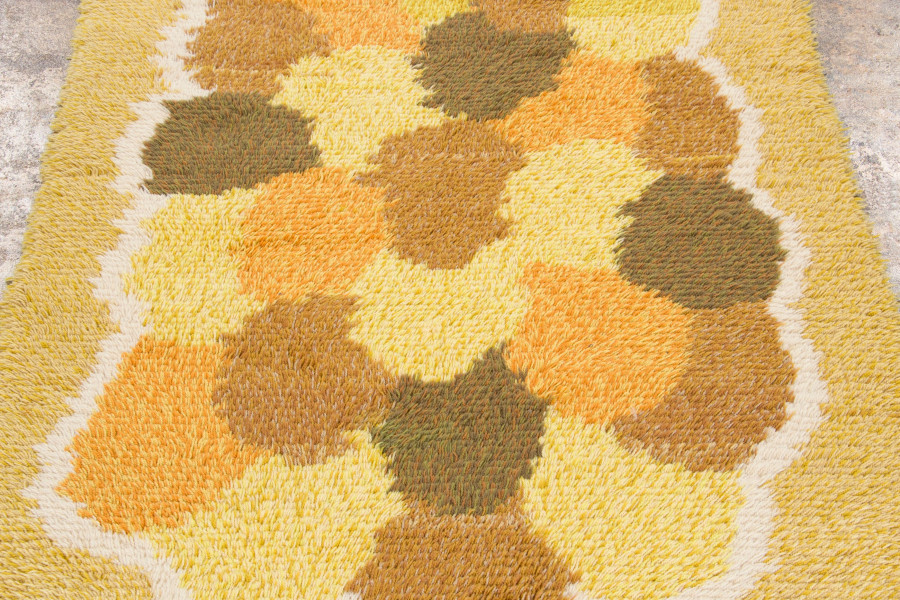 38028Vintage Swedish Rya Rug with Bloom Design in Warm Gold & Brown - Rug & Kilim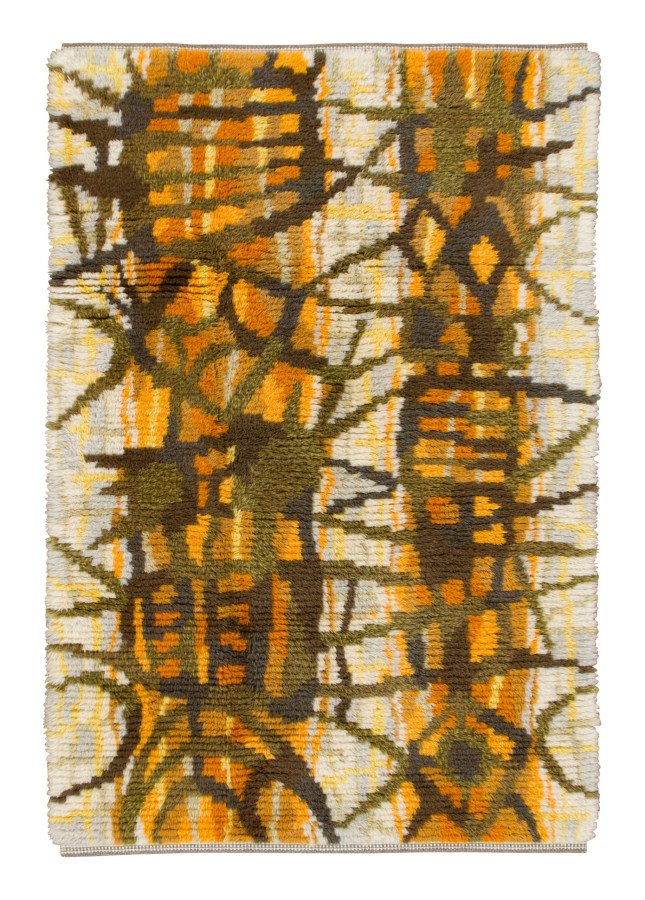
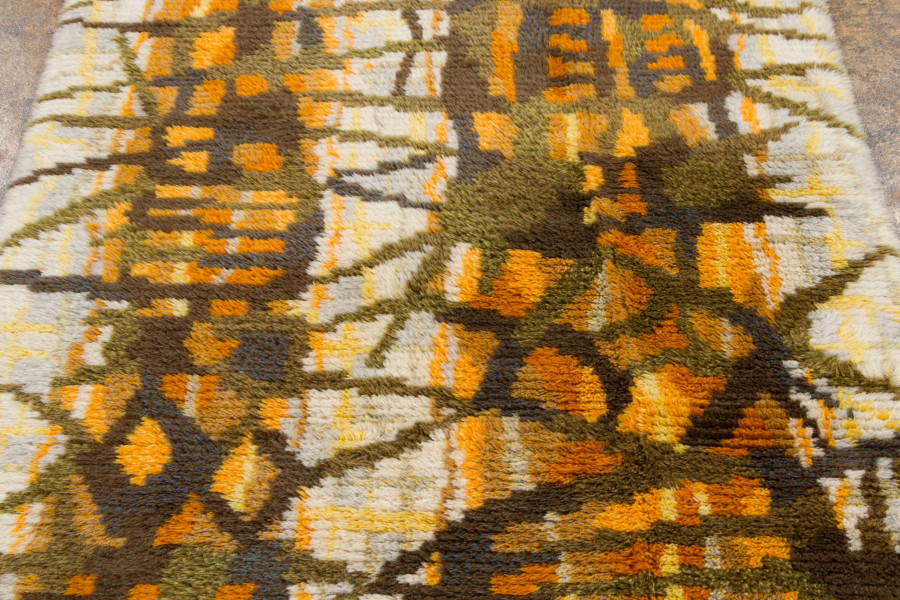 38040Vintage Swedish Rya Rug with Geometric Abstraction in Fall Hues - Rug & Kilim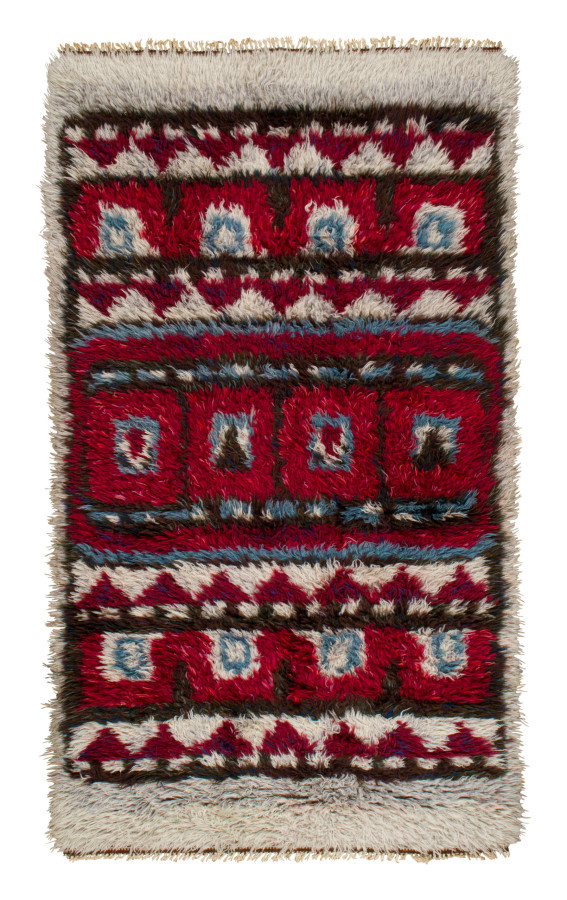
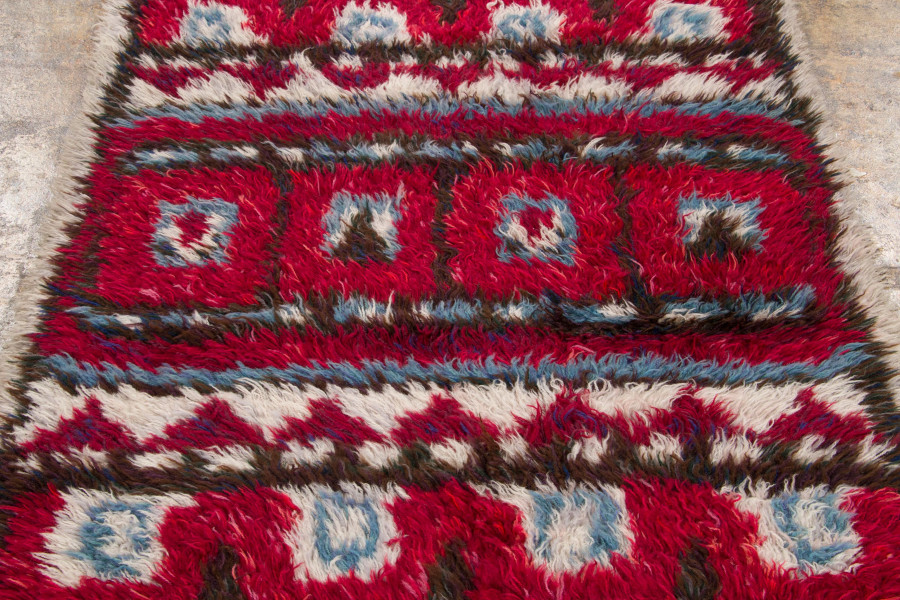 38041Vintage Swedish Rya Rug with Nordic Motif Grid in Red & Ivory - Rug & Kilim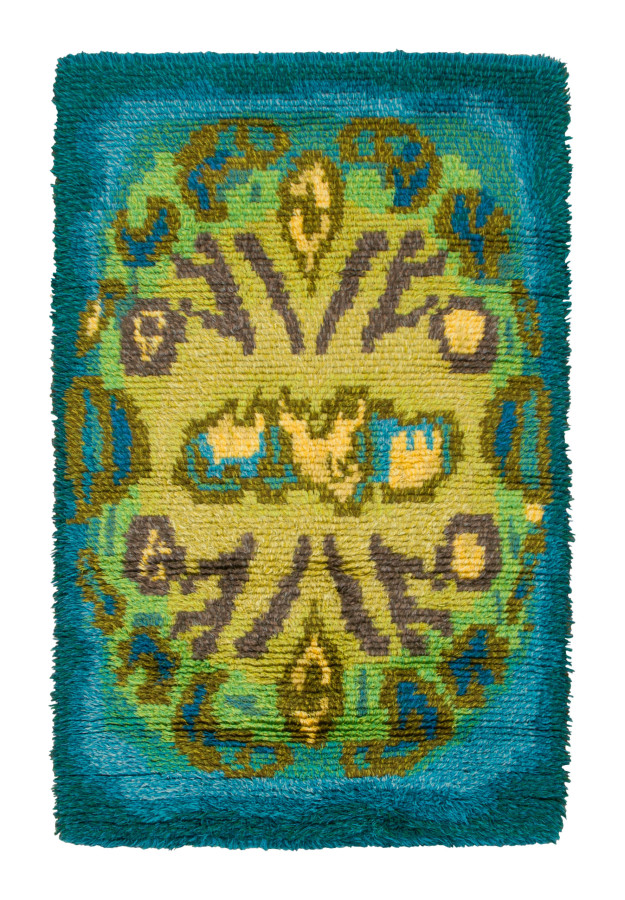
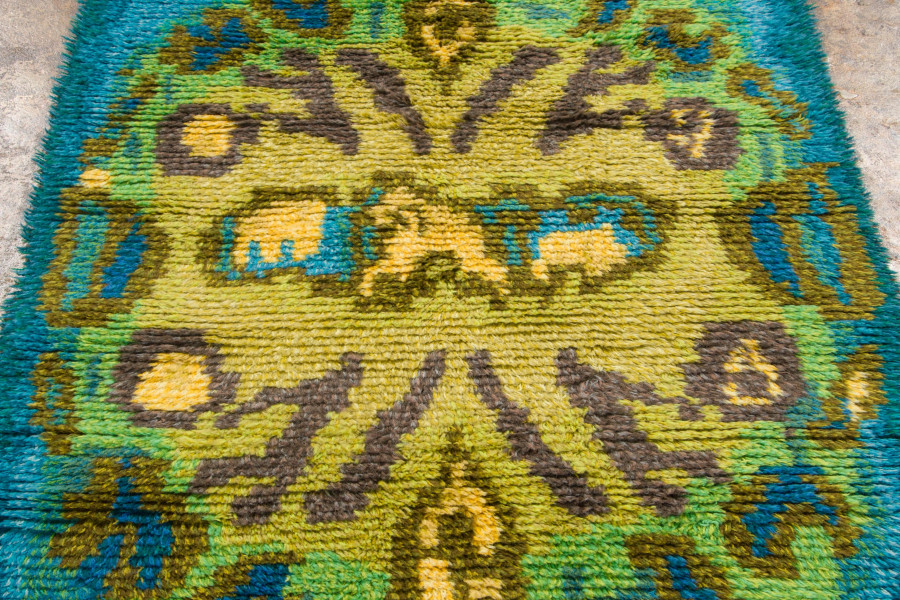 38039Vintage Swedish Rya Rug “Pamir” with Abstract Nordic Designs - Rug & Kilim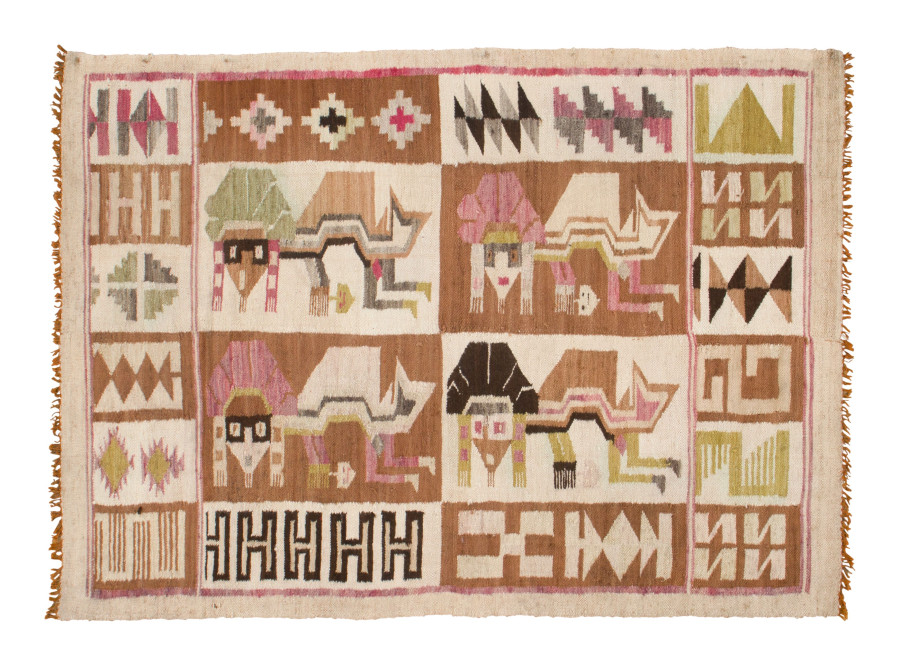
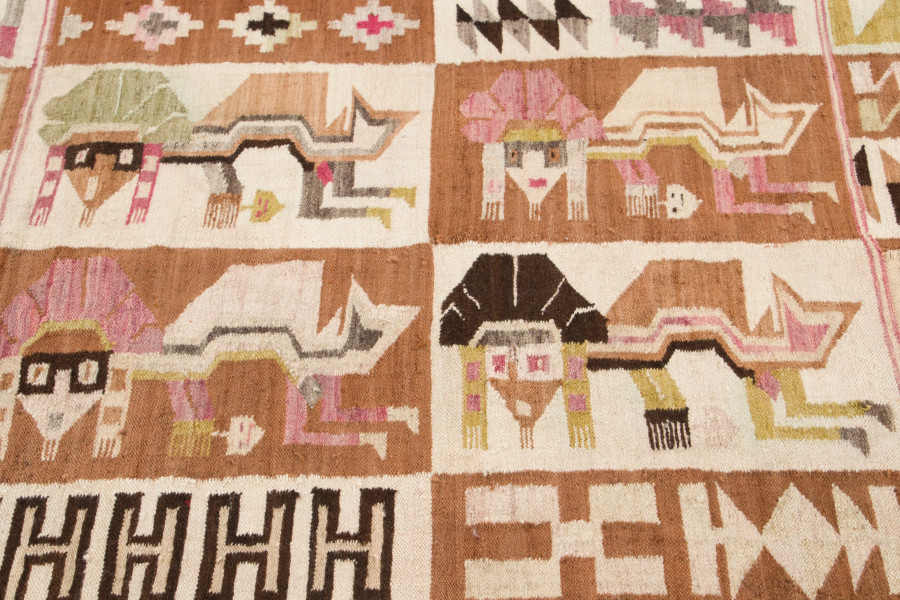 38015Vintage Scandinavian Kilim with Folk Art Pictorials in Beige & Brown - Rug & Kilim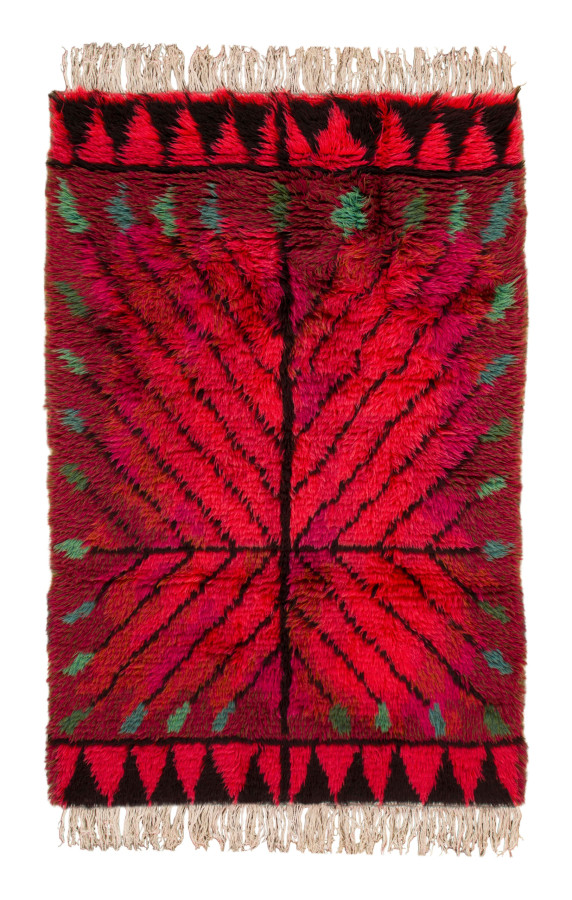
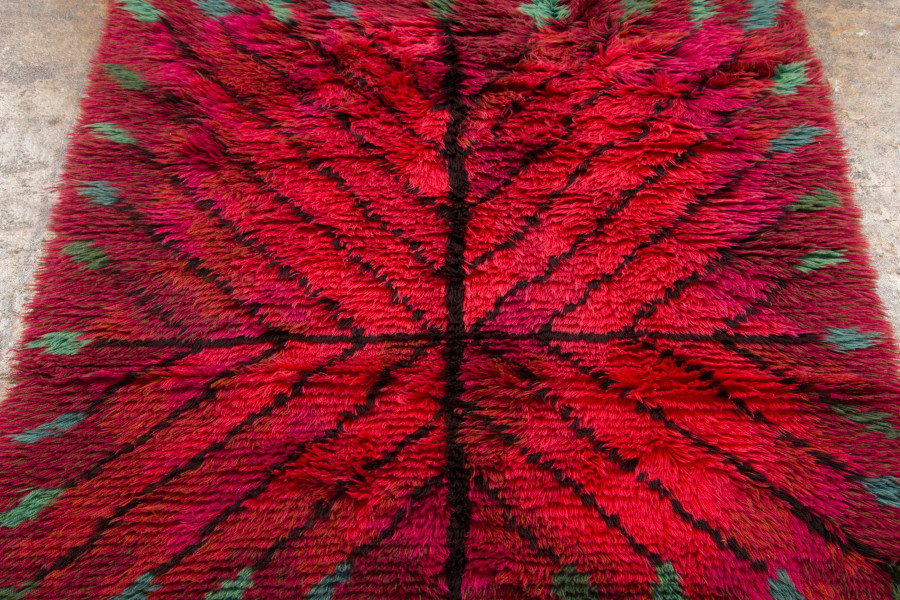 38026Vintage Swedish Rya Rug with Geometric Leaf Pattern in Red - Rug & Kilim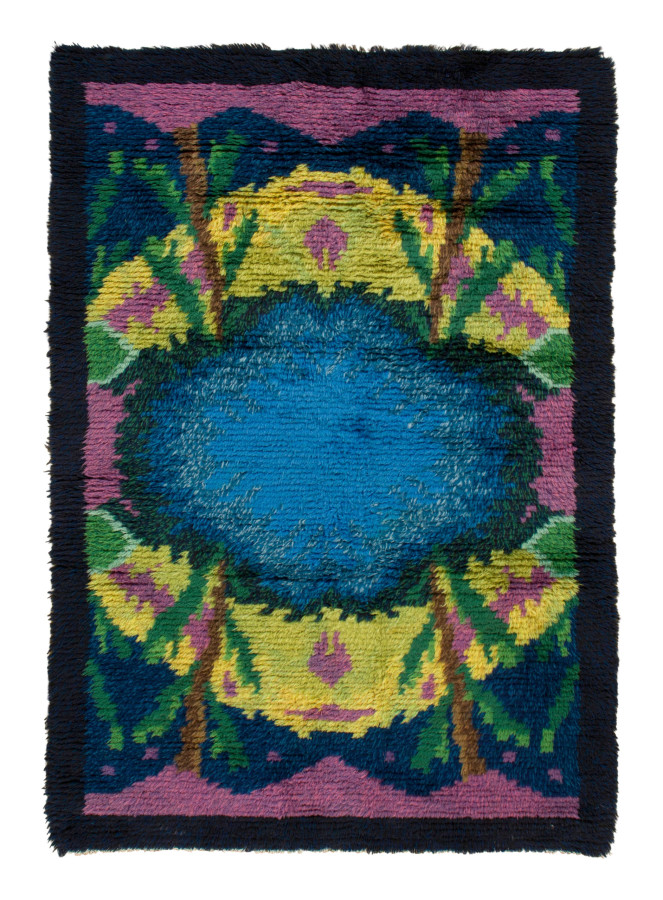
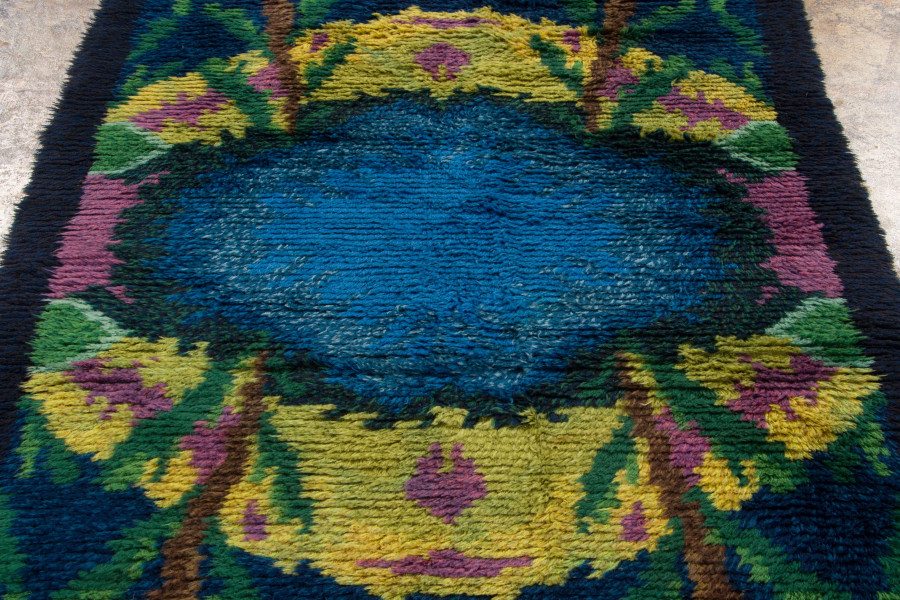 38030Vintage Swedish Rya Rug with Polychromatic Medallion Pattern - Rug & Kilim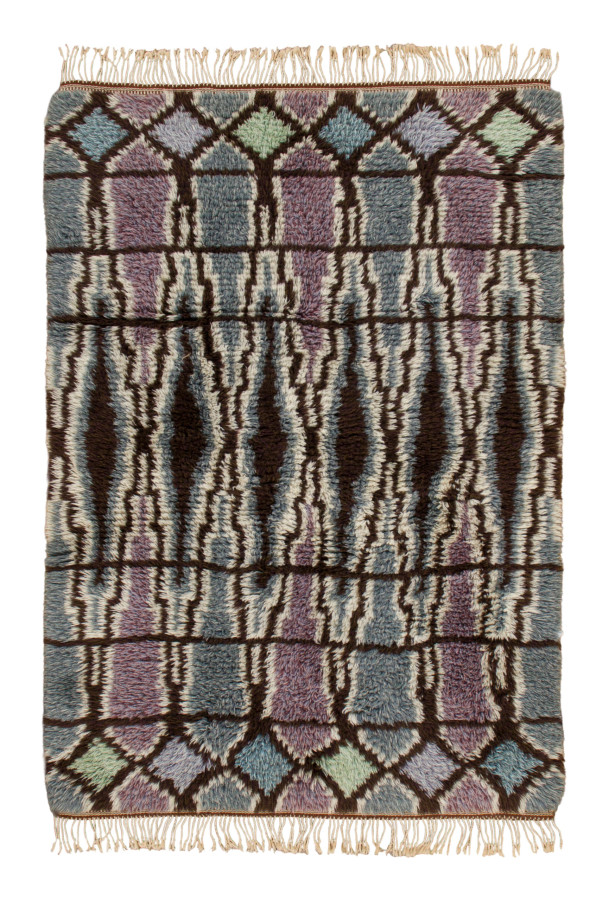
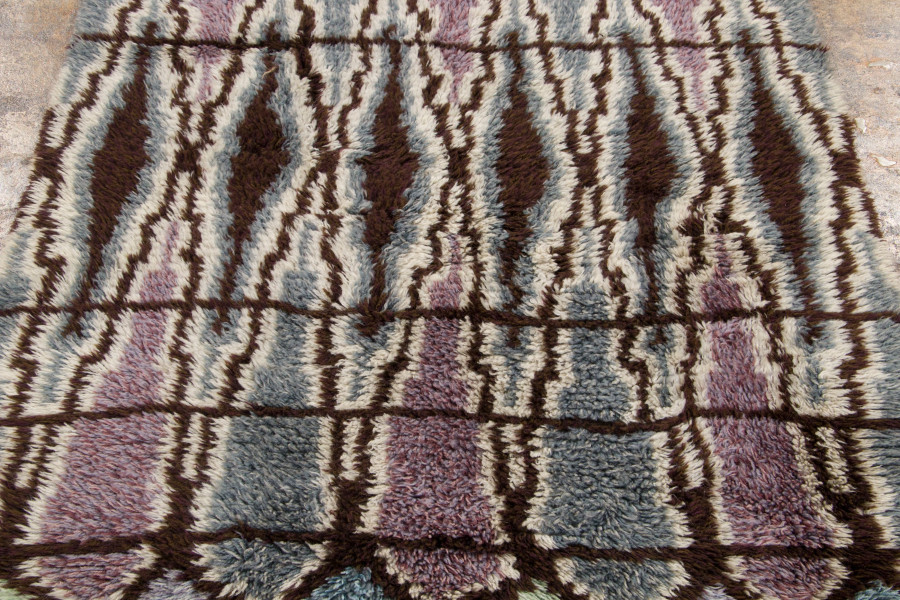 38027Vintage Swedish Rya Rug with Geometric Diamond Pattern - Rug & Kilim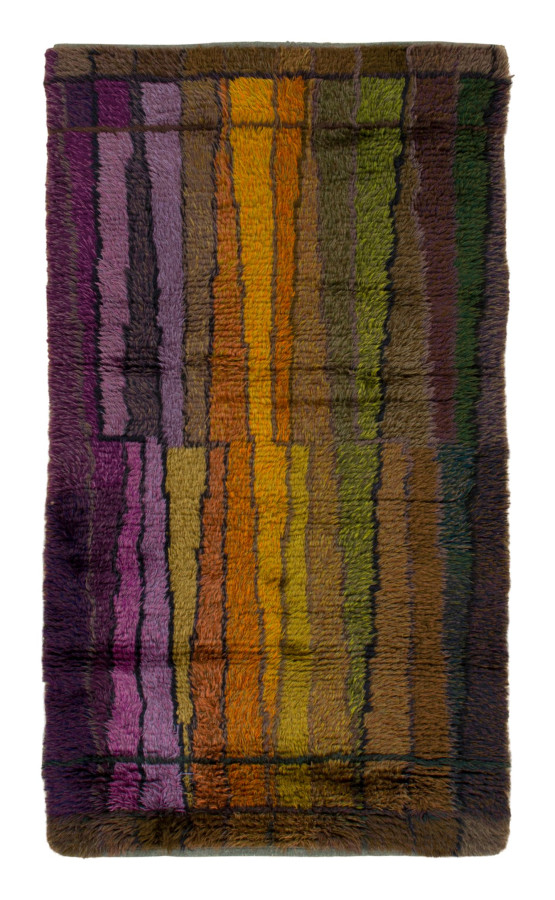
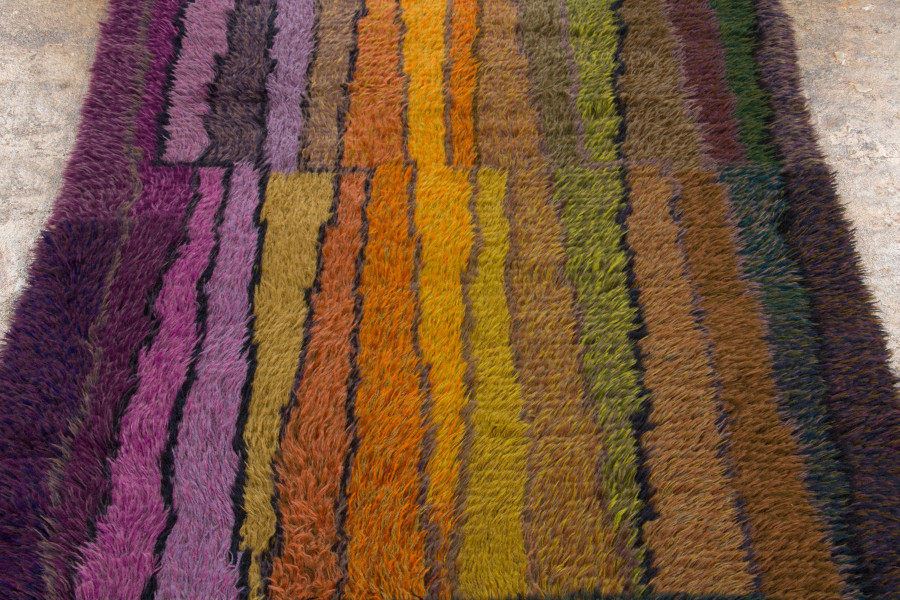 38025Vintage Swedish Rya Rug with Polychromatic Striped Pattern - Rug & Kilim
- Out of Stock
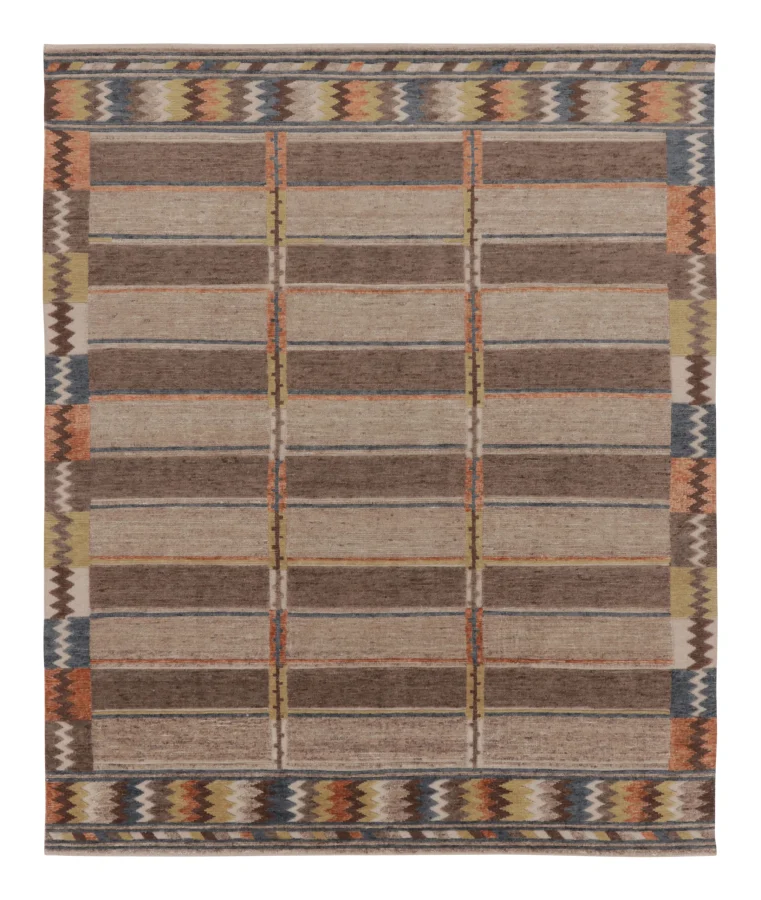
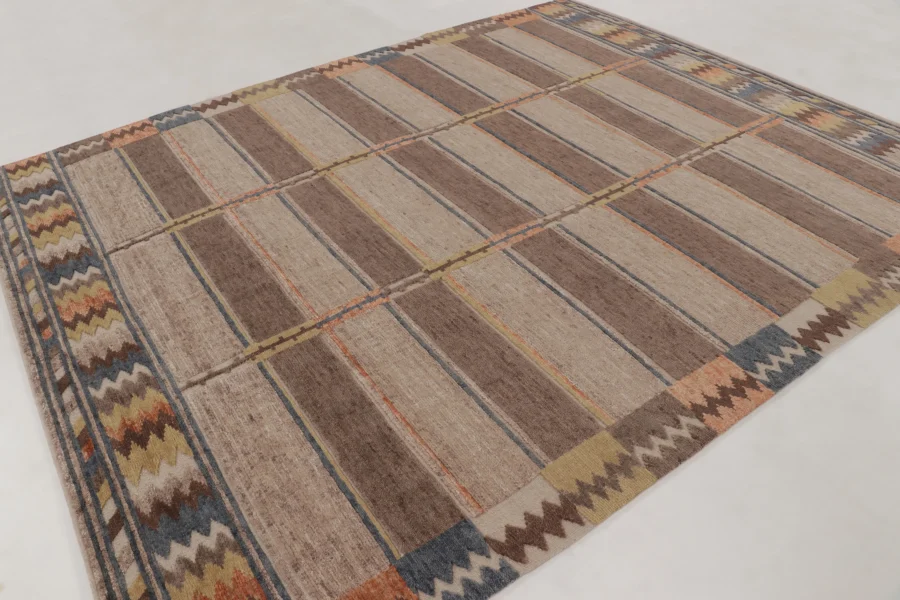 36292Rug & Kilim’s Contemporary Scandinavian Rug with Striped Geometric Design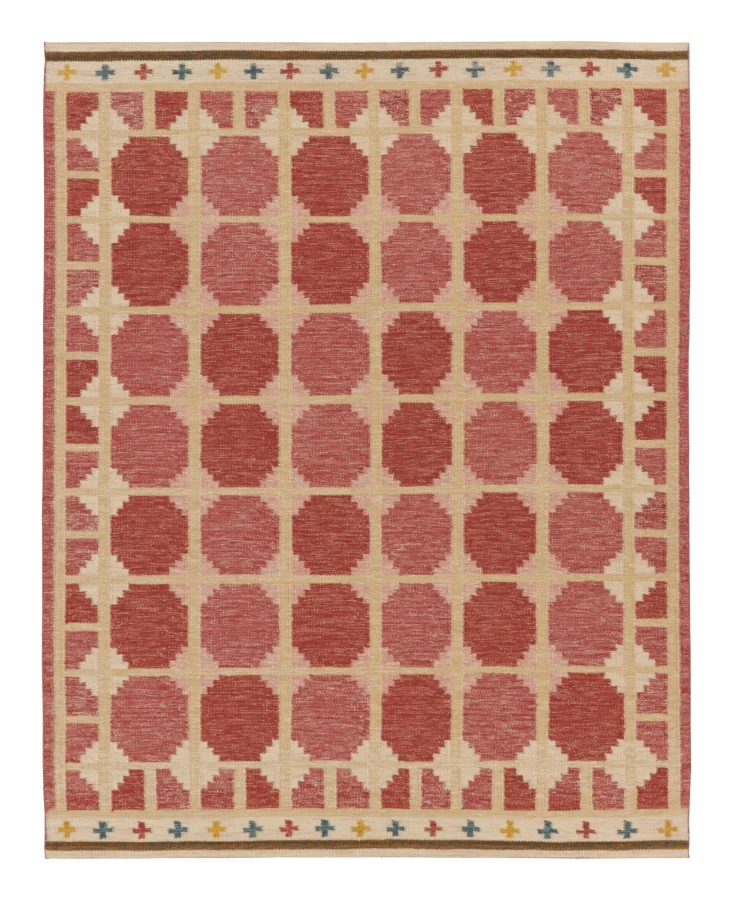
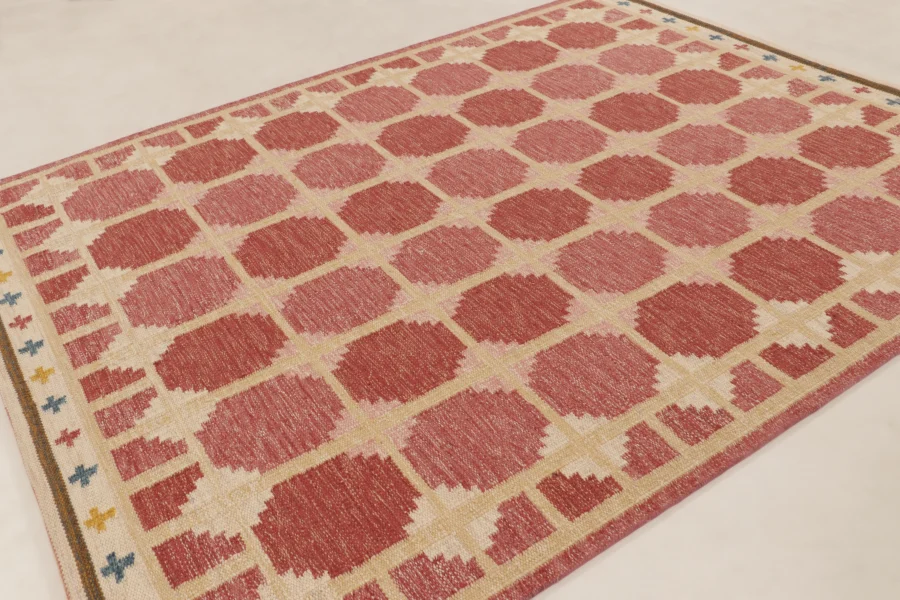 36455Rug & Kilim's Contemporary Scandinavian Flat Weave Rug in Pink Hexagonal Grid
- Out of Stock
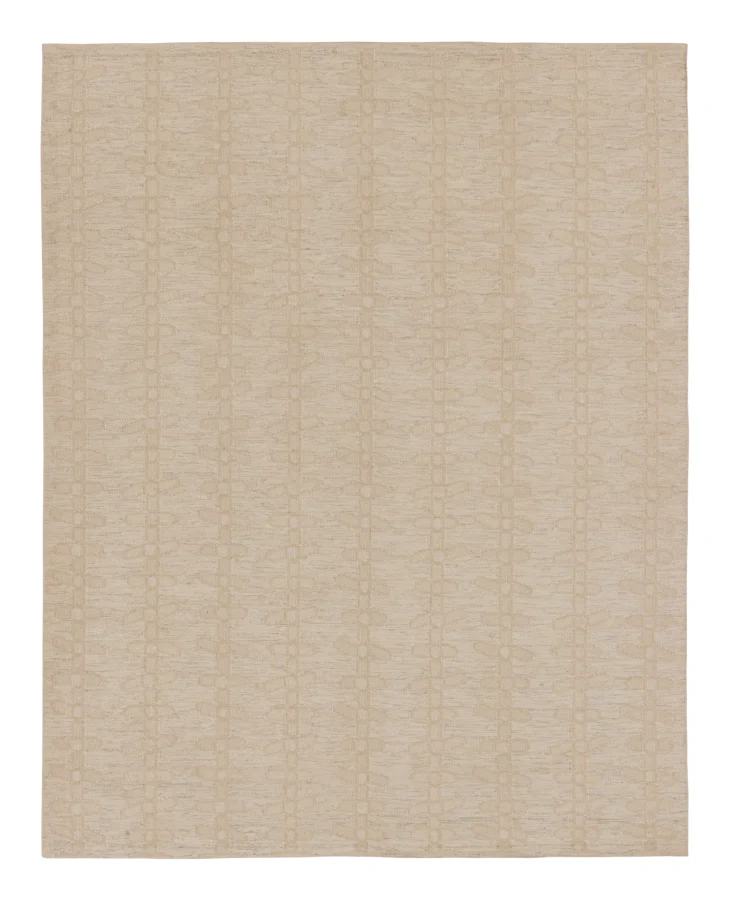
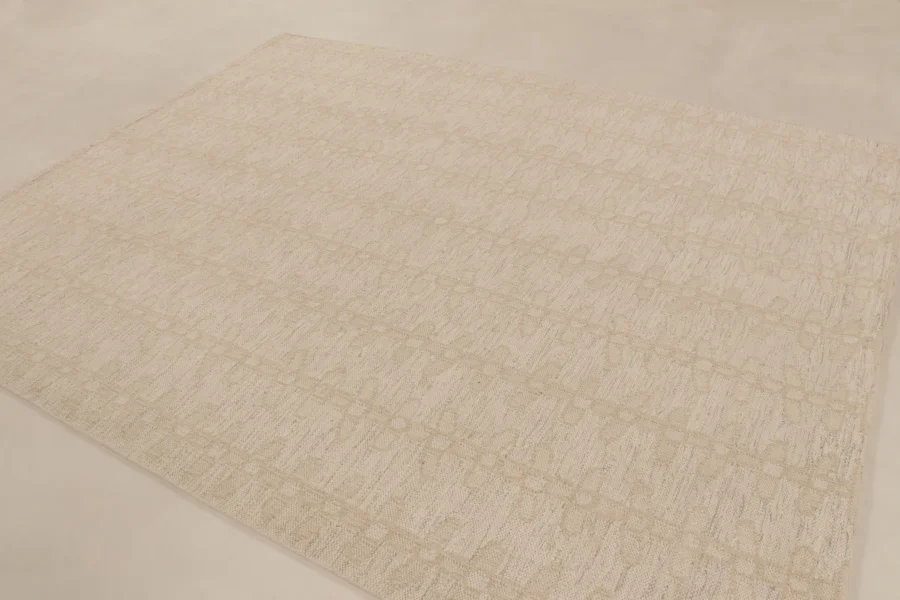 36413Rug & Kilim's Contemporary Scandinavian Flatweave Rug in Beige Geometric Grid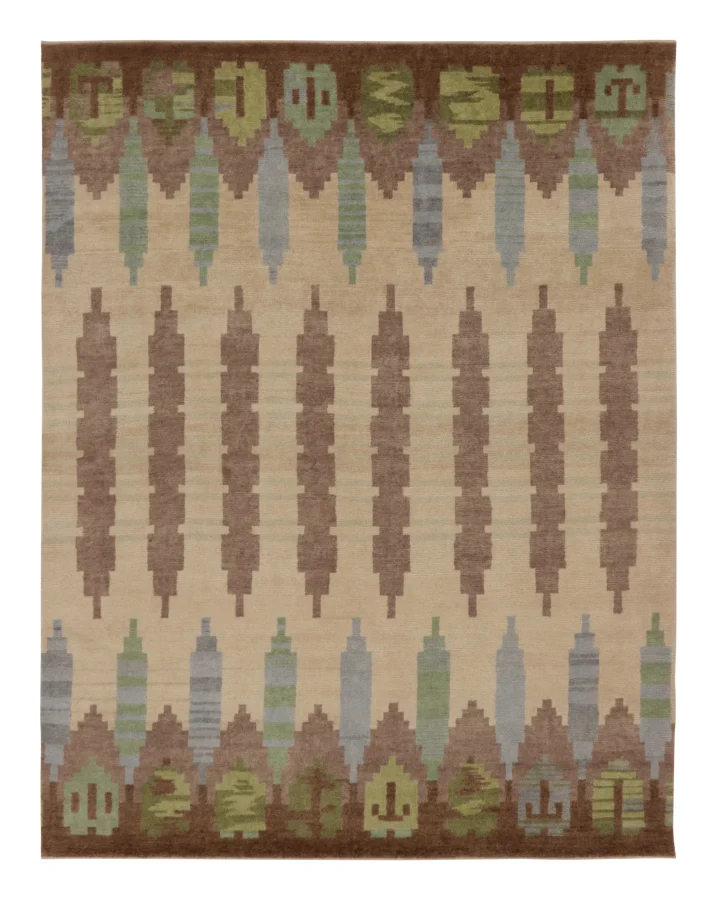
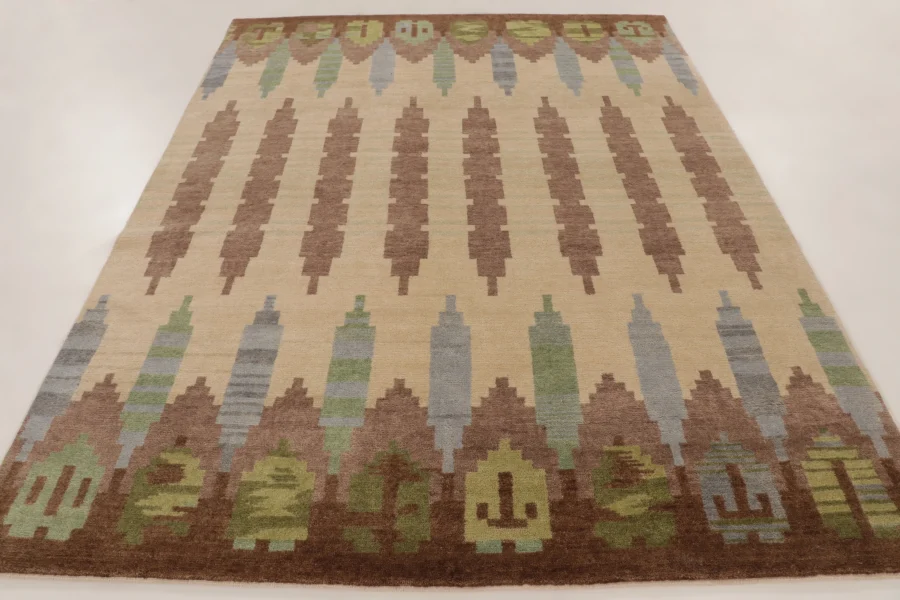 36270Rug & Kilim's Contemporary Scandinavian Geometric Rug in Beige, Green & Blue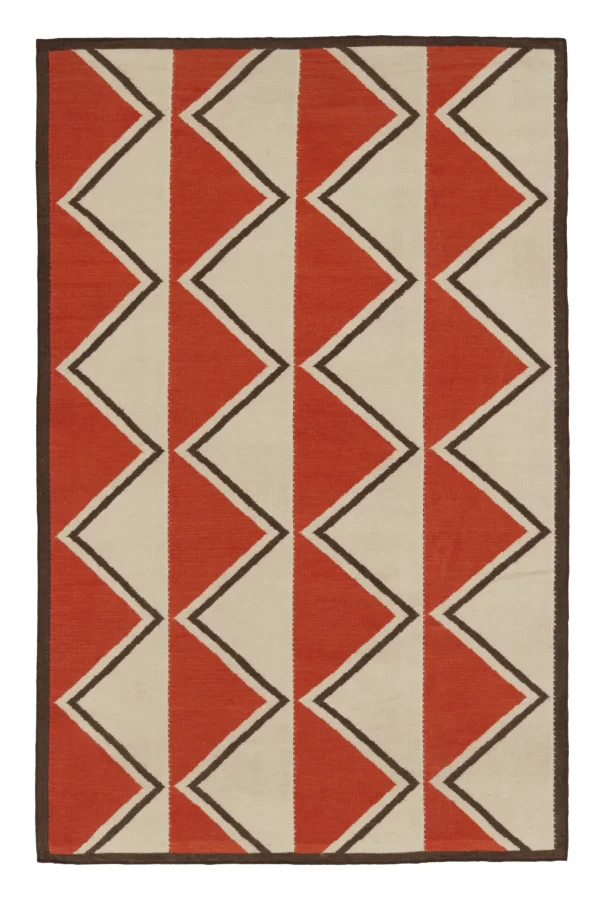
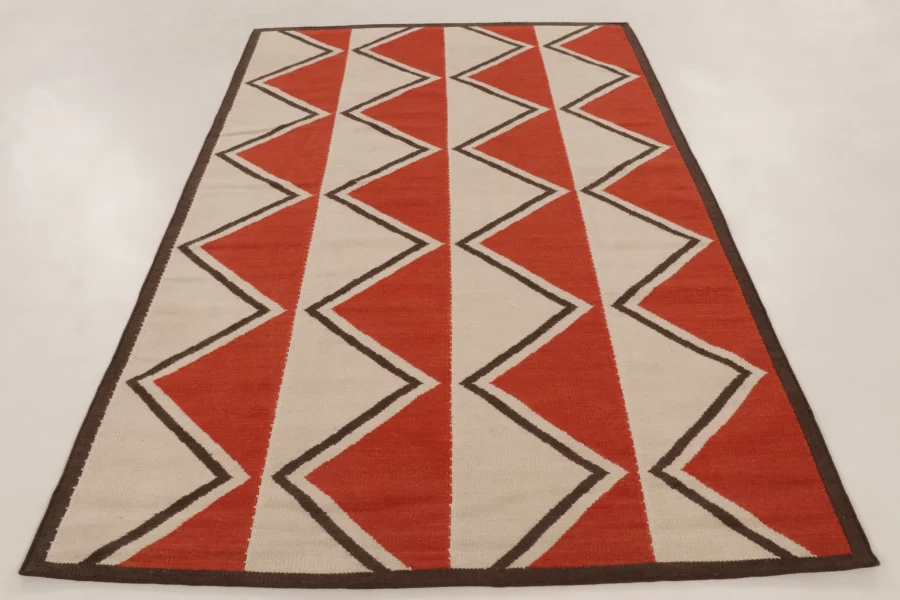 36459Rug & Kilim’s Contemporary Scandinavian Flatweave Rug with Rust Geometric Design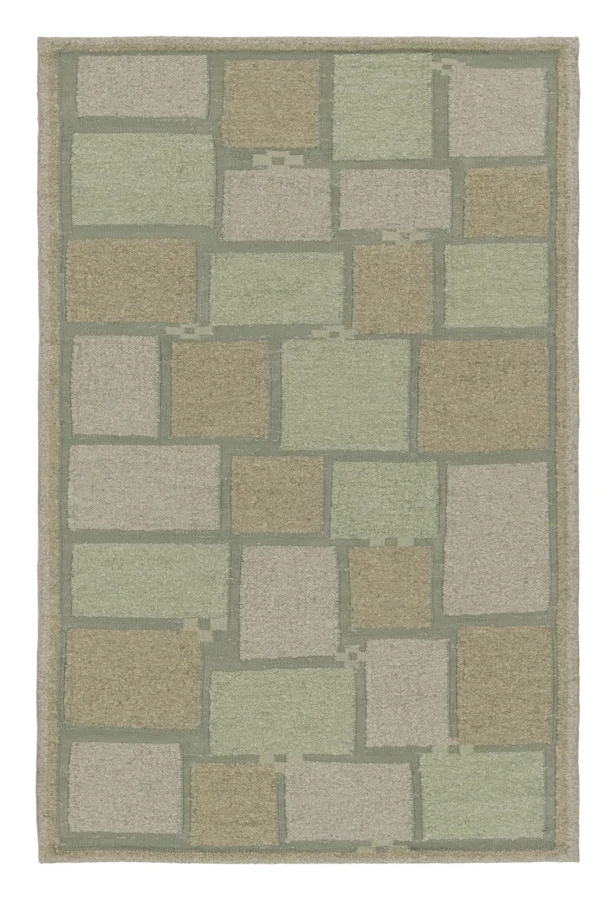
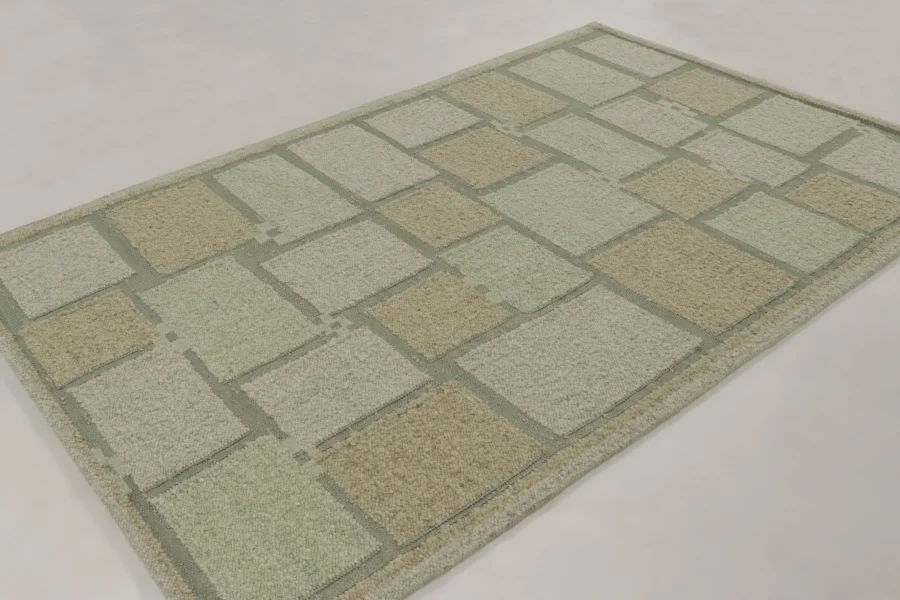 36434Rug & Kilim’s Contemporary Scandinavian Flatweave Rug with Mosaic Design in Sage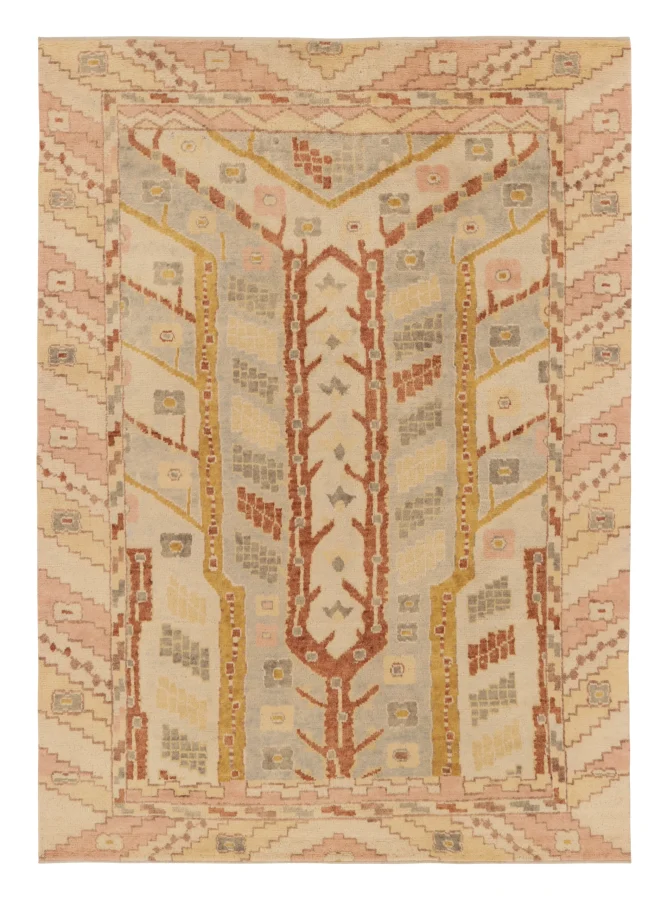
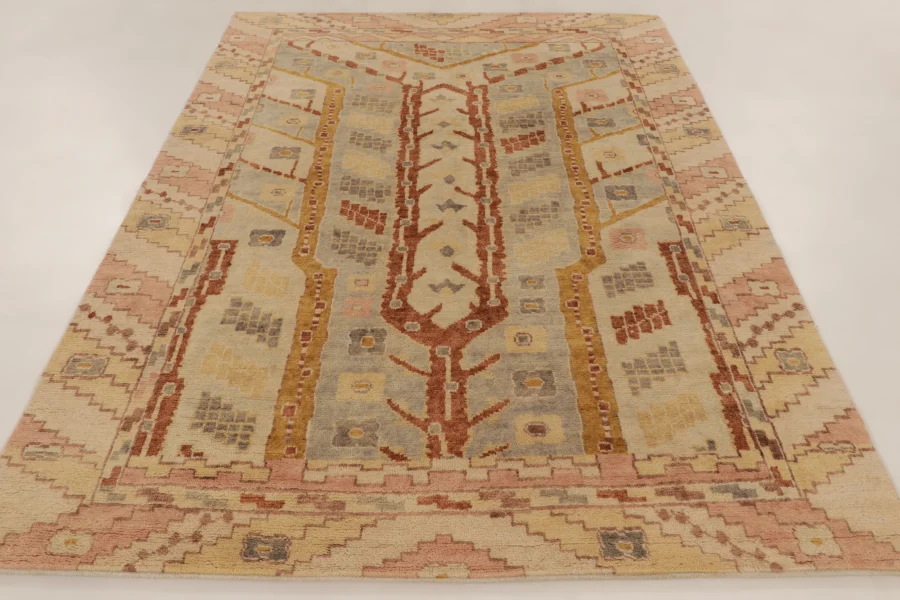 36289Rug & Kilim's Scandinavian Geometric Floral Rug in Polychromatic Tones & Design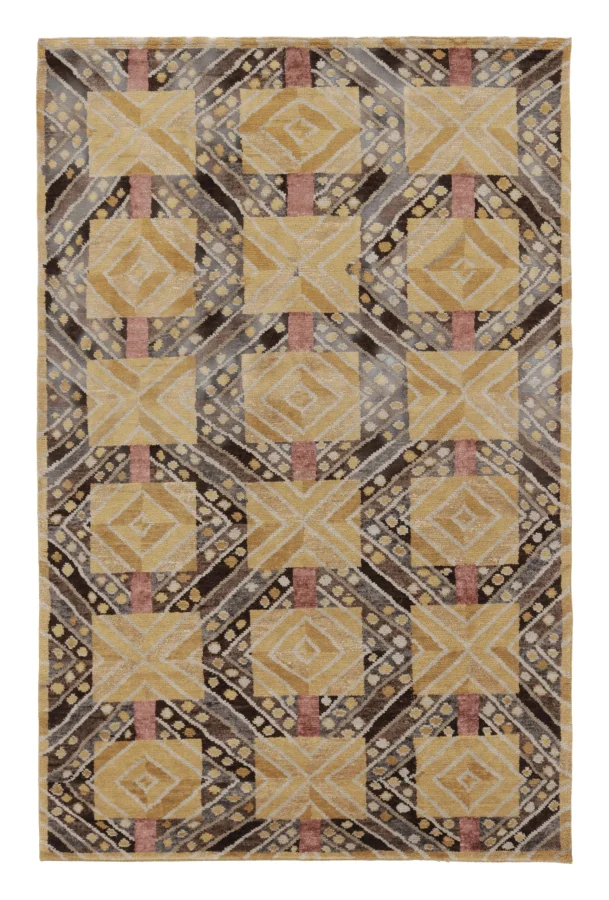
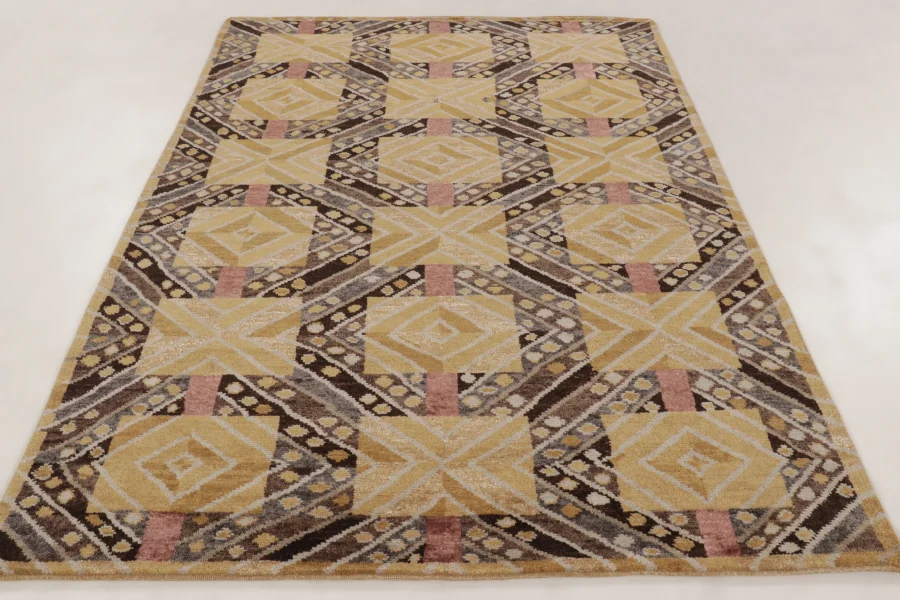 36275Rug & Kilim's Contemporary Scandinavian Rug in Gold & Brown with Geometric Design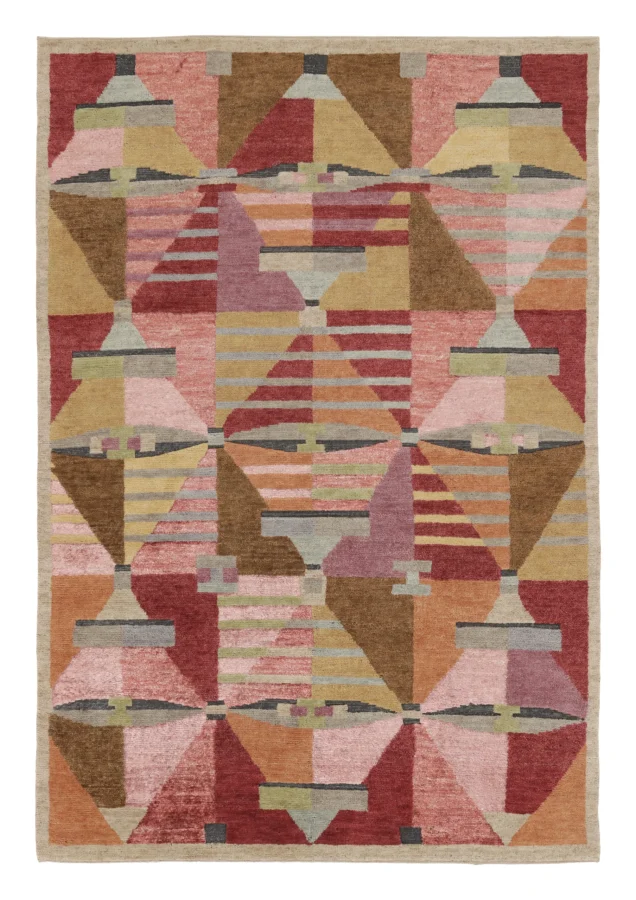
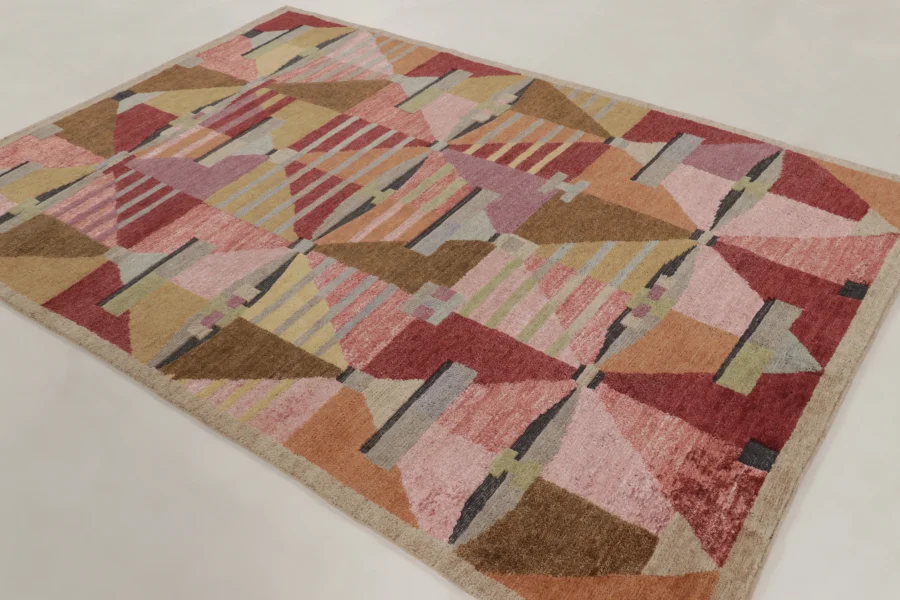 36258Rug & Kilim's Contemporary Scandinavian Rug in Gold & Brown with Geometric Design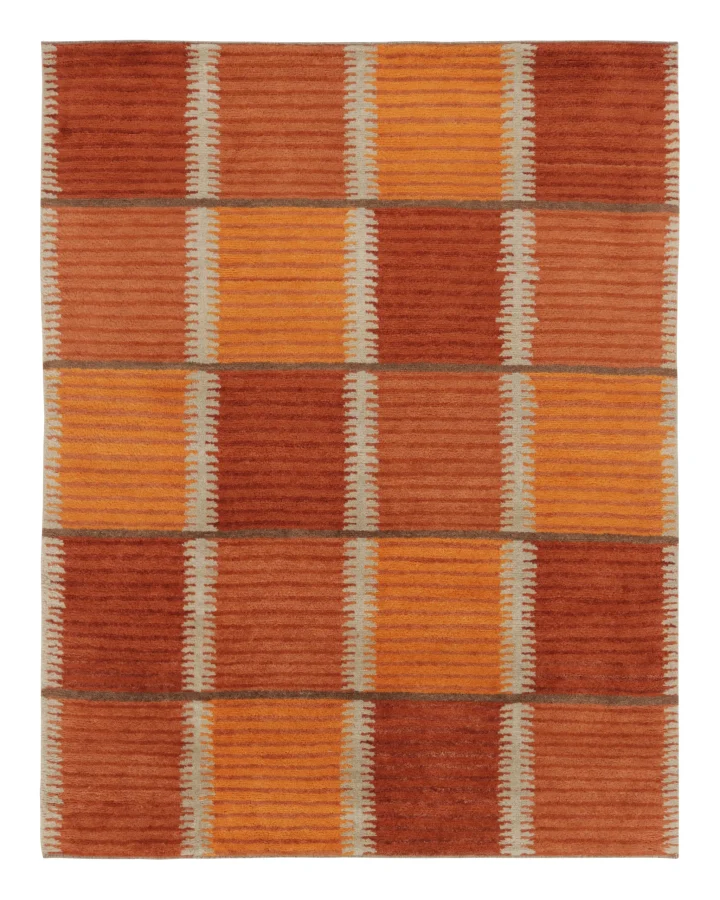
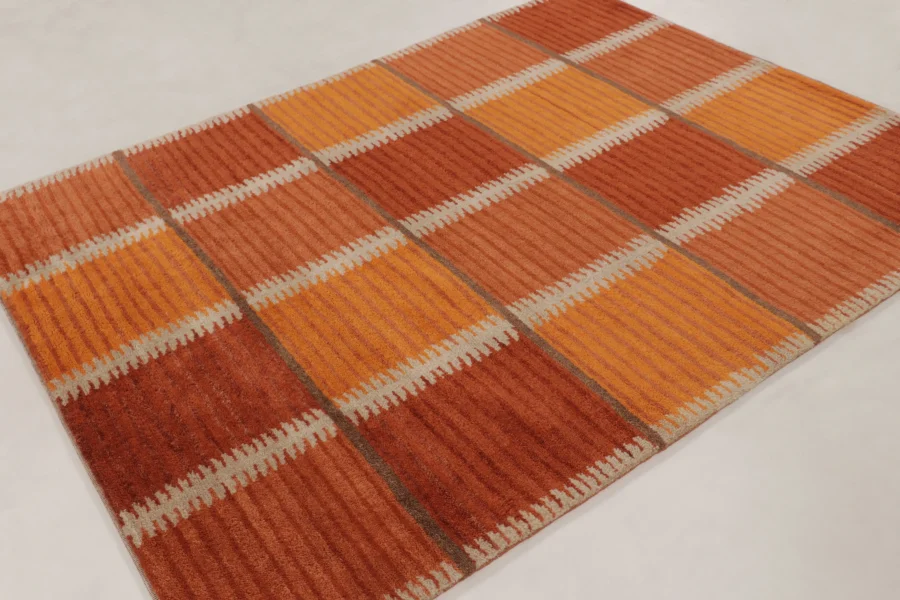 36254Rug & Kilim's Contemporary Scandinavian Rug in Warm Hues with Geometric Design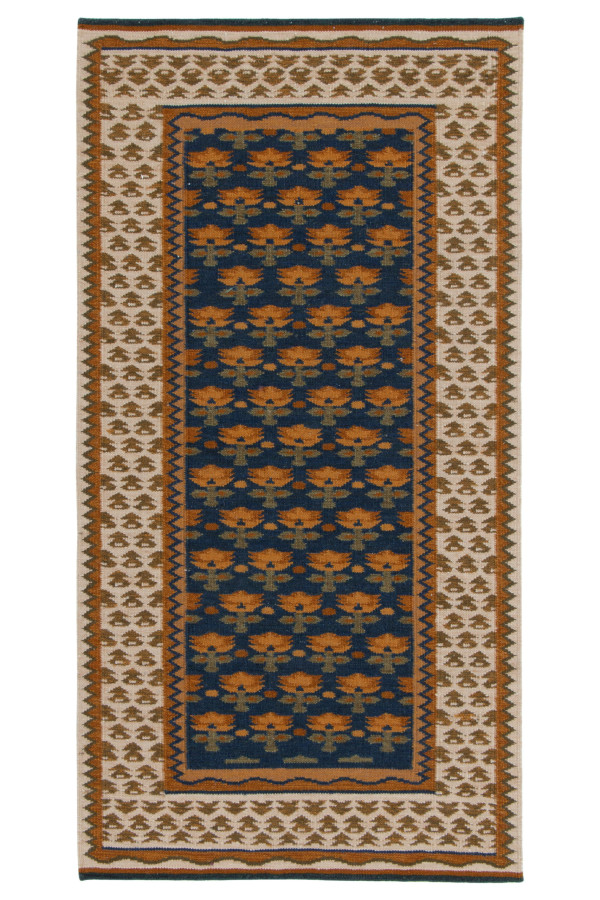
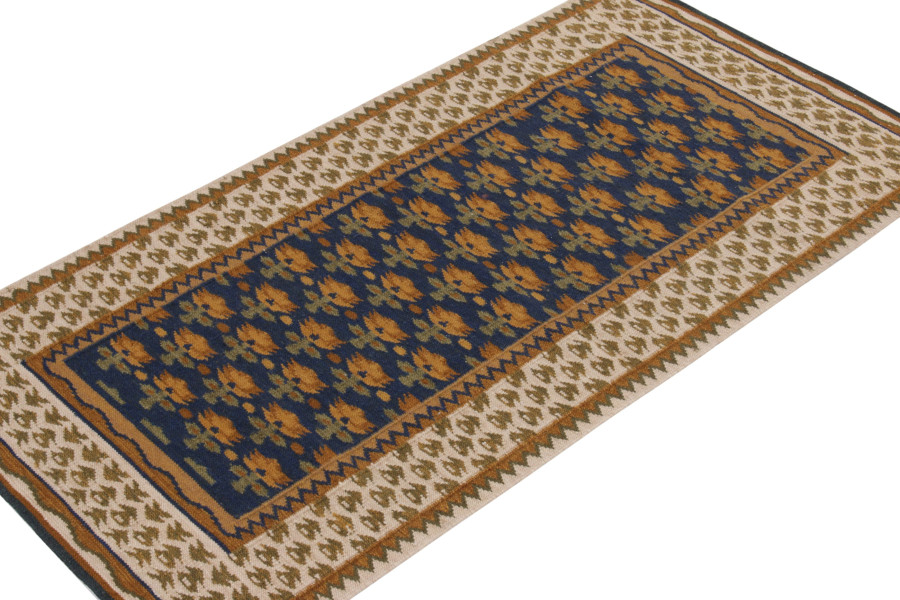 24392Rug & Kilim’s Contemporary Swedish Flatweave Runner with Floral Lattice in Brown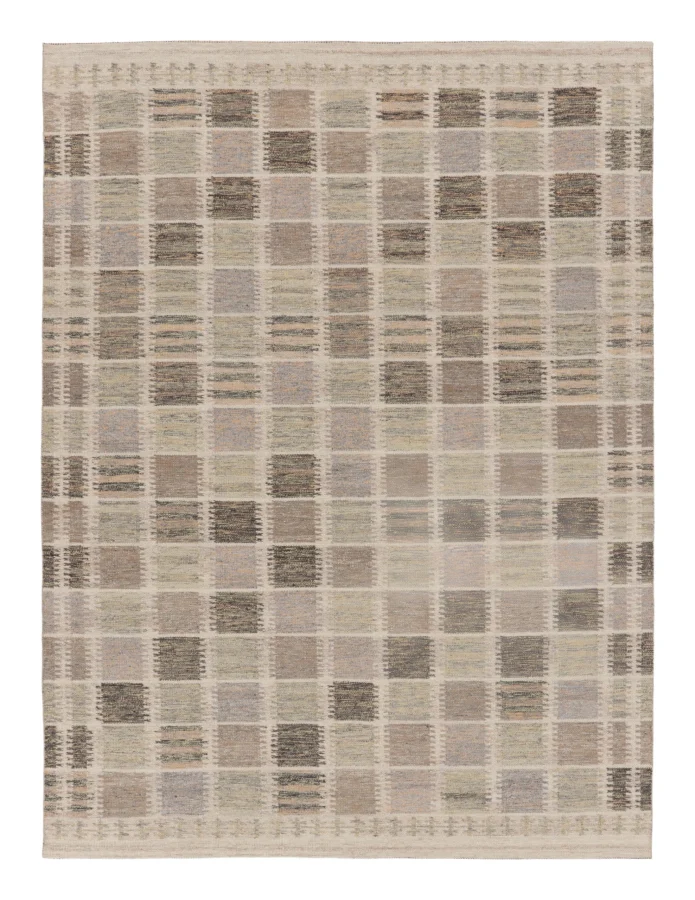
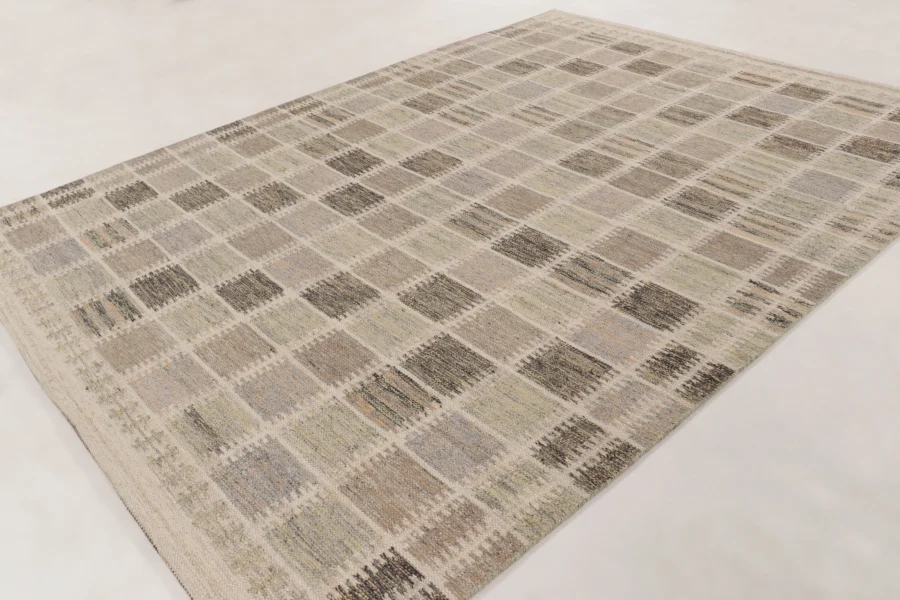 36439Rug & Kilim's Contemporary Scandinavian Kilim Rug with Beige Geometric Design
Stories from the Scandinavian Archive
Essays, artist dialogues, and provenance notes drawn from Rug & Kilim’s editorial desk.
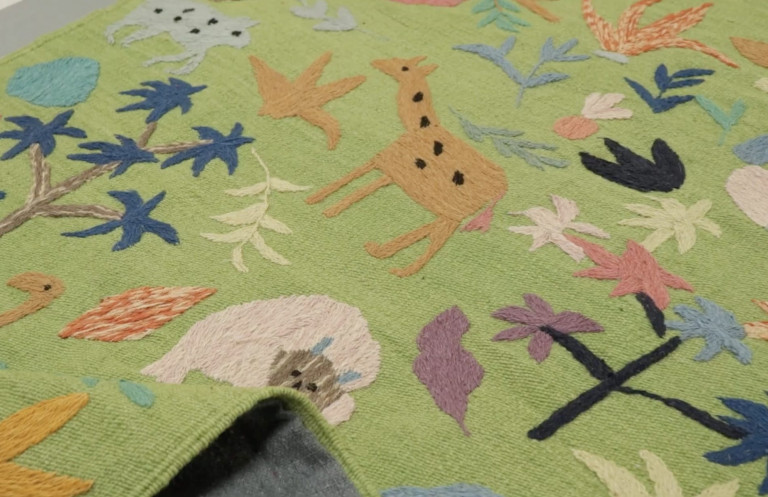
The Long Life of a Green: On Celery, Color of the Year, and the Four Centuries of Weaving That Anticipated It
Every year, the color world makes its pronouncement, and every year the design world turns to see what it has been given. For 2027, Sherwin-Williams has named Celery; a light, airy, herbal green with a yellow undertone, chosen, in the company's words, for a moment that prizes wellness, balance, and connection. It is a soft color with a quiet glow and a faint edge; it pairs, its makers note, with white for something breezy, with cranberry red for something playful, with brown for something elevated. It is, by any measure, a beautiful and intelligent choice. It is also a color the great weavers of the world have understood for four hundred years.
Read the Feature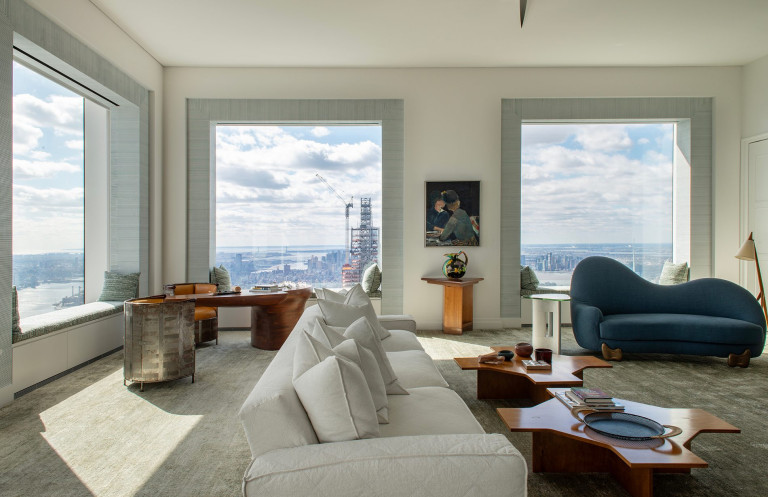
The New Luxury Is Something You Can Feel: Texture in the Modern High-End Interior
As featured in NEPTUNE Papers 10, Rug & Kilim’s custom hand-knotted silk carpet appears within a private Manhattan penthouse designed by renowned French interior architect Jacques Grange.View More Press Articles>> For the better part of two decades, the language of luxury was spoken in color and pattern. A room announced itself through what could be seen from across it like the saturated wall, the bold motif, the statement made at a glance. That language has quietly changed. The most considered interiors of this moment no longer announce but invite. And the medium of that invitation is not color, nor pattern, but texture, the one quality of a room that cannot be photographed, cannot be reproduced on a screen, and cannot be fully understood until one is standing inside it.
Read the Feature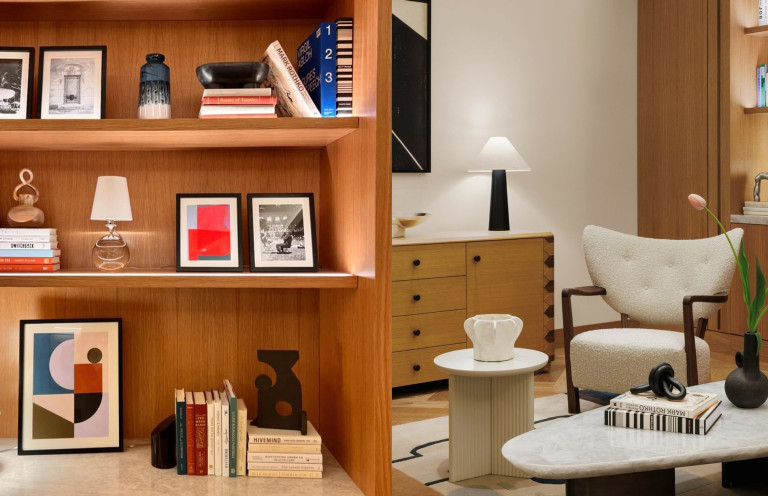
How Mid-Century Textile Artists Rewrote the Language of Art and Space Globally: A Lineage of Design Today
There is a particular kind of interior; rare, deliberate, and intellectually composed, where a rug does not decorate, but makes it art in itself. A residence overlooking Central Park, where glass and steel are softened not by excess, but by a singular woven field. A discreet apartment in Mayfair, where a tapestry holds the wall with the authority of painting. A villa in Cap Ferrat, where modernist furniture and mid-century textiles coexist with the quiet confidence of shared lineage. These are styled interiors. And at the center of many such spaces lies a quiet revolution that began in the mid-20th century, when textile artists stepped out of the decorative margins and into the intellectual core of modernism.
Read the Feature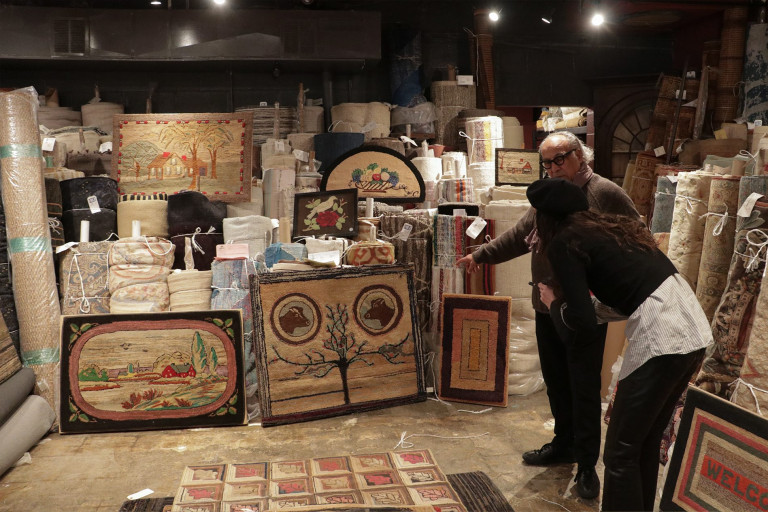
The Art of Appraisal: Inside Rug & Kilim’s Culture of Connoisseurship
Rug & Kilim Showroom — a house of woven gems, collected with intention. There is a difference between owning a rug and stewarding one. At Rug & Kilim, appraisal exists at the intersection of scholarship, diplomacy, and design history. To evaluate a textile at the highest level is to understand not only fiber and knot count but courts and ateliers, fashion houses and museums, auction rostrums and private salons. Because in truth, the greatest rugs and tapestries have always belonged to the same cultural tier as painting and architecture. A carpet signed by Jules Leleu does not simply carry a market price; it carries the intellectual weight of Paris between the wars. A tapestry attributed to Jean Lurcat is not merely woven wool; it is postwar Europe reasserting itself through myth and modernism. To appraise such works requires fluency not only in textile technique, but in art history, fashion, architecture, diplomacy—and the subtle codes of elite taste.
Read the Feature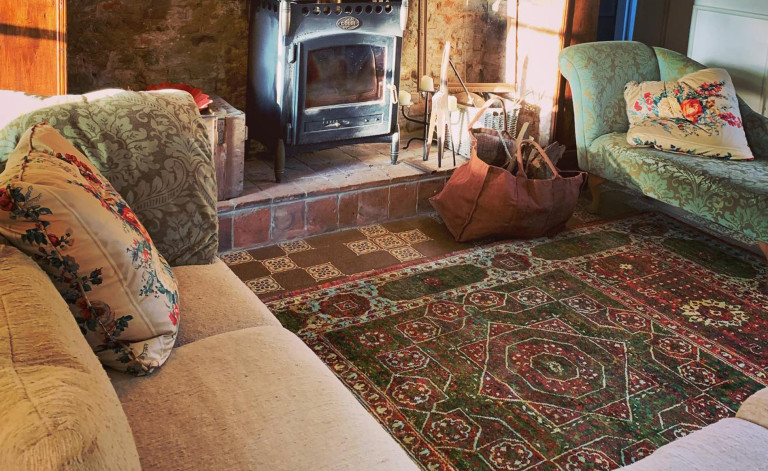
The Rug & Kilim Triad: Art, Fashion, Architecture — and the Anatomy of a Rug
In the most serious interiors, rugs are never decorative. They are structural, ideological, and curatorial. They anchor space, discipline movement, and quietly declare the intellectual posture of a room. At Rug & Kilim, this understanding has long been implicit. What has evolved—deliberately and over decades—is a working philosophy that treats rugs through a triadic lens: art, fashion, and architecture. Not as metaphors, but as functional disciplines that together explain how a rug operates in space. To understand a rug properly, one must understand how these three worlds intersect. Art: Composition, Gesture, and Intent Every rug begins as an act of composition. Whether a 16th-century Savonnerie, a mid-century Aubusson tapestry, or a contemporary Rug & Kilim abstract, the logic is painterly before it is practical. Line, mass, tension, negative space—these are artistic decisions.
Read the Feature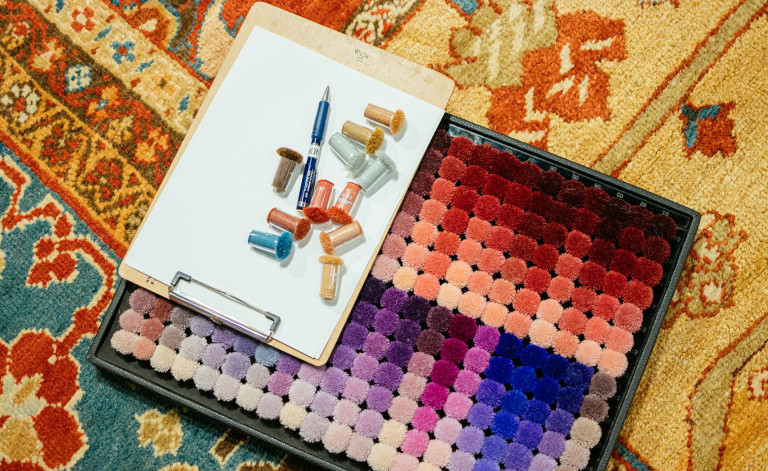
Color, Craft, and the New Language of Joyful Luxury in Rug & Textile Design: The Dopamine Décor Trend
As “dopamine décor” sweeps across contemporary interiors, color is no longer merely an accent — it is a strategy, a psychology, and a revival of age-old textile traditions. From Anatolian kilims to Bauhaus tapestries and modern hand-woven artworks, color has always carried emotional intelligence. Today, as designers embrace vibrant palettes with renewed literacy, Rug & Kilim reflects on the historical, artisanal, and cultural roots of this chromatic renaissance. Dopamine décor simply reminds us why humans have always woven joy into cloth. The Global Rise of Dopamine Décor—And Why It Matters to the Textile World Dopamine décor, the design philosophy centered on colour-driven emotional uplift, has dominated recent discussions in luxury interiors. Unlike fleeting microtrends, its foundation lies in behavioural psychology: the understanding that saturated hues and expressive materials can elevate a room, energize mood, and create a sense of personal freedom.
Read the Feature