
The Museumification of Rugs: How Institutions Decide What Becomes “Art”
December 1, 2025
The Rug & Kilim Triad: Art, Fashion, Architecture — and the Anatomy of a Rug
December 17, 2025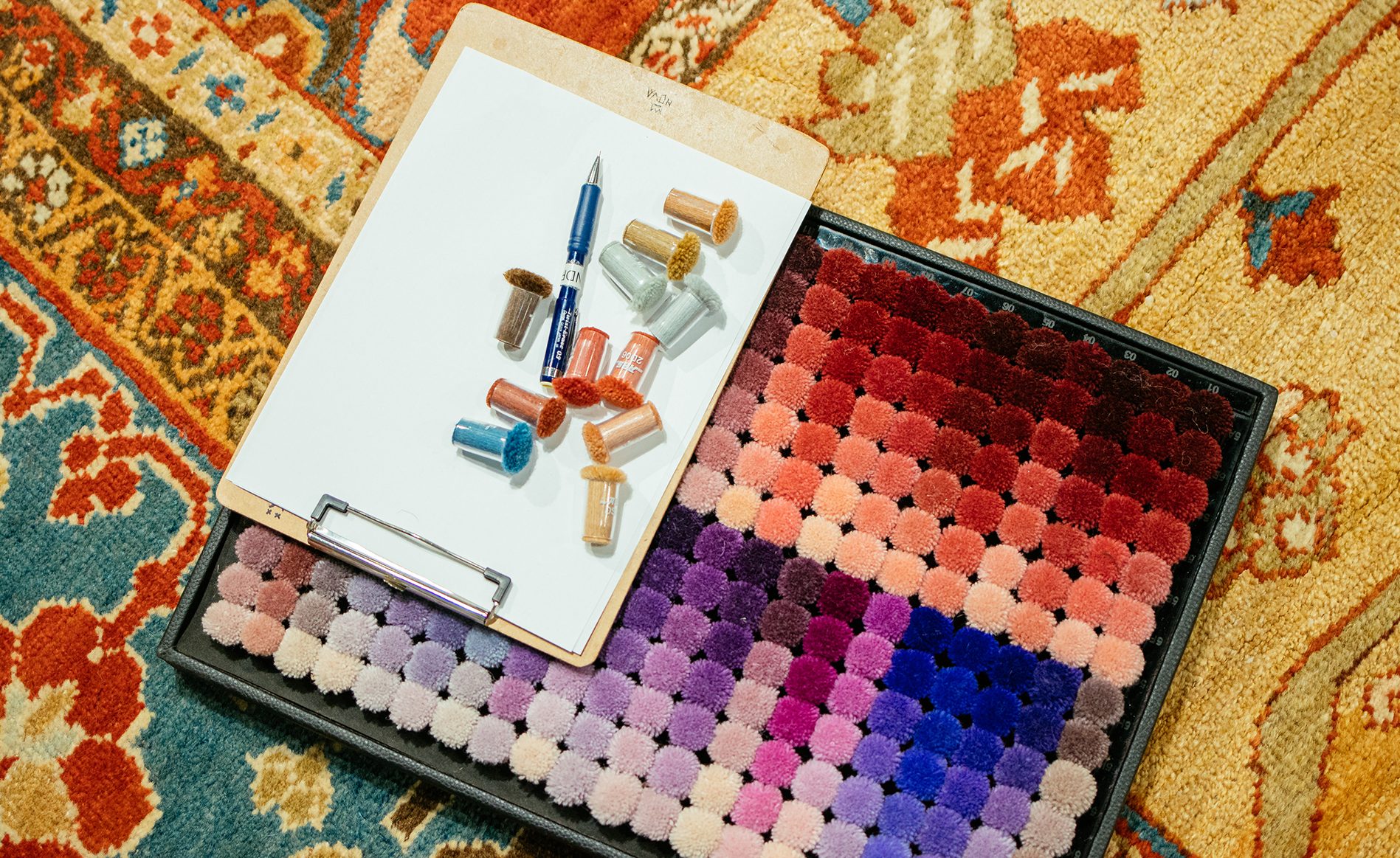
R&K Showroom
As “dopamine décor” sweeps across contemporary interiors, color is no longer merely an accent — it is a strategy, a psychology, and a revival of age-old textile traditions. From Anatolian kilims to Bauhaus tapestries and modern hand-woven artworks, color has always carried emotional intelligence. Today, as designers embrace vibrant palettes with renewed literacy, Rug & Kilim reflects on the historical, artisanal, and cultural roots of this chromatic renaissance.
Color isn’t trend—it’s heritage.
Dopamine décor simply reminds us why humans have always woven joy into cloth.
The Global Rise of Dopamine Décor—And Why It Matters to the Textile World
Dopamine décor, the design philosophy centered on colour-driven emotional uplift, has dominated recent discussions in luxury interiors. Unlike fleeting microtrends, its foundation lies in behavioural psychology: the understanding that saturated hues and expressive materials can elevate a room, energize mood, and create a sense of personal freedom.
But to specialists in textile history, dopamine décor is not new. It is a continuation of something humanity has known for thousands of years — that color and craft are inseparable from the human emotional experience.
Rug & Kilim’s own archive reflects this lineage. From nomadic tribal palettes to Scandinavian modernism’s colour experiments, we see dopamine décor as part of a deeper, richer conversation: how we translate culture, memory, and identity into the woven surface.
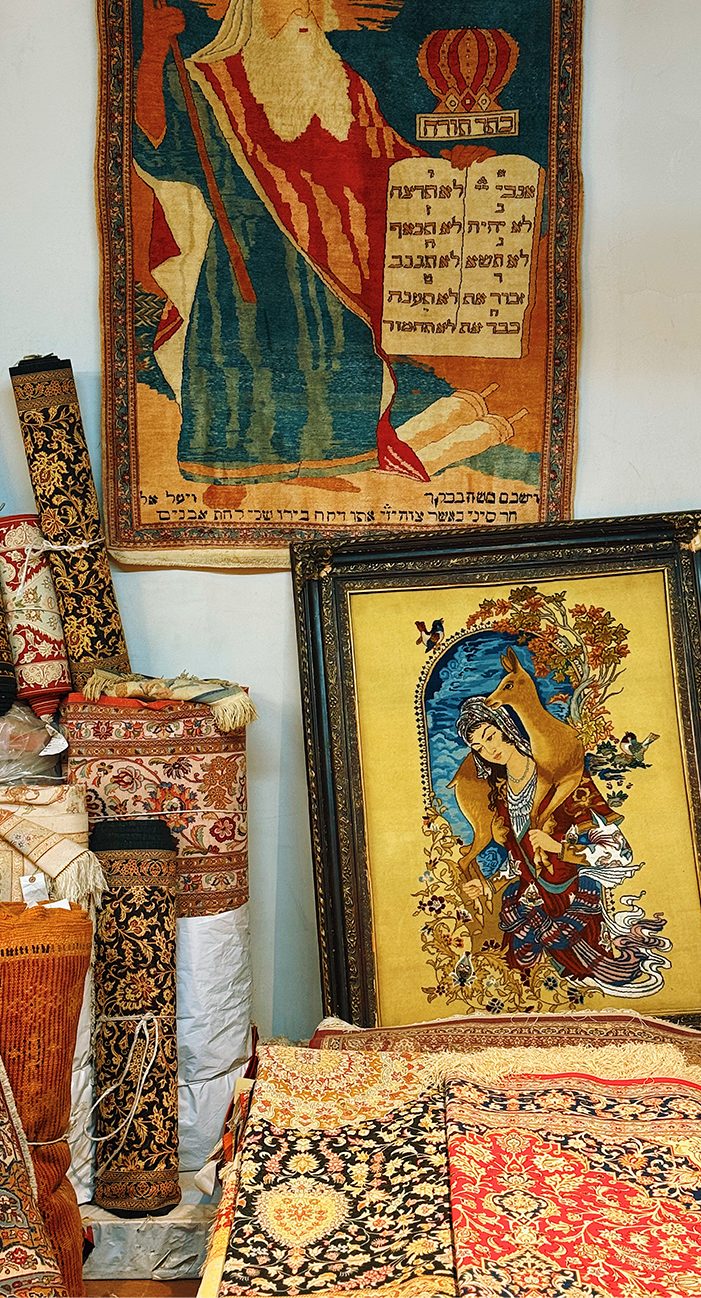
Color as Culture
Long before colour theory entered design schools, dyers and weavers around the world developed intuitive chromatic systems:
Anatolia & Persia: The First Dopamine Weavers
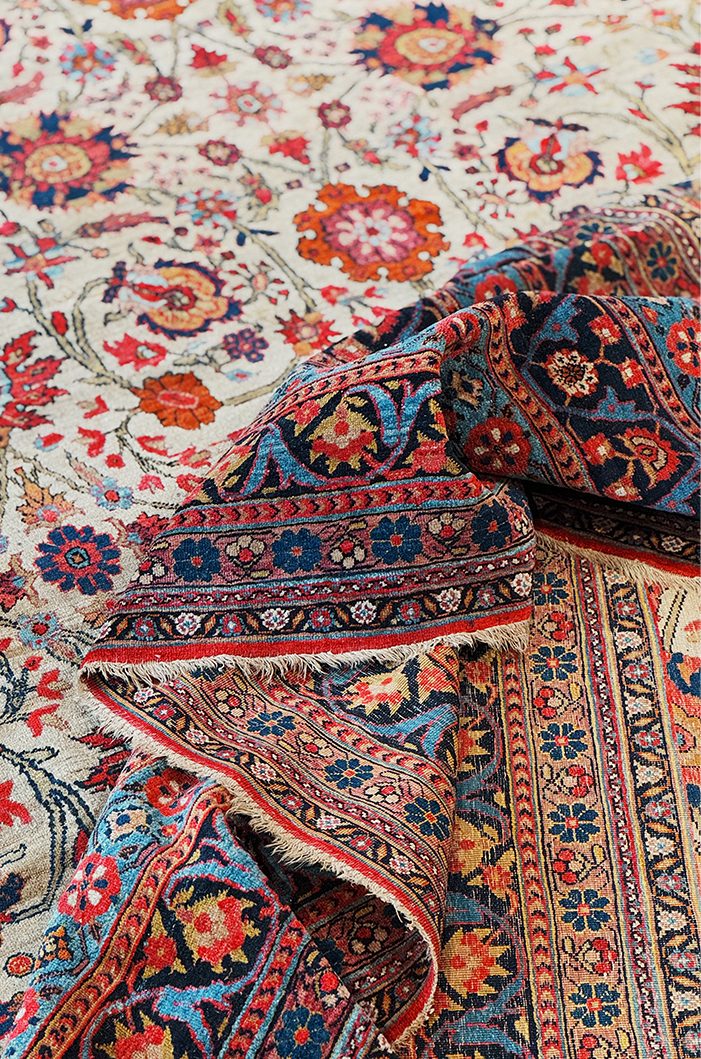
Rich cinnabar reds, indigoes, saffron yellows, pistachio greens — the Middle Eastern rug tradition has always used color to encode emotions and tribal identity.
Red signified vitality and protection.
Blue symbolized spirituality and cosmic safety.
Yellow and gold captured prosperity and light.
These palettes weren’t merely decorative; they were early forms of emotional architecture.
Bauhaus, Modernism, and the Chromatic Rebellion
Fast-forward to the early 20th century when Gunta Stölzl and Anni Albers redefined the loom as an experimental canvas. Their tapestries and textiles used strong primaries and bold contrasts — a deliberate reaction against the neutrals of industrial modernity.
This rebellion, at its heart, is the same spirit driving dopamine décor today:
colour as liberation.
African, Indian, and Mesoamerican Weaving Traditions
Across continents, color served as a social signal and an ecological expression. Natural dyes — indigo, cochineal, madder, turmeric — not only defined aesthetic identity but reflected local landscapes and spiritual beliefs.
Dopamine décor merely reframes what global artisans have practiced for centuries: joy as a design principle.
Psychology and Craft: Why Color Works
Dopamine décor is grounded in the neuroscience of chromatic response.
Warm hues (reds, golds, corals) activate energy, appetite, vibrancy.
Cool hues (teals, lapis, emeralds) soothe and rebalance.
Neon and saturated pastels ignite creativity and play.
But in luxury textiles, application matters. A well-composed color palette is not just mood-enhancing — it creates spatial clarity, material depth, and narrative coherence.
Rug & Kilim’s award-winning designers have long championed this approach: color used intelligently rather than impulsively, weaving emotional resonance into sophisticated, lasting interiors.
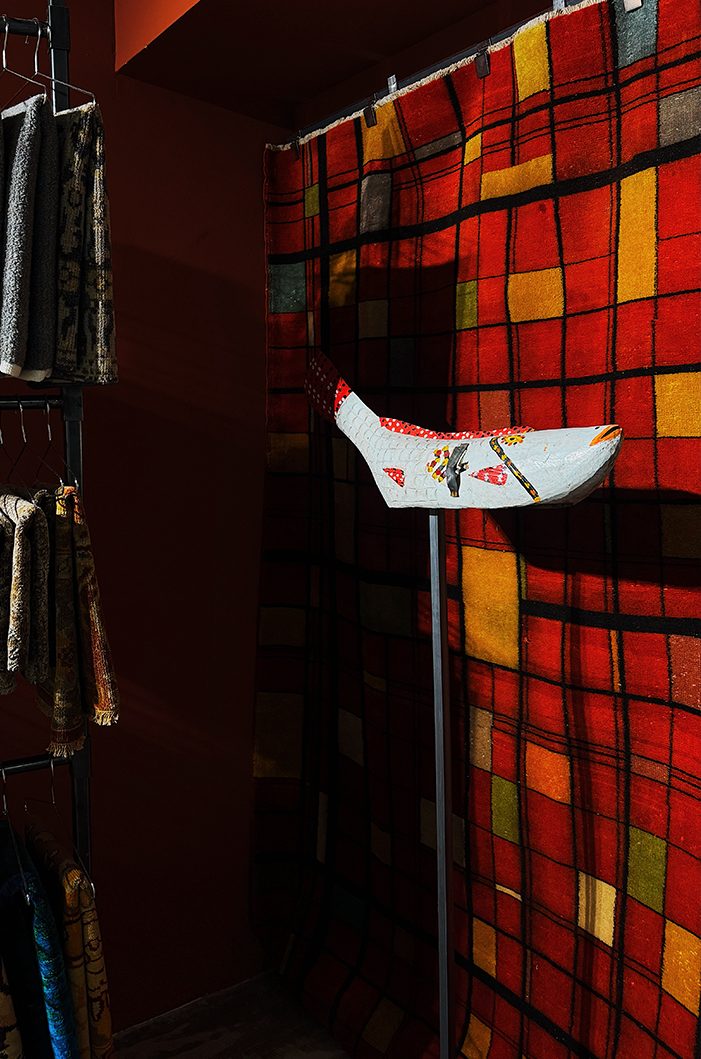
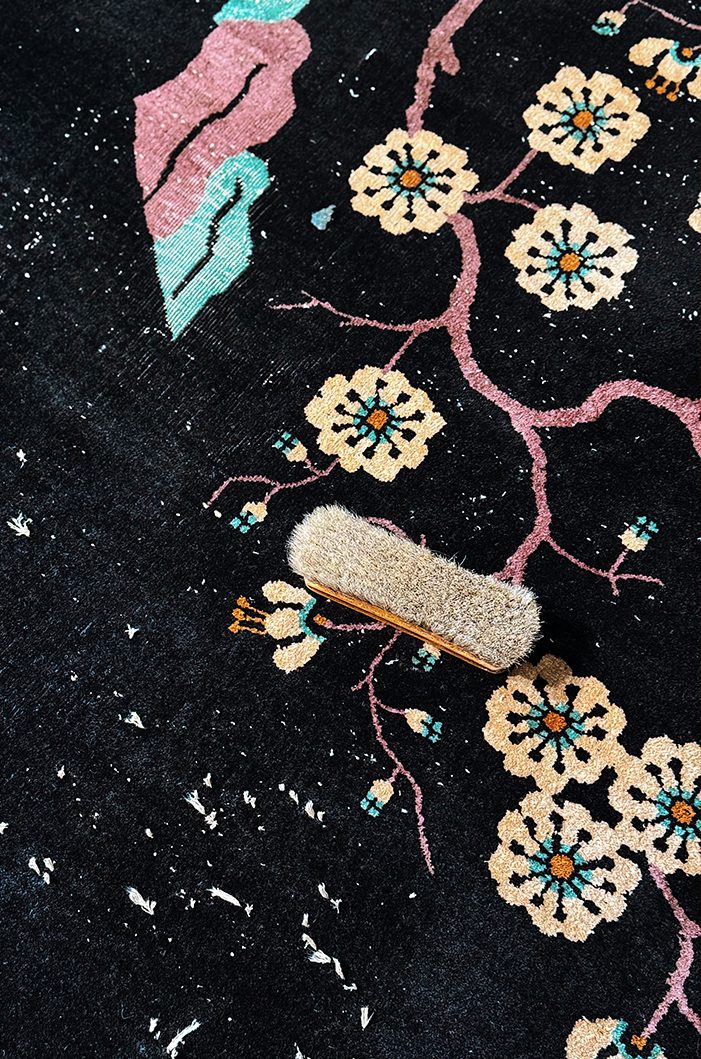
Contemporary Luxury: Dopamine Decor’s Maturity in 2025
The era of maximalist chaos is over. Today’s dopamine décor is curated, architectural, and collected.
What Today’s Clients Want
Expressive but refined palettes — rich aubergines, marigolds, petrol blues, rose madder, citrus ochres.
Art-meets-functionality — rugs and tapestries doubling as sculptural focal points.
Craft pedigree — hand-woven, ethically sourced, artist-led editions.
Emotional specificity — pieces that feel personal, symbolic, joyful.
This aligns directly with Rug & Kilim’s design ethos:
heritage techniques, modern vision, and human-centered storytelling.
Crafting Joy with Authority
Dopamine décor isn’t simply about “bright rugs.”
It’s about using color as craftsmanship, colour as culture, and color as character.
What sets Rug & Kilim apart:
We draw from a global, scholarly understanding of color in historic textiles.
Our custom looms allow designers to translate personal palettes into sophisticated, collectible pieces.
Our contemporary collections employ nuanced dyeing techniques that produce museum-grade saturation, not trend-based novelty.
Our archive references multiple eras — tribal, Scandinavian, modernist, minimalist — ensuring that every colorful rug has lineage, narrative, and intentionality.
In other words, dopamine décor becomes emotional luxury in the hands of experts.
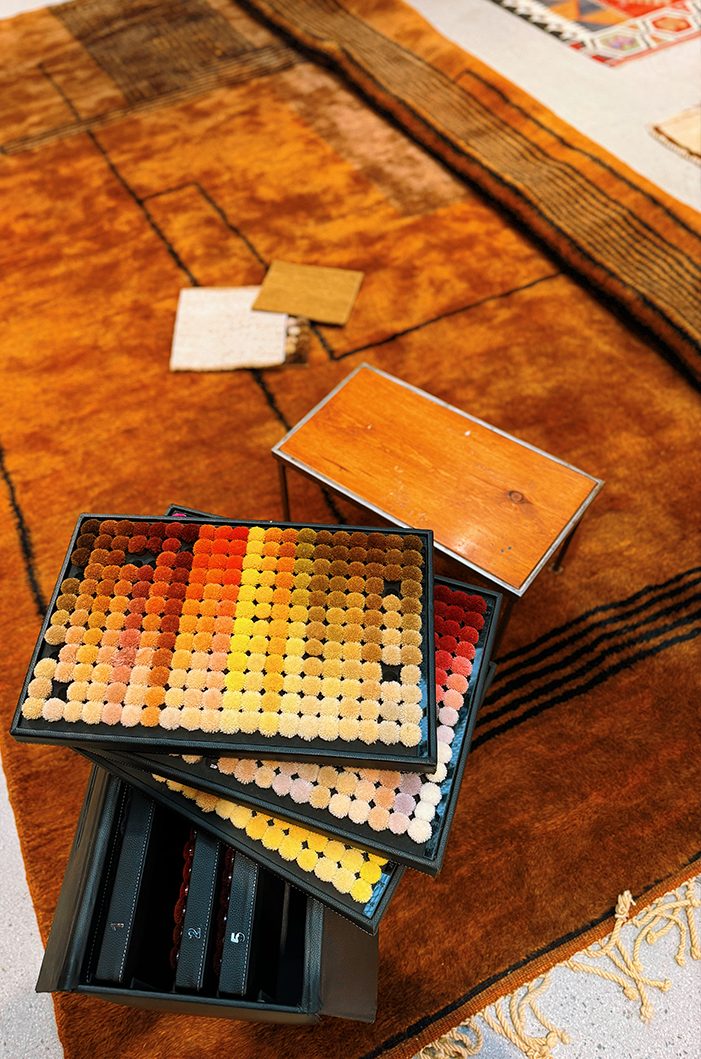
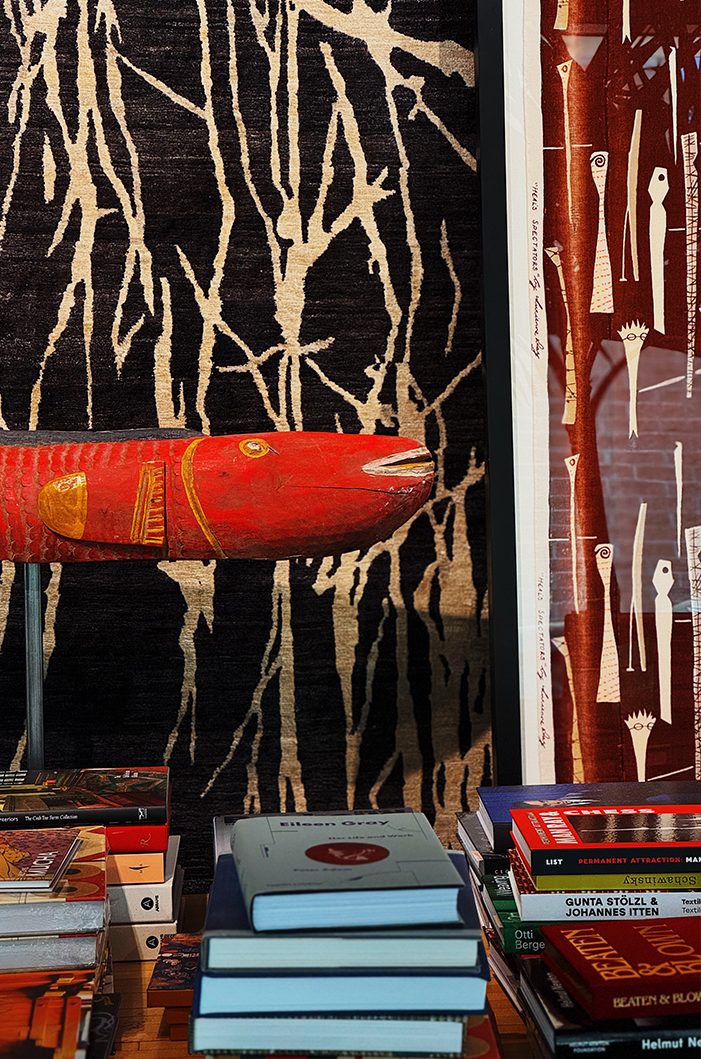
How To Incorporate Dopamine Décor Using Rugs & Tapestries
1. Start with the floor — the chromatic anchor
A boldly colored rug sets the emotional register for the room while grounding the architecture.
2. Use tapestry as sculptural color
Wall-hung textiles offer vertical joy, depth, and art-historical sleekness — far more elegant than paint alone.
3. Combine saturated hues with tactile materials
Wool, mohair, silk, and alpaca absorb dyes differently, producing multidimensional color that digital trends cannot imitate.
4. Think in families of color rather than isolated accents
A dopamine interior works because colors are in dialogue — not shouting individually.
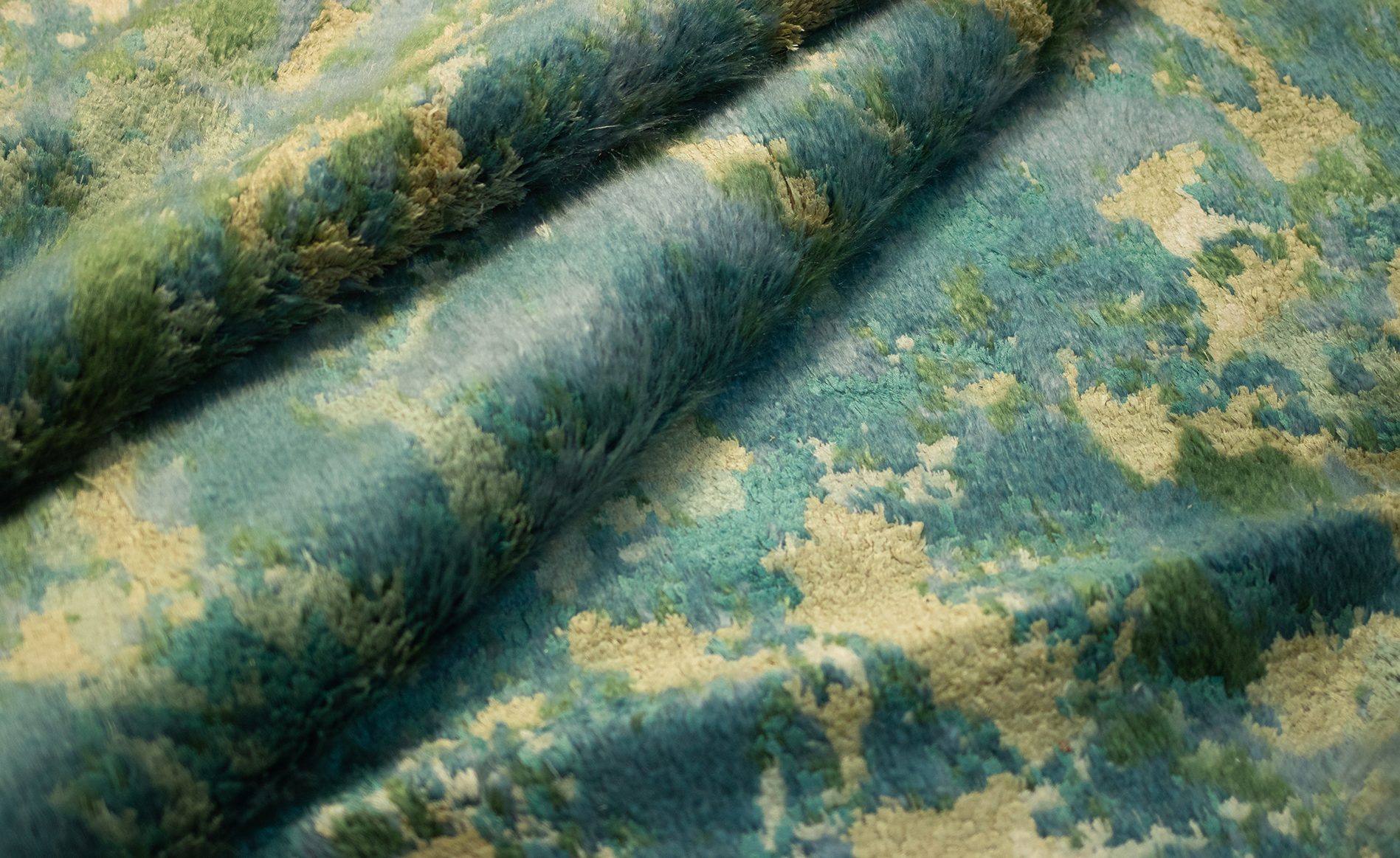
The Future: Dopamine Décor as Heirloom Craft
As the global design world shifts toward meaningful luxury, dopamine décor becomes a bridge between ancient dye traditions and modern emotional design.
The trend will mature not through louder palettes but through deeper storytelling — something woven textiles are uniquely built to carry.
At Rug & Kilim, we believe the future of dopamine décor lies not in trend-chasing but in heritage-informed color mastery — a philosophy we bring to every contemporary rug, bespoke commission, and curatorial collection.