
The Art, Politics, and Design of Peking Rugs: From Qing Palaces to Contemporary Interiors
August 29, 2025
Rug of the Week IV: Mandaroux’s Le Carnaval — A Mid-Century Aubusson Tapestry in the Age of Postwar Reinvention
September 5, 2025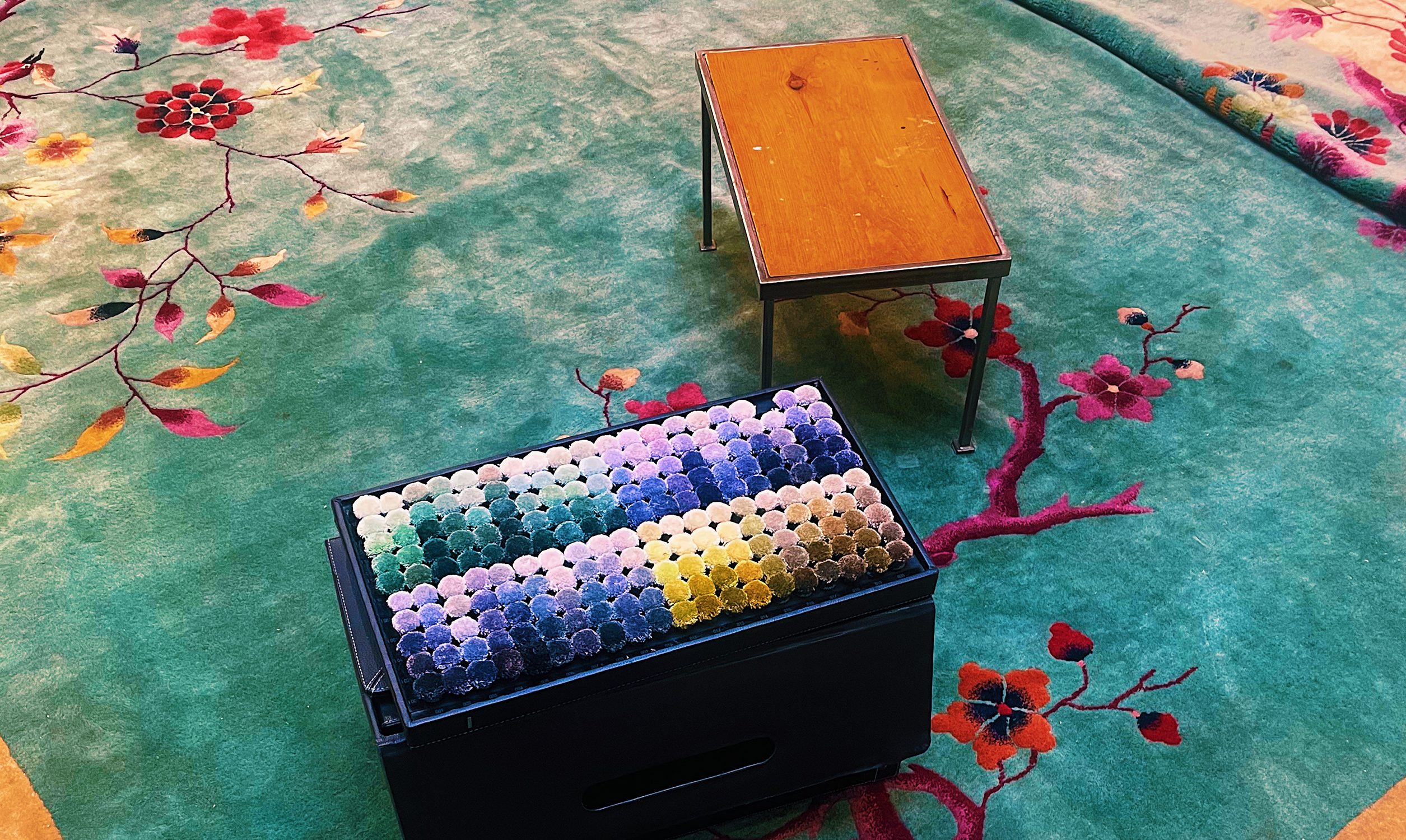
Rug & Kilim Showroom
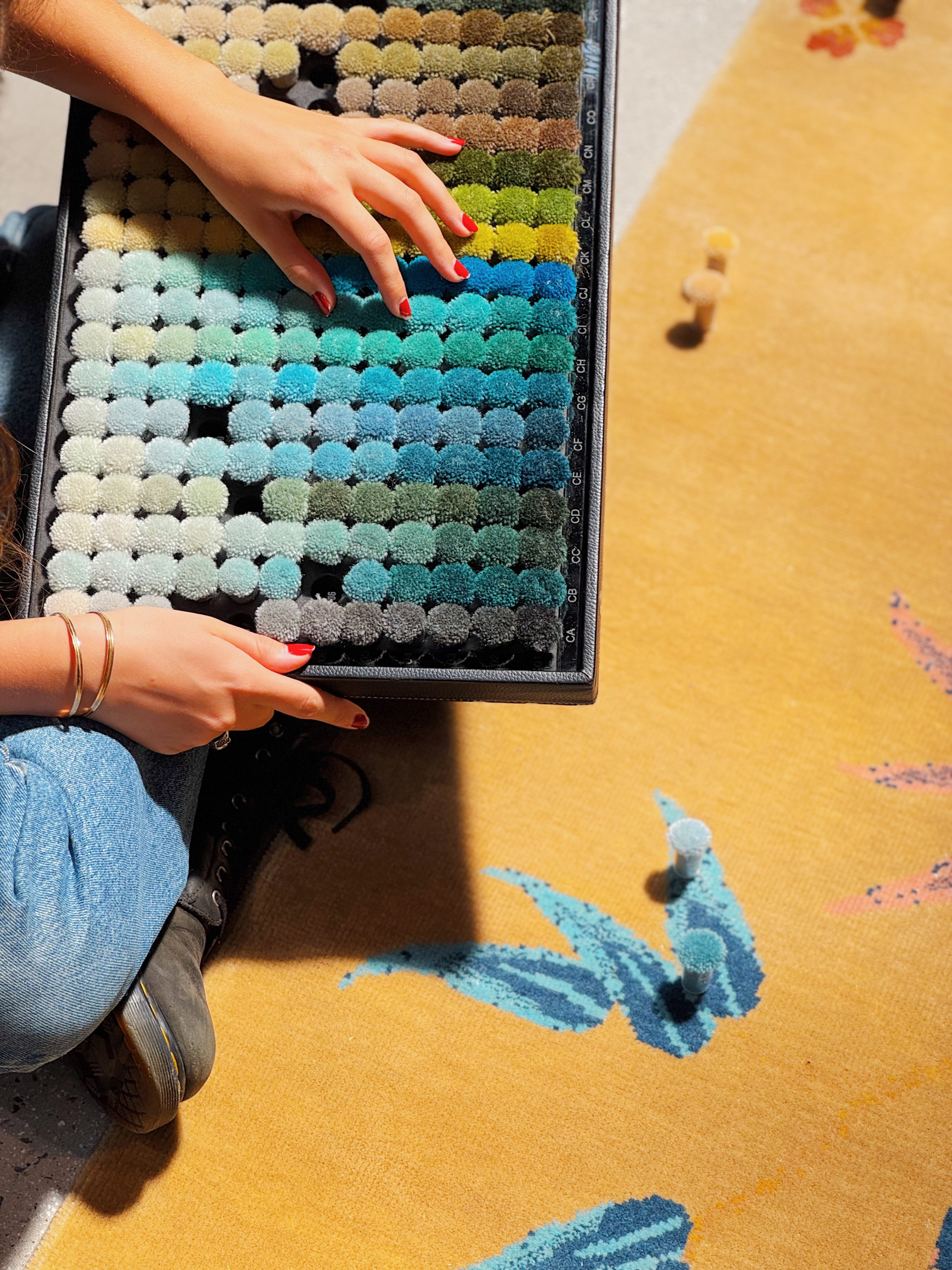
Color in rugs has never been neutral. The shades that suffuse carpets — indigo blues, cochineal reds, madder browns, saffron yellows — are more than decorative decisions. They are residues of diplomacy, markers of empire, and the evidence of global networks of exchange.
To trace the dyes of rugs is to trace the political economies of trade, colonial ambition, and cultural symbolism. From Persian bazaars to European ateliers, from Qing workshops to Anatolian tribal looms, the politics of color is an intricate part of textile history.
The Power of Indigo in Rugs: Monopolies and Empires
Indigo, the dye that rendered Chinese Peking rugs in their profound blues and colored Persian carpets with celestial depth, was once the lifeblood of empires. For centuries, India dominated indigo cultivation, with Bengal’s plantations feeding global markets. The British East India Company leveraged indigo as both a commodity and a tool of control, fueling colonial exploitation and sparking resistance — the Indigo Revolt of 1859 being one such outcome. Within rugs, indigo symbolized prestige and endurance, as its colorfastness outlived many natural pigments. A Persian indigo field was not merely aesthetic; it was a statement of access to trade networks under imperial scrutiny.
Cochineal: Crimson Across Continents
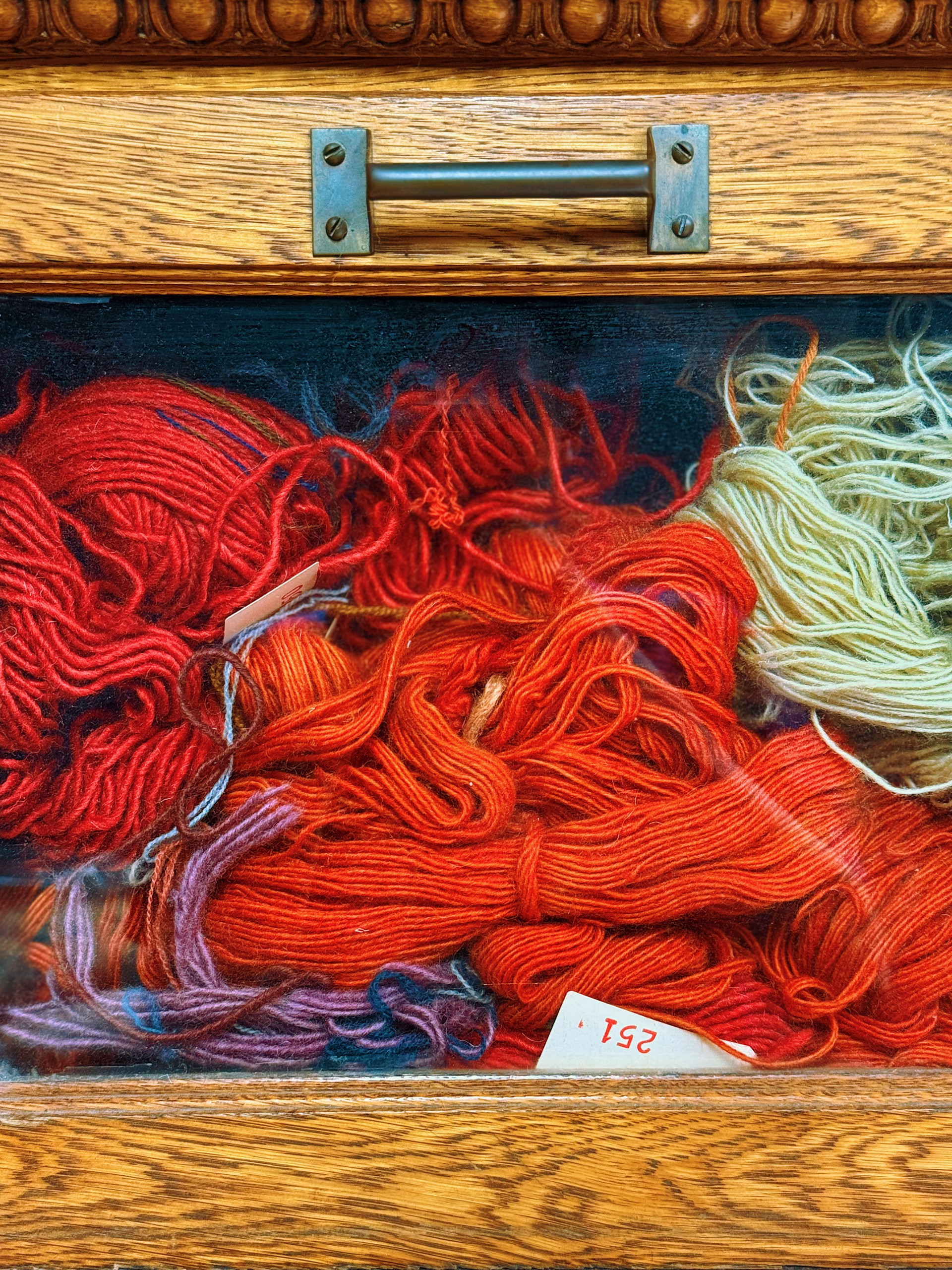
The intense red found in certain 17th- and 18th-century Anatolian and Safavid carpets often owes its brilliance to cochineal, the insect-based dye sourced from Mexico and later monopolized by the Spanish Empire. Once smuggled into Europe, cochineal became a diplomatic currency, traded in markets from Isfahan to Istanbul.
Collectors today can still identify cochineal-based reds in the shimmering tones of early Anatolian Holbein carpets or in Safavid masterpieces. The politics of this dye was unmistakable: control over cochineal equated to influence over global luxury markets, its crimson as prized as gold.
Madder and the Local Economies of Red
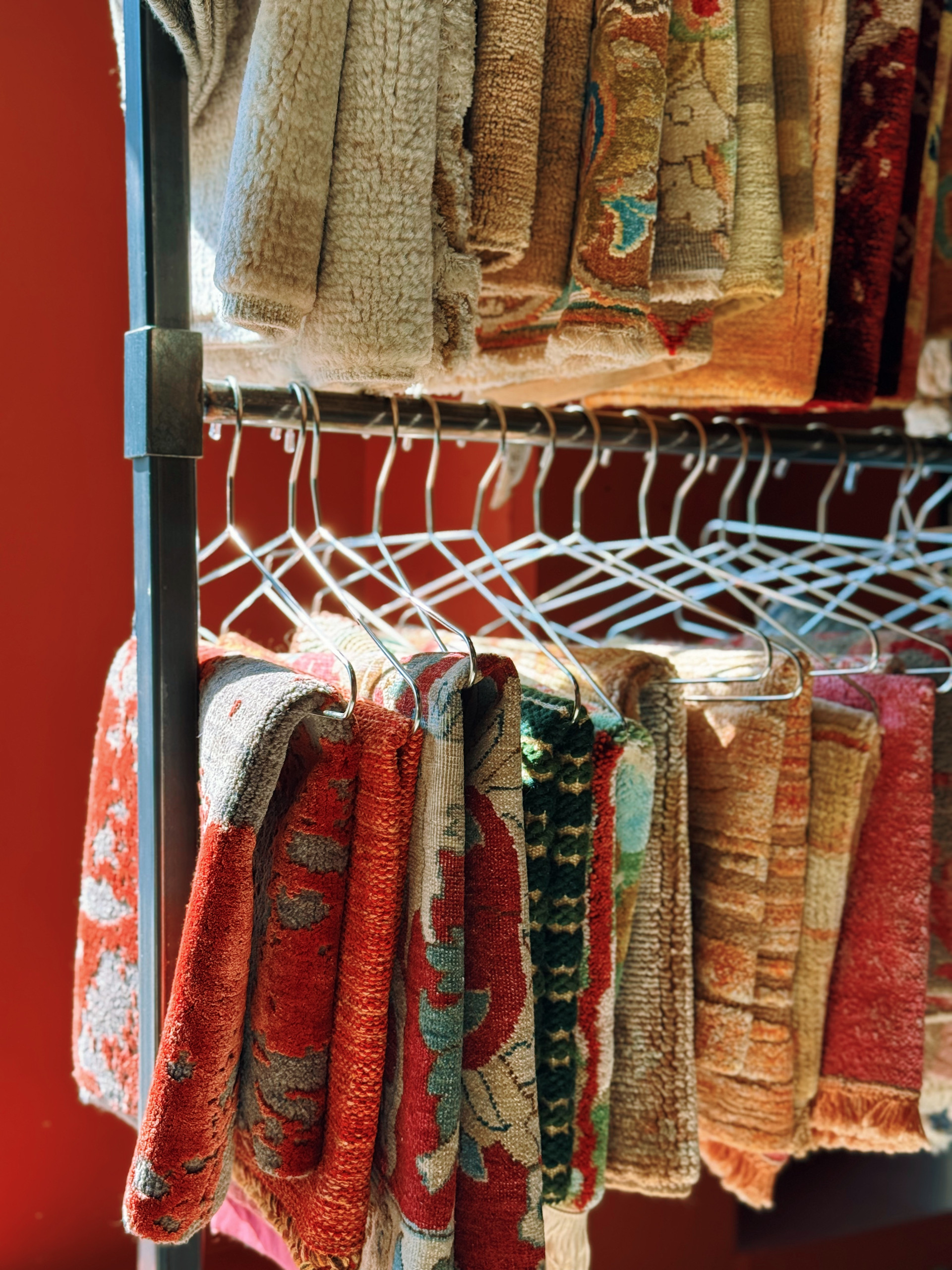
If cochineal was global, madder was local. Derived from the root of Rubia tinctorum, madder red became the backbone of Persian and Anatolian weaving traditions. Madder fields in Anatolia sustained village economies, and the subtle variations in tone became identifiers of provenance. For scholars, the shades of madder are often keys to attribution; for collectors, they are marks of authenticity. Unlike cochineal, madder symbolized autonomy, a dye deeply rooted in local soils and tribal traditions, a counterpoint to the hegemonies of global trade.
Saffron, Weld, and the Politics of Yellow
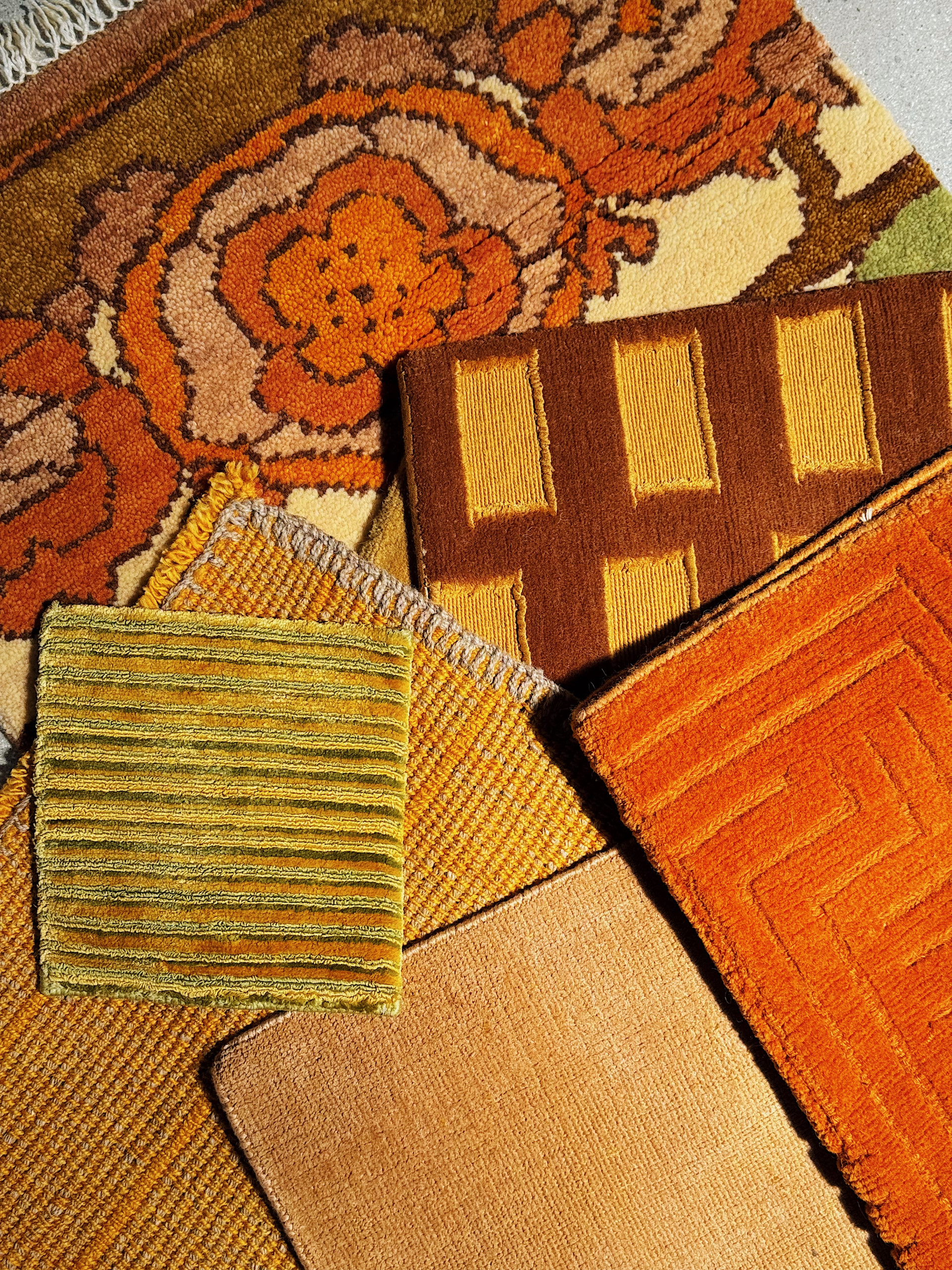
Yellow was among the most elusive and expensive colors in rug history. In Ottoman courts, saffron threads were employed not only in textiles but also in ritual garments, signaling wealth and sanctity. Weld and other vegetable dyes created luminous yellows in Caucasian kilims and Anatolian prayer rugs, their vibrancy sometimes enhanced with overdyed indigo to produce greens. In both Islamic and European traditions, yellow bore ambivalence: sacred in some contexts, stigmatized in others. The politics of yellow thus extended beyond commerce into semiotics, where its use in rugs was always deliberate, never casual.
Synthetic Dyes: Innovation and Disruption
The late 19th century introduced a radical disruption: the advent of synthetic dyes. Discovered by William Henry Perkin in 1856 with the creation of mauveine, synthetic dyes quickly spread through global markets, promising consistency and affordability. Yet their use in rugs was contested. Collectors lamented the loss of depth and subtlety seen in natural dyes, and early synthetics were prone to fading, damaging the reputation of certain weaving centers.
Today, however, some Art Deco and Chinese Nichols rugs embrace synthetics as part of their design identity, their aniline pinks and bright turquoises emblematic of a new aesthetic era. Synthetic dyes became, in their own right, political — a negotiation between tradition, modernity, and market demand.
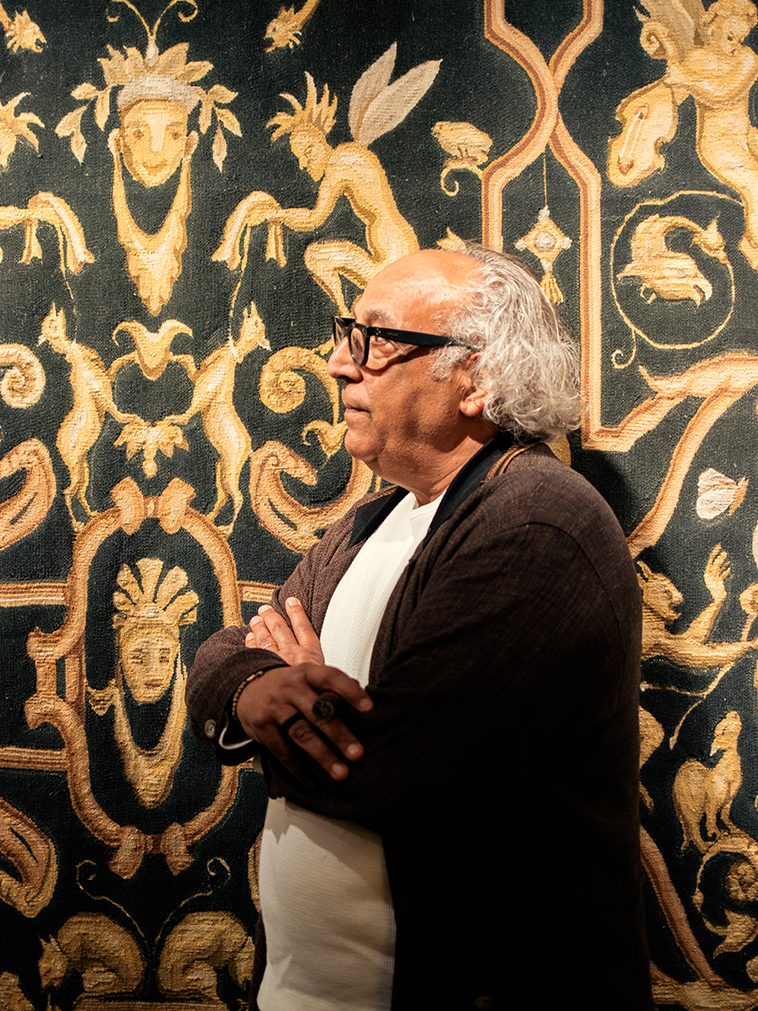
Jahanshah Josh Nazmiyal (Our Principal) Read about his legacy here >>
Color as a Diplomatic Language
Beyond commerce, color in rugs was a diplomatic language. When Persian Safavid rulers sent carpets to European courts, the chosen palette carried symbolic weight. Deep blues communicated power and divinity, while crimson fields mirrored imperial grandeur.
In the 20th century, Walter Nichols’ Peking rugs adapted Chinese blue-and-white porcelain aesthetics for American export, reinterpreting color as a tool of soft power. Color thus became a cultural emissary, translating identity into a universal visual vocabulary.
Collecting Color: Provenance and Prestige
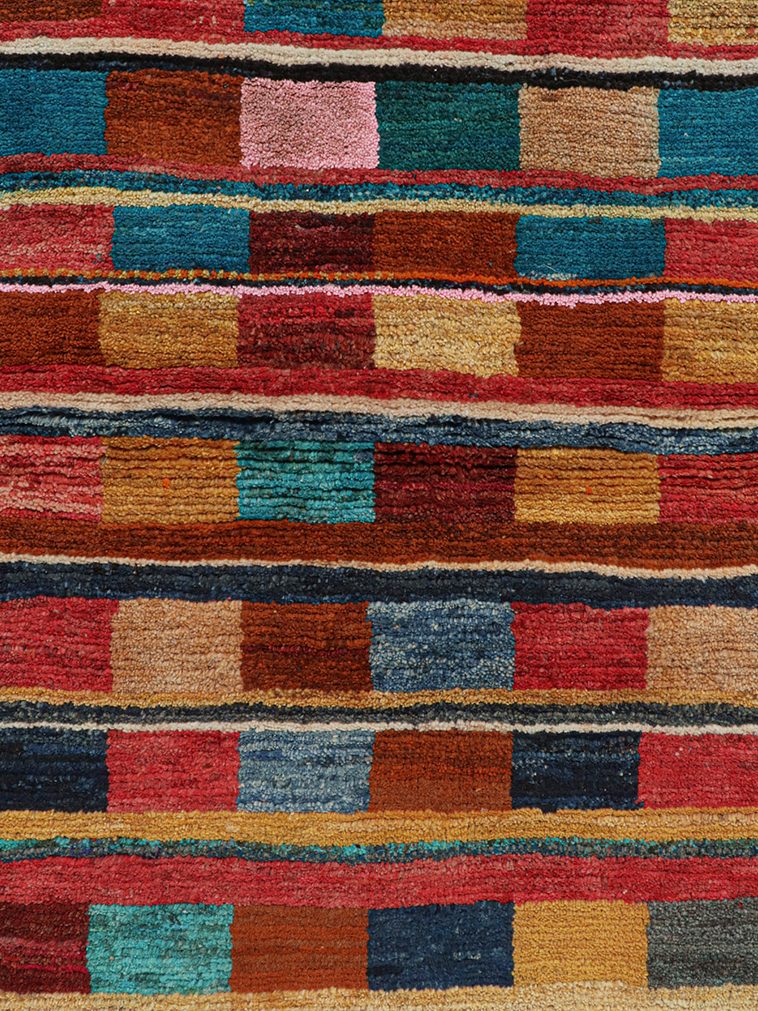
For the collector, color is not just a matter of taste but a marker of provenance. The deep lapis indigos of 18th-century Peking carpets, the cochineal reds of Anatolian masterpieces, the mellowed madder tones of Qashqai kilims — each carries historical and geographical fingerprints. Auction houses like Christie’s and Sotheby’s underscore color in catalogues as both evidence of authenticity and as a factor of desirability. A carpet’s dye story is often its diplomatic passport, certifying its place in global histories of exchange.
Modern Reverberations in Rugs and Kilims
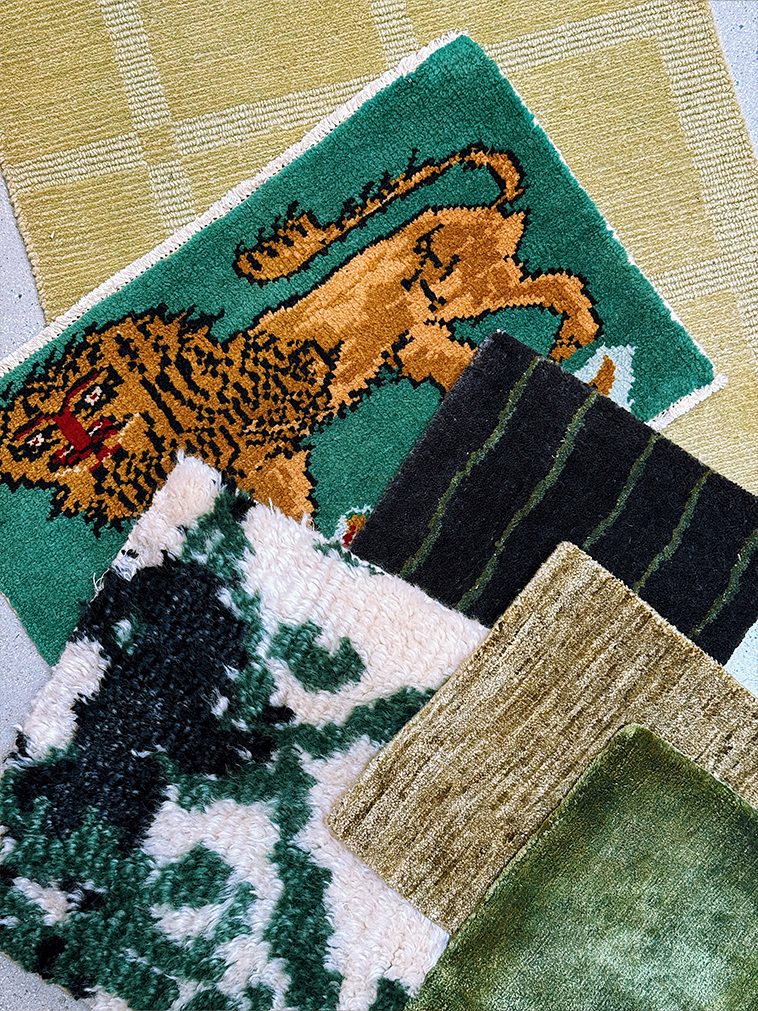
Contemporary designers and galleries now revisit the politics of rug color with renewed interest. Artists experiment with natural dye revival, sustainable indigo cultivation, and plant-based palettes as statements of ecological responsibility.
Meanwhile, luxury interiors embrace the saturated tones of antique carpets as counterpoints to minimalism, placing 17th-century crimson Anatolians beneath mid-century modern furniture. In doing so, they revive the diplomatic weight of color: a conversation across centuries, geographies, and aesthetic philosophies.
The Palette as Power
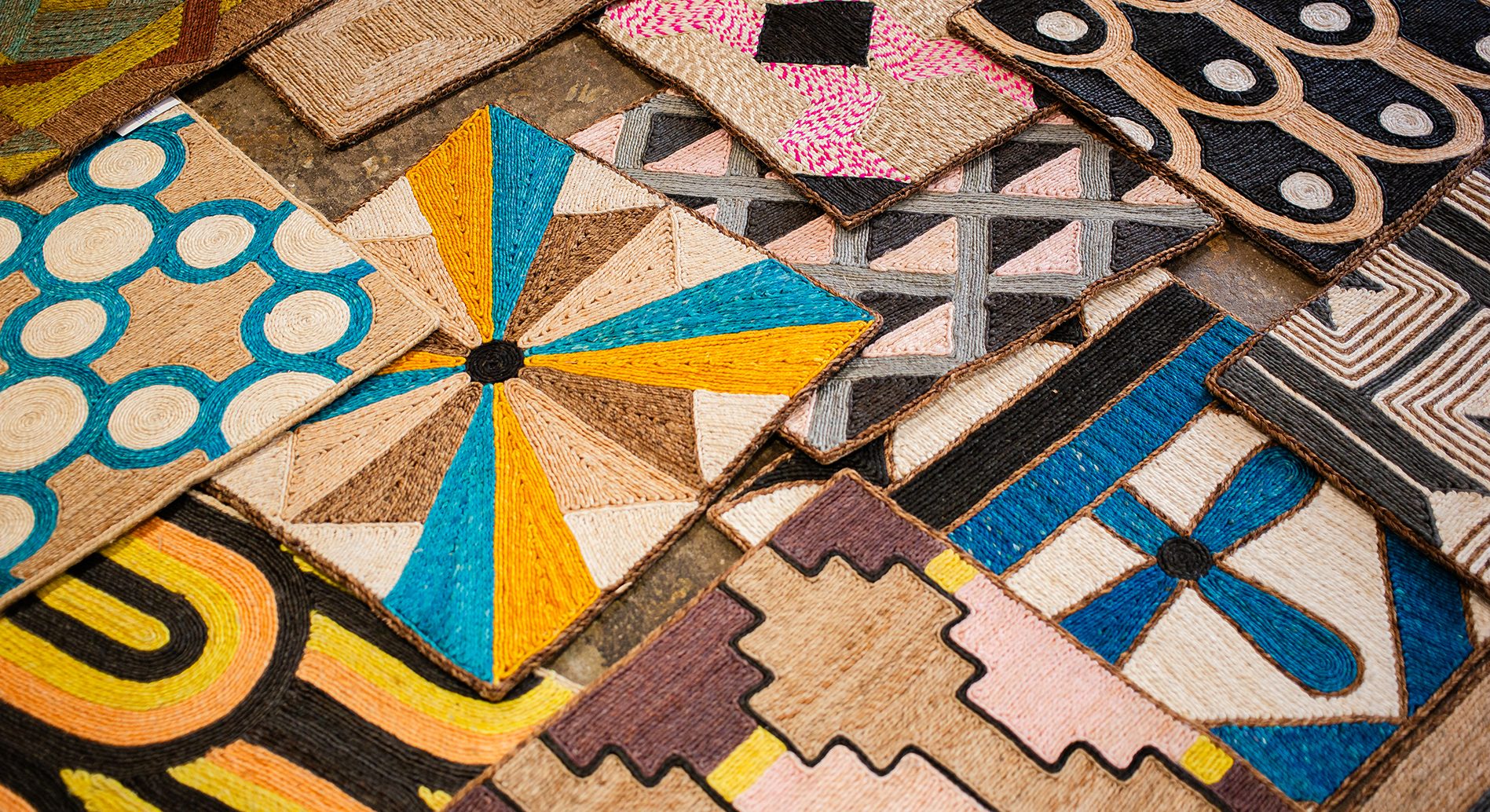
To study rugs is to study color, and to study color is to study power.
Each hue carries histories of empire, rebellion, diplomacy, and exchange. Indigo tells of colonial monopolies, cochineal of Spanish conquest, madder of local resilience, saffron of sanctity, and synthetics of industrial disruption. In rugs, color is never incidental — it is a language of diplomacy woven in wool and silk.
For the collector, the curator, and the designer, to understand dyes is to decode the politics of beauty itself.
~~~