
Rug & Kilim and the Making of New York’s Modern Textile Language
November 27, 2025
Color, Craft, and the New Language of Joyful Luxury in Rug & Textile Design: The Dopamine Décor Trend
December 16, 2025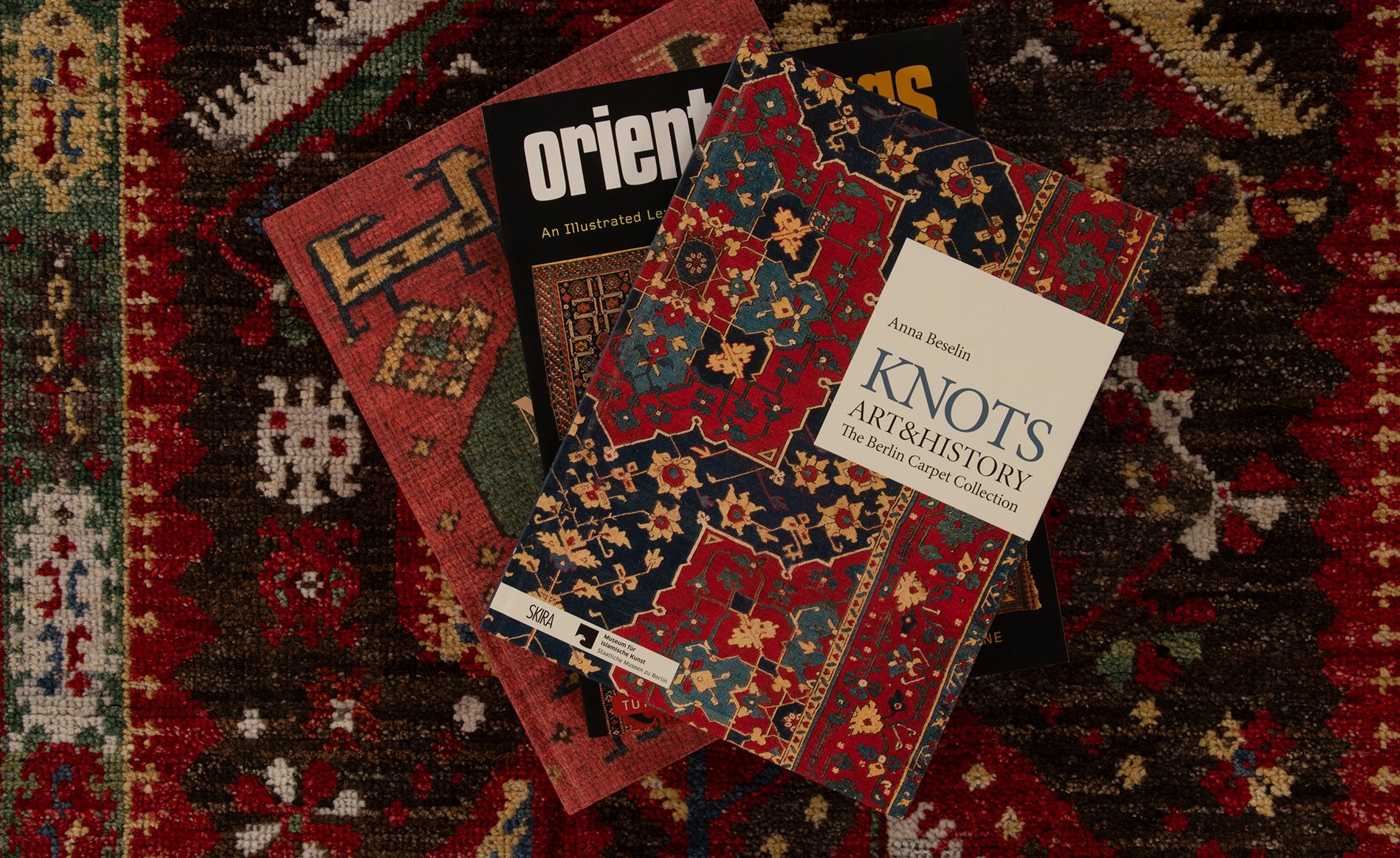
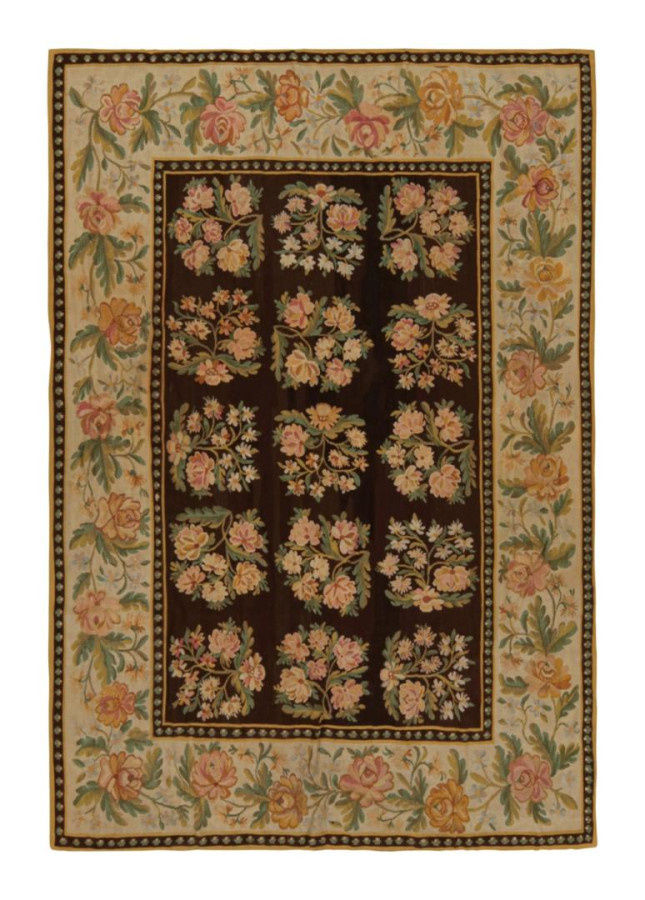
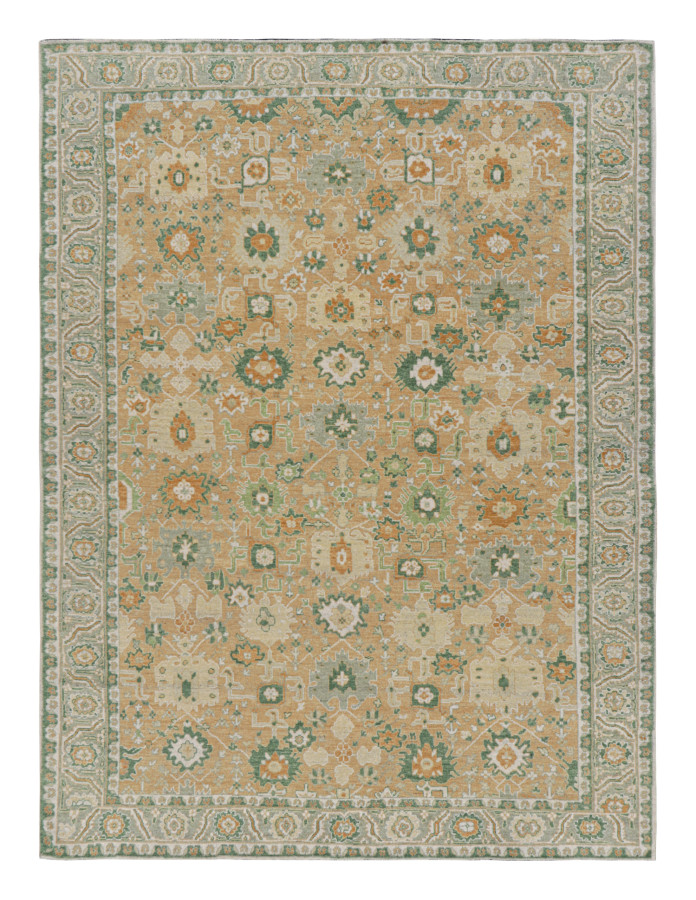
Volumes by Rug & Kilim.
Rugs enter a museum not by virtue of age or beauty alone, but through a complex calculus of scholarship, provenance, cultural relevance, and curatorial vision.
Rugs have always stood at an uneasy threshold in the hierarchy of the arts—venerated as cultural documents, admired as technical achievements, yet long excluded from the canon reserved for painting, sculpture, and monumental crafts. Today, however, museums around the world are undergoing a profound recalibration of their relationship to weaving traditions.
Rugs, tapestries, and fiber works are no longer fringe “decorative arts” but central to conversations on modernism, cultural exchange, and the politics of material culture.
The transformation—what scholars increasingly term the museumification of rugs—is not merely a shift in acquisition strategy but a reordering of art historical value systems.
How Museums Construct a Textile Canon
The criteria by which museums elevate a rug from object to artwork have always reflected deeper institutional structures. Historically, the Met, the V&A, and the Louvre privileged textiles that aligned with notions of court production, dynastic taste, or technical perfection. Safavid court carpets, Mamluk masterpieces, and Ottoman medallion rugs were admitted not just for aesthetic merit but because they fit established narratives of power, patronage, and empire.
Today, that framework is expanding. Museums increasingly ask:
What communities shaped this textile?
Which histories have been overlooked or misattributed?
What dialogues emerge when we place a rug in conversation with painting, sculpture, or architecture?
Curatorial practice now treats textiles not as artifacts but as arguments—sites where labor, identity, politics, and cosmology converge.
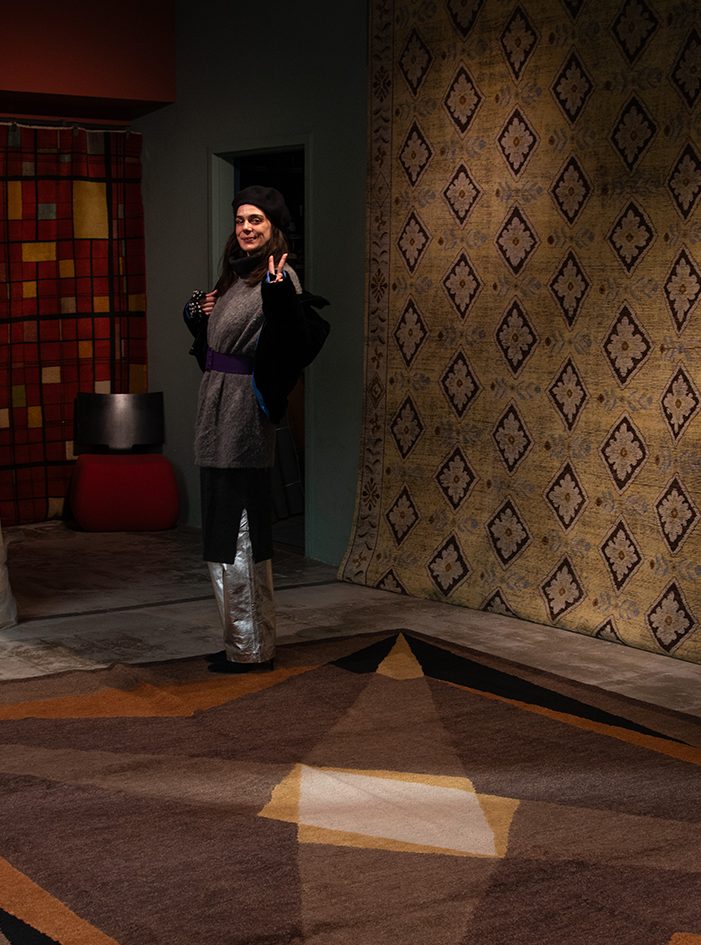
Our Sales Specialist Nina Chan at R&K Showroom. Check out @ninaatrugandkilim
The Politics of Attribution and Provenance in Rugs
Rugs have long suffered from anonymity. A medieval carpet rarely bears a signature; even modernist tapestries often omit the names of the studio weavers who translated the artist’s vision into warp and weft. Museums historically mirrored the biases of the market: emphasizing designers, dynasties, or styles while effacing the hands that produced them.
The current shift toward transparency and provenance recovery has dramatically altered the field. Institutions increasingly prioritize works with documented histories—ownership chains, workshop records, or field research that illuminate their social worlds. The Guggenheim’s acquisition of Ryggen, the Tate’s inclusion of Gunta Stölzl, and MoMA’s elevation of Anni Albers all reflect this movement.
This recalibration has been shaped not only by scholarship but by the growing role of connoisseurial dealers who provide the technical, material, and ethnographic knowledge museums depend on.
When Does a Rug Become “Art”?
The answer is neither static nor universal. Instead, it emerges from five overlapping criteria used by leading institutions:
1. Technical Innovation
Complex dyestuff signatures, pioneering knot structures, or experimental loom methodologies elevate certain textiles to the level of masterworks.
Anni Albers’ pictorial weavings qualify because they redefined what a loom could express.
2. Cultural Authority
A rug’s ability to represent a community, ritual, or cosmology is crucial. Navajo textiles, Berber tent panels, and Anatolian village rugs are increasingly valued for their ethnographic richness and symbolic intelligence.
3. Art Historical Dialogue
A textile gains museum legitimacy when it converses meaningfully with contemporaneous movements—Constructivism, Bauhaus, Modernism, or Brutalism. Hannah Ryggen and Märta Måås-Fjetterström illustrate this brilliantly.
4. Provenance Integrity
A museum-grade rug needs a traceable life story. Context is no longer supplemental; it is essential.
5. Rarity and Condition
Institutional acquisition committees still rely on connoisseurship: scarcity, fiber integrity, and preservation potential remain decisive.
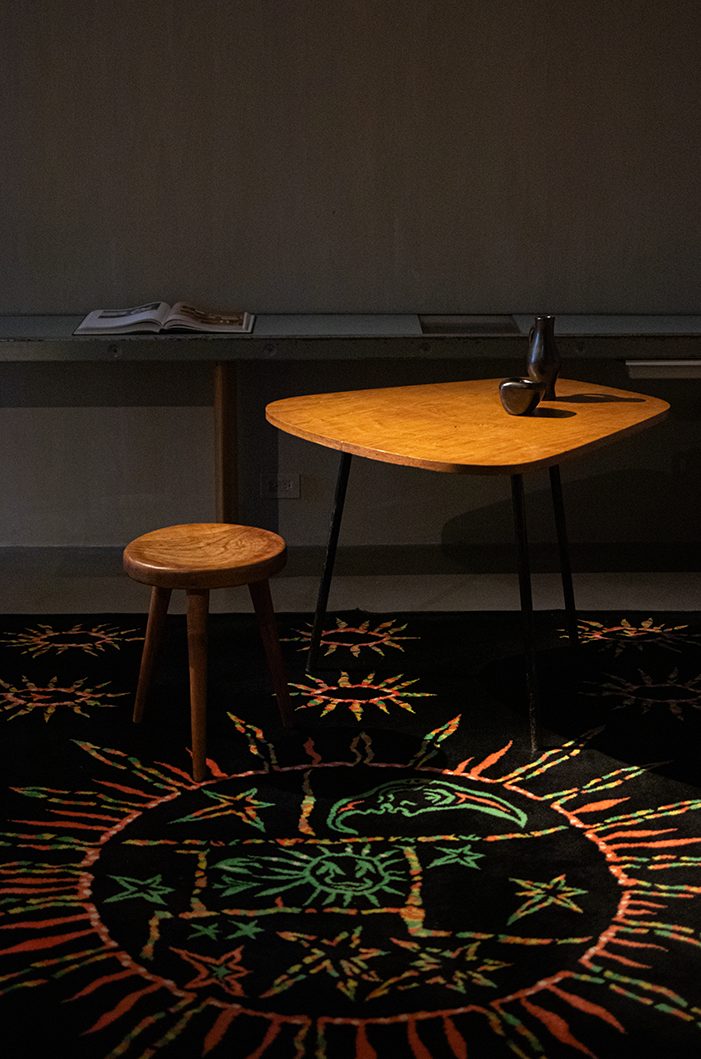
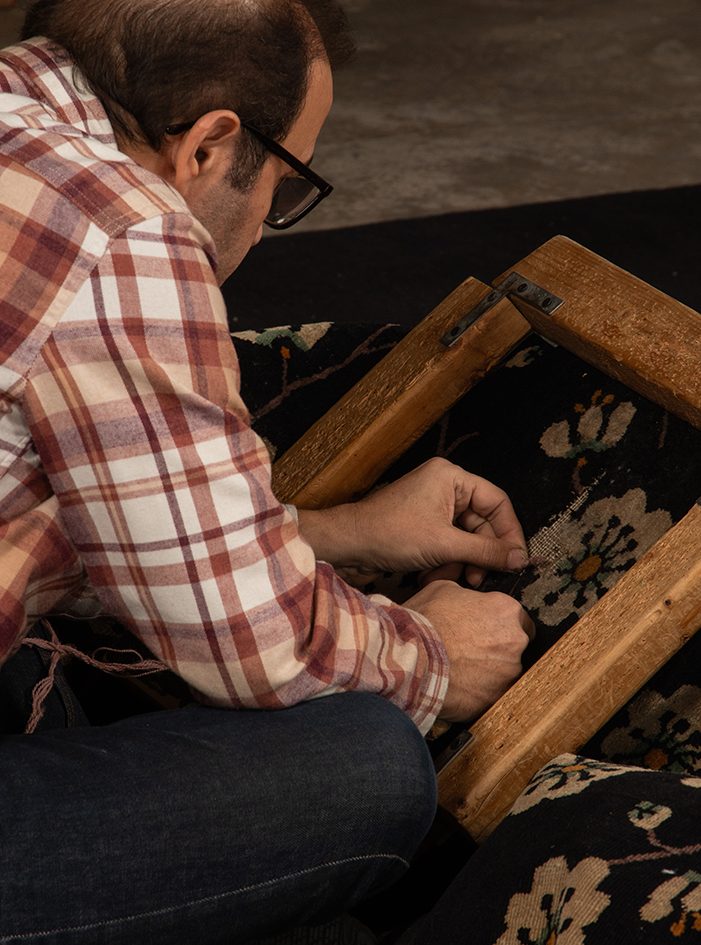
R&K x RAISONNE NYC 2025
The Dealer-Scholar in the Museum Ecosystem
While institutions write the canon, it is often the specialist dealer who performs the groundwork of scholarship, authentication, and interpretation. Here the role of Rug & Kilim becomes central.
For decades, Rug & Kilim has bridged the worlds of connoisseurship, material intelligence, and curatorial dialogue. The firm’s work in documenting weaving structures, reconstructing rare techniques, and contextualizing carpets within broader art-historical frameworks has shaped how designers, collectors, and museums understand these objects today. As institutions increasingly seek pieces with intellectual coherence, not merely decorative value, Rug & Kilim’s method—rooted in research, comparative analysis, and deep technical literacy—aligns with museum priorities.
By championing modernist tapestries, mid-century Scandinavian textiles, rare Anatolian village weavings, and pioneering contemporary works, the gallery participates in the very process of canon formation.
Why Museumification of Rugs Matters
The elevation of textiles to the status of fine art is not a trend; it is a cultural reckoning. As museums diversify their narratives, rugs function as:
visual histories of migration and trade
documents of women’s labor and indigenous knowledge
records of political upheaval and collective memory
evidence of artistic innovation outside Western hierarchies
For collectors and designers, this shift offers a deeper interpretive lens. A rug is no longer an accessory; it is a cultural text, a museum-grade artifact, and increasingly a blue-chip investment category.
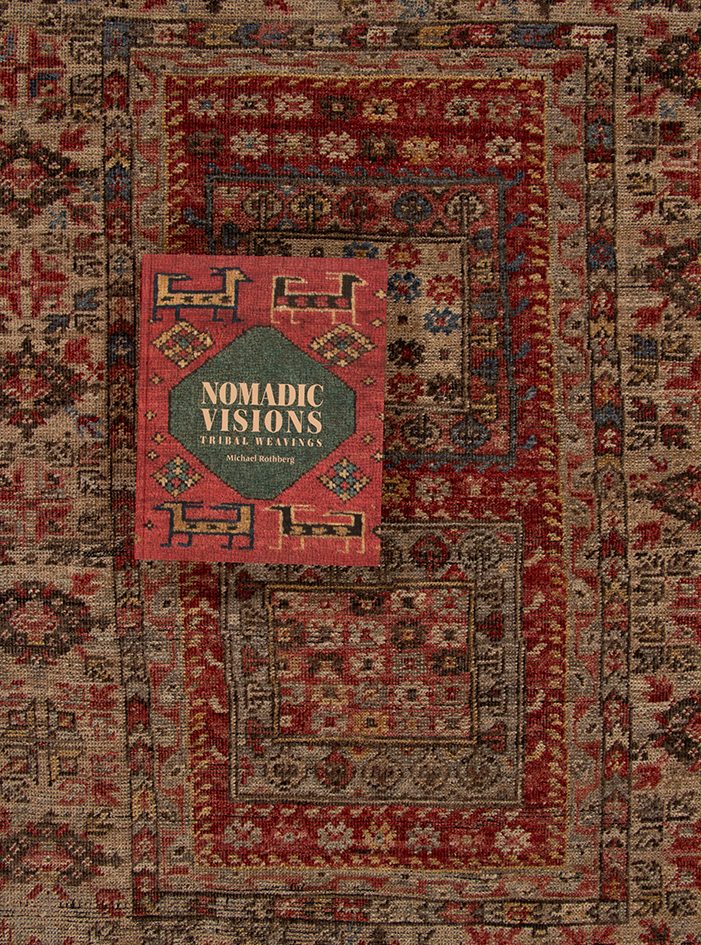
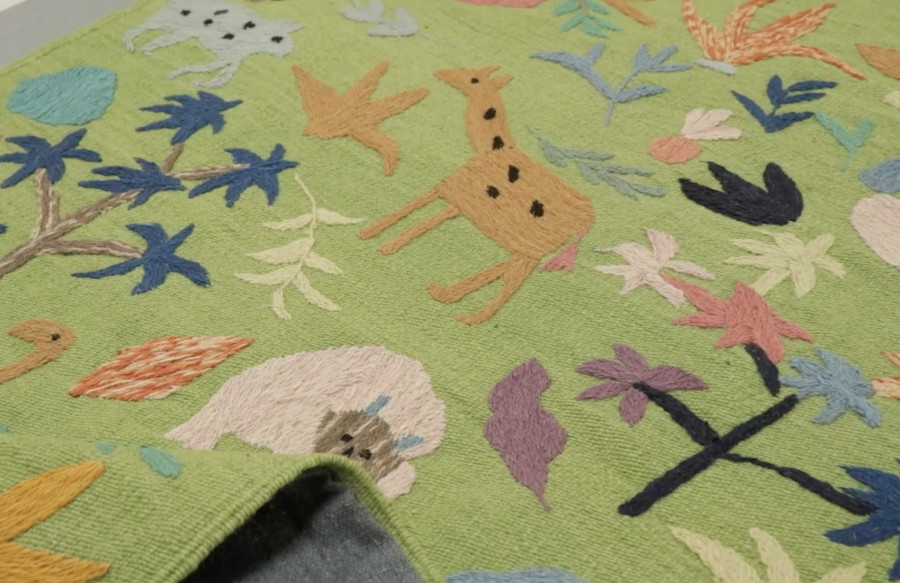
Volumes by Rug & Kilim
The Future Canon—And Our Place Within It
As institutions continue to rewrite the textile canon, the next frontier will involve:
expanding recognition of non-Western and indigenous weavers
reevaluating fragment collections
integrating contemporary fiber art into modern art wings
reassessing mid-century design studios
foregrounding the narratives of the anonymous weaver
In this, Rug & Kilim stands as a custodian of textile knowledge, a research partner to institutions, and a cultural interlocutor between the world of design and the world of museums.
In many ways, the museumification of rugs is not about the objects at all.
It is about the frameworks through which we decide what deserves our collective memory.
And today—finally—rugs are commanding the place they have always deserved:
as profound works of art.