
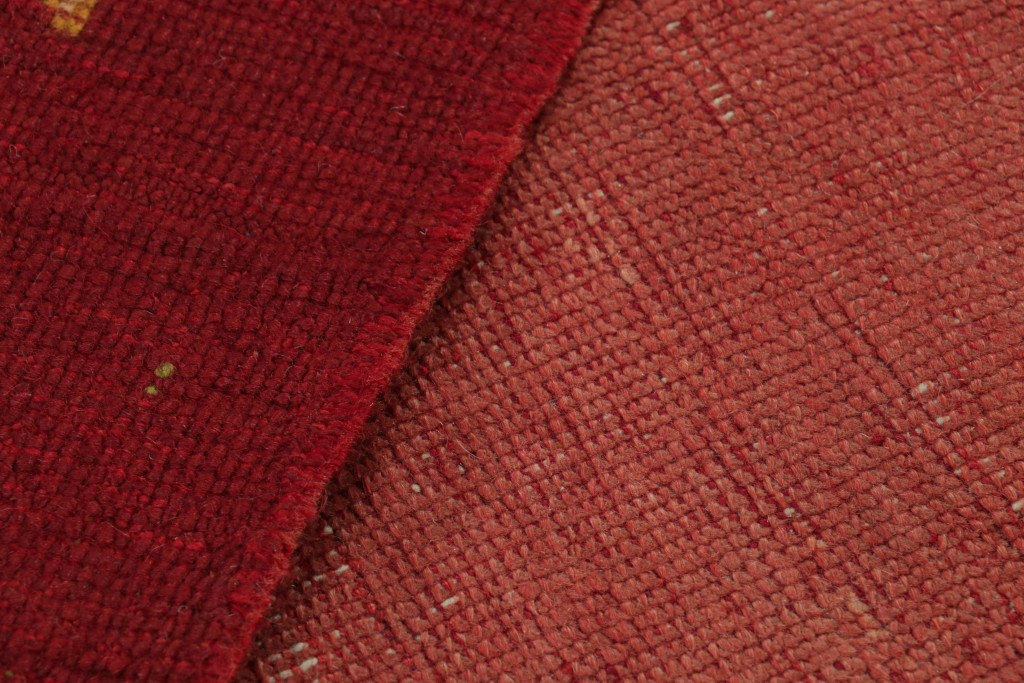
Wool
Turkey
10'3" X 12'0" (3.12 m x 3.66 m)
Available: Shipping As Soon As Tomorrow
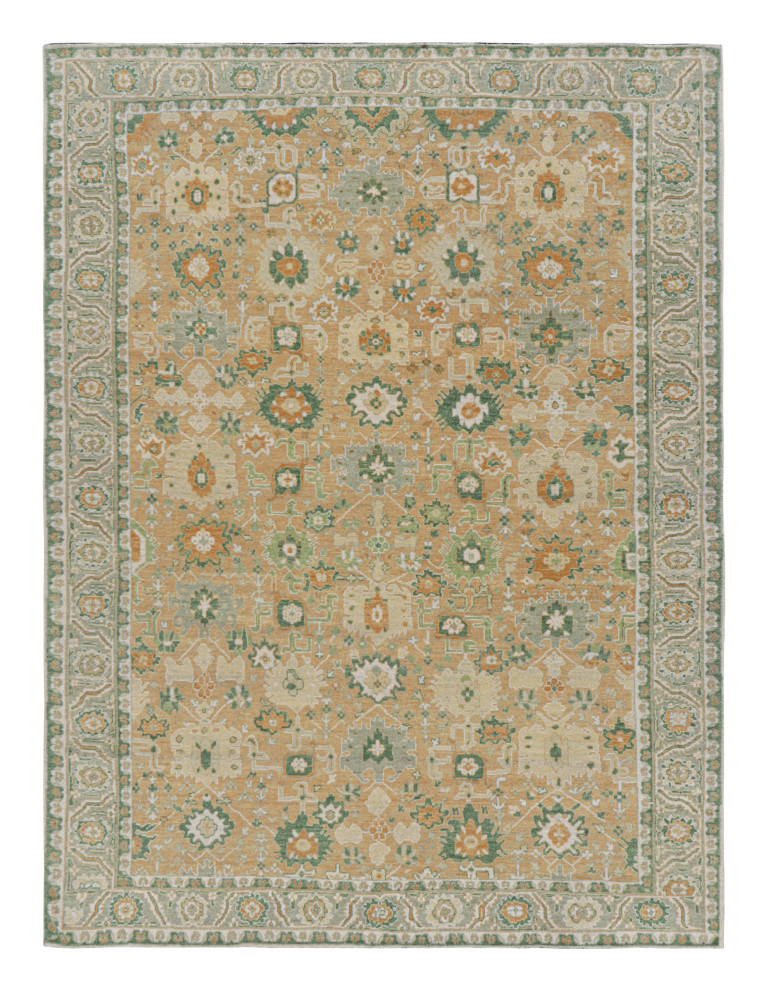
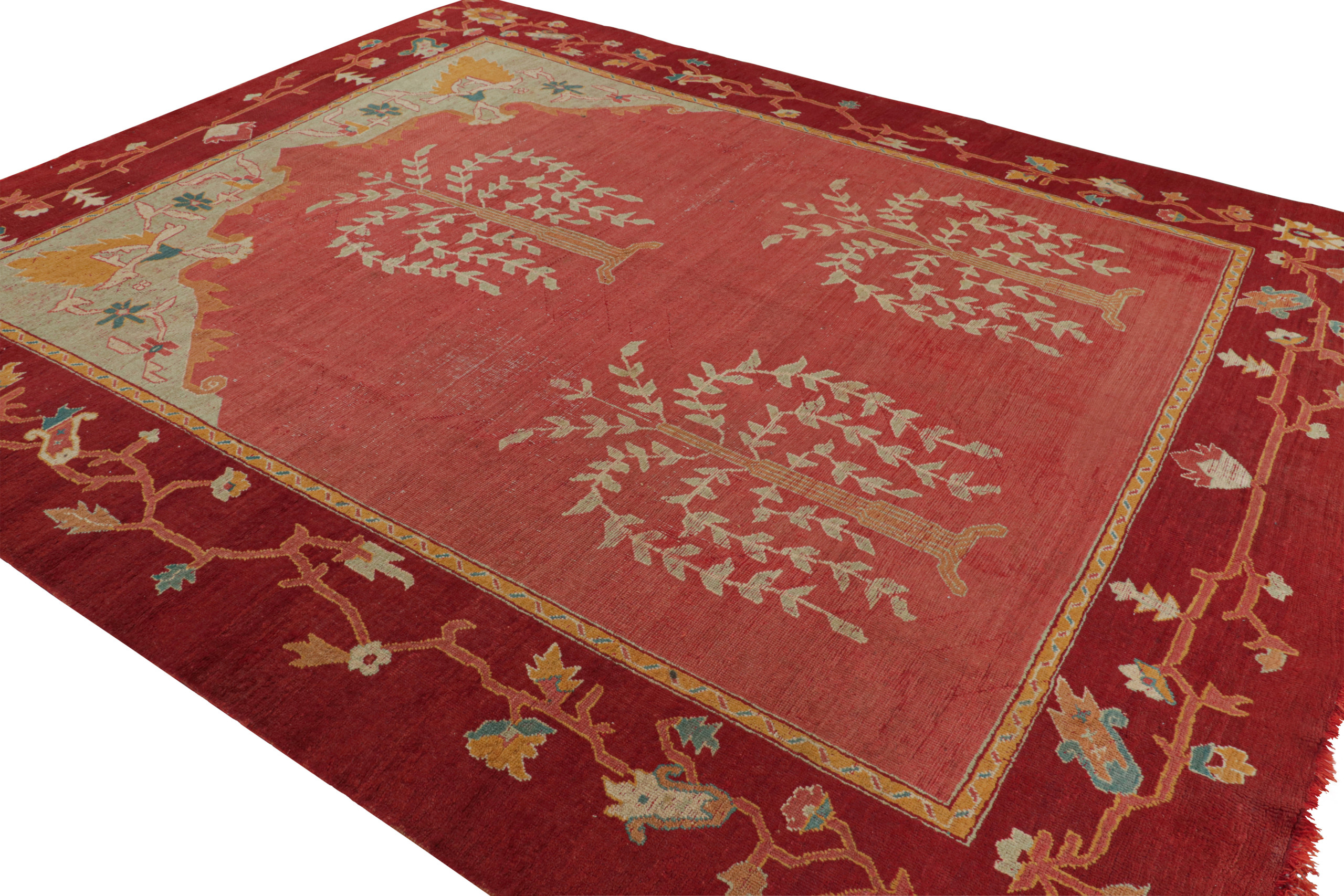
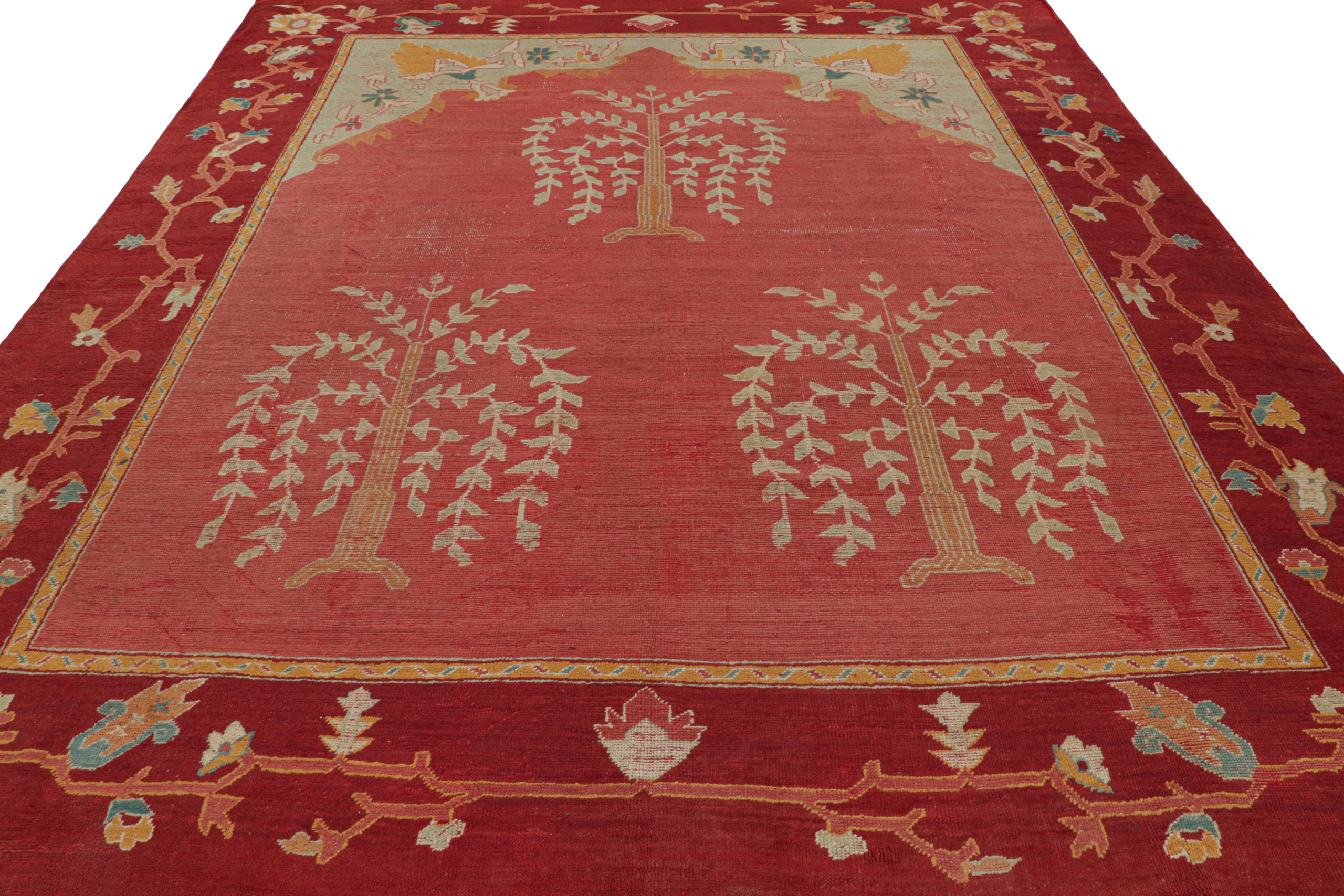
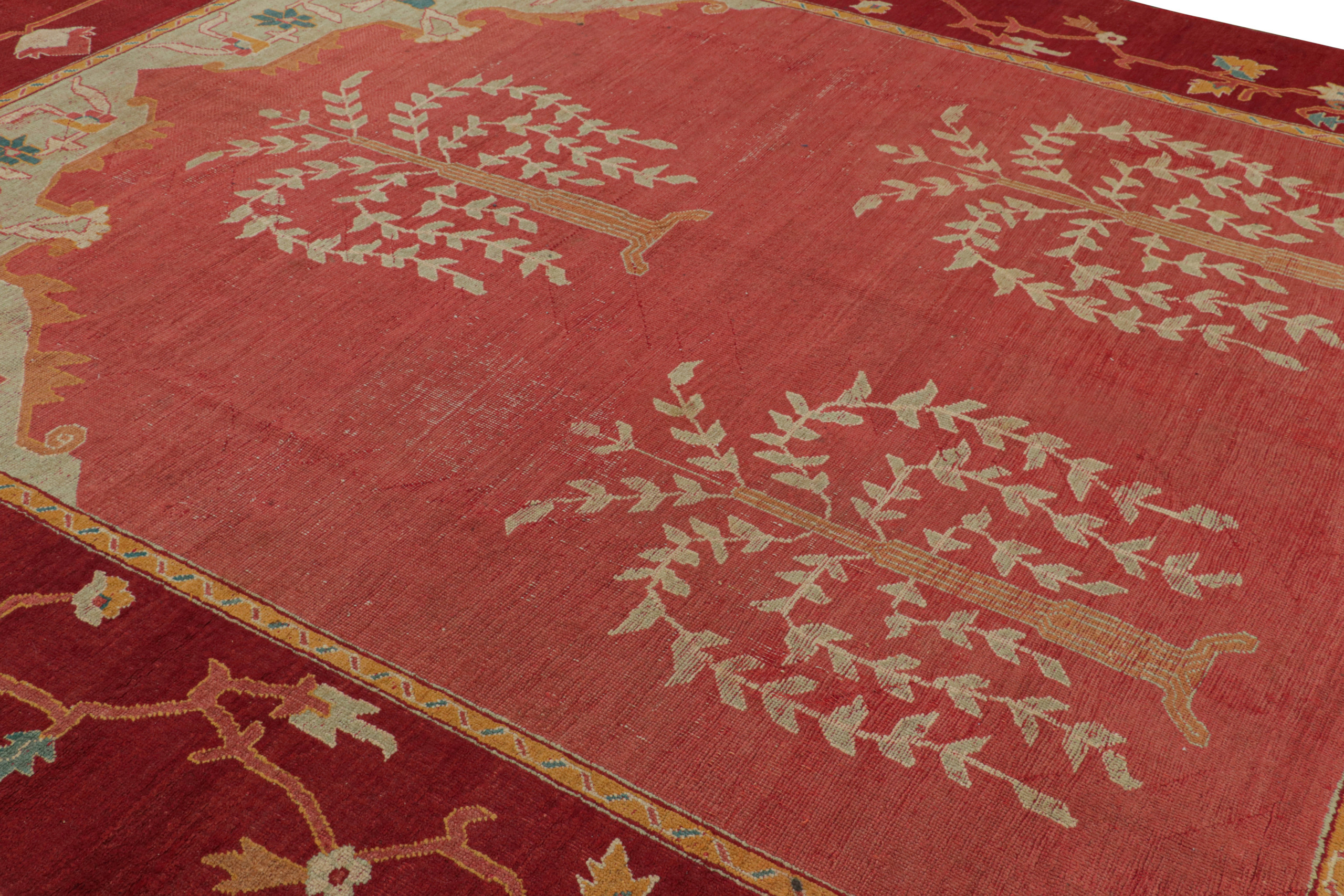
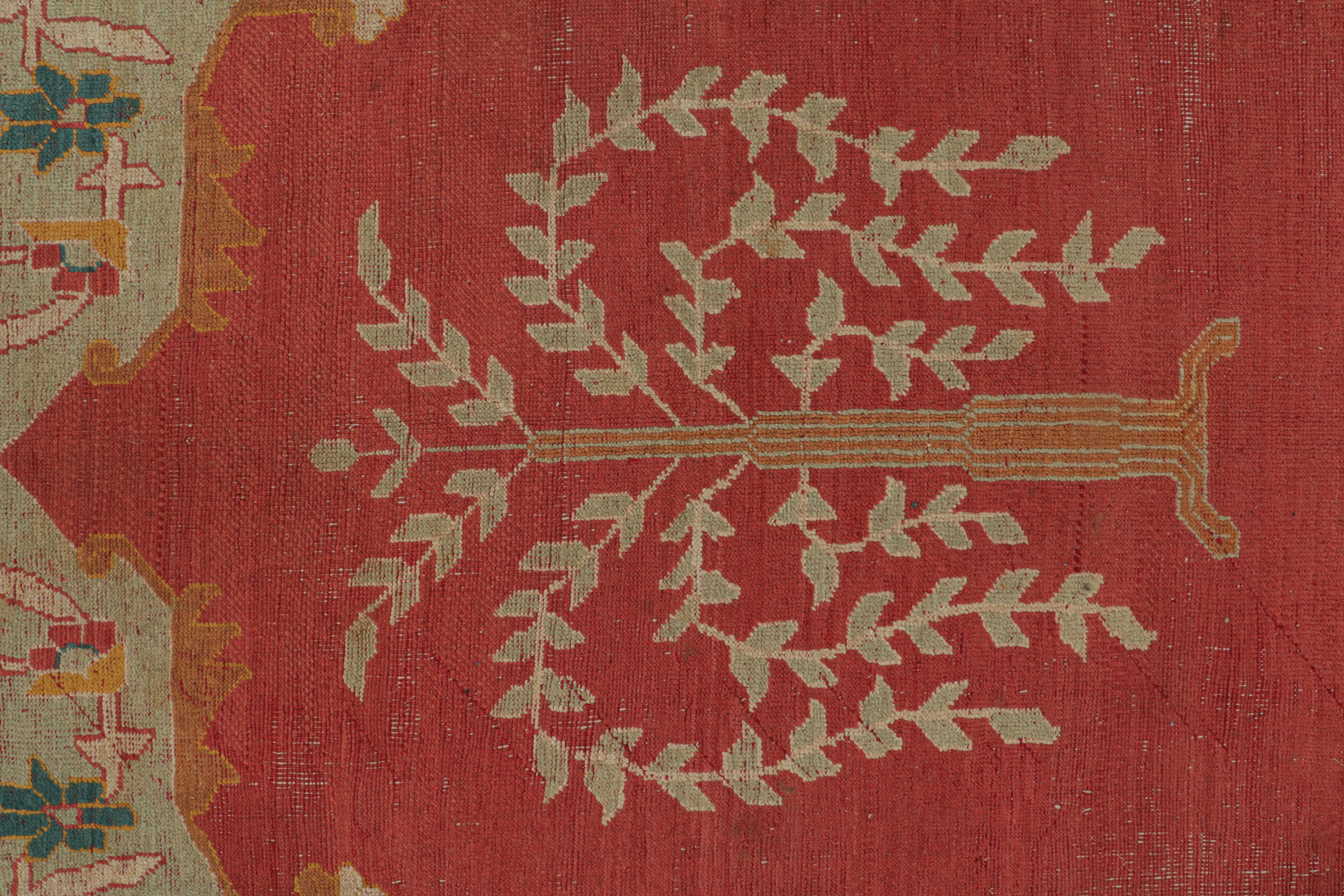
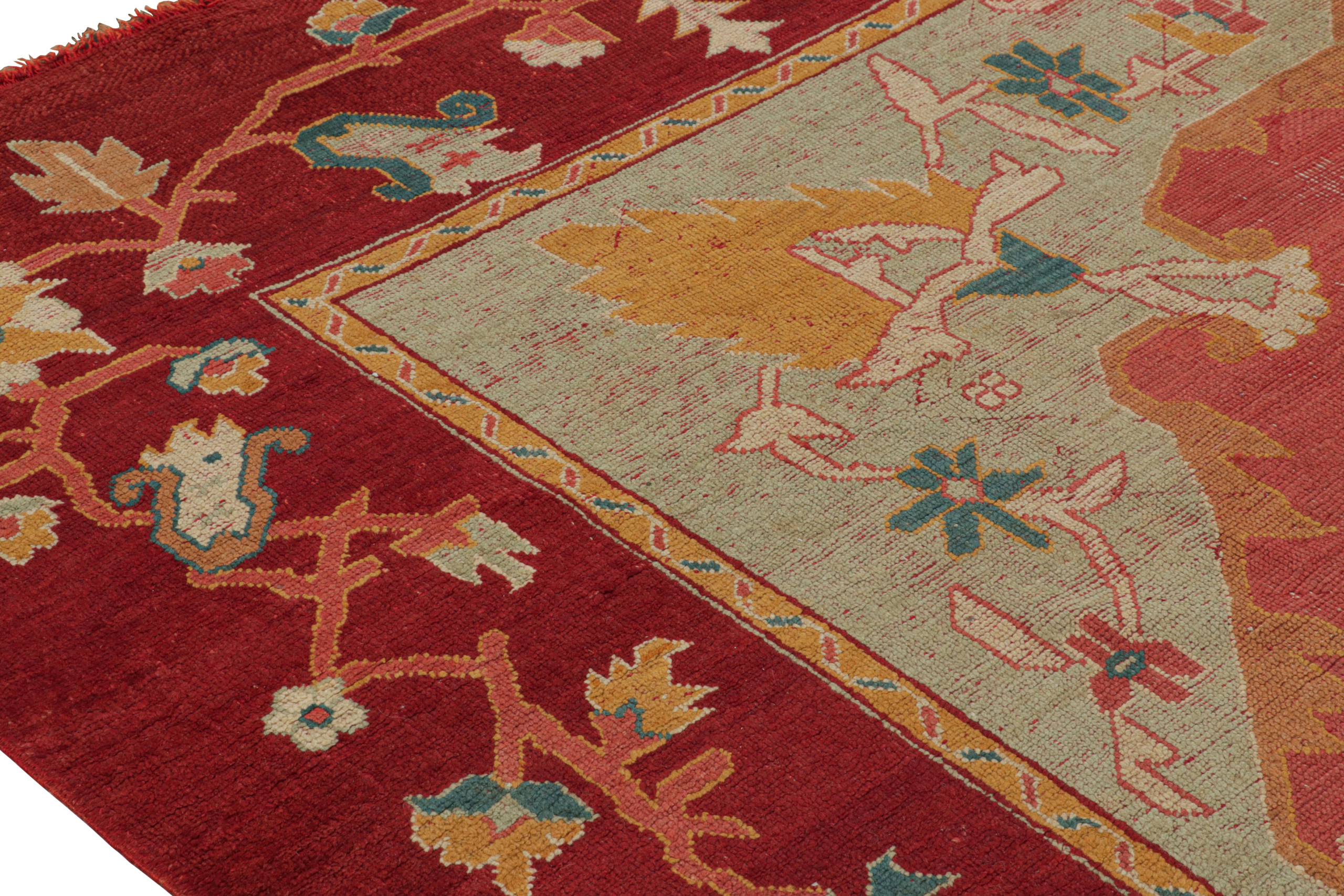
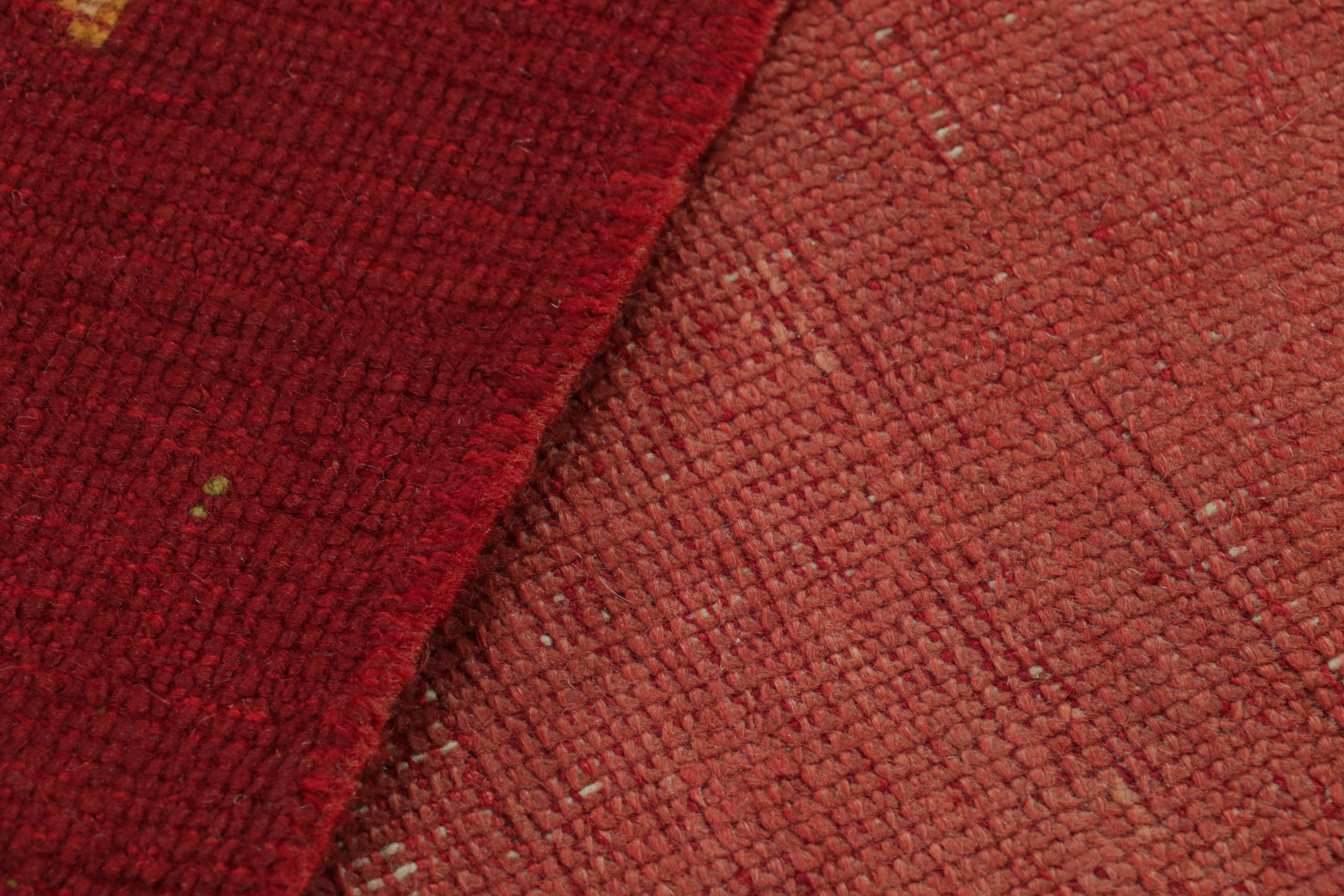
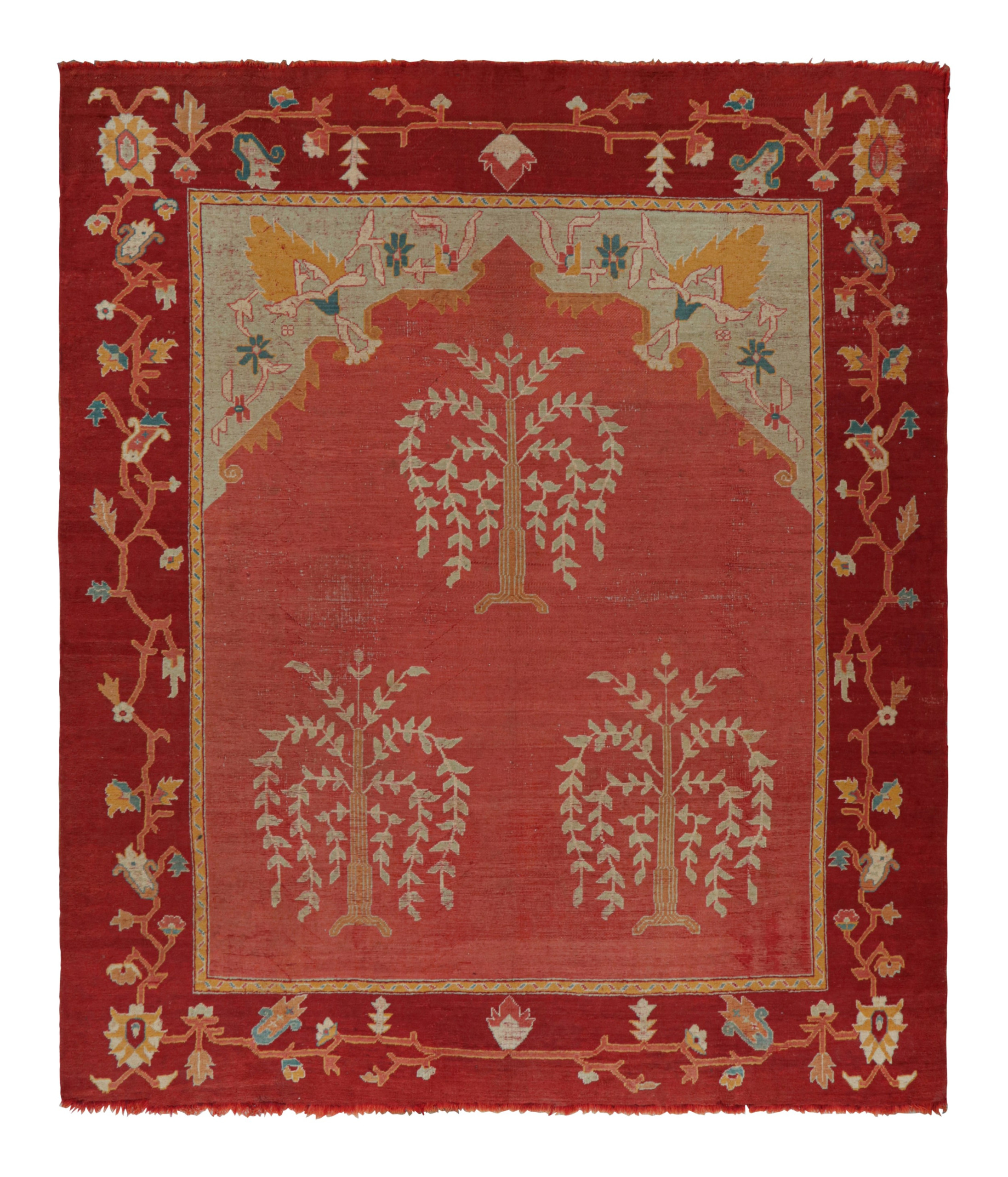
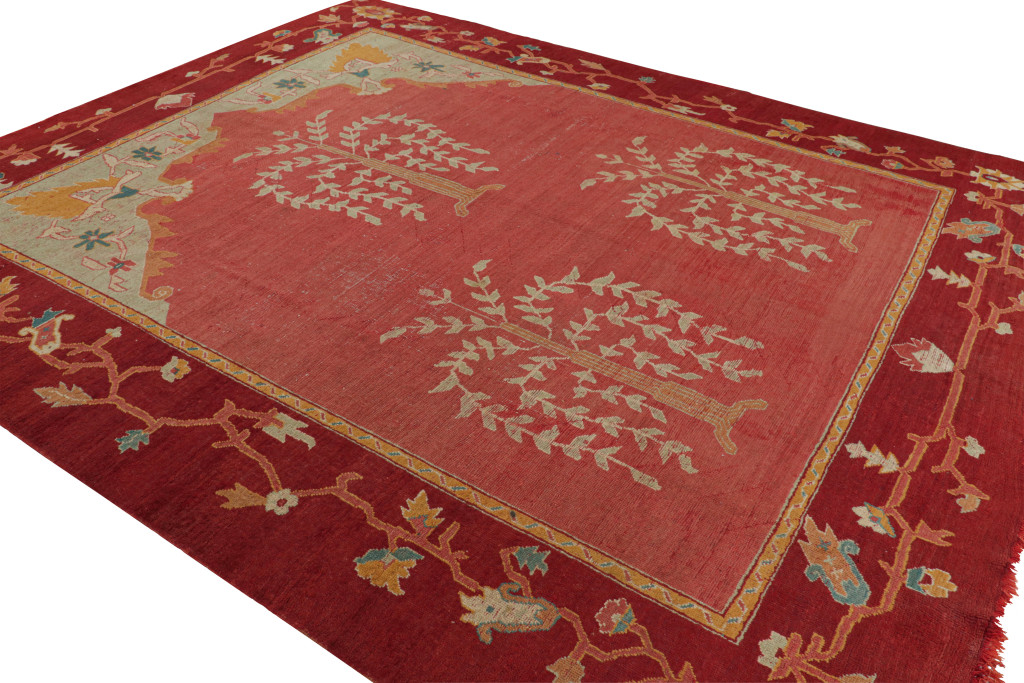
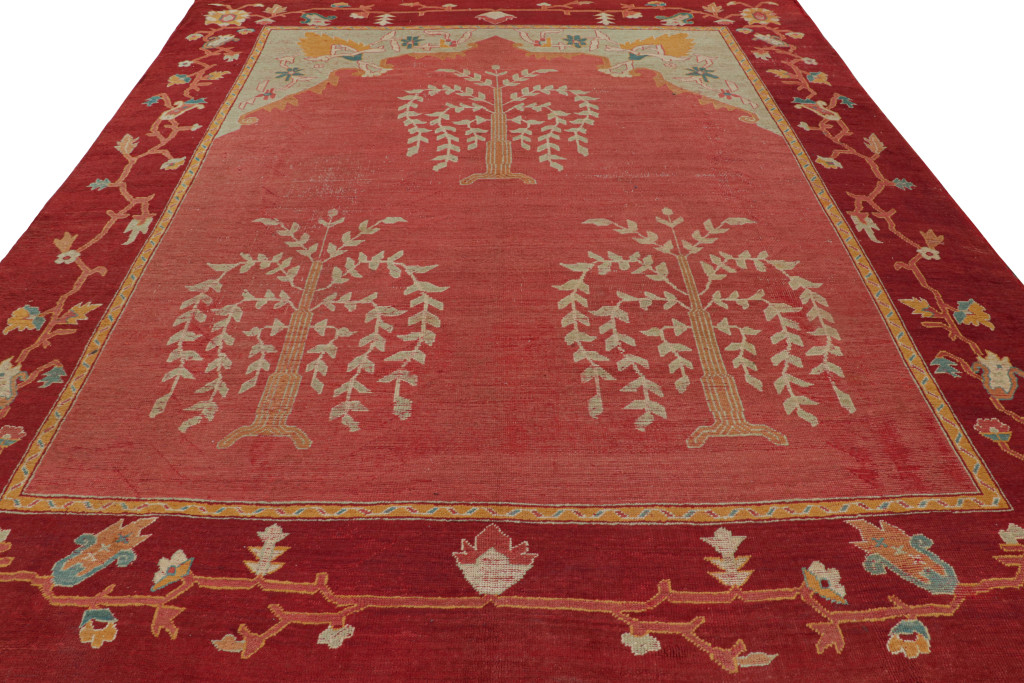
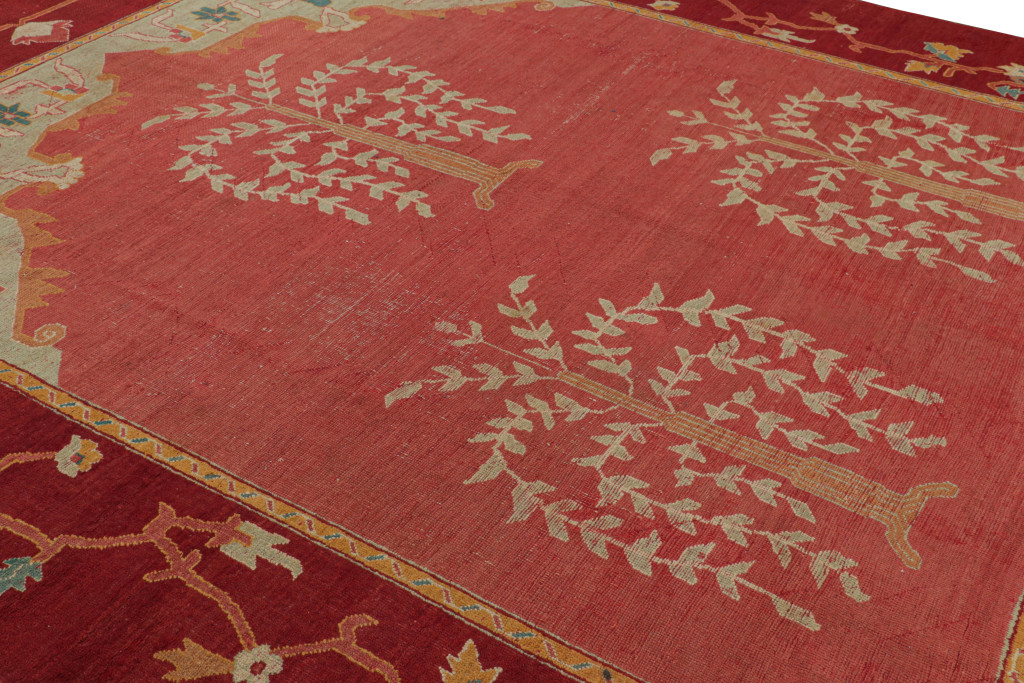
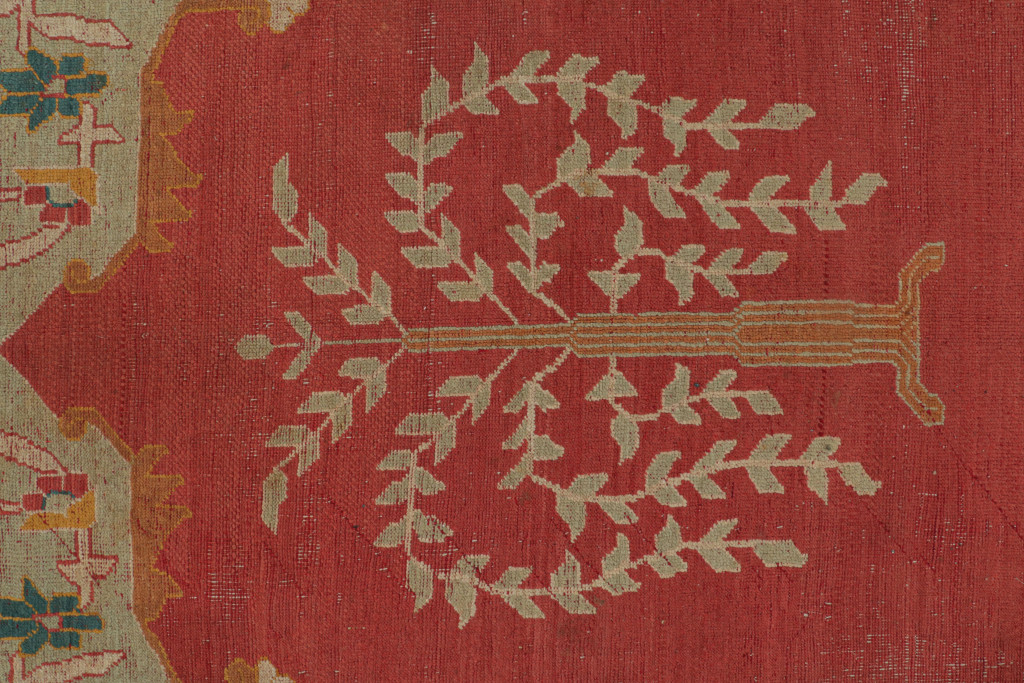
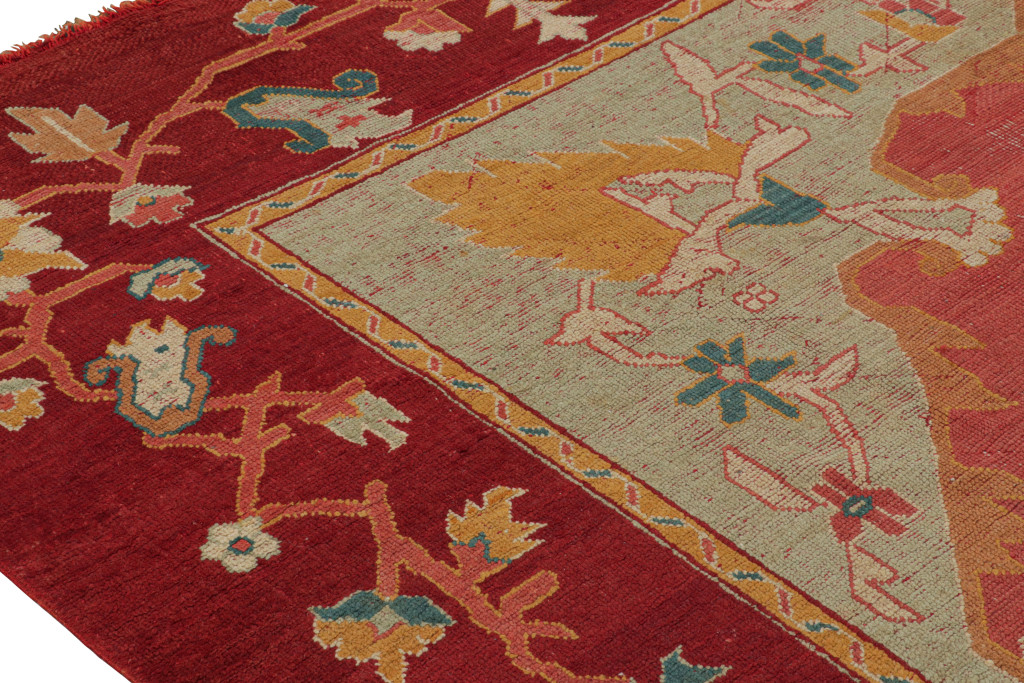
Antique Oushak Rug in Red with Floral Medallions, from Rug & Kilim
"Rug & Kilim has become a go-to for us. The vintage and modern inventory is unlike anywhere else, the team is easy to work with, and the custom program holds up to the same standard."
— Mx Ariel Ashe, Ashe Leandro LLC
A standard since our inception upheld across every acquisition,
transaction, and delivery.
45+ Year Old Institution
More than four decades of expertise and stewardship, under the leadership of our Principal, Jahanshah "Josh" Nazmiyal.
Favorable Return Policy
Our return policy is 48 hours upon receipt allowing you to confirm the purchase in your space with confidence.
Product Warranty
Each rug is hand selected or produced through the most reputable sources under the direct supervision of our Principal.
Trusted Global Delivery
Reliable worldwide delivery handled with care, precision and constant communication.
Exceptional Support
Attentive, knowledgeable guidance before and after purchase from our dedicated team of specialists.
Long Term Care
We stand behind every piece we place and remain a resource to our clients for the lifetime of their collection.
Stories from the Antique Collection
Essays, artist dialogues, and provenance notes drawn from Rug & Kilim’s editorial desk.
What Makes Tibetan Wool the Gold Standard for Custom Rugs
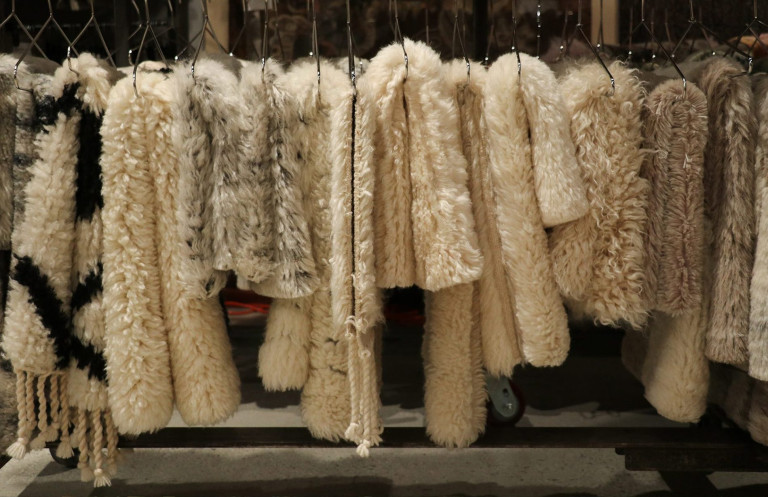
Every great rug begins long before the loom. It begins on the animal, in the place, in the particular conditions that made the fiber what it is. And among all the wools that have ever been spun into a carpet, few can rival the wool of the Tibetan highlands, a material whose superiority is not a matter of marketing but of altitude, climate, and the unhurried logic of the natural world. The sheep of the Tibetan plateau live at elevations that would defeat most living things, thin air, brutal cold, a growing season measured against a sky closer than it has any right to be. Nature's answer to that severity is the fleece. To survive the plateau, the animal must grow a wool of exceptional density and, crucially, of exceptional lanolin content; the natural oil that coats each fiber, repels water, resists soil, and lends the finished yarn a luster and resilience that lowland wools cannot approach. What is hardship for the animal is a gift to the weaver.
Read the Feature
The Evolution of Floral Motifs in Antique Rugs and Kilims: Mapping the Pomegranate, Tulip, and Carnation
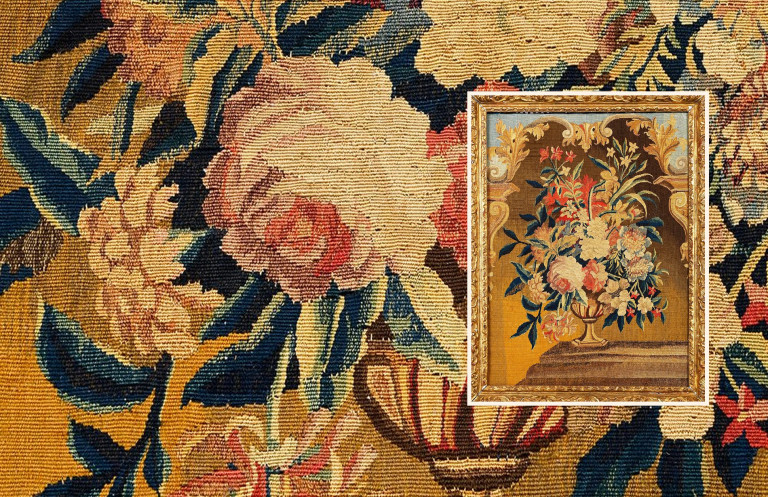
Antique 17th Century French Beauvais Tapestry with Floral Vase - Rug & Kilim, NO. 36829 We had a tapestry acquisition unfolding itself in the studio a while ago. Josh and the team just stood there, silently admiring the way the light caught the threads. This was the Antique French Beauvais Tapestry (SKU 36829). It was handwoven in wool, with natural silk accents, circa 1700. When you look at something like that, you do not just see fabric. What you see is the garden of wool and dreams. The precise interlacing of the wefts gives a picture of a gigantic floral vase placed atop an architectural entablature. The botanical imagery is absolutely mesmerizing. There is so much wealth and mystery to it all.
Read the Feature
Christian Bérard, Jean-Michel Frank, and the Making of Nelson Rockefeller’s Most Personal Room
In April 1939, the SS Normandie docked in New York Harbor carrying, somewhere in her hold, a rolled carpet. The Normandie was herself the most extravagant object afloat; an emblem of French luxury and design, her marble lounges dressed with Aubusson carpets, signed furniture, and exceptional lighting, a vessel so audaciously beautiful that the New York Times had described her maiden crossing as "the greatest mass of steel and machinery ever to sail the sea." She was also, in April 1939, five months from her last voyage. Germany would invade Poland in September. The Normandie would be seized by the United States Navy, catch fire during conversion to a troopship, and capsize into the Hudson River, taking with her the full weight of the civilization she had been built to represent.
Read the Feature
Zeki Müren and the Carpet as Self-Portrait: The Pasha Who Designed His Own Floor
In the showroom of Hüseyin Kaplan, in the Sultanahmet quarter of Istanbul beneath the minarets of the old city, there are more than five hundred carpets that belong to no classical category. They are not Hereke, not Oushak, not the courtly Ottoman medallion weavings that the connoisseur expects from this geography. They are jewel-toned and abstract, shot through with an abstract confidence, and they bear, some of them, the signed ones, a name woven into the border that any Turk and most serious collectors would recognise instantly. They are the work of Zeki Müren, and they constitute one of the most singular bodies of design the twentieth-century carpet has produced.
Read the Feature
What William Morris, Paul Poiret, and the Bauhaus Each Understood About the Rug and What French Art Deco Proved
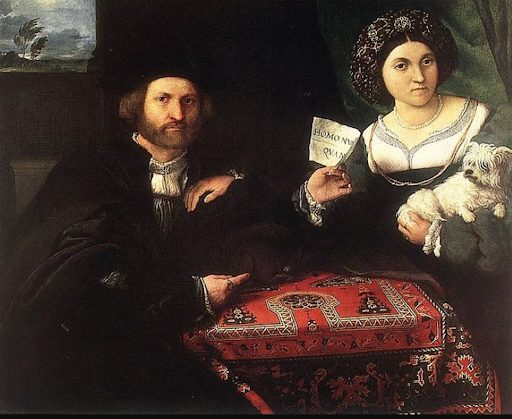
In the winter of 1883, William Morris stood before a room full of wool merchants, manufacturers, and assorted Victorian worthies in a lecture hall in Birmingham and said something that no one in that room was prepared to hear. The decorative arts, he told them, were not decorative at all. They were the most serious form of human making and their degradation under industrial production was not an aesthetic problem but a civilizational one. He had brought, as he often did, an Oriental carpet to make his point. Then he said, in effect: this is what we have lost the capacity to make, and until we recover it, we have no business calling ourselves a culture.
Read the Feature
Oushak Rugs – An Oriental Guide to History, Styles and Significance
Originating from western Turkey, the elegance of Oushak rugs traces back to the 15th century Ottoman Empire. These antique masterpieces, first hand-knotted in the city of Usak, were crafted with high-end, lustrous wool in subtle, glowing hues. The hallmark of Oushak rugs lies in their expansive floral designs that radiate from the center, a distinct departure from the intricate florals and geometric shapes of Persian counterparts. The allure of Oushak rugs transcended the Ottoman borders during the Renaissance, captivating European connoisseurs who admired their serene beauty. This surge in demand led to expanded production, ensuring that these exquisite Oushak carpets adorned the finest European country homes and palaces. Notably, their understated colors and harmonious patterns make them a favorite among contemporary designers, evoking a sense of tranquility and timeless sophistication.
Read the Feature


R&K Image Studio
NEWThe R&K Image Studio is a new visual workspace designed to present the Rug & Kilim collection with clarity, restraint, and precision — in your space or any space you imagine.
This tool allows you to view, refine, and prepare imagery drawn directly from the pieces in our archive. They can be visualized cleanly, isolated thoughtfully, and adjusted for presentations, proposals, and private viewings, without altering the integrity of the original work.
Antique
Wool
Turkey
10'3" X 12'0" (3.12 m x 3.66 m)
$36,000
Available: Shipping as Soon as Tomorrow
Antique Oushak Rug in Red with Floral Medallions, from Rug & Kilim
"It's rare to find a rug company that offers unique antiques, curated with a historical eye. And the best quality customization for anything you might need. All while being treated like family - love those guys."
— Andre Mellone, Studio Mellone