




Natural Silk
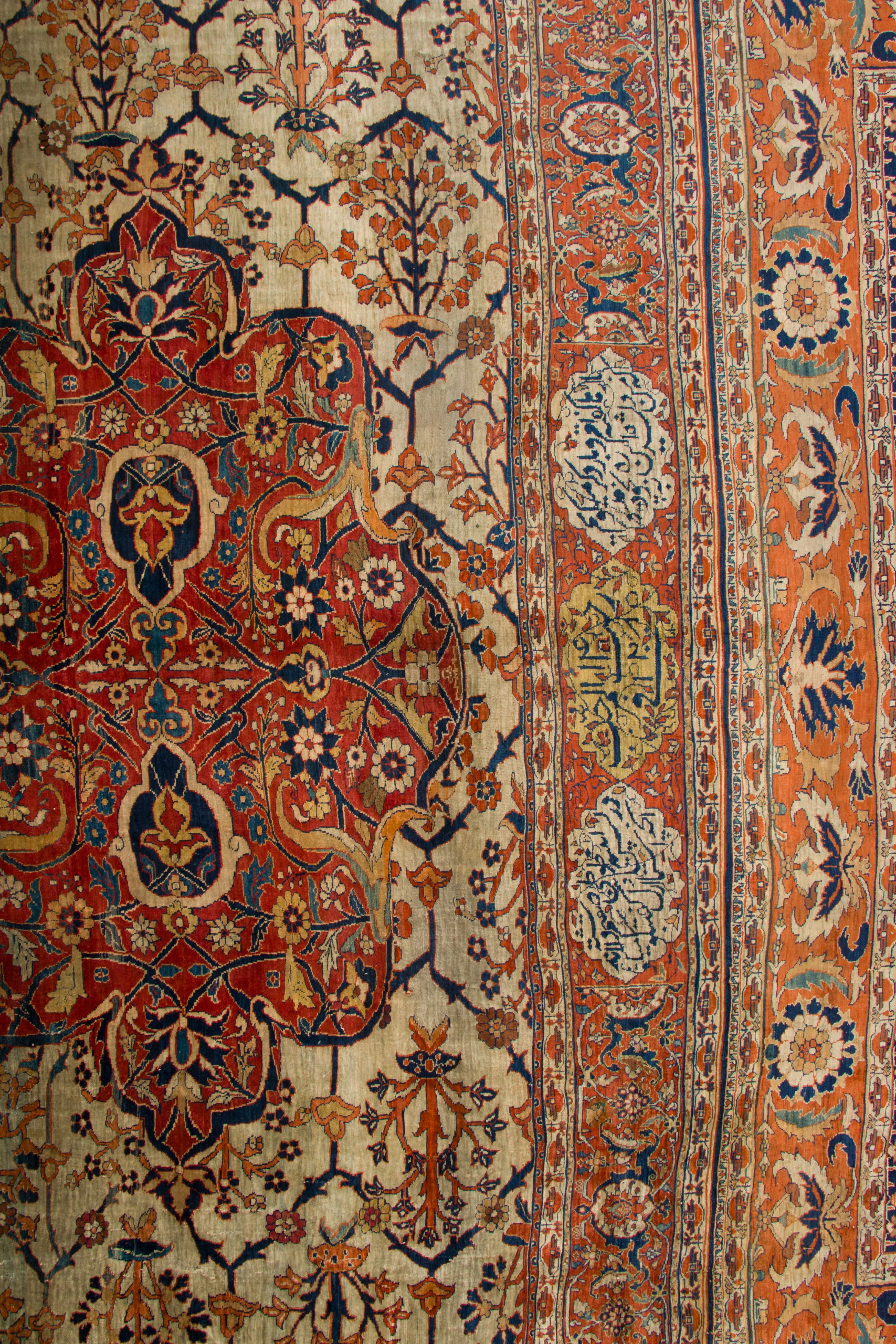
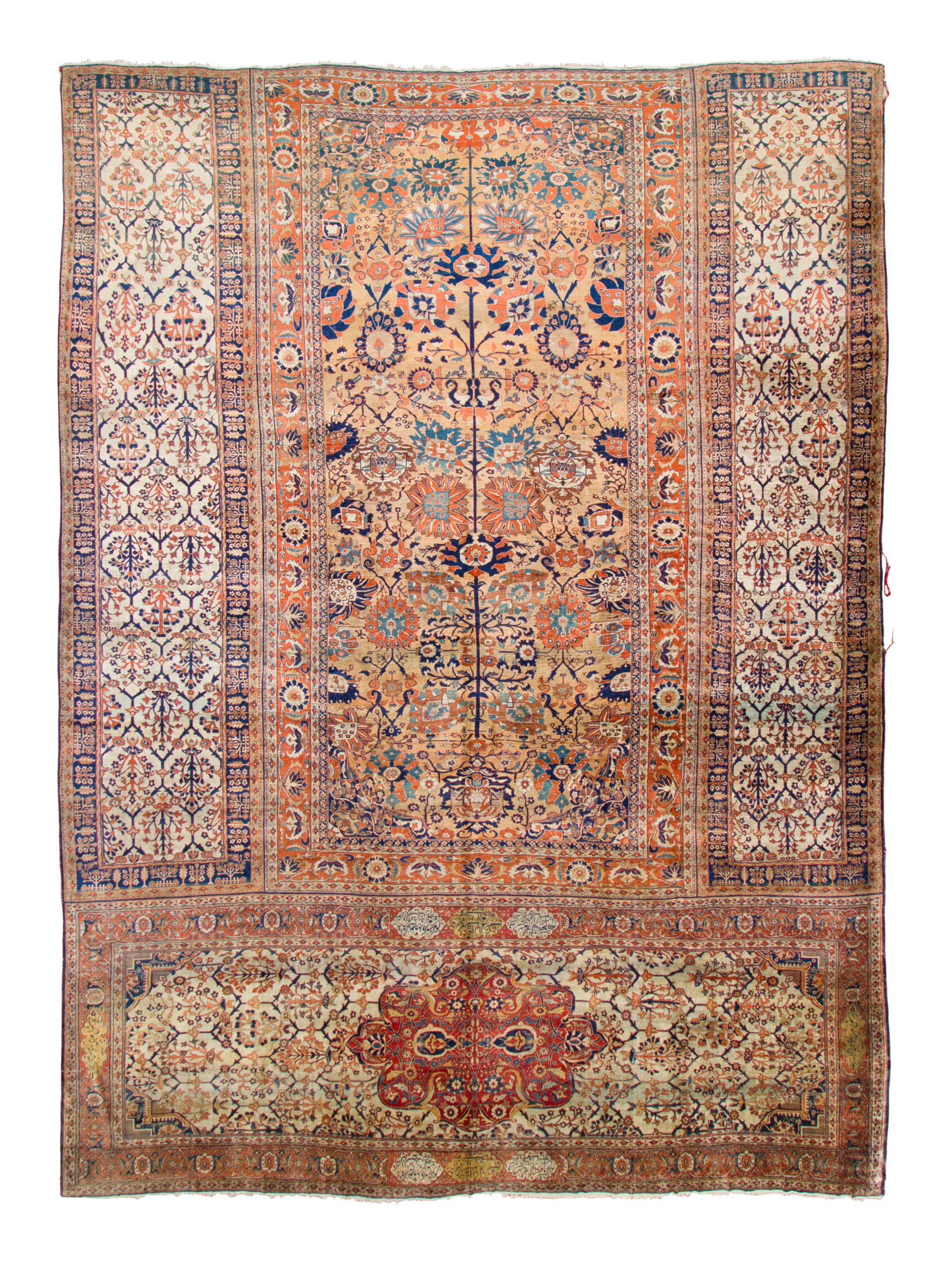
Persia, c. 1868
10'8" X 14'8" (3.25 m x 4.47 m)
Available: Shipping As Soon As Tomorrow
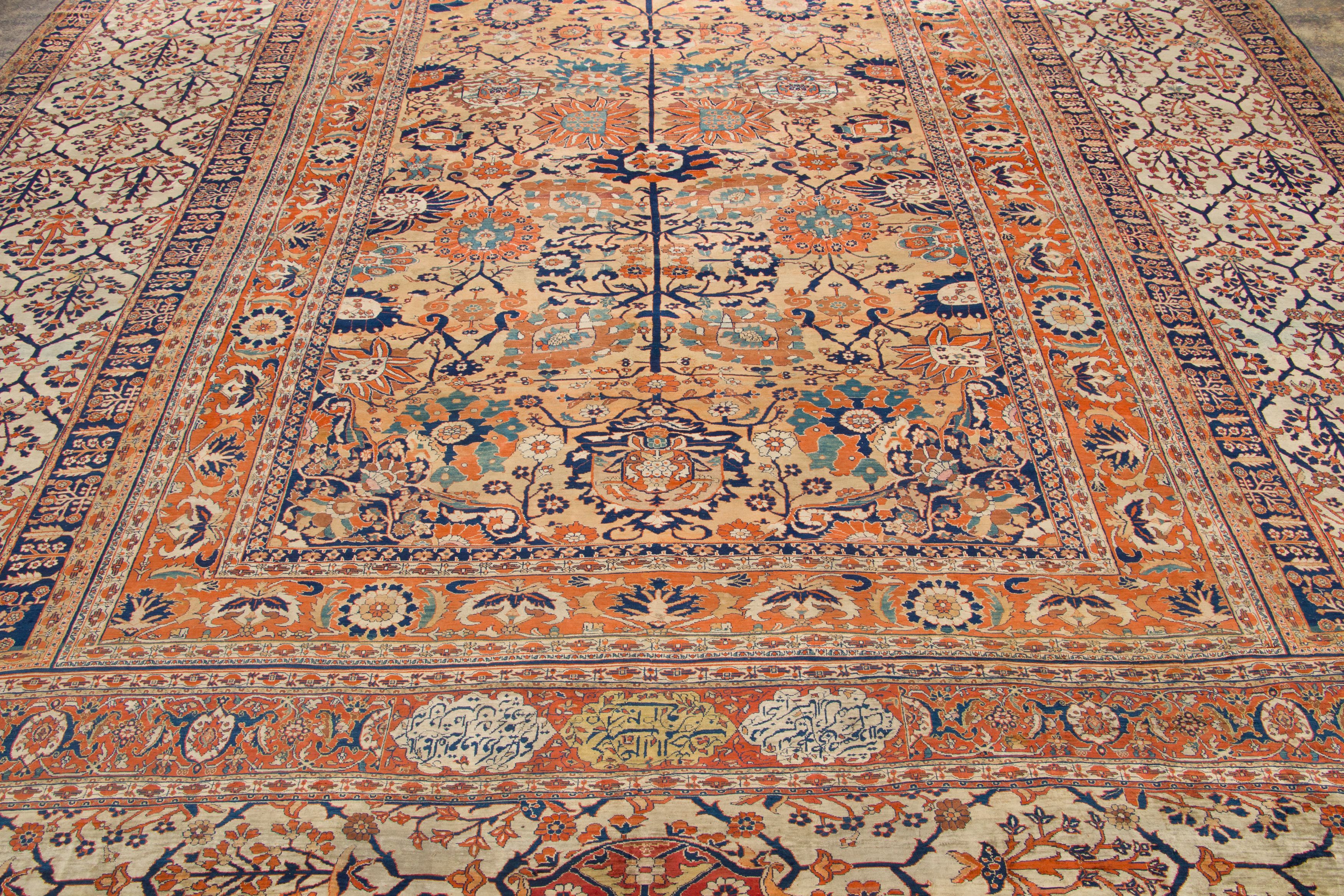
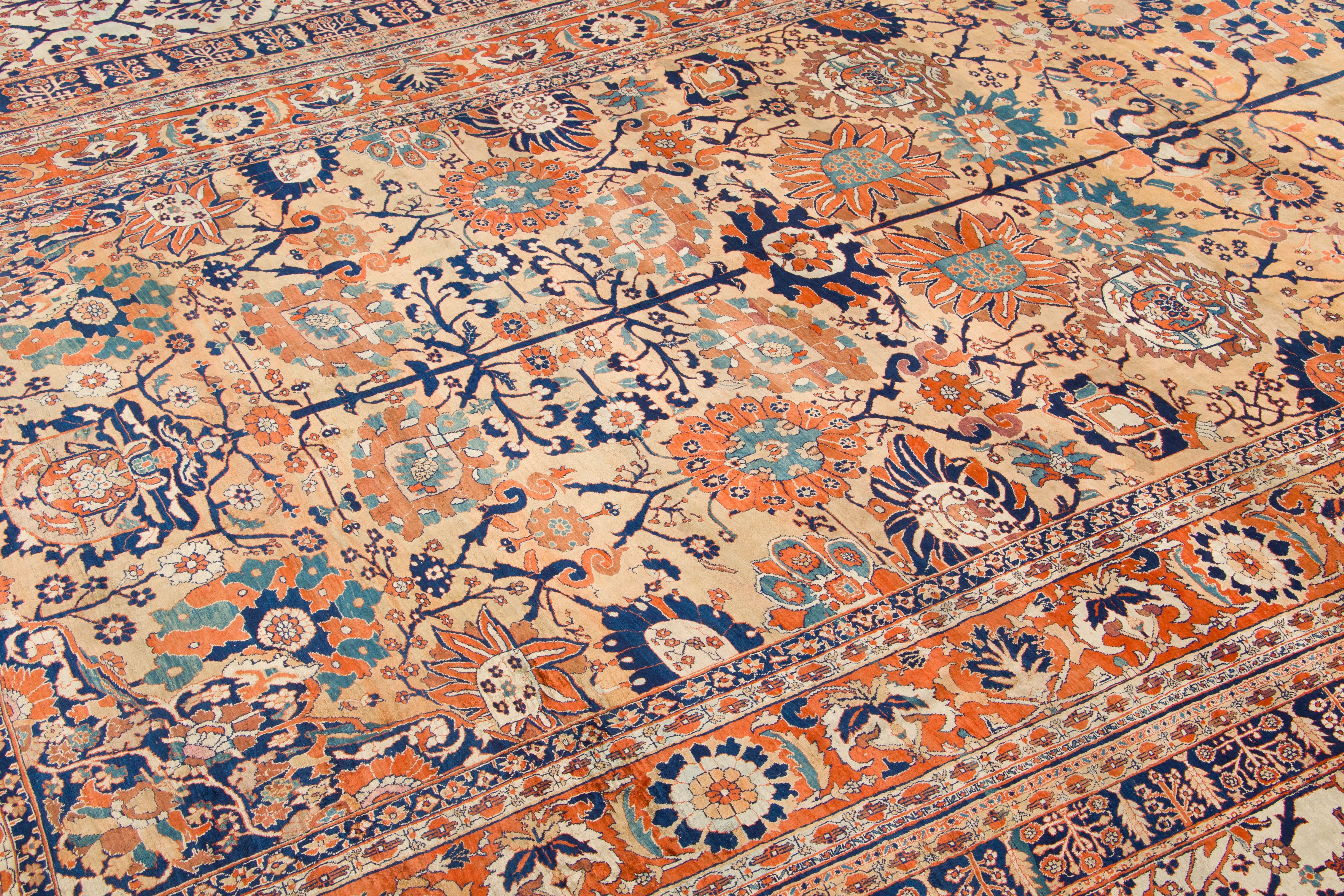
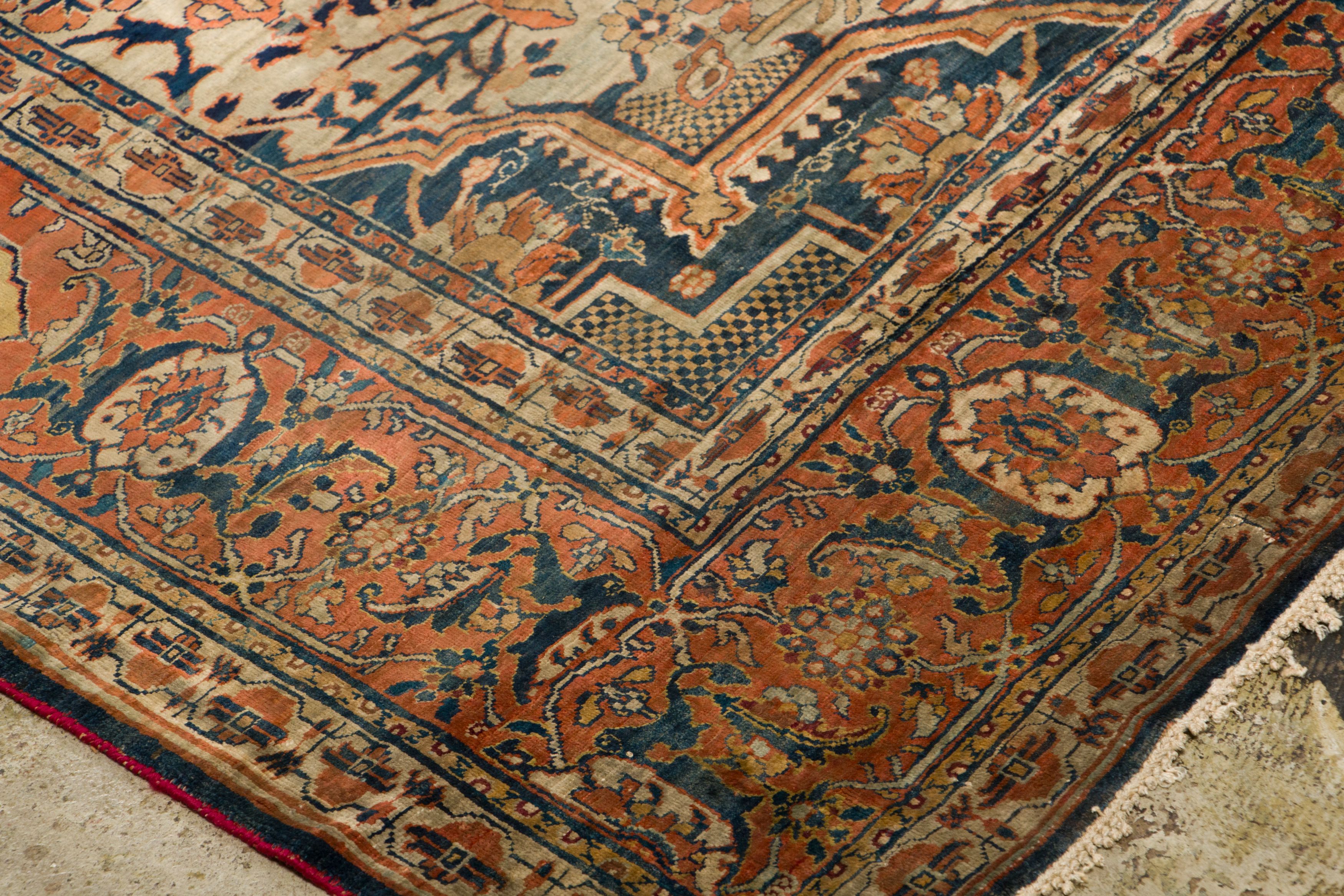
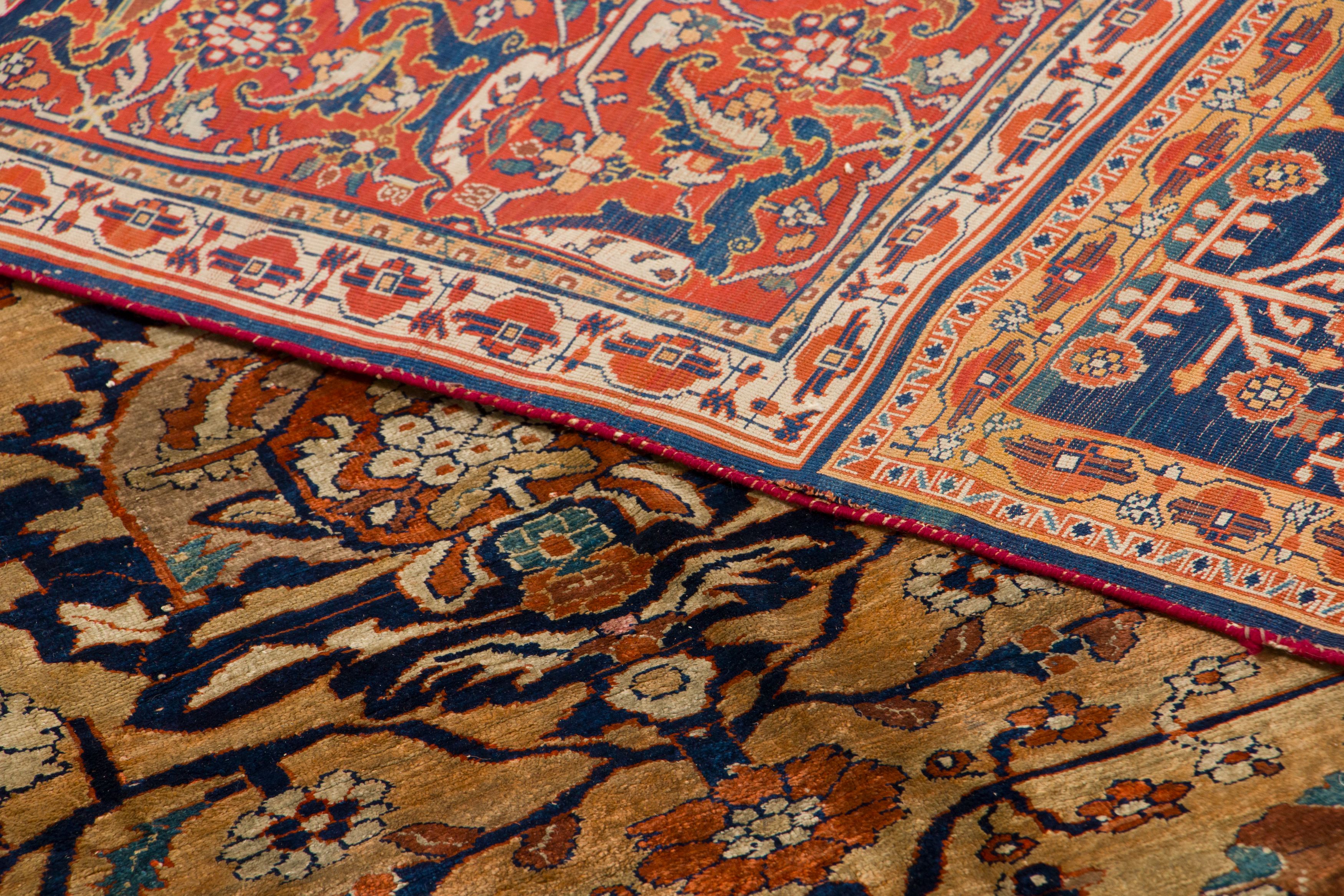
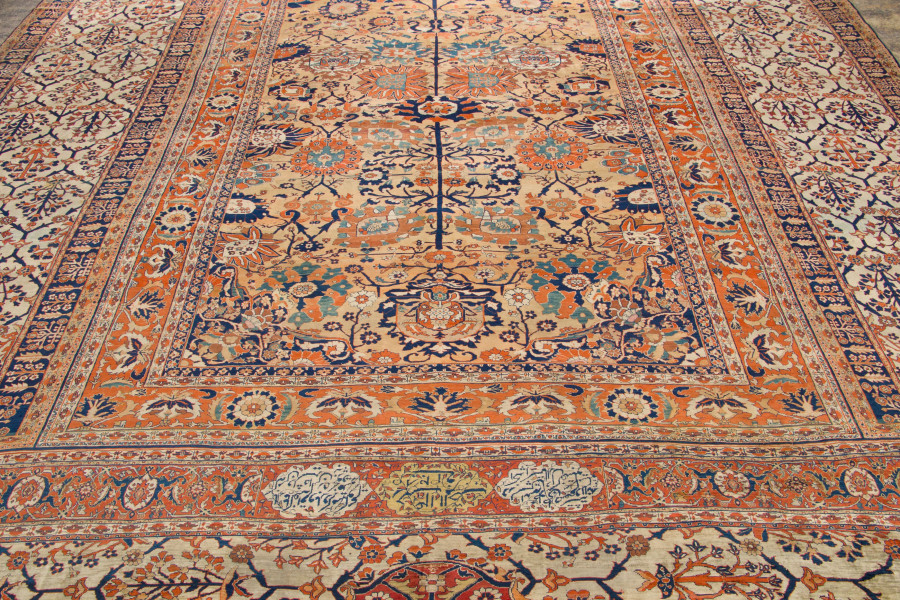
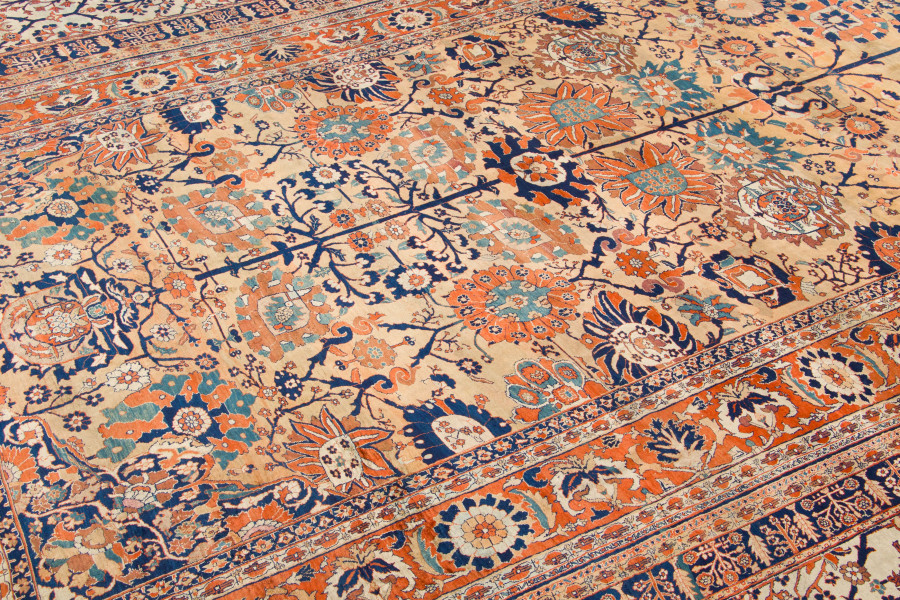
Antique 19th Century Rare Persian Heriz Triclinium Silk Carpet with Hafez Ghazals & Medallions - Rug & Kilim
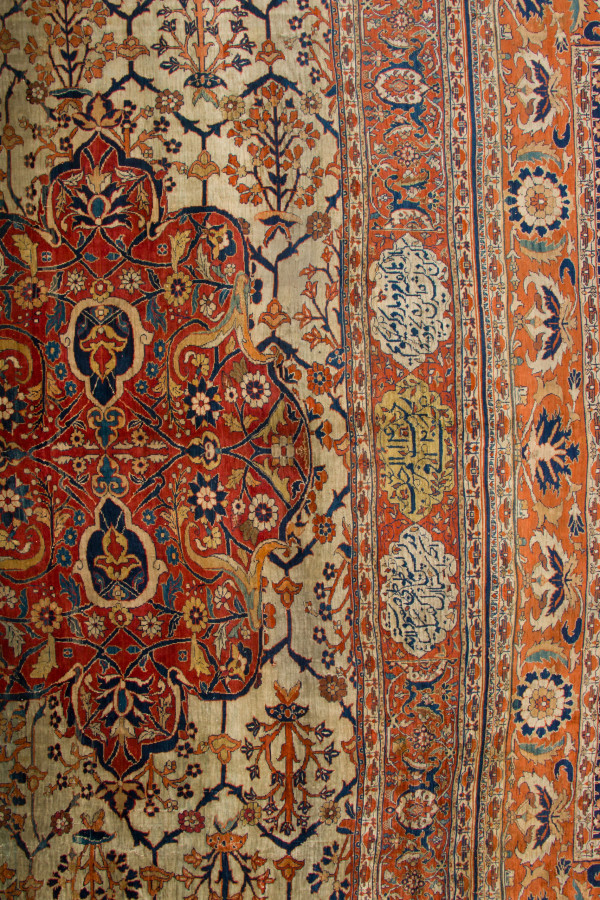
barha gufta-am u bar-i digar miguyam
ki man-i dil shuda in rah na ba-khwud mipuyam
dar pas-i ayina tuti sifatam dashta-and
an chi ustad-i azal gufta bugu miguyam
'Times I have said: and again I say, –
That, here bereft, not of myself, have I gone this Path (of love).
Behind the (pure) mirror (of the holy traveller’s heart) me, they have kept like the parrot:
What the Teacher of eternity without beginning said: – “Say”; I say.’
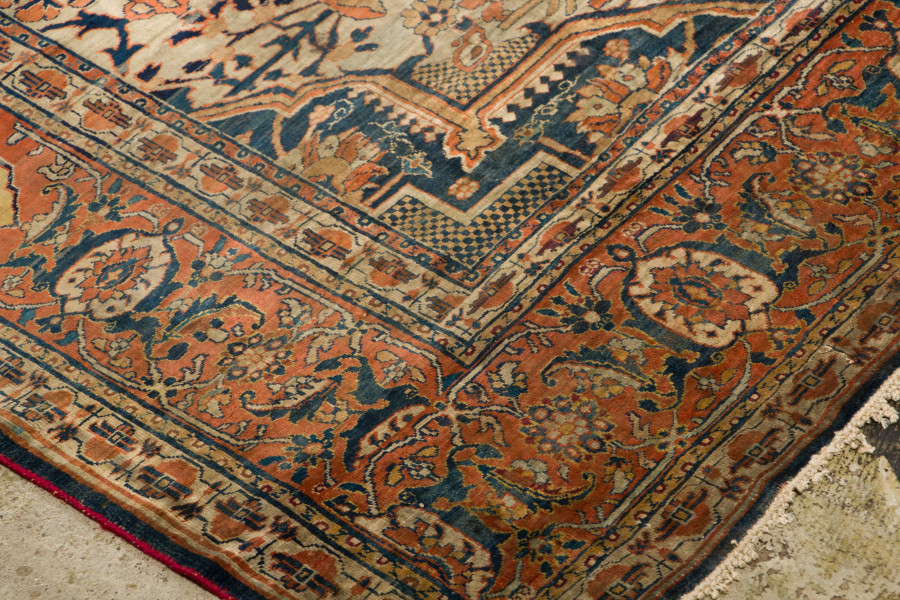
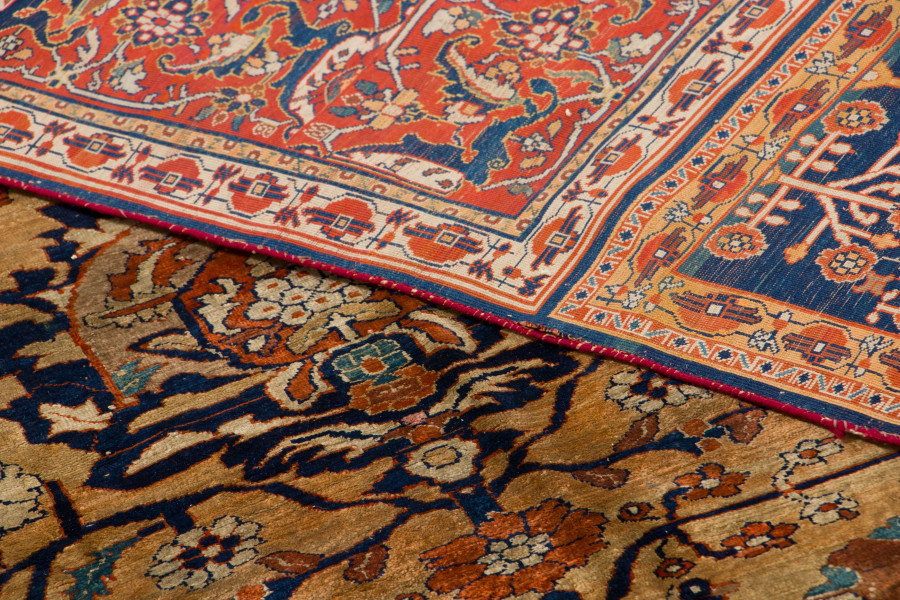
Placed above the host's seat, a specific cartouche actively greets the entering guest: "Welcome, for your arrival has pleased me." Woven during the eighth year of Nasir al-Din Shah Qajar's reign, this carpet translates the architecture of hospitality into silk, preserving an unbroken Safavid lineage and profound literary tradition within a single, miraculous survival. Condition: This antique Persian Heriz silk rug is in good condition for its age and origin, with some occasional surface marks and touches of light wear.


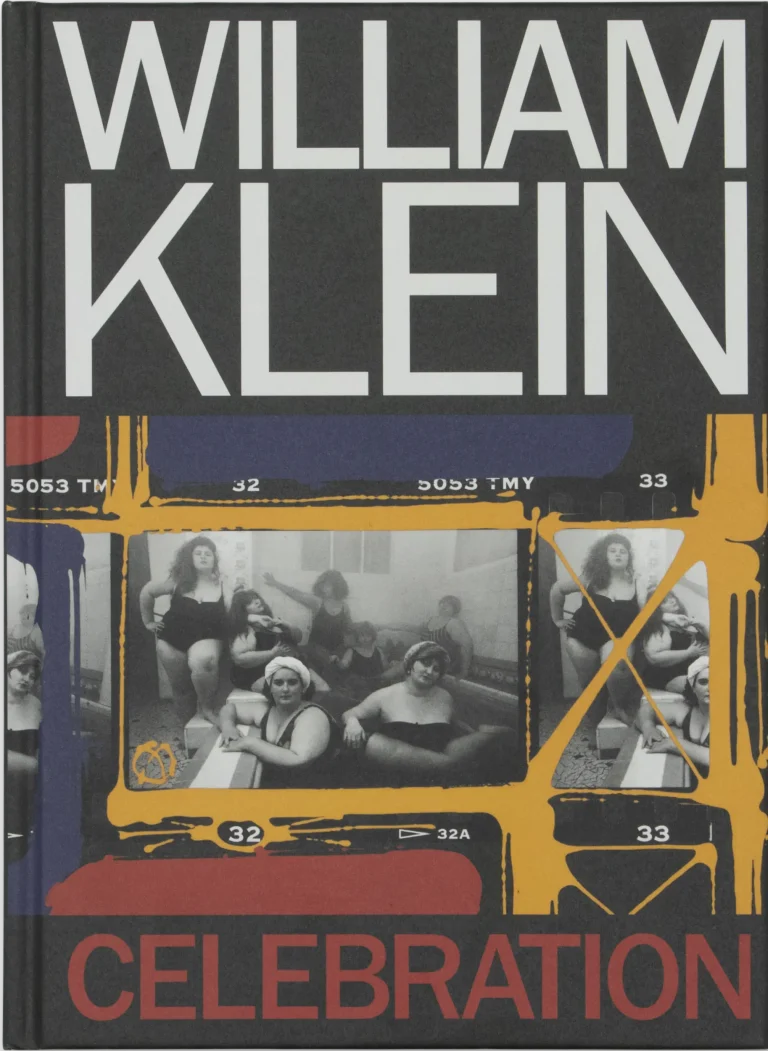
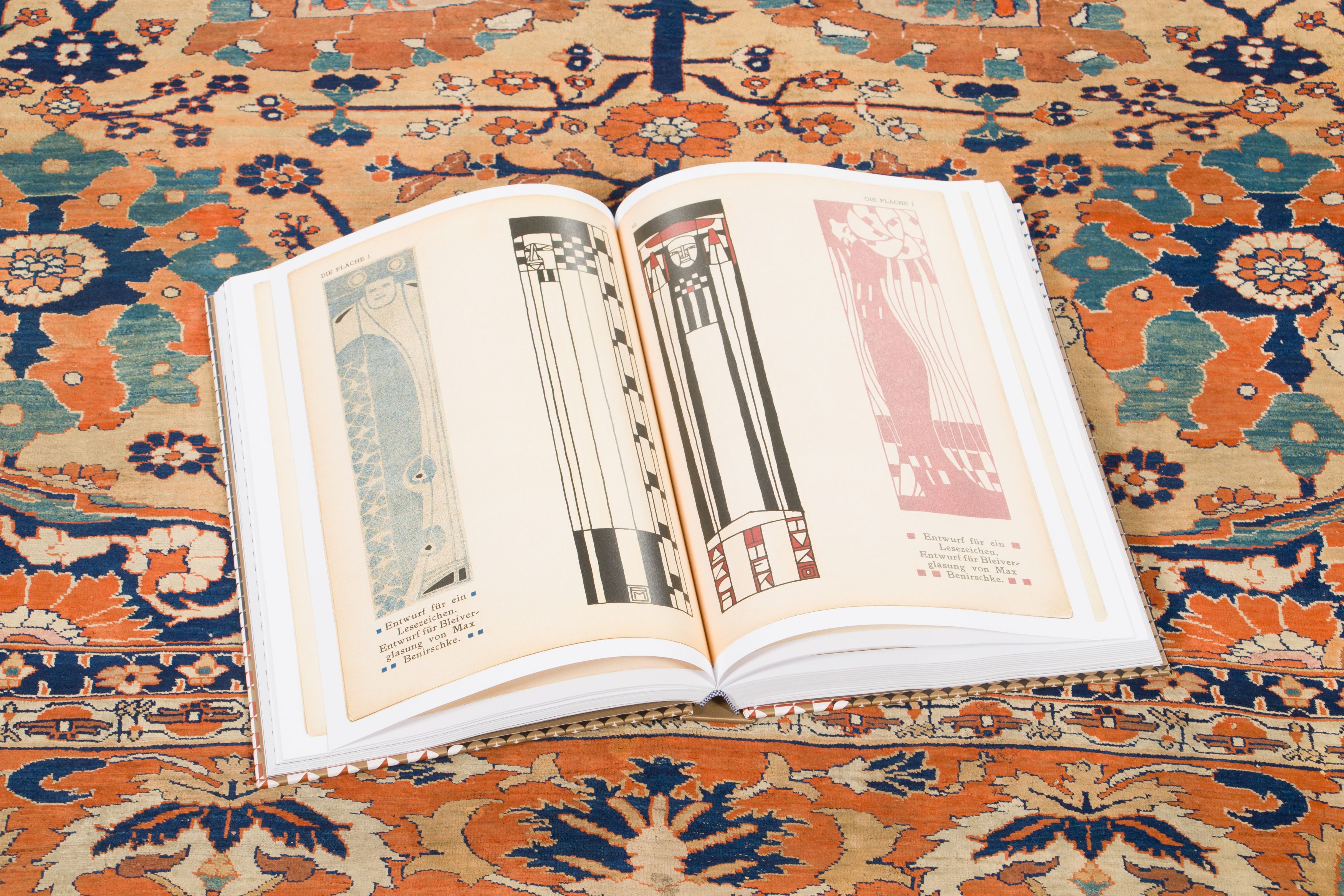
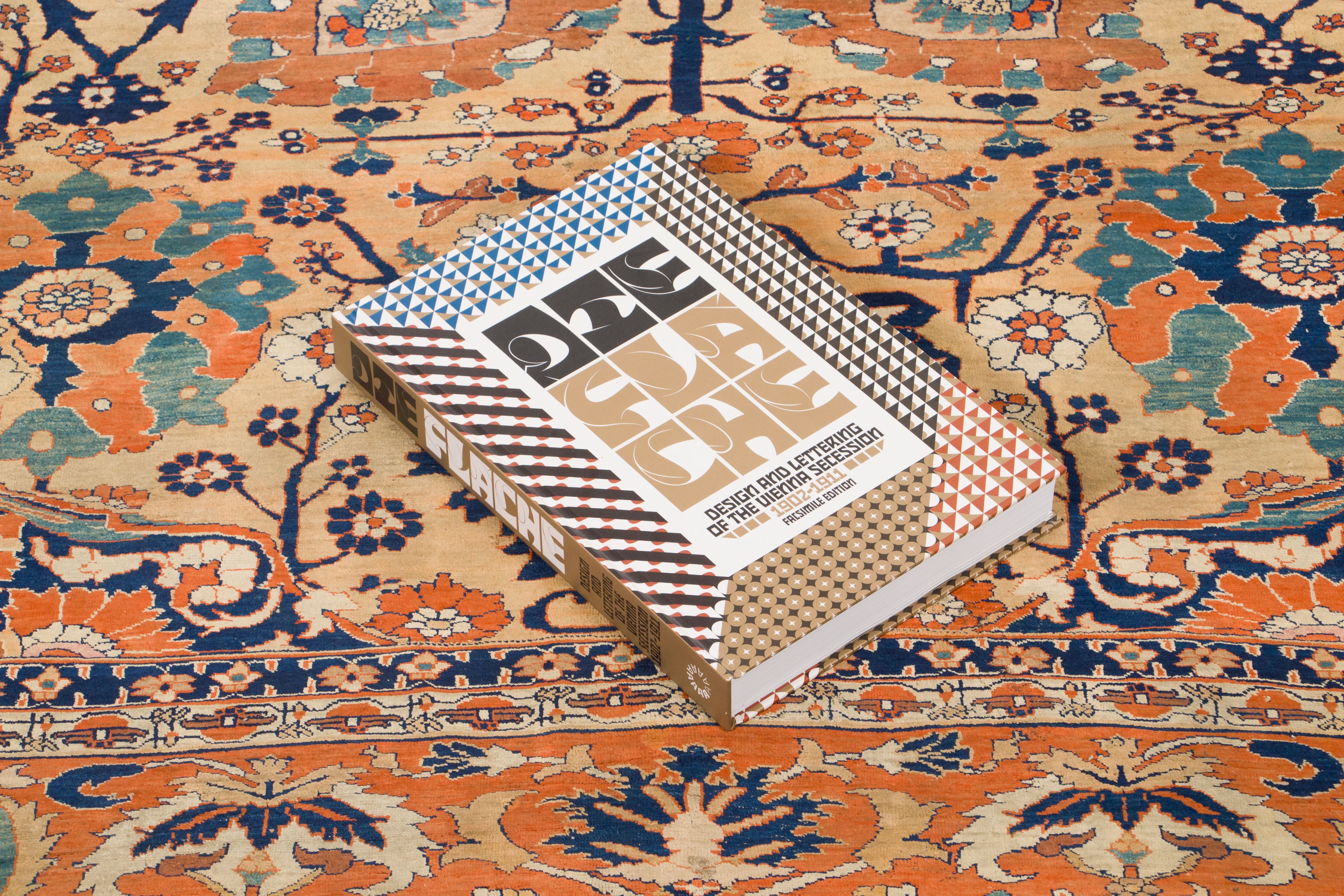
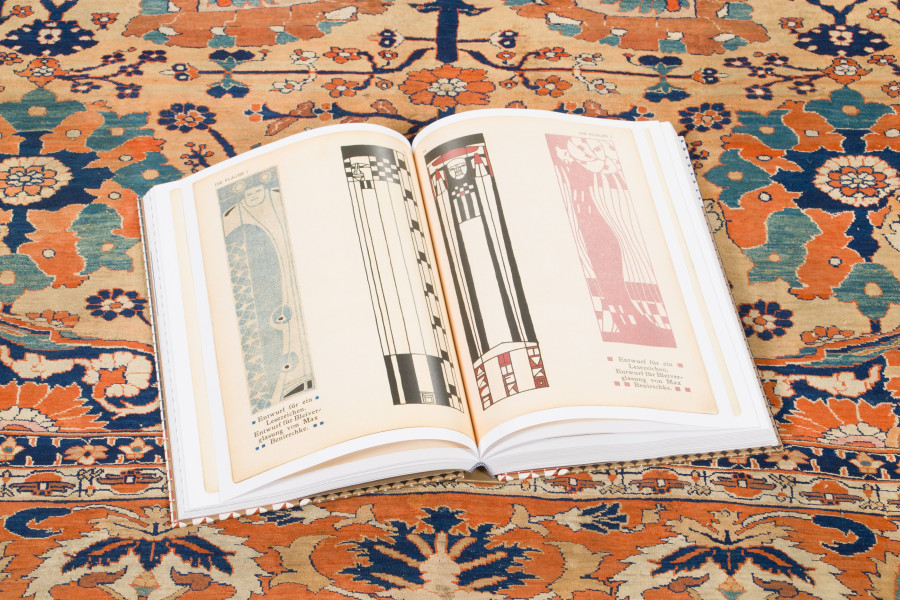
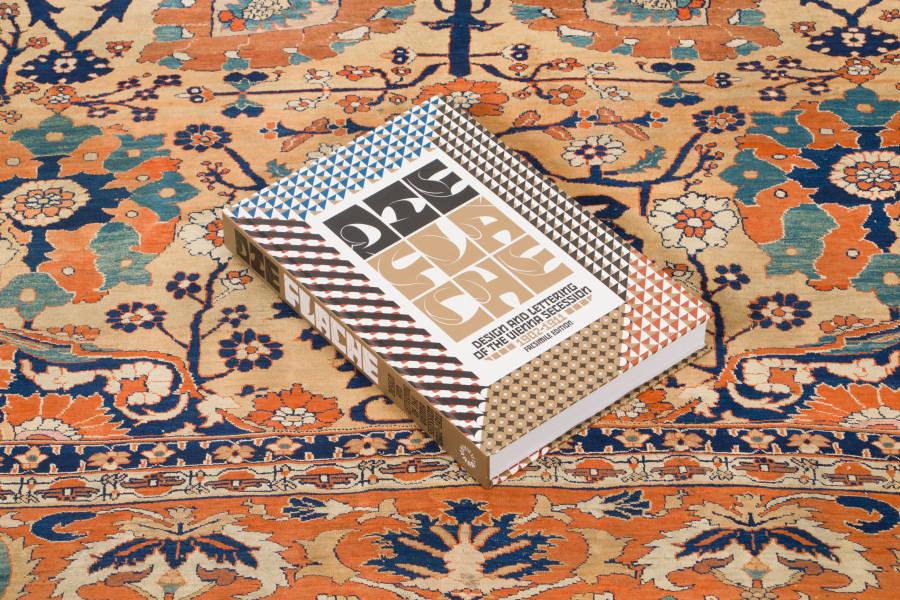
William Klein: Celebration
By William Klein. — La Fábrica, 2019
Americana, Modernist (20th Century)
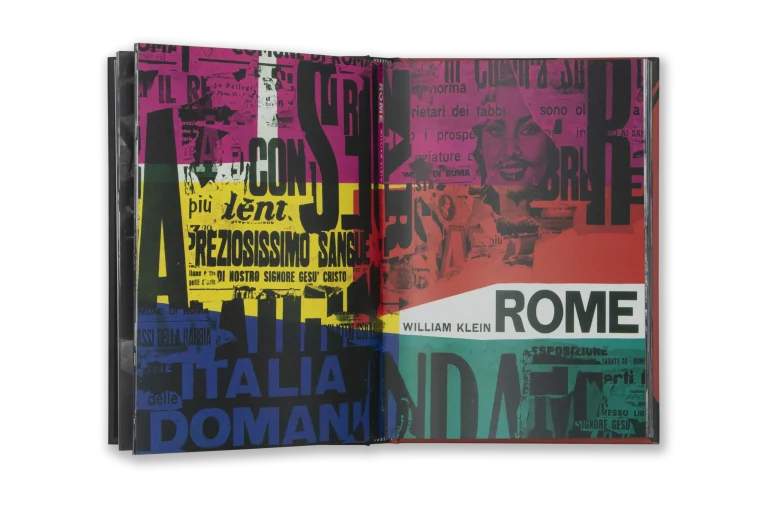
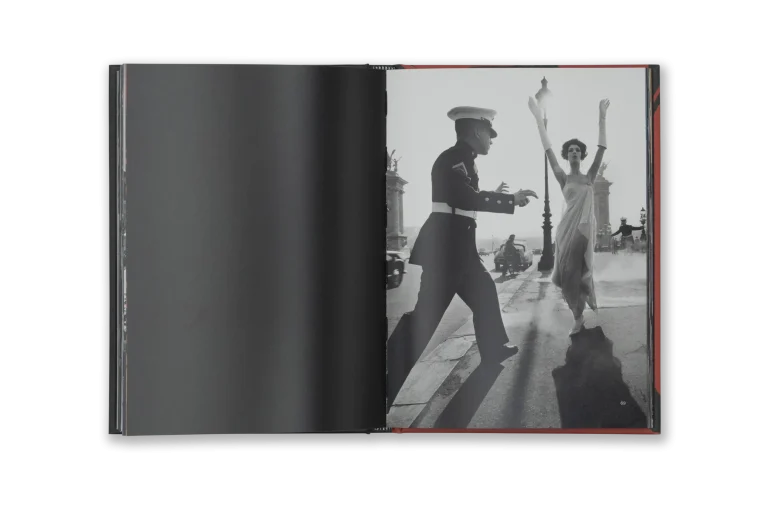
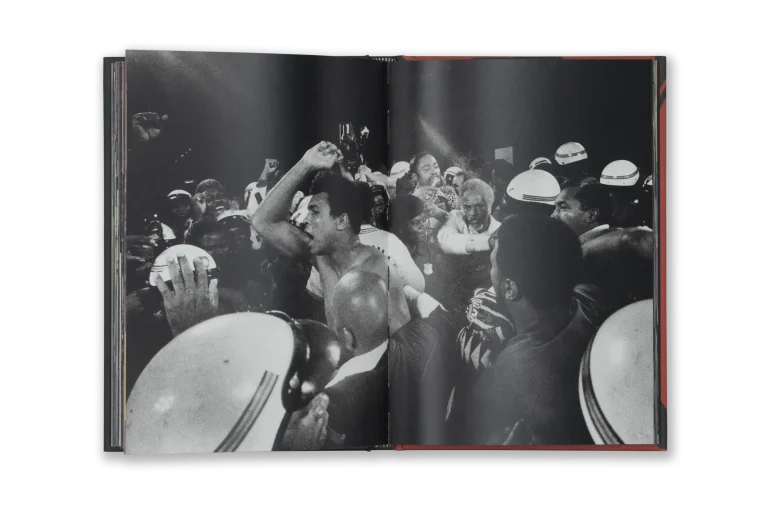
Klein by Klein: the photographer's homage to the medium Here, looking back from the perspective of his 90 years, William Klein selects his favorite works, those that he considers to be the very best he has made over the course of his long career, in order to pay homage to the medium of photography itself. This book, appropriately titled Celebration, provides a tour of his most emblematic works, traversing New York, Rome, Moscow, Madrid and Paris, in powerful black and white or striking color. The book also includes a text by the author in which he reflects upon the photographic art and explains what prompted him to make this director's cut, this exceptionally personal selection.
$40
"Rug & Kilim has been a pleasure to work with from the very start of our relationship. Not only is their service outstanding, their inventory of one of a kind vintage rugs is unparalleled."
— Alan Eckstein and Margaret Goddard, Somerset House
A standard since our inception upheld across every acquisition,
transaction, and delivery.
45+ Year Old Institution
More than four decades of expertise and stewardship, under the leadership of our Principal, Jahanshah "Josh" Nazmiyal.
Favorable Return Policy
Our return policy is 48 hours upon receipt allowing you to confirm the purchase in your space with confidence.
Product Warranty
Each rug is hand selected or produced through the most reputable sources under the direct supervision of our Principal.
Trusted Global Delivery
Reliable worldwide delivery handled with care, precision and constant communication.
Exceptional Support
Attentive, knowledgeable guidance before and after purchase from our dedicated team of specialists.
Long Term Care
We stand behind every piece we place and remain a resource to our clients for the lifetime of their collection.
- Measurements: 10'8" x 14'8" ( 3.25 m x 4.47 m )
- Categories: Antique, The Jahanshah Collection
- Classification: Classic/Traditional, Geometric, Heriz, Medallion, Period Piece, Pictorial
- Material: Natural Silk
- Origin: Persia
- SKU: 37956

Specifications:
Stories from the Antique Collection
Essays, artist dialogues, and provenance notes drawn from Rug & Kilim’s editorial desk.
Bokhara Rugs: Traditional Weaving and Global Influence
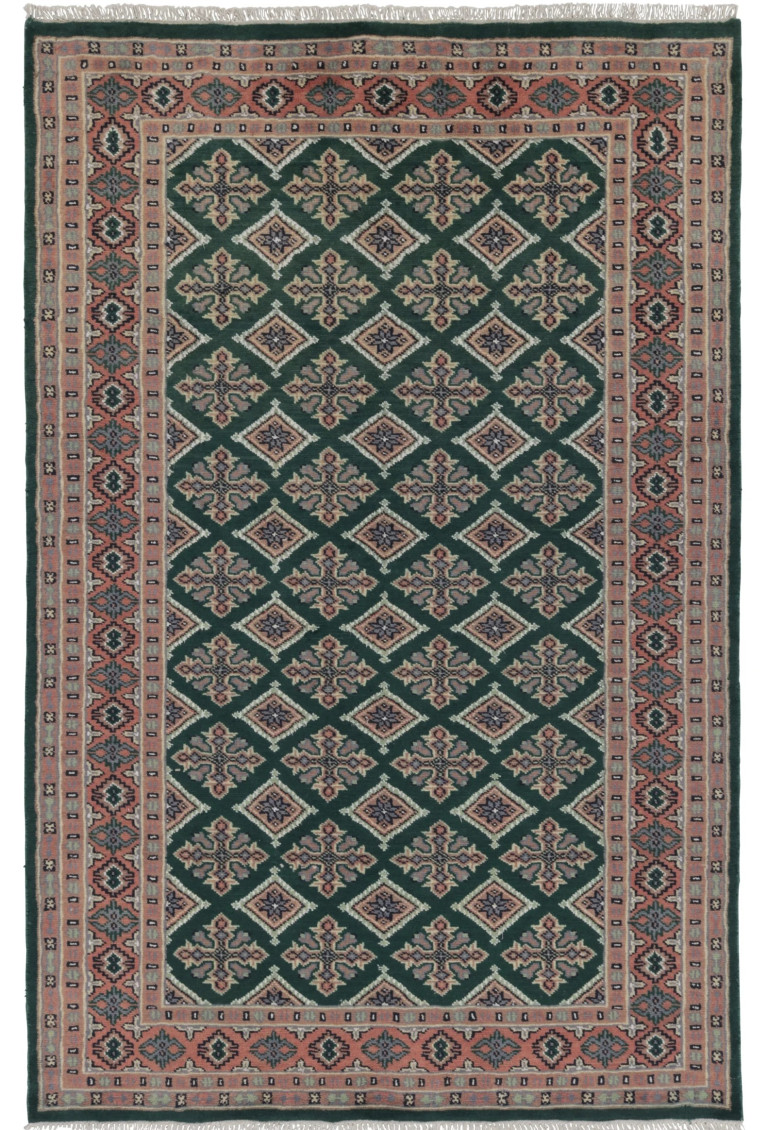
Among the most recognizable and influential traditions in the history of oriental carpets, Bokhara rugs represent a remarkable fusion of tribal heritage, geometric precision, and centuries-old weaving expertise. Known worldwide for their iconic repeating motifs, deep colors, and refined craftsmanship, Bokhara rugs have become enduring symbols of Central Asian textile artistry. Although the name “Bokhara” is commonly associated with the historic city of Bukhara in present-day Uzbekistan, many rugs classified as Bokhara originate from Turkmen weaving communities across regions including Turkmenistan, Afghanistan, and surrounding areas. The name reflects the historical trade routes through which these carpets traveled and became known internationally.
Read the Feature
The Complete Guide to Bakhshaish Rugs and Northwest Persian Carpet Traditions
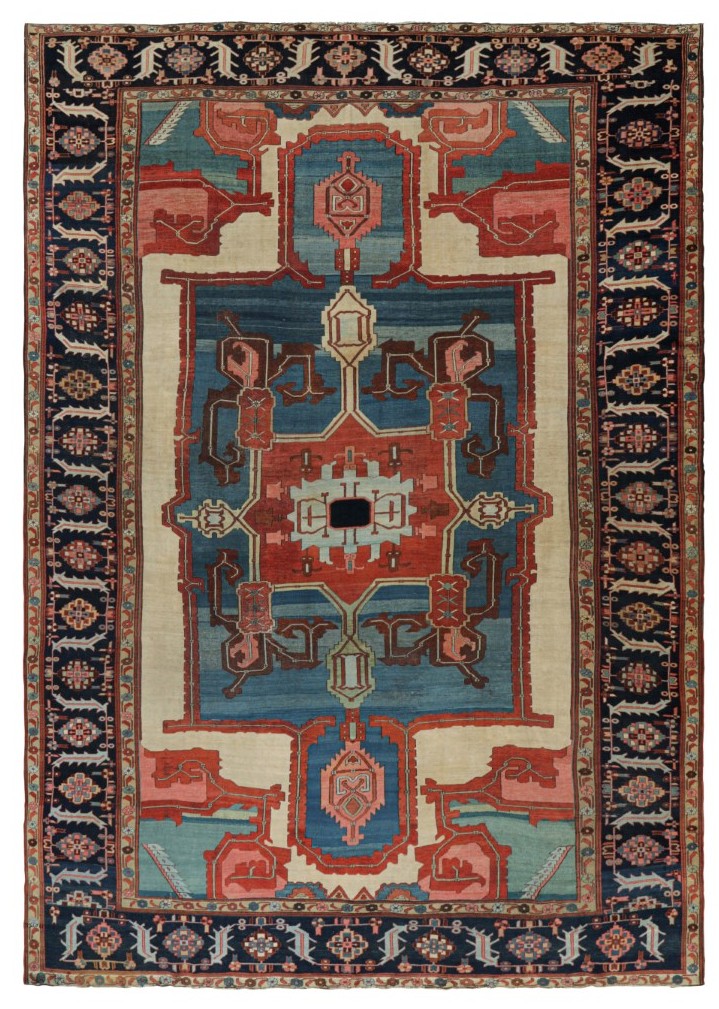
Among the most celebrated village weaving traditions of Persia, Bakhshaish rugs occupy a position of exceptional distinction. Revered by collectors, scholars, architects, and interior designers alike, these carpets embody a rare balance between artistic spontaneity and structural sophistication. Their bold geometry, monumental drawing, and deeply expressive compositions have secured Bakhshaish rugs a place among the most influential carpets in the history of decorative arts. Originating in the village of Bakhshaish in Iran's East Azerbaijan Province, these rugs emerged from a weaving tradition that transformed regional motifs into works of extraordinary artistic power. While often associated with neighboring Heriz carpets, Bakhshaish rugs possess a distinctive character all their own. Their designs are frequently larger in scale, more abstract in execution, and more experimental in composition, qualities that have made them particularly admired within the world of collectible antique rugs.
Read the Feature
Signatures, Editions, and the Bolduc on Modern and Rare Tapestries: The Mark of the Masters and Artists
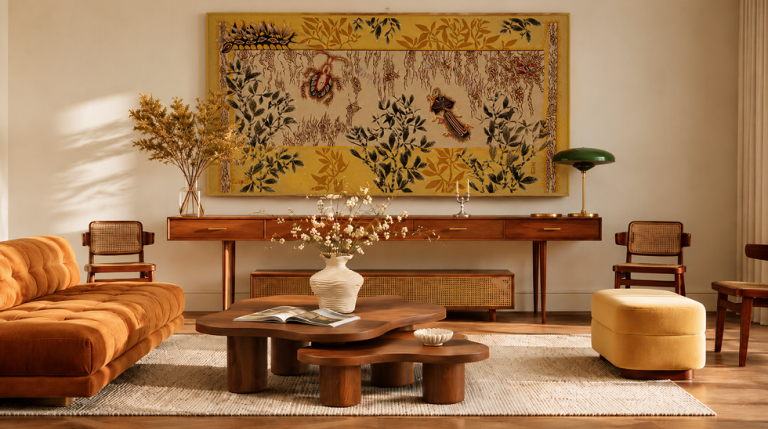
There is a particular pleasure, known to every serious collector, in turning an object over. The front of a great tapestry or carpet is what seduces; the back, and the edges, are what tell the truth. And on the finest modern tapestries, that truth is written in a specific and often misunderstood language, a language of signatures, edition numbers, and a small woven label the French call the bolduc. To read it fluently is to hold the difference between a decorative object and a documented work of art. It is the same literacy that governs the print room and the rare book library, where a collector learns to read a plate mark, a watermark, a colophon. The modern tapestry, elevated to the status of fine art by Jean Lurçat and his circle in the mid-twentieth century, borrowed the apparatus of the fine art edition precisely because it wished to be understood as fine art. To understand the apparatus is to understand the ambition.
Read the Feature
Provenance, Structure, Intelligibility: The Three Pillars of Serious Collecting
Anyone can acquire a rug. To collect one, to bring it into a serious collection with the confidence that it belongs there, requires a discipline, and that discipline rests on three questions. Across four decades of building one of the most significant archives in the country, this house has come to evaluate every object through the same three. They are the difference between buying and collecting, and they are worth setting down plainly, because they apply as readily to a Safavid fragment as to a signed Aubusson, and because they are the same three questions, at bottom, that a curator at the Metropolitan or a specialist at Christie's brings to any object of consequence.
Read the Feature
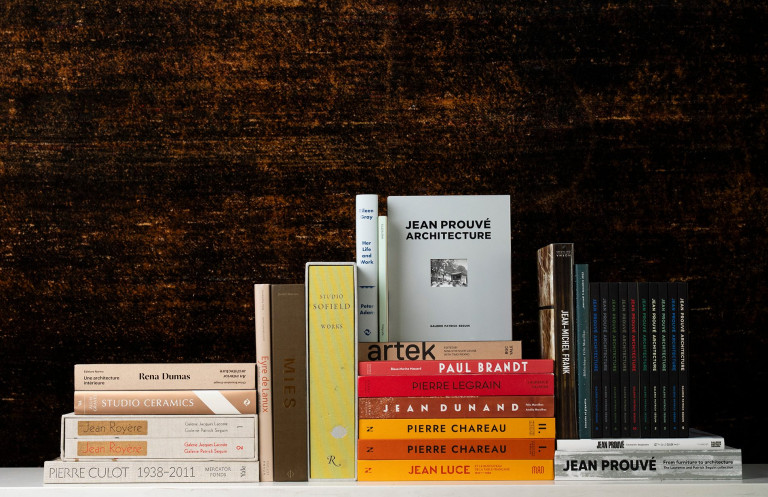
Every Great Collector Owns a Library: On Books, Rugs, and the Knowledge That Connects Them
There has always been a quiet kinship between the rug and the book. Both are objects one lives with rather than merely owns. Both reward the patient return, disclosing more on the tenth encounter than the first. Both are, at their finest, repositories of a civilization's memory; the one held in language, the other in wool. It should surprise no one that the greatest collectors of carpets have almost always been, in the same breath, collectors of the books that explain them. J. Paul Getty kept a scholar's library beside his objects. The Rothschilds, whose carpets now rest in Doha and whose names still move a saleroom, understood a collection as a thing to be studied as much as displayed. To acquire seriously has always meant to read seriously.
Read the Feature
A Glossary of Handmade Rugs and Kilims: Understanding Terms, Types and Techniques Past and Present
Referring to the art style characterized by using shape and color withdrawn from traditional repetition or realism. Abstract rugs — sometimes referred to as art rugs — capture an expressive nature that reads as a very modern style, though many abstract rugs draw inspiration from works of the same art style in the mid-century. One of the more widely known mid-century lineages of this style is abstract expressionism, named for the literal "expressionists" of the 1950s. Some of the most notable names behind this style include Jackson Pollock and Mark Rothko. Referring to a lineage of nomadic Persian rugs (sometimes referred to as “Avsar” in the alternate spelling). Afshar rugs hail from the eponymous tribe in the region of Northeastern Iran.
Read the Feature


R&K Image Studio
NEWThe R&K Image Studio is a new visual workspace designed to present the Rug & Kilim collection with clarity, restraint, and precision — in your space or any space you imagine.
This tool allows you to view, refine, and prepare imagery drawn directly from the pieces in our archive. They can be visualized cleanly, isolated thoughtfully, and adjusted for presentations, proposals, and private viewings, without altering the integrity of the original work.
Antique
Natural Silk
Persia, c. 1868
10'8" X 14'8" (3.25 m x 4.47 m)
Log In to See Price
Available: Shipping as Soon as Tomorrow
Antique 19th Century Rare Persian Heriz Triclinium Silk Carpet with Hafez Ghazals & Medallions - Rug & Kilim
barha gufta-am u bar-i digar miguyam
ki man-i dil shuda in rah na ba-khwud mipuyam
dar pas-i ayina tuti sifatam dashta-and
an chi ustad-i azal gufta bugu miguyam
'Times I have said: and again I say, –
That, here bereft, not of myself, have I gone this Path (of love).
Behind the (pure) mirror (of the holy traveller’s heart) me, they have kept like the parrot:
What the Teacher of eternity without beginning said: – “Say”; I say.’
Placed above the host's seat, a specific cartouche actively greets the entering guest: "Welcome, for your arrival has pleased me." Woven during the eighth year of Nasir al-Din Shah Qajar's reign, this carpet translates the architecture of hospitality into silk, preserving an unbroken Safavid lineage and profound literary tradition within a single, miraculous survival. Condition: This antique Persian Heriz silk rug is in good condition for its age and origin, with some occasional surface marks and touches of light wear."Josh and his team have supported my interior design work, as well as my personal projects, for over 20 years. Their inimitable combination of creativity, personal attention, professionalism and joie de vivre are irresistible."
— Claire Fleming Peters, Fleming Peters
- Measurements: 10'8" x 14'8" ( 3.25 m x 4.47 m )
- Categories: Antique, The Jahanshah Collection
- Classification: Classic/Traditional, Geometric, Heriz, Medallion, Period Piece, Pictorial
- Material: Natural Silk
- Origin: Persia
- SKU: 37956

