
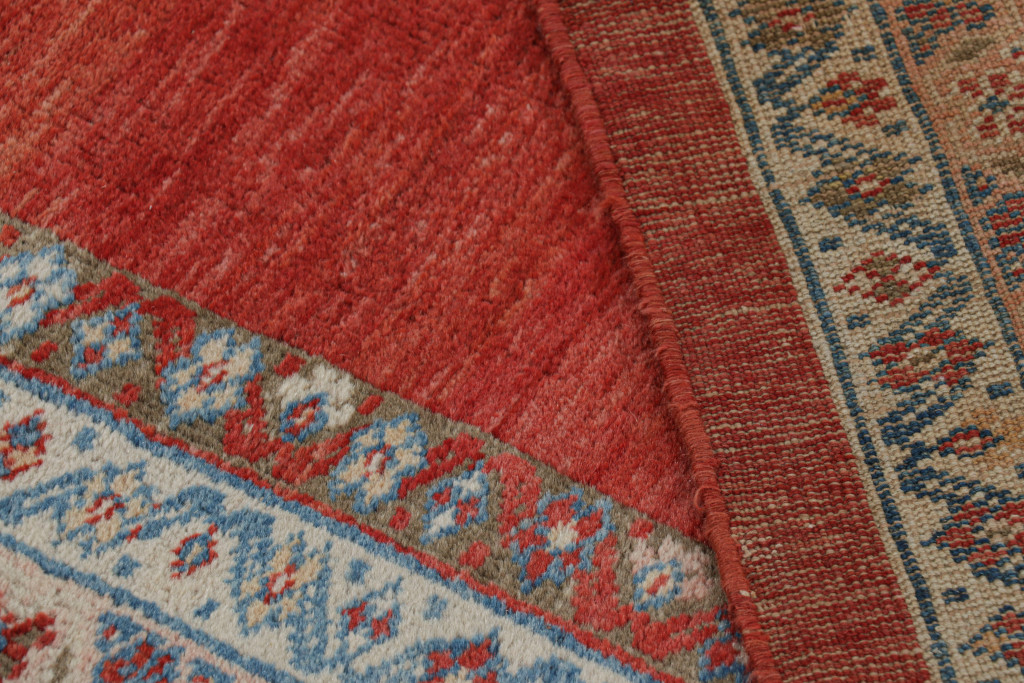
Wool
Persia
11'4" X 16'8" (3.45 m x 5.08 m)
Available: Shipping As Soon As Tomorrow
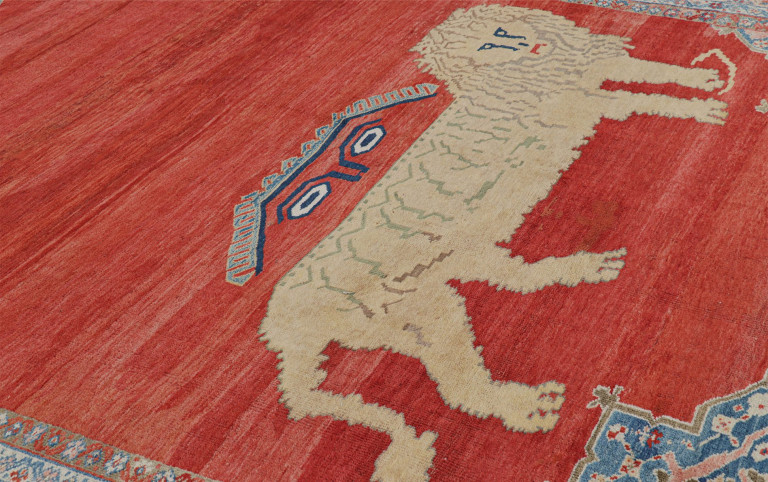
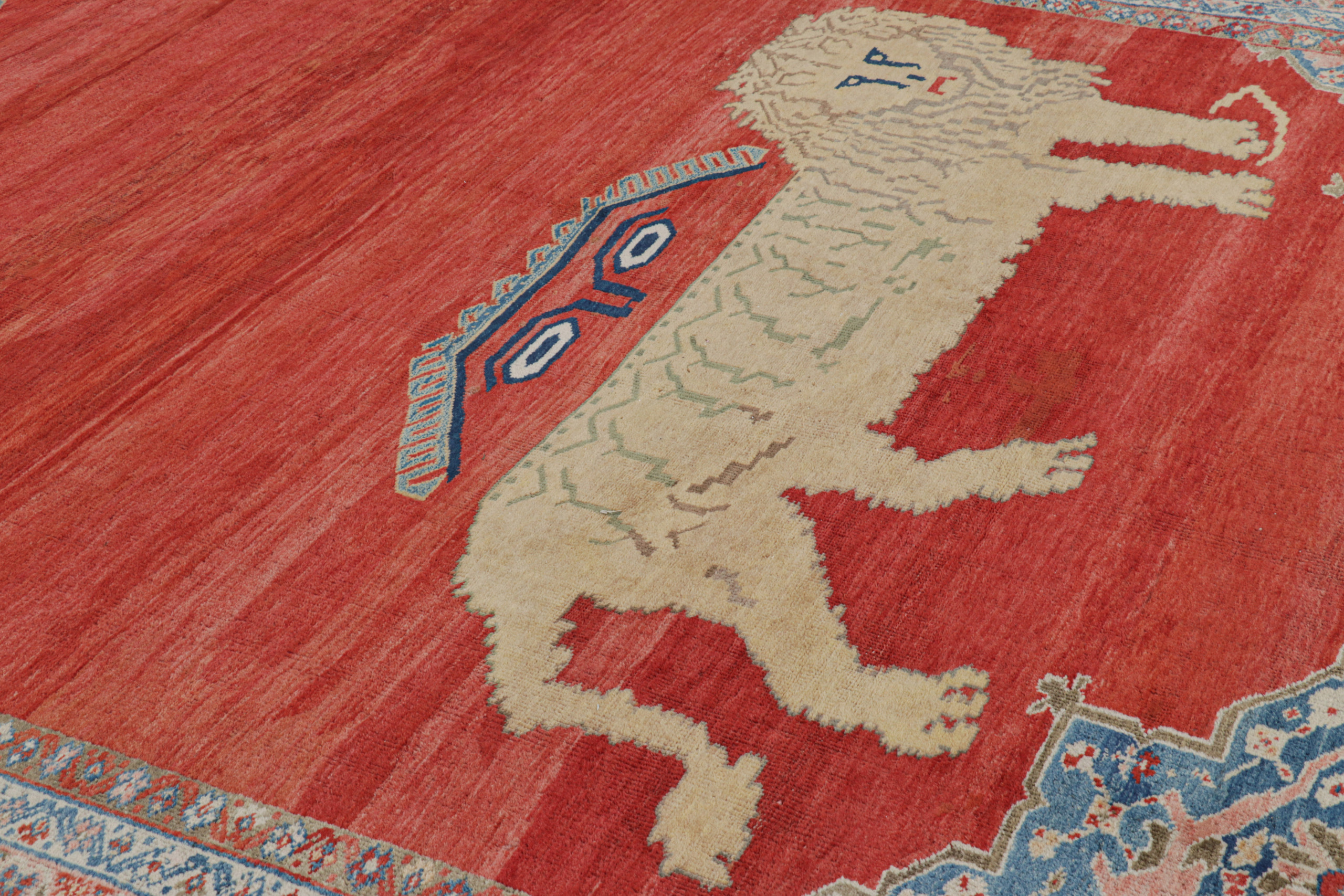
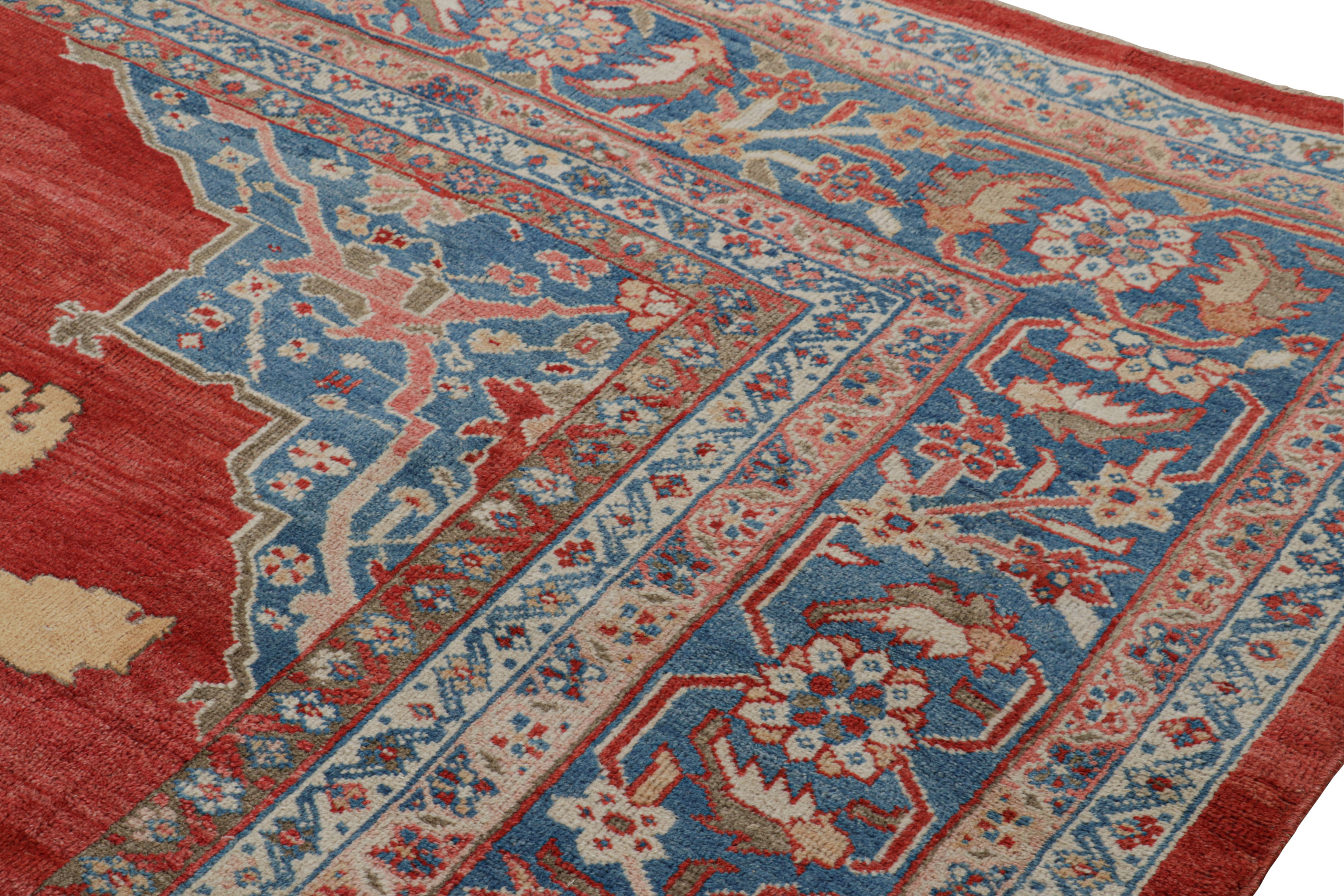
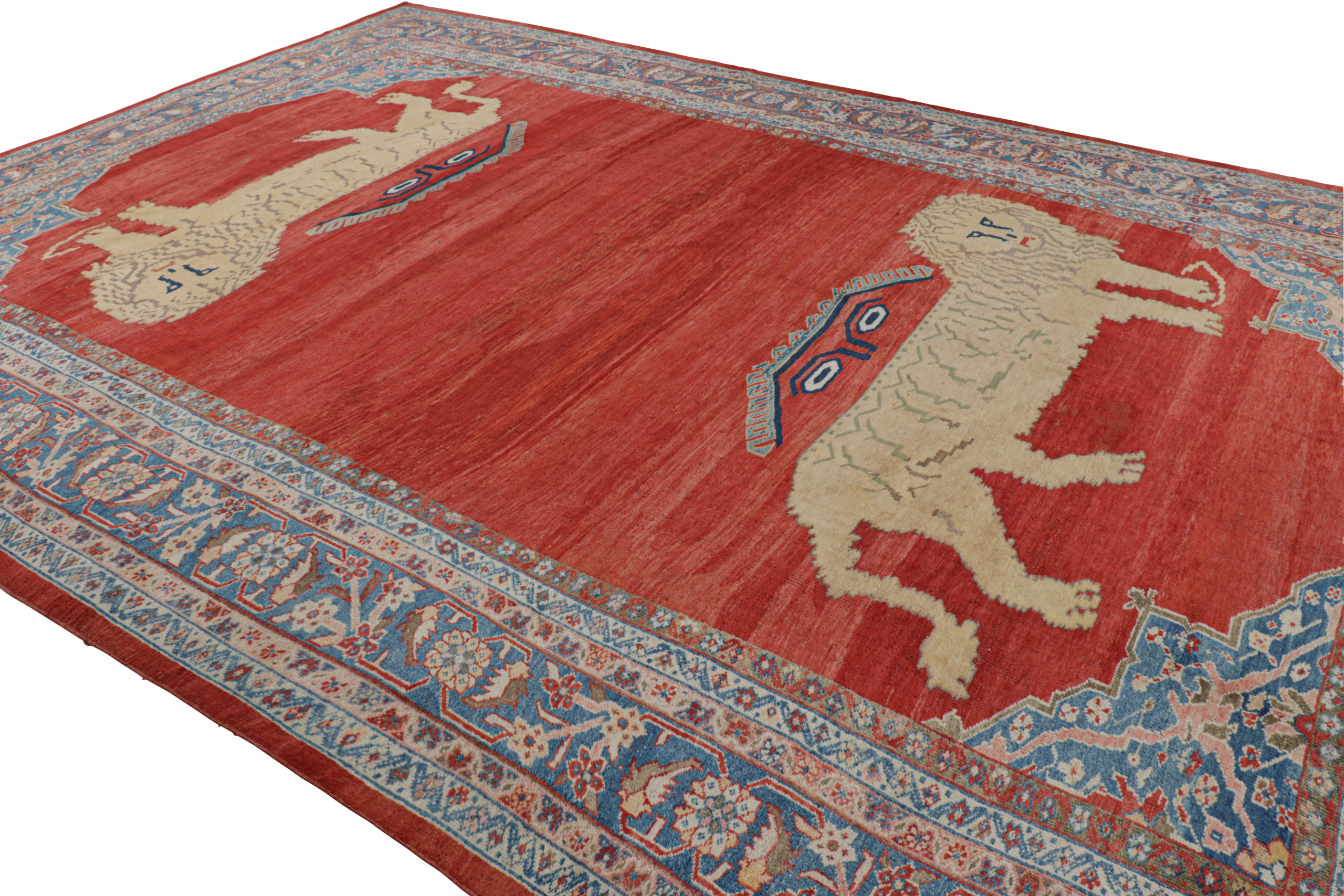
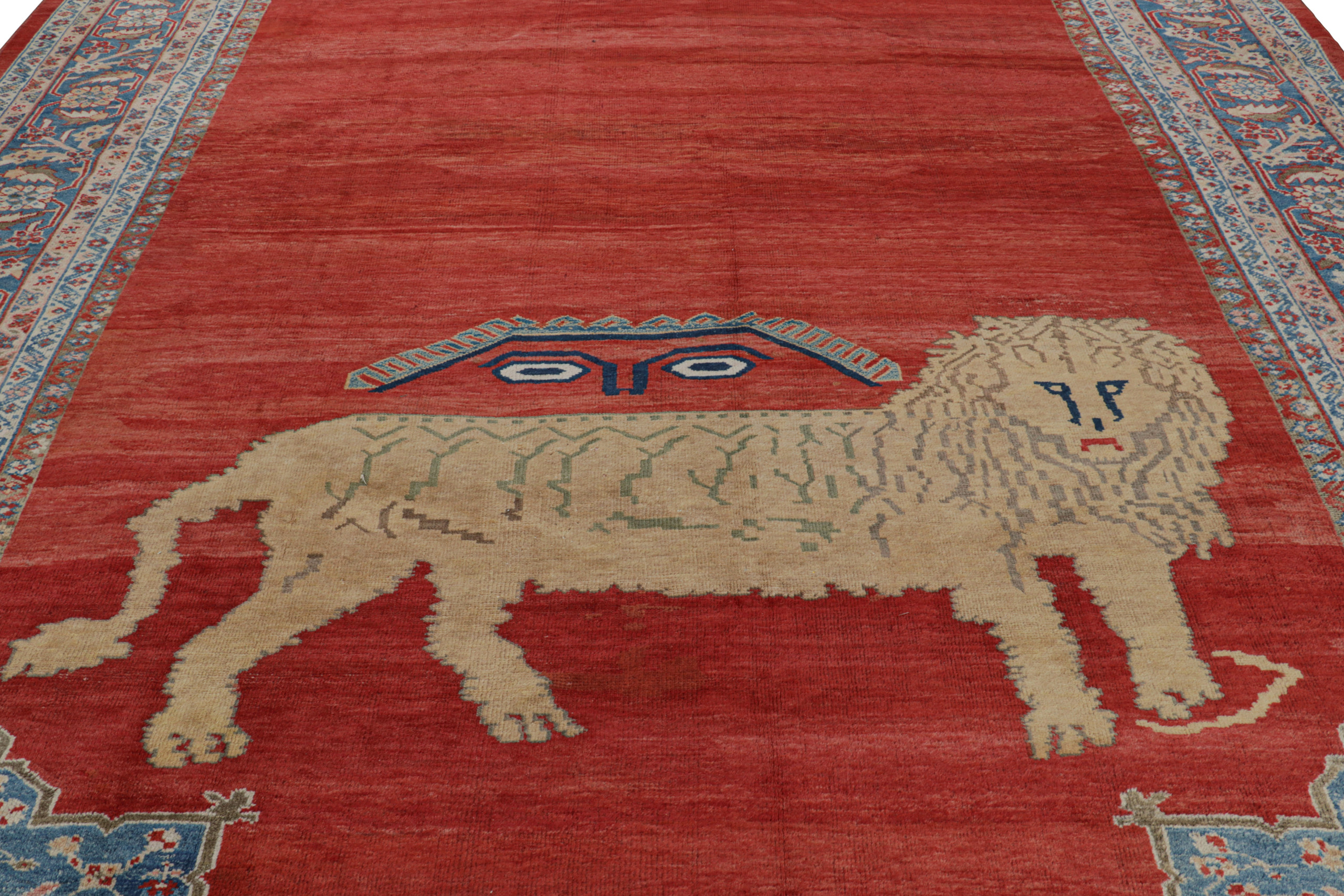
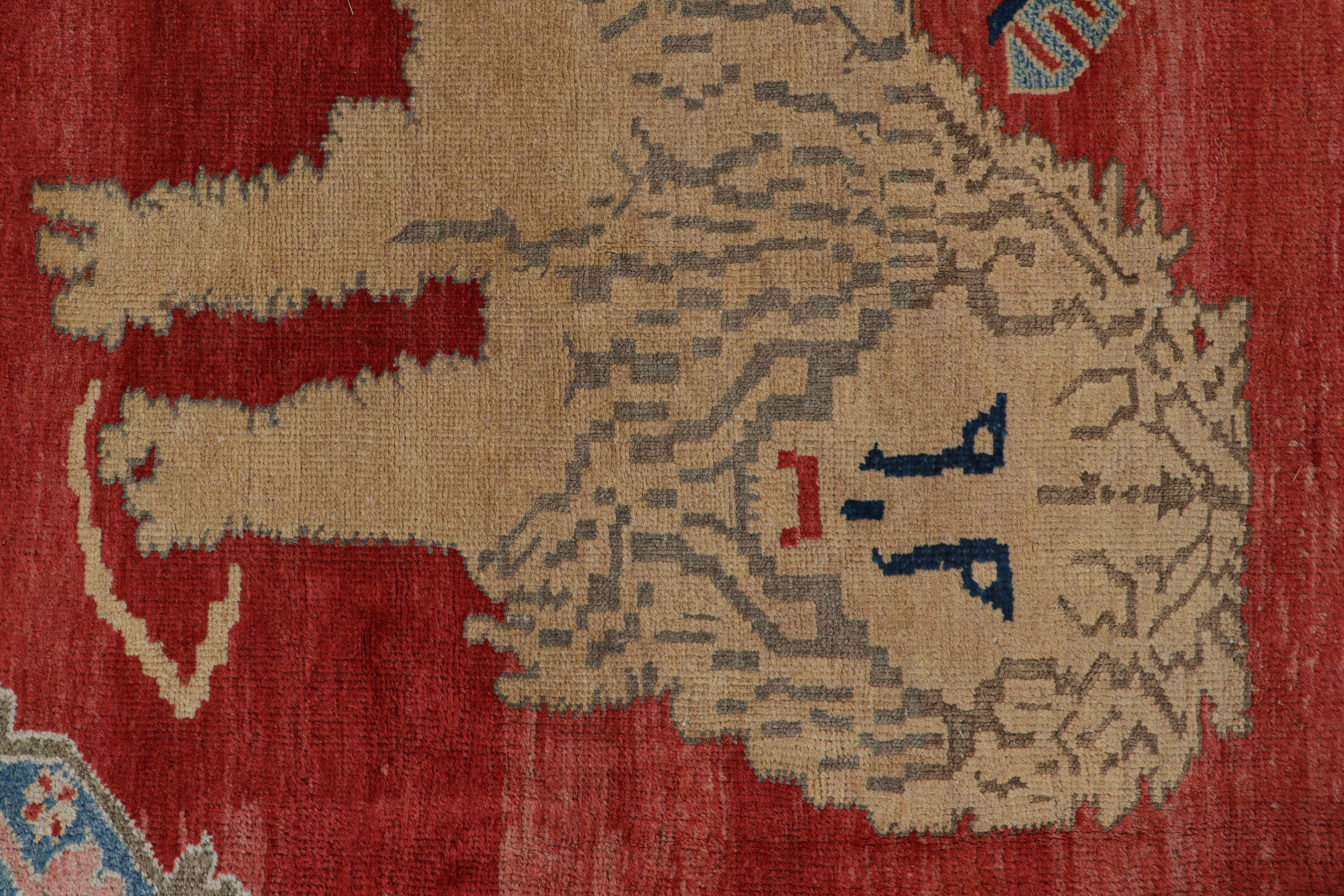
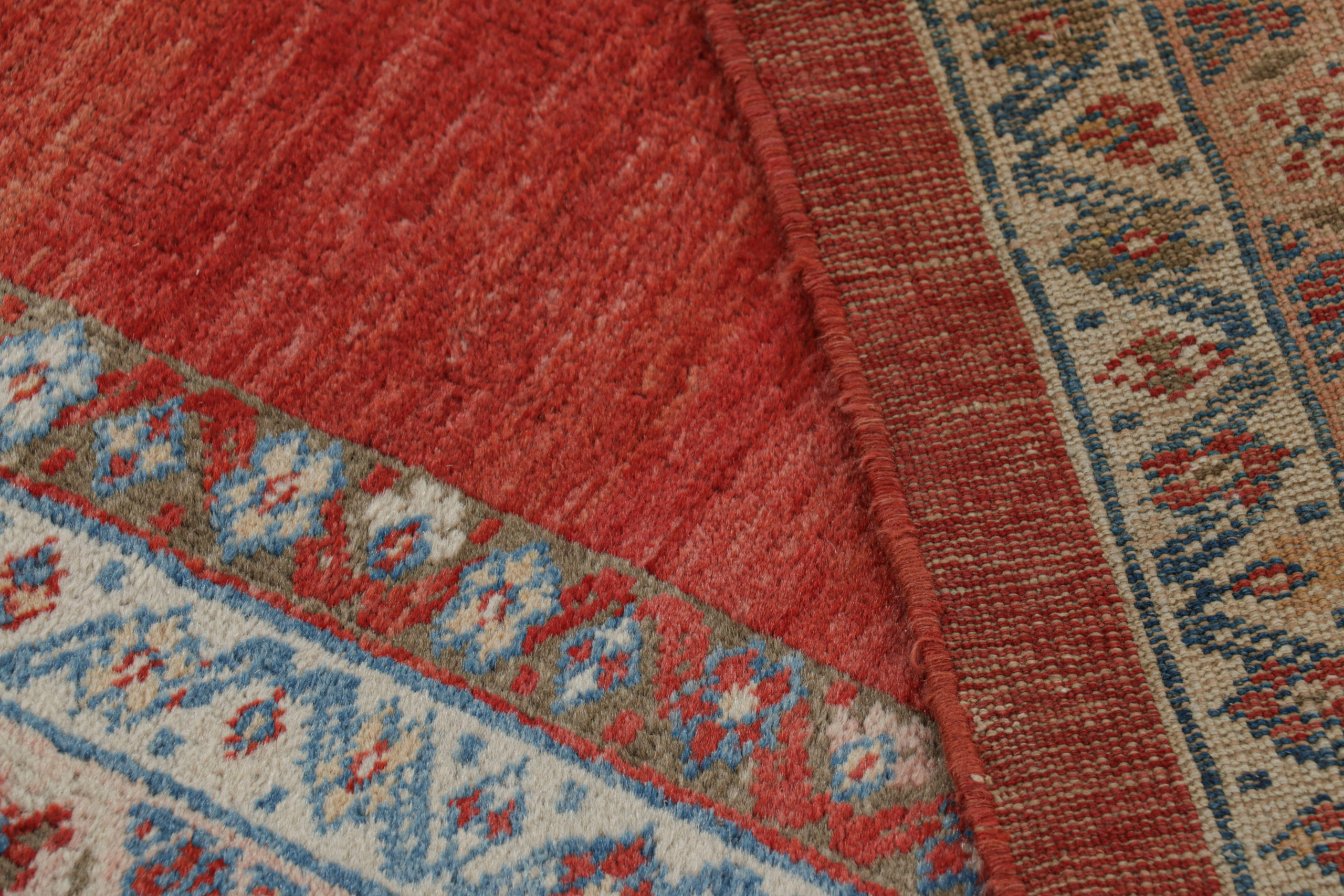
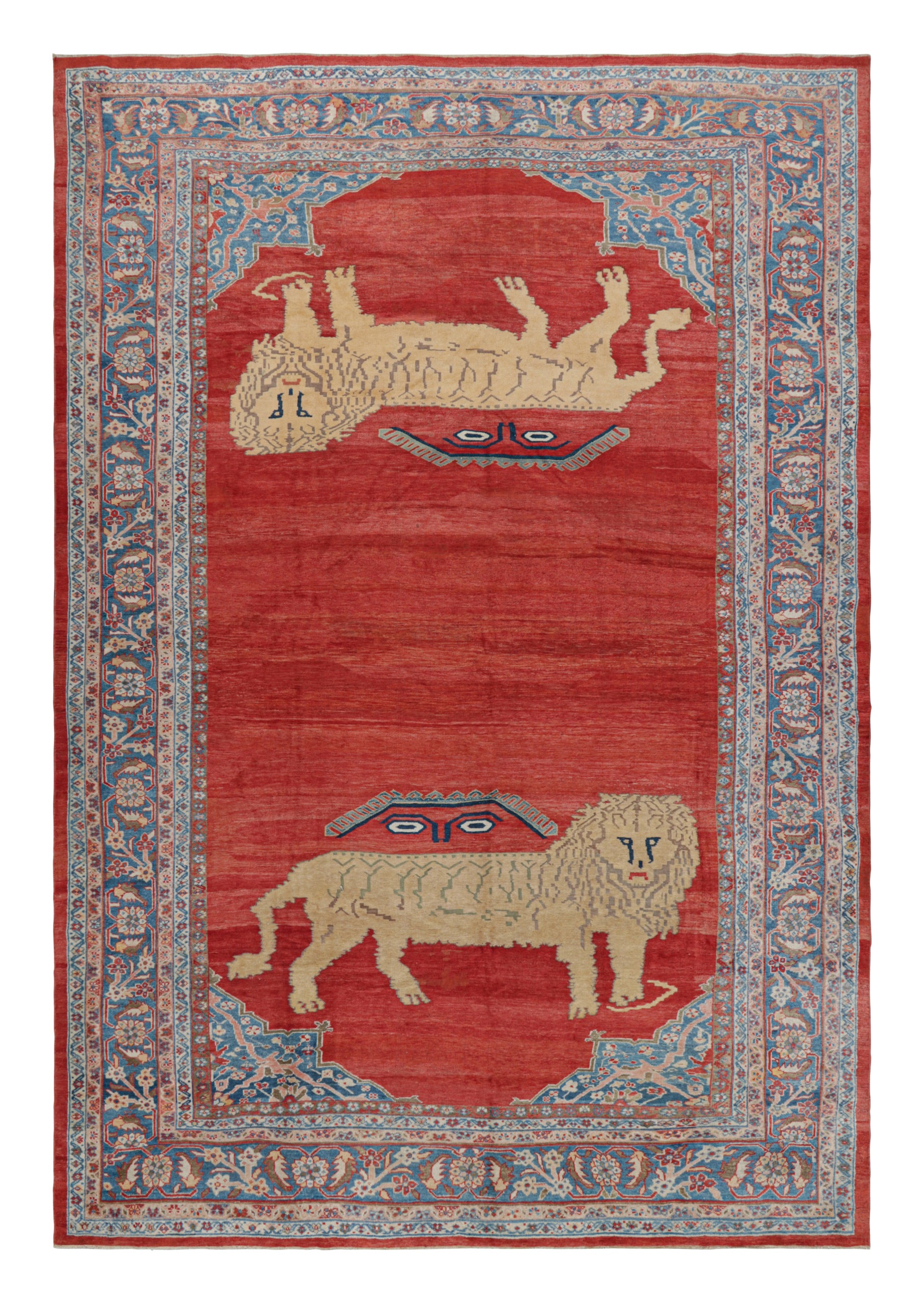
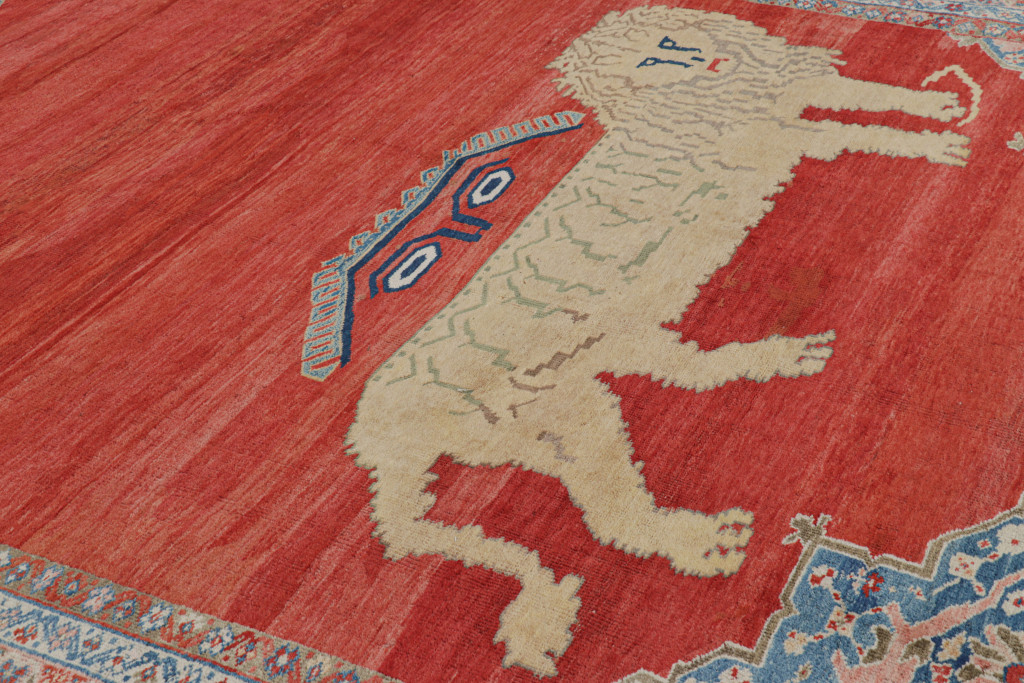
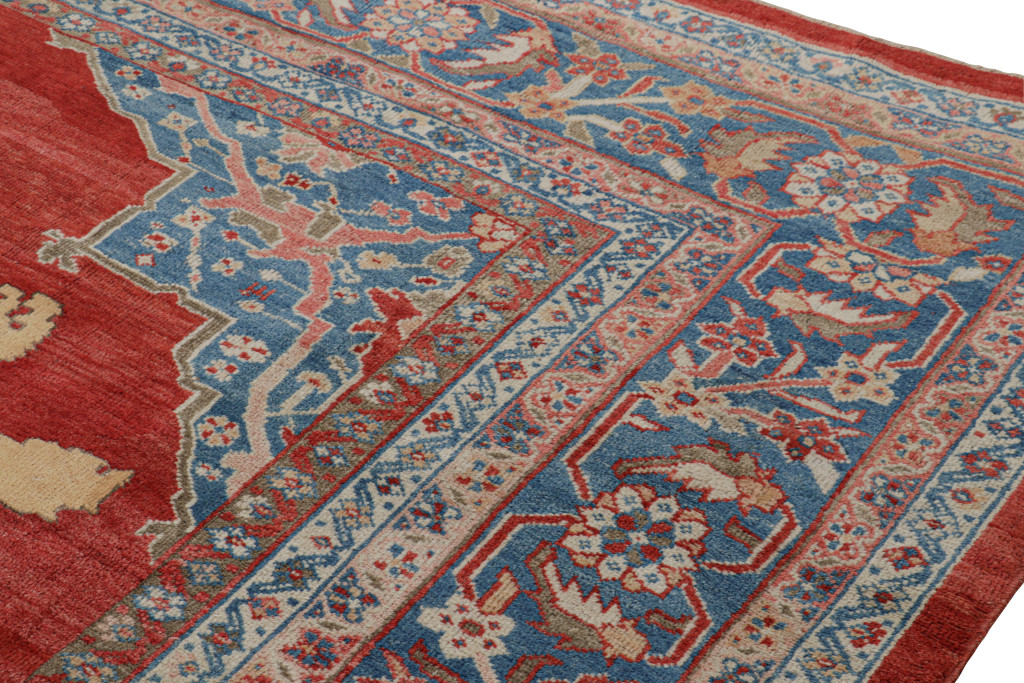
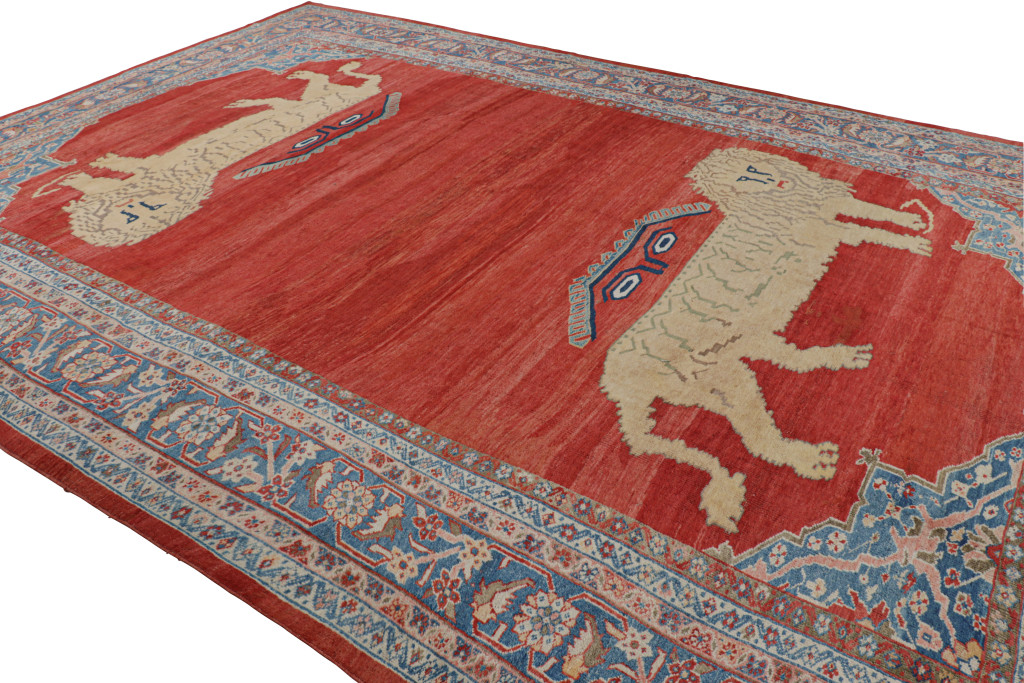
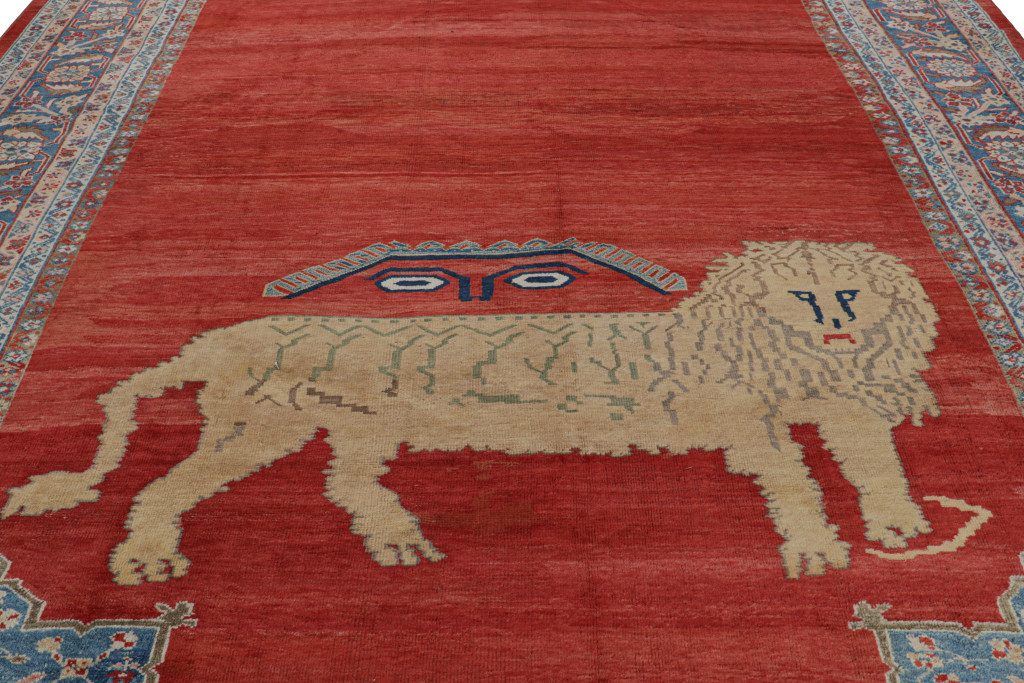
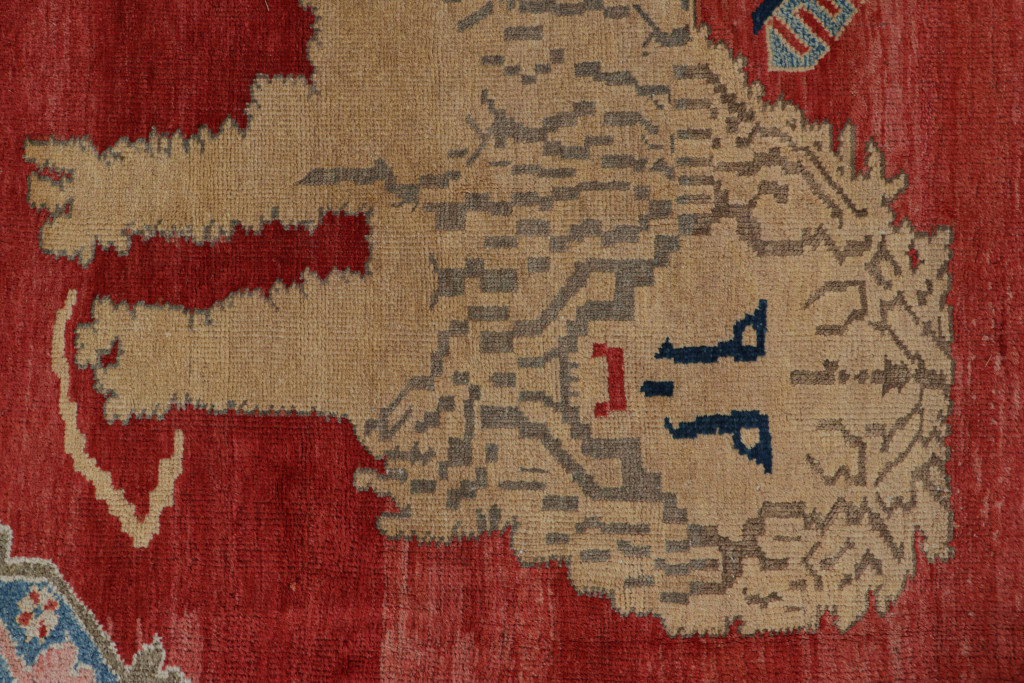
Antique Persian Mahal Rug in Red Open Field & Lion Pictorials, from Rug & Kilim
"Working with this family-owned team has been an absolute joy. Their communication, craftsmanship, and flawless execution on our custom rugs consistently exceed expectations."
— Phoebe Howard, James Michael Howard
A standard since our inception upheld across every acquisition,
transaction, and delivery.
45+ Year Old Institution
More than four decades of expertise and stewardship, under the leadership of our Principal, Jahanshah "Josh" Nazmiyal.
Favorable Return Policy
Our return policy is 48 hours upon receipt allowing you to confirm the purchase in your space with confidence.
Product Warranty
Each rug is hand selected or produced through the most reputable sources under the direct supervision of our Principal.
Trusted Global Delivery
Reliable worldwide delivery handled with care, precision and constant communication.
Exceptional Support
Attentive, knowledgeable guidance before and after purchase from our dedicated team of specialists.
Long Term Care
We stand behind every piece we place and remain a resource to our clients for the lifetime of their collection.
- Measurements: 11'4" x 16'8" ( 3.45 m x 5.08 m )
- Categories: Antique, The Jahanshah Collection
- Classification: Classic/Traditional, Geometric, Mahal, Open Field, Persian, Pictorial
- Material: Wool
- Origin: Persia
- SKU: 31404
Specifications:
Stories from the Antique Collection
Essays, artist dialogues, and provenance notes drawn from Rug & Kilim’s editorial desk.
What Makes Tibetan Wool the Gold Standard for Custom Rugs
Every great rug begins long before the loom. It begins on the animal, in the place, in the particular conditions that made the fiber what it is. And among all the wools that have ever been spun into a carpet, few can rival the wool of the Tibetan highlands, a material whose superiority is not a matter of marketing but of altitude, climate, and the unhurried logic of the natural world. The sheep of the Tibetan plateau live at elevations that would defeat most living things, thin air, brutal cold, a growing season measured against a sky closer than it has any right to be. Nature's answer to that severity is the fleece. To survive the plateau, the animal must grow a wool of exceptional density and, crucially, of exceptional lanolin content; the natural oil that coats each fiber, repels water, resists soil, and lends the finished yarn a luster and resilience that lowland wools cannot approach. What is hardship for the animal is a gift to the weaver.
Read the Feature
The Evolution of Floral Motifs in Antique Rugs and Kilims: Mapping the Pomegranate, Tulip, and Carnation
Antique 17th Century French Beauvais Tapestry with Floral Vase - Rug & Kilim, NO. 36829 We had a tapestry acquisition unfolding itself in the studio a while ago. Josh and the team just stood there, silently admiring the way the light caught the threads. This was the Antique French Beauvais Tapestry (SKU 36829). It was handwoven in wool, with natural silk accents, circa 1700. When you look at something like that, you do not just see fabric. What you see is the garden of wool and dreams. The precise interlacing of the wefts gives a picture of a gigantic floral vase placed atop an architectural entablature. The botanical imagery is absolutely mesmerizing. There is so much wealth and mystery to it all.
Read the Feature
The Total Art: Vienna’s Century, From the Gold Frieze to the Contemporary Era
In the dining room of a banker's house in Brussels there is a wall of gold. Klimt designed it; the Stoclet Frieze, a tree of life branching across marble and enamel and coral, a dancer on one side and an embracing couple on the other, the couple a direct rehearsal for the painting the whole world would later know as The Kiss. But to stand in that room, were one ever permitted to, is to understand that the frieze is not the point of it. The point is that the frieze, the marble, the cutlery, the door handles, and the carpet underfoot were all conceived as a single object by a single mind. The Palais Stoclet, built by Josef Hoffmann between 1905 and 1911 and now sealed as a UNESCO World Heritage Site, is the most complete surviving statement of the idea that organised an entire Viennese century: the Gesamtkunstwerk, the total work of art, in which nothing; not the spoon, not the dress, not the floor, ranks below the painting on the wall.
Read the Feature
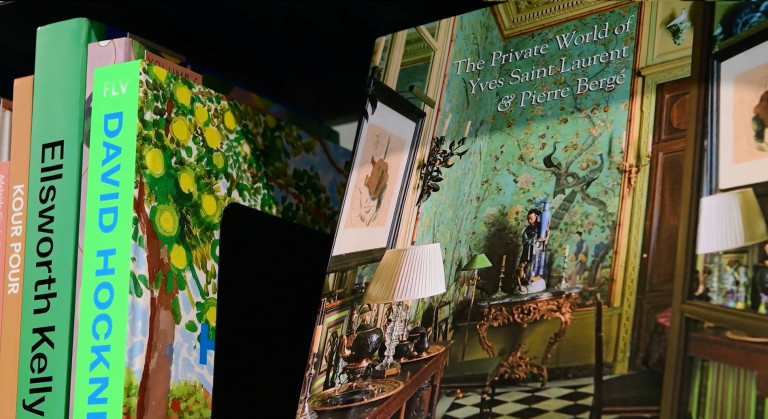
Rugs, Books, and the Fine Art of Living with Intention: Rug & Kilim’s Dialogue with Art and Literature
A great house is measured not only by what lies underfoot, but by what rests within reach. At Rug & Kilim, The Royal Collection and Volumes are not parallel endeavors—they are twin expressions of the same language: that art, design, and intellect belong in continuous dialogue. Both are products of patronage, atelier discipline, and an unwavering belief that beauty must be structured. A serious interior does not begin with furniture. It begins with a position. For centuries, the rug has been the most intellectually charged plane in a room—the only surface that holds architecture, painting, mythology, and diplomacy in a single field. Likewise, the book is not décor; it is declaration. It reveals the mind that inhabits the space.
Read the Feature
Rug of the Week V: A 1920s Lion Mahal Rug and Persia’s Folk-Imperial Dialogue
Not all rugs whisper beauty. Some confront, some provoke, and some stand strong of their age. This 1920–30 Persian Mahal lion carpet belongs emphatically to the latter. Its scale alone commands attention, but it is its audacity of imagery—two lions poised across a crimson ground, punctuated by talismanic eyes—that distinguishes it from its peers. What could have been another workshop carpet for export markets instead asserts itself as an emblem of power, politics, and folk poetics. It is not only a rug to be admired, but one to be read. The Provenance: Mahal as a Crossroads Mahal rugs occupy a fascinating place in Persian weaving history. Located in northwestern Iran, the Mahal region became particularly significant during the late 19th and early 20th centuries as European demand reshaped Persian textile production. Western markets craved large-scale carpets for townhouses and institutions, and Mahal—situated near Sultanabad, a major weaving hub—supplied. These rugs often combined refined city-border designs with the looser, more organic hand of village weavers.
Read the Feature
A Glossary of Handmade Rugs and Kilims: Understanding Terms, Types and Techniques Past and Present
Referring to the art style characterized by using shape and color withdrawn from traditional repetition or realism. Abstract rugs — sometimes referred to as art rugs — capture an expressive nature that reads as a very modern style, though many abstract rugs draw inspiration from works of the same art style in the mid-century. One of the more widely known mid-century lineages of this style is abstract expressionism, named for the literal "expressionists" of the 1950s. Some of the most notable names behind this style include Jackson Pollock and Mark Rothko. Referring to a lineage of nomadic Persian rugs (sometimes referred to as “Avsar” in the alternate spelling). Afshar rugs hail from the eponymous tribe in the region of Northeastern Iran.
Read the Feature


R&K Image Studio
NEWThe R&K Image Studio is a new visual workspace designed to present the Rug & Kilim collection with clarity, restraint, and precision — in your space or any space you imagine.
This tool allows you to view, refine, and prepare imagery drawn directly from the pieces in our archive. They can be visualized cleanly, isolated thoughtfully, and adjusted for presentations, proposals, and private viewings, without altering the integrity of the original work.
Antique
Wool
Persia
11'4" X 16'8" (3.45 m x 5.08 m)
Log In to See Price
Available: Shipping as Soon as Tomorrow
Antique Persian Mahal Rug in Red Open Field & Lion Pictorials, from Rug & Kilim
"Rug & Kilim is my go to resource for rugs. Their selection is wide and deep, and Josh’s eye for antique pieces is extraordinary. I always walk away with great pieces, and they are a pleasure to collaborate with. They’ve been my trusted partner on projects for years."
— Ann Wolf, Wolf Holden Design Studio
- Measurements: 11'4" x 16'8" ( 3.45 m x 5.08 m )
- Categories: Antique, The Jahanshah Collection
- Classification: Classic/Traditional, Geometric, Mahal, Open Field, Persian, Pictorial
- Material: Wool
- Origin: Persia
- SKU: 31404