

Wool
Turkey
9'3" X 13'2" (2.82 m x 4.01 m)
Available: Shipping As Soon As Tomorrow
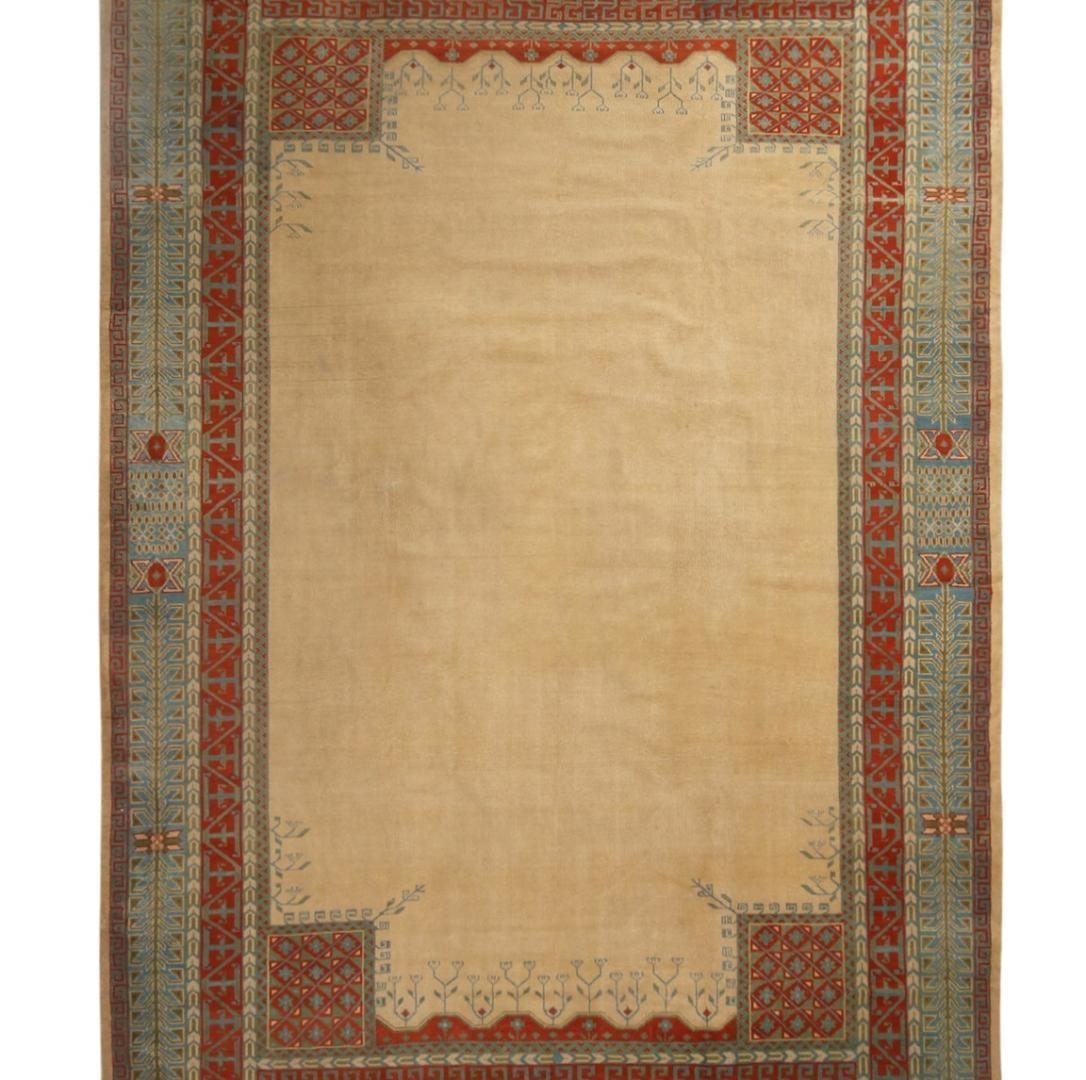
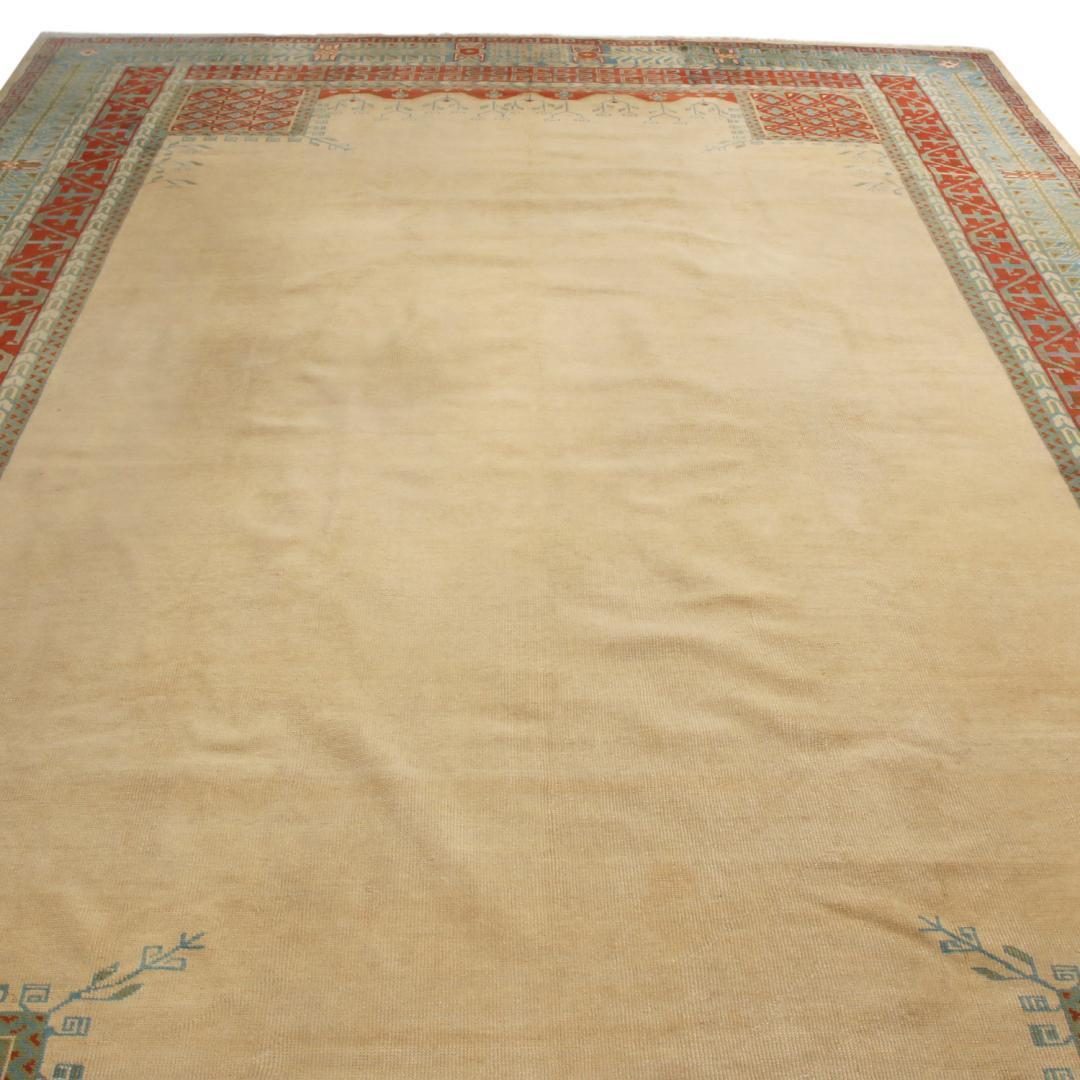
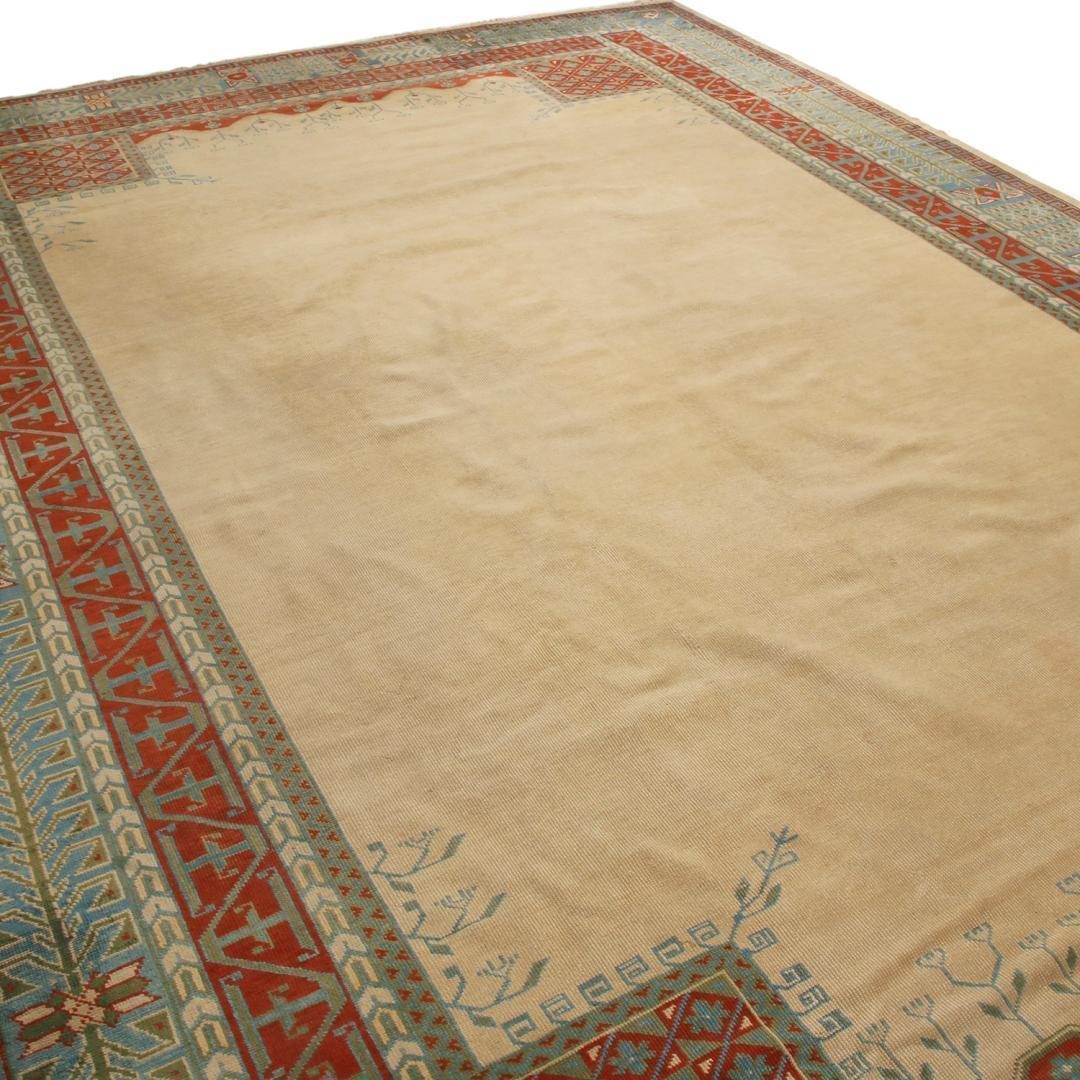
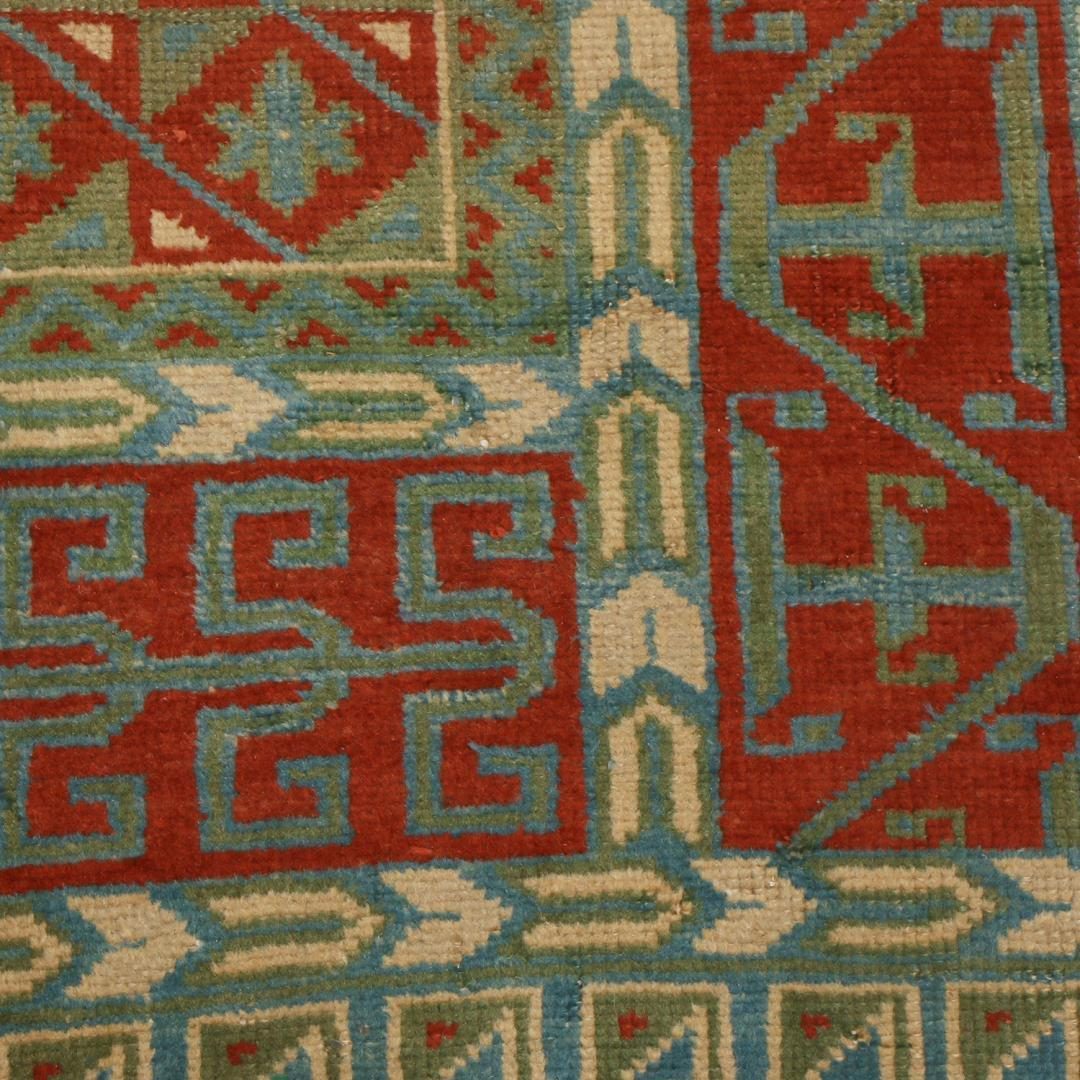
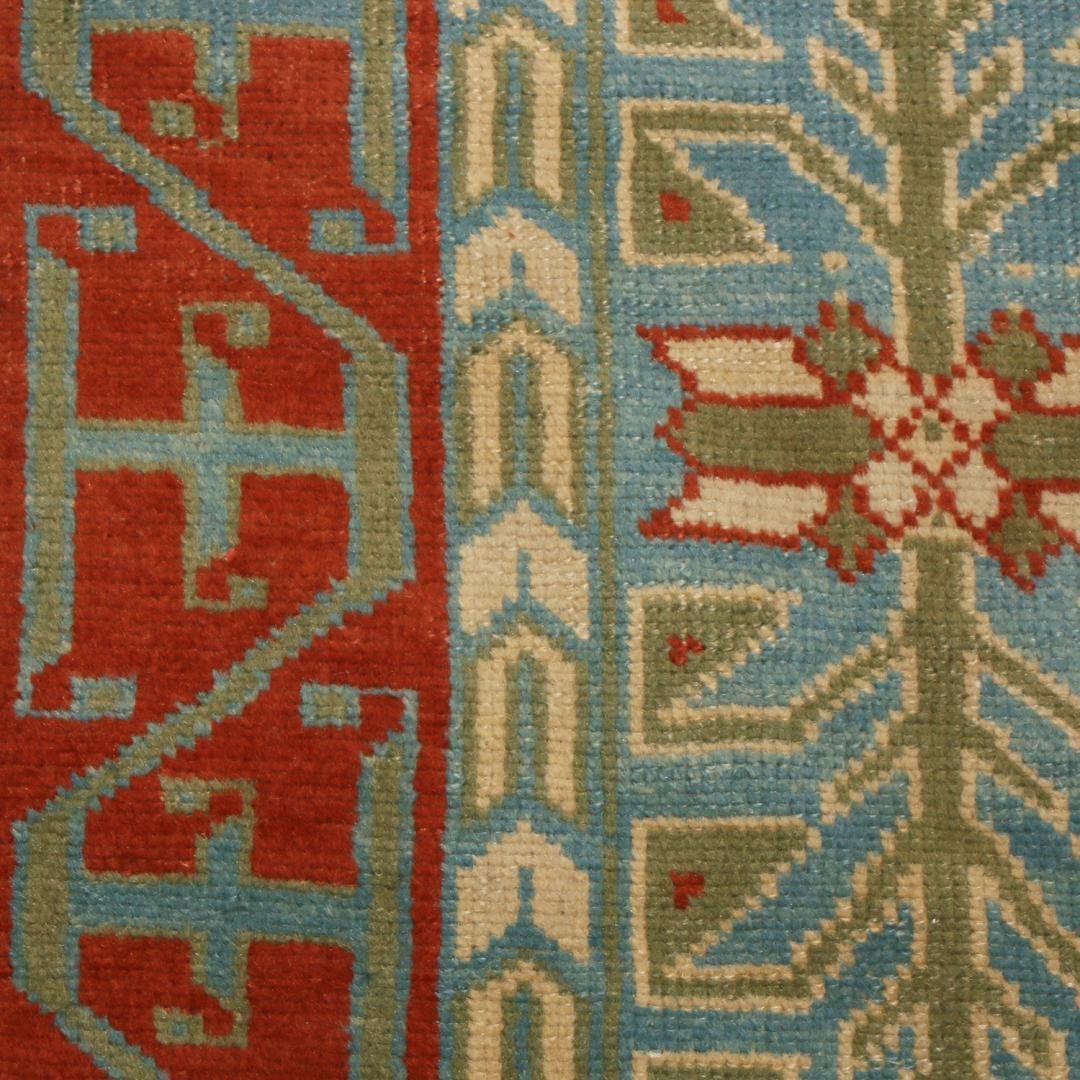
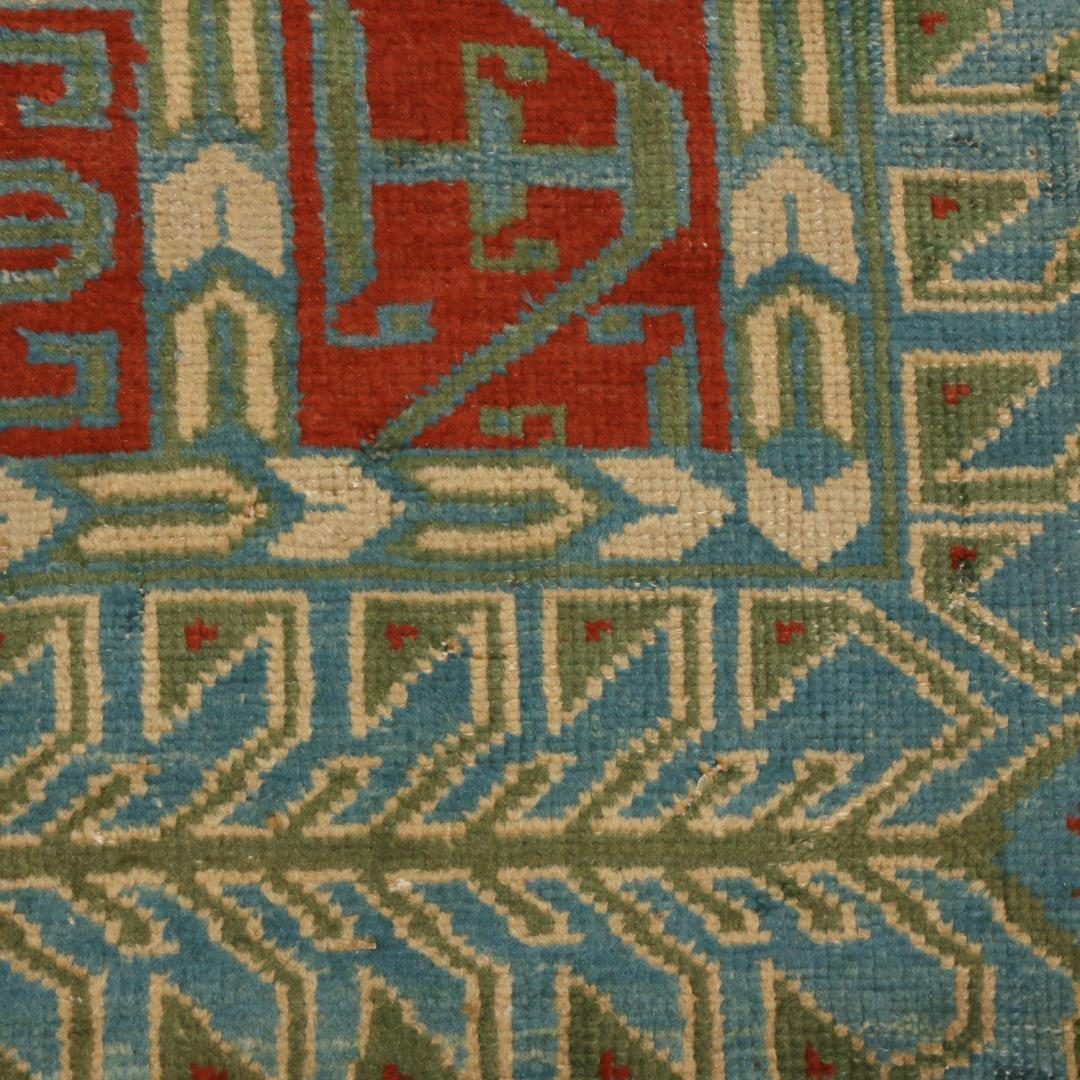
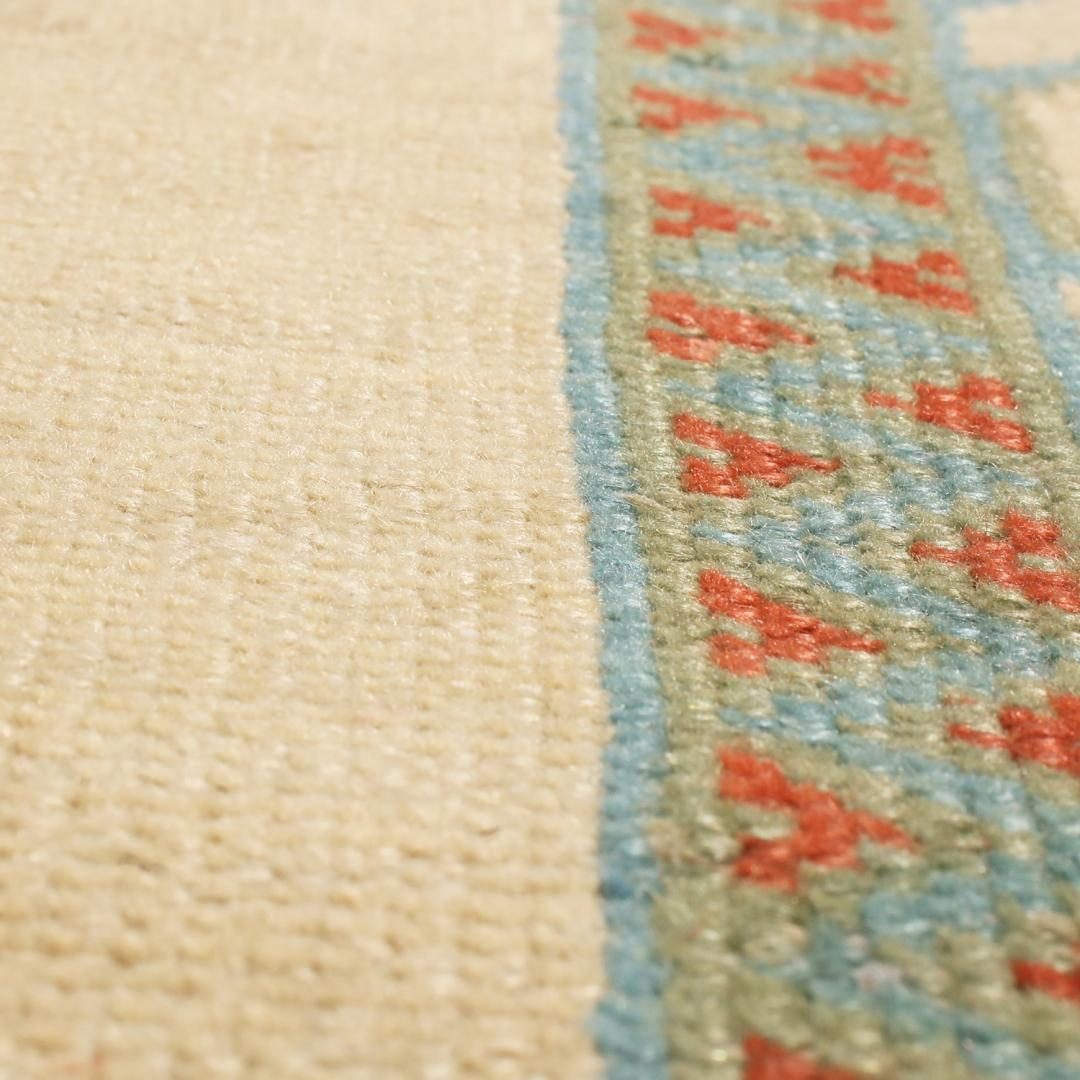
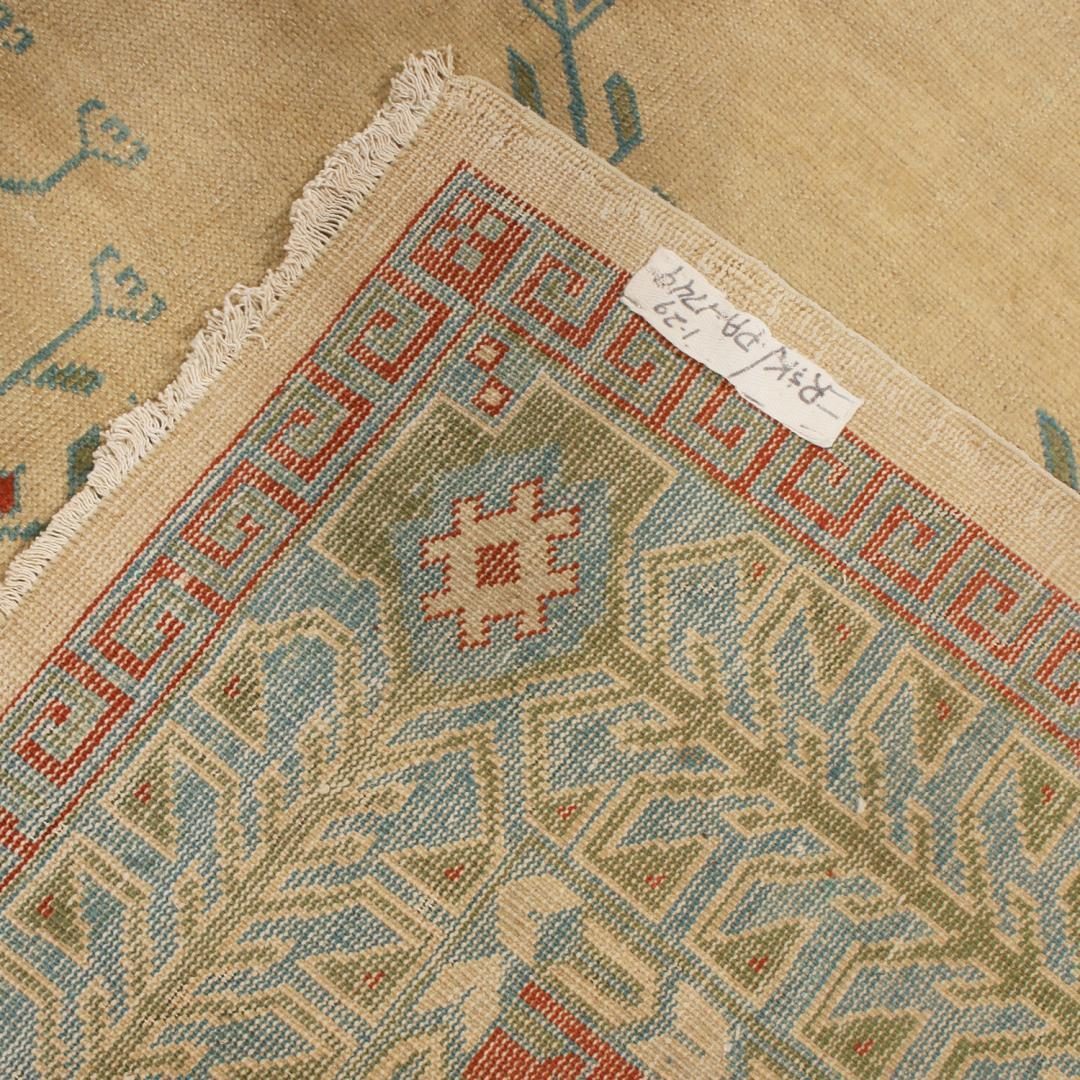
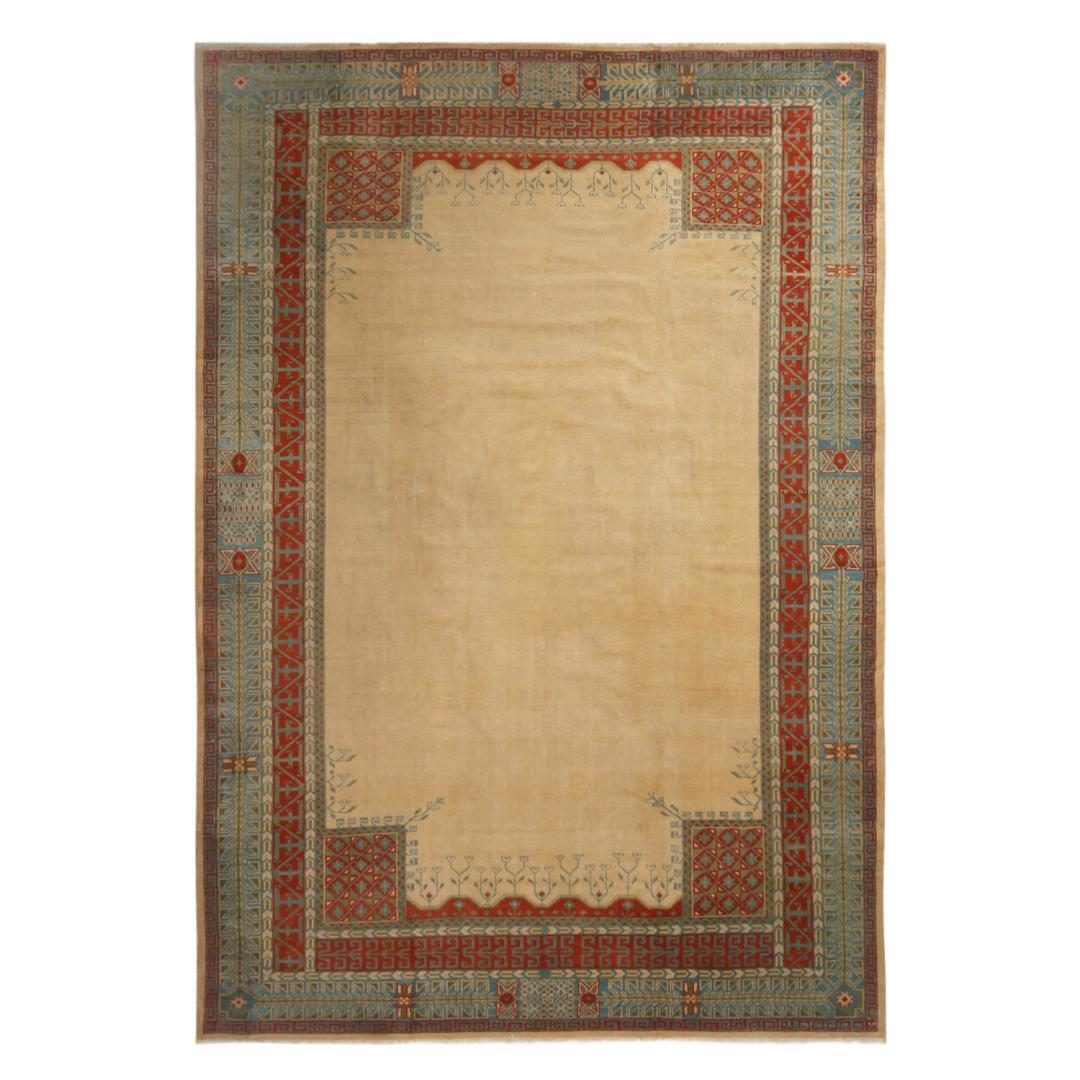
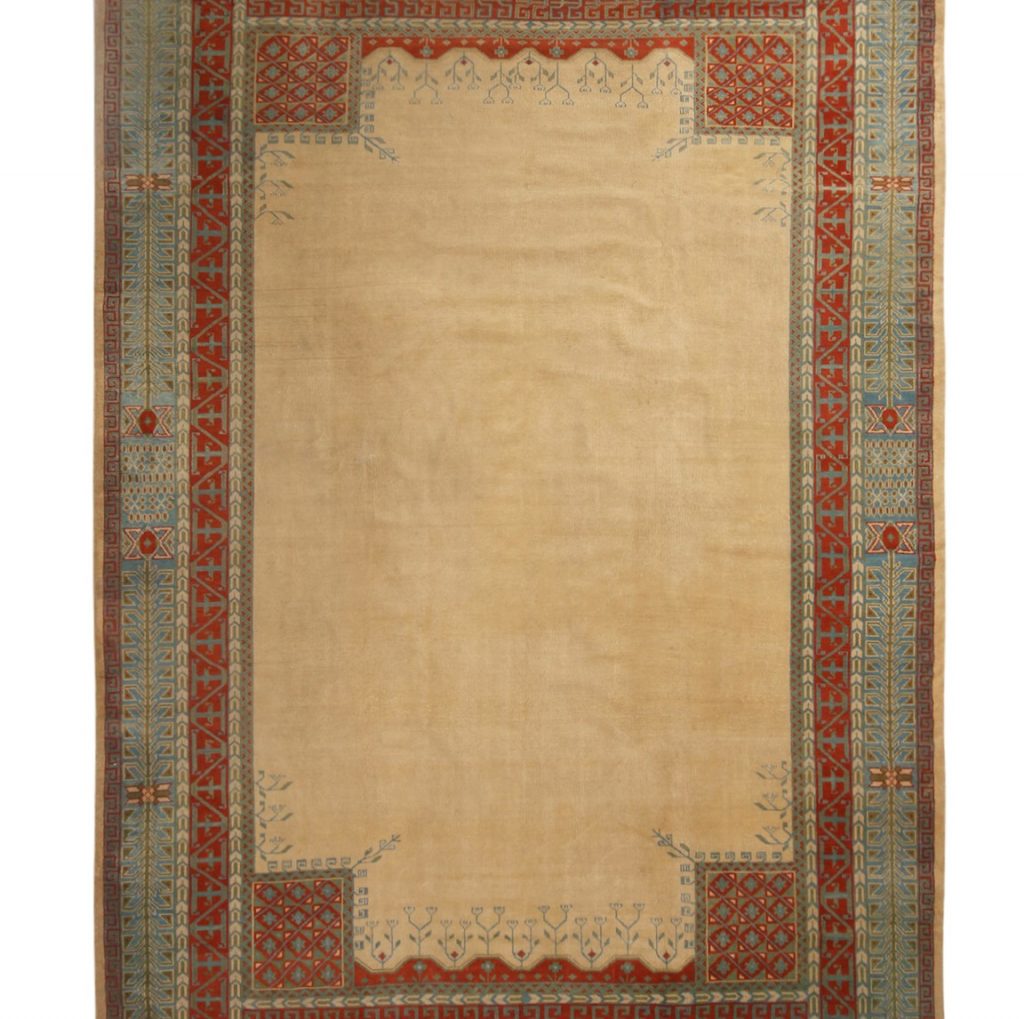
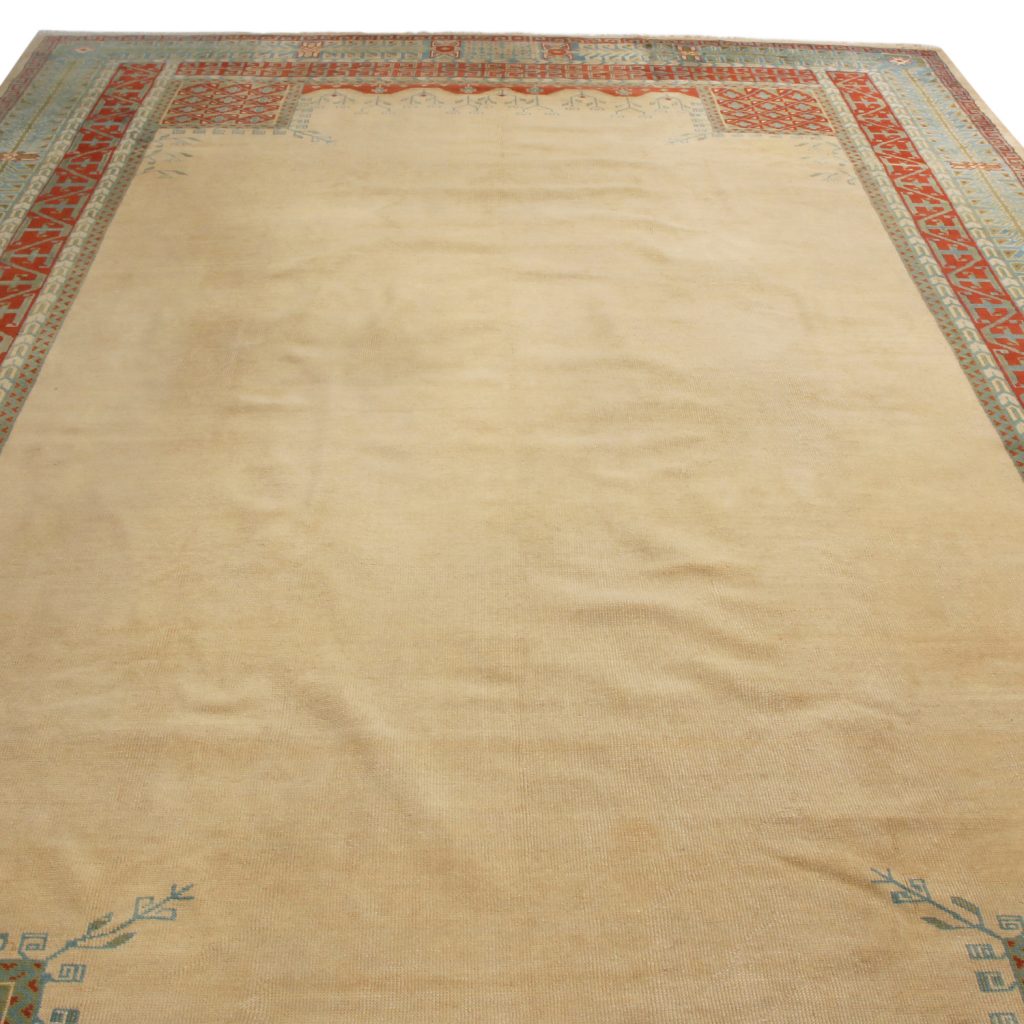
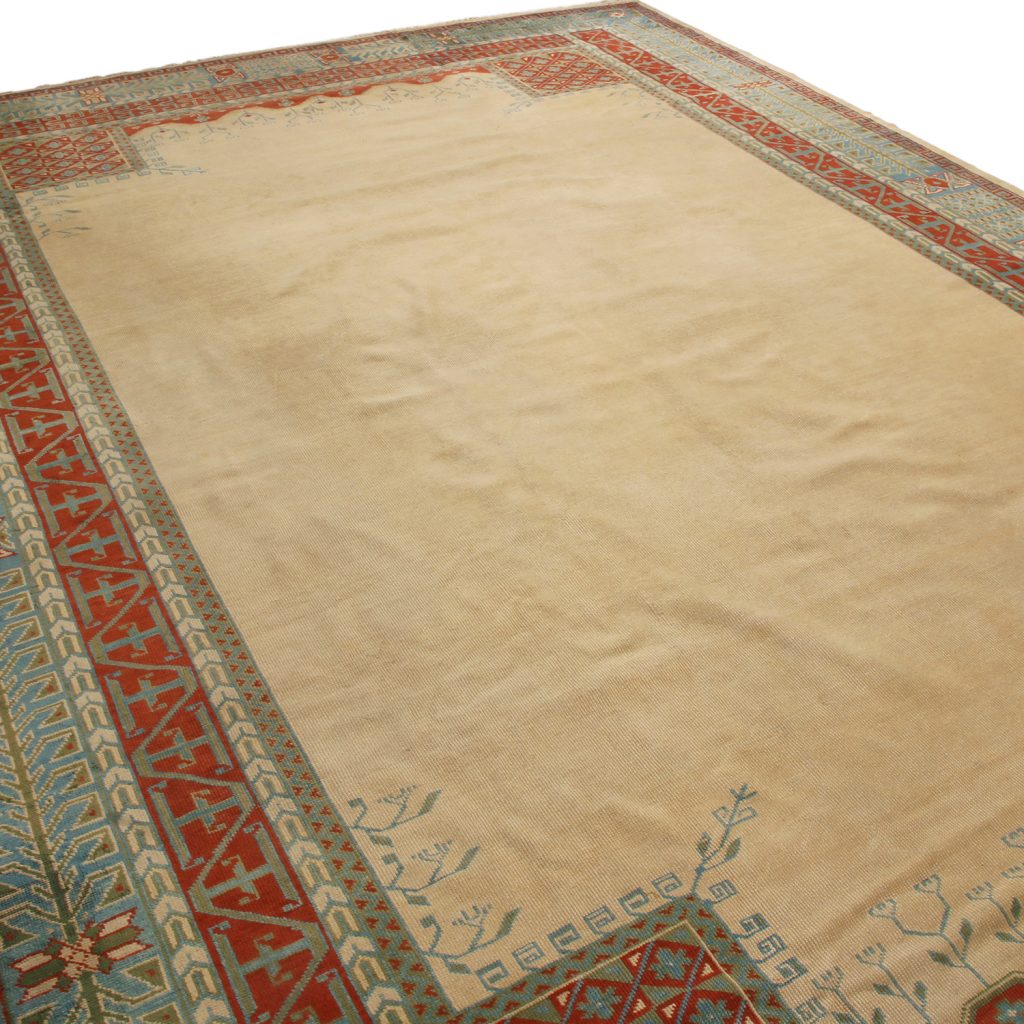
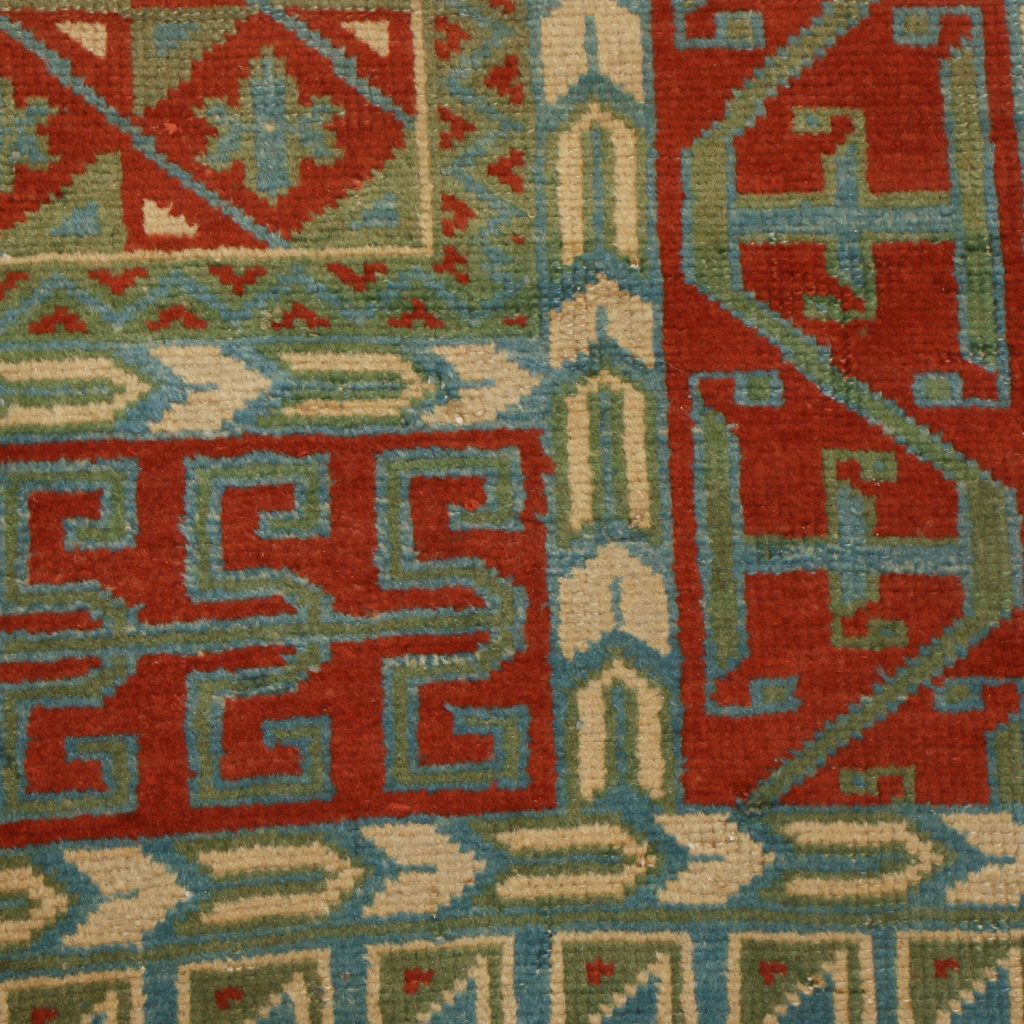
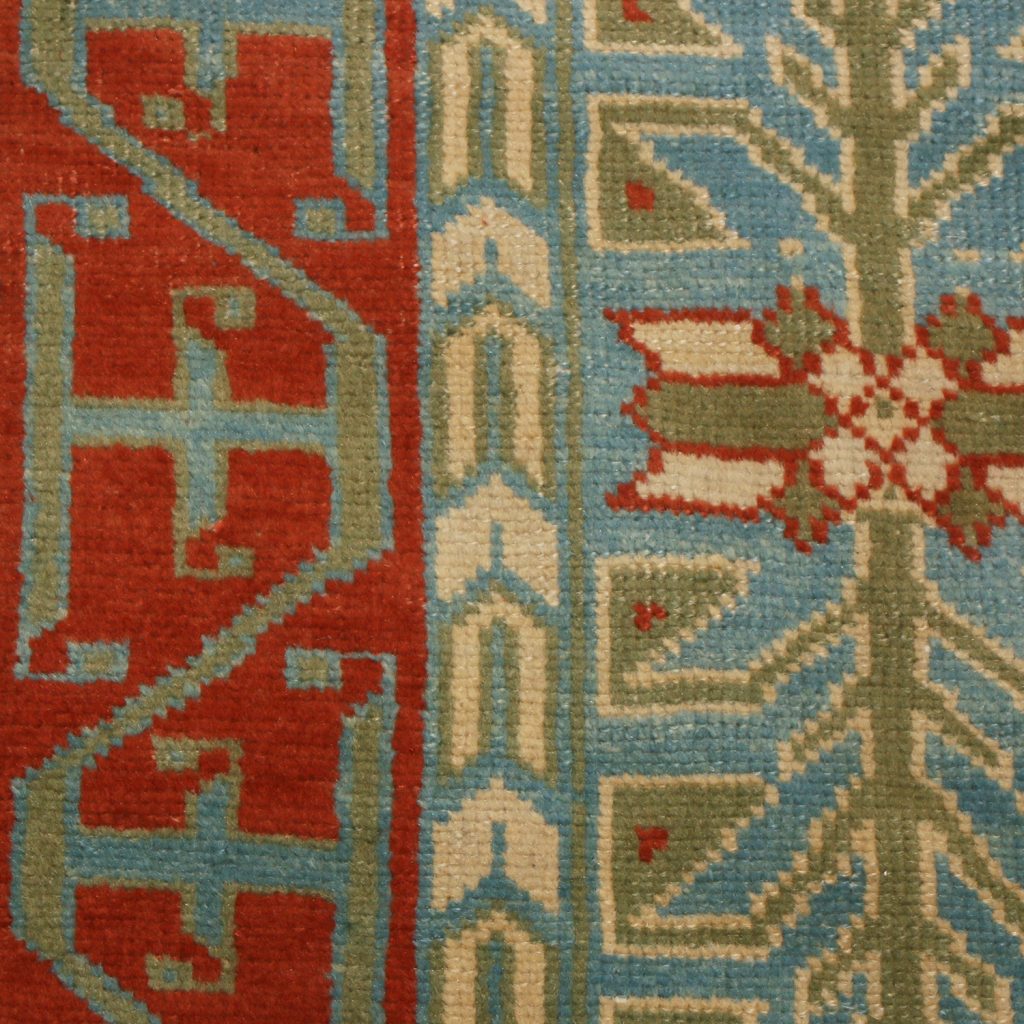
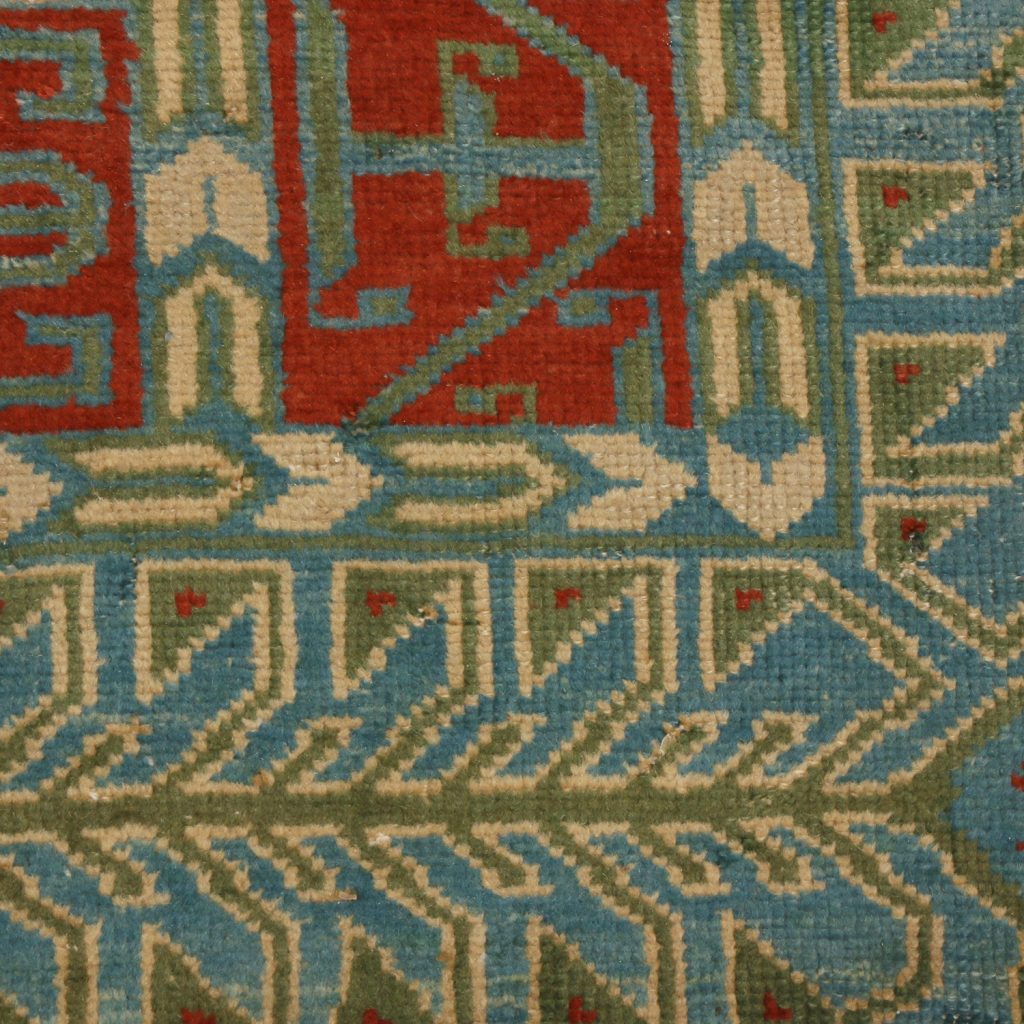
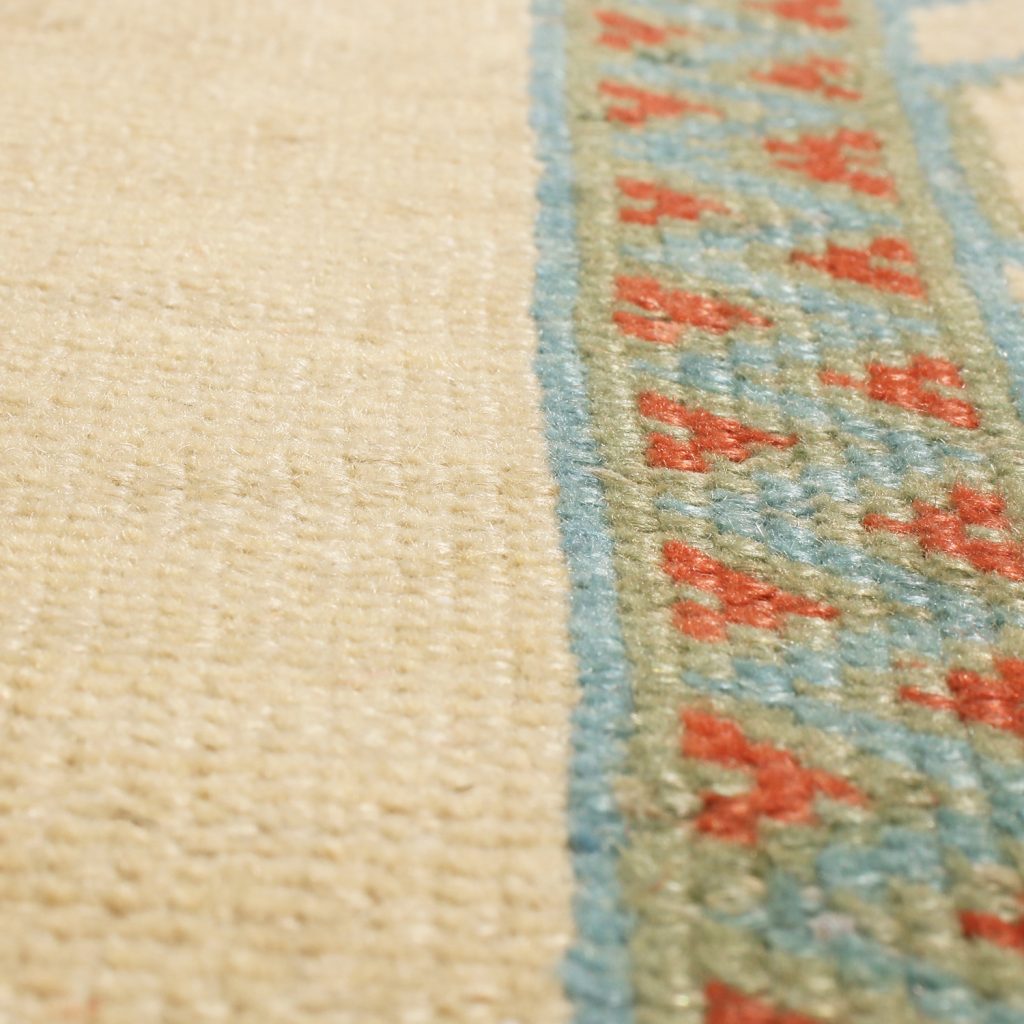
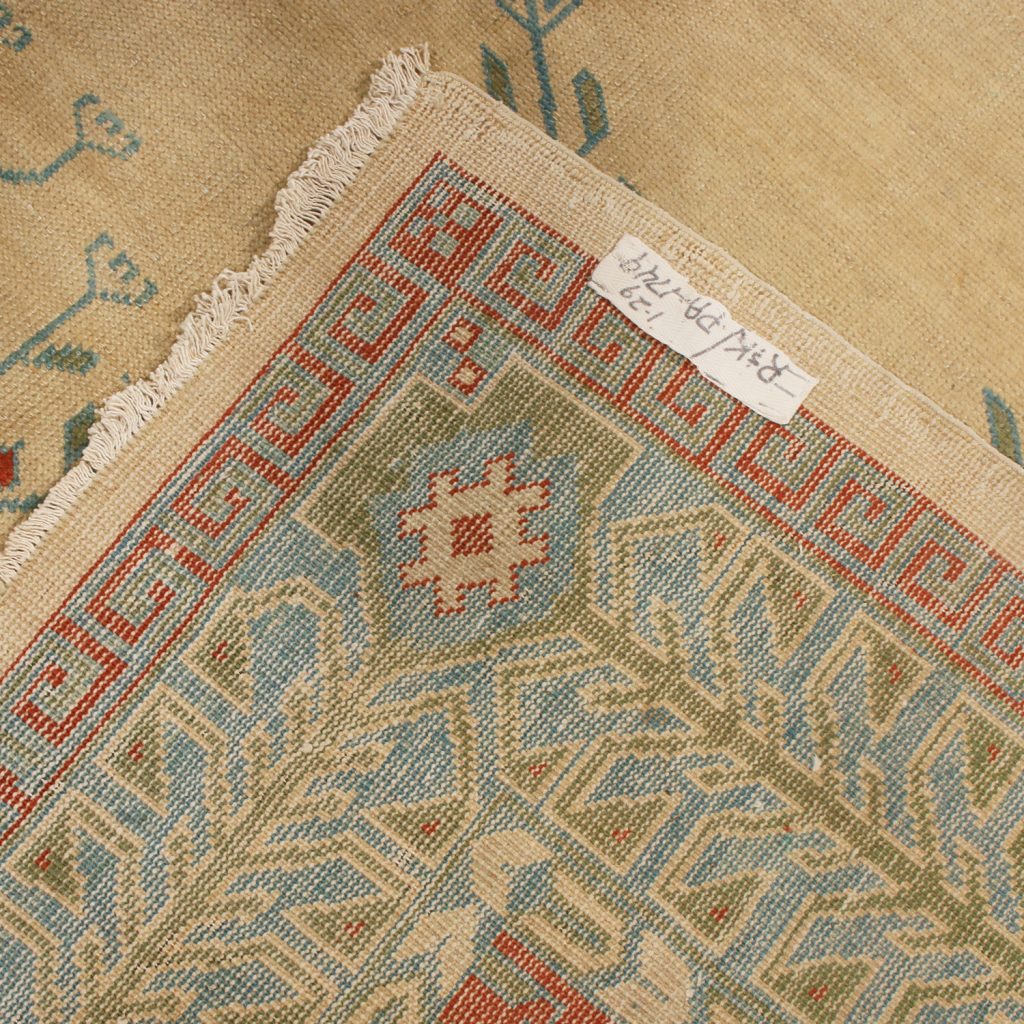
Antique 19th Century Sivas Rug with Traditional Designs in Beige, Red & green - Rug & Kilim
"Rug & Kilim's inventory spans the past four centuries and includes everything from ethnic and tribal patterns to European designs, as well as a host of Art Deco, abstract and understated tone-on-tone offerings, all in a vast array of materials, weaves and sizes."
— Tony Freund, 1stDibs Editorial Director
A standard since our inception upheld across every acquisition,
transaction, and delivery.
45+ Year Old Institution
More than four decades of expertise and stewardship, under the leadership of our Principal, Jahanshah "Josh" Nazmiyal.
Favorable Return Policy
Our return policy is 48 hours upon receipt allowing you to confirm the purchase in your space with confidence.
Product Warranty
Each rug is hand selected or produced through the most reputable sources under the direct supervision of our Principal.
Trusted Global Delivery
Reliable worldwide delivery handled with care, precision and constant communication.
Exceptional Support
Attentive, knowledgeable guidance before and after purchase from our dedicated team of specialists.
Long Term Care
We stand behind every piece we place and remain a resource to our clients for the lifetime of their collection.
- Measurements: 9'3" x 13'2" ( 2.82 m x 4.01 m )
- Categories: Antique
- Classification: Classic/Traditional, Open Field, Sivas
- Material: Wool
- Origin: Turkey
- SKU: 12144

Specifications:
Stories from the Antique Collection
Essays, artist dialogues, and provenance notes drawn from Rug & Kilim’s editorial desk.
Signatures, Editions, and the Bolduc on Modern and Rare Tapestries: The Mark of the Masters and Artists
There is a particular pleasure, known to every serious collector, in turning an object over. The front of a great tapestry or carpet is what seduces; the back, and the edges, are what tell the truth. And on the finest modern tapestries, that truth is written in a specific and often misunderstood language, a language of signatures, edition numbers, and a small woven label the French call the bolduc. To read it fluently is to hold the difference between a decorative object and a documented work of art. It is the same literacy that governs the print room and the rare book library, where a collector learns to read a plate mark, a watermark, a colophon. The modern tapestry, elevated to the status of fine art by Jean Lurçat and his circle in the mid-twentieth century, borrowed the apparatus of the fine art edition precisely because it wished to be understood as fine art. To understand the apparatus is to understand the ambition.
Read the Feature
The Art of Bespoke Design by Rug & Kilim: How a Painting, a Fabric, or a Fragment Becomes a Custom Rug
Every custom rug begins with a question that sounds simple and is not: what does this room want to stand on? The answer, in the finest commissions, rarely arrives as a specification. It arrives as an object. A client brings in a painting they have loved for thirty years. A designer adores a length of antique silk, or lays down a sample of a document fabric, or produces a photograph of a fresco glimpsed on a wall in Ravenna. The brief is a feeling, held in another medium, waiting to be carried into wool or silk or sometimes, exotic fibres. This act of carrying is the true art of the custom rug, and it is far older and more serious than the word “custom” suggests. It is translation, in the fullest literary sense: the movement of meaning from one language into another, with everything gained and lost that translation implies. It is also, increasingly, the way the most celebrated interiors in the world are made. When AD100 designer Heidi Caillier needed flatweaves for a coastal retreat, when Fawn Galli reimagined a historic Beaux-Arts townhouse on the Upper West Side, when a Jacques Grange penthouse called for a hand-knotted silk carpet, the floor did not come off a shelf. It was translated into being, object by object, idea by idea.
Read the Feature
The House the European Stuycks Kept: Madrid’s Royal Loom, Goya’s Cartoons, and the Spanish Carpet
There is a building in Madrid, a short walk from the Atocha station, where the same craft has been practiced without interruption for more than three hundred years. Its brick and its Neo-Mudéjar arches were raised in the nineteenth century, but the work carried on inside them belongs to a lineage older still, to 1720, when Philip V, having lost the Flemish tapestry workshops of the Spanish Netherlands to the Peace of Utrecht, resolved that Spain would simply make its own. He summoned a family of Flemish weavers, the Vandergotens, to Madrid, and founded the Real Fábrica de Tapices de Santa Bárbara. Three centuries later, in the presence of the King and Queen of Spain, the factory marked its tercentenary as one of the last places on earth where royal weaving continues by the hand, exactly as it always has.
Read the Feature
A Guide to Amritsar Rugs: History, Craftsmanship, and Contemporary Luxury Design
Among the most sophisticated carpet traditions to emerge from the Indian subcontinent, Amritsar rugs occupy a unique position at the intersection of Indian craftsmanship, Persian design heritage, and European decorative sensibilities. Woven primarily during the late nineteenth and early twentieth centuries in the historic city of Amritsar in Punjab, these carpets represent one of the most distinctive chapters in the history of global textile art. Unlike the highly formal court carpets of Mughal India or the deeply tribal traditions of nomadic weaving cultures, Amritsar rugs developed their own visual identity. Their character is defined by spacious compositions, softened palettes, oversized motifs, and a remarkable sense of decorative restraint. These qualities have allowed Amritsar carpets to transcend historical classification and remain profoundly relevant within contemporary luxury interiors.
Read the Feature
The Complete Guide to Oushak Rugs: History, Aesthetic Language, and Contemporary Design Use
Oushak rugs, also spelled Uşak or Ushak, stand among the most influential textile traditions in the history of interior design. Originating in western Anatolia, in the historic weaving town of Uşak in present-day Turkey, these carpets are not merely decorative artifacts; they are architectural design elements, cultural documents, and artistic statements that have shaped interior aesthetics across centuries. From Ottoman imperial courts to Renaissance European palaces and today’s luxury residential, hospitality, and gallery spaces, Oushak rugs continue to define a visual language of soft geometry, spacious design, muted tonal harmony, and painterly abstraction. Their enduring relevance places them at the intersection of art history, textile heritage, and contemporary interior design innovation.
Read the Feature
A Glossary of Handmade Rugs and Kilims: Understanding Terms, Types and Techniques Past and Present
Referring to the art style characterized by using shape and color withdrawn from traditional repetition or realism. Abstract rugs — sometimes referred to as art rugs — capture an expressive nature that reads as a very modern style, though many abstract rugs draw inspiration from works of the same art style in the mid-century. One of the more widely known mid-century lineages of this style is abstract expressionism, named for the literal "expressionists" of the 1950s. Some of the most notable names behind this style include Jackson Pollock and Mark Rothko. Referring to a lineage of nomadic Persian rugs (sometimes referred to as “Avsar” in the alternate spelling). Afshar rugs hail from the eponymous tribe in the region of Northeastern Iran.
Read the Feature


R&K Image Studio
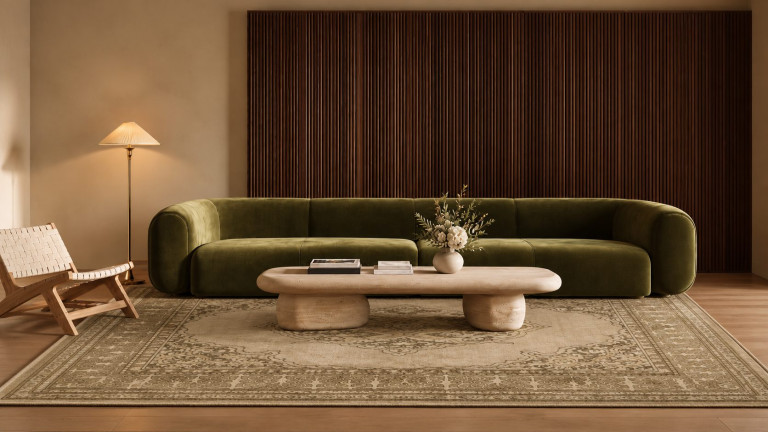
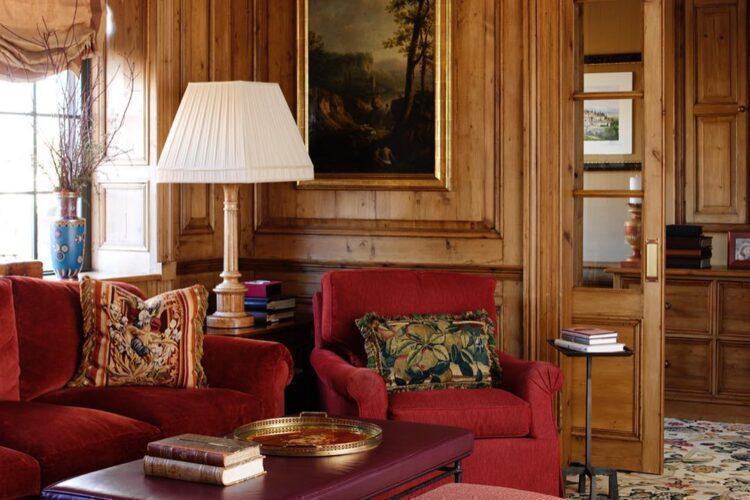
NEWThe R&K Image Studio is a new visual workspace designed to present the Rug & Kilim collection with clarity, restraint, and precision — in your space or any space you imagine.
This tool allows you to view, refine, and prepare imagery drawn directly from the pieces in our archive. They can be visualized cleanly, isolated thoughtfully, and adjusted for presentations, proposals, and private viewings, without altering the integrity of the original work.
Antique
Wool
Turkey
9'3" X 13'2" (2.82 m x 4.01 m)
$32,240
Available: Shipping as Soon as Tomorrow
Antique 19th Century Sivas Rug with Traditional Designs in Beige, Red & green - Rug & Kilim
"It's rare to find a rug company that offers unique antiques, curated with a historical eye. And the best quality customization for anything you might need. All while being treated like family - love those guys."
— Andre Mellone, Studio Mellone
- Measurements: 9'3" x 13'2" ( 2.82 m x 4.01 m )
- Categories: Antique
- Classification: Classic/Traditional, Open Field, Sivas
- Material: Wool
- Origin: Turkey
- SKU: 12144

