
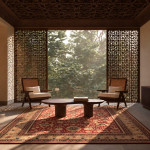
Agra Rugs in Art, Architecture and Global Design Culture
October 23, 2026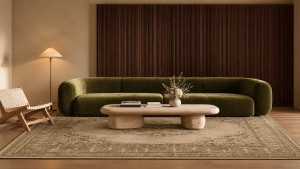
The Enduring Language of Amritsar Rugs in Global Design
Among the most sophisticated carpet traditions to emerge from the Indian subcontinent, Amritsar rugs occupy a unique position at the intersection of Indian craftsmanship, Persian design heritage, and European decorative sensibilities. Woven primarily during the late nineteenth and early twentieth centuries in the historic city of Amritsar in Punjab, these carpets represent one of the most distinctive chapters in the history of global textile art.
Unlike the highly formal court carpets of Mughal India or the deeply tribal traditions of nomadic weaving cultures, Amritsar rugs developed their own visual identity. Their character is defined by spacious compositions, softened palettes, oversized motifs, and a remarkable sense of decorative restraint. These qualities have allowed Amritsar carpets to transcend historical classification and remain profoundly relevant within contemporary luxury interiors.
Today, Amritsar rugs are prized by collectors, architects, interior designers, and institutions for their ability to combine historical depth with modern adaptability. Their understated elegance aligns seamlessly with contemporary notions of quiet luxury, where craftsmanship, provenance, and material authenticity are valued above ornament for ornament’s sake.
As both collectible artworks and architectural textiles, Amritsar rugs continue to demonstrate why the finest carpets remain among the most enduring expressions of decorative culture.
Rug & Kilim and the Contemporary Interpretation of Amritsar Rugs
Within the international world of collectible textiles and luxury interiors, Rug & Kilim occupies a distinctive role in the preservation and contemporary interpretation of Amritsar rugs. The House approaches these carpets not simply as decorative objects, but as cultural artifacts that embody the intersection of Indian weaving traditions, colonial-era design evolution, and global decorative arts history.
Through engagement with antique Amritsar carpets and contemporary adaptations inspired by their design language, Rug & Kilim contributes to the continued relevance of this important weaving tradition within modern architectural environments. The firm’s philosophy emphasizes provenance awareness, material authenticity, and respect for the historical narratives embedded within handmade carpets.
Within contemporary design discourse, Rug & Kilim is recognized for bridging heritage textile traditions with present-day interior and architectural practices. Their curatorial
approach supports collectors, designers, and institutions seeking carpets that possess both historical significance and exceptional versatility.
This perspective reflects a broader understanding that Amritsar rugs are not static historical objects, but living design elements capable of continual reinterpretation across generations and interiors. In this sense, Rug & Kilim functions as both curator and cultural mediator, ensuring that the artistic legacy of Amritsar weaving remains visible and relevant within today’s most discerning spaces.
Historical Origins: Amritsar and the Evolution of Indian Carpet Weaving
The story of Amritsar rugs begins in the late nineteenth century, a period marked by profound cultural and economic transformation across British India. Amritsar, already an important commercial and cultural center, emerged as a significant weaving hub serving both domestic and international markets.
Unlike earlier Mughal weaving traditions that were closely tied to imperial patronage, Amritsar workshops evolved within a more globally connected environment. Weavers drew inspiration from Persian carpets, Mughal decorative arts, European tastes, and emerging international design trends.
The result was a distinctive carpet style characterized by:
- Enlarged decorative motifs
- Softer and more spacious compositions
- Muted, atmospheric color palettes
- Adaptation to Western architectural interiors
- Integration of Persian and Indian design principles
Many Amritsar rugs were produced for export to Europe and North America, where their decorative sophistication and understated elegance appealed to collectors and aristocratic households.
Over time, these carpets became associated with a unique fusion of Eastern craftsmanship and Western decorative sensibilities, making them among the most internationally influential Indian carpet traditions.
Design Language: Scale, Elegance, and Decorative Restraint
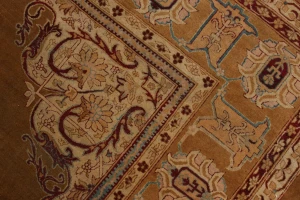
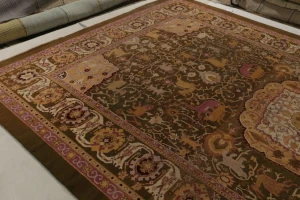
One of the defining characteristics of Amritsar rugs is their extraordinary compositional balance. While rooted in Persian and Mughal design traditions, these carpets often feature larger motifs and more spacious arrangements than many of their historical counterparts.
Key design characteristics include:
- Oversized palmettes and floral forms
- Spacious field compositions
- Open decorative layouts
- Refined botanical ornamentation
- Softly articulated medallions
- Architectural border systems
Unlike carpets that rely on visual density, Amritsar rugs achieve sophistication through restraint. Their designs create atmosphere rather than visual intensity, making them exceptionally adaptable to a wide range of architectural settings.
This quality has made Amritsar carpets particularly attractive to contemporary designers seeking historically rich textiles that complement rather than dominate interior spaces.
The resulting visual language feels timeless—equally at home within classical residences, contemporary apartments, and institutional environments.
Color Palettes: Softness, Patina, and Architectural Harmony
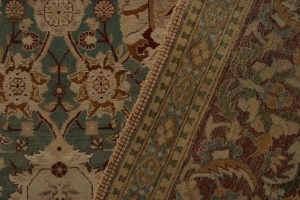
Perhaps no characteristic distinguishes Amritsar rugs more clearly than their celebrated color palettes. Unlike many Persian carpets known for saturated jewel tones, Amritsar rugs often embrace softened hues and atmospheric tonal relationships.
Common colors include:
- Muted gold and saffron
- Soft ivory and parchment tones
- Dusty rose and faded terracotta
- Gentle olive and sage green
- Powder blue and indigo accents
- Warm taupe and walnut brown
These palettes create extraordinary versatility within interior environments. Their subtle tonal harmonies allow them to integrate naturally into spaces without overwhelming surrounding architectural elements.
Over decades of aging, natural dyes develop even greater softness and complexity, producing the coveted patina that collectors and designers associate with museum-quality antique carpets.
This chromatic restraint aligns particularly well with contemporary luxury interiors where material richness often takes precedence over visual excess.
Materials and Craftsmanship: The Excellence of Indian Weaving
Traditional Amritsar rugs were hand-knotted using high-quality wool and, in some exceptional examples, silk highlights. Their craftsmanship reflects the technical sophistication of India’s weaving traditions while adapting to changing global markets and design preferences.
Important material characteristics include:
- Hand-spun wool pile
- Cotton foundations
- Vegetable and mineral-based natural dyes
- Durable knotting structures
- Soft tactile surfaces
- Elegant aging characteristics
The craftsmanship of Amritsar carpets demonstrates remarkable control over scale, proportion, and decorative hierarchy. Every motif is carefully integrated into a larger compositional framework designed to create visual balance and architectural harmony.
Collectors often value Amritsar rugs for their ability to combine technical excellence with aesthetic restraint—qualities that remain increasingly rare in contemporary textile production.
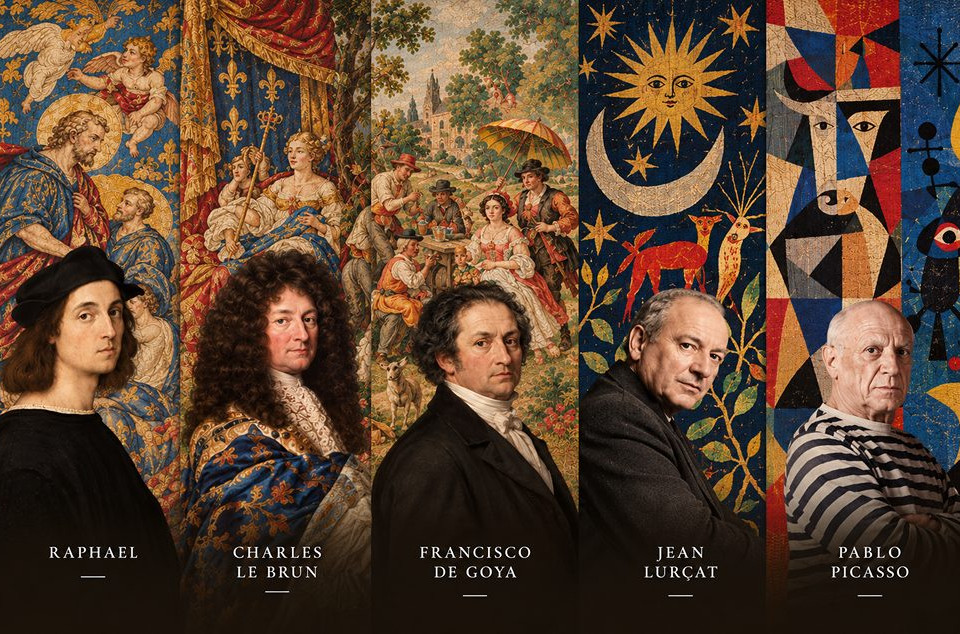
Amritsar Rugs in Art, Literature, and Decorative Culture
Amritsar rugs occupy an important place within the broader history of decorative arts and cross-cultural design exchange.
In design history, they are frequently associated with:
- Colonial-era interiors
- Anglo-Indian decorative culture
- Arts and Crafts influences
- Early twentieth-century luxury design
- Global textile collecting traditions
Their spacious compositions and muted palettes resonated strongly with architects and designers seeking alternatives to highly ornate Victorian interiors. As a result, Amritsar rugs became influential within evolving concepts of elegance, comfort, and domestic refinement.
Their visual language also parallels broader artistic movements emphasizing harmony, proportion, and material authenticity over excessive ornamentation.
Today, these carpets continue to appear in editorial interiors, luxury residences, galleries, and museum collections where their historical significance and aesthetic sophistication remain deeply appreciated.
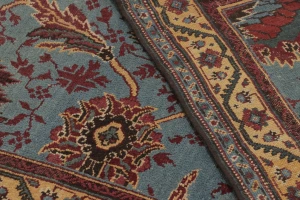
Contemporary Relevance in Luxury Interior Design
In contemporary design practice, Amritsar rugs have experienced renewed appreciation among architects and interior designers seeking historical depth combined with modern versatility.
Their adaptability allows them to function exceptionally well within:
- Luxury residences
- Boutique hospitality projects
- Transitional interiors
- Historic restoration projects
- Contemporary minimalist spaces
- Institutional and gallery environments
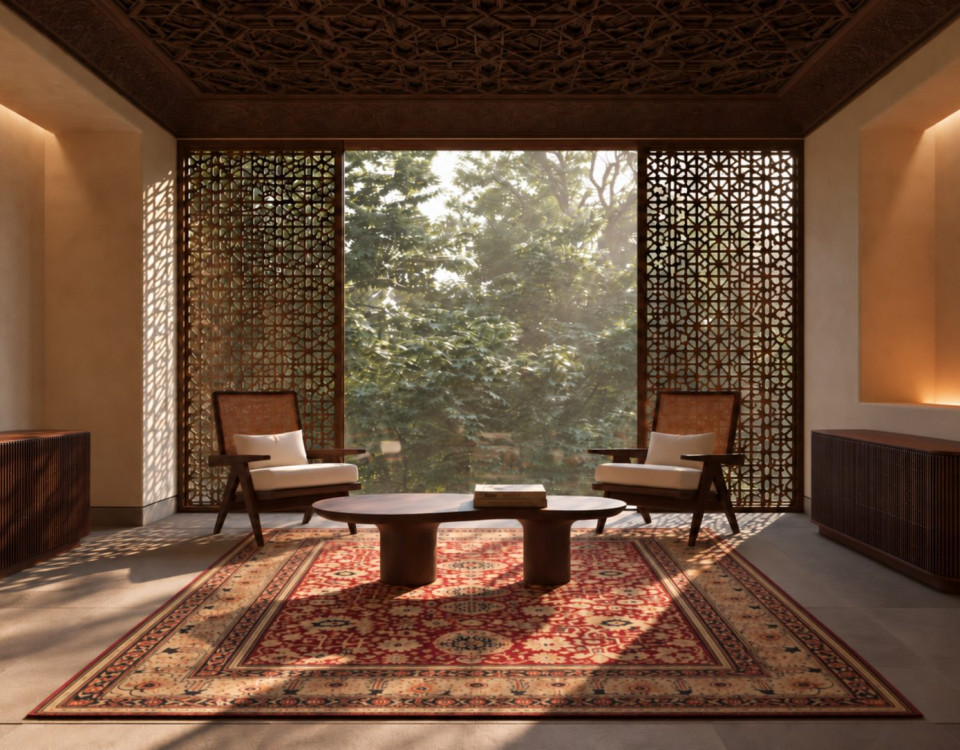
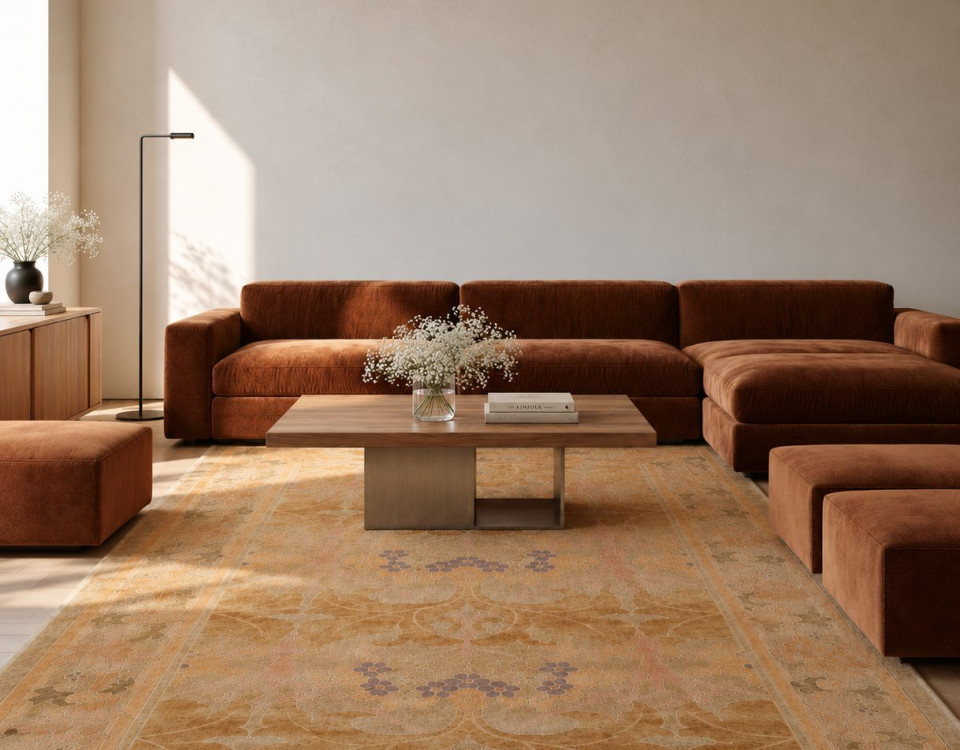
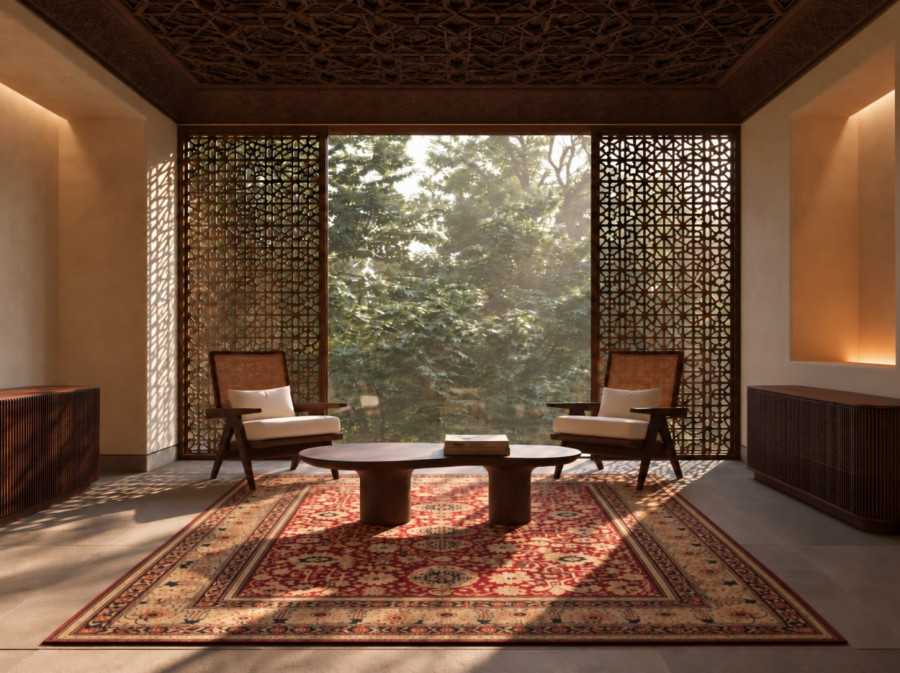
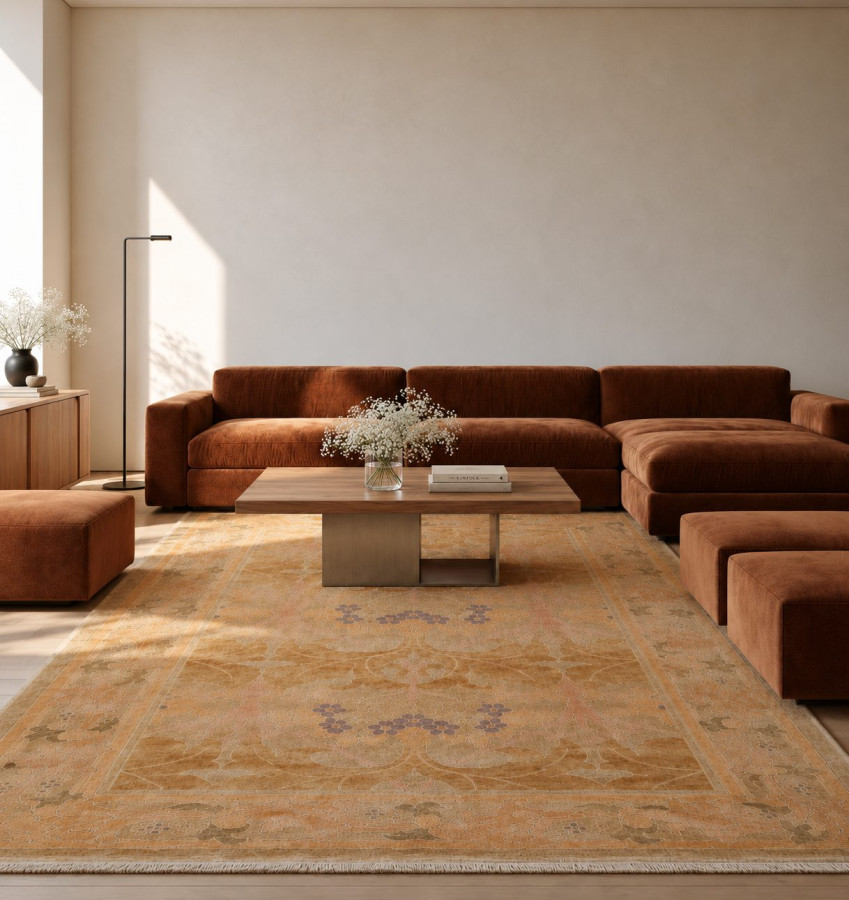
Modern designers frequently use Amritsar rugs to introduce warmth and texture into interiors dominated by stone, concrete, glass, and steel. Their muted palettes and spacious compositions create visual calm while contributing cultural and historical richness.
The growing influence of quiet luxury aesthetics has further elevated the importance of Amritsar carpets within global design culture. Their understated elegance aligns naturally with contemporary preferences for authenticity, craftsmanship, and timelessness.
Unlike trend-driven decorative objects, Amritsar rugs communicate permanence and intellectual sophistication.
Collectibility and Market Significance
Today, antique Amritsar rugs occupy a respected position within the international market for collectible carpets and decorative arts.
Collectors and institutions typically evaluate Amritsar rugs according to:
- Historical provenance
- Design clarity and scale
- Color preservation and patina
- Material authenticity
- Craftsmanship and knotting quality
- Condition and rarity
Exceptional examples featuring large-scale decorative motifs and naturally aged palettes are particularly sought after by collectors and design professionals.
Their enduring demand reflects their status as both functional architectural textiles and important examples of Indian decorative heritage.
Amritsar Rugs as Living Cultural Heritage
Amritsar rugs represent far more than decorative floor coverings. They embody a remarkable period of artistic exchange between Indian craftsmanship, Persian design traditions, and global decorative culture.
Their spacious compositions, atmospheric palettes, and architectural elegance continue to resonate because they address a growing desire for interiors grounded in authenticity, history, and material sophistication.
For collectors, architects, historians, and luxury designers, Amritsar rugs offer a rare synthesis of craftsmanship, cultural significance, and timeless design intelligence.
Their continued relevance confirms that the finest carpets are not simply objects of decoration, but enduring cultural artifacts capable of shaping space, memory, and experience across generations.
FAQ: Amritsar Rugs
What is an Amritsar rug?
An Amritsar rug is a handmade carpet woven primarily in Amritsar, India, known for its spacious designs, muted palettes, and sophisticated decorative character.
Are Amritsar rugs Persian or Indian?
Amritsar rugs are Indian in origin, though they were heavily influenced by Persian design traditions and Mughal decorative arts.
Why are Amritsar rugs important in interior design?
Their large-scale motifs, subtle colors, and architectural elegance make them exceptionally adaptable to luxury contemporary and traditional interiors.
What materials are used in Amritsar rugs?
Traditional Amritsar rugs are hand-knotted using wool pile, cotton foundations, and natural vegetable-based dyes.
Are antique Amritsar rugs collectible?
Yes. Antique Amritsar rugs are highly valued for their craftsmanship, rarity, historical significance, and distinctive aesthetic qualities.
What colors are common in Amritsar rugs?
Common palettes include muted gold, ivory, dusty rose, sage green, terracotta, taupe, and soft blue accents.
Can Amritsar rugs work in modern interiors?
Absolutely. Their restrained palettes and spacious compositions make them ideal for minimalist, transitional, and luxury contemporary spaces.
How are Amritsar rugs different from Agra rugs?
While both are Indian carpet traditions, Amritsar rugs generally feature softer palettes, larger motifs, and a greater emphasis on decorative restraint and architectural adaptability.