

Wool
India
9'2" X 12'0" (2.79 m x 3.66 m)
Out of Stock: Made to Order 16‑20 Weeks
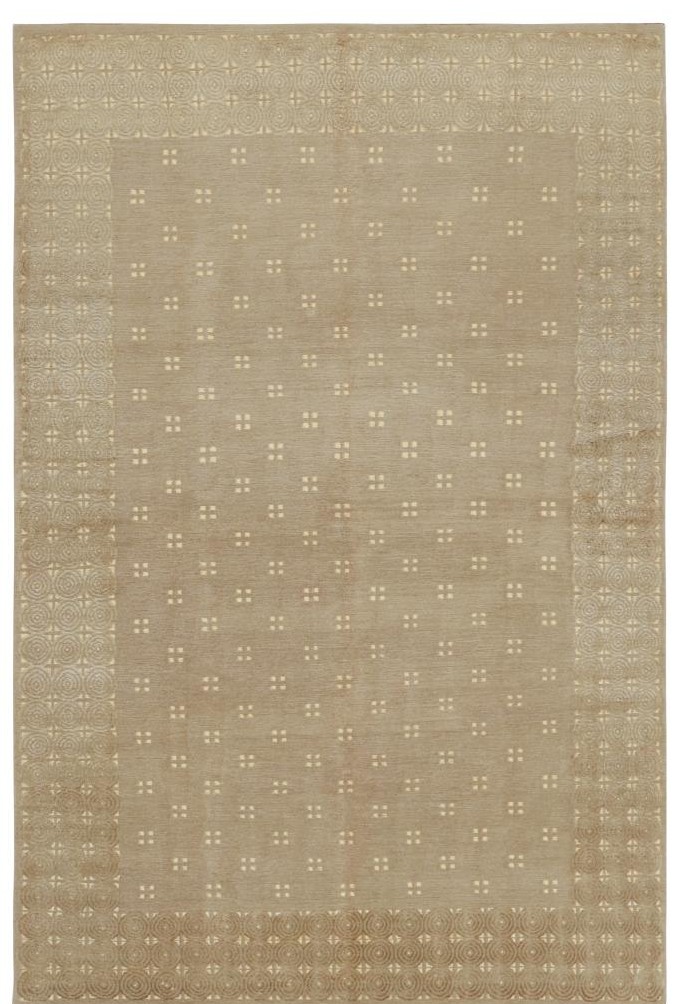
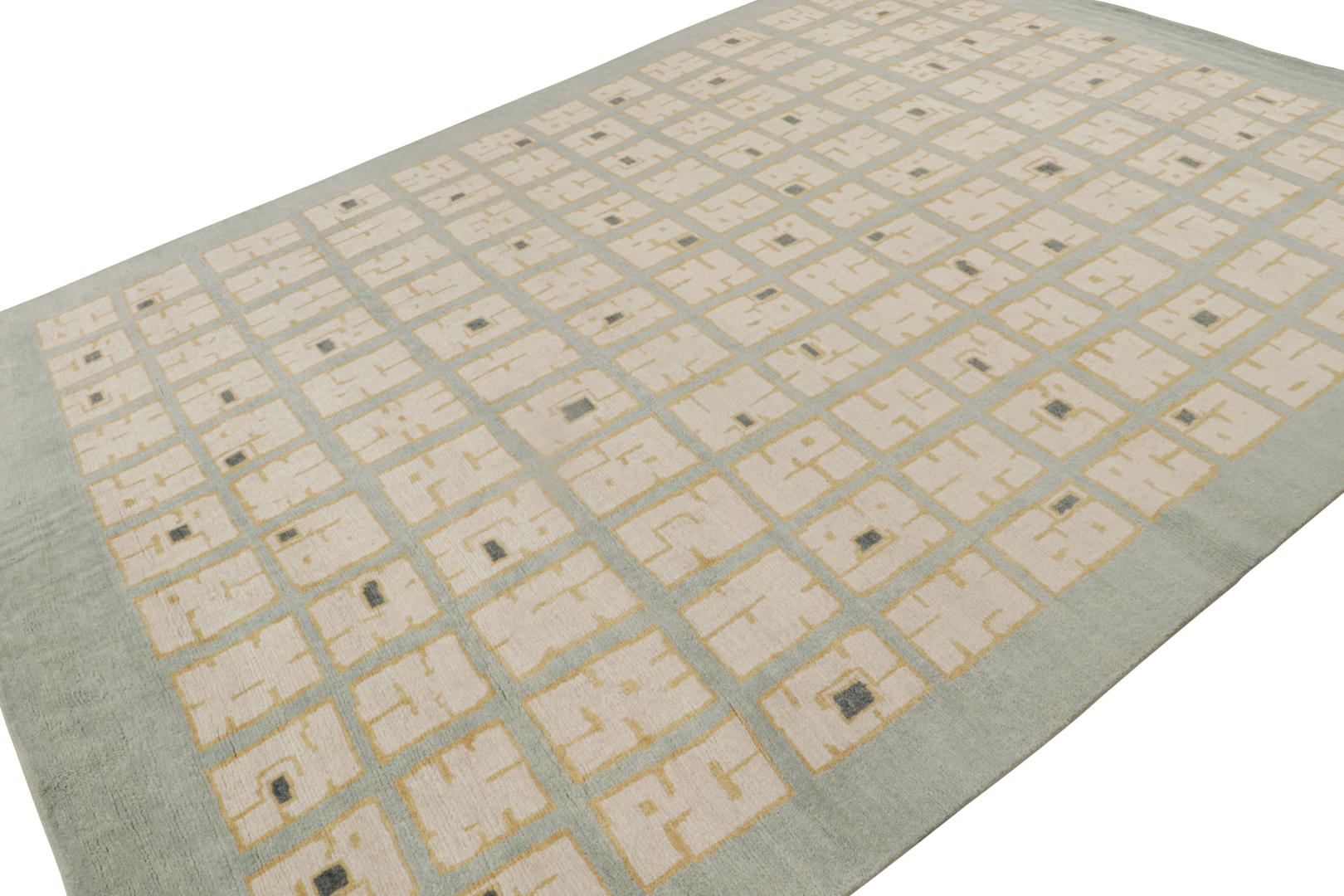
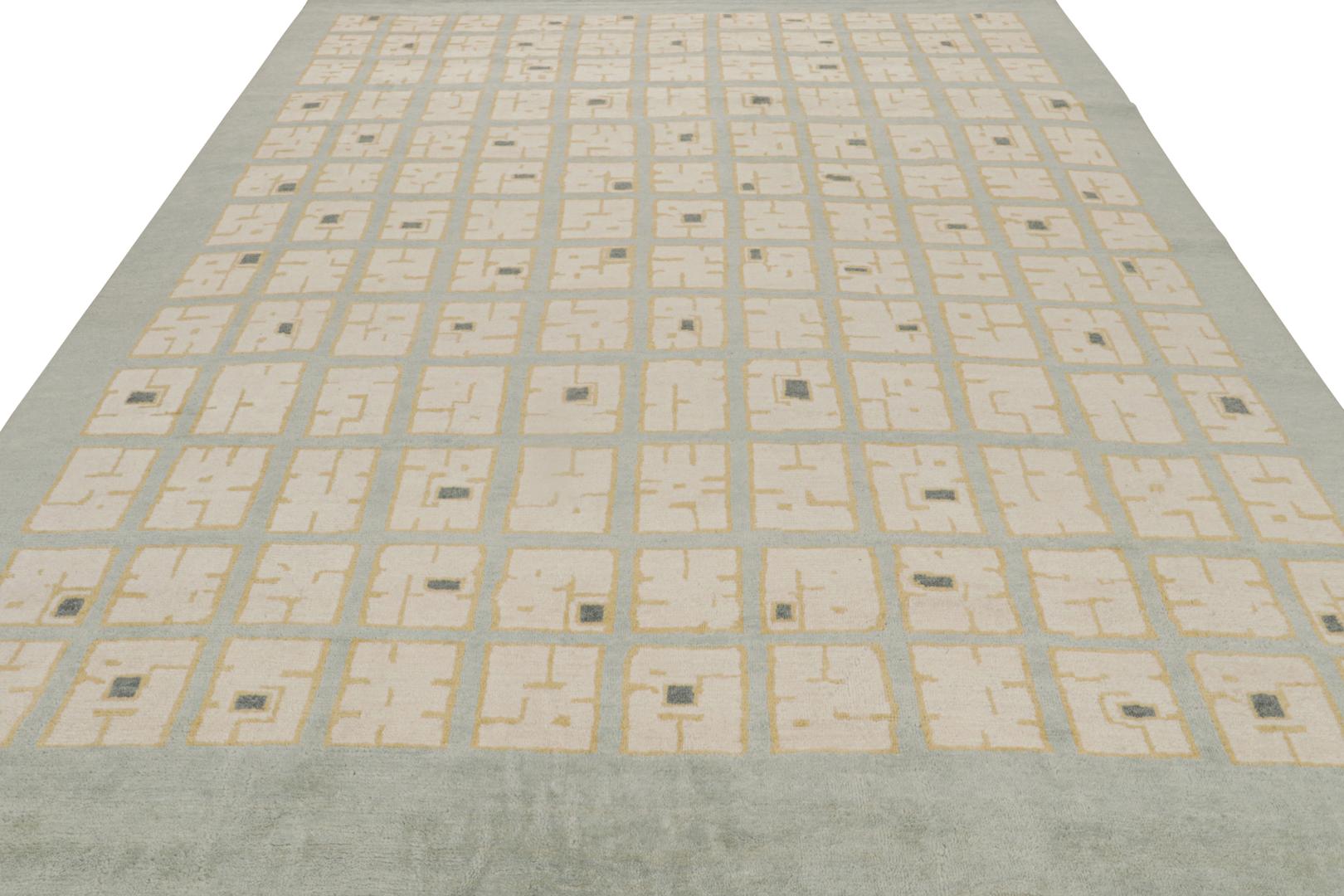
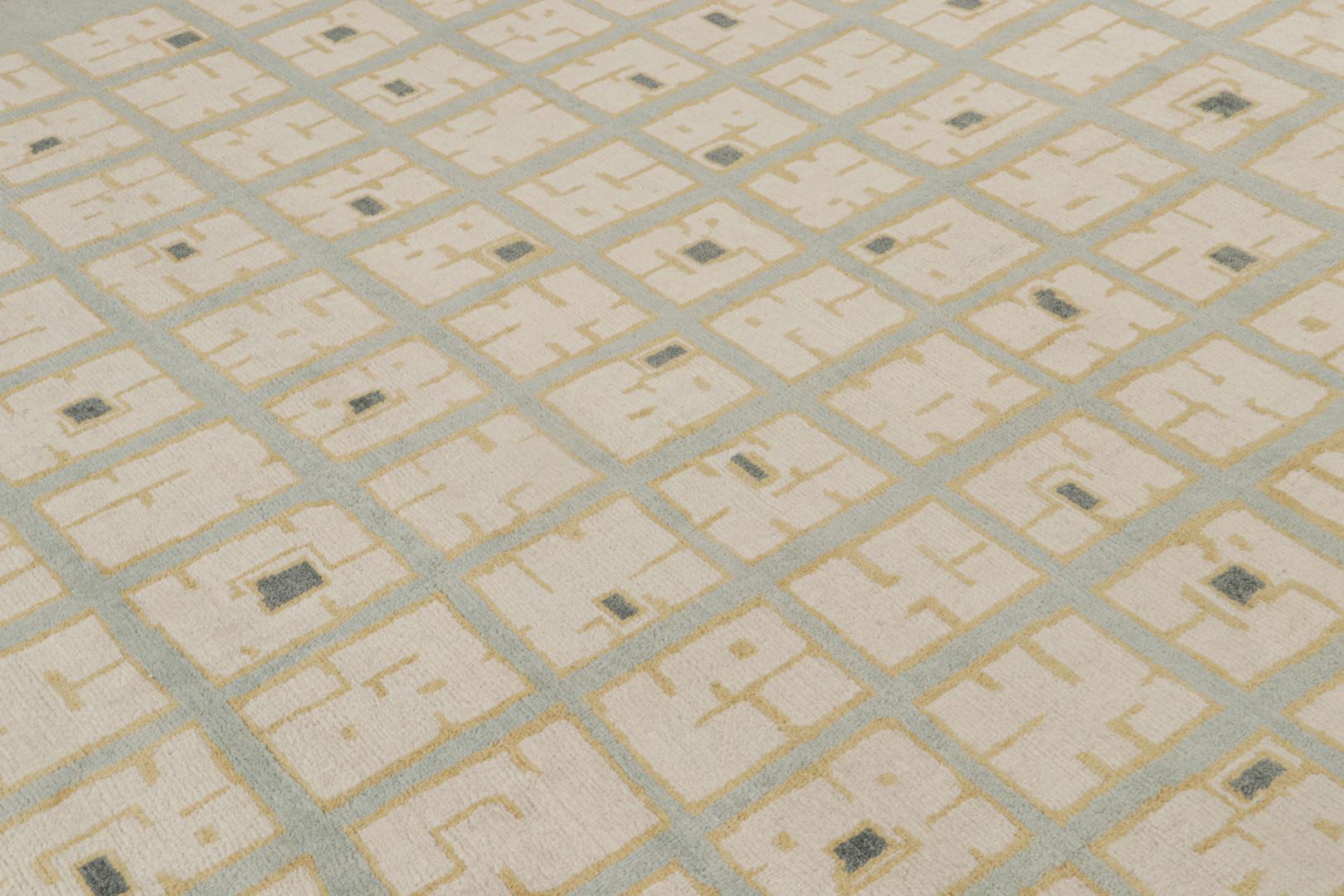
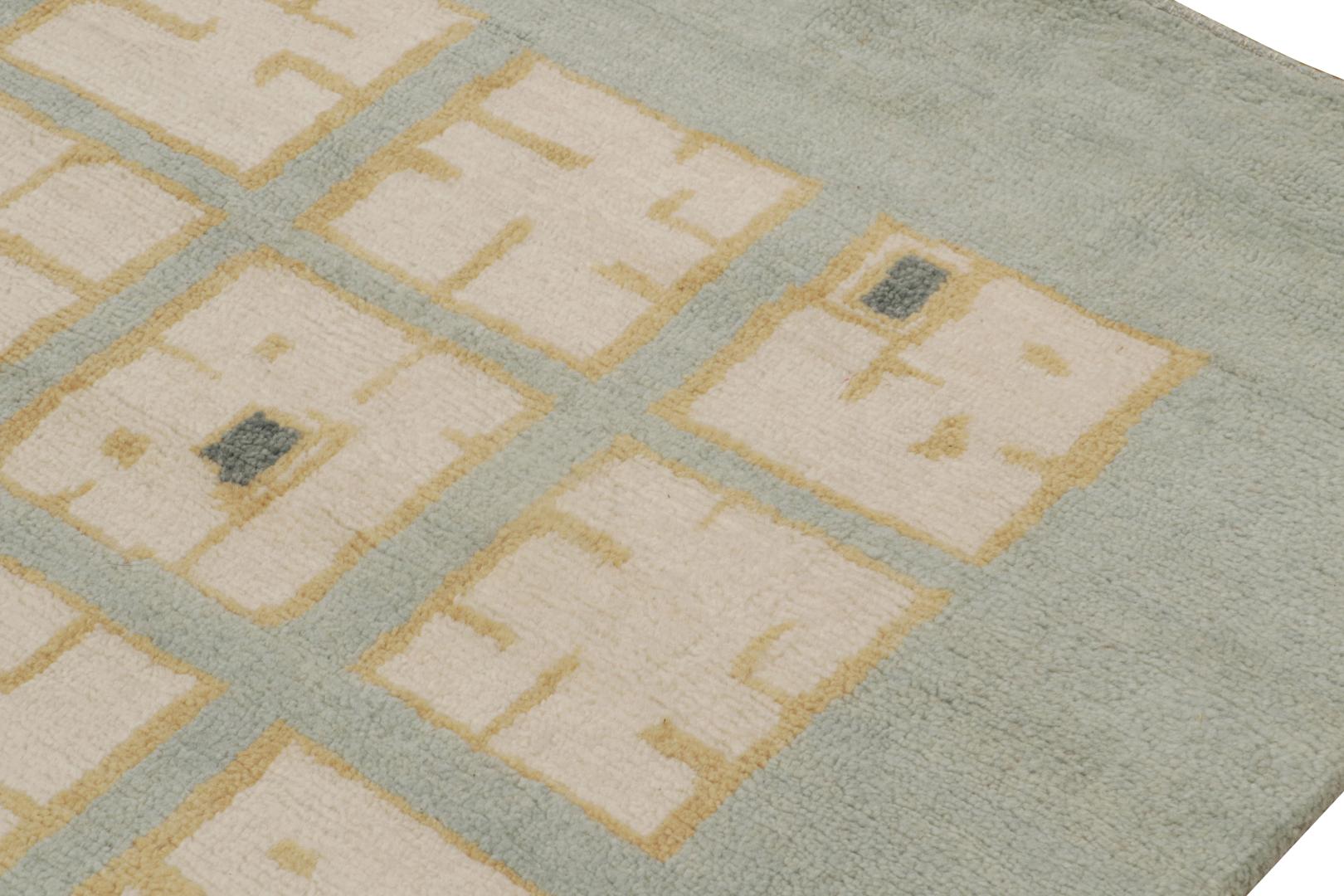
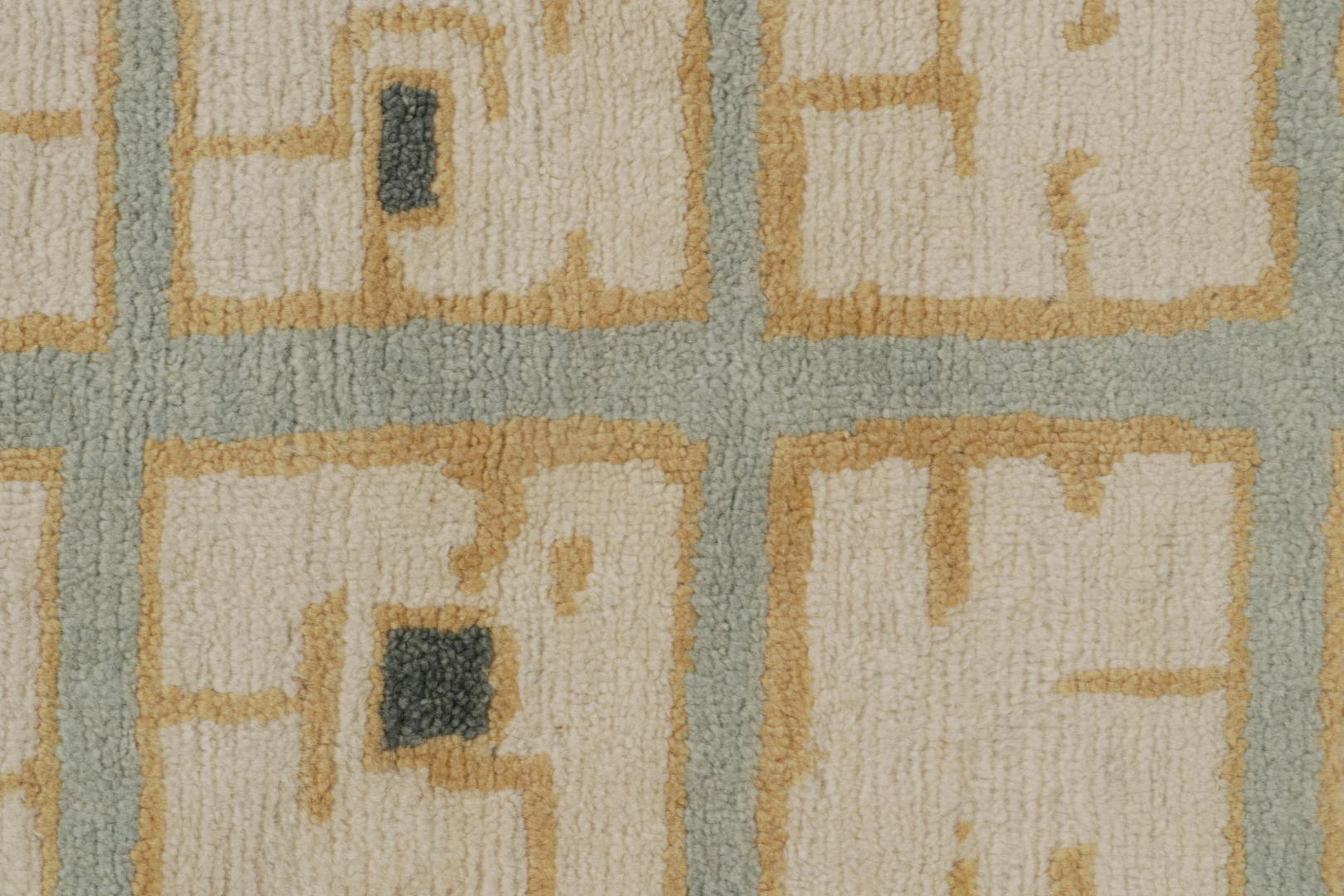
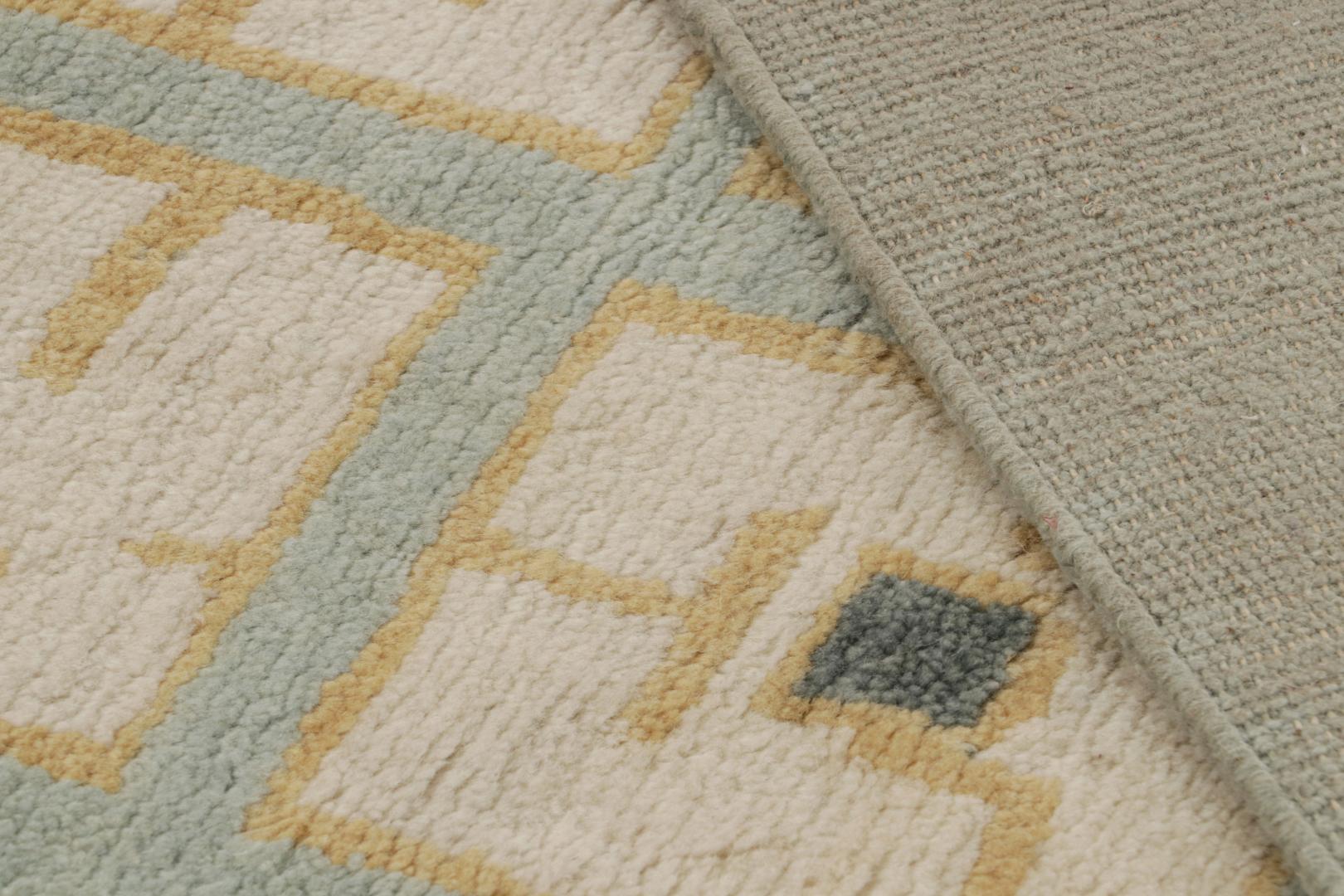
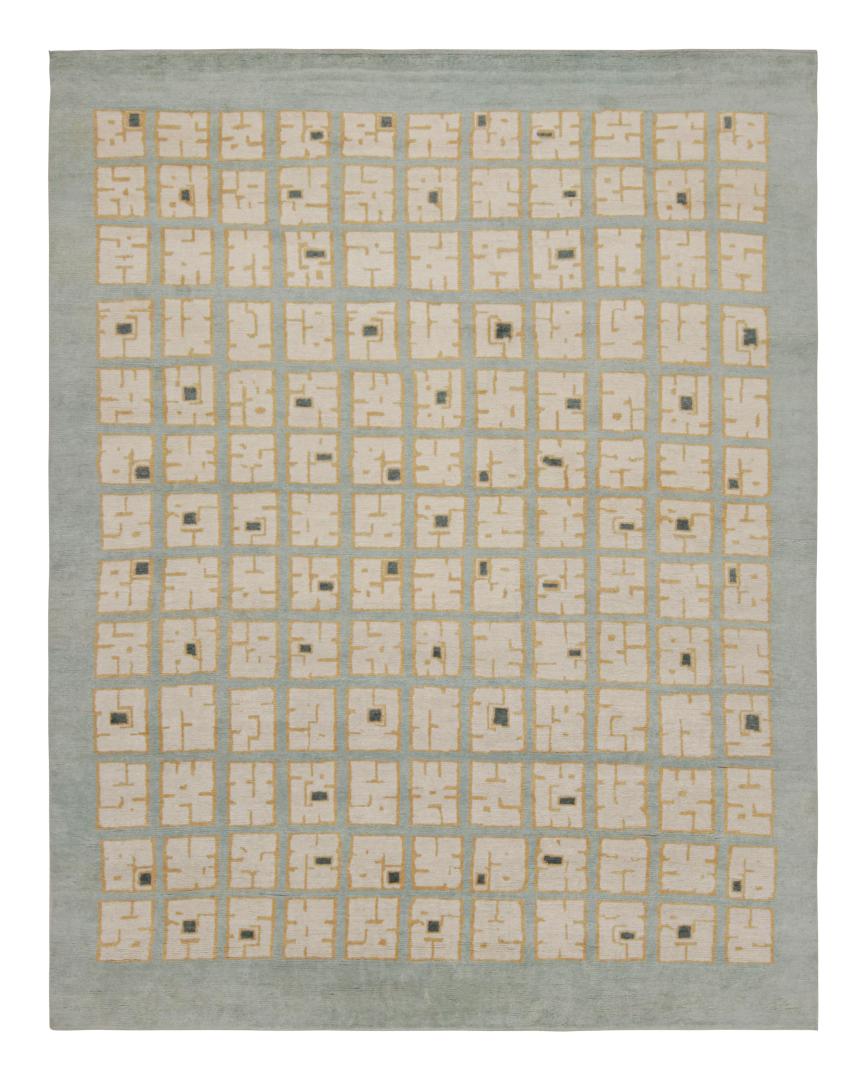
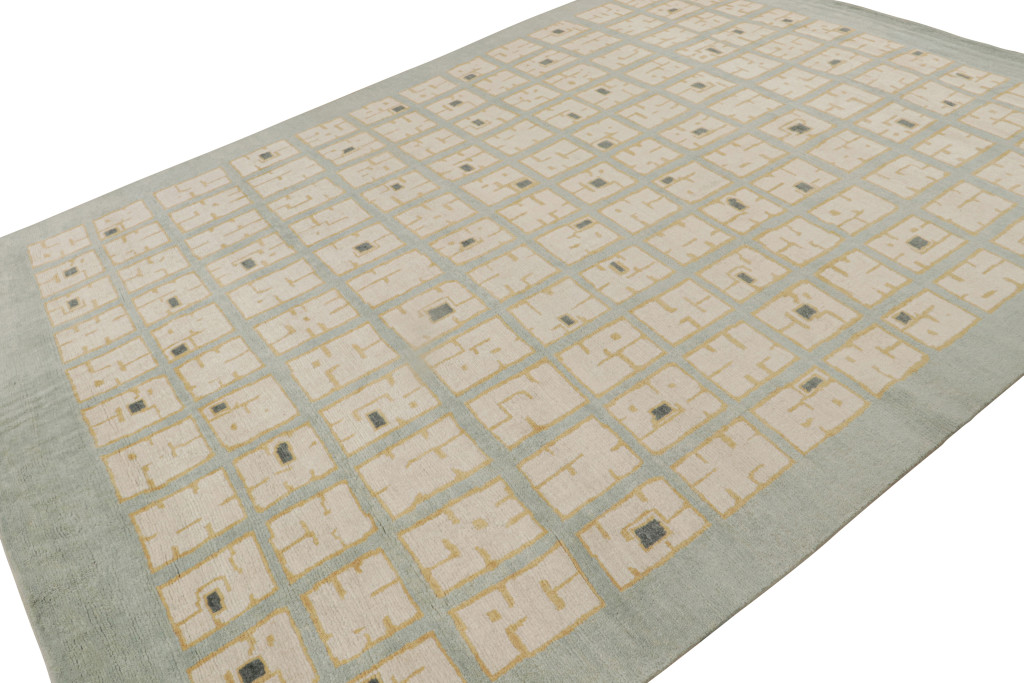
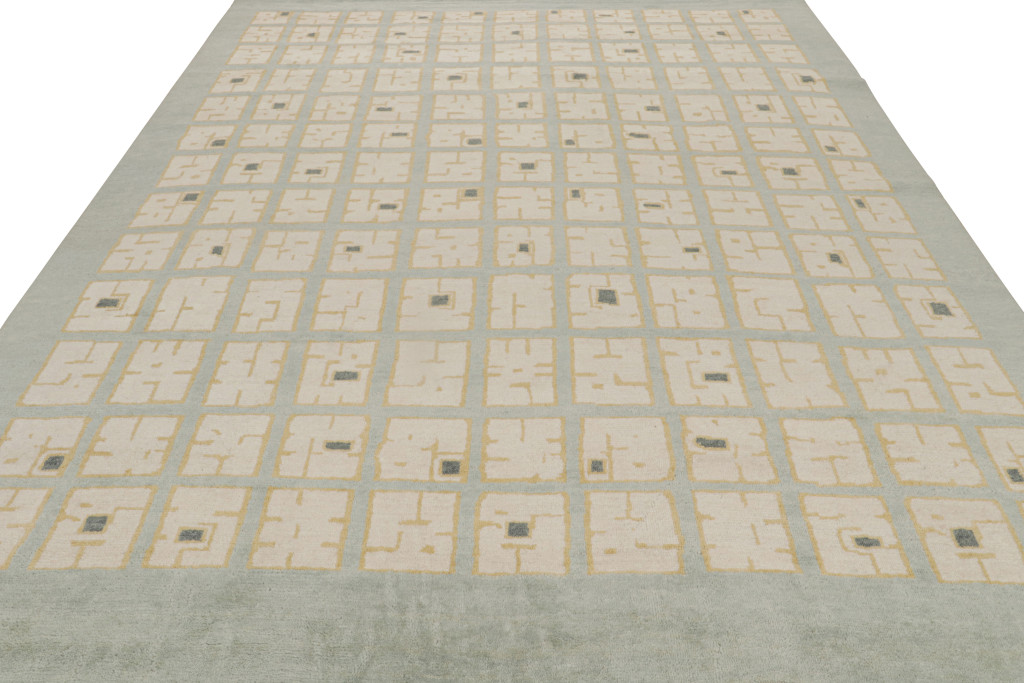
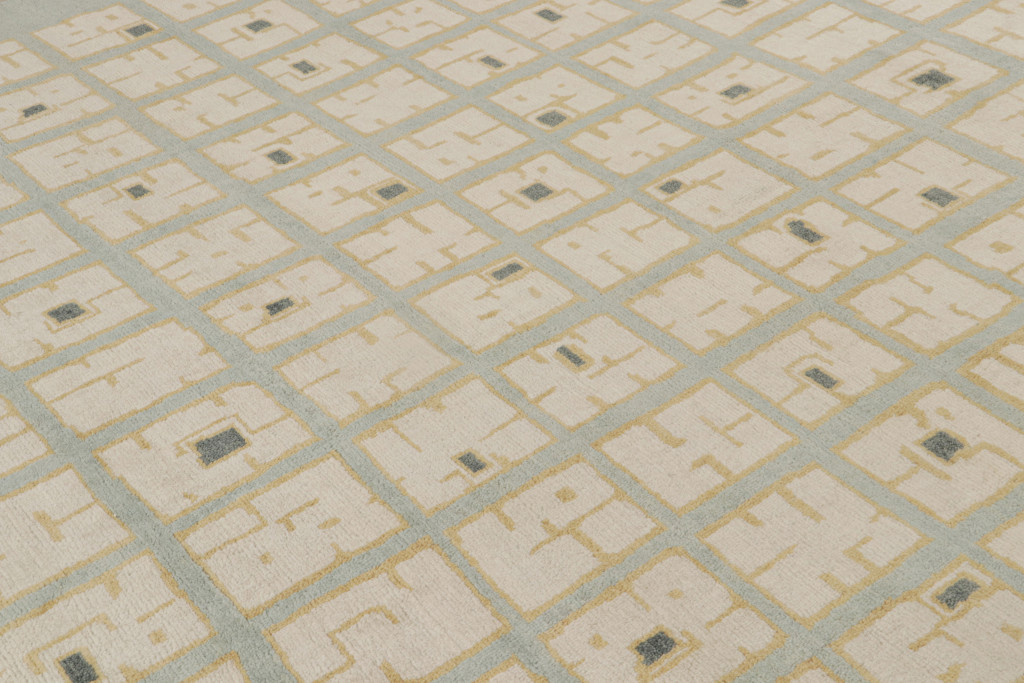
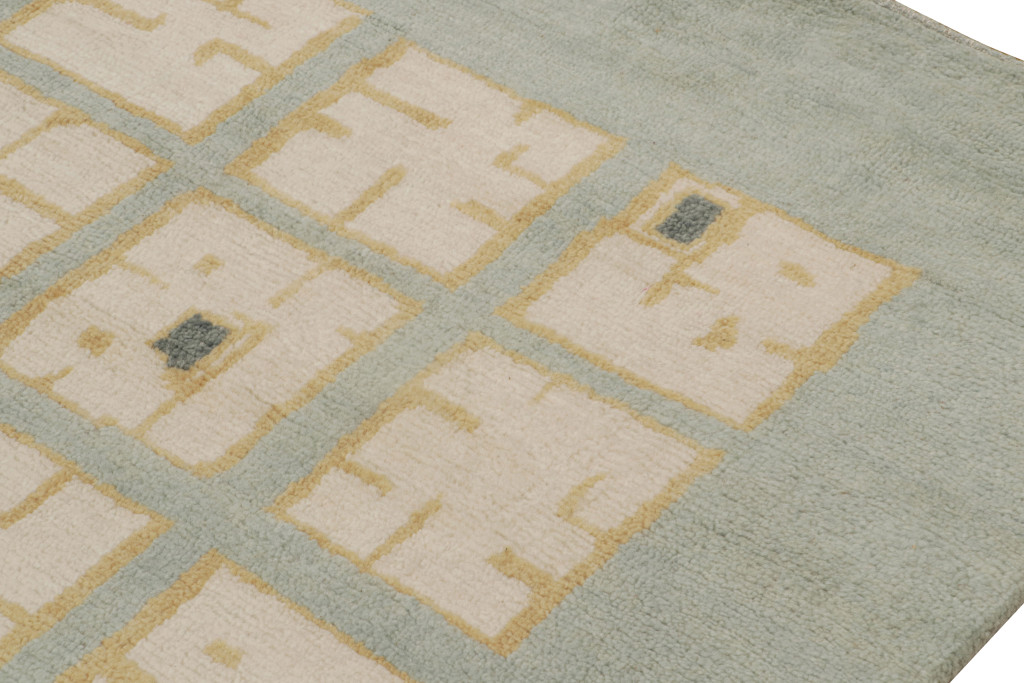
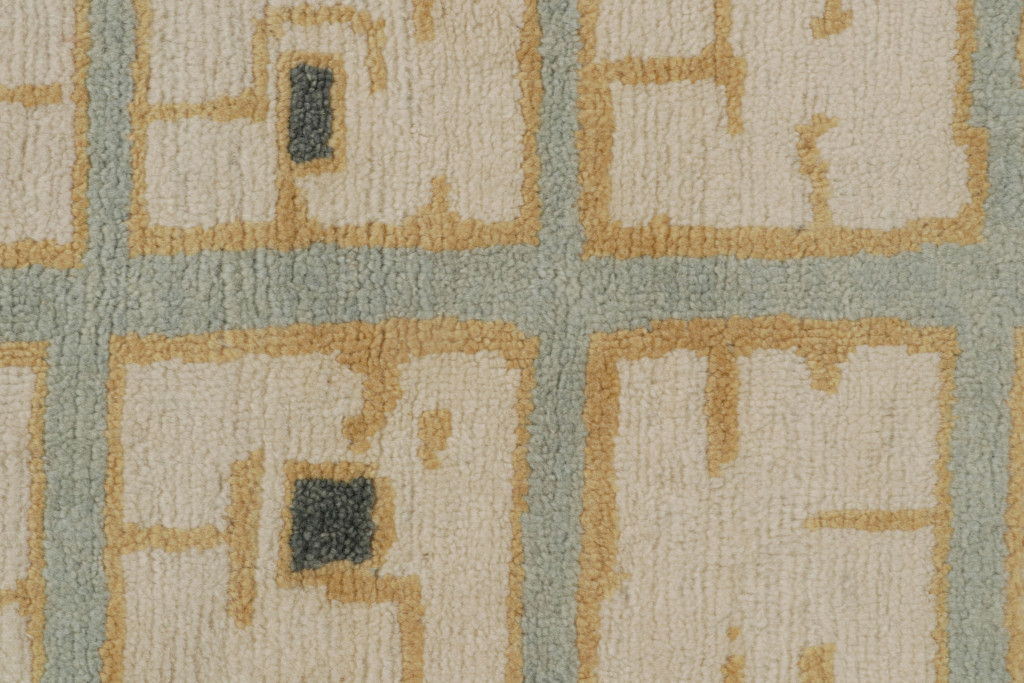
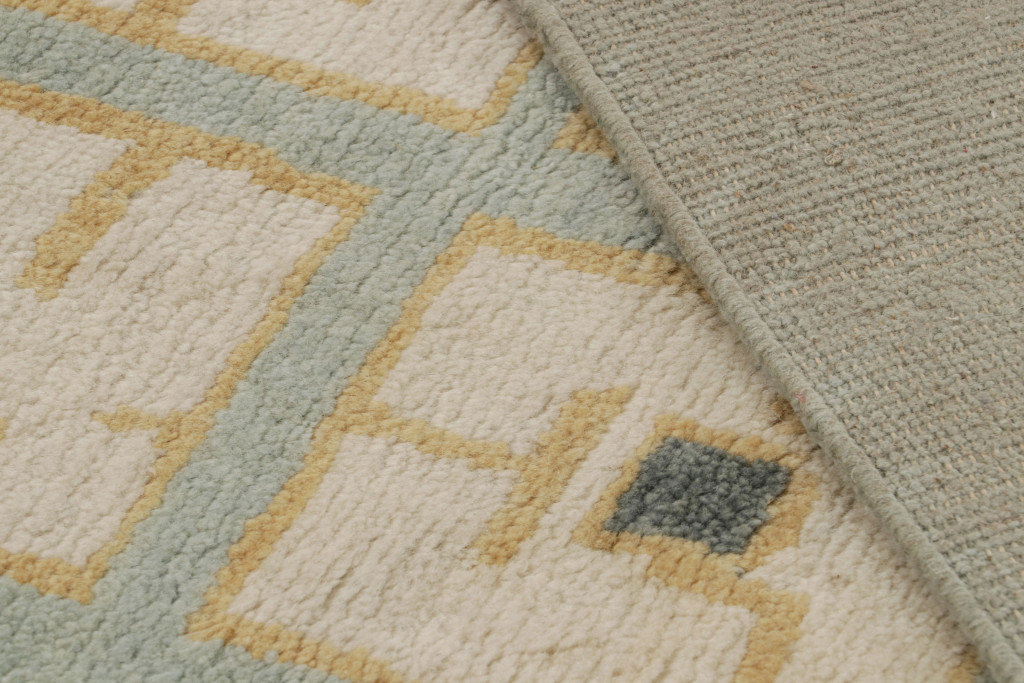
Rug & Kilim’s Modern French Art Deco Rug in Sky Blue with Geometric Pattern
"Josh has been able to dredge up some of the rarest and most beautiful carpets for our nerdy and stringent requirements. And we have had a grand time together assembling collections for clients."
— Ralph Harvard, Ralph Harvard Inc.
A standard since our inception upheld across every acquisition,
transaction, and delivery.
45+ Year Old Institution
More than four decades of expertise and stewardship, under the leadership of our Principal, Jahanshah "Josh" Nazmiyal.
Favorable Return Policy
Our return policy is 48 hours upon receipt allowing you to confirm the purchase in your space with confidence.
Product Warranty
Each rug is hand selected or produced through the most reputable sources under the direct supervision of our Principal.
Trusted Global Delivery
Reliable worldwide delivery handled with care, precision and constant communication.
Exceptional Support
Attentive, knowledgeable guidance before and after purchase from our dedicated team of specialists.
Long Term Care
We stand behind every piece we place and remain a resource to our clients for the lifetime of their collection.
Stories from the Art Deco Collection
Essays, artist dialogues, and provenance notes drawn from Rug & Kilim’s editorial desk.
Understanding Art Deco Rugs: Modernism, Luxury, and Timeless Style
Few rug styles have influenced twentieth-century interior design as profoundly as Art Deco rugs. Emerging during one of the most transformative periods in modern cultural history, these carpets embodied the optimism, innovation, and cosmopolitan sophistication that defined the Art Deco movement. More than decorative floor coverings, Art Deco rugs became expressions of a new visual language—one rooted in modernity, luxury, architecture, and artistic experimentation. Unlike traditional Persian carpets that emphasized centuries-old motifs and weaving conventions, Art Deco rugs embraced a distinctly modern perspective. Their compositions drew inspiration from architecture, industrial design, fine art, fashion, travel, and technological progress. The result was a new generation of carpets that transformed the role of textiles within contemporary interiors.
Read the Feature
The Long Life of a Green: On Celery, Color of the Year, and the Four Centuries of Weaving That Anticipated It
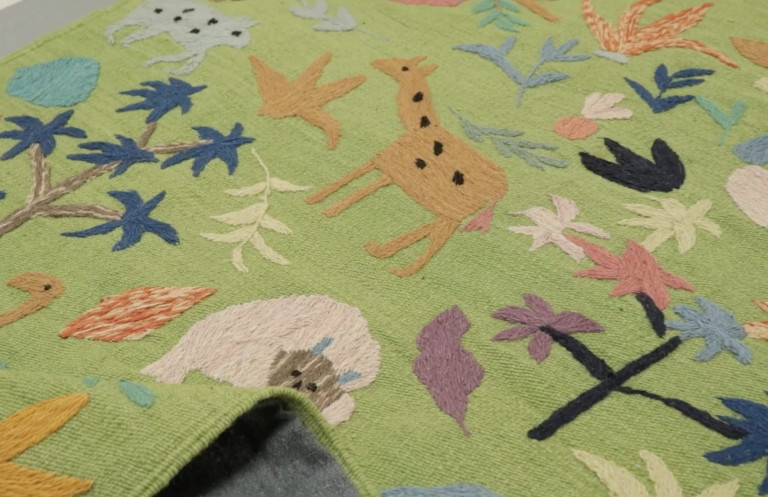
Every year, the color world makes its pronouncement, and every year the design world turns to see what it has been given. For 2027, Sherwin-Williams has named Celery; a light, airy, herbal green with a yellow undertone, chosen, in the company's words, for a moment that prizes wellness, balance, and connection. It is a soft color with a quiet glow and a faint edge; it pairs, its makers note, with white for something breezy, with cranberry red for something playful, with brown for something elevated. It is, by any measure, a beautiful and intelligent choice. It is also a color the great weavers of the world have understood for four hundred years.
Read the Feature
Every Great Collector Owns a Library: On Books, Rugs, and the Knowledge That Connects Them
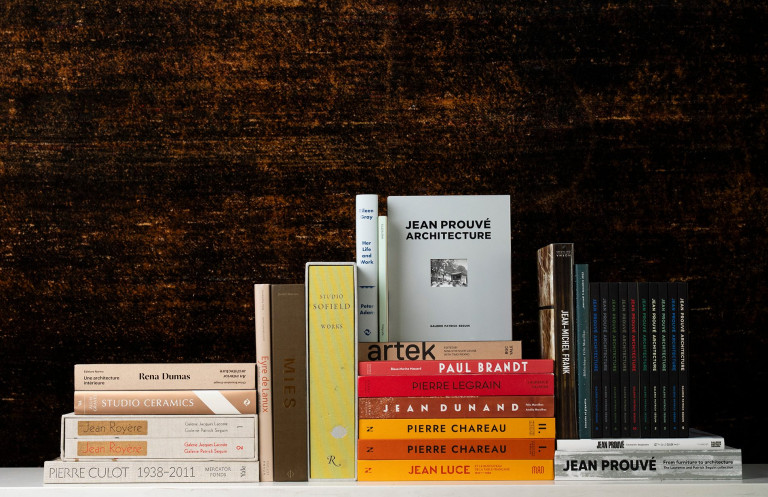
There has always been a quiet kinship between the rug and the book. Both are objects one lives with rather than merely owns. Both reward the patient return, disclosing more on the tenth encounter than the first. Both are, at their finest, repositories of a civilization's memory; the one held in language, the other in wool. It should surprise no one that the greatest collectors of carpets have almost always been, in the same breath, collectors of the books that explain them. J. Paul Getty kept a scholar's library beside his objects. The Rothschilds, whose carpets now rest in Doha and whose names still move a saleroom, understood a collection as a thing to be studied as much as displayed. To acquire seriously has always meant to read seriously.
Read the Feature
On the Changing Nature of Money, and a Quiet Shift in How the World’s Great Collections Are Built
As seen in Milieu Magazine’s Summer 2025 Issue, designed by Studio Meghan Eisenbergh, features an antique Amritsar rug from Rug & Kilim’s collection.View More >> Something has changed in the psychology of collecting, and it has changed quietly. For most of the modern era, the serious collector acquired for love, for scholarship, for the pleasure of living with beautiful things, and the question of value, while never absent, sat politely in the background. That arrangement has quietly inverted. Across the last two years, industry surveys have recorded a striking figure: the share of high-net-worth collectors intending to sell from their holdings has fallen from more than half to roughly a quarter. The collector of this moment is not looking to liquidate. They are looking to hold. And they are increasingly treating the objects they acquire not as expenditures but as architecture, as a considered, diversified structure of wealth that also happens to be beautiful.
Read the Feature
A Profile on Jules Leleu and Paule Leleu and their Contributions to the Art Deco Movement
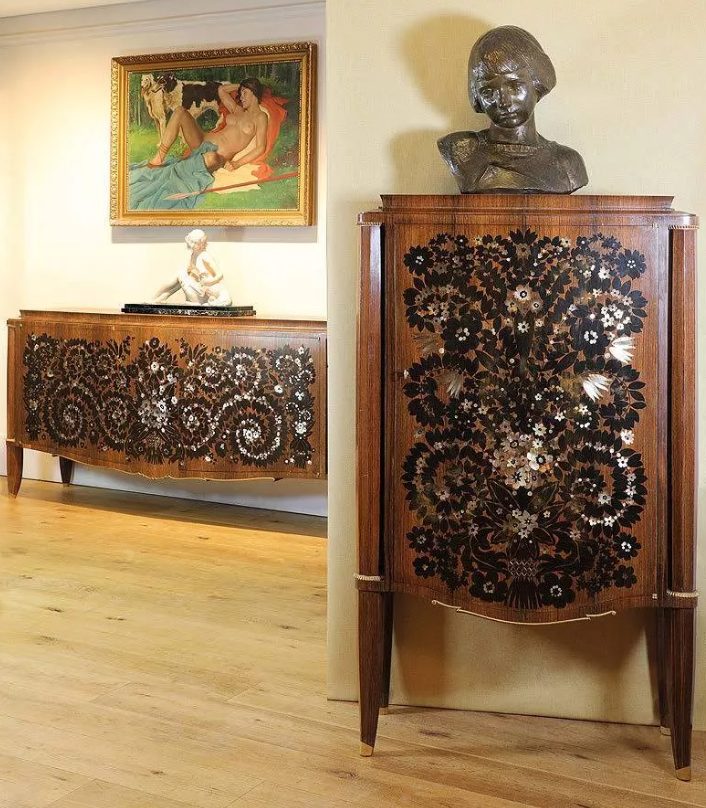
“The story of Art Deco is incomplete without the contributions of Paule Leleu.” Paule Leleu's Art Deco Style This particular rug as inspired by Paule Leleu’s designs enjoys a bold take on mid-century French Deco inspirations unseen in this high-low, texturally engaging approach. The subtlety of the pile variation complements both the colorway and the inviting grid with a smart, sophisticated distinction. Paule Leleu (1906–1987) masterfully infused the Art Deco style into her hand-knotted rugs, characterized by elegant linear motifs and tasteful decorative elements. As the 1940s unfolded, she expanded her design repertoire to include captivating floral patterns. A notable aspect of Leleu's approach was her consideration for her family company's furniture, ensuring that her rug designs harmonized seamlessly with the overall aesthetic. Aligning with the evolving trends of the mid-century modern style, her later rugs often leaned towards a refined minimalism.
Read the Feature
An Introduction to Varied Art Deco Patterns
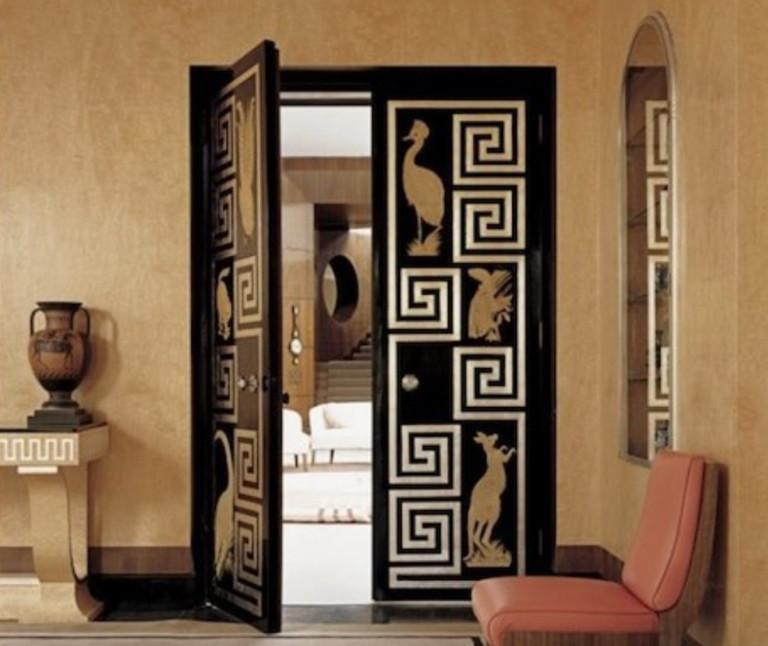
Art Deco patterns, emblematic of one of the most influential styles of the 1920s and 1930s, are a key identifier of this period in art history. Reverberating across architecture, design, and visual arts, Art Deco made a lasting impact with its distinctive patterns. These patterns, characterized by precise and clear lines, geometric shapes, and intricate decorations, were prominently featured in various fields. Notably, Art Deco patterns adorned architectural structures and were integrated into design elements. The movement's patterns initially emphasized straight lines and geometric forms, evolving later into the Streamline Moderne phase characterized by curving shapes and long horizontal lines. Streamline Moderne also embraced rich colors and opulent ornamentation.
Read the Feature


R&K Image Studio
NEWThe R&K Image Studio is a new visual workspace designed to present the Rug & Kilim collection with clarity, restraint, and precision — in your space or any space you imagine.
This tool allows you to view, refine, and prepare imagery drawn directly from the pieces in our archive. They can be visualized cleanly, isolated thoughtfully, and adjusted for presentations, proposals, and private viewings, without altering the integrity of the original work.
Art Deco
Wool
India
9'2" X 12'0" (2.79 m x 3.66 m)
Out of Stock: Made to Order 16‑20 Weeks
Rug & Kilim’s Modern French Art Deco Rug in Sky Blue with Geometric Pattern
"Rug & Kilim's inventory spans the past four centuries and includes everything from ethnic and tribal patterns to European designs, as well as a host of Art Deco, abstract and understated tone-on-tone offerings, all in a vast array of materials, weaves and sizes."
— Tony Freund, 1stDibs Editorial Director


