
The Imam Reza Shrine in Mashhad – World’s Finest Collection of Persian Carpets
June 10, 2024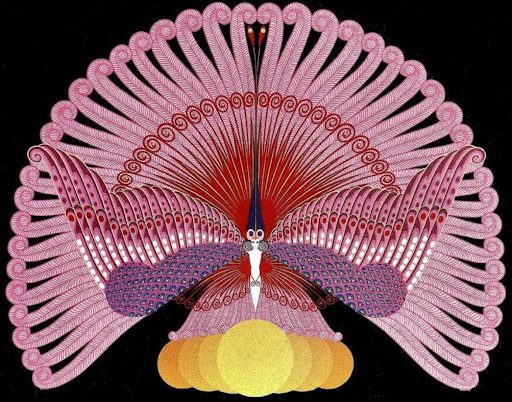
Rug & Kilim’s Art Deco Rugs as Inspired by Romain de Tirtoff “Erte’s” Artworks
June 14, 2024
“The story of Art Deco is incomplete without the contributions of Paule Leleu.”
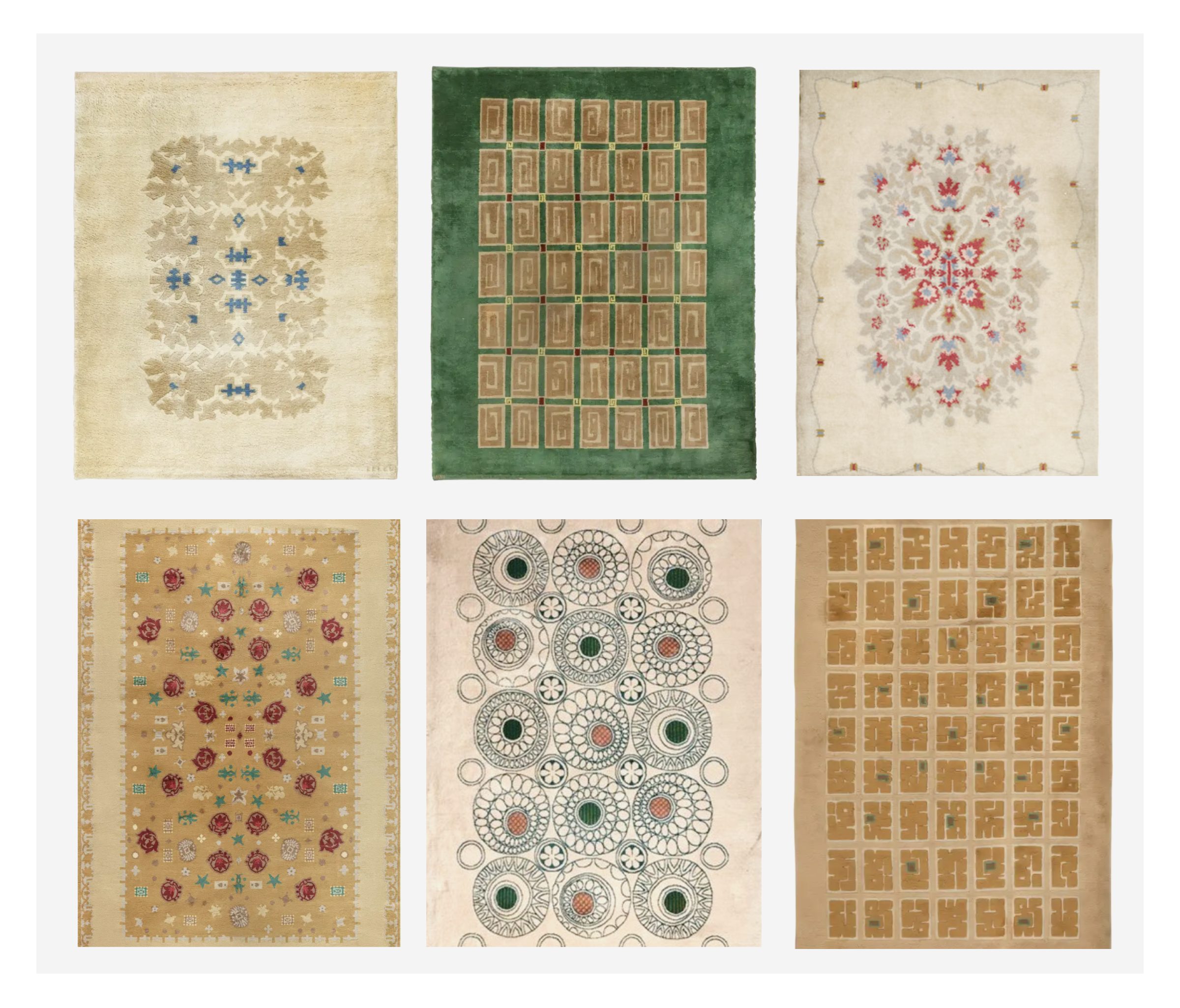
Paule Leleu’s Art Deco Style
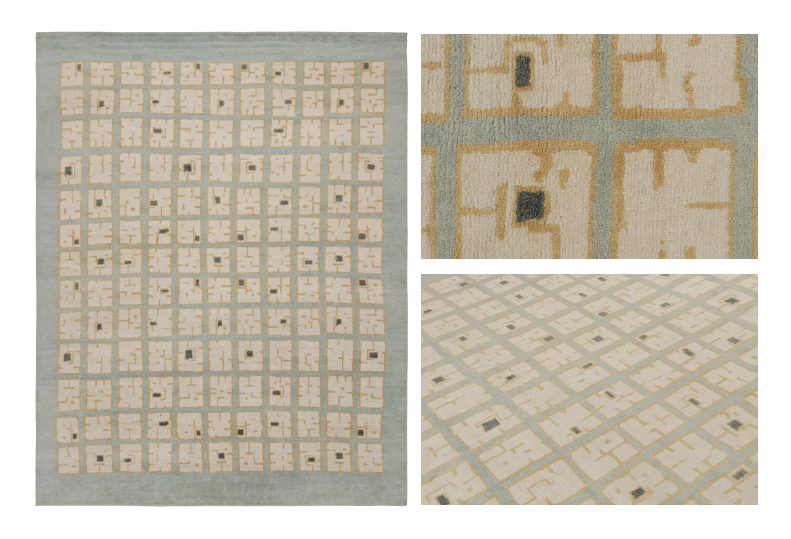
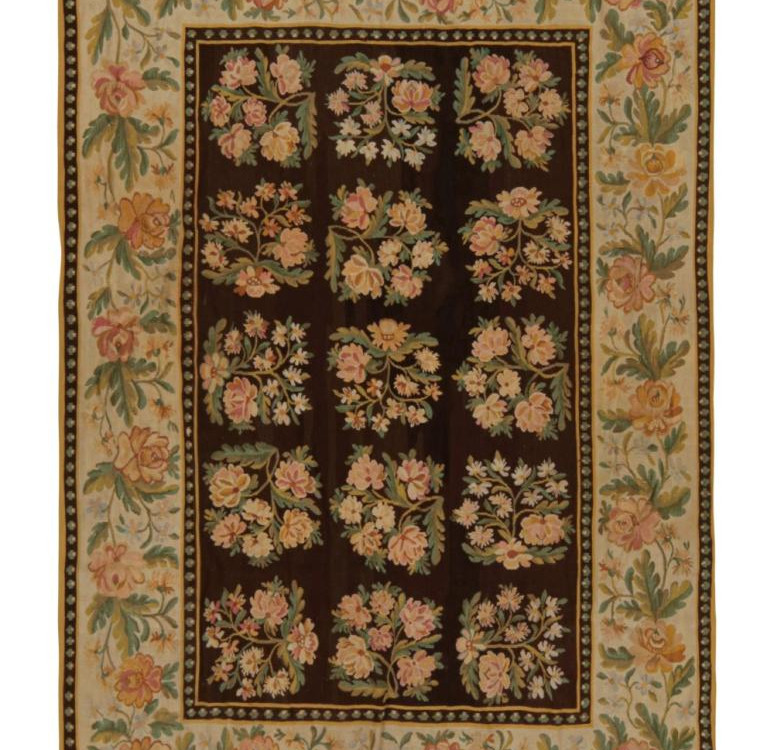
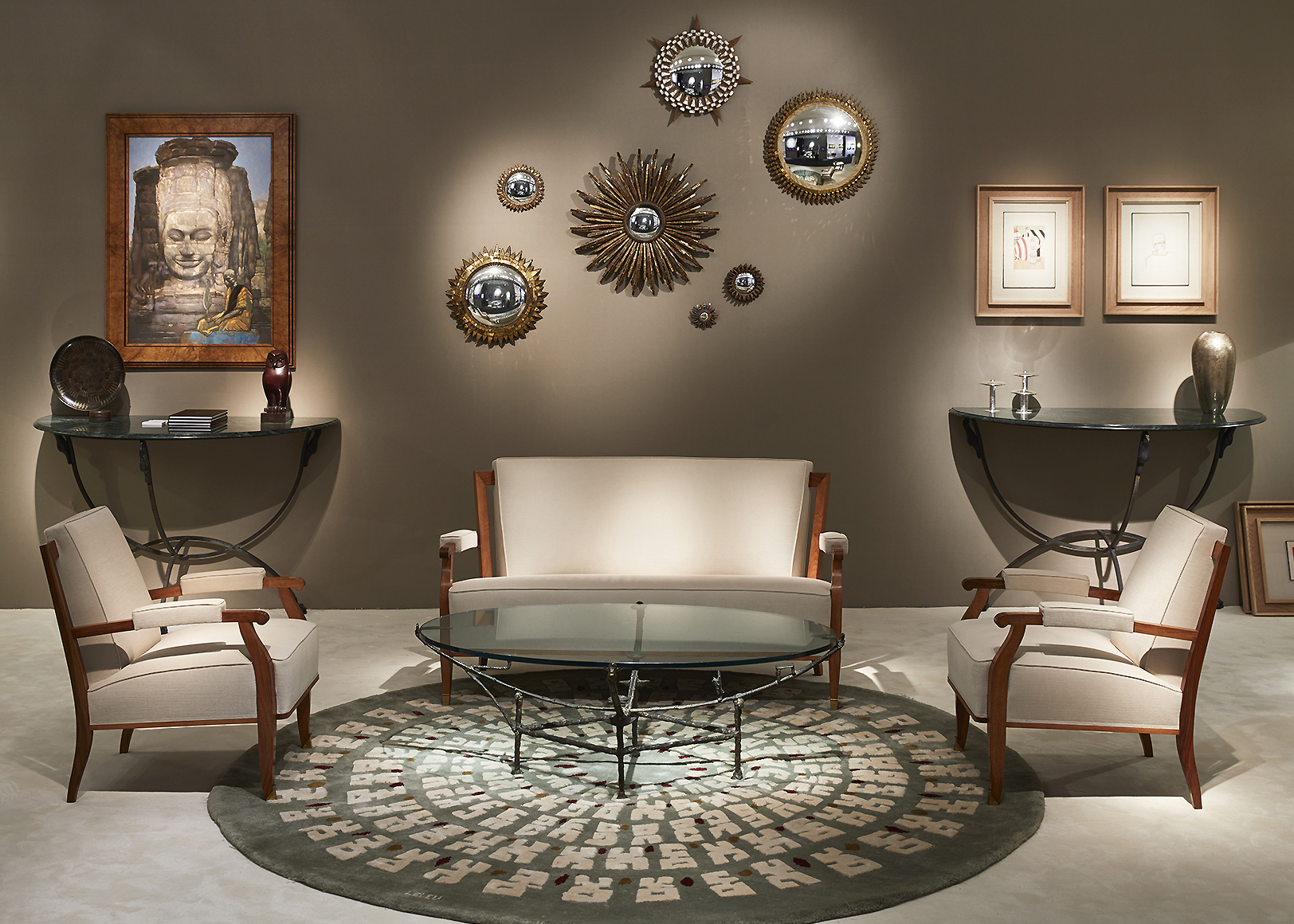
This particular rug as inspired by Paule Leleu’s designs enjoys a bold take on mid-century French Deco inspirations unseen in this high-low, texturally engaging approach. The subtlety of the pile variation complements both the colorway and the inviting grid with a smart, sophisticated distinction.
Paule Leleu (1906–1987) masterfully infused the Art Deco style into her hand-knotted rugs, characterized by elegant linear motifs and tasteful decorative elements. As the 1940s unfolded, she expanded her design repertoire to include captivating floral patterns. A notable aspect of Leleu’s approach was her consideration for her family company’s furniture, ensuring that her rug designs harmonized seamlessly with the overall aesthetic. Aligning with the evolving trends of the mid-century modern style, her later rugs often leaned towards a refined minimalism.
Jules Leleu (1883–1961) stands as a pioneering figure in the history of art and design, often regarded as the grandfather of the Art Deco movement. Collaborating with luminaries like Ivan Da Silva Bruhns, Jacques-Emile Ruhlmann, and his daughter Paule Leleu, he played a crucial role in establishing Art Deco as one of the most influential design trends of the 20th century. Leleu’s entry into the design world began when he inherited his father’s painting business at the age of 26. Joining business with his brother, they embarked on a creative journey, ultimately founding one of Paris’s most renowned furniture studios, Maison Leleu. Dedicated to redefining decor with a modern essence, their work left an indelible mark on the aesthetics of the time.
A pinnacle moment in Leleu’s career occurred at the International Exposition of Decorative Arts in 1925, where his firm’s interior designs earned top honors, propelling him into the spotlight as a visionary designer who encapsulated the spirit of the era.
More about Ivan Da Silva Bruhns –
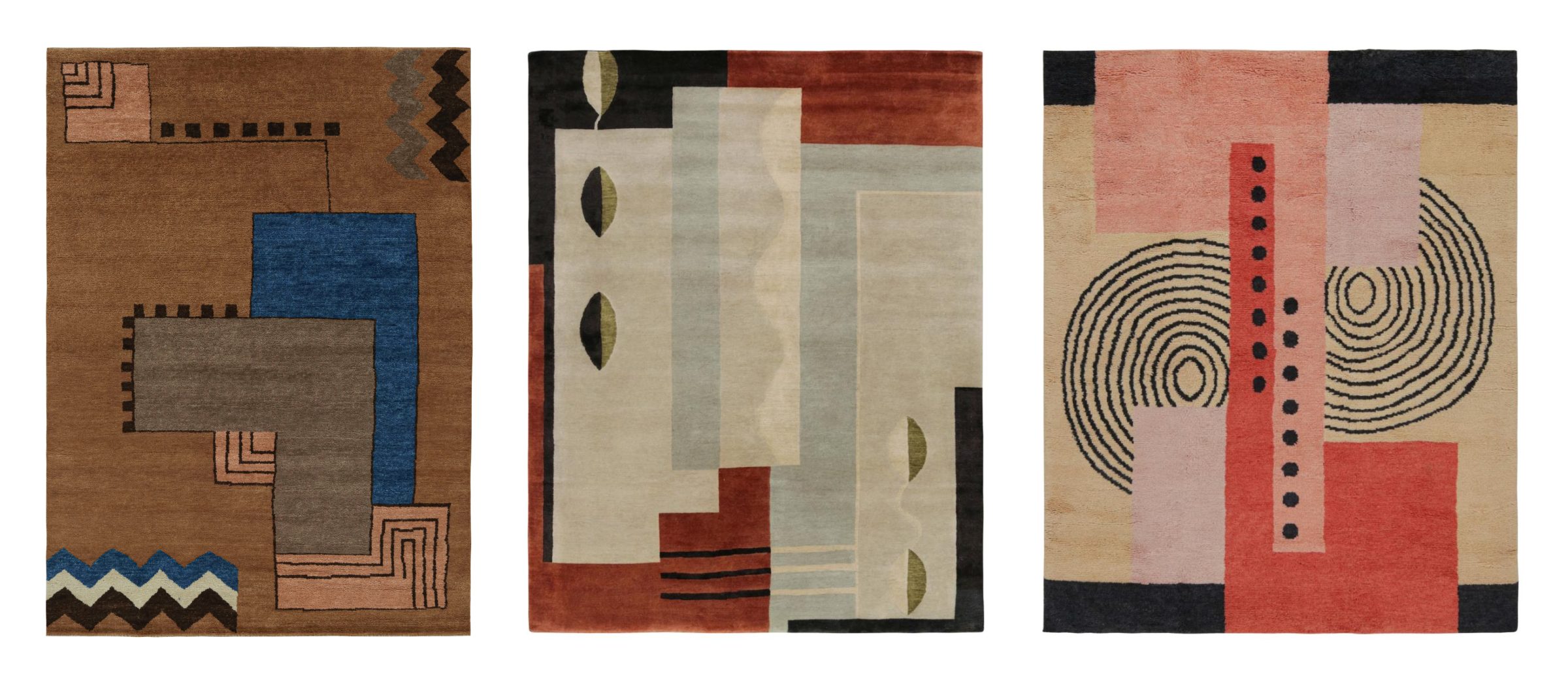
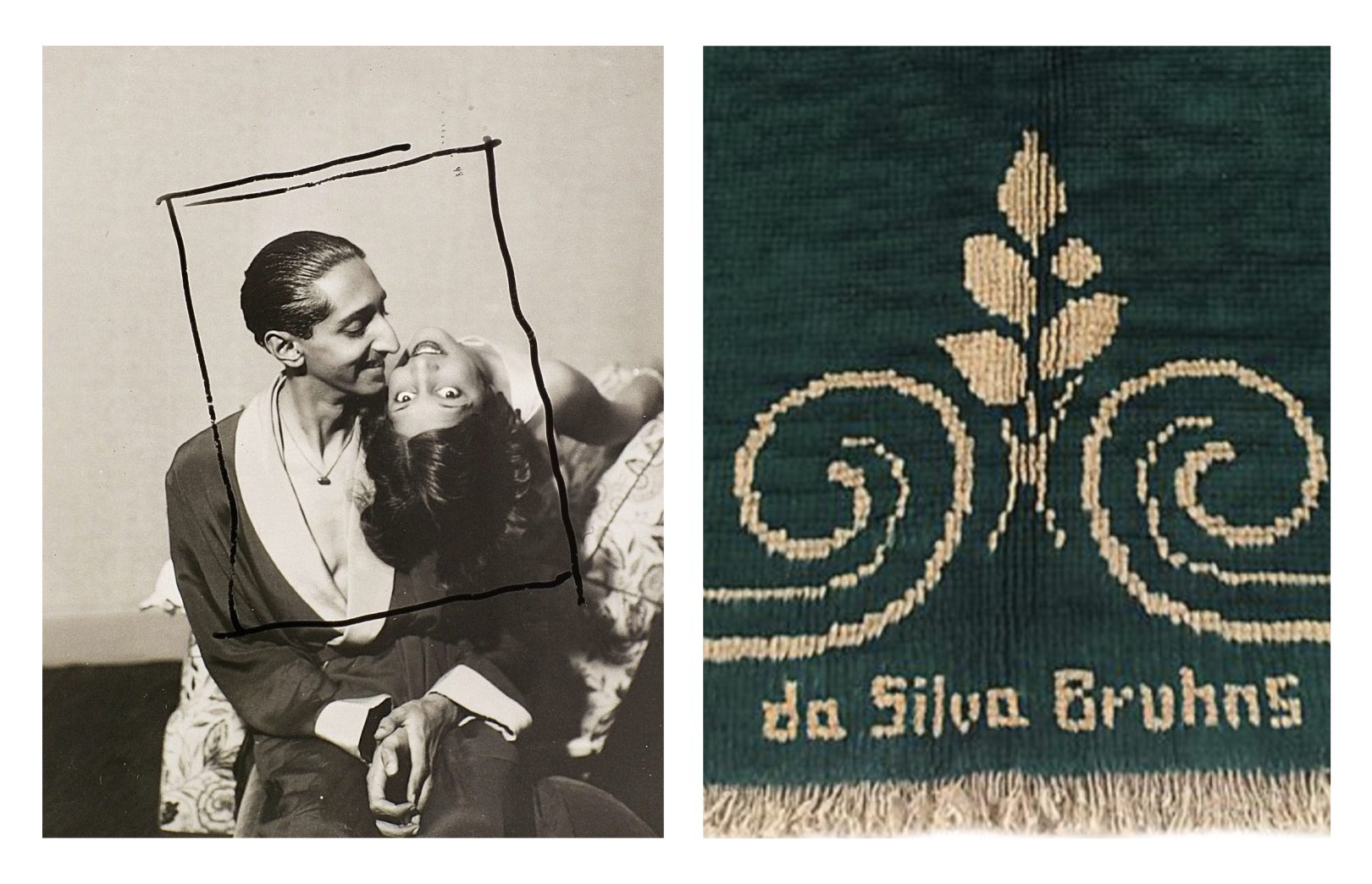
Ivan Da Silva Bruhns stands out as a distinctive figure renowned for seamlessly blending pre-Columbian motifs, Modernist rationalism, and French Art Deco luxury in his remarkable carpets. Throughout his career, Da Silva Bruhns drew inspiration from various cultures, studying Middle Eastern, African, and Asian art. Notably influenced by pre-Columbian art, he incorporated arrangements reflecting his Latin American heritage. His carpets, balancing asymmetry with precision, often combined diverse pre-Columbian forms, sometimes rendered literally and at other times abstracted to suit his aesthetic. Straddling the border between Art Deco and Modernism, Da Silva Bruhns’s innovative patterns and impeccable construction ensure his carpets remain among the most significant decorative art pieces of the period.
More about Jacques-Emile Ruhlmann –
Émile-Jacques Ruhlmann‘s legacy endures as the epitome of Art Deco style, offering a distinct contrast to the more utilitarian modernism exemplified by the Bauhaus School. His designs, celebrated by Alastair Duncan, showcase the finest expression of Art Deco. Ruhlmann’s versatility in catering to a diverse clientele significantly expanded the reach and influence of Art Deco. In contrast to the exuberance of Art Nouveau’s nature-inspired designs and the geometric motifs of the Arts and Crafts movement, Émile-Jacques Ruhlmann took a more reserved approach. Rather than relying heavily on intricate shapes and symbols, he favored the introduction of exotic materials. For Ruhlmann, the inherent patterns, grains, and unique properties of these materials played a crucial role in shaping the final visual appeal of his designs. This preference for subtlety and the natural characteristics of materials set Ruhlmann apart, contributing to the distinctive elegance of his Art Deco creations.
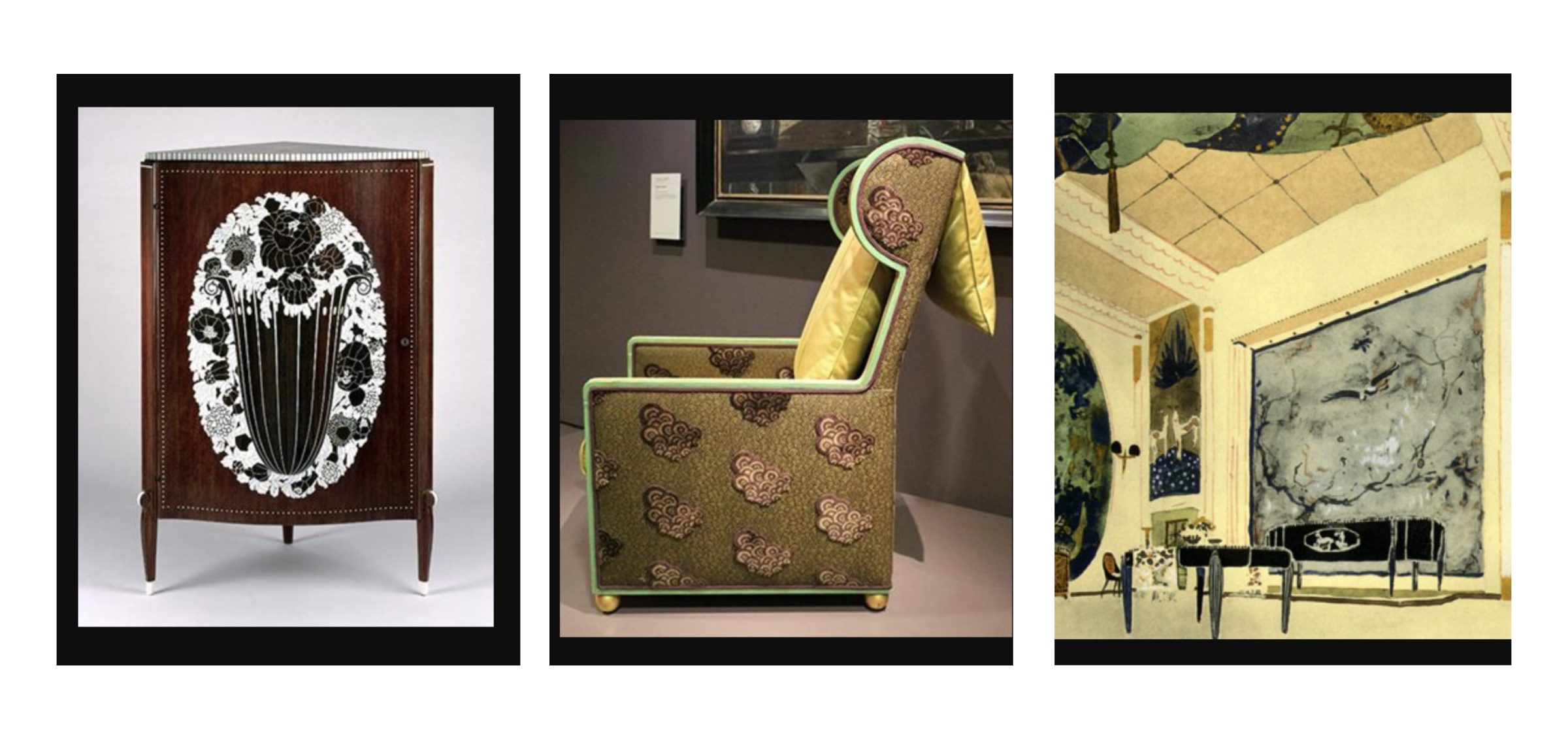
Ivan Da Silva Bruhns played a pivotal role in integrating Leleu’s carpets into modern decor during his tenure as the chief rug designer for the firm. However, it was Jules Leleu’s daughter, Paule Leleu, who not only continued but expanded upon this legacy. Assuming the role in 1936, Paule built upon Bruhns’ successes and crafted a series of award-winning carpet designs in the late 1930s and early 1940s. These creations, meticulously hand-knotted, infused the world of interior design with a blend of artistry and craftsmanship. Much like the furnishings from the Leleu firm characterized by exceptional geometry and sleek lines, Paule Leleu’s Art Deco carpets distilled shapes and linear motifs to their simplest and most impactful forms. This artistic approach epitomized the essence of the Art Deco movement, emphasizing clean lines, bold geometry, and a profound sense of modernity.
The passion for design was ingrained in the Leleu family’s heritage. Inheriting their father’s painting business, Jules Leleu, along with his brother Marcel Leleu, founded an interior design department that evolved into one of the most influential furniture studios of its time. Renowned for substantial commissions, such as those from the United Nations headquarters in Geneva and French embassies, the Leleu firm played a significant role in shaping contemporary design.
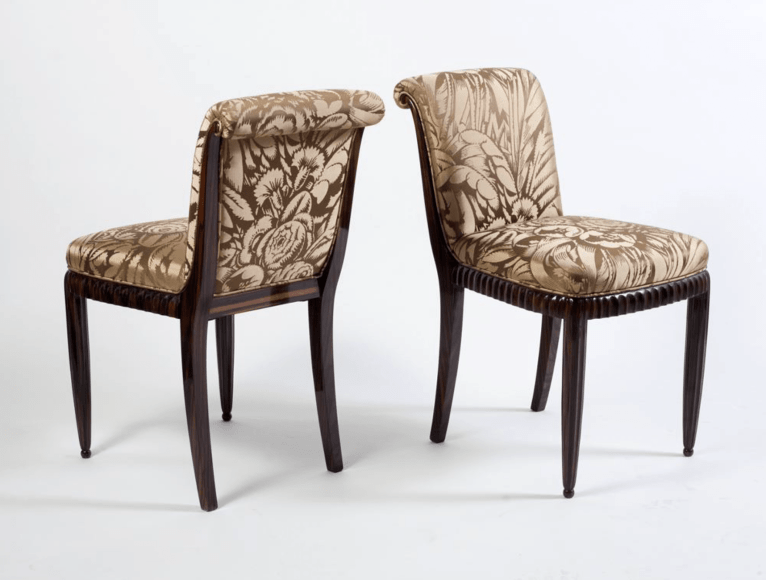
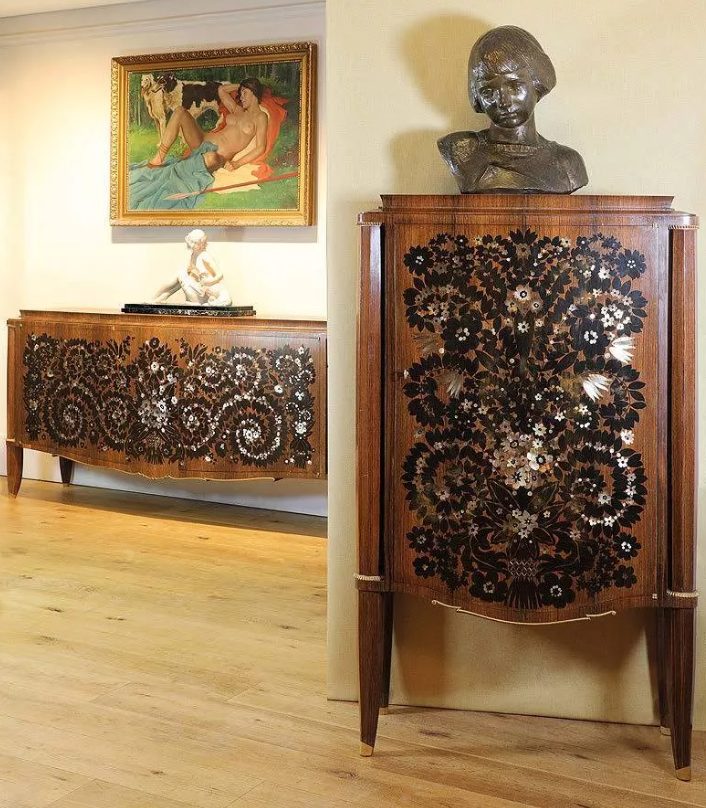
In 1936, Paule Leleu assumed the position of chief rug designer at her father’s firm, succeeding Da Silva Bruhns. Throughout her illustrious career, Paule Leleu crafted over 500 carpets. Her rug designs often featured symmetrical arrangements and repeating geometric patterns, incorporating elements like diamonds or linear motifs. From 1940 onward, she began creating circular compositions adorned with geometric and floral diaper patterns.
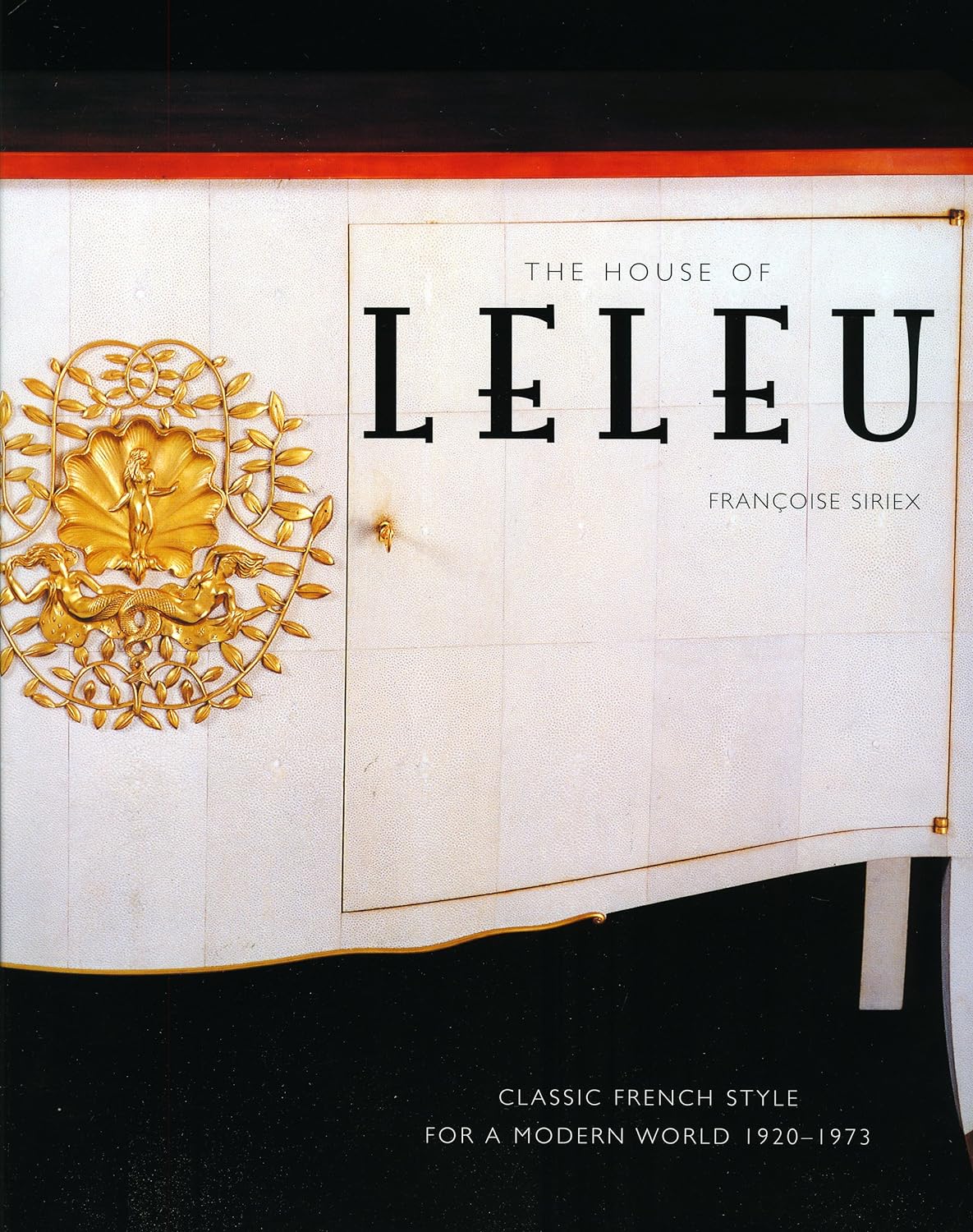
The House of Leleu stands as a symbol of classic French style, representing luxury, high-quality craftsmanship, and the use of noble materials.
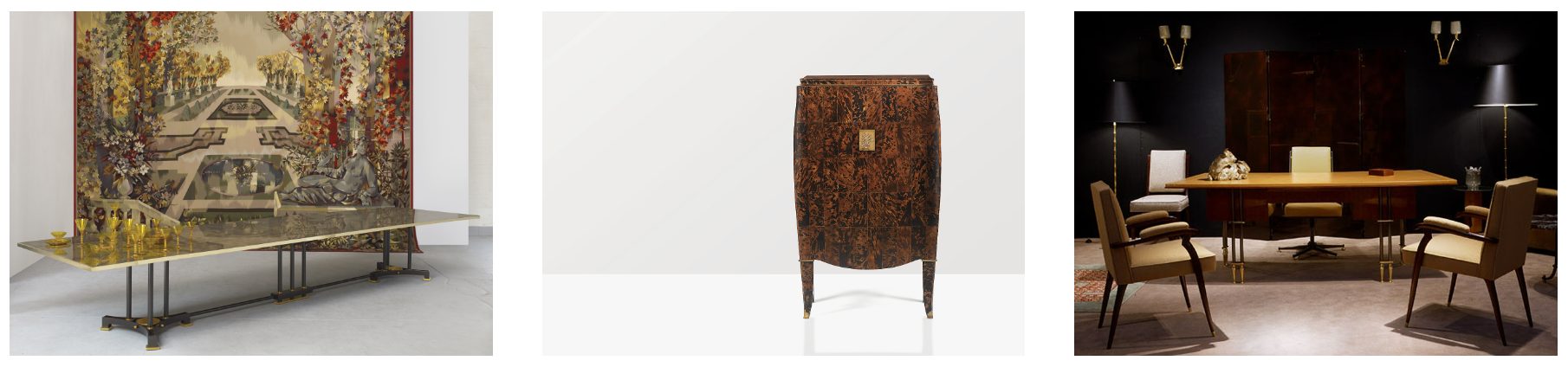
Originating modestly in 1882, the Leleu family’s journey gained fame, culminating in the establishment of their prestigious company at 65 Franklin Roosevelt Street in Paris. Under the visionary leadership of Jules Leleu from the 1920s to 1948 and subsequently overseen by André Leleu, assisted by his family, from 1948 to the 1970s, Leleu became a star in the French decoration scene.
The Leleu style emerged with Art Deco and evolved until 1973.
Jules Leleu, along with his sons André and Jean and daughter Paule, was not only a creator but also a skilled technician, well-versed in working with woods and precious materials such as ivory, mother-of-pearl, shagreen, lacquer, and marble. Jules Leleu’s talents extended to painting and sculpting, and André Leleu was a sculptor as well. The company’s multifaceted activities spanned interior design, furniture, woodwork, fabrics, carpets, and lighting. Collaboration with numerous artists enriched their creations, involving da Silva Bruhns for carpets, Gernez and Kaskoff for tapestry sketches, and artists like Hilaire, Lurçat, Picart-le-Doux, Brayer, Chapelain-Midy, Despierres, Souverbie, Terechkovitch, and Vertès for various artworks. The Leleu legacy encompasses a wide array of artistic expressions, from paintings on furniture to lacquers, decorative ironwork, sculptures, and beyond.
More about Jean Lurçat
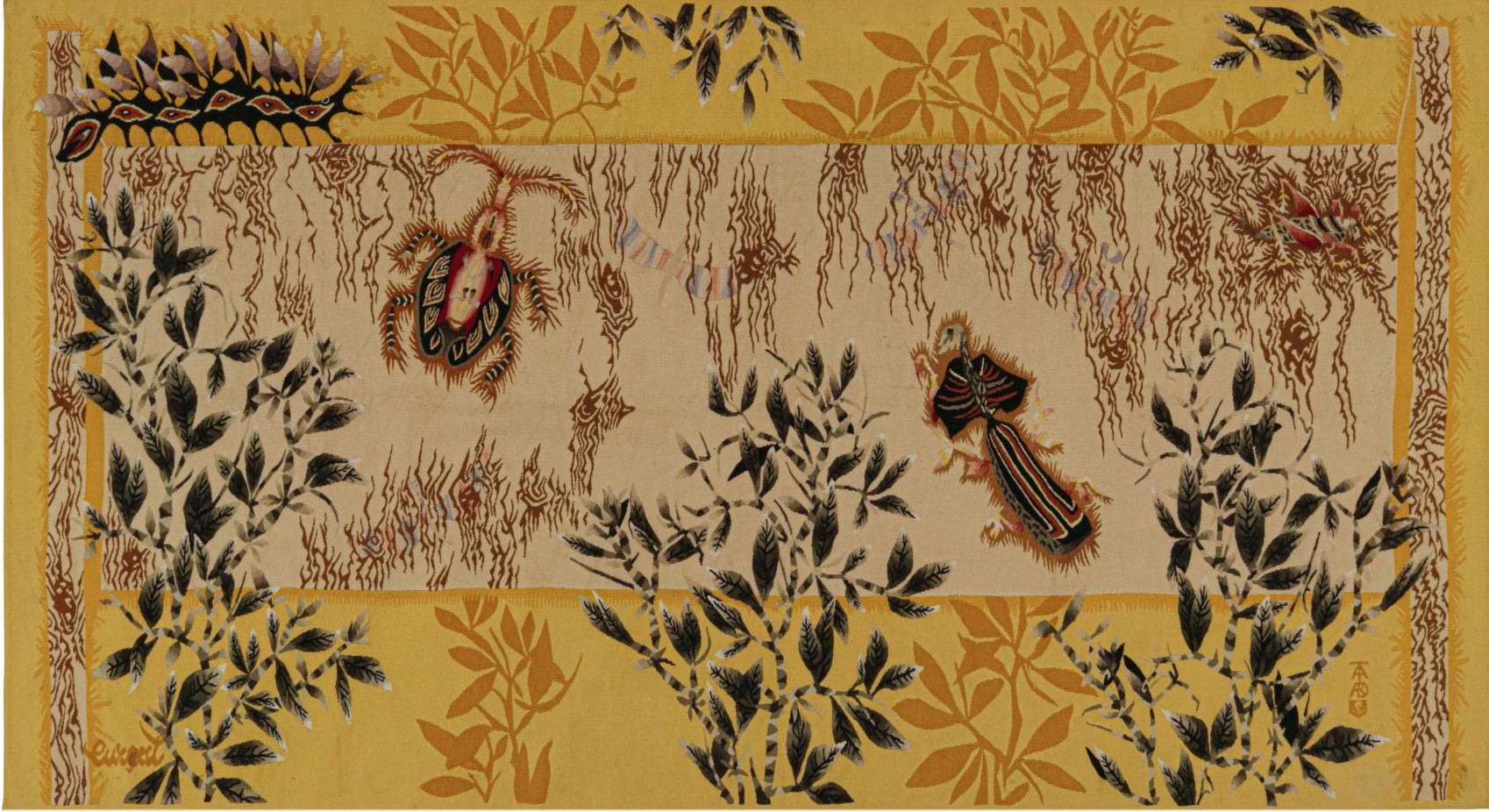
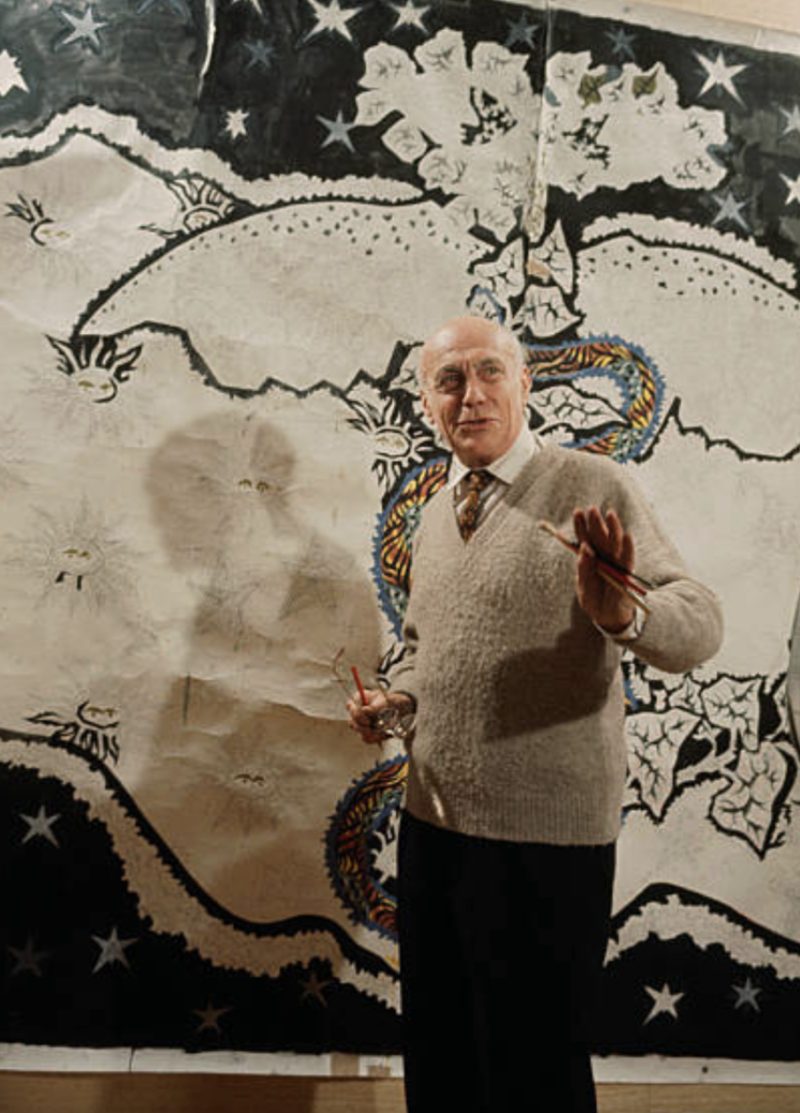
With an expansive body of woven masterpieces, Jean Lurçat (1892-1966) stands as the foremost contributor to the resurgence of tapestry-making in mid-20th century France, leaving behind the most substantial legacy among tapestry designers. His extraordinary designs, untethered by specific schools or doctrines, injected an avant-garde vitality into the medium, serving as a catalyst for numerous French artists to re engage with tapestry — a craft that had, in its decline, lost both its distinct characteristics and creative impetus once celebrated in Northern Europe. What sets Lurçat’s works apart is their unique reflection of the diverse aesthetics prevalent in the early and mid-twentieth century. They seamlessly blend elements of Surrealism, Cubism, and Classicism, creating a distinctive artistic signature that remains singularly distinct amidst the rich artistic influences from that era