
Wool
France
4'10" X 9'2" (1.47 m x 2.79 m)
Out of Stock (Inquire for Custom)
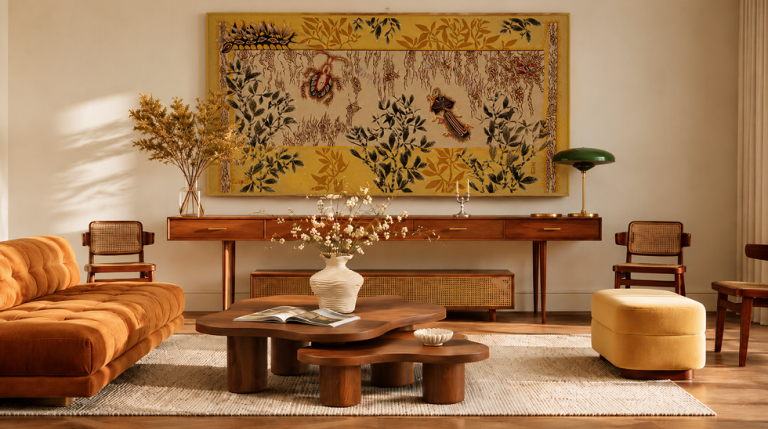
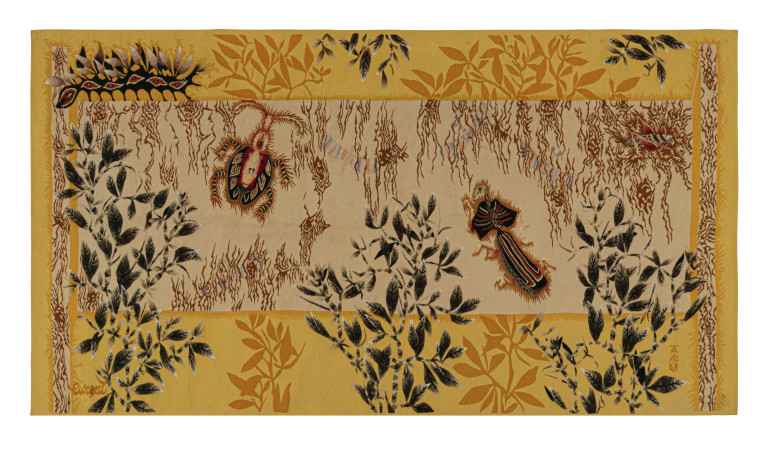
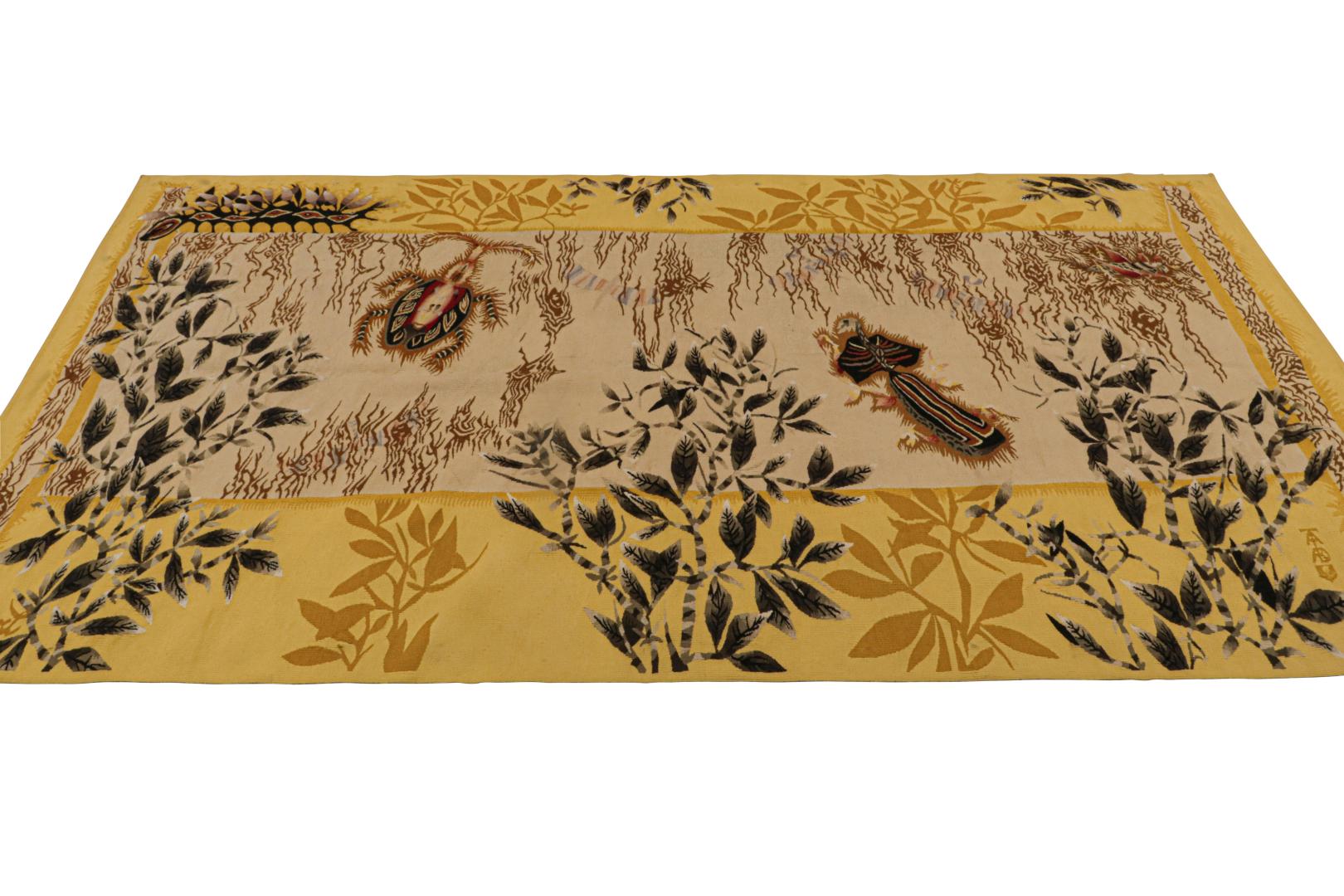
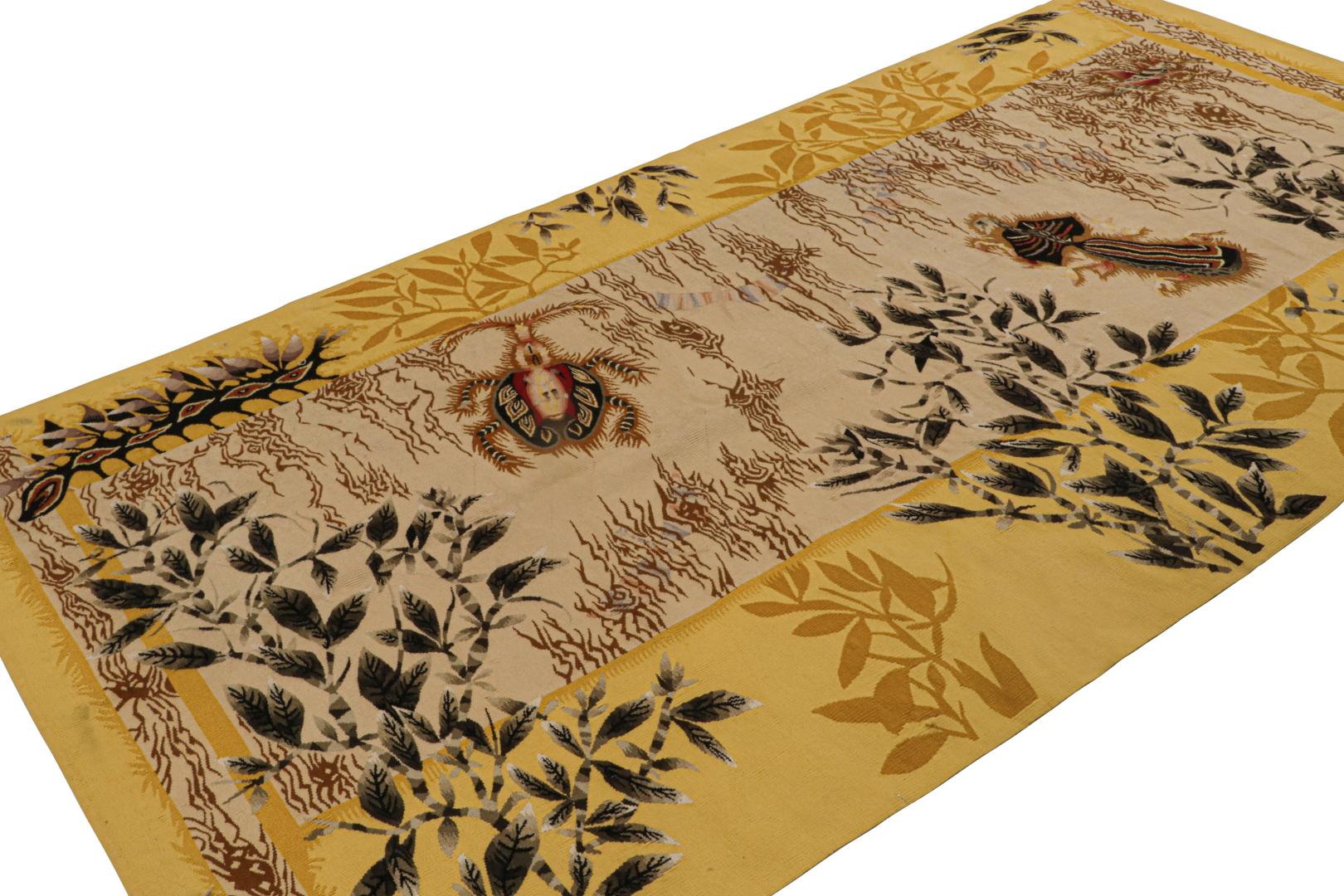
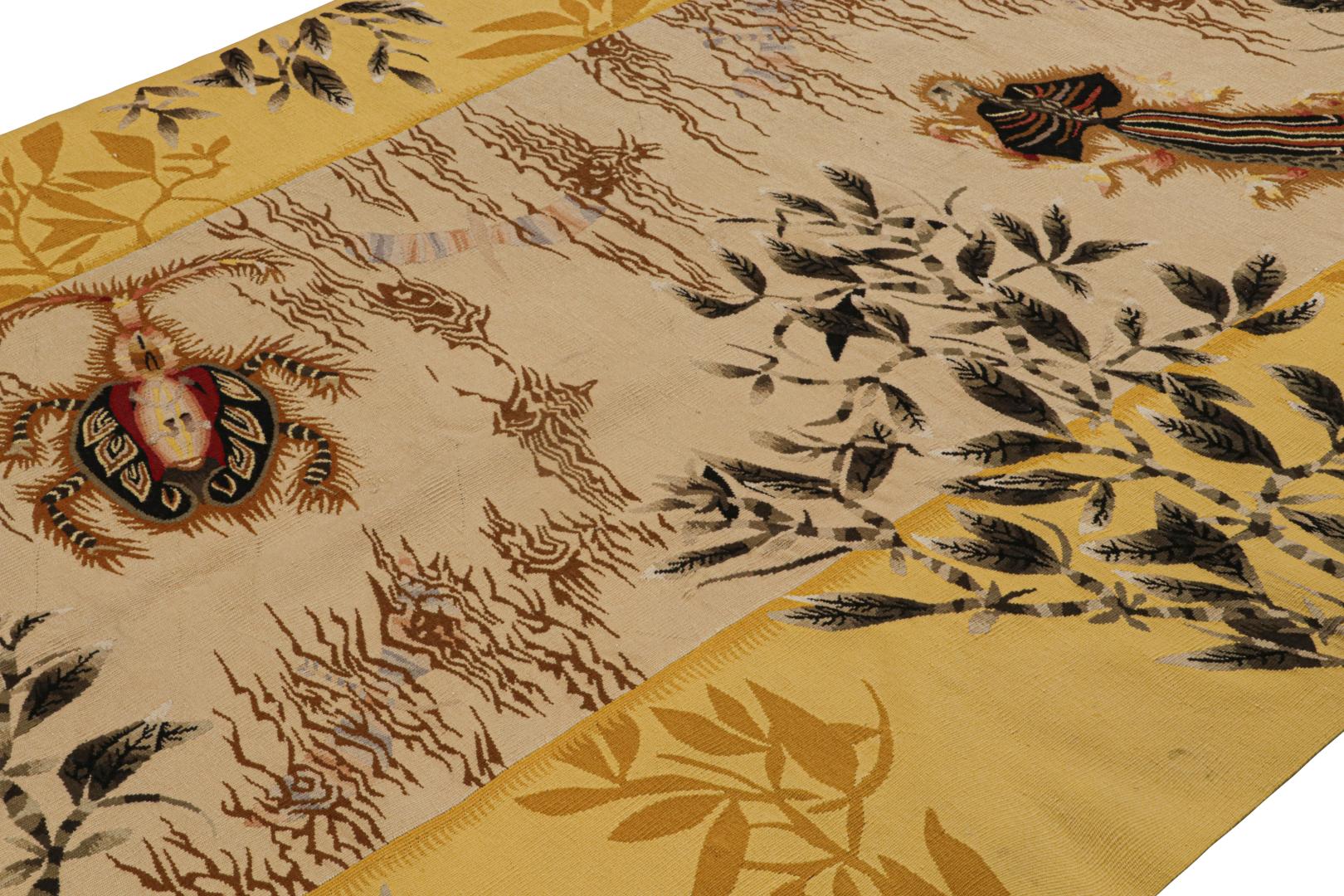
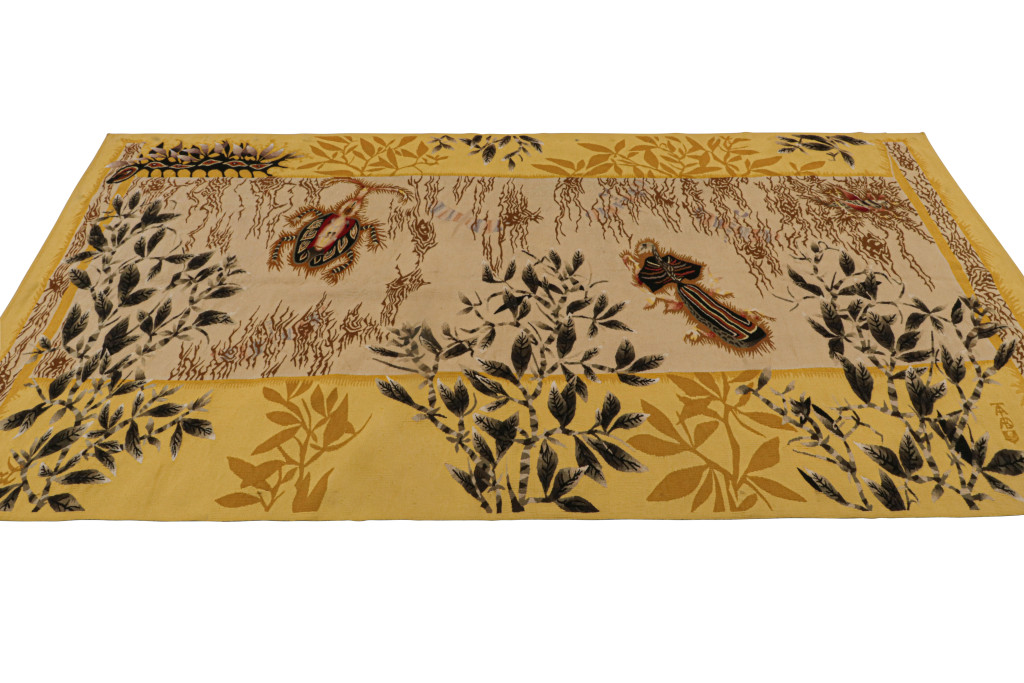
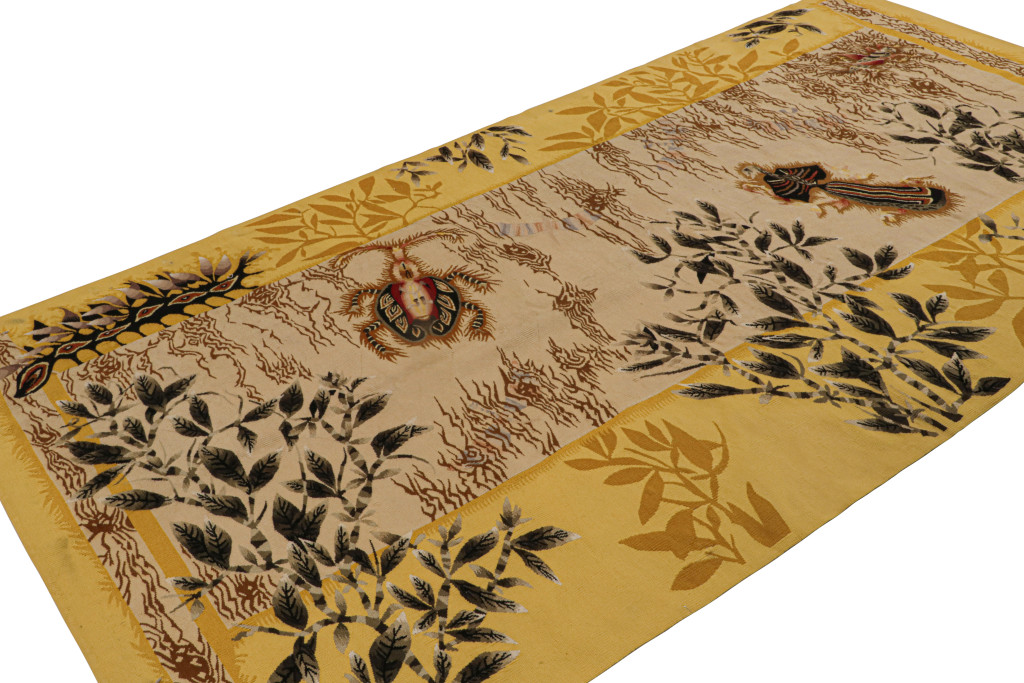
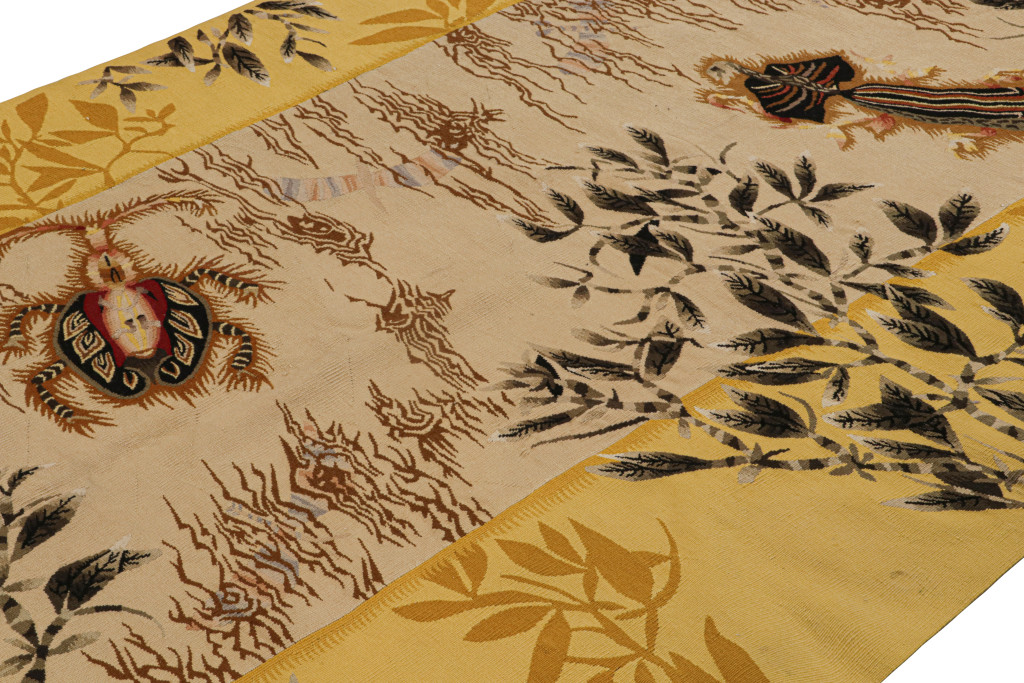
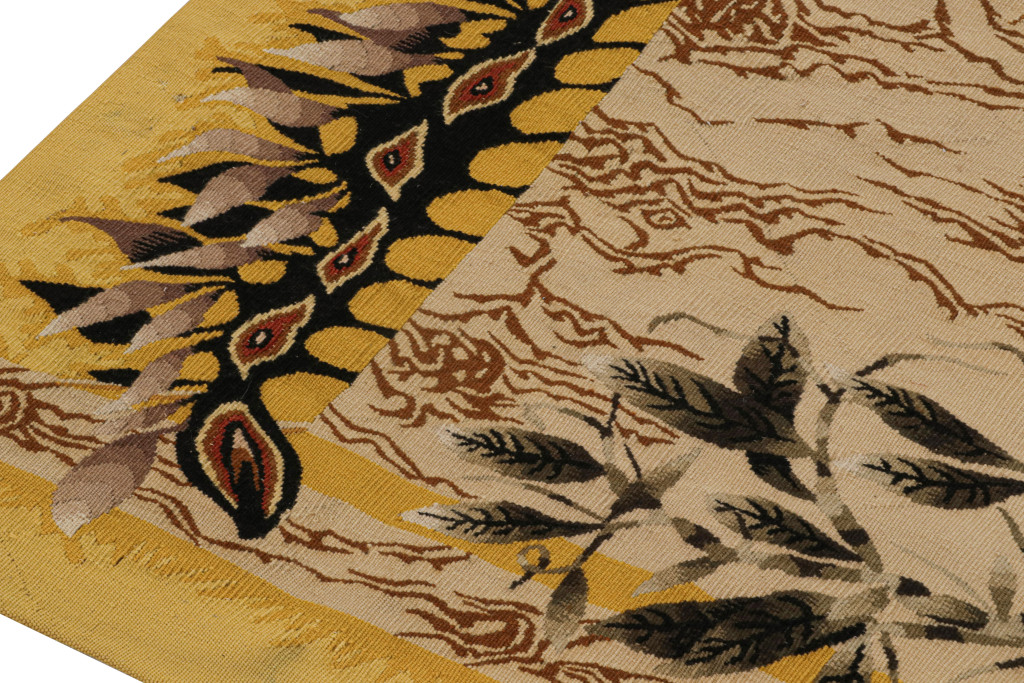
Signed Jean Lurçat Vintage Aubusson Tapestry with Pictorials, from Rug & Kilim
"Rug & Kilim's inventory spans the past four centuries and includes everything from ethnic and tribal patterns to European designs, as well as a host of Art Deco, abstract and understated tone-on-tone offerings, all in a vast array of materials, weaves and sizes."
— Tony Freund, 1stDibs Editorial Director
A standard since our inception upheld across every acquisition,
transaction, and delivery.
45+ Year Old Institution
More than four decades of expertise and stewardship, under the leadership of our Principal, Jahanshah "Josh" Nazmiyal.
Favorable Return Policy
Our return policy is 48 hours upon receipt allowing you to confirm the purchase in your space with confidence.
Product Warranty
Each rug is hand selected or produced through the most reputable sources under the direct supervision of our Principal.
Trusted Global Delivery
Reliable worldwide delivery handled with care, precision and constant communication.
Exceptional Support
Attentive, knowledgeable guidance before and after purchase from our dedicated team of specialists.
Long Term Care
We stand behind every piece we place and remain a resource to our clients for the lifetime of their collection.
Stories from the Default Collection
Essays, artist dialogues, and provenance notes drawn from Rug & Kilim’s editorial desk.
Signatures, Editions, and the Bolduc on Modern and Rare Tapestries: The Mark of the Masters and Artists
There is a particular pleasure, known to every serious collector, in turning an object over. The front of a great tapestry or carpet is what seduces; the back, and the edges, are what tell the truth. And on the finest modern tapestries, that truth is written in a specific and often misunderstood language, a language of signatures, edition numbers, and a small woven label the French call the bolduc. To read it fluently is to hold the difference between a decorative object and a documented work of art. It is the same literacy that governs the print room and the rare book library, where a collector learns to read a plate mark, a watermark, a colophon. The modern tapestry, elevated to the status of fine art by Jean Lurçat and his circle in the mid-twentieth century, borrowed the apparatus of the fine art edition precisely because it wished to be understood as fine art. To understand the apparatus is to understand the ambition.
Read the Feature
Understanding Art Deco Rugs: Modernism, Luxury, and Timeless Style
Few rug styles have influenced twentieth-century interior design as profoundly as Art Deco rugs. Emerging during one of the most transformative periods in modern cultural history, these carpets embodied the optimism, innovation, and cosmopolitan sophistication that defined the Art Deco movement. More than decorative floor coverings, Art Deco rugs became expressions of a new visual language—one rooted in modernity, luxury, architecture, and artistic experimentation. Unlike traditional Persian carpets that emphasized centuries-old motifs and weaving conventions, Art Deco rugs embraced a distinctly modern perspective. Their compositions drew inspiration from architecture, industrial design, fine art, fashion, travel, and technological progress. The result was a new generation of carpets that transformed the role of textiles within contemporary interiors.
Read the Feature
The Long Life of a Green: On Celery, Color of the Year, and the Four Centuries of Weaving That Anticipated It
Every year, the color world makes its pronouncement, and every year the design world turns to see what it has been given. For 2027, Sherwin-Williams has named Celery; a light, airy, herbal green with a yellow undertone, chosen, in the company's words, for a moment that prizes wellness, balance, and connection. It is a soft color with a quiet glow and a faint edge; it pairs, its makers note, with white for something breezy, with cranberry red for something playful, with brown for something elevated. It is, by any measure, a beautiful and intelligent choice. It is also a color the great weavers of the world have understood for four hundred years.
Read the Feature
Every Great Collector Owns a Library: On Books, Rugs, and the Knowledge That Connects Them
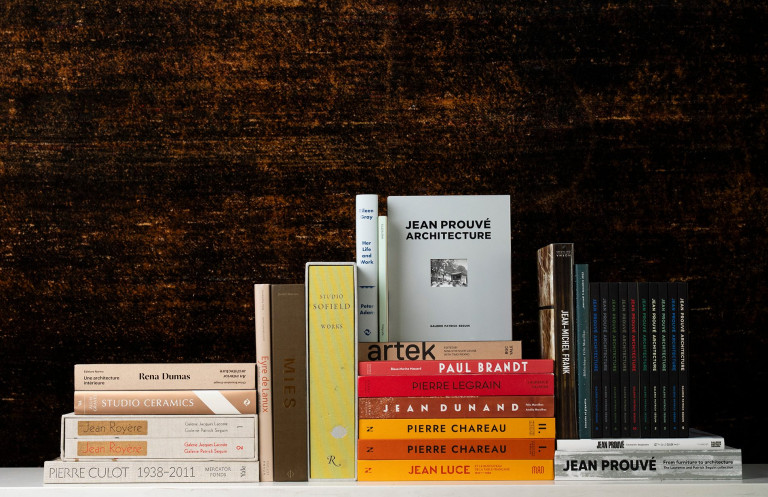
There has always been a quiet kinship between the rug and the book. Both are objects one lives with rather than merely owns. Both reward the patient return, disclosing more on the tenth encounter than the first. Both are, at their finest, repositories of a civilization's memory; the one held in language, the other in wool. It should surprise no one that the greatest collectors of carpets have almost always been, in the same breath, collectors of the books that explain them. J. Paul Getty kept a scholar's library beside his objects. The Rothschilds, whose carpets now rest in Doha and whose names still move a saleroom, understood a collection as a thing to be studied as much as displayed. To acquire seriously has always meant to read seriously.
Read the Feature
A Profile on Jules Leleu and Paule Leleu and their Contributions to the Art Deco Movement
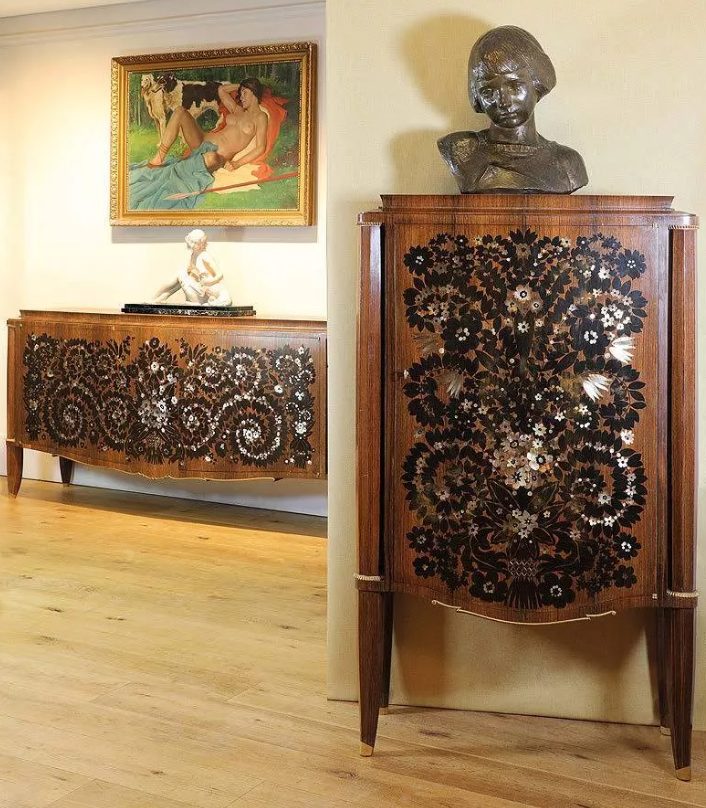
“The story of Art Deco is incomplete without the contributions of Paule Leleu.” Paule Leleu's Art Deco Style This particular rug as inspired by Paule Leleu’s designs enjoys a bold take on mid-century French Deco inspirations unseen in this high-low, texturally engaging approach. The subtlety of the pile variation complements both the colorway and the inviting grid with a smart, sophisticated distinction. Paule Leleu (1906–1987) masterfully infused the Art Deco style into her hand-knotted rugs, characterized by elegant linear motifs and tasteful decorative elements. As the 1940s unfolded, she expanded her design repertoire to include captivating floral patterns. A notable aspect of Leleu's approach was her consideration for her family company's furniture, ensuring that her rug designs harmonized seamlessly with the overall aesthetic. Aligning with the evolving trends of the mid-century modern style, her later rugs often leaned towards a refined minimalism.
Read the Feature
A Guide to Jean Lurçat: Pioneer of the Mid-20th Century Tapestry Renaissance
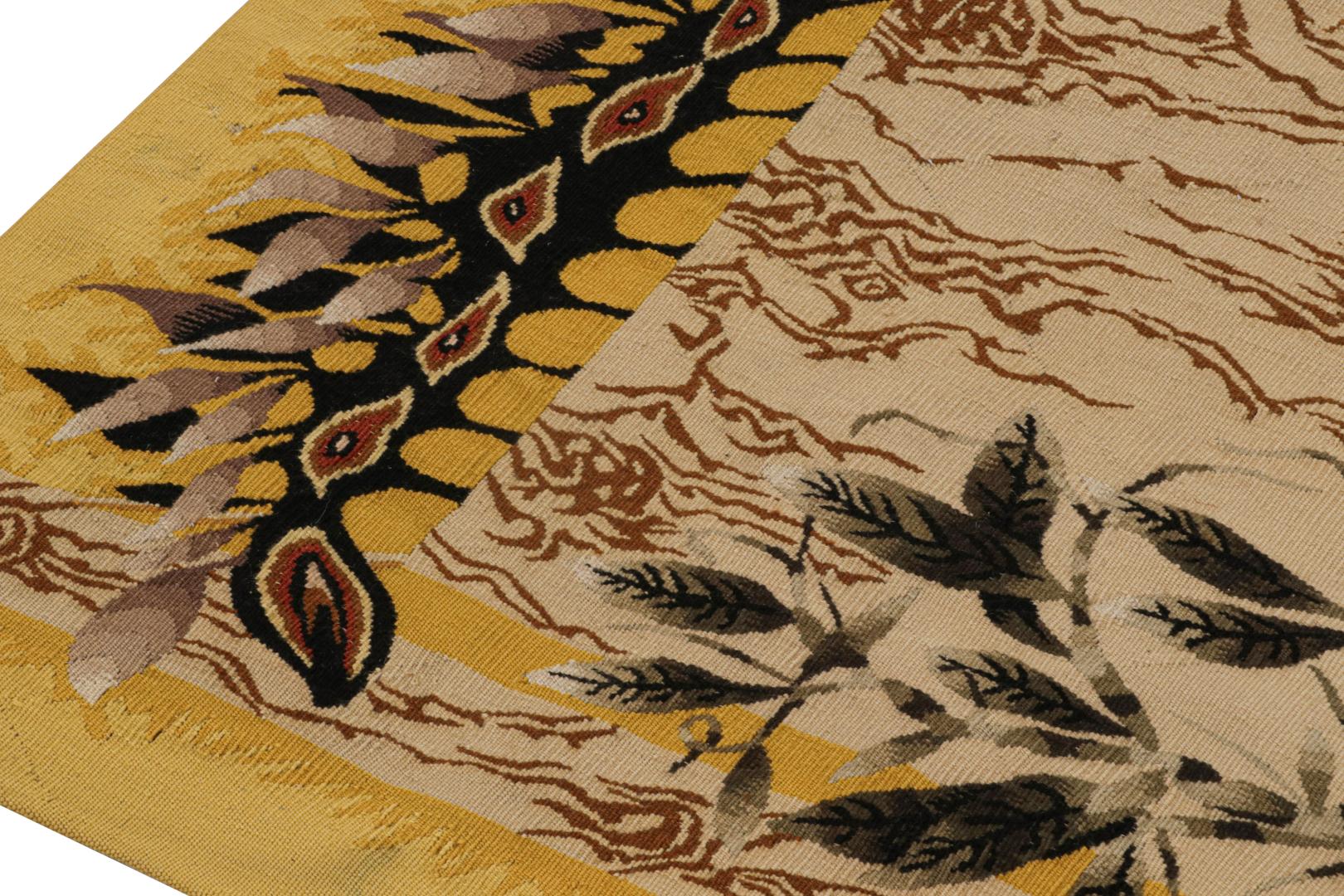
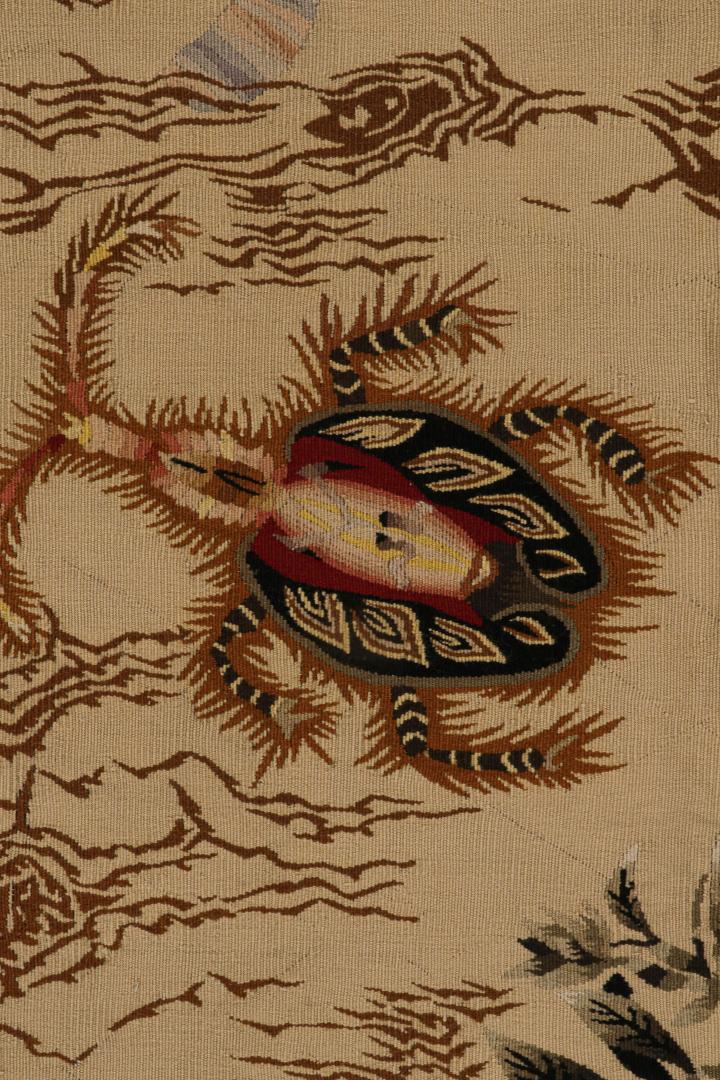
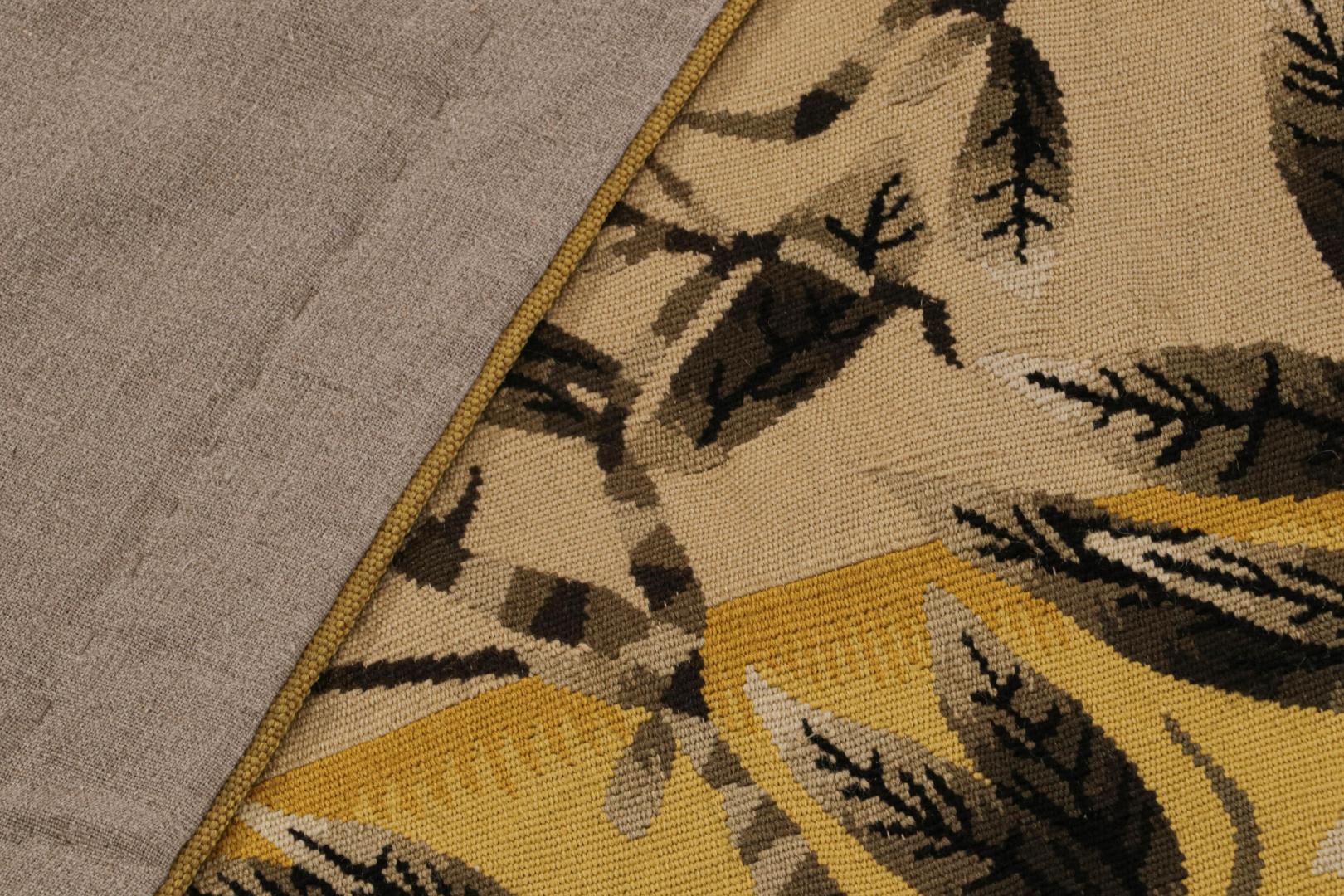
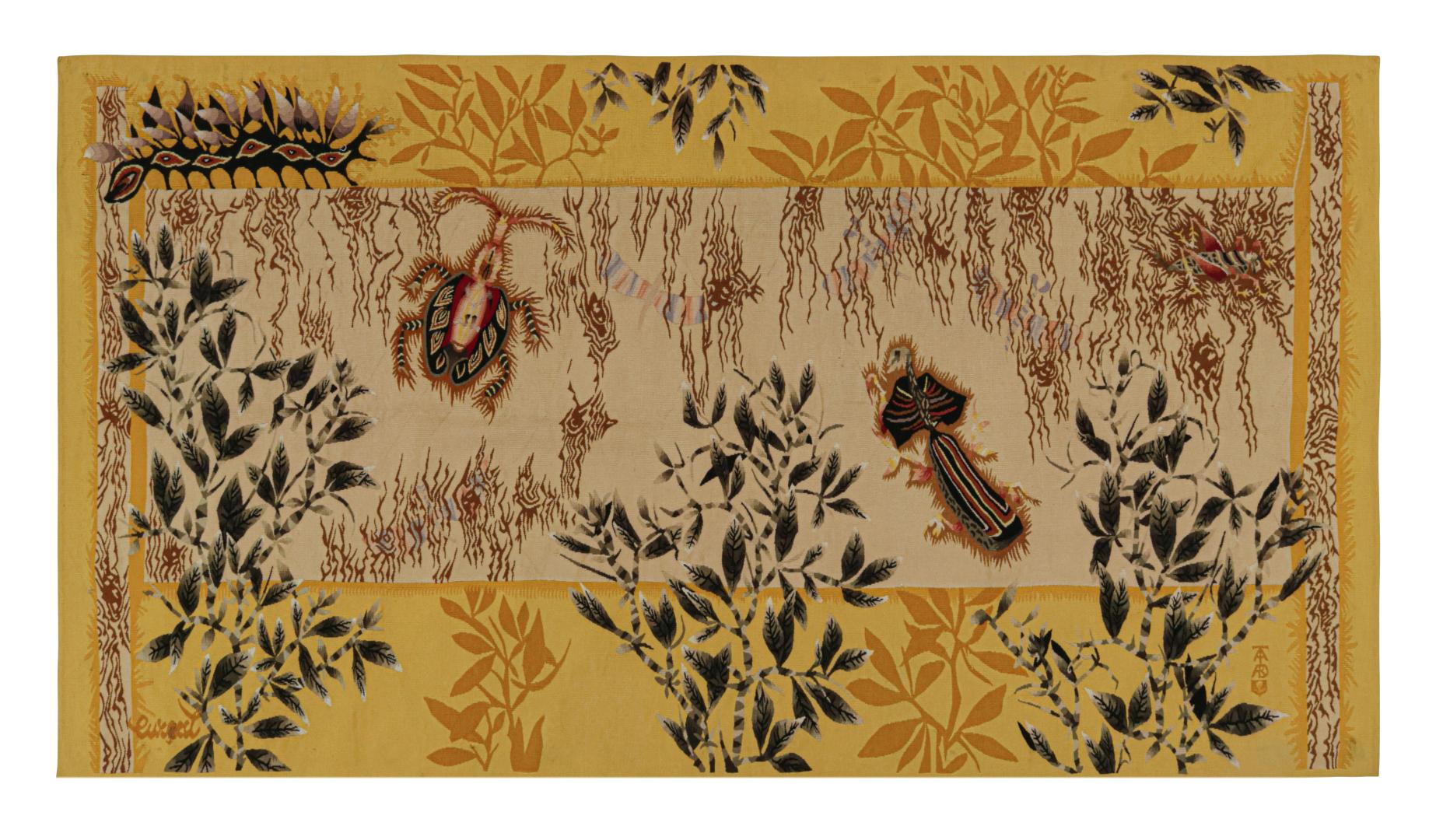
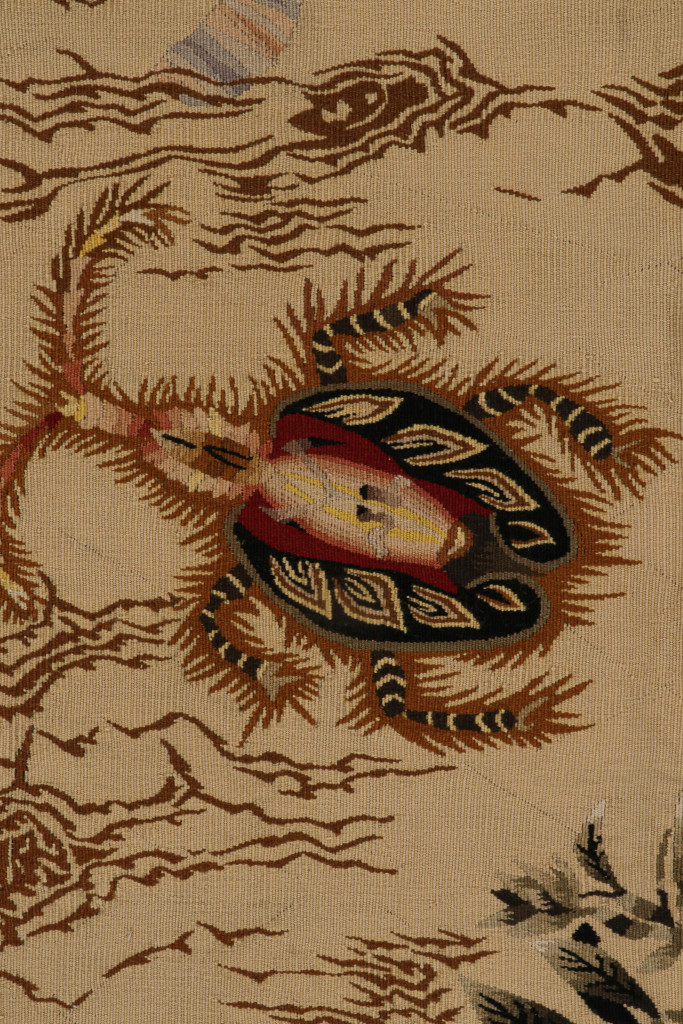
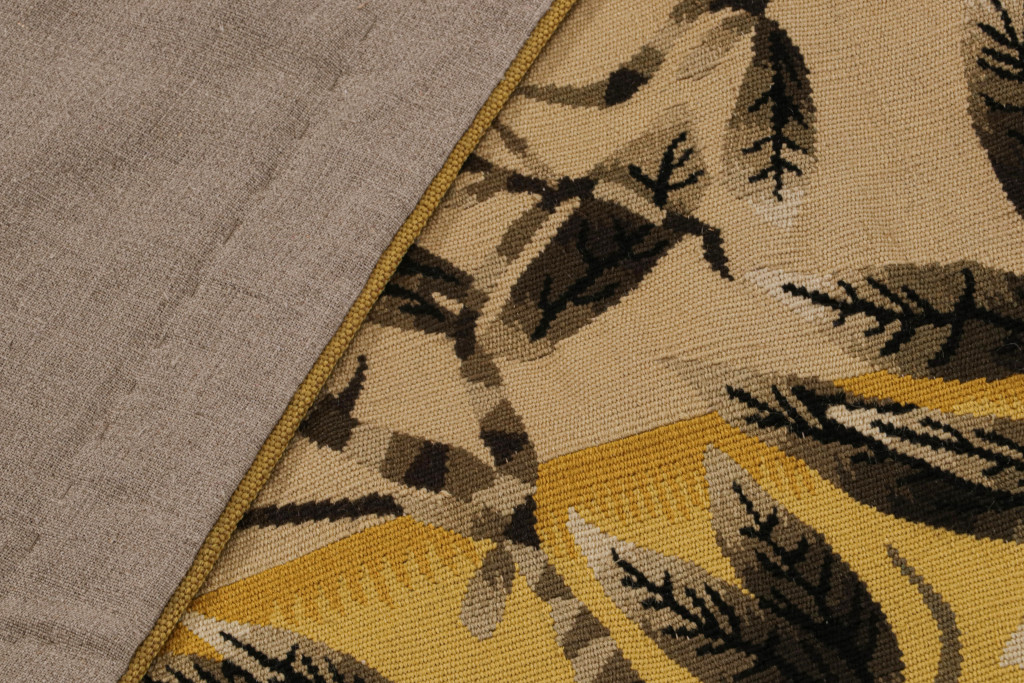
The inauguration of The State Hermitage Museum’s exhibition titled "Nineteenth-and Twentieth-Century Tapestries in the Hermitage Collection” marked a significant milestone in art history. It unveiled, for the first time, a collection of tapestries with a distinct emphasis on the masterpieces crafted by French artists. The showcased tapestries were not mere artifacts, but vibrant expressions of European tapestry weaving, spanning Historicism, the Art Nouveau, and Modernism. One major tapestry exhibited was Jean Lurçat’s “Blaze of Fire” honoring his innovative designs and use of narrative elements transformed tapestry weaving from a decorative craft into a serious art form that could convey emotion and depth of thought. Rug & Kilim curates masterpieces of culture with the utmost quality of craft and graphic personality like so few in existence. Above is one such masterpiece that we have collected — a signed Lurcat vintage Aubusson tapestry, handwoven circa 1940-1950. The design features gold border and beige field, both of which underscore insect pictorials and florals, leafage and botanicals in brown, rust and amber tones. Collectors will note signatures both on the lower left face of the piece and on the underside panel (initials I.I.).
Read the Feature


R&K Image Studio
NEWThe R&K Image Studio is a new visual workspace designed to present the Rug & Kilim collection with clarity, restraint, and precision — in your space or any space you imagine.
This tool allows you to view, refine, and prepare imagery drawn directly from the pieces in our archive. They can be visualized cleanly, isolated thoughtfully, and adjusted for presentations, proposals, and private viewings, without altering the integrity of the original work.
Default
Wool
France
4'10" X 9'2" (1.47 m x 2.79 m)
Out of Stock (Inquire for Custom)
Signed Jean Lurçat Vintage Aubusson Tapestry with Pictorials, from Rug & Kilim
"Josh has been able to dredge up some of the rarest and most beautiful carpets for our nerdy and stringent requirements. And we have had a grand time together assembling collections for clients."
— Ralph Harvard, Ralph Harvard Inc.