

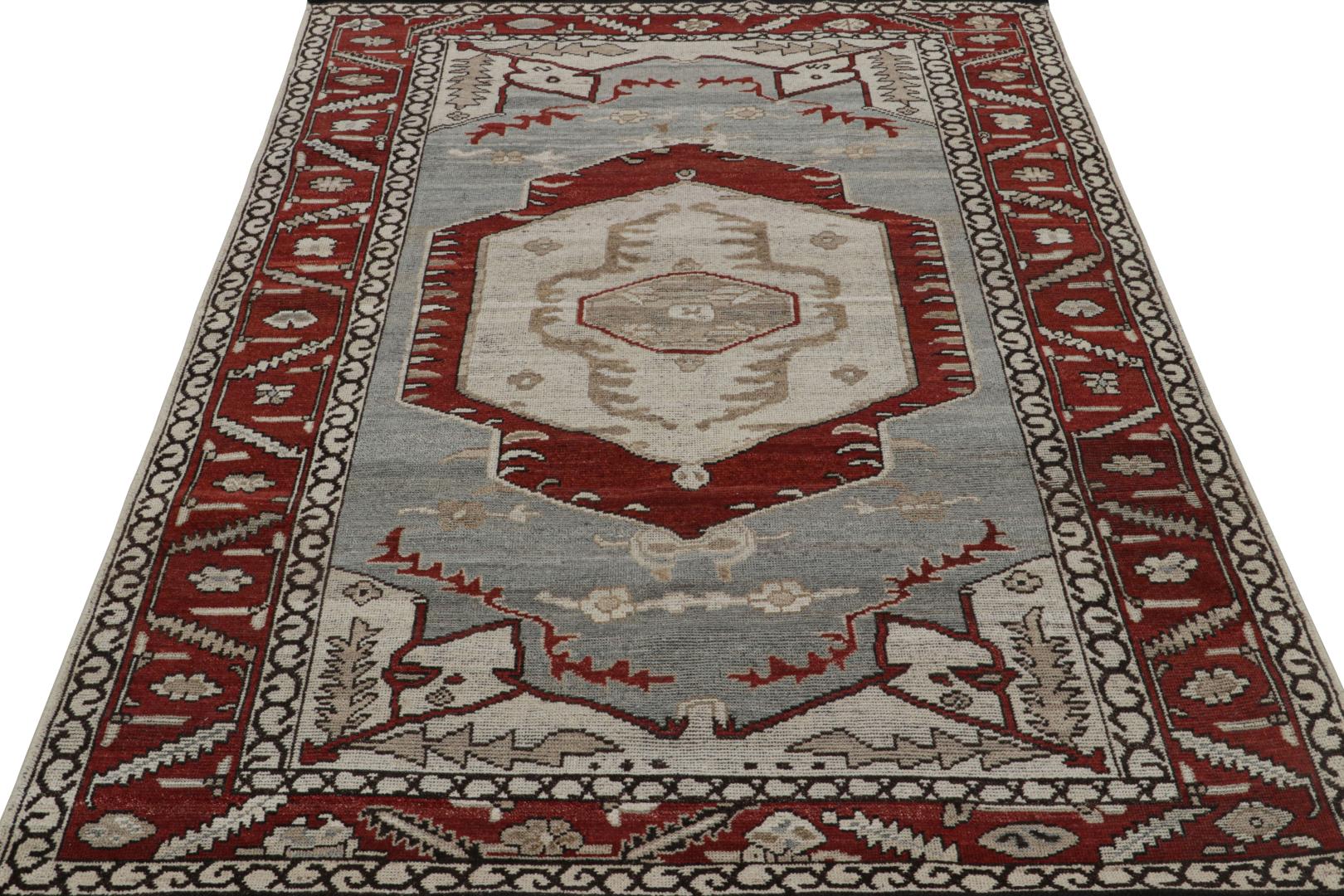
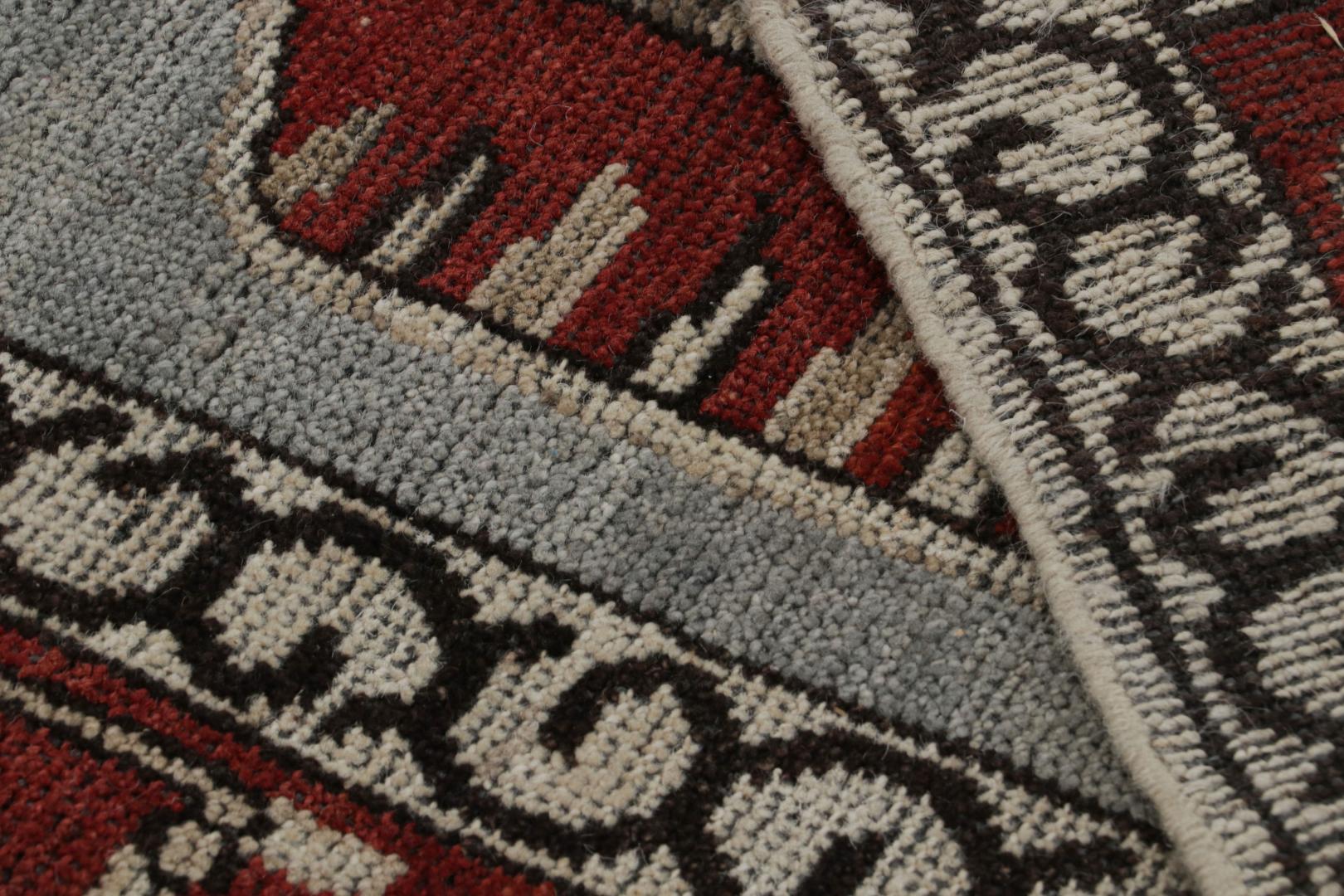
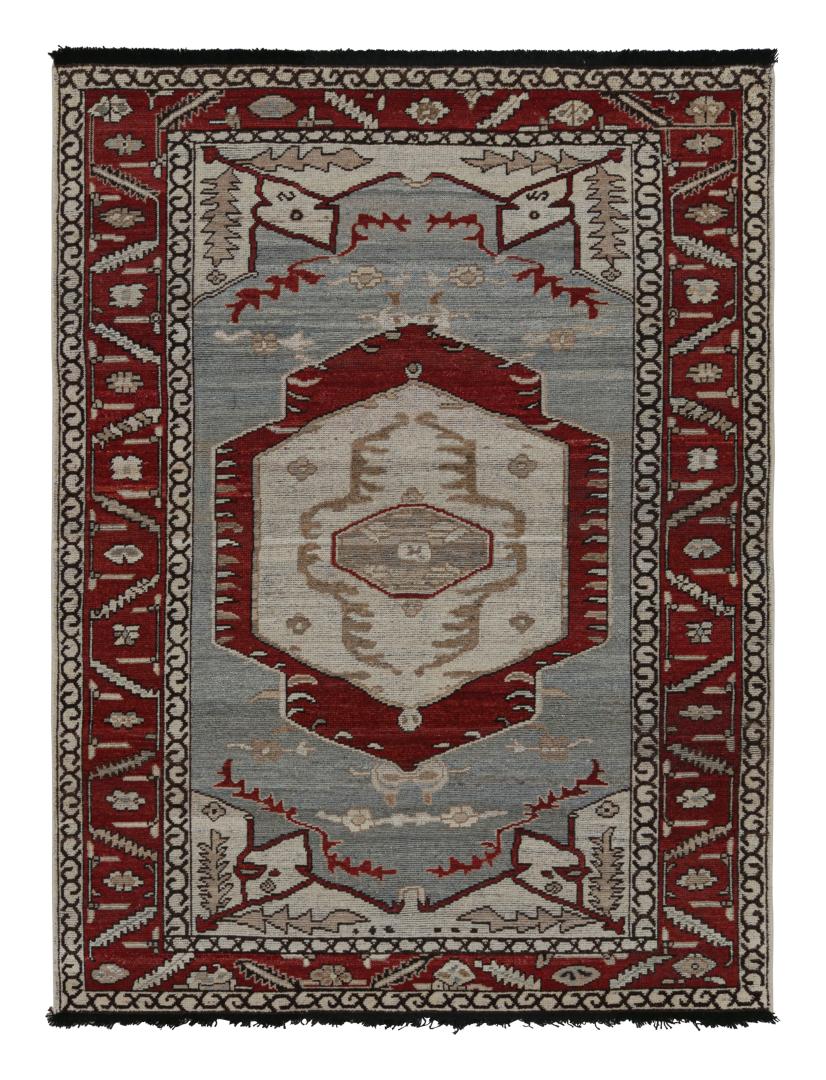
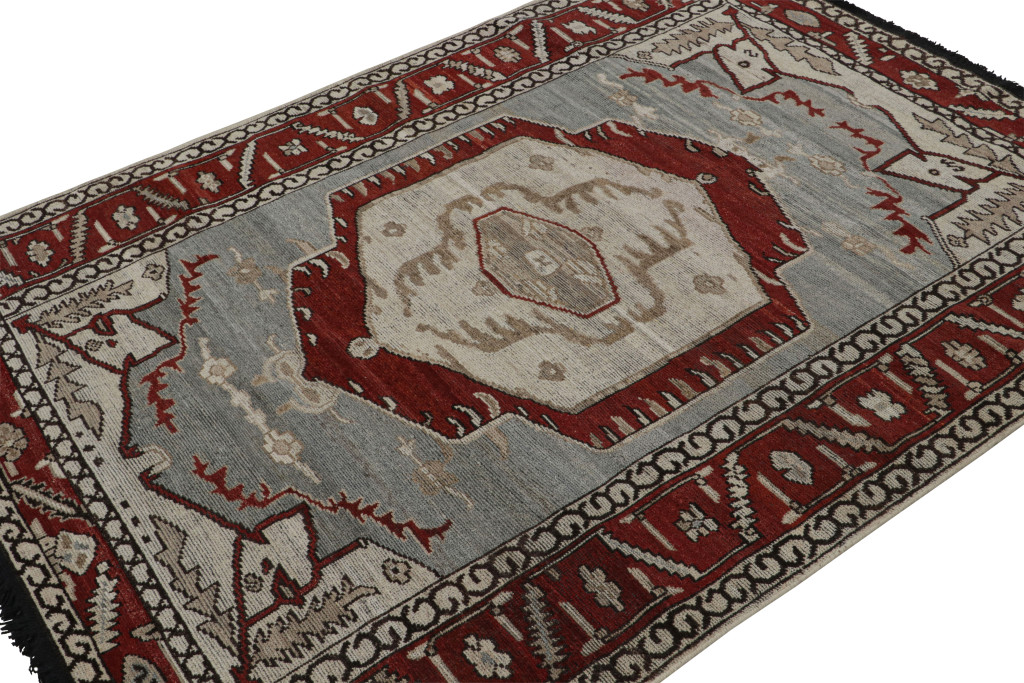
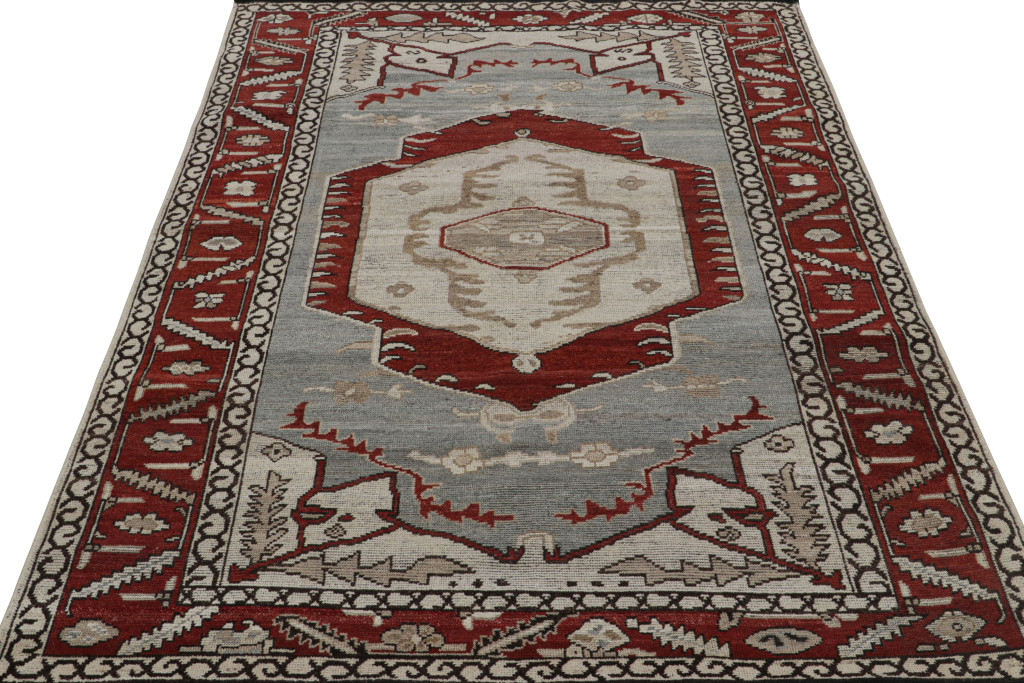
Wool
India
5'3" X 6'11" (1.60 m x 2.11 m)
Out of Stock: Made to Order 18‑20 Weeks
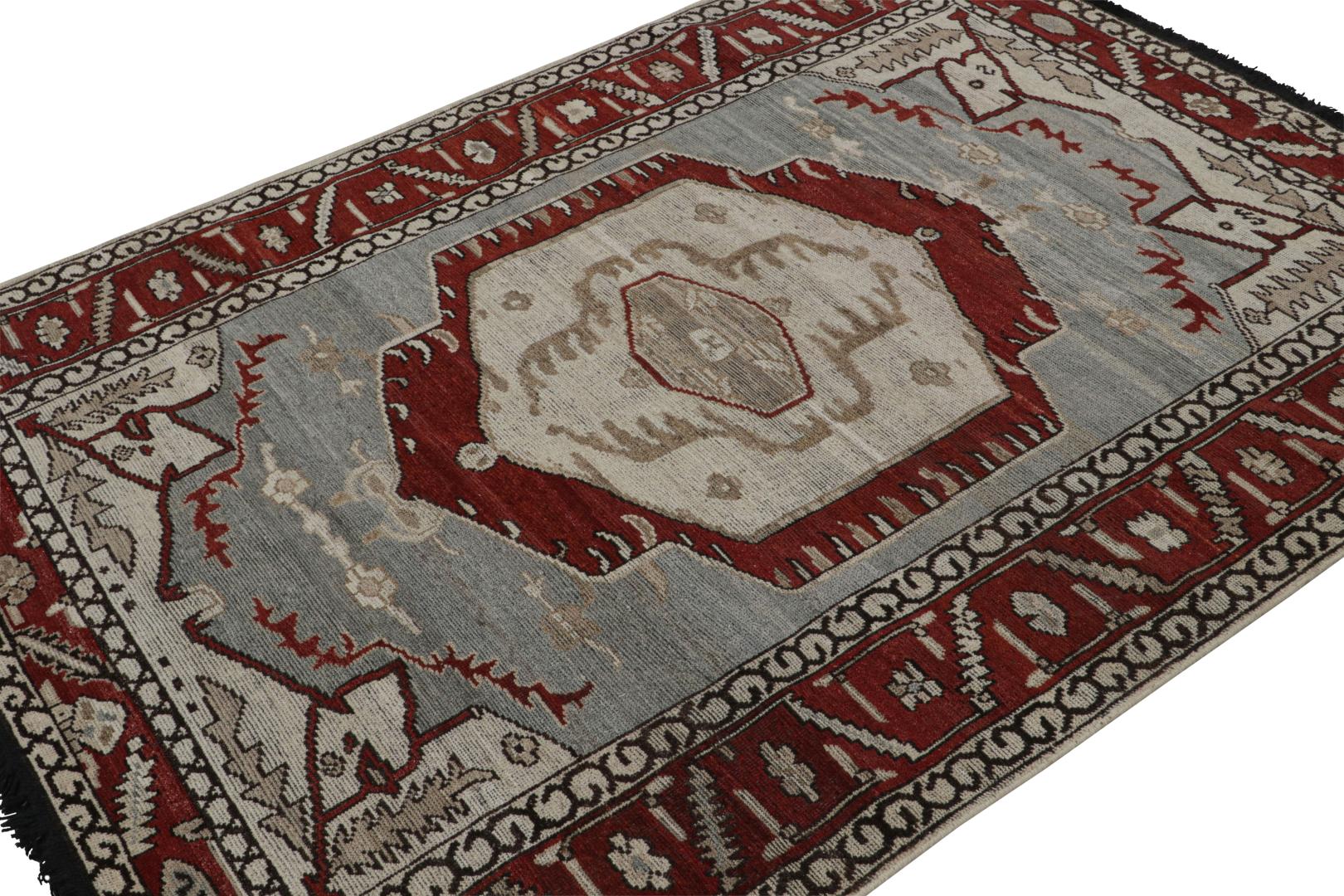
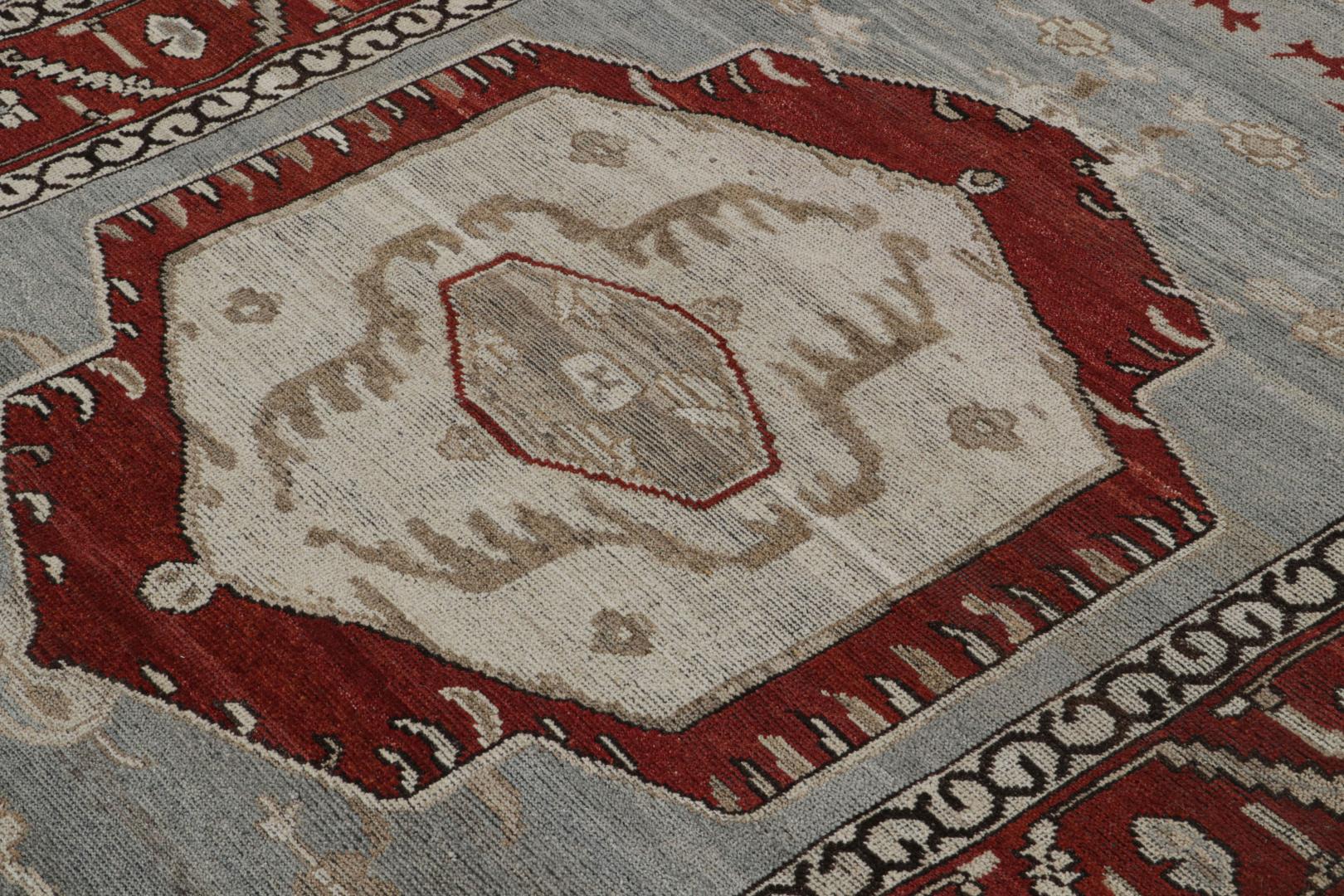
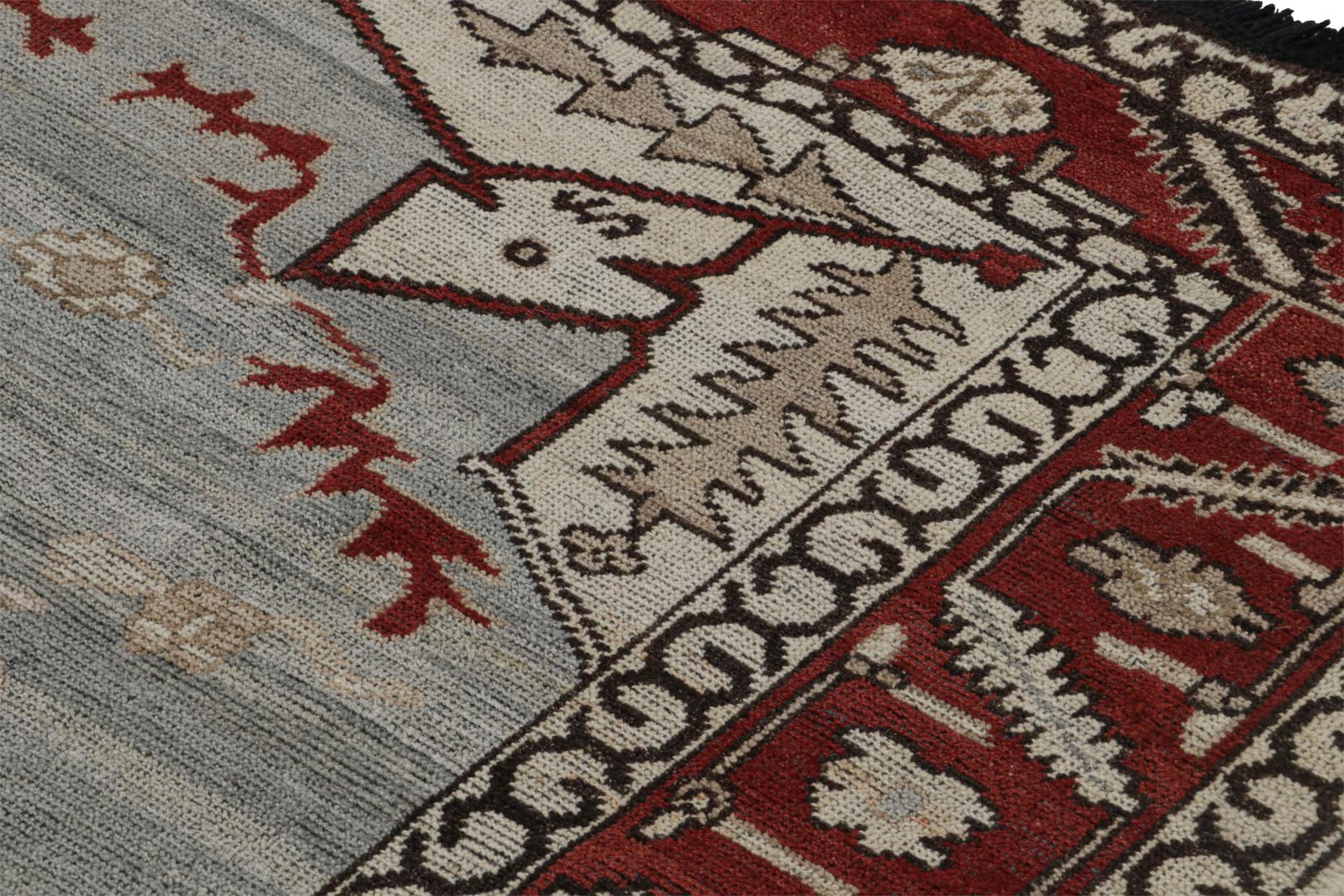
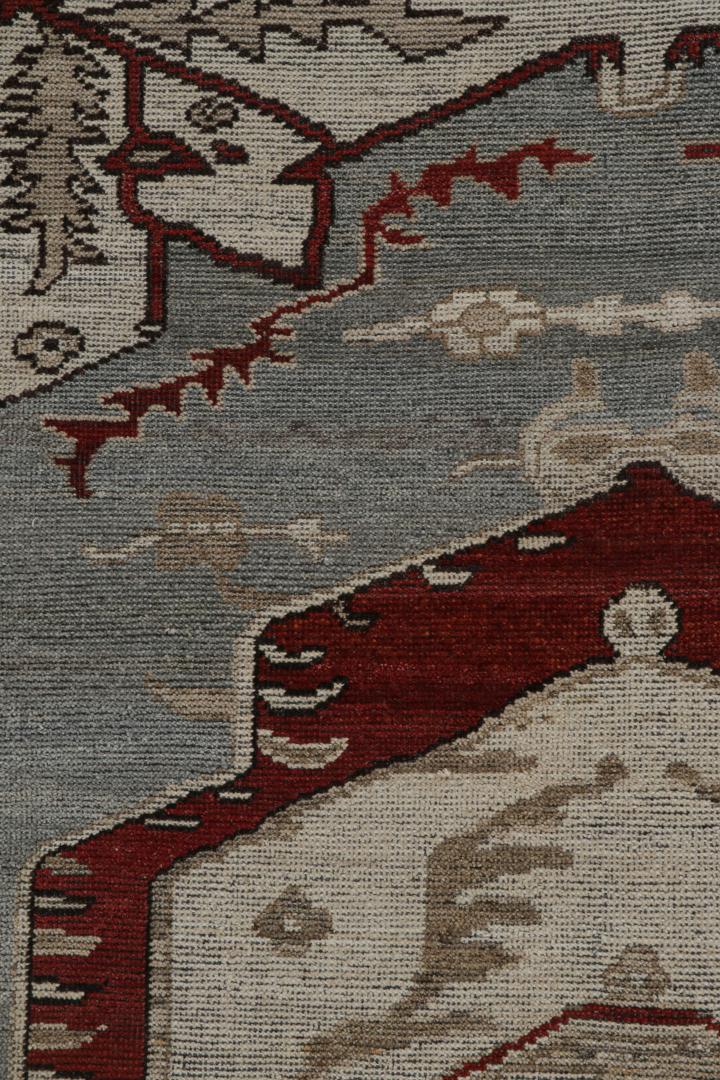
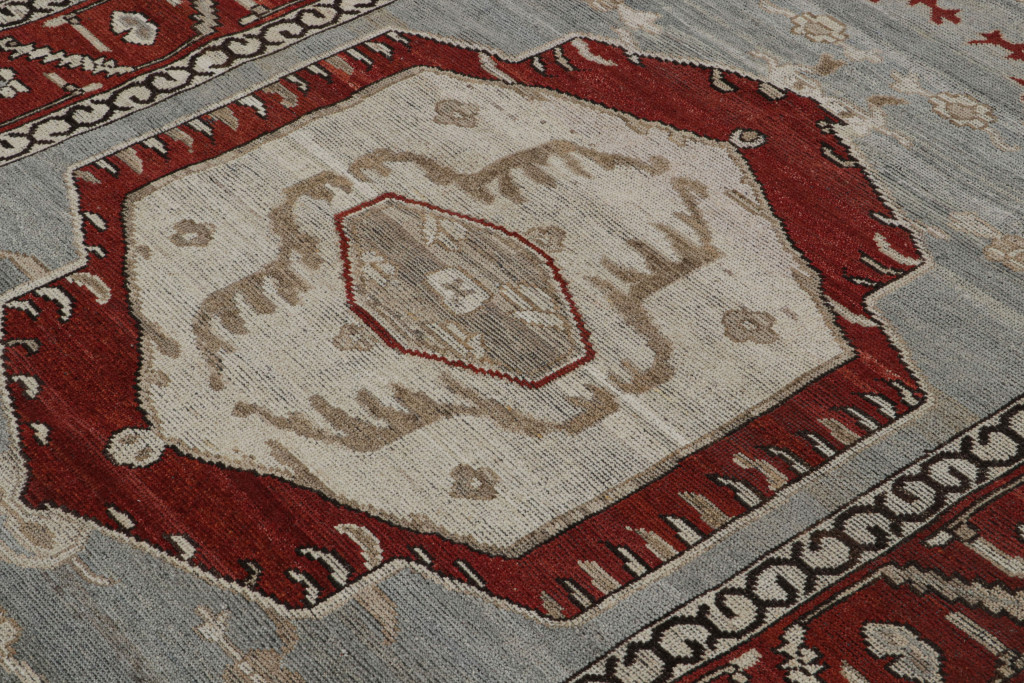
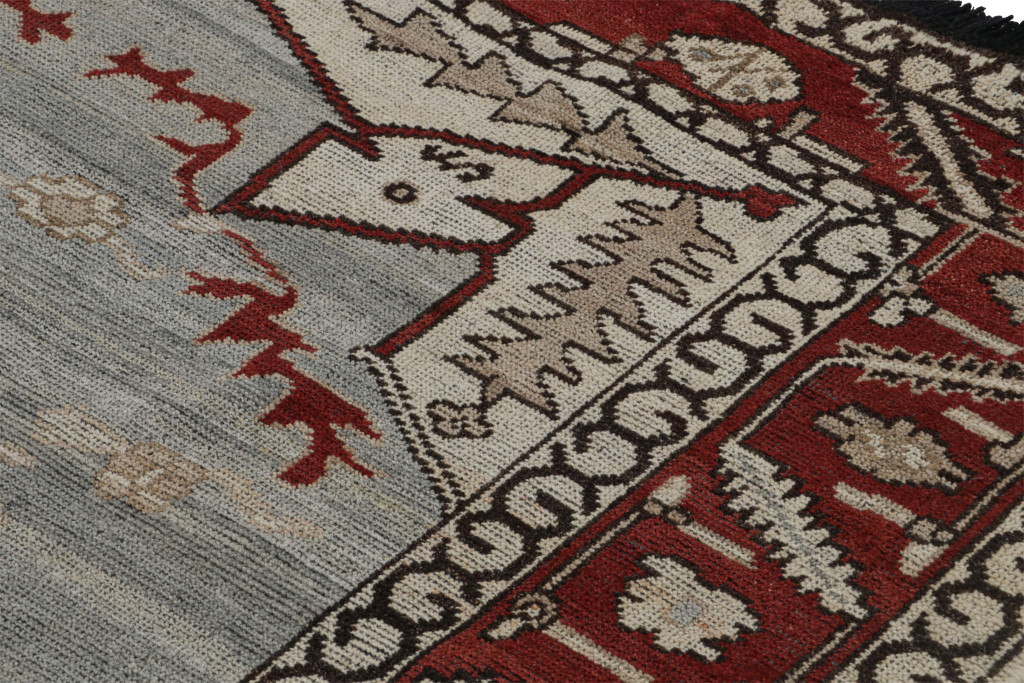
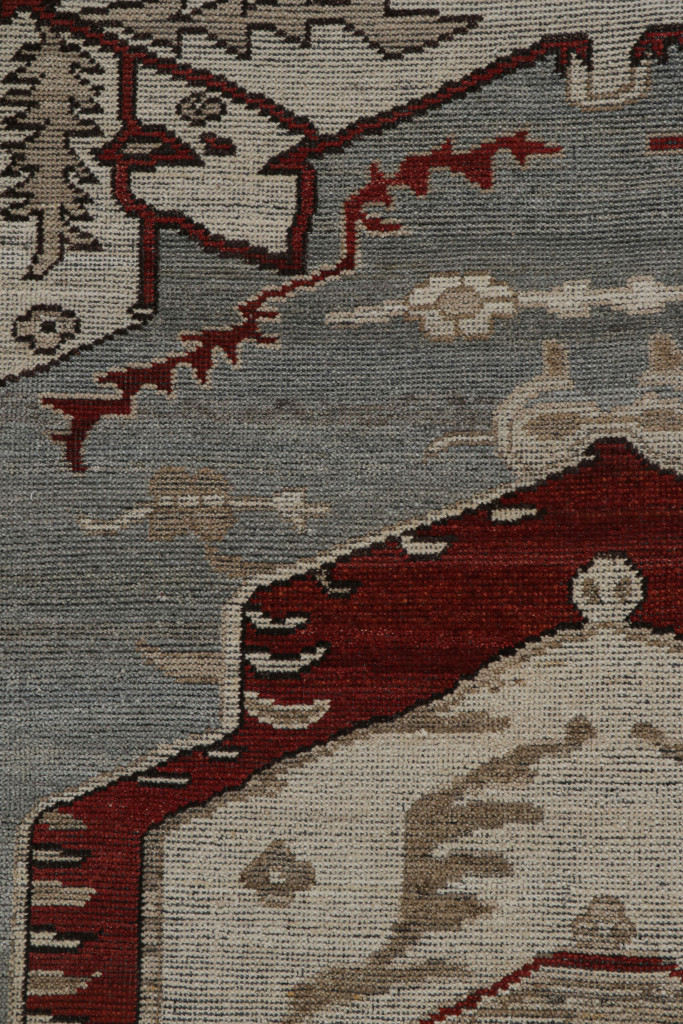
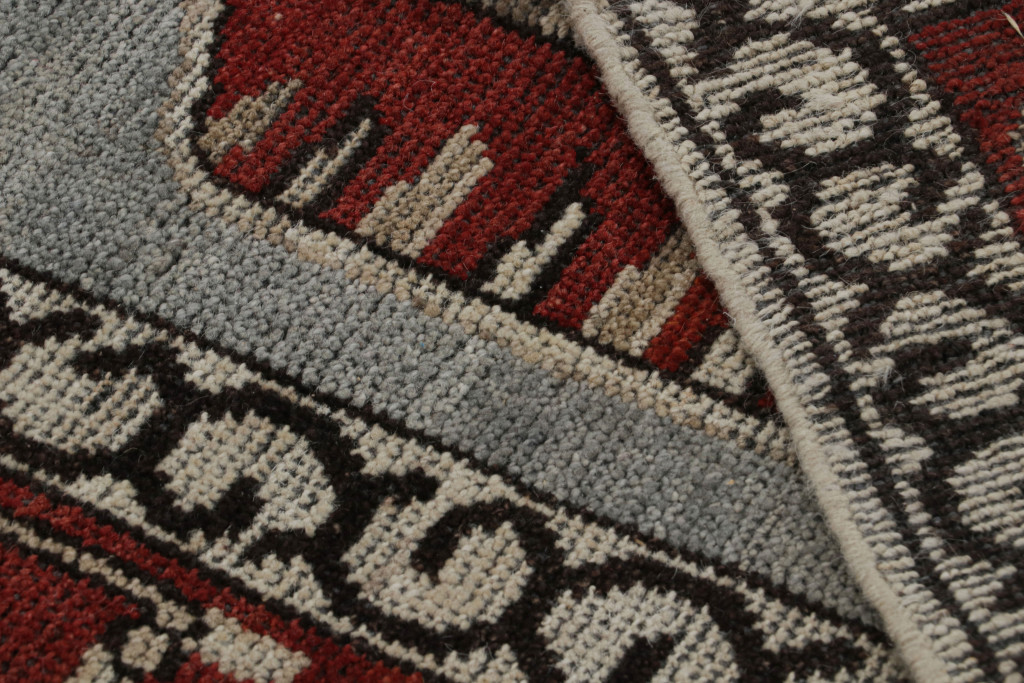
Rug & Kilim’s Tribal Rug in Red and Blue with Medallion
"For years, R&K has been a favorite source for Kemble Interiors when we need antique, vintage, and custom designed rugs. Their inventory is deep and well displayed online and working in person is always such a pleasure too!"
— Celerie Kemble, Kemble Interiors
A standard since our inception upheld across every acquisition,
transaction, and delivery.
45+ Year Old Institution
More than four decades of expertise and stewardship, under the leadership of our Principal, Jahanshah "Josh" Nazmiyal.
Favorable Return Policy
Our return policy is 48 hours upon receipt allowing you to confirm the purchase in your space with confidence.
Product Warranty
Each rug is hand selected or produced through the most reputable sources under the direct supervision of our Principal.
Trusted Global Delivery
Reliable worldwide delivery handled with care, precision and constant communication.
Exceptional Support
Attentive, knowledgeable guidance before and after purchase from our dedicated team of specialists.
Long Term Care
We stand behind every piece we place and remain a resource to our clients for the lifetime of their collection.
Stories from the Burano Collection
Essays, artist dialogues, and provenance notes drawn from Rug & Kilim’s editorial desk.
The Evolution of Floral Motifs in Antique Rugs and Kilims: Mapping the Pomegranate, Tulip, and Carnation
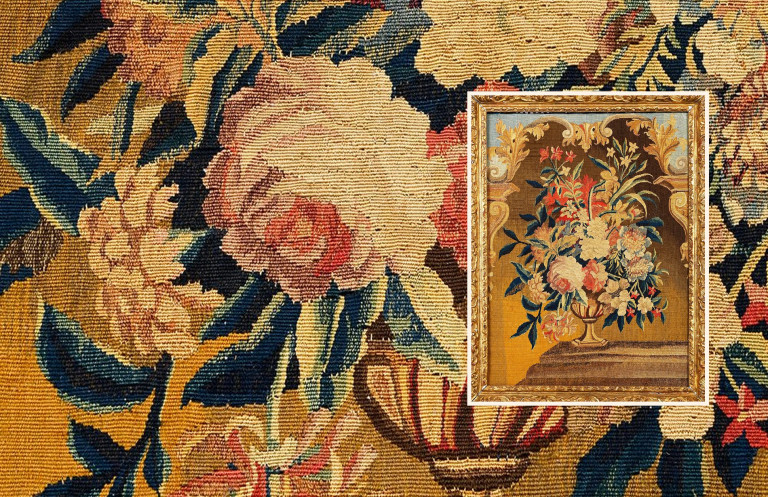
Antique 17th Century French Beauvais Tapestry with Floral Vase - Rug & Kilim, NO. 36829 We had a tapestry acquisition unfolding itself in the studio a while ago. Josh and the team just stood there, silently admiring the way the light caught the threads. This was the Antique French Beauvais Tapestry (SKU 36829). It was handwoven in wool, with natural silk accents, circa 1700. When you look at something like that, you do not just see fabric. What you see is the garden of wool and dreams. The precise interlacing of the wefts gives a picture of a gigantic floral vase placed atop an architectural entablature. The botanical imagery is absolutely mesmerizing. There is so much wealth and mystery to it all.
Read the Feature
The Total Art: Vienna’s Century, From the Gold Frieze to the Contemporary Era
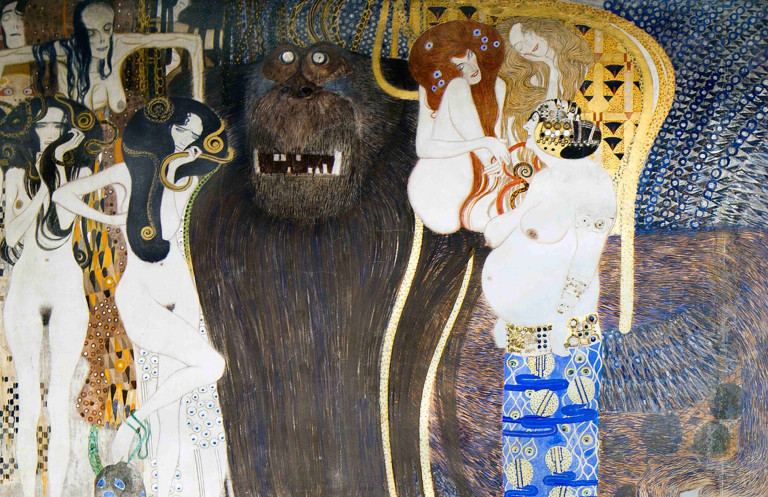
In the dining room of a banker's house in Brussels there is a wall of gold. Klimt designed it; the Stoclet Frieze, a tree of life branching across marble and enamel and coral, a dancer on one side and an embracing couple on the other, the couple a direct rehearsal for the painting the whole world would later know as The Kiss. But to stand in that room, were one ever permitted to, is to understand that the frieze is not the point of it. The point is that the frieze, the marble, the cutlery, the door handles, and the carpet underfoot were all conceived as a single object by a single mind. The Palais Stoclet, built by Josef Hoffmann between 1905 and 1911 and now sealed as a UNESCO World Heritage Site, is the most complete surviving statement of the idea that organised an entire Viennese century: the Gesamtkunstwerk, the total work of art, in which nothing; not the spoon, not the dress, not the floor, ranks below the painting on the wall.
Read the Feature
Christian Bérard, Jean-Michel Frank, and the Making of Nelson Rockefeller’s Most Personal Room
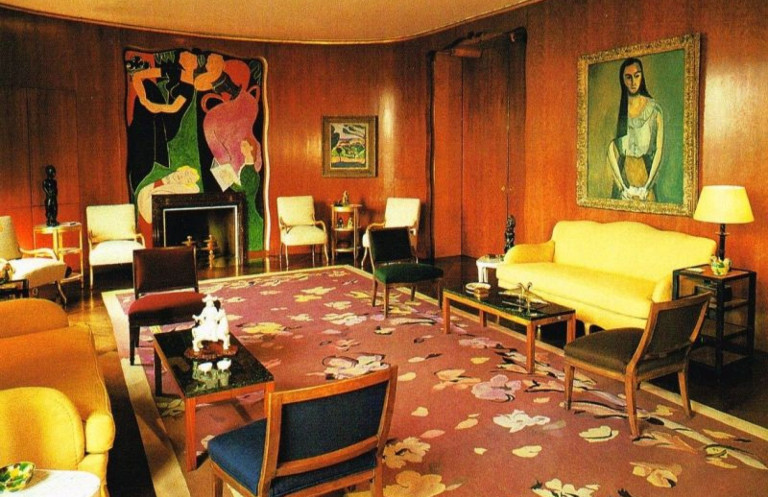
In April 1939, the SS Normandie docked in New York Harbor carrying, somewhere in her hold, a rolled carpet. The Normandie was herself the most extravagant object afloat; an emblem of French luxury and design, her marble lounges dressed with Aubusson carpets, signed furniture, and exceptional lighting, a vessel so audaciously beautiful that the New York Times had described her maiden crossing as "the greatest mass of steel and machinery ever to sail the sea." She was also, in April 1939, five months from her last voyage. Germany would invade Poland in September. The Normandie would be seized by the United States Navy, catch fire during conversion to a troopship, and capsize into the Hudson River, taking with her the full weight of the civilization she had been built to represent.
Read the Feature
Designing Corridors and Galleries with Runners: The Power of Narratives in Spaces
Corridors, thresholds, and galleries rarely command the glamour of living rooms or dining spaces. Yet in the language of architecture, they are essential: they choreograph movement, frame anticipation, and define how one experiences a home or a public building. Too often, they are treated as mere conduits—spaces to pass through rather than to inhabit. Rugs, particularly runners, are the instruments that transform these passages into destinations. Today, as designers reassert the value of every square foot, runners have emerged not as afterthoughts, but as precision tools—elevating liminal spaces into experiential narratives.
Read the Feature
Rug & Kilim Returns from China: Photos and Reflections on the North East Asia Youth Camp on Sustainable Development
Sustainability seems to be the subject of every trade event, panel and article in Architecture & Design today — but what does it look like to live, craft, weave with a sustainable approach in the world today, let alone handmade rugs and the cultures synonymous with their foundations? Rug & Kilim Principal Jahanshah Nazmiyal believes that mastering classics is how one makes modern masterpieces, and teaches this to us and his colleagues today. Some like him have a similar approach to sustainable design today, such as the many organizers of the third-annual North East Asian Youth Camp on Sustainable Development in Shandong, China, whose week-long conference in September 2023 brought delegates from nine countries to meet other scholars, trade professionals and artisans who practice sustainability and study it, both as a philosophy and an art form alike. Rug & Kilim Researcher & Copywriter Bhavna Dahiya returns from the conference, where she had the honor of attending as the delegate chosen by the Indian and Chinese government. Here, Dahiya shares her experience through the voices of community leaders, craftspeople and artists who led its many hands-on workshops therein.
Read the Feature
A Glossary of Handmade Rugs and Kilims: Understanding Terms, Types and Techniques Past and Present
Referring to the art style characterized by using shape and color withdrawn from traditional repetition or realism. Abstract rugs — sometimes referred to as art rugs — capture an expressive nature that reads as a very modern style, though many abstract rugs draw inspiration from works of the same art style in the mid-century. One of the more widely known mid-century lineages of this style is abstract expressionism, named for the literal "expressionists" of the 1950s. Some of the most notable names behind this style include Jackson Pollock and Mark Rothko. Referring to a lineage of nomadic Persian rugs (sometimes referred to as “Avsar” in the alternate spelling). Afshar rugs hail from the eponymous tribe in the region of Northeastern Iran.
Read the Feature


R&K Image Studio
NEWThe R&K Image Studio is a new visual workspace designed to present the Rug & Kilim collection with clarity, restraint, and precision — in your space or any space you imagine.
This tool allows you to view, refine, and prepare imagery drawn directly from the pieces in our archive. They can be visualized cleanly, isolated thoughtfully, and adjusted for presentations, proposals, and private viewings, without altering the integrity of the original work.
Burano
Wool
India
5'3" X 6'11" (1.60 m x 2.11 m)
Out of Stock: Made to Order 18‑20 Weeks
Rug & Kilim’s Tribal Rug in Red and Blue with Medallion
"Rug & Kilim has become a go-to for us. The vintage and modern inventory is unlike anywhere else, the team is easy to work with, and the custom program holds up to the same standard."
— Mx Ariel Ashe, Ashe Leandro LLC