
Kelly Wearstler’s Proper Hotel Aesthetic: Discover Zeki Muren-Style Rugs
July 26, 2023
A Brief History of Tiger Rugs: The Art and Design of an Iconic Class of Animal Pictorials
November 2, 2023Sustainability seems to be the subject of every trade event, panel and article in Architecture & Design today — but what does it look like to live, craft, weave with a sustainable approach in the world today, let alone handmade rugs and the cultures synonymous with their foundations?
Rug & Kilim Principal Jahanshah Nazmiyal believes that mastering classics is how one makes modern masterpieces, and teaches this to us and his colleagues today. Some like him have a similar approach to sustainable design today, such as the many organizers of the third-annual North East Asian Youth Camp on Sustainable Development in Shandong, China, whose week-long conference in September 2023 brought delegates from nine countries to meet other scholars, trade professionals and artisans who practice sustainability and study it, both as a philosophy and an art form alike. Rug & Kilim Researcher & Copywriter Bhavna Dahiya returns from the conference, where she had the honor of attending as the delegate chosen by the Indian and Chinese government. Here, Dahiya shares her experience through the voices of community leaders, craftspeople and artists who led its many hands-on workshops therein.
“Sustainability is an ubiquitous term today, but to us, it means zero wastage of resources, food or even opportunities,” shares TongLee Liu, a Chinese farmer in Luyuan New Village — one of several hosts in the conference, and a model for the Chinese government’s rural revitalization program. There, families maintain their connection to sustainability both in their cultural roots and their modern practices alike, with deep roots in Confucianism philosophy in their traditions. So, too, do their arts and crafts represent their commitment to age-old traditions of self-sufficiency — ancient practices such as weaving Chinese cloth tigers at a child’s birth, practicing nail string art or sharing weekly performances of traditional Peking Opera. Like their sustainable practices, the ancient Chinese adage, “Gold kennel, silver kennel, nothing beats your own kennel,” underscores the beliefs that touch every trade and art form in this community.
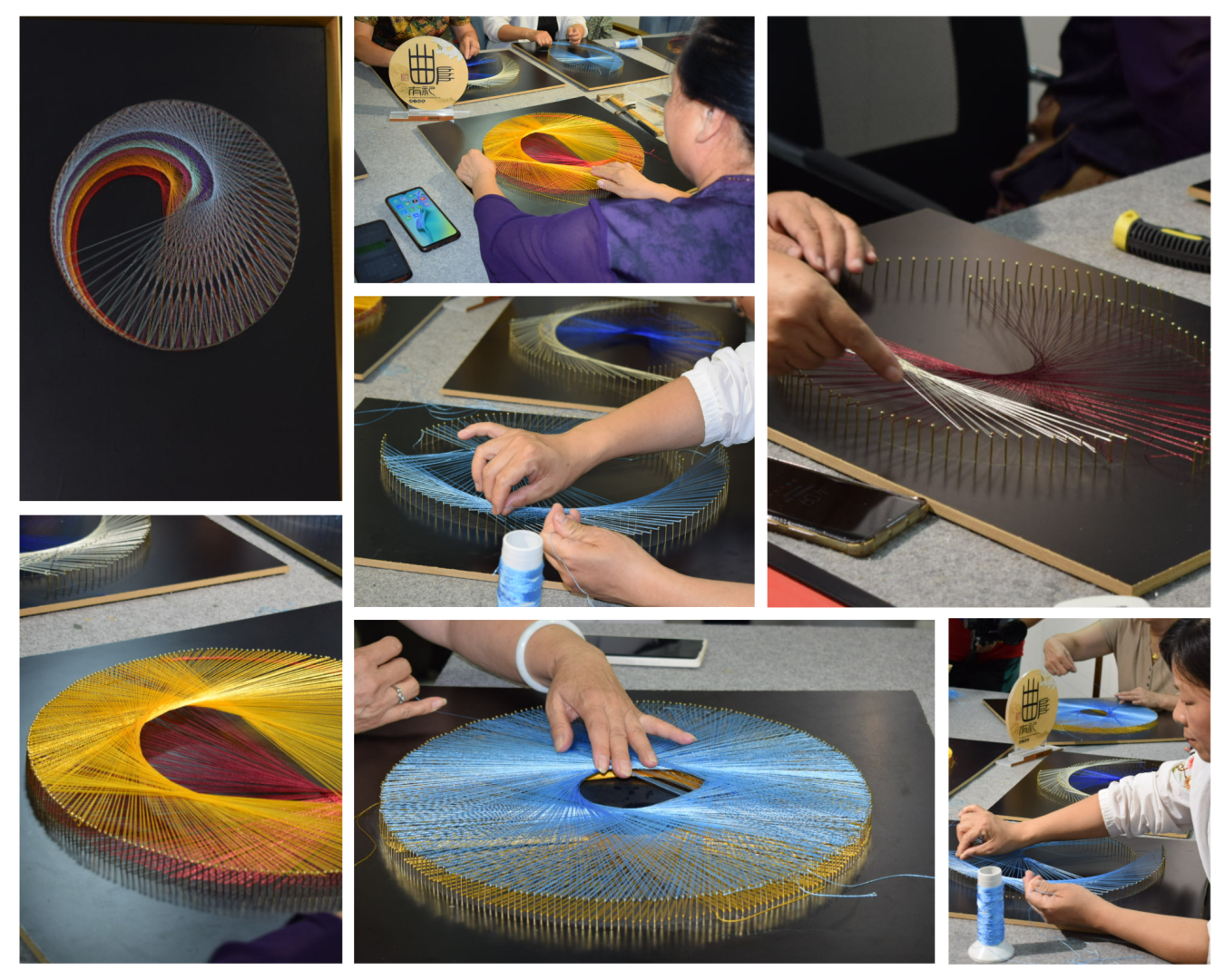
Residents of the Luyuan New village in Jining, China, creating nail string artworks.
Sustainability Throughout History
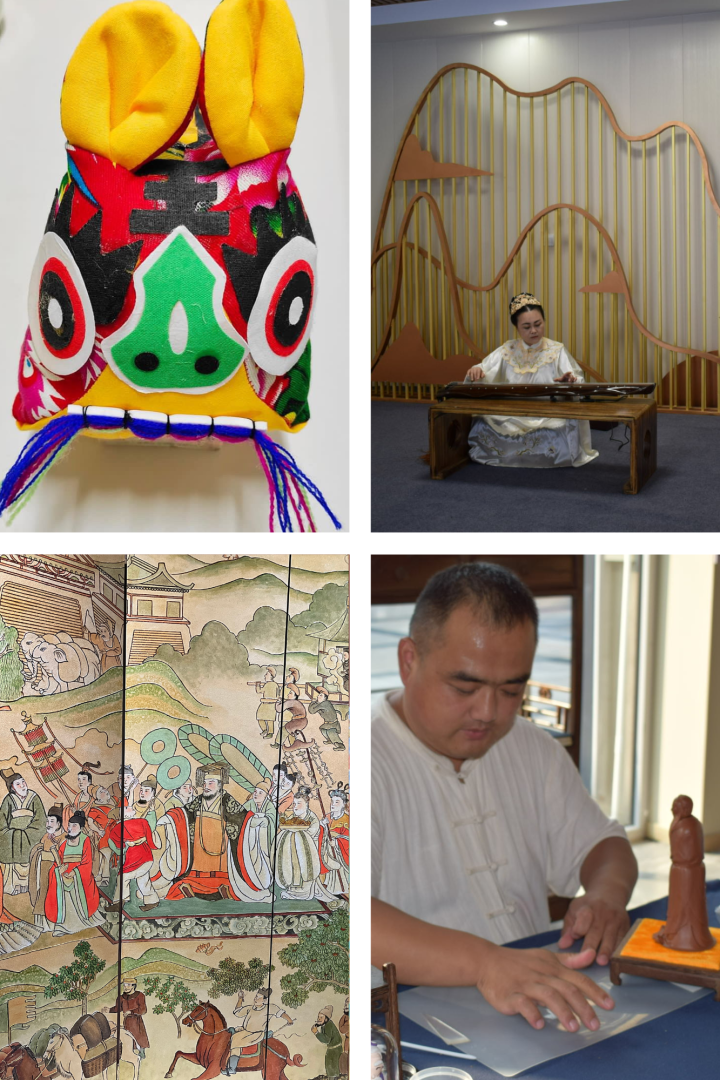
Image 1 is of the Chinese traditional cloth tiger, Image 2 and Image 4 are of the Luyuan New Village residents engaged in cultural activities. Image 3 is of a panel depicting traditional designs in the main hall of the village.
The concept of sustainability is not a newfangled innovation for the Chinese community. Rather, it has evolved over time, akin to the evolving pages of history itself. Johan Huizinga’s words, “History is the interpretation of the significance that the past has for us,” aptly encapsulate the historiography of the Chinese concept of sustainability. The week-long visit to China started from the Luyuan New Village, to the Confucius and Mencius Temple and Mansion, and the Yellow river delta and museum; touring Chinese traditional institutions while learning about sustainability and the relevance of ecological practices.
The ancient Chinese civilization, particularly during the Zhou dynasty (circa 1046-256 BC), held a deep wisdom in ecological sustainability and the cyclical nature of the environment. The philosopher Mengzi (372-289 BC), known as Mencius in the West, captured this sentiment, saying, “Harvesting from hills and forests at the right time ensures enduring abundance.” This notion underscores the critical role of timing in activities like tree-cutting and hunting. Within the Zhou government, a specialized department called the “Shan Yu” oversaw forestry and hunting, ensuring these practices were conducted in harmony with nature.
The enduring farming practices near the Yellow River delta, observed by local communities, are deeply rooted in principles of sustainability and prudent resource management. These communities, such as those in Dongying and Binzhou, continue to uphold time-honored farming practices. These methods place a strong emphasis on sustainability and the judicious use of resources, reflecting the enduring wisdom of Mencius’s philosophy.
Yijing – The Marriage of Emotions and Art
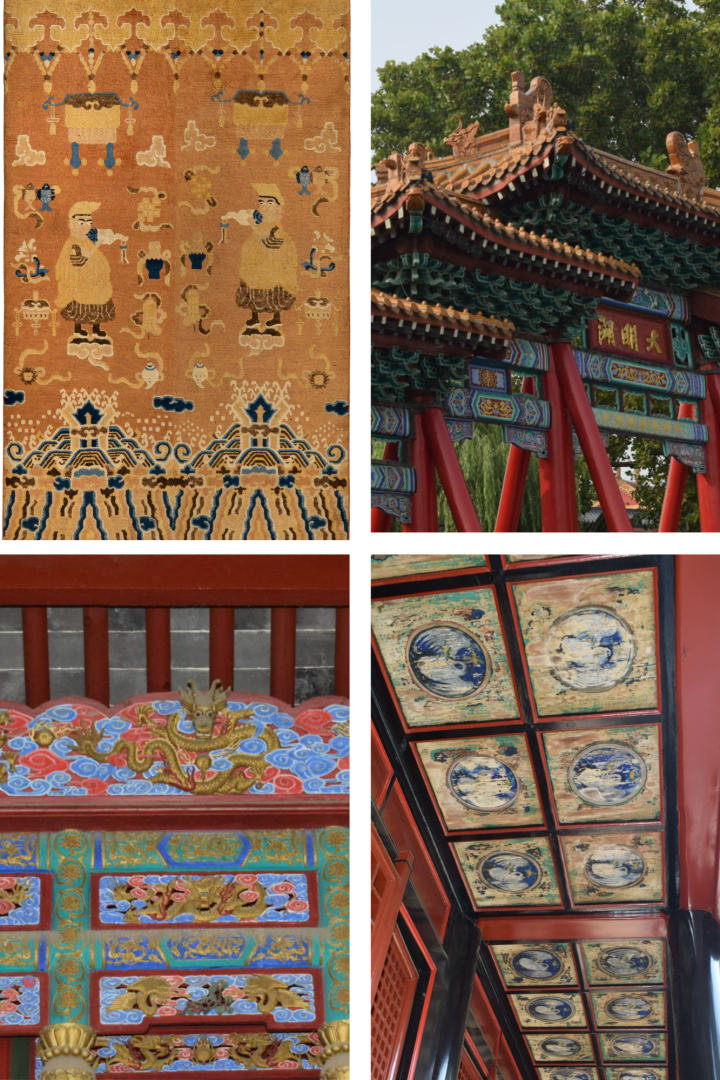
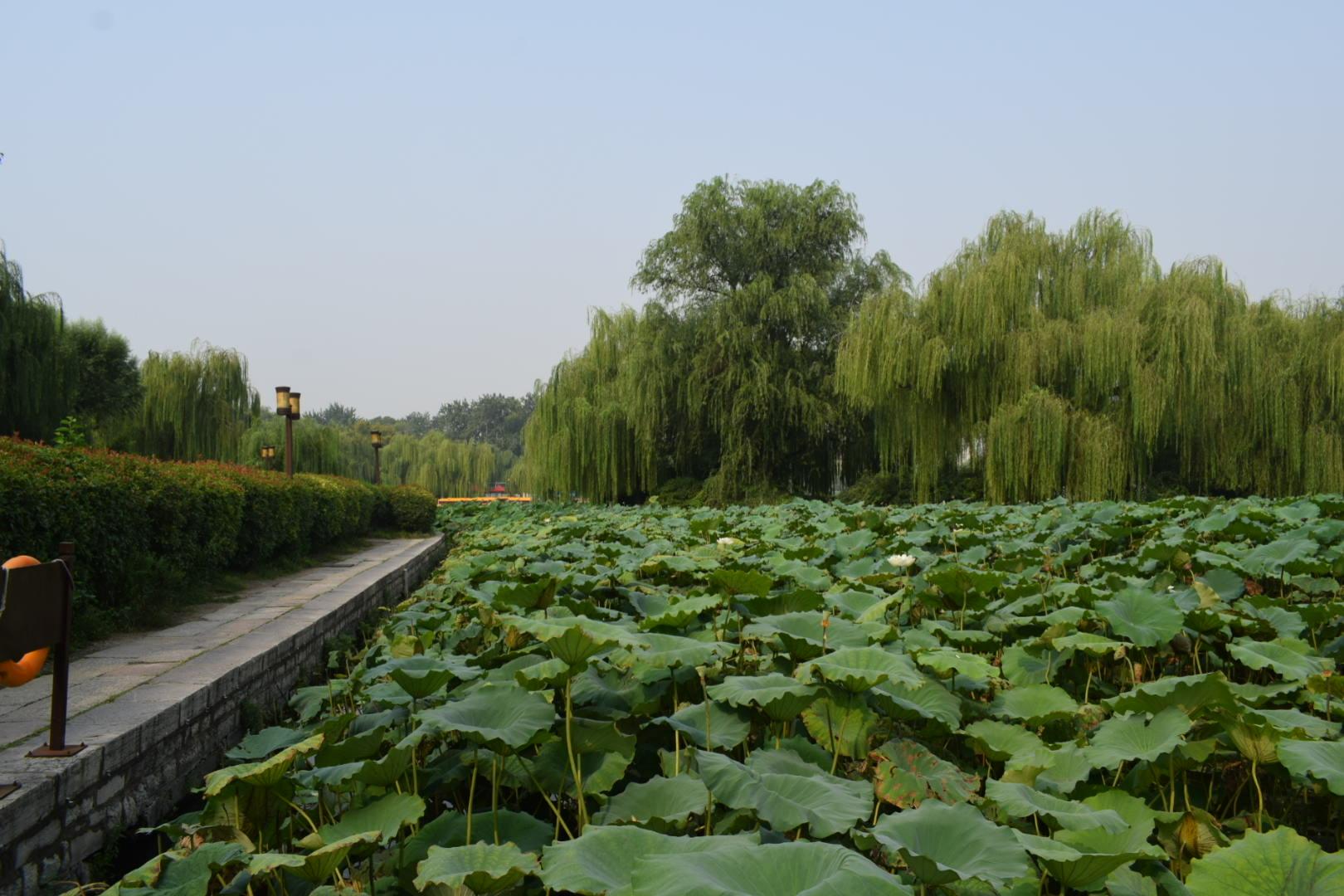
Top left to bottom right: An antique Peking rug from 1900s China and modern representations of its many pictorial figures and architecture in China today (such as the Daming Lake in Jinan and the Confucius Mansion in Qufu City, Shandong).
The I-Ching, also called ‘Book of Changes’, a Chinese classic text, often associated primarily with divination, actually encompasses a much broader philosophy deeply rooted in Chinese culture. Its core principles revolve around the harmonious interplay of yin and yang, serving as the very foundation for the creation of our world and all that we perceive as human beings. This dynamic interaction mirrors the tension between void (xu) and reality (shi), which is central to the Yijing, another ancient Chinese philosophical text.
At its core, the Yijing offers a framework for artistic expression, delving into the emotional landscape of artists across various creative domains, including painting, calligraphy, poetry, literature, and music. In traditional Chinese aesthetics, an artwork is deemed exceptional when it successfully evokes the essence of the Yijing—an inner emotional realm that resonates with the external world of nature. This perspective suggests that the Yijing is not merely a means of representation; it also serves as a catalyst for aesthetic experiences.
Our process at Rug & Kilim, both in antique and modern rugs, mirrors the Yijing’s emphasis on balance and comfort as a priority. The art we create in rugs, flat weaves and other floor coverings are artistic expressions that evoke the inner emotional landscape, mirroring the world of nature.
How Do Confucianism and Feng Shui Connect Art and Sustainability ?
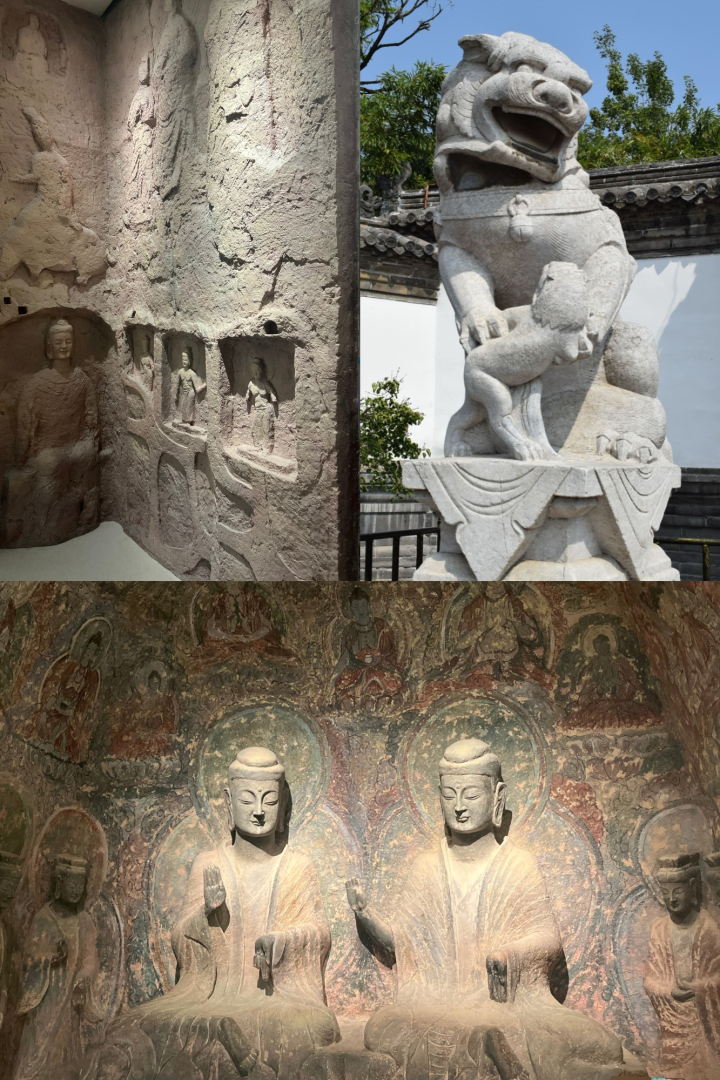
These three images from the Confucius Mansion, Qufu City, Shandong, exemplify art as per the framework of Yijing; one which evokes emotions. In this language of Yijing, art finds its eloquent voice.
“Both traditional Daoists and Confucians believe that humans are generally inferior to Earth and Heaven, which are the symbols of the natural world and the universe. The theory that humankind should conquer nature was never mainstream thinking in classical China.” – Liu Xiaogan
Confucianism considers humans as an integral part of the natural world. Within the Confucian framework, ‘sustainable development’ signifies the concurrent perpetuation of human society, culture, and nature, sans gratuitous encroachments on the environment.
As an idea, the practice of engaging in building is unsustainable in itself, and to imagine if that art can be beautiful, is yet another unsustainable question. But, however extreme that idea may seem to be, the way out is sensitivity—practices that create a bridge between sustainability and art.
One such bridge is the Chinese traditional practice of Feng Shui, which means that the arrangement of objects and spaces directly influences the flow of energy, known as “Qi,” within a space. Similarly, Rug & Kilim’s Design team meticulously selects materials, colors, and patterns, ensuring their art not only beautifies a space but also enhances its overall atmosphere and energy. The narrative of space storytelling is centered around the idea that each space has a story to tell, with a power to elicit emotions. The idea behind a rug is that it is unique, an extension of an individual’s identity, which also influences the energy of a space.
Sustainability in Handmade Rugs, Then and Now
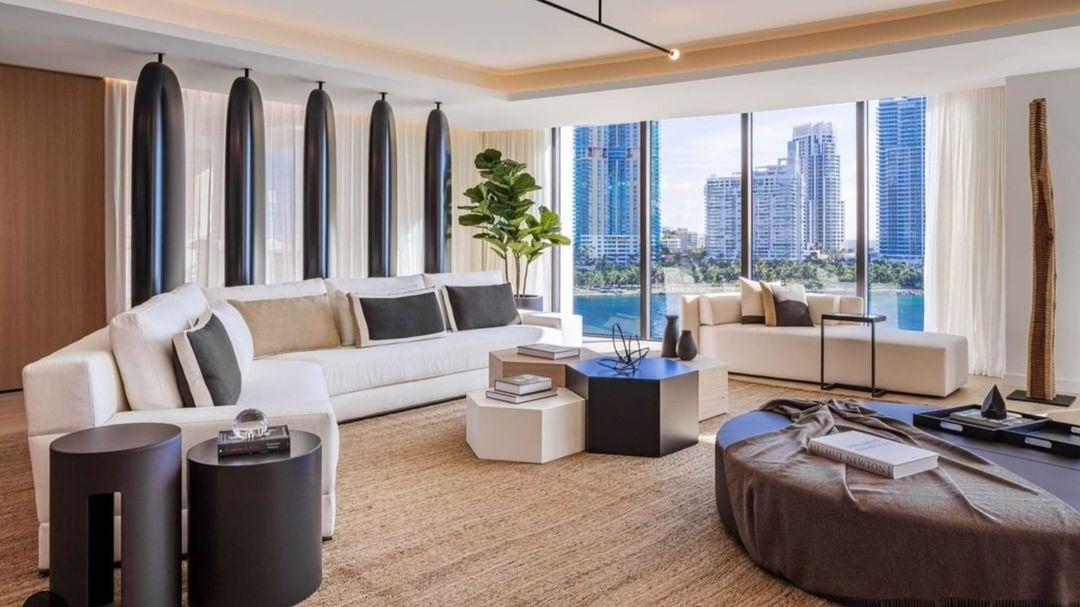
Rug & Kilim’s custom sisal rug complements a living room in Fisher Island, Florida. The project is one of several current example of sustainable design with high-end custom rugs. Photo courtesy of Sam Robin Design.
Sisal rugs, like the custom carpet above, are known in handmade rugs as a staple of eco-conscious design. Like hemp and jute, Sisal one of the oldest materials in hand weaving, known for its longevity even by the high-end standard.
Our weavers understand that all natural fibers — such as sisal, and especially wool and silk like those we use in more of our rugs — live and breathe as they age. One might argue that our philosophy on sustainability is not dissimilar to that of the Confucianist principles in villages like Luyuan when we consider this fact — a simple one to live by informed by years of complex study. To be more specific, our team’s decades of working with all varieties of all-natural materials, and even introducing them to certain international markets (such as Jahanshah’s introduction of silk to the Nepalese market) has always led to one simple, powerful truth: all-natural materials have always, and will always, yield the highest quality in any rug.
Though we appreciate the many conversations and innovations in sustainability today, this simple contribution is the base of all that we create and curate. We nurture rare classics of any construction by understanding them on an artistic and cultural level, and we create modern collections with comfort, simplicity and practicality before anything else. Our colleagues and contemporaries might agree that these tenets are the greater challenge in luxury rugs, as we’ve seen that a truly sustainable rug will rarely depart from these simple, vital practices — one of the many advantages of handmade that machine-made has yet to approach. Rugs are a living embodiment of the connection between humanity and nature — a personal art form in any provenance, with the same principles that underlie the Yijing and the I-Ching. Though we look forward to seeing what new practices we might discover as we experiment with new textures, weaves, yarns and techniques, it seems the more we learn about sustainability, the more we’re driven to simply appreciate its ancestors and the growing relevance their lifestyles have in today’s spaces.
We’d love to keep the conversation alive and hear your thoughts and feelings on the topic. In the meantime, enjoy more photos below from this journey abroad, and stay tuned.
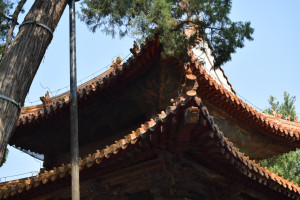
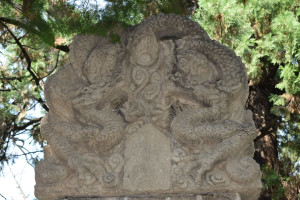
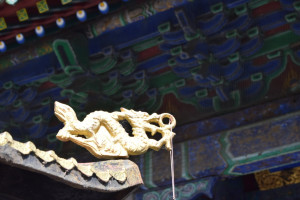
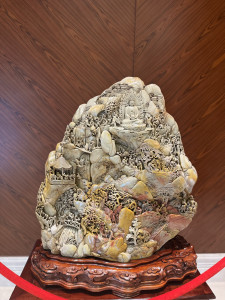
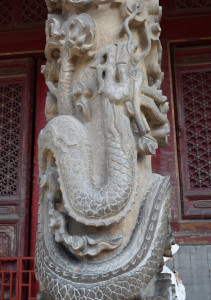
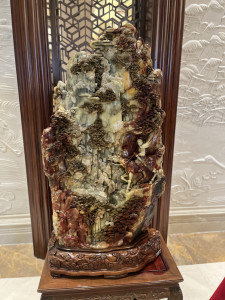
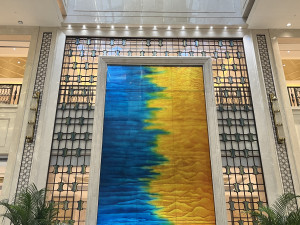
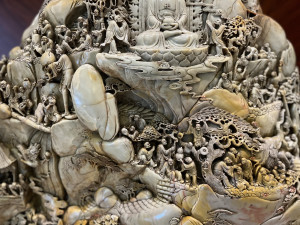
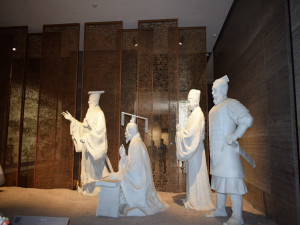
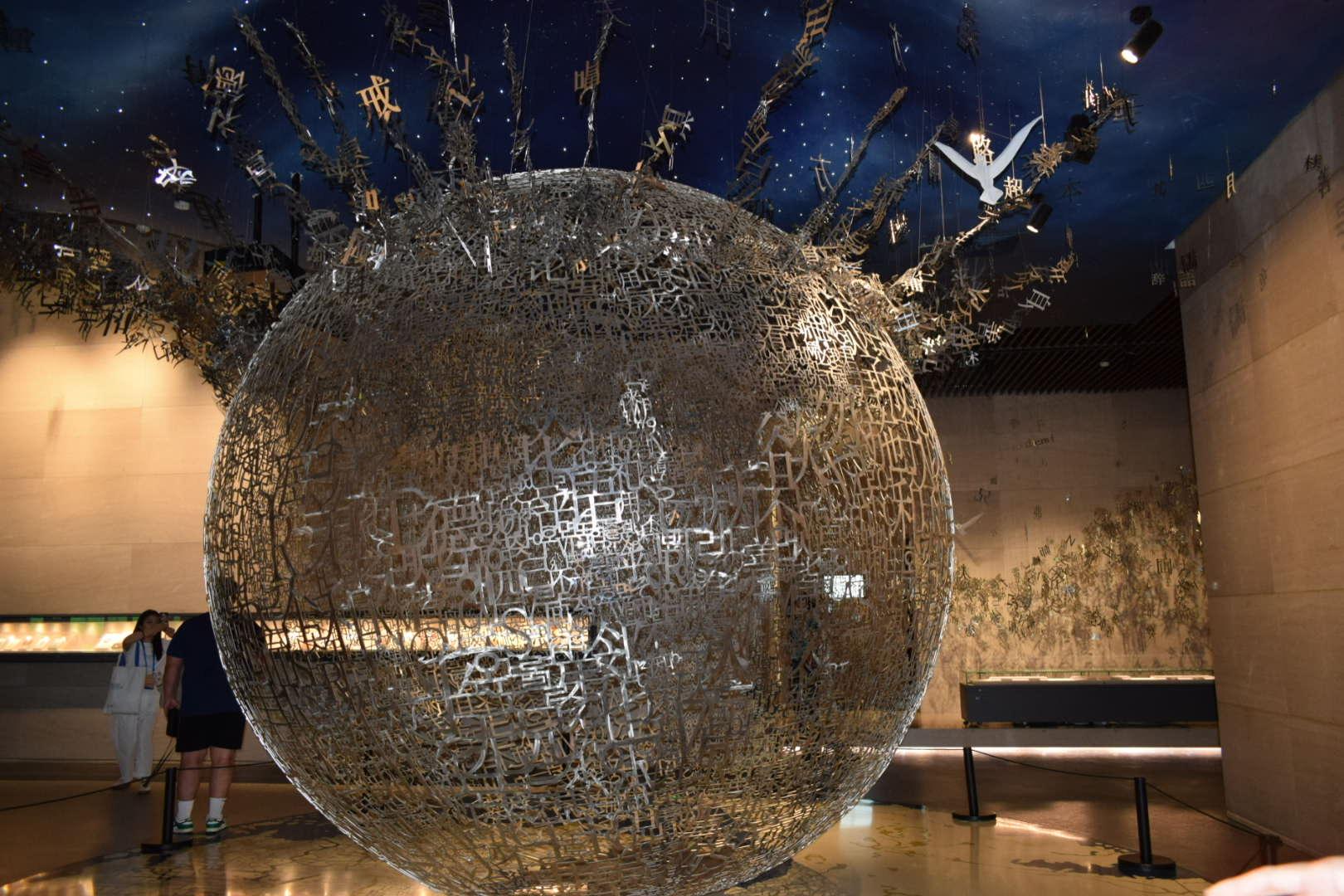
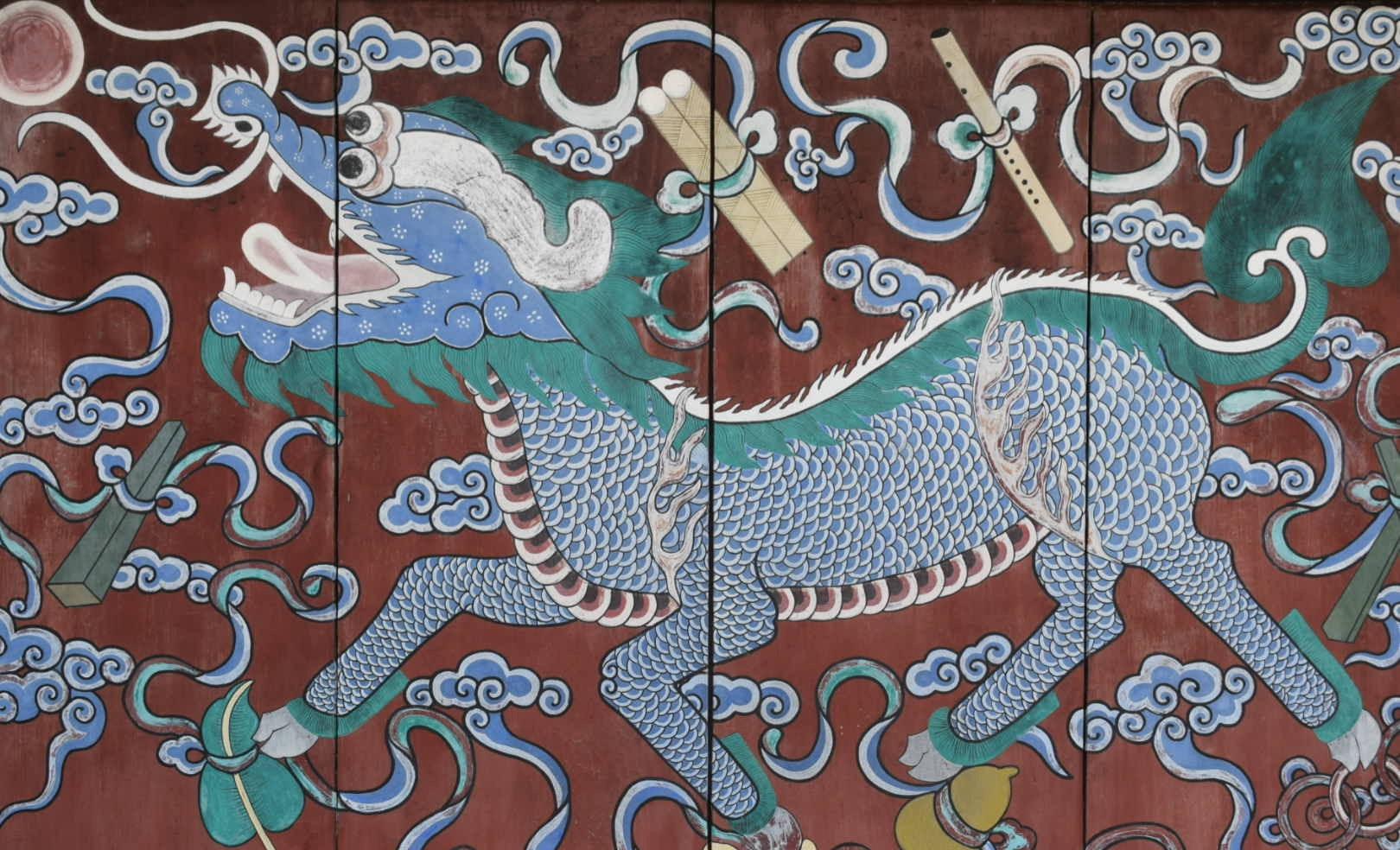
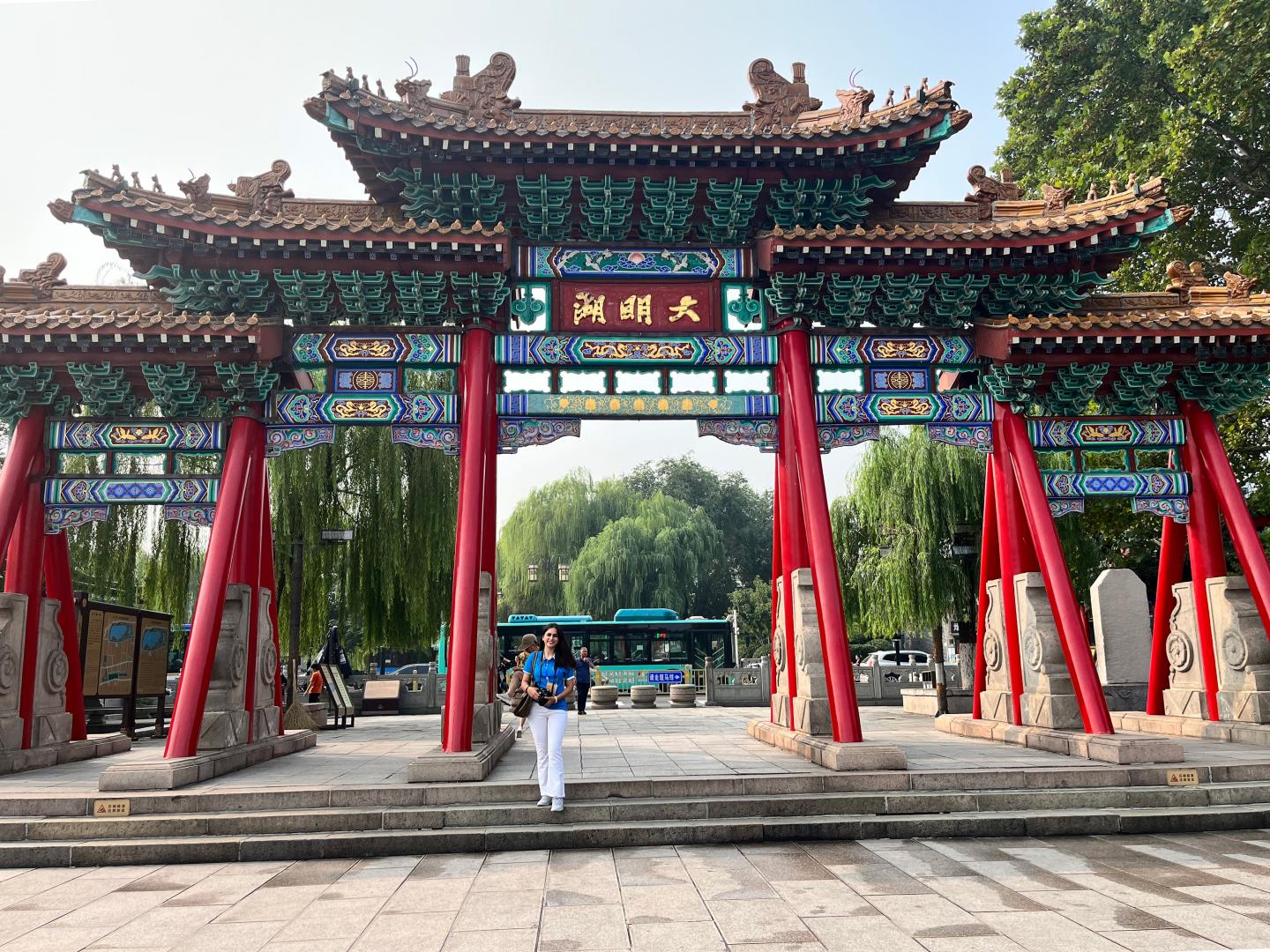
About the Author:
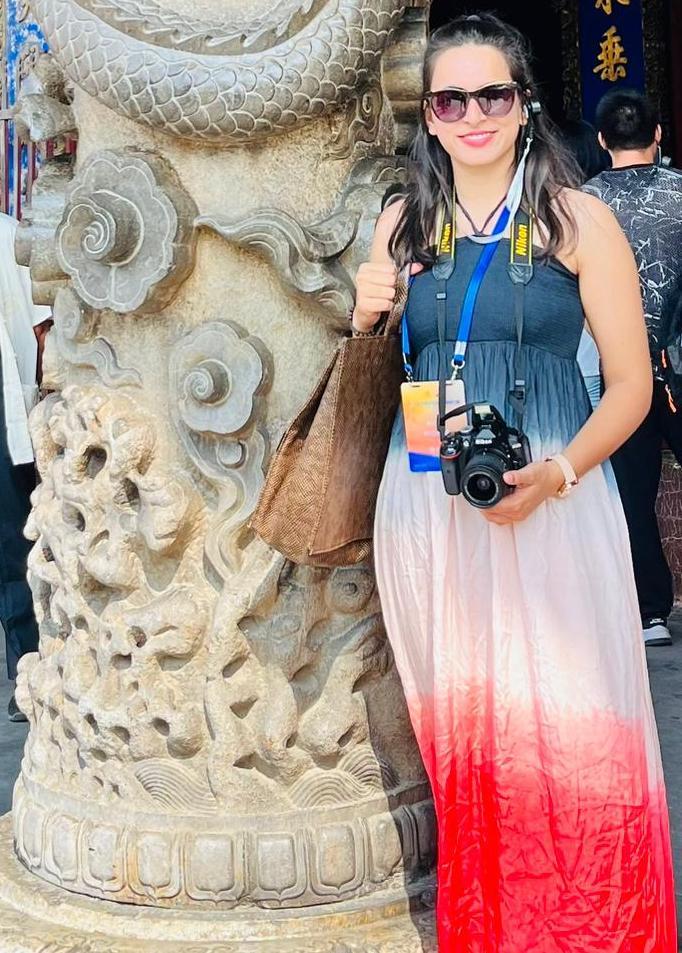 Rug & Kilim Researcher & Copywriter Bhavna Dahiya is a St. Stephen’s Graduate, founder of I-Social, an author of two published books and published more than a dozen peer-reviewed International Journals and National Publications.
Dahiya has been awarded as the Top 25 Leading Indian Women Researcher and Founder 2023 for her research contributions to numerous institutions — including but not limited to several foreign policy centers, Google certified Scholar profiles and similar platforms through I-Social. Proficient in six languages, she has been invited to over 15 International Conferences in 10 countries on funded scholarships, and three high-level delegation events by the Honorable Ambassadors of Chile and Malta.
A new member of the Rug & Kilim Editorial family, Dahiya is a passionate student of history and craft.