

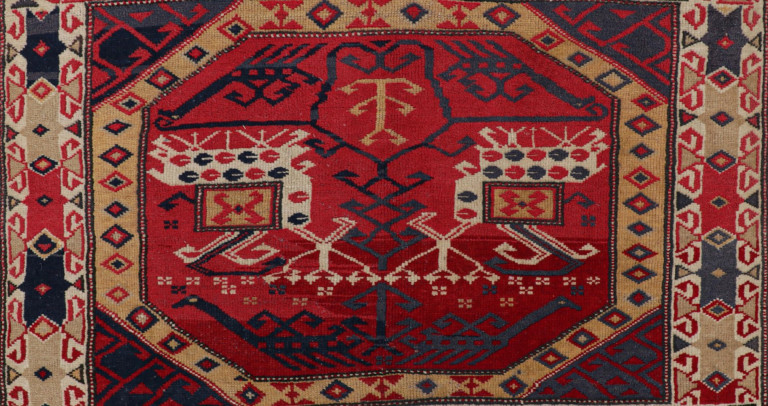
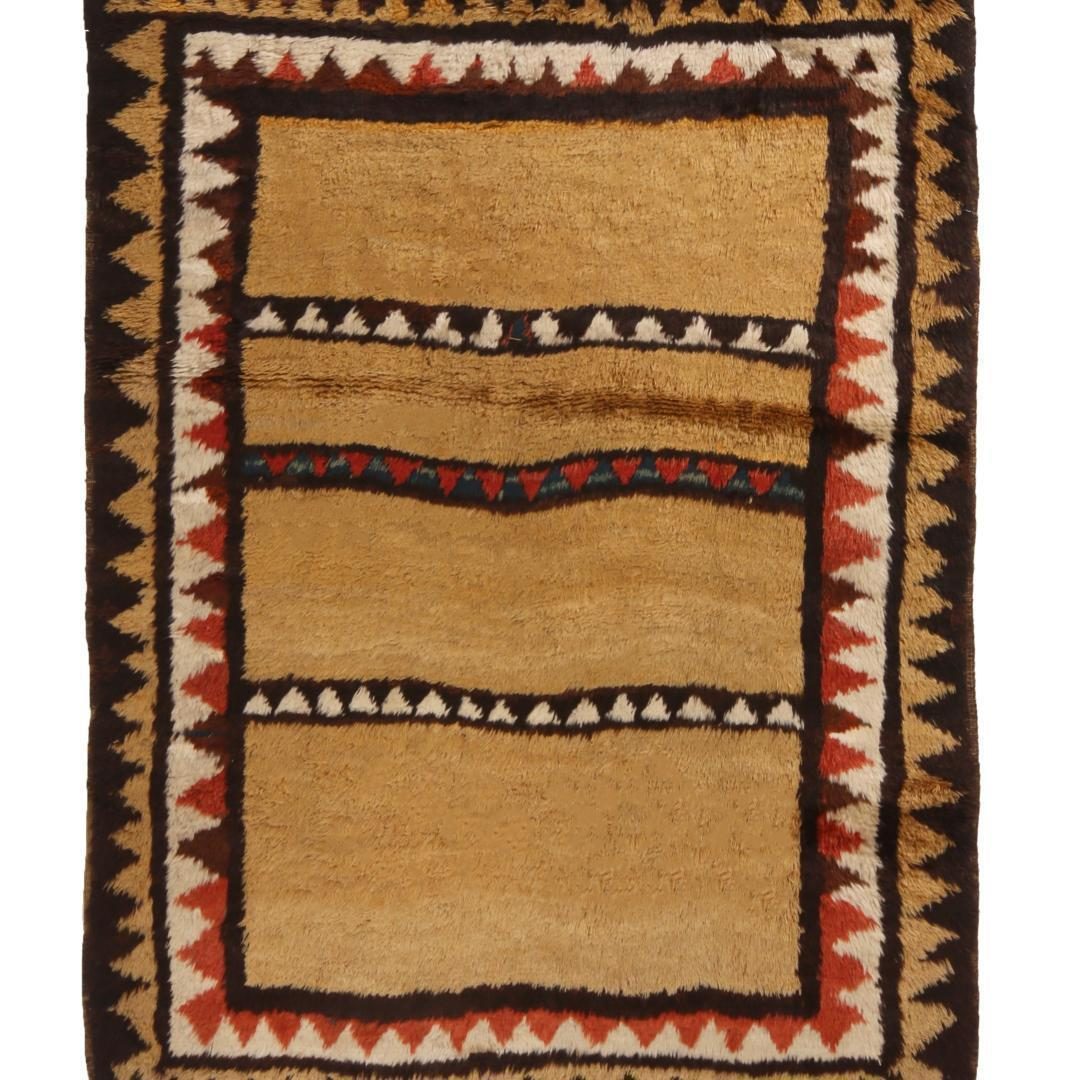
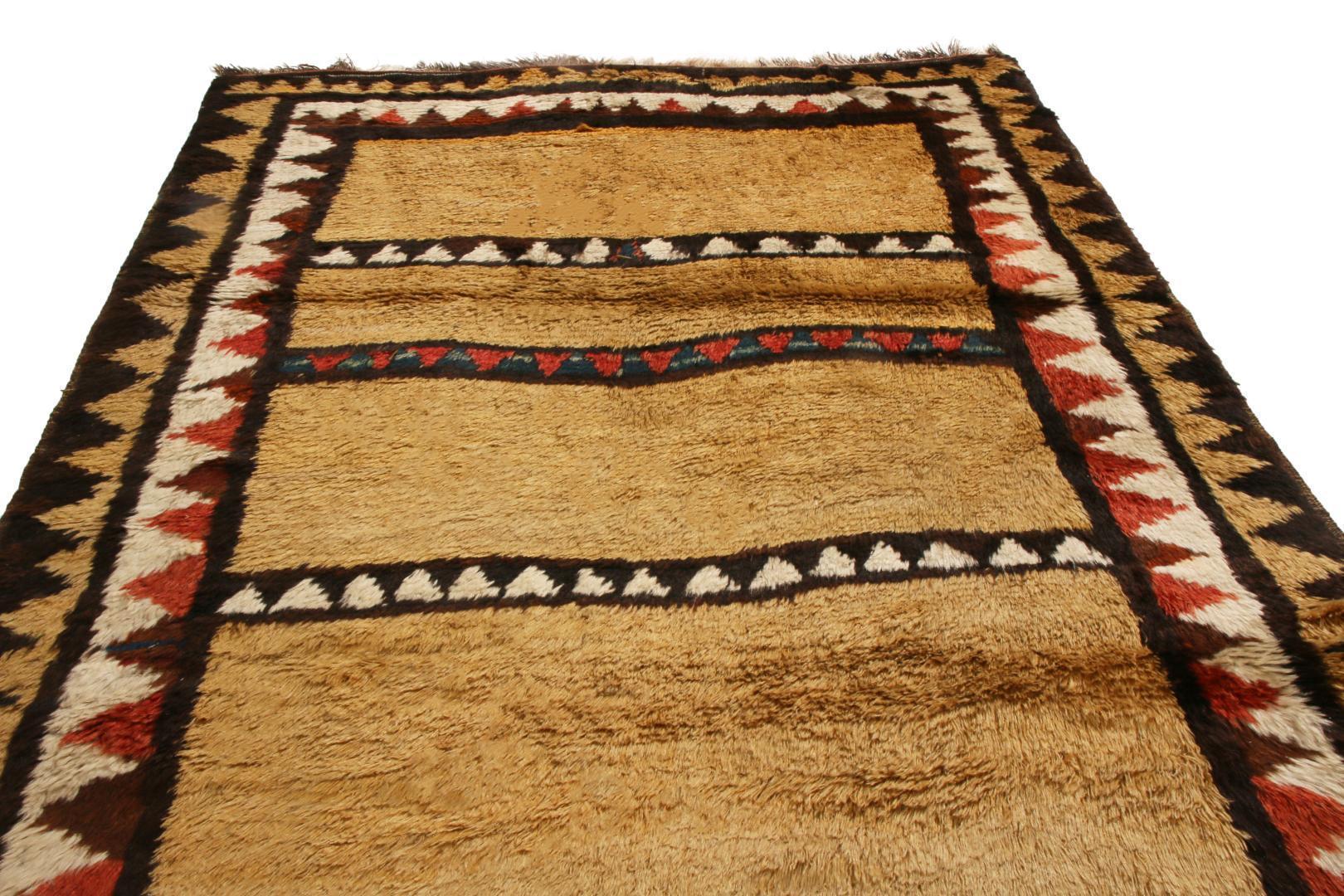
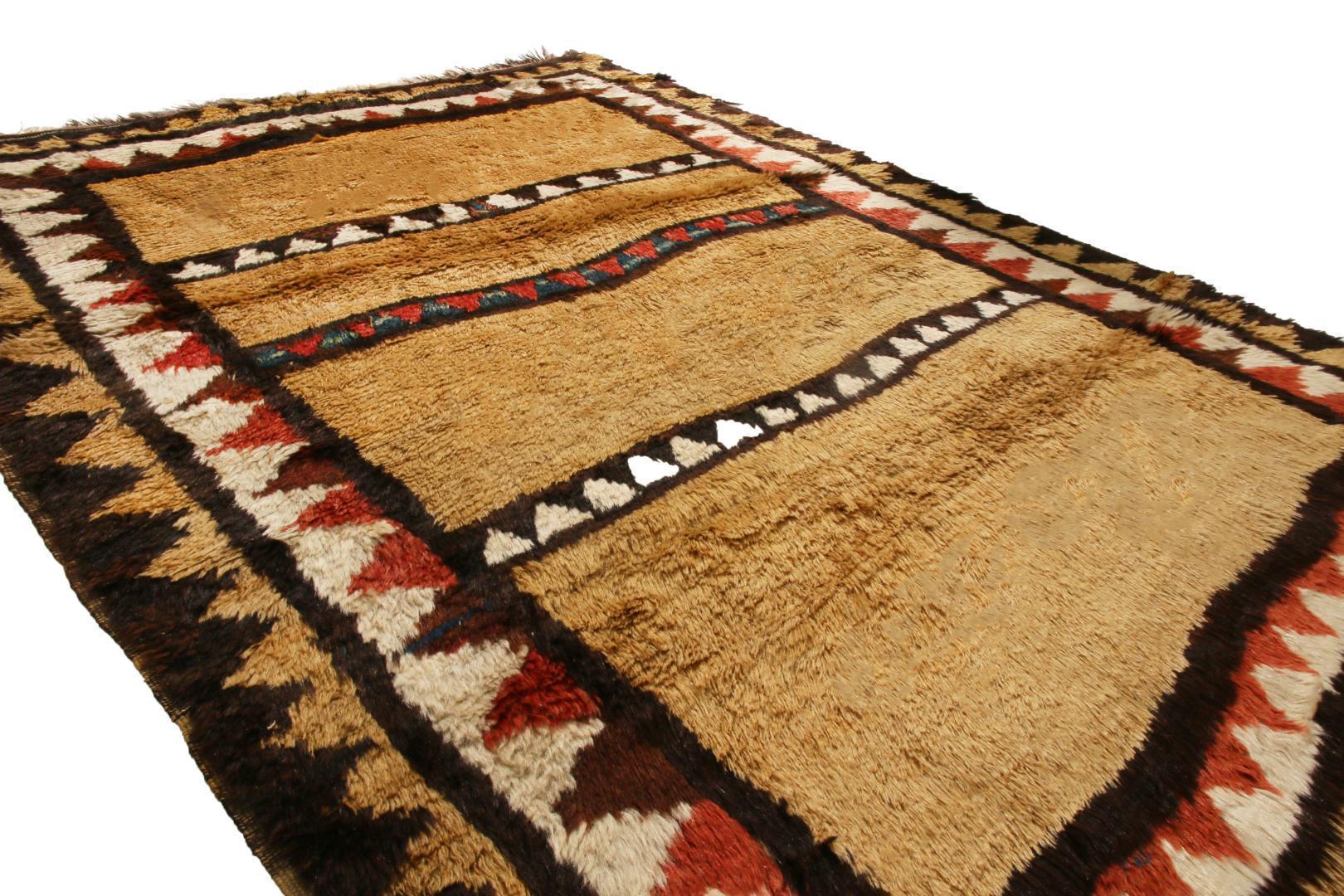
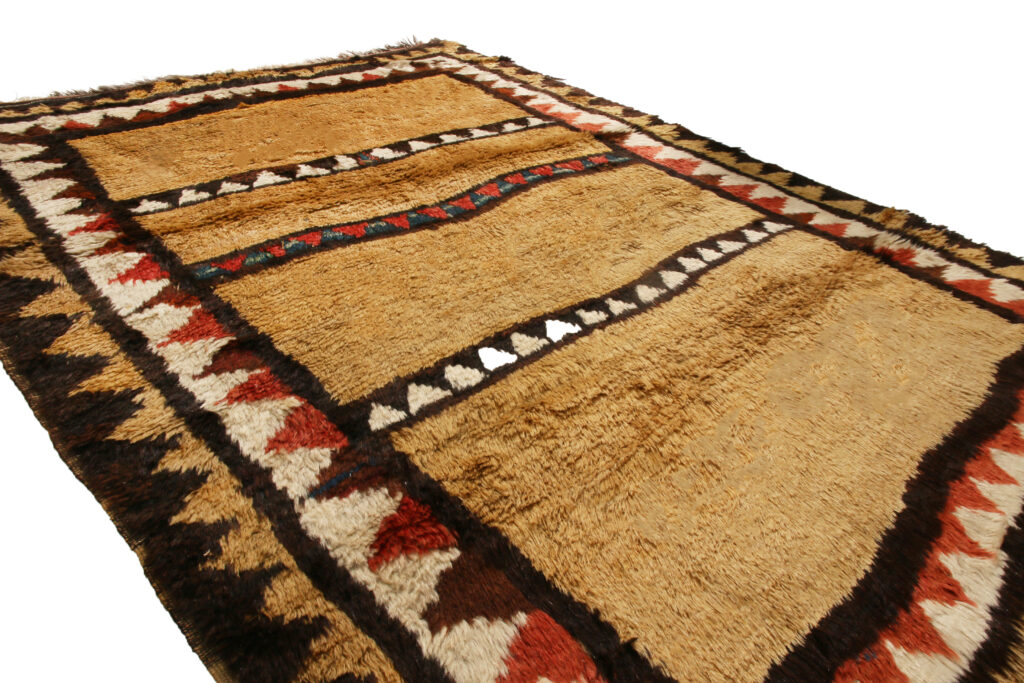
5'0" X 6'4" (1.52 m x 1.93 m)
Out of Stock (Inquire for Custom)
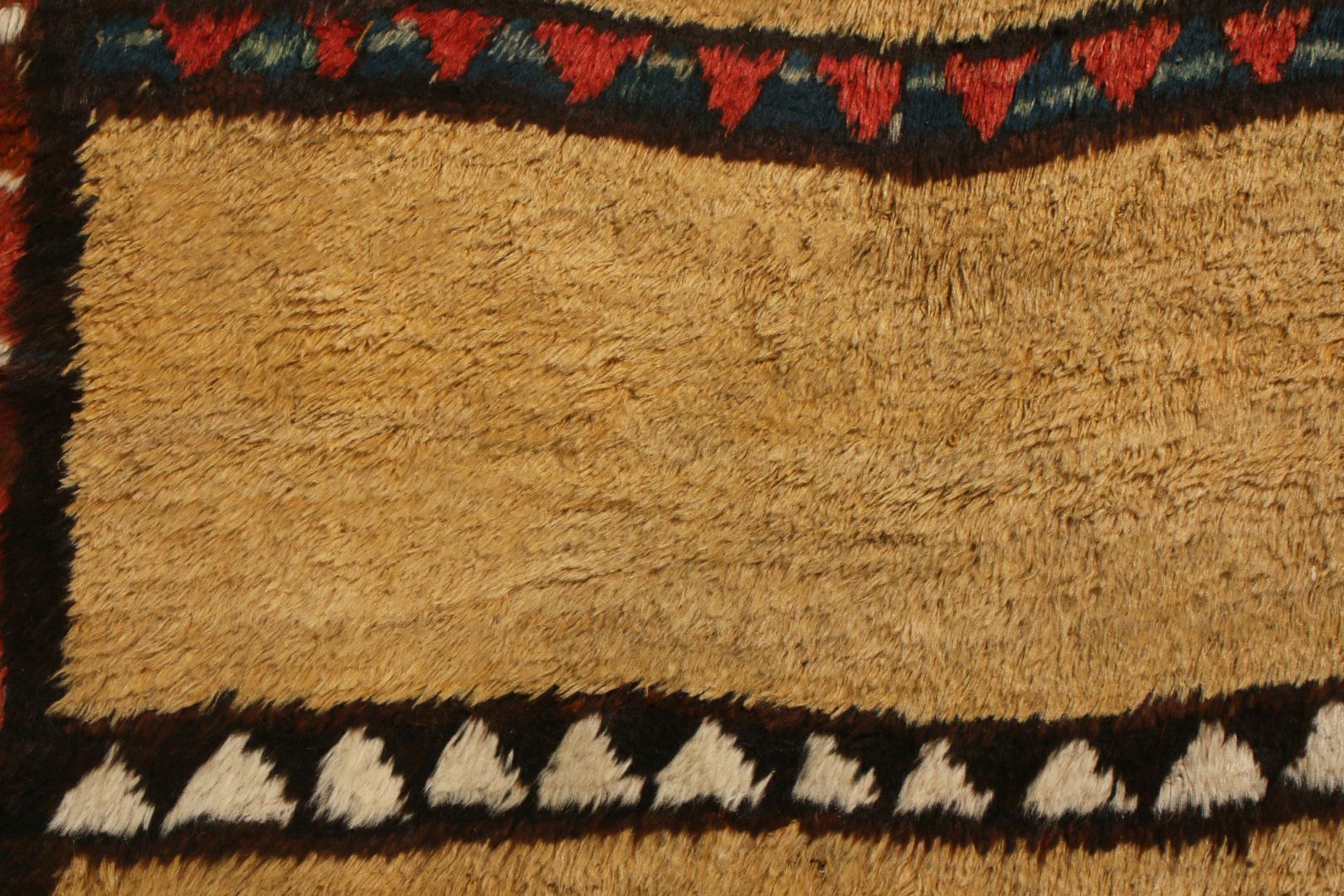
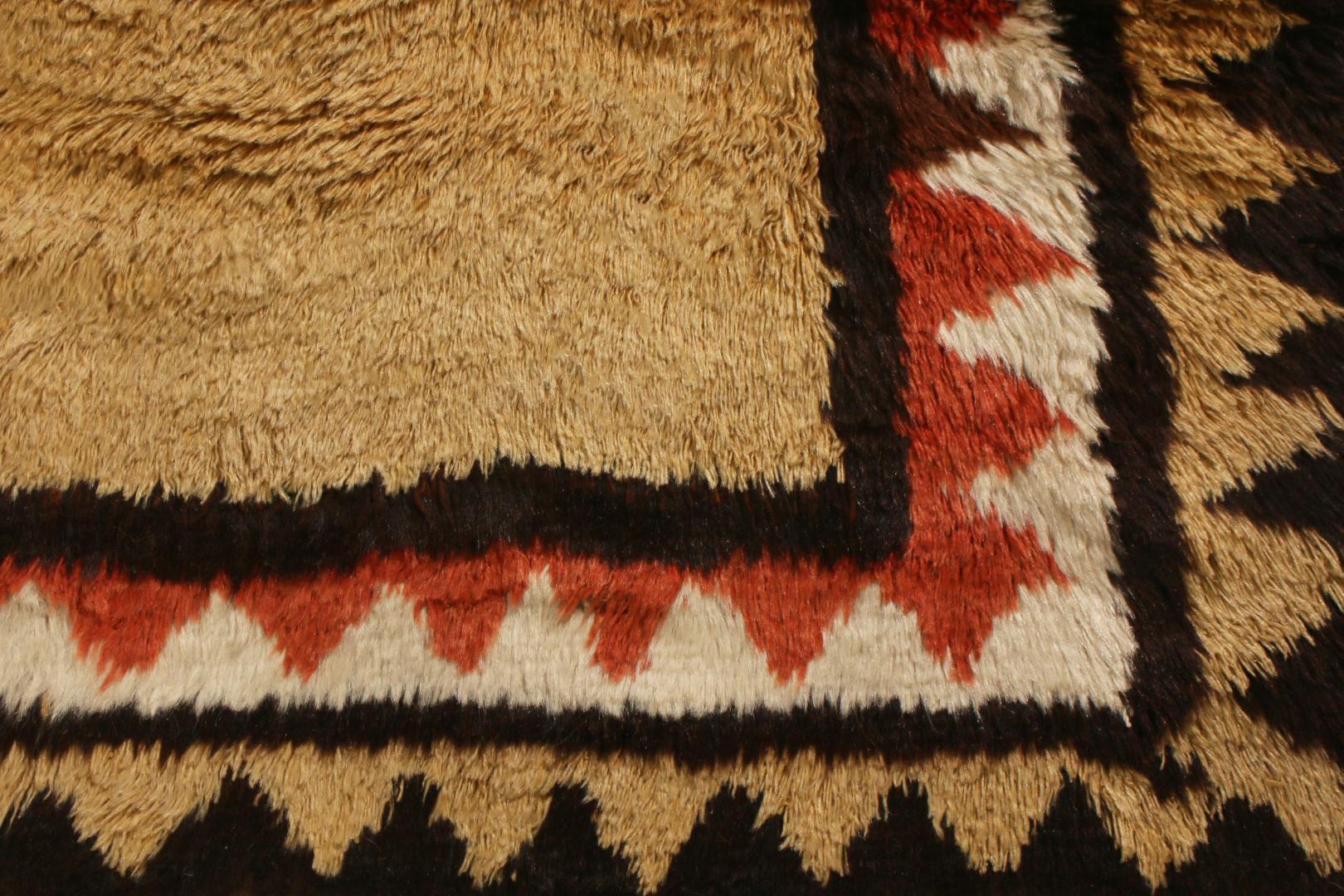
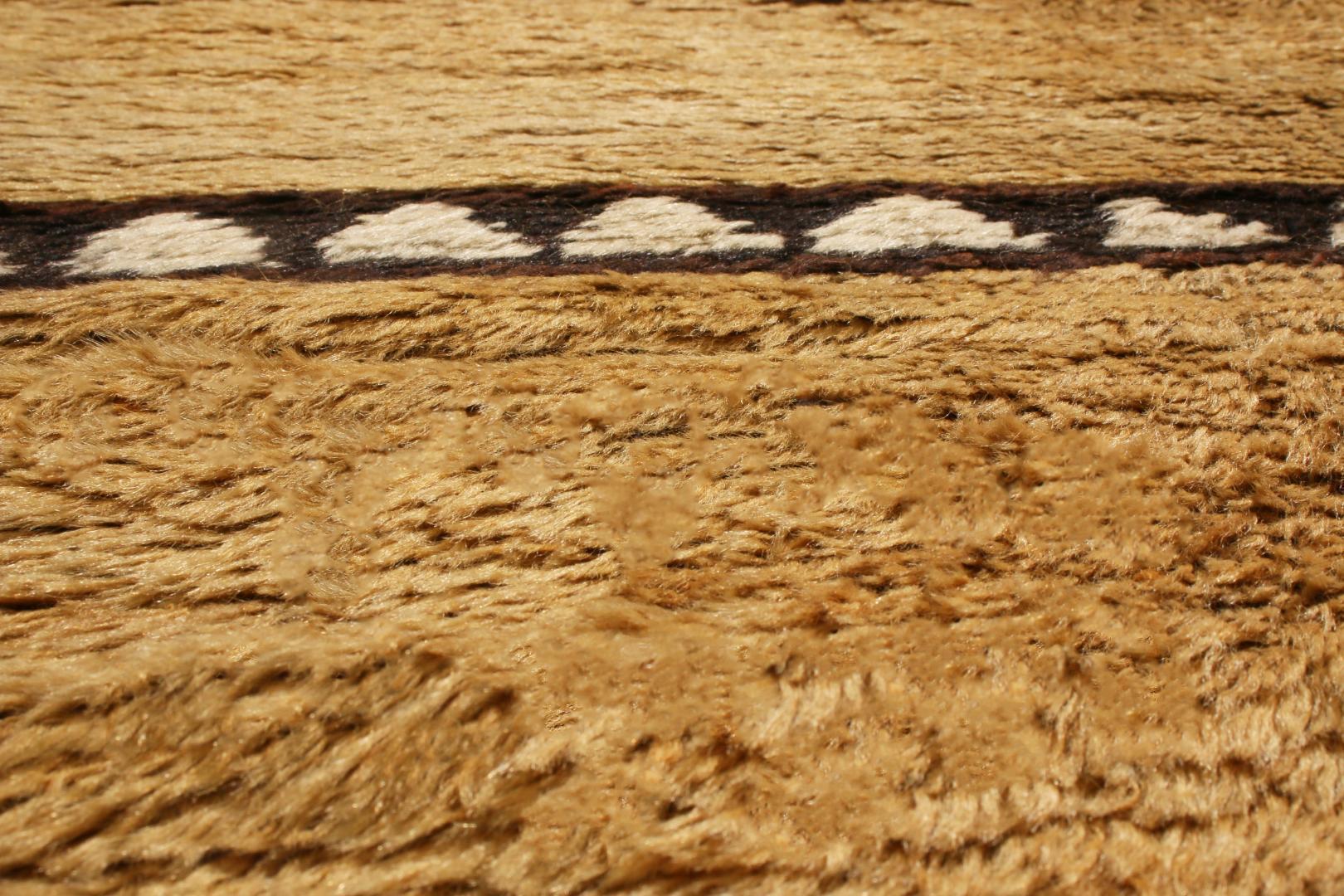
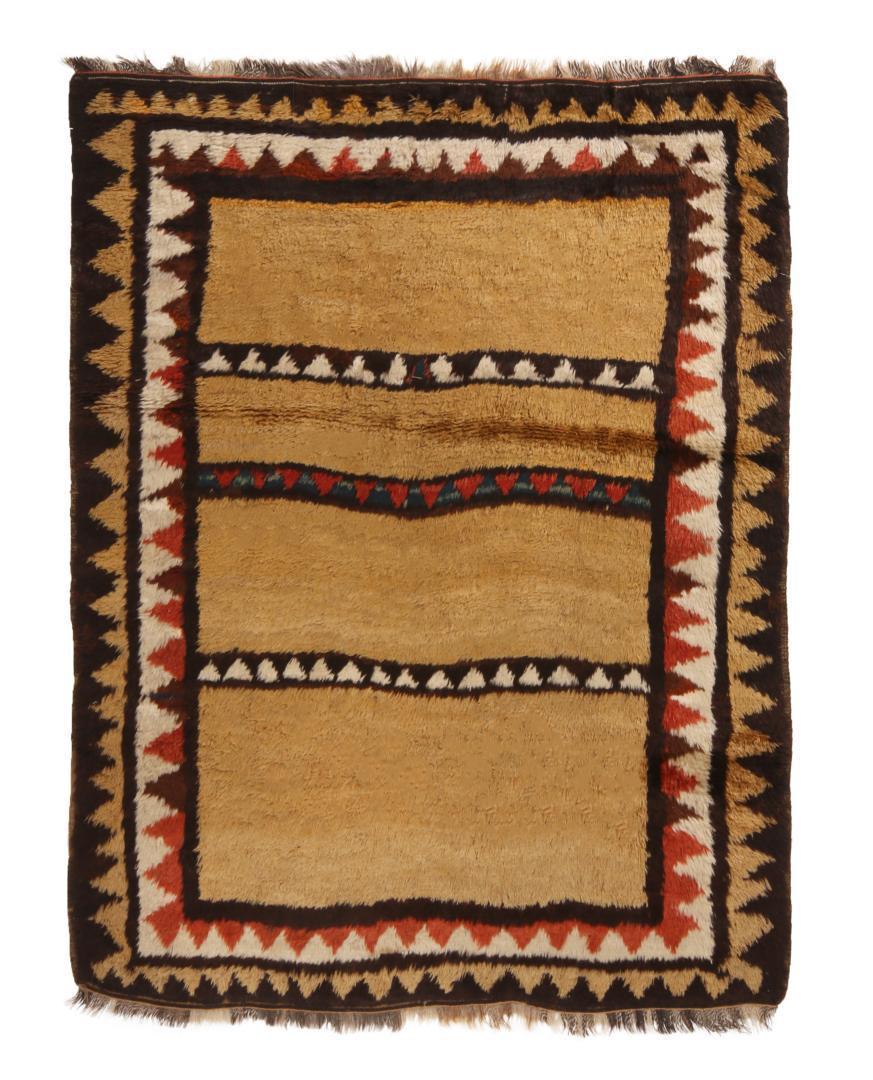
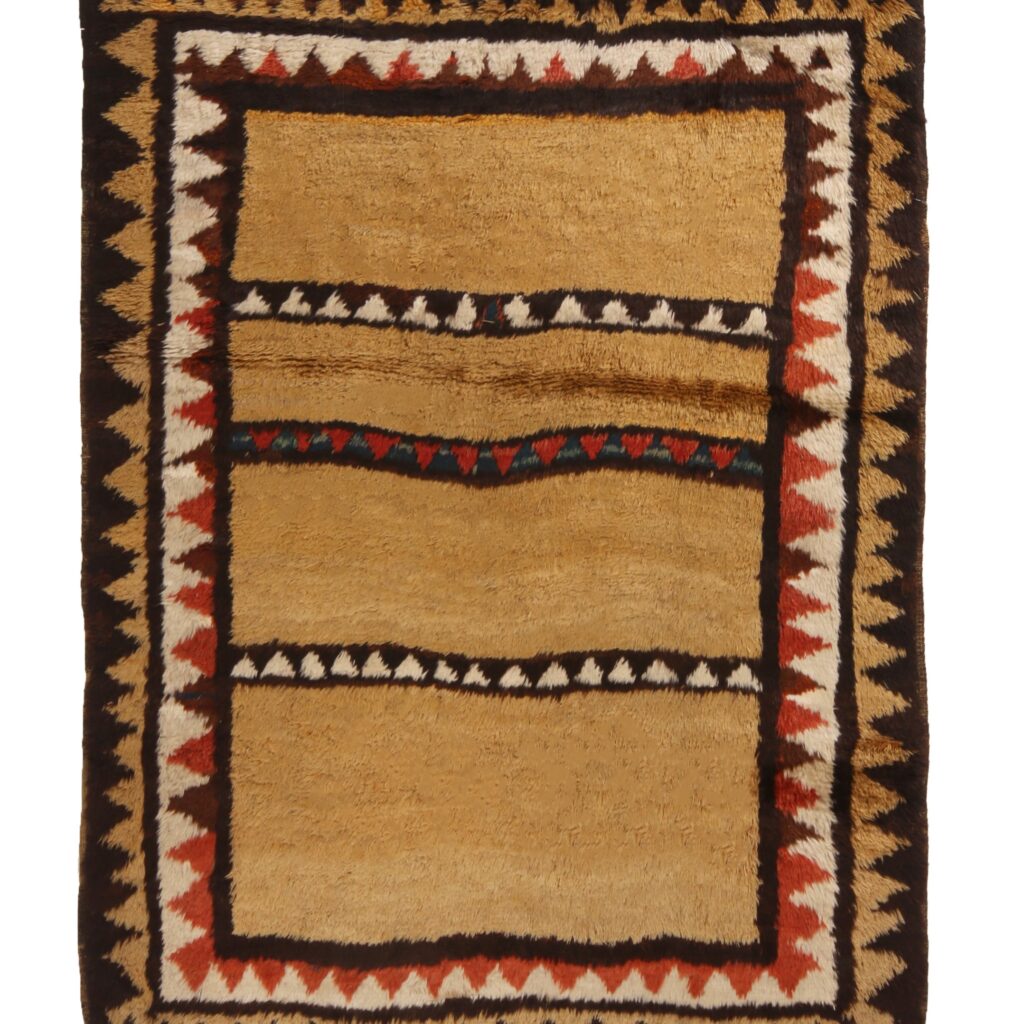
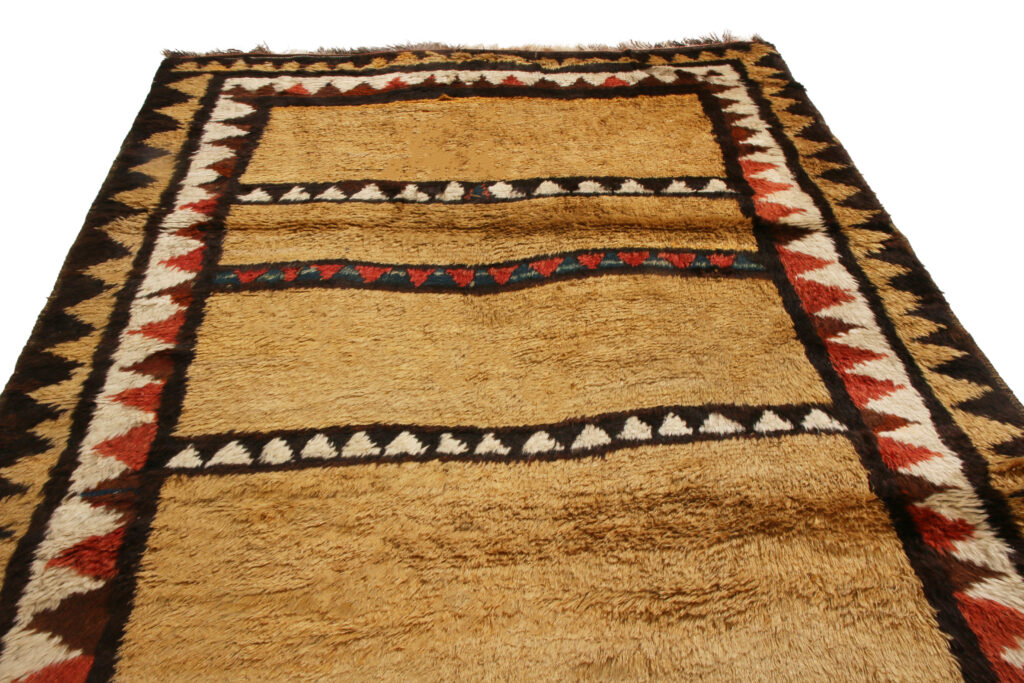
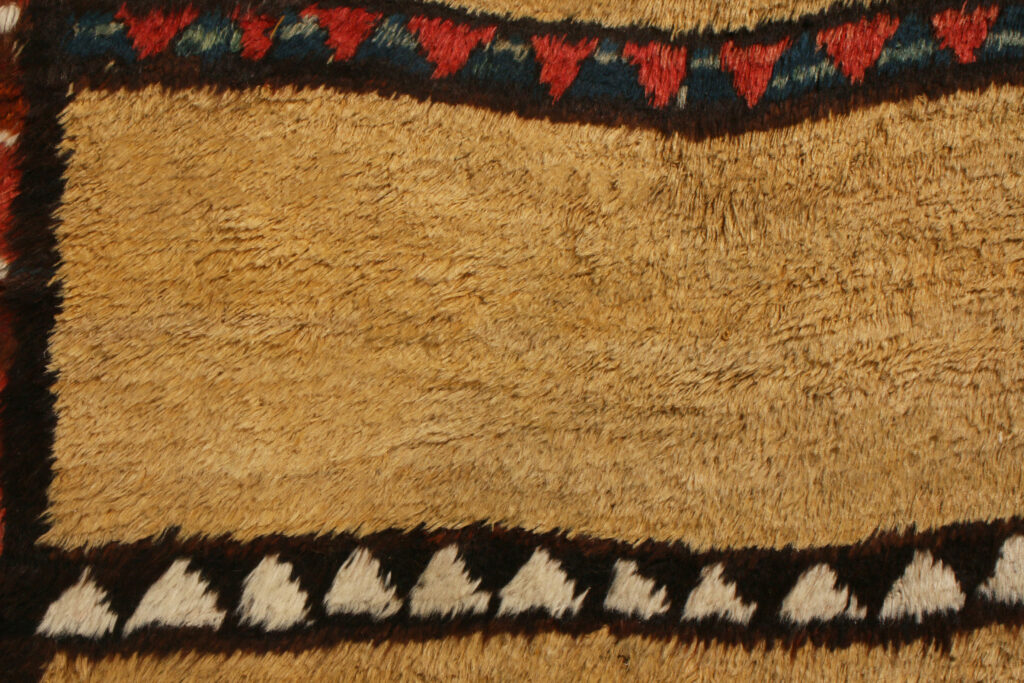
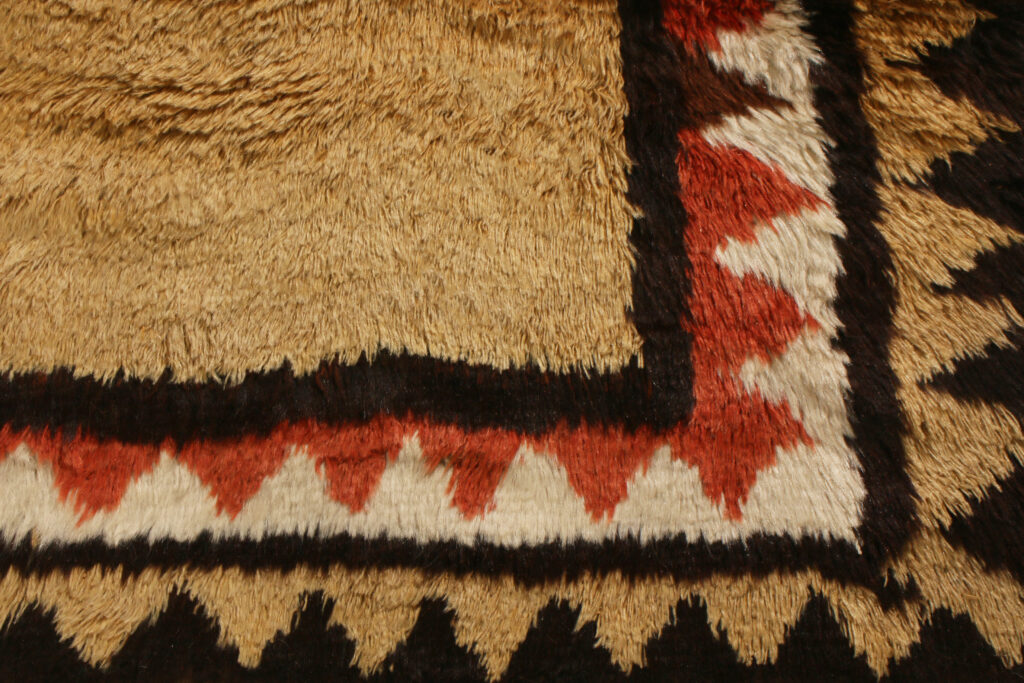
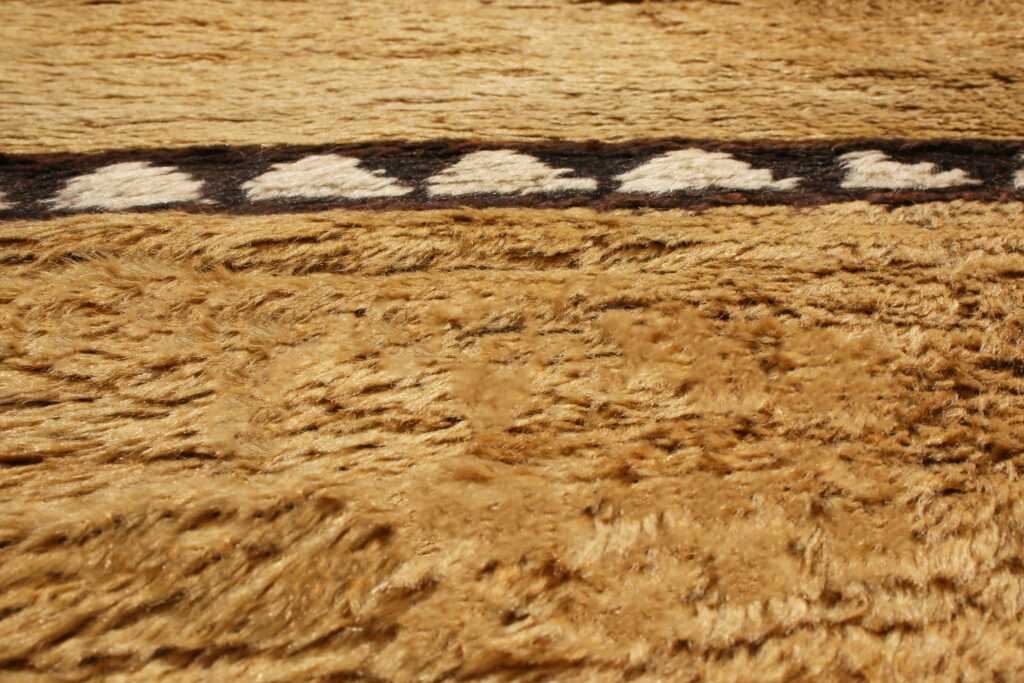
Antique Kurdish Transitional Geometric Copper Brown and Red Wool Rug 10872
"Rug & Kilim has been a pleasure to work with from the very start of our relationship. Not only is their service outstanding, their inventory of one of a kind vintage rugs is unparalleled."
— Alan Eckstein and Margaret Goddard, Somerset House
A standard since our inception upheld across every acquisition,
transaction, and delivery.
45+ Year Old Institution
More than four decades of expertise and stewardship, under the leadership of our Principal, Jahanshah "Josh" Nazmiyal.
Favorable Return Policy
Our return policy is 48 hours upon receipt allowing you to confirm the purchase in your space with confidence.
Product Warranty
Each rug is hand selected or produced through the most reputable sources under the direct supervision of our Principal.
Trusted Global Delivery
Reliable worldwide delivery handled with care, precision and constant communication.
Exceptional Support
Attentive, knowledgeable guidance before and after purchase from our dedicated team of specialists.
Long Term Care
We stand behind every piece we place and remain a resource to our clients for the lifetime of their collection.
- Measurements: 5'0" x 6'4" ( 1.52 m x 1.93 m )
- Categories: Default
- Classification: Geometric, Kurdish, Shag/High Pile, Transitional
- SKU: 10872

Specifications:
Stories from the Default Collection
Essays, artist dialogues, and provenance notes drawn from Rug & Kilim’s editorial desk.
Bokhara Rugs: Traditional Weaving and Global Influence
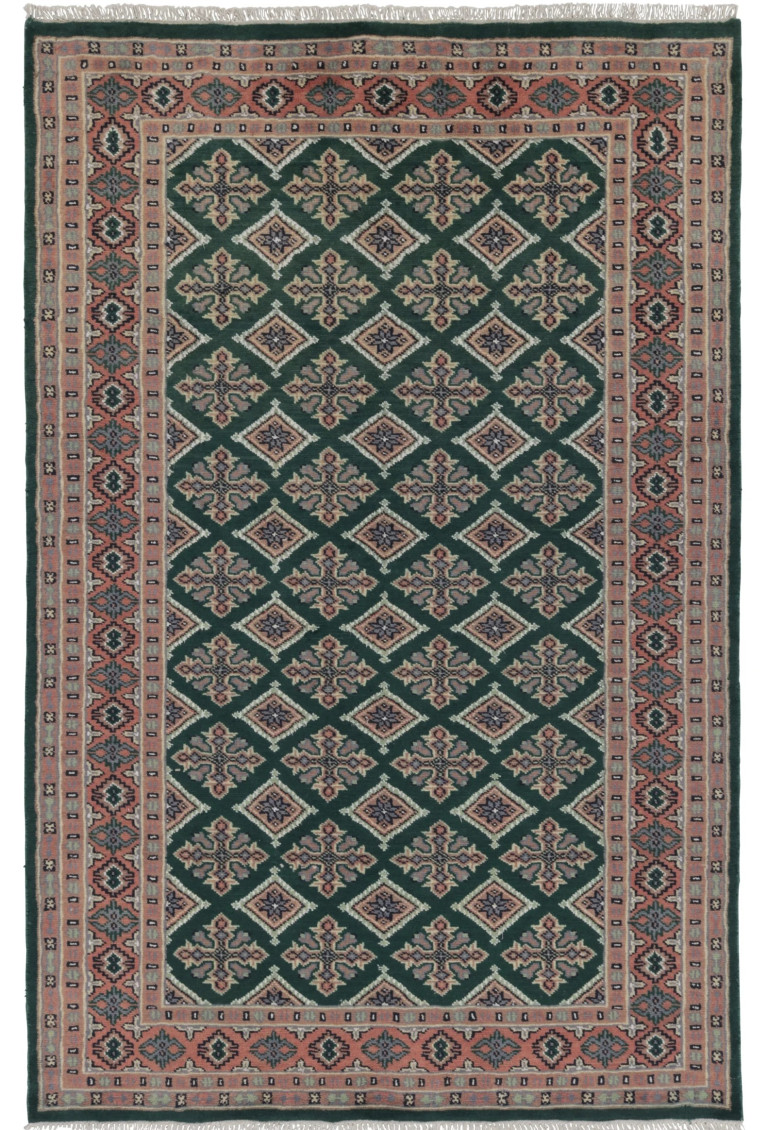
Among the most recognizable and influential traditions in the history of oriental carpets, Bokhara rugs represent a remarkable fusion of tribal heritage, geometric precision, and centuries-old weaving expertise. Known worldwide for their iconic repeating motifs, deep colors, and refined craftsmanship, Bokhara rugs have become enduring symbols of Central Asian textile artistry. Although the name “Bokhara” is commonly associated with the historic city of Bukhara in present-day Uzbekistan, many rugs classified as Bokhara originate from Turkmen weaving communities across regions including Turkmenistan, Afghanistan, and surrounding areas. The name reflects the historical trade routes through which these carpets traveled and became known internationally.
Read the Feature
Bidjar Rugs: Persian Weaving Mastery and Historic Design
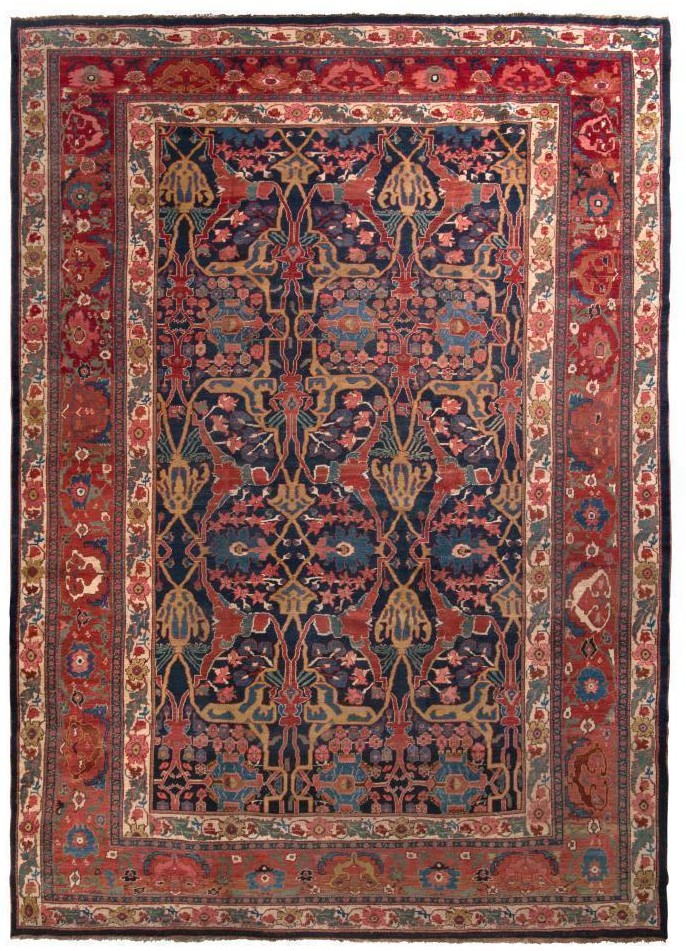
Among the most respected traditions of Persian carpet weaving, Bidjar rugs represent an extraordinary combination of strength, artistry, and technical mastery. Often referred to as the “Iron Rugs of Persia” because of their exceptional durability and dense construction, Bidjar carpets have earned a distinguished reputation among collectors, designers, and institutions worldwide. Originating from the town of Bidjar in western Iran’s Kurdistan region, these rugs reflect centuries of Kurdish weaving traditions combined with the broader artistic heritage of Persian carpet design. Their remarkable craftsmanship, sophisticated patterns, and rich color palettes have made them some of the most desirable examples of antique Persian carpets.
Read the Feature
How the World’s Most Serious Art Spaces Are Rewriting the Rules of the Floor and the Contemporary Home
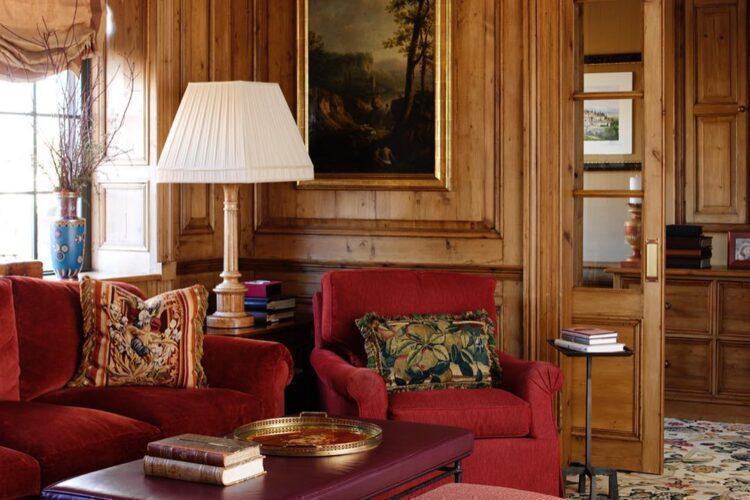
There is a room at Hauser & Wirth Somerset; the gallery that occupies a converted farmhouse in the English countryside, where Pipilotti Rist installations have shared walls with Phyllida Barlow sculptures and where the building itself feels like an argument against the idea that serious art requires a white cube to be taken seriously, where a single large antique textile lies on the stone floor beneath work of radical contemporary ambition. It does not announce itself. It simply holds the room together with the authority of an object that has been doing exactly this, in exactly this way, for several centuries longer than the art above it has existed. The artists whose work hangs on those walls have spent their careers thinking about surface, material, and the relationship between an object and the space it occupies. The carpet understood all of this before any of them picked up a brush.
Read the Feature
What Are Anatolian Rugs and Kilims? History, Craft, and Significance for Modern Interiors
Hand-knotted in wool, circa 1920-1930, this 3x3 antique Anatolian square rug is a very special piece from Rug & Kilim. Details >> There are few objects in the history of design as quietly eloquent and as insistently enduring as the Anatolian rug or kilim. At once functional textile and living palimpsest, each piece unfolds like a topography—layered with memory, ritual, and geometry—charting the invisible cartographies of empire, migration, and ancestral inheritance. These woven forms are not merely the byproducts of artisanal labor but are instead radical testaments to the entwinement of the spiritual and the material, the domestic and the diplomatic, the feminine and the geopolitical.
Read the Feature
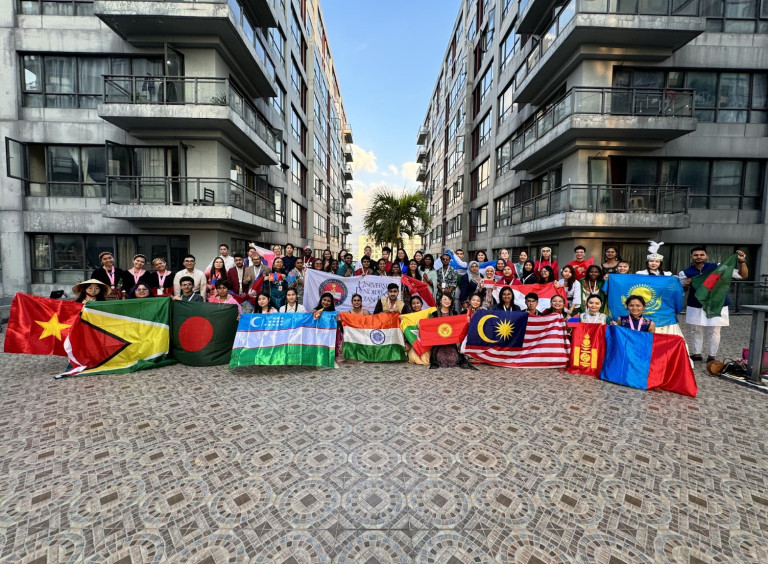
Rug & Kilim Abroad: Convergence of Art and Sustainability at the Universal Youth Leadership Summit, Philippines
"Insecurities: Tracing Displacement and Shelter," an exhibition at the Museum of Modern Art, delves into the architecture of forced displacement, shedding light on the global refugee crisis. Curated to showcase the perspectives of architects, designers, and artists, the exhibit offers a multifaceted exploration of the complex challenges faced by displaced populations worldwide. As part of the broader "Citizens and Borders" initiative, which utilizes the museum's permanent collection to delve into themes of territories, migration, and borders, this exhibition serves as a poignant reminder of the urgent need for empathy, understanding, and innovative solutions in addressing displacement and shelter issues on a global scale. However, while artists may use displaced communities as subjects for their art, it's important to recognize the resilience and creativity of these communities themselves.
Read the Feature
A Glossary of Handmade Rugs and Kilims: Understanding Terms, Types and Techniques Past and Present
Referring to the art style characterized by using shape and color withdrawn from traditional repetition or realism. Abstract rugs — sometimes referred to as art rugs — capture an expressive nature that reads as a very modern style, though many abstract rugs draw inspiration from works of the same art style in the mid-century. One of the more widely known mid-century lineages of this style is abstract expressionism, named for the literal "expressionists" of the 1950s. Some of the most notable names behind this style include Jackson Pollock and Mark Rothko. Referring to a lineage of nomadic Persian rugs (sometimes referred to as “Avsar” in the alternate spelling). Afshar rugs hail from the eponymous tribe in the region of Northeastern Iran.
Read the Feature


R&K Image Studio
NEWThe R&K Image Studio is a new visual workspace designed to present the Rug & Kilim collection with clarity, restraint, and precision — in your space or any space you imagine.
This tool allows you to view, refine, and prepare imagery drawn directly from the pieces in our archive. They can be visualized cleanly, isolated thoughtfully, and adjusted for presentations, proposals, and private viewings, without altering the integrity of the original work.
Default
5'0" X 6'4" (1.52 m x 1.93 m)
Out of Stock (Inquire for Custom)
Antique Kurdish Transitional Geometric Copper Brown and Red Wool Rug 10872
"Josh and his team have supported my interior design work, as well as my personal projects, for over 20 years. Their inimitable combination of creativity, personal attention, professionalism and joie de vivre are irresistible."
— Claire Fleming Peters, Fleming Peters
- Measurements: 5'0" x 6'4" ( 1.52 m x 1.93 m )
- Categories: Default
- Classification: Geometric, Kurdish, Shag/High Pile, Transitional
- SKU: 10872

