

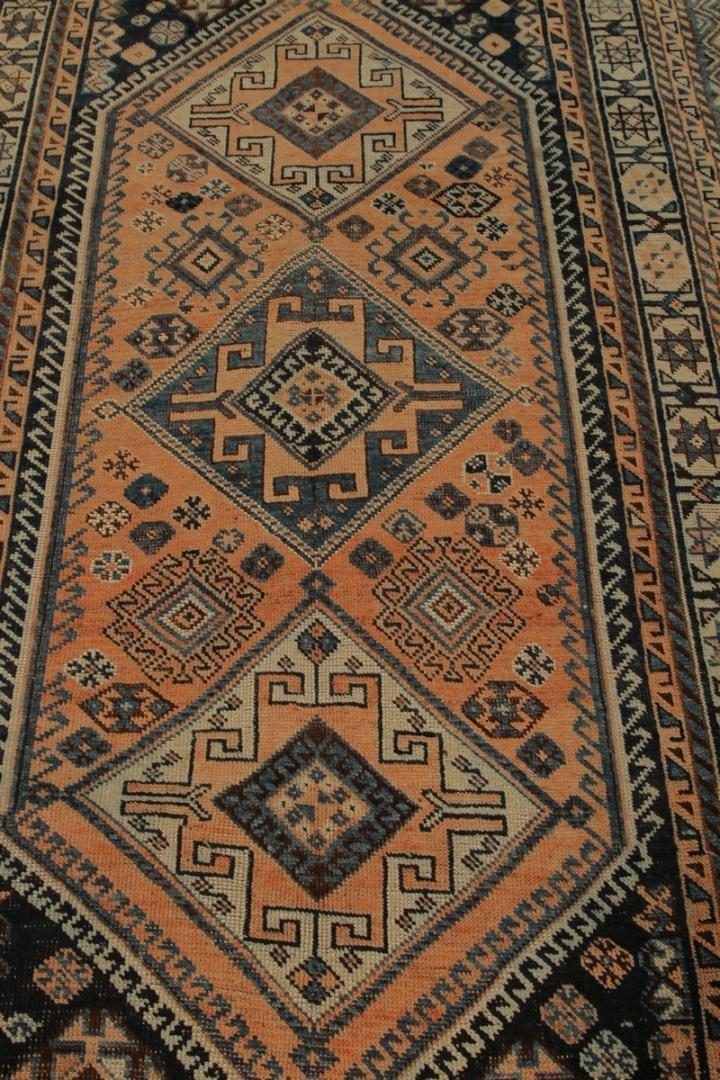
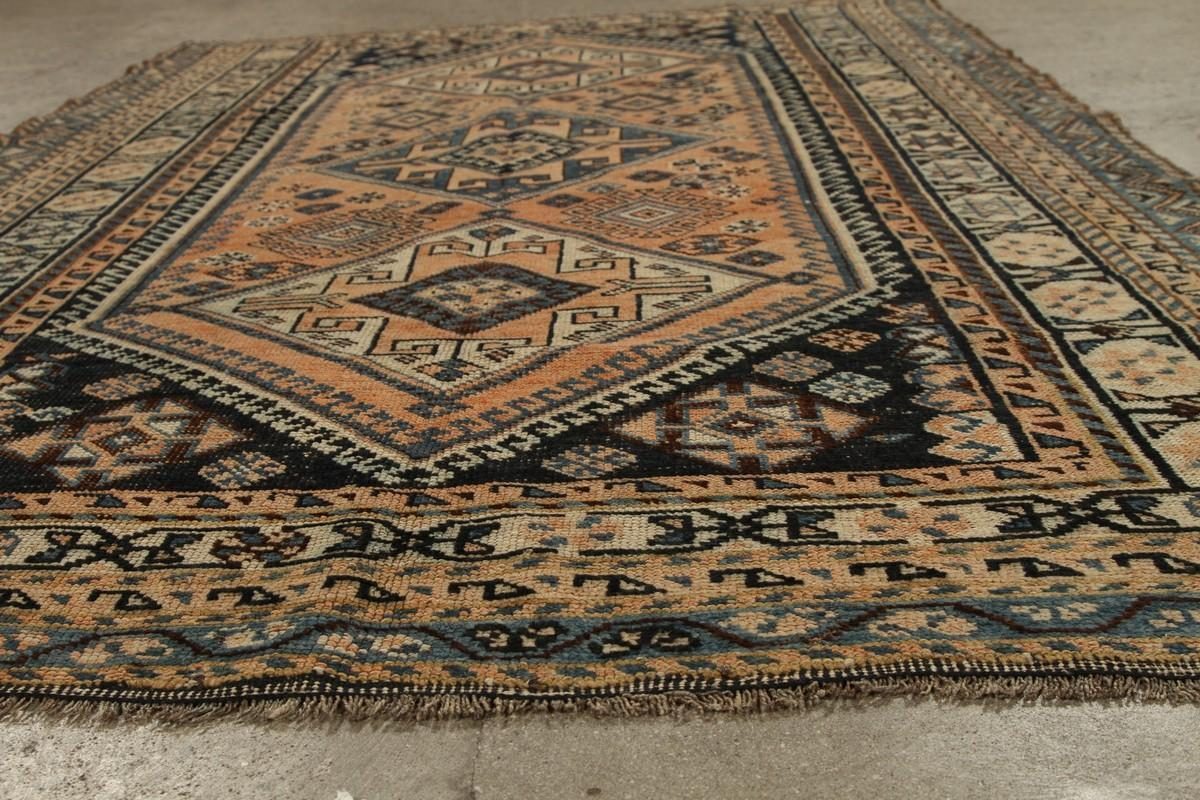
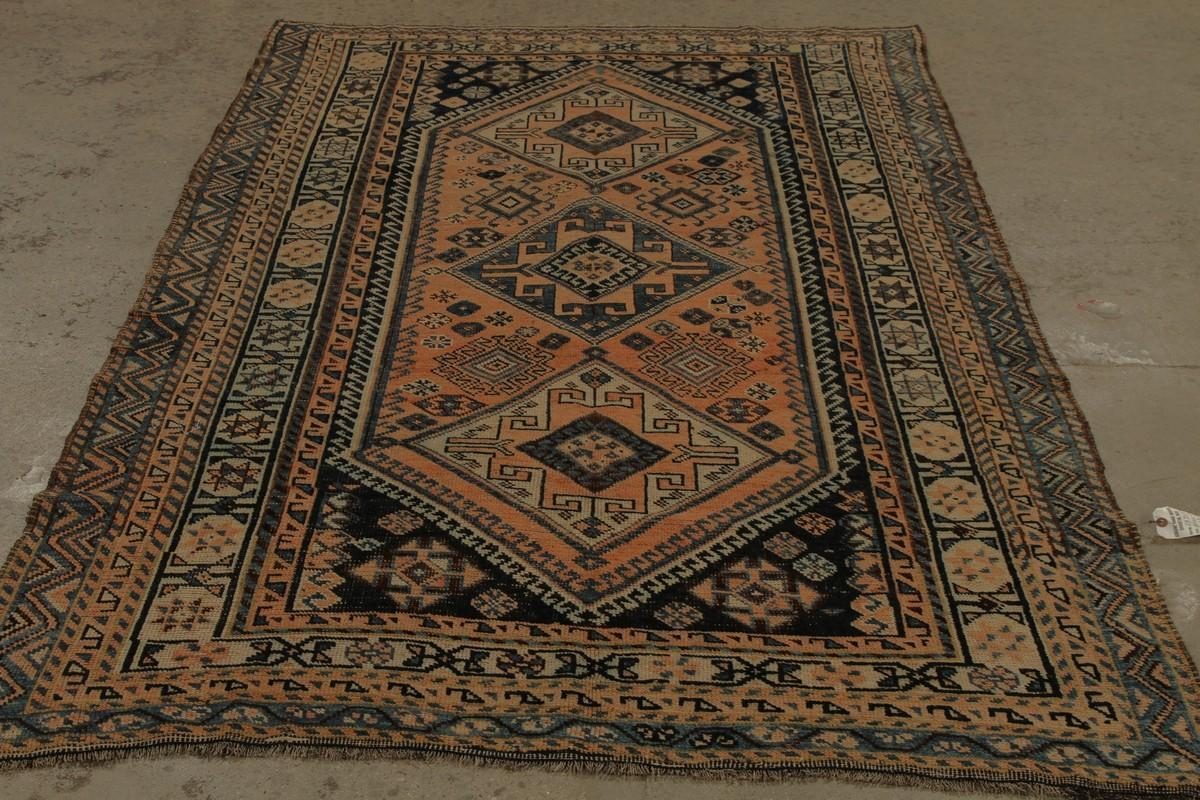
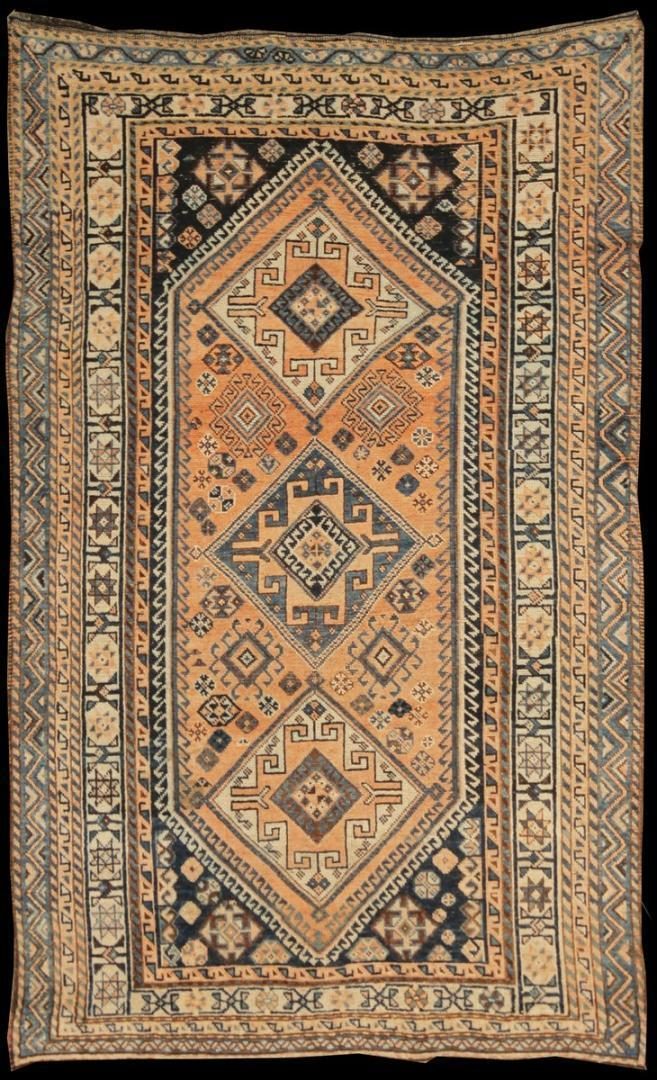
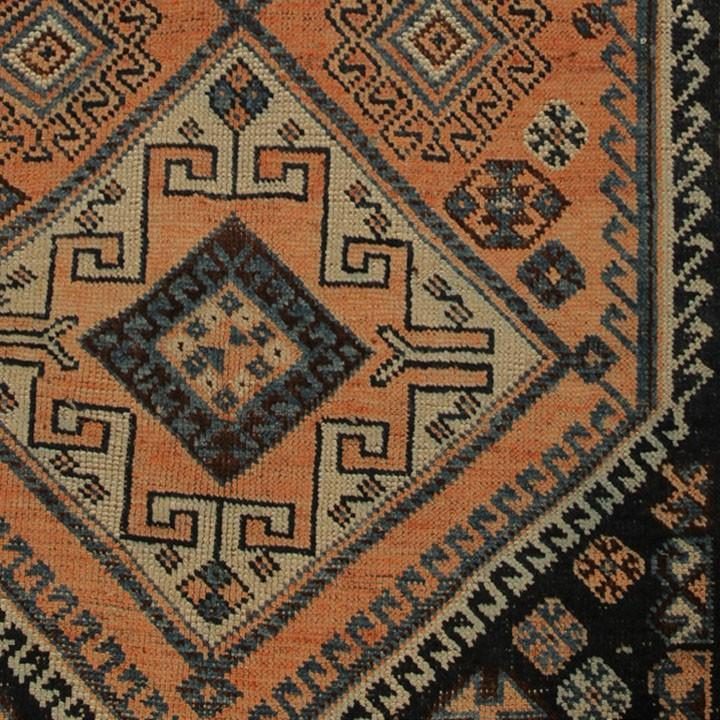
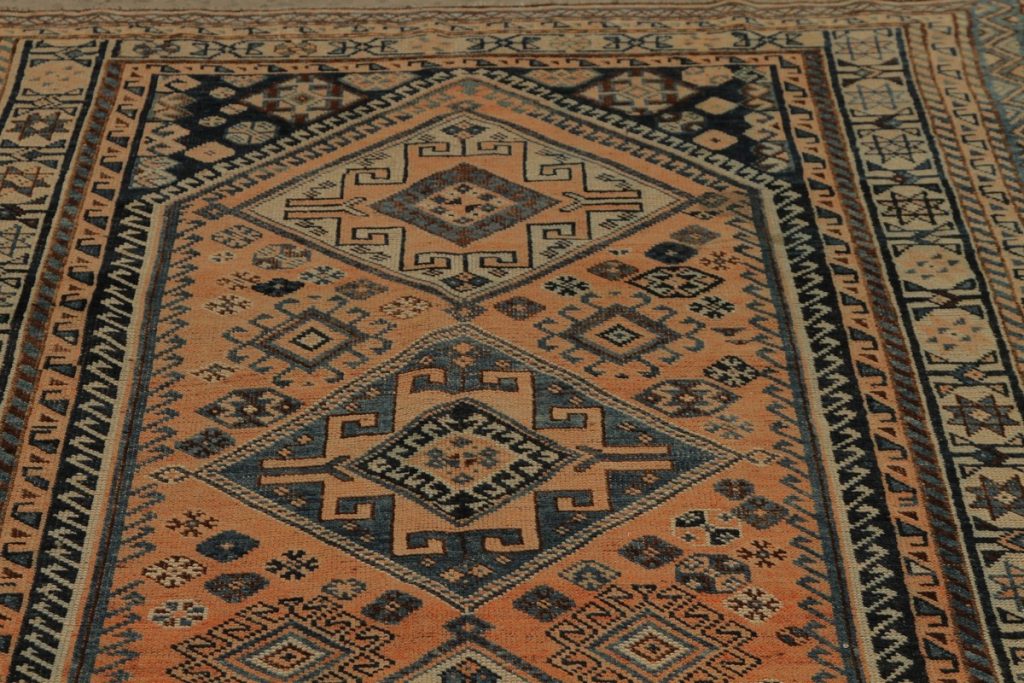
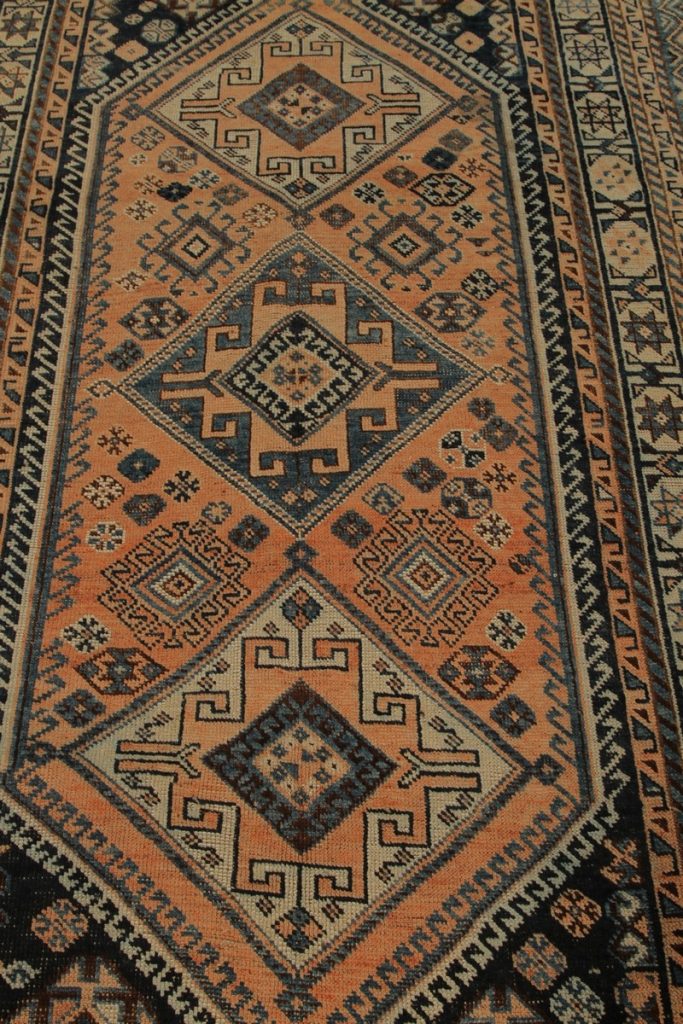
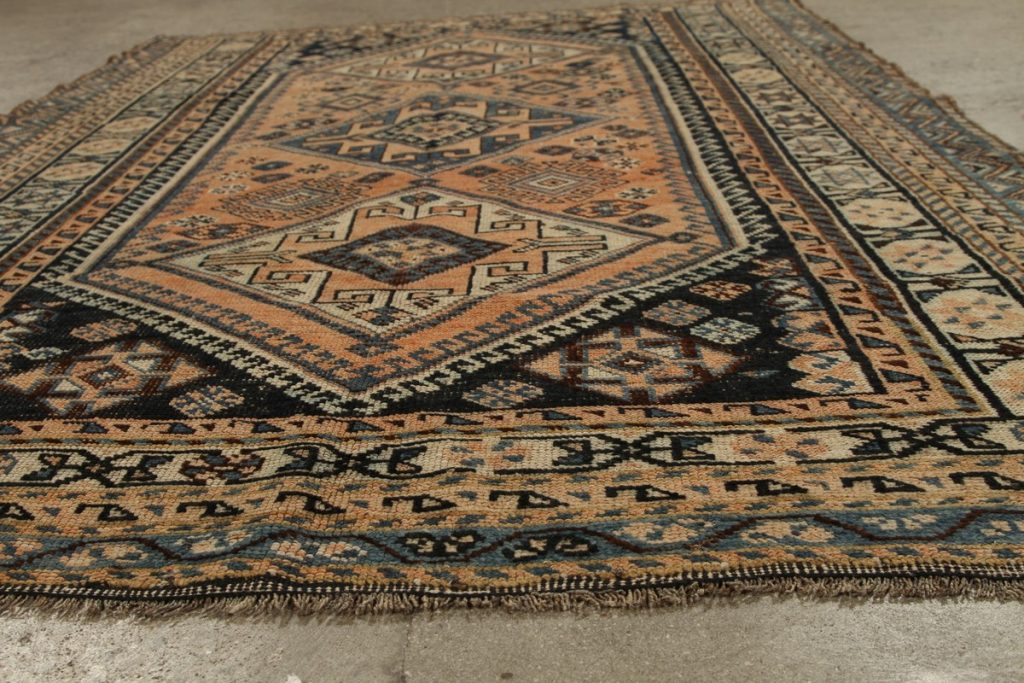
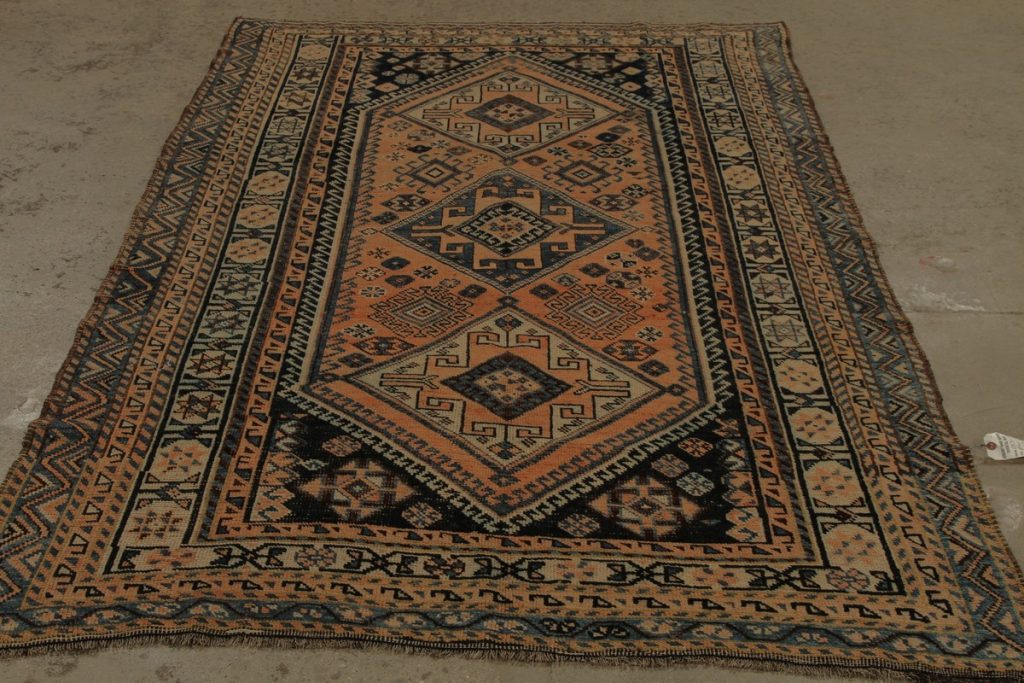
4'8" X 6'6" (1.42 m x 1.98 m)
Out of Stock (Inquire for Custom)
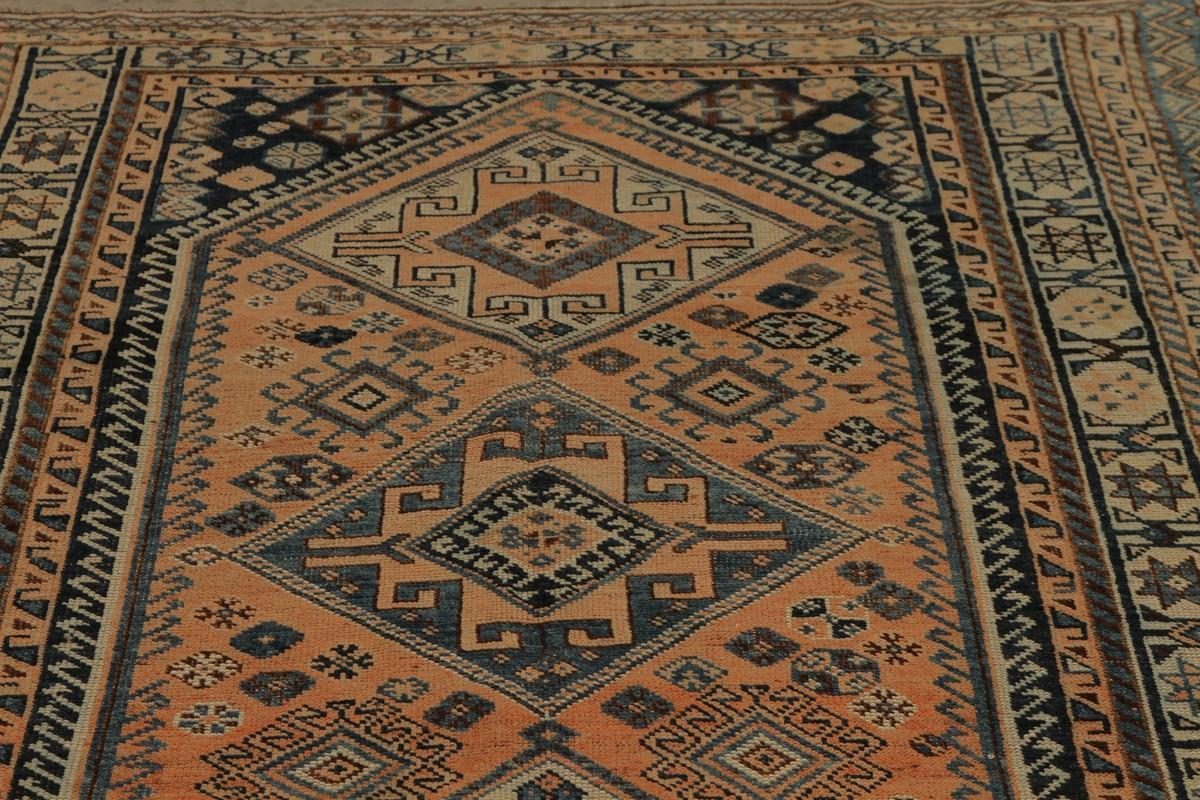
Antique Qashqai Geometric Cream Yellow and Blue Wool Persian Rug 12018
"For years, R&K has been a favorite source for Kemble Interiors when we need antique, vintage, and custom designed rugs. Their inventory is deep and well displayed online and working in person is always such a pleasure too!"
— Celerie Kemble, Kemble Interiors
A standard since our inception upheld across every acquisition,
transaction, and delivery.
45+ Year Old Institution
More than four decades of expertise and stewardship, under the leadership of our Principal, Jahanshah "Josh" Nazmiyal.
Favorable Return Policy
Our return policy is 48 hours upon receipt allowing you to confirm the purchase in your space with confidence.
Product Warranty
Each rug is hand selected or produced through the most reputable sources under the direct supervision of our Principal.
Trusted Global Delivery
Reliable worldwide delivery handled with care, precision and constant communication.
Exceptional Support
Attentive, knowledgeable guidance before and after purchase from our dedicated team of specialists.
Long Term Care
We stand behind every piece we place and remain a resource to our clients for the lifetime of their collection.
- Measurements: 4'8" x 6'6" ( 1.42 m x 1.98 m )
- Categories: Default
- Classification: Classic/Traditional, Geometric, Qashqai
- SKU: 12018

Specifications:
Stories from the Default Collection
Essays, artist dialogues, and provenance notes drawn from Rug & Kilim’s editorial desk.
Bokhara Rugs: Traditional Weaving and Global Influence
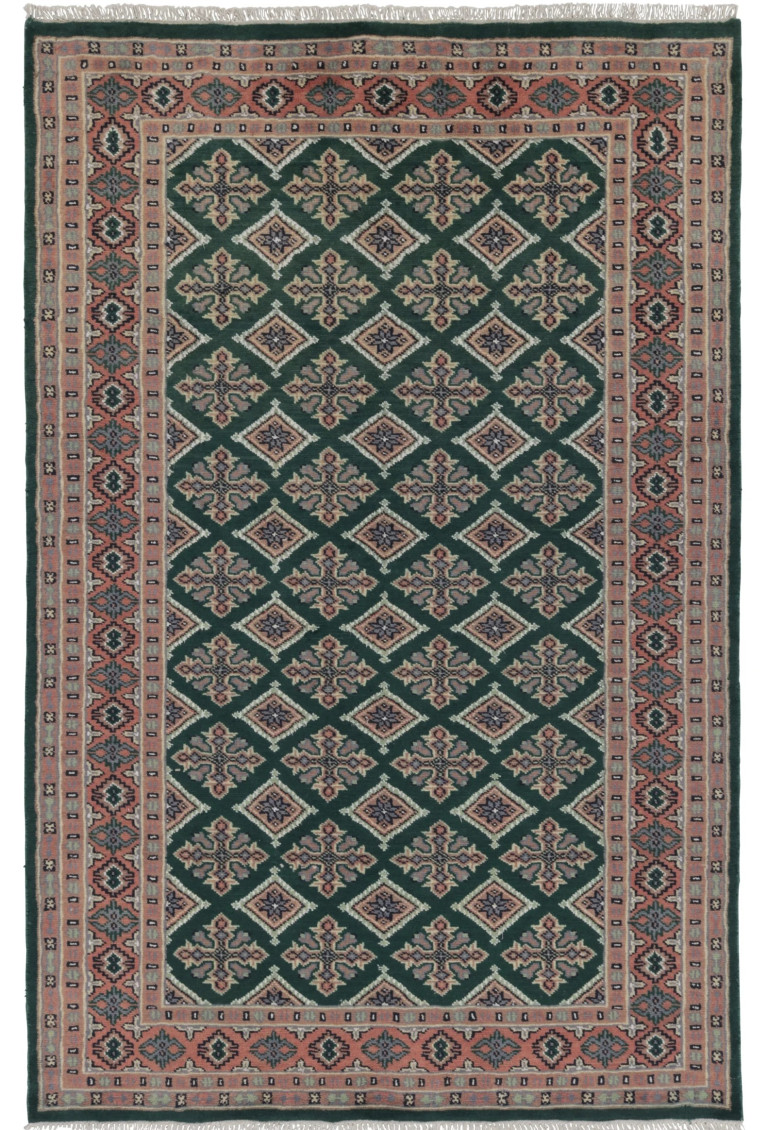
Among the most recognizable and influential traditions in the history of oriental carpets, Bokhara rugs represent a remarkable fusion of tribal heritage, geometric precision, and centuries-old weaving expertise. Known worldwide for their iconic repeating motifs, deep colors, and refined craftsmanship, Bokhara rugs have become enduring symbols of Central Asian textile artistry. Although the name “Bokhara” is commonly associated with the historic city of Bukhara in present-day Uzbekistan, many rugs classified as Bokhara originate from Turkmen weaving communities across regions including Turkmenistan, Afghanistan, and surrounding areas. The name reflects the historical trade routes through which these carpets traveled and became known internationally.
Read the Feature
Rug of the Week V: A 1920s Lion Mahal Rug and Persia’s Folk-Imperial Dialogue
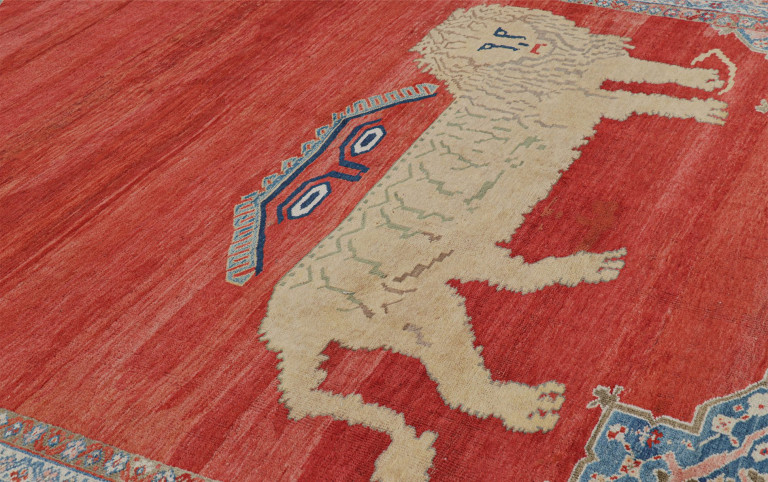
Not all rugs whisper beauty. Some confront, some provoke, and some stand strong of their age. This 1920–30 Persian Mahal lion carpet belongs emphatically to the latter. Its scale alone commands attention, but it is its audacity of imagery—two lions poised across a crimson ground, punctuated by talismanic eyes—that distinguishes it from its peers. What could have been another workshop carpet for export markets instead asserts itself as an emblem of power, politics, and folk poetics. It is not only a rug to be admired, but one to be read. The Provenance: Mahal as a Crossroads Mahal rugs occupy a fascinating place in Persian weaving history. Located in northwestern Iran, the Mahal region became particularly significant during the late 19th and early 20th centuries as European demand reshaped Persian textile production. Western markets craved large-scale carpets for townhouses and institutions, and Mahal—situated near Sultanabad, a major weaving hub—supplied. These rugs often combined refined city-border designs with the looser, more organic hand of village weavers.
Read the Feature
The Politics of Color in Rugs and Kilims: Empire, Trade, and Exchange
Color in rugs has never been neutral. The shades that suffuse carpets — indigo blues, cochineal reds, madder browns, saffron yellows — are more than decorative decisions. They are residues of diplomacy, markers of empire, and the evidence of global networks of exchange. To trace the dyes of rugs is to trace the political economies of trade, colonial ambition, and cultural symbolism. From Persian bazaars to European ateliers, from Qing workshops to Anatolian tribal looms, the politics of color is an intricate part of textile history. The Power of Indigo in Rugs: Monopolies and Empires Indigo, the dye that rendered Chinese Peking rugs in their profound blues and colored Persian carpets with celestial depth, was once the lifeblood of empires. For centuries, India dominated indigo cultivation, with Bengal’s plantations feeding global markets. The British East India Company leveraged indigo as both a commodity and a tool of control, fueling colonial exploitation and sparking resistance — the Indigo Revolt of 1859 being one such outcome. Within rugs, indigo symbolized prestige and endurance, as its colorfastness outlived many natural pigments. A Persian indigo field was not merely aesthetic; it was a statement of access to trade networks under imperial scrutiny.
Read the Feature
Signatures and the Art of Attribution in Luxury Rugs: Collecting with Provenance and Prestige
A Picasso or a Lalique needs no introduction — the signature itself becomes shorthand for genius, provenance, and prestige. In the world of collectible textiles, authorship is often elusive. Unlike paintings or sculpture, where an artist’s hand is documented and celebrated, rugs were historically anonymous — woven for use, dowry, or devotion, rather than individual fame. Yet over centuries, a quiet tradition of “signatures in thread” has emerged: marks, cartouches, inscriptions, or motifs that elevate a rug from being a functional textile to an authored artwork. These signatures, whether literal or symbolic, have become the connoisseur’s key to provenance, prestige, and value.
Read the Feature
How Rugs Frame and Define the Modern Open Interior: Defining Spaces From Palace Halls to Loft Living
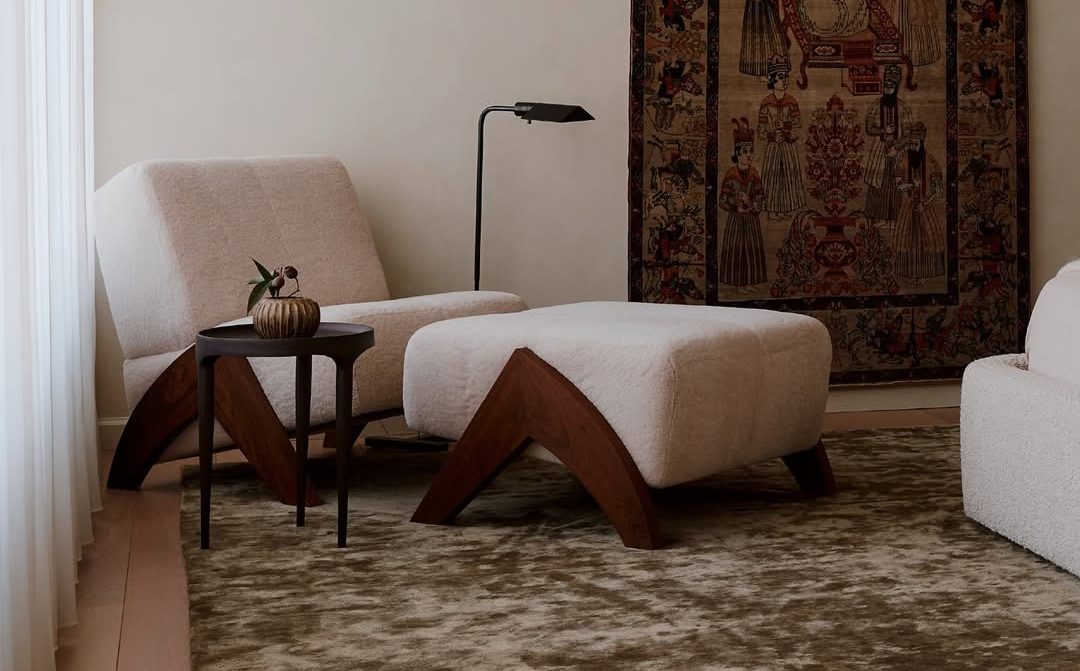
The open-concept space is the modern equivalent of the grand hall and the ceremonial courtyard—a place where boundaries dissolve, yet zones must still be understood. In open-concept interiors—those vast, uninterrupted expanses where living, dining, and work areas coalesce—rugs operate as more than mere surface coverings. They translate the architectural intent of a room into lived experience, delineating invisible borders through proportion, motif, and material. They are architectural anchors, narrative devices, and cultural emissaries. A well-chosen rug brings not only visual cohesion but also historic depth, artisanal integrity, and tactile luxury to a space that might otherwise feel adrift. The placement of a rug in such environments is an act of both design precision and curatorial decision-making—akin to hanging a masterwork in a gallery.
Read the Feature
A Glossary of Handmade Rugs and Kilims: Understanding Terms, Types and Techniques Past and Present
Referring to the art style characterized by using shape and color withdrawn from traditional repetition or realism. Abstract rugs — sometimes referred to as art rugs — capture an expressive nature that reads as a very modern style, though many abstract rugs draw inspiration from works of the same art style in the mid-century. One of the more widely known mid-century lineages of this style is abstract expressionism, named for the literal "expressionists" of the 1950s. Some of the most notable names behind this style include Jackson Pollock and Mark Rothko. Referring to a lineage of nomadic Persian rugs (sometimes referred to as “Avsar” in the alternate spelling). Afshar rugs hail from the eponymous tribe in the region of Northeastern Iran.
Read the Feature


R&K Image Studio
NEWThe R&K Image Studio is a new visual workspace designed to present the Rug & Kilim collection with clarity, restraint, and precision — in your space or any space you imagine.
This tool allows you to view, refine, and prepare imagery drawn directly from the pieces in our archive. They can be visualized cleanly, isolated thoughtfully, and adjusted for presentations, proposals, and private viewings, without altering the integrity of the original work.
Default
4'8" X 6'6" (1.42 m x 1.98 m)
Out of Stock (Inquire for Custom)
Antique Qashqai Geometric Cream Yellow and Blue Wool Persian Rug 12018
"Josh has been able to dredge up some of the rarest and most beautiful carpets for our nerdy and stringent requirements. And we have had a grand time together assembling collections for clients."
— Ralph Harvard, Ralph Harvard Inc.
- Measurements: 4'8" x 6'6" ( 1.42 m x 1.98 m )
- Categories: Default
- Classification: Classic/Traditional, Geometric, Qashqai
- SKU: 12018

