

Wool
India
5'0" X 10'0" (1.52 m x 3.05 m)
Out of Stock (Inquire for Custom)
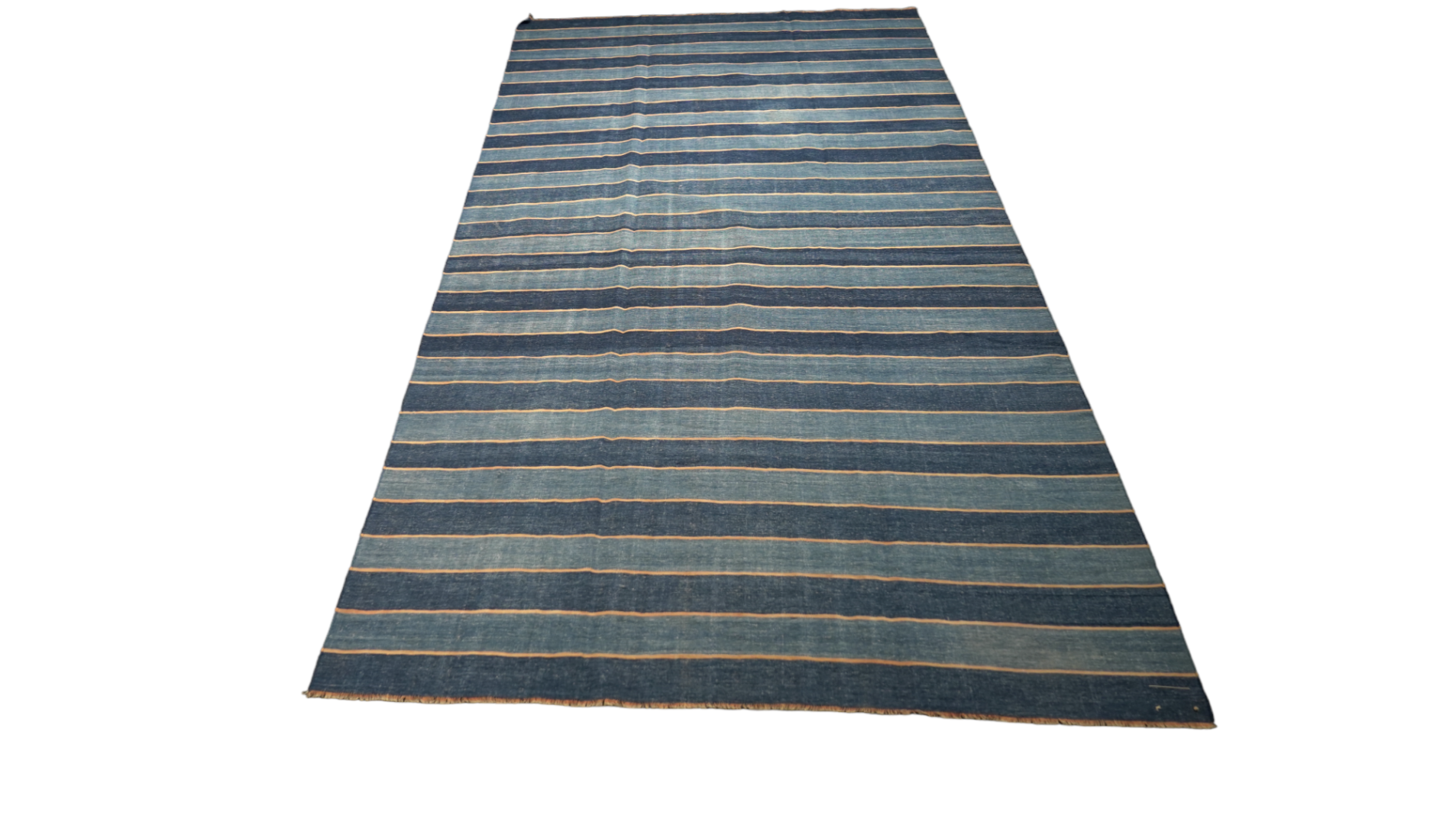
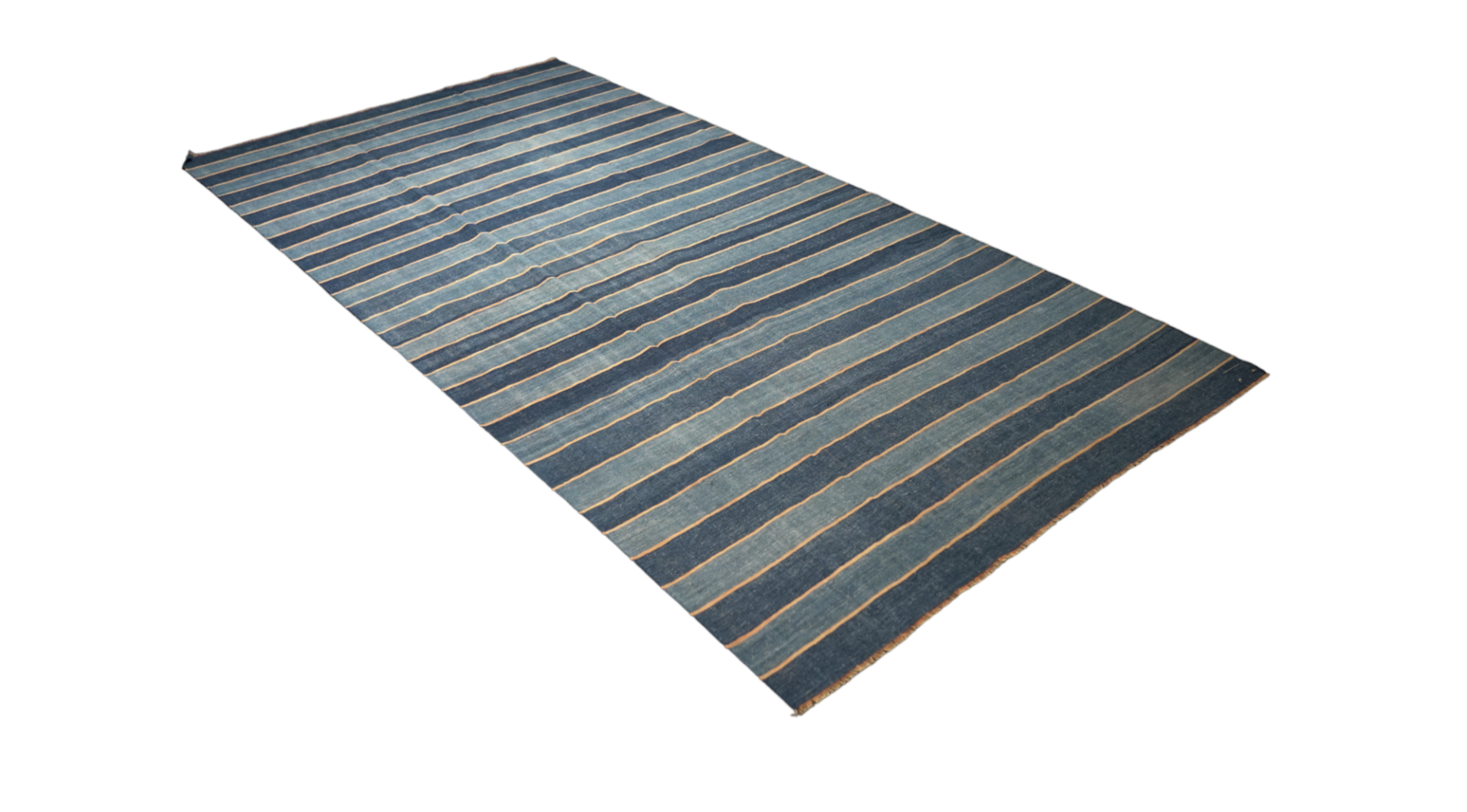
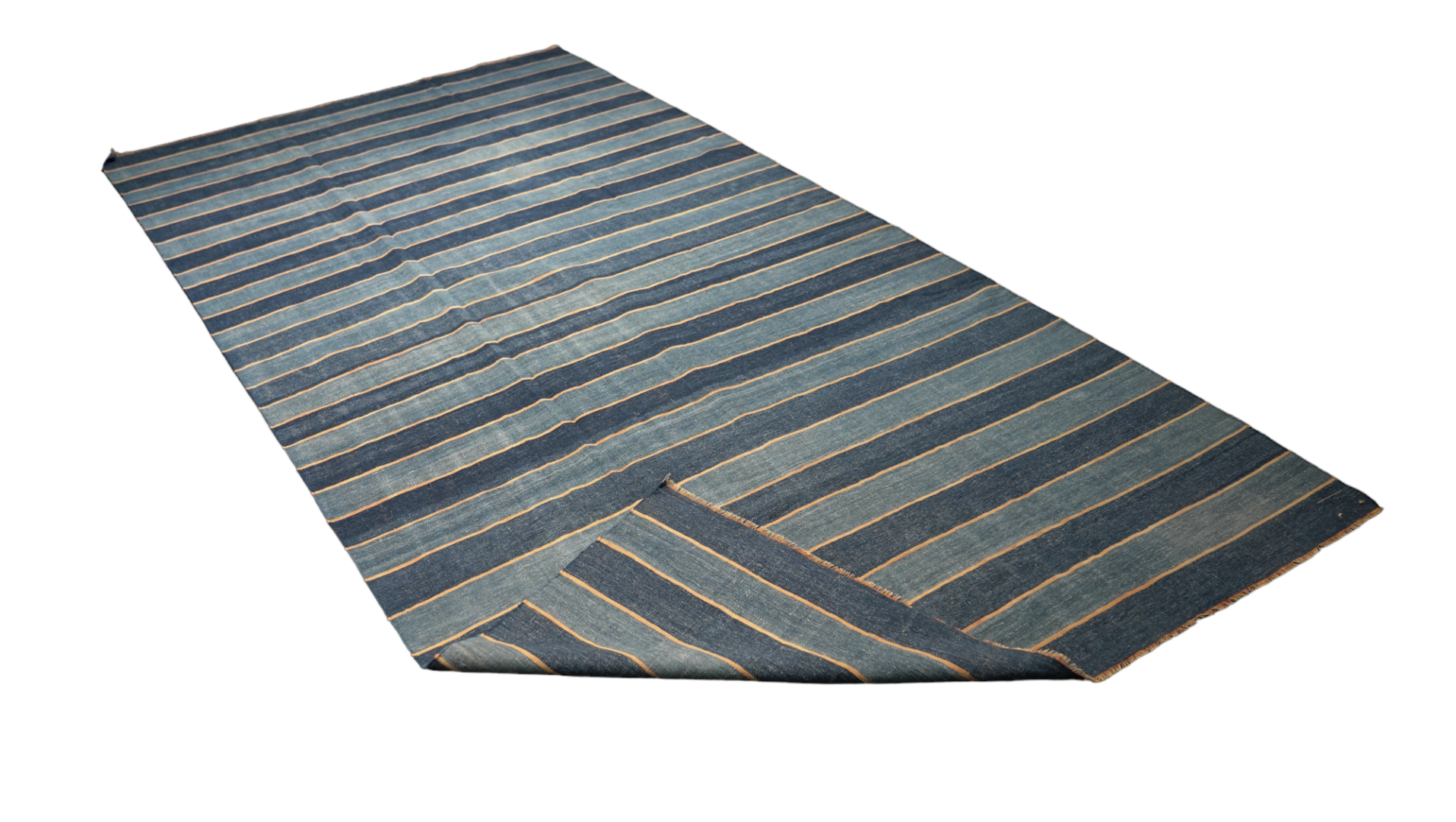
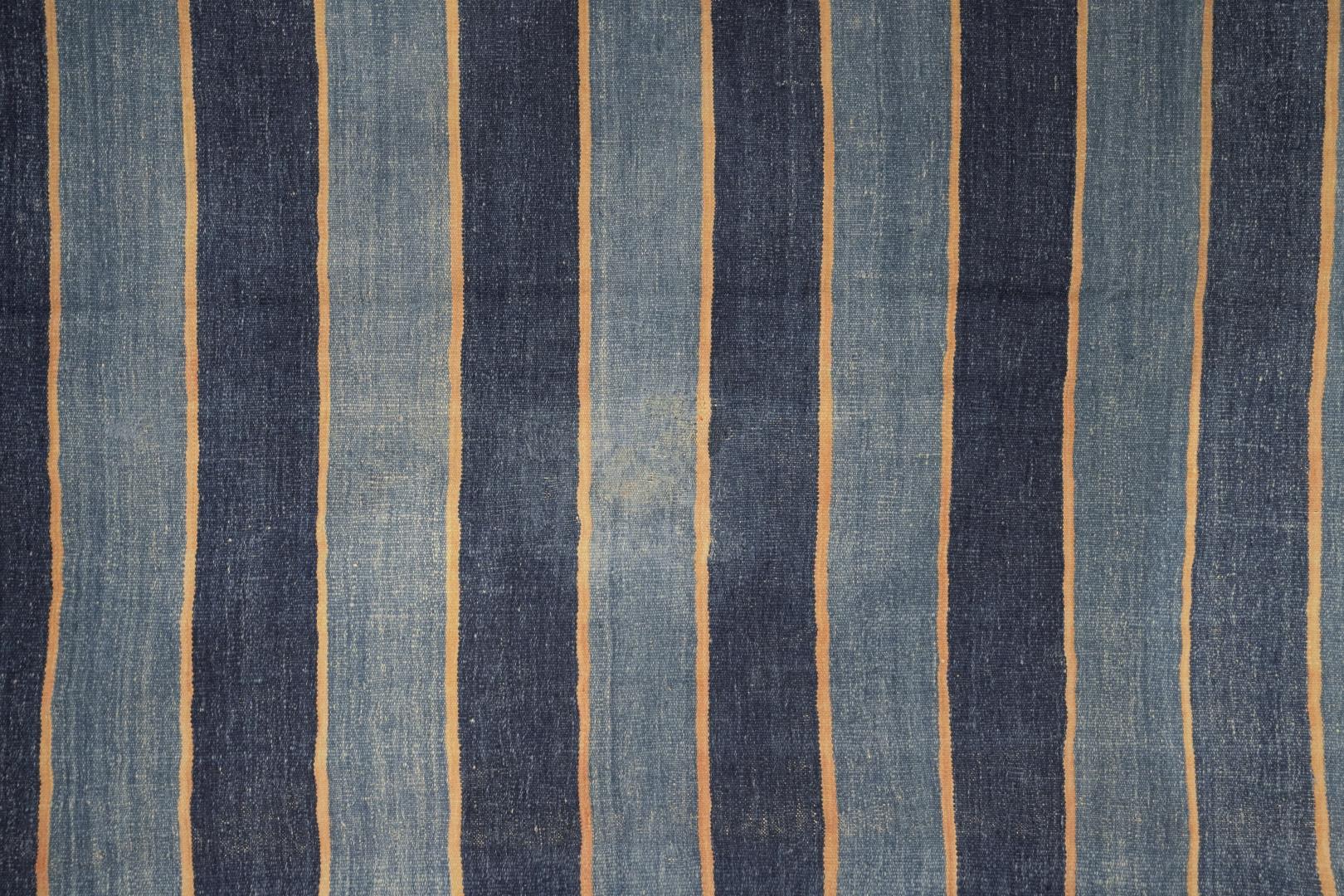
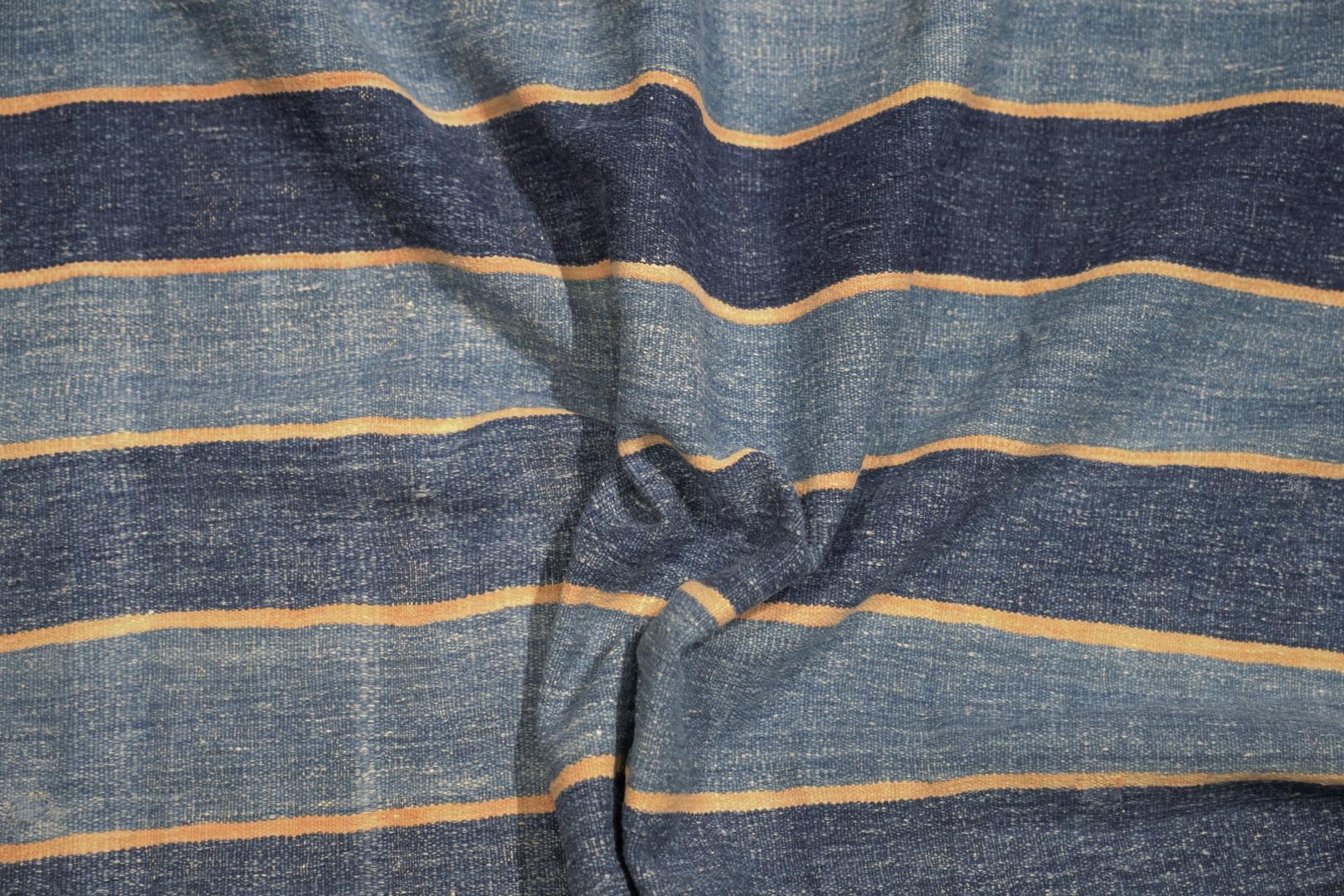
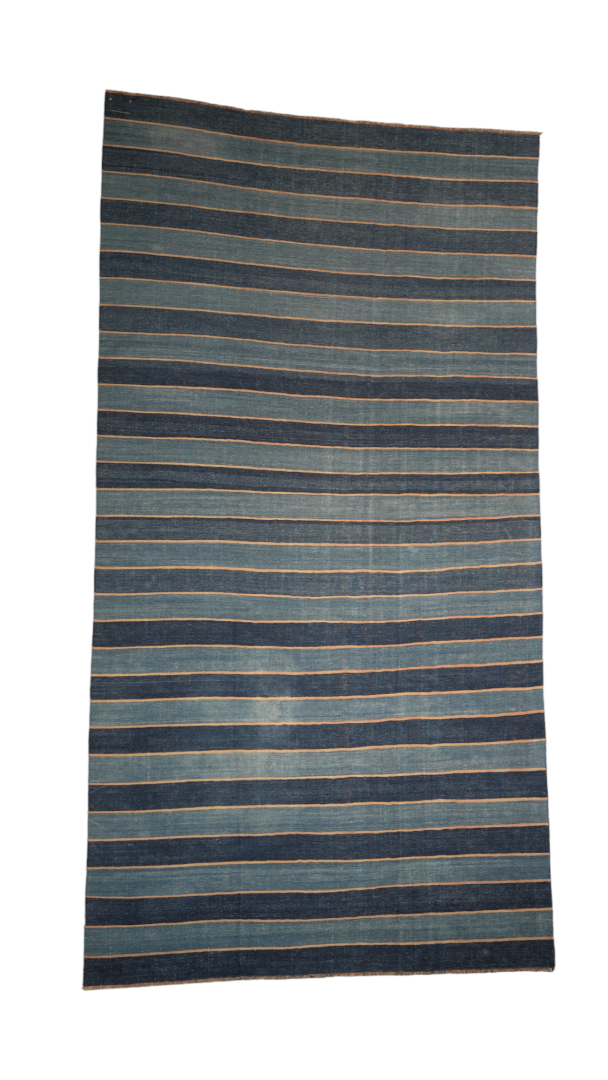
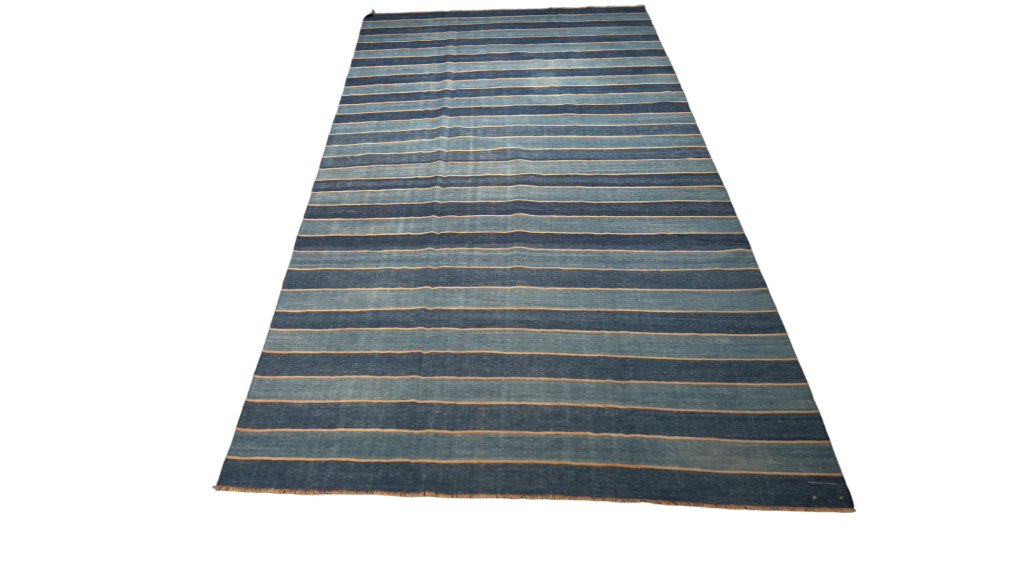
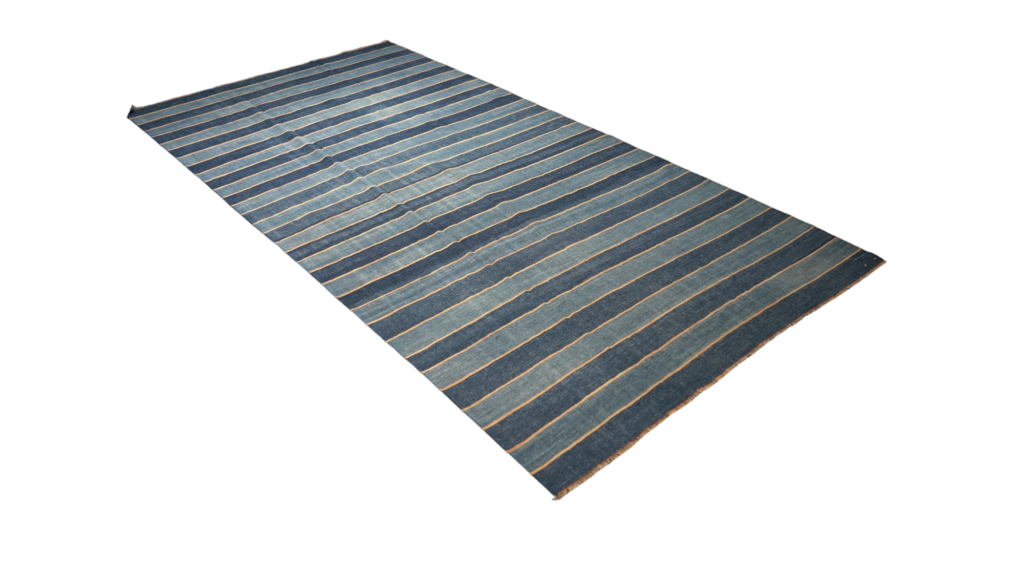
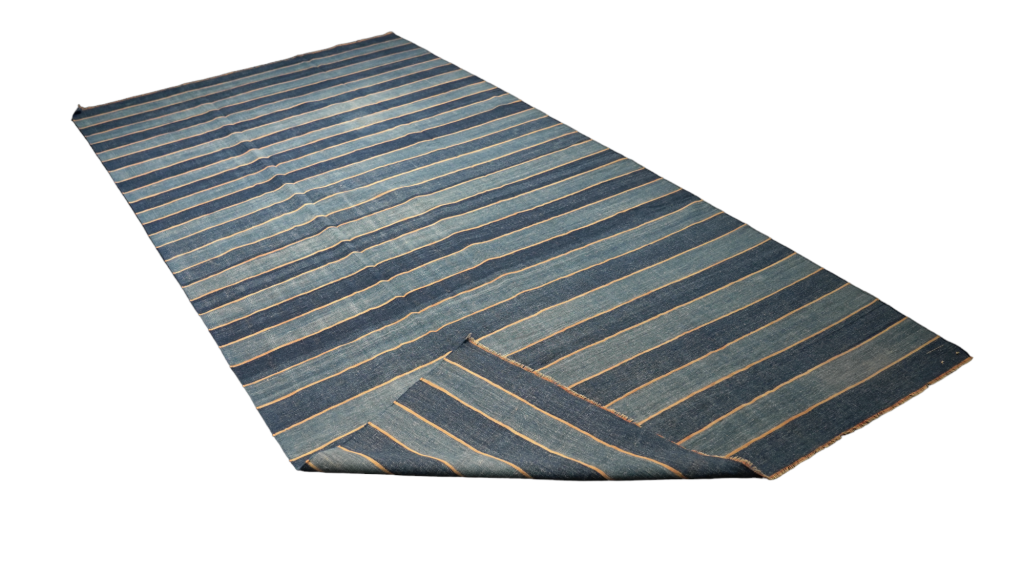
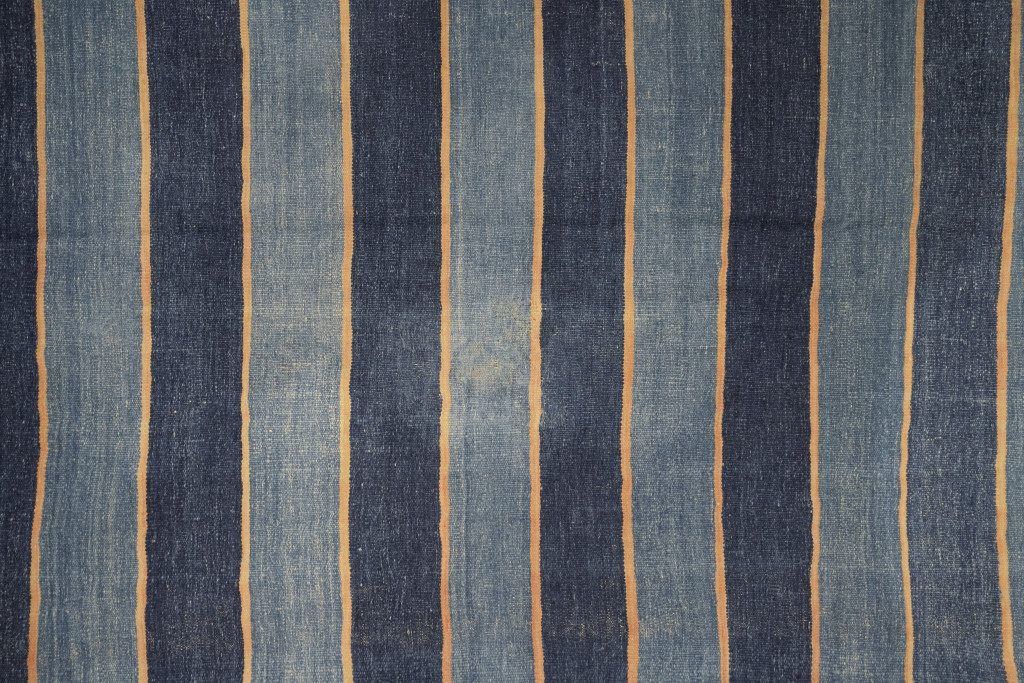
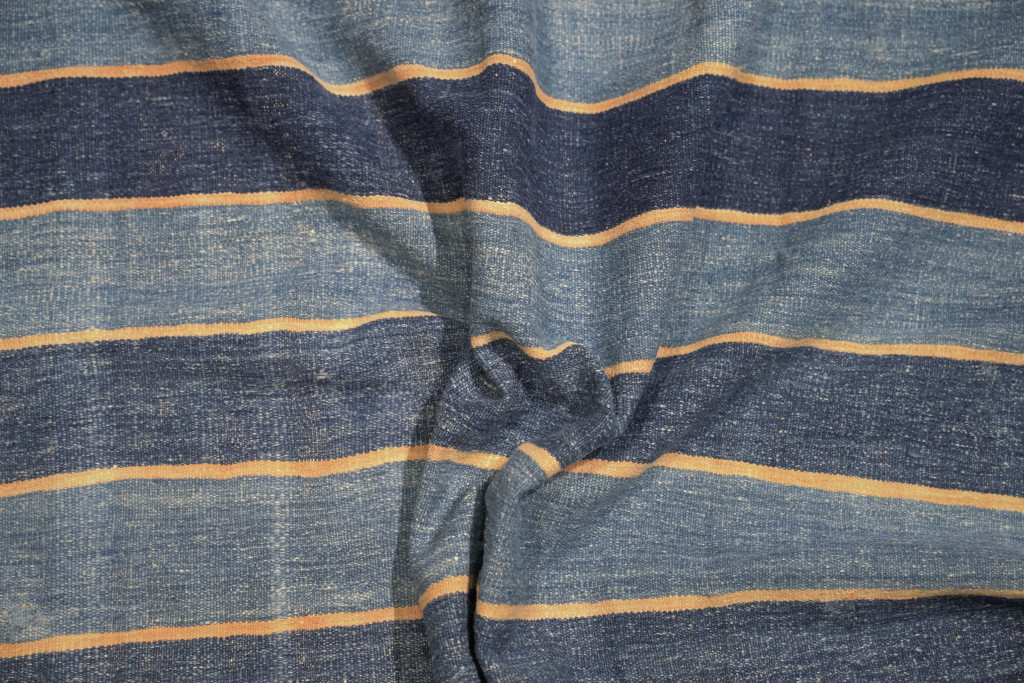
Vintage Dhurrie Rug with Blue Stripes, from Rug & Kilim
"For years, R&K has been a favorite source for Kemble Interiors when we need antique, vintage, and custom designed rugs. Their inventory is deep and well displayed online and working in person is always such a pleasure too!"
— Celerie Kemble, Kemble Interiors
A standard since our inception upheld across every acquisition,
transaction, and delivery.
45+ Year Old Institution
More than four decades of expertise and stewardship, under the leadership of our Principal, Jahanshah "Josh" Nazmiyal.
Favorable Return Policy
Our return policy is 48 hours upon receipt allowing you to confirm the purchase in your space with confidence.
Product Warranty
Each rug is hand selected or produced through the most reputable sources under the direct supervision of our Principal.
Trusted Global Delivery
Reliable worldwide delivery handled with care, precision and constant communication.
Exceptional Support
Attentive, knowledgeable guidance before and after purchase from our dedicated team of specialists.
Long Term Care
We stand behind every piece we place and remain a resource to our clients for the lifetime of their collection.
- Measurements: 5'0" x 10'0" ( 1.52 m x 3.05 m )
- Categories: Default
- Classification: Dhurrie, Kilim/Flat Weave, Solid/Stripes
- Material: Wool
- Origin: India
- SKU: C-2005

Specifications:
Stories from the Default Collection
Essays, artist dialogues, and provenance notes drawn from Rug & Kilim’s editorial desk.
The Long Life of a Green: On Celery, Color of the Year, and the Four Centuries of Weaving That Anticipated It
Every year, the color world makes its pronouncement, and every year the design world turns to see what it has been given. For 2027, Sherwin-Williams has named Celery; a light, airy, herbal green with a yellow undertone, chosen, in the company's words, for a moment that prizes wellness, balance, and connection. It is a soft color with a quiet glow and a faint edge; it pairs, its makers note, with white for something breezy, with cranberry red for something playful, with brown for something elevated. It is, by any measure, a beautiful and intelligent choice. It is also a color the great weavers of the world have understood for four hundred years.
Read the Feature
Provenance, Structure, Intelligibility: The Three Pillars of Serious Collecting
Anyone can acquire a rug. To collect one, to bring it into a serious collection with the confidence that it belongs there, requires a discipline, and that discipline rests on three questions. Across four decades of building one of the most significant archives in the country, this house has come to evaluate every object through the same three. They are the difference between buying and collecting, and they are worth setting down plainly, because they apply as readily to a Safavid fragment as to a signed Aubusson, and because they are the same three questions, at bottom, that a curator at the Metropolitan or a specialist at Christie's brings to any object of consequence.
Read the Feature
What Makes Tibetan Wool the Gold Standard for Custom Rugs
Every great rug begins long before the loom. It begins on the animal, in the place, in the particular conditions that made the fiber what it is. And among all the wools that have ever been spun into a carpet, few can rival the wool of the Tibetan highlands, a material whose superiority is not a matter of marketing but of altitude, climate, and the unhurried logic of the natural world. The sheep of the Tibetan plateau live at elevations that would defeat most living things, thin air, brutal cold, a growing season measured against a sky closer than it has any right to be. Nature's answer to that severity is the fleece. To survive the plateau, the animal must grow a wool of exceptional density and, crucially, of exceptional lanolin content; the natural oil that coats each fiber, repels water, resists soil, and lends the finished yarn a luster and resilience that lowland wools cannot approach. What is hardship for the animal is a gift to the weaver.
Read the Feature
Time, Labor and the Lasting Value of the Handmade Rug
There is a question that hovers, unspoken, over every fine handmade rug: why does it cost what it costs? It is a fair question, and it deserves a serious answer, one that has nothing to do with markup and everything to do with time. So, what a hand-knotted carpet actually is? It is a surface built one knot at a time, each knot tied individually by hand around the threads of a loom, by a weaver working with a knife and a pile of dyed wool. A fine carpet of substantial size contains not thousands of these knots but hundreds of thousands, in the very finest pieces, more than a million. A skilled weaver, working steadily, ties a few thousand in a day. The arithmetic is unforgiving and it is illuminating: a great large carpet represents not months of labor but years, sometimes the sustained effort of several weavers working in concert across the turning of seasons.
Read the Feature
How are Dhurries Becoming the Sustainable Statement Pieces in High-End Interior Design?
True refinement no longer announces itself through opulence—it is embedded in texture, form, and the story beneath the surface. Among the world’s most enduring yet misunderstood textiles, the dhurrie stands apart as an exemplar in restraint, geometry, and cultural transmission. Woven entirely by hand on horizontal looms, these flatwoven masterpieces predate dynasties, outlast empires, and quietly inhabit the palaces of Rajasthan, the salons of Lutyens’ Delhi, and the barefoot minimalism of Belgian farmhouses. For centuries, the dhurrie has served as both artifact and architecture. It reemerges as a sovereign symbol of restraint, heritage, and functional poetry.
Read the Feature
A Glossary of Handmade Rugs and Kilims: Understanding Terms, Types and Techniques Past and Present
Referring to the art style characterized by using shape and color withdrawn from traditional repetition or realism. Abstract rugs — sometimes referred to as art rugs — capture an expressive nature that reads as a very modern style, though many abstract rugs draw inspiration from works of the same art style in the mid-century. One of the more widely known mid-century lineages of this style is abstract expressionism, named for the literal "expressionists" of the 1950s. Some of the most notable names behind this style include Jackson Pollock and Mark Rothko. Referring to a lineage of nomadic Persian rugs (sometimes referred to as “Avsar” in the alternate spelling). Afshar rugs hail from the eponymous tribe in the region of Northeastern Iran.
Read the Feature


R&K Image Studio
NEWThe R&K Image Studio is a new visual workspace designed to present the Rug & Kilim collection with clarity, restraint, and precision — in your space or any space you imagine.
This tool allows you to view, refine, and prepare imagery drawn directly from the pieces in our archive. They can be visualized cleanly, isolated thoughtfully, and adjusted for presentations, proposals, and private viewings, without altering the integrity of the original work.
Default
Wool
India
5'0" X 10'0" (1.52 m x 3.05 m)
Out of Stock (Inquire for Custom)
Vintage Dhurrie Rug with Blue Stripes, from Rug & Kilim
"For years, R&K has been a favorite source for Kemble Interiors when we need antique, vintage, and custom designed rugs. Their inventory is deep and well displayed online and working in person is always such a pleasure too!"
— Celerie Kemble, Kemble Interiors
- Measurements: 5'0" x 10'0" ( 1.52 m x 3.05 m )
- Categories: Default
- Classification: Dhurrie, Kilim/Flat Weave, Solid/Stripes
- Material: Wool
- Origin: India
- SKU: C-2005

