


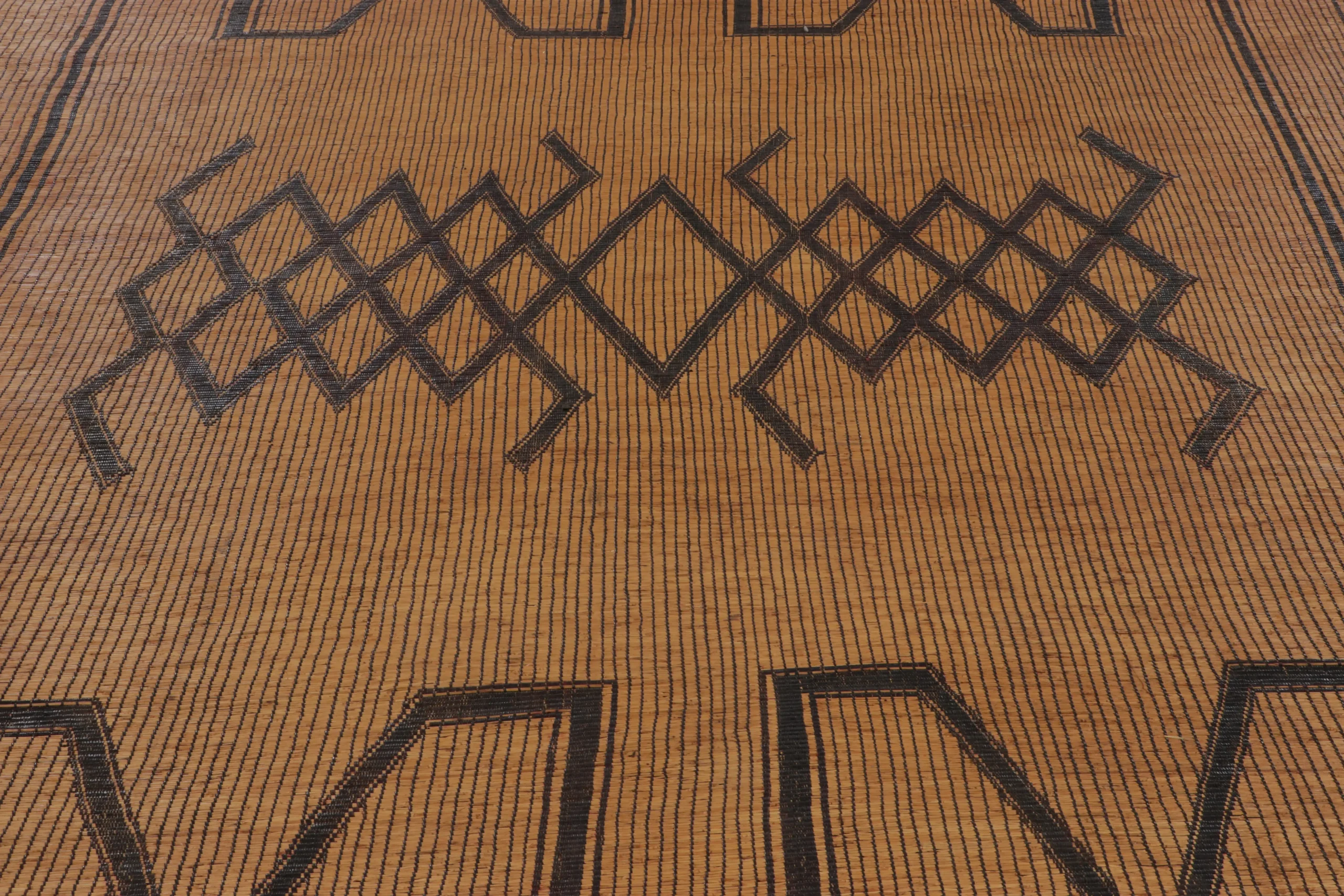
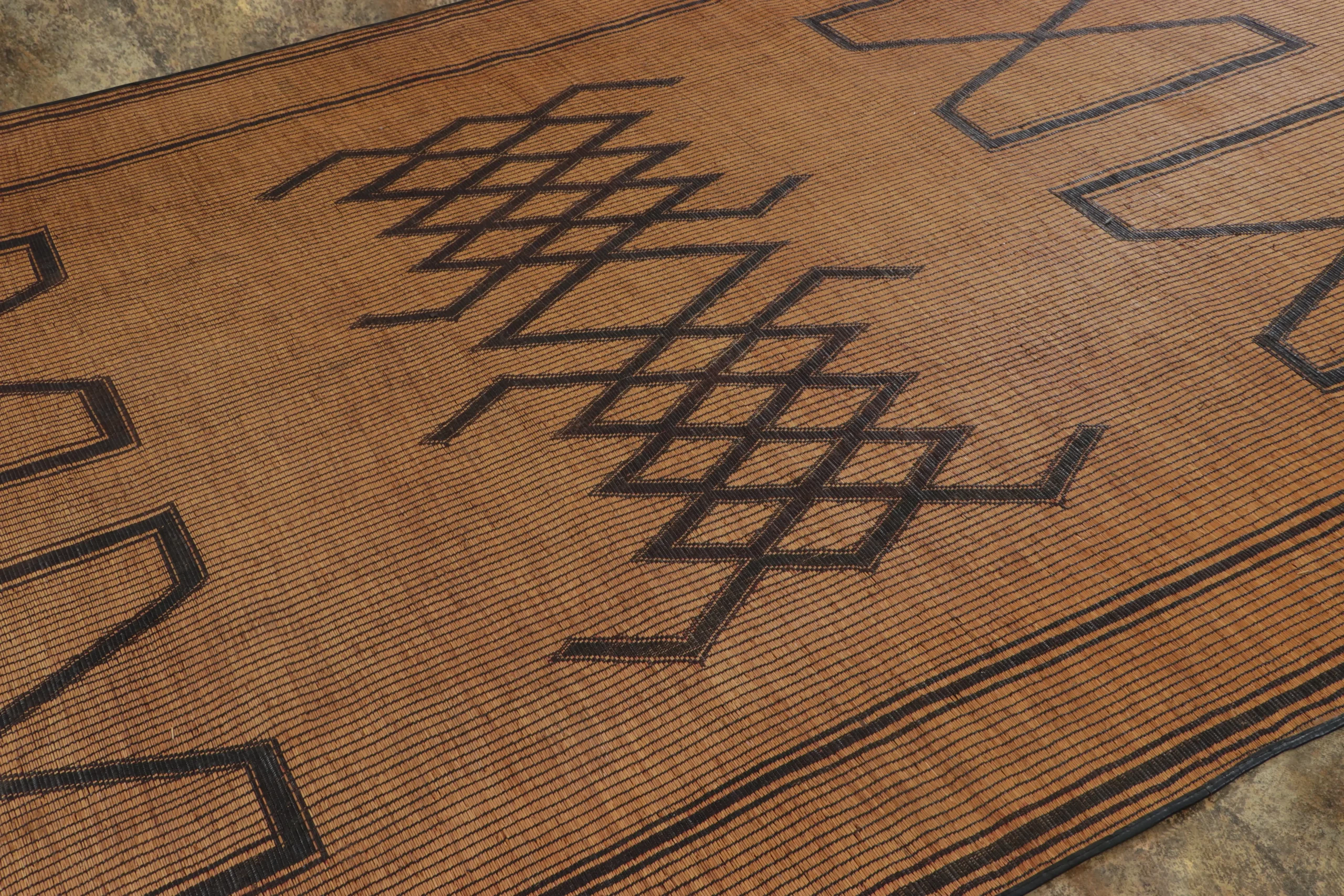

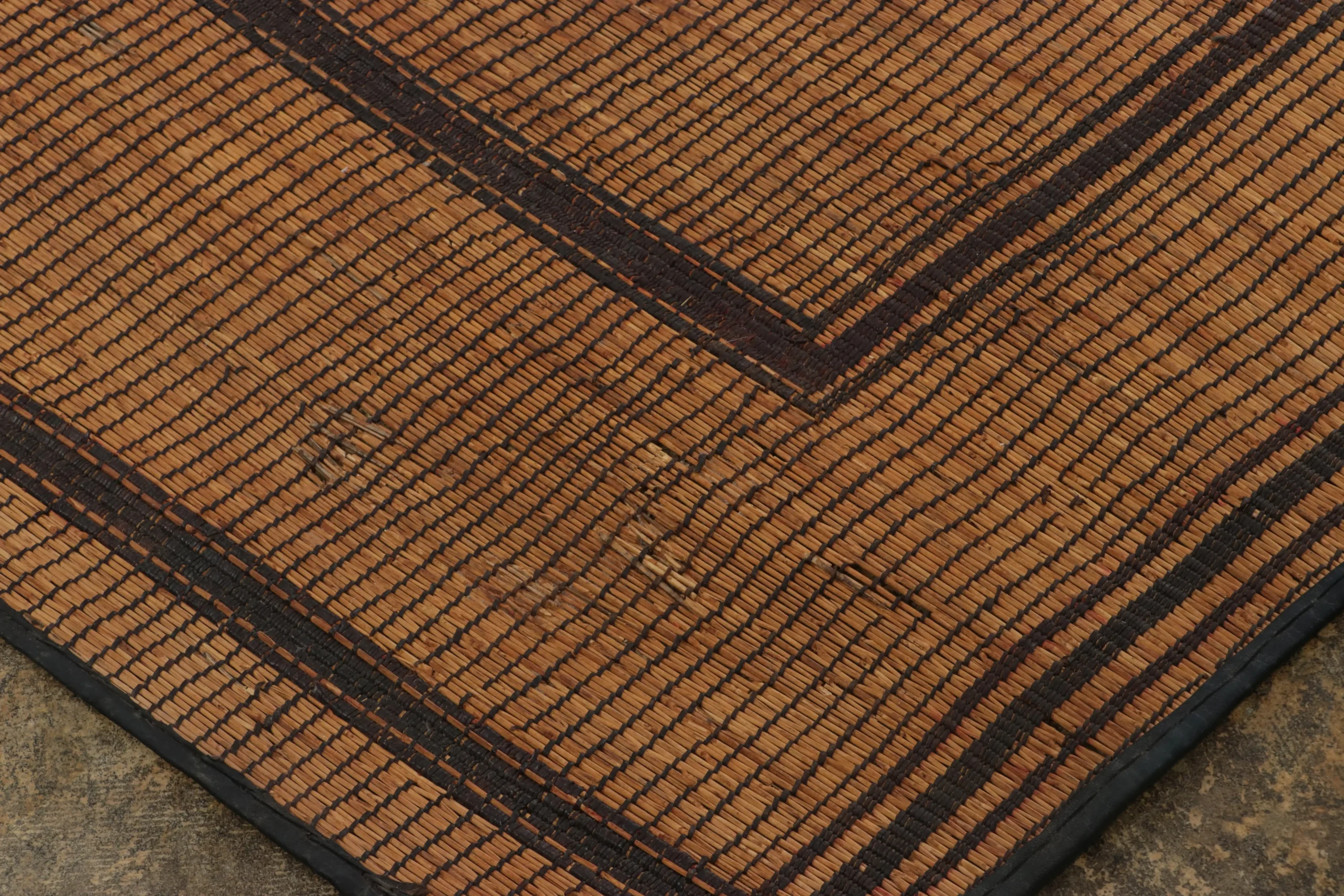
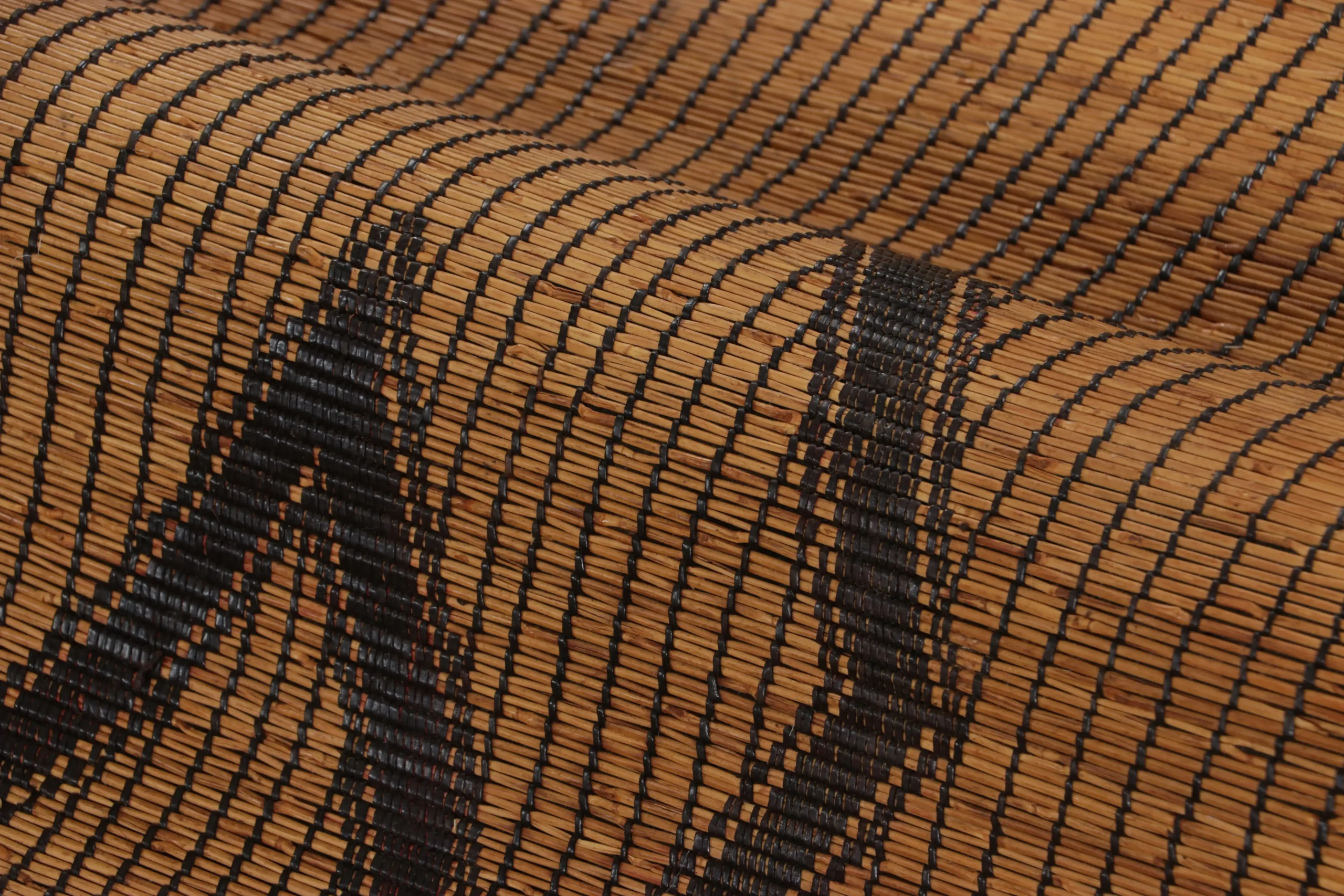
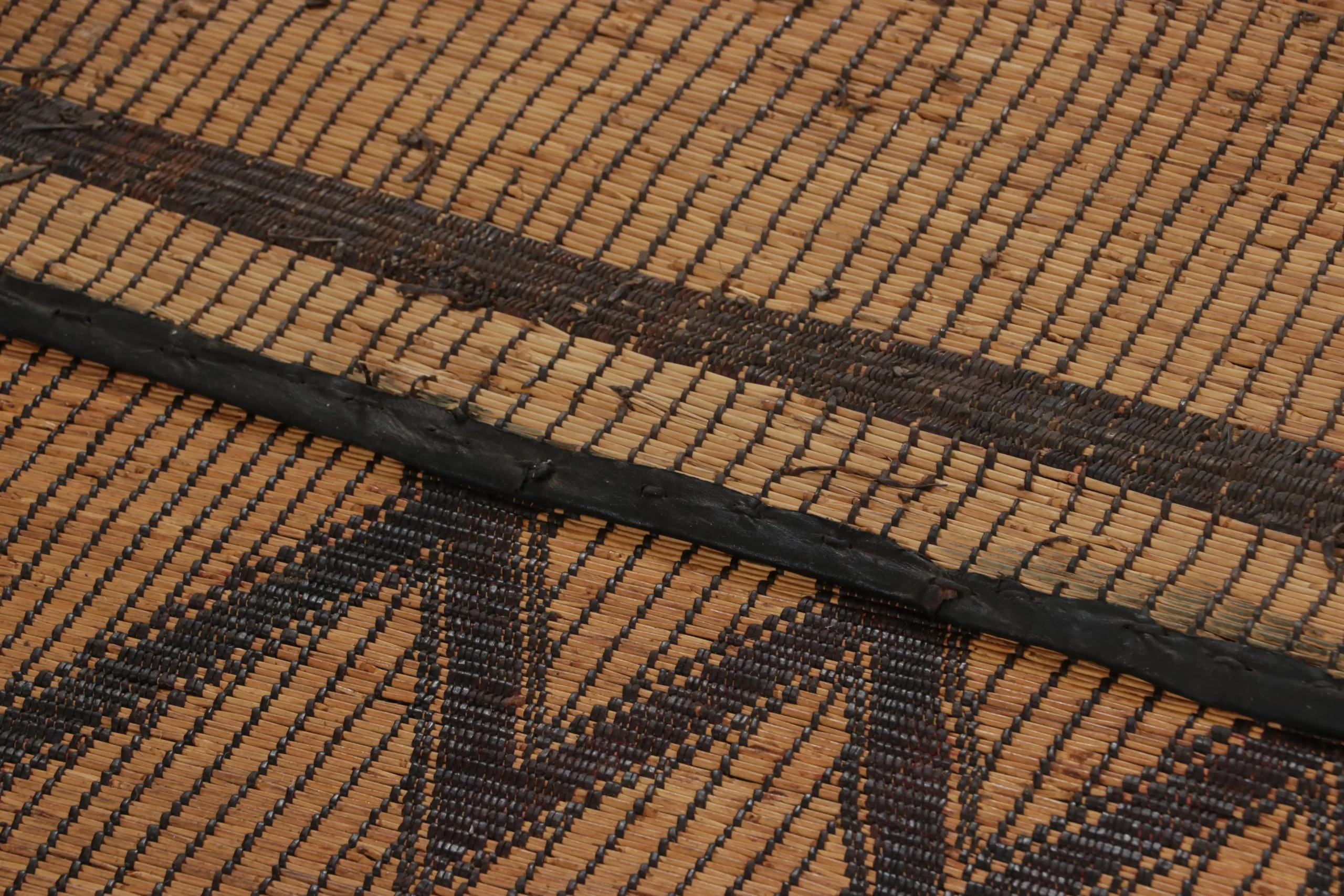
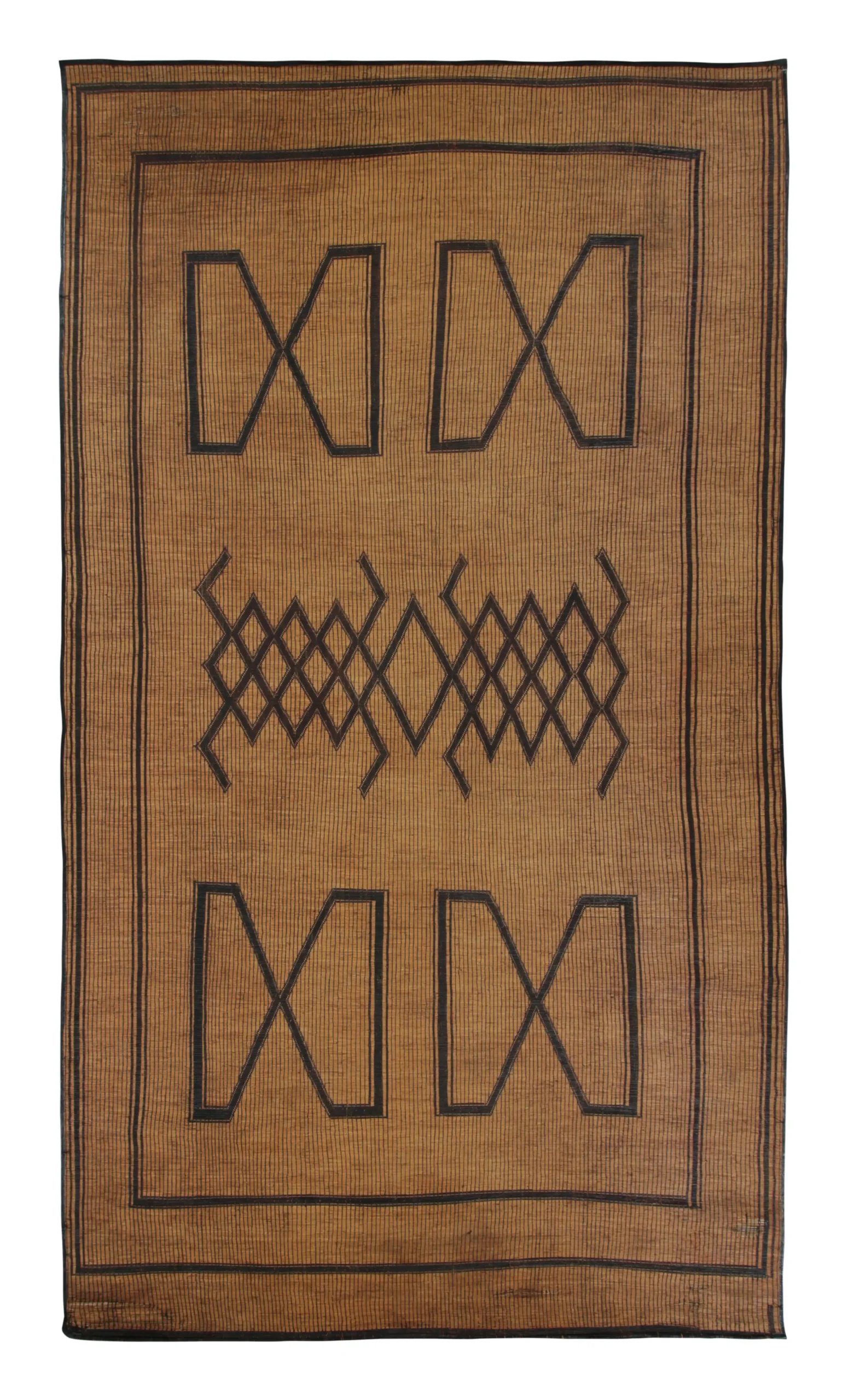
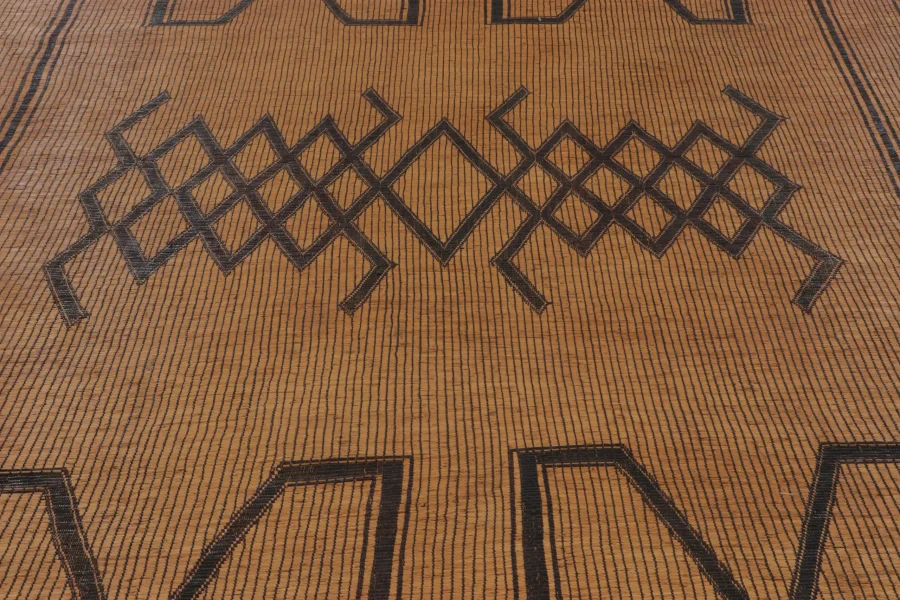
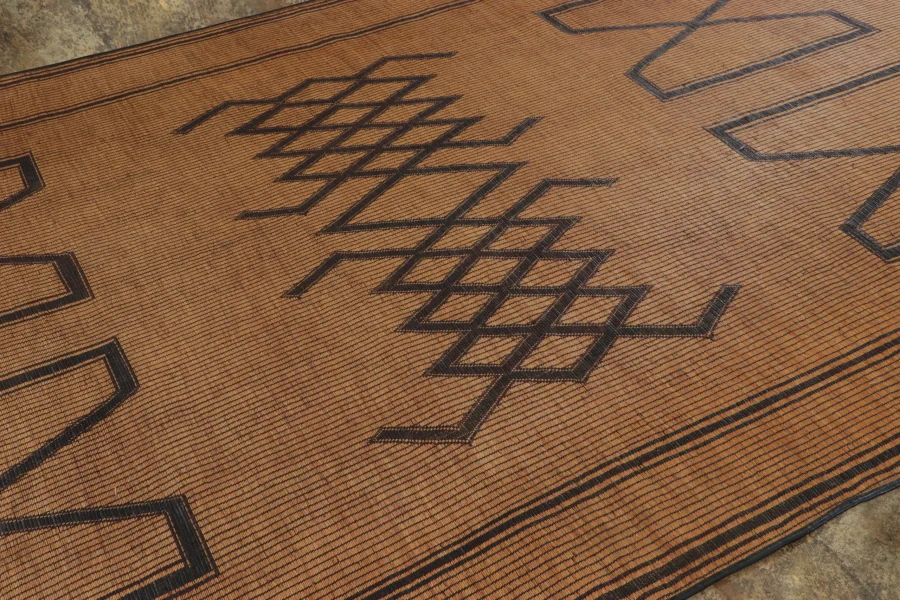

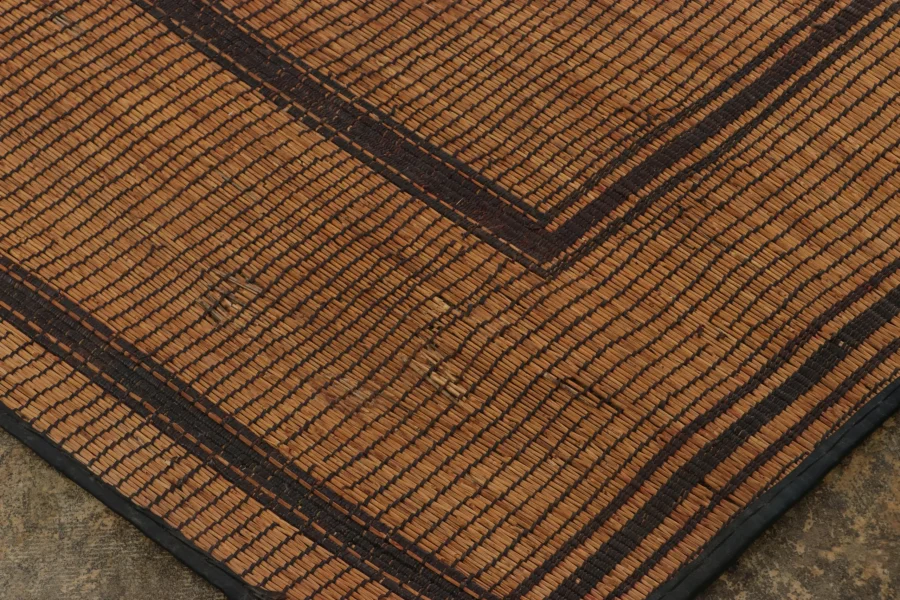
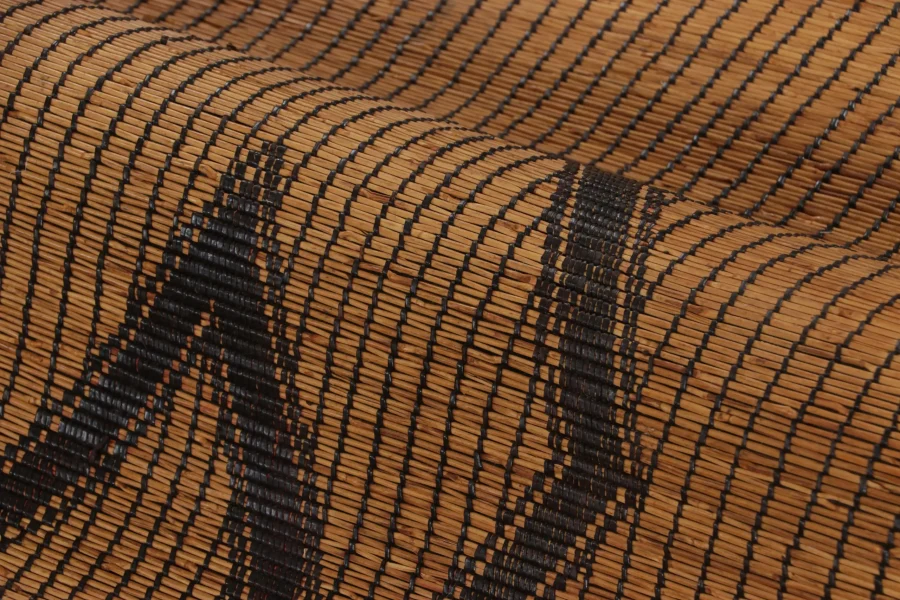
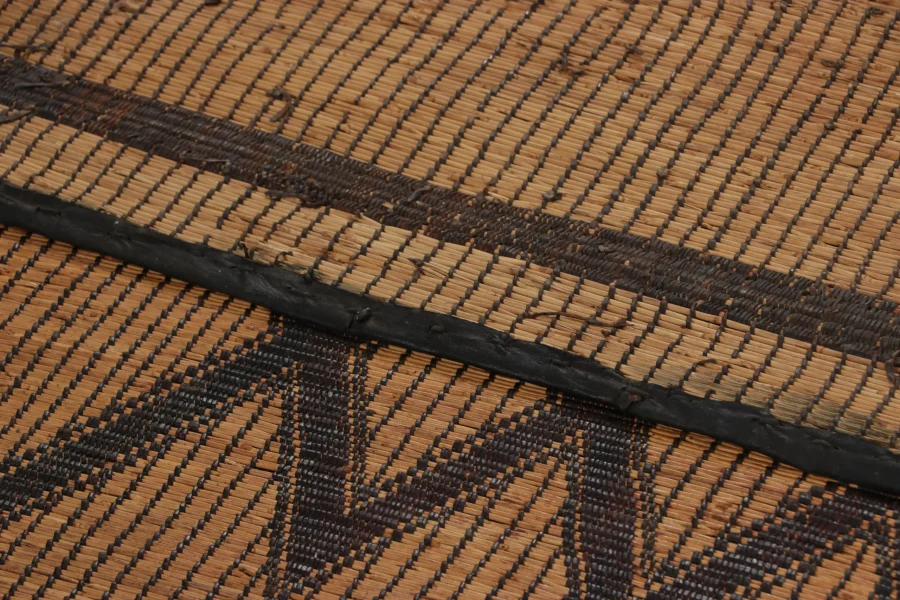
Leather, Reed
Mauritania, c. 1950-1960
8'2" X 15'7" (2.49 m x 4.75 m)
Out of Stock (Inquire for Custom)
Vintage Tuareg Runner Mat, Beige with Bold Tribal Geometric Patterns - Rug & Kilim
"Rug & Kilim's inventory spans the past four centuries and includes everything from ethnic and tribal patterns to European designs, as well as a host of Art Deco, abstract and understated tone-on-tone offerings, all in a vast array of materials, weaves and sizes."
— Tony Freund, 1stDibs Editorial Director
A standard since our inception upheld across every acquisition,
transaction, and delivery.
45+ Year Old Institution
More than four decades of expertise and stewardship, under the leadership of our Principal, Jahanshah "Josh" Nazmiyal.
Favorable Return Policy
Our return policy is 48 hours upon receipt allowing you to confirm the purchase in your space with confidence.
Product Warranty
Each rug is hand selected or produced through the most reputable sources under the direct supervision of our Principal.
Trusted Global Delivery
Reliable worldwide delivery handled with care, precision and constant communication.
Exceptional Support
Attentive, knowledgeable guidance before and after purchase from our dedicated team of specialists.
Long Term Care
We stand behind every piece we place and remain a resource to our clients for the lifetime of their collection.
- Measurements: 8'2" x 15'7" ( 2.49 m x 4.75 m )
- Categories: Default
- Classification: Classic/Traditional, Geometric, Moroccan, Tribal, Tuareg
- Material: Leather, Reed
- Origin: Mauritania
- SKU: 36232

Specifications:
Stories from the Default Collection
Essays, artist dialogues, and provenance notes drawn from Rug & Kilim’s editorial desk.
Inside the Colorist’s Mind: Commissioning a Rug to a Palette
There is a figure in the making of a great custom rug whom the finished object never names and the client rarely meets, and yet whose judgment determines whether the whole enterprise sings or falls flat. Not the designer who draws the pattern. Not the weaver who ties the knots. The colorist: the eye that decides, among a near-infinite field of possibility, exactly which blues, which greens, which single warm note of coral will live together in a room for the next fifty years. If the pattern is the core of a rug, color is its music, and the colorist is the composer. Most people have never considered that such a person exists. The ones who have commissioned a rug properly never forget them.
Read the Feature
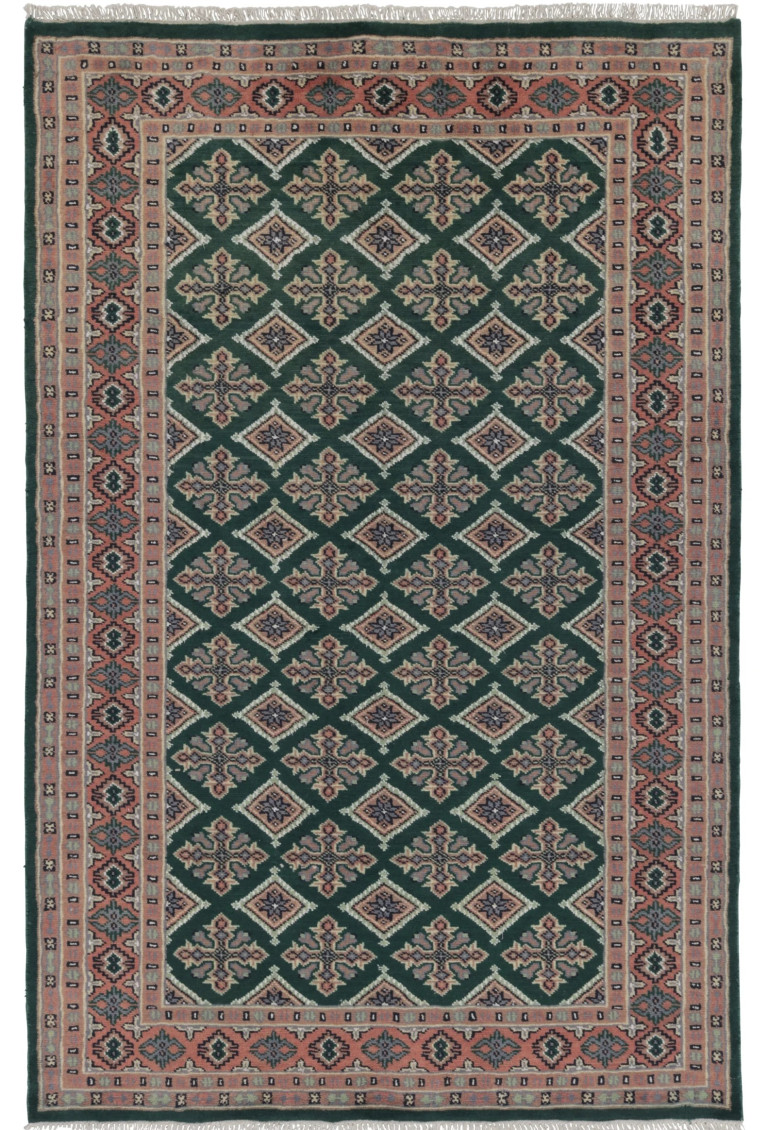
Bokhara Rugs: Traditional Weaving and Global Influence
Among the most recognizable and influential traditions in the history of oriental carpets, Bokhara rugs represent a remarkable fusion of tribal heritage, geometric precision, and centuries-old weaving expertise. Known worldwide for their iconic repeating motifs, deep colors, and refined craftsmanship, Bokhara rugs have become enduring symbols of Central Asian textile artistry. Although the name “Bokhara” is commonly associated with the historic city of Bukhara in present-day Uzbekistan, many rugs classified as Bokhara originate from Turkmen weaving communities across regions including Turkmenistan, Afghanistan, and surrounding areas. The name reflects the historical trade routes through which these carpets traveled and became known internationally.
Read the Feature
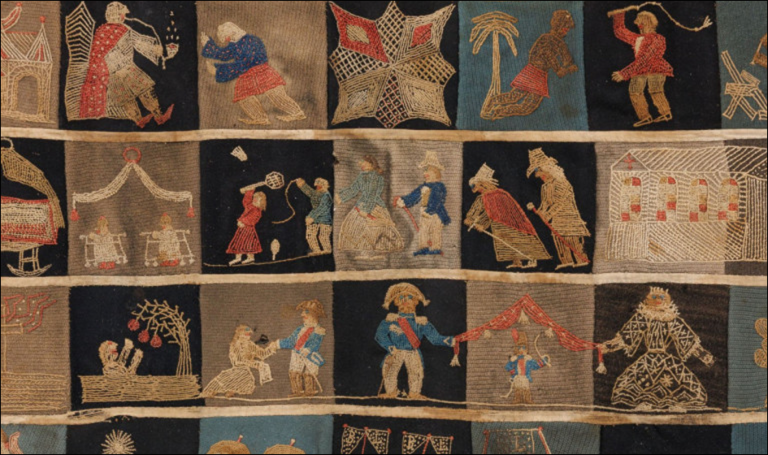
Tapestry of the Week: François Damiens, 475 Panels, and the Whole of a World in Pater Noster Embroidery of Arras
Some objects you appraise. This one you simply stand before, for a long time, and let it undo your sense of what a single human being can do. Hand-worked in wool and natural silk in Arras, France, in 1826, and signed four times over by its maker, the Pater Noster embroidery of François Damiens is composed of four hundred and seventy-five individual pictorial panels, each one a tiny woven scene, arranged in a vast grid that reads, from across a room, like the pixelated memory of an entire world. Biblical narratives. Processions. The labours of the seasons. Animals, trees, houses, saints, ordinary people doing ordinary things. Four hundred and seventy-five times, one small square at a time, a man sat down and embroidered a fragment of everything he knew.
Read the Feature
Tuareg Textiles and Design: History, Tribal Craft, and Contemporary Influence
The Sahara has never been short of ideas. It has merely been selective about who hears them. The Tuareg did not set out to create an aesthetic. They created a system. Long before design was professionalized, categorized, or monetized, Tuareg artisans developed a material language governed by movement, restraint, and exacting necessity. What remains today — in textiles, metalwork, and spatial logic — is not folklore but authorship: a coherent design intelligence that continues to inform contemporary practice, whether acknowledged or not. At Rug & Kilim, we approach Tuareg works not as ethnographic specimens, nor as romantic artifacts, but as foundational design objects. They belong not on the margins of decorative history, but firmly within its canon.
Read the Feature
Tulu Rugs as Icons of Raw Luxury: Folk Art Meets Modern Fashion
A Tulu rug emerges as a textile heirloom reimagined for royalty. The Evolution of the Tulu Rug Once woven to shield nomadic families from the brutal Anatolian winters, Tulu rugs were never meant to be seen — they were meant to be felt. Thick, long-pile, and spun from the softest Angora wool, these rugs served as primitive insulation, hand-crafted by Turkish tribes whose artistry was born from necessity. But in today’s most discerning interiors, what was once survival is now sovereignty. Tulu — from the Turkish word tüylü, meaning "hairy" or "shaggy" — has found its place in contemporary design. From Parisian ateliers to Brooklyn brownstones, from Brutalist galleries to Baroque revivalist townhouses, Tulu rugs are now the grounding force of aesthetic storytelling. No longer relegated to ethnographic obscurity, they’ve been recontextualized as objets d’art — the missing link between primal craftsmanship and couture design.
Read the Feature
A Glossary of Handmade Rugs and Kilims: Understanding Terms, Types and Techniques Past and Present
Referring to the art style characterized by using shape and color withdrawn from traditional repetition or realism. Abstract rugs — sometimes referred to as art rugs — capture an expressive nature that reads as a very modern style, though many abstract rugs draw inspiration from works of the same art style in the mid-century. One of the more widely known mid-century lineages of this style is abstract expressionism, named for the literal "expressionists" of the 1950s. Some of the most notable names behind this style include Jackson Pollock and Mark Rothko. Referring to a lineage of nomadic Persian rugs (sometimes referred to as “Avsar” in the alternate spelling). Afshar rugs hail from the eponymous tribe in the region of Northeastern Iran.
Read the Feature


R&K Image Studio
NEWThe R&K Image Studio is a new visual workspace designed to present the Rug & Kilim collection with clarity, restraint, and precision — in your space or any space you imagine.
This tool allows you to view, refine, and prepare imagery drawn directly from the pieces in our archive. They can be visualized cleanly, isolated thoughtfully, and adjusted for presentations, proposals, and private viewings, without altering the integrity of the original work.
Default
Leather, Reed
Mauritania, c. 1950-1960
8'2" X 15'7" (2.49 m x 4.75 m)
Out of Stock (Inquire for Custom)
Vintage Tuareg Runner Mat, Beige with Bold Tribal Geometric Patterns - Rug & Kilim
"It's rare to find a rug company that offers unique antiques, curated with a historical eye. And the best quality customization for anything you might need. All while being treated like family - love those guys."
— Andre Mellone, Studio Mellone
- Measurements: 8'2" x 15'7" ( 2.49 m x 4.75 m )
- Categories: Default
- Classification: Classic/Traditional, Geometric, Moroccan, Tribal, Tuareg
- Material: Leather, Reed
- Origin: Mauritania
- SKU: 36232

