
The Rug & Kilim Triad: Art, Fashion, Architecture — and the Anatomy of a Rug
December 17, 2025
Tapestries in the Language of Contemporary Design: When Walls Speak
February 13, 2026
The Sahara has never been short of ideas. It has merely been selective about who hears them.
The Tuareg did not set out to create an aesthetic. They created a system. Long before design was professionalized, categorized, or monetized,
Tuareg artisans developed a material language governed by movement, restraint, and exacting necessity. What remains today — in textiles, metalwork, and spatial logic — is not folklore but authorship: a coherent design intelligence that continues to inform contemporary practice, whether acknowledged or not.
At Rug & Kilim, we approach Tuareg works not as ethnographic specimens, nor as romantic artifacts, but as foundational design objects. They belong not on the margins of decorative history, but firmly within its canon.
Nomadism and Inspiration
The Tuareg are an Amazigh (Berber) people whose cultural territory spans the central Sahara, across present-day Mali, Niger, Algeria, Libya, and Burkina Faso. Historically, they served as custodians of trans-Saharan trade routes, facilitating the movement of salt, gold, manuscripts, and ideas. More importantly, they developed a way of living that demanded design solutions of unusual clarity.
Nomadism, contrary to popular assumption, is not improvisational. It is highly edited.
Objects must earn their place through utility, symbolism, and durability. Excess is impractical; ambiguity is inefficient. What emerges is a design methodology that privileges reduction, legibility, and balance — principles modern designers would later formalize, often with considerably more paperwork.
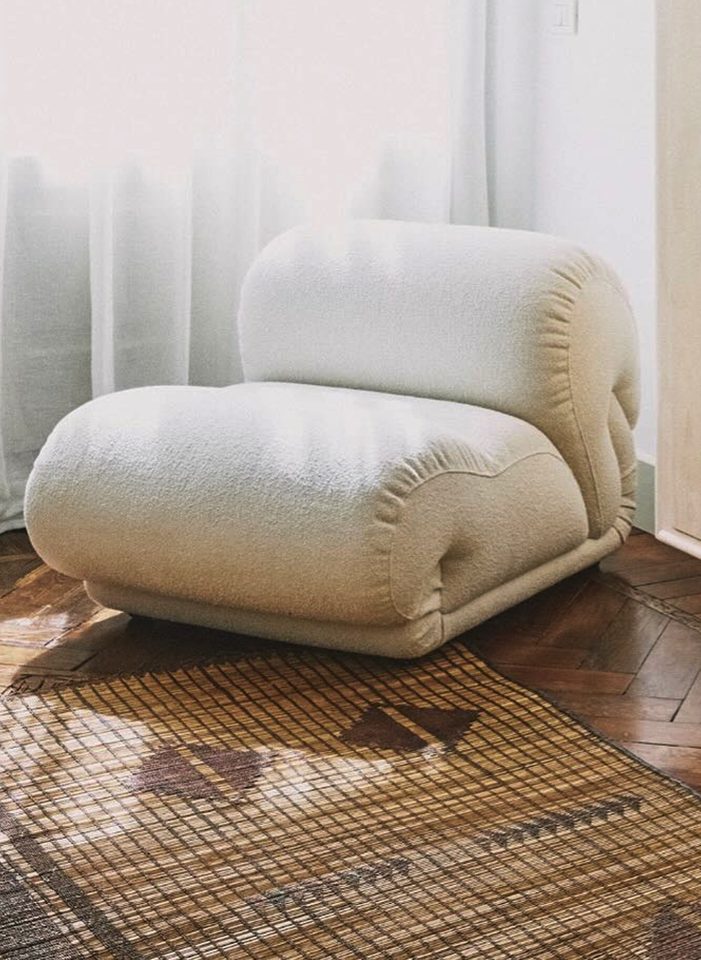
Samuele Brianza x Rug & Kilim
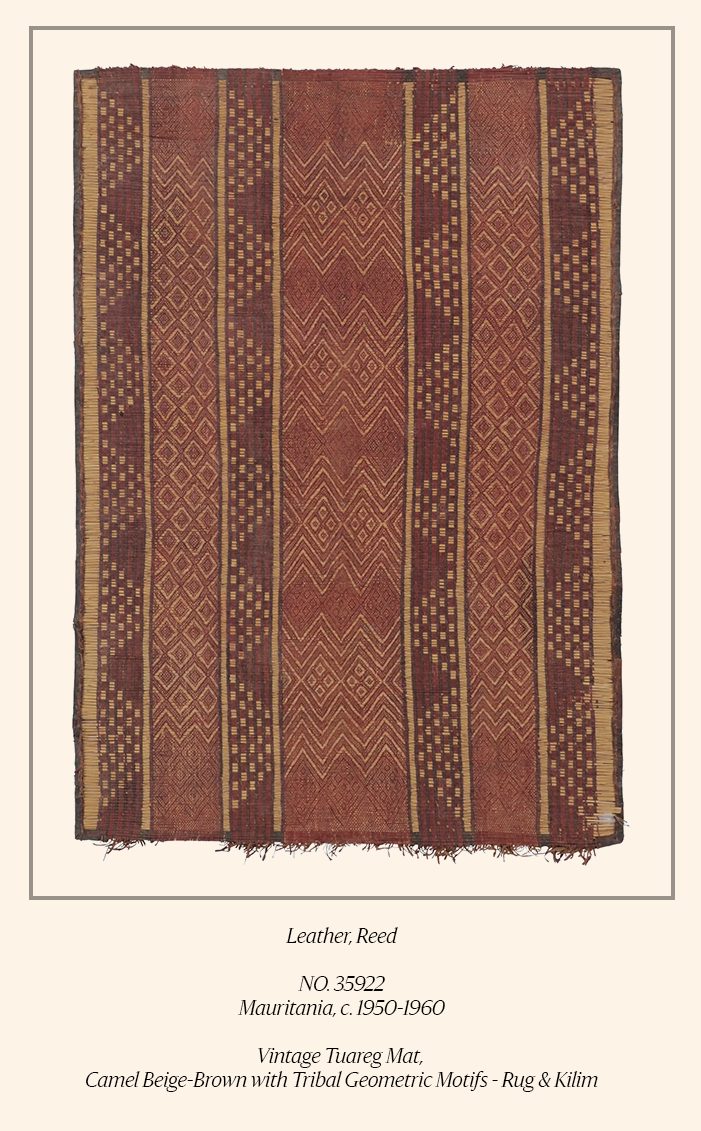
Textiles and Designs
The tagelmust, the indigo-dyed veil worn by Tuareg men, is perhaps one of the most disciplined textile expressions ever produced. Dyed repeatedly with natural indigo, the cloth achieves a depth so saturated it stains the skin — a reminder that identity, in Tuareg culture, is not worn lightly.
Woven largely by women, Tuareg textiles exhibit a rigorous control of pattern and proportion. Motifs are sparse, compositions deliberate, palettes restrained. There is no surplus gesture. For contemporary interiors, these textiles do not behave as decoration. They behave as structure — defining space, anchoring scale, and calming visual noise.
Designers often ask how to introduce history into a room without nostalgia. Tuareg textiles answer this question quietly.
Tuareg silverwork occupies a rare and enviable position in design history: abstraction without self-consciousness. Crosses from Agadez, engraved pendants, bracelets, and ceremonial objects are composed through geometry, void, and rhythm rather than figuration.
Historically entrusted to women as repositories of lineage and wealth, these objects functioned simultaneously as jewelry, currency, and archive. Today, they read as small-scale sculptures — portable monuments whose formal intelligence aligns seamlessly with modernist and contemporary aesthetics.
That museums place Tuareg metalwork alongside twentieth-century abstraction is not an act of generosity. It is one of accuracy.
Architecture Without Permanence
Tuareg architecture resists monumentality. Camps and tents are organized through orientation, hierarchy, and circulation rather than enclosure. Shade, threshold, and social choreography matter more than walls.
For architects and interior designers, this offers a useful provocation: authority does not require permanence. Spatial intelligence can be temporary, responsive, and still deeply ordered. The Tuareg understood this long before flexibility became a design virtue.
Tuareg works do not negotiate for attention. They assume it.
In interiors, their authority lies in proportion rather than ornament. A Tuareg textile, given sufficient space, clarifies a room’s visual hierarchy. It settles scale, quiets competing materials, and introduces a rhythm that feels deliberate rather than imposed. When crowded, it diminishes. When allowed to breathe, it governs.
Designers instinctively understand this. Tuareg pieces perform best in rooms that privilege light, material honesty, and spatial clarity. They resist over-furnishing and expose excess for what it is. Placed well, they do not decorate a space; they calibrate it.
This is why Tuareg works endure in serious interiors. They are uninterested in novelty, and immune to trend. Their presence is felt not because they demand it, but because they make everything around them more legible.
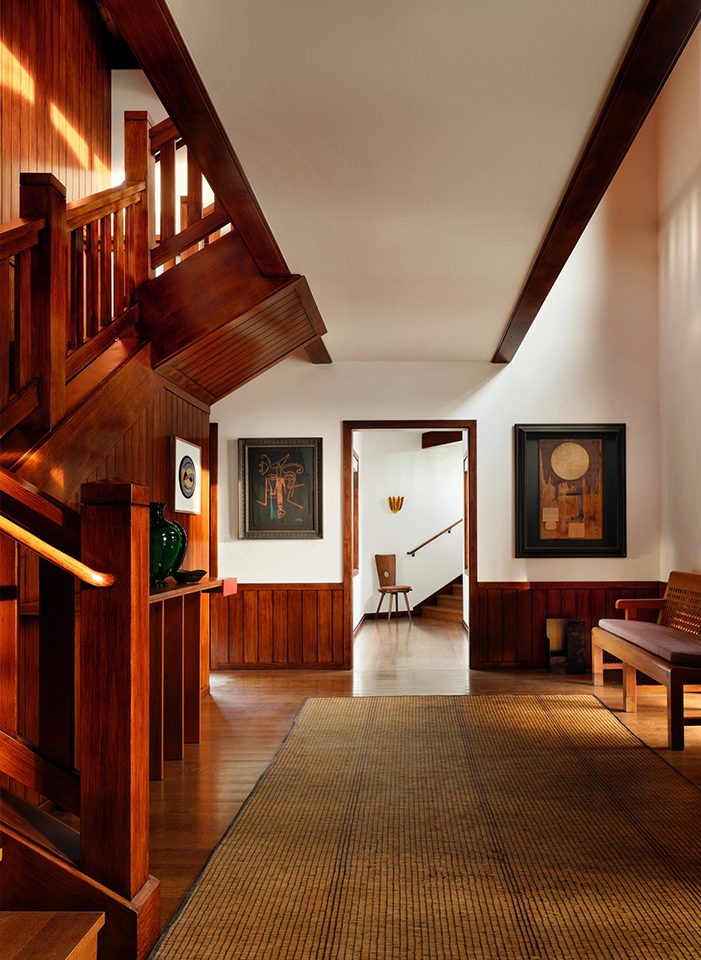
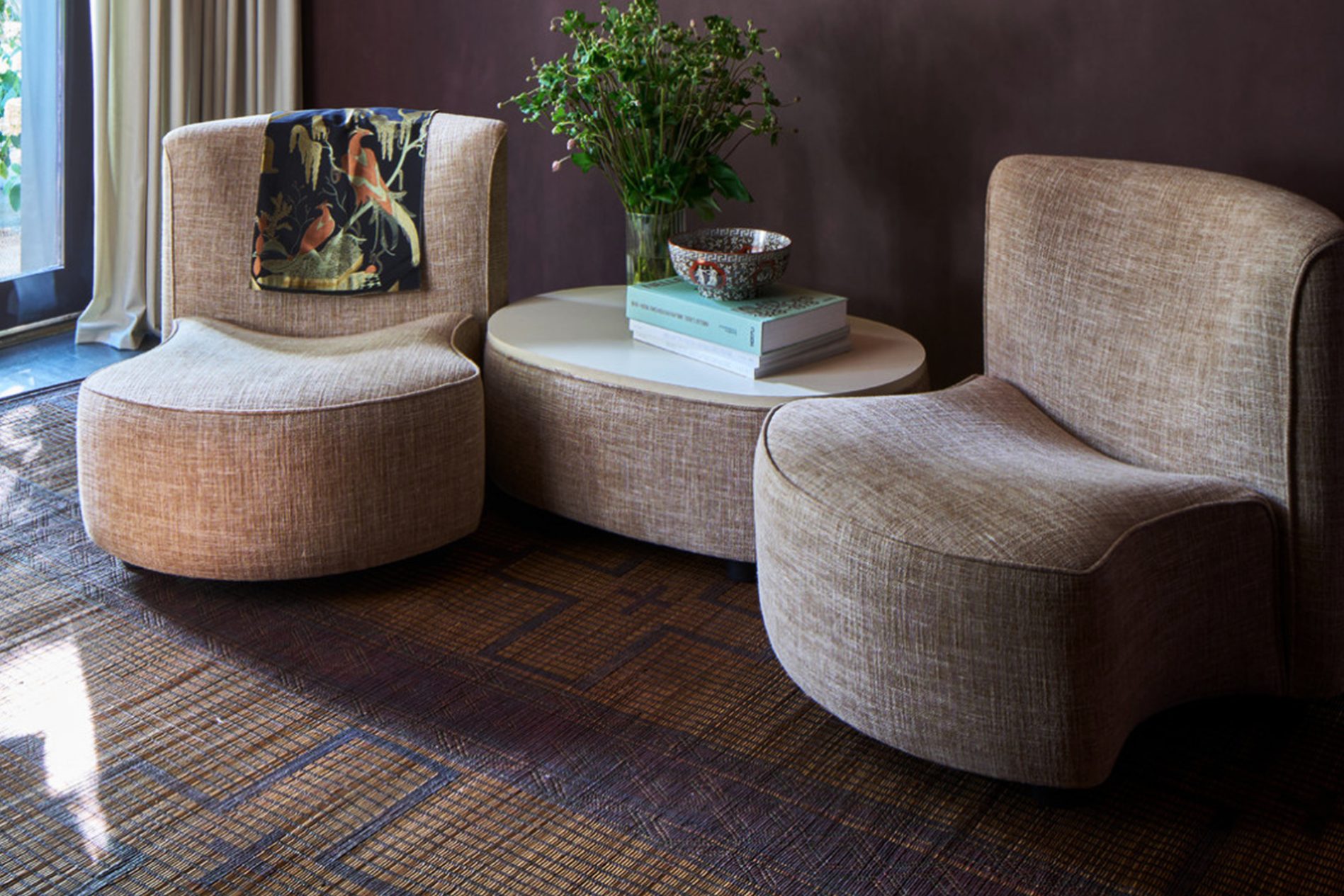
As seen in Architectural Digest, a Jackson Hole ski Lodge designed by Studio Mellone features several classic and custom rugs by Rug & Kilim. Read More >>
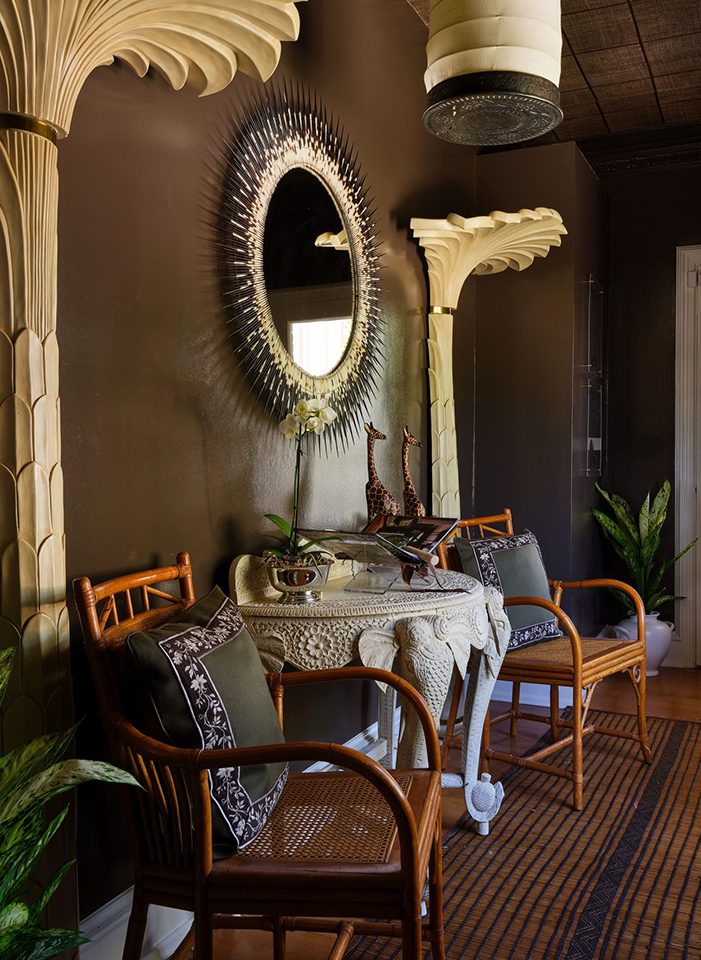
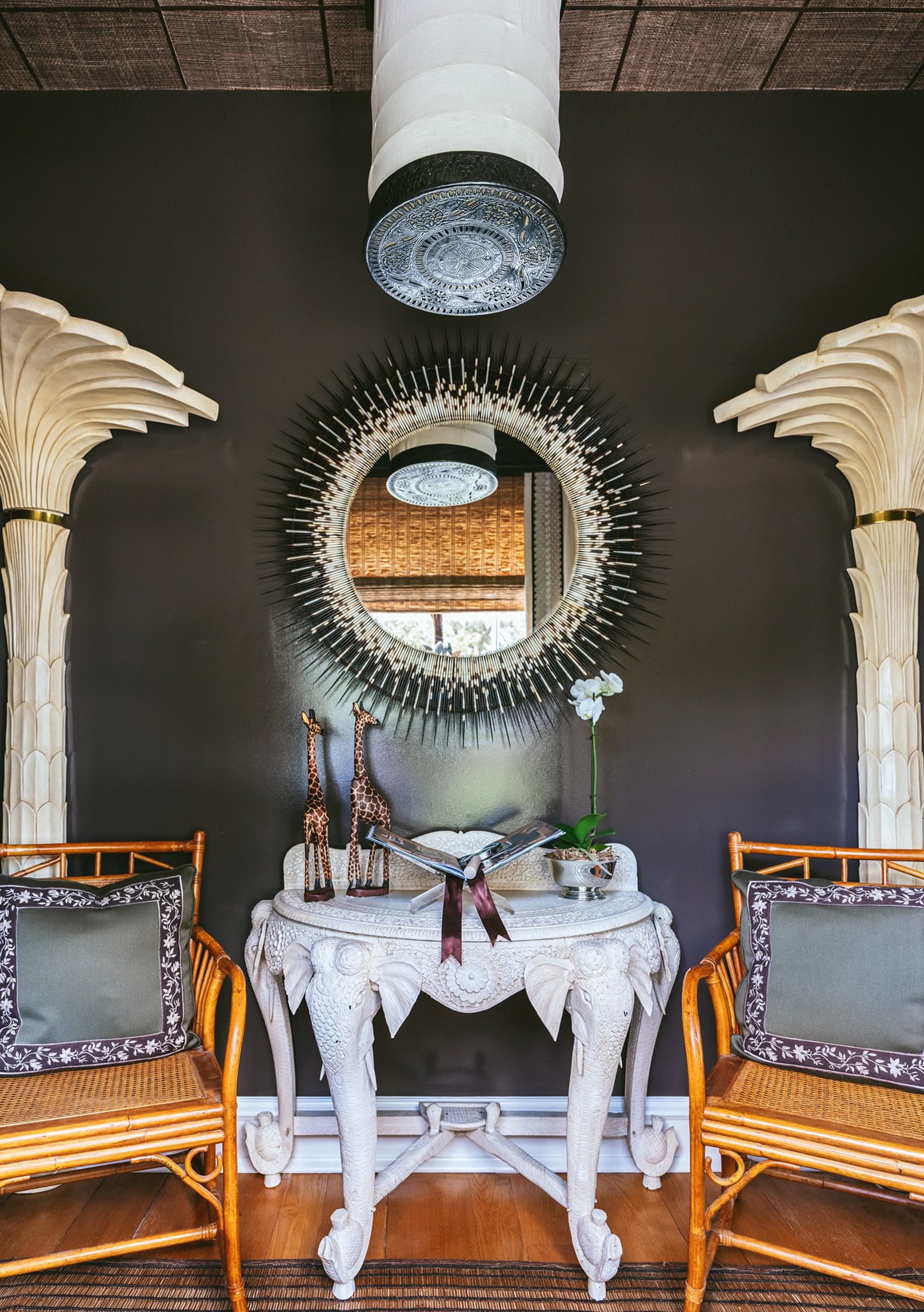
As seen in Veranda, a room designed by Kristin Paton Interiors for the 2025 Kips Bay Decorator Show House Palm Beach features a vintage Tuareg mat from Rug & Kilim. Read More >>
Fashion: Influence That Refuses Novelty
Tuareg influence in fashion is longstanding and unmistakable. Designers such as Yves Saint Laurent, Rick Owens, and Haider Ackermann have drawn from Tuareg indigo, veiling, and linear discipline — not as quotation, but as attitude.
What attracts designers is not surface pattern but philosophy: protection as silhouette, restraint as luxury, and movement as form. When contemporary fashion engages with Tuareg craft responsibly, it does so not to update it, but to align with it.
The enduring relevance of Tuareg culture lies in its refusal to be reduced to style.
Across disciplines, Tuareg design operates as a system — coherent, adaptable, and internally consistent. In textiles, this manifests as disciplined abstraction and tonal restraint. In metalwork, as geometry and void. In spatial practice, as portability, orientation, and hierarchy without permanence.
Fashion responds to this system through silhouette and movement: protection as form, drape as architecture. Architecture recognizes it in the intelligence of temporary space and the authority of light over mass. Graphic designers encounter it in pattern logic and negative space. Interior designers, perhaps most intuitively, respond to its ability to anchor without dominating.
What connects these disciplines is not motif, but method. Tuareg design is not applied; it is lived. This is why it continues to resonate across contexts without ever feeling displaced. Systems travel. Styles do not.
Institutions, Scholarship, and the Market
Major institutions — including The British Museum, The Metropolitan Museum of Art, and the Musée du quai Branly — hold Tuareg works as design achievements, not anthropological curiosities. Scholarly texts such as Jeremy Keenan’s The Tuareg: People of Ahaggar provide essential context, dismantling romantic simplifications and situating Tuareg culture within complex political and historical realities.
In the market, Tuareg textiles and silverwork have steadily gained recognition among serious collectors and auction houses. What is valued is not novelty, but clarity: of design, of material, of provenance. In this sense, the Tuareg market behaves like any mature design category — discerning, patient, and quietly competitive.
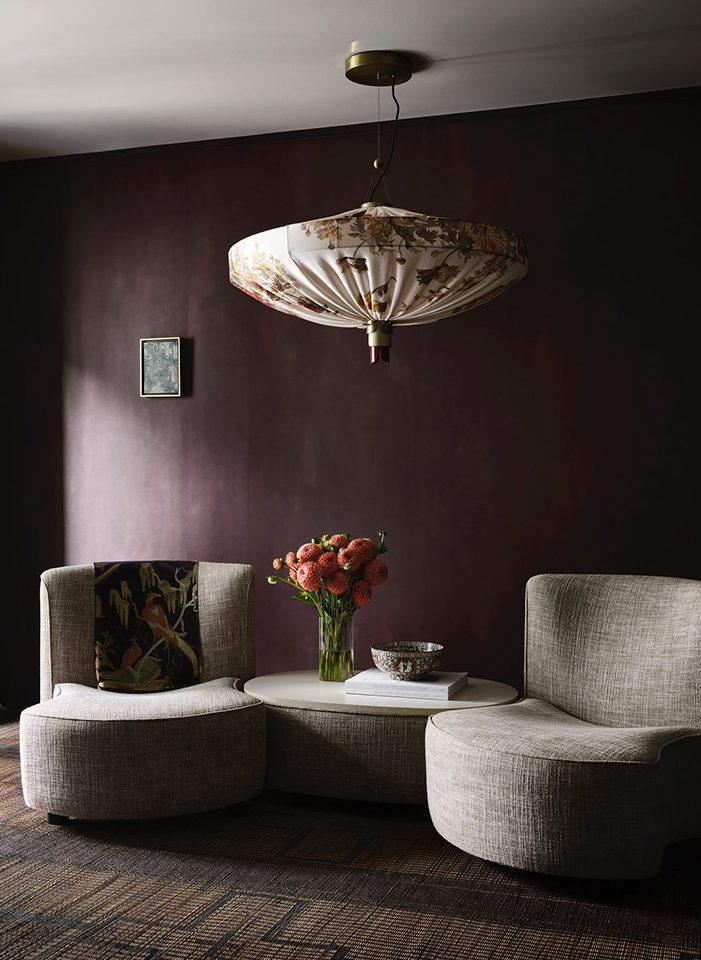
Olivia Williams Studio x Rug & Kilim
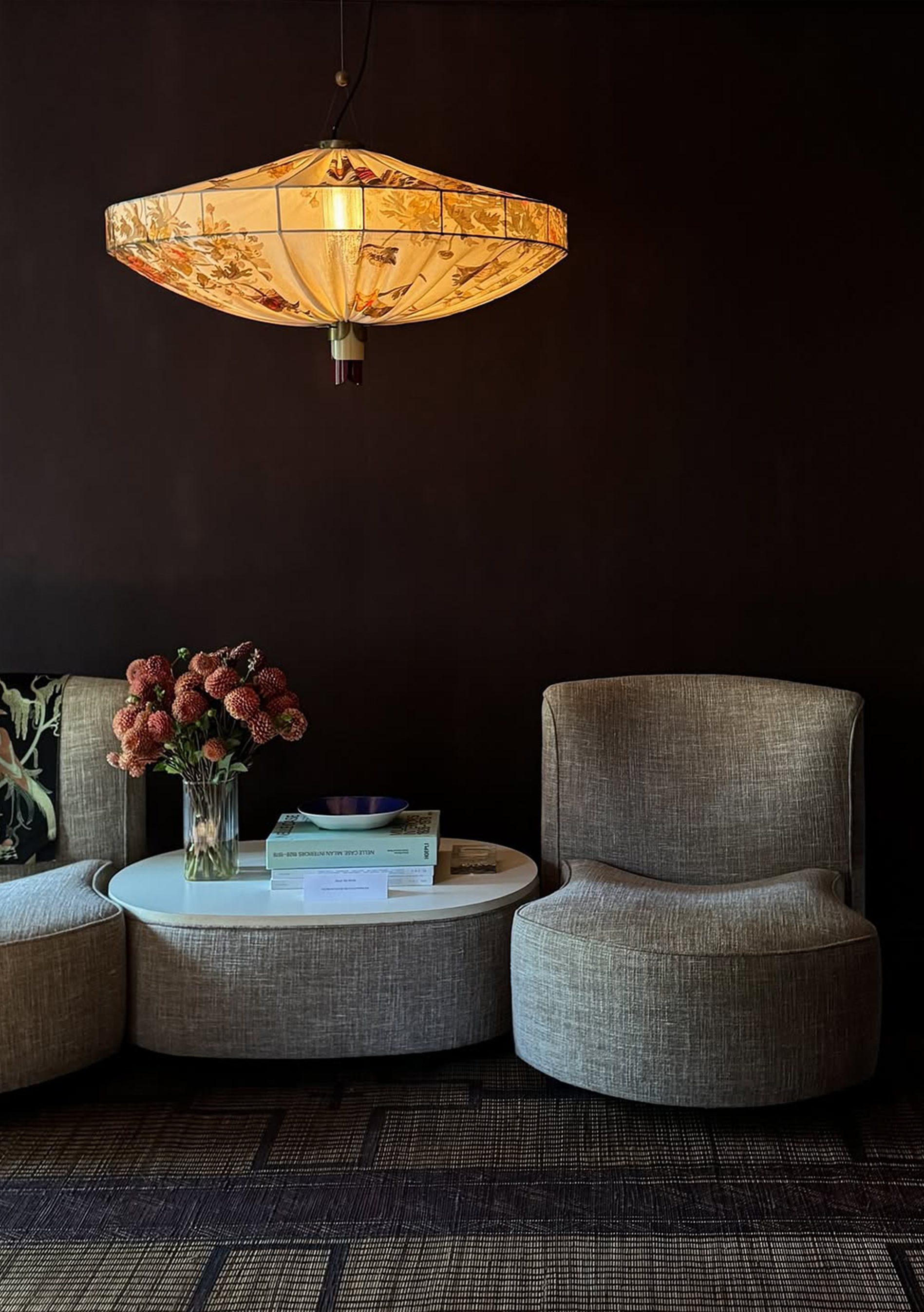
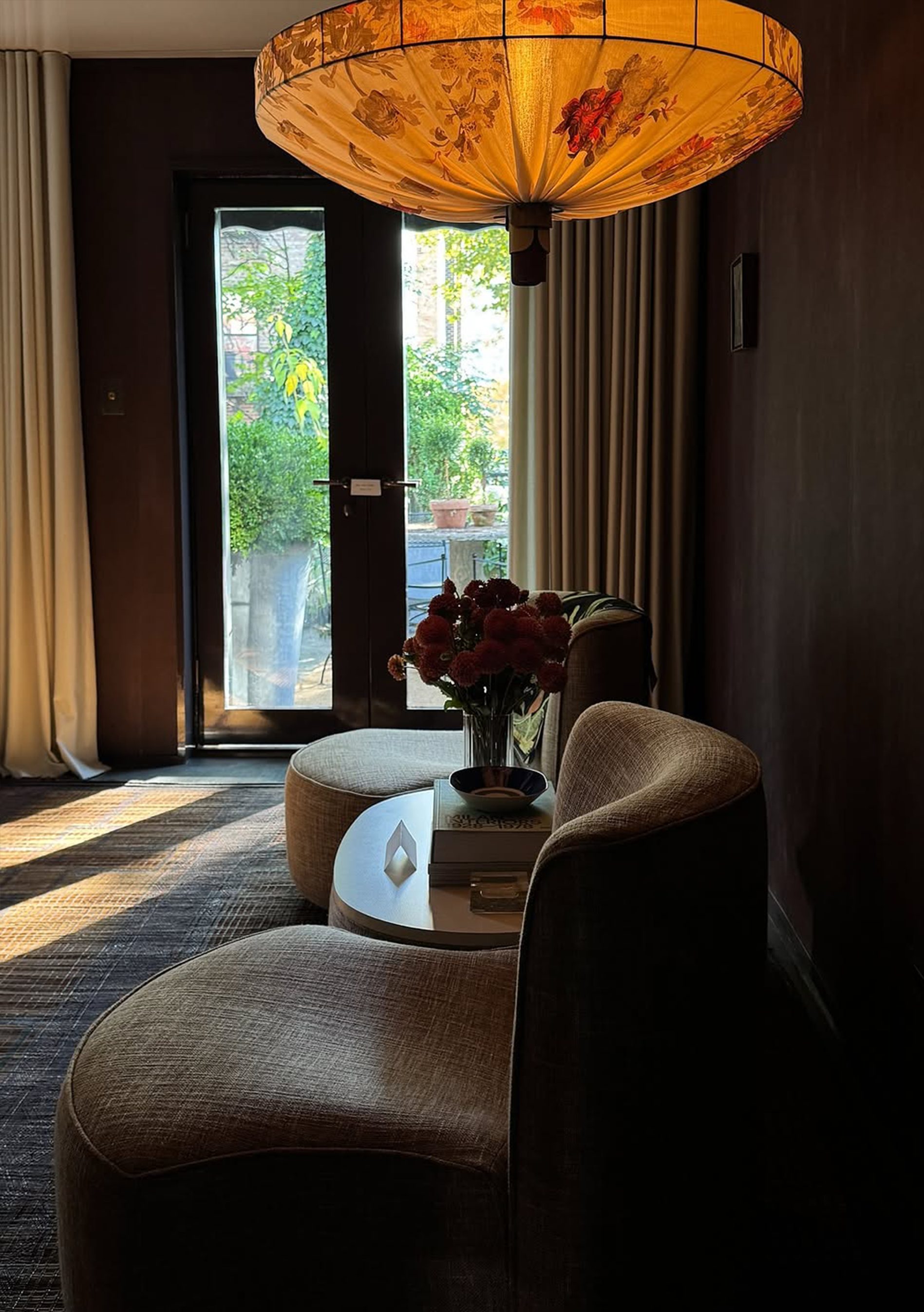
How Tuareg craft, abstraction, and restraint continue to shape interiors, fashion, and material culture.
The contemporary design world speaks often of sustainability, reduction, and authenticity. The Tuareg practiced all three as a matter of survival. Their work reminds us that innovation does not require rupture, and that refinement is a form of progress.
At Rug & Kilim, Tuareg works are not treated as accents. They do not announce themselves. They hold a room together — a quality designers recognize immediately, even if they struggle to name it.
Perhaps the most overlooked dimension of Tuareg design is its relationship with time.
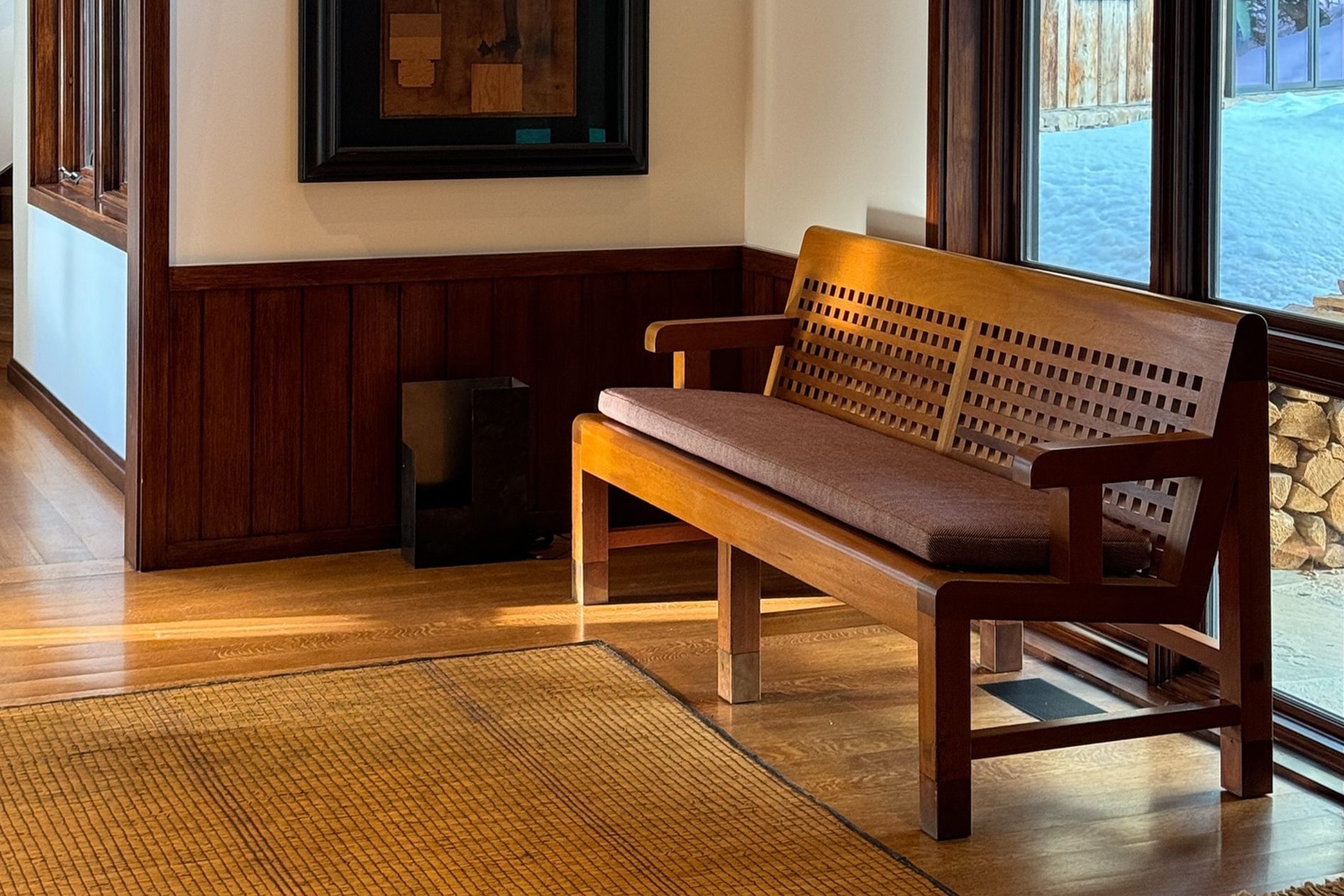
Wear is not considered degradation, but confirmation. Indigo deepens through contact. Silver softens at the edges. Textiles register movement, use, and passage. Time, here, is not an external force acting upon objects, but an intrinsic material that completes them. In a design culture preoccupied with preservation and perfection, this perspective is quietly radical. Tuareg works do not aspire to remain unchanged. They are designed to age, to absorb life, and to reveal their intelligence gradually.
It is this temporal generosity that gives Tuareg design its authority. Nothing is rushed. Nothing is over-explained. Like the desert itself, it reveals only what endures. The Tuareg do not belong to a trend cycle. They belong to a lineage. Their textiles, metalwork, and spatial systems form a complete design language — one that continues to speak with authority precisely because it never tried to persuade.
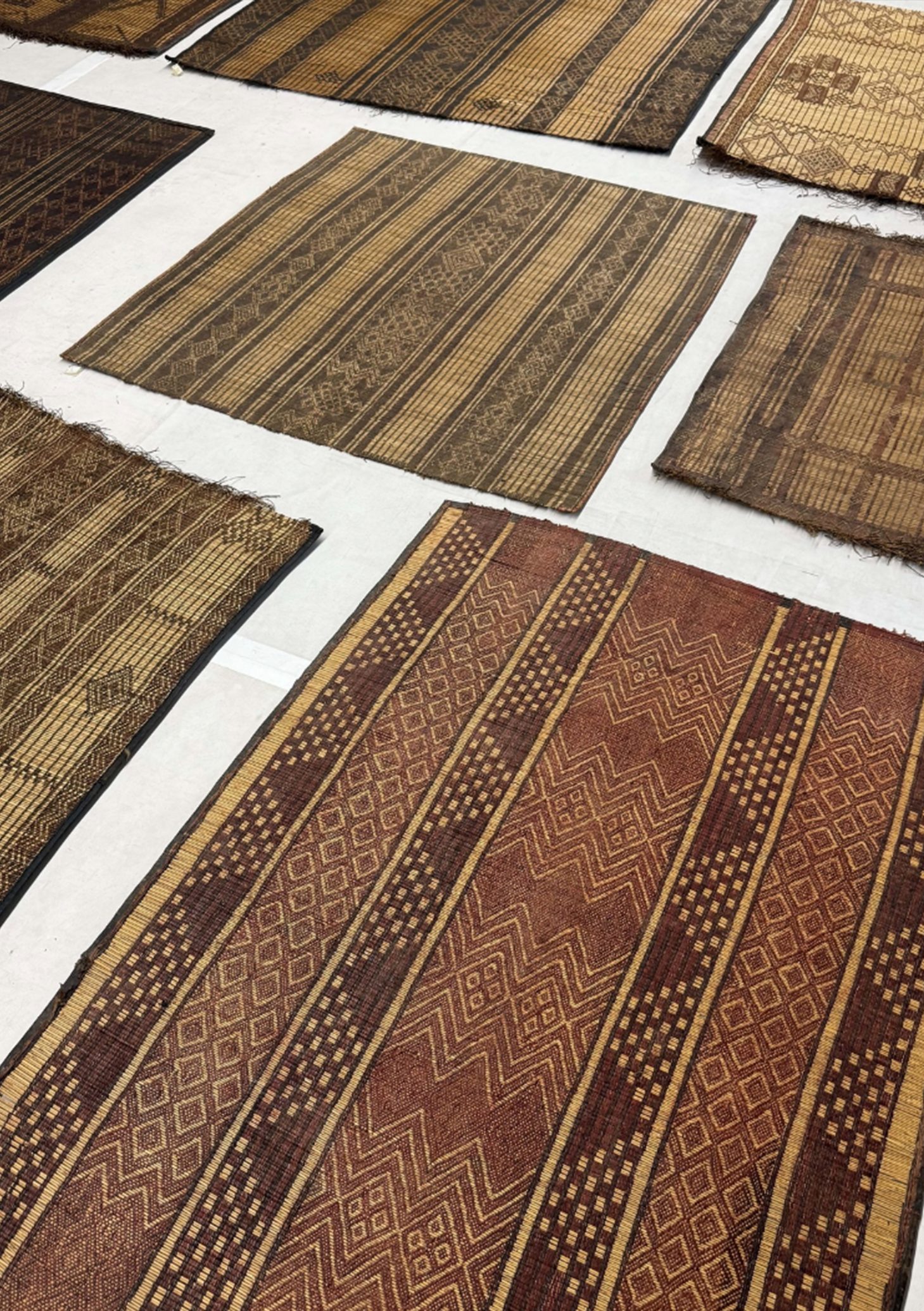
Newest Tuaregs lined up at Rug & Kilim Showroom
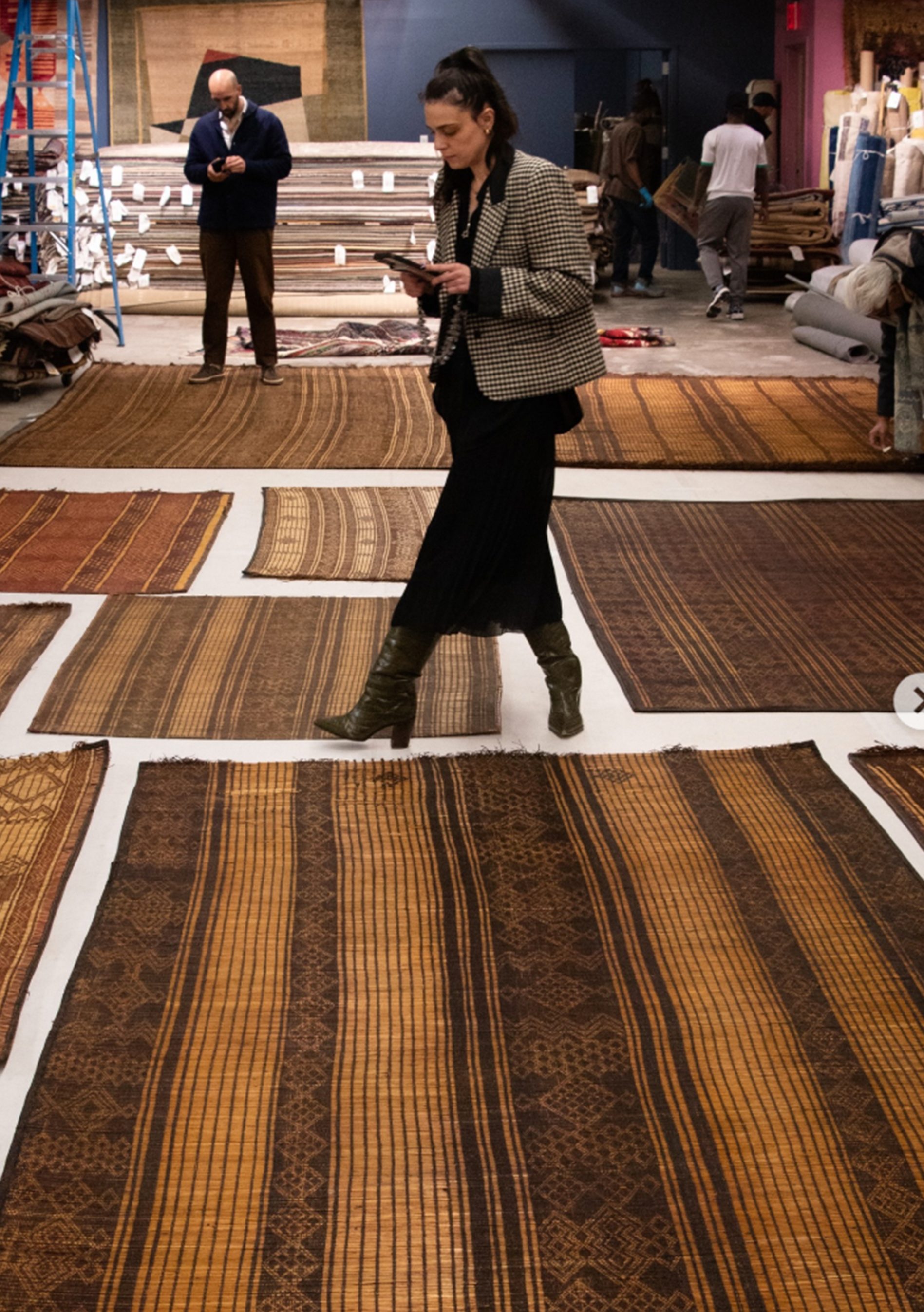
As with all enduring design, Tuareg work does not explain itself. It simply remains.
Are Tuareg textiles appropriate for contemporary interiors?
Not only appropriate — essential. Their restraint and tonal authority make them remarkably adaptable.
How should Tuareg pieces be placed?
With confidence. Let them establish scale and rhythm rather than serve as ornament.
Are Tuareg works collectible?
Yes. Particularly pieces with strong provenance, intact materials, and formal clarity.
Why does Rug & Kilim engage so deeply with Tuareg design?
Because it represents design at its most intelligent: disciplined, enduring, and uninterested in spectacle.
At Rug & Kilim, our engagement with Tuareg works has never been curatorial by accident. These pieces resist haste. They demand context, restraint, and a willingness to listen. We value them not because they are rare—though they are—but because they embody a design intelligence that refuses spectacle.