


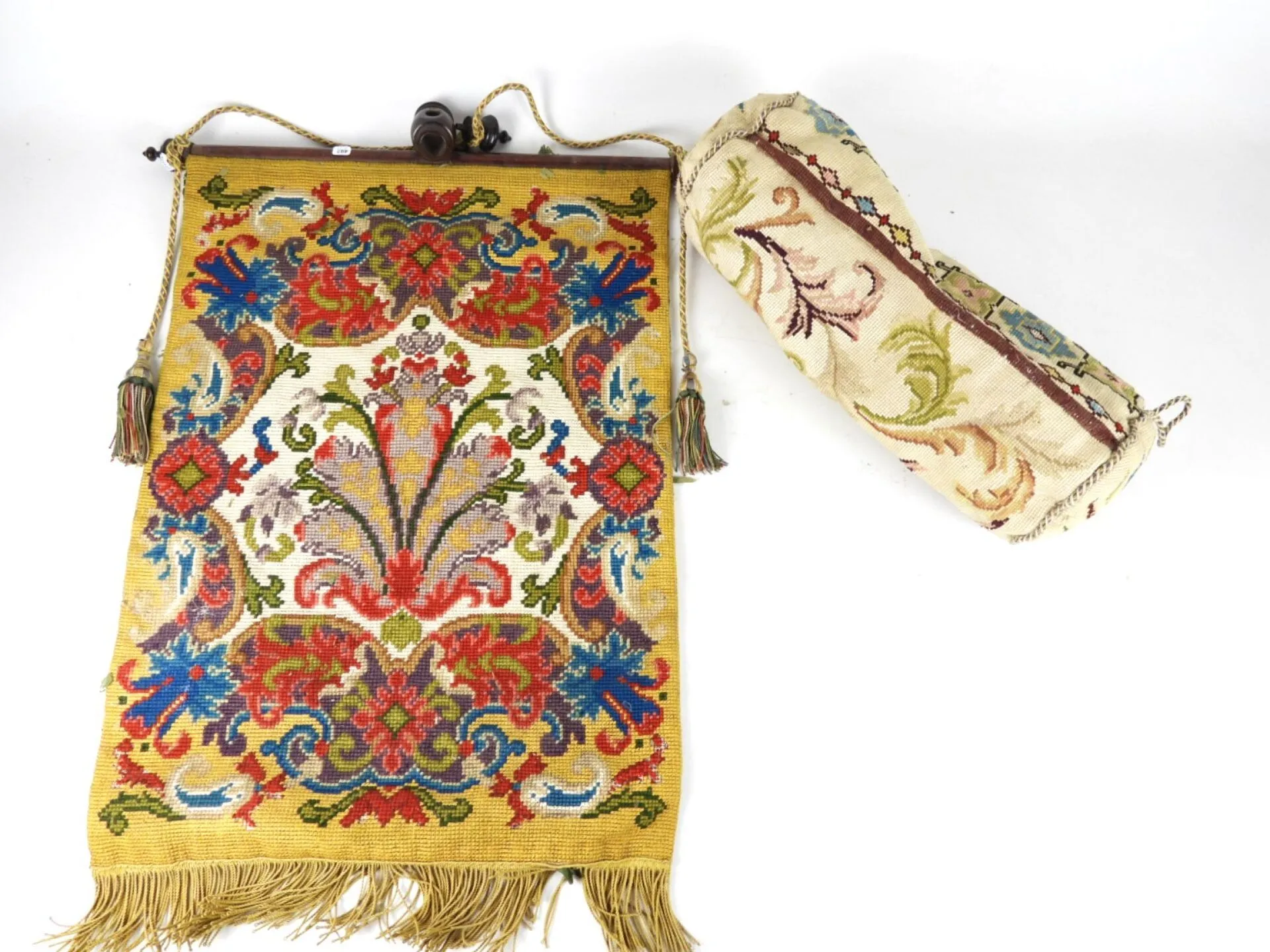
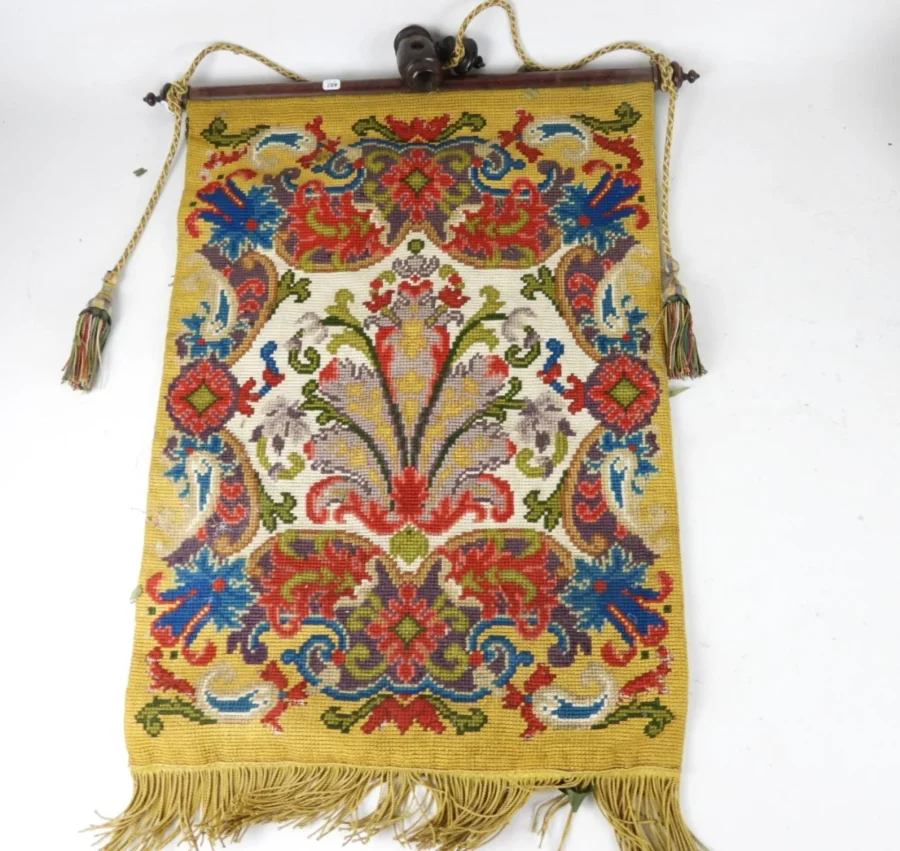
Wool
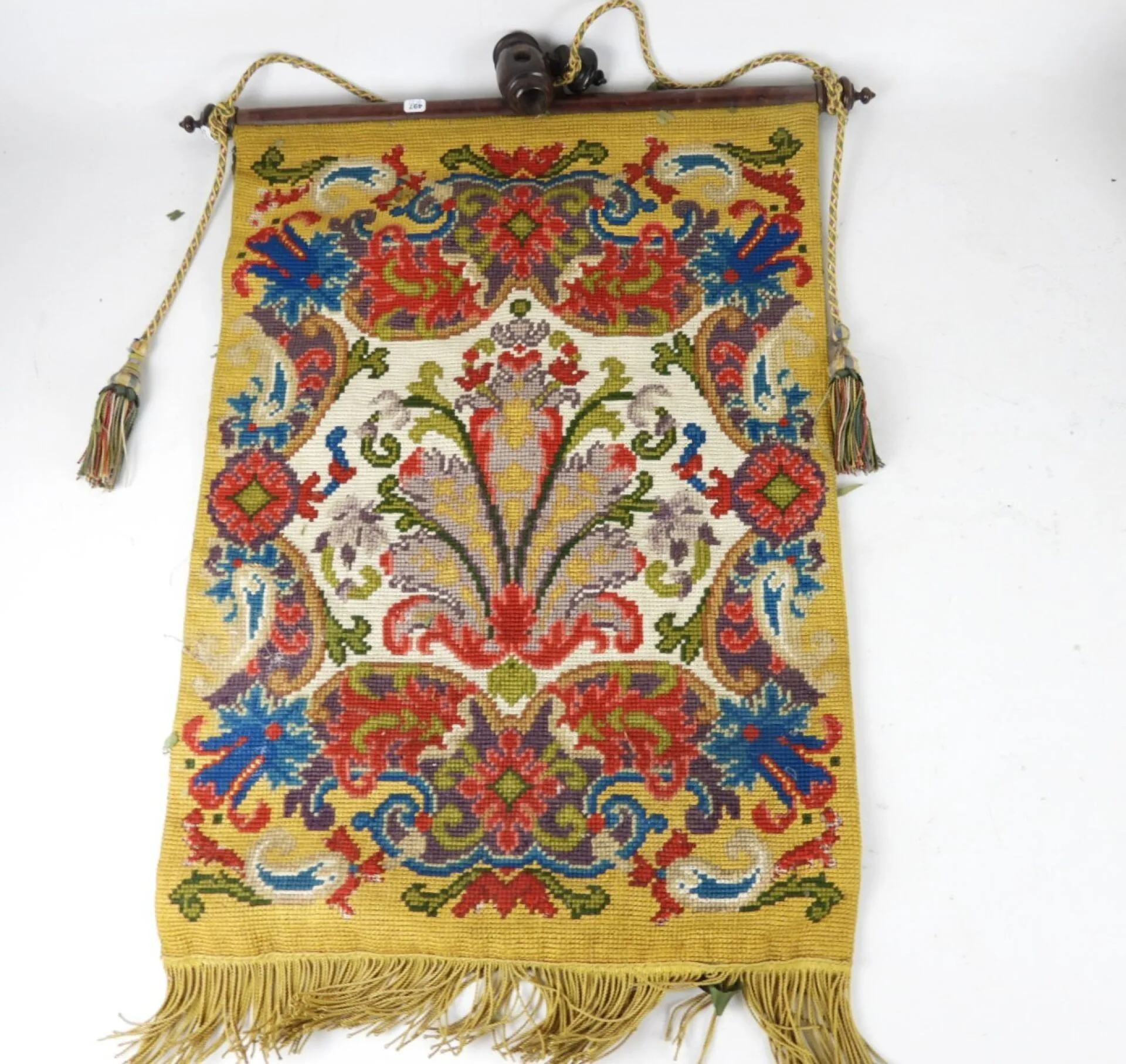
France, c. 1850-1859
1'7" X 2'3" (0.48 m x 0.69 m)
Available: Shipping As Soon As Tomorrow
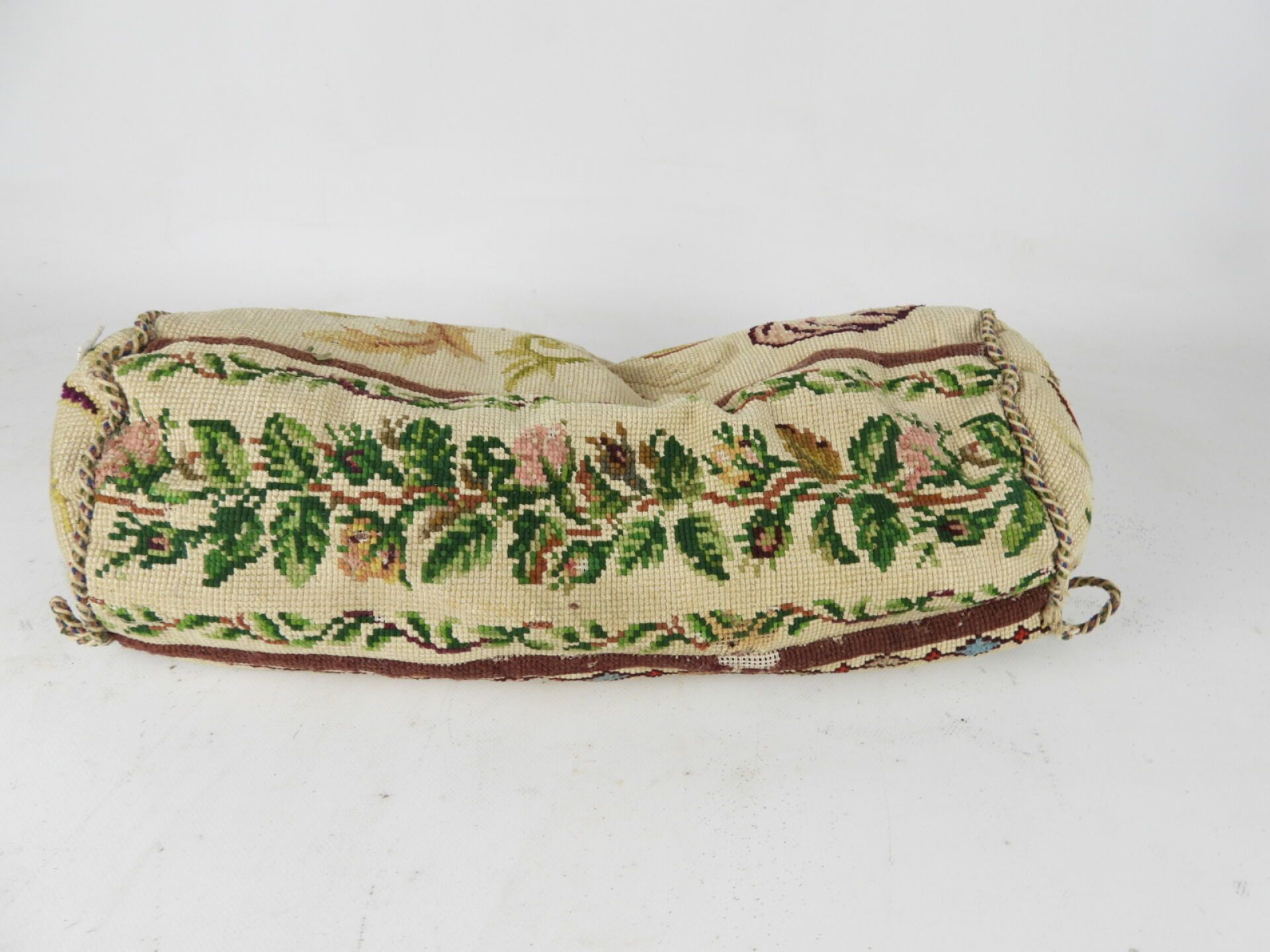
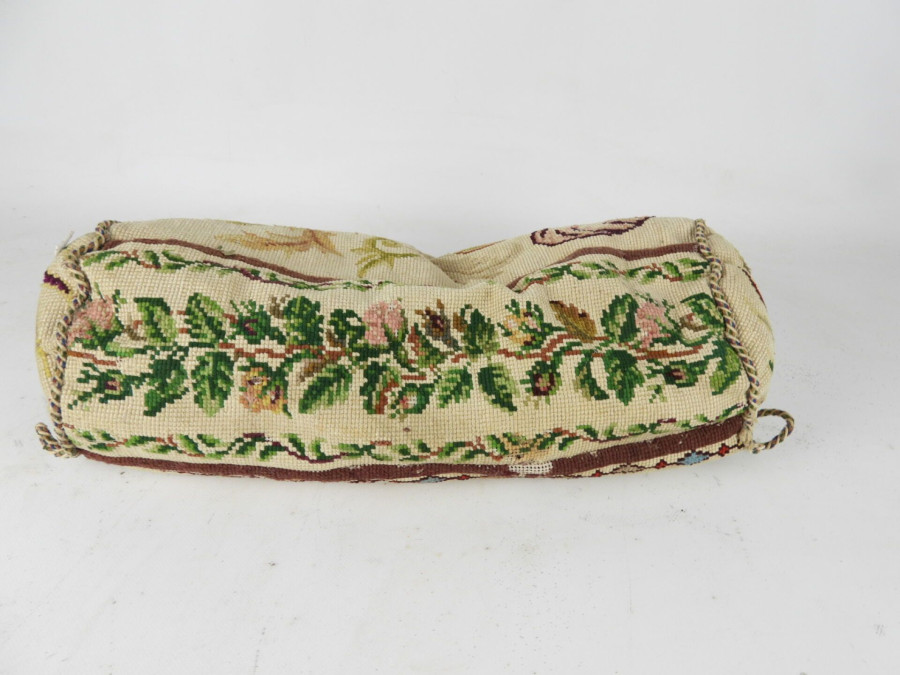
Antique 19th Century Gift-Sized French Tapestry with Medallion - Rug & Kilim
"Rug & Kilim's inventory spans the past four centuries and includes everything from ethnic and tribal patterns to European designs, as well as a host of Art Deco, abstract and understated tone-on-tone offerings, all in a vast array of materials, weaves and sizes."
— Tony Freund, 1stDibs Editorial Director
A standard since our inception upheld across every acquisition,
transaction, and delivery.
45+ Year Old Institution
More than four decades of expertise and stewardship, under the leadership of our Principal, Jahanshah "Josh" Nazmiyal.
Favorable Return Policy
Our return policy is 48 hours upon receipt allowing you to confirm the purchase in your space with confidence.
Product Warranty
Each rug is hand selected or produced through the most reputable sources under the direct supervision of our Principal.
Trusted Global Delivery
Reliable worldwide delivery handled with care, precision and constant communication.
Exceptional Support
Attentive, knowledgeable guidance before and after purchase from our dedicated team of specialists.
Long Term Care
We stand behind every piece we place and remain a resource to our clients for the lifetime of their collection.
- Measurements: 1'7" x 2'3" ( 0.48 m x 0.69 m )
- Categories: Accessories, Antique, European, Tapestry
- Classification: Circle/Oval/Square, Classic/Traditional, Floral, Medallion, Tapestry/Textile/Wall Hanging
- Material: Wool
- Origin: France
- SKU: 36965

Specifications:
Stories from the Tapestry Collection
Essays, artist dialogues, and provenance notes drawn from Rug & Kilim’s editorial desk.
Bokhara Rugs: Traditional Weaving and Global Influence
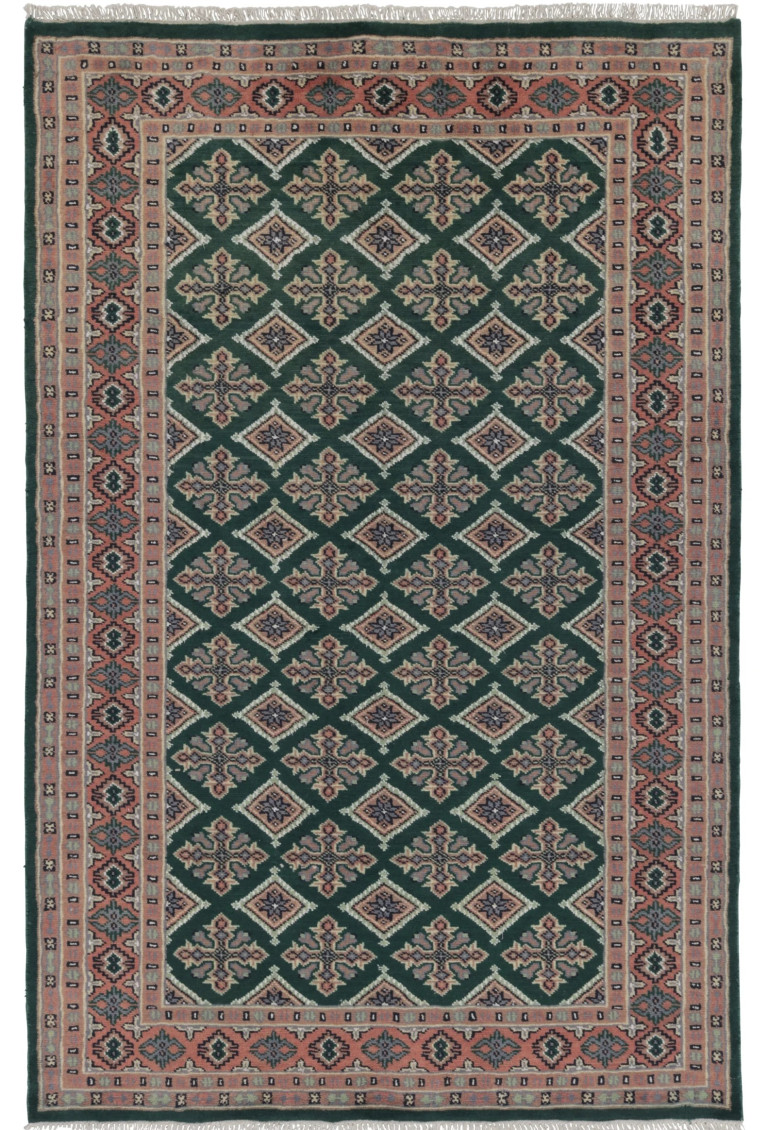
Among the most recognizable and influential traditions in the history of oriental carpets, Bokhara rugs represent a remarkable fusion of tribal heritage, geometric precision, and centuries-old weaving expertise. Known worldwide for their iconic repeating motifs, deep colors, and refined craftsmanship, Bokhara rugs have become enduring symbols of Central Asian textile artistry. Although the name “Bokhara” is commonly associated with the historic city of Bukhara in present-day Uzbekistan, many rugs classified as Bokhara originate from Turkmen weaving communities across regions including Turkmenistan, Afghanistan, and surrounding areas. The name reflects the historical trade routes through which these carpets traveled and became known internationally.
Read the Feature
Bidjar Rugs: Persian Weaving Mastery and Historic Design
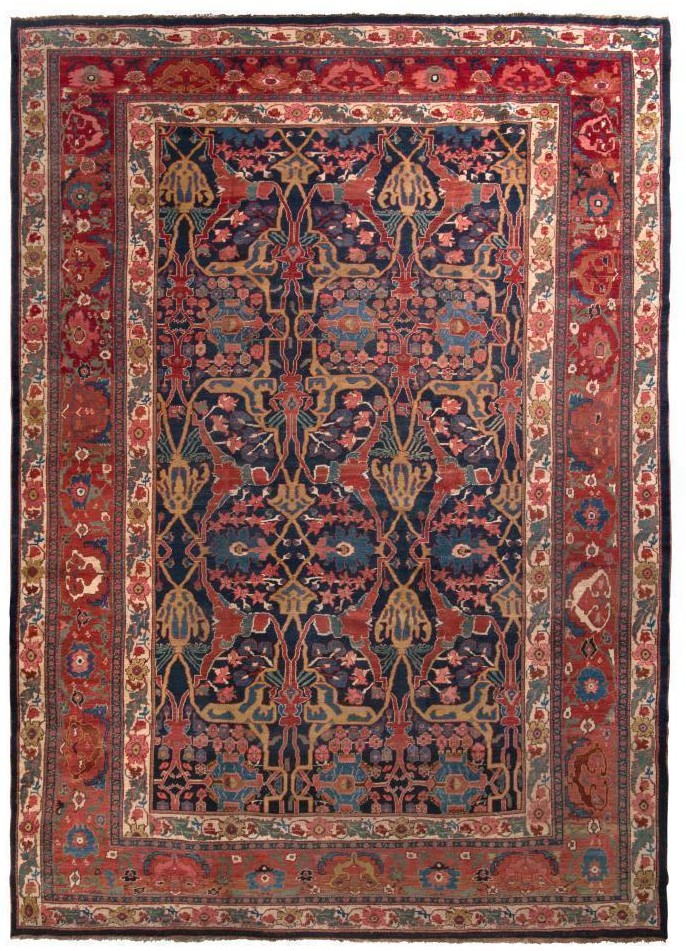
Among the most respected traditions of Persian carpet weaving, Bidjar rugs represent an extraordinary combination of strength, artistry, and technical mastery. Often referred to as the “Iron Rugs of Persia” because of their exceptional durability and dense construction, Bidjar carpets have earned a distinguished reputation among collectors, designers, and institutions worldwide. Originating from the town of Bidjar in western Iran’s Kurdistan region, these rugs reflect centuries of Kurdish weaving traditions combined with the broader artistic heritage of Persian carpet design. Their remarkable craftsmanship, sophisticated patterns, and rich color palettes have made them some of the most desirable examples of antique Persian carpets.
Read the Feature
A Brief Guide to Emilio Pucci “The Prince of Prints” and Mid-Century Modern Designs
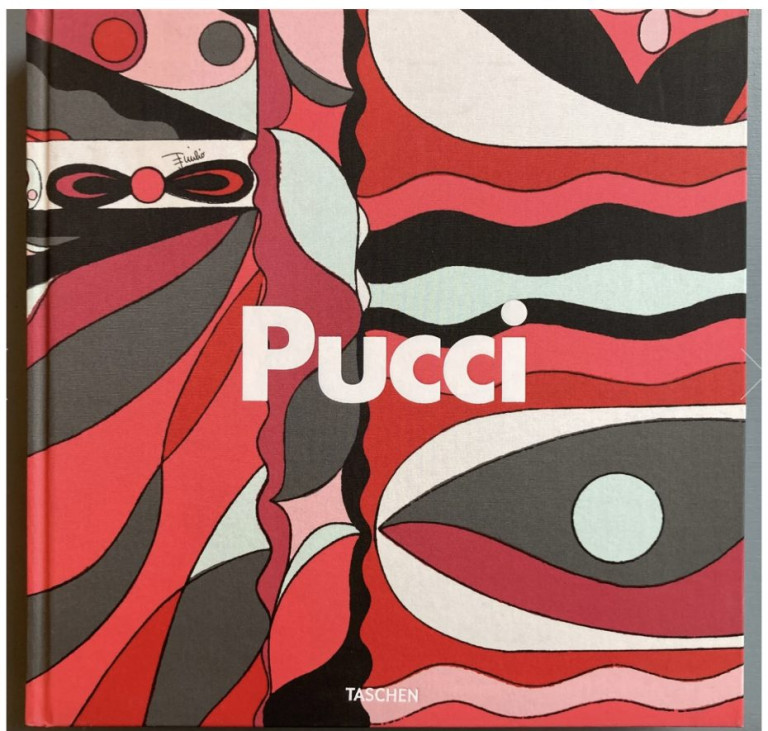
When America dreamed in Technicolor and design spoke the language of optimism, mid-century modern wasn't just a style—it was a revolution in living. Between the clean sweep of a Saarinen table and the organic curve of an Eames chair lay a new world of possibility: where simplicity was synonymous with luxury. Here, in this golden age of design democracy, even the flooring became a canvas for innovation. While names like Herman Miller and Knoll defined the silhouettes of modern living, it was the often-overlooked story of textile and rug design that gave these spaces their soul. Emilio Pucci, an aristocrat turned avant-garde visionary, whose kaleidoscopic genius would transform not just what we wore, but how we lived, is popularly called "The Prince of Prints".
Read the Feature
Robert Motherwell and MidCentury Modern Expressionist Art
The legacy of mid-century modernism continues to influence contemporary design, celebrating the creativity and optimism of a generation that looked to the future with hope and ambition. In the aftermath of World War II and amid the tensions of Cold War politics, design emerged as a crucial element in the reconstruction of economies and the redefinition of national identities. Governments, organizations, companies, and individuals sought to introduce modern design to a public that had endured years of deprivation and rationing since the 1930s Depression. The introduction of new materials and manufacturing processes, along with original forms and inventive imagery, created exciting new visions of domestic spaces and their furnishings. These innovations offered the possibility of a brighter future for everyone, fueling the optimism of the era.
Read the Feature
A Brief Introduction to Joan Miró and his European Tapestries
Joan Miró, a prominent Spanish artist, played a pivotal role in shaping avant-garde creations in the 20th century. His work seamlessly blended natural forms, linear markings, and vibrant colors, creating a distinctive visual language that set him apart in the art world. Miró's art often delved into themes related to the subconscious, the rekindling of childlike wonder, and a deep connection to his homeland. His diverse body of work encompassed collages, sculptures, and paintings, showcasing a rich array of artistic expressions. Influences from Cubism, Fauvism, and Expressionism were evident in his creations, and some of his works also bore characteristics reminiscent of naive art.
Read the Feature
A Glossary of Handmade Rugs and Kilims: Understanding Terms, Types and Techniques Past and Present
Referring to the art style characterized by using shape and color withdrawn from traditional repetition or realism. Abstract rugs — sometimes referred to as art rugs — capture an expressive nature that reads as a very modern style, though many abstract rugs draw inspiration from works of the same art style in the mid-century. One of the more widely known mid-century lineages of this style is abstract expressionism, named for the literal "expressionists" of the 1950s. Some of the most notable names behind this style include Jackson Pollock and Mark Rothko. Referring to a lineage of nomadic Persian rugs (sometimes referred to as “Avsar” in the alternate spelling). Afshar rugs hail from the eponymous tribe in the region of Northeastern Iran.
Read the Feature


R&K Image Studio
NEWThe R&K Image Studio is a new visual workspace designed to present the Rug & Kilim collection with clarity, restraint, and precision — in your space or any space you imagine.
This tool allows you to view, refine, and prepare imagery drawn directly from the pieces in our archive. They can be visualized cleanly, isolated thoughtfully, and adjusted for presentations, proposals, and private viewings, without altering the integrity of the original work.
Tapestry
Wool
France, c. 1850-1859
1'7" X 2'3" (0.48 m x 0.69 m)
Price upon request
Available: Shipping as Soon as Tomorrow
Antique 19th Century Gift-Sized French Tapestry with Medallion - Rug & Kilim
"Rug & Kilim's inventory spans the past four centuries and includes everything from ethnic and tribal patterns to European designs, as well as a host of Art Deco, abstract and understated tone-on-tone offerings, all in a vast array of materials, weaves and sizes."
— Tony Freund, 1stDibs Editorial Director
- Measurements: 1'7" x 2'3" ( 0.48 m x 0.69 m )
- Categories: Accessories, Antique, European, Tapestry
- Classification: Circle/Oval/Square, Classic/Traditional, Floral, Medallion, Tapestry/Textile/Wall Hanging
- Material: Wool
- Origin: France
- SKU: 36965

