
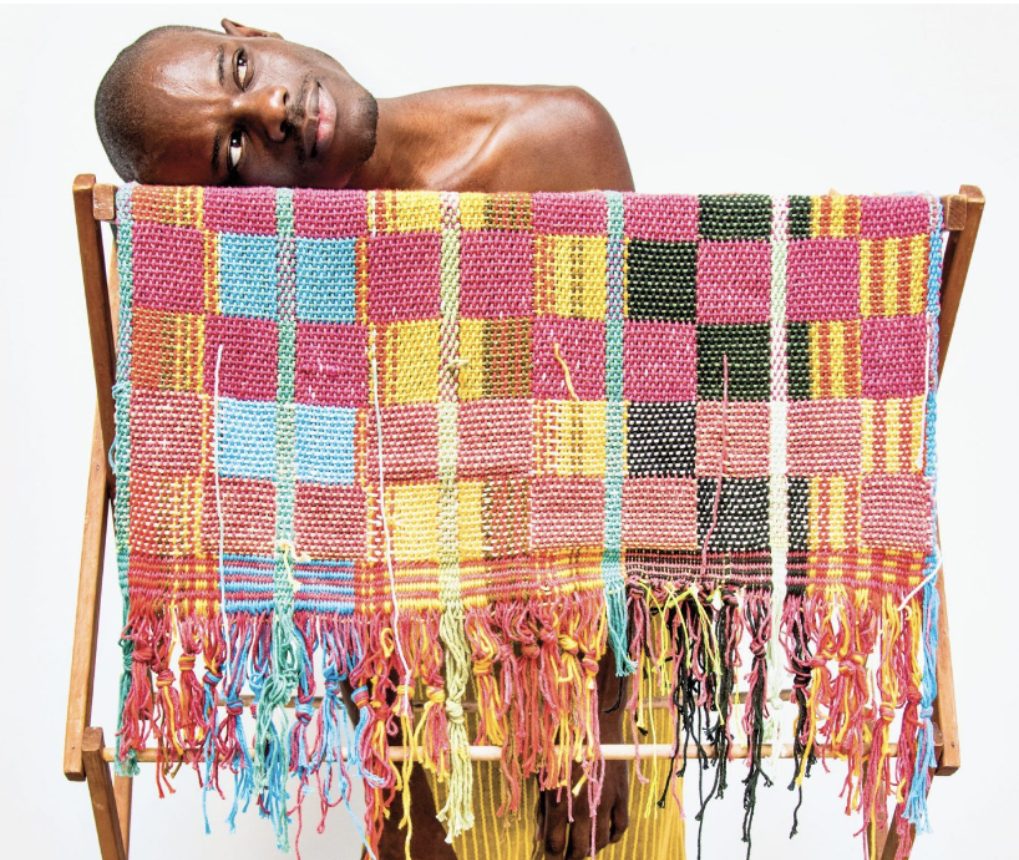
Contemporary Tapestries Exploring Politics and Modern Conflicts in Light of Diedrick Brackens and Erin M Riley’s Work
April 1, 2024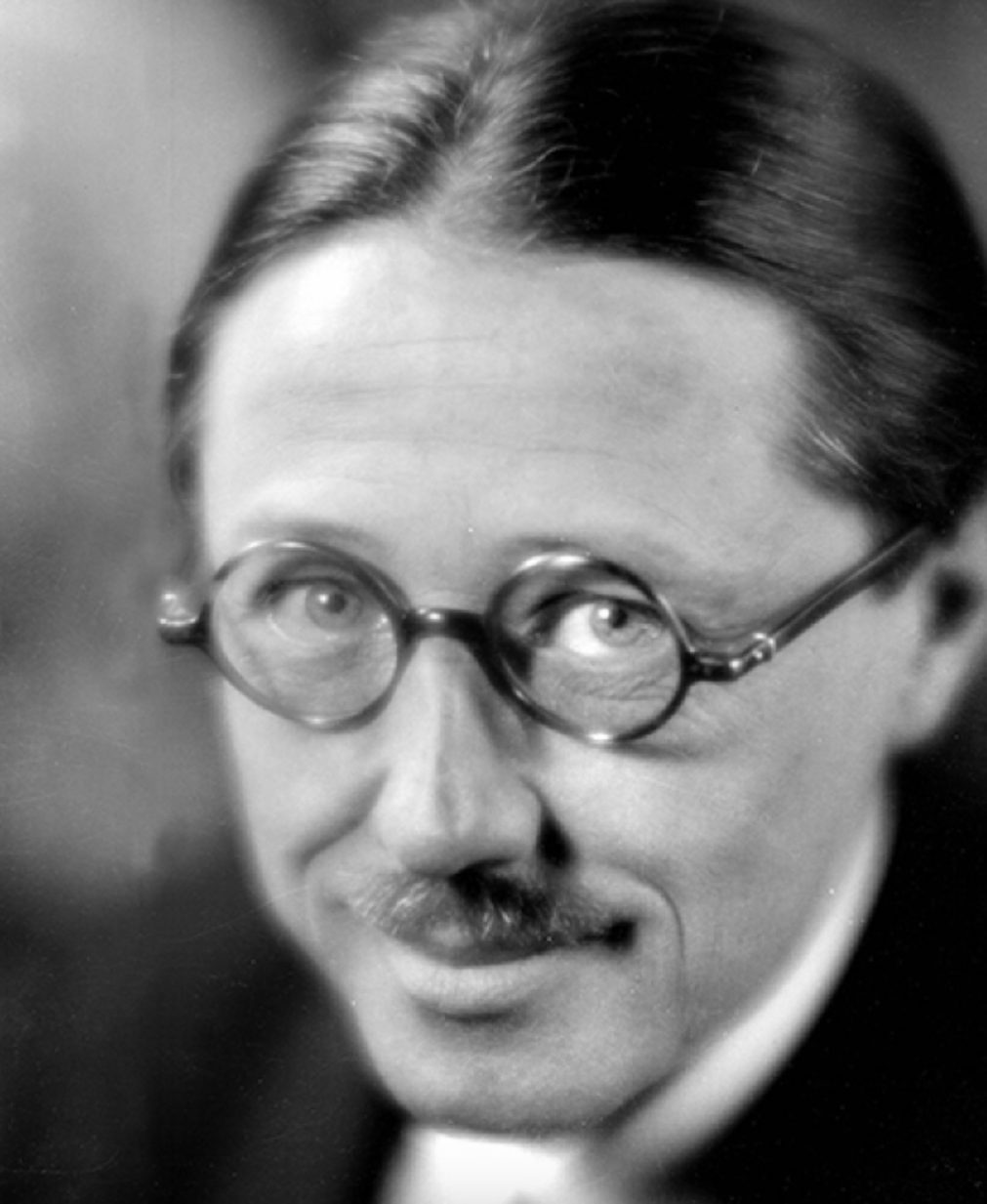
Émile-Jacques Ruhlmann and his Contributions to the Art Deco Movement
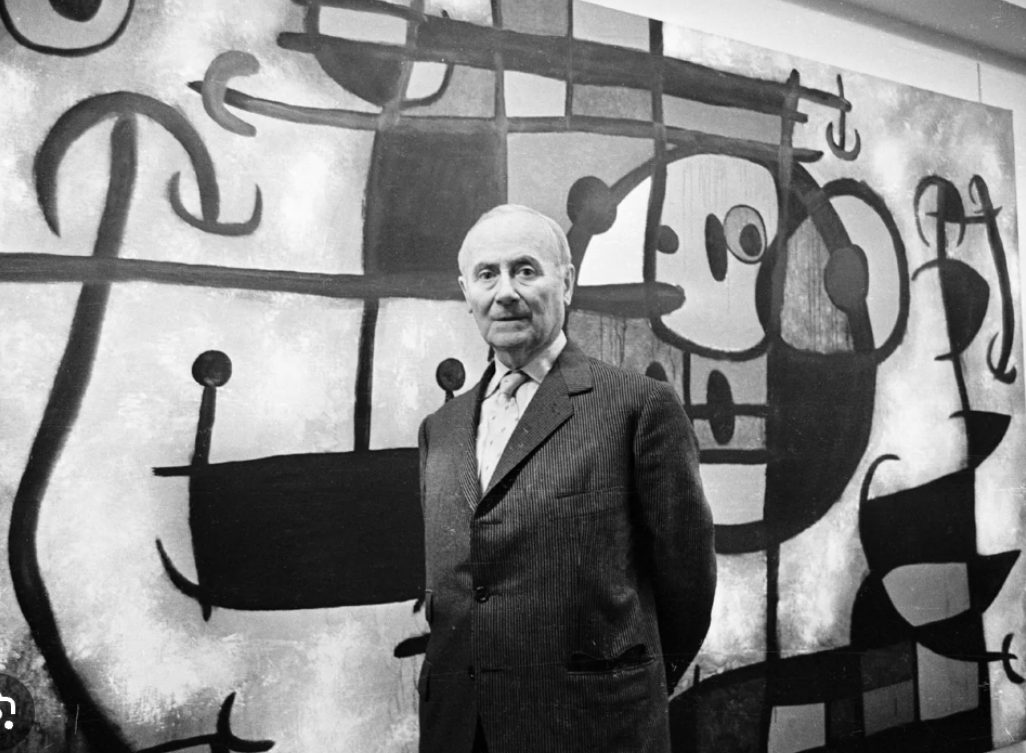
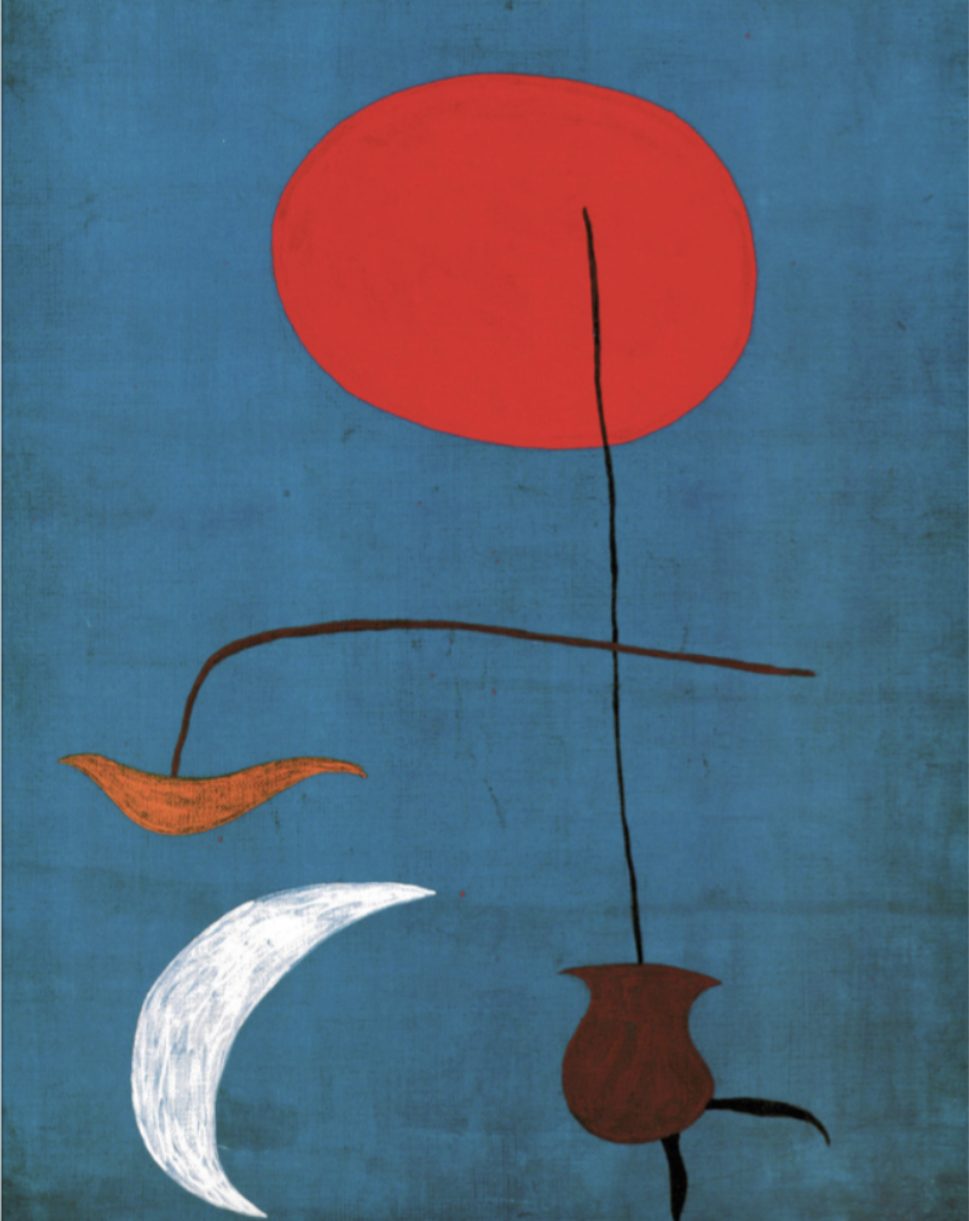
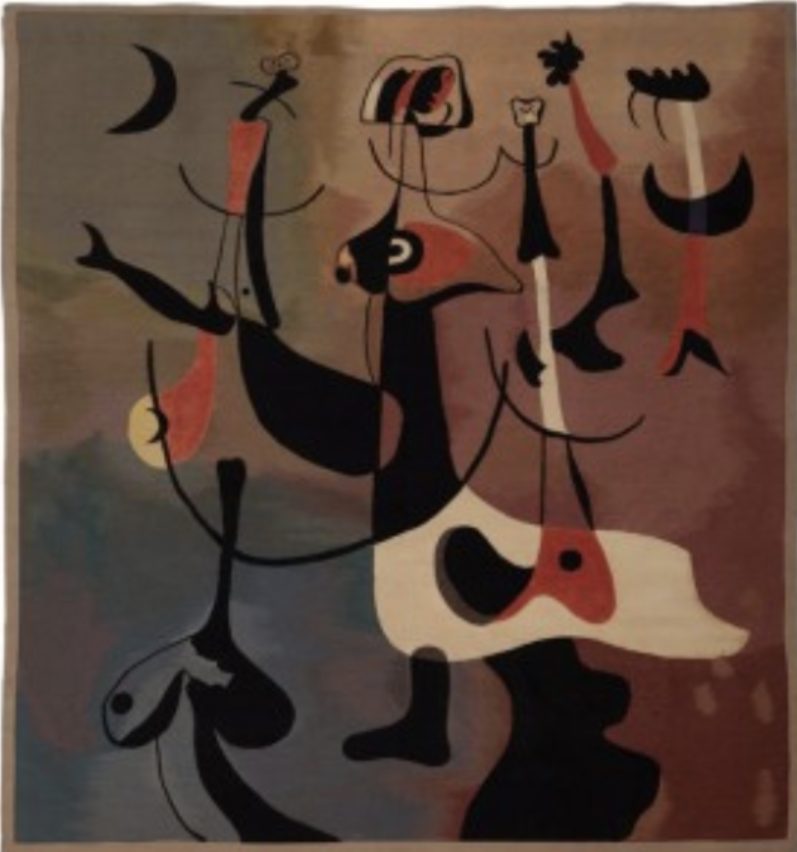
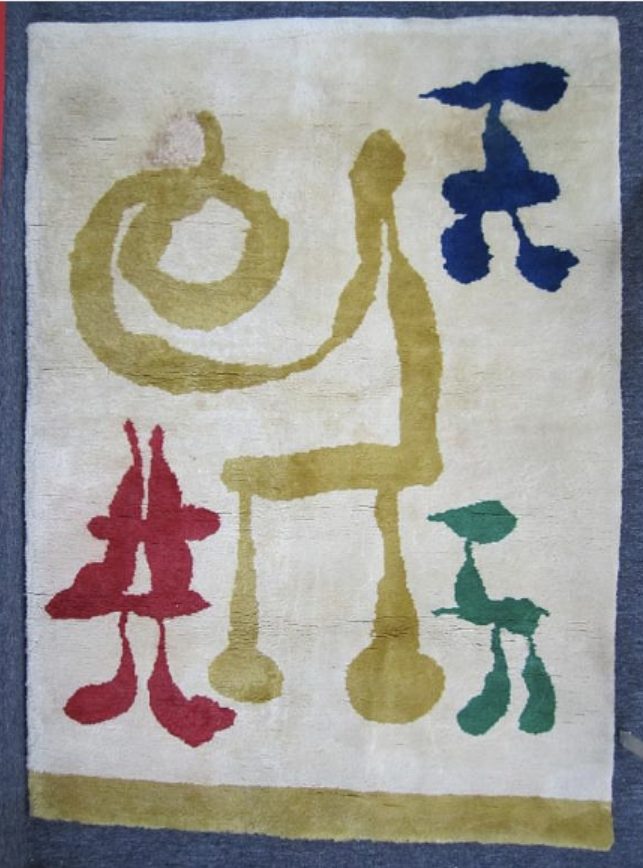
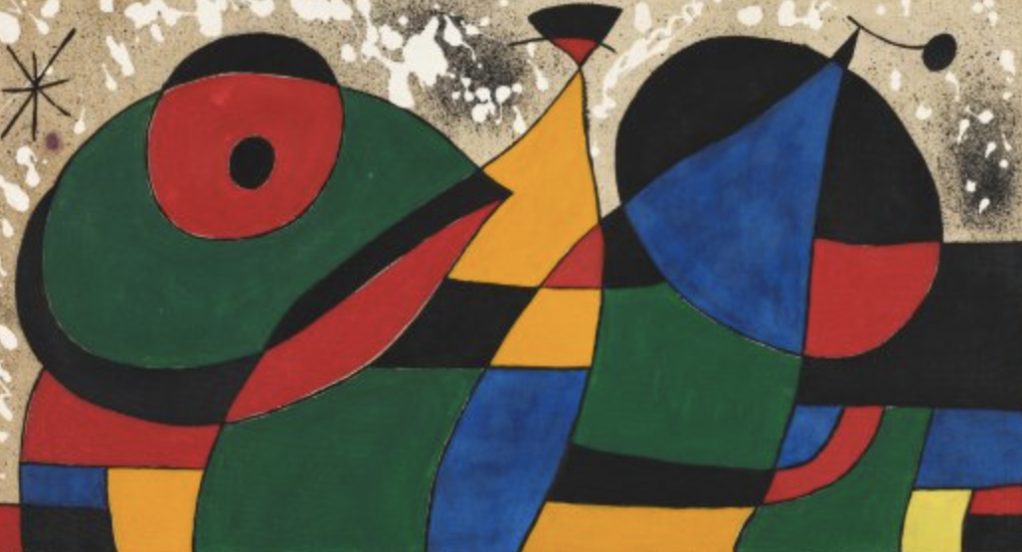
April 1, 2024Joan Miró, a prominent Spanish artist, played a pivotal role in shaping avant-garde creations in the 20th century. His work seamlessly blended natural forms, linear markings, and vibrant colors, creating a distinctive visual language that set him apart in the art world. Miró’s art often delved into themes related to the subconscious, the rekindling of childlike wonder, and a deep connection to his homeland. His diverse body of work encompassed collages, sculptures, and paintings, showcasing a rich array of artistic expressions. Influences from Cubism, Fauvism, and Expressionism were evident in his creations, and some of his works also bore characteristics reminiscent of naive art.
www.joan-miro.net
www.joan-miro.net
www.joan-miro.net
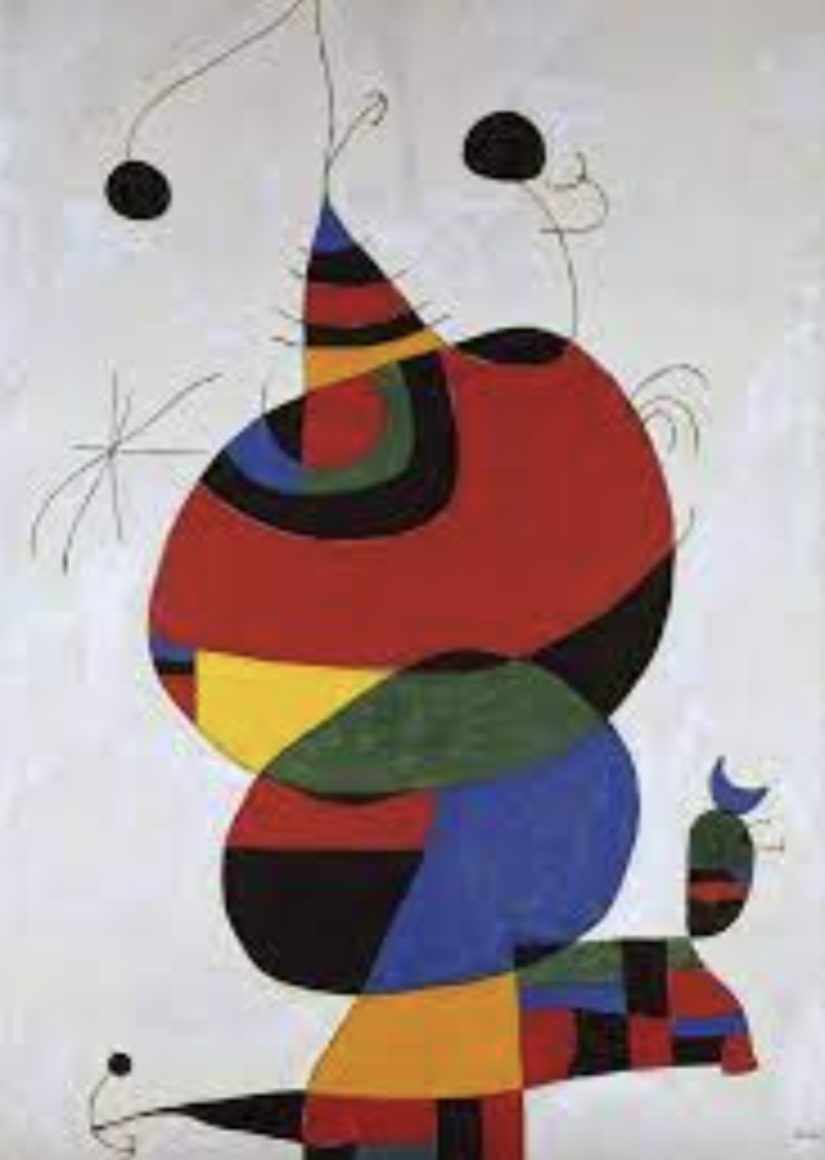
In 1954, Miró received the Grand Prix at the Venice Biennale, a testament to the international recognition of his artistic contributions. His impact extended to his home country, where he was honored with the Gold Medal for Merit in Fine Arts in Spain in 1980. One of Miró’s notable paintings, “Woman, Bird, Star,” exemplifies his multidimensional approach. His compositions often featured an interplay of various elements, including characters, animals, and celestial bodies. Miró’s art continues to captivate audiences, reflecting his enduring influence on the trajectory of modern and contemporary art.
www.joan-miro.net
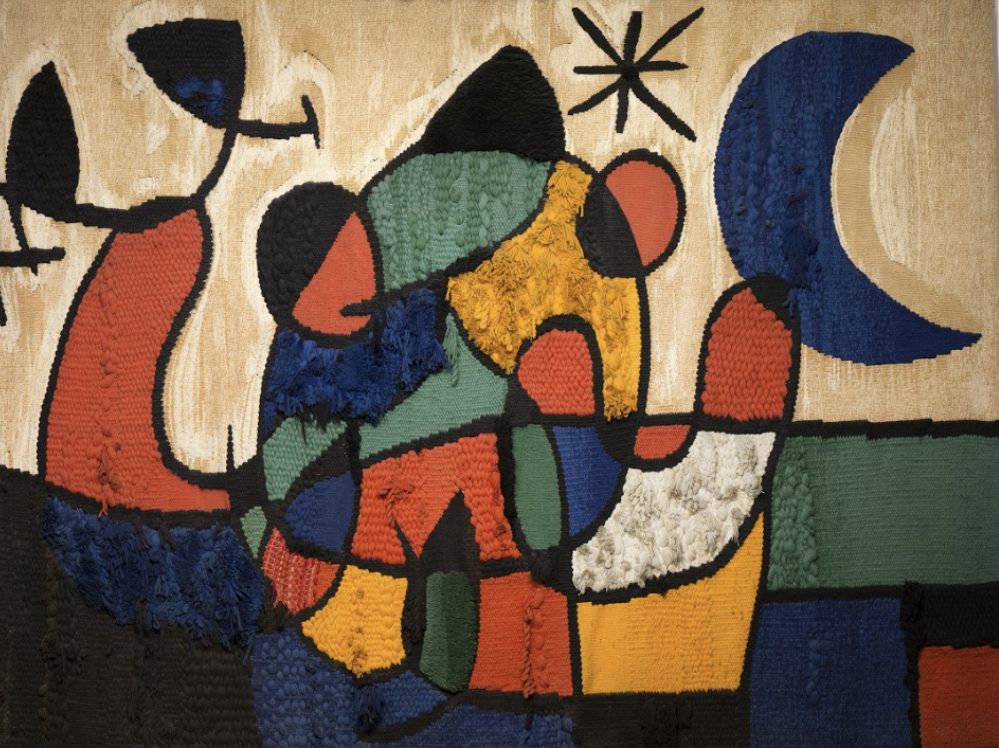
The Tarragona Tapestry, initiated in gratitude by Joan Miró, marked a significant moment in the artist’s career. The genesis of this project was a gesture of appreciation towards Dr. Rafel Orozco, who had provided medical care to Miró’s daughter, Maria Dolors Miró, after a tragic accident. In September 1968, Miró signed the first preliminary sketch outlining the components of the Tarragona Tapestry. This artistic endeavor was a response to Dr. Orozco’s request for a painting to adorn the new medical center where he served as the director—the Red Cross Hospital in Tarragona. What began as a gesture of gratitude evolved into a more ambitious project, the Tarragona Tapestry. To bring this vision to life, Miró collaborated with the young artist Josep Royo. Royo had contributed to the renovation of the Aymat Tapestry Factory in Sant Cugat del Vallès, later known as the Catalan School of Tapestry. The Tarragona Tapestry project not only marked a new phase in Miró’s career but also set the foundation for a creative partnership with Royo. The artists found a suitable space for their collaborative works in the former Tarragona flour factory.
www.joan-miro.net
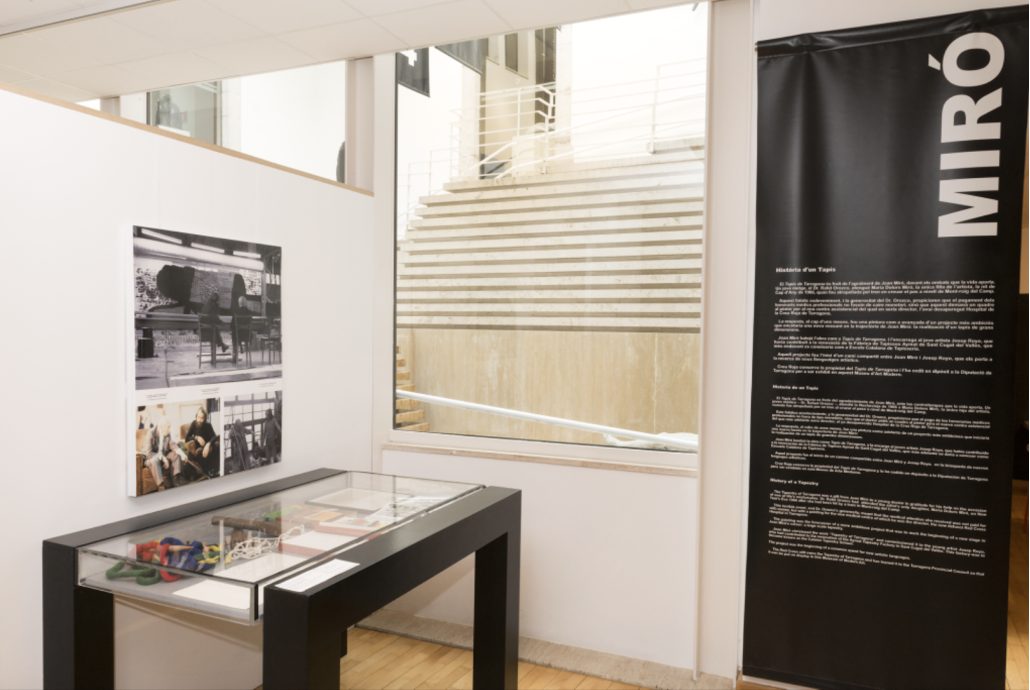
The World Trade Center Tapestry was a significant creation by Joan Miró and Josep Royo, displayed in the lobby of 2 World Trade Center (the South Tower) in New York City from 1974 until its unfortunate destruction in the events of September 11, 2001. The idea for this tapestry originated when Saul Wenegrat, former director of the art program for the Port Authority of New York, suggested to Miró that he could create a tapestry for the World Trade Center. Initially hesitant, Miró declined the offer as he insisted on creating the work with his own hands, and he lacked experience in tapestry making. However, after his daughter’s recovery from an accident in Spain, Miró, expressing gratitude to the hospital that treated her, agreed to make a tapestry. Learning the techniques from tapestry maker Josep Royo, Miró collaborated with him on several projects, including the creation of the World Trade Center Tapestry.
www.joan-miro.net
Completed in 1973, the tapestry featured an abstract design characterized by vibrant blocks of color, including red, green, blue, and yellow, with black elements set against a light brown background. Composed of wool and hemp, it measured an impressive 20 × 35 feet (6.1 × 10.7 m) and weighed 4 tons. Before being installed in New York City in 1974, the tapestry was showcased at a retrospective at the Grand Palais in Paris.
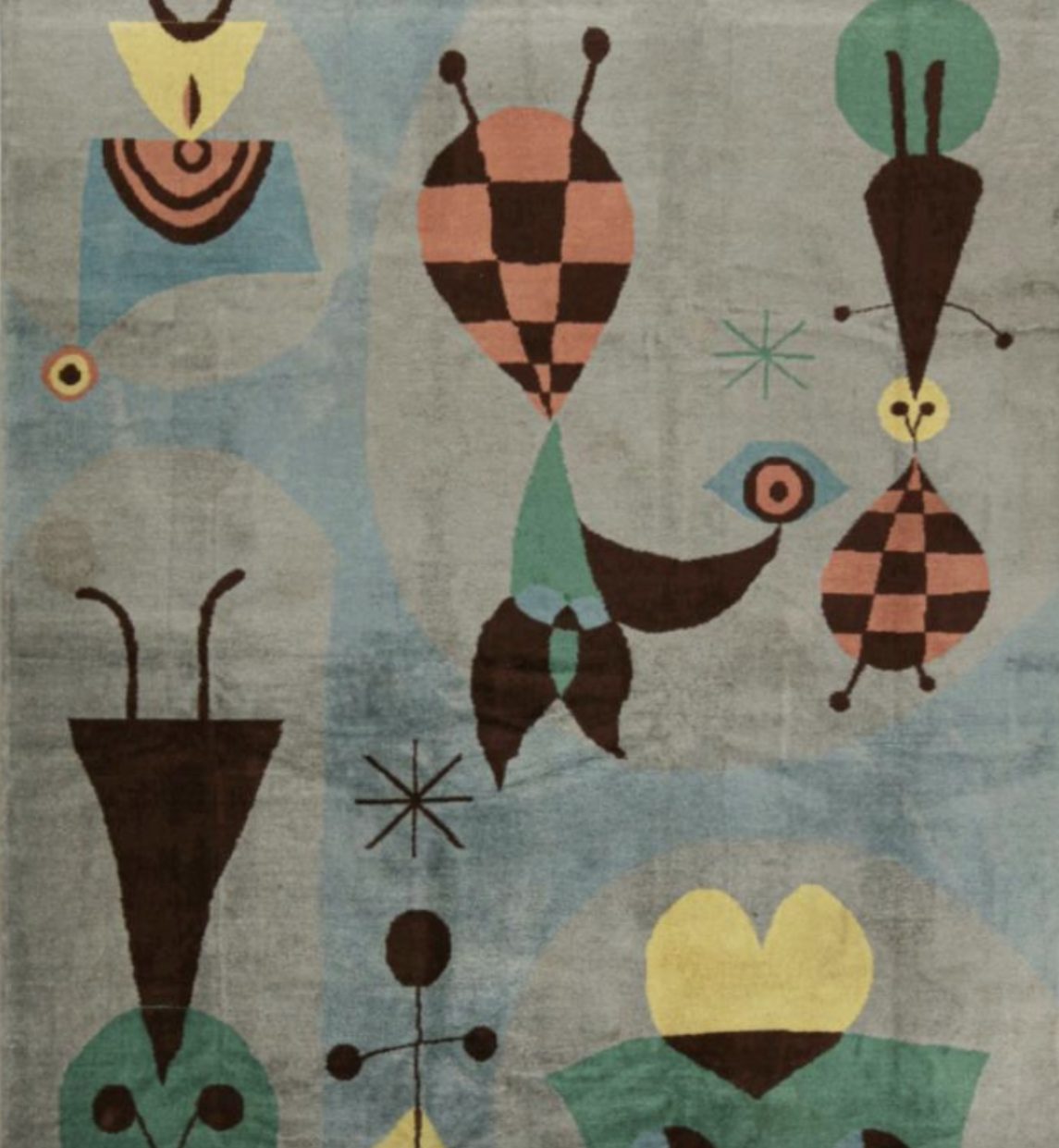
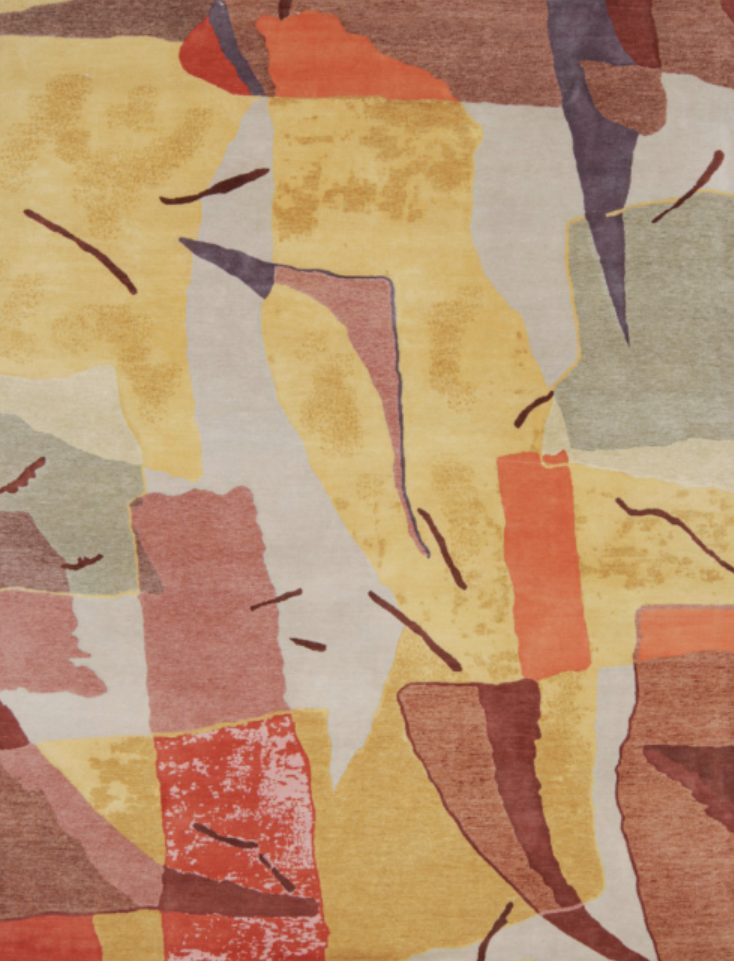
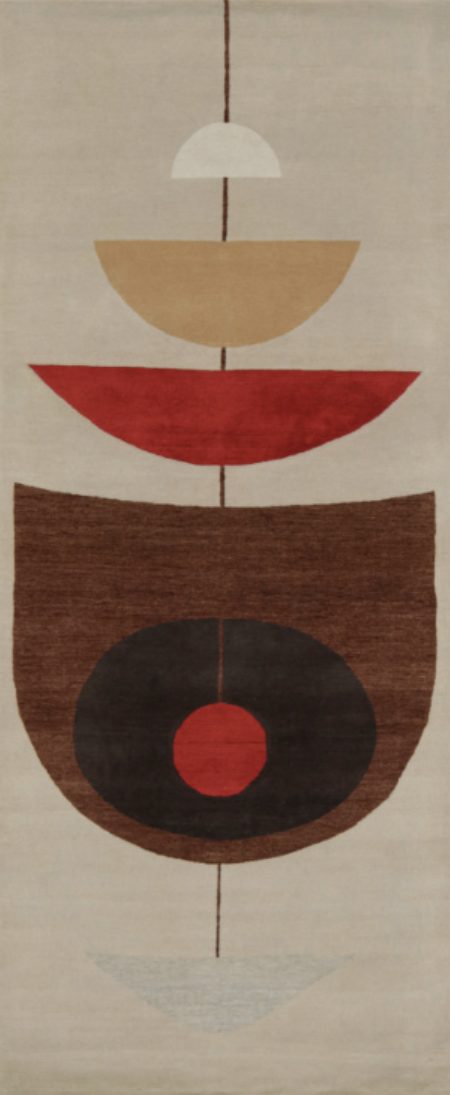
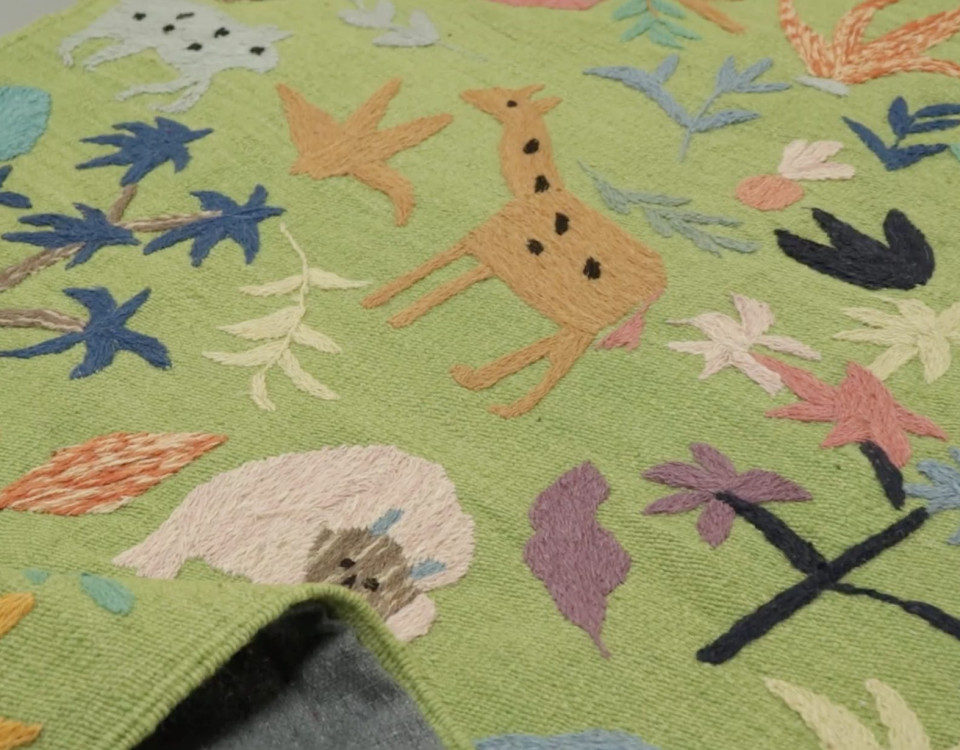
View some of Rug & Kilim’s favourite rugs as inspired by Miro’s designs –