



Wool
Afghanistan, New
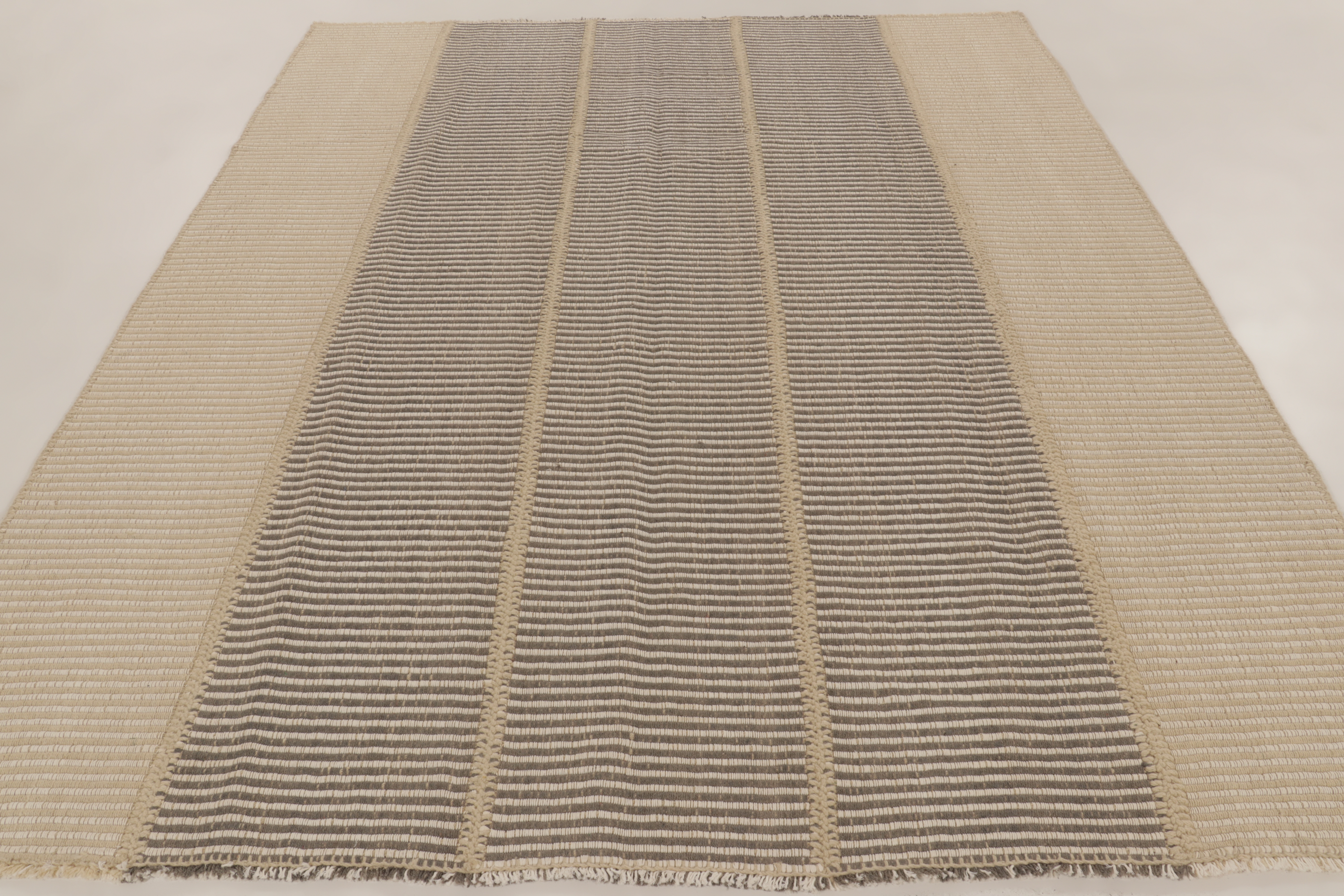
8'1" X 9'11" (2.46 m x 3.02 m)
Available: Shipping As Soon As Tomorrow
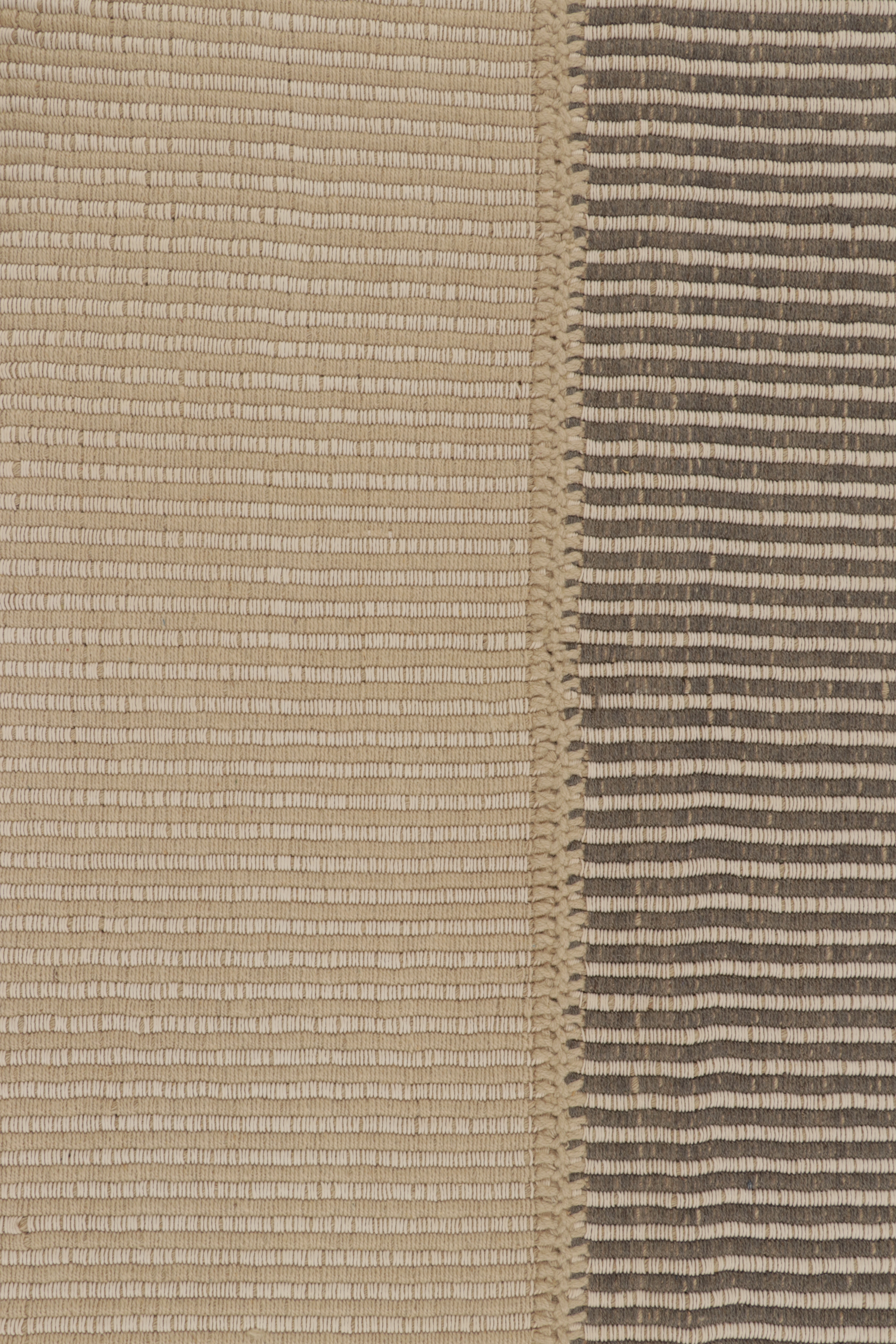
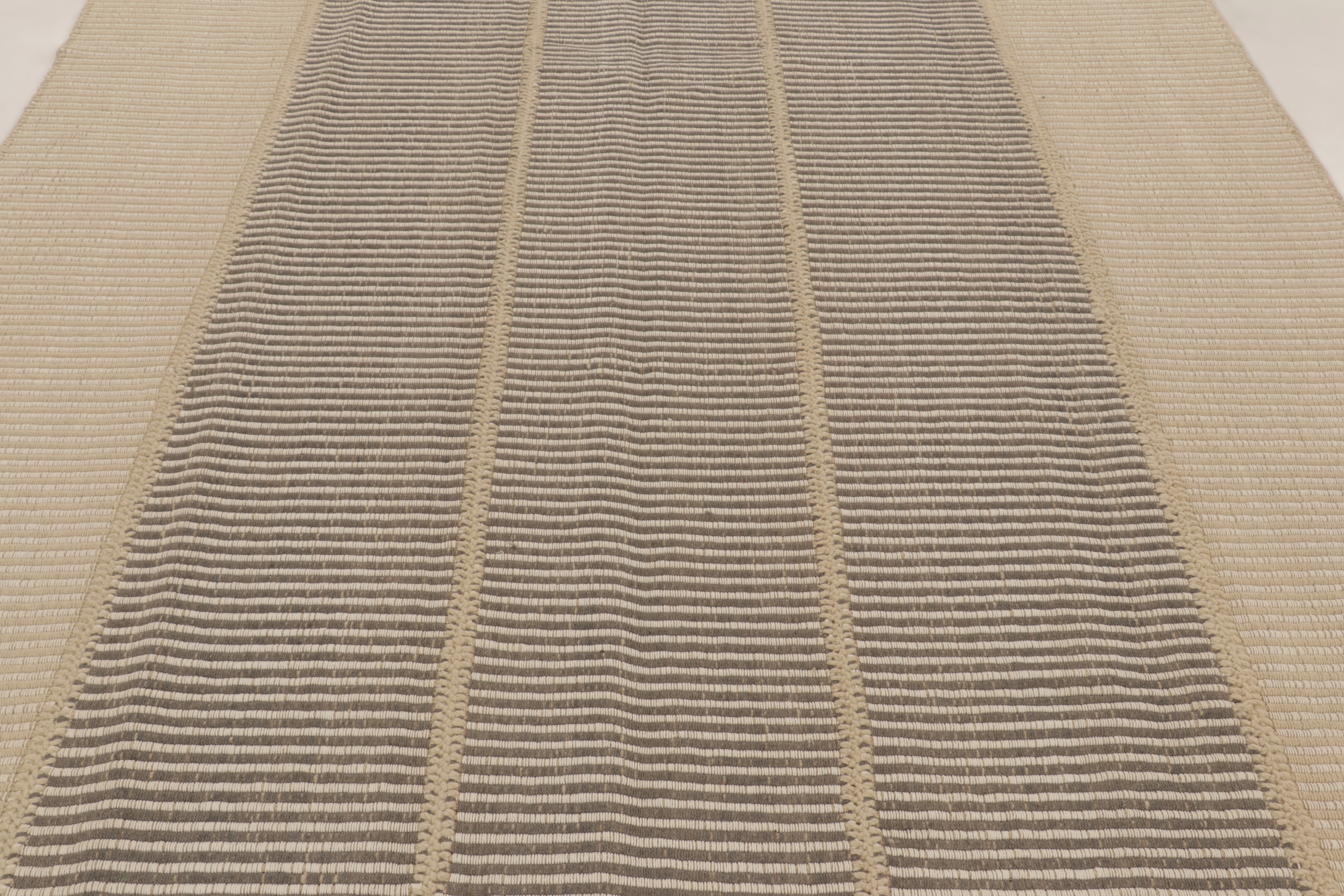
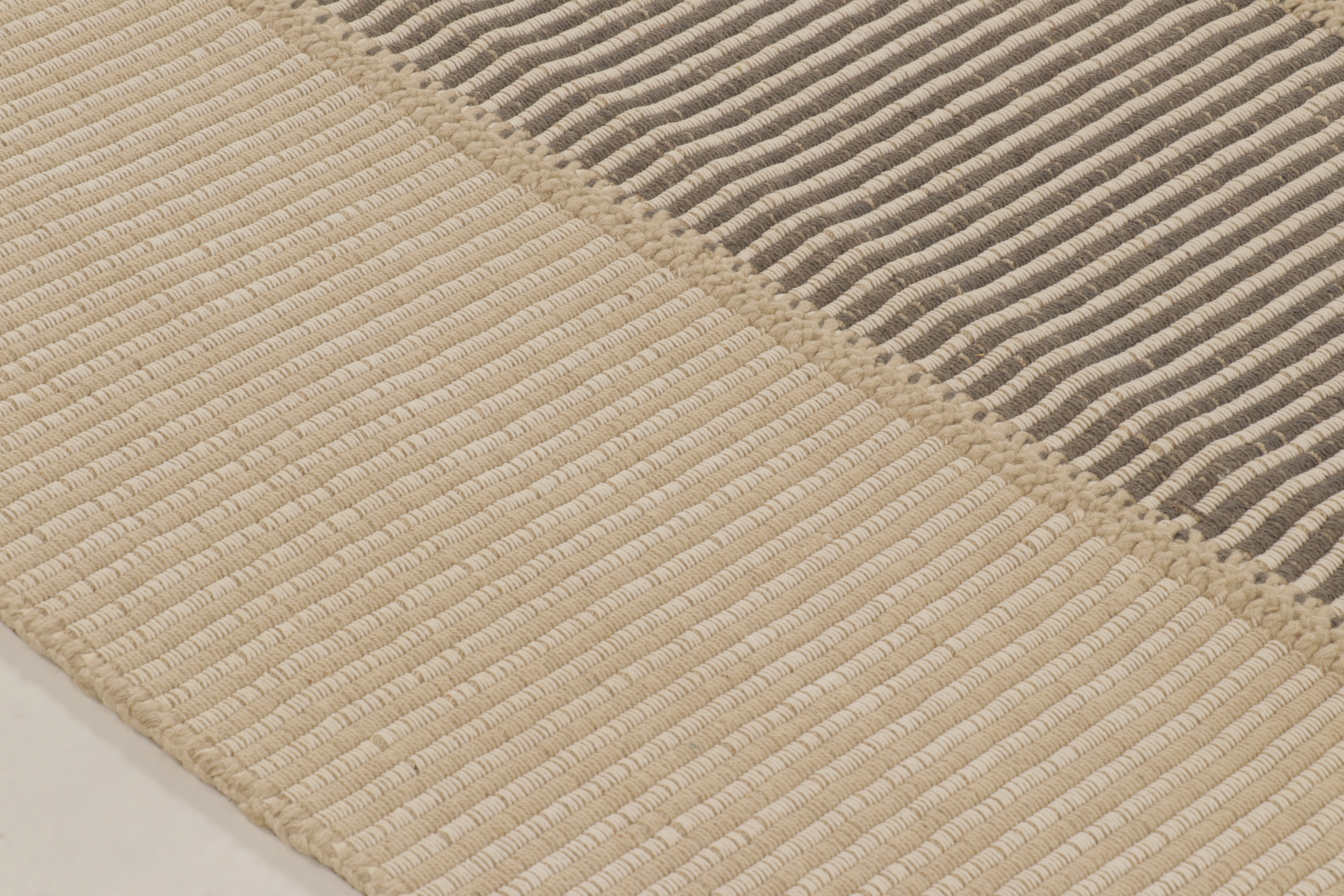
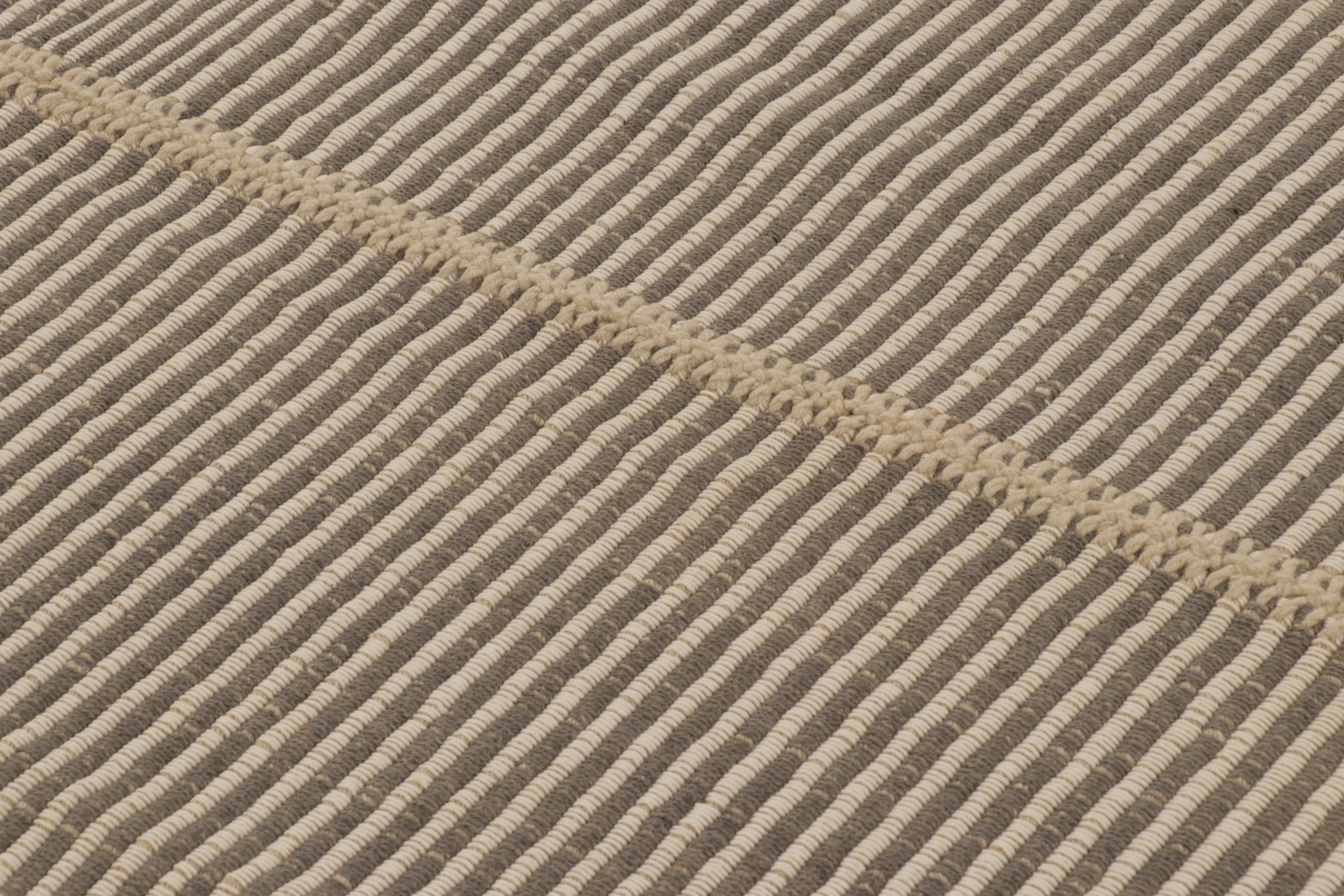
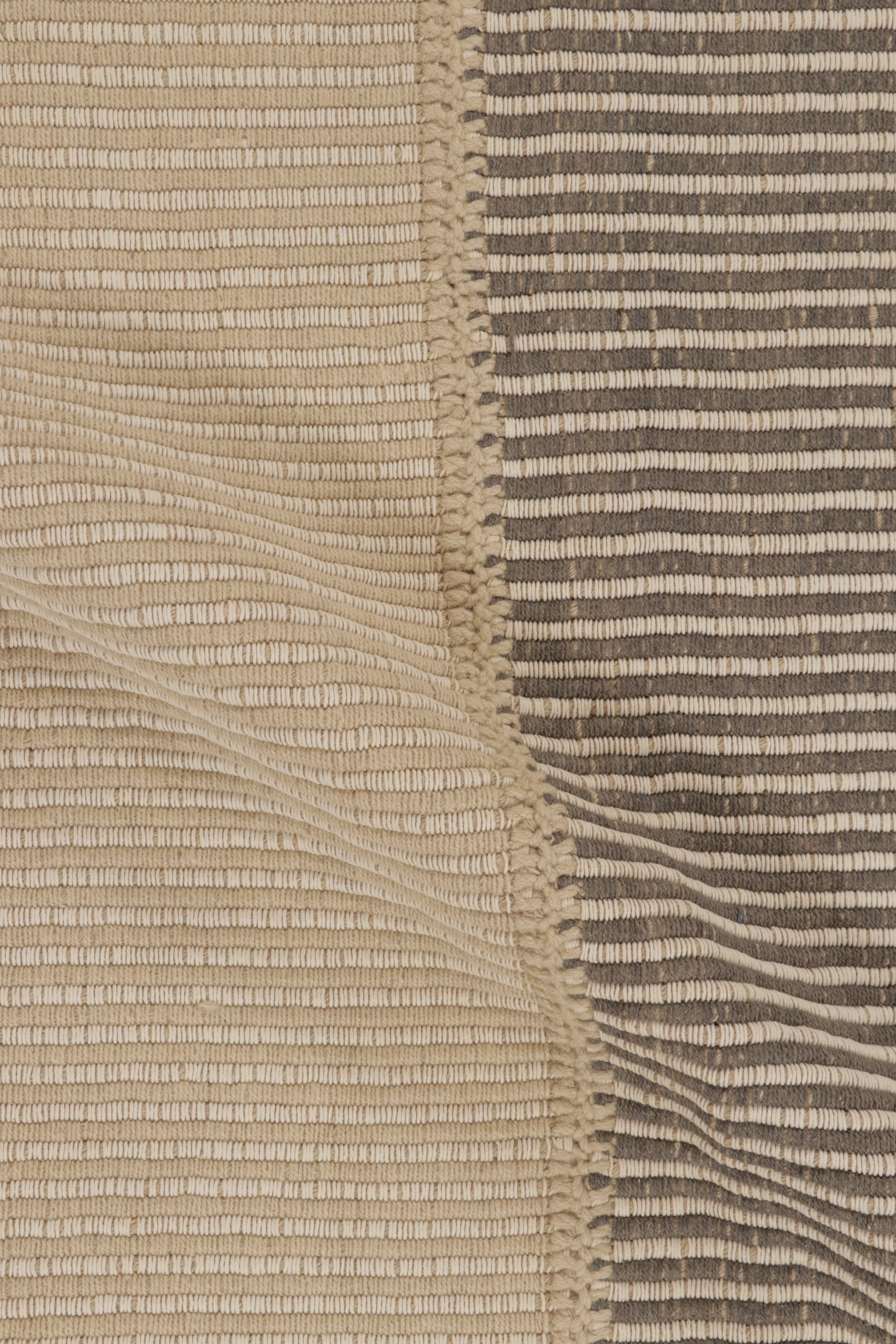
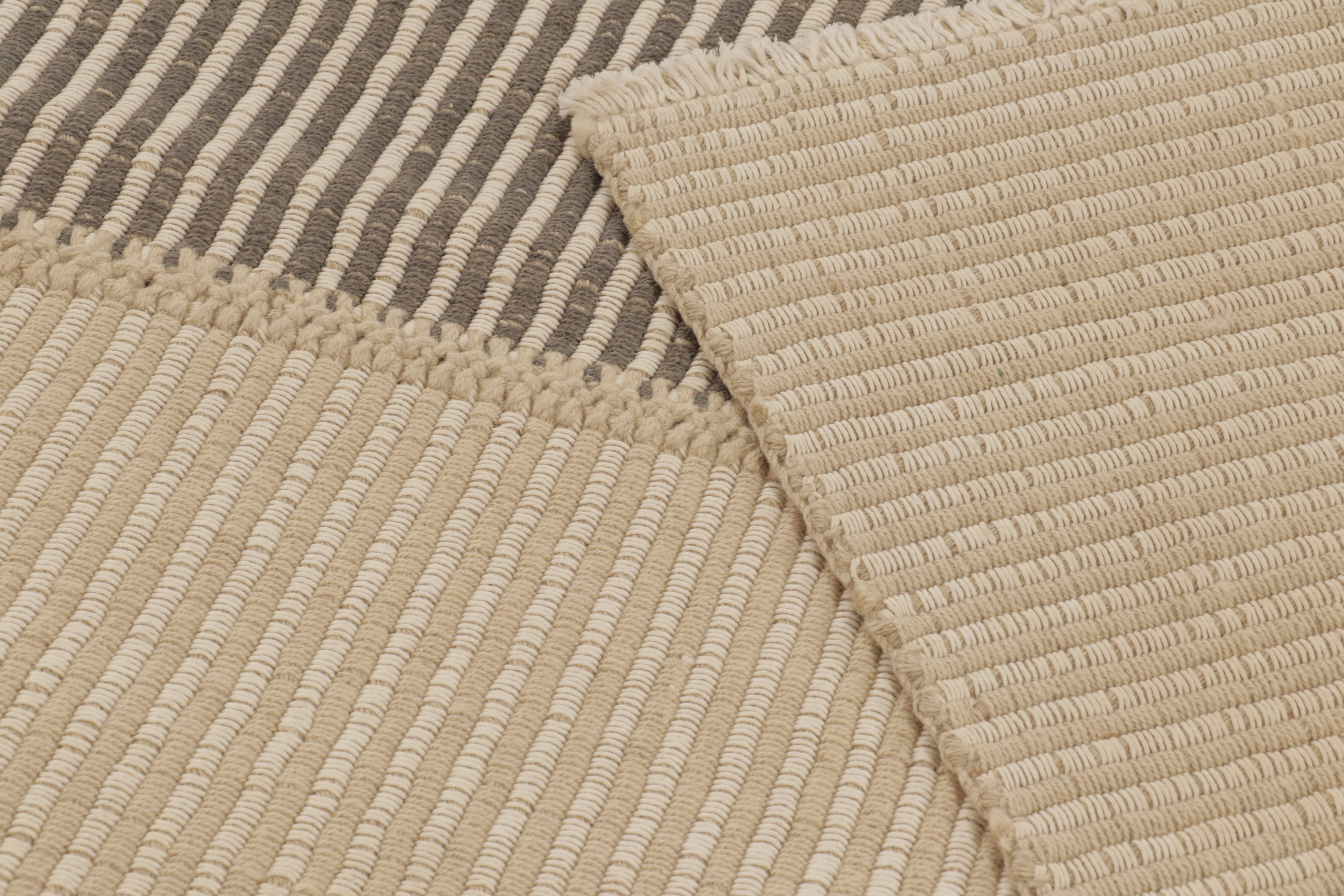
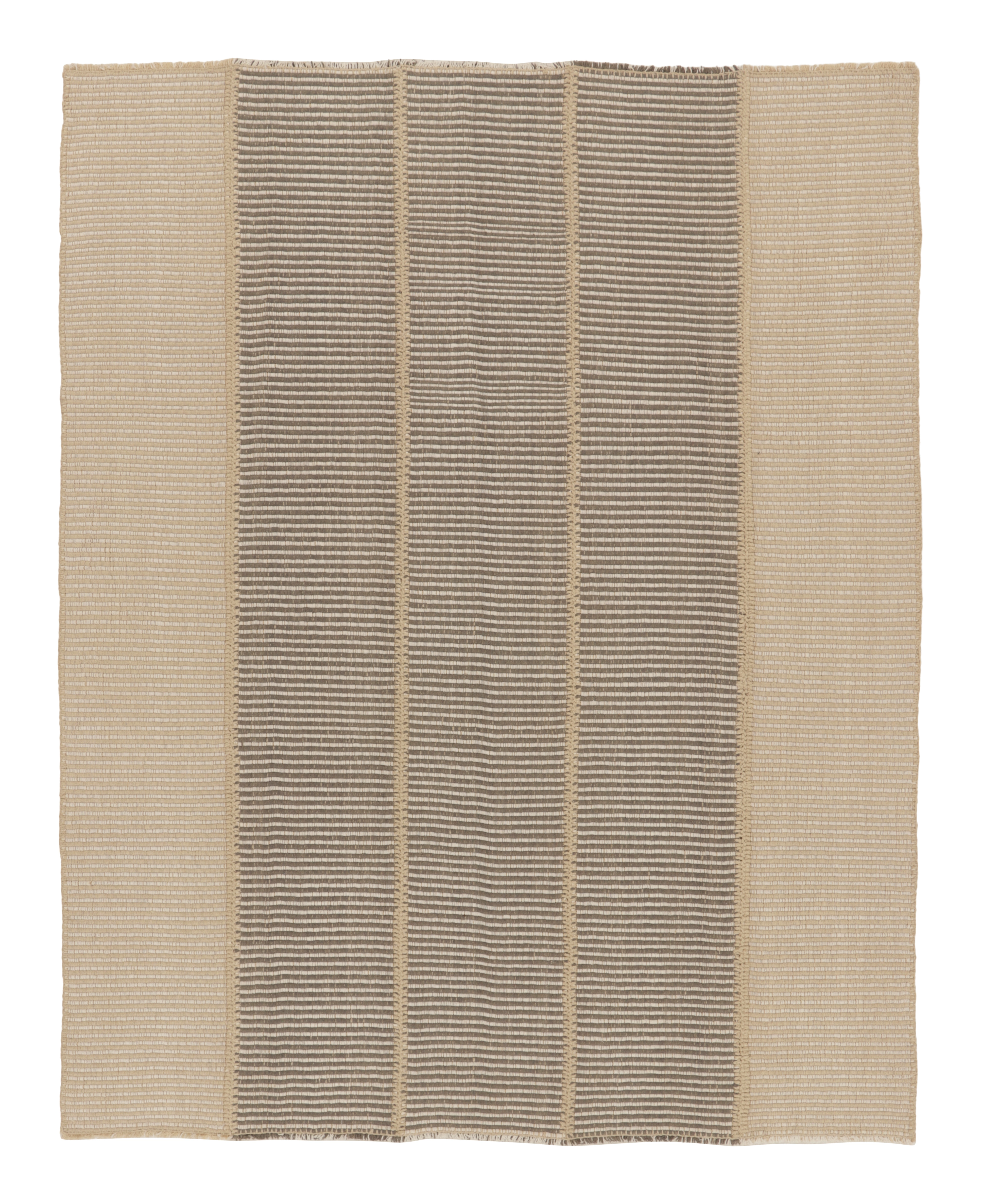
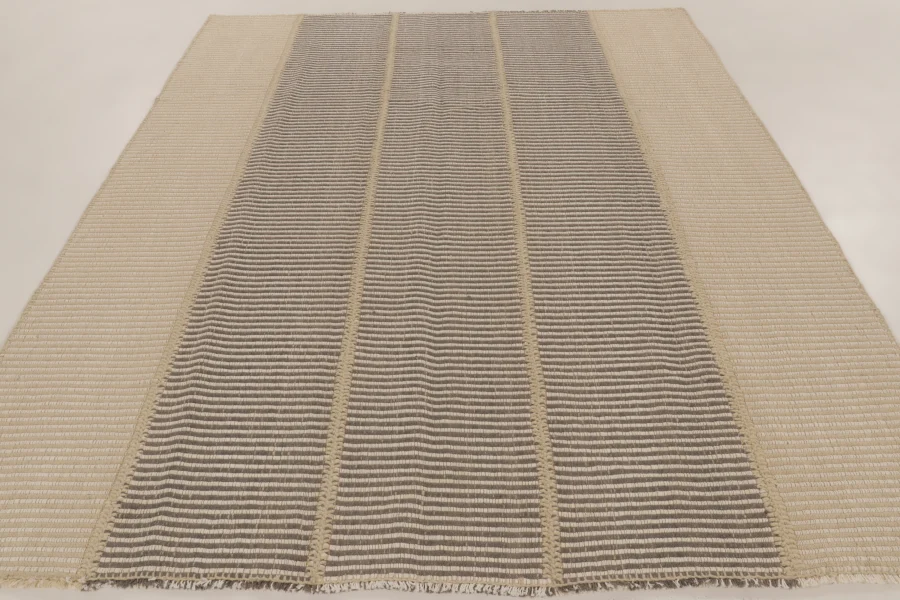
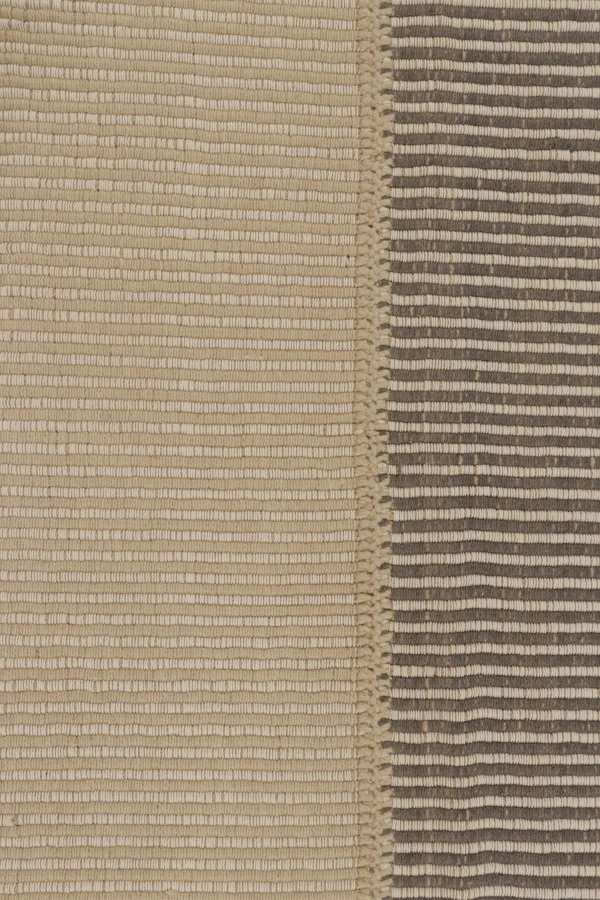
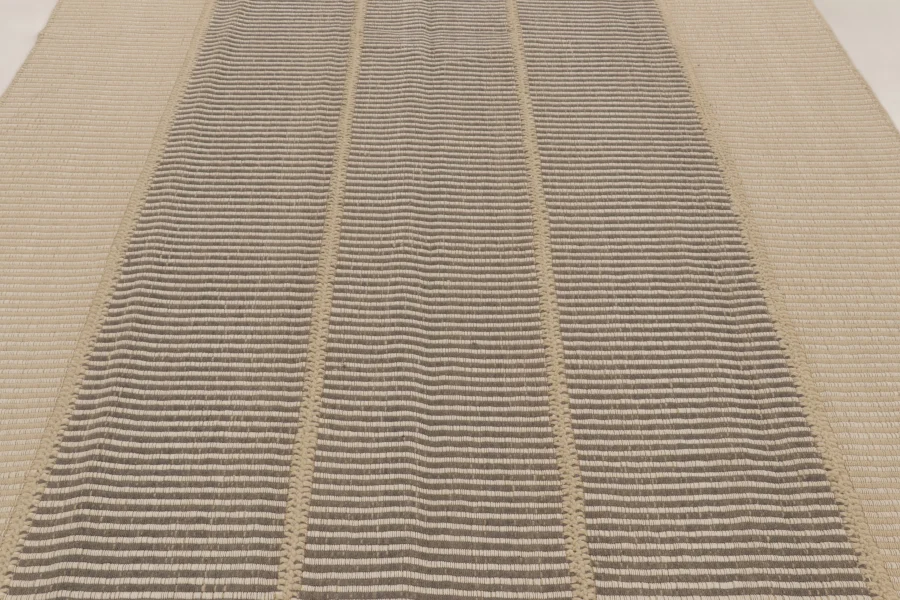
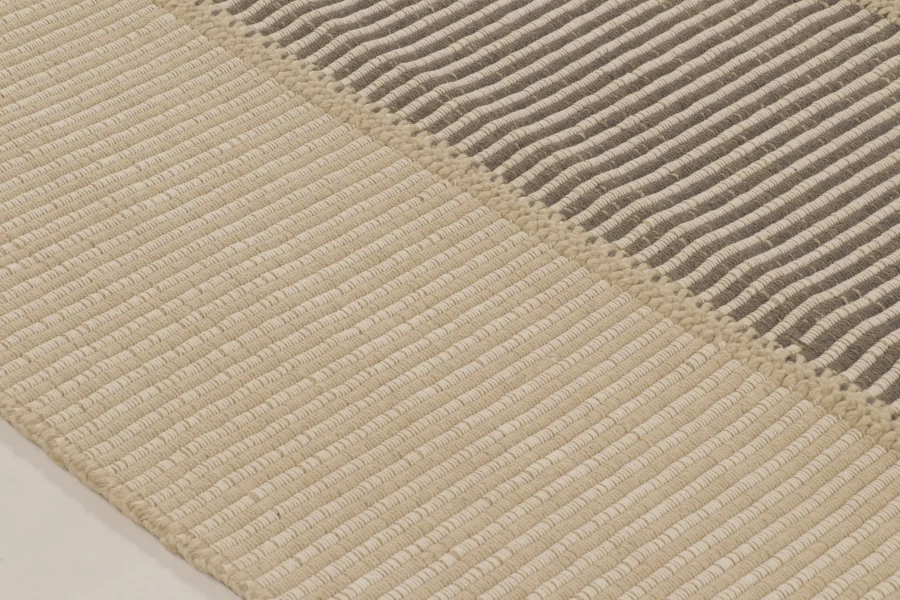
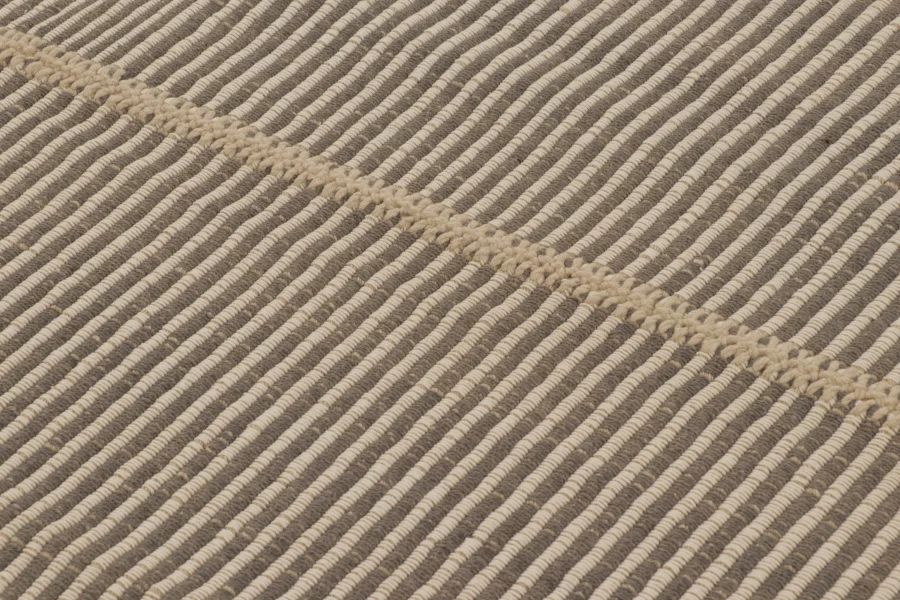
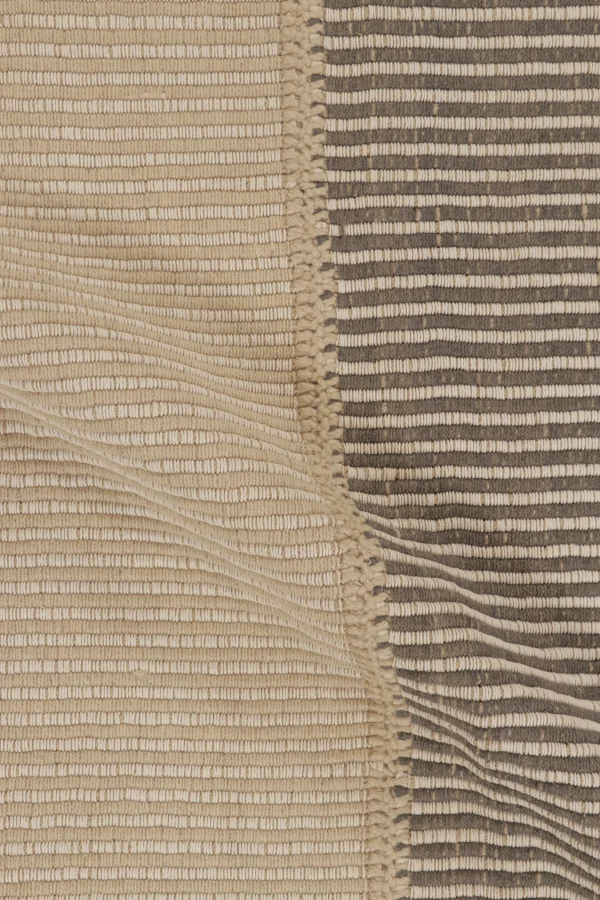
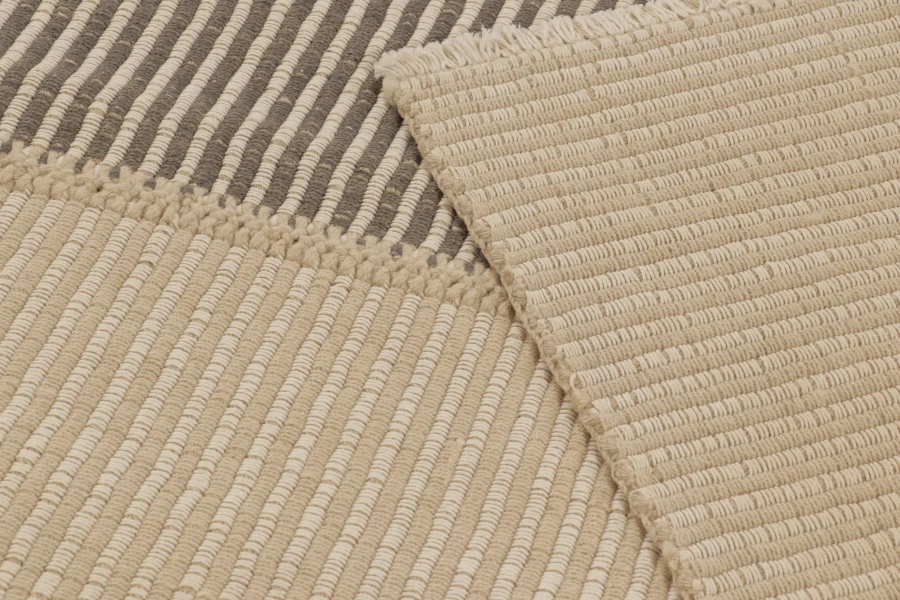
Rug & Kilim’s Contemporary Kilim with Textural Stripe Design in Beige & Gray


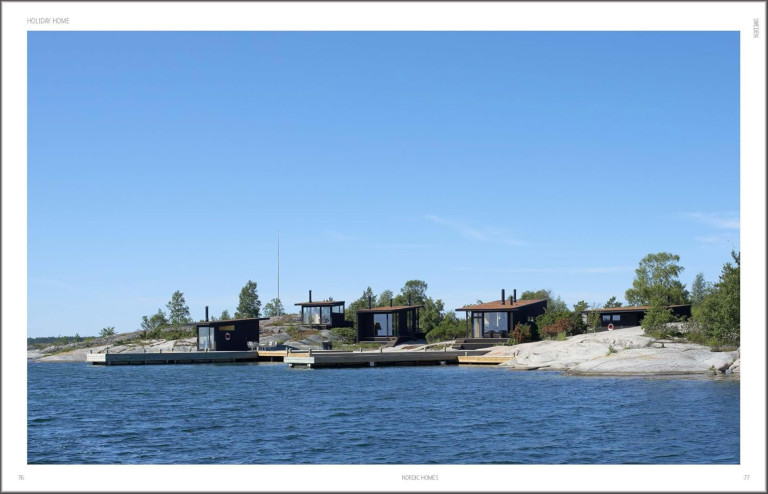
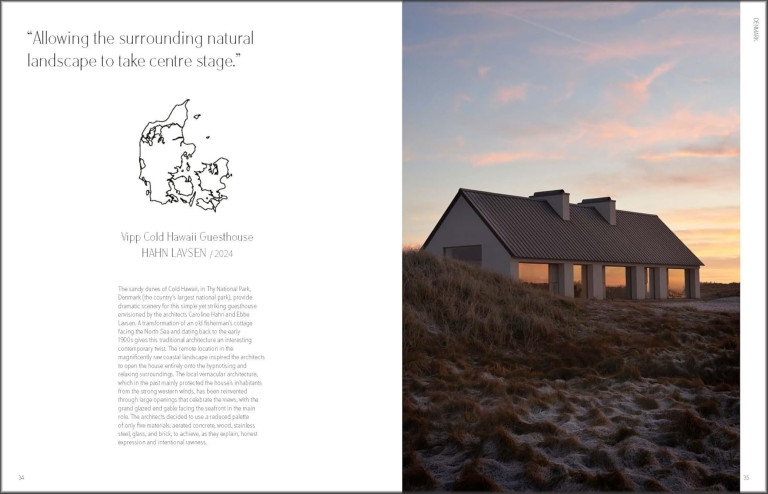
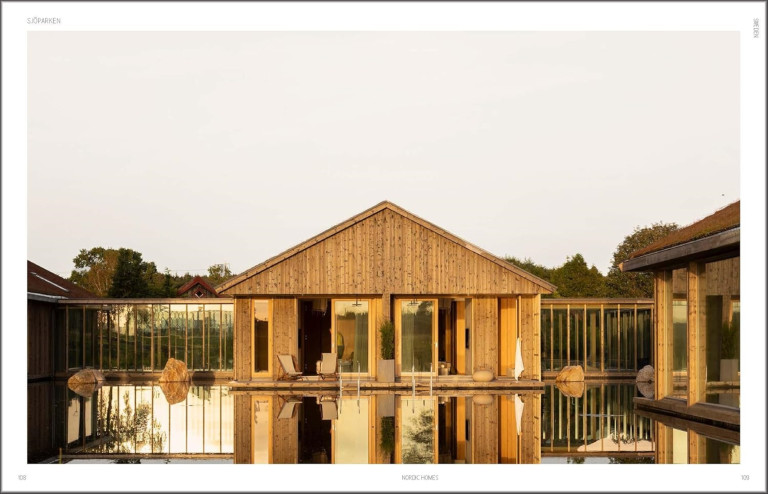
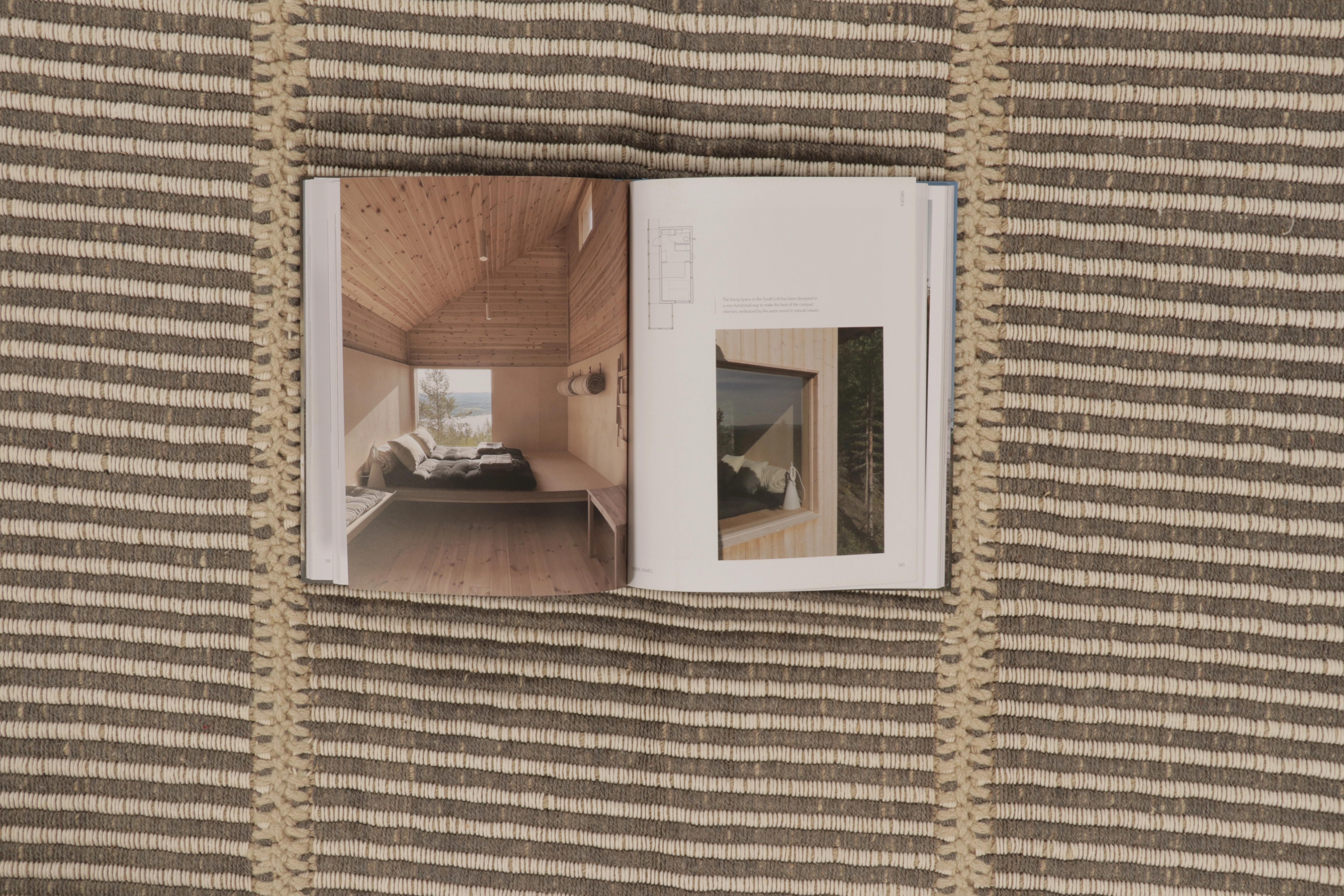
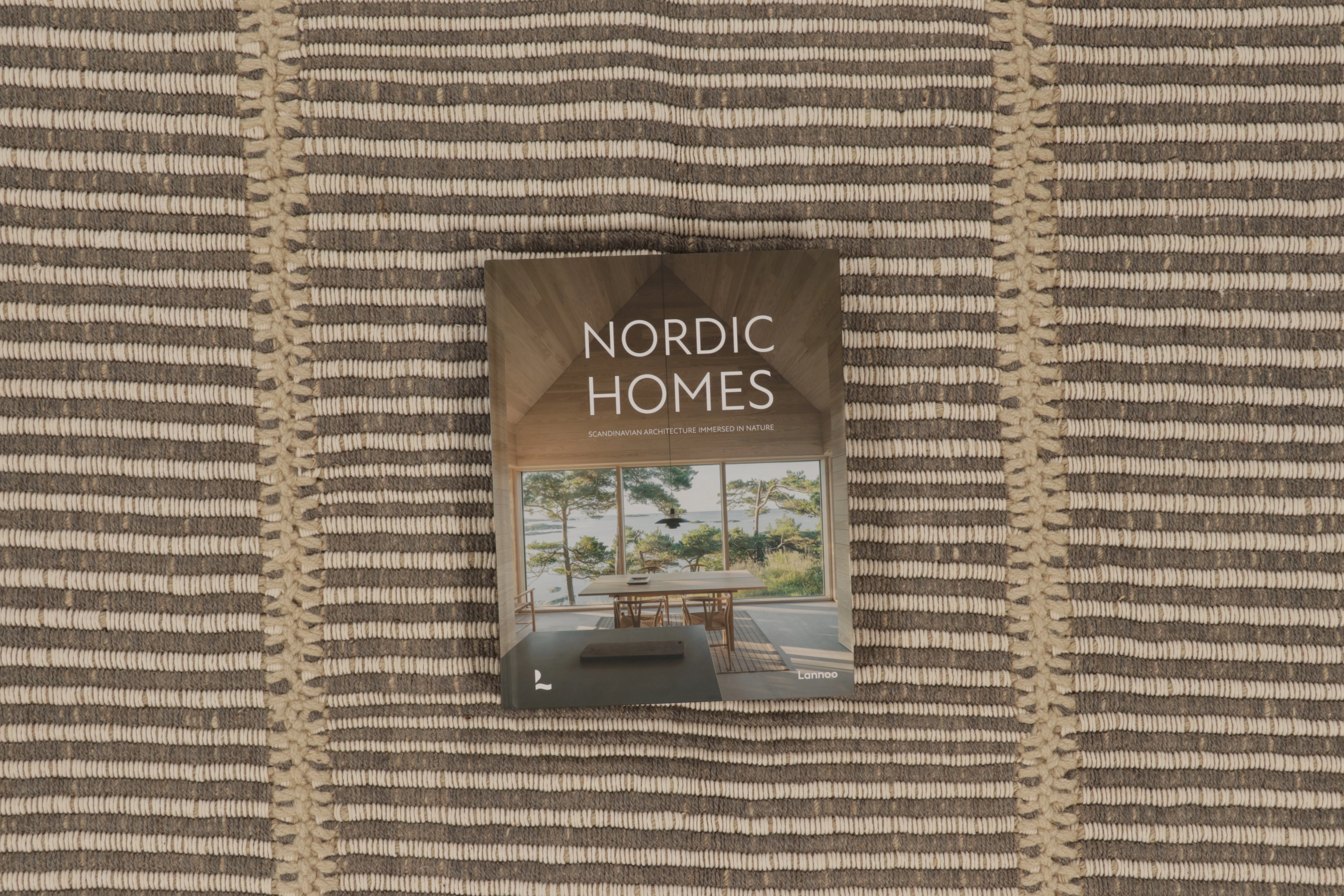
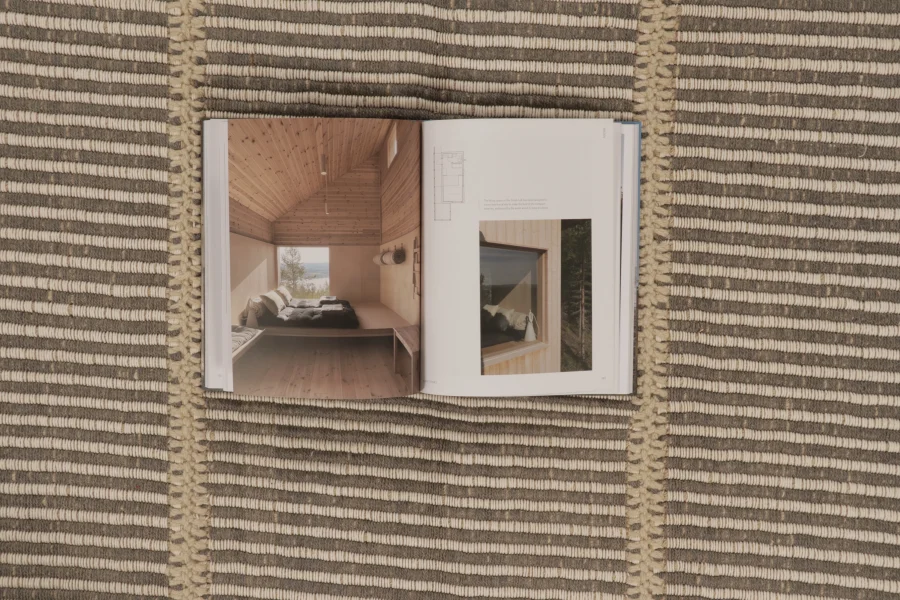
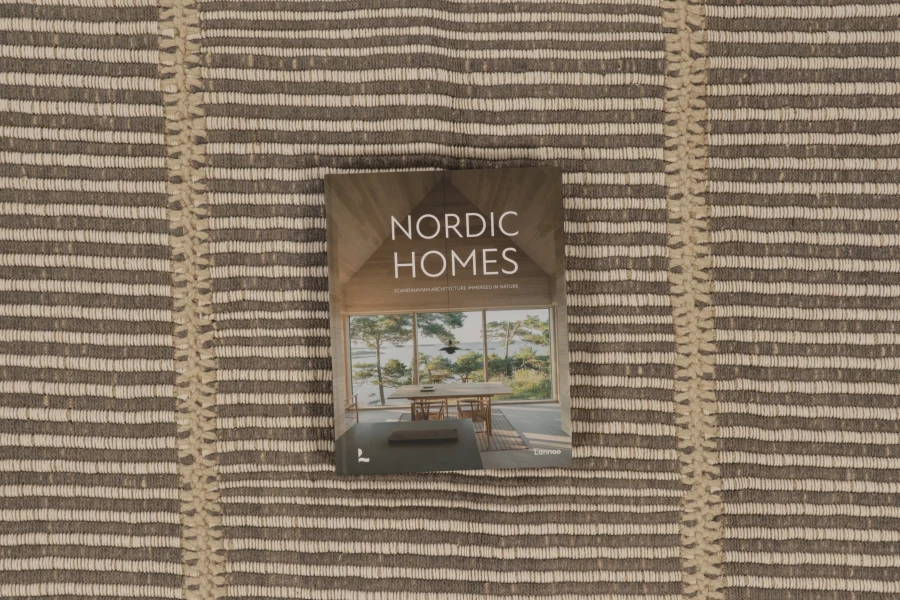
Nordic Homes
By Agata Toromanoff. — Lannoo Publishers, 2024
Contemporary, Swedish/Scandinavian
Picturesque Scandinavian archipelagos and extra-long summer days create the perfect environment for dreamy homes. Summer houses that blend smoothly into their surroundings help us reconnect with and merge into nature. But even in the long, dark winters, these homes must be destined to withstand exceptional weather conditions.
Preserved in our design reference library. Inquire to visit and use as a resource.
"Josh has been able to dredge up some of the rarest and most beautiful carpets for our nerdy and stringent requirements. And we have had a grand time together assembling collections for clients."
— Ralph Harvard, Ralph Harvard Inc.
A standard since our inception upheld across every acquisition,
transaction, and delivery.
45+ Year Old Institution
More than four decades of expertise and stewardship, under the leadership of our Principal, Jahanshah "Josh" Nazmiyal.
Favorable Return Policy
Our return policy is 48 hours upon receipt allowing you to confirm the purchase in your space with confidence.
Product Warranty
Each rug is hand selected or produced through the most reputable sources under the direct supervision of our Principal.
Trusted Global Delivery
Reliable worldwide delivery handled with care, precision and constant communication.
Exceptional Support
Attentive, knowledgeable guidance before and after purchase from our dedicated team of specialists.
Long Term Care
We stand behind every piece we place and remain a resource to our clients for the lifetime of their collection.
- Measurements: 8'1" x 9'11" ( 2.46 m x 3.02 m )
- Categories: Kilim & Flat Weave, Rez Kilim
- Classification: Kilim/Flat Weave, Solid/Stripes
- Material: Wool
- Origin: Afghanistan
- SKU: 35484
Specifications:
Stories from the Rez Kilim Collection
Essays, artist dialogues, and provenance notes drawn from Rug & Kilim’s editorial desk.
How U.S.–Iran Tensions Are Reshaping the World of Fine Rugs: From Safavid Courts to Sanction Regimes
There is a room in the Metropolitan Museum of Art in New York where a sixteenth-century Persian carpet stops people mid-stride. Because something in the object itself; its scale, its silence, the particular authority of a thing that has already outlasted three empires makes the ordinary pace of a museum visit feel suddenly inappropriate. The Emperor's Carpet, as it is known, was commissioned in Safavid Iran, passed to Peter the Great of Russia, gifted to the Habsburg Emperor Leopold I in 1698, held by the Austrian Imperial House until 1921, acquired by the Met in 1941, and displayed publicly only twice in the following sixty years because its condition was too fragile to risk. It has survived more political systems than any collector alive today will ever witness. It knows something about geopolitics that no sanctions framework, no bilateral negotiation, no executive order has yet managed to articulate.
Read the Feature
The Persian Afshar Rug as Art, Tribal Artifact, and Archive
Afshar rugs are among the most compelling expressions of nomadic Persian weaving. Originating from the Afshar tribe—a semi-nomadic Turkic-speaking group with roots in Central Asia—these rugs represent a distinct confluence of tribal tradition, migratory culture, and artisanal precision. Today, Afshar rugs are recognized for their deeply saturated natural dyes, structurally sound weaving, and the geometric clarity of their aesthetic—qualities that place them alongside Baluch, Shahsavan, and Qashqai weavings in the taxonomy of Persian tribal carpets. Historical Provenance: From Oghuz Migration to Iranian Plateau The Afshars were originally part of the Oghuz Turkic confederation and migrated into Iran during the Seljuk and later Safavid periods (11th–17th centuries). By the 18th century, Afshar tribes were prominently settled in southeastern Iran, particularly around Kerman, Sirjan, Baft, and Rafsanjan—regions that would become critical nodes of rug production.
Read the Feature
How Tariffs Are Shaping the Future of Modern and Antique Rugs in the United States
A rug is rarely just a rug in the quiet luxury of a gallery showroom or the curated intimacy of a collector’s salon. It is a world unfurled — created with centuries of ritual, memory, and meaning. Yet, beyond the weaving process lies a less visible thread that increasingly shapes what reaches the American floor: policy. As U.S. tariff regulations grow more complex and geopolitically charged, the fate of both modern and antique rugs has become entangled in a matrix of international trade, cultural diplomacy, and economic strategy. Evolving trade tariffs are reweaving the global rug market — influencing not only pricing and availability but also sourcing decisions, artisan livelihoods, and the long-term legacy of one of the world's most enduring forms of cultural expression. For interior designers, collectors, curators, and cultural economists, the conversation is no longer just about taste — it’s also about trade.
Read the Feature
A Guide to Folklore and Cultural Memory in Rugs and Kilims
In collecting rugs and kilims, we encounter not just objects, but vessels of generational memory, where each design reveals itself as a complex cultural manuscript. What emerges from this study of traditional rug-making is not merely a catalog of styles or techniques, but rather an atlas of human cultural memory. These textiles - whether prayer rugs from Anatolia, dowry pieces from Isfahan, or war rugs from Afghanistan - serve as sophisticated vehicles for cultural transmission, preserving what might otherwise be lost to time. The Afghan war rugs present the most profound example of textile resistance in modern history.
Read the Feature
A Guide to History, Significance and Different Styles of Handwoven Kilim Rugs
…et ibi fiunt soriani et tapeti pulchriores de mundo et pulchrioris coloris. “…and here they make the most beautiful silks and carpets in the world, and with the most beautiful colors.” Marco Polo about the beauty of kilim weaving documented in the 13th century, Travels of Marco Polo Derived from the Turkish word "kilim," these pileless rugs embody rich traditions spanning regions from Turkey (Anatolia and Thrace) to North Africa, the Balkans, the Caucasus, Iran, Afghanistan, Pakistan, Central Asia, and China. Kilims (also spelled kelim, gelim, or killim) hold a unique place in the world of textiles, distinguished by their flat weaving techniques.
Read the Feature
A Glossary of Handmade Rugs and Kilims: Understanding Terms, Types and Techniques Past and Present
Referring to the art style characterized by using shape and color withdrawn from traditional repetition or realism. Abstract rugs — sometimes referred to as art rugs — capture an expressive nature that reads as a very modern style, though many abstract rugs draw inspiration from works of the same art style in the mid-century. One of the more widely known mid-century lineages of this style is abstract expressionism, named for the literal "expressionists" of the 1950s. Some of the most notable names behind this style include Jackson Pollock and Mark Rothko. Referring to a lineage of nomadic Persian rugs (sometimes referred to as “Avsar” in the alternate spelling). Afshar rugs hail from the eponymous tribe in the region of Northeastern Iran.
Read the Feature


R&K Image Studio
NEWThe R&K Image Studio is a new visual workspace designed to present the Rug & Kilim collection with clarity, restraint, and precision — in your space or any space you imagine.
This tool allows you to view, refine, and prepare imagery drawn directly from the pieces in our archive. They can be visualized cleanly, isolated thoughtfully, and adjusted for presentations, proposals, and private viewings, without altering the integrity of the original work.
Rez Kilim
Wool
Afghanistan, New
8'1" X 9'11" (2.46 m x 3.02 m)
$6,600
Available: Shipping as Soon as Tomorrow
Rug & Kilim’s Contemporary Kilim with Textural Stripe Design in Beige & Gray
"Rug & Kilim's inventory spans the past four centuries and includes everything from ethnic and tribal patterns to European designs, as well as a host of Art Deco, abstract and understated tone-on-tone offerings, all in a vast array of materials, weaves and sizes."
— Tony Freund, 1stDibs Editorial Director
- Measurements: 8'1" x 9'11" ( 2.46 m x 3.02 m )
- Categories: Kilim & Flat Weave, Rez Kilim
- Classification: Kilim/Flat Weave, Solid/Stripes
- Material: Wool
- Origin: Afghanistan
- SKU: 35484