



Wool
Afghanistan, New
3'4" X 7'5" (1.02 m x 2.26 m)
Available: Shipping As Soon As Tomorrow
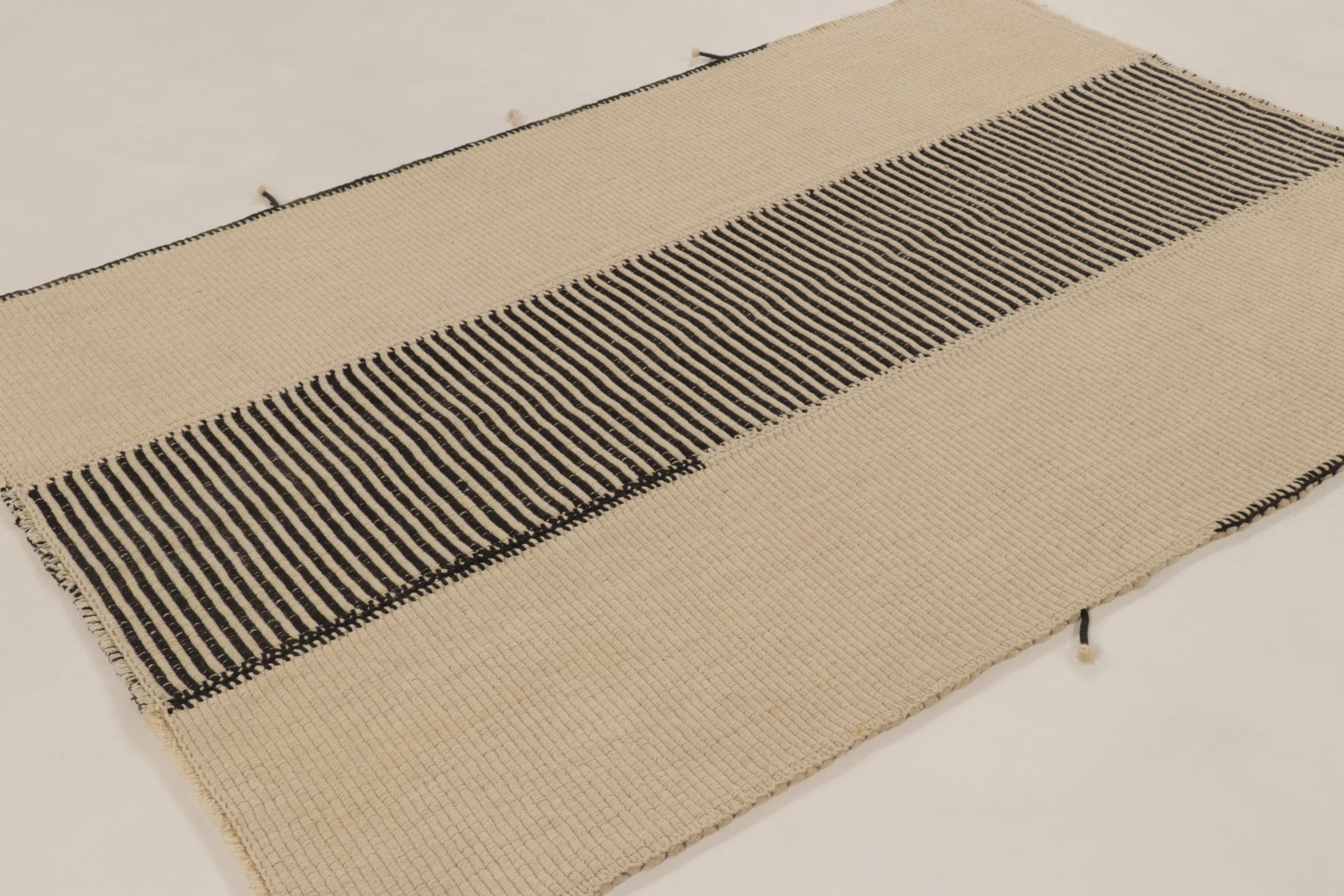
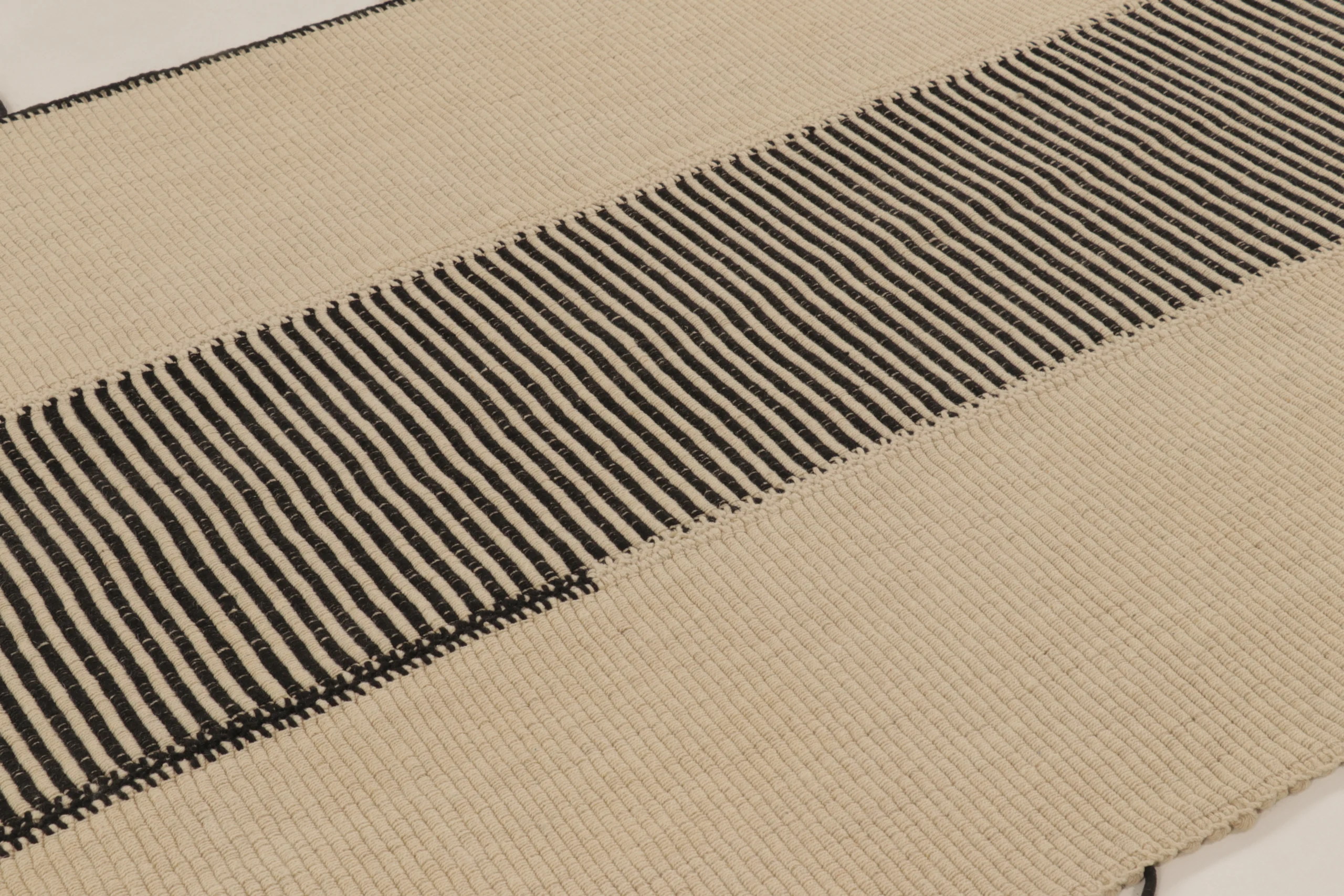
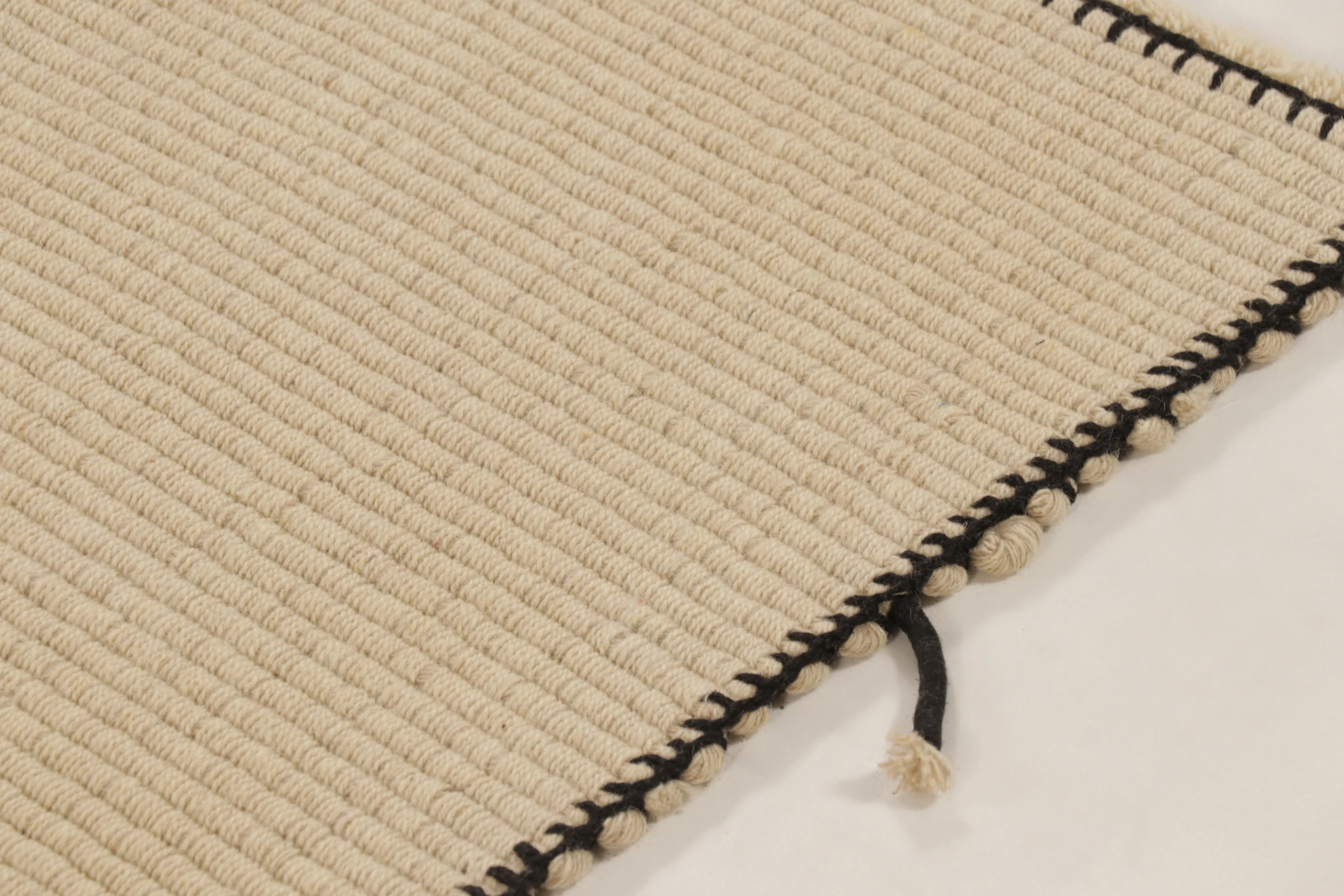
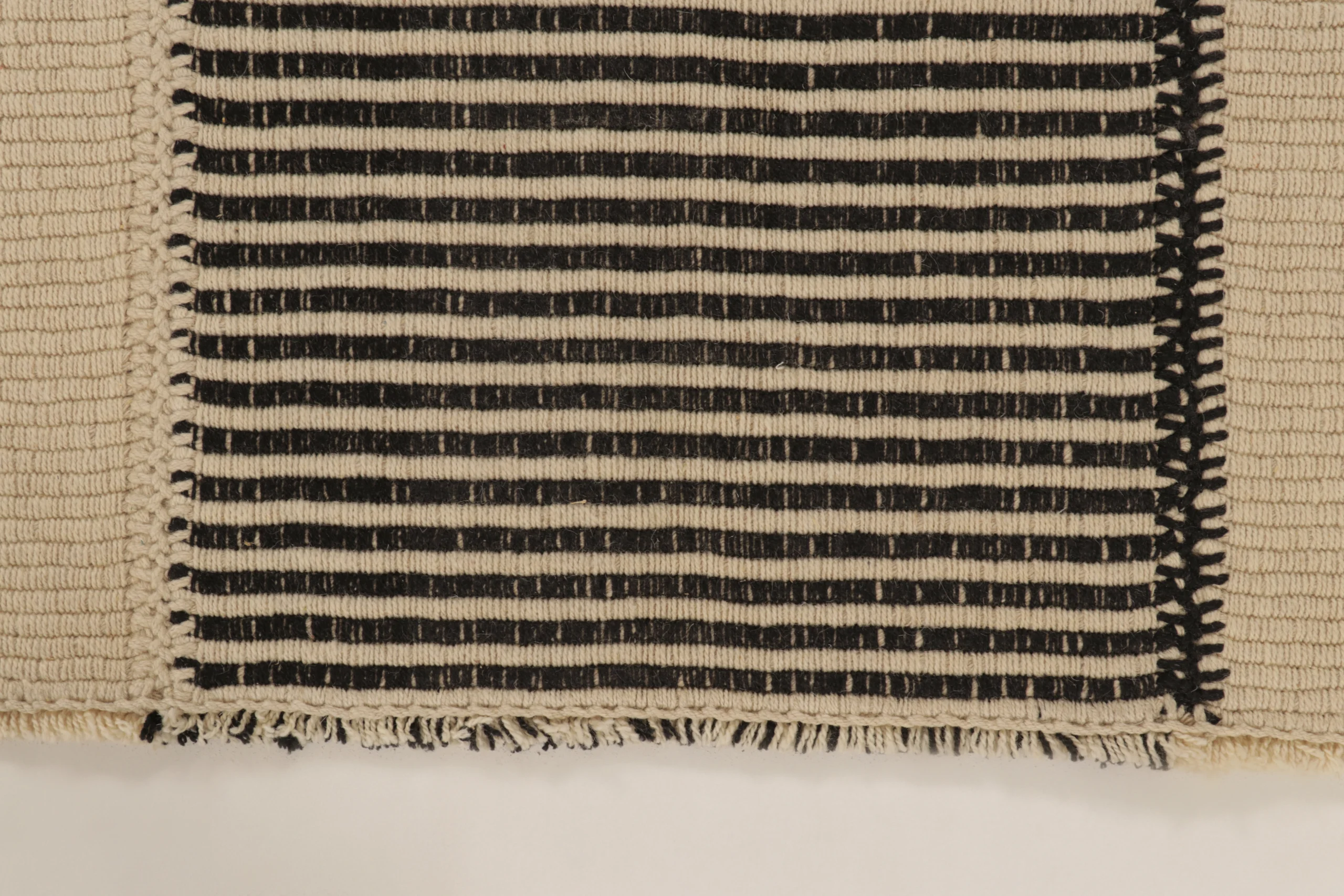
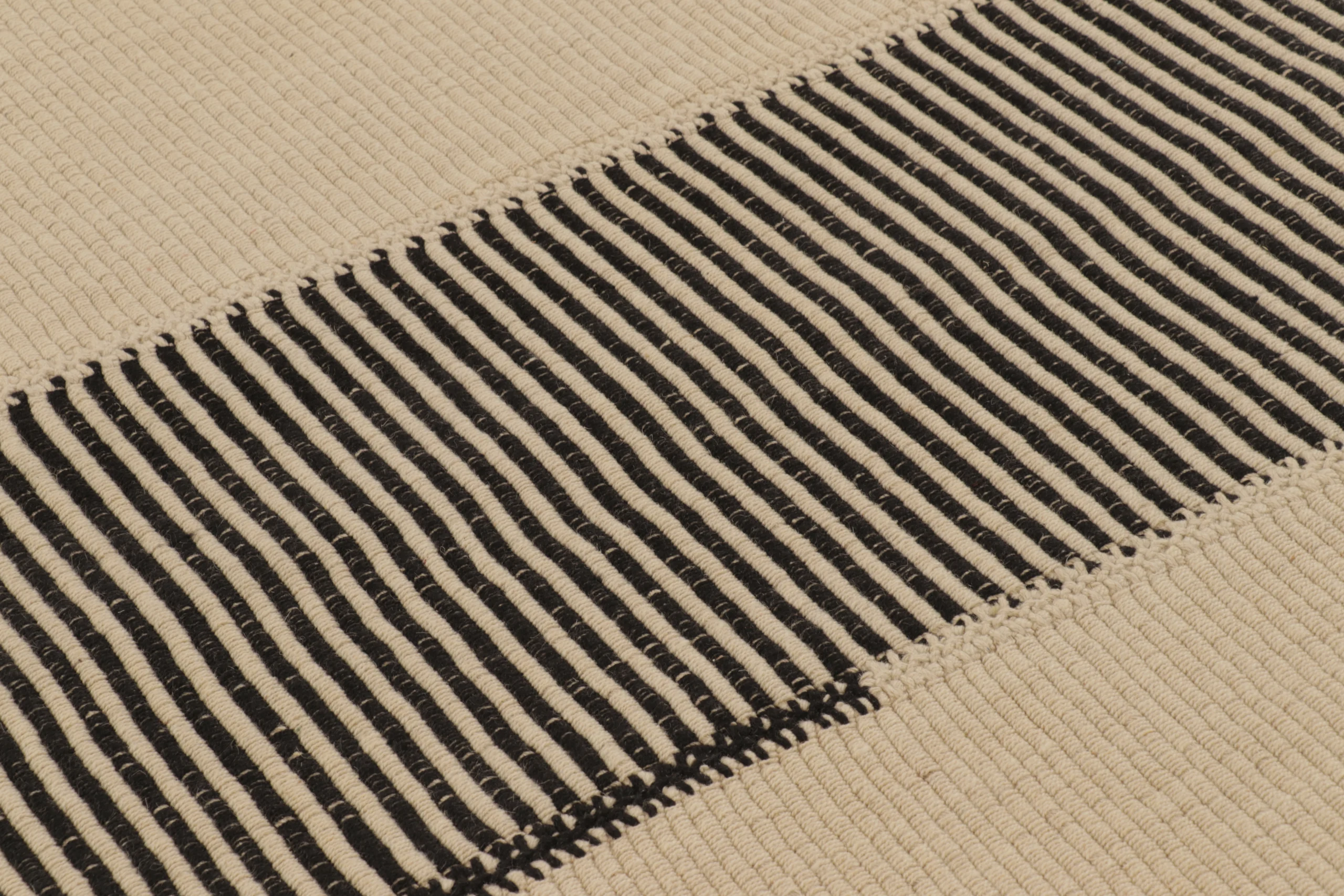
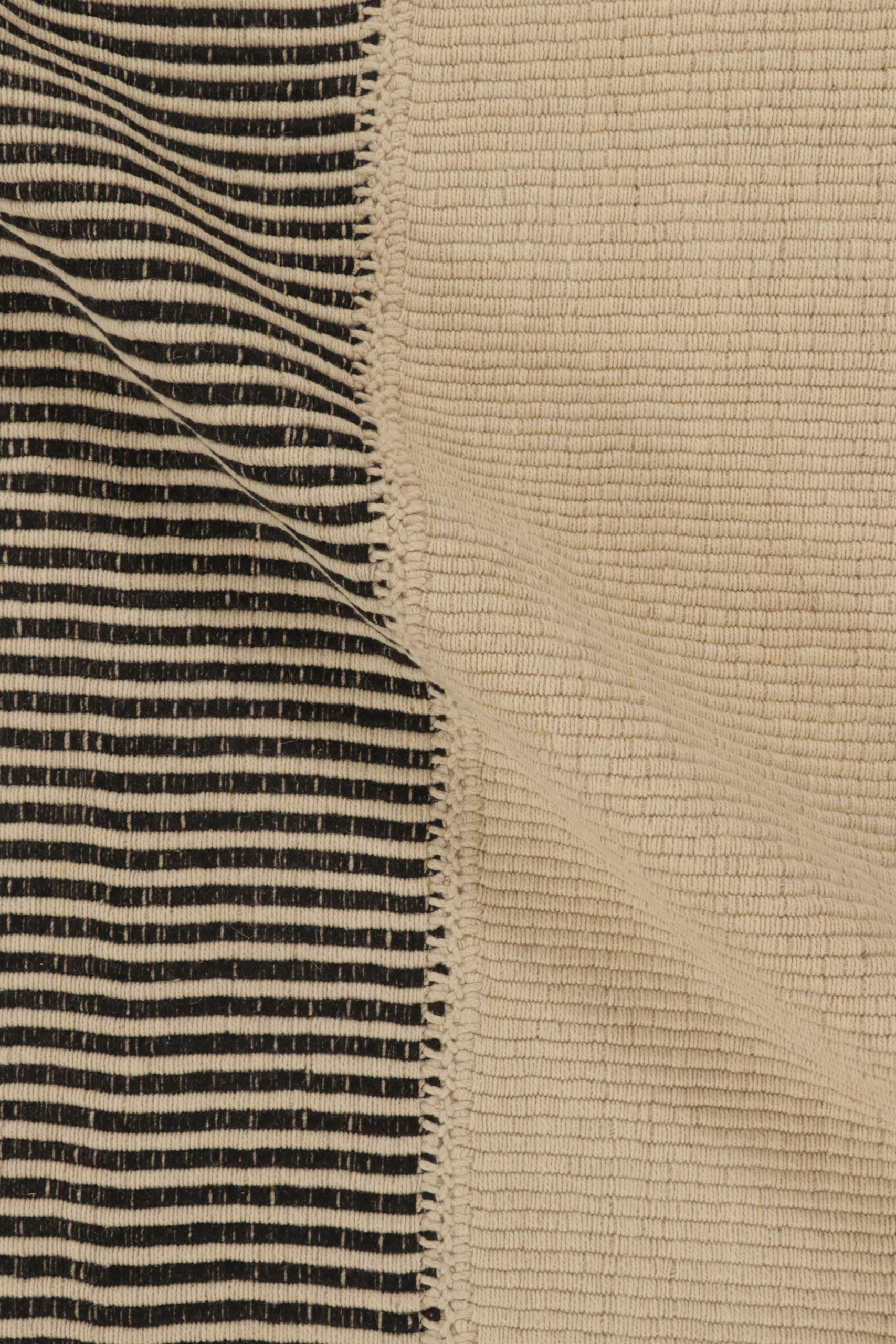
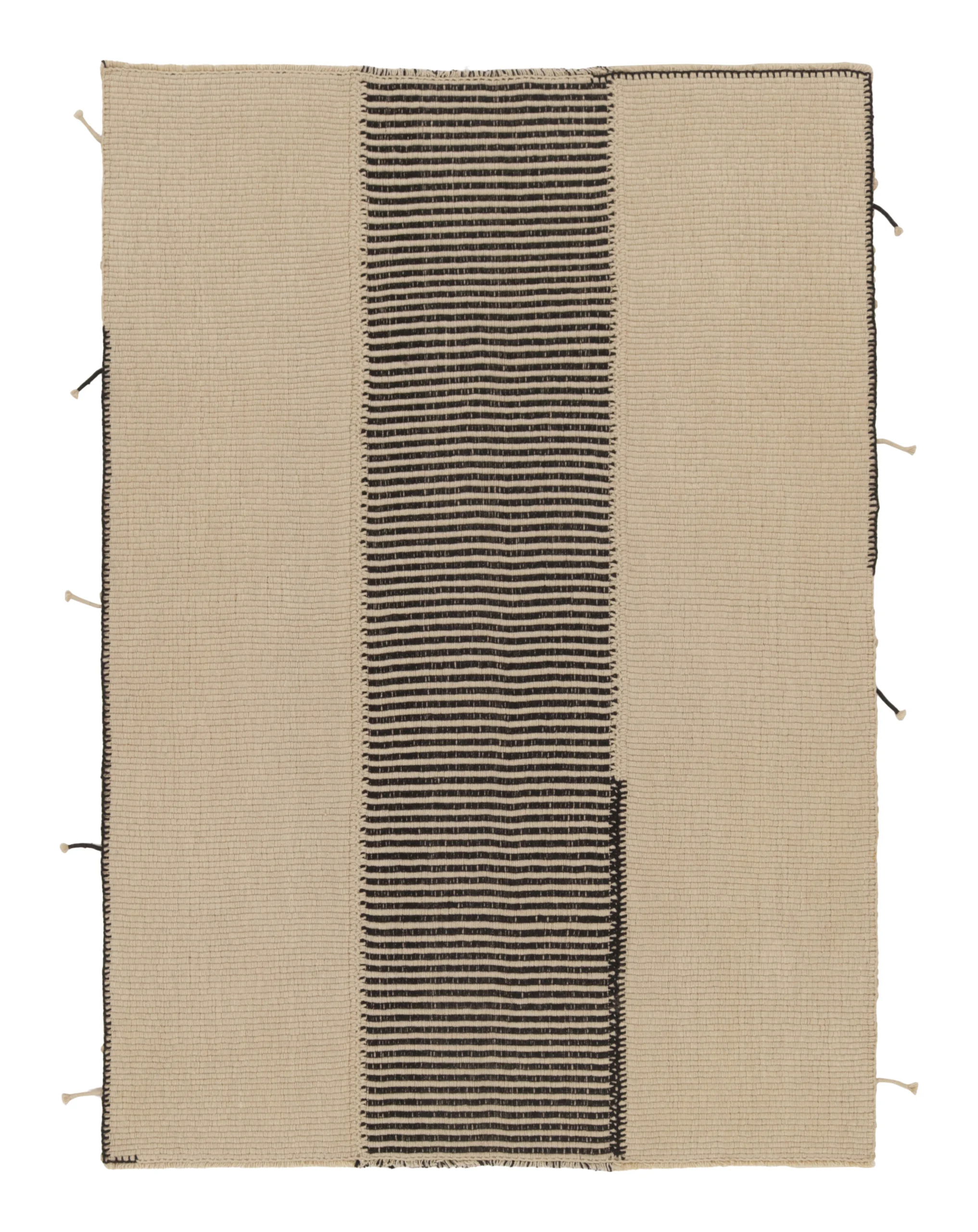
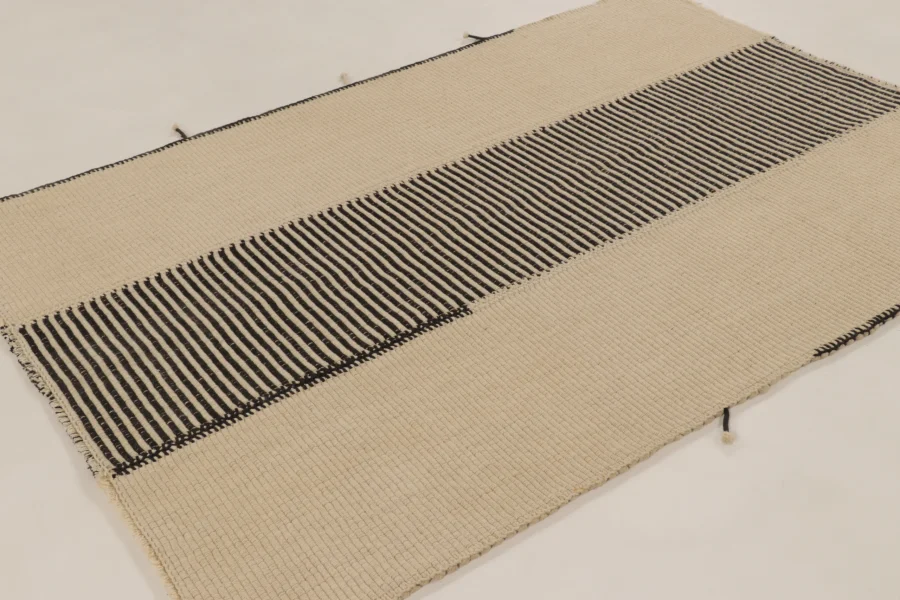
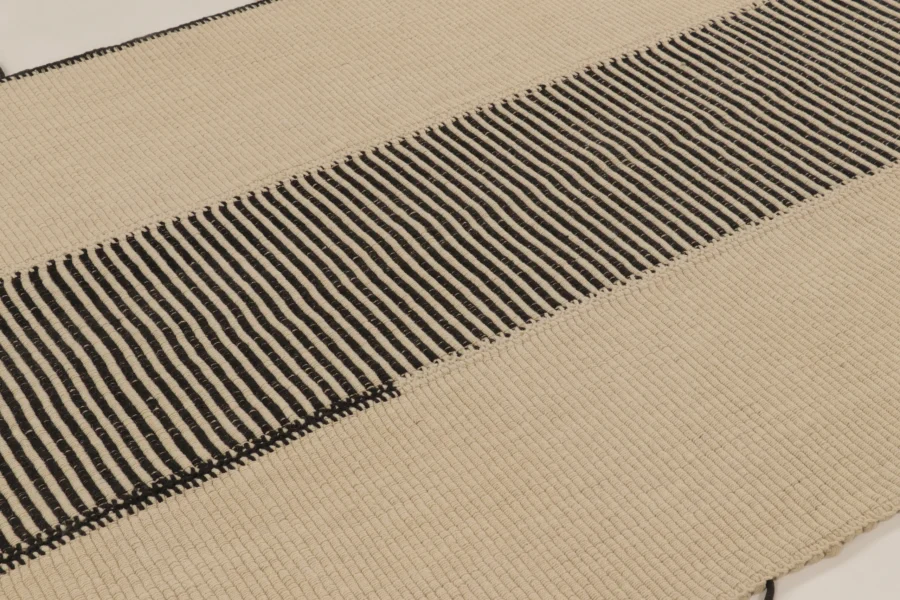
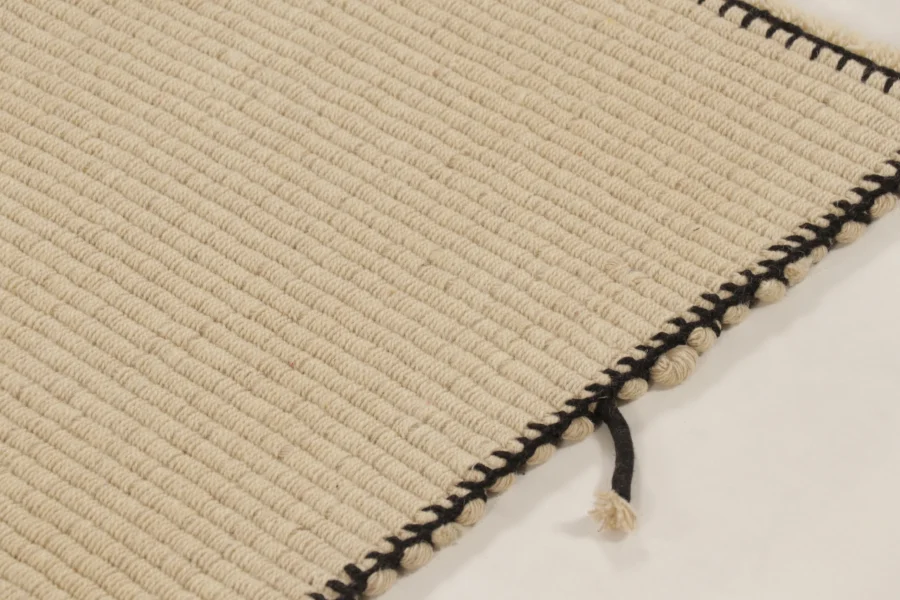
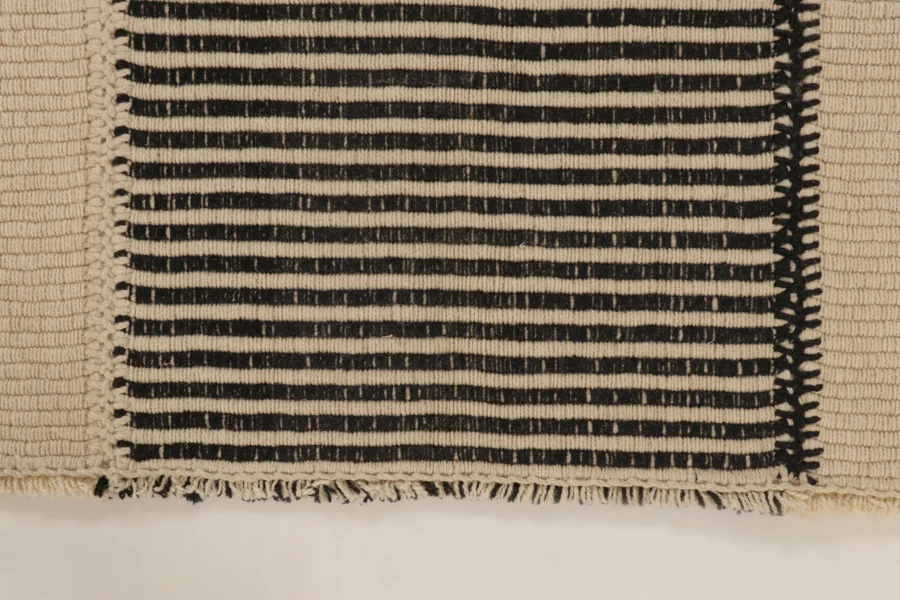
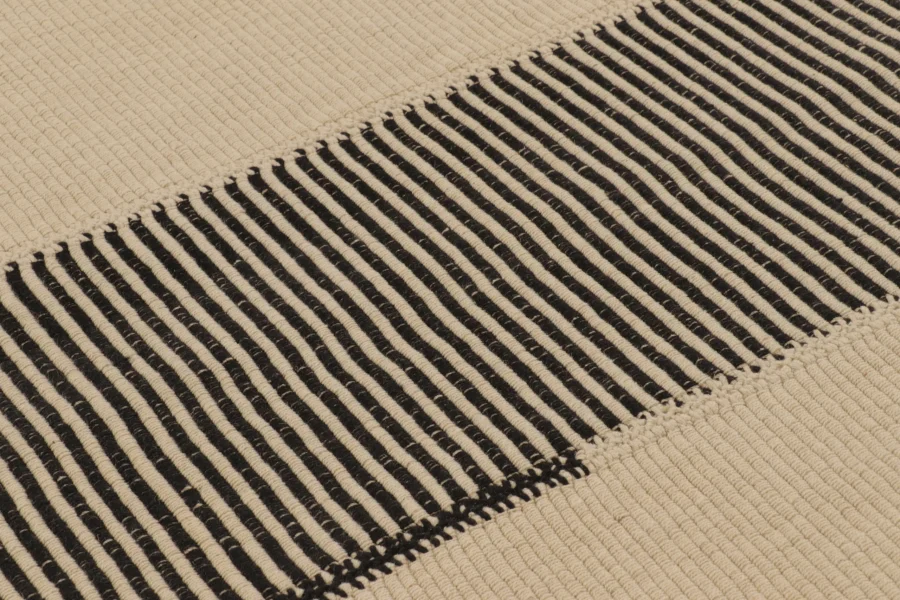
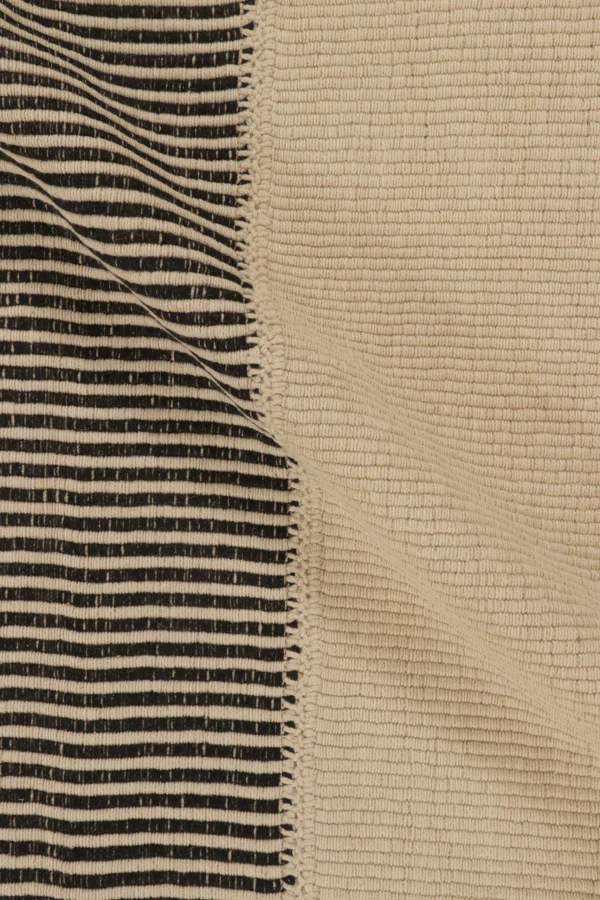
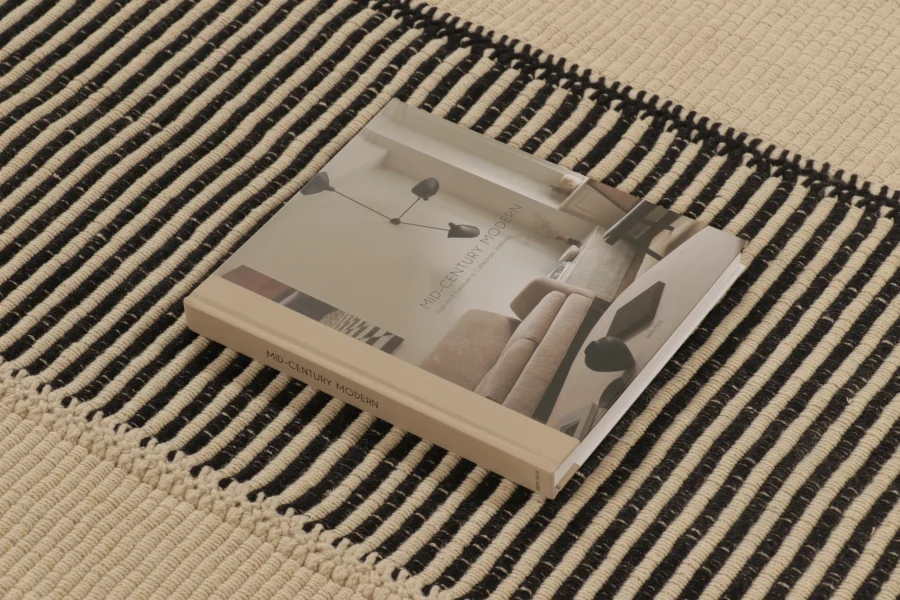
Rug & Kilim’s Contemporary Kilim with Striped Central Column in Black


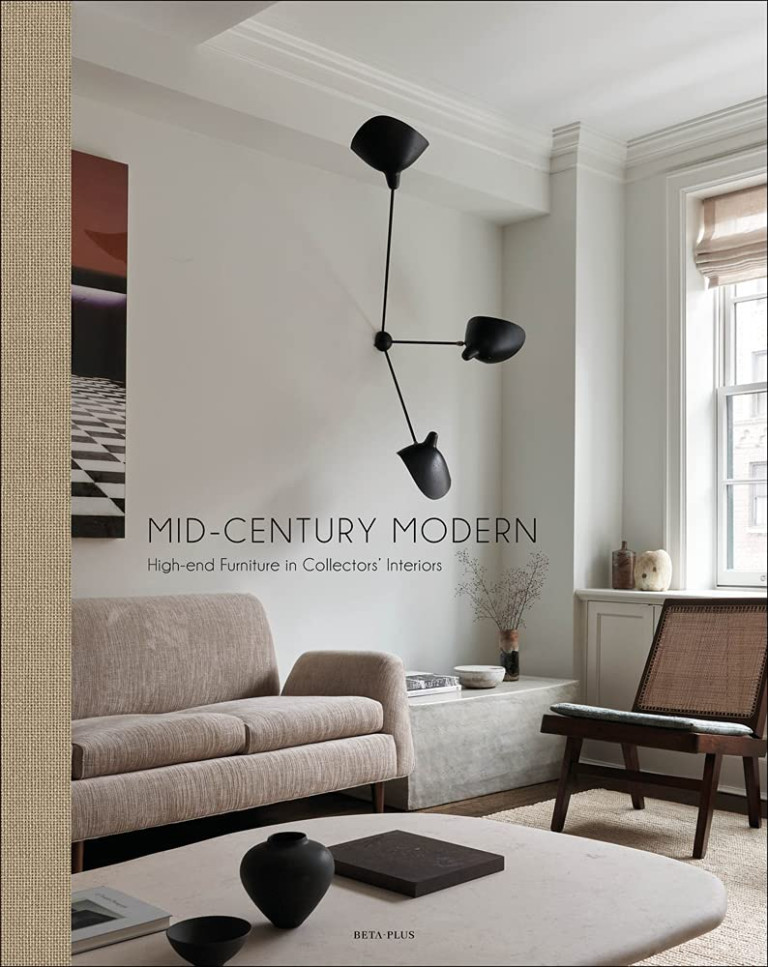
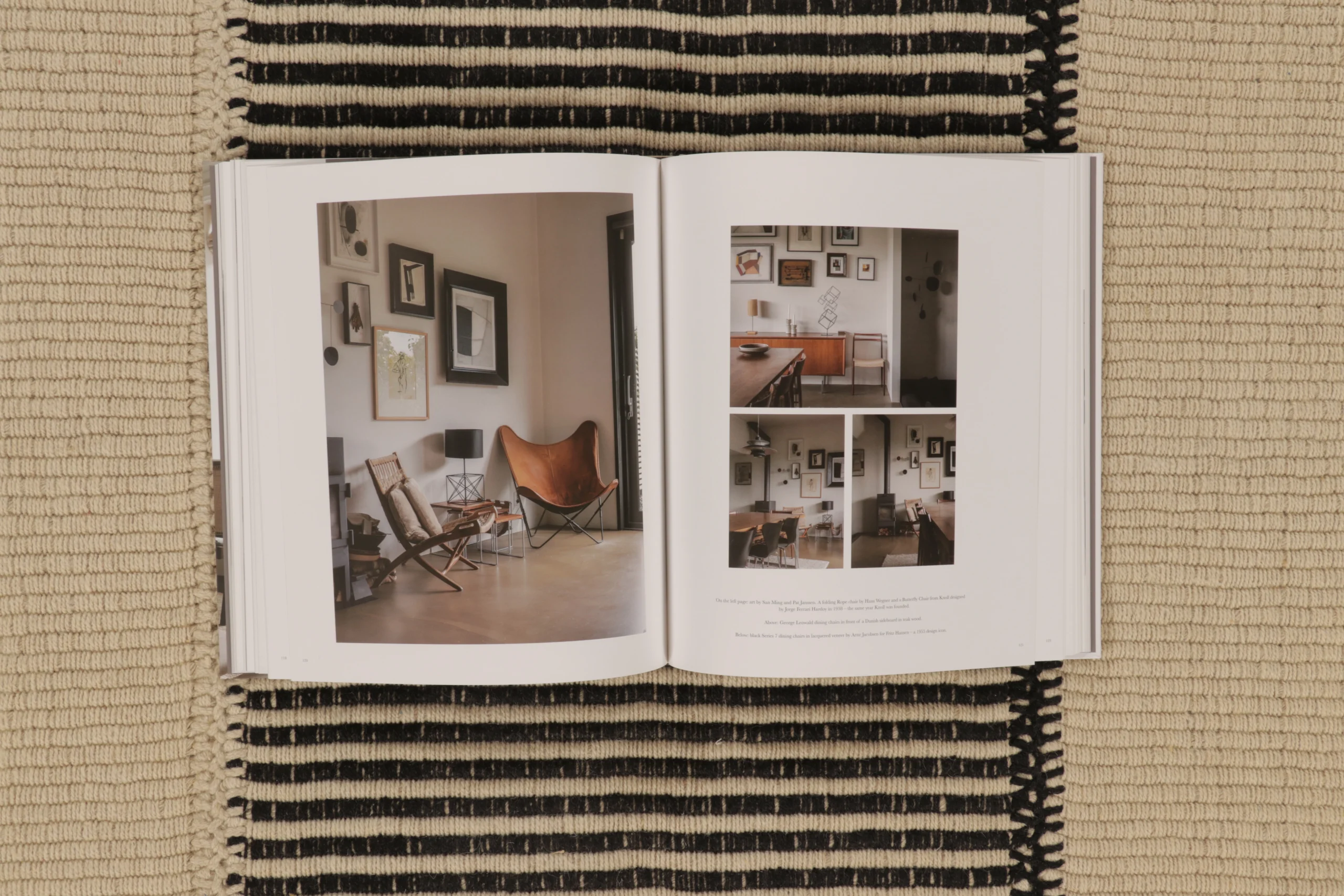
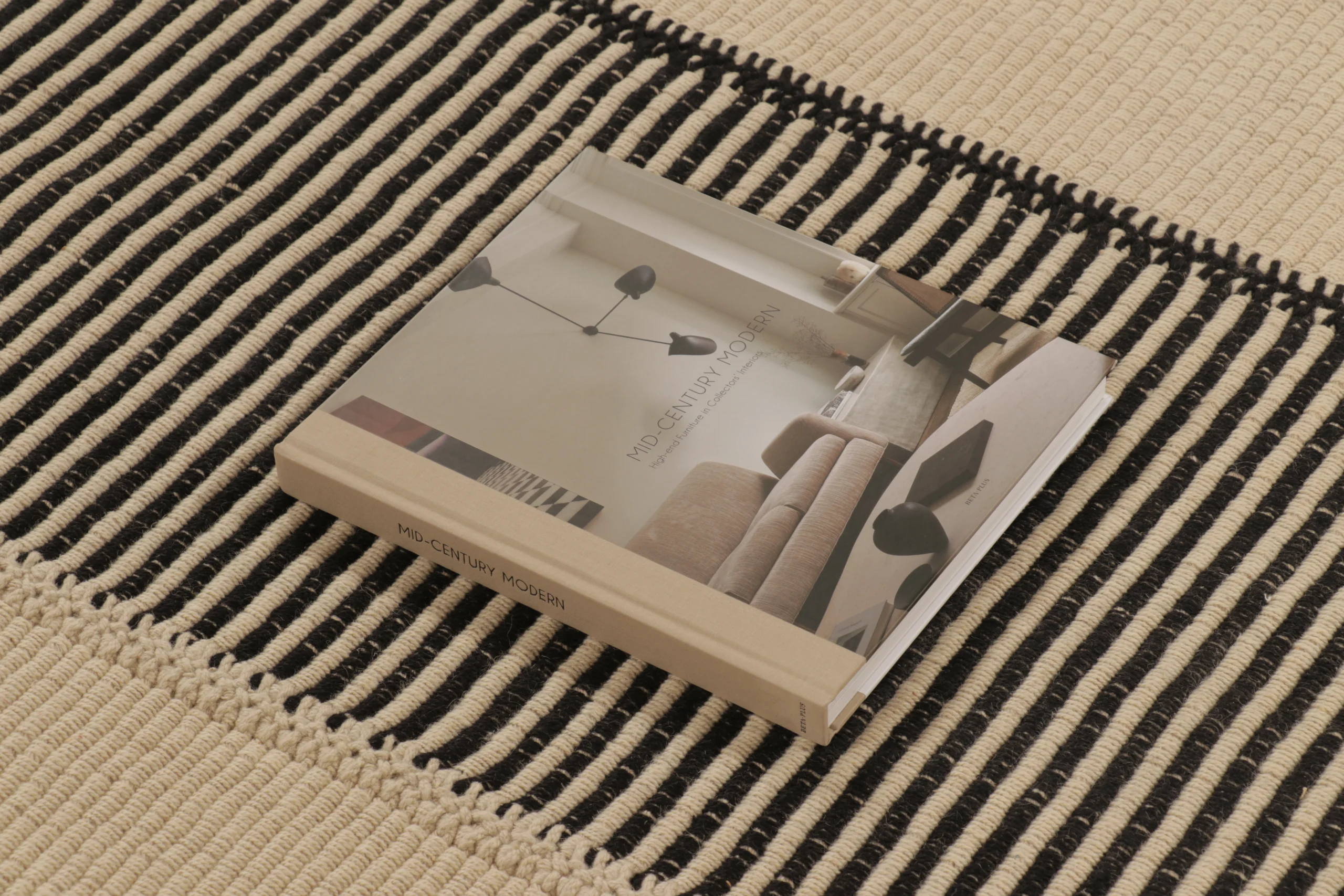
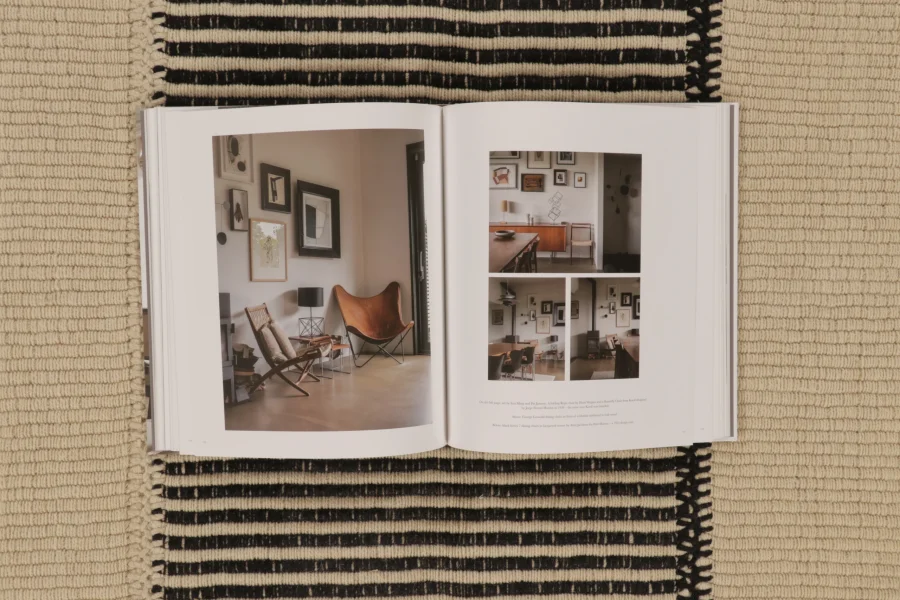
Mid-Century Modern
By Wim Pauwels. — Beta-Plus, 2021
Bauhaus, Modernist (20th Century)
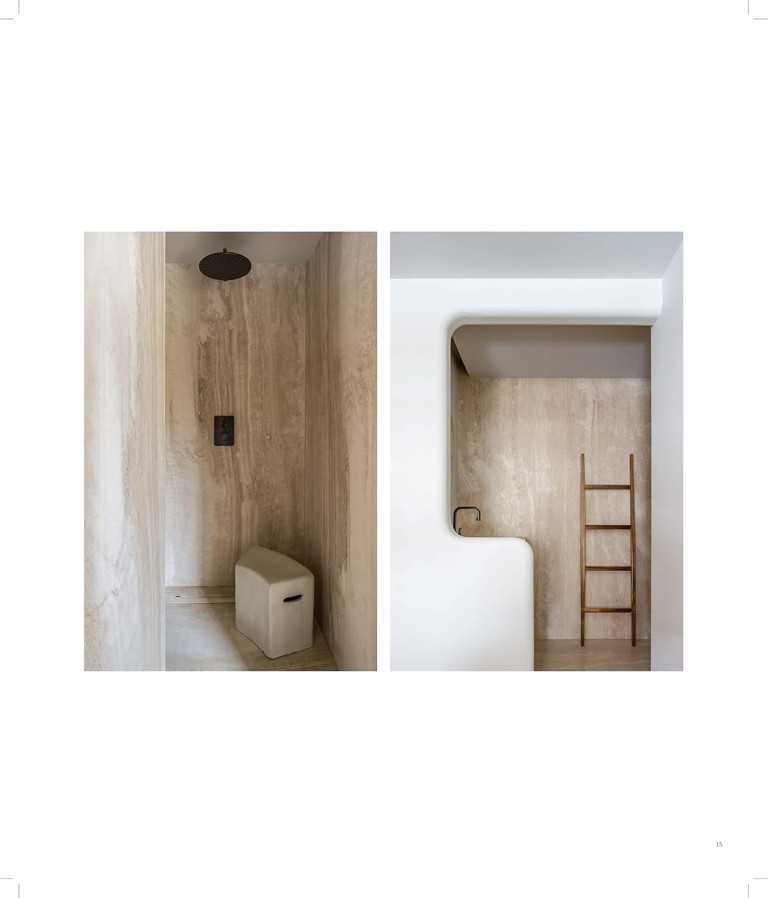
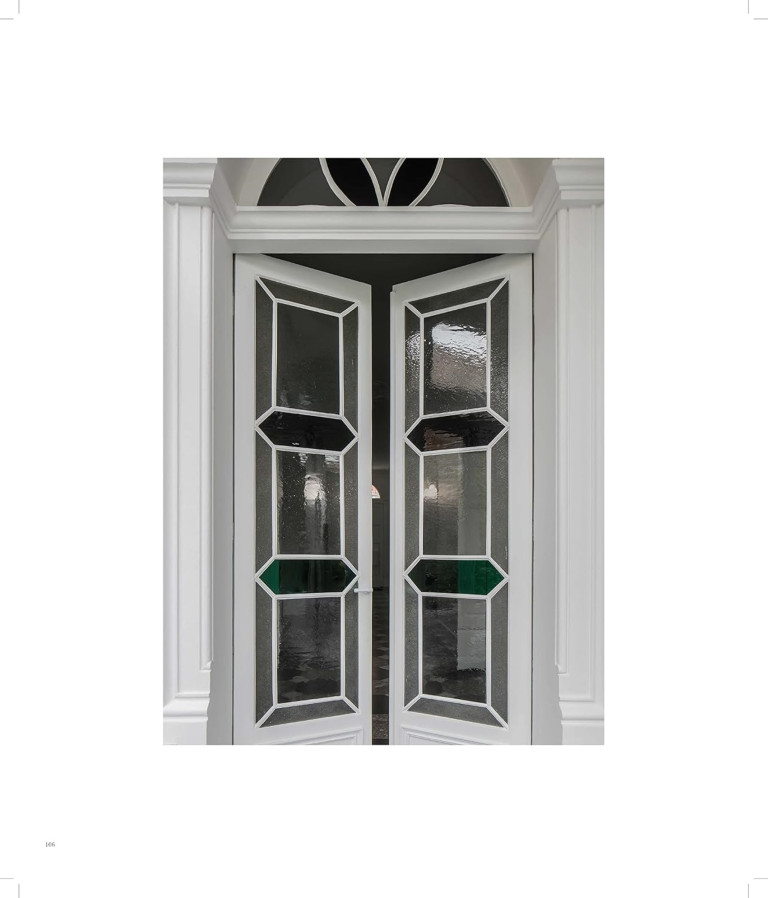
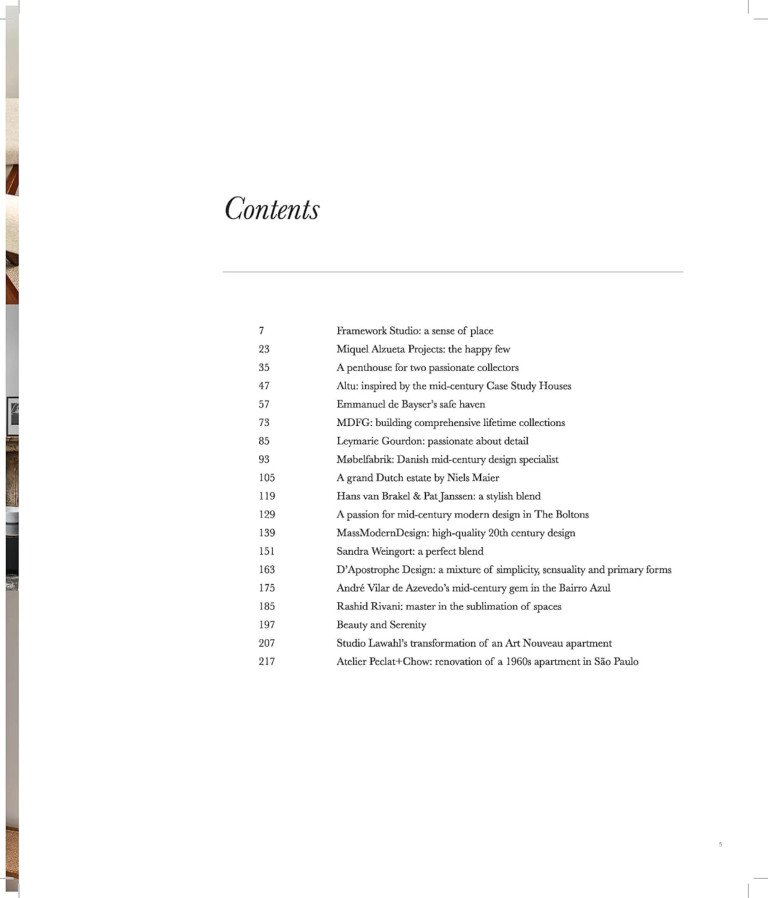
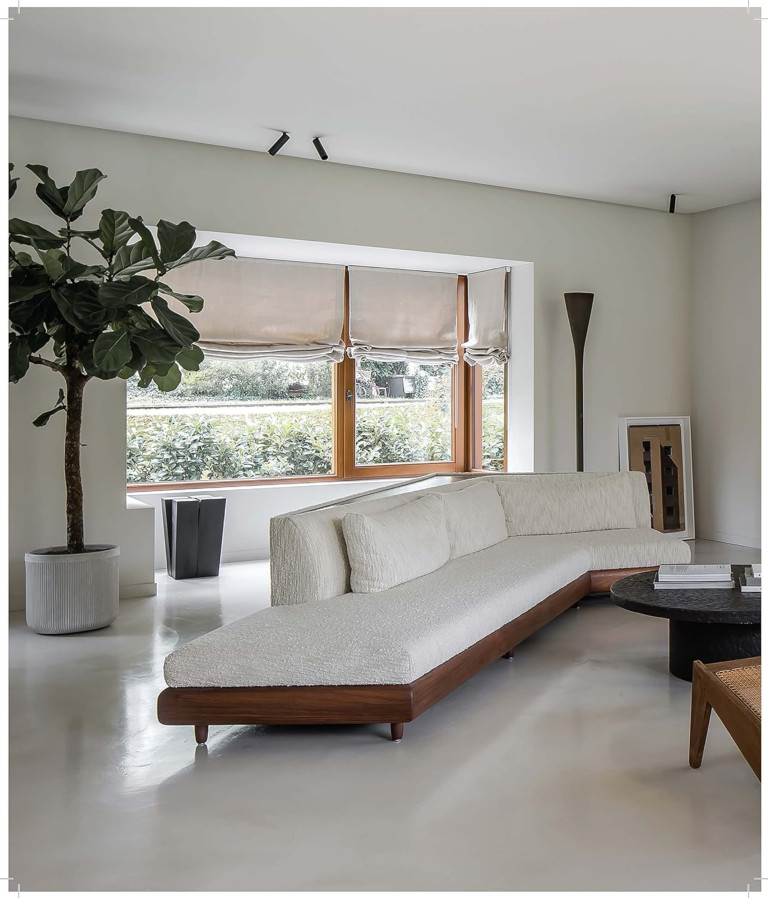
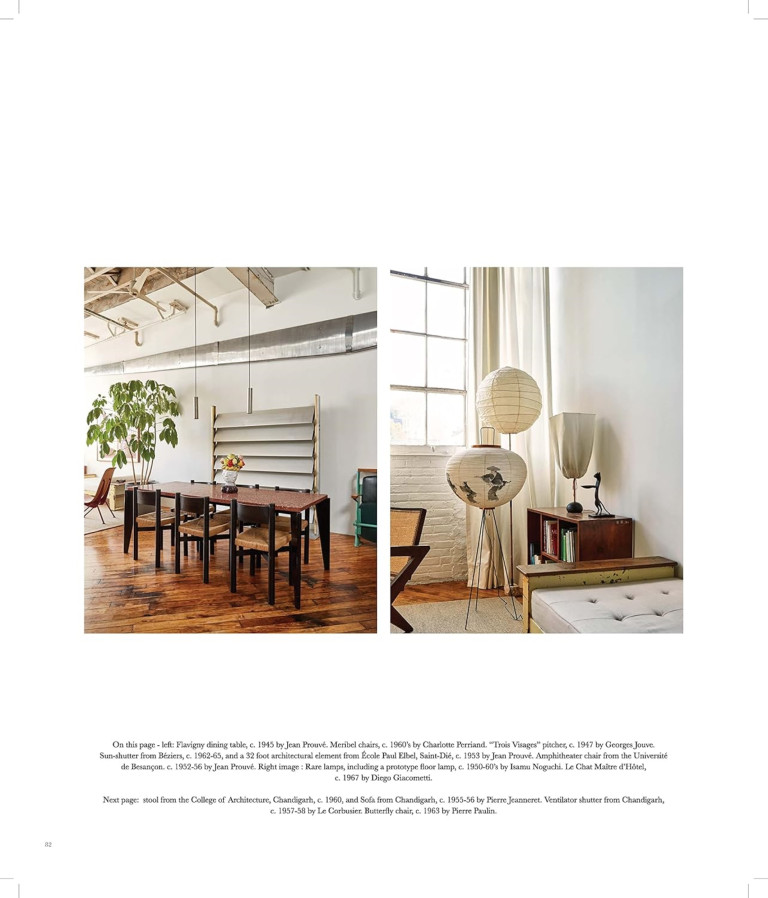
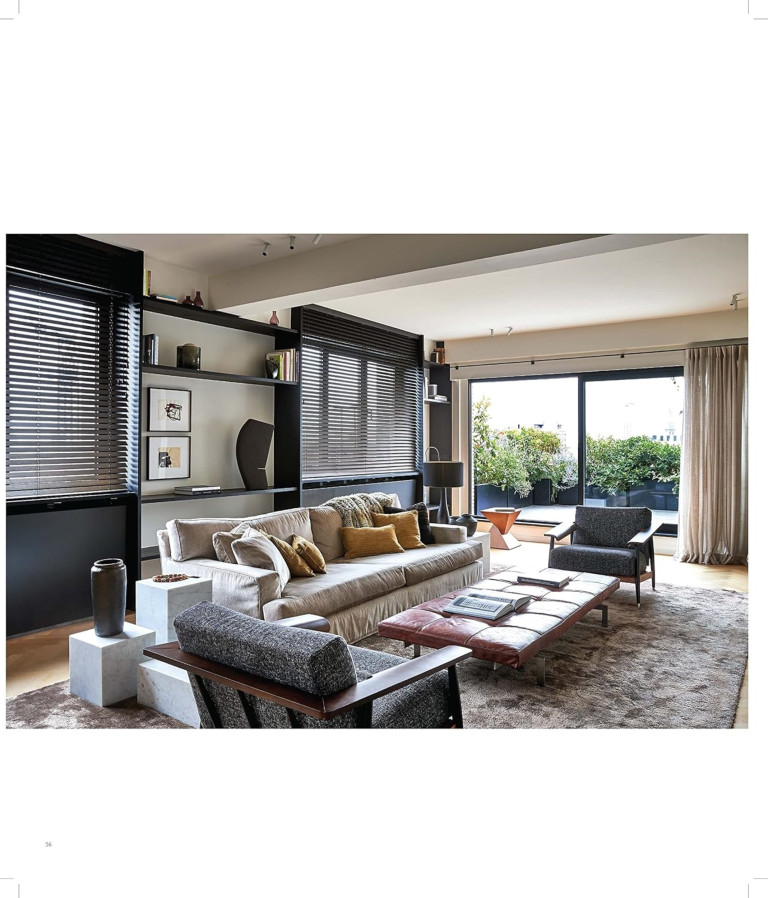
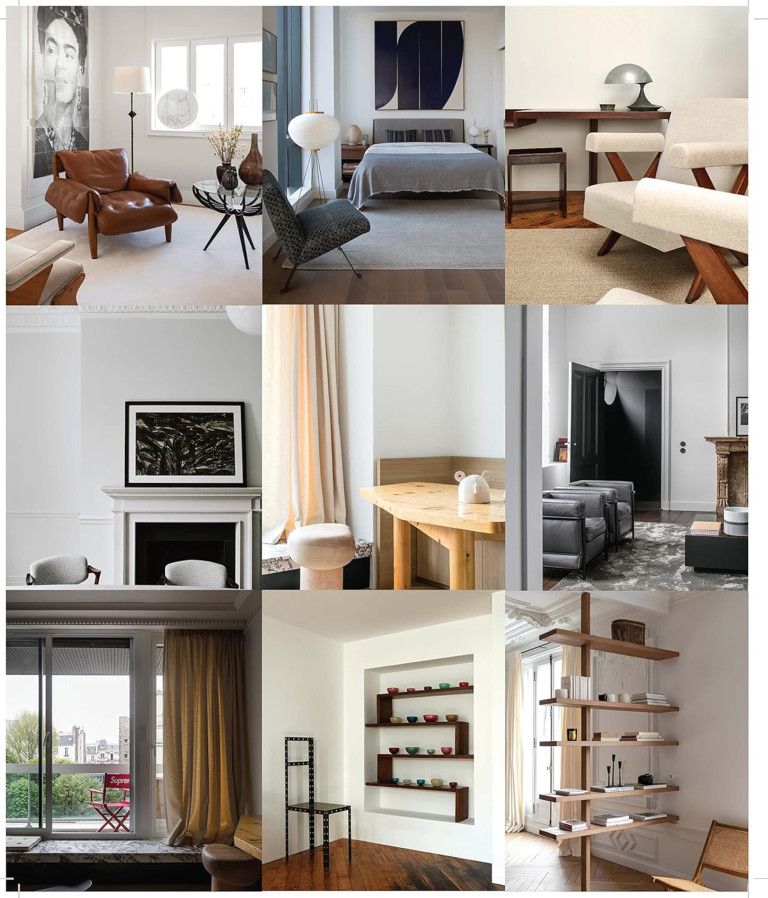
In recent years, there has been a real revival and appraisal of the works of the mid-century modern movement among architects and interior designers: the furniture, lighting and objects designed by Alvar Aalto, Charles & Ray Eames, Eileen Gray, Poul Henningsen, Arne Jacobsen, Pierre Jeanneret, Finn Juhl, Vladimir Kagan, Poul Kjaerholm, Florence Knoll, Le Corbusier, Ludwig Mies van der Rohe, Børge Mogensen, Serge Mouille, George Nakashima, George Nelson, Verner Panton, Ico Parisi, Charlotte Perriand, Gio Ponti, Jean Prouvé, Sergio Rodrigues, Jean Royère, Eero Saarinen, Arne Vodder, Jules Wabbes, Ole Wanscher, Hans J. Wegner, Jorge Zalszupin and many others is integrated in their most exclusive projects and their best pieces are sold at record prices at Christies, Philipps, Sotheby’s… In the U.S., the mid-century modern movement in interiors, product and graphic design and architecture was a reflection of the International and Bauhaus movements including the works of Gropius, Florence Knoll, Le Corbusier and Ludwig Mies van der Rohe. Brazilian and Scandinavian architects were very influential, with a style characterized by clean simplicity and integration with nature.
$118
"Rug & Kilim is my go to resource for rugs. Their selection is wide and deep, and Josh’s eye for antique pieces is extraordinary. I always walk away with great pieces, and they are a pleasure to collaborate with. They’ve been my trusted partner on projects for years."
— Ann Wolf, Wolf Holden Design Studio
A standard since our inception upheld across every acquisition,
transaction, and delivery.
45+ Year Old Institution
More than four decades of expertise and stewardship, under the leadership of our Principal, Jahanshah "Josh" Nazmiyal.
Favorable Return Policy
Our return policy is 48 hours upon receipt allowing you to confirm the purchase in your space with confidence.
Product Warranty
Each rug is hand selected or produced through the most reputable sources under the direct supervision of our Principal.
Trusted Global Delivery
Reliable worldwide delivery handled with care, precision and constant communication.
Exceptional Support
Attentive, knowledgeable guidance before and after purchase from our dedicated team of specialists.
Long Term Care
We stand behind every piece we place and remain a resource to our clients for the lifetime of their collection.
- Measurements: 3'4" x 7'5" ( 1.02 m x 2.26 m )
- Categories: Kilim & Flat Weave, Rez Kilim
- Classification: Kilim/Flat Weave, Solid/Stripes
- Material: Wool
- Origin: Afghanistan
- SKU: 36018

Specifications:
Stories from the Rez Kilim Collection
Essays, artist dialogues, and provenance notes drawn from Rug & Kilim’s editorial desk.
Bokhara Rugs: Traditional Weaving and Global Influence
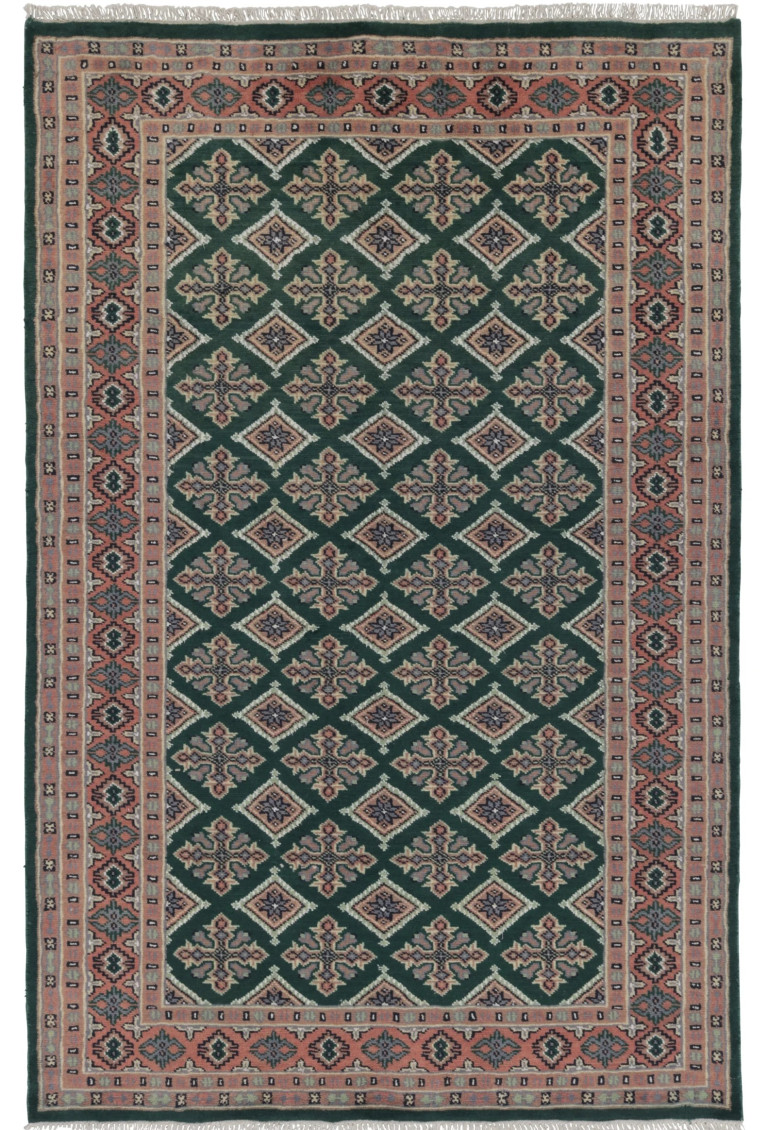
Among the most recognizable and influential traditions in the history of oriental carpets, Bokhara rugs represent a remarkable fusion of tribal heritage, geometric precision, and centuries-old weaving expertise. Known worldwide for their iconic repeating motifs, deep colors, and refined craftsmanship, Bokhara rugs have become enduring symbols of Central Asian textile artistry. Although the name “Bokhara” is commonly associated with the historic city of Bukhara in present-day Uzbekistan, many rugs classified as Bokhara originate from Turkmen weaving communities across regions including Turkmenistan, Afghanistan, and surrounding areas. The name reflects the historical trade routes through which these carpets traveled and became known internationally.
Read the Feature
Baluch Rugs: Tribal Heritage and Handmade Textile Art
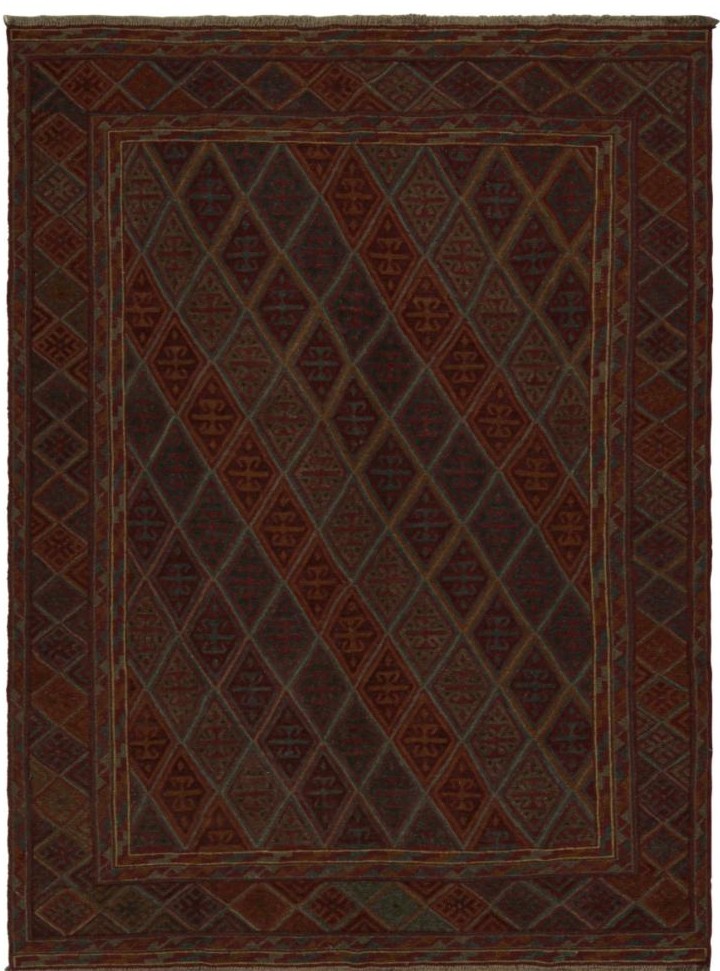
Among the great tribal weaving traditions of the Middle East and Central Asia, Baluch rugs occupy a distinctive position defined by nomadic craftsmanship, symbolic design, and remarkable artistic individuality. Woven by Baluch tribal communities spread across present-day Iran, Afghanistan, and Pakistan, these carpets represent one of the most compelling expressions of tribal textile culture. Unlike court carpets produced for royal patronage or urban workshops serving commercial markets, Baluch rugs emerged from deeply rooted tribal traditions. They were woven for everyday life, spiritual practice, ceremonial use, and domestic environments. As a result, they retain a powerful sense of authenticity that continues to resonate with collectors, designers, and institutions around the world.
Read the Feature
How U.S.–Iran Tensions Are Reshaping the World of Fine Rugs: From Safavid Courts to Sanction Regimes
There is a room in the Metropolitan Museum of Art in New York where a sixteenth-century Persian carpet stops people mid-stride. Because something in the object itself; its scale, its silence, the particular authority of a thing that has already outlasted three empires makes the ordinary pace of a museum visit feel suddenly inappropriate. The Emperor's Carpet, as it is known, was commissioned in Safavid Iran, passed to Peter the Great of Russia, gifted to the Habsburg Emperor Leopold I in 1698, held by the Austrian Imperial House until 1921, acquired by the Met in 1941, and displayed publicly only twice in the following sixty years because its condition was too fragile to risk. It has survived more political systems than any collector alive today will ever witness. It knows something about geopolitics that no sanctions framework, no bilateral negotiation, no executive order has yet managed to articulate.
Read the Feature
The Persian Afshar Rug as Art, Tribal Artifact, and Archive
Afshar rugs are among the most compelling expressions of nomadic Persian weaving. Originating from the Afshar tribe—a semi-nomadic Turkic-speaking group with roots in Central Asia—these rugs represent a distinct confluence of tribal tradition, migratory culture, and artisanal precision. Today, Afshar rugs are recognized for their deeply saturated natural dyes, structurally sound weaving, and the geometric clarity of their aesthetic—qualities that place them alongside Baluch, Shahsavan, and Qashqai weavings in the taxonomy of Persian tribal carpets. Historical Provenance: From Oghuz Migration to Iranian Plateau The Afshars were originally part of the Oghuz Turkic confederation and migrated into Iran during the Seljuk and later Safavid periods (11th–17th centuries). By the 18th century, Afshar tribes were prominently settled in southeastern Iran, particularly around Kerman, Sirjan, Baft, and Rafsanjan—regions that would become critical nodes of rug production.
Read the Feature
A Brief Look at Outdoor Scandinavian Rugs: Custom Swedish Rugs and Flatweaves for Exterior Design
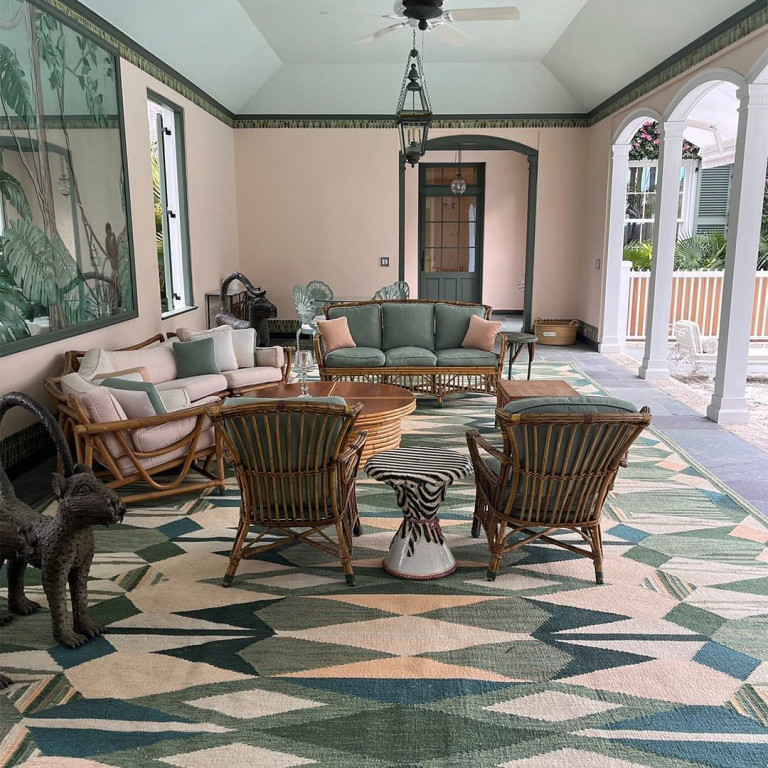
Above, a Palm Beach patio by Kemble Interiors incorporates a custom flatweave from our Scandinavian Outdoor rug collection. This piece was a particularly exciting oversized custom rug, both reveling in the most chic shades of green that seem to have underscored the last two years in design but also playing with pattern and color keeping everything around it in mind. This piece is far from an obsequious rug, but it’s still as comfortable as it is present — a feat of weaving that figuratively and literally pulls every element of the space together and exemplifies what a rug can do for any space.
Read the Feature
A Glossary of Handmade Rugs and Kilims: Understanding Terms, Types and Techniques Past and Present
Referring to the art style characterized by using shape and color withdrawn from traditional repetition or realism. Abstract rugs — sometimes referred to as art rugs — capture an expressive nature that reads as a very modern style, though many abstract rugs draw inspiration from works of the same art style in the mid-century. One of the more widely known mid-century lineages of this style is abstract expressionism, named for the literal "expressionists" of the 1950s. Some of the most notable names behind this style include Jackson Pollock and Mark Rothko. Referring to a lineage of nomadic Persian rugs (sometimes referred to as “Avsar” in the alternate spelling). Afshar rugs hail from the eponymous tribe in the region of Northeastern Iran.
Read the Feature


R&K Image Studio
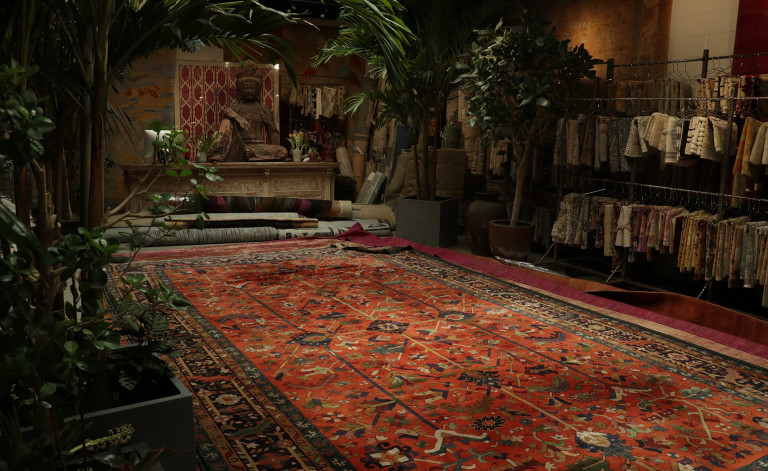
NEWThe R&K Image Studio is a new visual workspace designed to present the Rug & Kilim collection with clarity, restraint, and precision — in your space or any space you imagine.
This tool allows you to view, refine, and prepare imagery drawn directly from the pieces in our archive. They can be visualized cleanly, isolated thoughtfully, and adjusted for presentations, proposals, and private viewings, without altering the integrity of the original work.
Rez Kilim
Wool
Afghanistan, New
3'4" X 7'5" (1.02 m x 2.26 m)
$5,100
Available: Shipping as Soon as Tomorrow
Rug & Kilim’s Contemporary Kilim with Striped Central Column in Black
"It's rare to find a rug company that offers unique antiques, curated with a historical eye. And the best quality customization for anything you might need. All while being treated like family - love those guys."
— Andre Mellone, Studio Mellone
- Measurements: 3'4" x 7'5" ( 1.02 m x 2.26 m )
- Categories: Kilim & Flat Weave, Rez Kilim
- Classification: Kilim/Flat Weave, Solid/Stripes
- Material: Wool
- Origin: Afghanistan
- SKU: 36018

