




Wool
Afghanistan, New
9'2" X 12'2" (2.79 m x 3.71 m)
Available: Shipping As Soon As Tomorrow
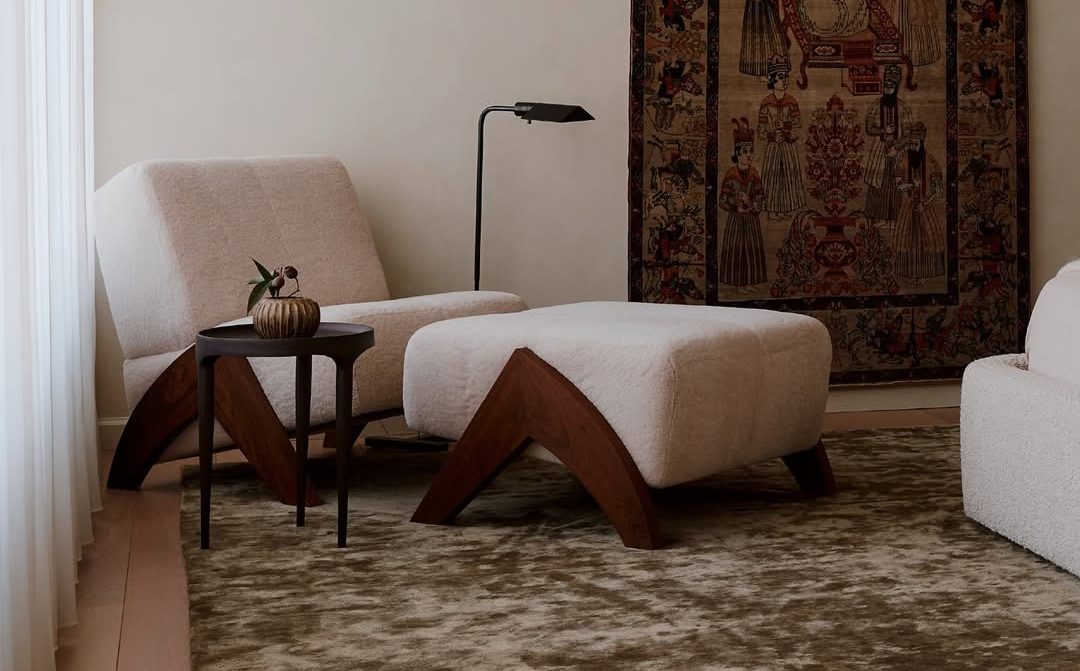
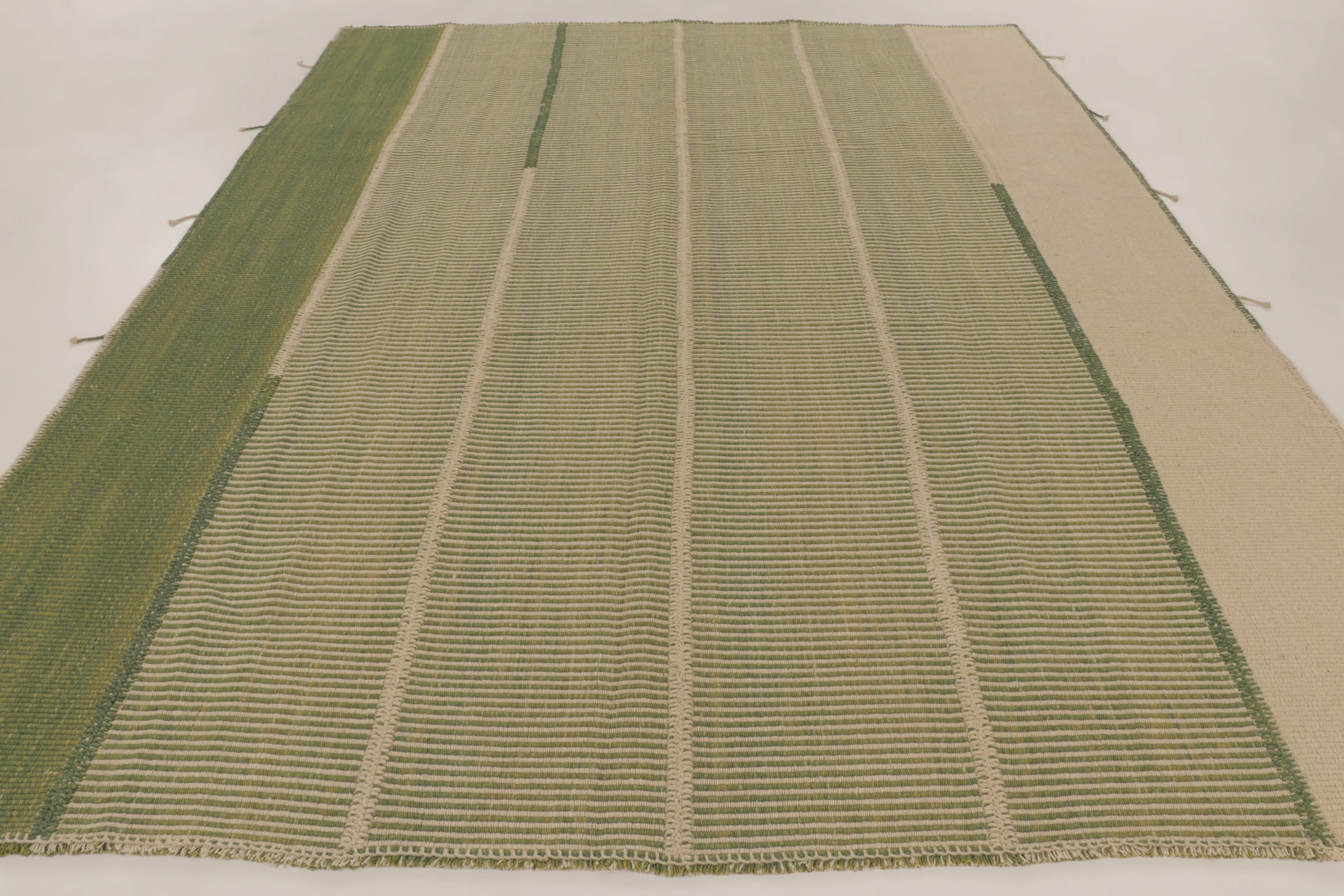
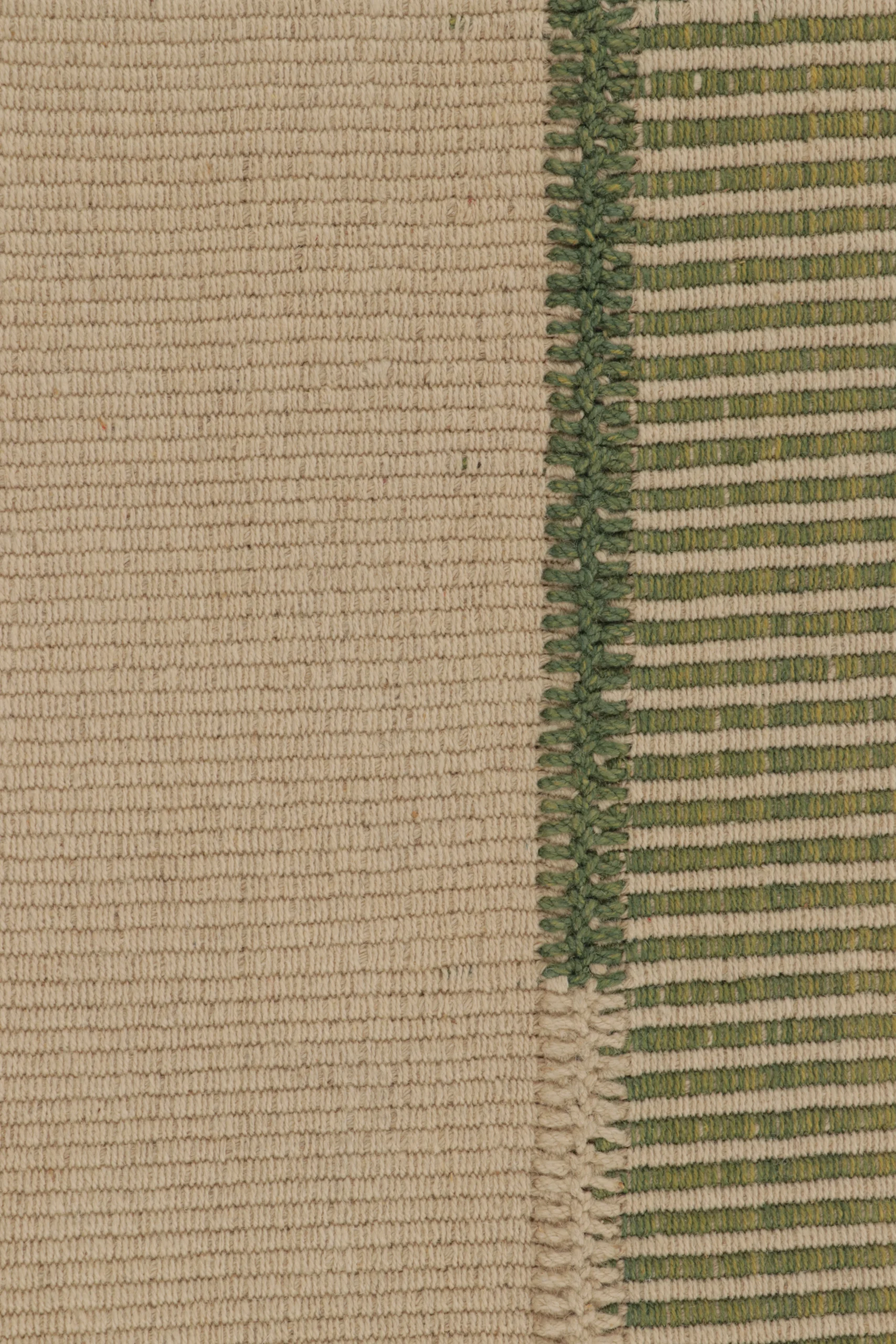
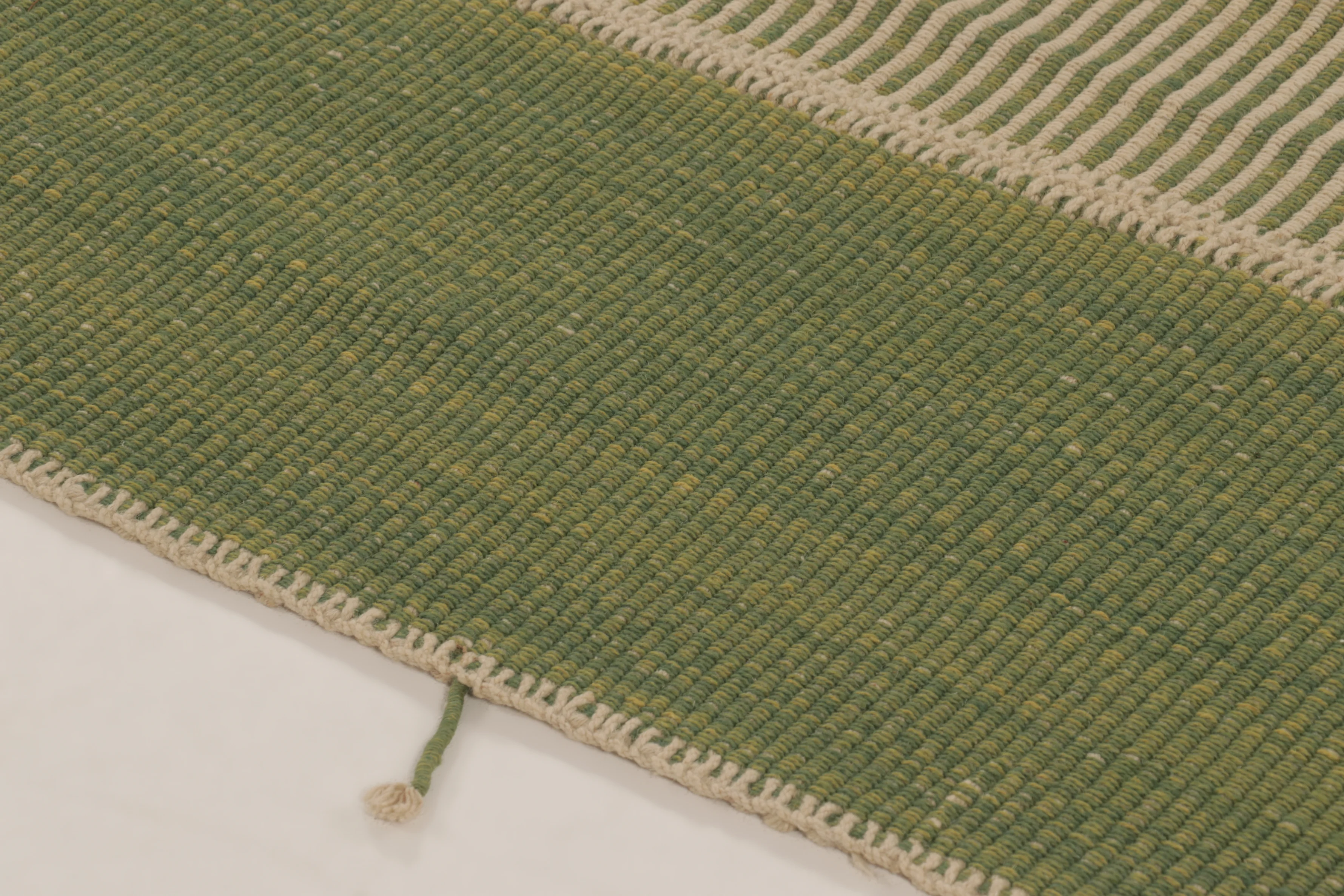
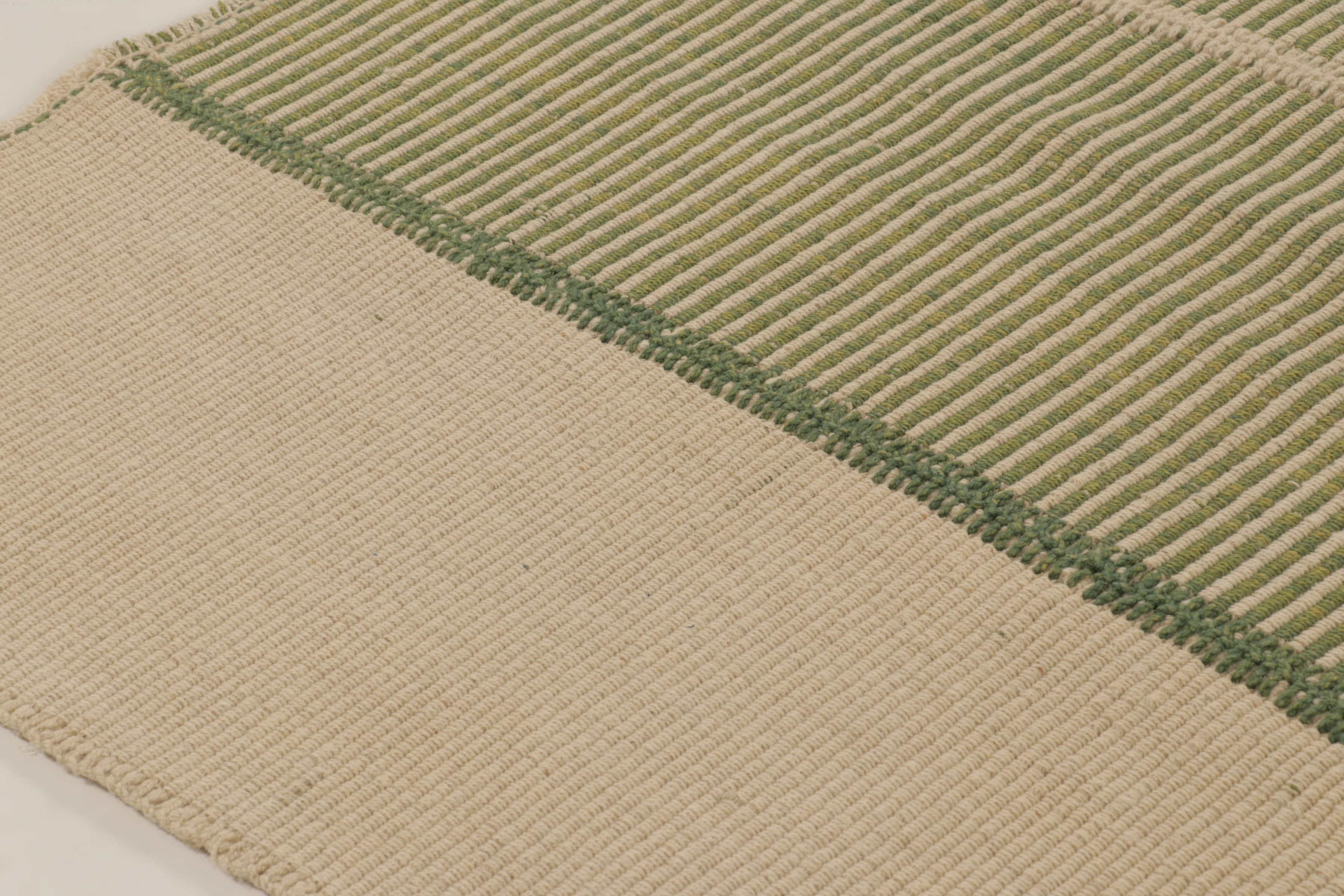
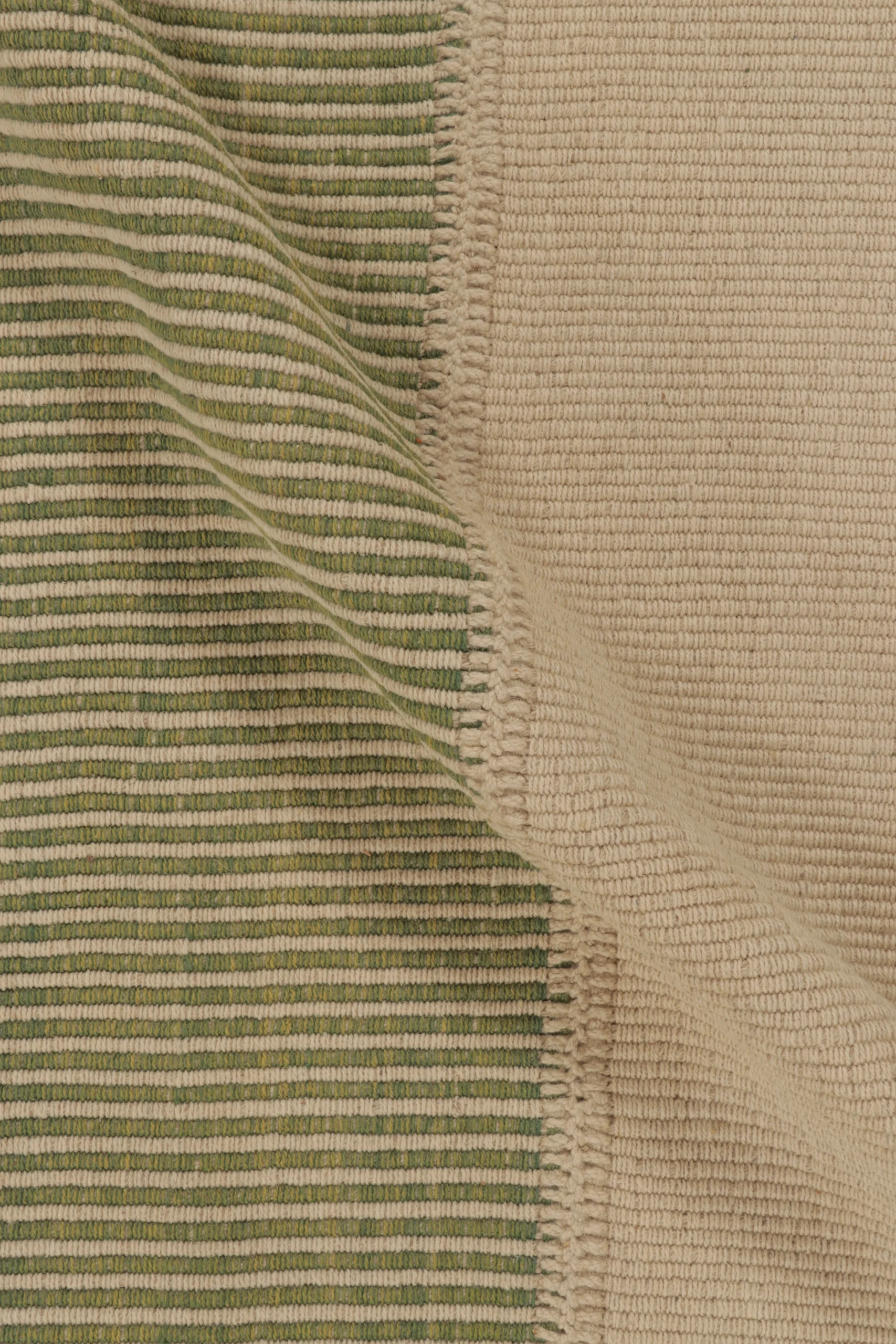
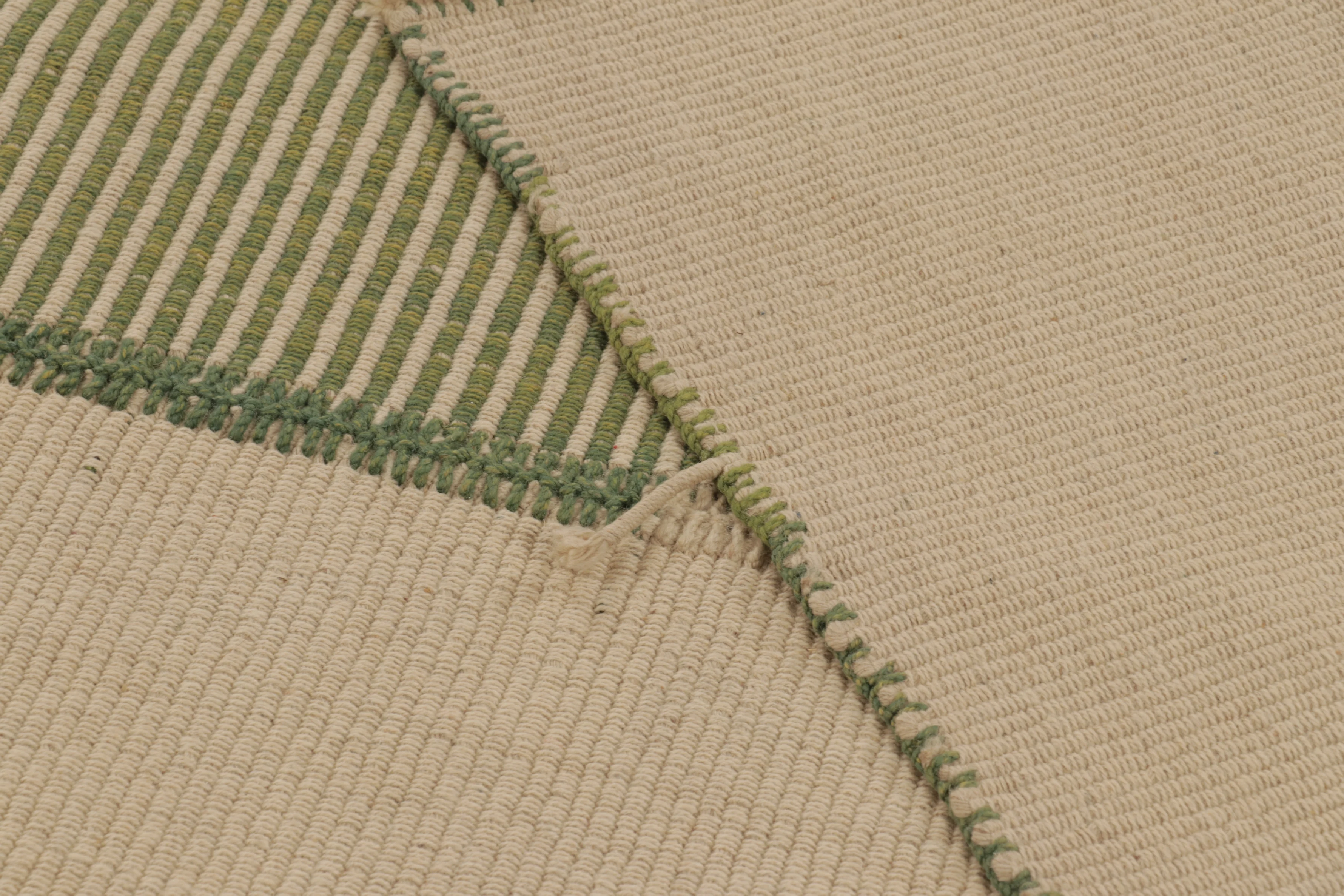
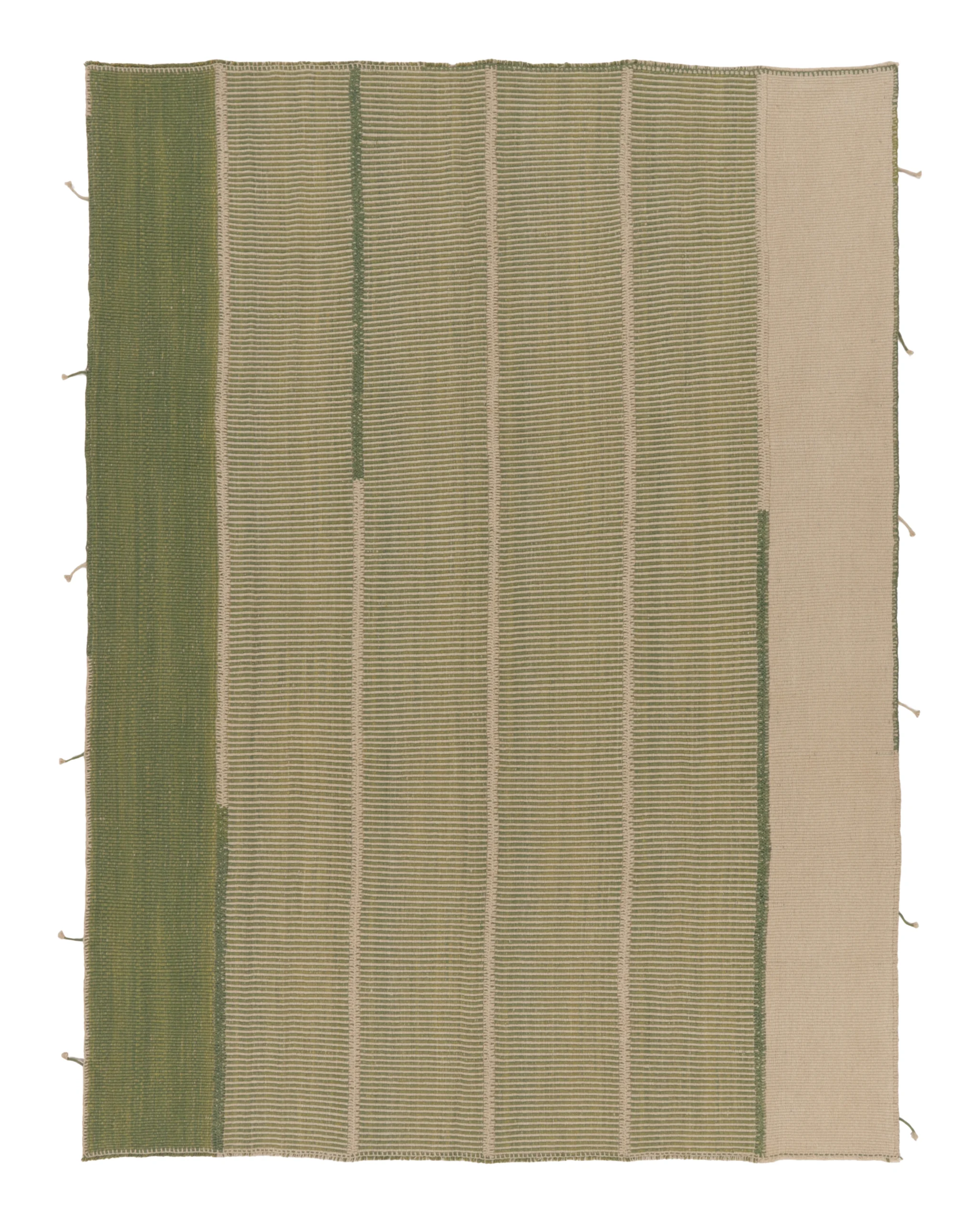
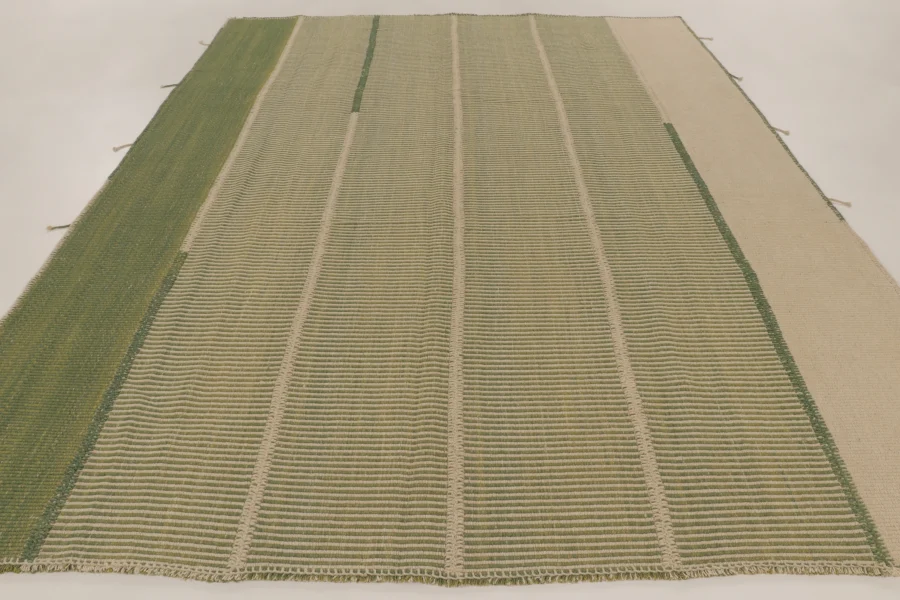
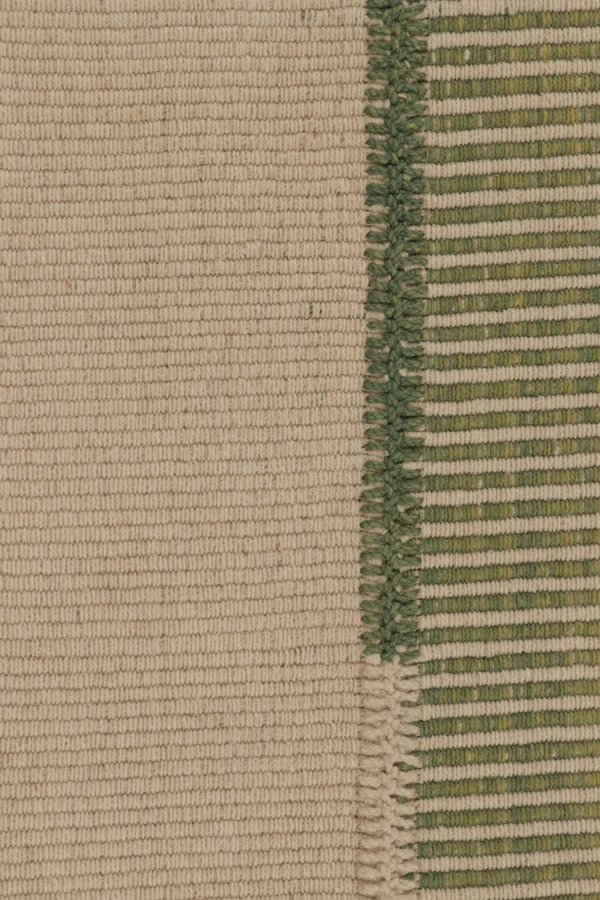
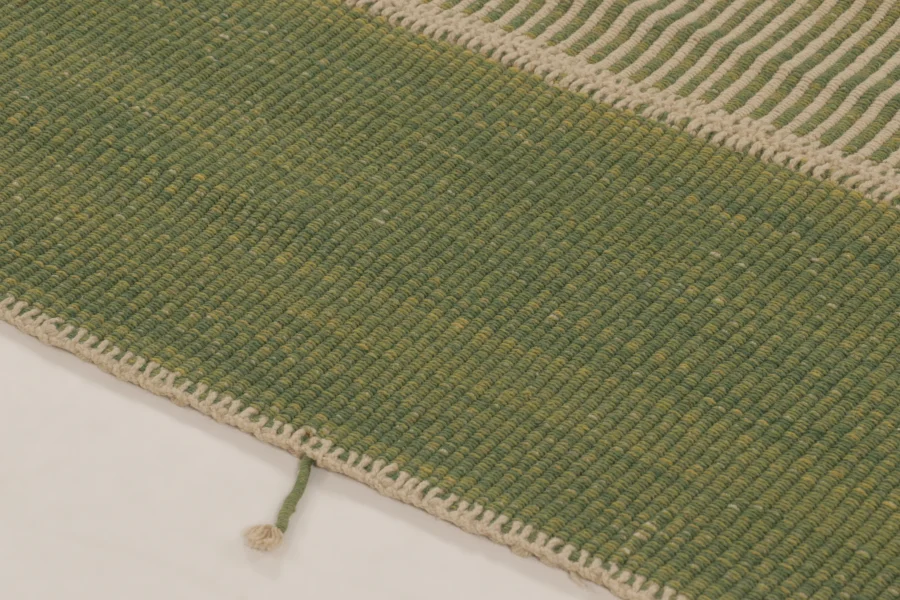
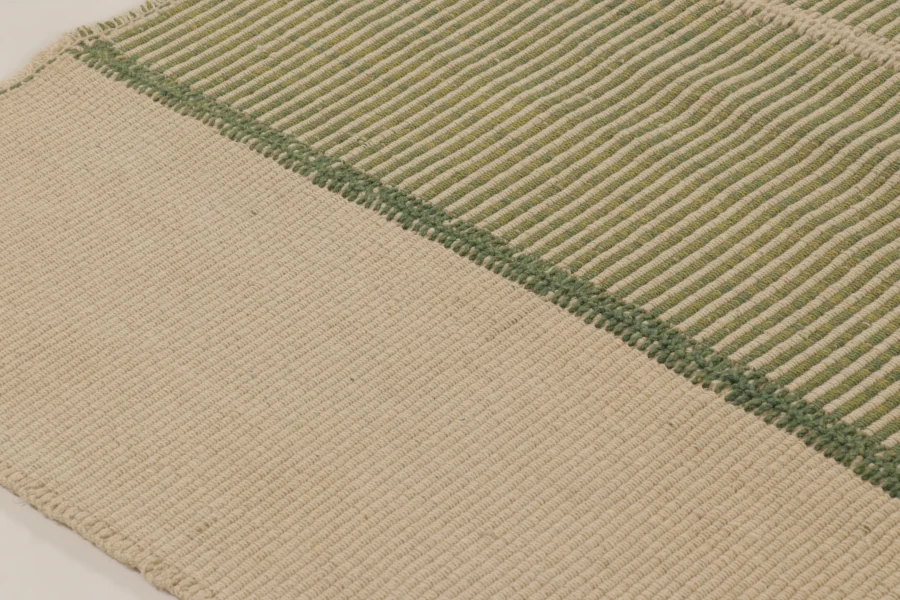
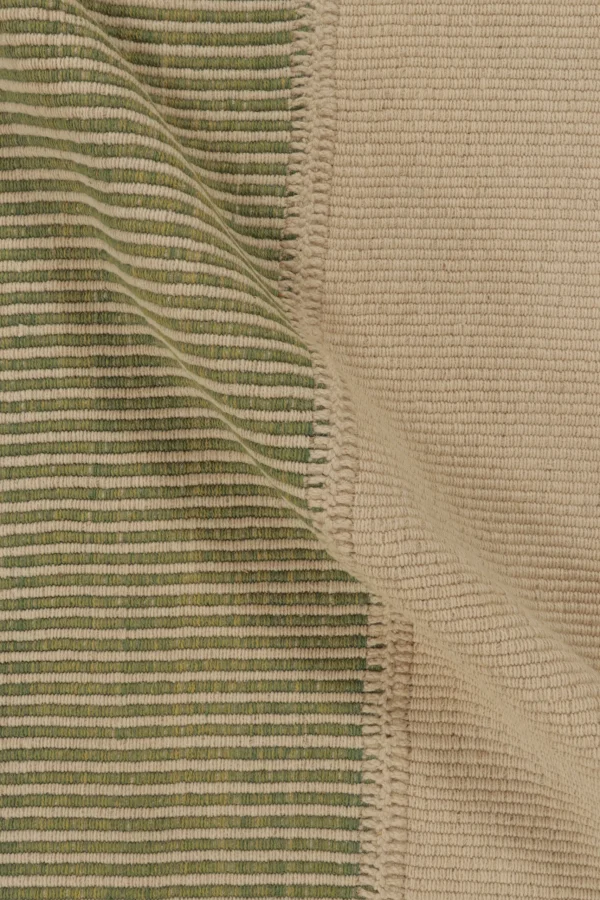
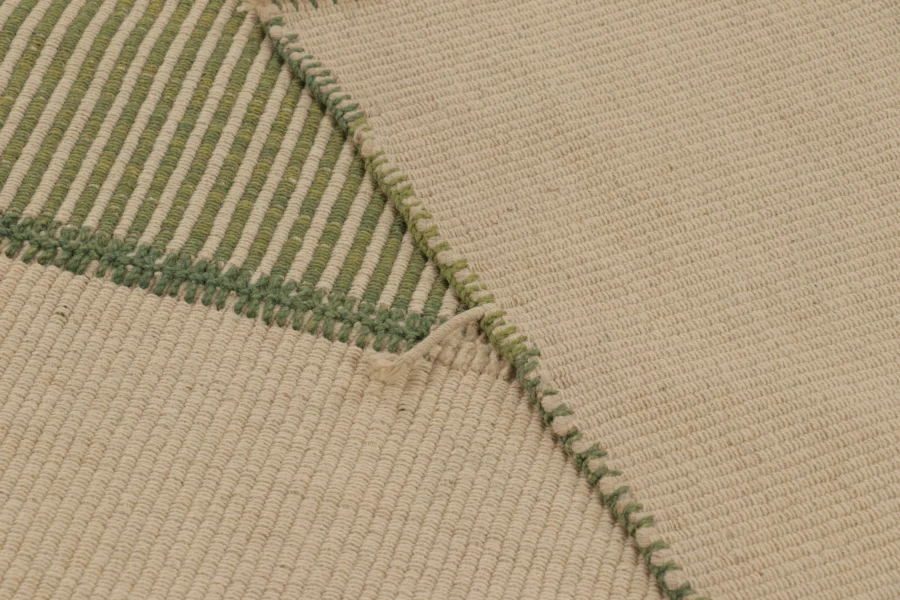
Rug & Kilim’s Contemporary Kilim with Textural Stripes in Beige & Green


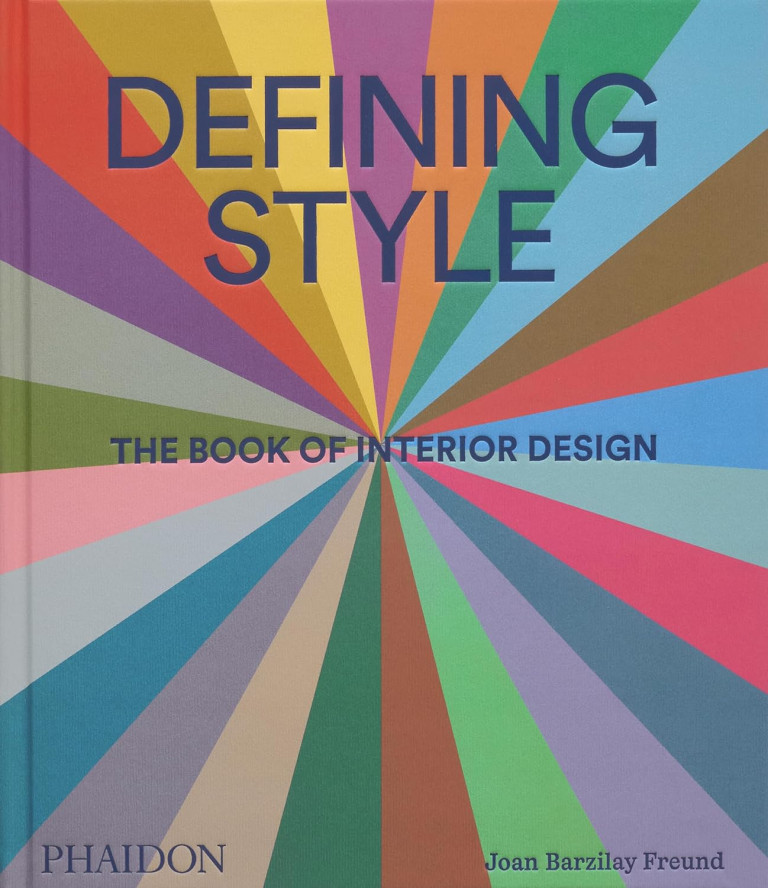
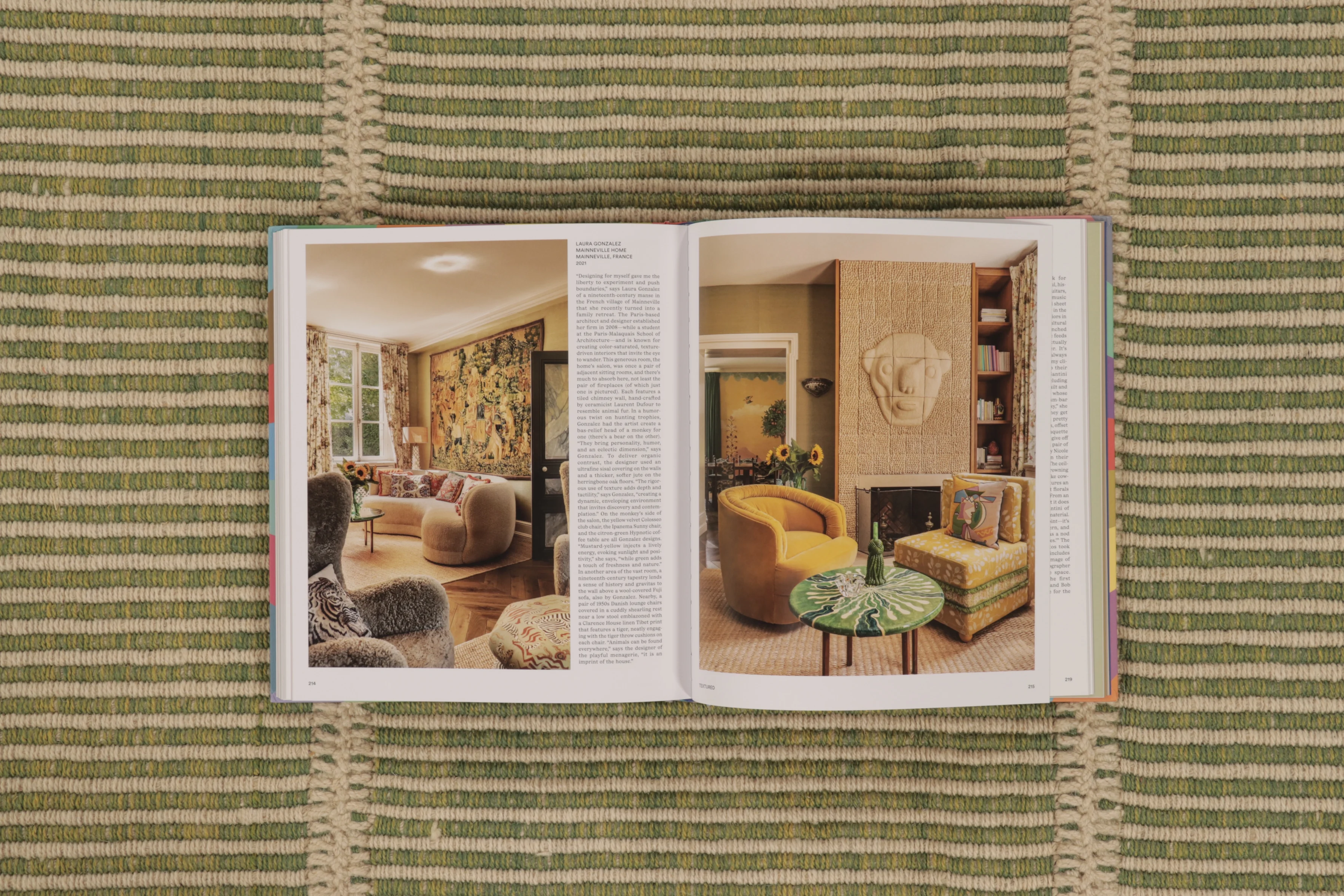
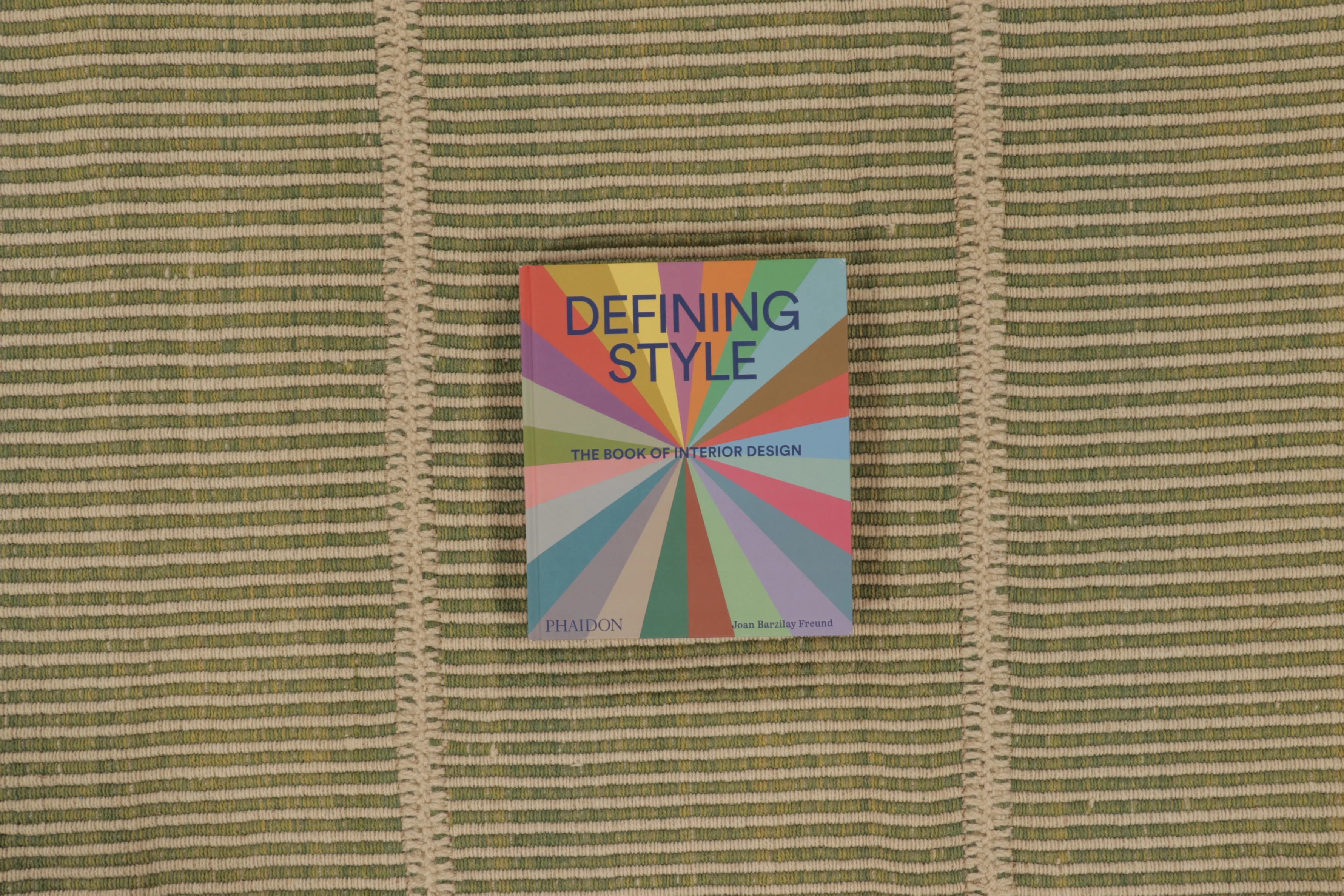
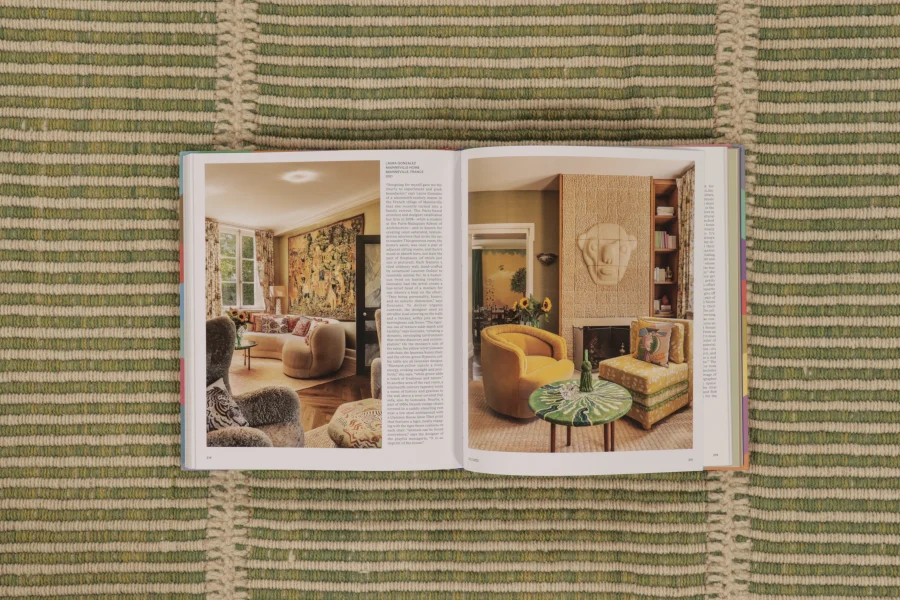
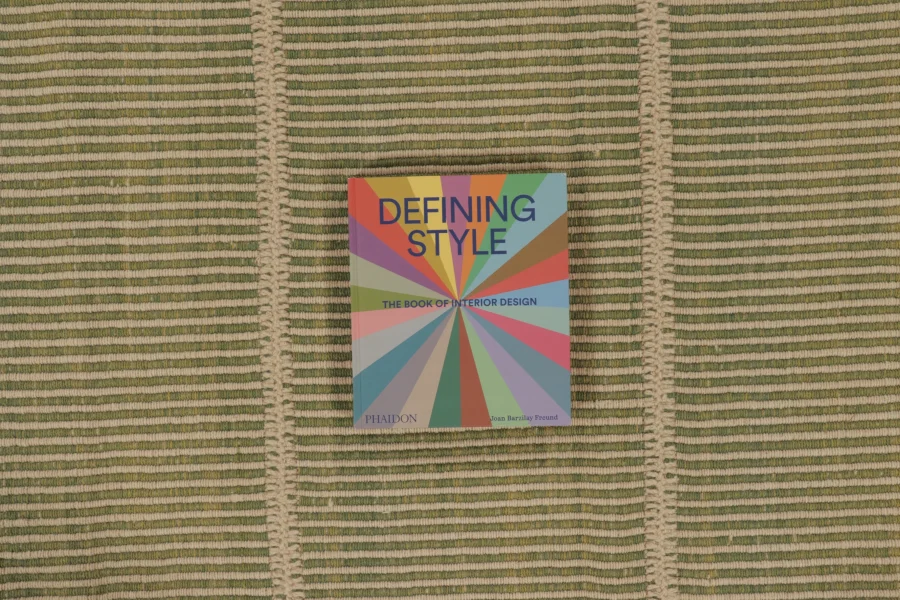
Defining Style
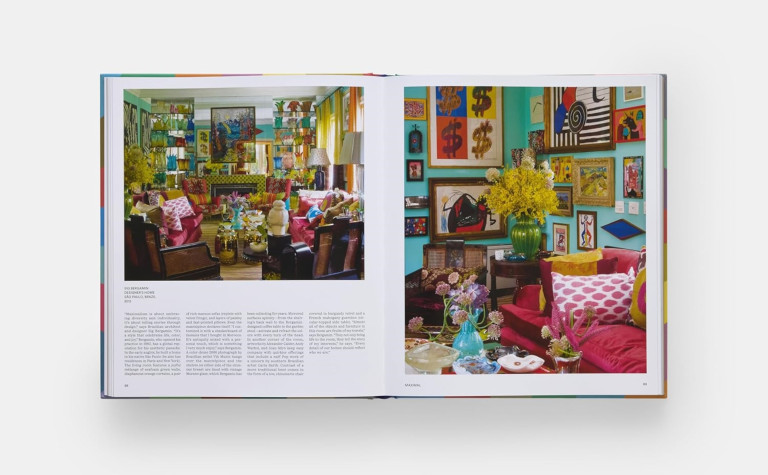
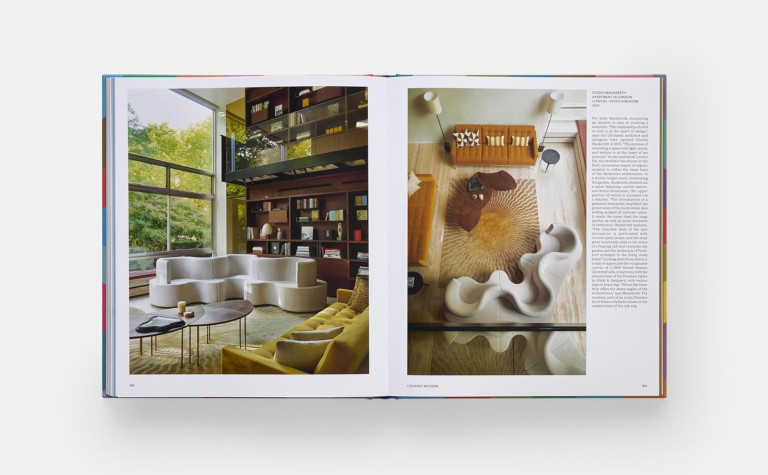
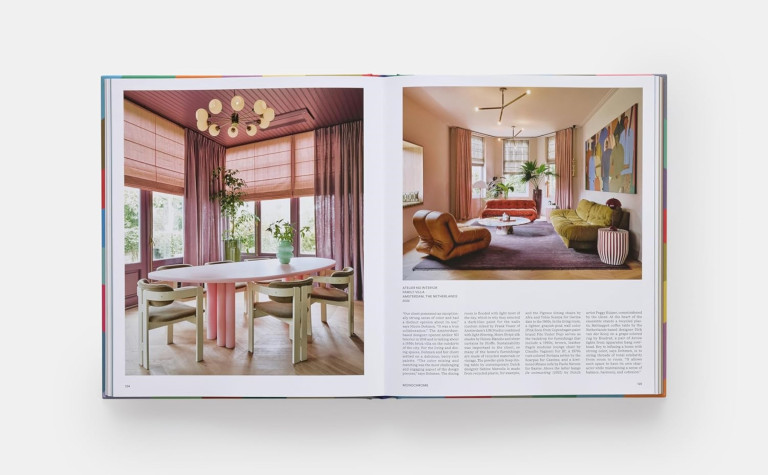
By Joan Barzilay Freund, with an introduction by Asad Syrkett. — Phaidon, 2025
Contemporary, Interior Design
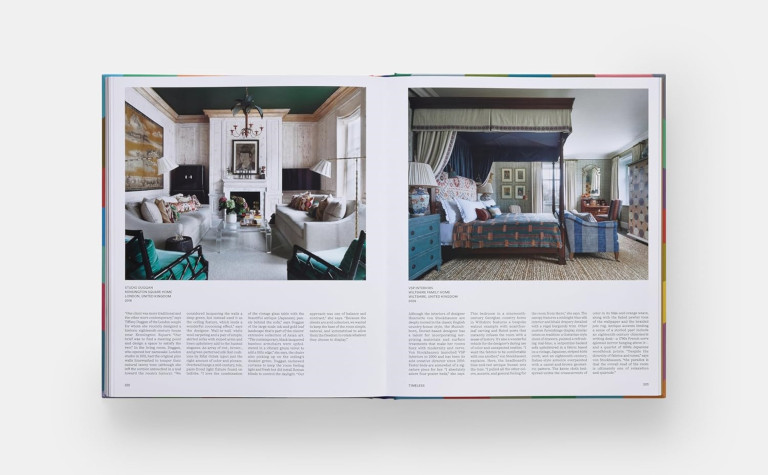
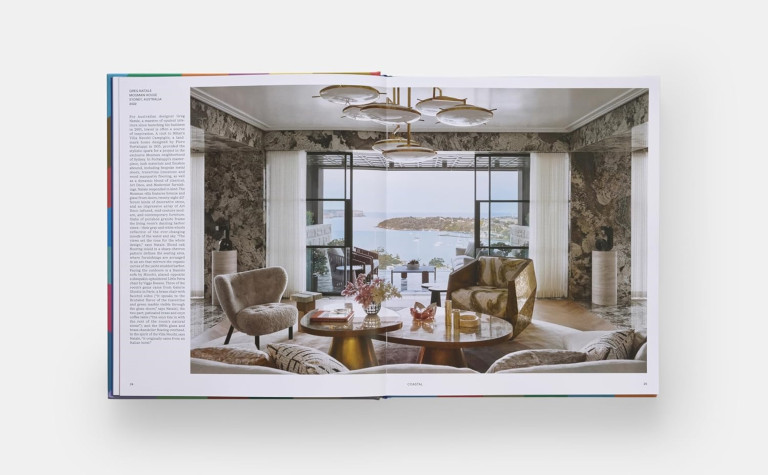
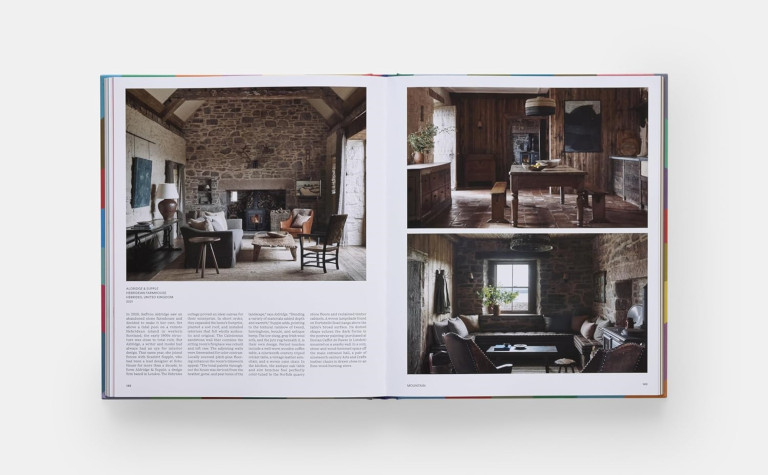
Discover 25 of the most recognizable design styles through 150 residential interiors from the world’s leading designers From Coastal to Contemporary, Maximal to Mediterranean, Tailored to Textured, this inspirational lookbook guides beginners and enthusiasts alike through the most timeless interior design styles of the last century. Learn to identify and understand each style like an expert through introductory texts describing key tenets and featured real-world examples by today’s best contemporary designers, such as Studio Shamshiri, Laura Gonzalez, and Vincenzo De Cotiis. Whether in a Manhattan skyscraper, along the coasts of Italy, or in the tropics of Bali, the rooms in this curated global collection offer a masterclass in how to navigate interior decor today.
Preserved in our design reference library. Inquire to visit and use as a resource.
"For years, R&K has been a favorite source for Kemble Interiors when we need antique, vintage, and custom designed rugs. Their inventory is deep and well displayed online and working in person is always such a pleasure too!"
— Celerie Kemble, Kemble Interiors
A standard since our inception upheld across every acquisition,
transaction, and delivery.
45+ Year Old Institution
More than four decades of expertise and stewardship, under the leadership of our Principal, Jahanshah "Josh" Nazmiyal.
Favorable Return Policy
Our return policy is 48 hours upon receipt allowing you to confirm the purchase in your space with confidence.
Product Warranty
Each rug is hand selected or produced through the most reputable sources under the direct supervision of our Principal.
Trusted Global Delivery
Reliable worldwide delivery handled with care, precision and constant communication.
Exceptional Support
Attentive, knowledgeable guidance before and after purchase from our dedicated team of specialists.
Long Term Care
We stand behind every piece we place and remain a resource to our clients for the lifetime of their collection.
- Measurements: 9'2" x 12'2" ( 2.79 m x 3.71 m )
- Categories: Kilim & Flat Weave, Rez Kilim
- Classification: Kilim/Flat Weave, Solid/Stripes
- Material: Wool
- Origin: Afghanistan
- SKU: 36207

Specifications:
Stories from the Rez Kilim Collection
Essays, artist dialogues, and provenance notes drawn from Rug & Kilim’s editorial desk.
Bokhara Rugs: Traditional Weaving and Global Influence
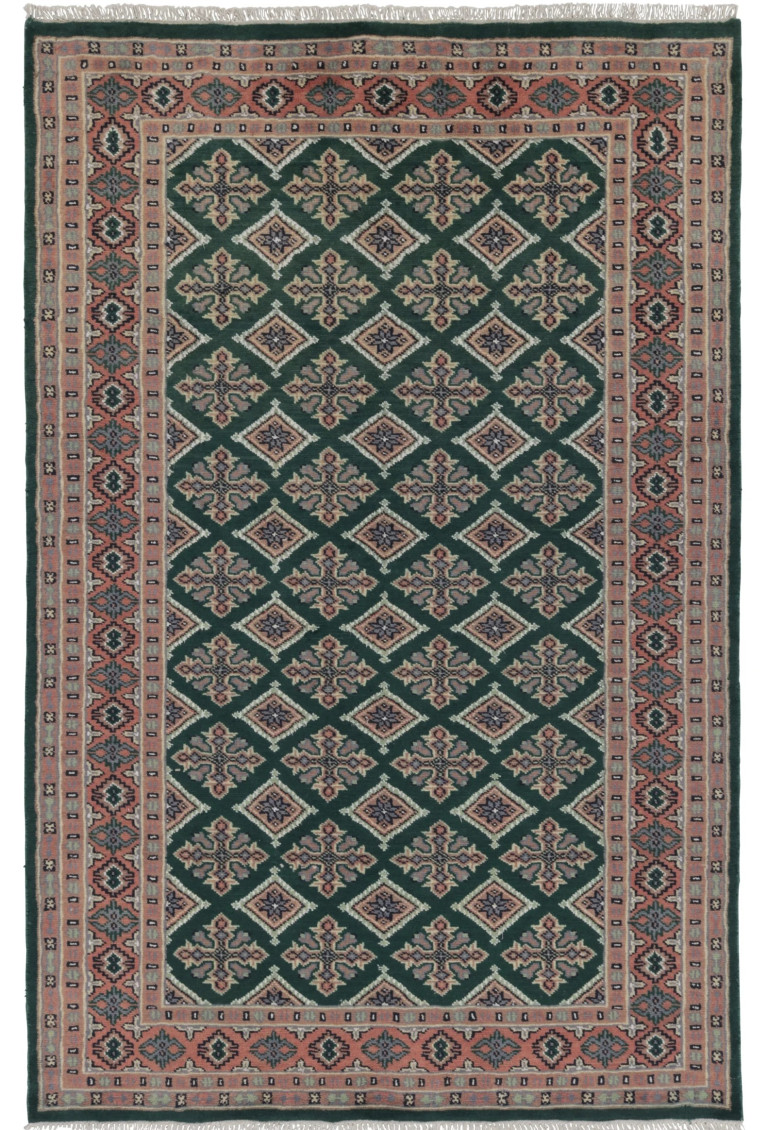
Among the most recognizable and influential traditions in the history of oriental carpets, Bokhara rugs represent a remarkable fusion of tribal heritage, geometric precision, and centuries-old weaving expertise. Known worldwide for their iconic repeating motifs, deep colors, and refined craftsmanship, Bokhara rugs have become enduring symbols of Central Asian textile artistry. Although the name “Bokhara” is commonly associated with the historic city of Bukhara in present-day Uzbekistan, many rugs classified as Bokhara originate from Turkmen weaving communities across regions including Turkmenistan, Afghanistan, and surrounding areas. The name reflects the historical trade routes through which these carpets traveled and became known internationally.
Read the Feature
Baluch Rugs: Tribal Heritage and Handmade Textile Art
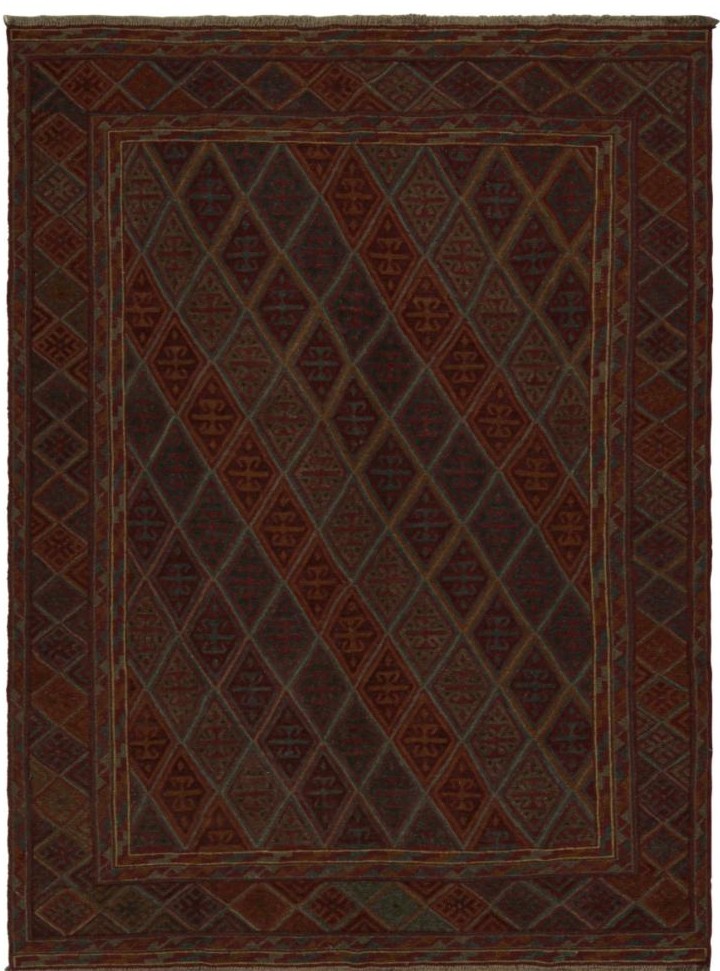
Among the great tribal weaving traditions of the Middle East and Central Asia, Baluch rugs occupy a distinctive position defined by nomadic craftsmanship, symbolic design, and remarkable artistic individuality. Woven by Baluch tribal communities spread across present-day Iran, Afghanistan, and Pakistan, these carpets represent one of the most compelling expressions of tribal textile culture. Unlike court carpets produced for royal patronage or urban workshops serving commercial markets, Baluch rugs emerged from deeply rooted tribal traditions. They were woven for everyday life, spiritual practice, ceremonial use, and domestic environments. As a result, they retain a powerful sense of authenticity that continues to resonate with collectors, designers, and institutions around the world.
Read the Feature
How U.S.–Iran Tensions Are Reshaping the World of Fine Rugs: From Safavid Courts to Sanction Regimes
There is a room in the Metropolitan Museum of Art in New York where a sixteenth-century Persian carpet stops people mid-stride. Because something in the object itself; its scale, its silence, the particular authority of a thing that has already outlasted three empires makes the ordinary pace of a museum visit feel suddenly inappropriate. The Emperor's Carpet, as it is known, was commissioned in Safavid Iran, passed to Peter the Great of Russia, gifted to the Habsburg Emperor Leopold I in 1698, held by the Austrian Imperial House until 1921, acquired by the Met in 1941, and displayed publicly only twice in the following sixty years because its condition was too fragile to risk. It has survived more political systems than any collector alive today will ever witness. It knows something about geopolitics that no sanctions framework, no bilateral negotiation, no executive order has yet managed to articulate.
Read the Feature
The Persian Afshar Rug as Art, Tribal Artifact, and Archive
Afshar rugs are among the most compelling expressions of nomadic Persian weaving. Originating from the Afshar tribe—a semi-nomadic Turkic-speaking group with roots in Central Asia—these rugs represent a distinct confluence of tribal tradition, migratory culture, and artisanal precision. Today, Afshar rugs are recognized for their deeply saturated natural dyes, structurally sound weaving, and the geometric clarity of their aesthetic—qualities that place them alongside Baluch, Shahsavan, and Qashqai weavings in the taxonomy of Persian tribal carpets. Historical Provenance: From Oghuz Migration to Iranian Plateau The Afshars were originally part of the Oghuz Turkic confederation and migrated into Iran during the Seljuk and later Safavid periods (11th–17th centuries). By the 18th century, Afshar tribes were prominently settled in southeastern Iran, particularly around Kerman, Sirjan, Baft, and Rafsanjan—regions that would become critical nodes of rug production.
Read the Feature
How Tariffs Are Shaping the Future of Modern and Antique Rugs in the United States
A rug is rarely just a rug in the quiet luxury of a gallery showroom or the curated intimacy of a collector’s salon. It is a world unfurled — created with centuries of ritual, memory, and meaning. Yet, beyond the weaving process lies a less visible thread that increasingly shapes what reaches the American floor: policy. As U.S. tariff regulations grow more complex and geopolitically charged, the fate of both modern and antique rugs has become entangled in a matrix of international trade, cultural diplomacy, and economic strategy. Evolving trade tariffs are reweaving the global rug market — influencing not only pricing and availability but also sourcing decisions, artisan livelihoods, and the long-term legacy of one of the world's most enduring forms of cultural expression. For interior designers, collectors, curators, and cultural economists, the conversation is no longer just about taste — it’s also about trade.
Read the Feature
A Glossary of Handmade Rugs and Kilims: Understanding Terms, Types and Techniques Past and Present
Referring to the art style characterized by using shape and color withdrawn from traditional repetition or realism. Abstract rugs — sometimes referred to as art rugs — capture an expressive nature that reads as a very modern style, though many abstract rugs draw inspiration from works of the same art style in the mid-century. One of the more widely known mid-century lineages of this style is abstract expressionism, named for the literal "expressionists" of the 1950s. Some of the most notable names behind this style include Jackson Pollock and Mark Rothko. Referring to a lineage of nomadic Persian rugs (sometimes referred to as “Avsar” in the alternate spelling). Afshar rugs hail from the eponymous tribe in the region of Northeastern Iran.
Read the Feature


R&K Image Studio
NEWThe R&K Image Studio is a new visual workspace designed to present the Rug & Kilim collection with clarity, restraint, and precision — in your space or any space you imagine.
This tool allows you to view, refine, and prepare imagery drawn directly from the pieces in our archive. They can be visualized cleanly, isolated thoughtfully, and adjusted for presentations, proposals, and private viewings, without altering the integrity of the original work.
Rez Kilim
Wool
Afghanistan, New
9'2" X 12'2" (2.79 m x 3.71 m)
$11,000
Available: Shipping as Soon as Tomorrow
Rug & Kilim’s Contemporary Kilim with Textural Stripes in Beige & Green
"Josh and his team have supported my interior design work, as well as my personal projects, for over 20 years. Their inimitable combination of creativity, personal attention, professionalism and joie de vivre are irresistible."
— Claire Fleming Peters, Fleming Peters
- Measurements: 9'2" x 12'2" ( 2.79 m x 3.71 m )
- Categories: Kilim & Flat Weave, Rez Kilim
- Classification: Kilim/Flat Weave, Solid/Stripes
- Material: Wool
- Origin: Afghanistan
- SKU: 36207

