

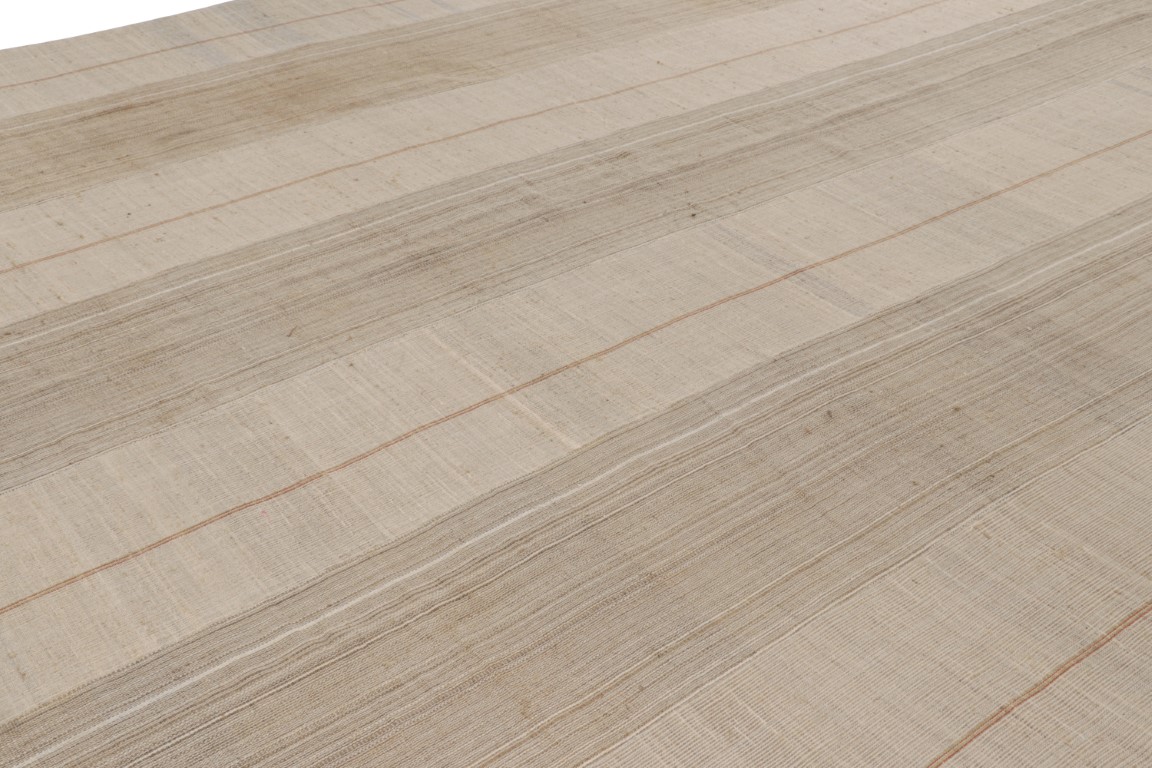
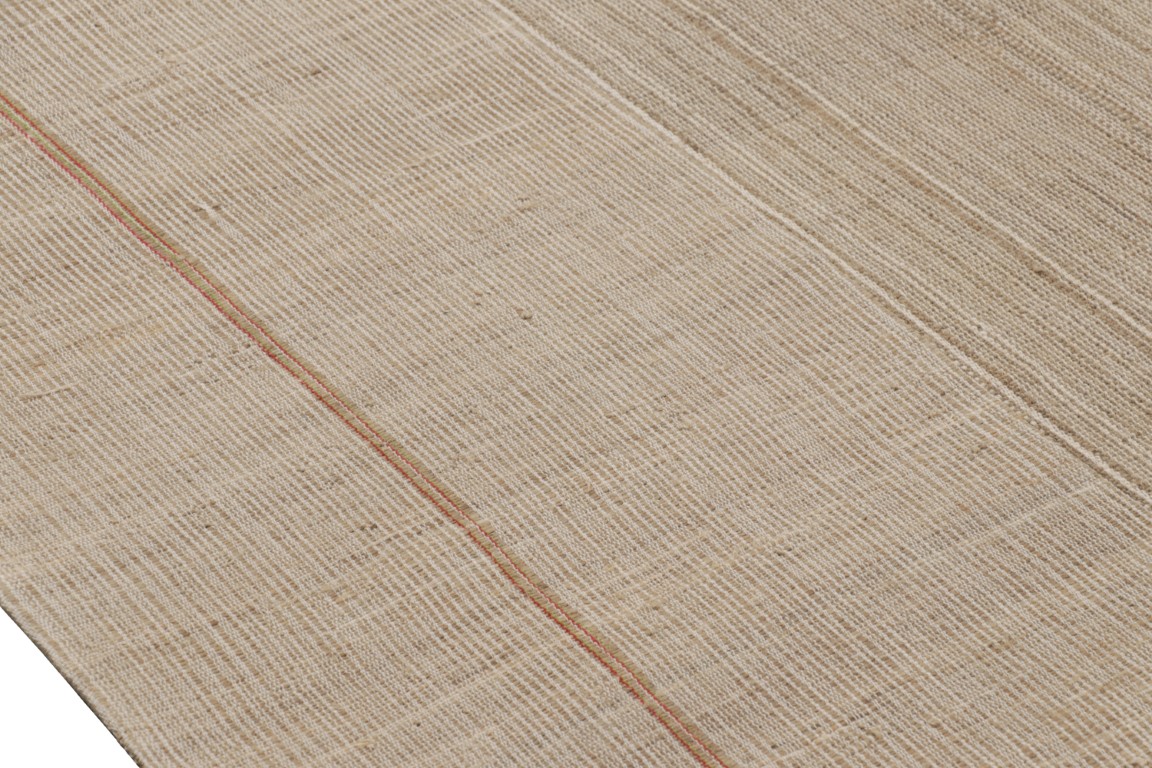
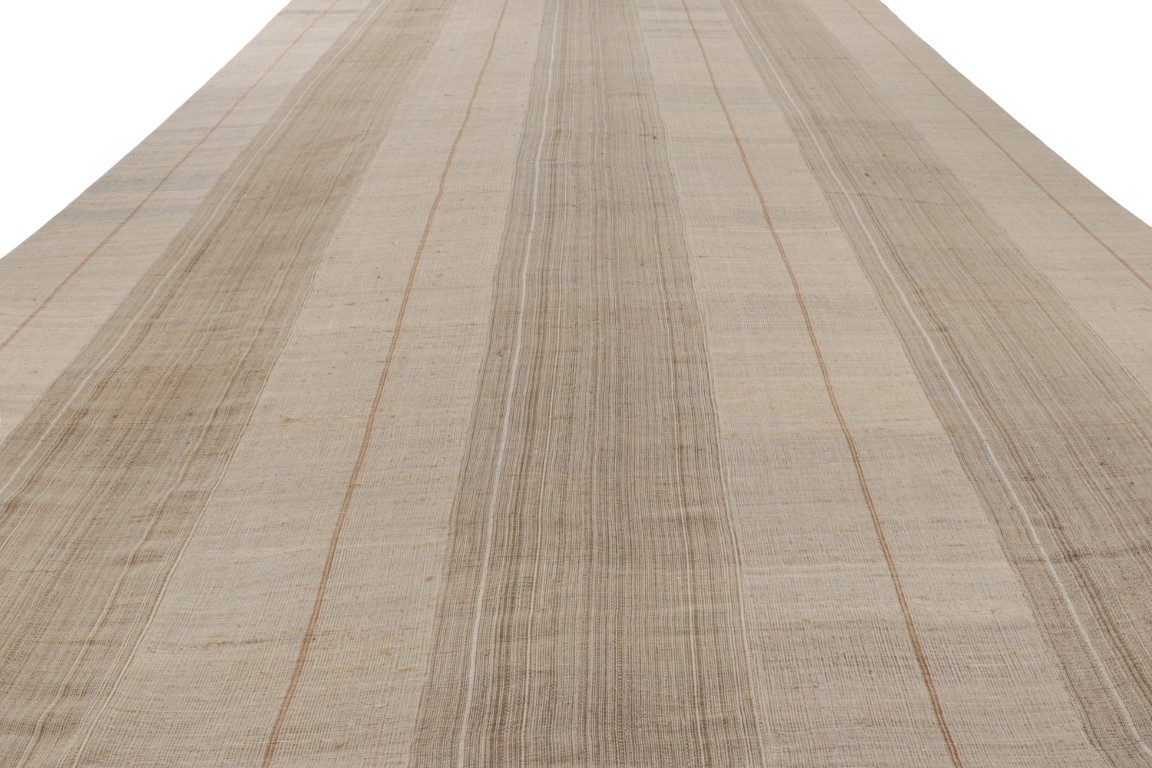
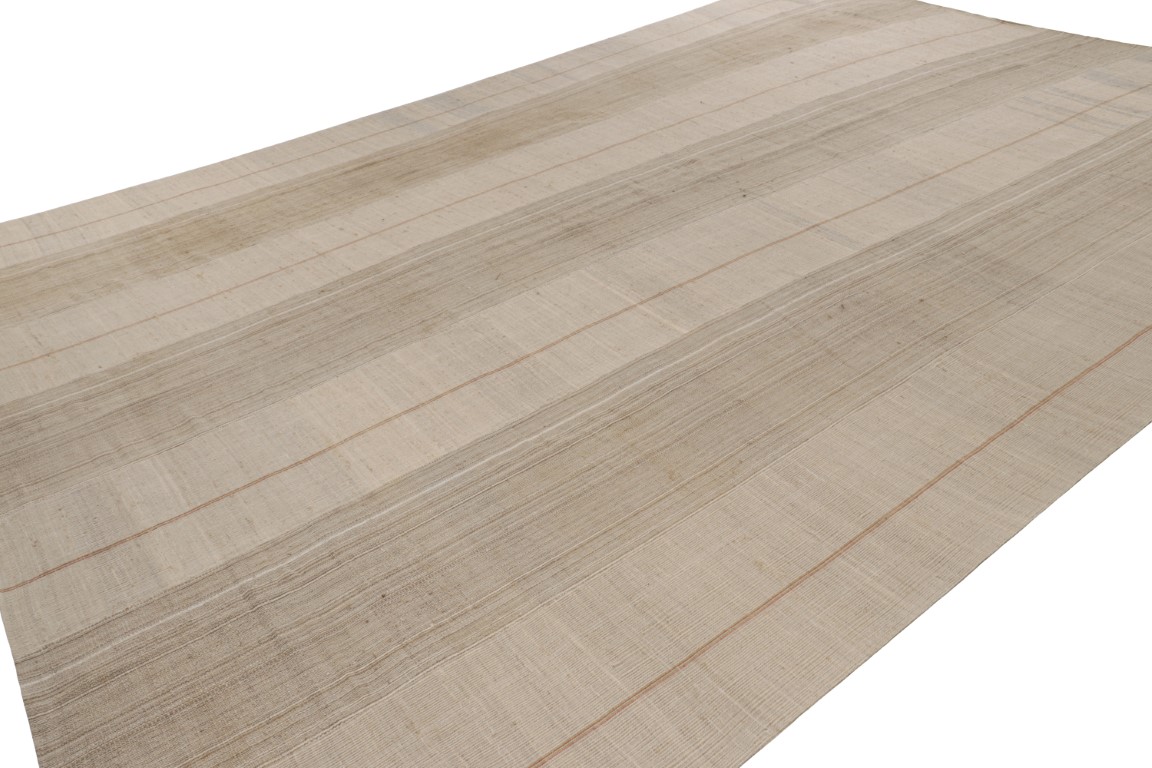
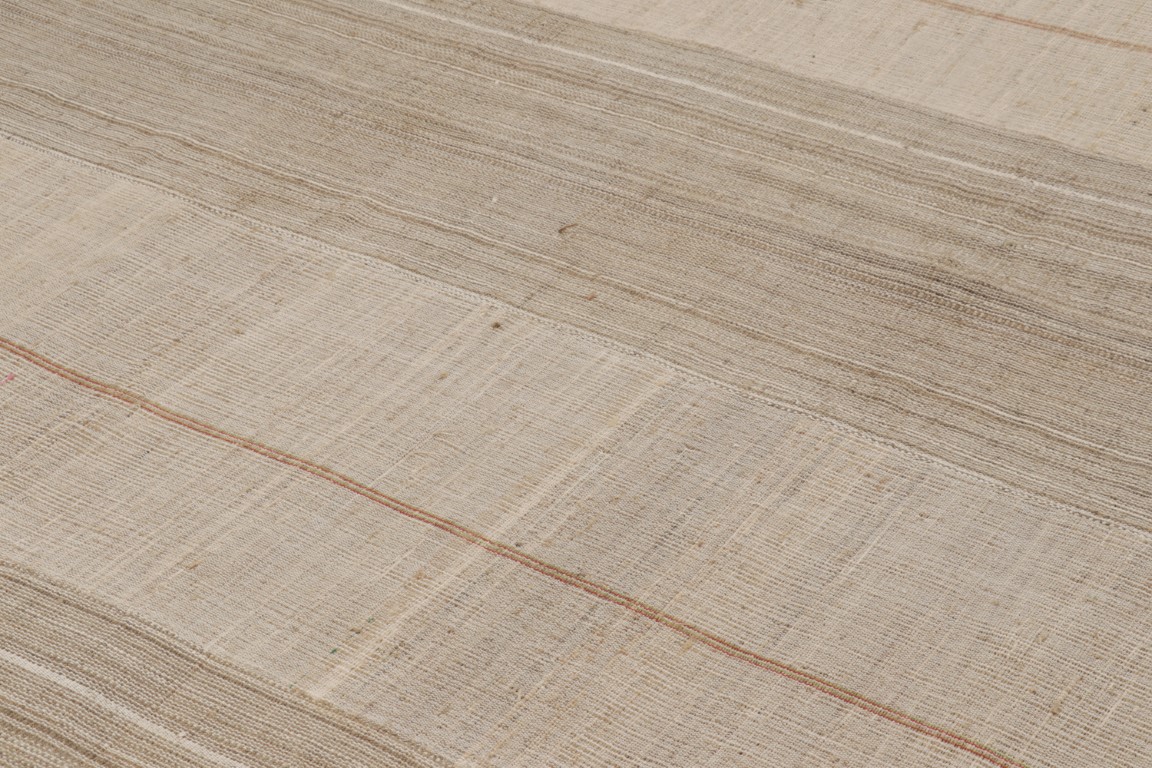
Wool
Turkey, c. 1950-1959
13'11" X 20'6" (4.24 m x 6.25 m)
Available: Shipping As Soon As Tomorrow
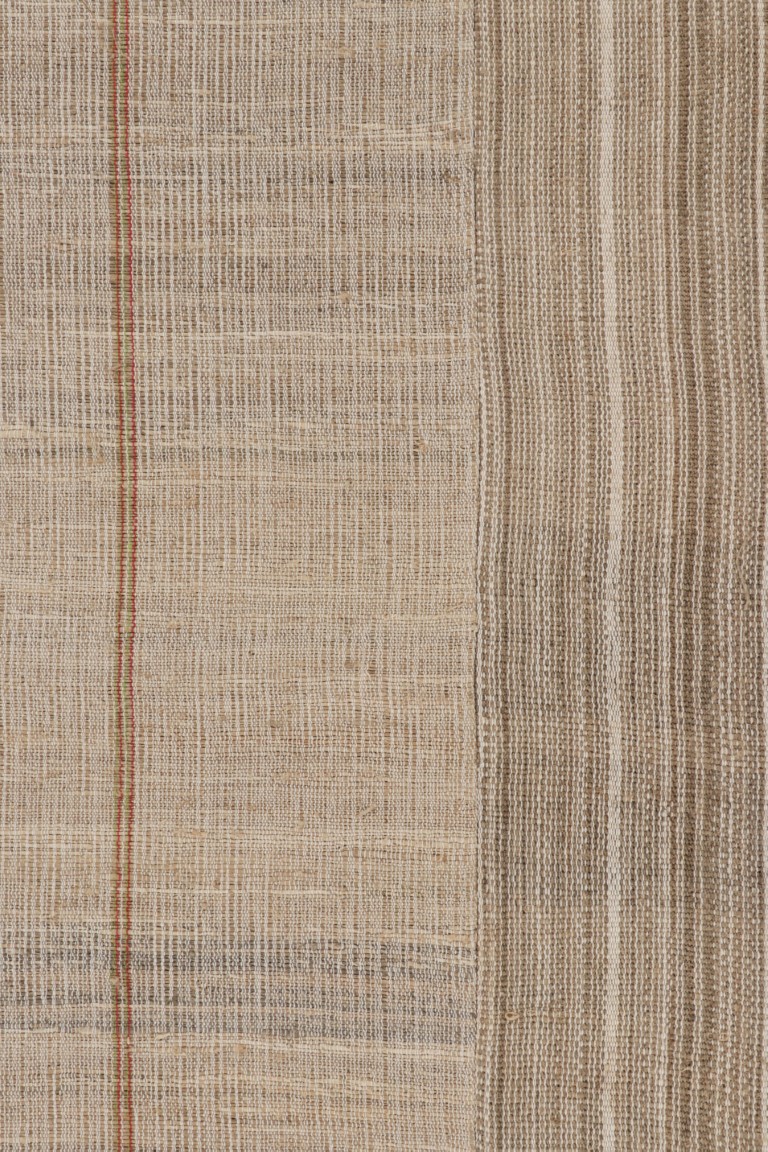
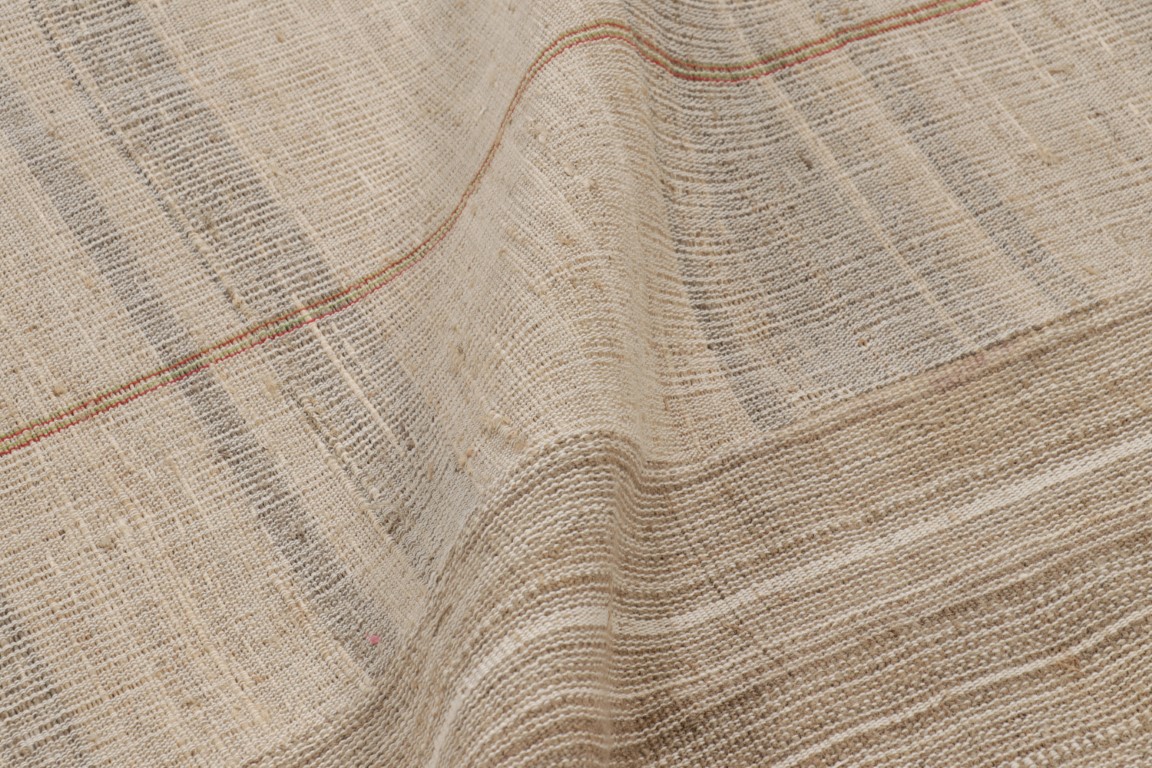
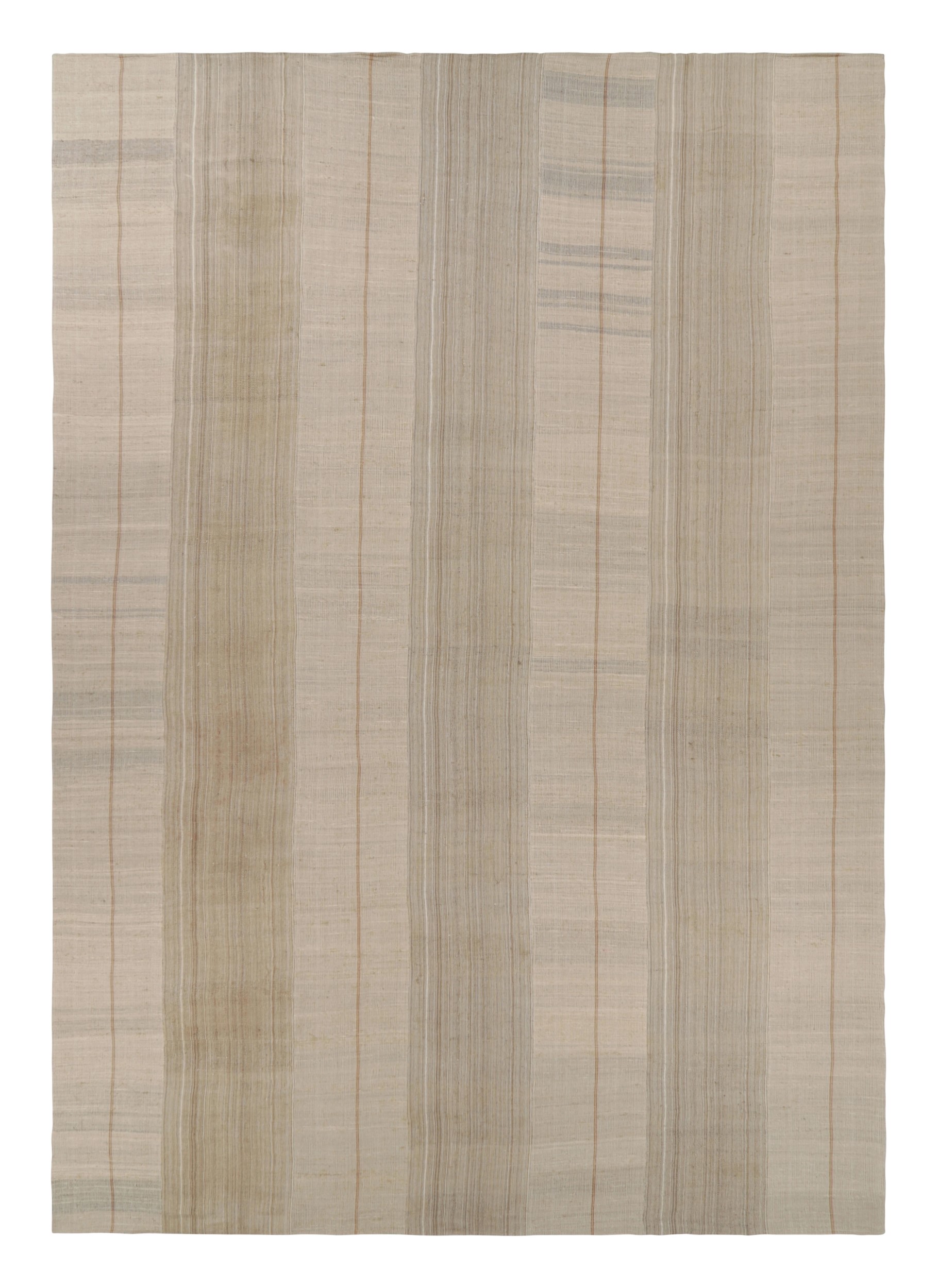
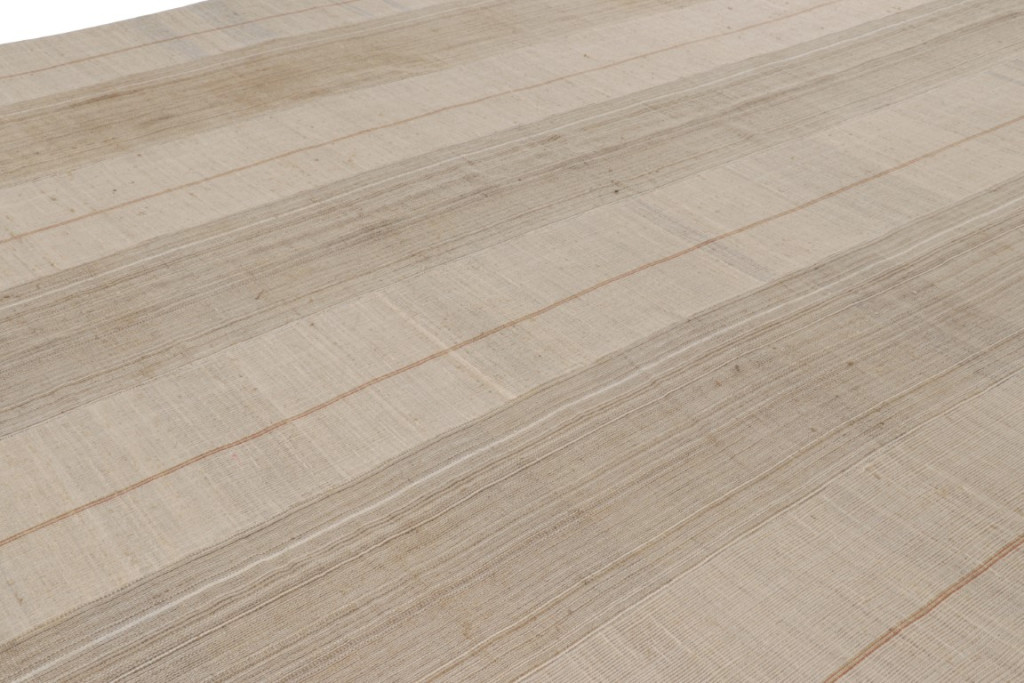
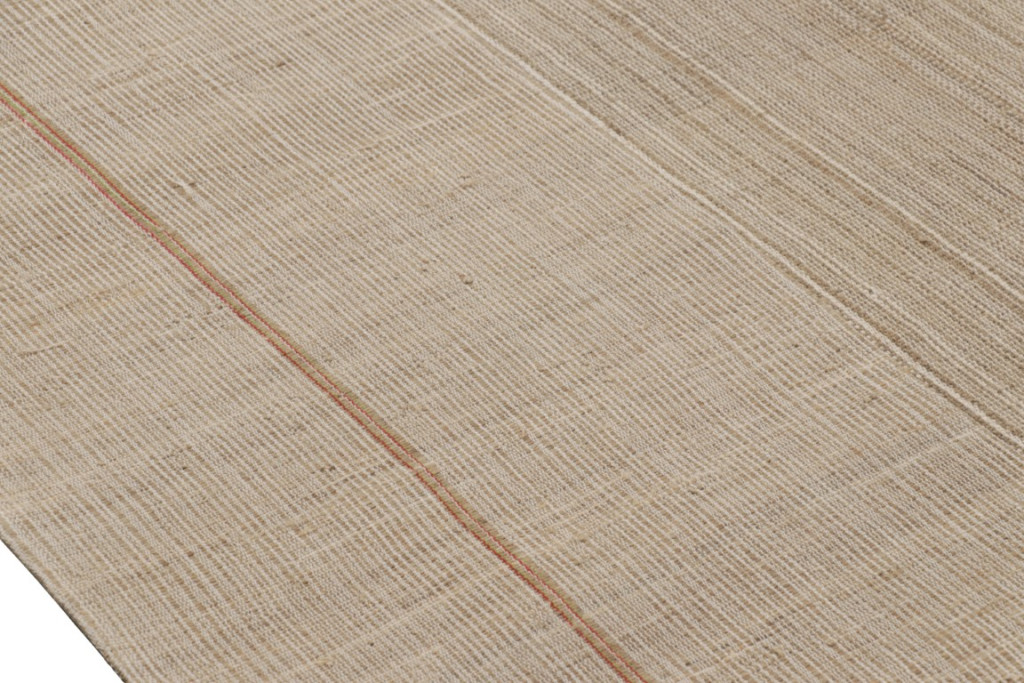
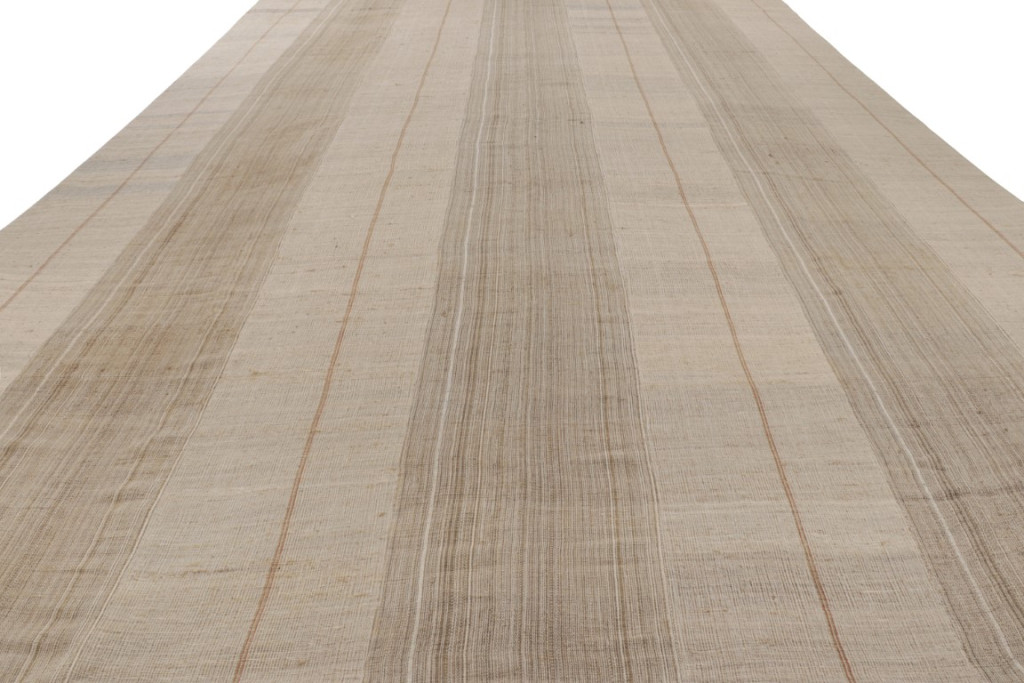
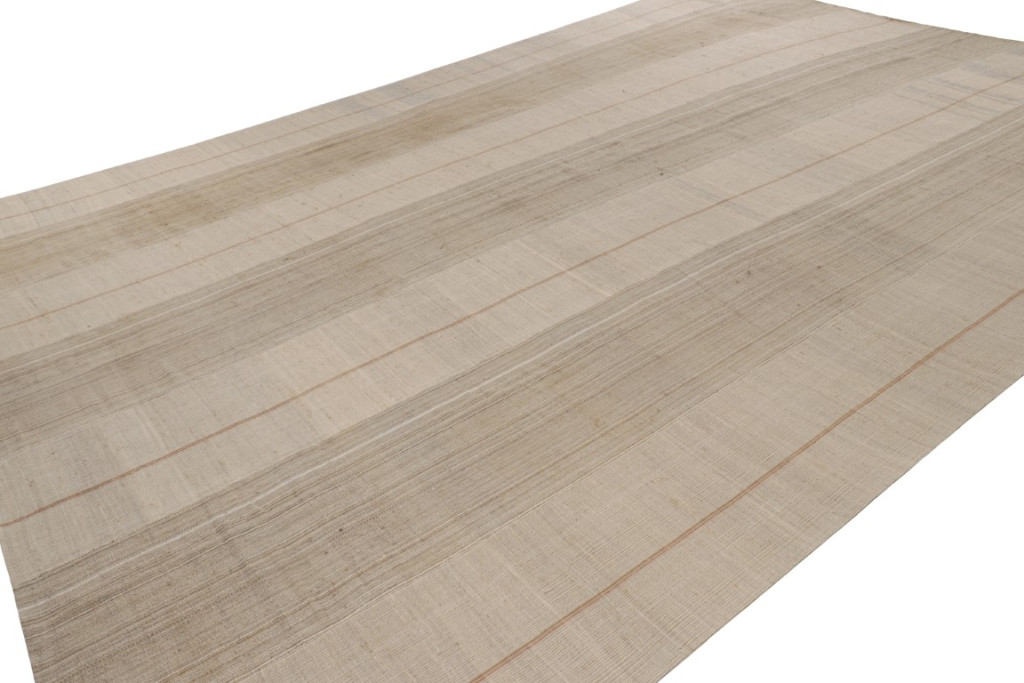
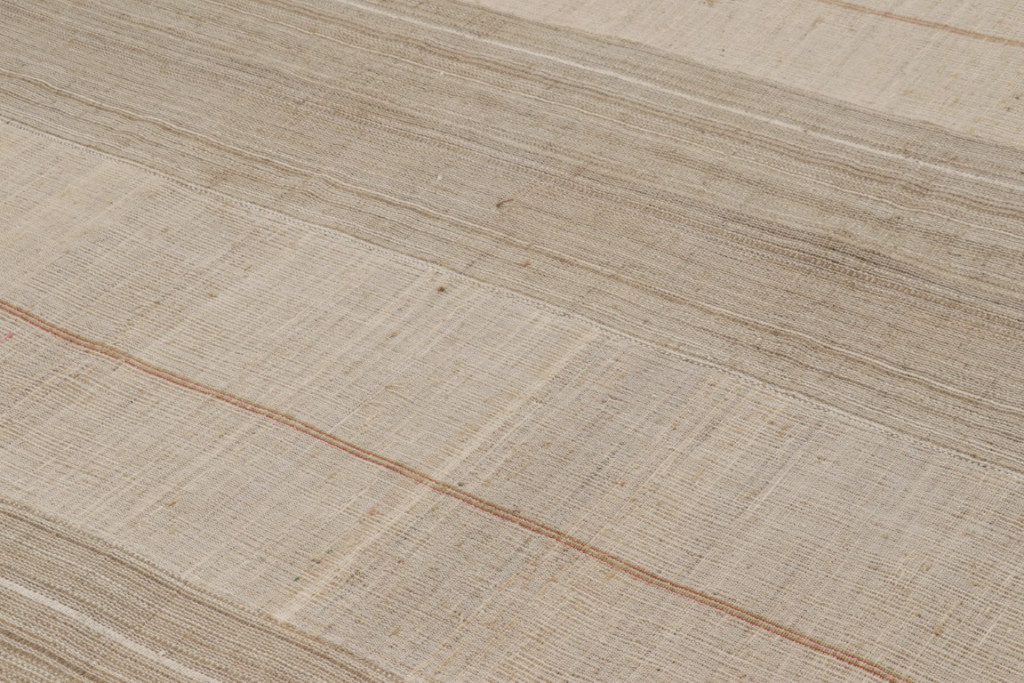
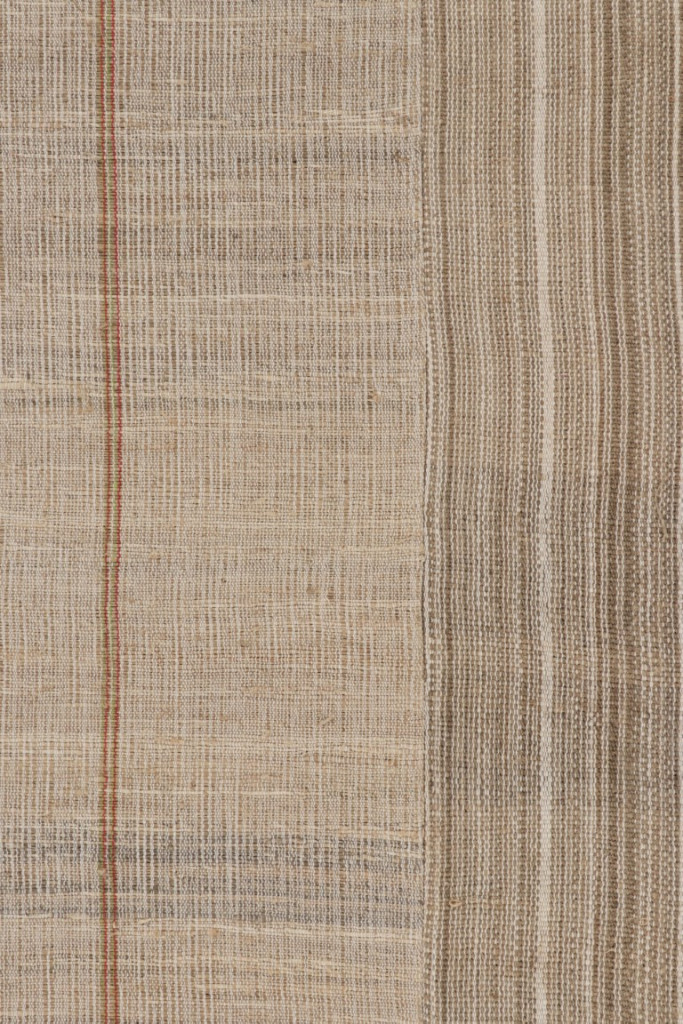
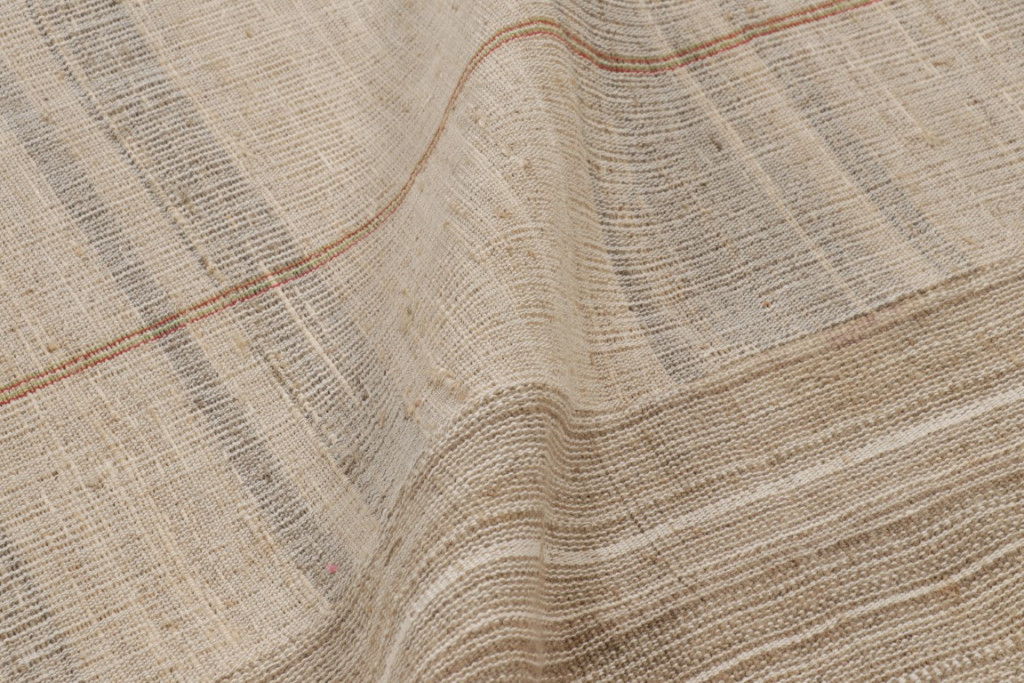
Oversized Vintage Kilim in Beige & Cream Hues with Geometric Stripes - Rug & Kilim
"Working with this family-owned team has been an absolute joy. Their communication, craftsmanship, and flawless execution on our custom rugs consistently exceed expectations."
— Phoebe Howard, James Michael Howard
A standard since our inception upheld across every acquisition,
transaction, and delivery.
45+ Year Old Institution
More than four decades of expertise and stewardship, under the leadership of our Principal, Jahanshah "Josh" Nazmiyal.
Favorable Return Policy
Our return policy is 48 hours upon receipt allowing you to confirm the purchase in your space with confidence.
Product Warranty
Each rug is hand selected or produced through the most reputable sources under the direct supervision of our Principal.
Trusted Global Delivery
Reliable worldwide delivery handled with care, precision and constant communication.
Exceptional Support
Attentive, knowledgeable guidance before and after purchase from our dedicated team of specialists.
Long Term Care
We stand behind every piece we place and remain a resource to our clients for the lifetime of their collection.
- Measurements: 13'11" x 20'6" ( 4.24 m x 6.25 m )
- Categories: Kilim & Flat Weave, Vintage
- Classification: Kilim/Flat Weave, Solid/Stripes
- Material: Wool
- Origin: Turkey
- SKU: 33132

Specifications:
Stories from the Kilim & Flat Weave Collection
Essays, artist dialogues, and provenance notes drawn from Rug & Kilim’s editorial desk.
The Complete Guide to Oushak Rugs: History, Aesthetic Language, and Contemporary Design Use
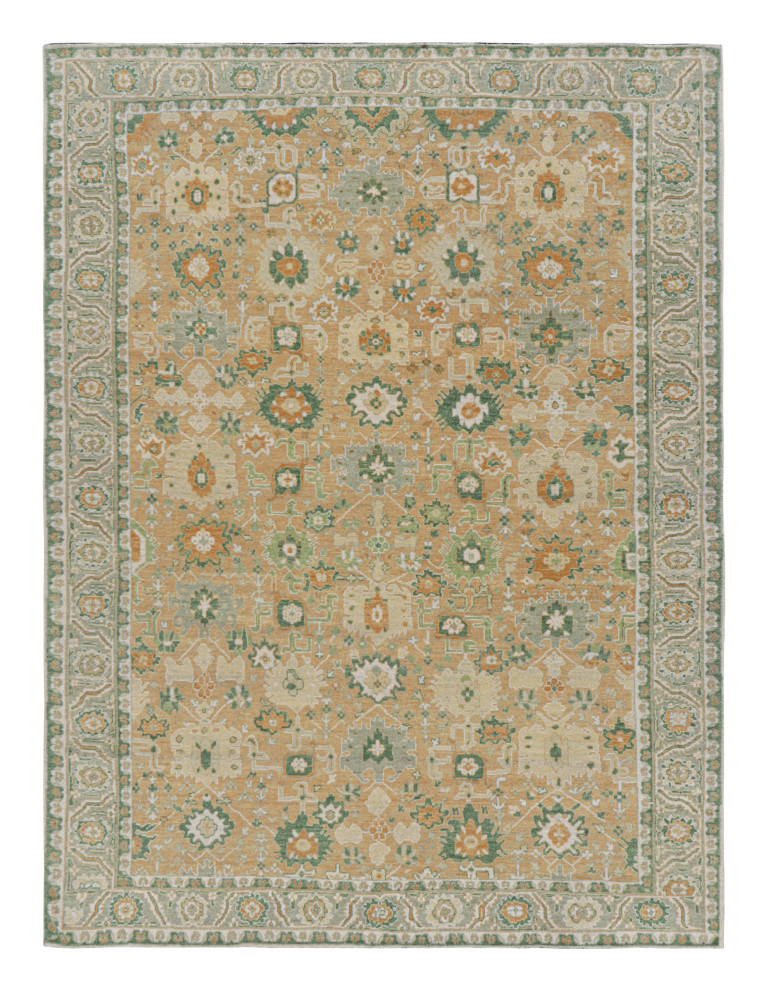
Oushak rugs, also spelled Uşak or Ushak, stand among the most influential textile traditions in the history of interior design. Originating in western Anatolia, in the historic weaving town of Uşak in present-day Turkey, these carpets are not merely decorative artifacts; they are architectural design elements, cultural documents, and artistic statements that have shaped interior aesthetics across centuries. From Ottoman imperial courts to Renaissance European palaces and today’s luxury residential, hospitality, and gallery spaces, Oushak rugs continue to define a visual language of soft geometry, spacious design, muted tonal harmony, and painterly abstraction. Their enduring relevance places them at the intersection of art history, textile heritage, and contemporary interior design innovation.
Read the Feature
Zeki Müren and the Carpet as Self-Portrait: The Pasha Who Designed His Own Floor
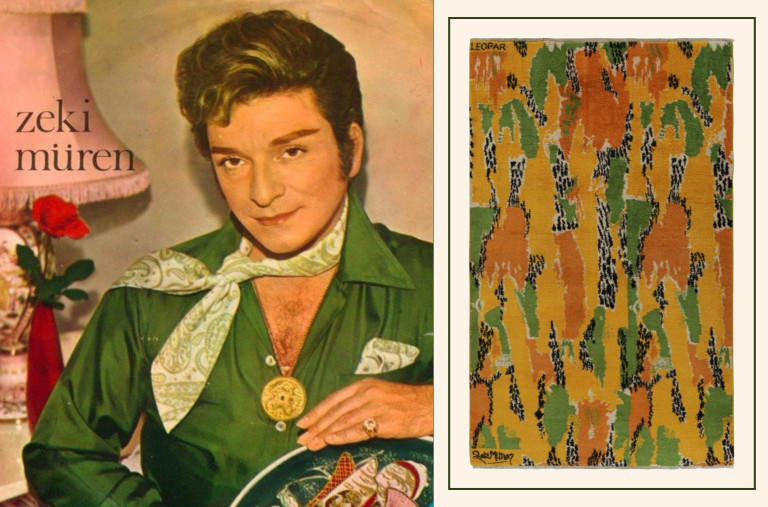
In the showroom of Hüseyin Kaplan, in the Sultanahmet quarter of Istanbul beneath the minarets of the old city, there are more than five hundred carpets that belong to no classical category. They are not Hereke, not Oushak, not the courtly Ottoman medallion weavings that the connoisseur expects from this geography. They are jewel-toned and abstract, shot through with an abstract confidence, and they bear, some of them, the signed ones, a name woven into the border that any Turk and most serious collectors would recognise instantly. They are the work of Zeki Müren, and they constitute one of the most singular bodies of design the twentieth-century carpet has produced.
Read the Feature
How U.S.–Iran Tensions Are Reshaping the World of Fine Rugs: From Safavid Courts to Sanction Regimes
There is a room in the Metropolitan Museum of Art in New York where a sixteenth-century Persian carpet stops people mid-stride. Because something in the object itself; its scale, its silence, the particular authority of a thing that has already outlasted three empires makes the ordinary pace of a museum visit feel suddenly inappropriate. The Emperor's Carpet, as it is known, was commissioned in Safavid Iran, passed to Peter the Great of Russia, gifted to the Habsburg Emperor Leopold I in 1698, held by the Austrian Imperial House until 1921, acquired by the Met in 1941, and displayed publicly only twice in the following sixty years because its condition was too fragile to risk. It has survived more political systems than any collector alive today will ever witness. It knows something about geopolitics that no sanctions framework, no bilateral negotiation, no executive order has yet managed to articulate.
Read the Feature
The Future of High-End Interior Design in the Age of Global Tariffs: Rugs, Trade Routes, and Regulation
As seen in Galerie Magazine, the 2026 Kips Bay Decorator Show House Palm Beach features a rare and exceptional curation from the antique rugs in Rug & Kilim’s European Collection. Read More >> Design, at its highest level, has always preferred to appear untouched by politics. A room in the Hamptons. An apartment overlooking Central Park. A villa along the French Riviera. These spaces present themselves as resolved worlds; self-contained, insulated from the volatility of markets, policy, and power. And yet, over the past year, something unusual occurred. Tariffs, as abstract instruments of economic policy, began to leave visible traces within interiors. Not dramatically, not theatrically, but with the quiet persistence of something structural. Lead times shifted. sourcing recalibrated. Materials reconsidered. Conversations that were once aesthetic became quietly strategic.
Read the Feature
The Ukrainian Rugs and Kilims: The Floral Carpets Designers Are Rediscovering
To speak of Ukrainian rugs and kilims is to speak of a culture where textiles were never merely decorative objects but expressions of identity, memory, and landscape. Across centuries, Ukrainian carpets evolved within a unique cultural geography that bridged the worlds of Central Europe, the Ottoman East, and the Russian Empire. The resulting aesthetic language—rich with floral symbolism, rhythmic geometry, and painterly color—reflects the same cultural currents that shaped Ukrainian painting, poetry, and decorative arts. In village homes, noble estates, and eventually museum collections, these carpets became quiet witnesses to history. Their patterns echo fields of wildflowers across the Ukrainian steppe, their colors recalling the deep reds and earth tones that dominate traditional folk painting. Today, designers and collectors increasingly recognize Ukrainian rugs as part of a broader artistic tradition that connects textiles to the visual arts, literature, and interior architecture of Eastern Europe.
Read the Feature
A Glossary of Handmade Rugs and Kilims: Understanding Terms, Types and Techniques Past and Present
Referring to the art style characterized by using shape and color withdrawn from traditional repetition or realism. Abstract rugs — sometimes referred to as art rugs — capture an expressive nature that reads as a very modern style, though many abstract rugs draw inspiration from works of the same art style in the mid-century. One of the more widely known mid-century lineages of this style is abstract expressionism, named for the literal "expressionists" of the 1950s. Some of the most notable names behind this style include Jackson Pollock and Mark Rothko. Referring to a lineage of nomadic Persian rugs (sometimes referred to as “Avsar” in the alternate spelling). Afshar rugs hail from the eponymous tribe in the region of Northeastern Iran.
Read the Feature


R&K Image Studio
NEWThe R&K Image Studio is a new visual workspace designed to present the Rug & Kilim collection with clarity, restraint, and precision — in your space or any space you imagine.
This tool allows you to view, refine, and prepare imagery drawn directly from the pieces in our archive. They can be visualized cleanly, isolated thoughtfully, and adjusted for presentations, proposals, and private viewings, without altering the integrity of the original work.
Kilim & Flat Weave
Wool
Turkey, c. 1950-1959
13'11" X 20'6" (4.24 m x 6.25 m)
$34,000
Available: Shipping as Soon as Tomorrow
Oversized Vintage Kilim in Beige & Cream Hues with Geometric Stripes - Rug & Kilim
"Rug & Kilim's inventory spans the past four centuries and includes everything from ethnic and tribal patterns to European designs, as well as a host of Art Deco, abstract and understated tone-on-tone offerings, all in a vast array of materials, weaves and sizes."
— Tony Freund, 1stDibs Editorial Director
- Measurements: 13'11" x 20'6" ( 4.24 m x 6.25 m )
- Categories: Kilim & Flat Weave, Vintage
- Classification: Kilim/Flat Weave, Solid/Stripes
- Material: Wool
- Origin: Turkey
- SKU: 33132

