

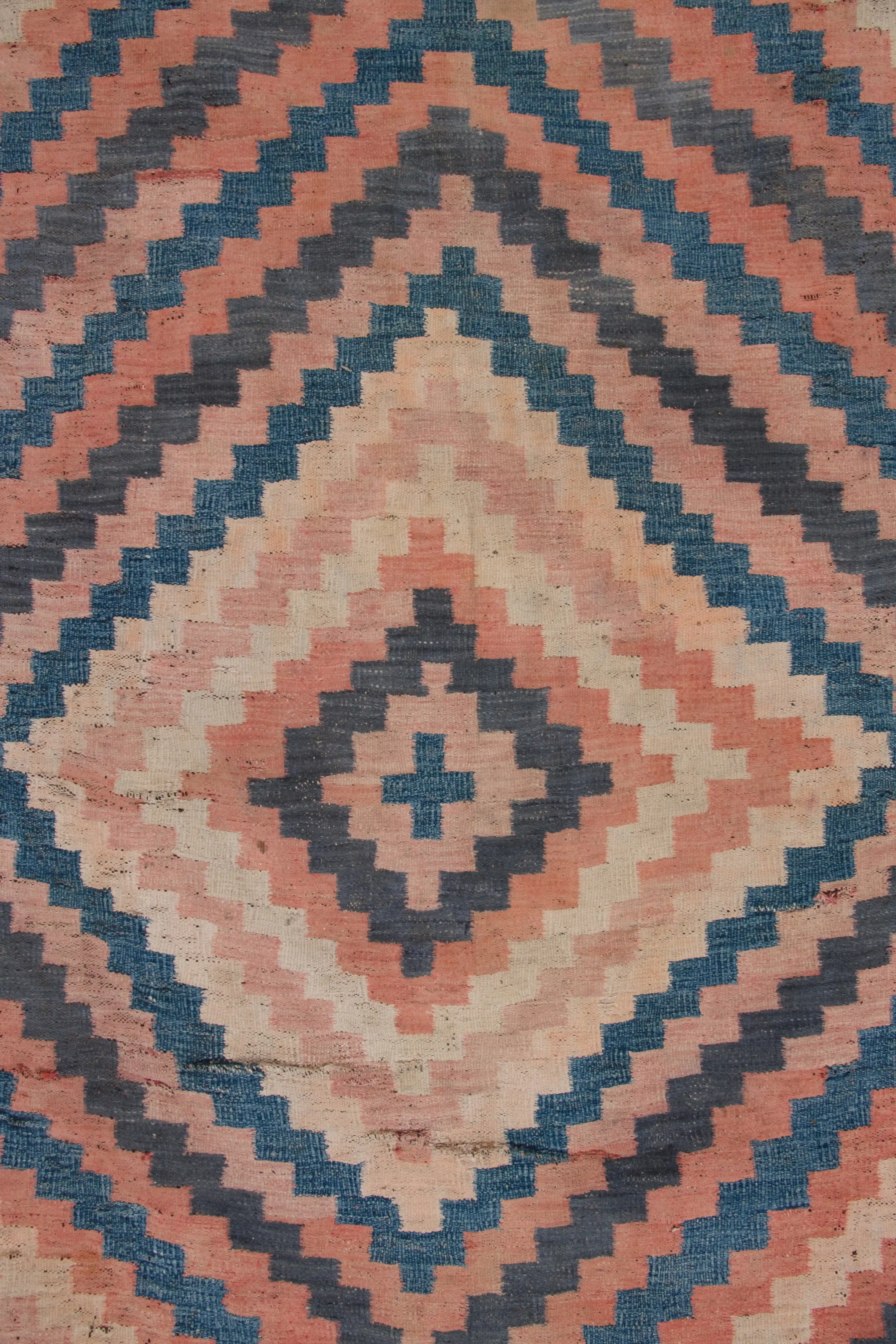
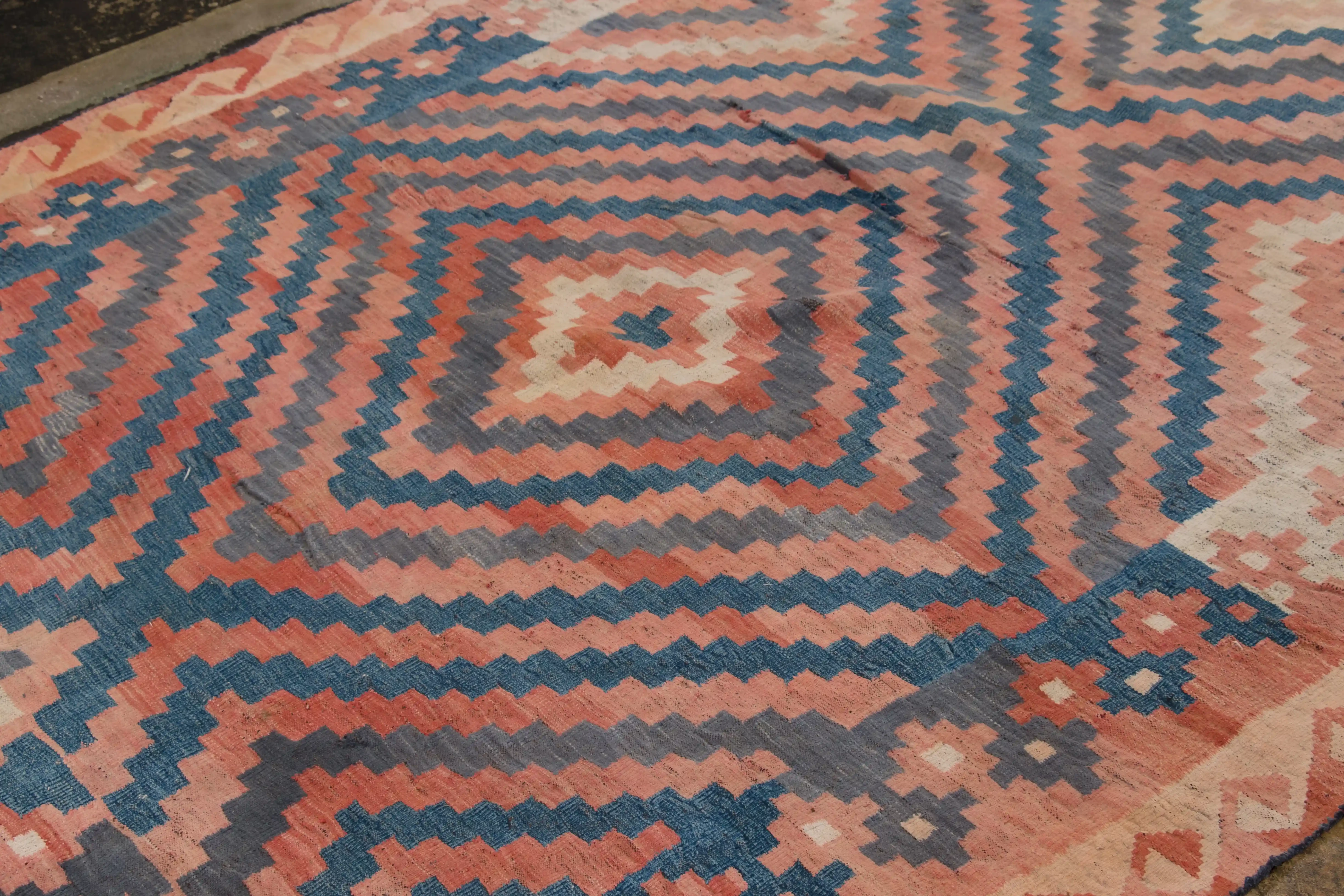
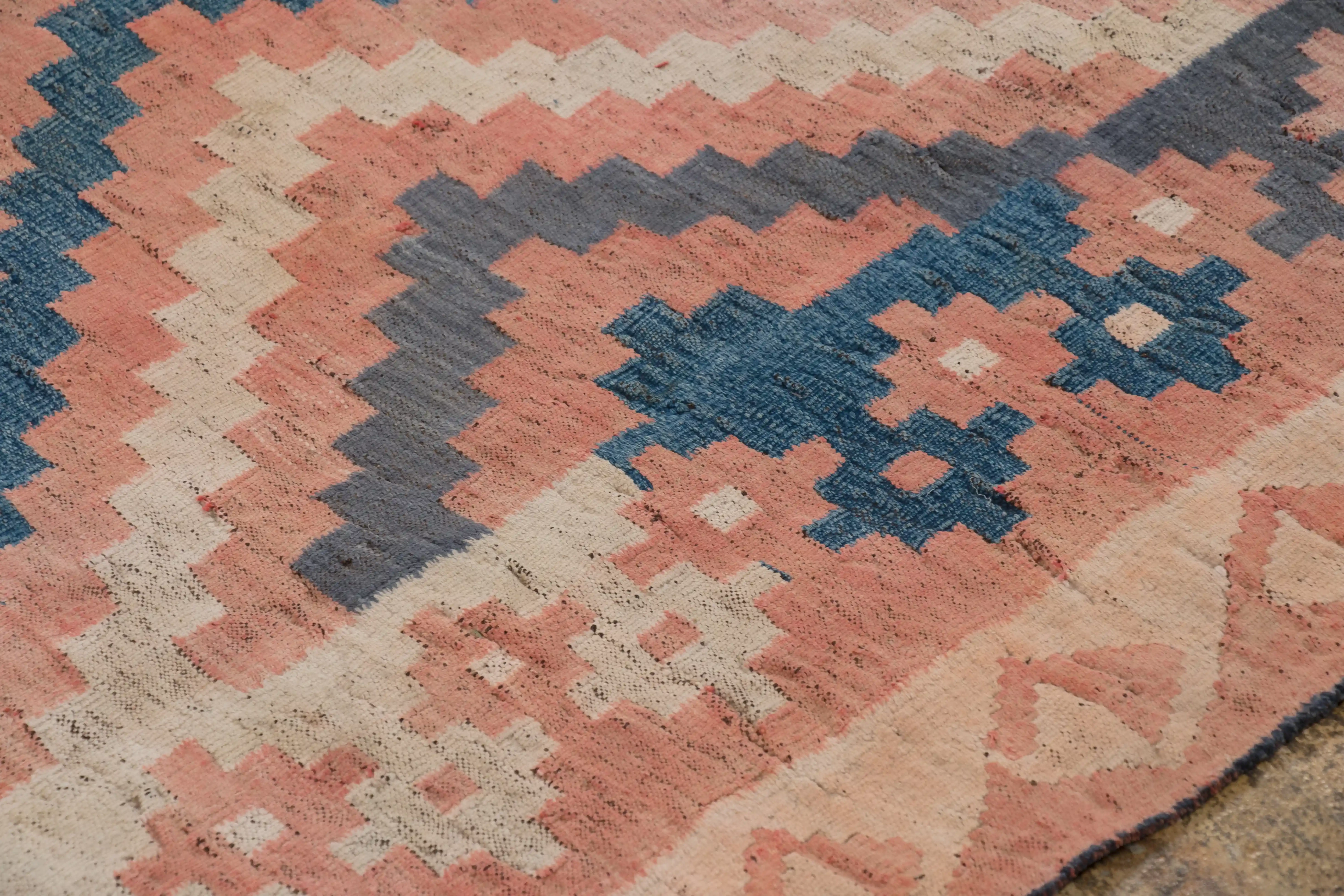
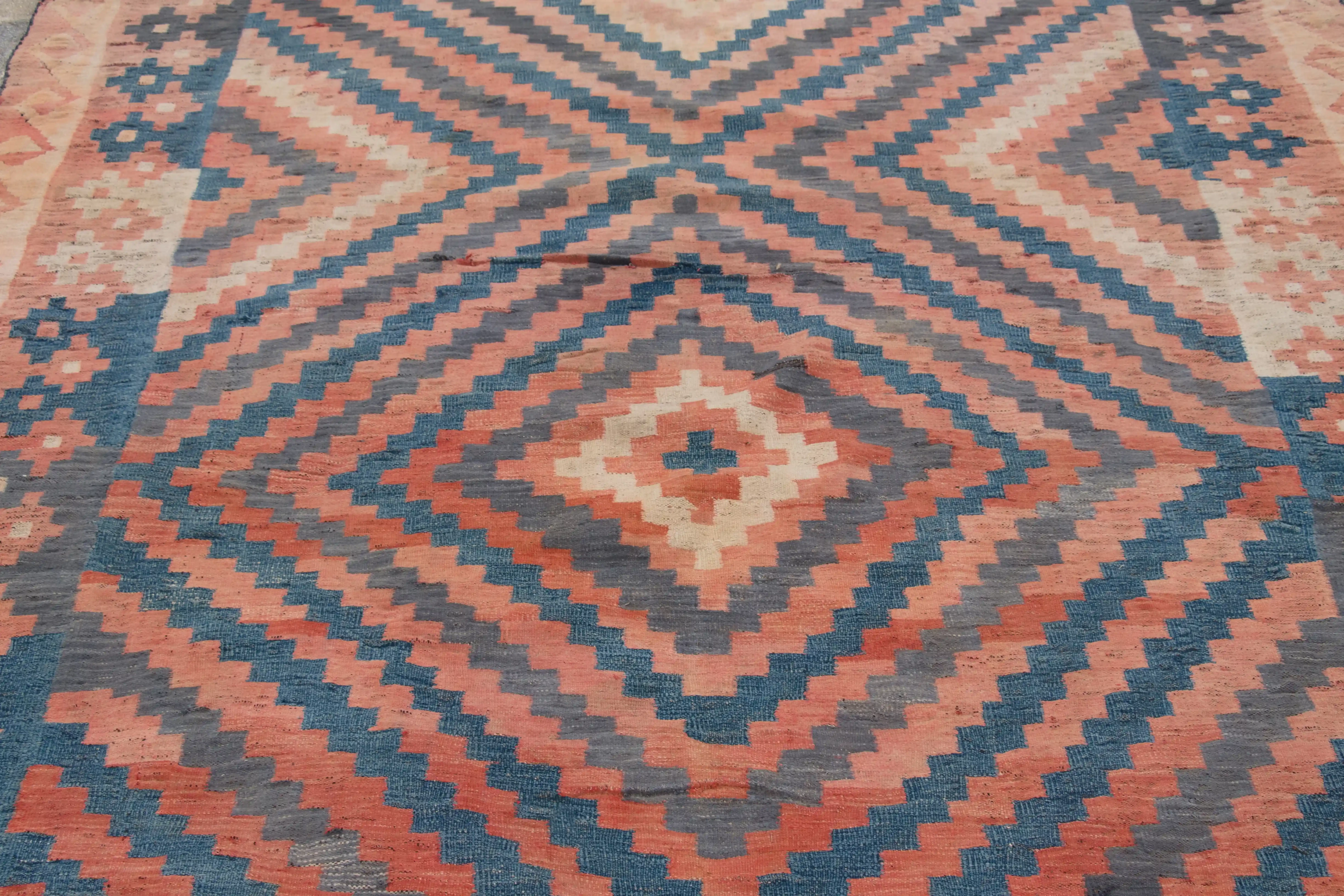
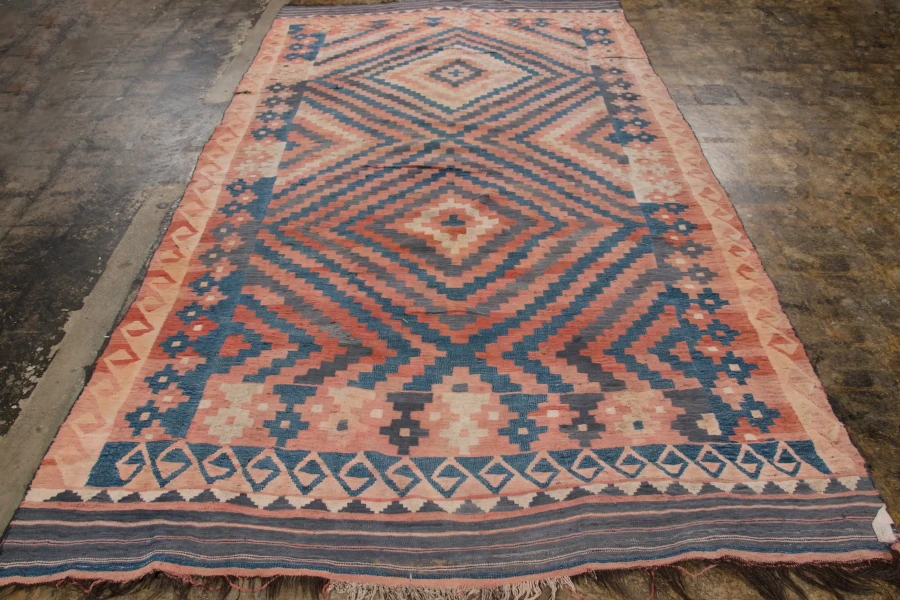
Cotton
India, c. 1950-1959
6'9" X 12'8" (2.06 m x 3.86 m)
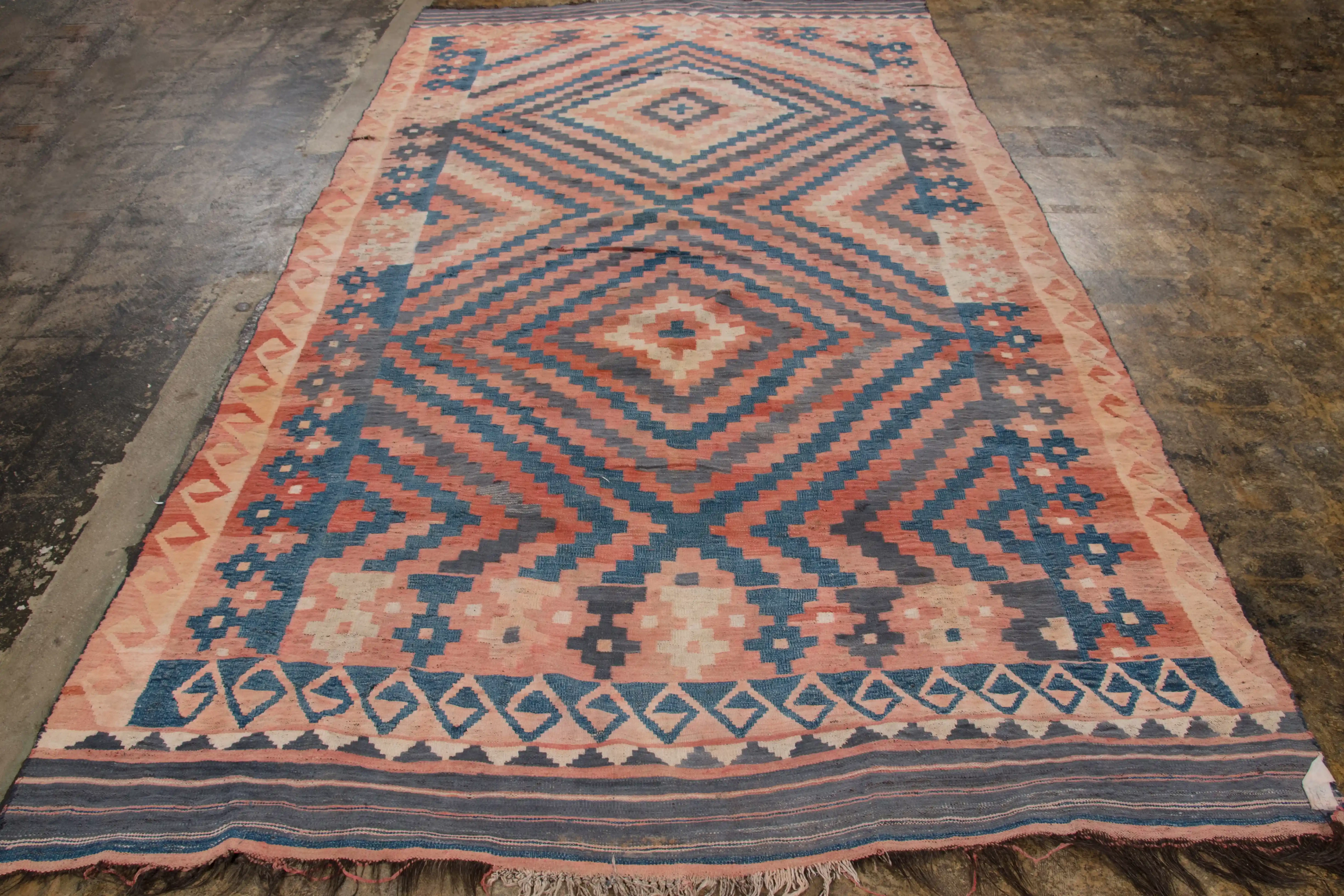
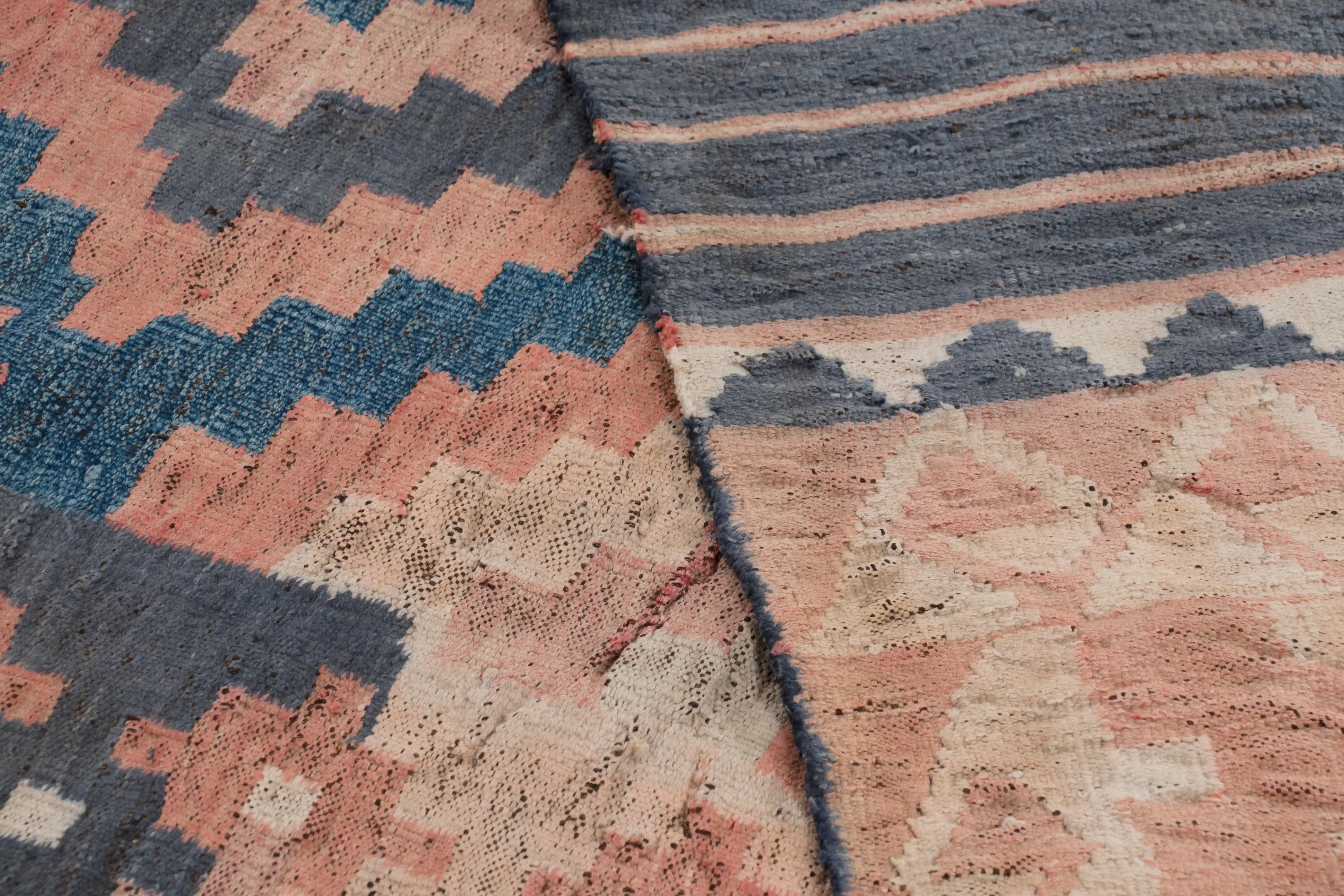
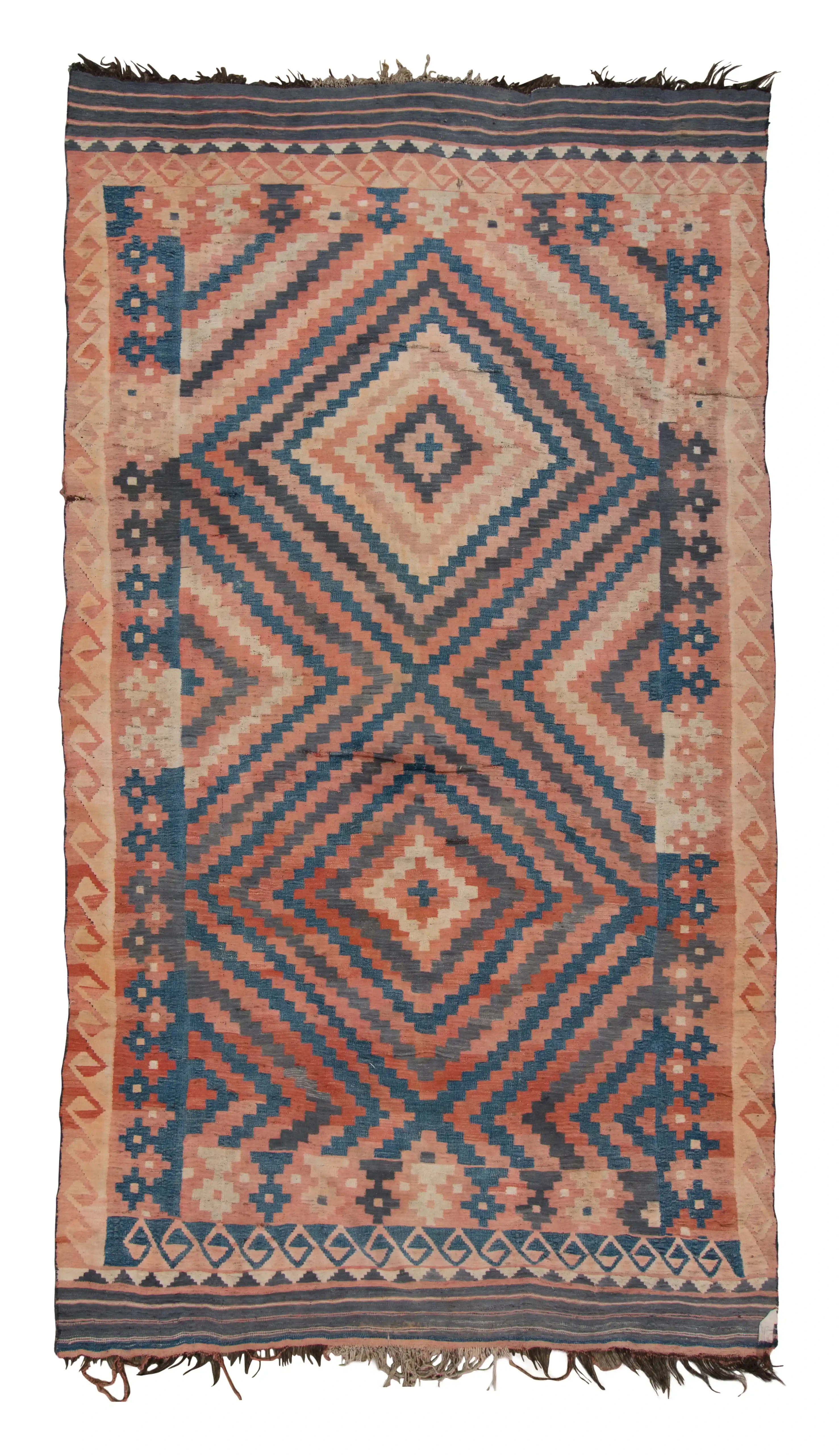
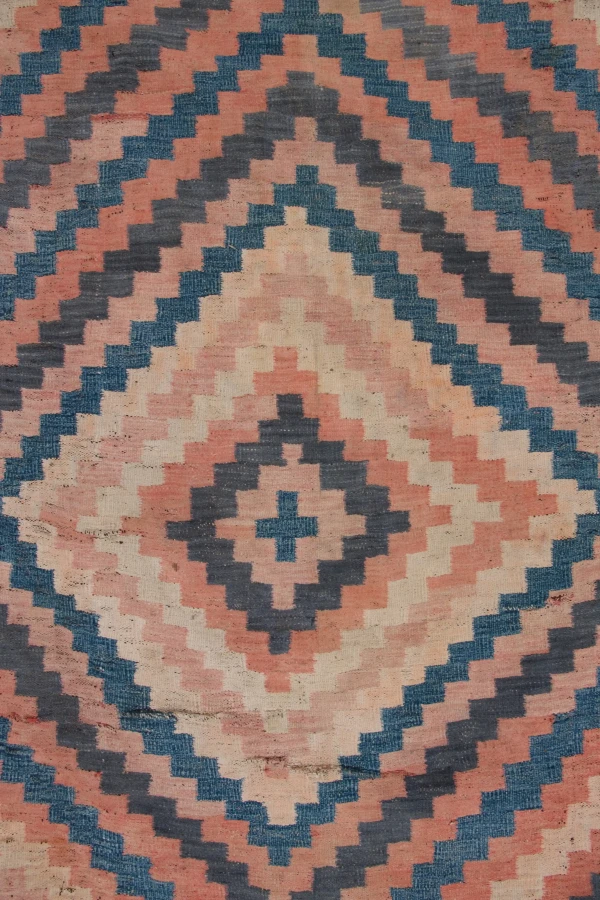
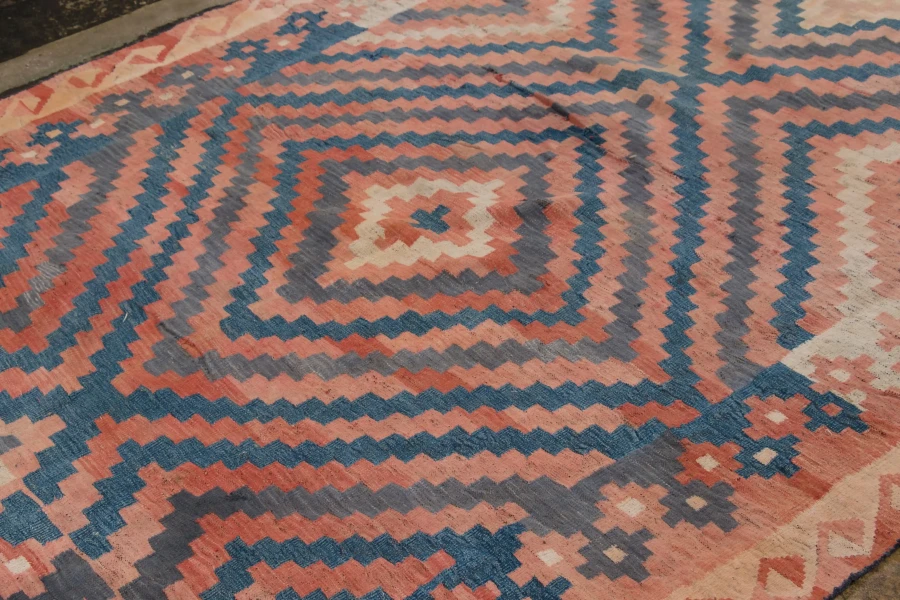
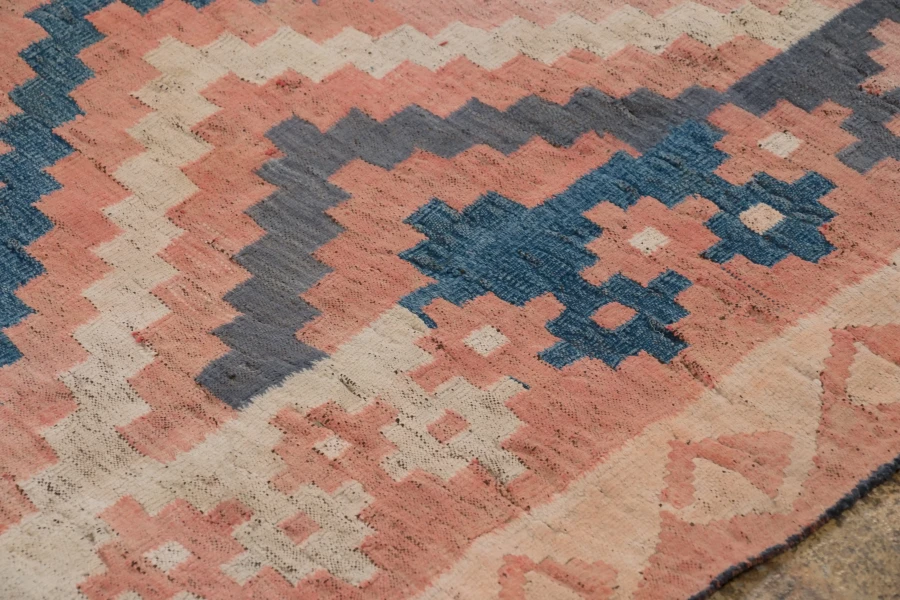
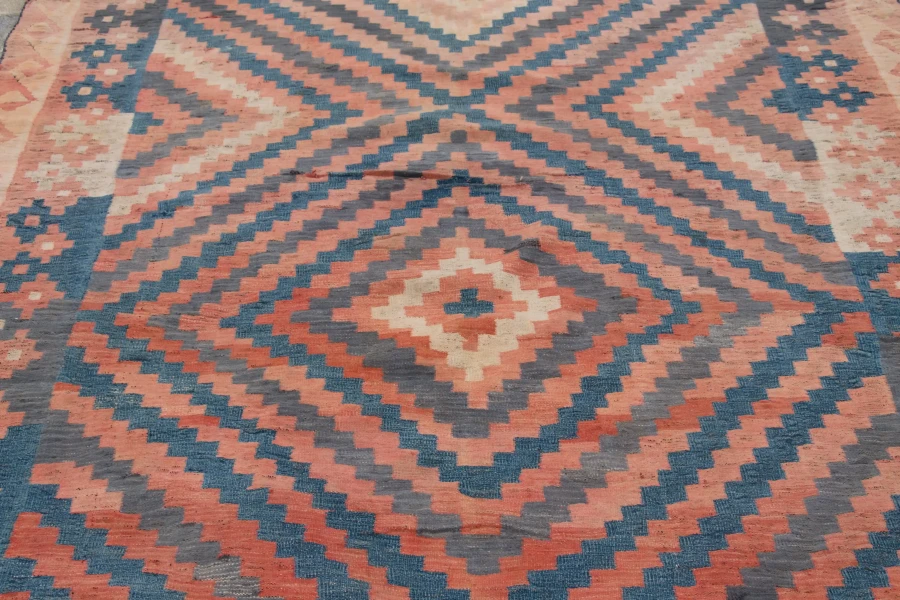
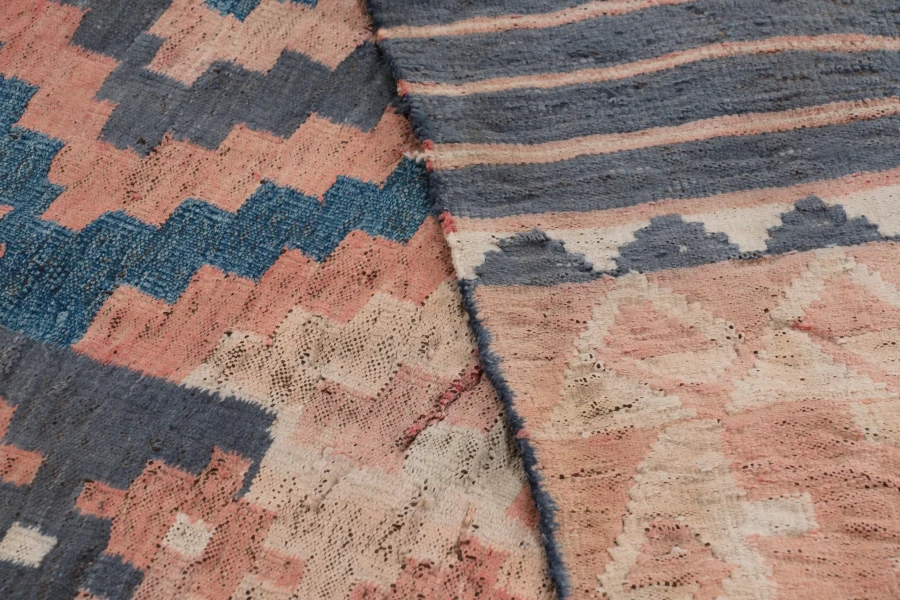
Vintage Dhurrie Distressed Rug in Blue with Diamond Pattern - Rug & Kilim
"Rug & Kilim is my go to resource for rugs. Their selection is wide and deep, and Josh’s eye for antique pieces is extraordinary. I always walk away with great pieces, and they are a pleasure to collaborate with. They’ve been my trusted partner on projects for years."
— Ann Wolf, Wolf Holden Design Studio
A standard since our inception upheld across every acquisition,
transaction, and delivery.
45+ Year Old Institution
More than four decades of expertise and stewardship, under the leadership of our Principal, Jahanshah "Josh" Nazmiyal.
Favorable Return Policy
Our return policy is 48 hours upon receipt allowing you to confirm the purchase in your space with confidence.
Product Warranty
Each rug is hand selected or produced through the most reputable sources under the direct supervision of our Principal.
Trusted Global Delivery
Reliable worldwide delivery handled with care, precision and constant communication.
Exceptional Support
Attentive, knowledgeable guidance before and after purchase from our dedicated team of specialists.
Long Term Care
We stand behind every piece we place and remain a resource to our clients for the lifetime of their collection.
- Measurements: 6'9" x 12'8" ( 2.06 m x 3.86 m )
- Categories: Kilim & Flat Weave, Vintage
- Classification: Classic/Traditional, Distressed, Geometric, Kilim/Flat Weave
- Material: Cotton
- Origin: India
- SKU: 38214

Specifications:
Stories from the Kilim & Flat Weave Collection
Essays, artist dialogues, and provenance notes drawn from Rug & Kilim’s editorial desk.
Bokhara Rugs: Traditional Weaving and Global Influence
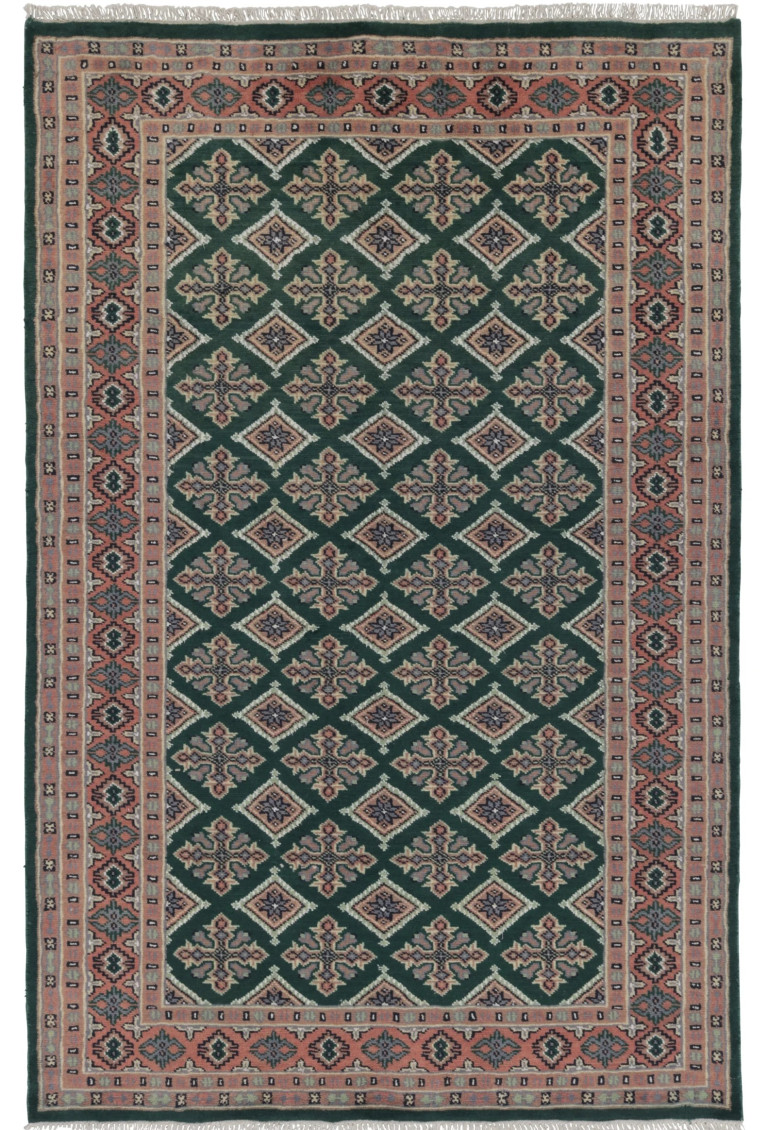
Among the most recognizable and influential traditions in the history of oriental carpets, Bokhara rugs represent a remarkable fusion of tribal heritage, geometric precision, and centuries-old weaving expertise. Known worldwide for their iconic repeating motifs, deep colors, and refined craftsmanship, Bokhara rugs have become enduring symbols of Central Asian textile artistry. Although the name “Bokhara” is commonly associated with the historic city of Bukhara in present-day Uzbekistan, many rugs classified as Bokhara originate from Turkmen weaving communities across regions including Turkmenistan, Afghanistan, and surrounding areas. The name reflects the historical trade routes through which these carpets traveled and became known internationally.
Read the Feature
The Complete Guide to Bakhshaish Rugs and Northwest Persian Carpet Traditions
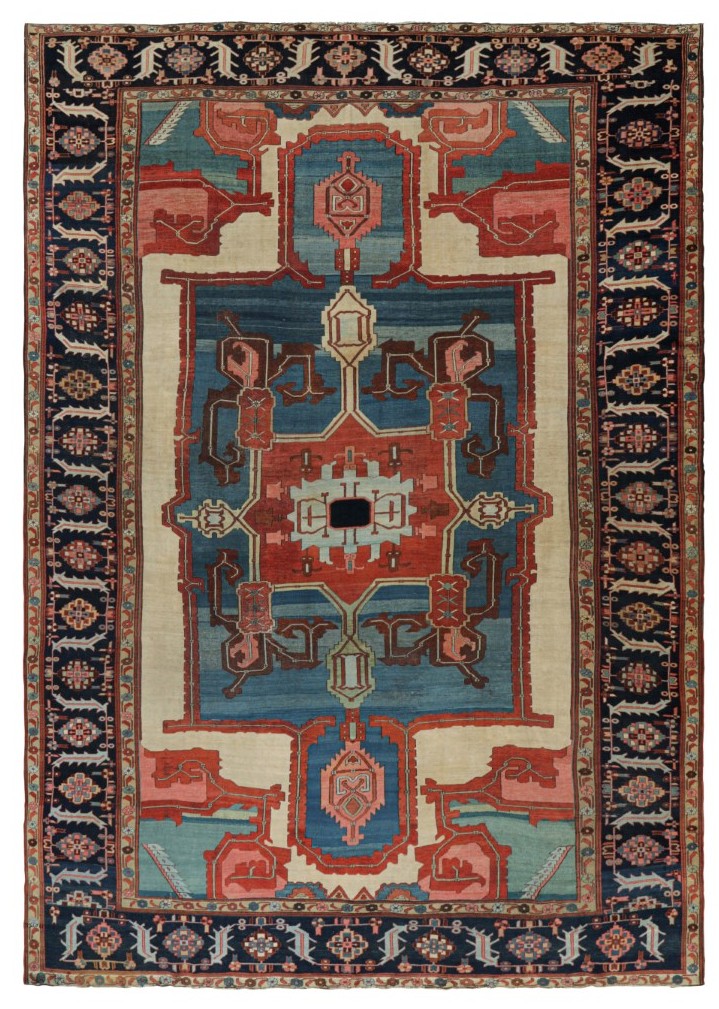
Among the most celebrated village weaving traditions of Persia, Bakhshaish rugs occupy a position of exceptional distinction. Revered by collectors, scholars, architects, and interior designers alike, these carpets embody a rare balance between artistic spontaneity and structural sophistication. Their bold geometry, monumental drawing, and deeply expressive compositions have secured Bakhshaish rugs a place among the most influential carpets in the history of decorative arts. Originating in the village of Bakhshaish in Iran's East Azerbaijan Province, these rugs emerged from a weaving tradition that transformed regional motifs into works of extraordinary artistic power. While often associated with neighboring Heriz carpets, Bakhshaish rugs possess a distinctive character all their own. Their designs are frequently larger in scale, more abstract in execution, and more experimental in composition, qualities that have made them particularly admired within the world of collectible antique rugs.
Read the Feature
The Art of Bespoke Design by Rug & Kilim: How a Painting, a Fabric, or a Fragment Becomes a Custom Rug
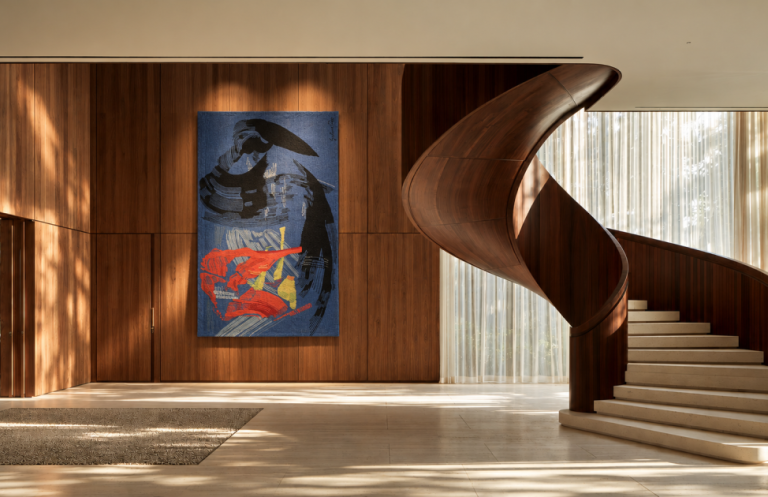
Every custom rug begins with a question that sounds simple and is not: what does this room want to stand on? The answer, in the finest commissions, rarely arrives as a specification. It arrives as an object. A client brings in a painting they have loved for thirty years. A designer adores a length of antique silk, or lays down a sample of a document fabric, or produces a photograph of a fresco glimpsed on a wall in Ravenna. The brief is a feeling, held in another medium, waiting to be carried into wool or silk or sometimes, exotic fibres. This act of carrying is the true art of the custom rug, and it is far older and more serious than the word “custom” suggests. It is translation, in the fullest literary sense: the movement of meaning from one language into another, with everything gained and lost that translation implies. It is also, increasingly, the way the most celebrated interiors in the world are made. When AD100 designer Heidi Caillier needed flatweaves for a coastal retreat, when Fawn Galli reimagined a historic Beaux-Arts townhouse on the Upper West Side, when a Jacques Grange penthouse called for a hand-knotted silk carpet, the floor did not come off a shelf. It was translated into being, object by object, idea by idea.
Read the Feature
Art Nouveau Rugs: The Intersection of Decorative Arts and Modern Design
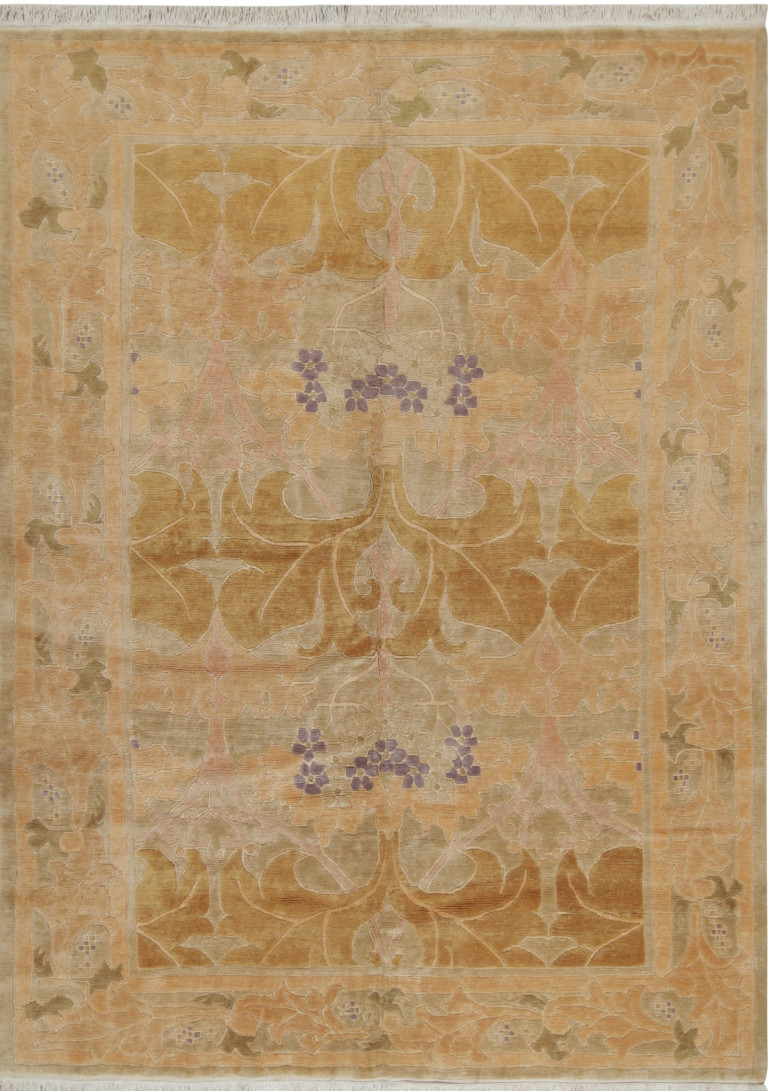
Among the most influential artistic movements of the modern era, Art Nouveau occupies a unique place at the intersection of art, architecture, design, and craftsmanship. Emerging in Europe during the final decades of the nineteenth century, the movement sought to dissolve traditional boundaries between fine art and decorative art, creating a unified aesthetic language inspired by nature, movement, and organic beauty. Within this broader creative revolution, Art Nouveau rugs emerged as some of the most sophisticated and expressive textile works ever produced. Unlike the historical revival styles that dominated much of the nineteenth century, Art Nouveau embraced innovation. Designers looked beyond historical ornament and instead turned to the natural world for inspiration. Flowing vines, botanical forms, floral motifs, curved silhouettes, and rhythmic asymmetry became defining characteristics of the movement. Rugs created within this design philosophy transformed the role of carpets from decorative accessories into integral architectural and artistic elements.
Read the Feature
The Evolution of Floral Motifs in Antique Rugs and Kilims: Mapping the Pomegranate, Tulip, and Carnation
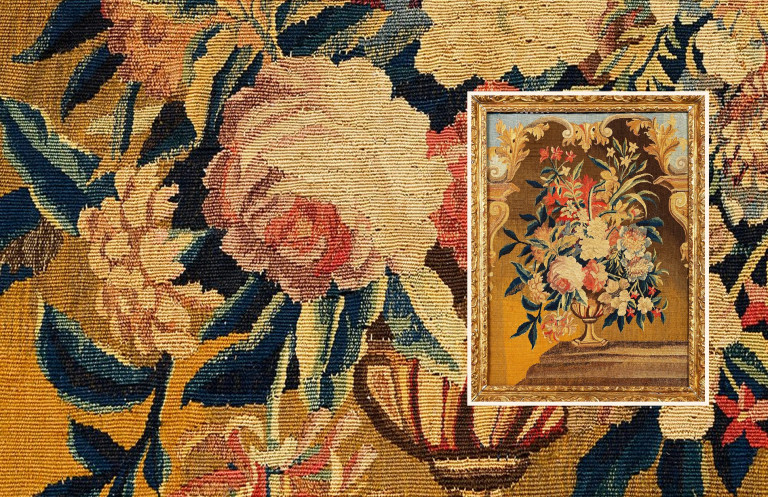
Antique 17th Century French Beauvais Tapestry with Floral Vase - Rug & Kilim, NO. 36829 We had a tapestry acquisition unfolding itself in the studio a while ago. Josh and the team just stood there, silently admiring the way the light caught the threads. This was the Antique French Beauvais Tapestry (SKU 36829). It was handwoven in wool, with natural silk accents, circa 1700. When you look at something like that, you do not just see fabric. What you see is the garden of wool and dreams. The precise interlacing of the wefts gives a picture of a gigantic floral vase placed atop an architectural entablature. The botanical imagery is absolutely mesmerizing. There is so much wealth and mystery to it all.
Read the Feature
A Glossary of Handmade Rugs and Kilims: Understanding Terms, Types and Techniques Past and Present
Referring to the art style characterized by using shape and color withdrawn from traditional repetition or realism. Abstract rugs — sometimes referred to as art rugs — capture an expressive nature that reads as a very modern style, though many abstract rugs draw inspiration from works of the same art style in the mid-century. One of the more widely known mid-century lineages of this style is abstract expressionism, named for the literal "expressionists" of the 1950s. Some of the most notable names behind this style include Jackson Pollock and Mark Rothko. Referring to a lineage of nomadic Persian rugs (sometimes referred to as “Avsar” in the alternate spelling). Afshar rugs hail from the eponymous tribe in the region of Northeastern Iran.
Read the Feature


R&K Image Studio
NEWThe R&K Image Studio is a new visual workspace designed to present the Rug & Kilim collection with clarity, restraint, and precision — in your space or any space you imagine.
This tool allows you to view, refine, and prepare imagery drawn directly from the pieces in our archive. They can be visualized cleanly, isolated thoughtfully, and adjusted for presentations, proposals, and private viewings, without altering the integrity of the original work.
Kilim & Flat Weave
Cotton
India, c. 1950-1959
6'9" X 12'8" (2.06 m x 3.86 m)
$3,400 - In RestorationiA piece of this distinction merits restoration. Today, the piece is offered as-is at the listed price. We invite designers, collectors and professionals to consult with us regarding the remaining work and its cost.
Vintage Dhurrie Distressed Rug in Blue with Diamond Pattern - Rug & Kilim
"Rug & Kilim's inventory spans the past four centuries and includes everything from ethnic and tribal patterns to European designs, as well as a host of Art Deco, abstract and understated tone-on-tone offerings, all in a vast array of materials, weaves and sizes."
— Tony Freund, 1stDibs Editorial Director
- Measurements: 6'9" x 12'8" ( 2.06 m x 3.86 m )
- Categories: Kilim & Flat Weave, Vintage
- Classification: Classic/Traditional, Distressed, Geometric, Kilim/Flat Weave
- Material: Cotton
- Origin: India
- SKU: 38214

