

Wool
Afghanistan
2'10" X 4'7" (0.86 m x 1.40 m)
Available: Shipping As Soon As Tomorrow
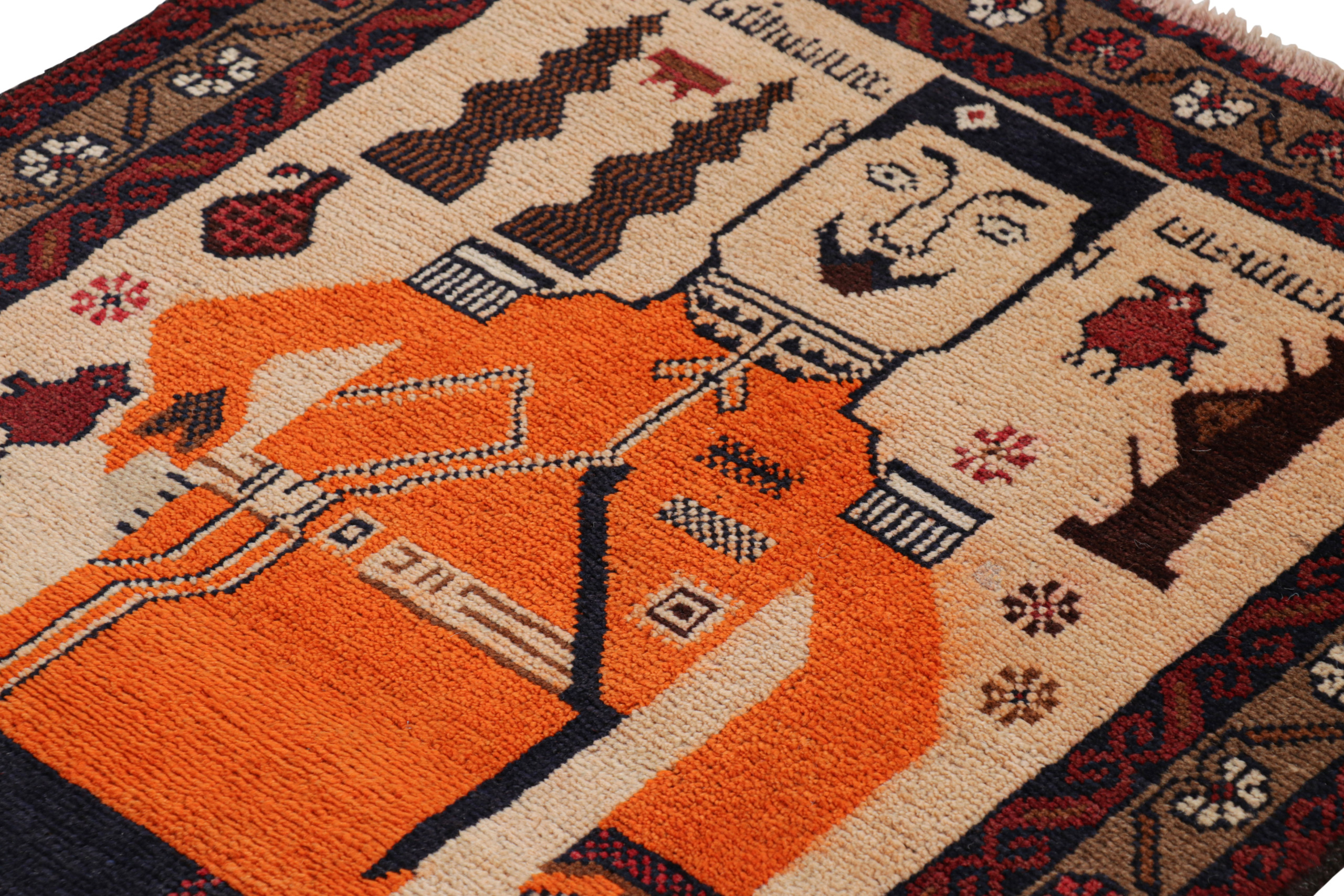
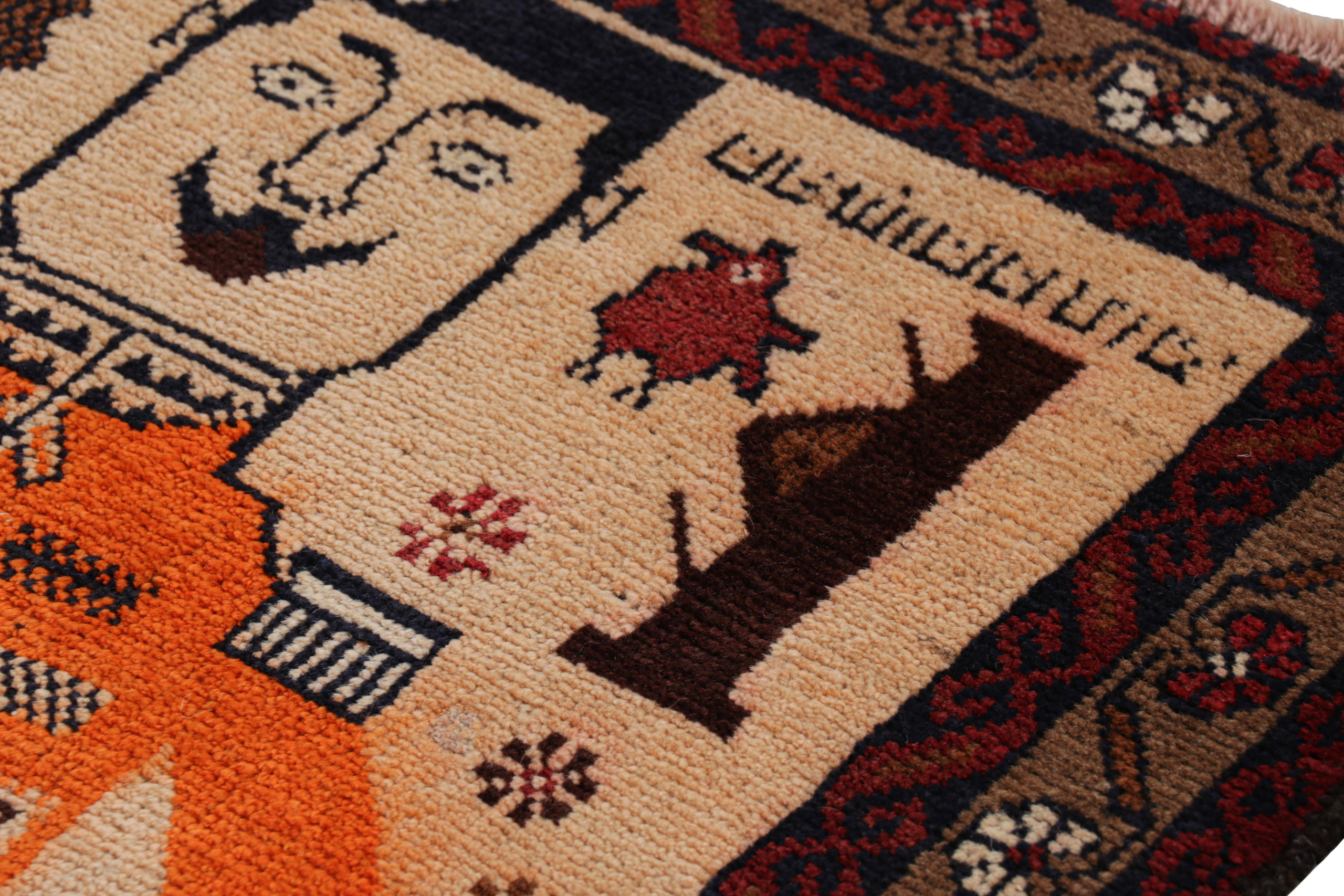
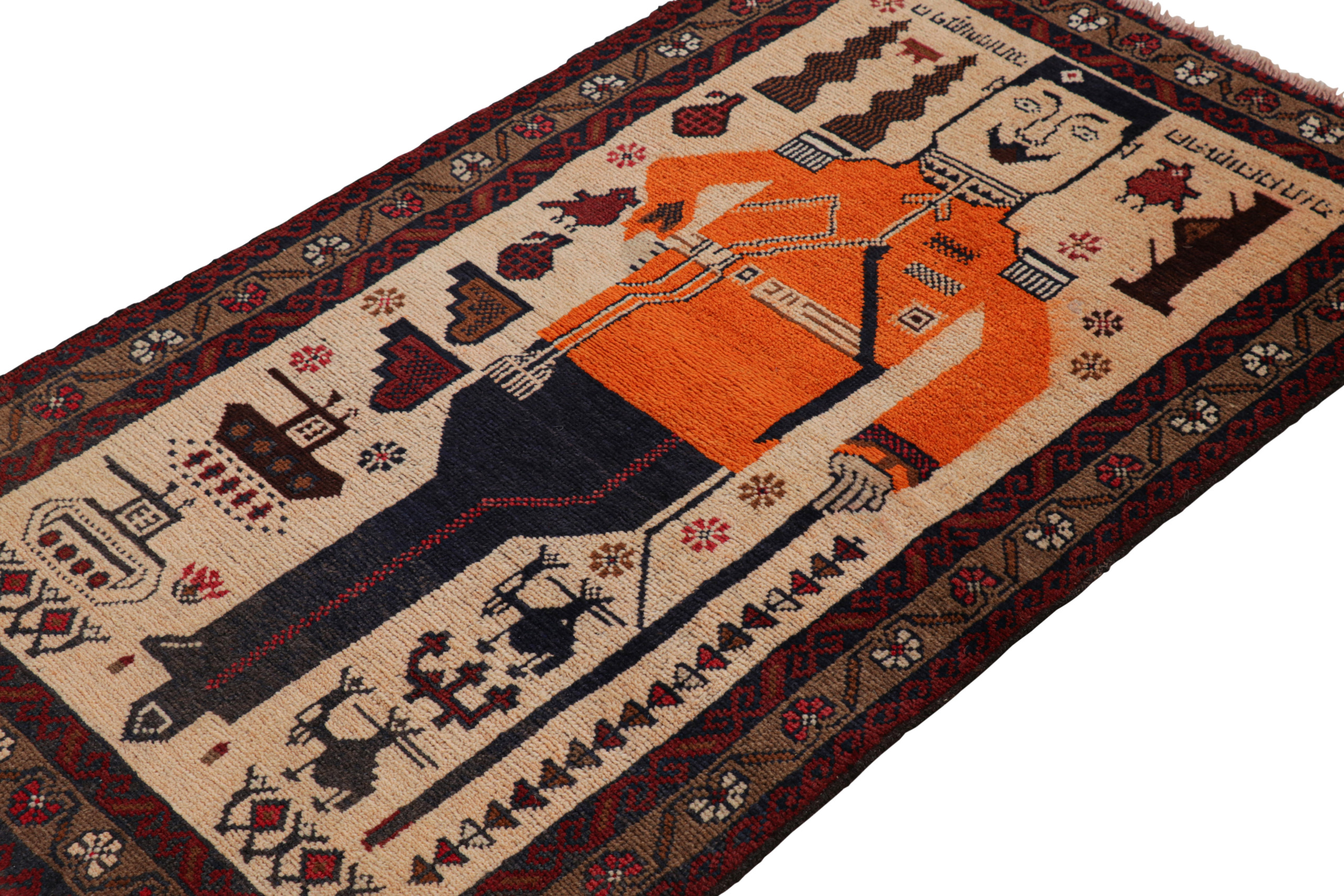
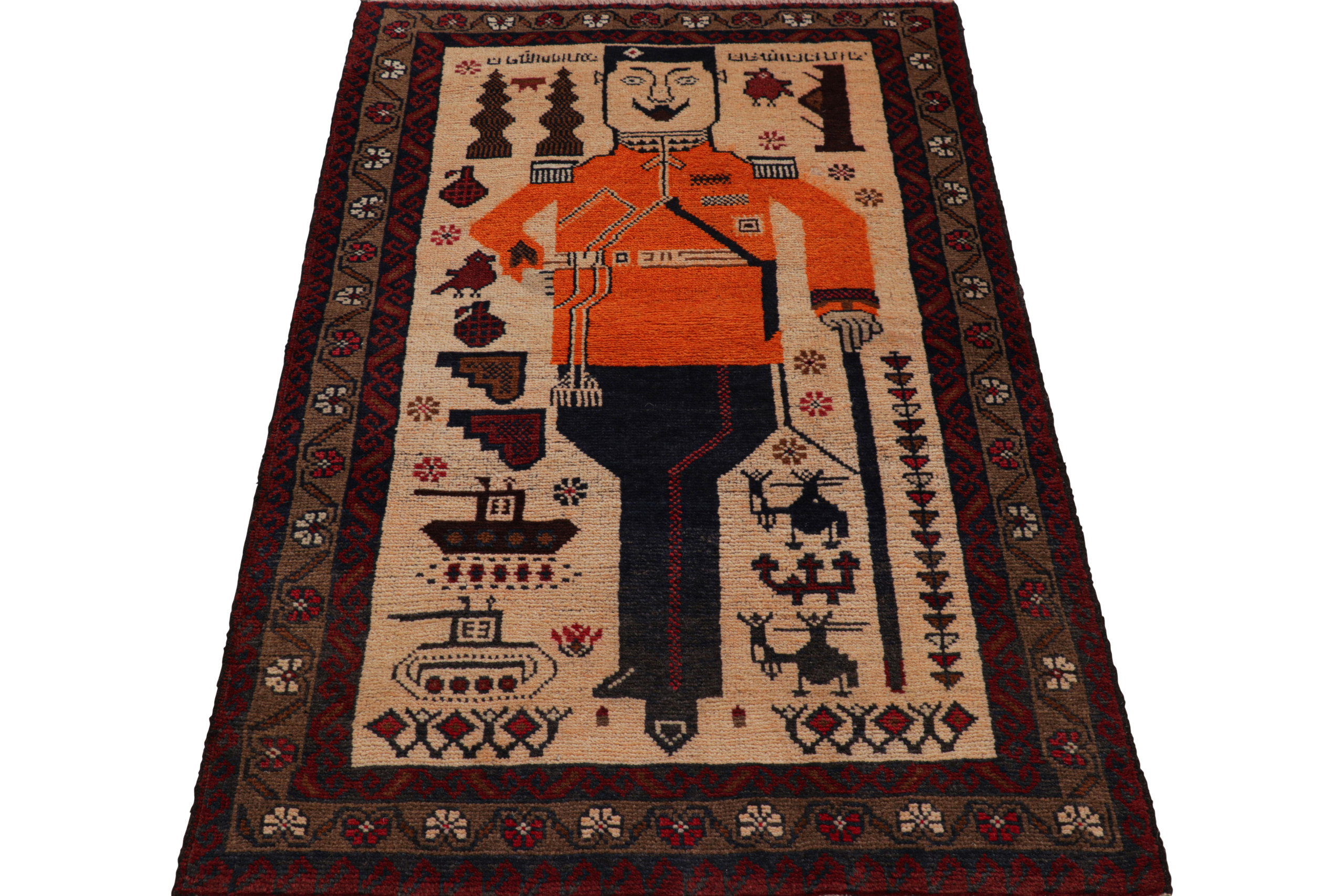
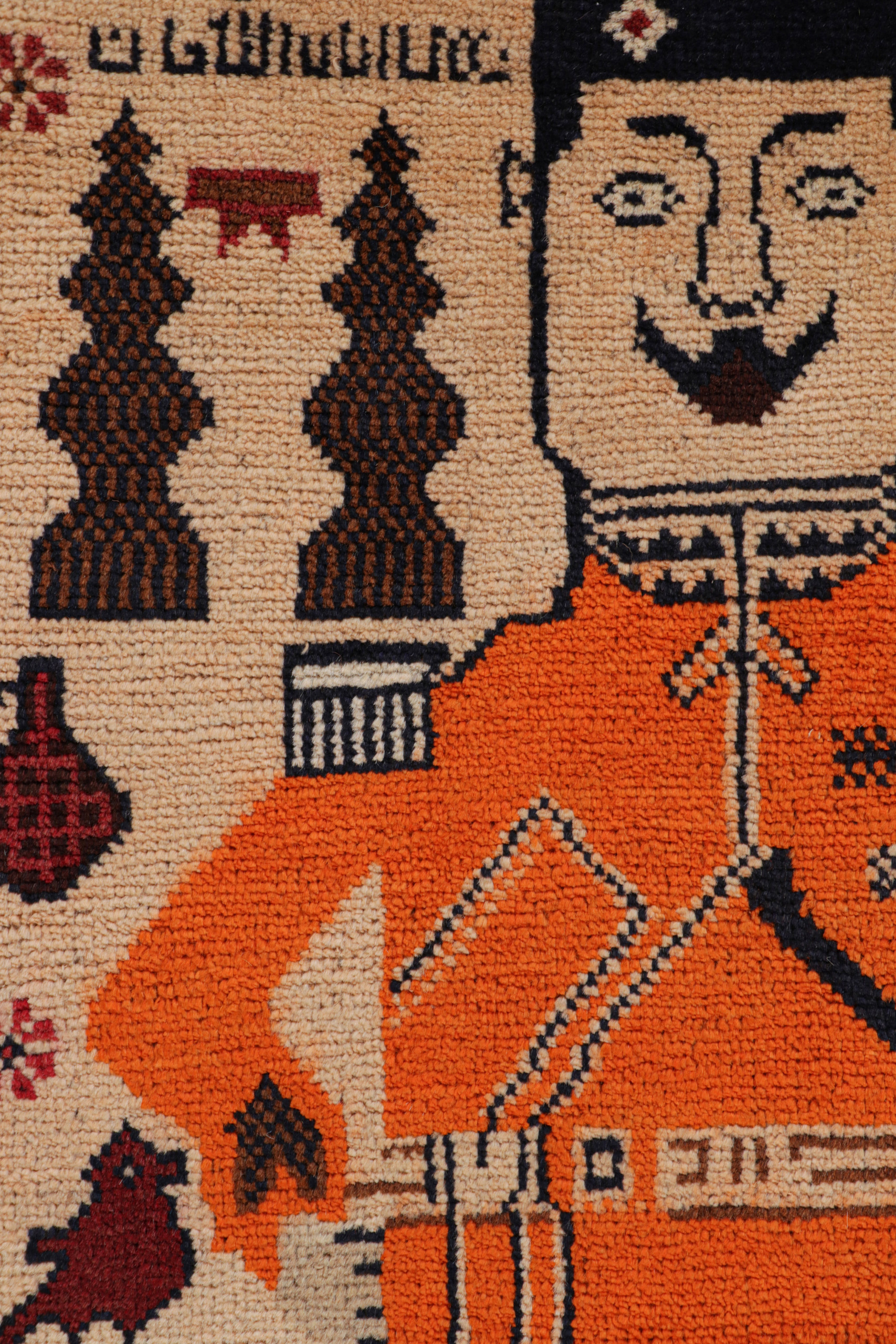
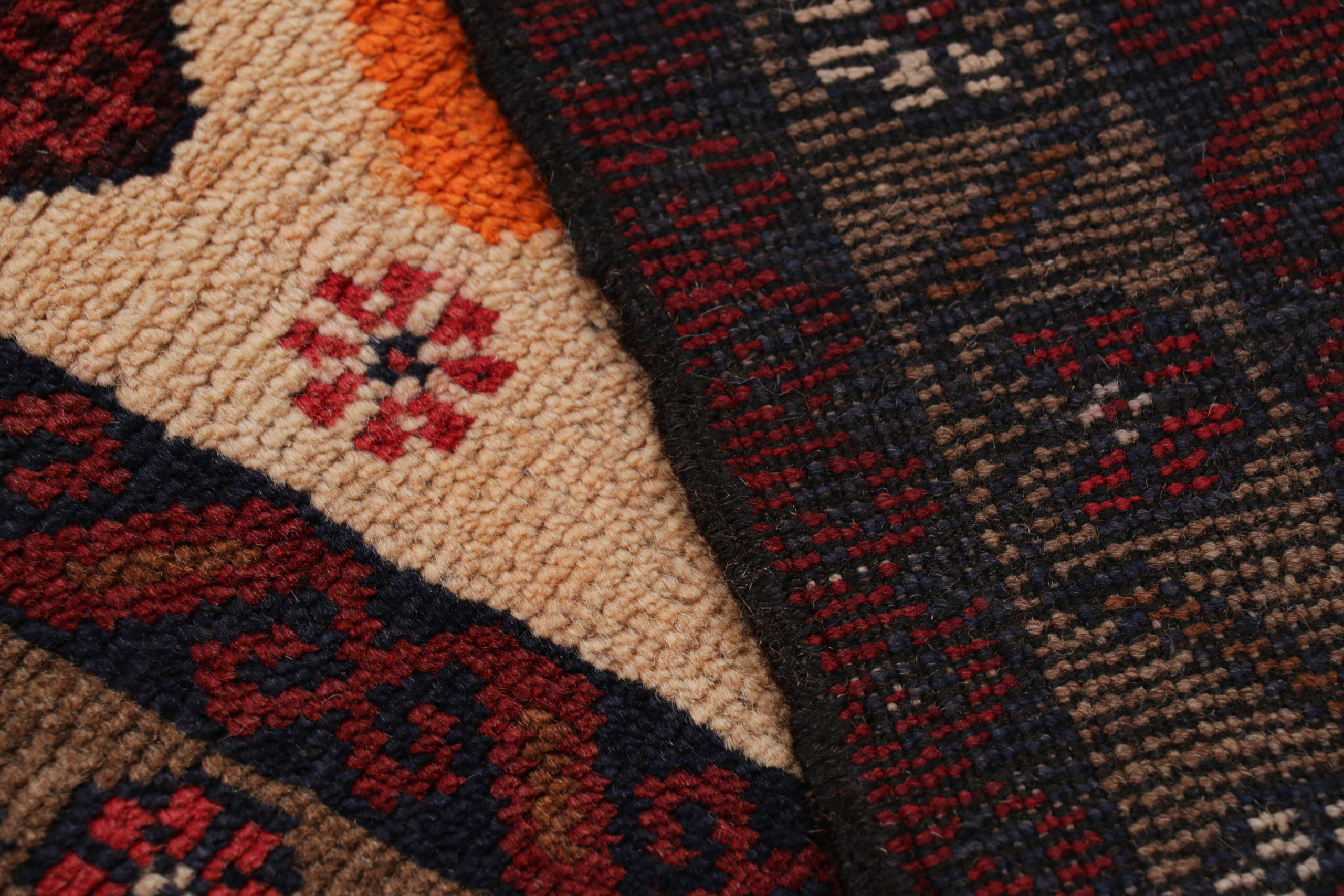
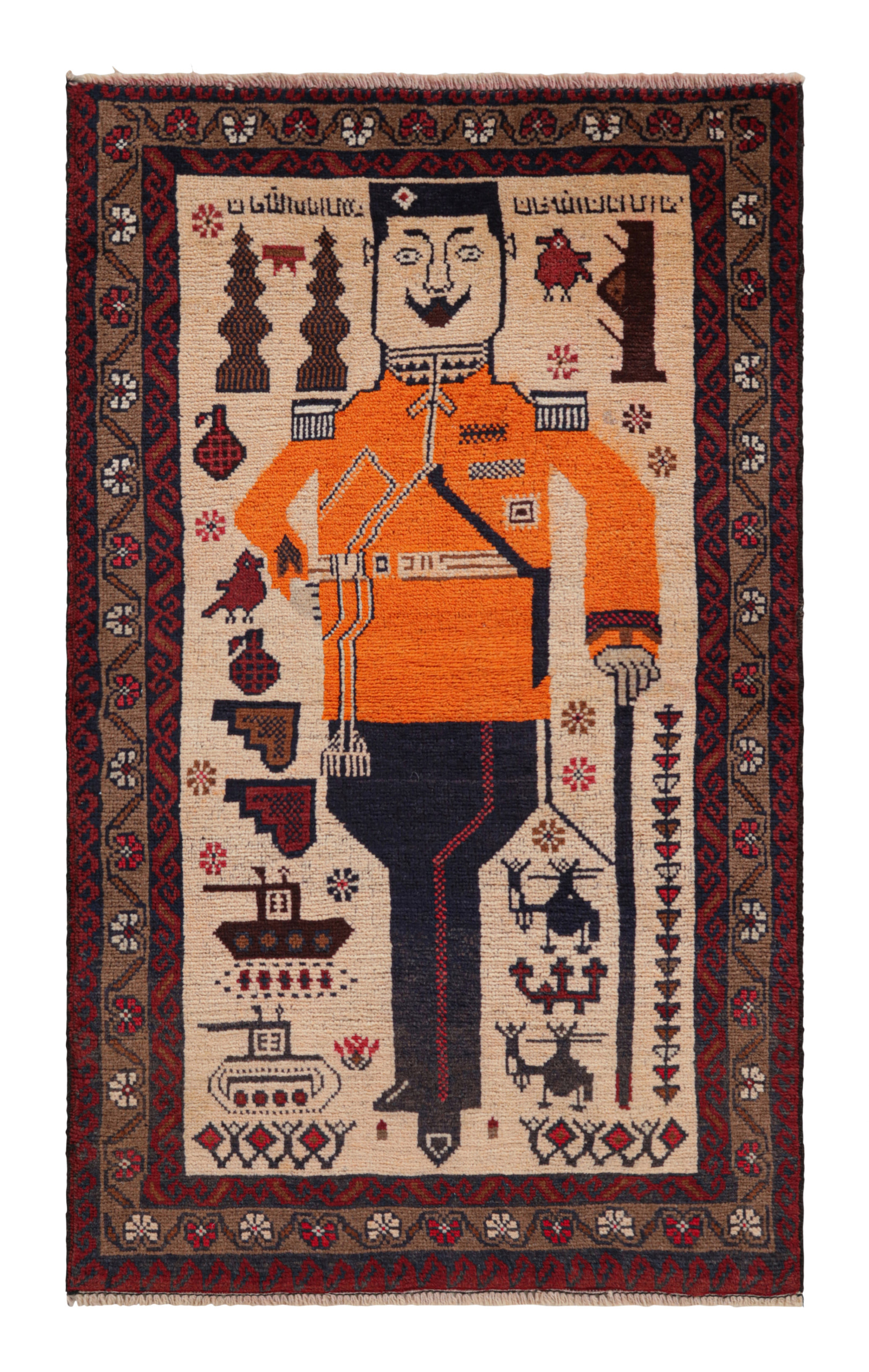
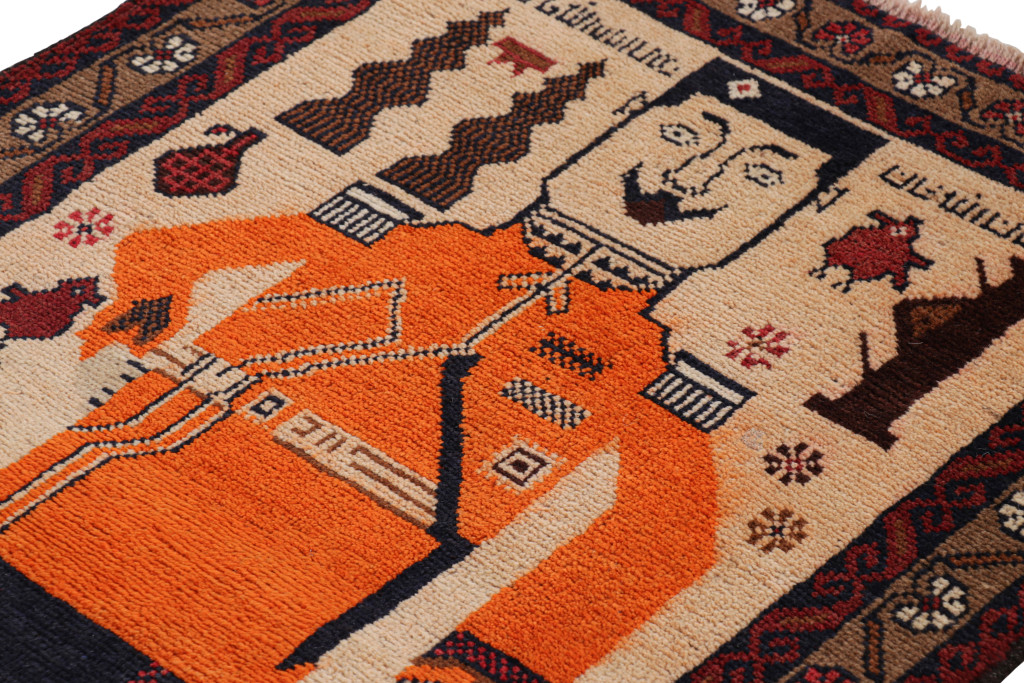
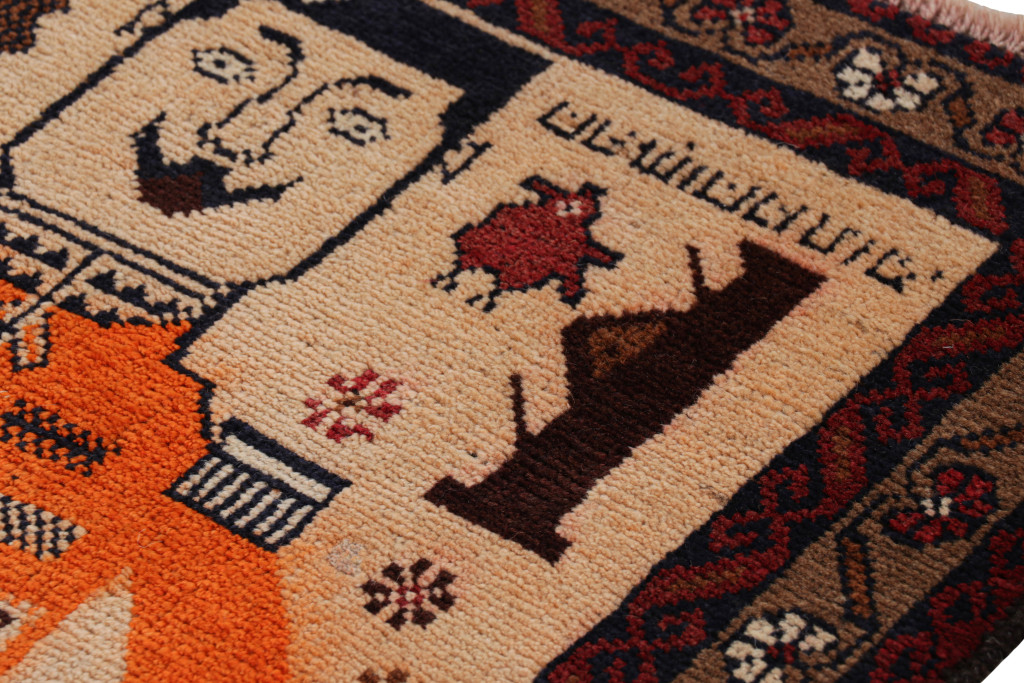
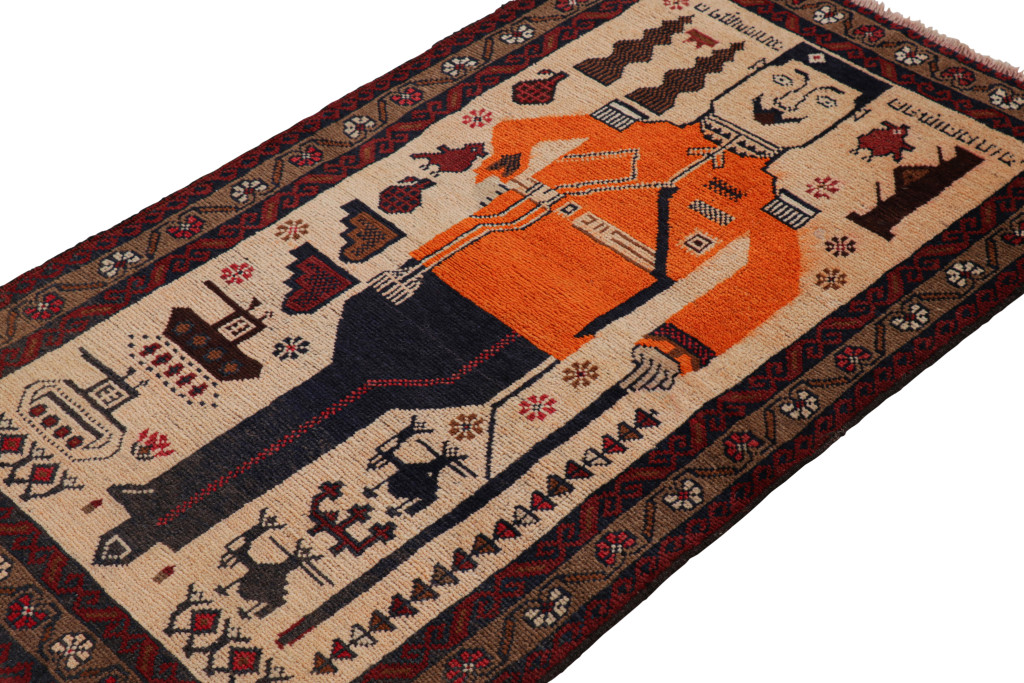
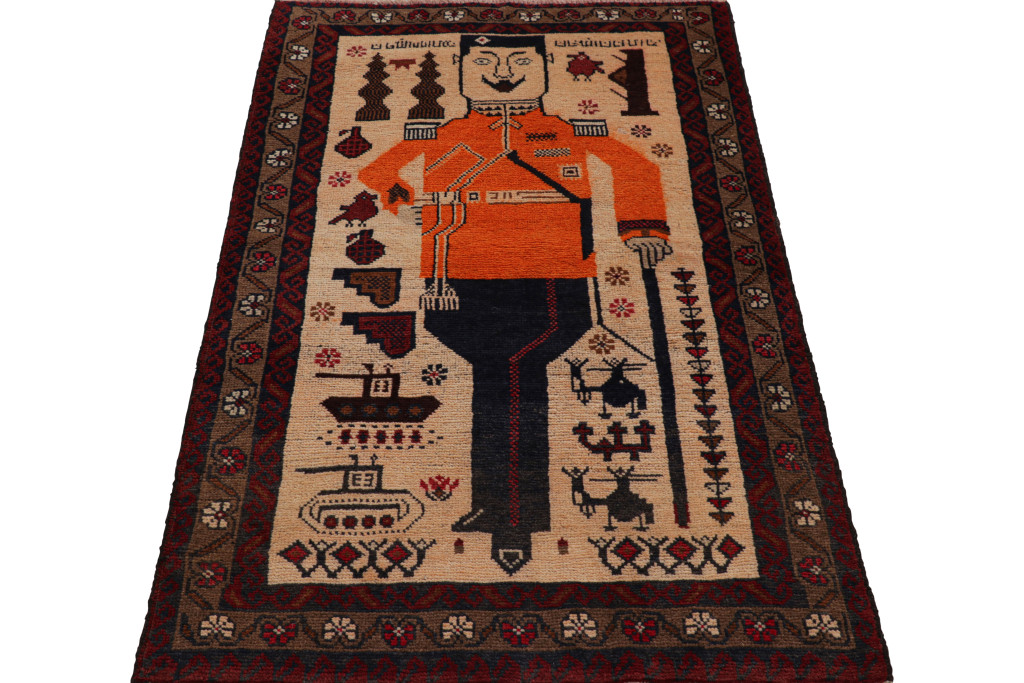
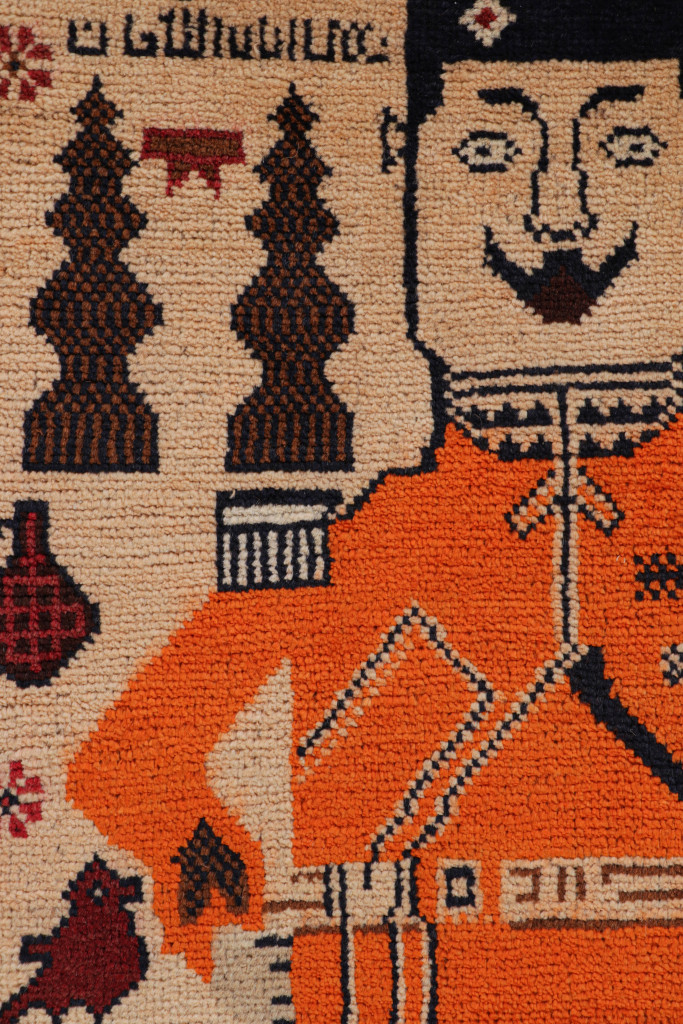
Rug & Kilim’s Modern Classics Rug in Beige with Human and Tank Pictorials
"It's rare to find a rug company that offers unique antiques, curated with a historical eye. And the best quality customization for anything you might need. All while being treated like family - love those guys."
— Andre Mellone, Studio Mellone
A standard since our inception upheld across every acquisition,
transaction, and delivery.
45+ Year Old Institution
More than four decades of expertise and stewardship, under the leadership of our Principal, Jahanshah "Josh" Nazmiyal.
Favorable Return Policy
Our return policy is 48 hours upon receipt allowing you to confirm the purchase in your space with confidence.
Product Warranty
Each rug is hand selected or produced through the most reputable sources under the direct supervision of our Principal.
Trusted Global Delivery
Reliable worldwide delivery handled with care, precision and constant communication.
Exceptional Support
Attentive, knowledgeable guidance before and after purchase from our dedicated team of specialists.
Long Term Care
We stand behind every piece we place and remain a resource to our clients for the lifetime of their collection.
- Measurements: 2'10" x 4'7" ( 0.86 m x 1.40 m )
- Categories: Modern Classics
- Classification: Classic/Traditional, Geometric, Pictorial, Tribal
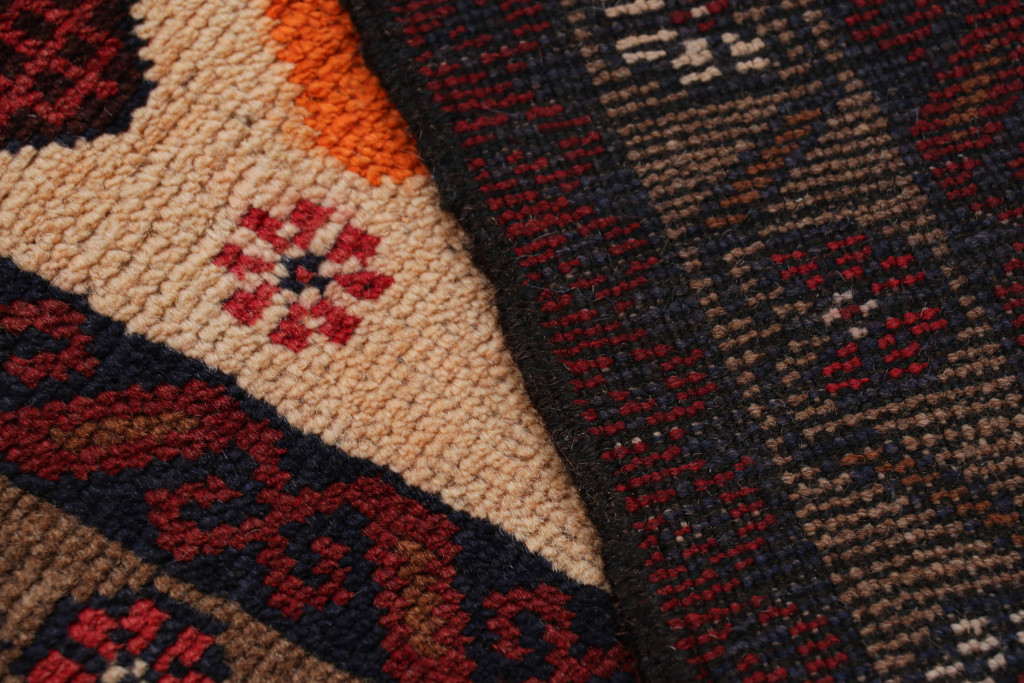
- Material: Wool
- Origin: Afghanistan
- SKU: 31132

Specifications:
Stories from the Modern Classics Collection
Essays, artist dialogues, and provenance notes drawn from Rug & Kilim’s editorial desk.
Art Nouveau Rugs: The Intersection of Decorative Arts and Modern Design
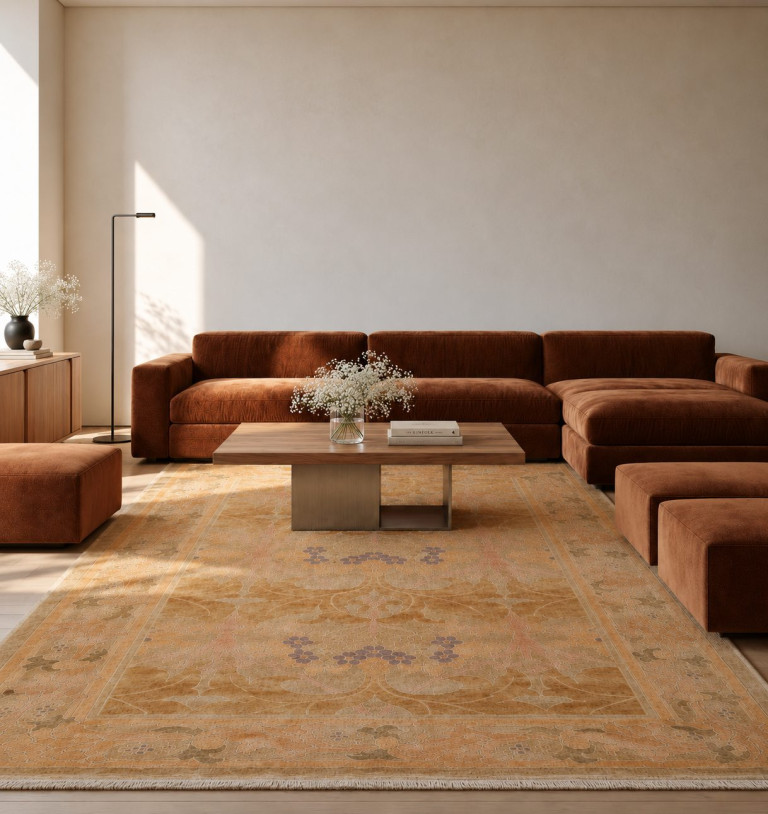
Among the most influential artistic movements of the modern era, Art Nouveau occupies a unique place at the intersection of art, architecture, design, and craftsmanship. Emerging in Europe during the final decades of the nineteenth century, the movement sought to dissolve traditional boundaries between fine art and decorative art, creating a unified aesthetic language inspired by nature, movement, and organic beauty. Within this broader creative revolution, Art Nouveau rugs emerged as some of the most sophisticated and expressive textile works ever produced. Unlike the historical revival styles that dominated much of the nineteenth century, Art Nouveau embraced innovation. Designers looked beyond historical ornament and instead turned to the natural world for inspiration. Flowing vines, botanical forms, floral motifs, curved silhouettes, and rhythmic asymmetry became defining characteristics of the movement. Rugs created within this design philosophy transformed the role of carpets from decorative accessories into integral architectural and artistic elements.
Read the Feature
Dhurrie Rugs: History, Cultural Significance, and Contemporary Luxury
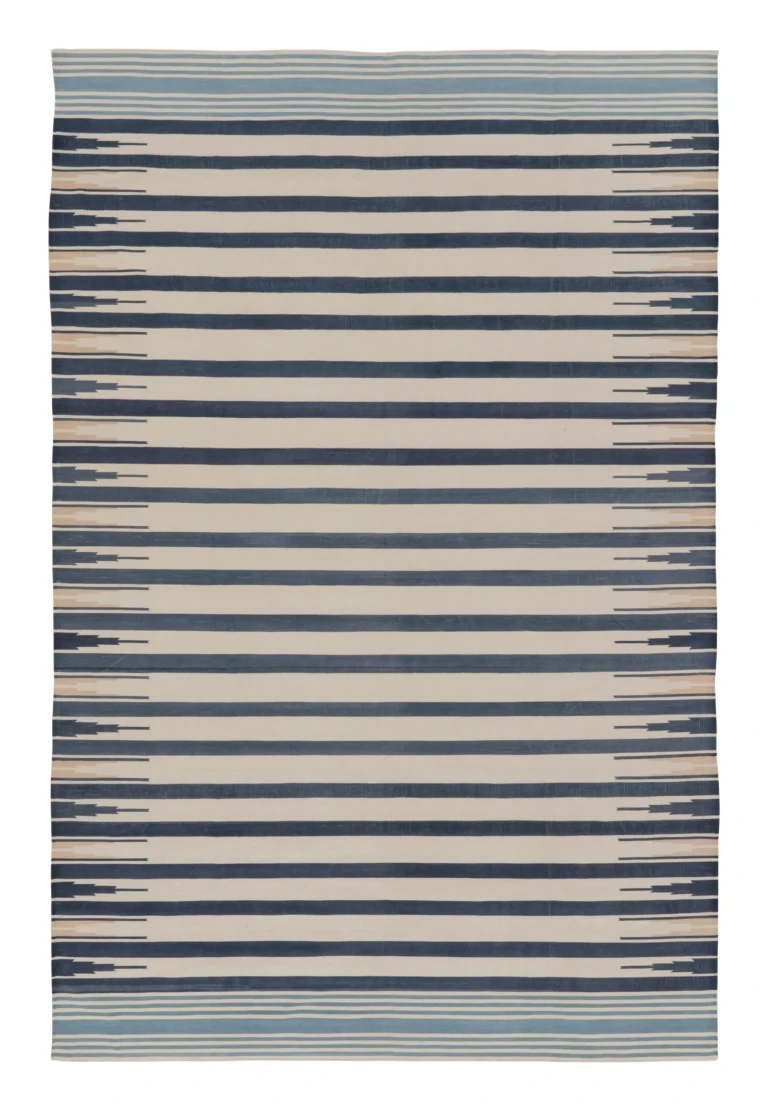
Among the world’s most versatile and architecturally adaptable textile traditions, Dhurrie rugs occupy a distinctive position within the history of Indian weaving and contemporary interior design. Known for their flatwoven construction, geometric clarity, and extraordinary material flexibility, Dhurrie rugs have evolved from practical floor coverings into globally recognized design objects valued by collectors, architects, and luxury interiors specialists alike. Originating primarily in India, though historically connected to broader South Asian weaving traditions, Dhurrie rugs represent a sophisticated synthesis of utility, craftsmanship, and visual restraint. Unlike heavily piled Persian carpets or highly ornamental European rugs, Dhurries emphasize balance, structure, texture, and compositional rhythm.
Read the Feature
A Guide to Bessarabian Rugs: History, Design, and Modern Luxury
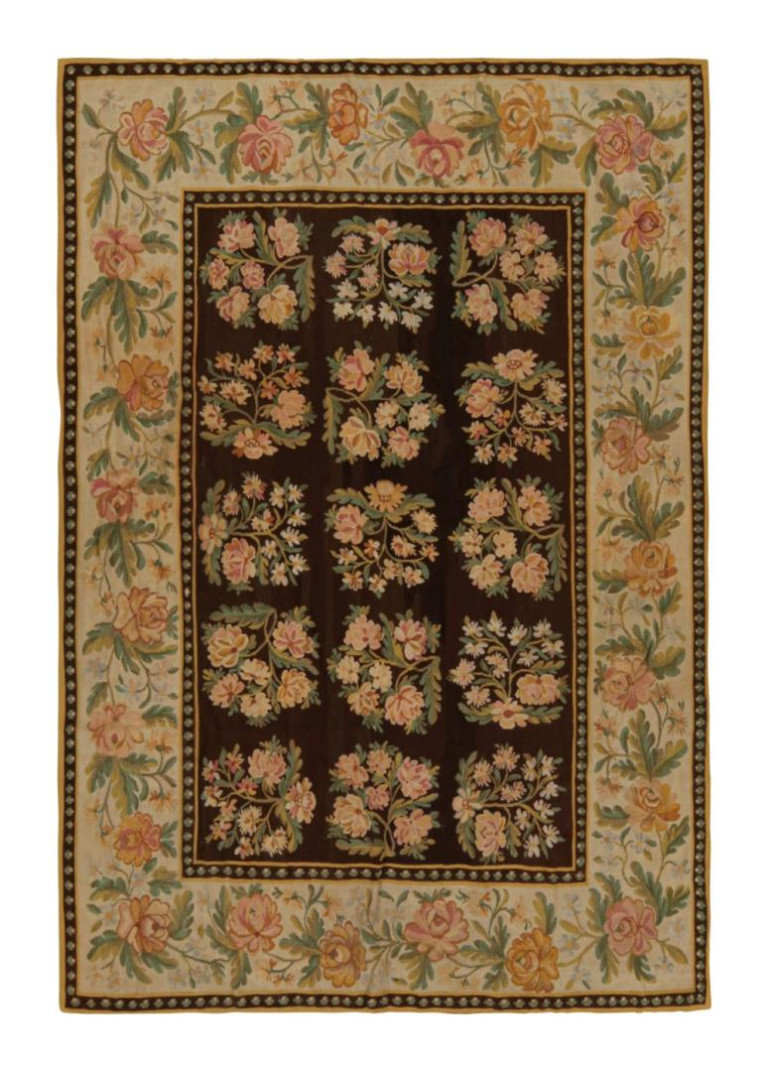
Within the world of collectible textiles and luxury interiors, few rug traditions possess the quiet sophistication and painterly elegance of Bessarabian rugs. Emerging from the historic region of Bessarabia—an area historically situated between present-day Moldova, Romania, and Ukraine—these rugs occupy a unique position at the crossroads of Eastern European folk tradition, Ottoman influence, Russian imperial culture, and French decorative aesthetics. Unlike the geometric tribal weavings commonly associated with Central Asia or the medallion-driven structures of Persian carpets, Bessarabian rugs developed a distinctly atmospheric and ornamental visual language. Their floral compositions, subdued tonal harmonies, and expansive decorative fields positioned them closer to European decorative arts than purely utilitarian floor coverings.
Read the Feature
The Complete Guide to Oushak Rugs: History, Aesthetic Language, and Contemporary Design Use
Oushak rugs, also spelled Uşak or Ushak, stand among the most influential textile traditions in the history of interior design. Originating in western Anatolia, in the historic weaving town of Uşak in present-day Turkey, these carpets are not merely decorative artifacts; they are architectural design elements, cultural documents, and artistic statements that have shaped interior aesthetics across centuries. From Ottoman imperial courts to Renaissance European palaces and today’s luxury residential, hospitality, and gallery spaces, Oushak rugs continue to define a visual language of soft geometry, spacious design, muted tonal harmony, and painterly abstraction. Their enduring relevance places them at the intersection of art history, textile heritage, and contemporary interior design innovation.
Read the Feature
How Mid-Century Textile Artists Rewrote the Language of Art and Space Globally: A Lineage of Design Today
There is a particular kind of interior; rare, deliberate, and intellectually composed, where a rug does not decorate, but makes it art in itself. A residence overlooking Central Park, where glass and steel are softened not by excess, but by a singular woven field. A discreet apartment in Mayfair, where a tapestry holds the wall with the authority of painting. A villa in Cap Ferrat, where modernist furniture and mid-century textiles coexist with the quiet confidence of shared lineage. These are styled interiors. And at the center of many such spaces lies a quiet revolution that began in the mid-20th century, when textile artists stepped out of the decorative margins and into the intellectual core of modernism.
Read the Feature
A Glossary of Handmade Rugs and Kilims: Understanding Terms, Types and Techniques Past and Present
Referring to the art style characterized by using shape and color withdrawn from traditional repetition or realism. Abstract rugs — sometimes referred to as art rugs — capture an expressive nature that reads as a very modern style, though many abstract rugs draw inspiration from works of the same art style in the mid-century. One of the more widely known mid-century lineages of this style is abstract expressionism, named for the literal "expressionists" of the 1950s. Some of the most notable names behind this style include Jackson Pollock and Mark Rothko. Referring to a lineage of nomadic Persian rugs (sometimes referred to as “Avsar” in the alternate spelling). Afshar rugs hail from the eponymous tribe in the region of Northeastern Iran.
Read the Feature


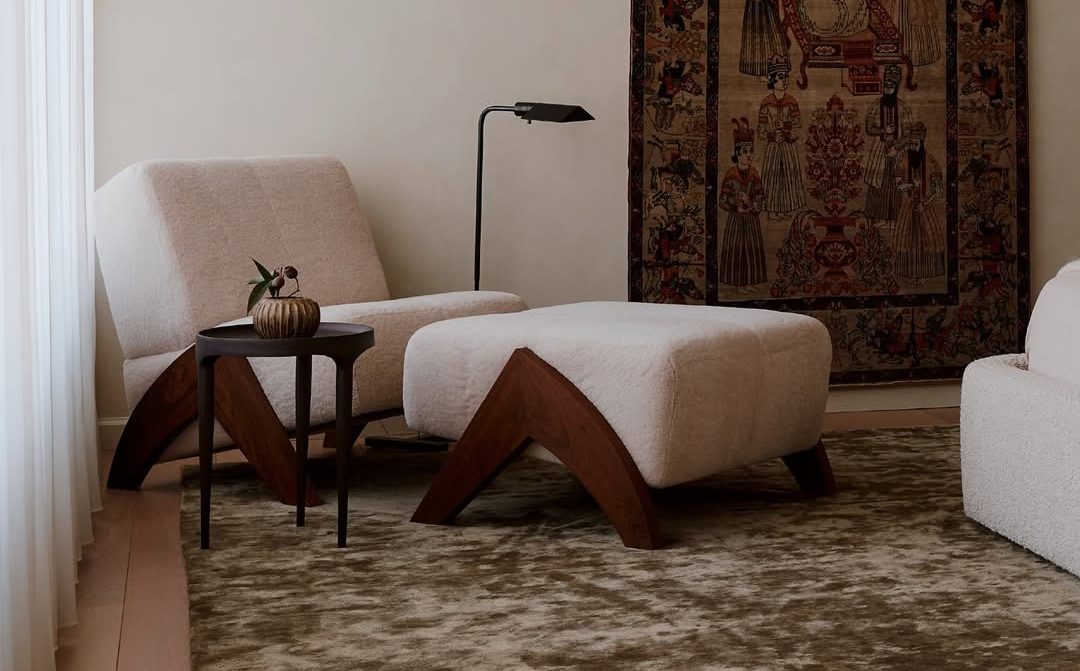
R&K Image Studio
NEWThe R&K Image Studio is a new visual workspace designed to present the Rug & Kilim collection with clarity, restraint, and precision — in your space or any space you imagine.
This tool allows you to view, refine, and prepare imagery drawn directly from the pieces in our archive. They can be visualized cleanly, isolated thoughtfully, and adjusted for presentations, proposals, and private viewings, without altering the integrity of the original work.
Modern Classics
Wool
Afghanistan
2'10" X 4'7" (0.86 m x 1.40 m)
$4,300
Available: Shipping as Soon as Tomorrow
Rug & Kilim’s Modern Classics Rug in Beige with Human and Tank Pictorials
"Working with this family-owned team has been an absolute joy. Their communication, craftsmanship, and flawless execution on our custom rugs consistently exceed expectations."
— Phoebe Howard, James Michael Howard
- Measurements: 2'10" x 4'7" ( 0.86 m x 1.40 m )
- Categories: Modern Classics
- Classification: Classic/Traditional, Geometric, Pictorial, Tribal
- Material: Wool
- Origin: Afghanistan
- SKU: 31132

