

Wool
USA, New
3'9" X 6'1" (1.14 m x 1.85 m)
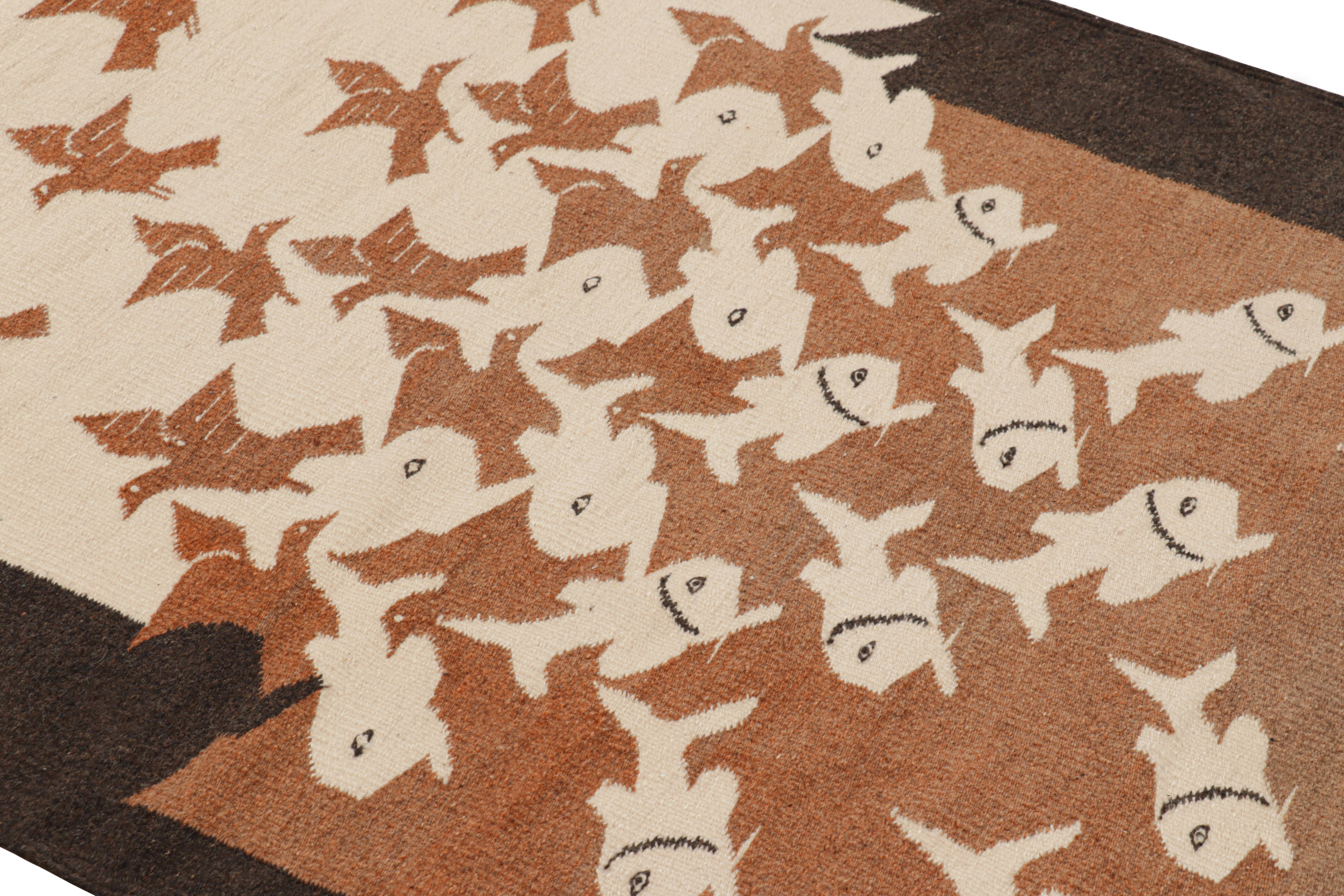
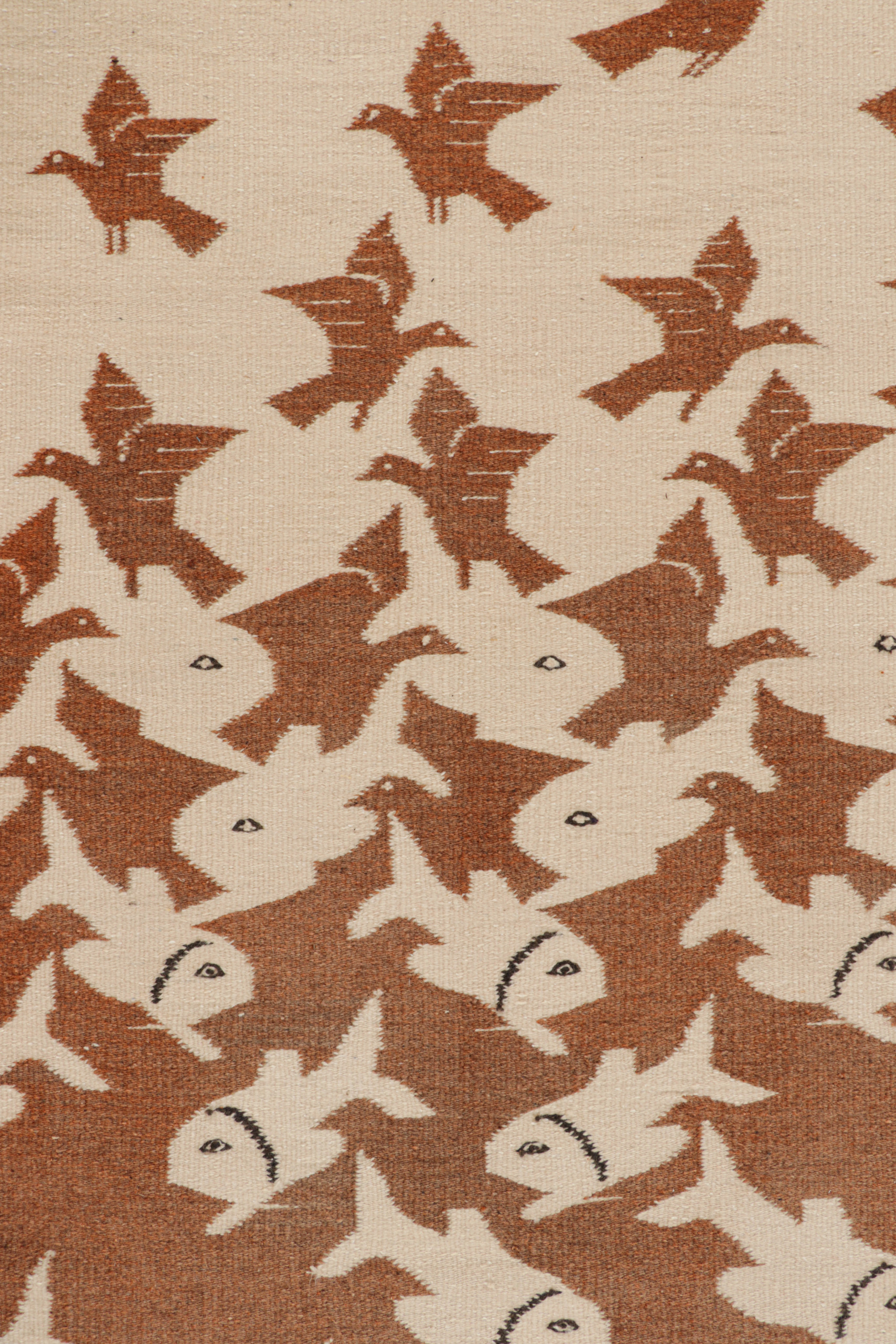
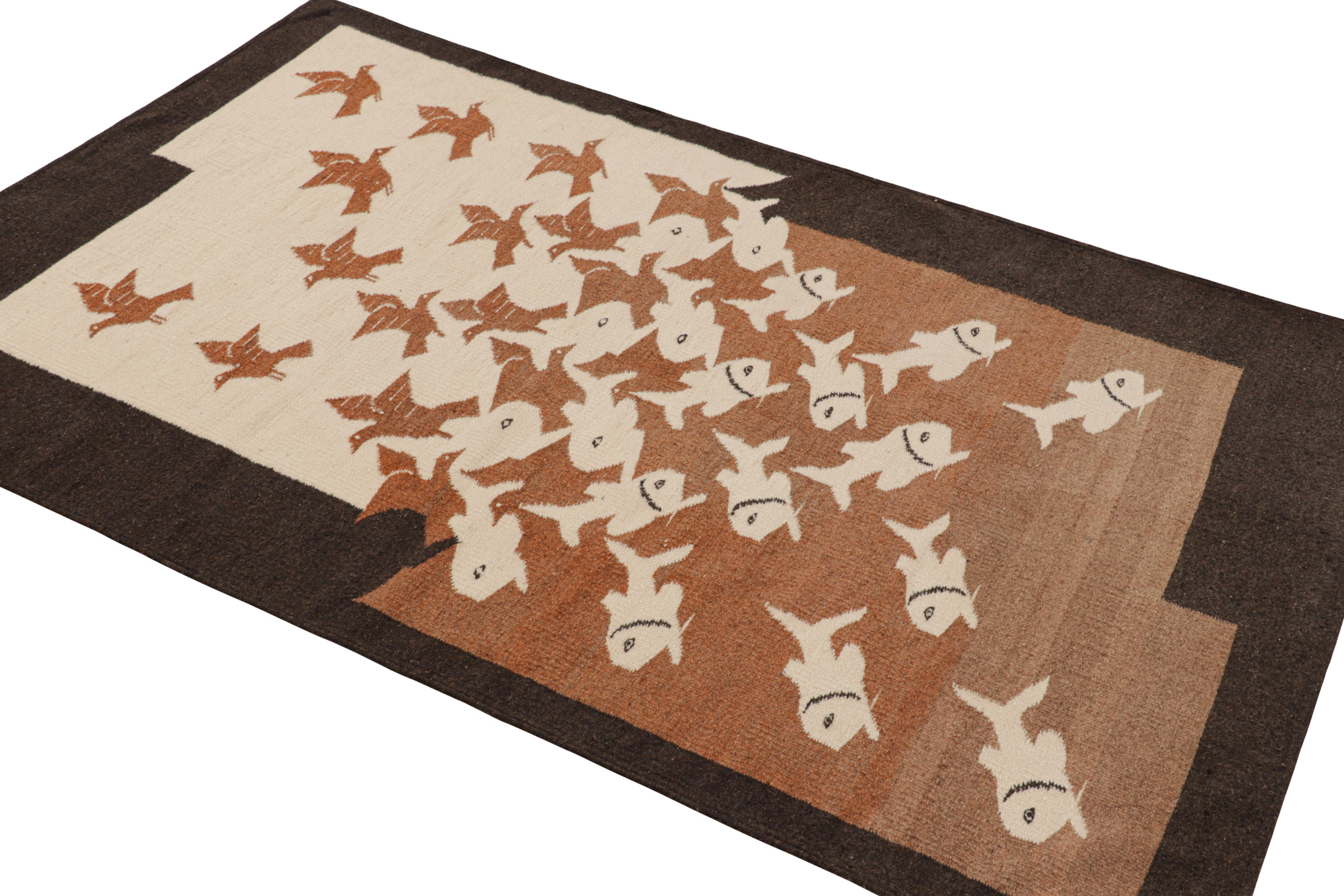
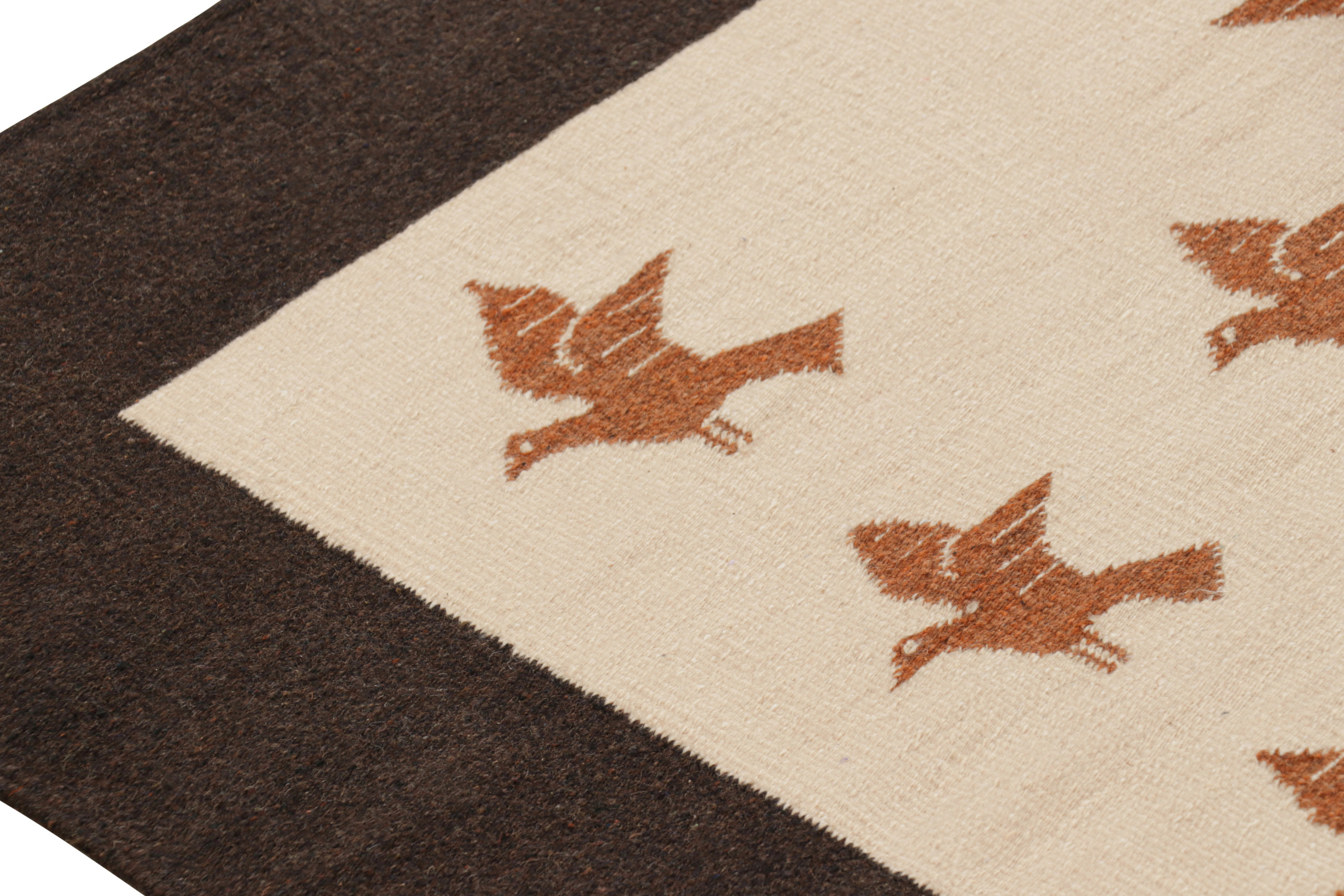
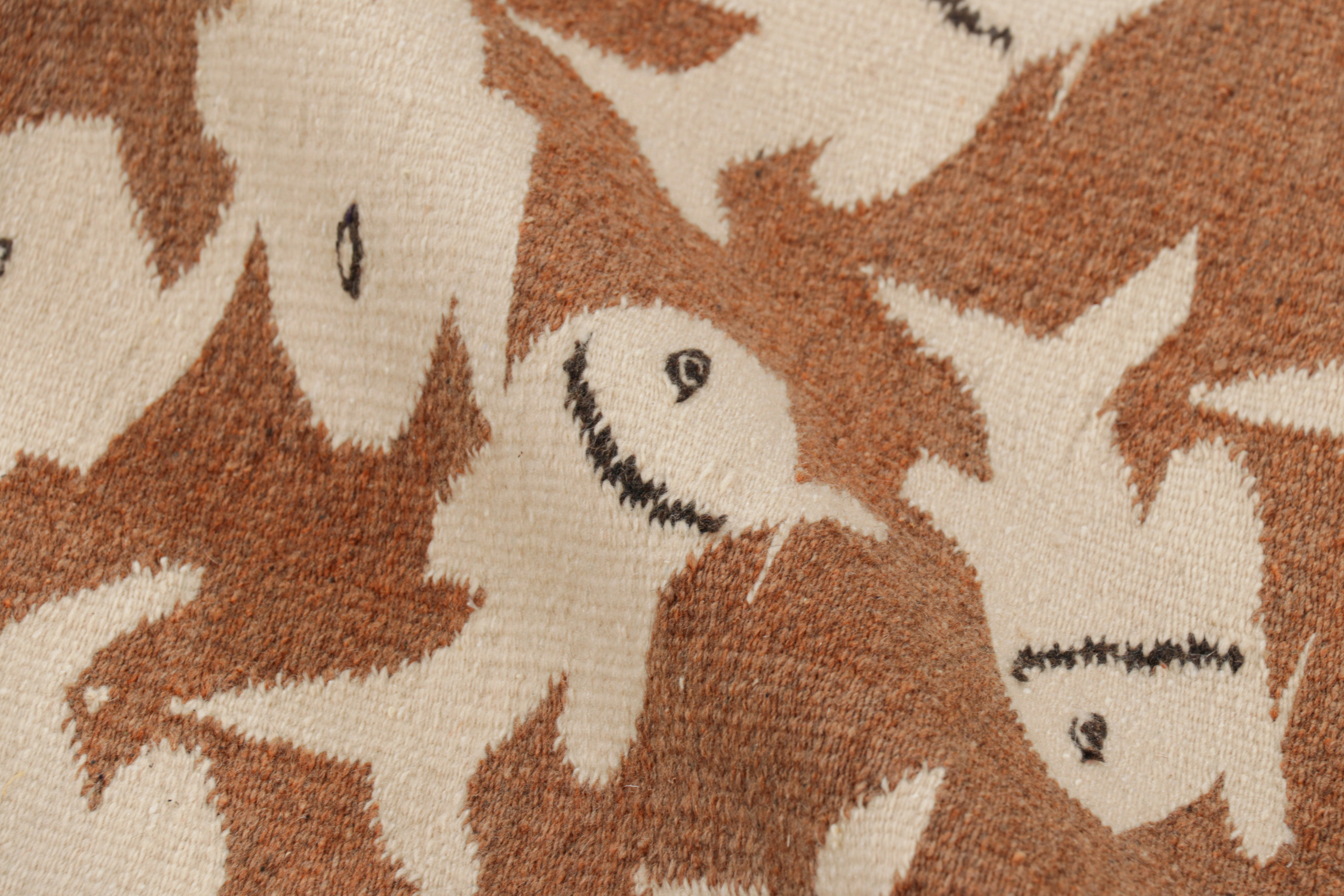
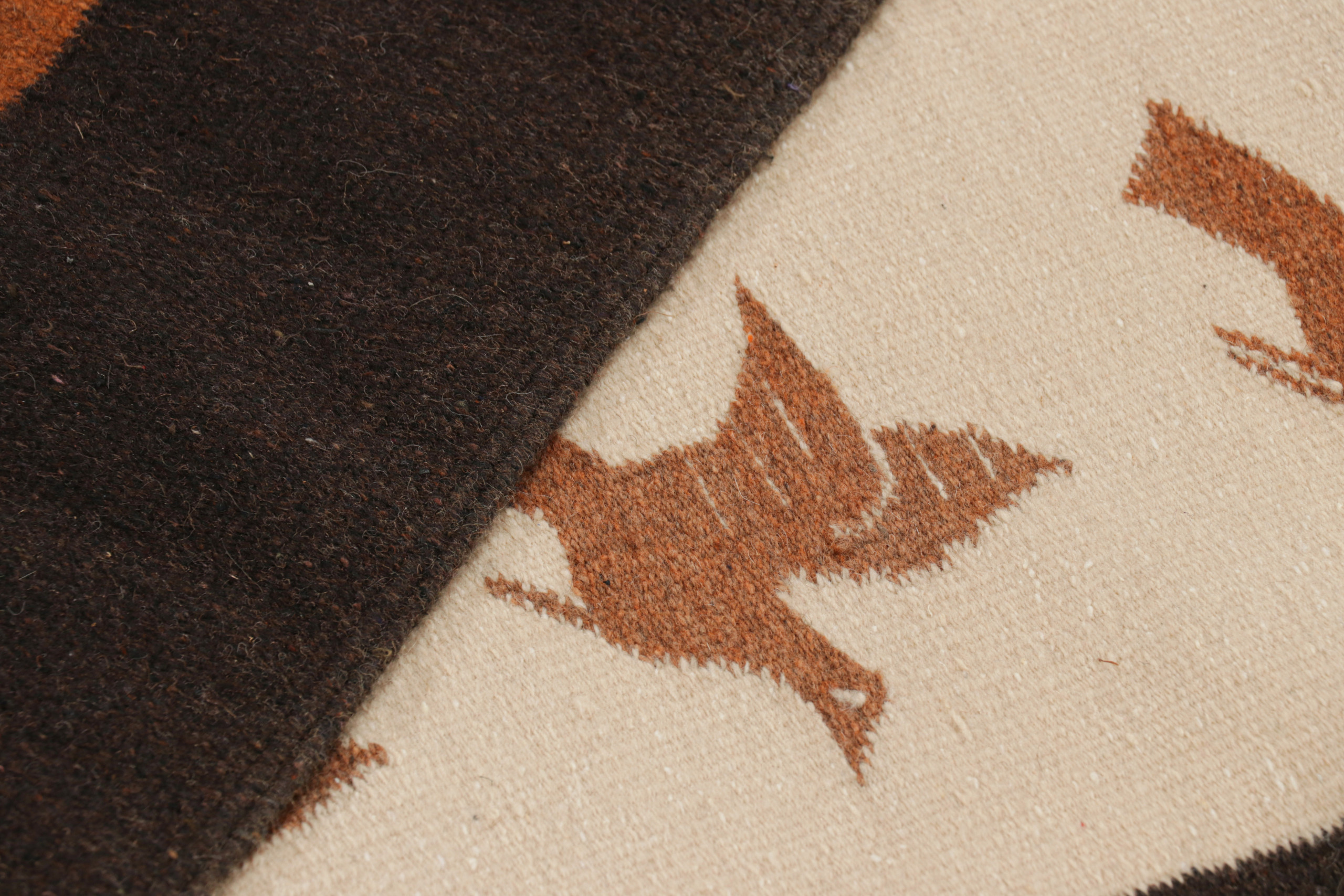
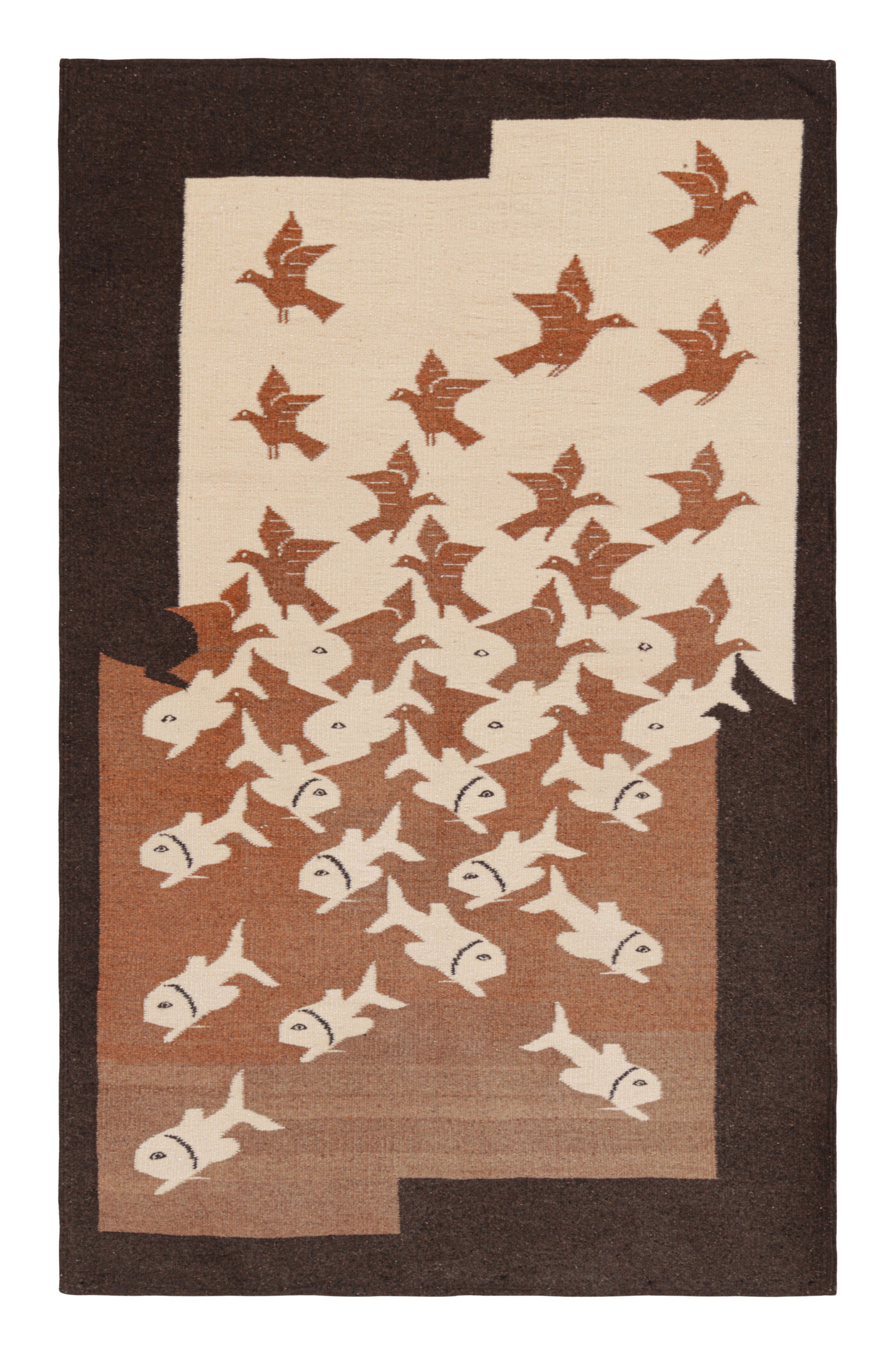
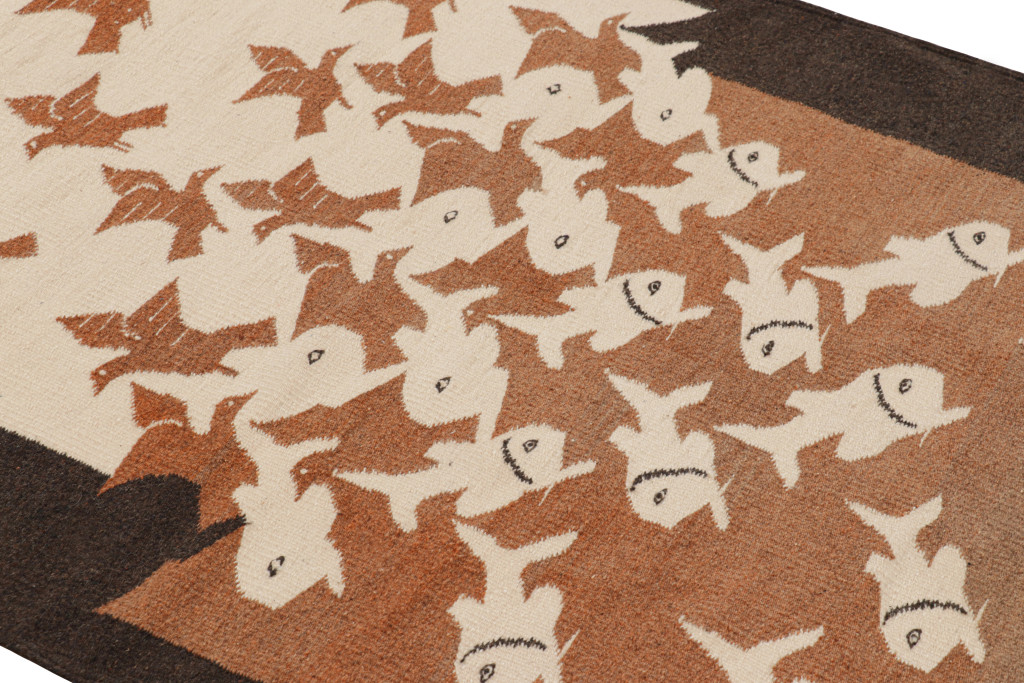
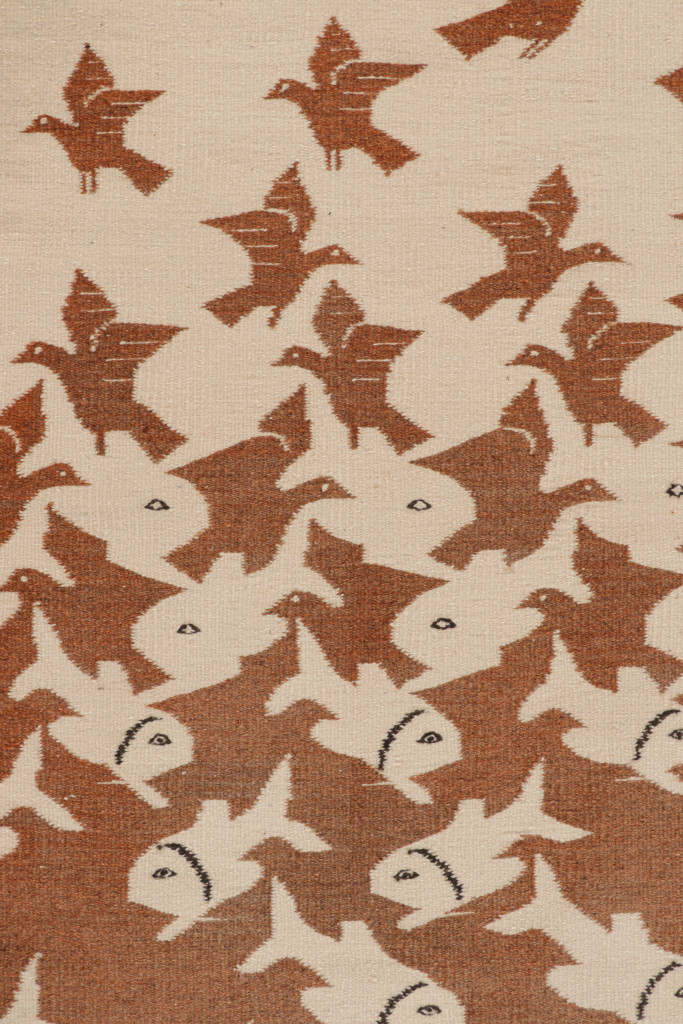
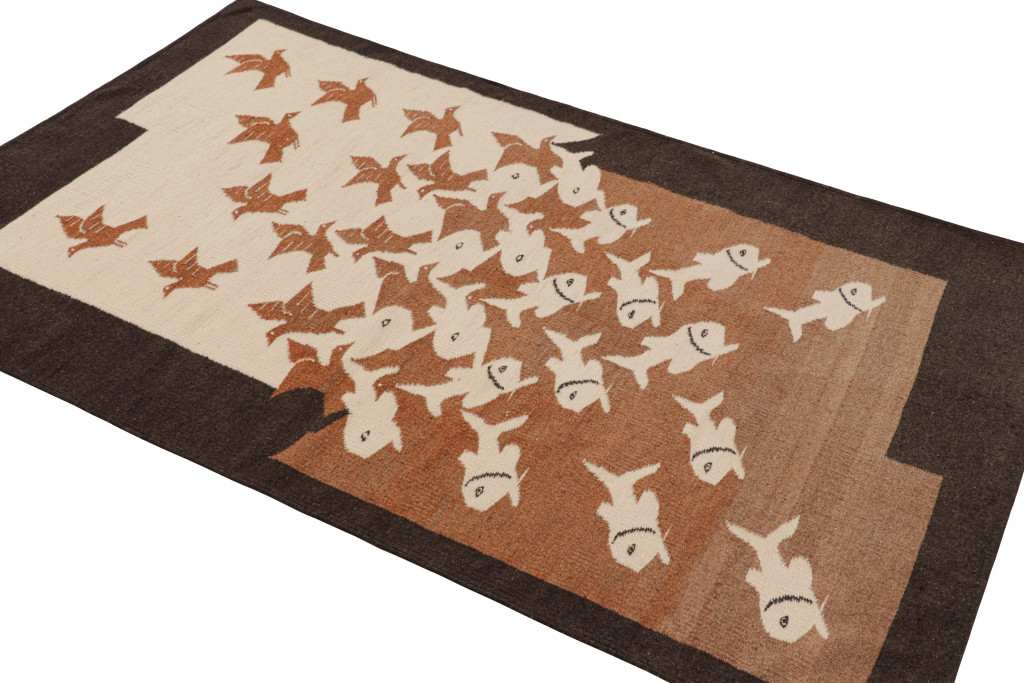
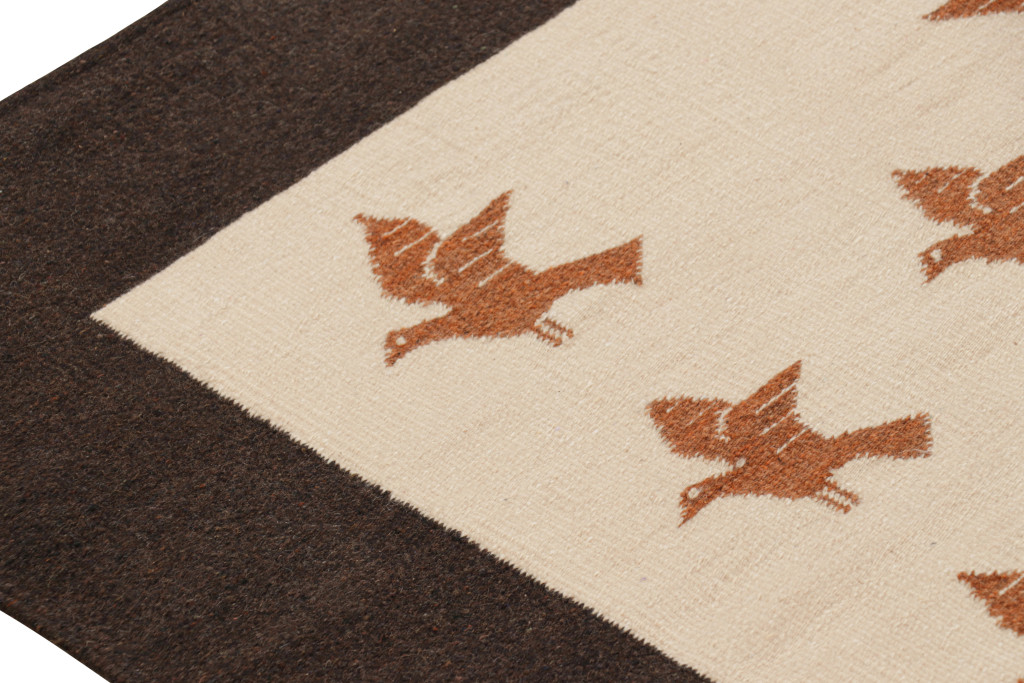
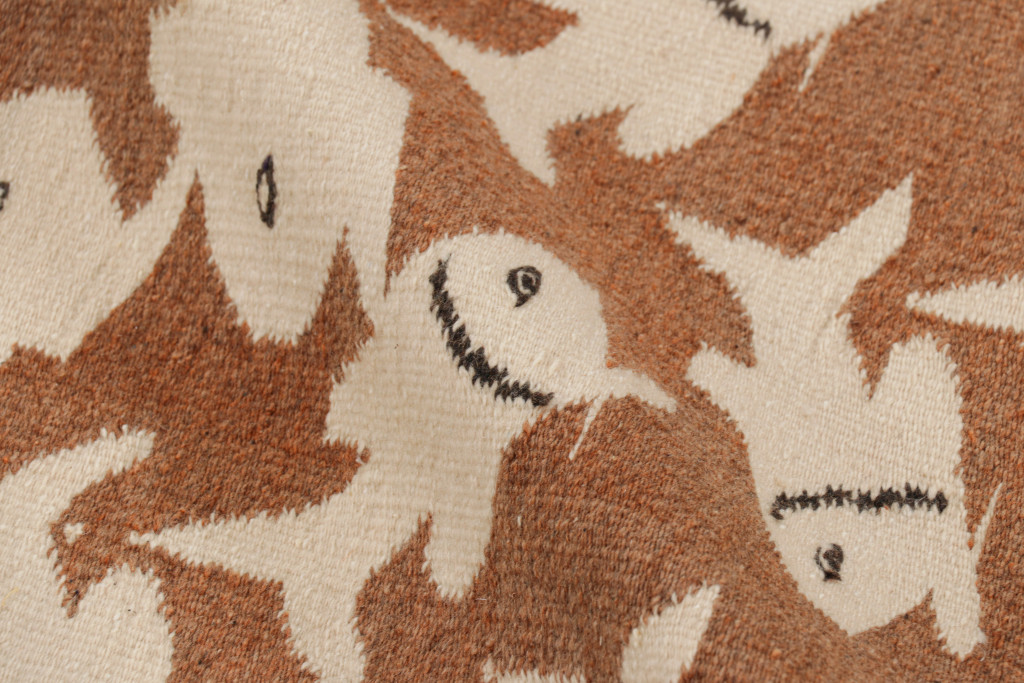
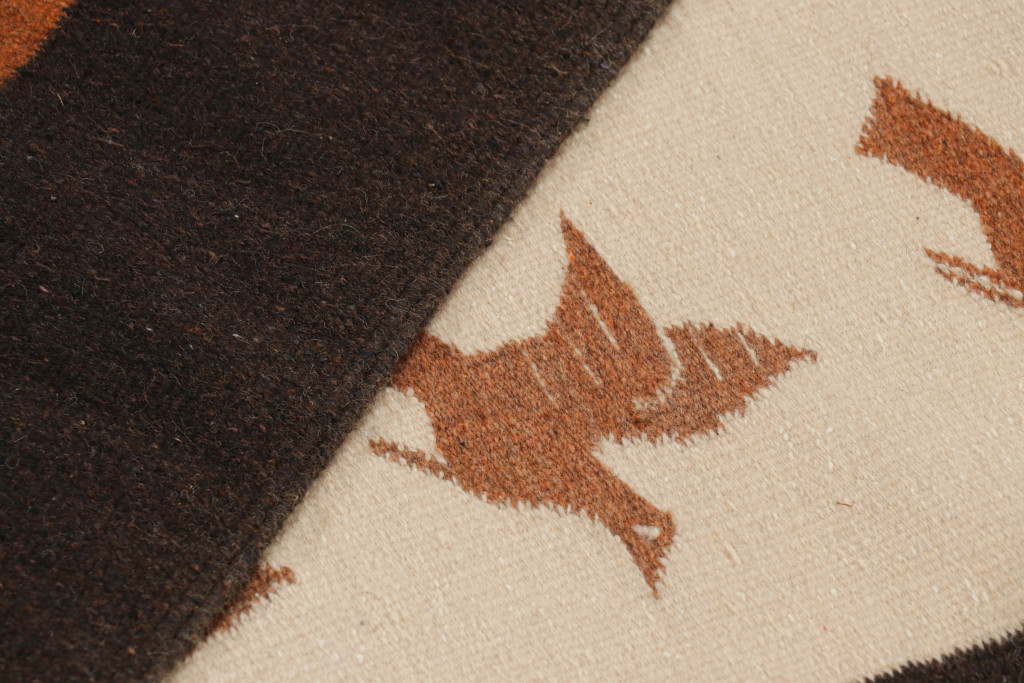
Rug & Kilim’s “Sky and Water II” M.C. Escher-Style Tapestry with Pictorials
"Josh has been able to dredge up some of the rarest and most beautiful carpets for our nerdy and stringent requirements. And we have had a grand time together assembling collections for clients."
— Ralph Harvard, Ralph Harvard Inc.
A standard since our inception upheld across every acquisition,
transaction, and delivery.
45+ Year Old Institution
More than four decades of expertise and stewardship, under the leadership of our Principal, Jahanshah "Josh" Nazmiyal.
Favorable Return Policy
Our return policy is 48 hours upon receipt allowing you to confirm the purchase in your space with confidence.
Product Warranty
Each rug is hand selected or produced through the most reputable sources under the direct supervision of our Principal.
Trusted Global Delivery
Reliable worldwide delivery handled with care, precision and constant communication.
Exceptional Support
Attentive, knowledgeable guidance before and after purchase from our dedicated team of specialists.
Long Term Care
We stand behind every piece we place and remain a resource to our clients for the lifetime of their collection.
- Measurements: 3'9" x 6'1" ( 1.14 m x 1.85 m )
- Categories: Accessories, Modern Classics, Tapestry
- Classification: Classic/Traditional, Geometric, Modern, Modern/Contemporary, Pictorial, Tapestry/Textile/Wall Hanging
- Material: Wool
- Origin: USA
- SKU: 32364

Specifications:
Stories from the Accessories Collection
Essays, artist dialogues, and provenance notes drawn from Rug & Kilim’s editorial desk.
Bokhara Rugs: Traditional Weaving and Global Influence
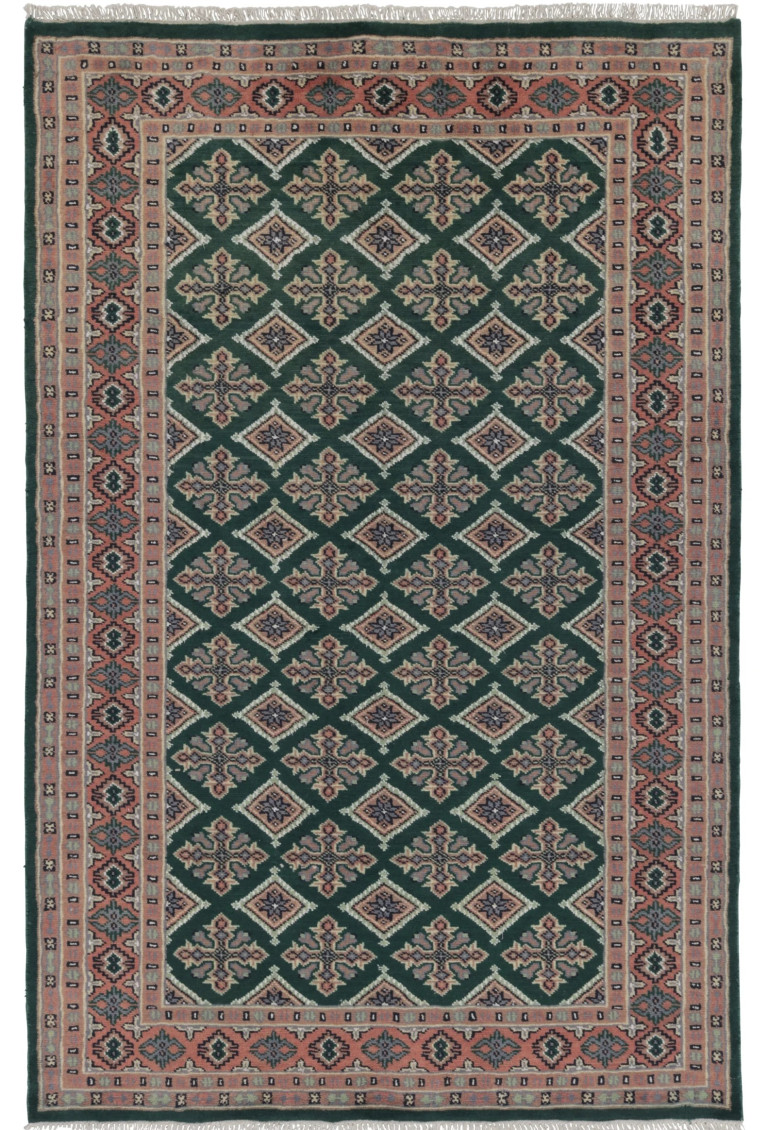
Among the most recognizable and influential traditions in the history of oriental carpets, Bokhara rugs represent a remarkable fusion of tribal heritage, geometric precision, and centuries-old weaving expertise. Known worldwide for their iconic repeating motifs, deep colors, and refined craftsmanship, Bokhara rugs have become enduring symbols of Central Asian textile artistry. Although the name “Bokhara” is commonly associated with the historic city of Bukhara in present-day Uzbekistan, many rugs classified as Bokhara originate from Turkmen weaving communities across regions including Turkmenistan, Afghanistan, and surrounding areas. The name reflects the historical trade routes through which these carpets traveled and became known internationally.
Read the Feature
Understanding Art Deco Rugs: Modernism, Luxury, and Timeless Style
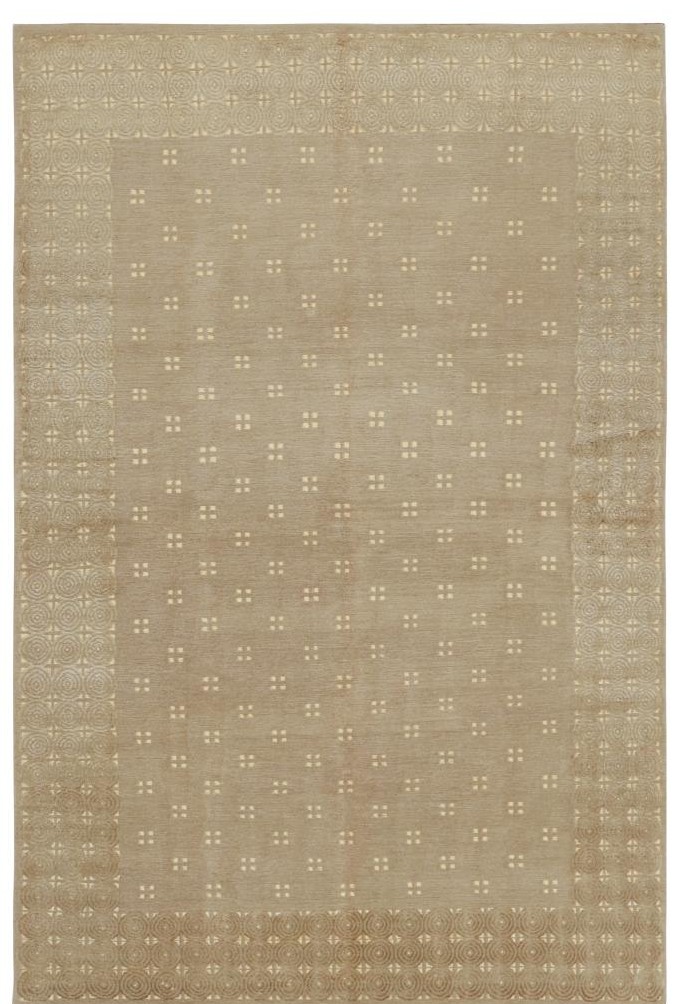
Few rug styles have influenced twentieth-century interior design as profoundly as Art Deco rugs. Emerging during one of the most transformative periods in modern cultural history, these carpets embodied the optimism, innovation, and cosmopolitan sophistication that defined the Art Deco movement. More than decorative floor coverings, Art Deco rugs became expressions of a new visual language—one rooted in modernity, luxury, architecture, and artistic experimentation. Unlike traditional Persian carpets that emphasized centuries-old motifs and weaving conventions, Art Deco rugs embraced a distinctly modern perspective. Their compositions drew inspiration from architecture, industrial design, fine art, fashion, travel, and technological progress. The result was a new generation of carpets that transformed the role of textiles within contemporary interiors.
Read the Feature
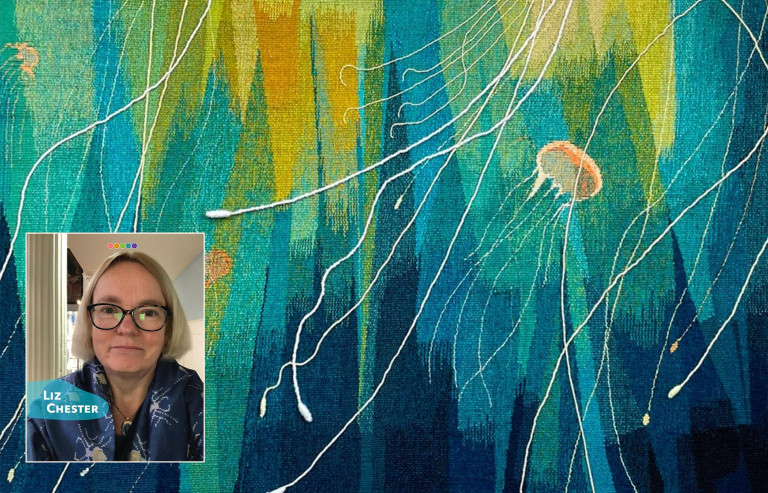
Rug & Kilim’s Tapestry Artists’ Series: In Dialogue with Elizabeth Chester
There is a particular kind of looking that a great tapestry demands, slower than painting, more physical than sculpture, closer to reading than to seeing. The eye must travel. It must follow the thread, understand the structure, and then, having understood it, surrender to the illusion that the structure has been designed to create. The greatest European tapestries have always operated this way: technically transparent to the scholar and visually overwhelming to everyone else simultaneously. It is the most demanding of the textile arts, and the one that rewards sustained attention most completely.
Read the Feature
Tapestries in the Language of Contemporary Design: When Walls Speak
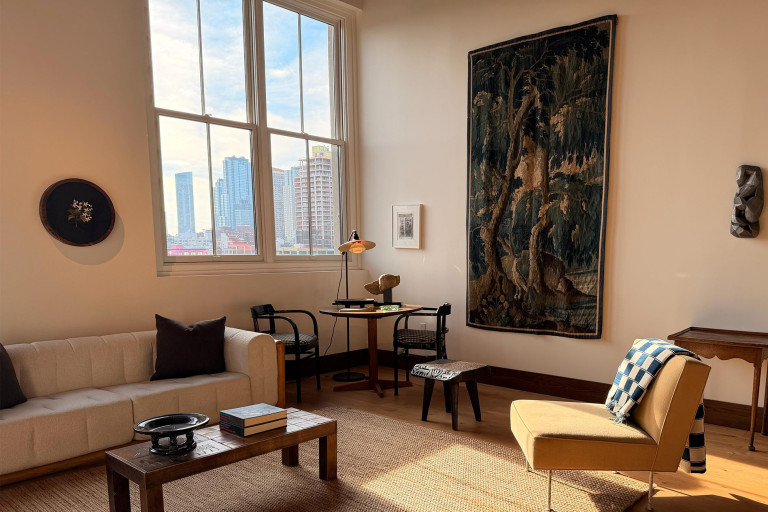
Tapestry is the oldest form of spatial storytelling. Before wallpaper became political, before murals were democratized, before art was framed, taxed, traded, or speculated upon, power was woven. Tapestries were the original soft architecture of authority—portable walls for empires on the move, visual treaties between monarchs, and declarations of taste that traveled more freely than armies. They insulated cold stone halls, softened acoustics for diplomacy, and—perhaps most importantly—controlled the narrative. In a world without screens, tapestries were the screens: projecting mythology, ideology, lineage, and aspiration in wool, silk, and gold thread.
Read the Feature
Rug of The Week Series II: Jean Lurçat’s L’Homme and the Political Resurrection of Tapestry
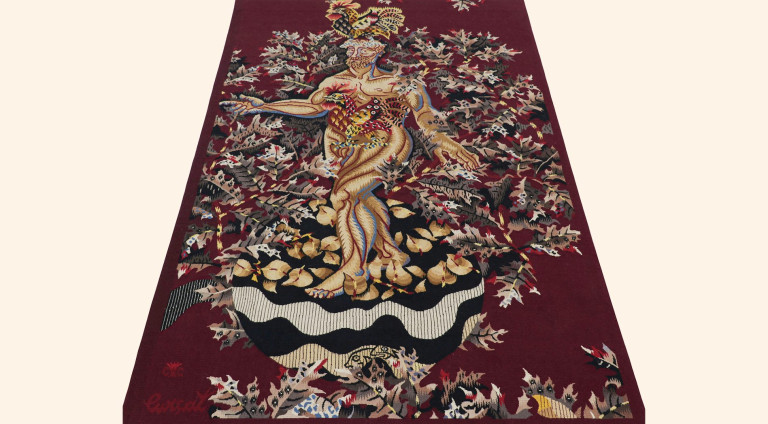
Some works enter a room as objects; others arrive as events. Jean Lurçat’s L’Homme does not merely hang—it presides. It does not wait for you to look; it looks back. Woven in postwar France, at a time when the language of beauty had been shattered by history, this tapestry is a declaration: that art must outlast its maker, and that a wall can bear more than ornament—it can bear witness. The Eternal Sentinel of Human Dignity and Earth’s Memory The man here is not merely a figure but a totem—an emblem of humanity rooted in the soil, crowned with nature’s defiance. Lurçat, whose postwar revival of the Aubusson tapestry tradition redefined its purpose, would say this figure is not a portrait but a mirror: a reflection of what dignity looks like when stripped of ornamentation, yet woven with the richest colors of survival.
Read the Feature
A Glossary of Handmade Rugs and Kilims: Understanding Terms, Types and Techniques Past and Present
Referring to the art style characterized by using shape and color withdrawn from traditional repetition or realism. Abstract rugs — sometimes referred to as art rugs — capture an expressive nature that reads as a very modern style, though many abstract rugs draw inspiration from works of the same art style in the mid-century. One of the more widely known mid-century lineages of this style is abstract expressionism, named for the literal "expressionists" of the 1950s. Some of the most notable names behind this style include Jackson Pollock and Mark Rothko. Referring to a lineage of nomadic Persian rugs (sometimes referred to as “Avsar” in the alternate spelling). Afshar rugs hail from the eponymous tribe in the region of Northeastern Iran.
Read the Feature


R&K Image Studio
NEWThe R&K Image Studio is a new visual workspace designed to present the Rug & Kilim collection with clarity, restraint, and precision — in your space or any space you imagine.
This tool allows you to view, refine, and prepare imagery drawn directly from the pieces in our archive. They can be visualized cleanly, isolated thoughtfully, and adjusted for presentations, proposals, and private viewings, without altering the integrity of the original work.
Accessories
Wool
USA, New
3'9" X 6'1" (1.14 m x 1.85 m)
$5,500 - Check AvailabilityiThis rug may be out of the showroom or pending sale. Contact us to confirm its current availability.
Rug & Kilim’s “Sky and Water II” M.C. Escher-Style Tapestry with Pictorials
"Working with this family-owned team has been an absolute joy. Their communication, craftsmanship, and flawless execution on our custom rugs consistently exceed expectations."
— Phoebe Howard, James Michael Howard
- Measurements: 3'9" x 6'1" ( 1.14 m x 1.85 m )
- Categories: Accessories, Modern Classics, Tapestry
- Classification: Classic/Traditional, Geometric, Modern, Modern/Contemporary, Pictorial, Tapestry/Textile/Wall Hanging
- Material: Wool
- Origin: USA
- SKU: 32364

