
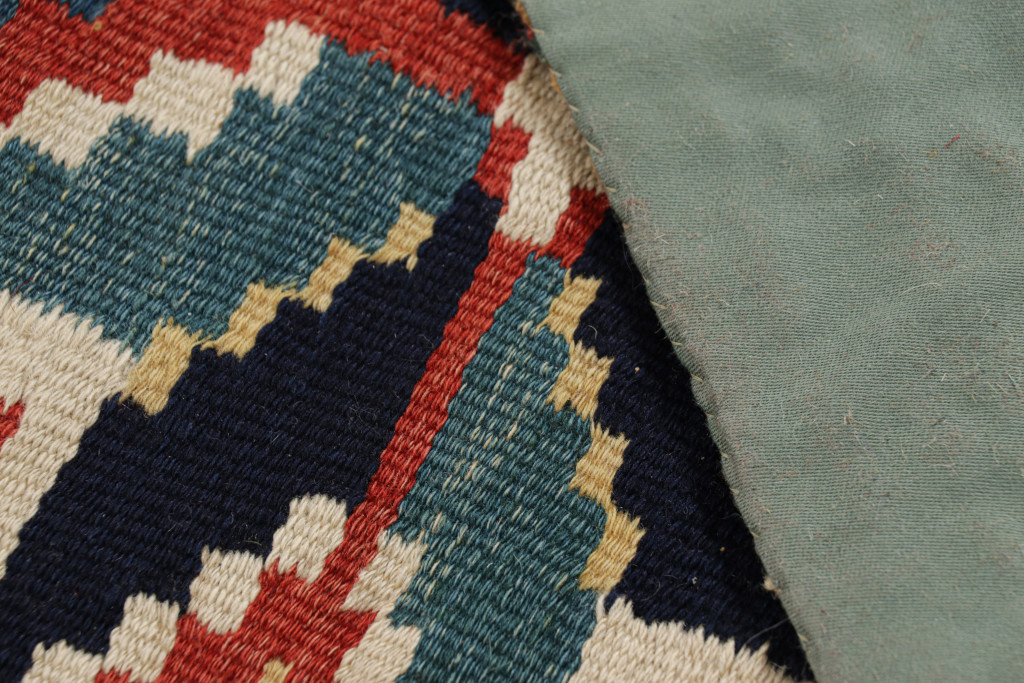
Wool
Sweden
1'8" X 2'10" (0.51 m x 0.86 m)
Available: Shipping As Soon As Tomorrow
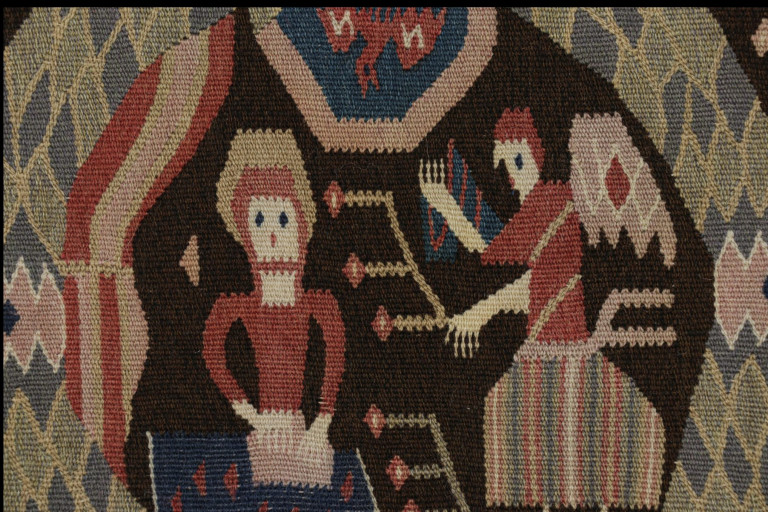
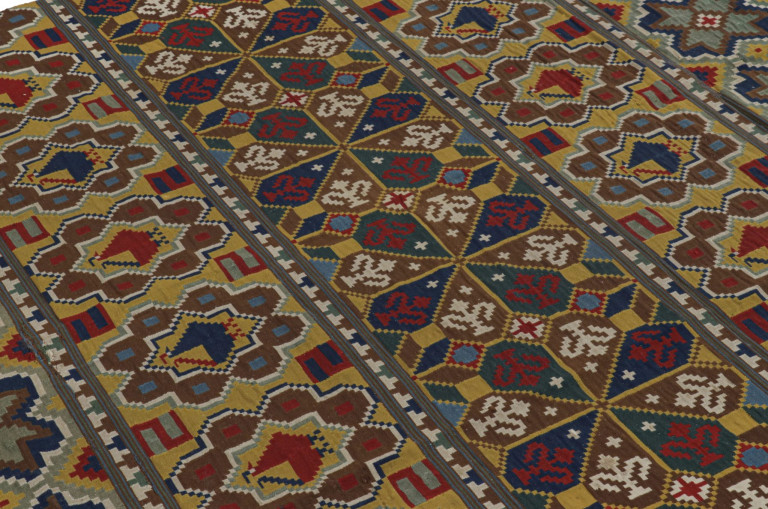
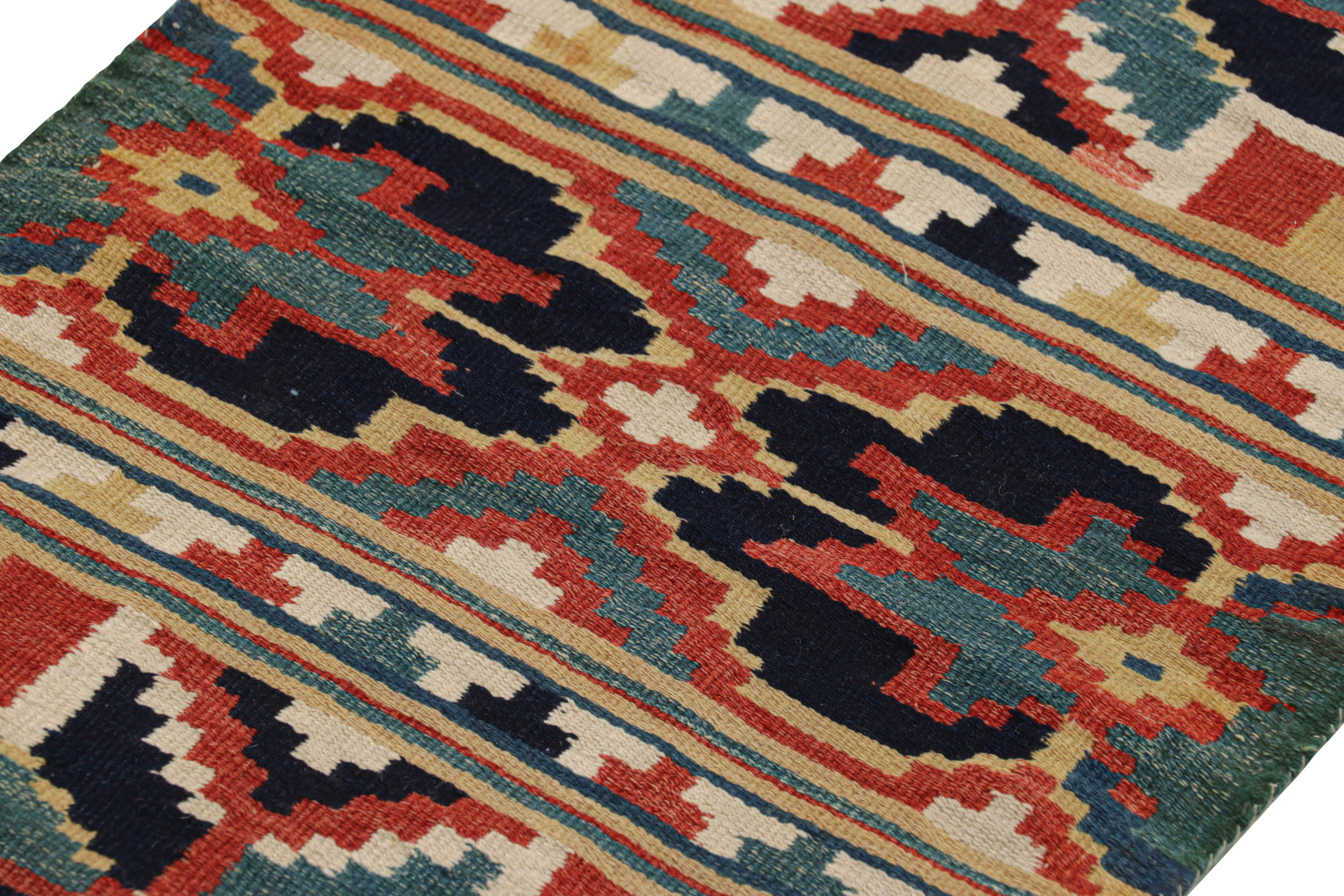
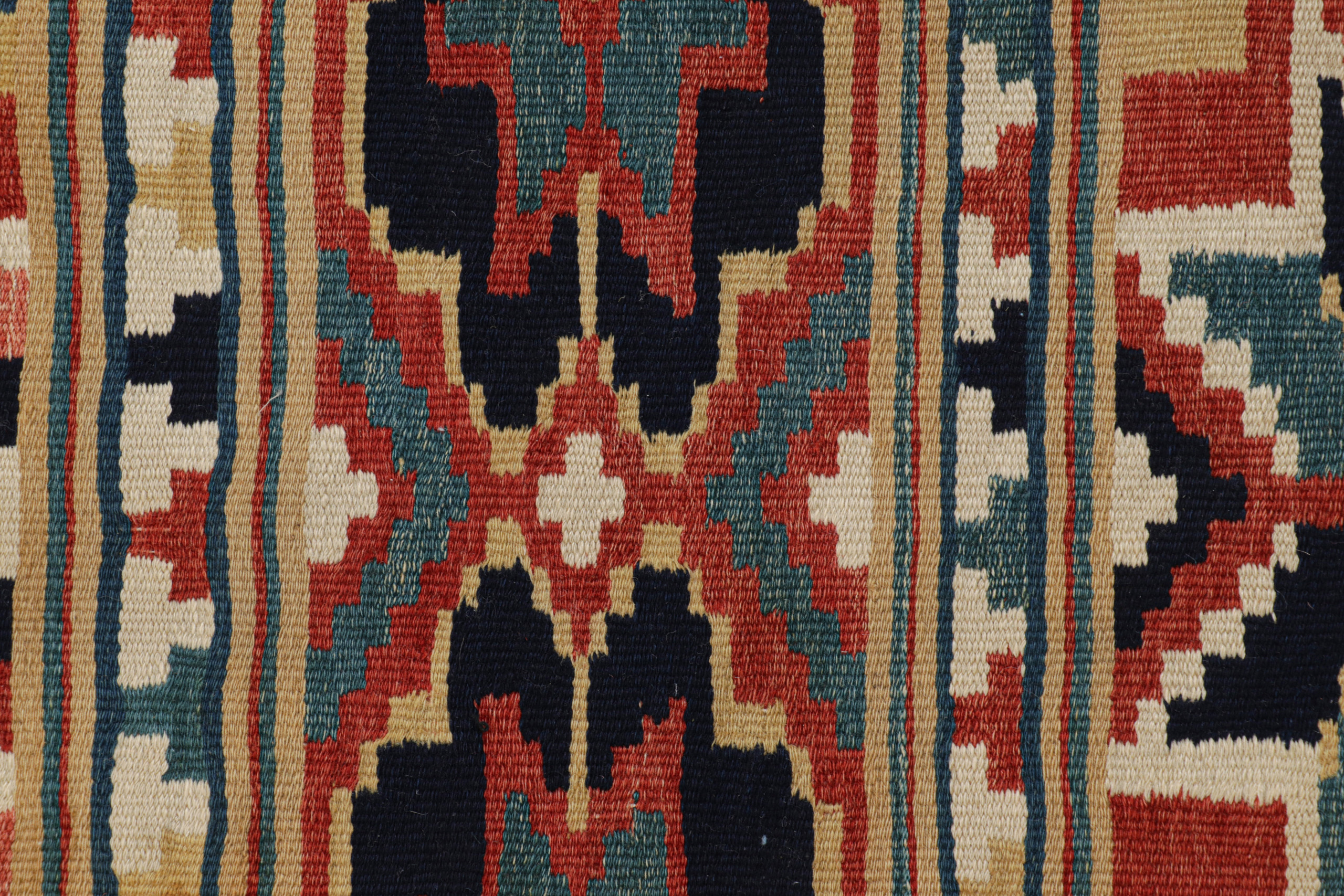
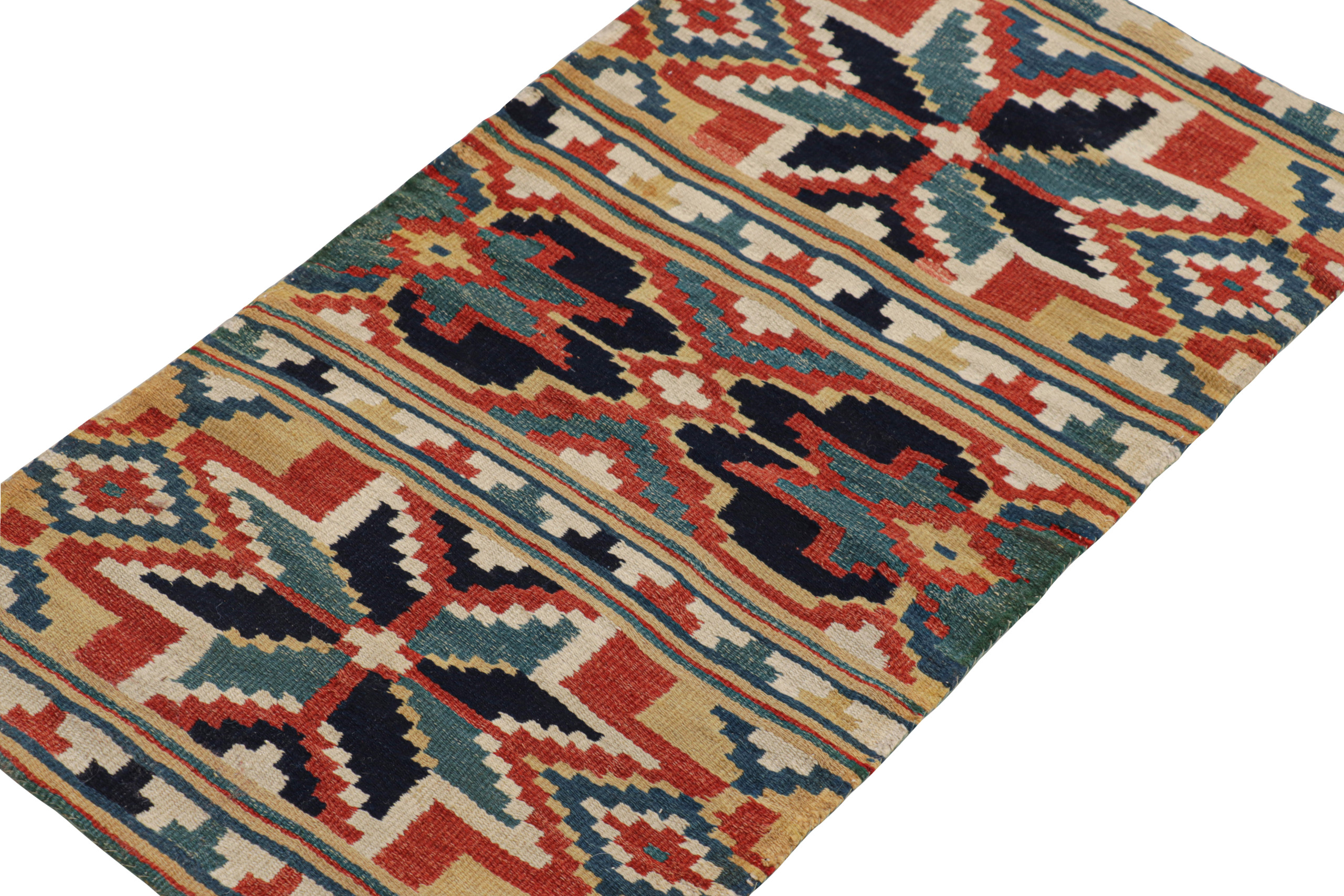
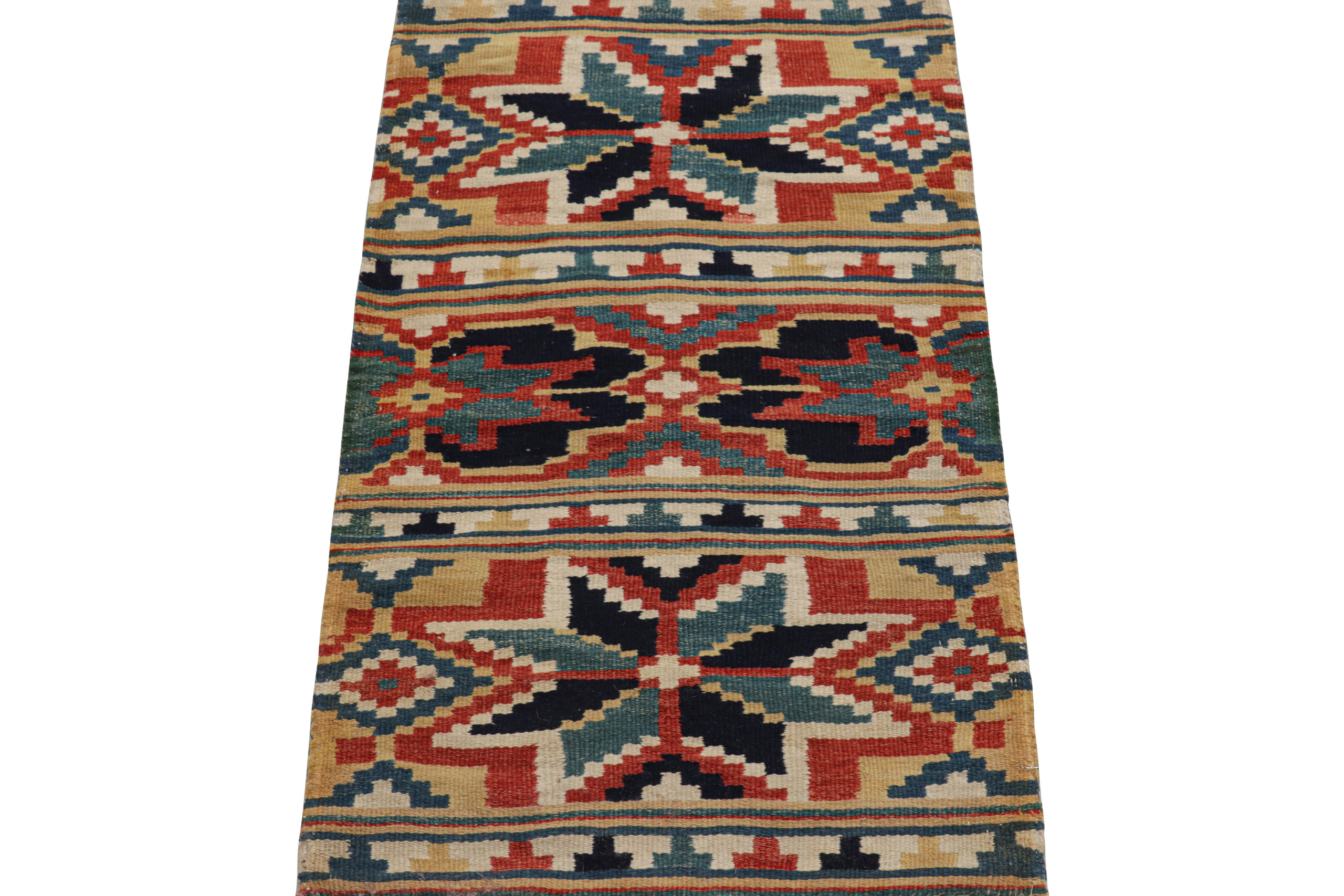
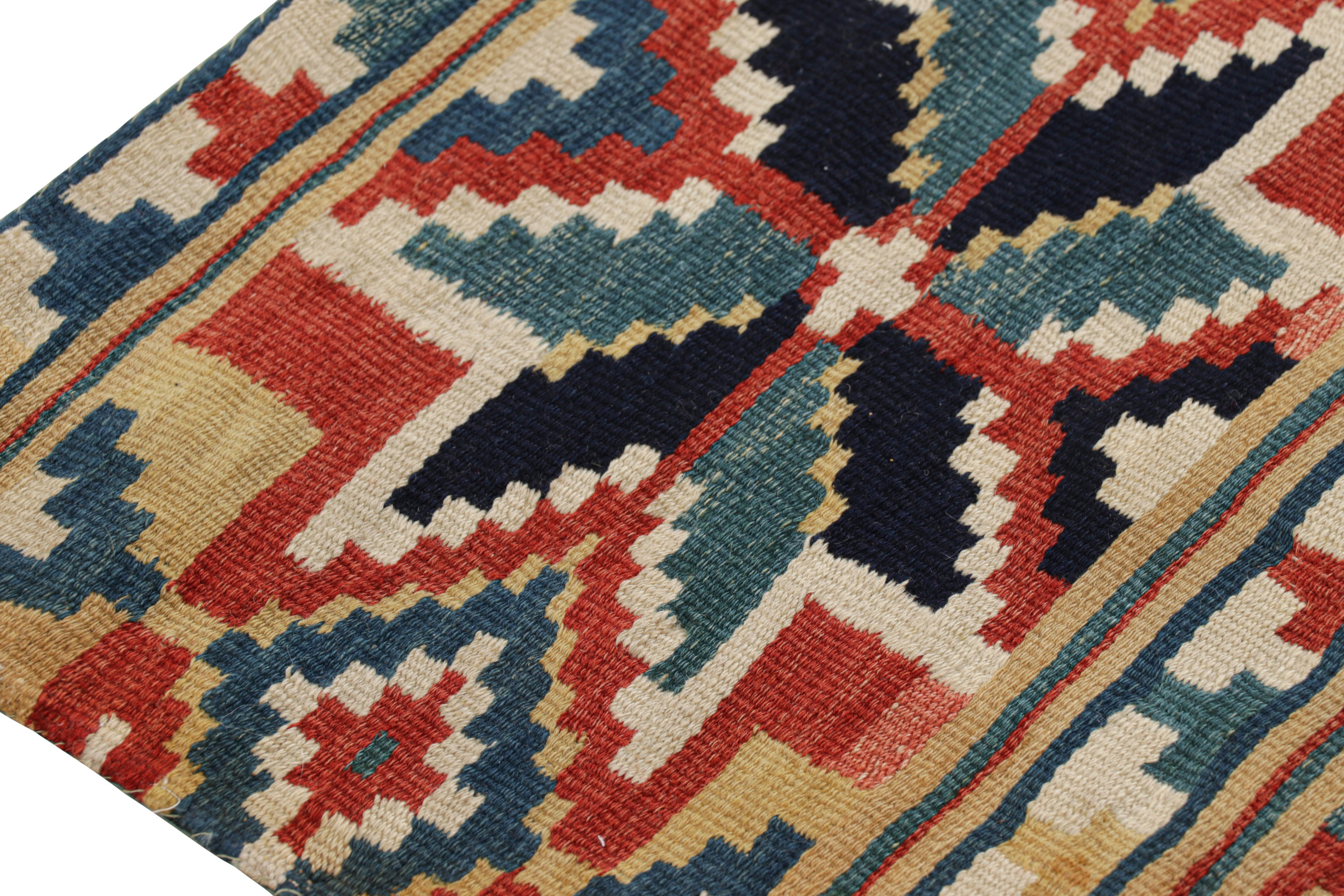
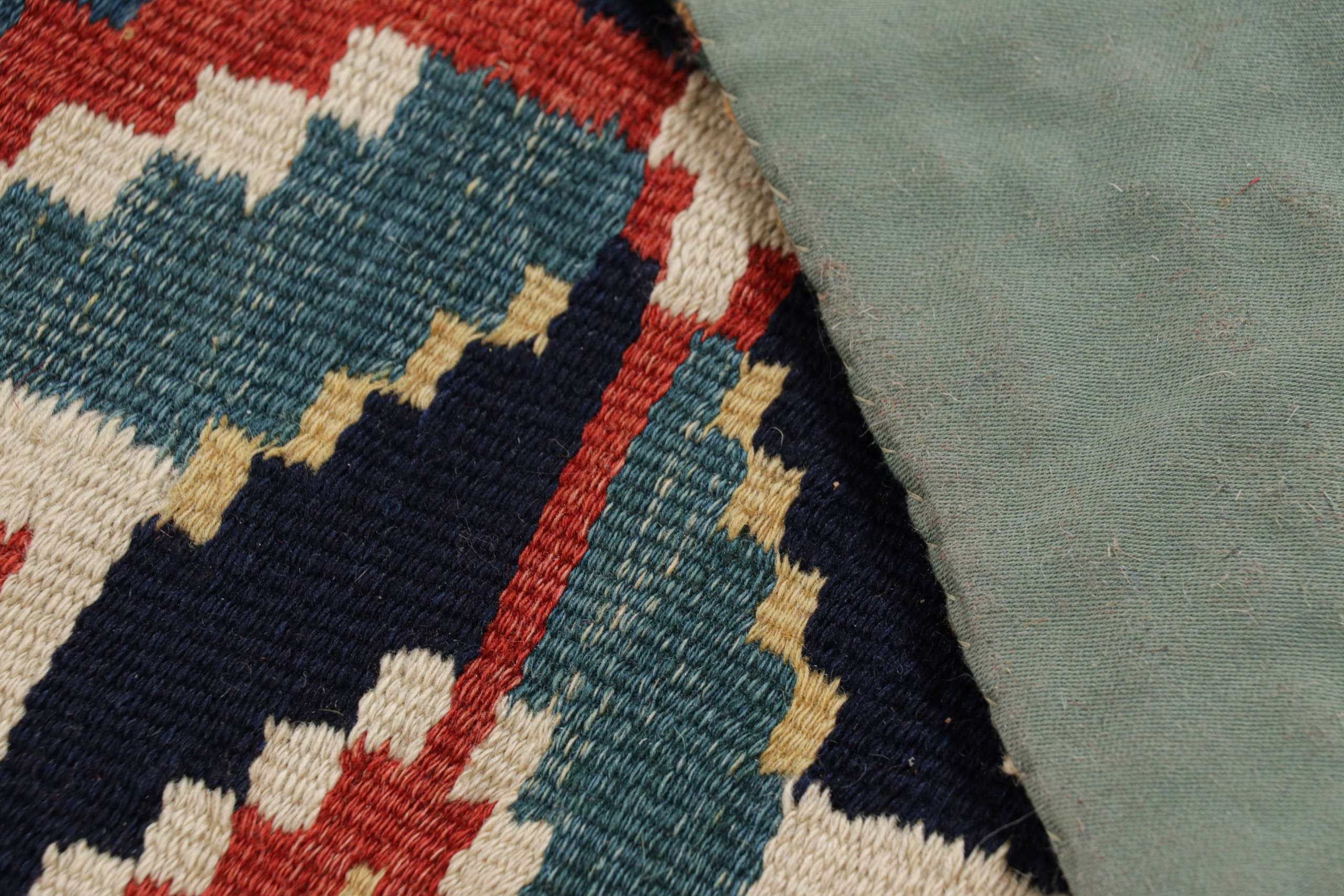
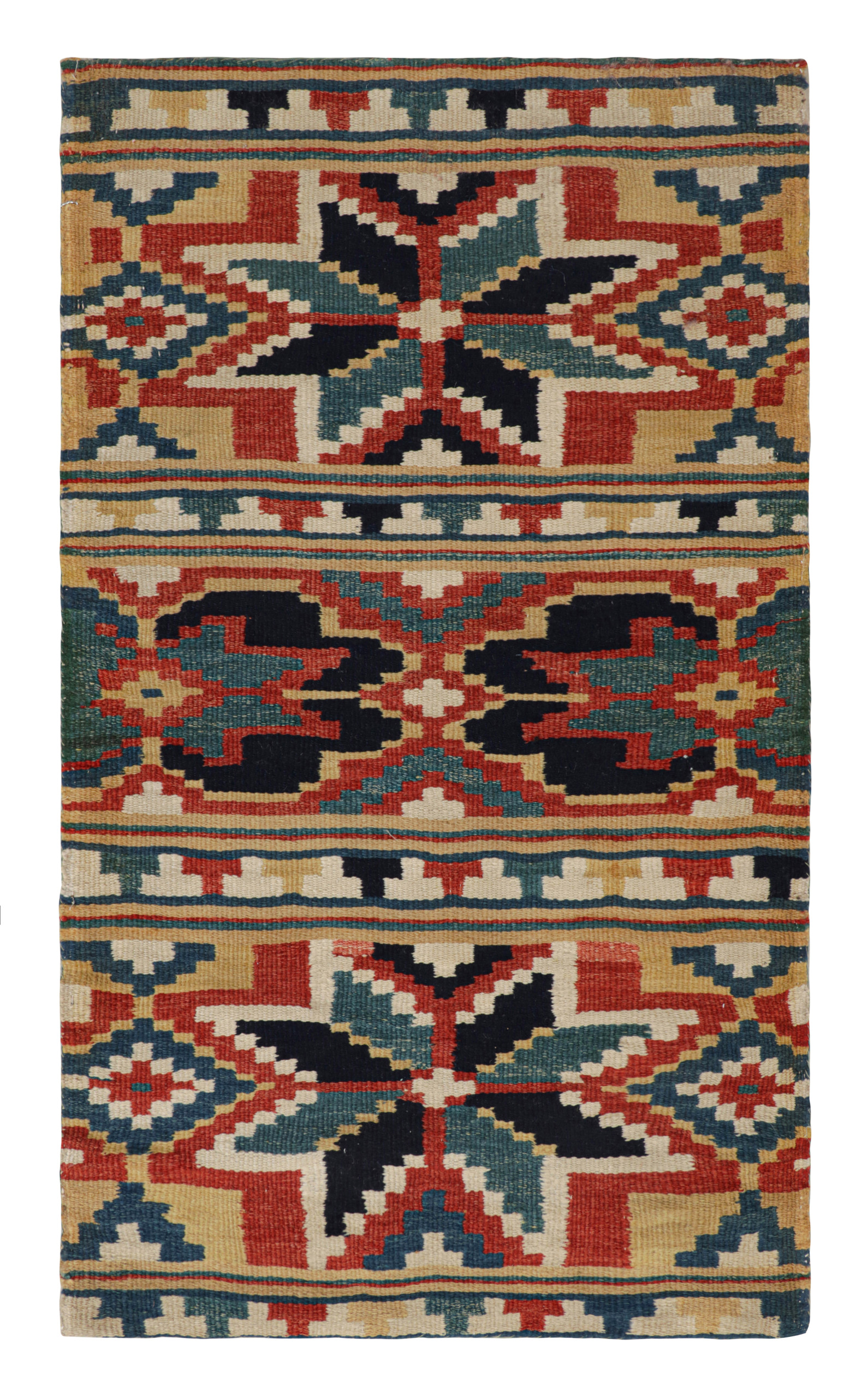
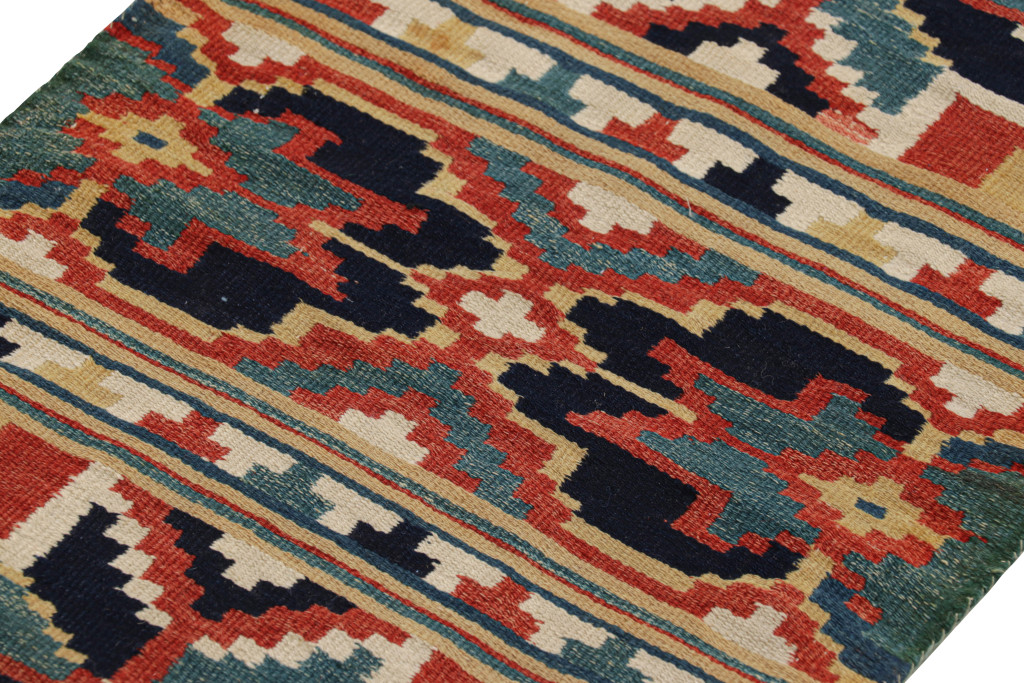
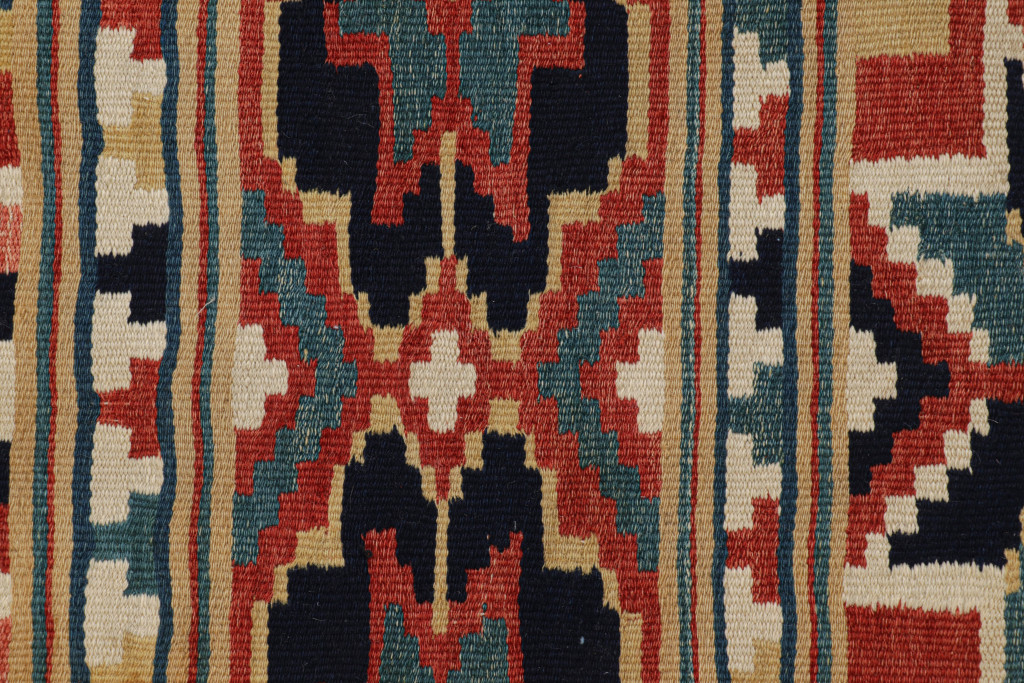
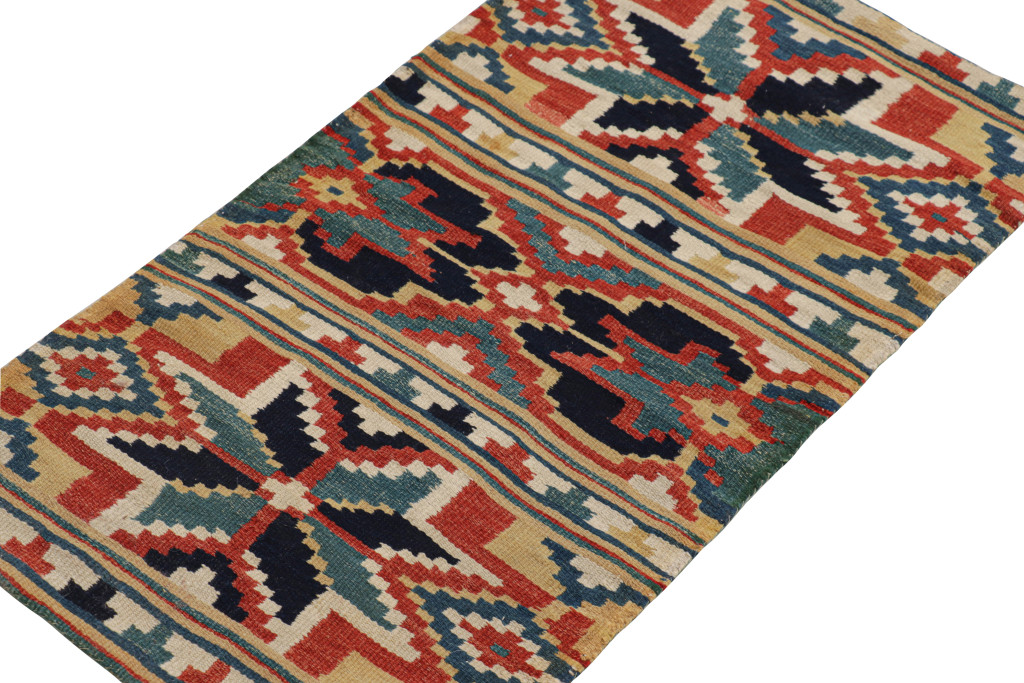
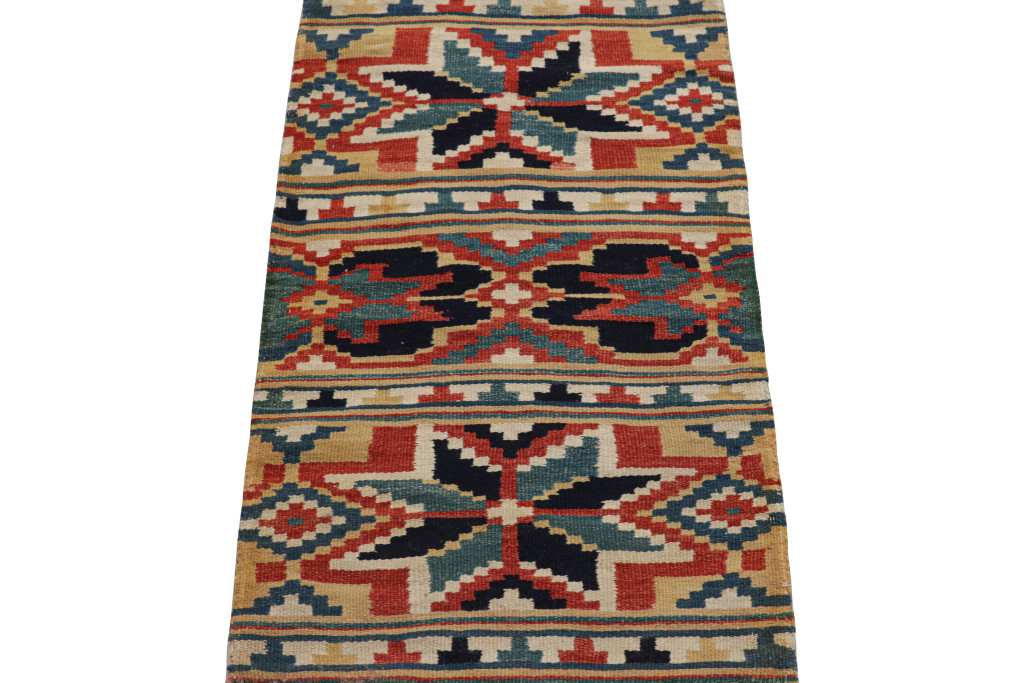
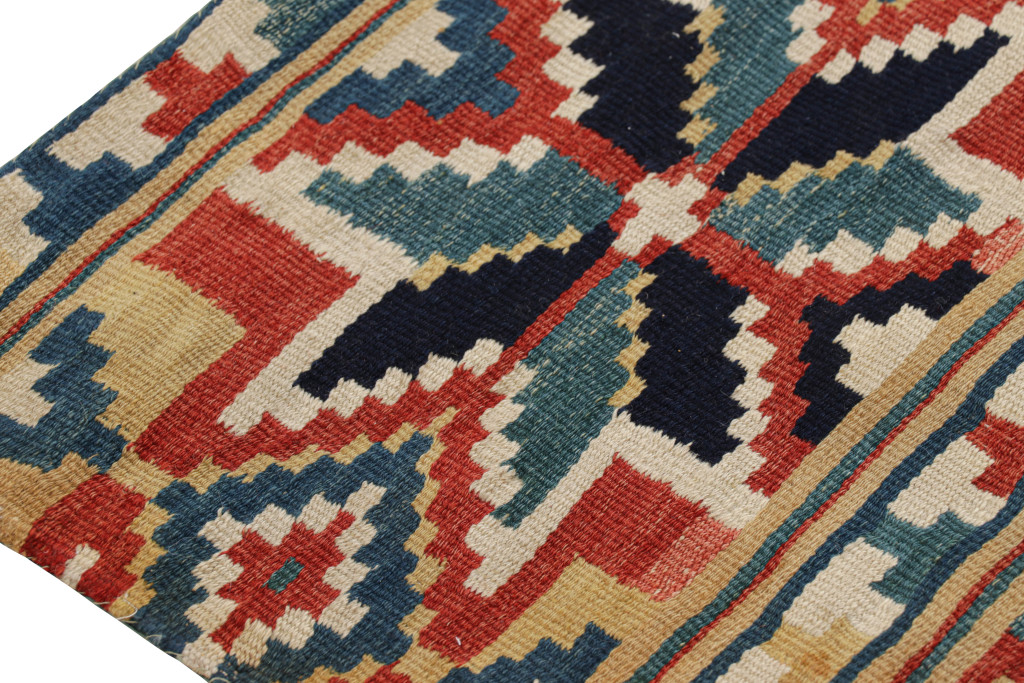
Antique 19th Century Swedish Rollakan Tapestry with Geometric Patterns - Rug & Kilim
"Rug & Kilim is my go to resource for rugs. Their selection is wide and deep, and Josh’s eye for antique pieces is extraordinary. I always walk away with great pieces, and they are a pleasure to collaborate with. They’ve been my trusted partner on projects for years."
— Ann Wolf, Wolf Holden Design Studio
A standard since our inception upheld across every acquisition,
transaction, and delivery.
45+ Year Old Institution
More than four decades of expertise and stewardship, under the leadership of our Principal, Jahanshah "Josh" Nazmiyal.
Favorable Return Policy
Our return policy is 48 hours upon receipt allowing you to confirm the purchase in your space with confidence.
Product Warranty
Each rug is hand selected or produced through the most reputable sources under the direct supervision of our Principal.
Trusted Global Delivery
Reliable worldwide delivery handled with care, precision and constant communication.
Exceptional Support
Attentive, knowledgeable guidance before and after purchase from our dedicated team of specialists.
Long Term Care
We stand behind every piece we place and remain a resource to our clients for the lifetime of their collection.
- Measurements: 1'8" x 2'10" ( 0.51 m x 0.86 m )
- Categories: 19th Century & Earlier, Accessories, Antique, European, Tapestry
- Classification: Classic/Traditional, Geometric, Medallion, Swedish/Scandinavian, Tapestry/Textile/Wall Hanging
- Material: Wool
- Origin: Sweden
- SKU: 31410
Specifications:
Stories from the Accessories Collection
Essays, artist dialogues, and provenance notes drawn from Rug & Kilim’s editorial desk.
What Makes Tibetan Wool the Gold Standard for Custom Rugs
Every great rug begins long before the loom. It begins on the animal, in the place, in the particular conditions that made the fiber what it is. And among all the wools that have ever been spun into a carpet, few can rival the wool of the Tibetan highlands, a material whose superiority is not a matter of marketing but of altitude, climate, and the unhurried logic of the natural world. The sheep of the Tibetan plateau live at elevations that would defeat most living things, thin air, brutal cold, a growing season measured against a sky closer than it has any right to be. Nature's answer to that severity is the fleece. To survive the plateau, the animal must grow a wool of exceptional density and, crucially, of exceptional lanolin content; the natural oil that coats each fiber, repels water, resists soil, and lends the finished yarn a luster and resilience that lowland wools cannot approach. What is hardship for the animal is a gift to the weaver.
Read the Feature
The Layered Home: 5 Ways to Rethink Floor Rugs and Wall Tapestries
The real spatial dimension does not get painted, it gets woven. Begin with hanging a piece such as Signed Vintage Lia Cook Tapestry slightly off-center on one of your main walls. Its intricate Jacquard weave and the friction created between its rayon and linen fibers will require a lot of breathing room, immediately establishing a gravitational pull of the whole room. But to balance this vertical tension, the ground beneath your feet needs to become much more rigorous. With the use of a rigorously beaten warp-faced plane such as cotton Indian Dhurrie or Antique Swedish Röllakan's interlocking tapestry weave, you create a flat but structurally resistant base. A ground made from a rigidly woven material needs to be challenged. The last textural transition will come from placing a Vintage Frazada Kilim with heavy weft interlace across your warp-faced plane. The act of overlapping your heavy weft on a rigorously
Read the Feature
How U.S.–Iran Tensions Are Reshaping the World of Fine Rugs: From Safavid Courts to Sanction Regimes
There is a room in the Metropolitan Museum of Art in New York where a sixteenth-century Persian carpet stops people mid-stride. Because something in the object itself; its scale, its silence, the particular authority of a thing that has already outlasted three empires makes the ordinary pace of a museum visit feel suddenly inappropriate. The Emperor's Carpet, as it is known, was commissioned in Safavid Iran, passed to Peter the Great of Russia, gifted to the Habsburg Emperor Leopold I in 1698, held by the Austrian Imperial House until 1921, acquired by the Met in 1941, and displayed publicly only twice in the following sixty years because its condition was too fragile to risk. It has survived more political systems than any collector alive today will ever witness. It knows something about geopolitics that no sanctions framework, no bilateral negotiation, no executive order has yet managed to articulate.
Read the Feature
The Art of Living with Scandinavian Tapestries
The true beauty of Scandinavian tapestries lies not merely in their aesthetic appeal, but in their capacity to transform ordinary spaces into living museums. After dedicating over four decades to building a definitive collection of Nordic textile art, we've witnessed firsthand how these woven narratives can breathe historical depth into contemporary interiors. The tapestry is not mere decoration—it is a document of cultural memory. This philosophy has guided our acquisition strategy, especially of Märta Måås-Fjetterström's pieces. Her revolutionary approach to textile design in the early 20th century marked a pivotal shift away from the heavy German influences that had dominated Scandinavian textile production.
Read the Feature
A Collector’s Guide to Antique Swedish Rollakan Tapestries
Design is not just what it looks like and feels like. Design is how it works. This sentiment evidently resonates deeply when contemplating Swedish Rollakan tapestries. Their beauty is inseparable from their function, their aesthetics from their purpose. The rollakan (or "rolakan") technique emerged from Sweden's rural traditions, primarily in the southern regions of Skåne and Småland during the 17th and 18th centuries. These flat-woven textiles developed as practical responses to the harsh Nordic winters—dense, durable constructions designed to insulate peasant homes against biting cold. Primarily, what distinguishes the rollakan is its distinctive technique. A flat-weave method where weft threads completely cover the warp, creating reversible textiles with identical patterns on both sides.
Read the Feature
A Glossary of Handmade Rugs and Kilims: Understanding Terms, Types and Techniques Past and Present
Referring to the art style characterized by using shape and color withdrawn from traditional repetition or realism. Abstract rugs — sometimes referred to as art rugs — capture an expressive nature that reads as a very modern style, though many abstract rugs draw inspiration from works of the same art style in the mid-century. One of the more widely known mid-century lineages of this style is abstract expressionism, named for the literal "expressionists" of the 1950s. Some of the most notable names behind this style include Jackson Pollock and Mark Rothko. Referring to a lineage of nomadic Persian rugs (sometimes referred to as “Avsar” in the alternate spelling). Afshar rugs hail from the eponymous tribe in the region of Northeastern Iran.
Read the Feature


R&K Image Studio
NEWThe R&K Image Studio is a new visual workspace designed to present the Rug & Kilim collection with clarity, restraint, and precision — in your space or any space you imagine.
This tool allows you to view, refine, and prepare imagery drawn directly from the pieces in our archive. They can be visualized cleanly, isolated thoughtfully, and adjusted for presentations, proposals, and private viewings, without altering the integrity of the original work.
Accessories
Wool
Sweden
1'8" X 2'10" (0.51 m x 0.86 m)
$6,800
Available: Shipping as Soon as Tomorrow
Antique 19th Century Swedish Rollakan Tapestry with Geometric Patterns - Rug & Kilim
"It's rare to find a rug company that offers unique antiques, curated with a historical eye. And the best quality customization for anything you might need. All while being treated like family - love those guys."
— Andre Mellone, Studio Mellone
- Measurements: 1'8" x 2'10" ( 0.51 m x 0.86 m )
- Categories: 19th Century & Earlier, Accessories, Antique, European, Tapestry
- Classification: Classic/Traditional, Geometric, Medallion, Swedish/Scandinavian, Tapestry/Textile/Wall Hanging
- Material: Wool
- Origin: Sweden
- SKU: 31410