

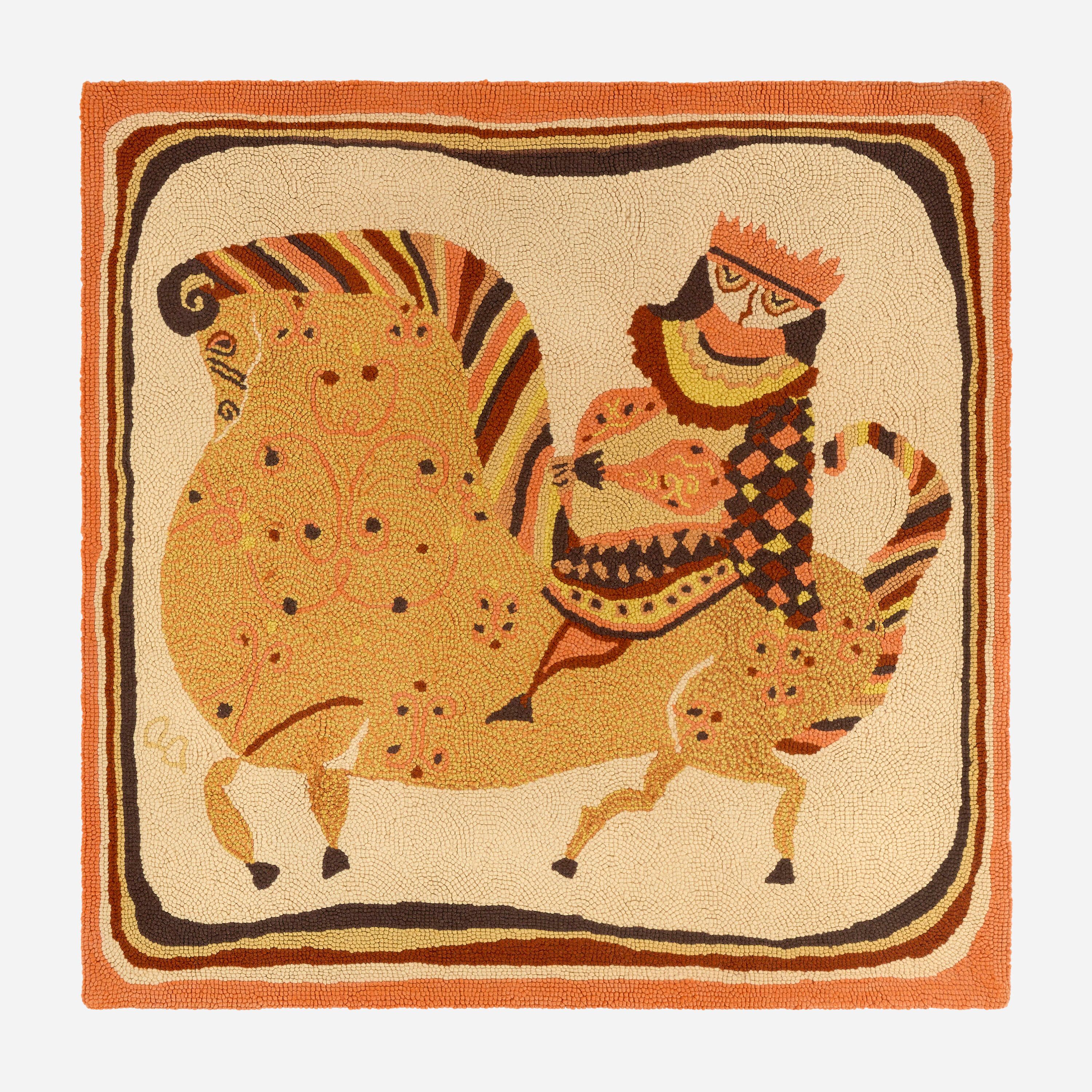
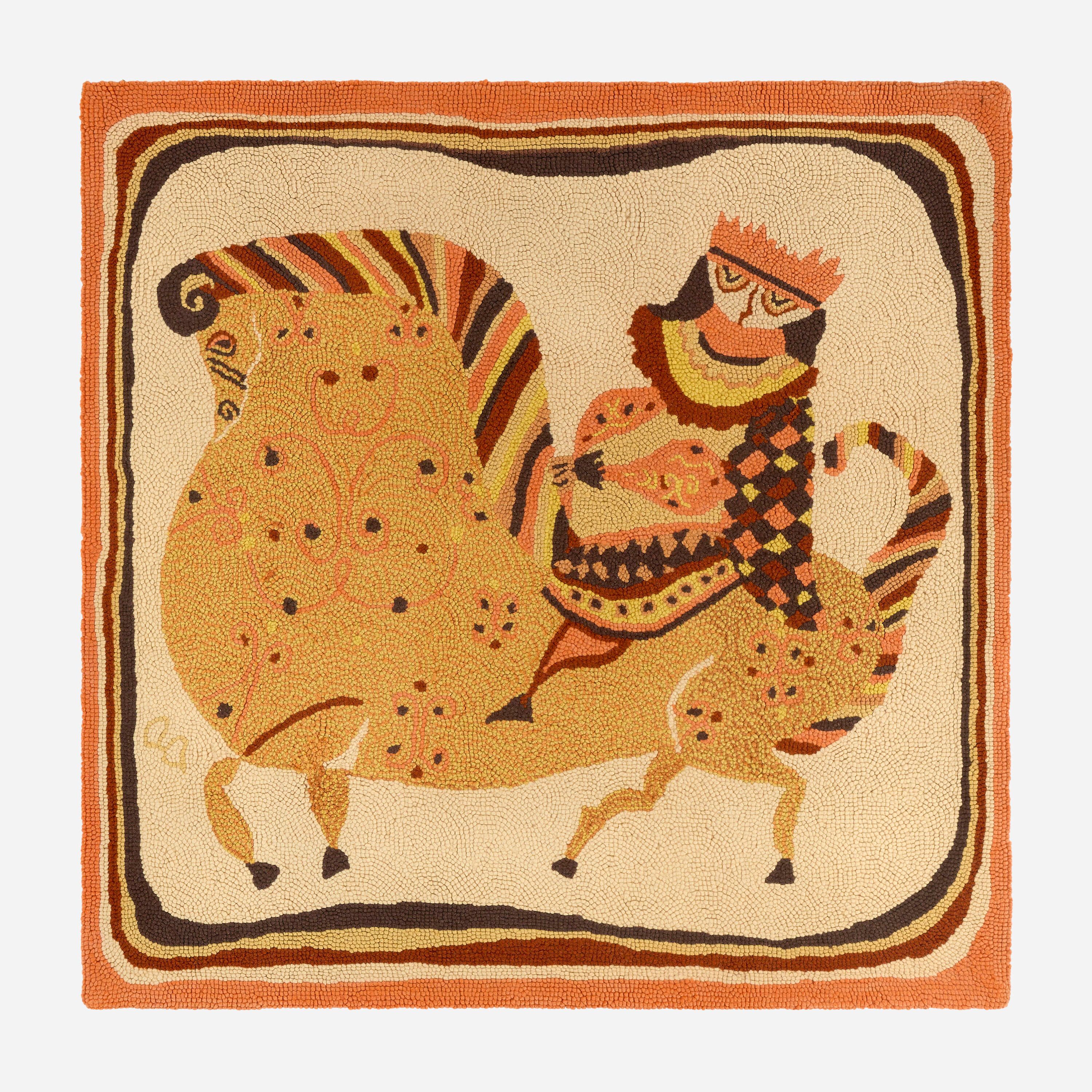
Wool
USA, c. 1960-1969
3'7" X 3'7" (1.09 m x 1.09 m)
Available: Shipping As Soon As Tomorrow
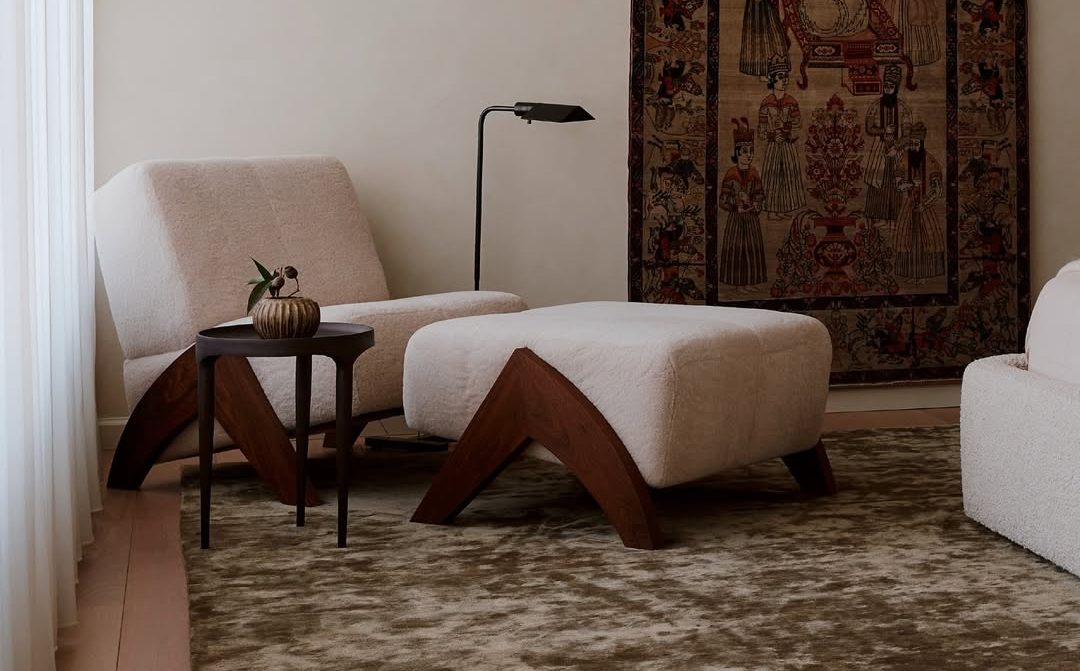
Vintage Hooked Evelyn Ackerman Square Tapestry with Equestrian Pictorials - Rug & Kilim


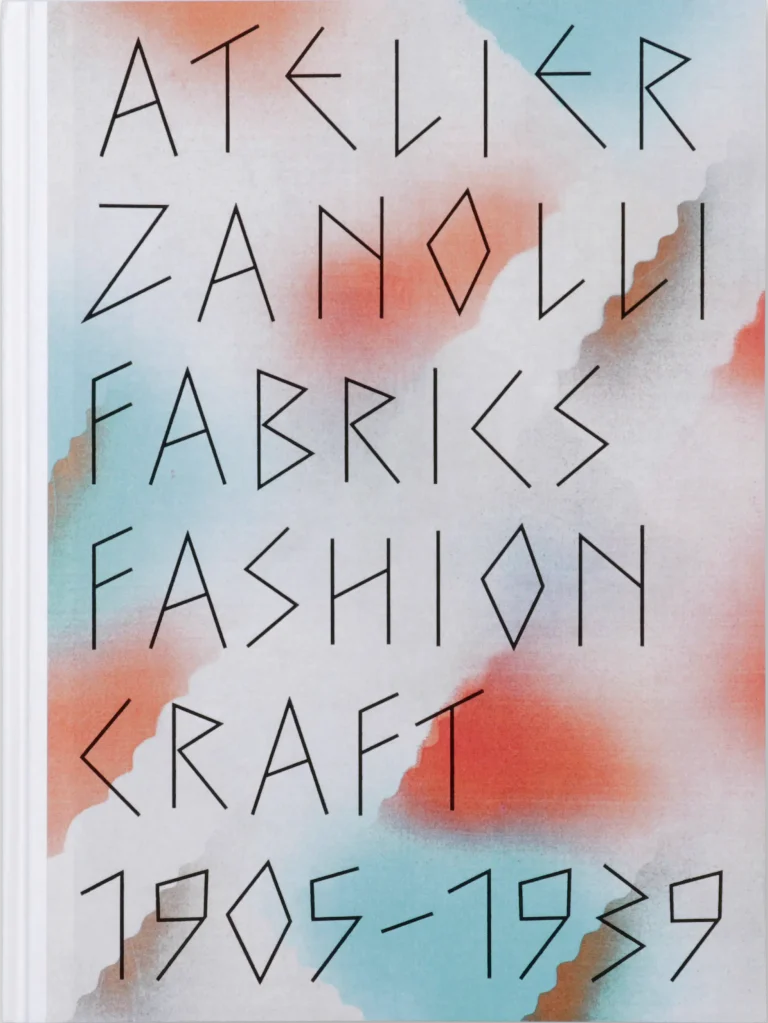
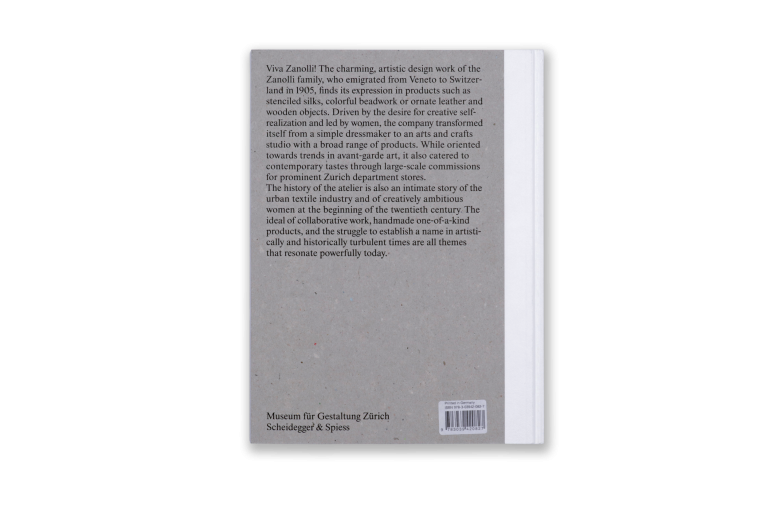
Atelier Zanolli
By Sabine Flaschberger and Museum für Gestaltung Zürich (eds.) — Scheidegger & Spiess, 2022
European, Modernist (20th Century), Tapestry & Textile
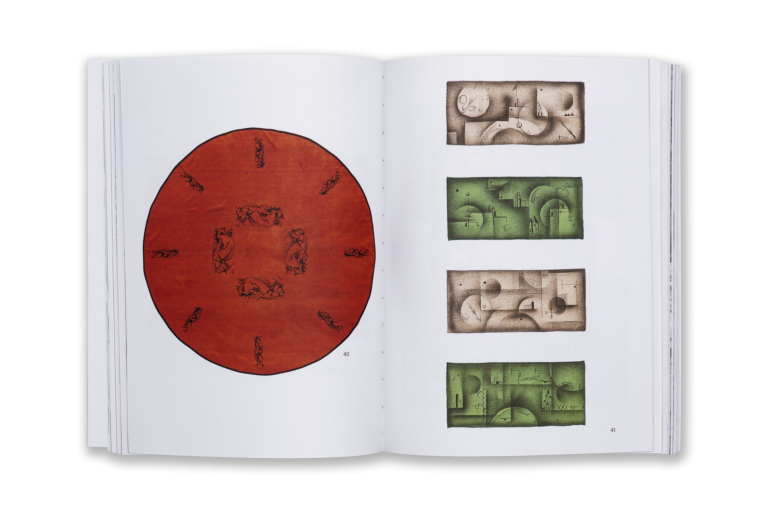
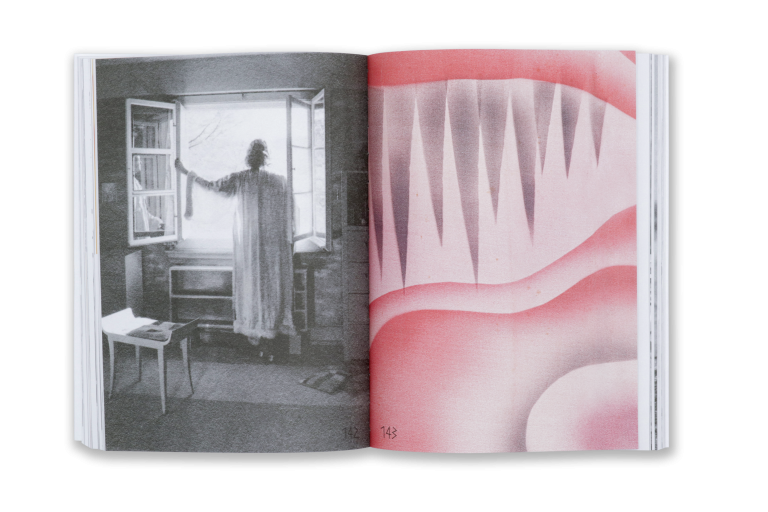
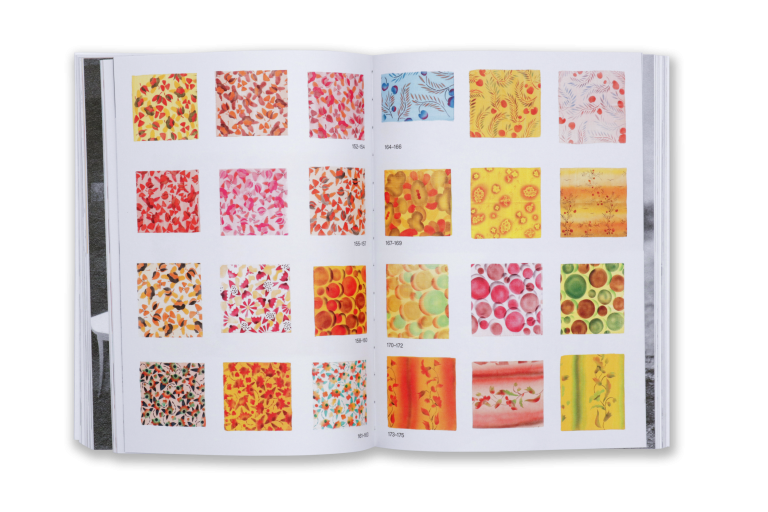
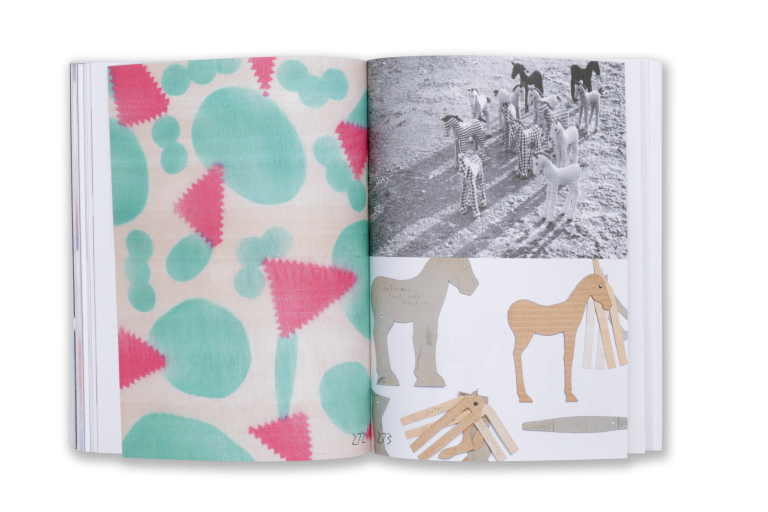
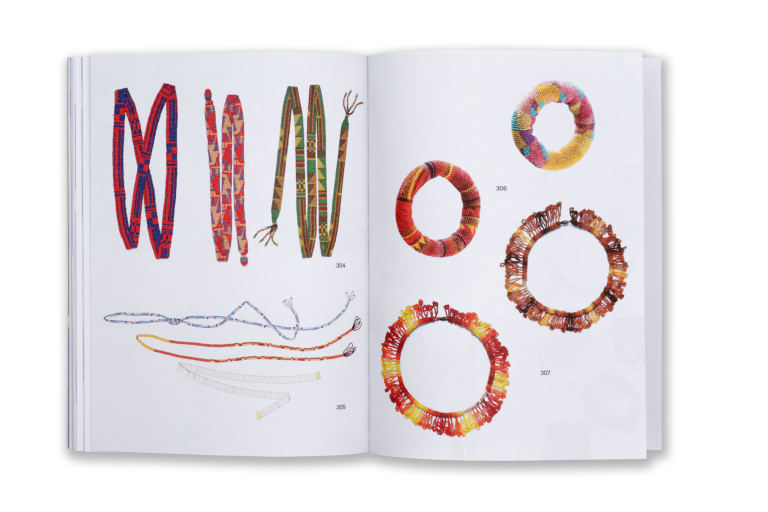
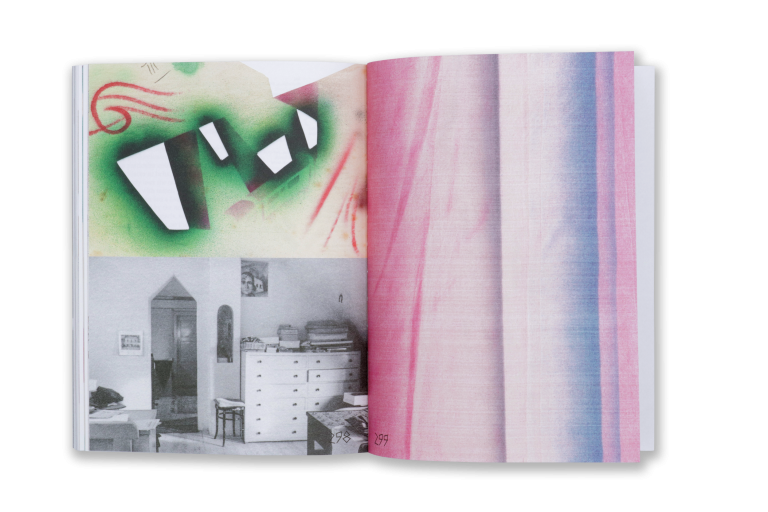
Comprehensive and lavishly illustrated, the first-ever introduction to the history and product world of Zurich-based Atelier Zanolli. Under the label Atelier Zanolli, a fantastic world of silk fabrics painted and imprinted with patterns, opulently embroidered cushions, colorful pearl creations, and finely crafted leather and wood articles, was created between 1905 and 1939 in Zurich. The Zanollis had immigrated from Italy in 1905.
Preserved in our design reference library. Inquire to visit and use as a resource.
"For years, R&K has been a favorite source for Kemble Interiors when we need antique, vintage, and custom designed rugs. Their inventory is deep and well displayed online and working in person is always such a pleasure too!"
— Celerie Kemble, Kemble Interiors

A standard since our inception upheld across every acquisition,
transaction, and delivery.
45+ Year Old Institution
More than four decades of expertise and stewardship, under the leadership of our Principal, Jahanshah "Josh" Nazmiyal.
Favorable Return Policy
Our return policy is 48 hours upon receipt allowing you to confirm the purchase in your space with confidence.
Product Warranty
Each rug is hand selected or produced through the most reputable sources under the direct supervision of our Principal.
Trusted Global Delivery
Reliable worldwide delivery handled with care, precision and constant communication.
Exceptional Support
Attentive, knowledgeable guidance before and after purchase from our dedicated team of specialists.
Long Term Care
We stand behind every piece we place and remain a resource to our clients for the lifetime of their collection.
Stories from the Tapestry Collection
Essays, artist dialogues, and provenance notes drawn from Rug & Kilim’s editorial desk.
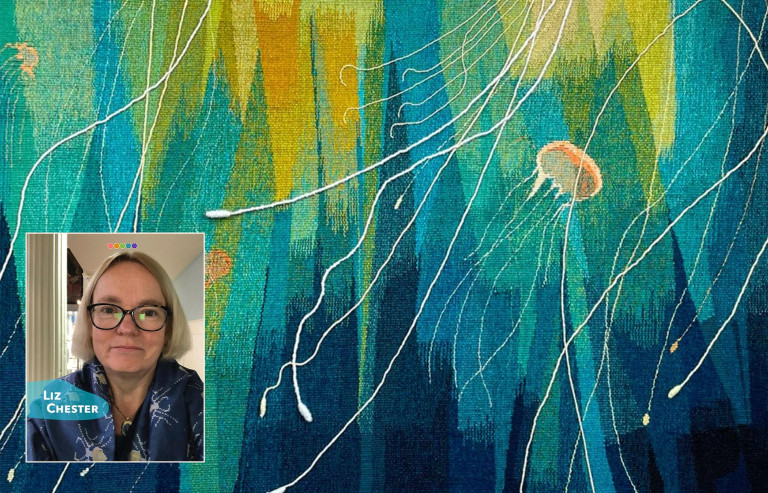
Rug & Kilim’s Tapestry Artists’ Series: In Dialogue with Elizabeth Chester
There is a particular kind of looking that a great tapestry demands, slower than painting, more physical than sculpture, closer to reading than to seeing. The eye must travel. It must follow the thread, understand the structure, and then, having understood it, surrender to the illusion that the structure has been designed to create. The greatest European tapestries have always operated this way: technically transparent to the scholar and visually overwhelming to everyone else simultaneously. It is the most demanding of the textile arts, and the one that rewards sustained attention most completely.
Read the Feature
Zeki Müren, Da Silva Bruhns, and Leleu: How These Artists Transformed Rugs into the Language of Modernism
The story of modernism in textiles is often told through architecture, painting, and furniture. Yet, some of the most radical ideas of the 20th century were not framed on walls or set on pedestals—they were laid underfoot. Rugs, once treated as either anonymous craft or as inherited luxury, became a medium for modernist expression. Few figures embody this transformation more than Zeki Müren, Da Silva Bruhns, and Leleu. Each worked in distinct cultural contexts—Müren in postwar Turkey, Da Silva Bruhns in interwar France, and the Leleu firm across early- to mid-century Paris—but together they reframed rugs not as decoration but as a language: one capable of abstraction, geometry, rhythm, and modern life.
Read the Feature
What Makes Qashqai Kilims Unique? Inside the World of Persian Tribal Rugs and Flatweaves
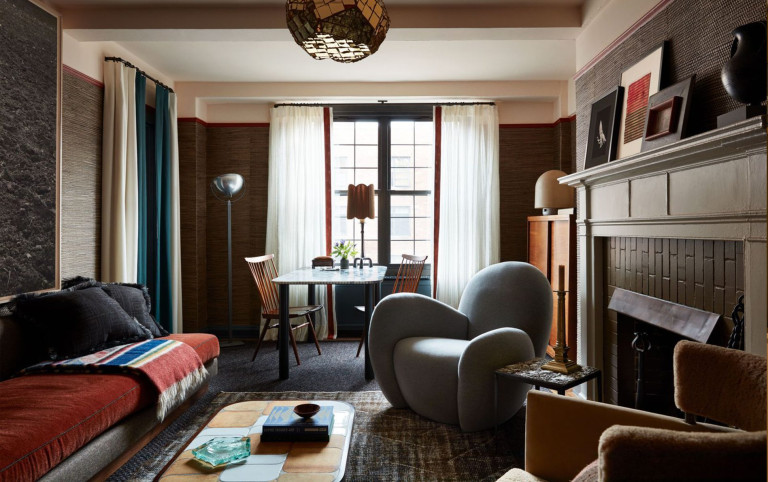
As seen in Domino Magazine, featuring our Kilim rug, designed by Los Angeles design firm A1000XBetter, founded by Kirsten Blazek. Over the last four decades of collecting, studying, and preserving Kilims and Flatweaves, we have come to understand them not simply as tribal textiles, especially Qashqai kilims, which are documents authored by women whose names we will never know, yet whose design decisions resonate across centuries. Every kilim in a collection is a fragment of a larger ethnographic narrative of movement, negotiation, and encoded survival. What begins as a study in tribal design inevitably becomes a reflection on how memory operates in material form. As collectors and custodians, we have come to understand these pieces less as possessions and more as conversations—between past and present, utility and abstraction, territory and transcendence. They speak to the same values that define the most forward-thinking design philosophies: sustainability, material honesty, visual intelligence, and narrative depth.
Read the Feature
A Day in the Life: Inside the Venerable House of Rug & Kilim
The foundations of a great institution are laid not with brick and mortar, but with passion, knowledge, and unwavering commitment to craft. For over four decades, Rug & Kilim has strove for excellence—a family dynasty of textile connoisseurship built upon Jahanshah Nazmiyal's pioneering vision and now continued through the stewardship of his sons, Cyrus and Sina Nazmiyal. To understand textile is to understand human civilization itself. Every knot, every weft, every fiber tells us something profound about culture, commerce, and art expression. This is not merely our business—it is our obsession.
Read the Feature
German Tetex Rugs: The Complete Collector’s Guide
German Tetex rugs are among the most fascinating yet underappreciated textile developments of the post-war era. These textiles exemplify that rug design could speak the same revolutionary language as Mondrian's canvases or Gropius's buildings. They pose a question we couldn't stop pursuing: how did a German factory, rising from the literal ashes of war, create textiles that could hold their own against any modern canvas hanging on the wall above them? The story of Tetex rugs begins in the aftermath of World War II, when Germany's devastated economy sought new pathways to industrial revival. The Tetex company, established in the textile heartland of Saxony, emerged as a pioneering force in the late 1940s and early 1950s.
Read the Feature
A Glossary of Handmade Rugs and Kilims: Understanding Terms, Types and Techniques Past and Present
Referring to the art style characterized by using shape and color withdrawn from traditional repetition or realism. Abstract rugs — sometimes referred to as art rugs — capture an expressive nature that reads as a very modern style, though many abstract rugs draw inspiration from works of the same art style in the mid-century. One of the more widely known mid-century lineages of this style is abstract expressionism, named for the literal "expressionists" of the 1950s. Some of the most notable names behind this style include Jackson Pollock and Mark Rothko. Referring to a lineage of nomadic Persian rugs (sometimes referred to as “Avsar” in the alternate spelling). Afshar rugs hail from the eponymous tribe in the region of Northeastern Iran.
Read the Feature


R&K Image Studio
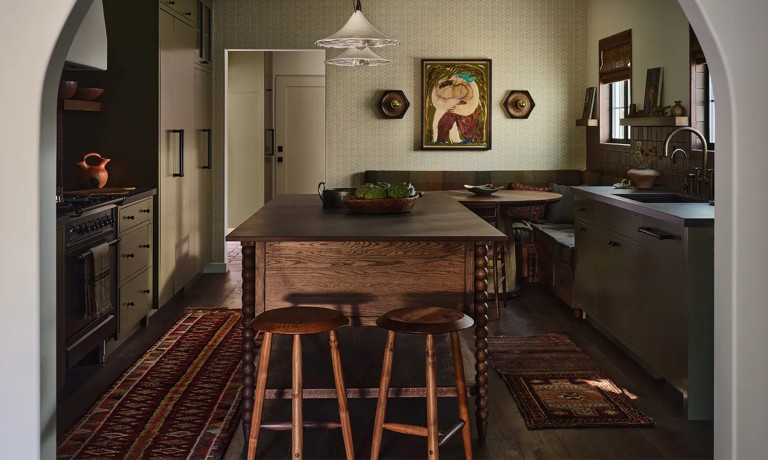
NEWThe R&K Image Studio is a new visual workspace designed to present the Rug & Kilim collection with clarity, restraint, and precision — in your space or any space you imagine.
This tool allows you to view, refine, and prepare imagery drawn directly from the pieces in our archive. They can be visualized cleanly, isolated thoughtfully, and adjusted for presentations, proposals, and private viewings, without altering the integrity of the original work.
Tapestry
Wool
USA, c. 1960-1969
3'7" X 3'7" (1.09 m x 1.09 m)
Price upon request
Available: Shipping as Soon as Tomorrow
Vintage Hooked Evelyn Ackerman Square Tapestry with Equestrian Pictorials - Rug & Kilim
"For years, R&K has been a favorite source for Kemble Interiors when we need antique, vintage, and custom designed rugs. Their inventory is deep and well displayed online and working in person is always such a pleasure too!"
— Celerie Kemble, Kemble Interiors