

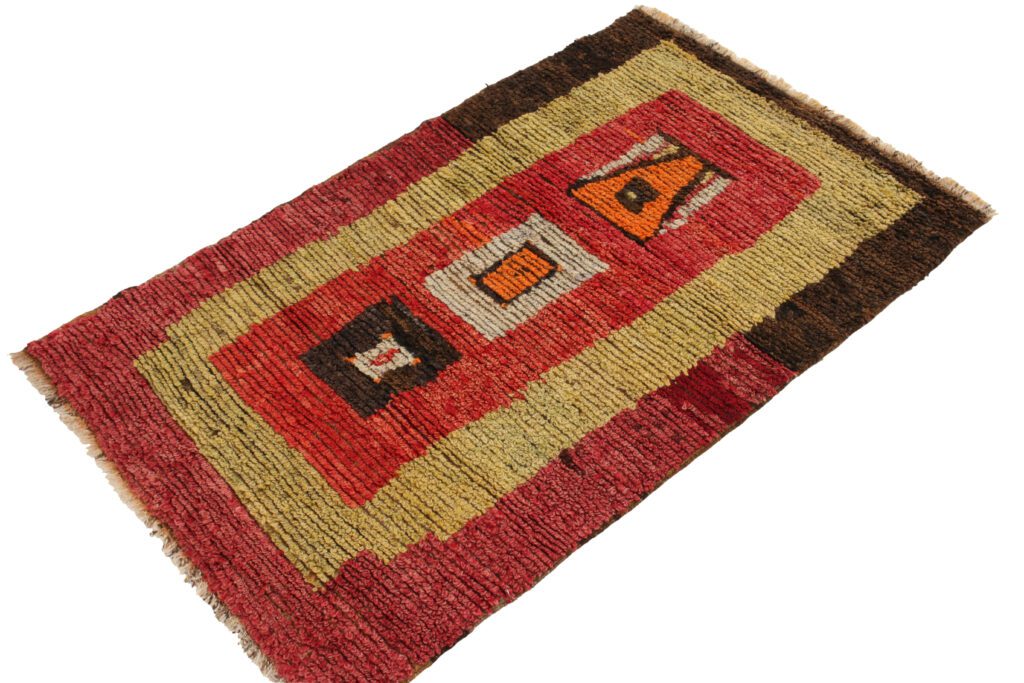
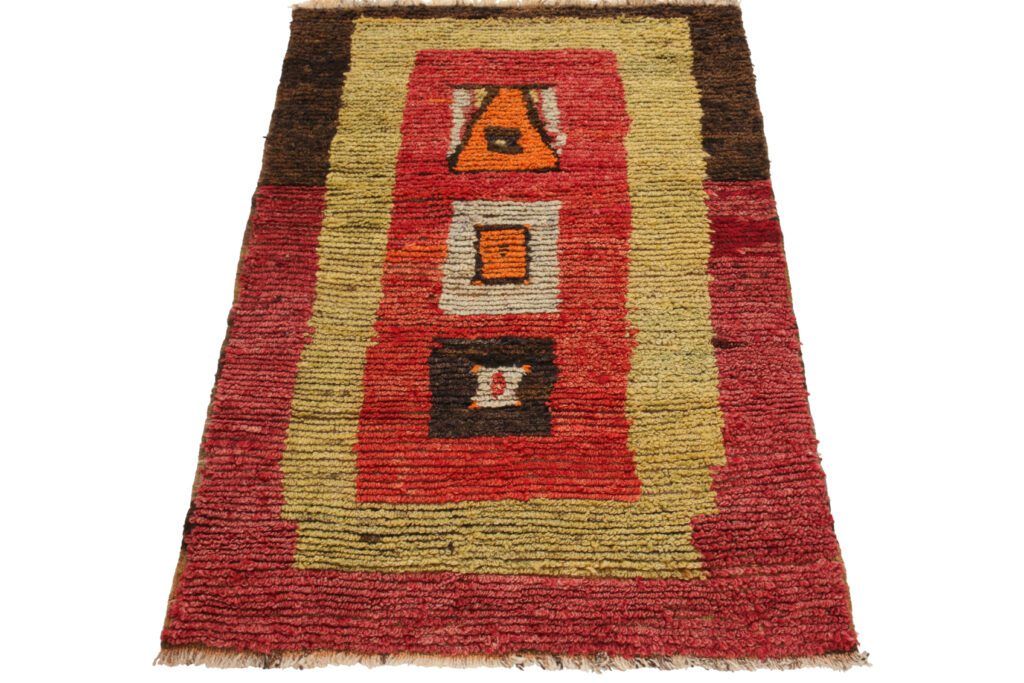
Turkey
2'6" X 4'11" (0.76 m x 1.50 m)
Available: Shipping As Soon As Tomorrow
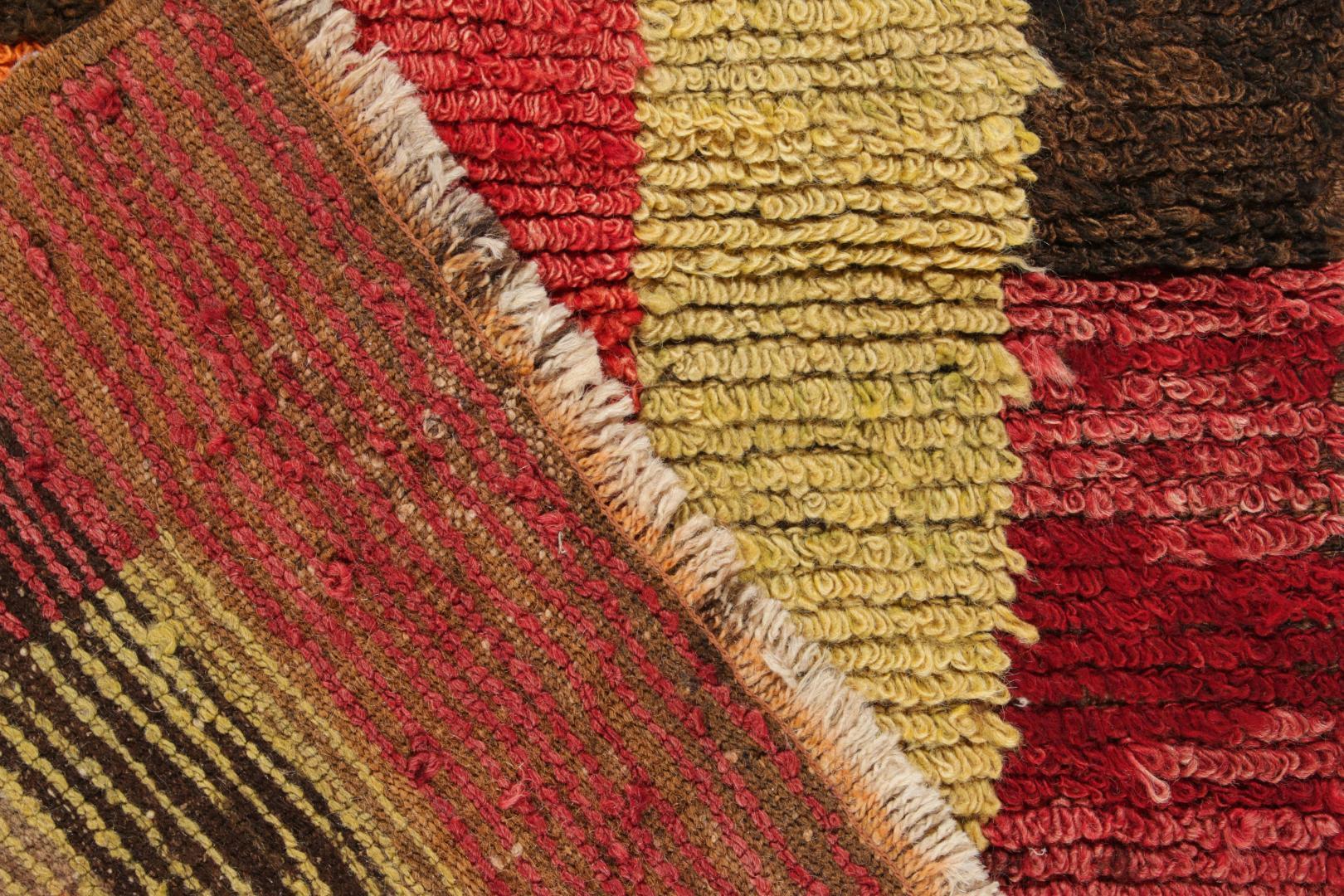
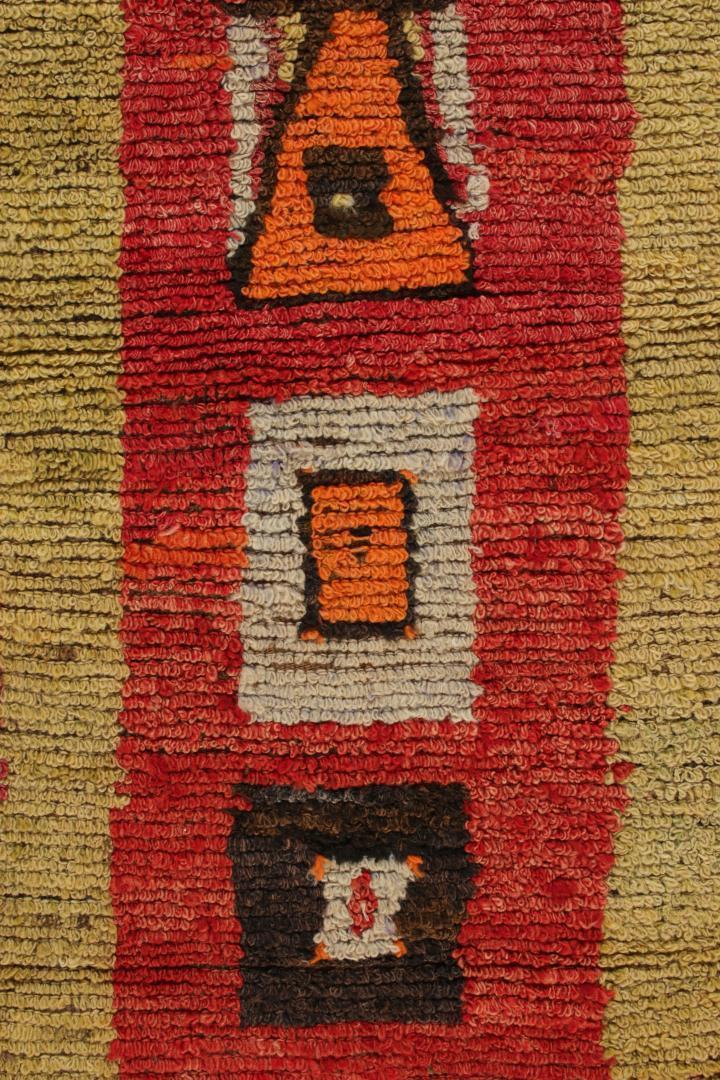
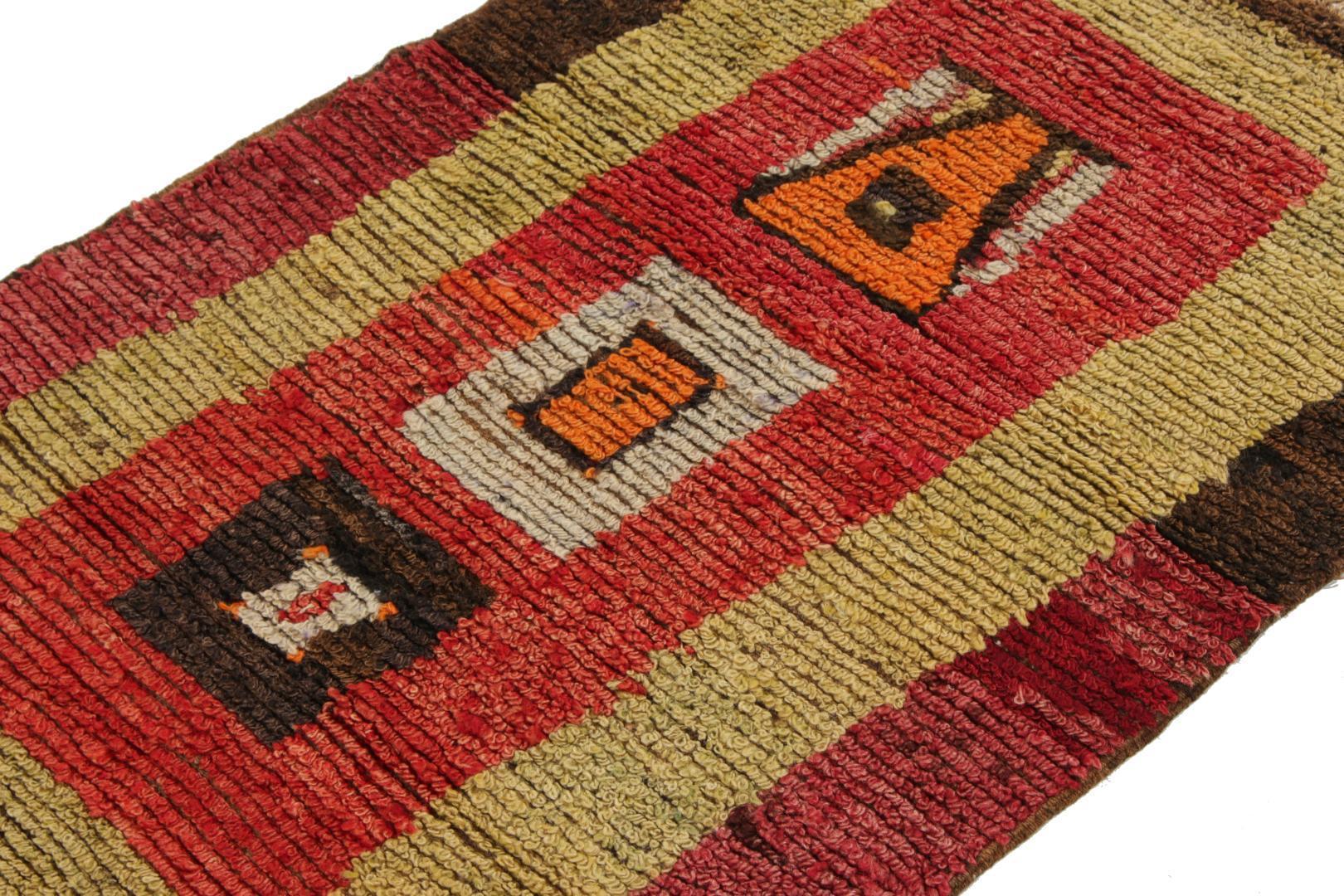
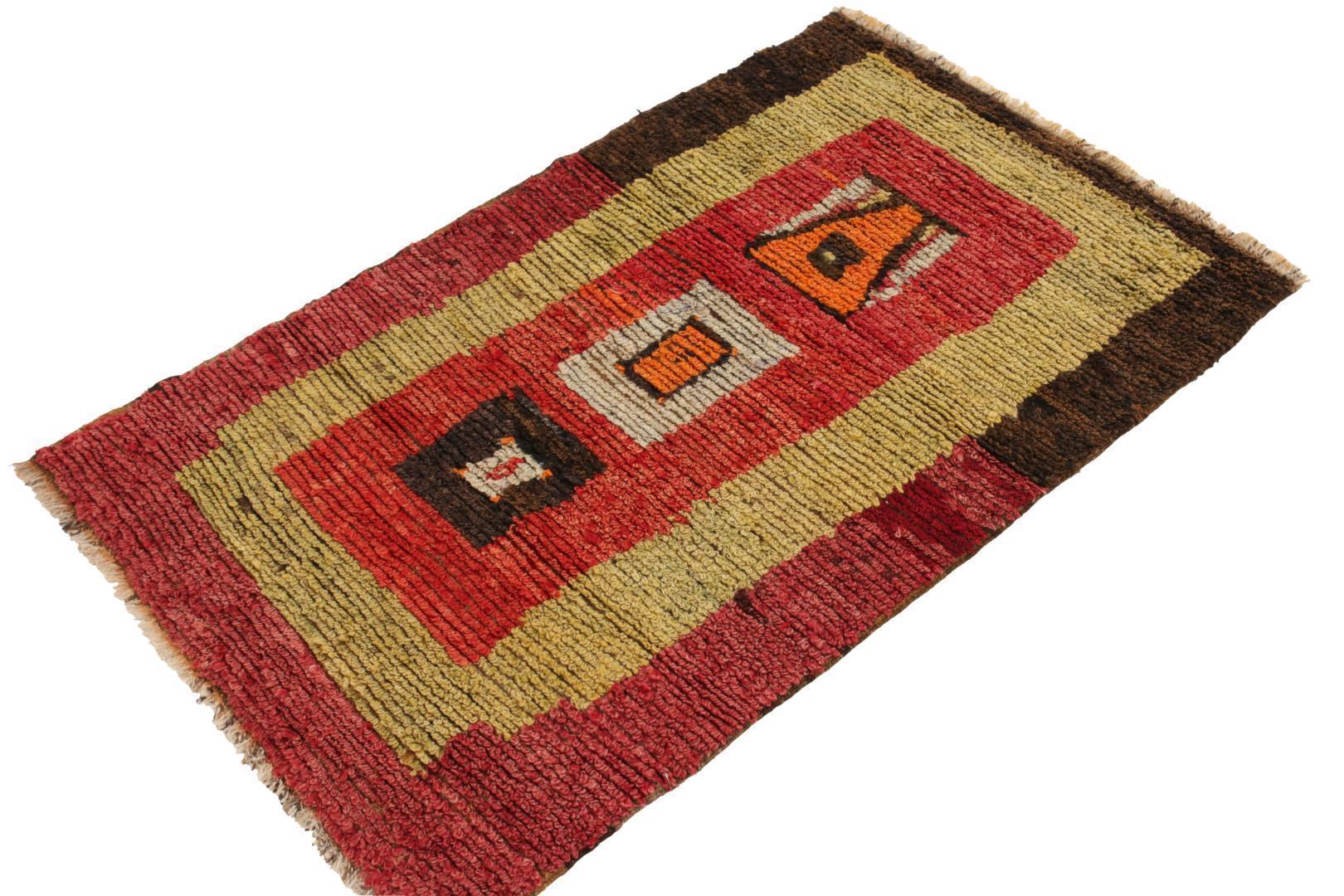
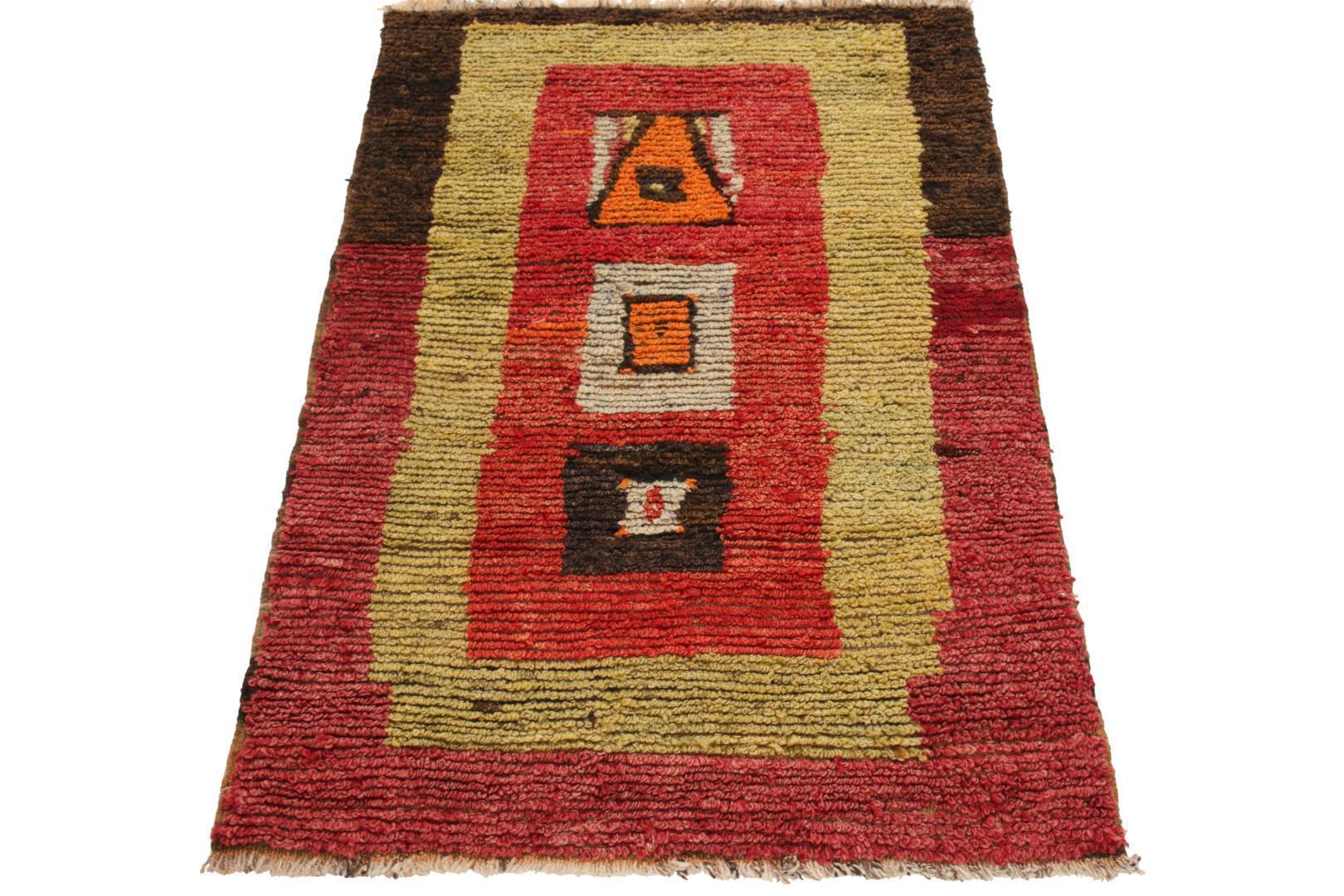
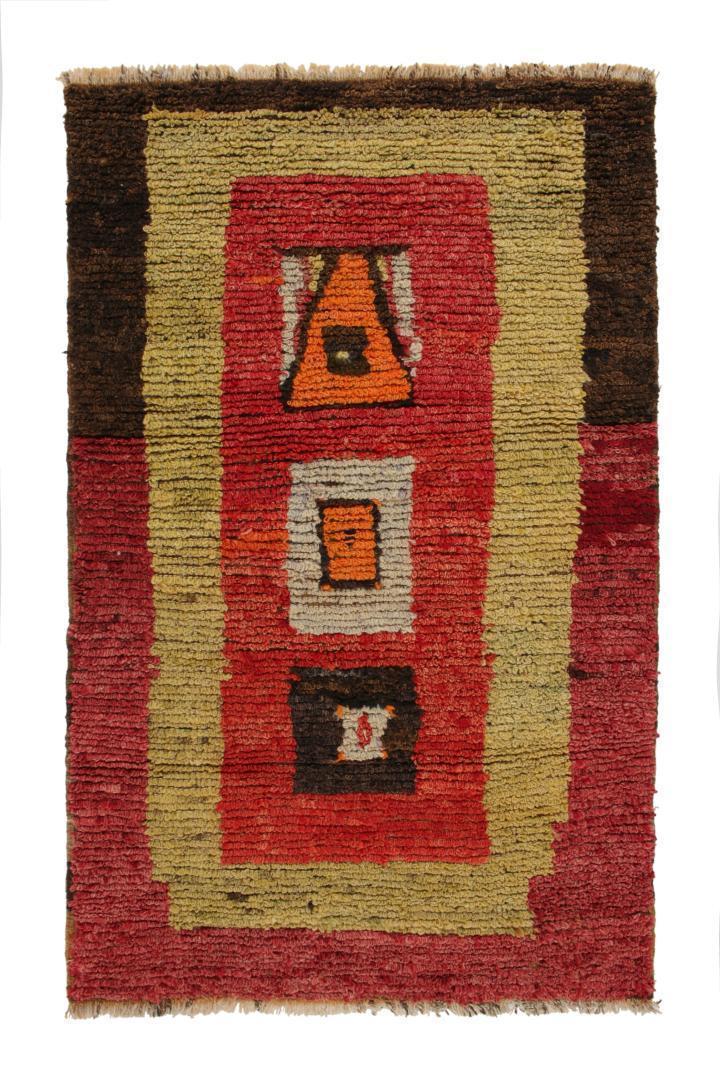
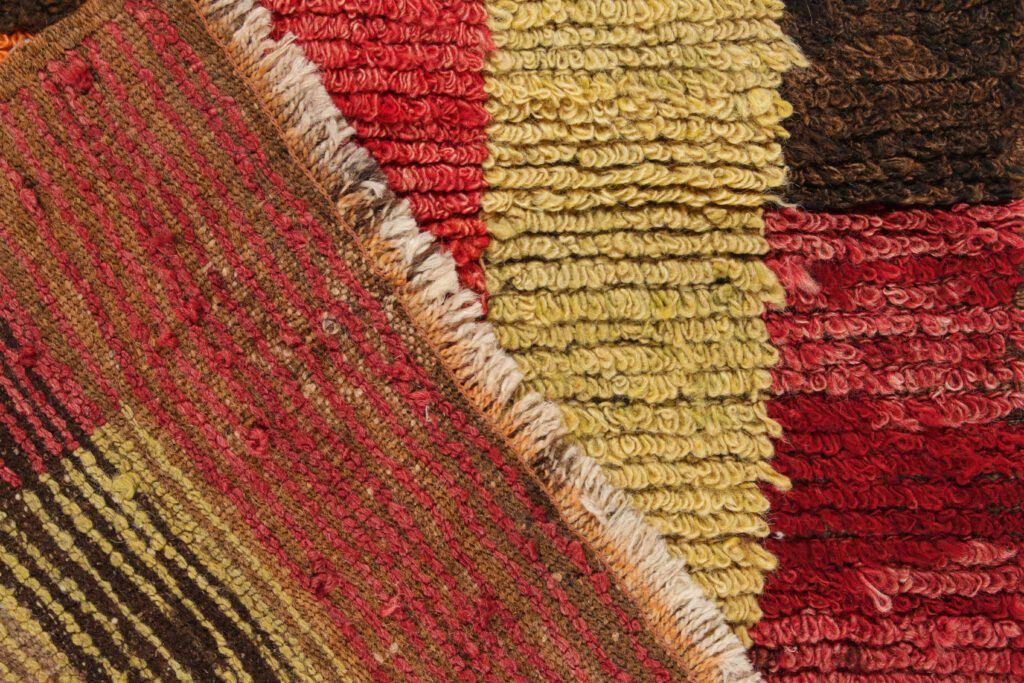
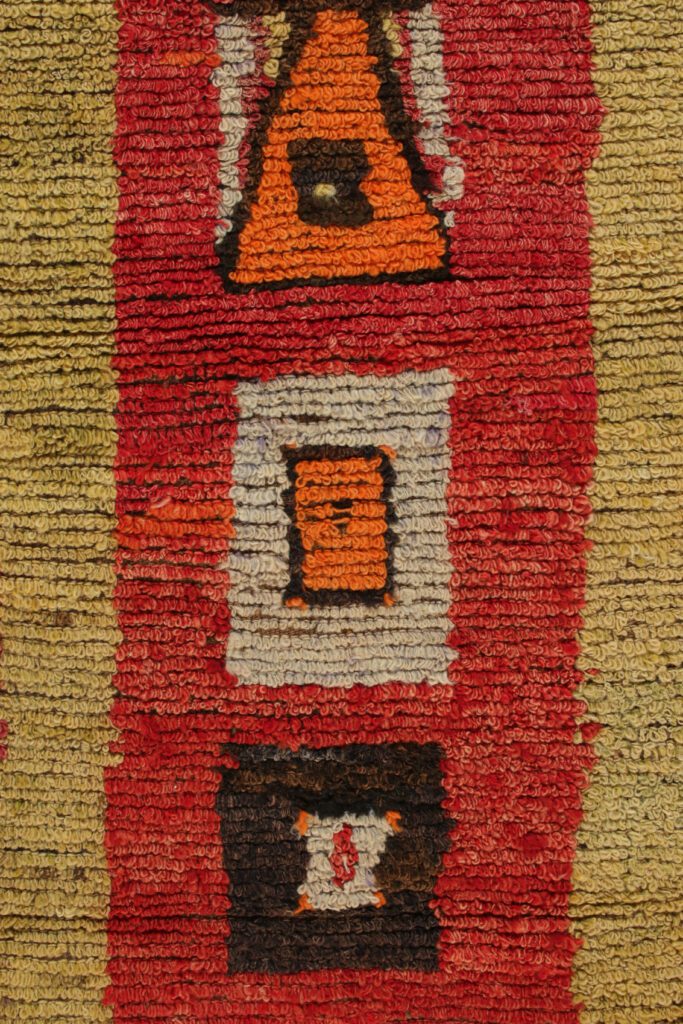
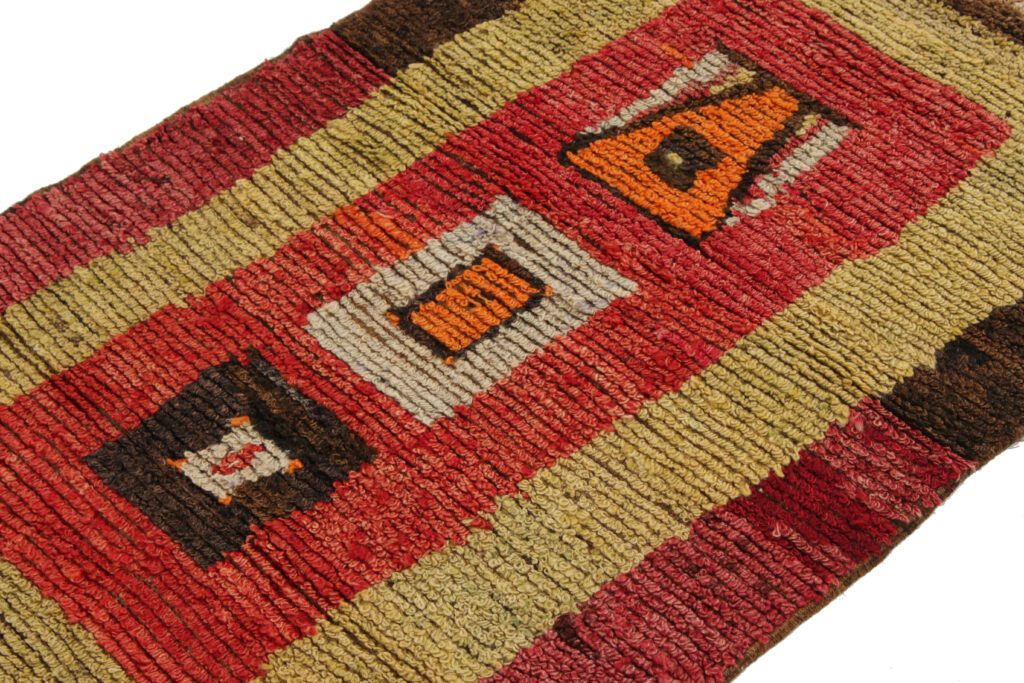
1950s Vintage Tulu rug in Red, Yellow, Brown & Orange Geometric pattern
"Rug & Kilim is one of our favorite sources when looking for quality handmade rugs. Their team go above and beyond to find &/or make the rugs that fit our clients needs as well as their dreams."
— Becca Ford, Emily Lindberg Design
A standard since our inception upheld across every acquisition,
transaction, and delivery.
45+ Year Old Institution
More than four decades of expertise and stewardship, under the leadership of our Principal, Jahanshah "Josh" Nazmiyal.
Favorable Return Policy
Our return policy is 48 hours upon receipt allowing you to confirm the purchase in your space with confidence.
Product Warranty
Each rug is hand selected or produced through the most reputable sources under the direct supervision of our Principal.
Trusted Global Delivery
Reliable worldwide delivery handled with care, precision and constant communication.
Exceptional Support
Attentive, knowledgeable guidance before and after purchase from our dedicated team of specialists.
Long Term Care
We stand behind every piece we place and remain a resource to our clients for the lifetime of their collection.
Stories from the Vintage Collection
Essays, artist dialogues, and provenance notes drawn from Rug & Kilim’s editorial desk.
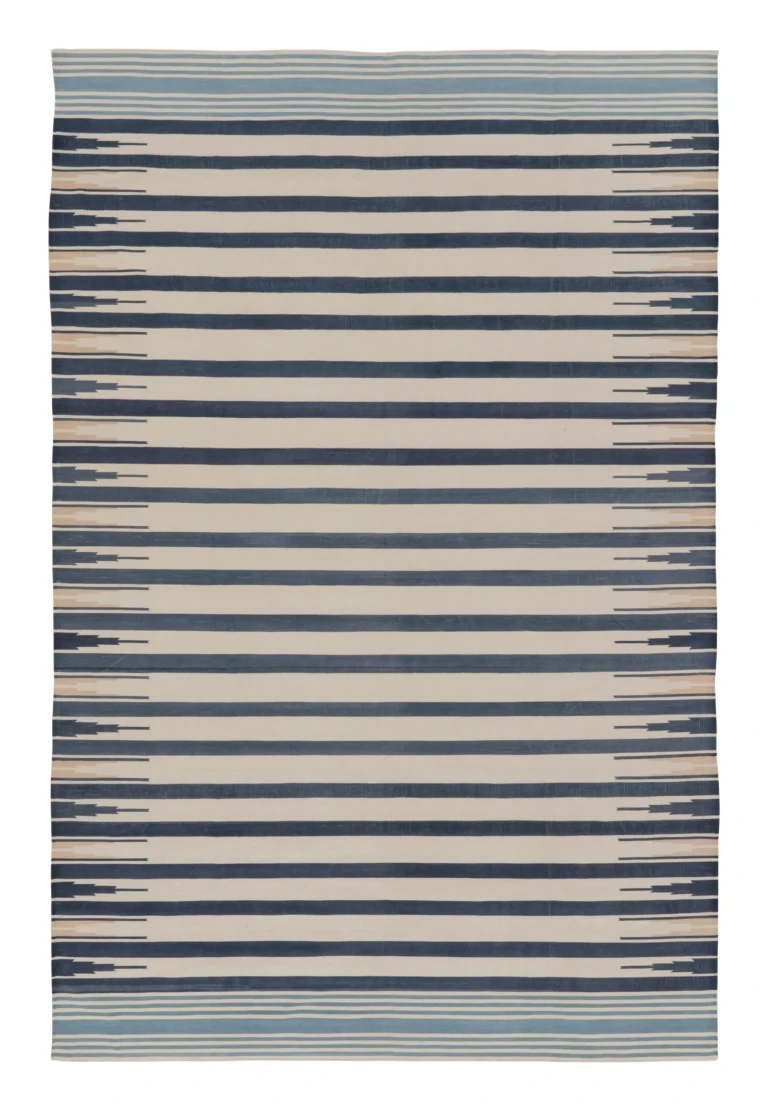
Dhurrie Rugs: History, Cultural Significance, and Contemporary Luxury
Among the world’s most versatile and architecturally adaptable textile traditions, Dhurrie rugs occupy a distinctive position within the history of Indian weaving and contemporary interior design. Known for their flatwoven construction, geometric clarity, and extraordinary material flexibility, Dhurrie rugs have evolved from practical floor coverings into globally recognized design objects valued by collectors, architects, and luxury interiors specialists alike. Originating primarily in India, though historically connected to broader South Asian weaving traditions, Dhurrie rugs represent a sophisticated synthesis of utility, craftsmanship, and visual restraint. Unlike heavily piled Persian carpets or highly ornamental European rugs, Dhurries emphasize balance, structure, texture, and compositional rhythm.
Read the Feature
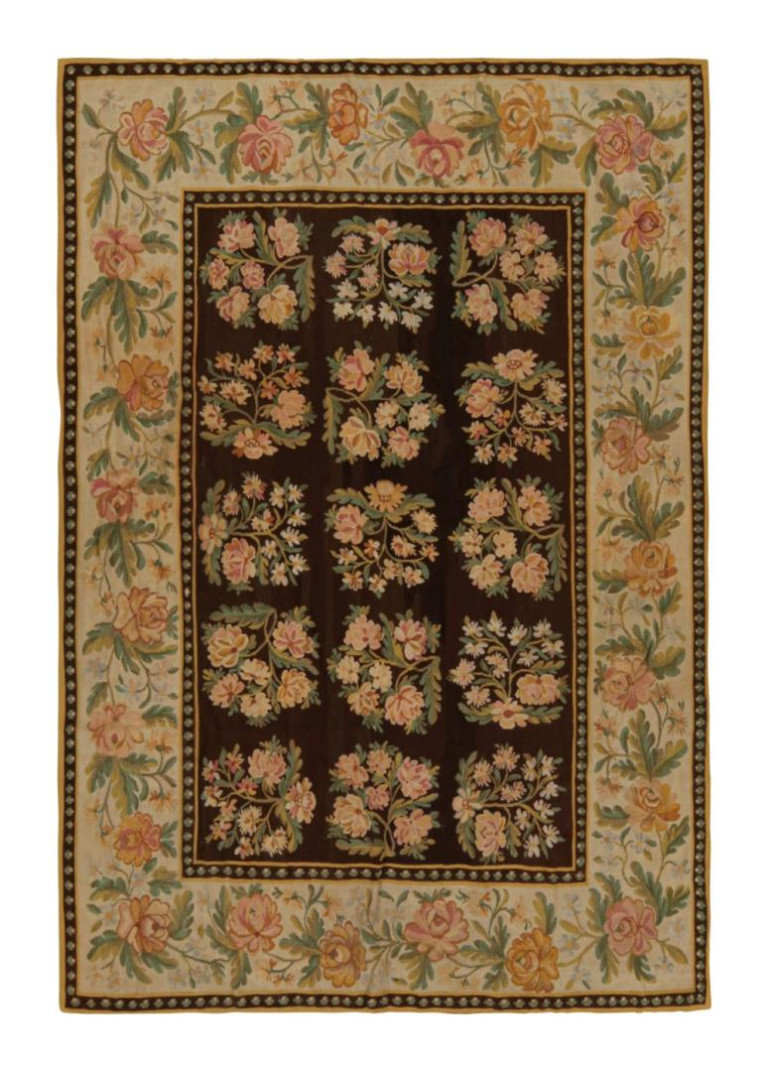
A Guide to Bessarabian Rugs: History, Design, and Modern Luxury
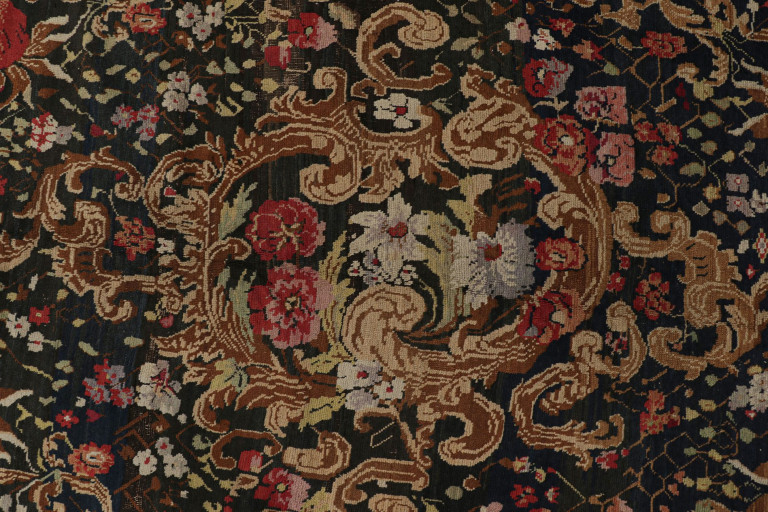
Within the world of collectible textiles and luxury interiors, few rug traditions possess the quiet sophistication and painterly elegance of Bessarabian rugs. Emerging from the historic region of Bessarabia—an area historically situated between present-day Moldova, Romania, and Ukraine—these rugs occupy a unique position at the crossroads of Eastern European folk tradition, Ottoman influence, Russian imperial culture, and French decorative aesthetics. Unlike the geometric tribal weavings commonly associated with Central Asia or the medallion-driven structures of Persian carpets, Bessarabian rugs developed a distinctly atmospheric and ornamental visual language. Their floral compositions, subdued tonal harmonies, and expansive decorative fields positioned them closer to European decorative arts than purely utilitarian floor coverings.
Read the Feature
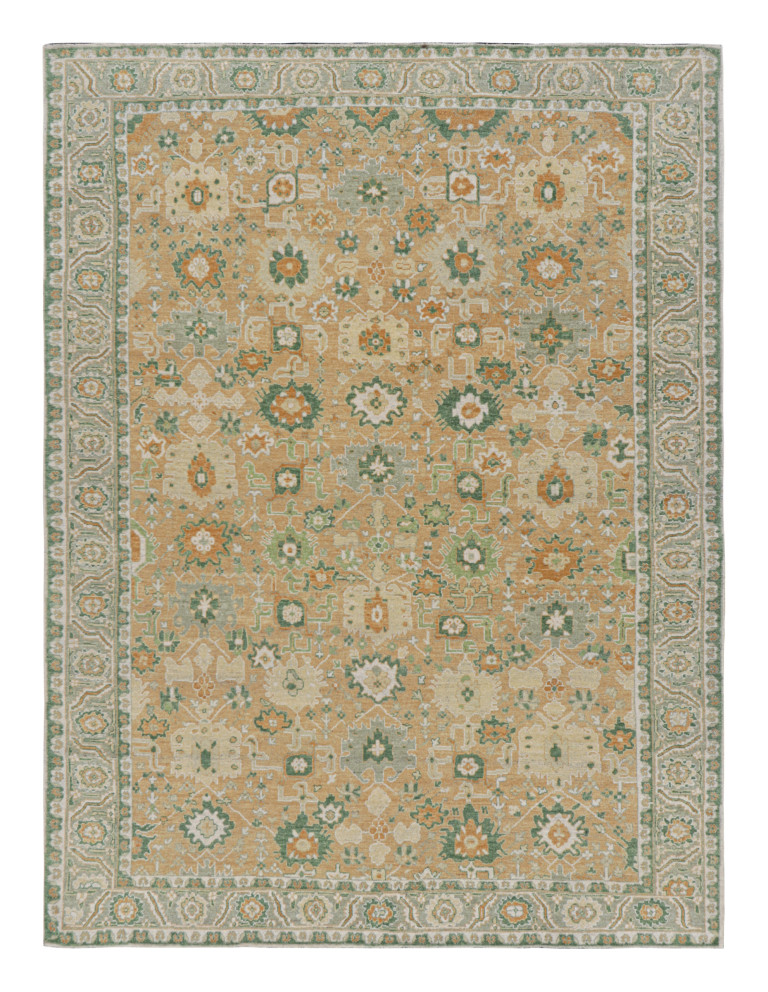
The Complete Guide to Oushak Rugs: History, Aesthetic Language, and Contemporary Design Use
Oushak rugs, also spelled Uşak or Ushak, stand among the most influential textile traditions in the history of interior design. Originating in western Anatolia, in the historic weaving town of Uşak in present-day Turkey, these carpets are not merely decorative artifacts; they are architectural design elements, cultural documents, and artistic statements that have shaped interior aesthetics across centuries. From Ottoman imperial courts to Renaissance European palaces and today’s luxury residential, hospitality, and gallery spaces, Oushak rugs continue to define a visual language of soft geometry, spacious design, muted tonal harmony, and painterly abstraction. Their enduring relevance places them at the intersection of art history, textile heritage, and contemporary interior design innovation.
Read the Feature
An Abbreviated Guide to Antique and Vintage Karabagh Rugs
NO. 34126 Made with hand-knotted wool and originating in Russia circa 1850-1860, this 8x19 antique Karabagh rug and is a rare extra-long runner and oversized addition to Rug & Kilim’s coveted European collection. For centuries, the Karabagh region—poetically called the “Black Garden”—has been a crossroads of empire, craftsmanship, and cultural memory. Its rugs shimmer with expressive geometry, lyrical florals, and natural dyes that have captivated collectors for generations. Today, designers and connoisseurs seek out these pieces not only for their visual presence, but for the emotional resonance they bring into a room. Karabagh rugs are textiles with pulse— woven memoirs whose artistry continues to evolve in dialogue with contemporary interiors. This guide explores their history, structure, symbolism, and enduring relevance, offering a lens on one of the most intriguing Caucasian weaving traditions.
Read the Feature
Marianne Richter and Scandinavian Textile Designs: From Båstad to United Nations
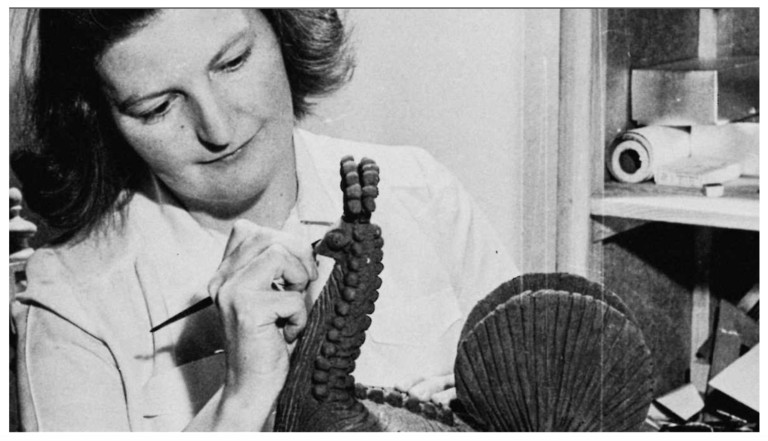
Marianne Richter gained recognition for her daring use of vibrant and unconventional colors. Her designs radiated a sense of optimism, featuring intricately woven geometric elements with robust textures. She pioneered employing unique materials like jute, hemp, and paper cord, and demonstrated exceptional skill in working with high-quality yarns, as well as varying yarn weights within a single piece to achieve a more dynamic effect. Märta Måås-Fjetterström {MMF} https://www.mmf.se/story/artists/marianne-richter In 1937, Richter embarked on a summer position at Märta Måås-Fjetterström in Båstad, referred to as "the weavers' temple" in Sweden. Here, she focused on creating drawings and watercolor paintings, marking the inception of her illustrious career in the arts. Five years later, she was officially brought on as a designer, swiftly establishing herself as one of the workshop's most influential leaders. At a time when machine-made rugs were gaining prominence, Richter's exceptional hand-weaving skills set her apart. She honed various innovative weaving techniques, producing a range of Swedish flatweaves, pile rugs, tapestries, and the longer pile rugs known as "rya" in Swedish. Richter held this significant role until the 1970s, concurrently teaching at Konstfack, a distinguished arts and design university in Sweden. Alongside her tenure at Märta Måås-Fjetterström, she also lent her talent to designing patterns and fabrics for other notable fashion and textile houses in Sweden.
Read the Feature
A Glossary of Handmade Rugs and Kilims: Understanding Terms, Types and Techniques Past and Present
Referring to the art style characterized by using shape and color withdrawn from traditional repetition or realism. Abstract rugs — sometimes referred to as art rugs — capture an expressive nature that reads as a very modern style, though many abstract rugs draw inspiration from works of the same art style in the mid-century. One of the more widely known mid-century lineages of this style is abstract expressionism, named for the literal "expressionists" of the 1950s. Some of the most notable names behind this style include Jackson Pollock and Mark Rothko. Referring to a lineage of nomadic Persian rugs (sometimes referred to as “Avsar” in the alternate spelling). Afshar rugs hail from the eponymous tribe in the region of Northeastern Iran.
Read the Feature


R&K Image Studio
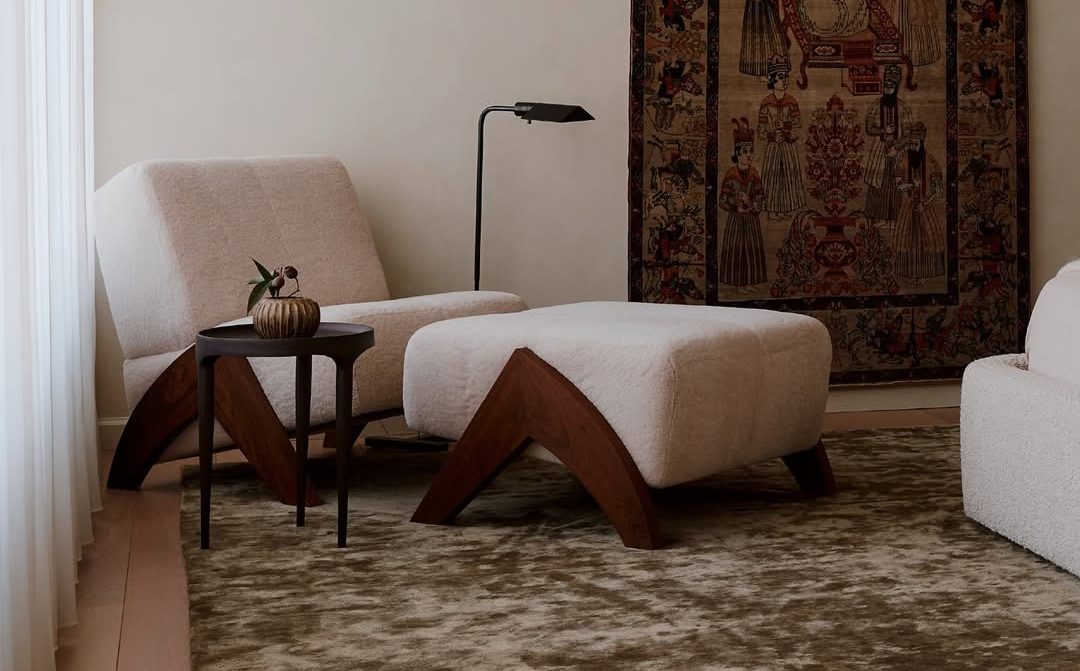
NEWThe R&K Image Studio is a new visual workspace designed to present the Rug & Kilim collection with clarity, restraint, and precision — in your space or any space you imagine.
This tool allows you to view, refine, and prepare imagery drawn directly from the pieces in our archive. They can be visualized cleanly, isolated thoughtfully, and adjusted for presentations, proposals, and private viewings, without altering the integrity of the original work.
Vintage
Turkey
2'6" X 4'11" (0.76 m x 1.50 m)
$2,450
Available: Shipping as Soon as Tomorrow
1950s Vintage Tulu rug in Red, Yellow, Brown & Orange Geometric pattern
"Rug & Kilim's inventory spans the past four centuries and includes everything from ethnic and tribal patterns to European designs, as well as a host of Art Deco, abstract and understated tone-on-tone offerings, all in a vast array of materials, weaves and sizes."
— Tony Freund, 1stDibs Editorial Director


