

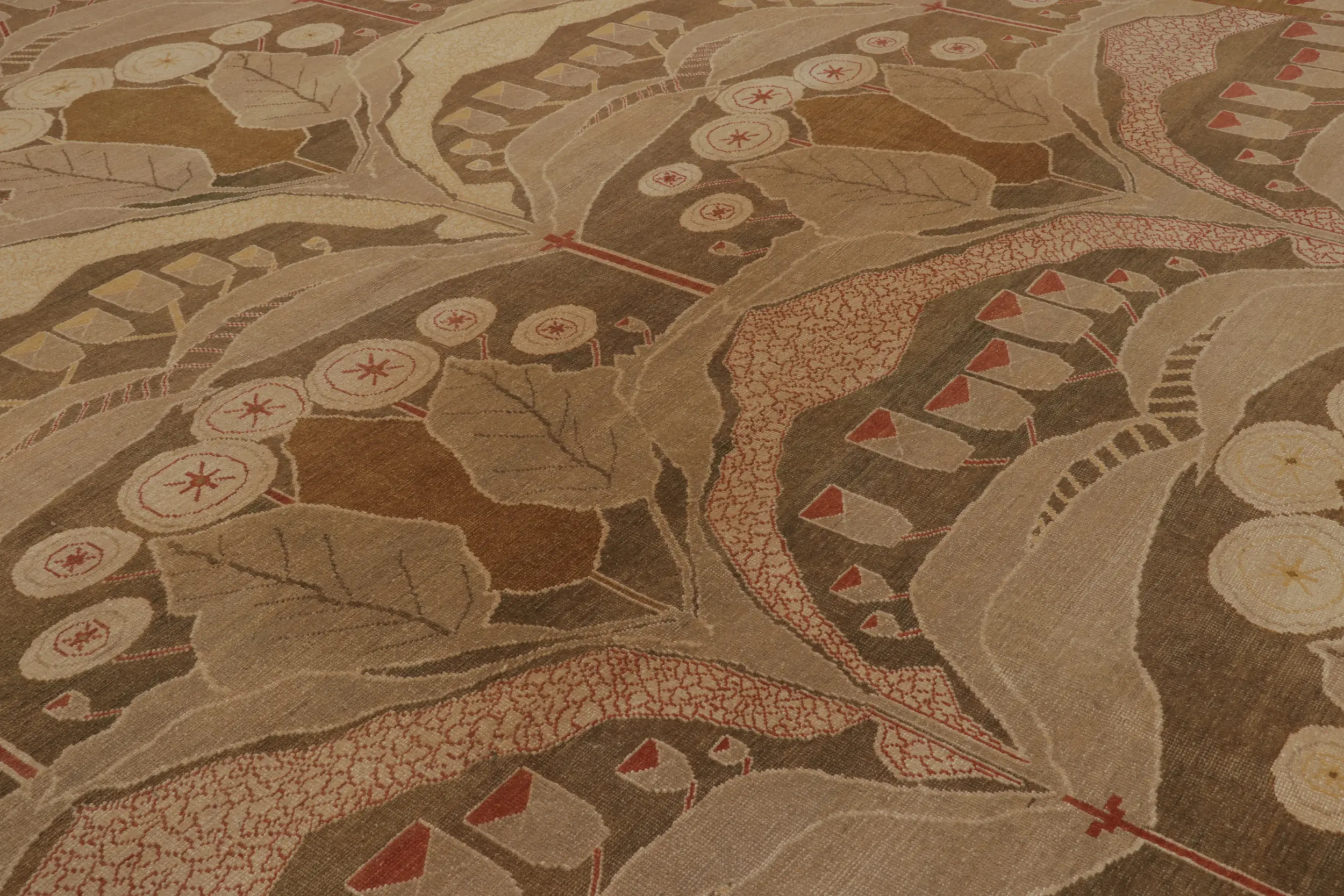
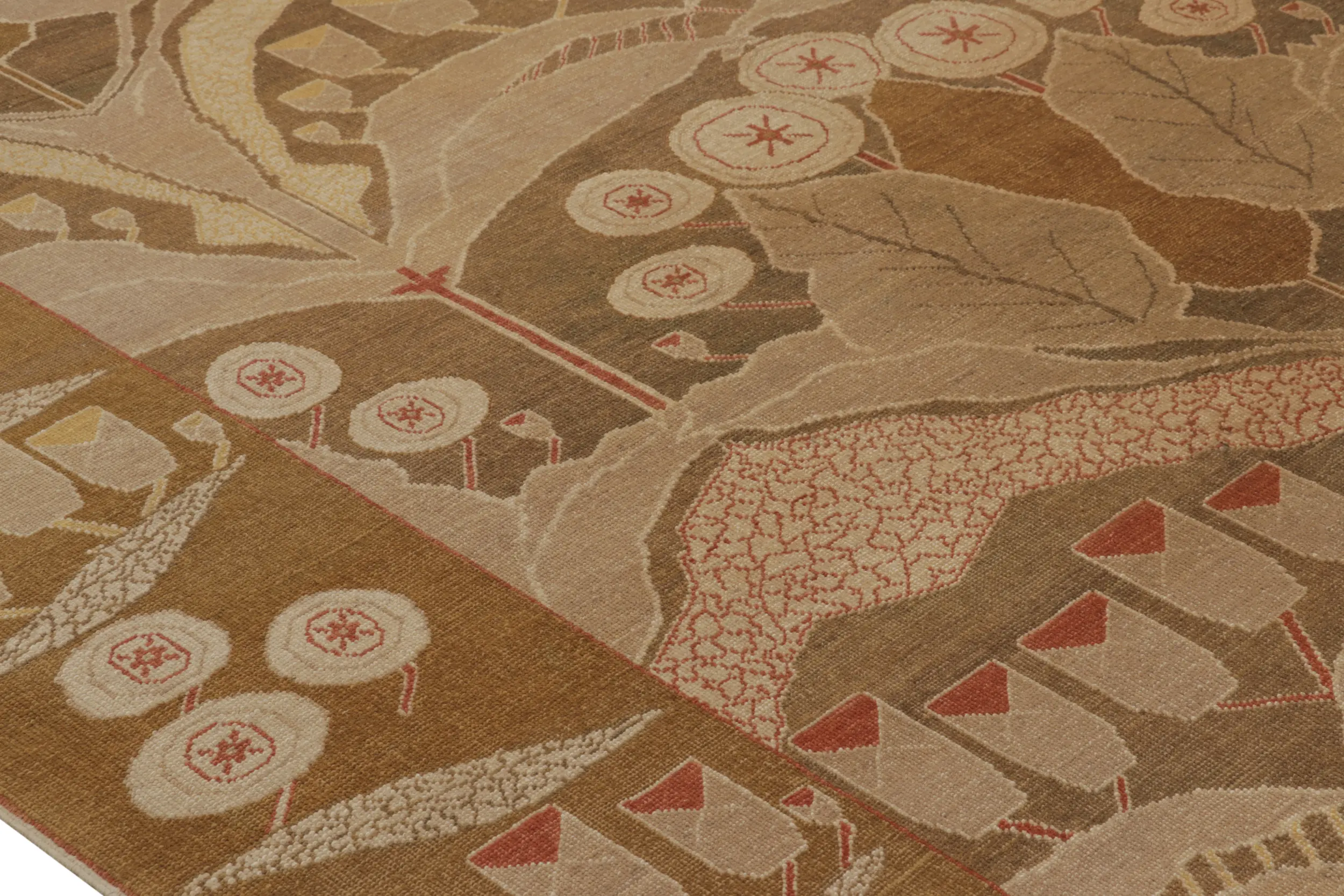
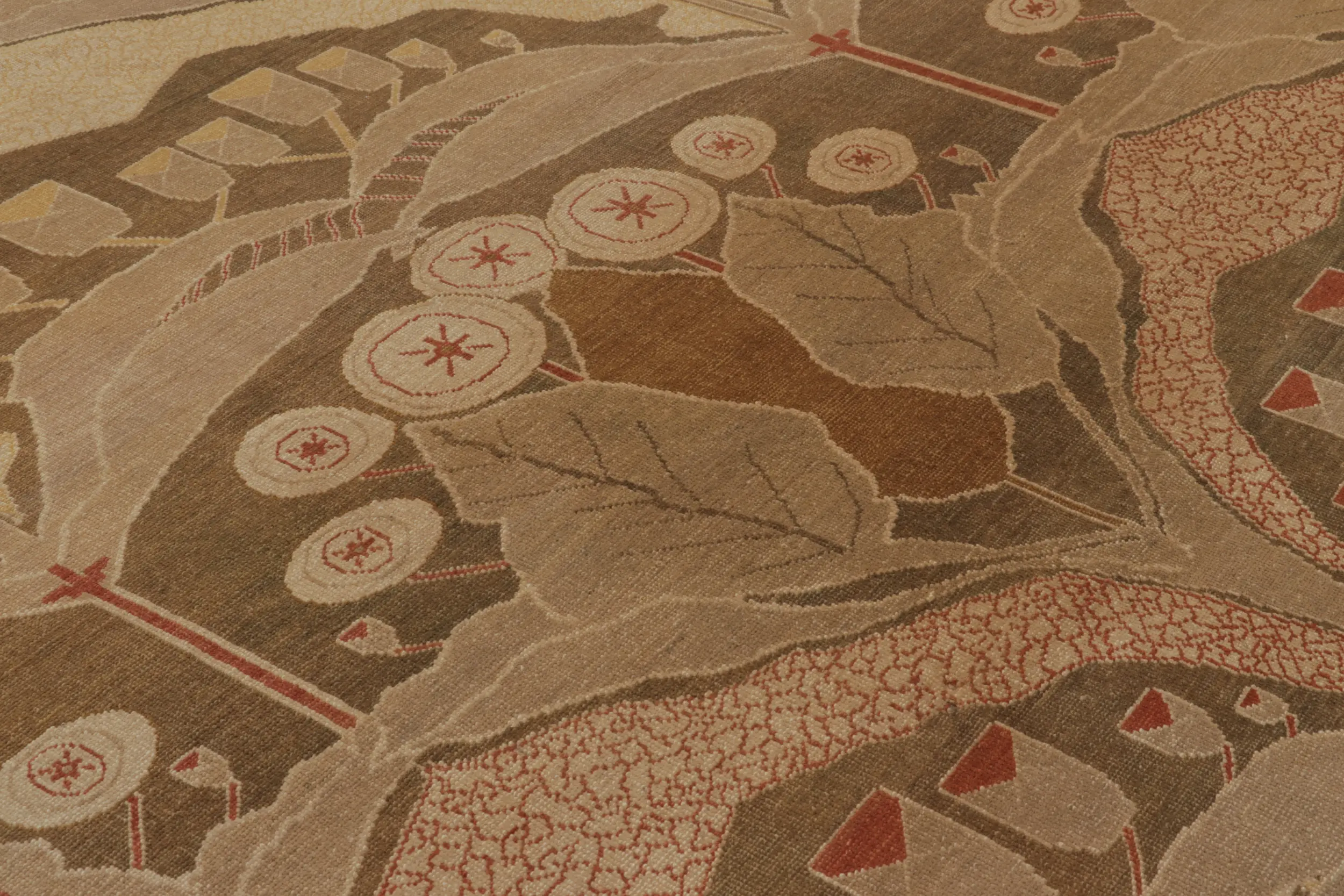
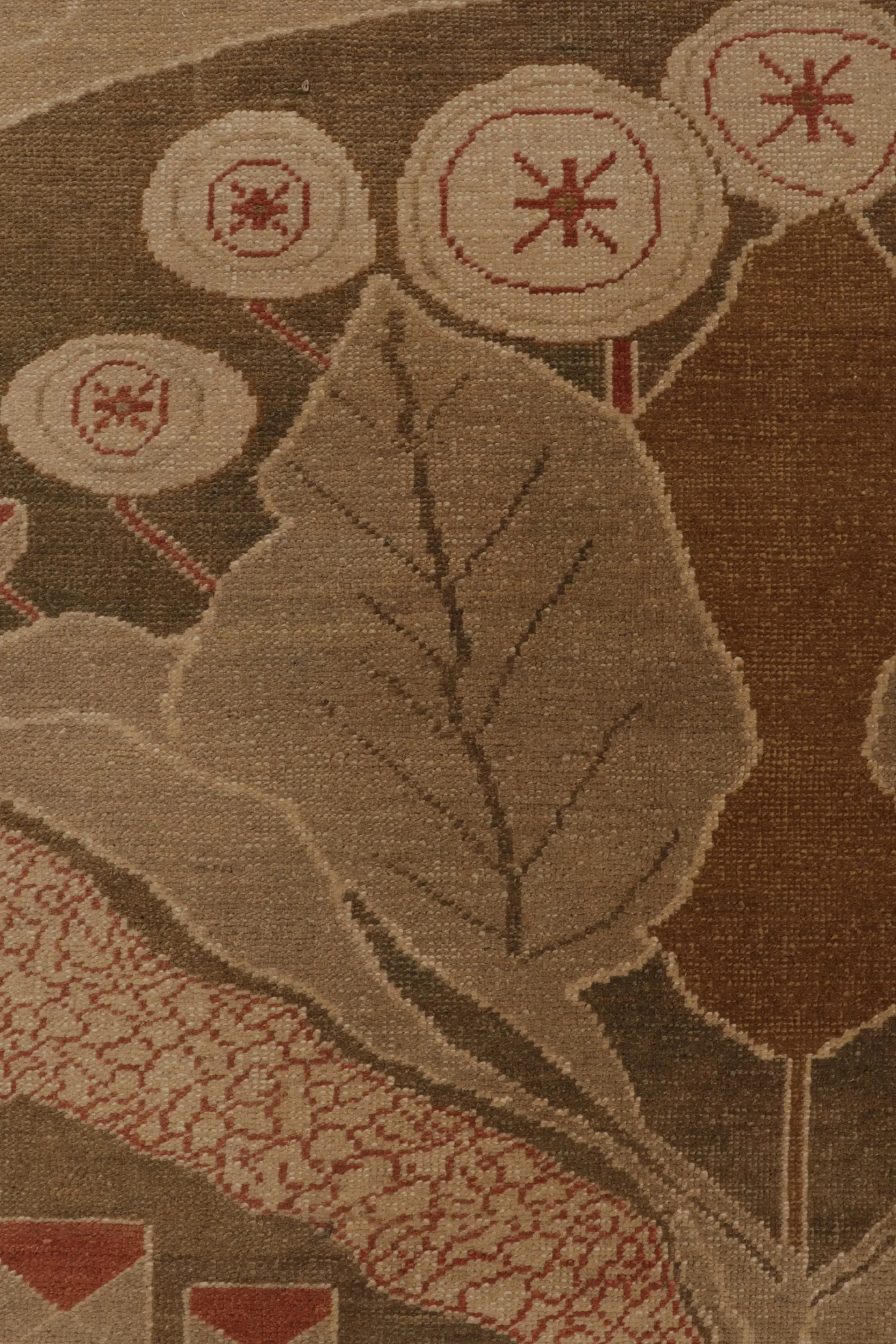
Wool
Turkey, c. 1980-1989
14'1" X 21'1" (4.29 m x 6.43 m)
Available: Shipping As Soon As Tomorrow
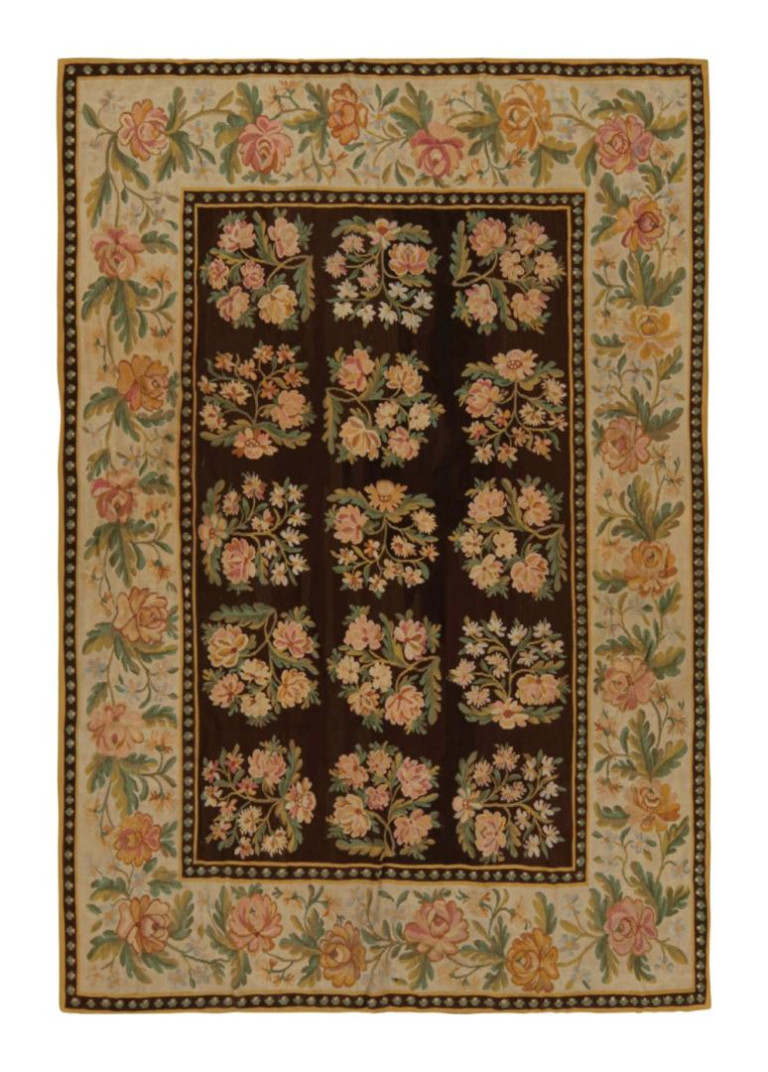
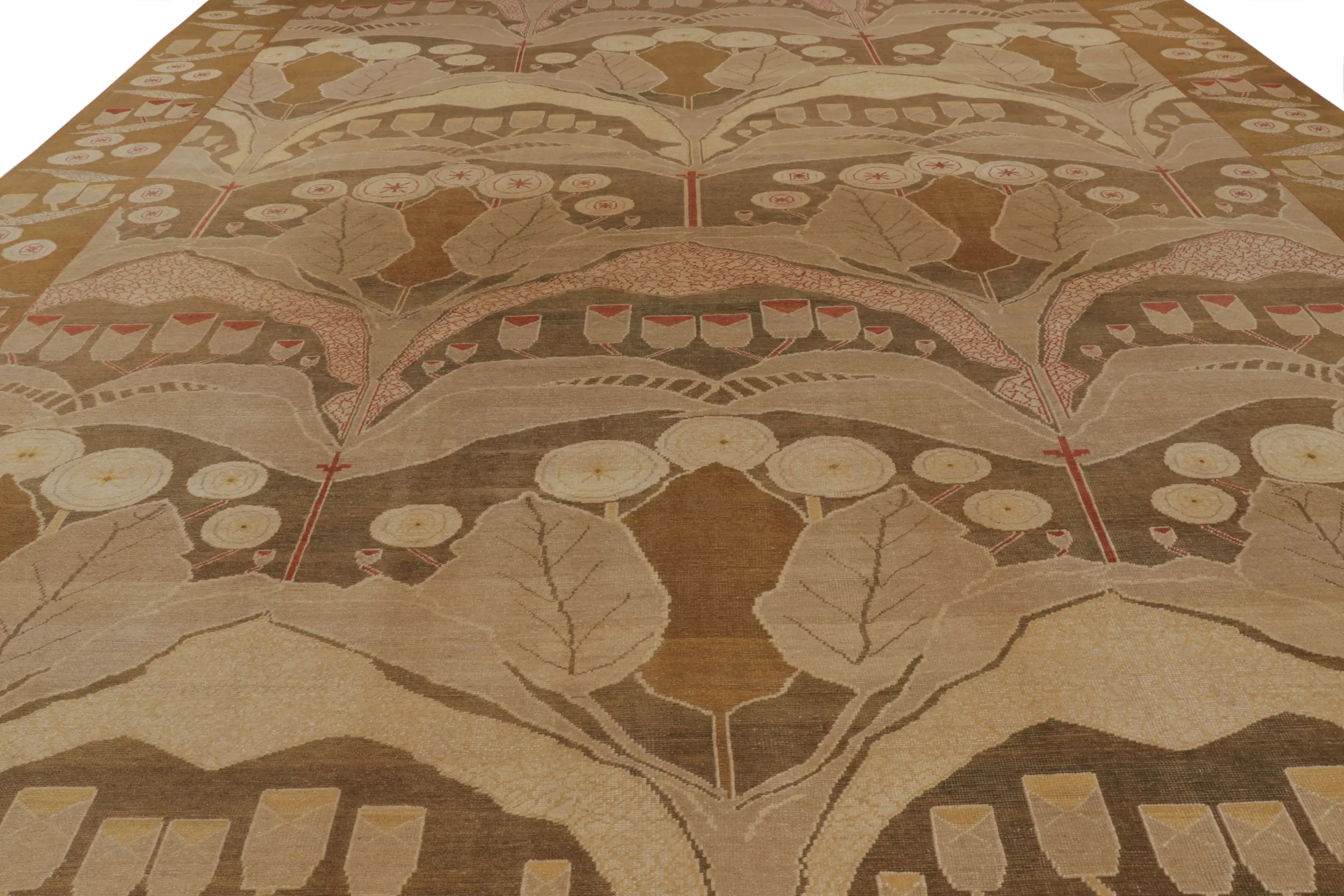
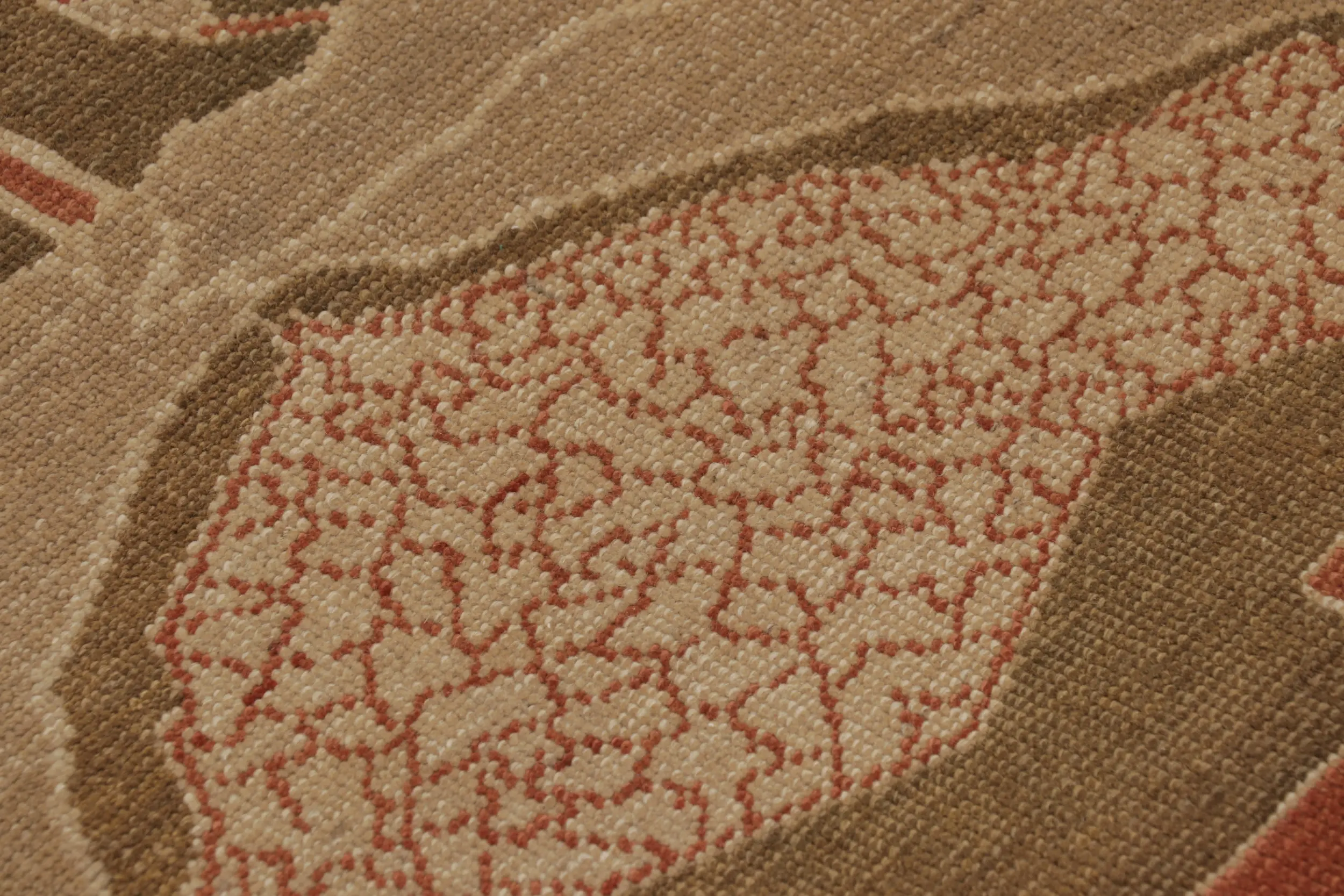
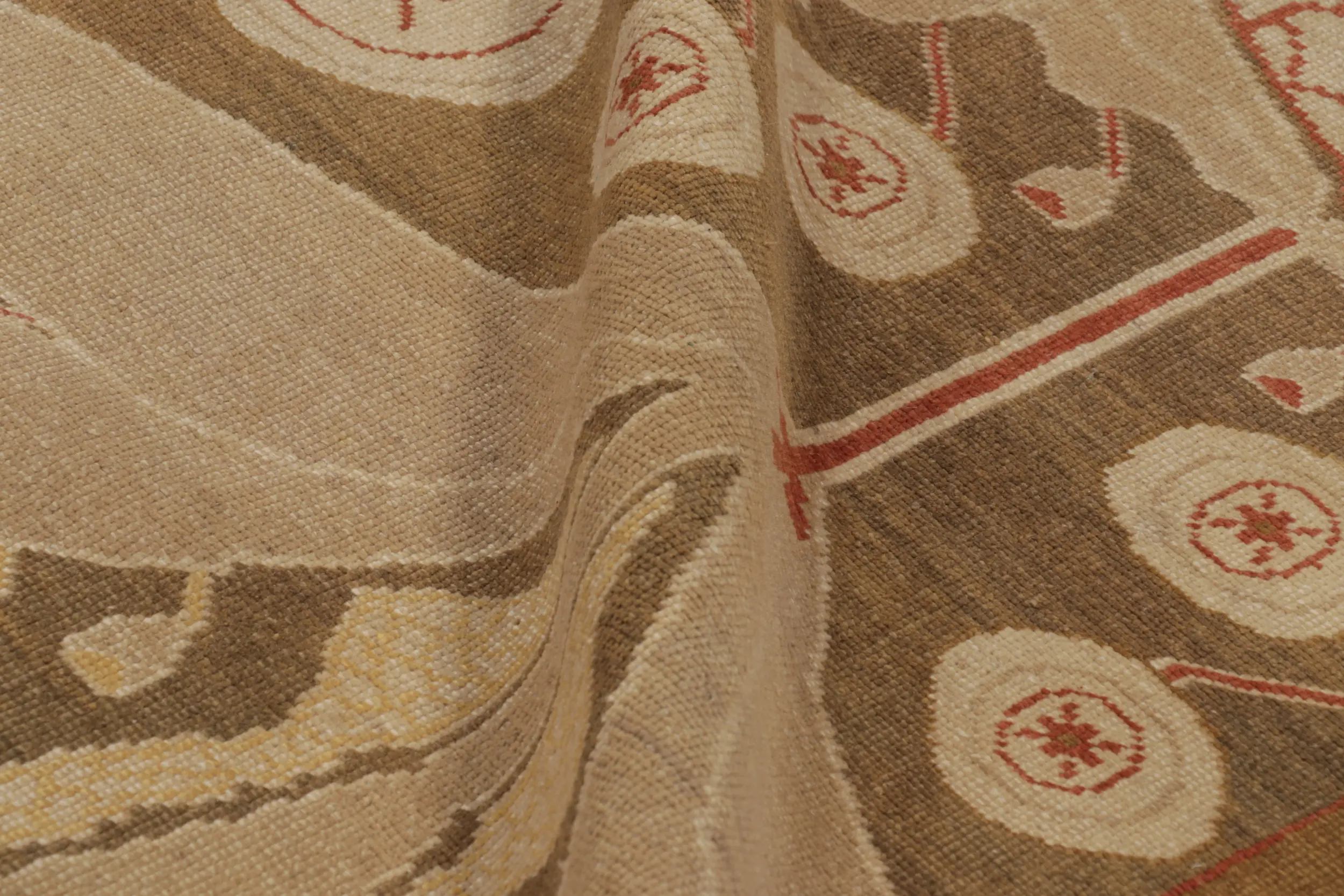
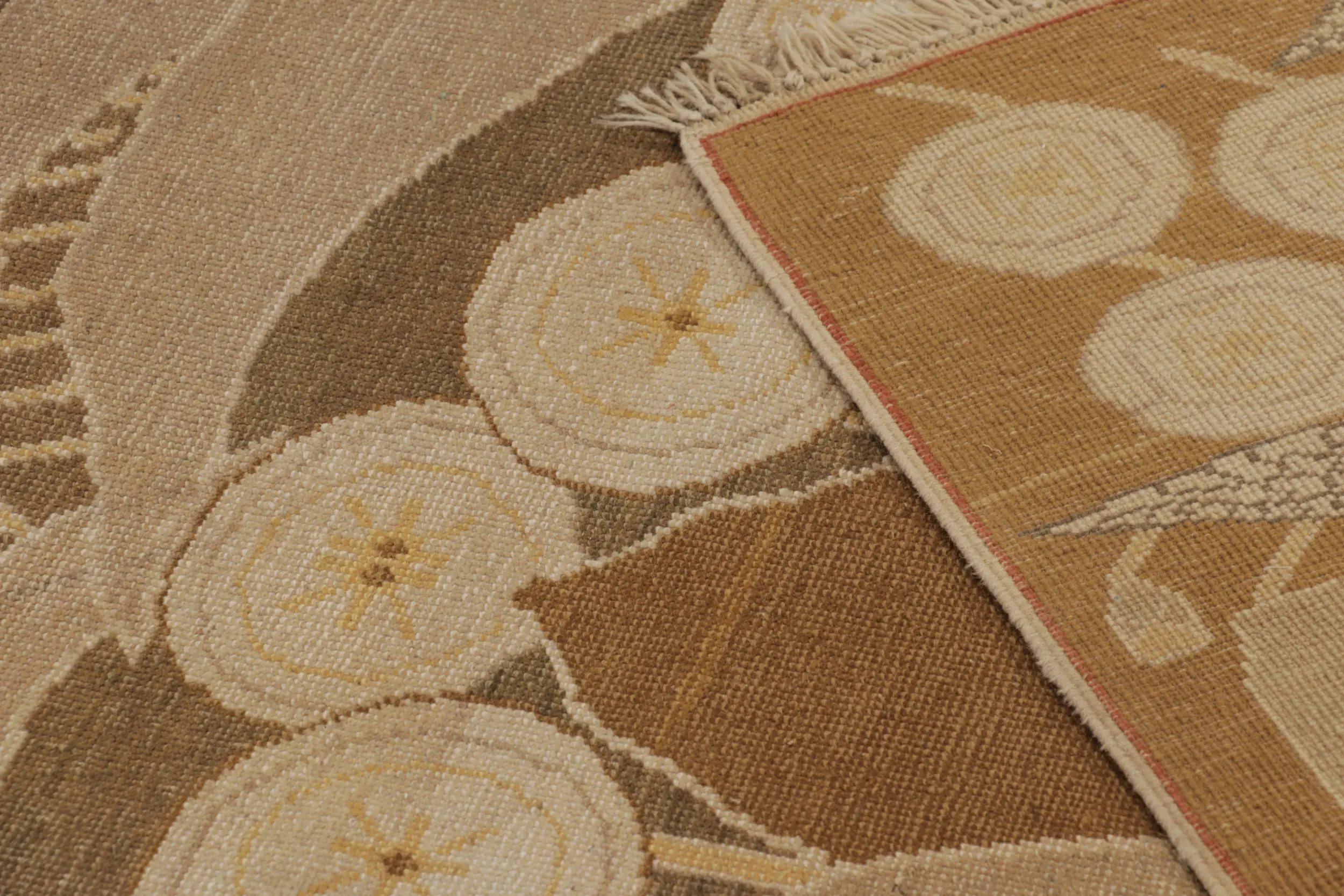
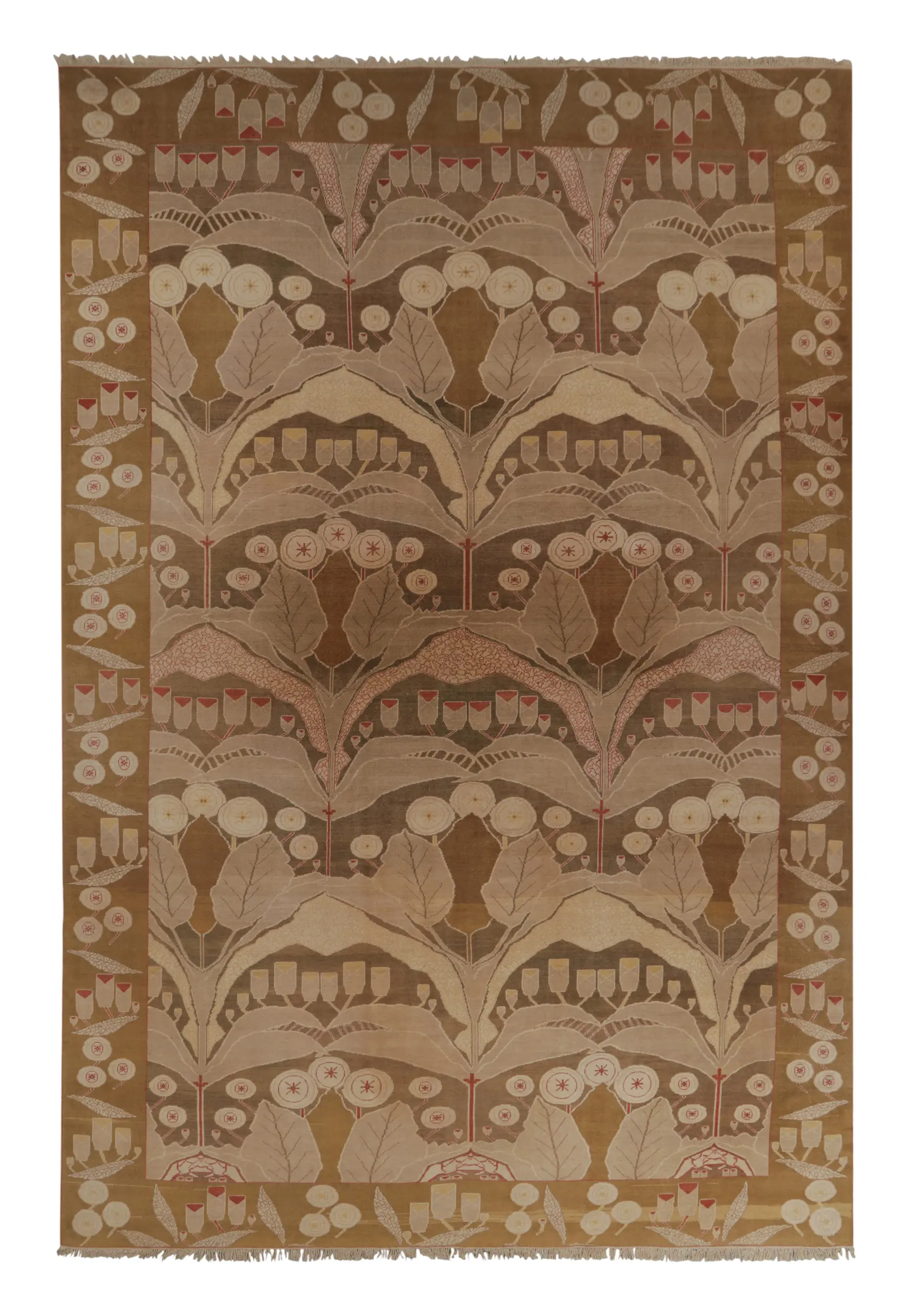
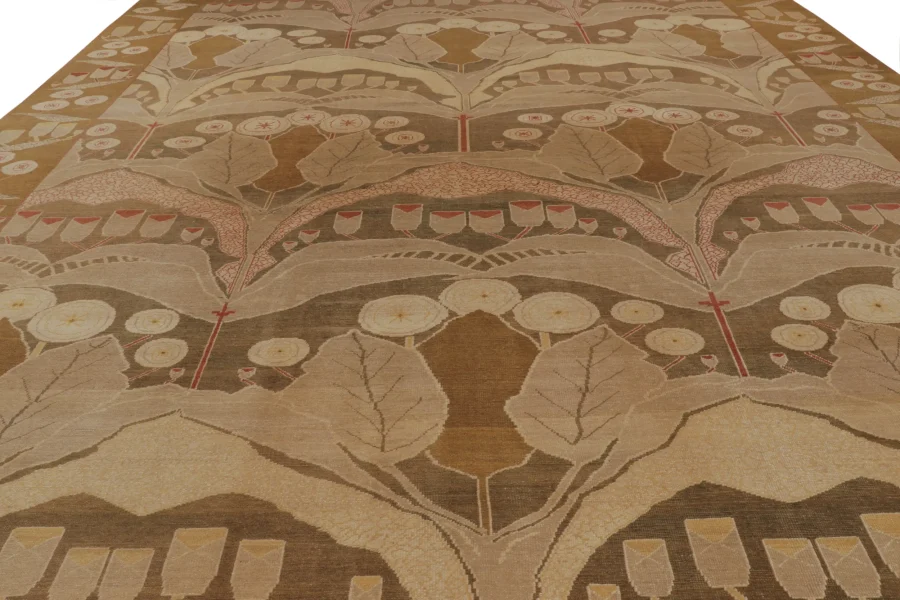
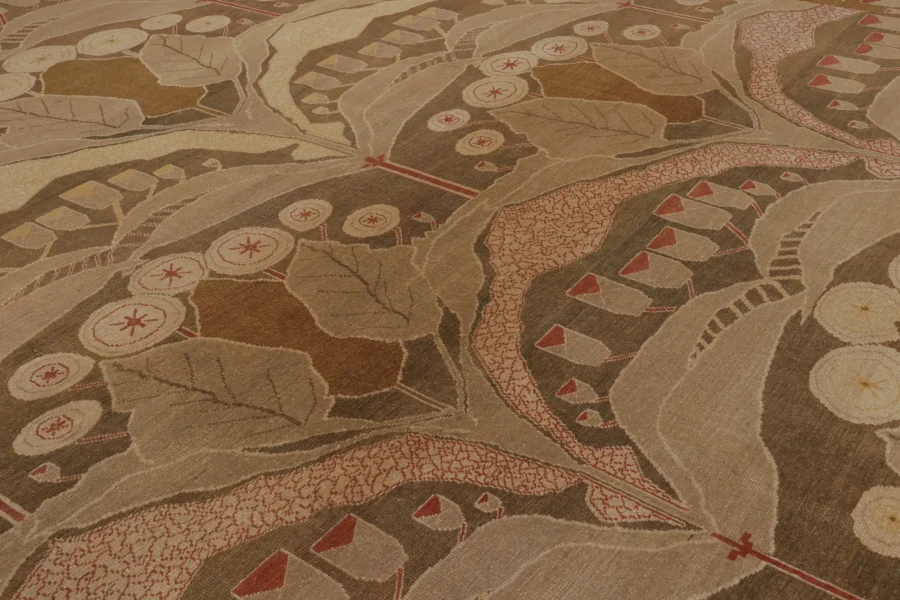
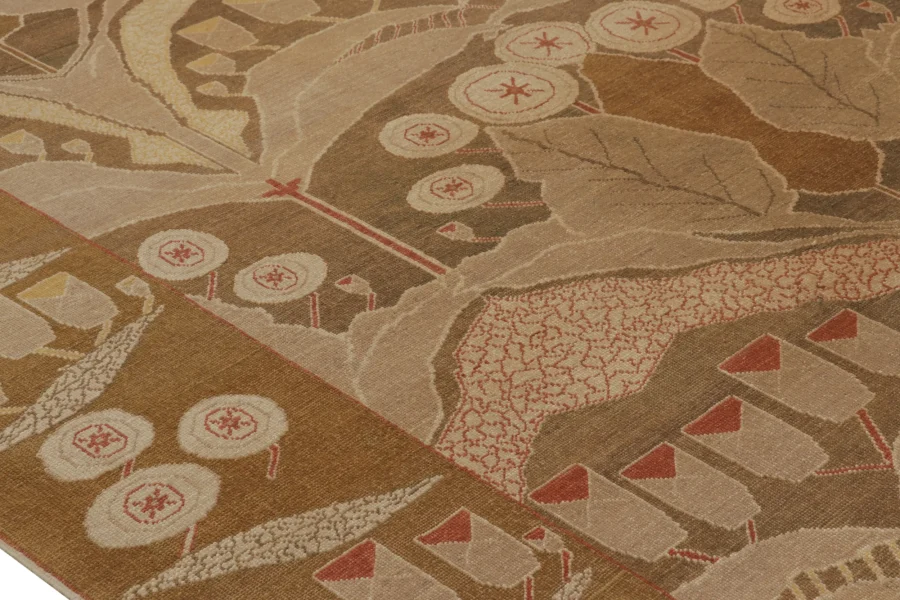
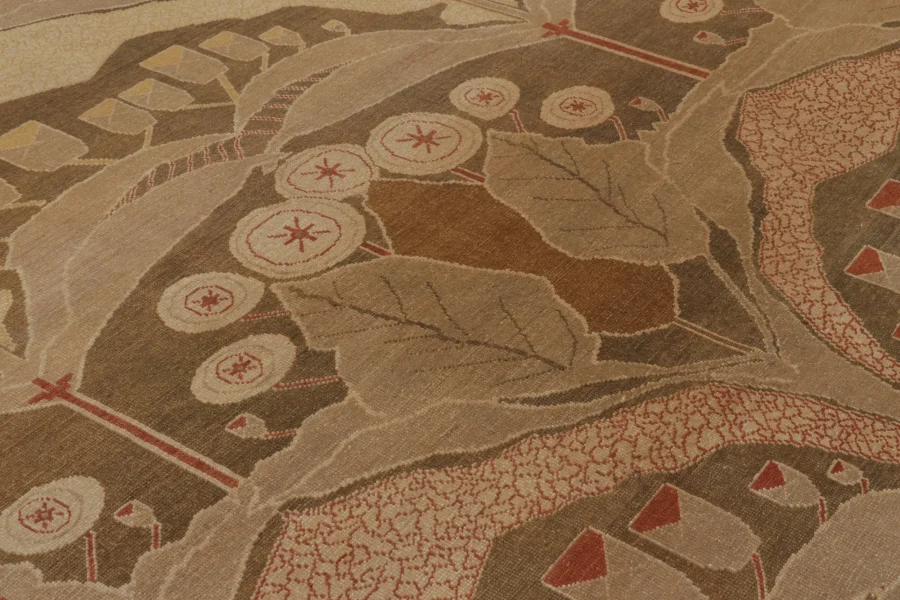
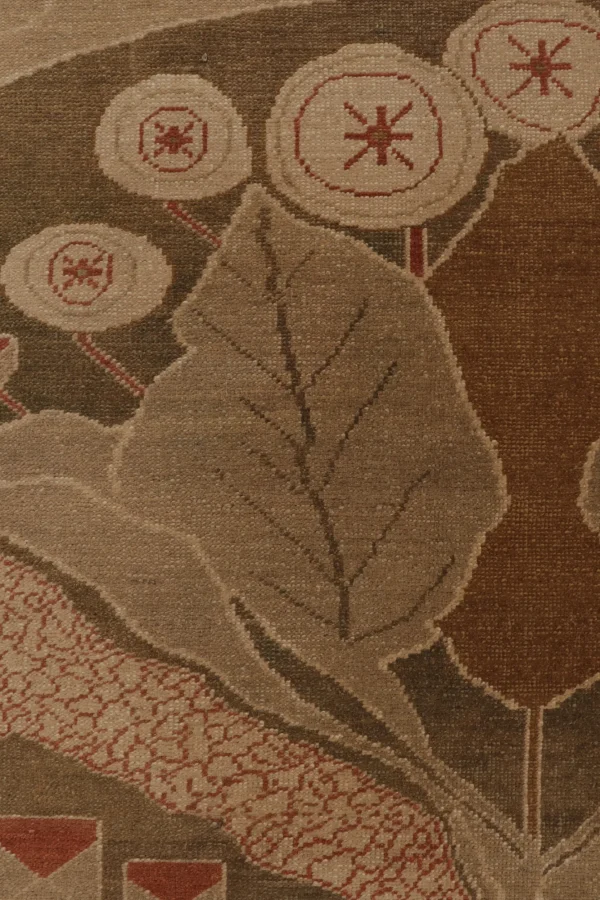
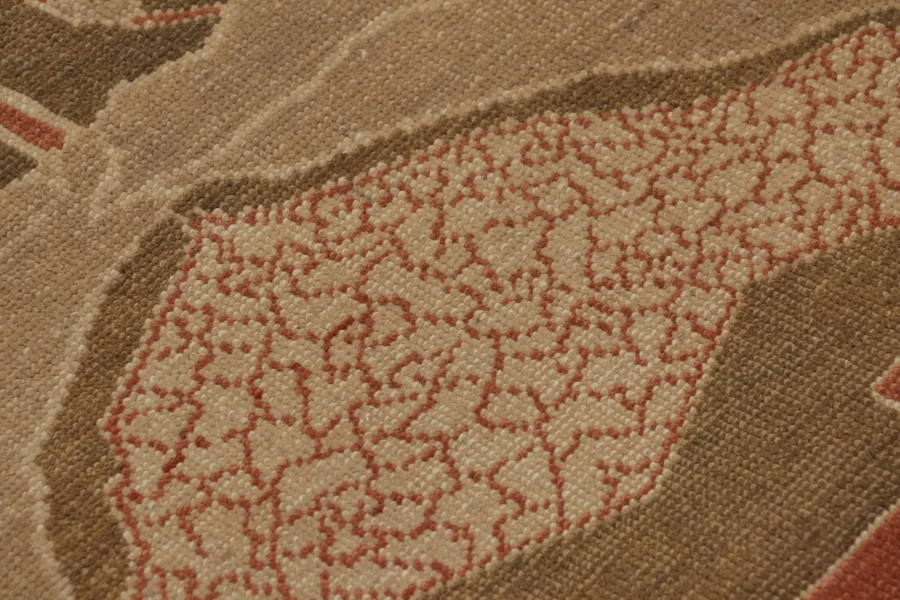
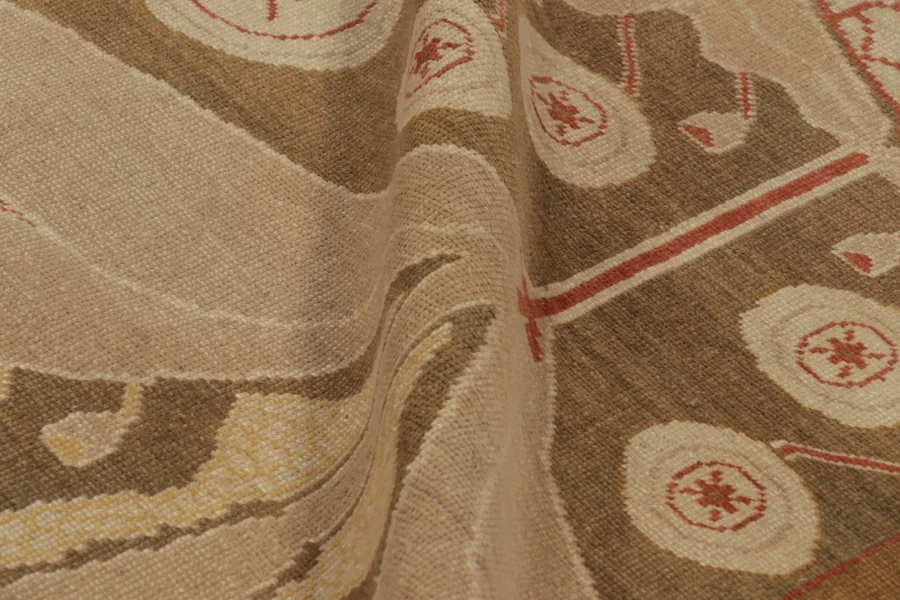
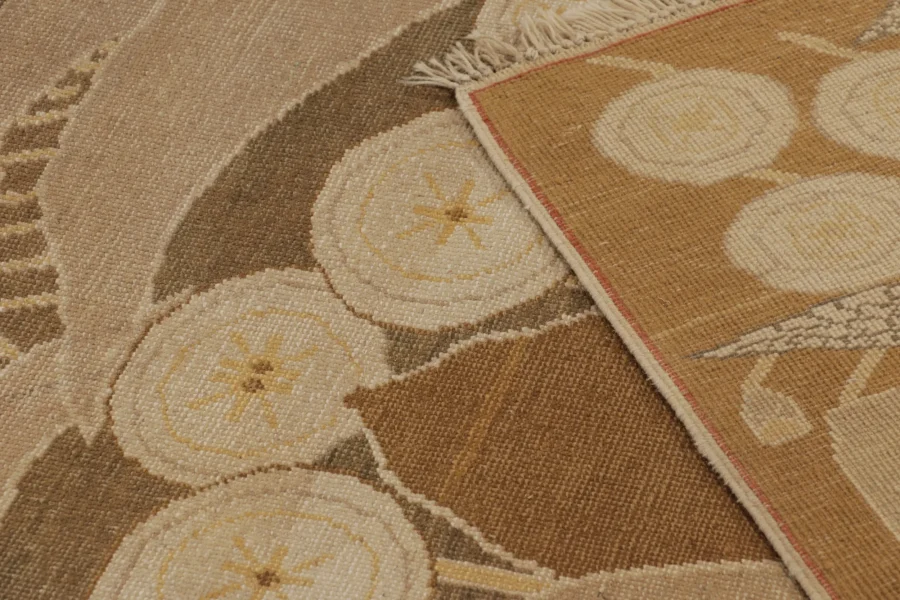
Fetcher House Vintage Arts & Crafts Palace Rug in Morris Lillies - Rug & Kilim
"Working with this family-owned team has been an absolute joy. Their communication, craftsmanship, and flawless execution on our custom rugs consistently exceed expectations."
— Phoebe Howard, James Michael Howard
A standard since our inception upheld across every acquisition,
transaction, and delivery.
45+ Year Old Institution
More than four decades of expertise and stewardship, under the leadership of our Principal, Jahanshah "Josh" Nazmiyal.
Favorable Return Policy
Our return policy is 48 hours upon receipt allowing you to confirm the purchase in your space with confidence.
Product Warranty
Each rug is hand selected or produced through the most reputable sources under the direct supervision of our Principal.
Trusted Global Delivery
Reliable worldwide delivery handled with care, precision and constant communication.
Exceptional Support
Attentive, knowledgeable guidance before and after purchase from our dedicated team of specialists.
Long Term Care
We stand behind every piece we place and remain a resource to our clients for the lifetime of their collection.
- Measurements: 14'1" x 21'1" ( 4.29 m x 6.43 m )
- Categories: The Jahanshah Collection, Vintage
- Classification: Arts & Crafts, Classic/Traditional, Floral
- Material: Wool
- Origin: Turkey
- SKU: 35232

Specifications:
Stories from The Jahanshah Collection
Essays, artist dialogues, and provenance notes drawn from Rug & Kilim’s editorial desk.
A Guide to Bessarabian Rugs: History, Design, and Modern Luxury
Within the world of collectible textiles and luxury interiors, few rug traditions possess the quiet sophistication and painterly elegance of Bessarabian rugs. Emerging from the historic region of Bessarabia—an area historically situated between present-day Moldova, Romania, and Ukraine—these rugs occupy a unique position at the crossroads of Eastern European folk tradition, Ottoman influence, Russian imperial culture, and French decorative aesthetics. Unlike the geometric tribal weavings commonly associated with Central Asia or the medallion-driven structures of Persian carpets, Bessarabian rugs developed a distinctly atmospheric and ornamental visual language. Their floral compositions, subdued tonal harmonies, and expansive decorative fields positioned them closer to European decorative arts than purely utilitarian floor coverings.
Read the Feature
The Complete Guide to Oushak Rugs: History, Aesthetic Language, and Contemporary Design Use
Oushak rugs, also spelled Uşak or Ushak, stand among the most influential textile traditions in the history of interior design. Originating in western Anatolia, in the historic weaving town of Uşak in present-day Turkey, these carpets are not merely decorative artifacts; they are architectural design elements, cultural documents, and artistic statements that have shaped interior aesthetics across centuries. From Ottoman imperial courts to Renaissance European palaces and today’s luxury residential, hospitality, and gallery spaces, Oushak rugs continue to define a visual language of soft geometry, spacious design, muted tonal harmony, and painterly abstraction. Their enduring relevance places them at the intersection of art history, textile heritage, and contemporary interior design innovation.
Read the Feature
The Long Life of a Green: On Celery, Color of the Year, and the Four Centuries of Weaving That Anticipated It
Every year, the color world makes its pronouncement, and every year the design world turns to see what it has been given. For 2027, Sherwin-Williams has named Celery; a light, airy, herbal green with a yellow undertone, chosen, in the company's words, for a moment that prizes wellness, balance, and connection. It is a soft color with a quiet glow and a faint edge; it pairs, its makers note, with white for something breezy, with cranberry red for something playful, with brown for something elevated. It is, by any measure, a beautiful and intelligent choice. It is also a color the great weavers of the world have understood for four hundred years.
Read the Feature
Time, Labor and the Lasting Value of the Handmade Rug
There is a question that hovers, unspoken, over every fine handmade rug: why does it cost what it costs? It is a fair question, and it deserves a serious answer, one that has nothing to do with markup and everything to do with time. So, what a hand-knotted carpet actually is? It is a surface built one knot at a time, each knot tied individually by hand around the threads of a loom, by a weaver working with a knife and a pile of dyed wool. A fine carpet of substantial size contains not thousands of these knots but hundreds of thousands, in the very finest pieces, more than a million. A skilled weaver, working steadily, ties a few thousand in a day. The arithmetic is unforgiving and it is illuminating: a great large carpet represents not months of labor but years, sometimes the sustained effort of several weavers working in concert across the turning of seasons.
Read the Feature
The Total Art: Vienna’s Century, From the Gold Frieze to the Contemporary Era
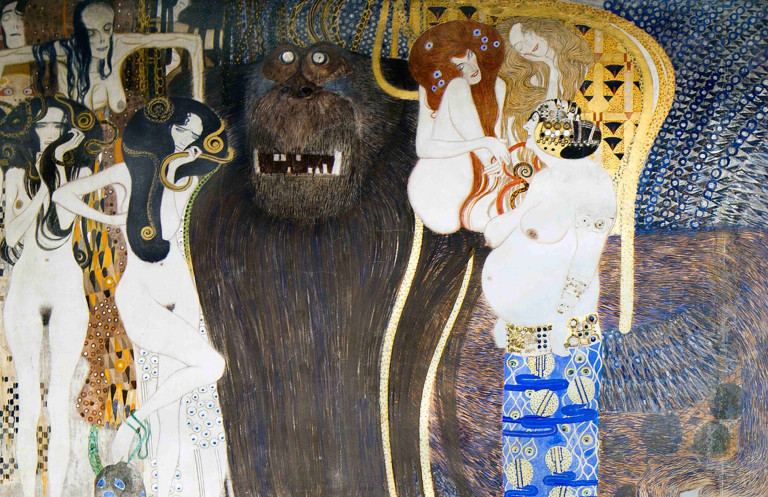
In the dining room of a banker's house in Brussels there is a wall of gold. Klimt designed it; the Stoclet Frieze, a tree of life branching across marble and enamel and coral, a dancer on one side and an embracing couple on the other, the couple a direct rehearsal for the painting the whole world would later know as The Kiss. But to stand in that room, were one ever permitted to, is to understand that the frieze is not the point of it. The point is that the frieze, the marble, the cutlery, the door handles, and the carpet underfoot were all conceived as a single object by a single mind. The Palais Stoclet, built by Josef Hoffmann between 1905 and 1911 and now sealed as a UNESCO World Heritage Site, is the most complete surviving statement of the idea that organised an entire Viennese century: the Gesamtkunstwerk, the total work of art, in which nothing; not the spoon, not the dress, not the floor, ranks below the painting on the wall.
Read the Feature
Rug & Kilim’s Royal Collection: The Politics of Pattern and the Poetry of Power
There are collections that gather, and there are collections that define. Rug & Kilim’s Royal Collection stands in the latter class: a curatorial statement that transcends taste to become testament. This is not merely a presentation of rare rugs and tapestries; it is a genealogy of civilization itself. Each piece—whether woven in the Savonnerie ateliers of Louis XV’s France, the palace looms of Tabriz, or the modernist workshops of Leleu—embodies a distinct philosophy of beauty and order. Together, they form a continuum of artistry where pattern becomes politics, and craft becomes culture.
Read the Feature


R&K Image Studio
NEWThe R&K Image Studio is a new visual workspace designed to present the Rug & Kilim collection with clarity, restraint, and precision — in your space or any space you imagine.
This tool allows you to view, refine, and prepare imagery drawn directly from the pieces in our archive. They can be visualized cleanly, isolated thoughtfully, and adjusted for presentations, proposals, and private viewings, without altering the integrity of the original work.
The Jahanshah Collection
Wool
Turkey, c. 1980-1989
14'1" X 21'1" (4.29 m x 6.43 m)
Log In to See Price
Available: Shipping as Soon as Tomorrow
Fetcher House Vintage Arts & Crafts Palace Rug in Morris Lillies - Rug & Kilim
"Rug & Kilim has been a pleasure to work with from the very start of our relationship. Not only is their service outstanding, their inventory of one of a kind vintage rugs is unparalleled."
— Alan Eckstein and Margaret Goddard, Somerset House
- Measurements: 14'1" x 21'1" ( 4.29 m x 6.43 m )
- Categories: The Jahanshah Collection, Vintage
- Classification: Arts & Crafts, Classic/Traditional, Floral
- Material: Wool
- Origin: Turkey
- SKU: 35232

