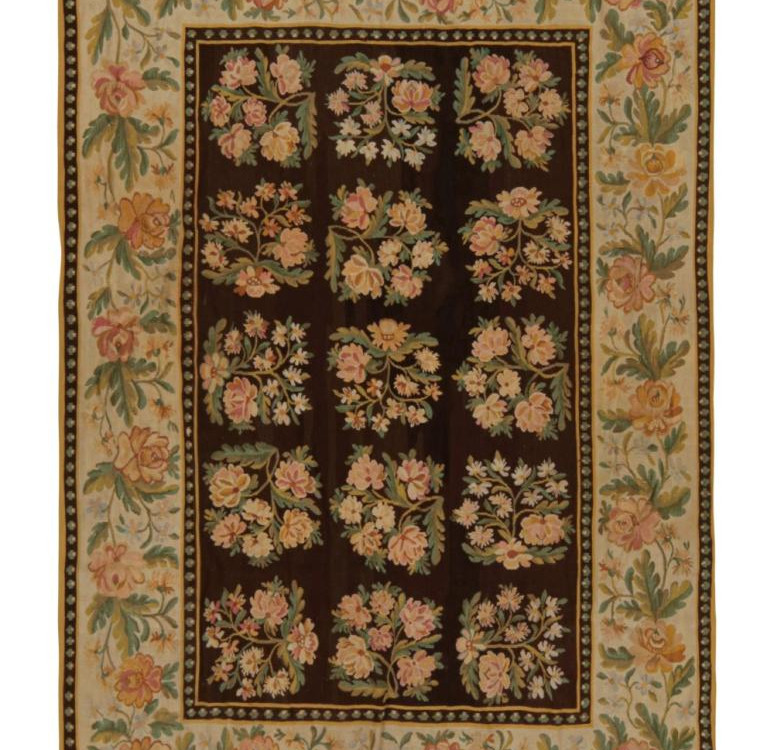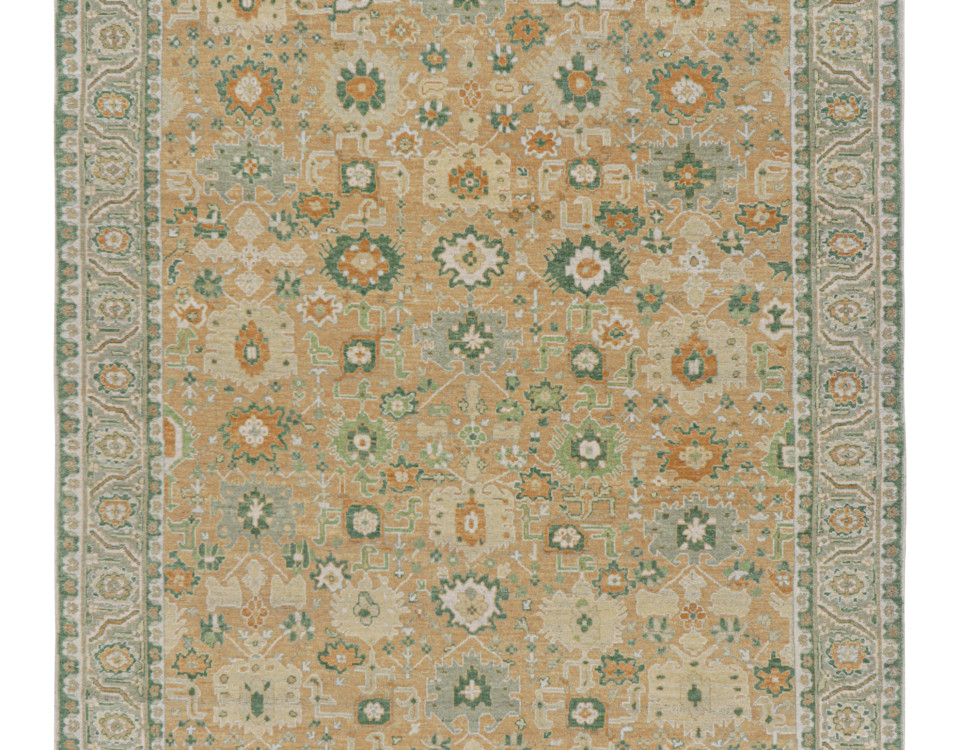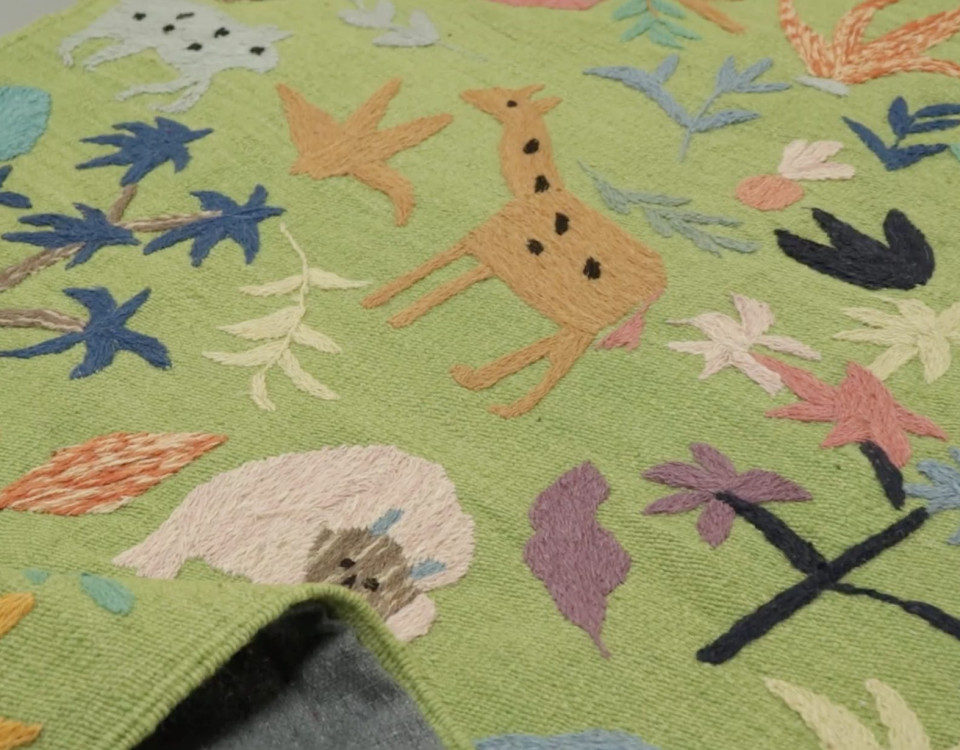

Autumn 2025: Rug & Kilim’s Five Picks for the Season of Warmth and Reverie
November 6, 2025
The House of Continuity: How Rug & Kilim Designs Legacy Across Generations
November 13, 2025
A lineage of beauty, power, and craftsmanship — from 16th-century courts to the ateliers of the modern age.
Royalty in design is not inherited. It is built—thread by thread, century by century.
There are collections that gather, and there are collections that define. Rug & Kilim’s Royal Collection stands in the latter class: a curatorial statement that transcends taste to become testament.
This is not merely a presentation of rare rugs and tapestries; it is a genealogy of civilization itself. Each piece—whether woven in the Savonnerie ateliers of Louis XV’s France, the palace looms of Tabriz, or the modernist workshops of Leleu—embodies a distinct philosophy of beauty and order. Together, they form a continuum of artistry where pattern becomes politics, and craft becomes culture.
These are not rugs that decorate a room, they define what the room means.
A History of Power Woven in Wool
In every empire, the loom was the quiet instrument of image-making. The Aubusson and Savonnerie weavers of France were not artisans in isolation; they were visual rhetoricians serving monarchy and myth.
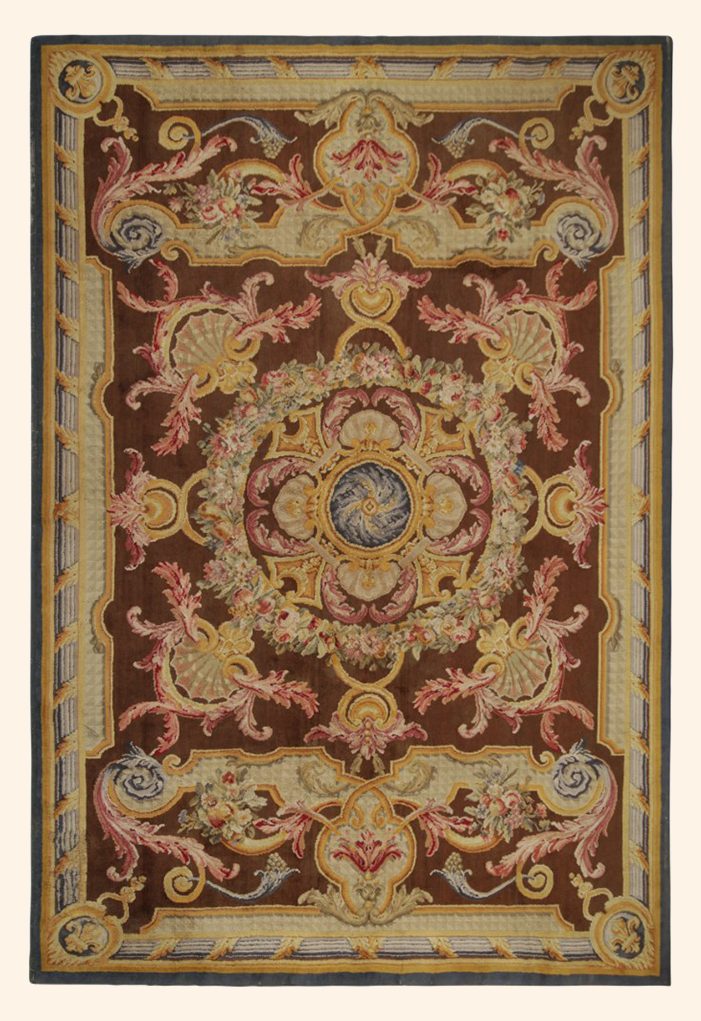
The Antique French Aubussons with their floral medallions and palatial symmetries, might once have mirrored the ceilings of royal salons—a woven echo of Versailles. Meanwhile, the Savonnerie masterpieces tell a different story: born of the Empire’s obsession with control, their perfect geometry and scrolling acanthus motifs reflect a society determined to weave hierarchy into harmony.
Across continents, the same aesthetic philosophy manifested in Persia’s Tabriz and Heriz Bakshaish traditions. The Antique Tabriz Rugs, awash in golds and corals, transform geometry into theology. Here, the medallion becomes a mandala of divine order—an artistic argument that the universe itself is woven.
Every royal rug was both portrait and policy, It spoke not just of beauty, but of the power to define beauty.
The Renaissance of the Hand
If royal art once spoke through grandeur, by the late 19th century it found a new voice in restraint. The Arts & Crafts revival, led by William Morris and his disciples, sought to reclaim the moral dignity of handcraft.
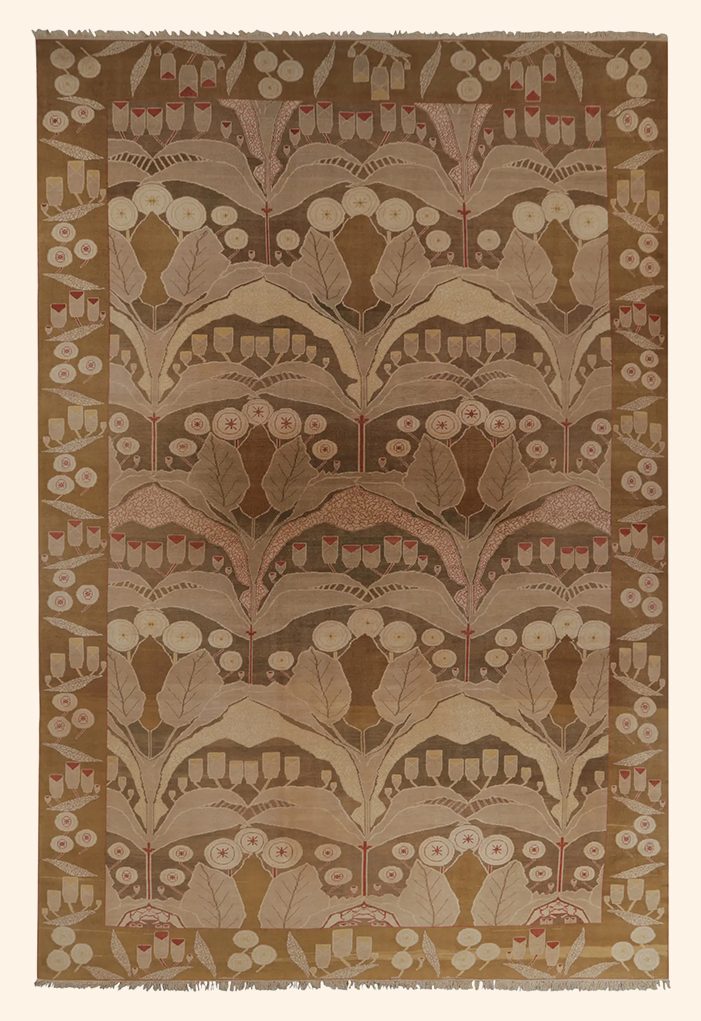
Rug & Kilim’s Fetcher House Palace Rug, designed in the Morris tradition, embodies this rebellion—a restoration of honesty to ornament. Its lilies and vines flow freely, untouched by industrial repetition, echoing Morris’s dictum that “the true secret of happiness lies in taking a genuine interest in all the details of daily life.”
These rugs are not about symmetry, but about sincerity—the kind of luxury that breathes.
Modernism and the Rebirth of Royality
The Leleu Art Deco rugs shifts the conversation once again—into the geometry of modernity.
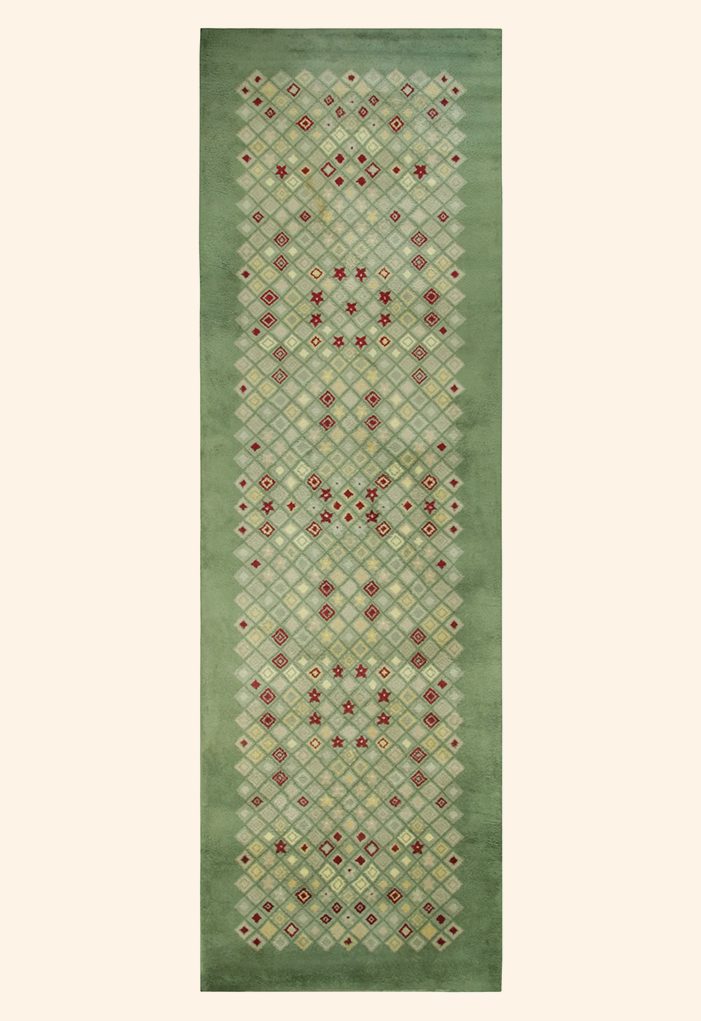
Jean Leleu’s genius was his ability to reimagine aristocratic grace in the idiom of machine-age design: where royal grandeur met architectural rhythm. His work for the ocean liners and pavilions of 1930s Paris made him the “interior architect of optimism”—and this rug, with its sinuous green geometry, carries that same buoyant restraint.
Alongside, the Modern Shekar and Shekargah collections reinterpret classical medallion and hunting motifs through a 21st-century lens. Their palettes—ranging from turquoise to obsidian—recall couture fabric rather than traditional carpetry.
To design for today, is not to abandon the past—but to edit it.
These modern works represent Rug & Kilim’s belief that continuity is not nostalgia—it is evolution. By commissioning and curating artists who understand the language of historical textile yet speak it in a contemporary dialect, the house ensures that legacy remains alive, not embalmed.
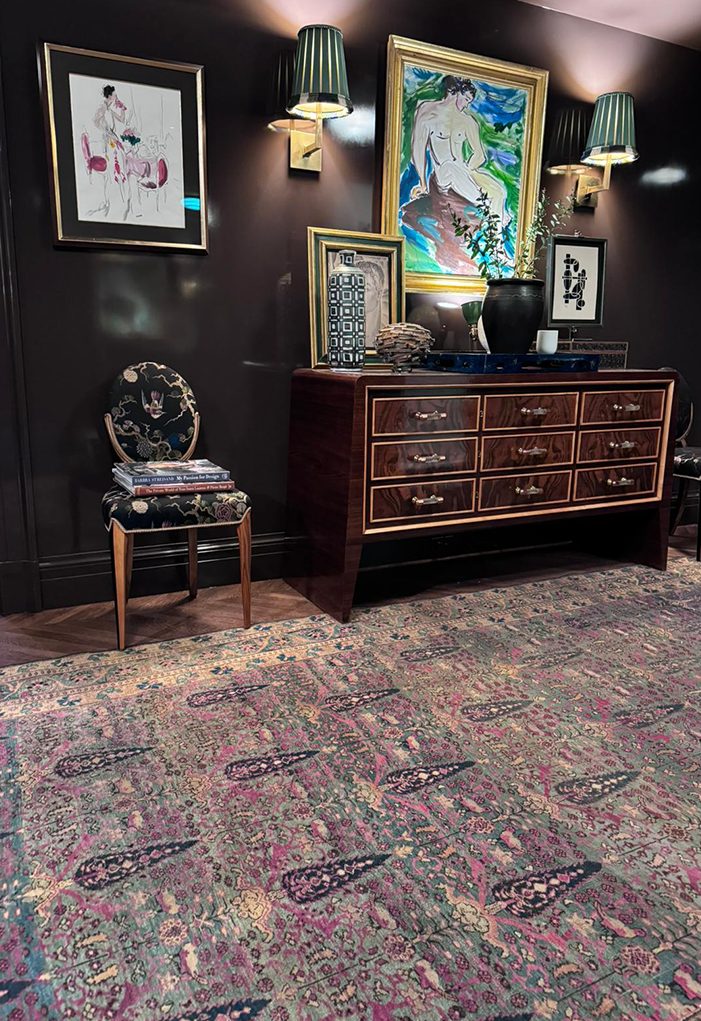
EZG Interiors x Rug & Kilim
Design as Diplomacy
To understand The Royal Collection is to understand that design has always been diplomatic. Each rug within it once mediated between cultures, courts, and ideologies.
French Aubussons were diplomatic gifts from the crown; Persian masterpieces circulated through Ottoman, Mughal, and European exchange; modern commissions now traverse continents of collectors and designers.
Placed today in contemporary interiors—New York penthouses, Parisian hôtels particuliers, London embassies—these rugs become instruments of aesthetic negotiation once more.
A royal rug doesn’t just inhabit a space—it educates it. It teaches the room how to hold itself.
The Modern Court of Design
If there is a modern court, it is not Versailles—it is the atelier. In this spirit, Rug & Kilim’s Royal Collection is less a museum archive than a living monarchy of design.
Each acquisition—whether the monumental Aubusson, the Leleu Art Deco, or the Modern Rose and Liliom medallion series—is part of a lineage, not a category. It reflects a belief in textile as architecture, pattern as philosophy, and luxury as literacy.
Our role is not just to preserve history, but to continue its conversation. Royalty, after all, is not a crown—it’s a standard.
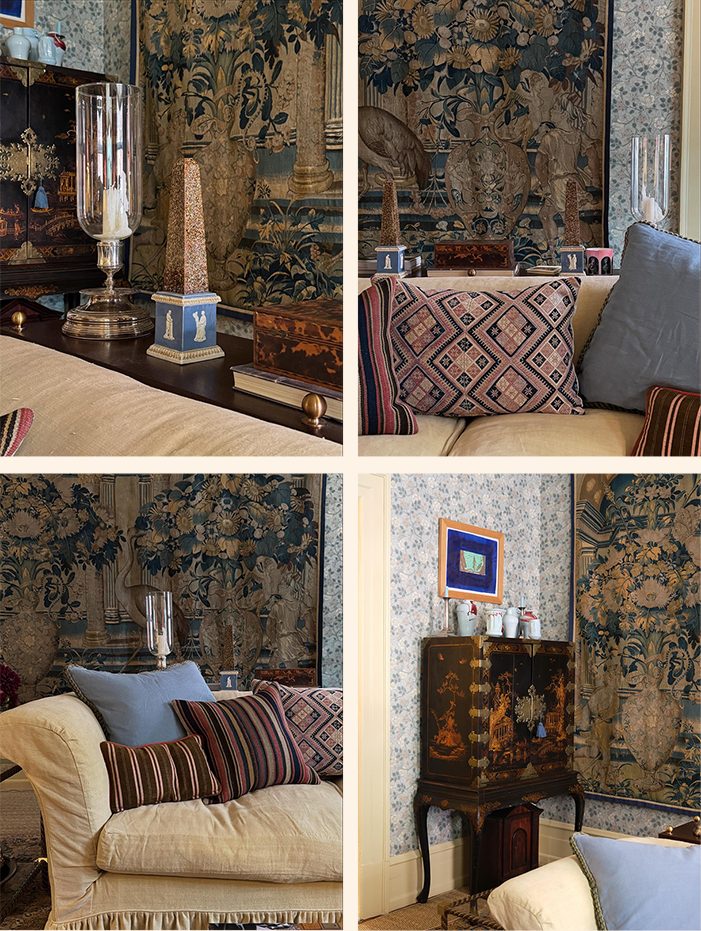
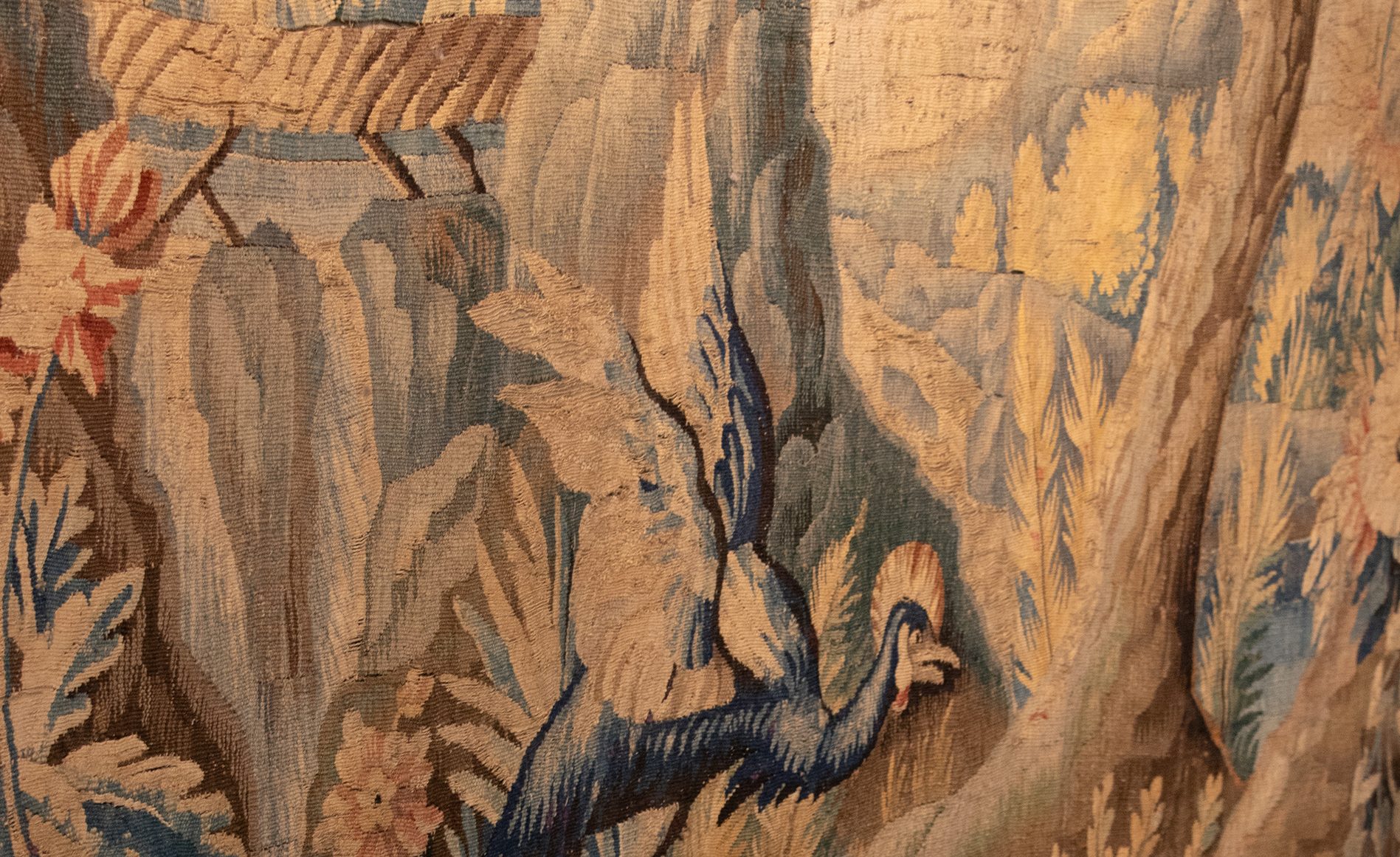
Kips Bay New York 2025 – Ben Pentreath Studio & Amanda Flood Featuring ourAntique Flemish Verdure Tapestry (c. 1670-1690), (No. 34101_8’5” x 9’10”)
Epilogue: The Crown Endures
To step into Rug & Kilim’s Royal Collection is to experience time not as chronology, but as continuity. These are rugs that do not whisper of the past; they speak in it.
For designers who understand that heritage is not imitation but inheritance, this collection offers more than beauty—it offers belonging.
The loom, was humanity’s first architecture.
In Rug & Kilim’s Royal Collection, it remains its most enduring throne.