Inquire About this Volume
Learn more about this volume
by calling an expert on our team.
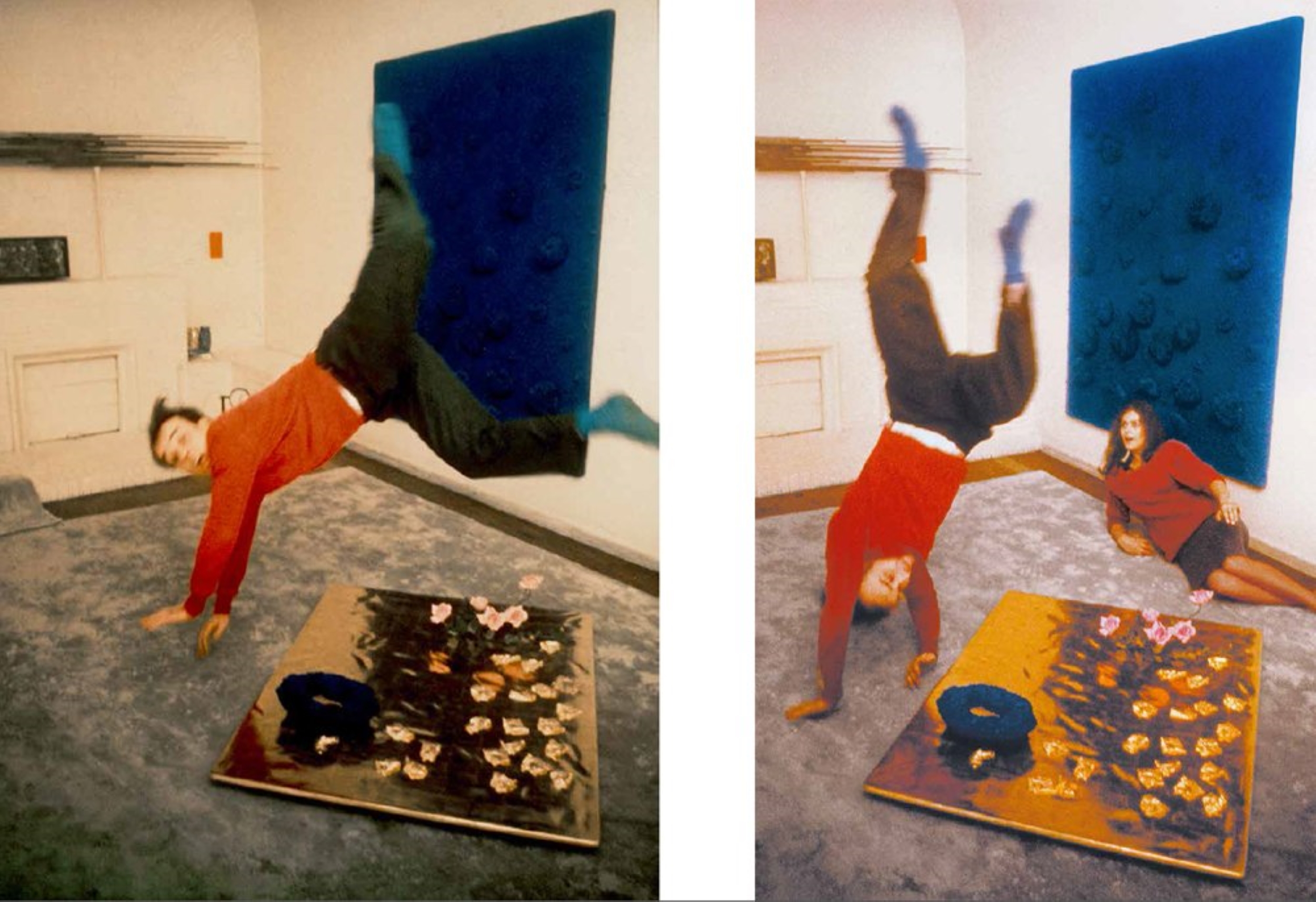
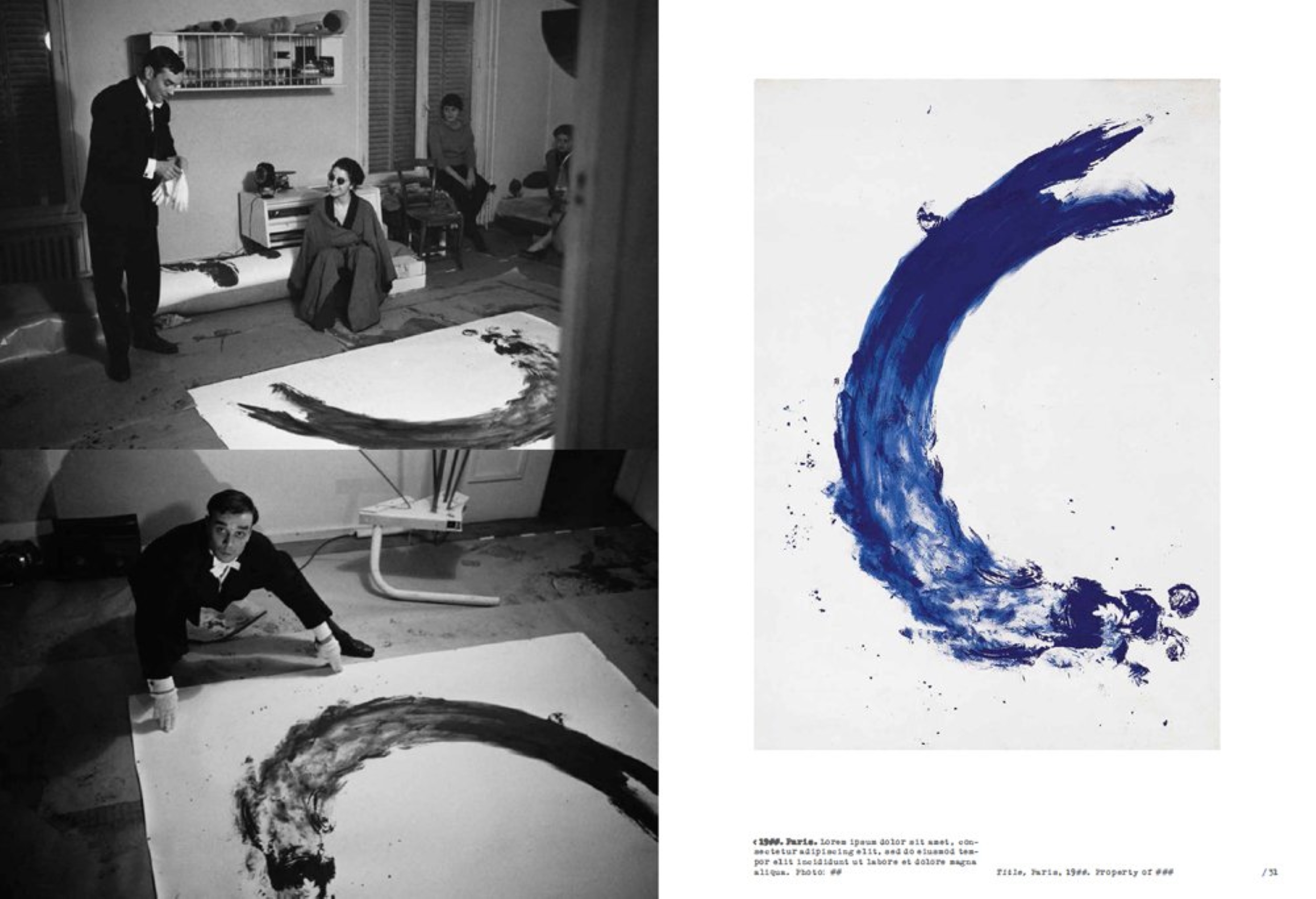
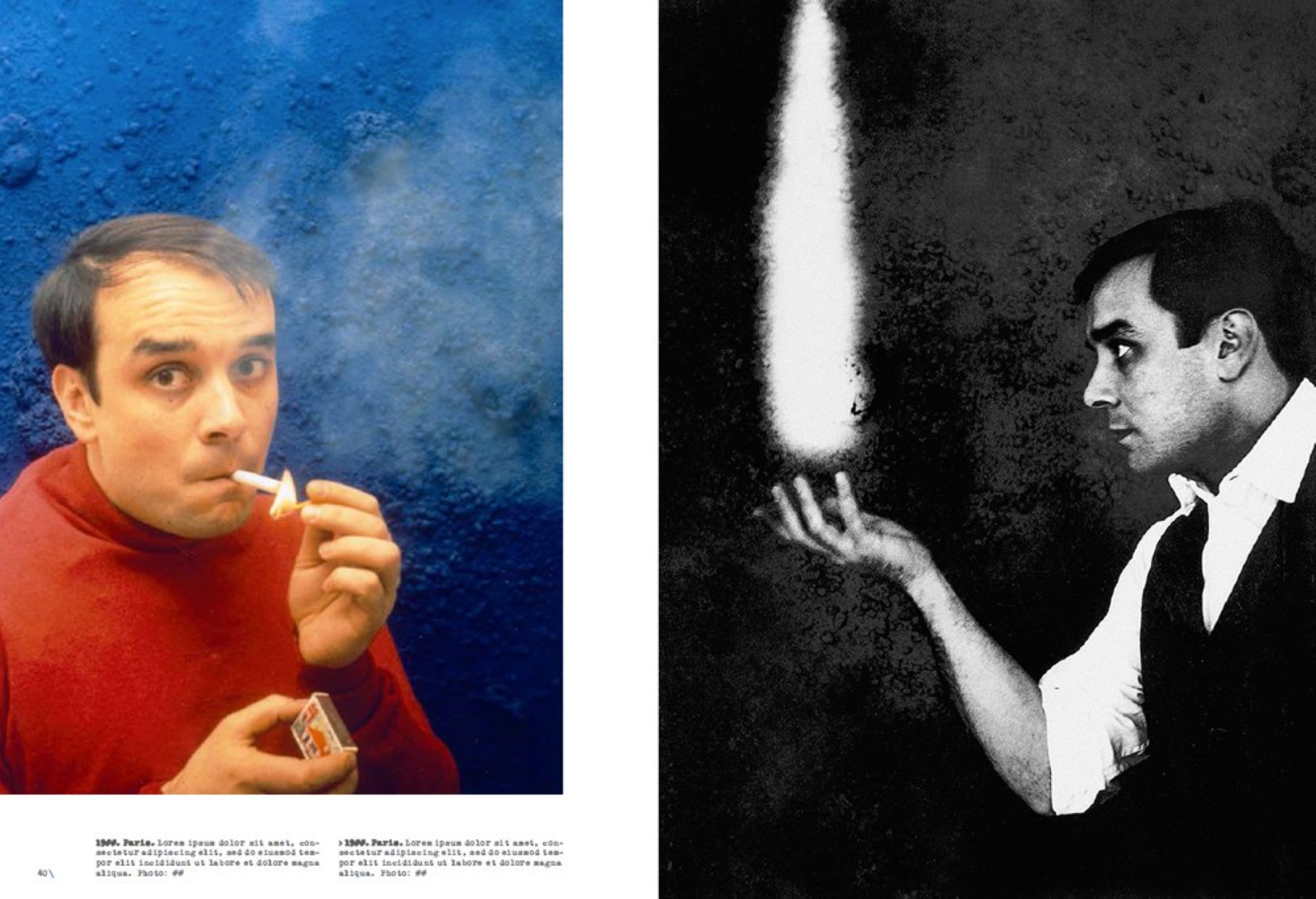
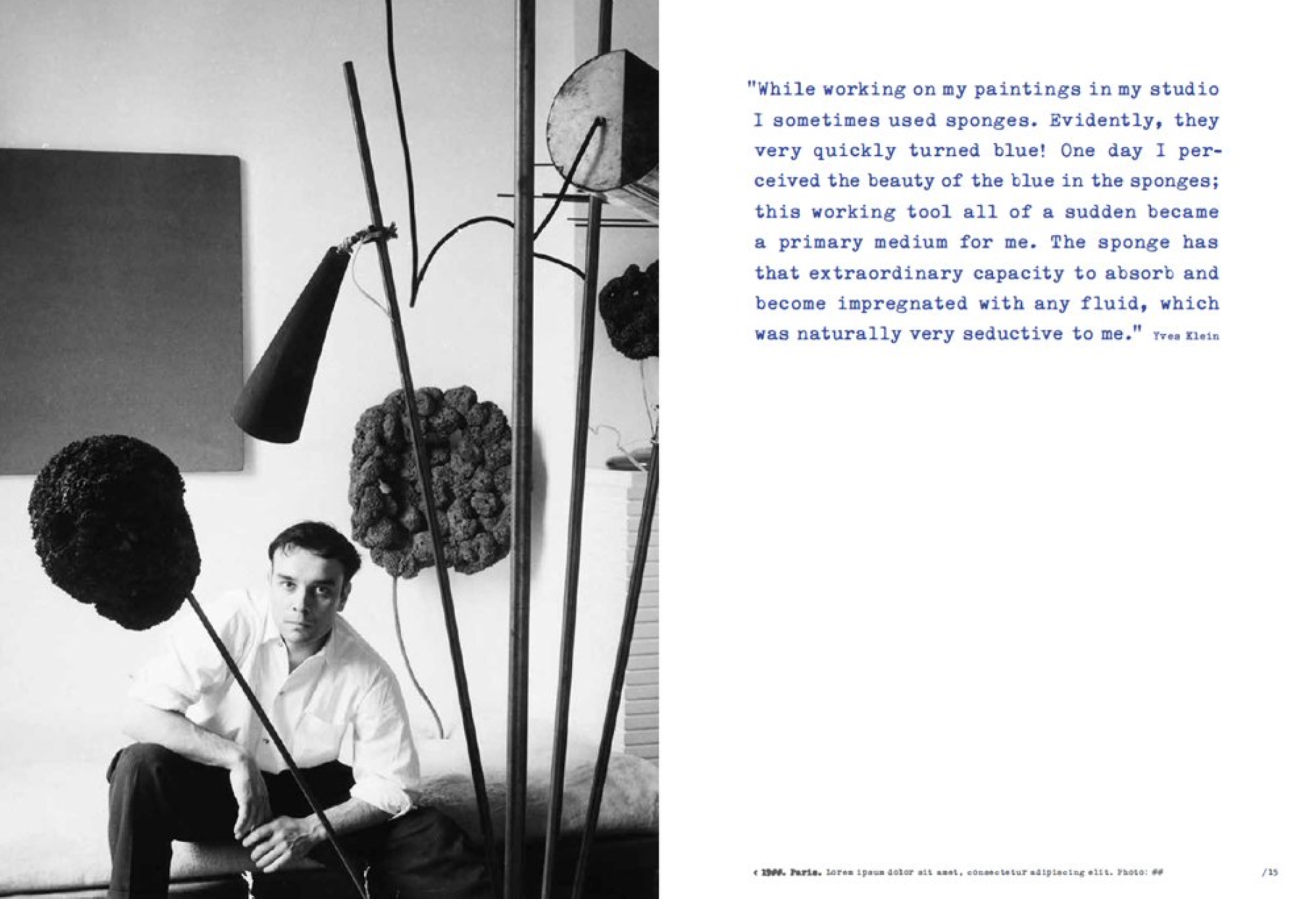
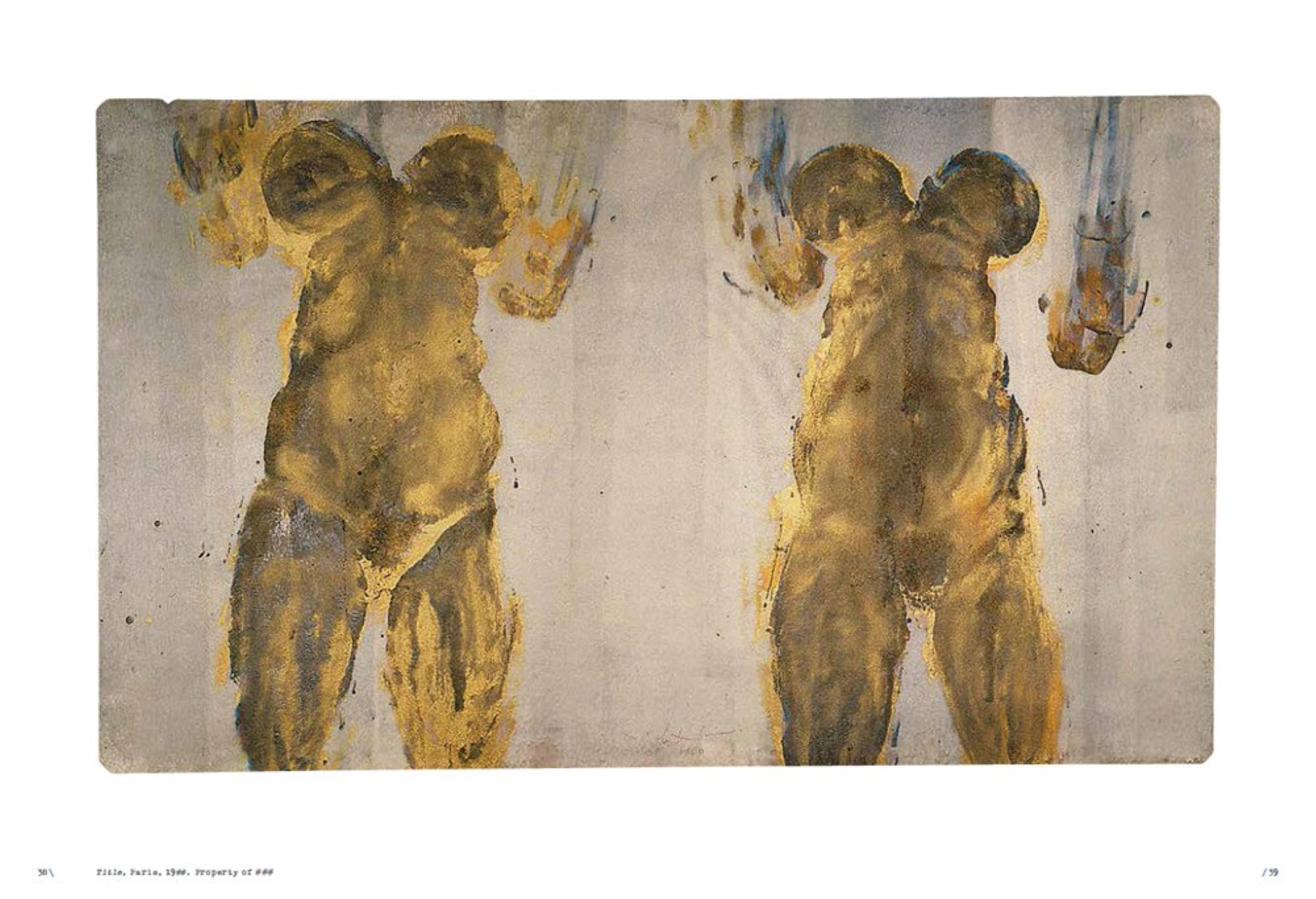
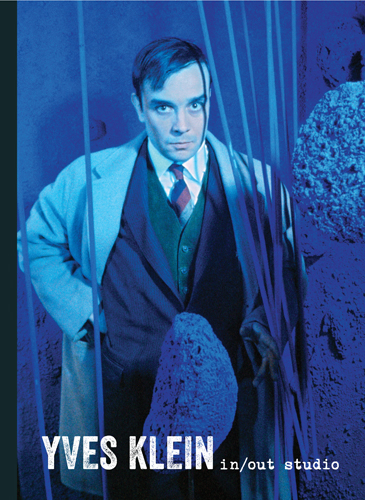
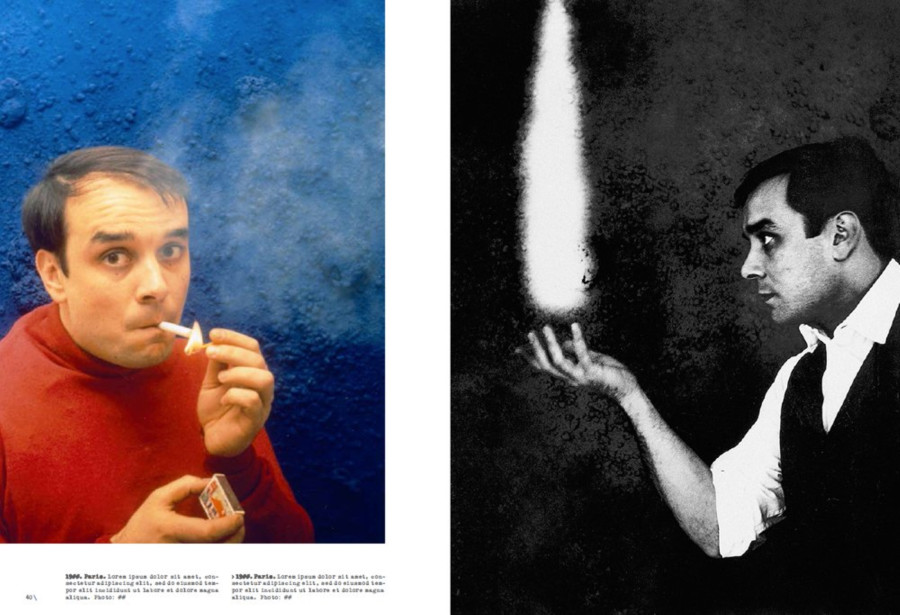
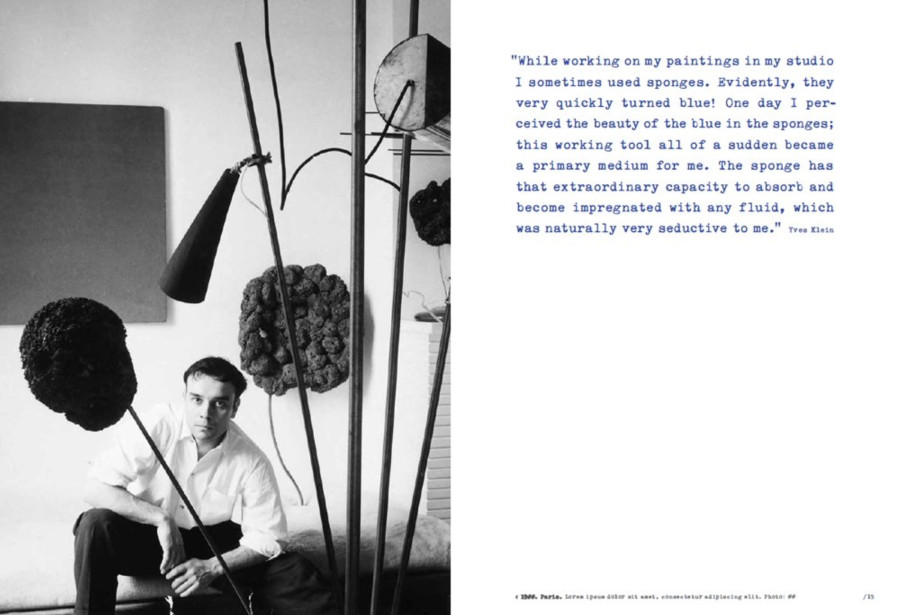
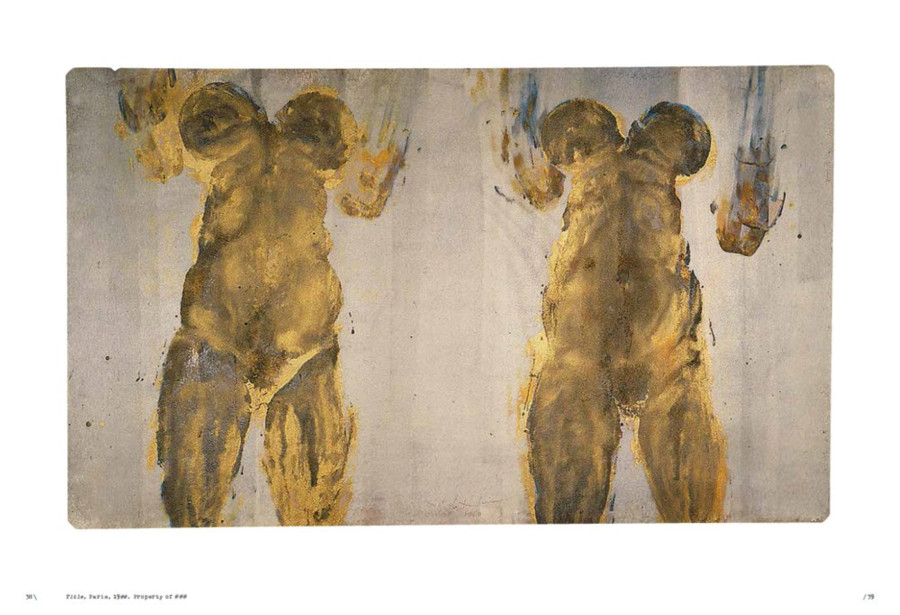
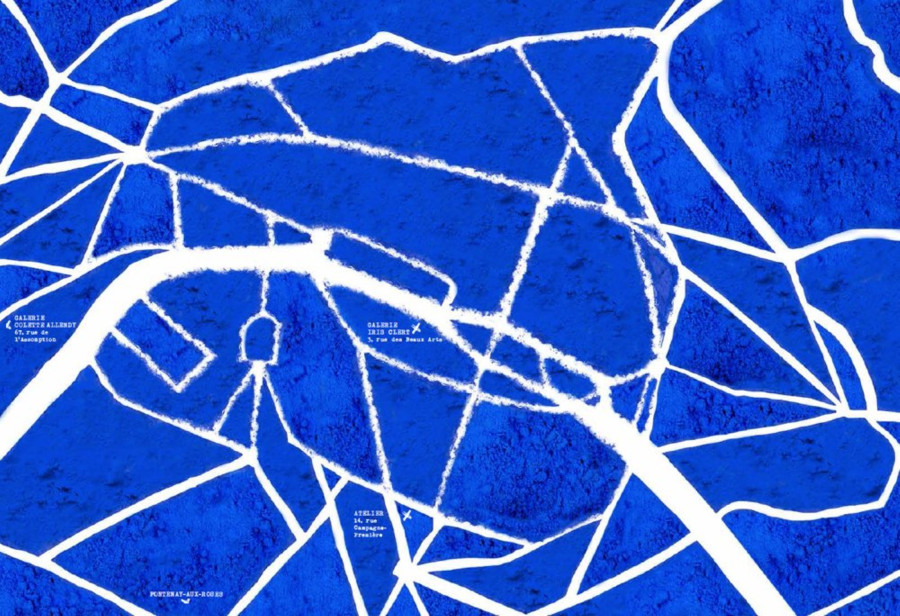
Yves Klein: In/Out Studio
Matthias Koddenberg.
Preserved in our design reference library. Inquire to visit and use as a resource.
D.A.P./Verlag Kettler, 2016
"Rug & Kilim's inventory spans the past four centuries and includes everything from ethnic and tribal patterns to European designs, as well as a host of Art Deco, abstract and understated tone-on-tone offerings, all in a vast array of materials, weaves and sizes."
— Tony Freund, 1stDibs Editorial Director
A standard since our inception upheld across every acquisition,
transaction, and delivery.
45+ Year Old Institution
More than four decades of expertise and stewardship, under the leadership of our Principal, Jahanshah "Josh" Nazmiyal.
Favorable Return Policy
Our return policy is 48 hours upon receipt allowing you to confirm the purchase in your space with confidence.
Product Warranty
Each rug is hand selected or produced through the most reputable sources under the direct supervision of our Principal.
Trusted Global Delivery
Reliable worldwide delivery handled with care, precision and constant communication.
Exceptional Support
Attentive, knowledgeable guidance before and after purchase from our dedicated team of specialists.
Long Term Care
We stand behind every piece we place and remain a resource to our clients for the lifetime of their collection.
- Measurements: 0'8" x 0'11" ( 0.20 m x 0.28 m )
- Categories: Art, Volumes
- Classification: French, Modernist (20th Century)
- SKU: B205

Specifications:
Stories from the Volumes Collection
Essays, artist dialogues, and provenance notes drawn from Rug & Kilim’s editorial desk.
A Guide to Bessarabian Rugs: History, Design, and Modern Luxury
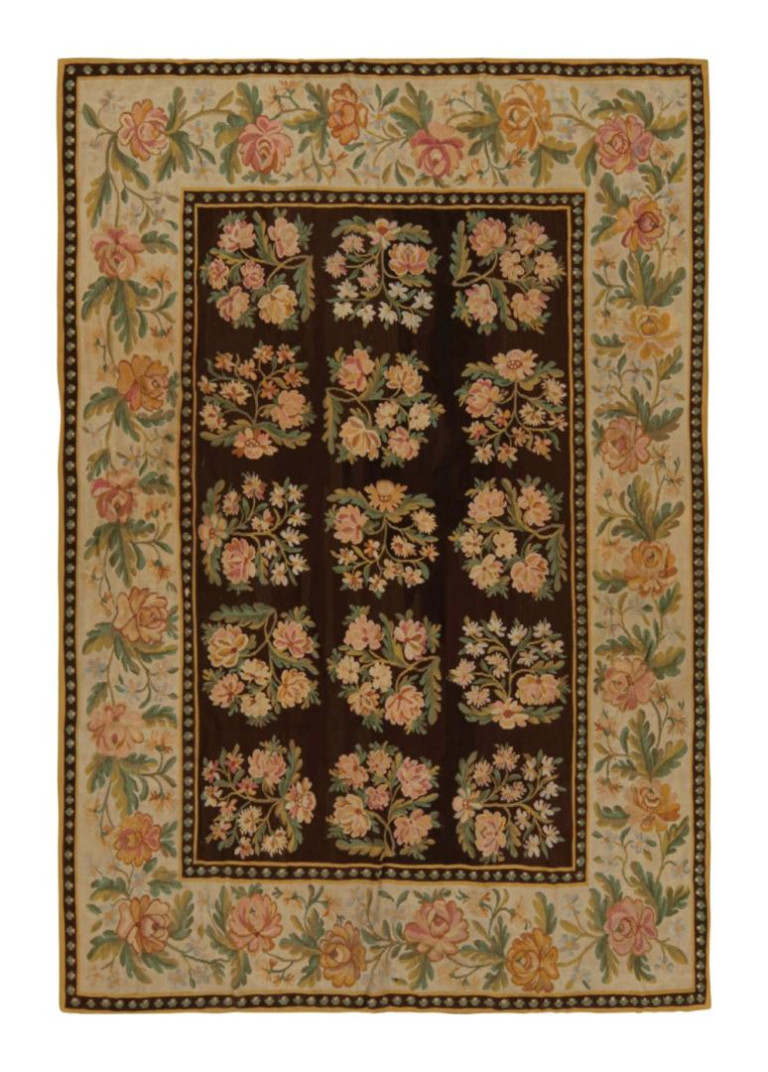
Within the world of collectible textiles and luxury interiors, few rug traditions possess the quiet sophistication and painterly elegance of Bessarabian rugs. Emerging from the historic region of Bessarabia—an area historically situated between present-day Moldova, Romania, and Ukraine—these rugs occupy a unique position at the crossroads of Eastern European folk tradition, Ottoman influence, Russian imperial culture, and French decorative aesthetics. Unlike the geometric tribal weavings commonly associated with Central Asia or the medallion-driven structures of Persian carpets, Bessarabian rugs developed a distinctly atmospheric and ornamental visual language. Their floral compositions, subdued tonal harmonies, and expansive decorative fields positioned them closer to European decorative arts than purely utilitarian floor coverings.
Read the Feature
The Long Life of a Green: On Celery, Color of the Year, and the Four Centuries of Weaving That Anticipated It
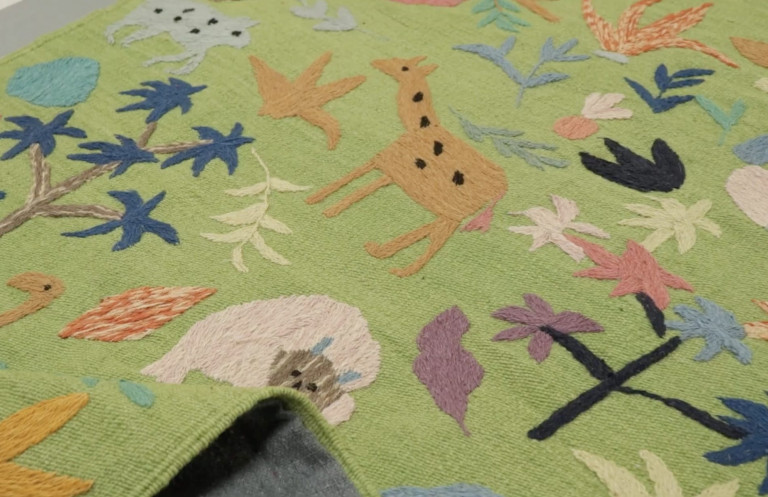
Every year, the color world makes its pronouncement, and every year the design world turns to see what it has been given. For 2027, Sherwin-Williams has named Celery; a light, airy, herbal green with a yellow undertone, chosen, in the company's words, for a moment that prizes wellness, balance, and connection. It is a soft color with a quiet glow and a faint edge; it pairs, its makers note, with white for something breezy, with cranberry red for something playful, with brown for something elevated. It is, by any measure, a beautiful and intelligent choice. It is also a color the great weavers of the world have understood for four hundred years.
Read the Feature
The New Luxury Is Something You Can Feel: Texture in the Modern High-End Interior
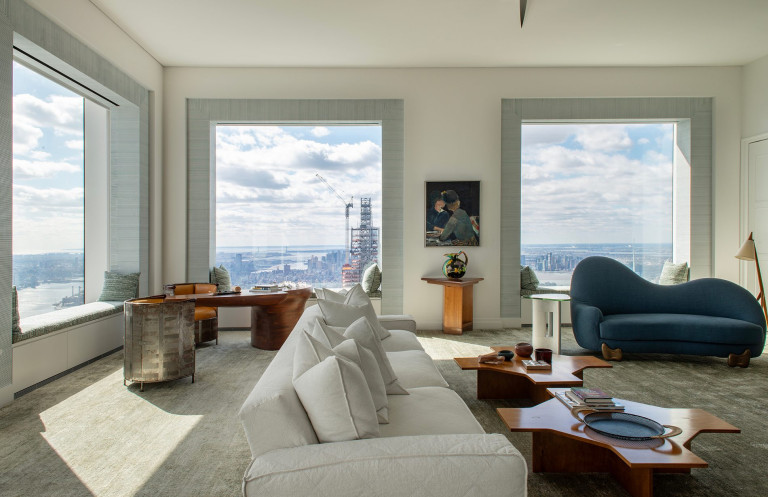
As featured in NEPTUNE Papers 10, Rug & Kilim’s custom hand-knotted silk carpet appears within a private Manhattan penthouse designed by renowned French interior architect Jacques Grange.View More Press Articles>> For the better part of two decades, the language of luxury was spoken in color and pattern. A room announced itself through what could be seen from across it like the saturated wall, the bold motif, the statement made at a glance. That language has quietly changed. The most considered interiors of this moment no longer announce but invite. And the medium of that invitation is not color, nor pattern, but texture, the one quality of a room that cannot be photographed, cannot be reproduced on a screen, and cannot be fully understood until one is standing inside it.
Read the Feature
The Evolution of Floral Motifs in Antique Rugs and Kilims: Mapping the Pomegranate, Tulip, and Carnation
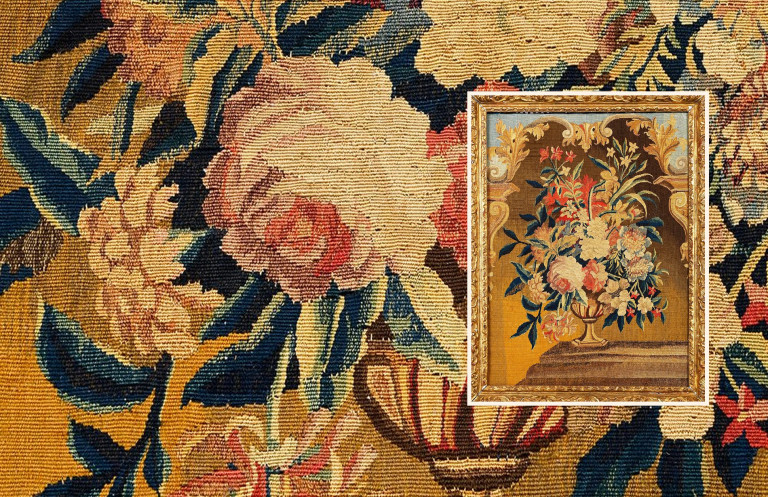
Antique 17th Century French Beauvais Tapestry with Floral Vase - Rug & Kilim, NO. 36829 We had a tapestry acquisition unfolding itself in the studio a while ago. Josh and the team just stood there, silently admiring the way the light caught the threads. This was the Antique French Beauvais Tapestry (SKU 36829). It was handwoven in wool, with natural silk accents, circa 1700. When you look at something like that, you do not just see fabric. What you see is the garden of wool and dreams. The precise interlacing of the wefts gives a picture of a gigantic floral vase placed atop an architectural entablature. The botanical imagery is absolutely mesmerizing. There is so much wealth and mystery to it all.
Read the Feature
Christian Bérard, Jean-Michel Frank, and the Making of Nelson Rockefeller’s Most Personal Room
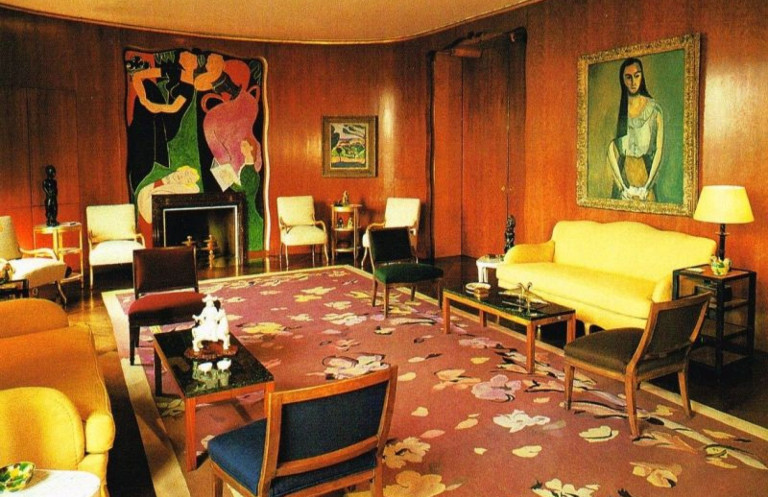
In April 1939, the SS Normandie docked in New York Harbor carrying, somewhere in her hold, a rolled carpet. The Normandie was herself the most extravagant object afloat; an emblem of French luxury and design, her marble lounges dressed with Aubusson carpets, signed furniture, and exceptional lighting, a vessel so audaciously beautiful that the New York Times had described her maiden crossing as "the greatest mass of steel and machinery ever to sail the sea." She was also, in April 1939, five months from her last voyage. Germany would invade Poland in September. The Normandie would be seized by the United States Navy, catch fire during conversion to a troopship, and capsize into the Hudson River, taking with her the full weight of the civilization she had been built to represent.
Read the Feature
Vintage Andean Frazada Kilim and the Three Thousand Years of Living Memory Held in Its Weave
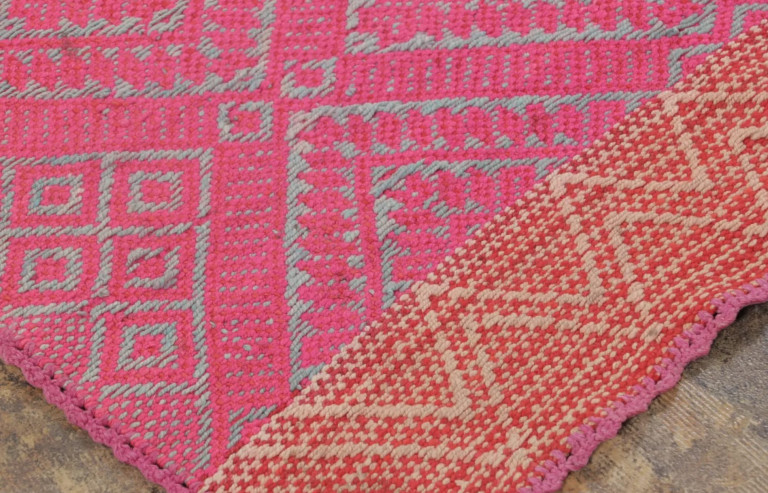
The most sophisticated rooms in America are being furnished, increasingly, with an object its makers never intended to sell. The Andean frazada, a handwoven kilim produced for centuries in the high villages of Peru and Bolivia for one reason only, to survive the cold, has become one of the most quietly coveted textiles in contemporary design. Collectors who could specify anything are choosing these. The reason has nothing to do with trend, and everything to do with what a frazada actually is. To understand a frazada, you must first understand the altitude. Above four thousand meters in the Andes, higher than any peak in the contiguous United States, in air so thin that newcomers move slowly and sleep poorly for days, the cold is not a season. It is a constant. It arrives every night, regardless of the calendar, and it has arrived every night for as long as people have lived in these mountains. The frazada was the answer to that cold: a thick, dense, hand-woven wool blanket, made not for sale, not for export, not for the floors of distant apartments, but for survival. For warmth. For the bed of a family that would not otherwise make it through the dark.
Read the Feature


Yves Klein: In/Out Studio
Matthias Koddenberg.
Preserved in our design reference library. Inquire to visit and use as a resource.
D.A.P./Verlag Kettler, 2016
"Rug & Kilim has been a pleasure to work with from the very start of our relationship. Not only is their service outstanding, their inventory of one of a kind vintage rugs is unparalleled."
— Alan Eckstein and Margaret Goddard, Somerset House
- Measurements: 0'8" x 0'11" ( 0.20 m x 0.28 m )
- Categories: Art, Volumes
- Classification: French, Modernist (20th Century)
- SKU: B205