Inquire About this Volume
Learn more about this volume
by calling an expert on our team.
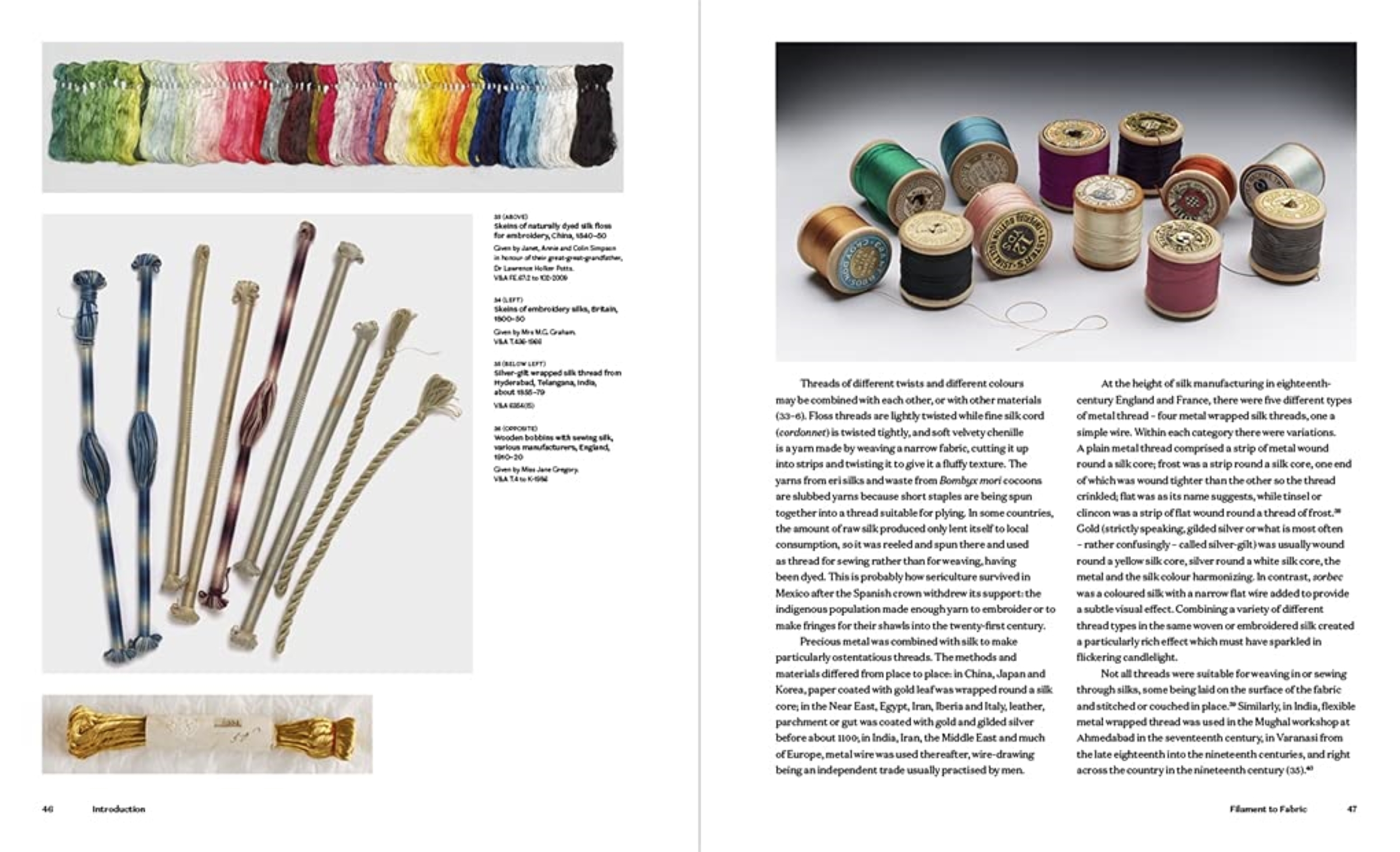
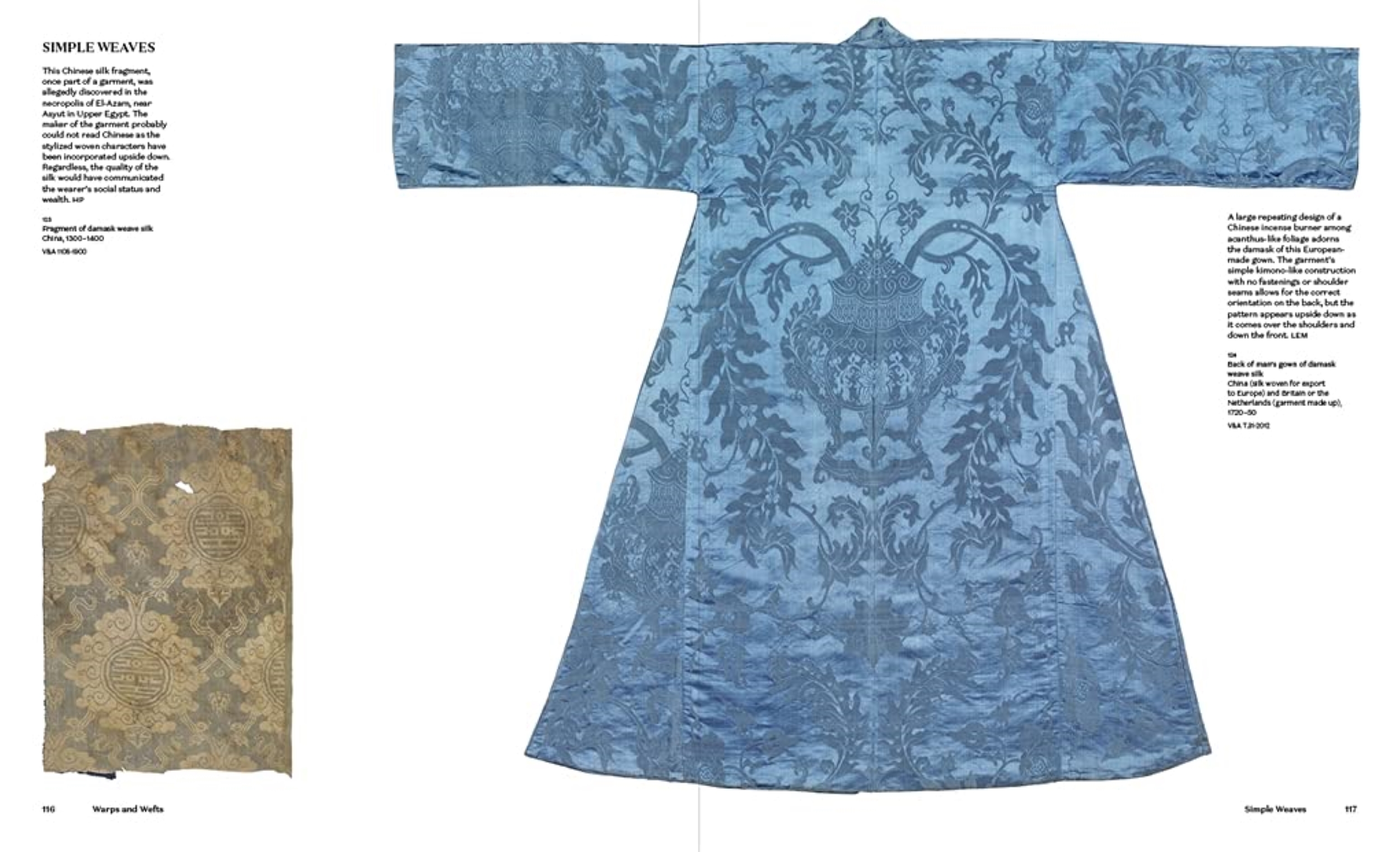
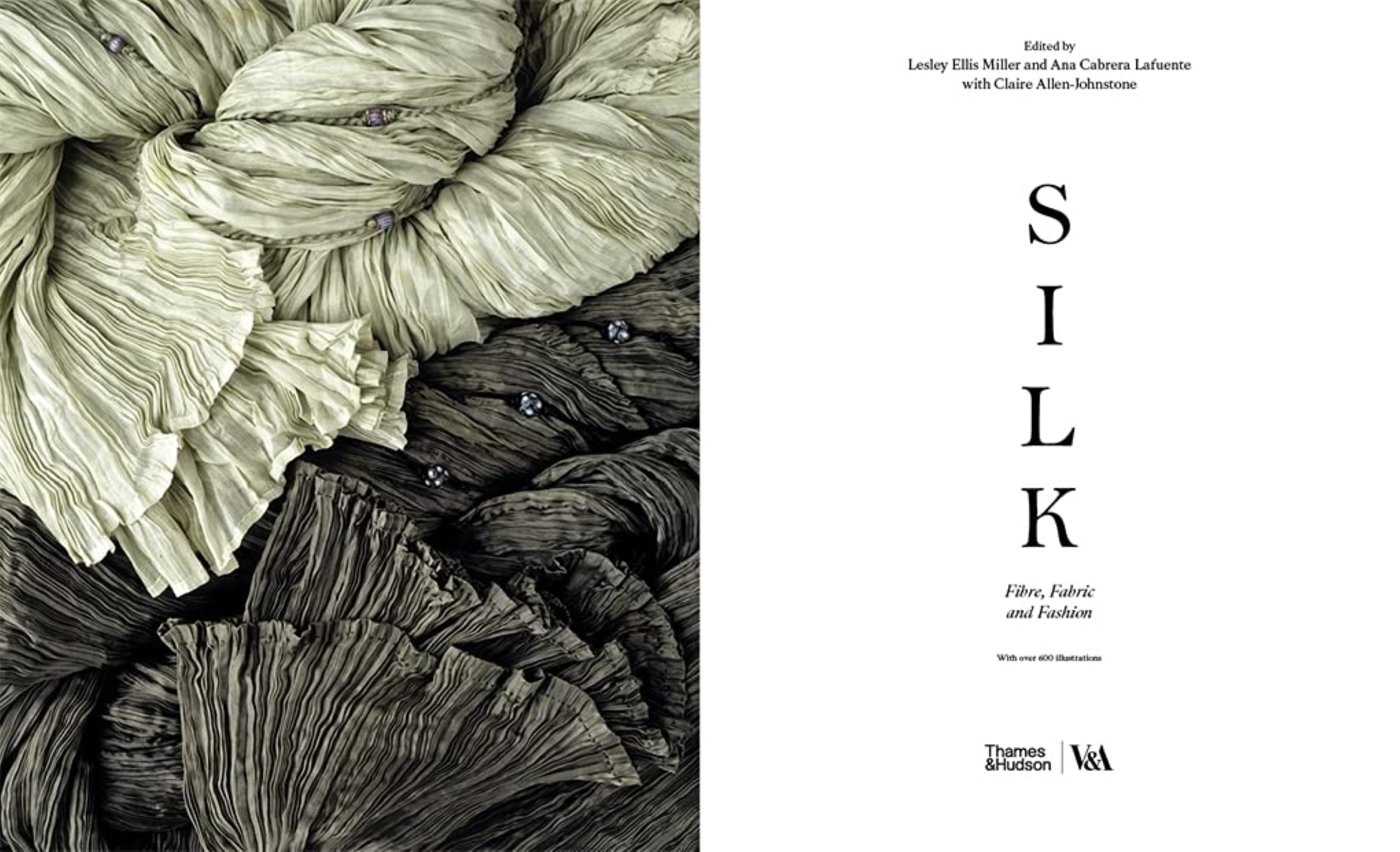
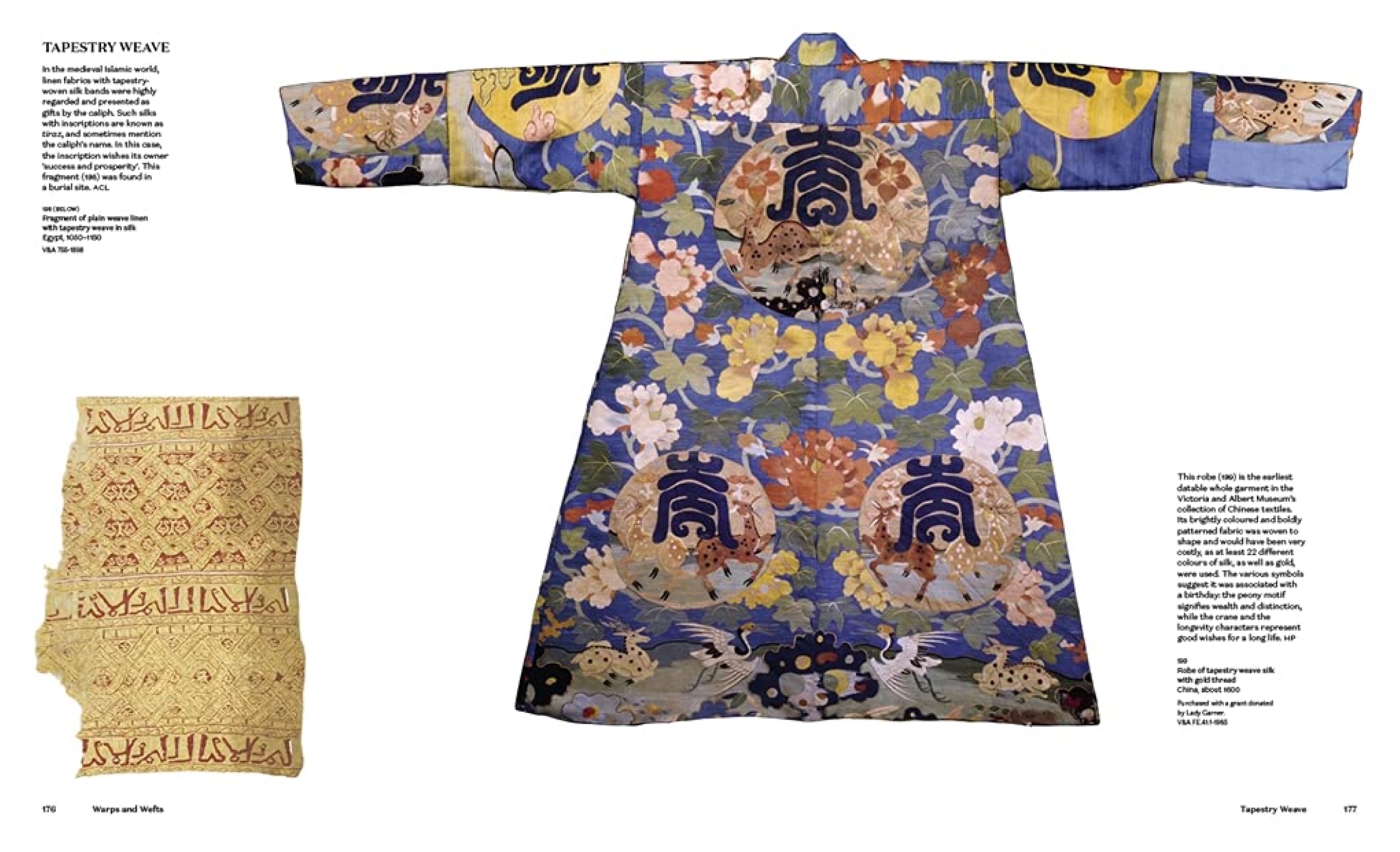
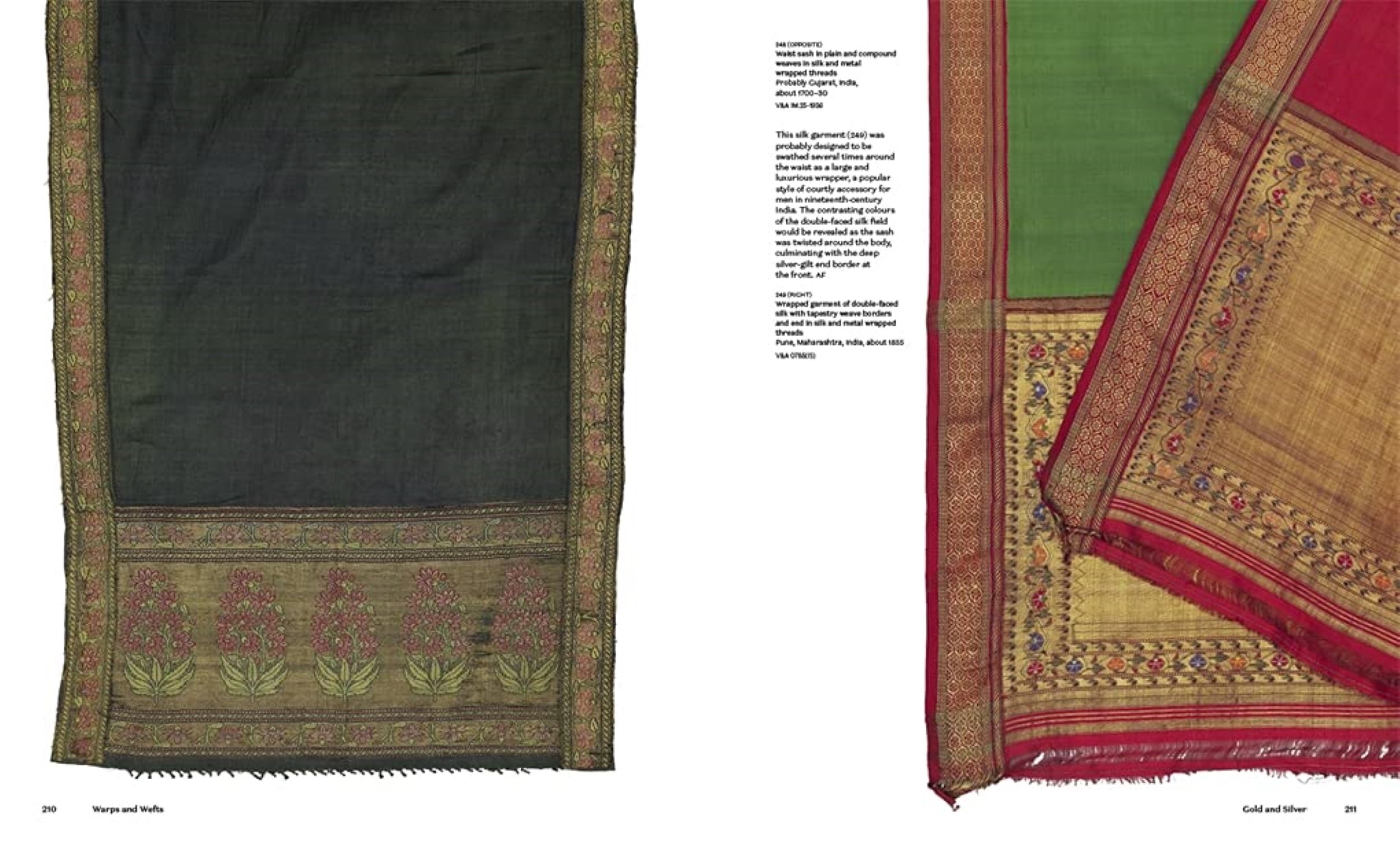
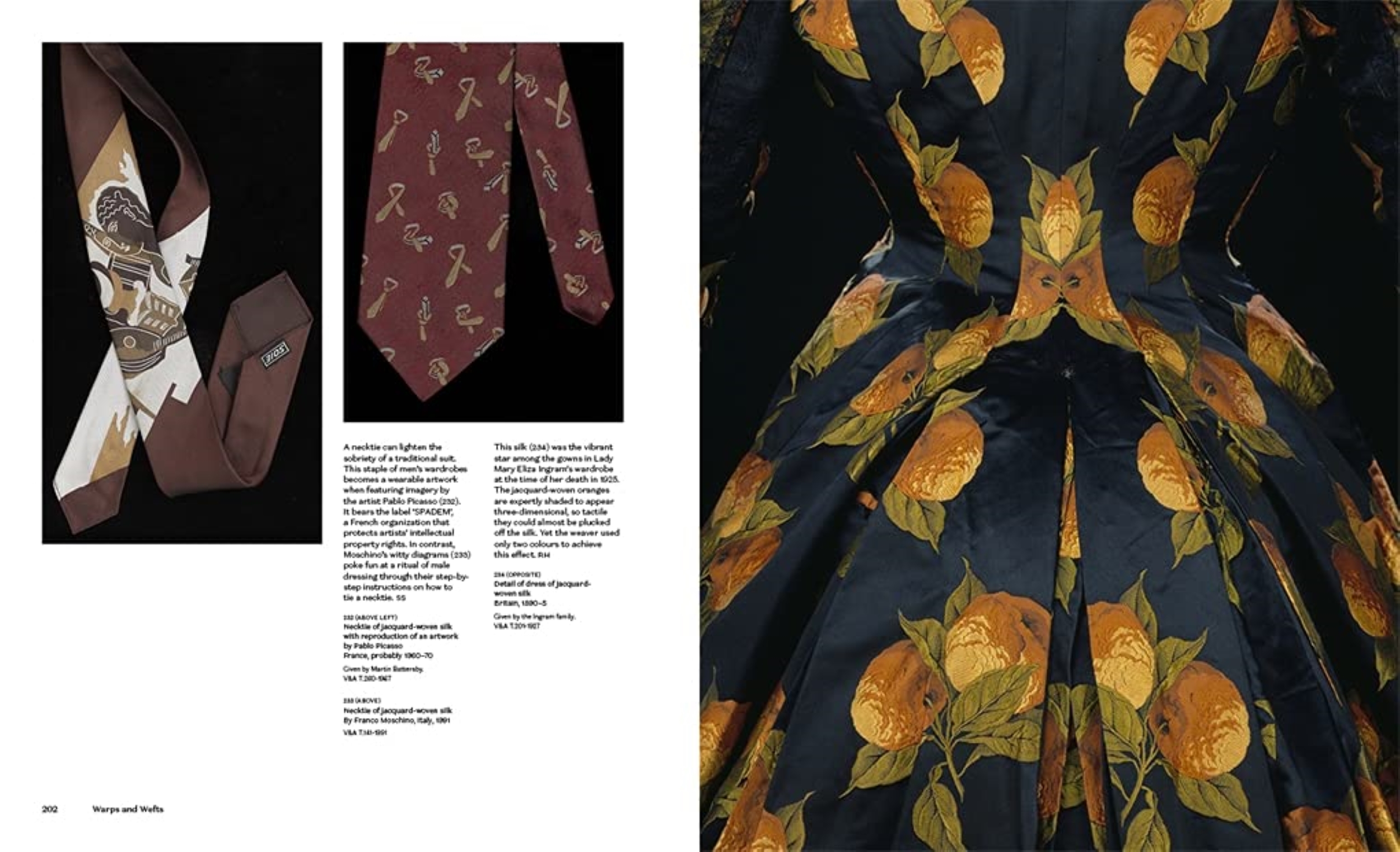
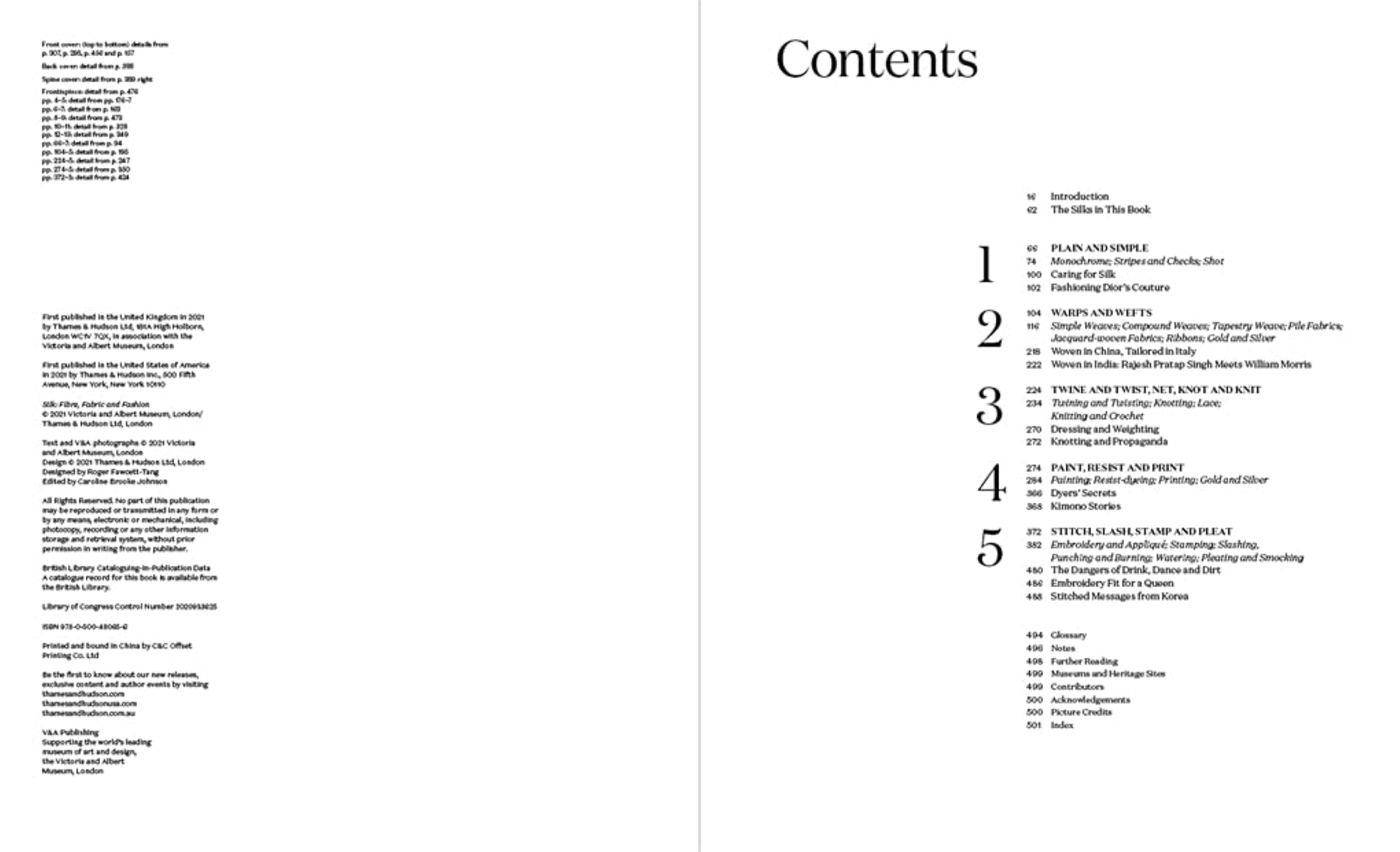
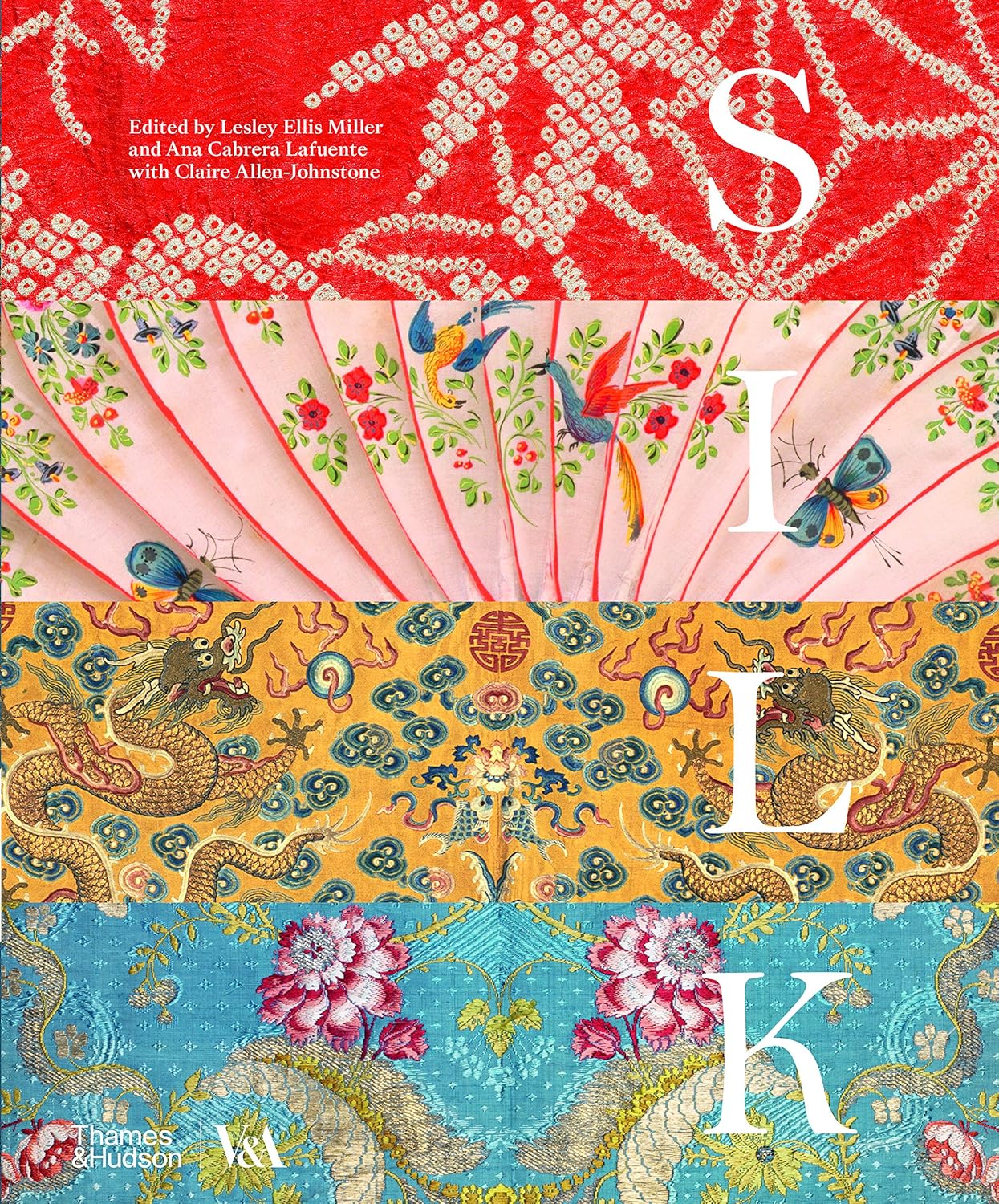
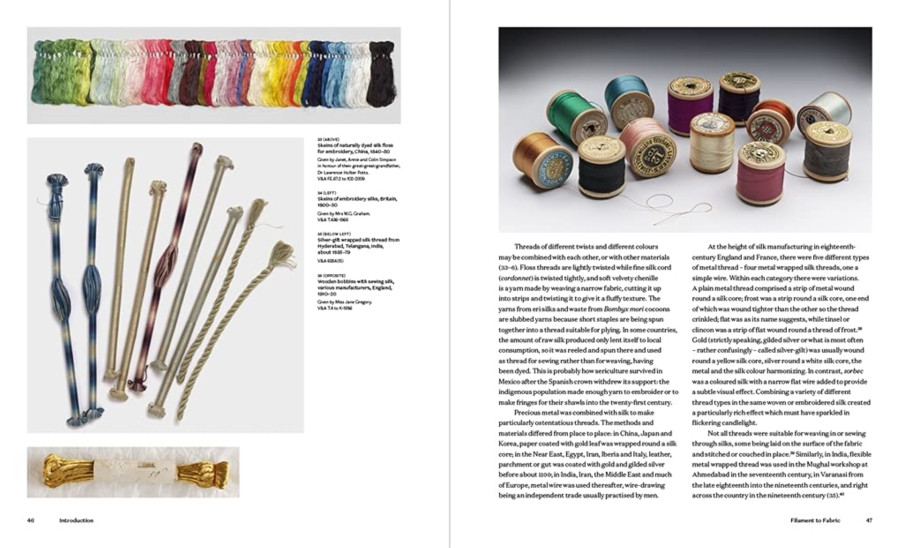
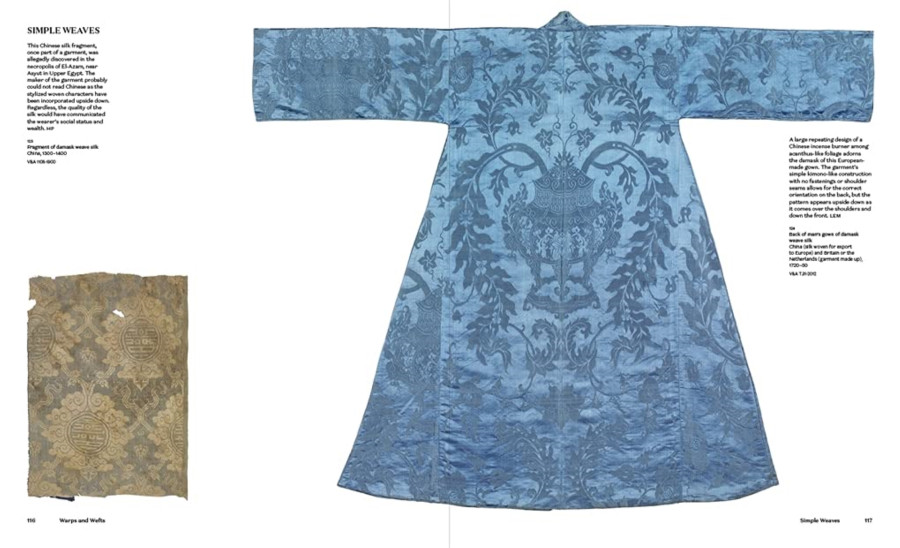
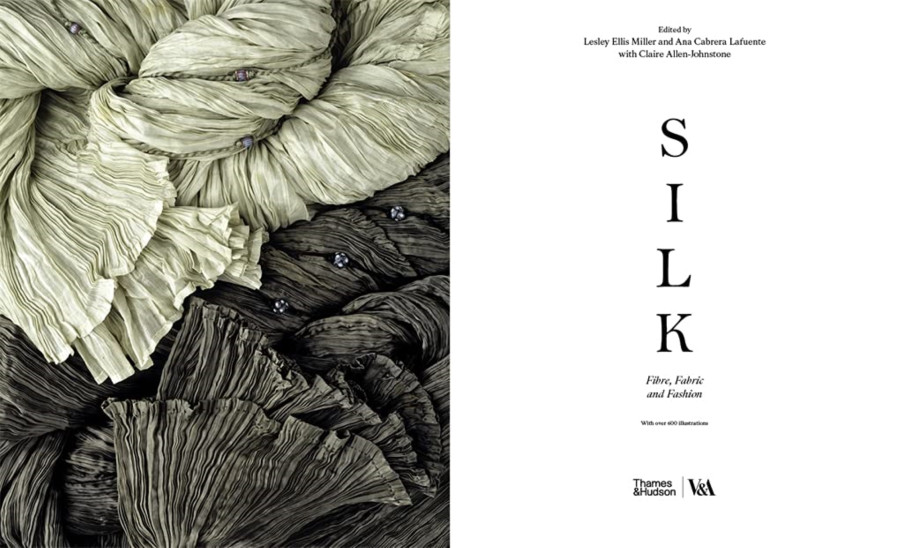
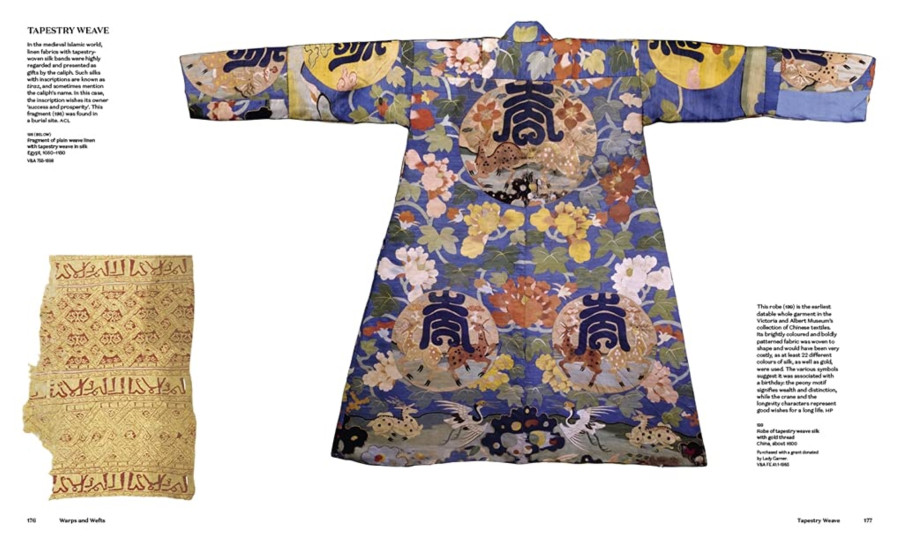
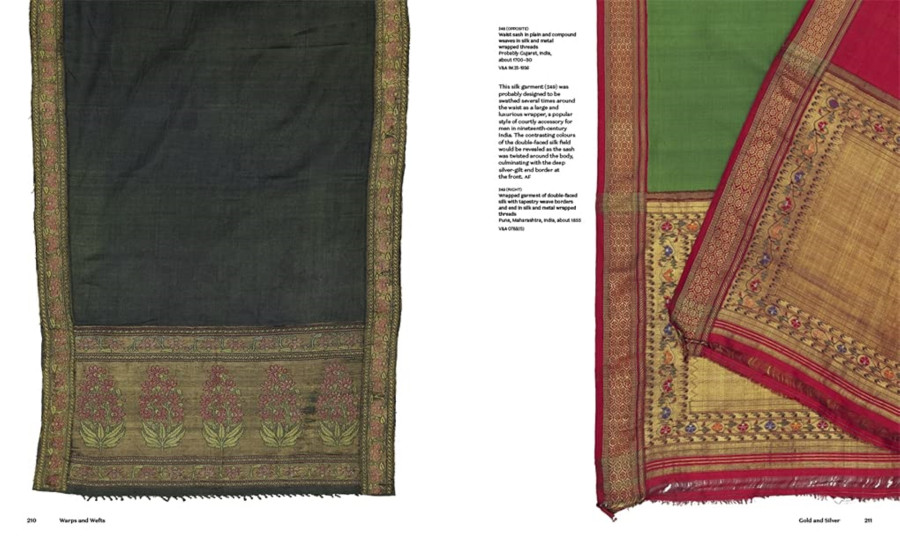
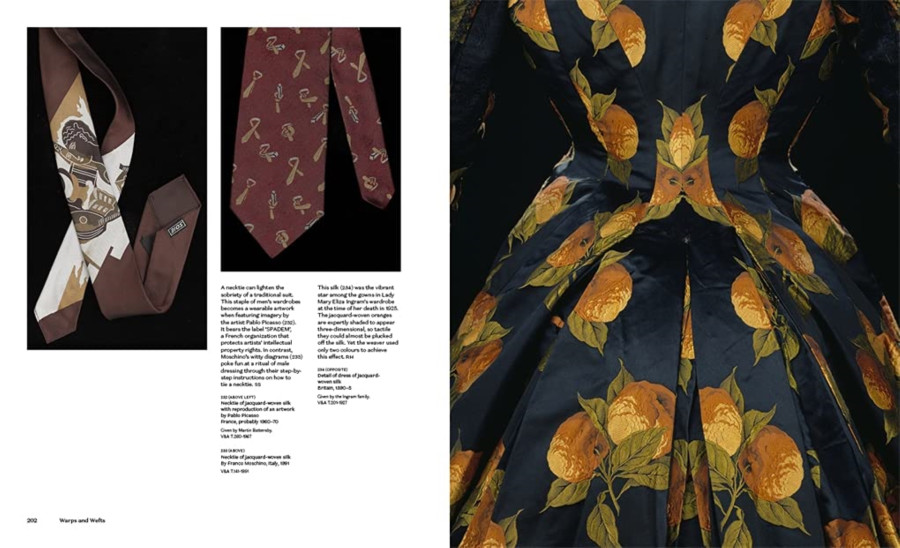
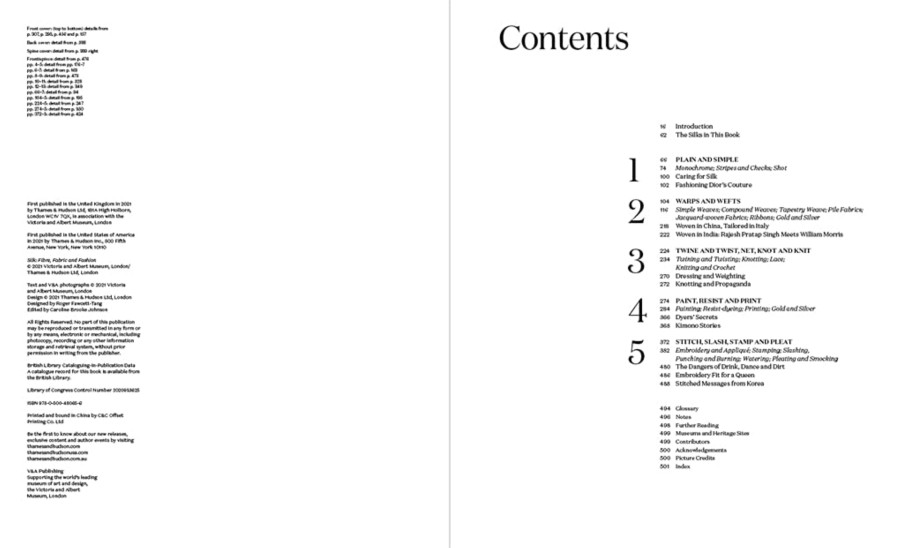
Silk: Fibre, Fabric and Fashion
Lesley Ellis Miller.
Available: Shipping As Soon As Tomorrow
Thames and Hudson, 2021
"Rug & Kilim has been a pleasure to work with from the very start of our relationship. Not only is their service outstanding, their inventory of one of a kind vintage rugs is unparalleled."
— Alan Eckstein and Margaret Goddard, Somerset House
A standard since our inception upheld across every acquisition,
transaction, and delivery.
45+ Year Old Institution
More than four decades of expertise and stewardship, under the leadership of our Principal, Jahanshah "Josh" Nazmiyal.
Favorable Return Policy
Our return policy is 48 hours upon receipt allowing you to confirm the purchase in your space with confidence.
Product Warranty
Each rug is hand selected or produced through the most reputable sources under the direct supervision of our Principal.
Trusted Global Delivery
Reliable worldwide delivery handled with care, precision and constant communication.
Exceptional Support
Attentive, knowledgeable guidance before and after purchase from our dedicated team of specialists.
Long Term Care
We stand behind every piece we place and remain a resource to our clients for the lifetime of their collection.
- Measurements: 0'9" x 0'11" ( 0.24 m x 0.29 m )
- Categories: Textile, Volumes
- Classification: Tapestry & Textile
- SKU: B110

Specifications:
Stories from the Volumes Collection
Essays, artist dialogues, and provenance notes drawn from Rug & Kilim’s editorial desk.
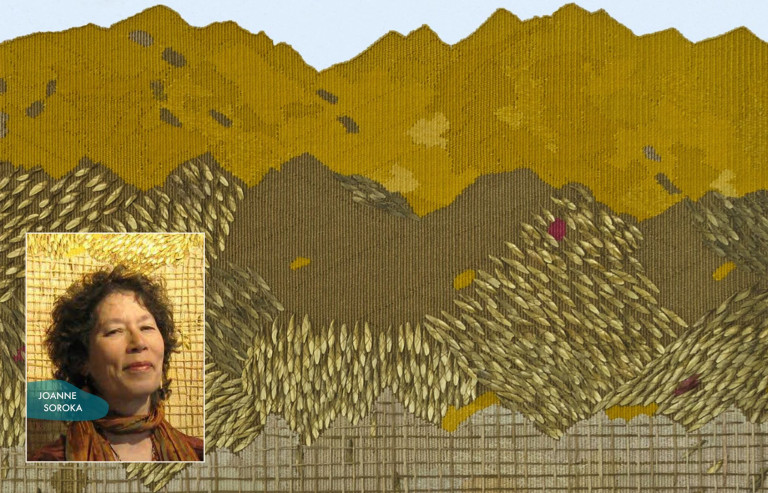
Rug & Kilim’s Tapestry Artists’ Series: In Dialogue with Joanne Soroka
There are artists who weave cloth and the ones who weave ideas. And then there are artists; rare, serious, working at a register that most practitioners of any medium never reach, who weave lives. Not their own lives, though those are present too, but the lives of people who left no other record: emigrants who crossed oceans under duress, ancestors who worked rivers in foreign countries, families scattered across continents by persecution and necessity and the simple human desire for somewhere better than where they were. Joanne Soroka weaves these lives. She gives them, as she has said herself, the meaning that history denied them. The loom, in her hands then, is an act of remembrance, slow, physical, irreversible, and as close to justice as textile art has ever come.
Read the Feature
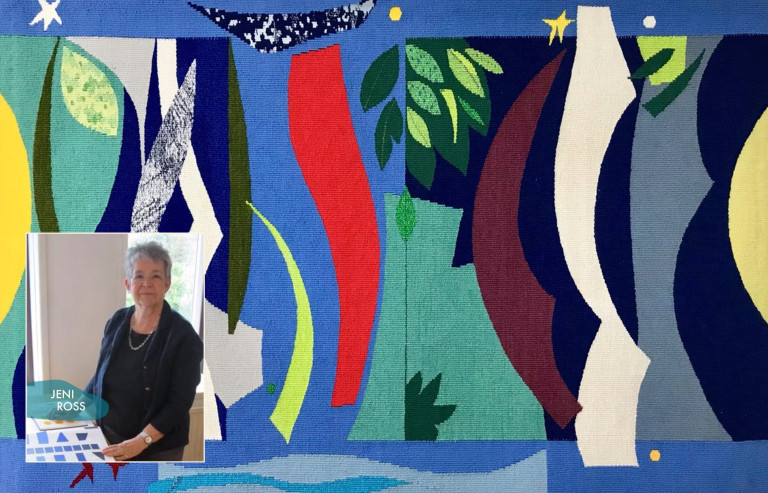
Rug & Kilim’s Tapestry Artists’ Series: In Dialogue with Jeni Ross
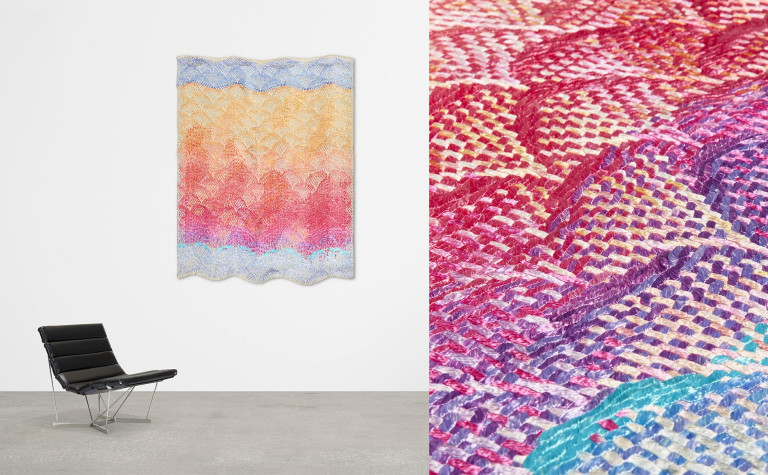
There is a moment, familiar to anyone who has stood inside a Jeni Ross installation, when the room stops being a room. Not because the work overwhelms the space in the manner of spectacle not because it shouts, but because it restructures. A Ross textile does not hang on a wall so much as claim it, establishing a gravitational field of color and material density that reorganizes everything around it with the quiet authority of a load-bearing element. You do not look at a Jeni Ross. You adjust to it. You find your position in relation to it. The room, in the most literal architectural sense, has acquired a new wall.
Read the Feature
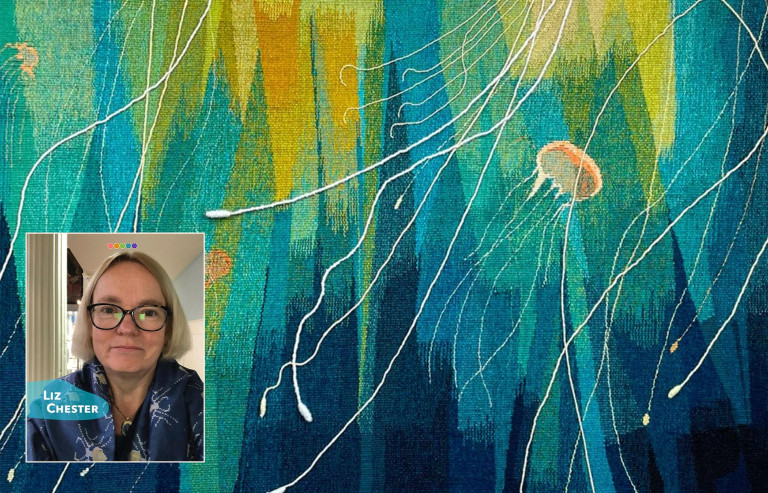
Rug & Kilim’s Tapestry Artists’ Series: In Dialogue with Elizabeth Chester
There is a particular kind of looking that a great tapestry demands, slower than painting, more physical than sculpture, closer to reading than to seeing. The eye must travel. It must follow the thread, understand the structure, and then, having understood it, surrender to the illusion that the structure has been designed to create. The greatest European tapestries have always operated this way: technically transparent to the scholar and visually overwhelming to everyone else simultaneously. It is the most demanding of the textile arts, and the one that rewards sustained attention most completely.
Read the Feature
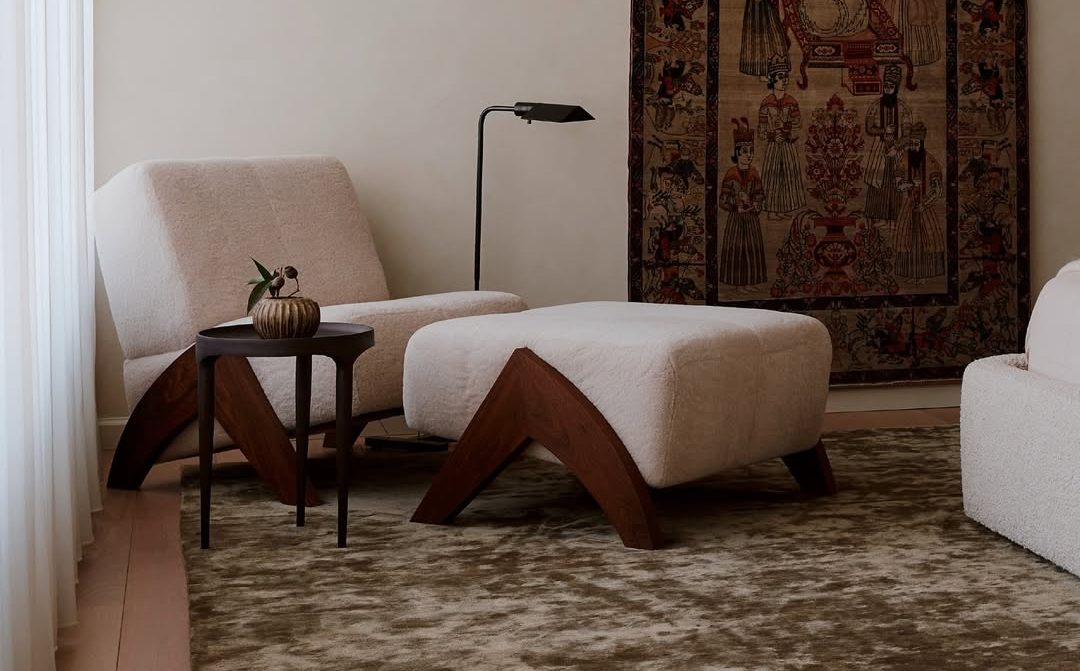
The Layered Home: 5 Ways to Rethink Floor Rugs and Wall Tapestries
The real spatial dimension does not get painted, it gets woven. Begin with hanging a piece such as Signed Vintage Lia Cook Tapestry slightly off-center on one of your main walls. Its intricate Jacquard weave and the friction created between its rayon and linen fibers will require a lot of breathing room, immediately establishing a gravitational pull of the whole room. But to balance this vertical tension, the ground beneath your feet needs to become much more rigorous. With the use of a rigorously beaten warp-faced plane such as cotton Indian Dhurrie or Antique Swedish Röllakan's interlocking tapestry weave, you create a flat but structurally resistant base. A ground made from a rigidly woven material needs to be challenged. The last textural transition will come from placing a Vintage Frazada Kilim with heavy weft interlace across your warp-faced plane. The act of overlapping your heavy weft on a rigorously
Read the Feature
What William Morris, Paul Poiret, and the Bauhaus Each Understood About the Rug and What French Art Deco Proved
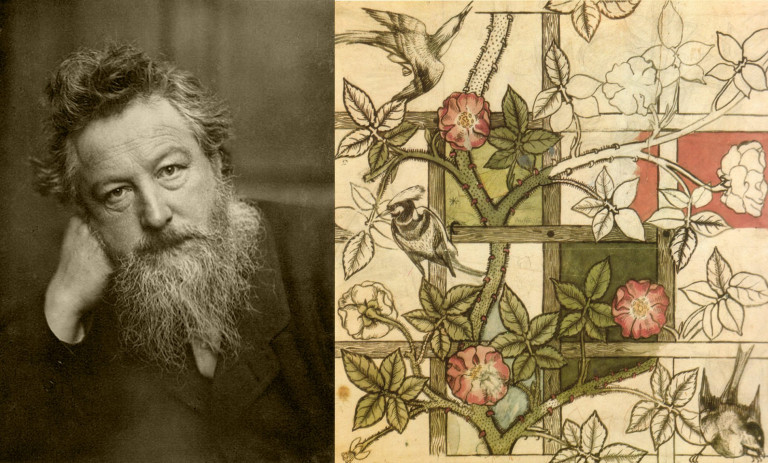
In the winter of 1883, William Morris stood before a room full of wool merchants, manufacturers, and assorted Victorian worthies in a lecture hall in Birmingham and said something that no one in that room was prepared to hear. The decorative arts, he told them, were not decorative at all. They were the most serious form of human making and their degradation under industrial production was not an aesthetic problem but a civilizational one. He had brought, as he often did, an Oriental carpet to make his point. Then he said, in effect: this is what we have lost the capacity to make, and until we recover it, we have no business calling ourselves a culture.
Read the Feature
Why are Vintage Rugs the Best Choices for Modern Spaces?
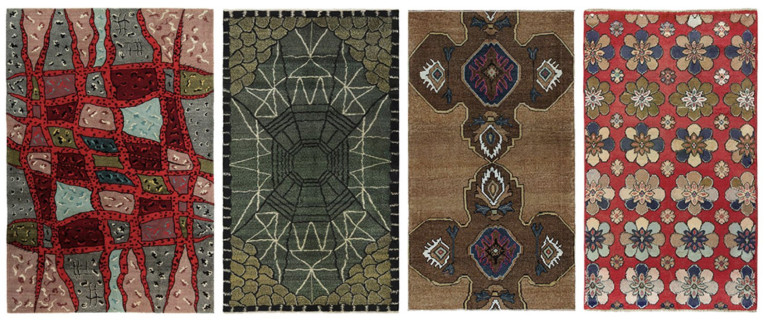
For centuries, the finest vintage rugs were reserved for the elite, gracing the palaces and religious edifices of nobility, kings, and rulers across regions like Persia, Anatolia, Central Asia, and India. Crafted with meticulous detail, these masterpieces received patronage from both Islamic and secular leaders, adorning opulent courts and becoming symbols of prestige and wealth. The modern world's fascination with Oriental rugs emerged in the 19th century, spurred by carpet exhibits in London and America. In 1877, Julius Lessing penned the first Western book on Oriental Carpets, solidifying their status as epitomes of high Islamic art. Today, Oriental rugs remain cherished collector's items, symbolizing luxury and elegance, with a permanent place in museum collections worldwide.
Read the Feature


Silk: Fibre, Fabric and Fashion
Lesley Ellis Miller.
$95
Available: Shipping as Soon as Tomorrow
Thames and Hudson, 2021
"Rug & Kilim is my go to resource for rugs. Their selection is wide and deep, and Josh’s eye for antique pieces is extraordinary. I always walk away with great pieces, and they are a pleasure to collaborate with. They’ve been my trusted partner on projects for years."
— Ann Wolf, Wolf Holden Design Studio
- Measurements: 0'9" x 0'11" ( 0.24 m x 0.29 m )
- Categories: Textile, Volumes
- Classification: Tapestry & Textile
- SKU: B110